Red Light Therapy After Liposuction: Speed Up Recovery

Comparing Weight Loss Methods

Procedure Invasiveness

Red Light Therapy (RLT) and liposuction differ greatly in invasiveness, fat removal process, and healing result. RLT is non-invasive. It uses low-level lasers to penetrate the skin. This stimulates fat cells to release their contents.

Liposuction, on the other hand, is a surgical procedure. It involves making incisions in the skin. A cannula then removes fat from targeted areas. This makes liposuction more invasive compared to RLT.

Fat Elimination Process

Both methods impact the body’s natural fat elimination process differently, whether through a liposuction procedure or conventional liposuction, depending on the choice to improve one’s physique. RLT helps in breaking down fats through light energy. The body then eliminates these fats naturally through metabolic processes, as explained during the liposuction procedure at the red light weight loss clinic.

Liposuction physically removes fat cells from the body. This can result in immediate and noticeable changes in body shape at the red light weight loss clinic where you can shop red light therapy devices. However, it doesn’t affect the body’s ability to store fat elsewhere with red light weight loss.

Recovery Times

Recovery times vary significantly between these two methods. RLT generally requires no downtime. Patients can resume normal activities immediately after a session.

Liposuction requires a longer recovery period. Patients often need several weeks to heal fully. Swelling and bruising are common during this time.

Potential Risks

Each method carries its own set of risks. RLT has minimal side effects. Some patients might experience temporary redness or mild discomfort.

Liposuction, being a surgical procedure, carries higher risks. These include infection, scarring, and complications from anesthesia. There is also a risk of subsequent weight gain if lifestyle changes are not maintained.

Long-term Effects

The long-term effects of both methods also differ. RLT promotes gradual and satisfying weight loss over time. It supports the body’s natural functions without drastic changes.

Liposuction offers immediate results but may lead to uneven fat distribution if weight gain occurs later. Maintaining results often requires significant lifestyle adjustments.

Exploring Red Light Therapy Benefits

Collagen Production

Red light therapy promotes collagen production. Collagen is a protein that keeps skin firm and elastic; shop red light therapy devices. After liposuction, the skin may appear loose. Red light therapy helps tighten the skin.

Red light therapy sessions use specific wavelengths. These wavelengths penetrate deep into the skin. This stimulates collagen production. Improved collagen levels lead to better skin texture and reduced wrinkles.

Skin Health Improvement

Red light therapy also improves overall skin health. It reduces inflammation and speeds up healing. This is crucial post-liposuction as the body needs to recover quickly; shop red light therapy devices.

Red light therapy treatment sessions can reduce bruising and swelling. This makes the recovery process smoother and more comfortable. Patients notice healthier-looking skin sooner.

Fat Reduction Aid

Red light therapy aids in natural fat reduction. Unlike surgery, it uses light to target fat cells. The body then naturally eliminates these cells.

This method is less invasive than traditional liposuction. It offers a gradual reduction of fat over time. Patients see consistent results without the need for surgery.

Versatility in Targeting Areas

Red light therapy is versatile in targeting specific areas. It can be used for body contouring and fat reduction in precise locations.

Patients can choose to focus on stubborn fat areas. Red light therapy technology allows for customization of treatment plans. This ensures that each session targets the desired areas effectively.

Convenience and Accessibility

Red light therapy is convenient and accessible. Many clinics offer red light therapy beds for easy sessions. Some even shop red light therapy devices for home use.

Patients can undergo treatment at their own pace. This flexibility makes it a popular choice for post-liposuction care and to shop red light therapy devices.

Red Light Therapy Safety Insights

Non-Invasive Nature

Red light therapy is non-invasive. It uses therapeutic light to penetrate the skin without surgery. This makes it a safer option compared to traditional surgical methods.

A red light therapy device emits low-level wavelengths of light. These wavelengths stimulate cellular processes in the body.

Unlike liposuction, there are no incisions. Patients avoid the risks associated with surgery, such as infections and scarring.

Minimal Side Effects

Red light therapy has minimal side effects. Most people experience no discomfort during or after sessions.

There is no downtime required. Patients can resume their daily activities immediately after treatment.

e may notice slight redness or warmth on the treated area. These symptoms usually resolve quickly.

Common Misconceptions

Many believe red light therapy can cause burns or skin damage. This is not true when using approved devices correctly.

The red light therapy panel is designed for safe use. It delivers controlled doses of light, ensuring safety.

Another misconception is that it exposes users to harmful UV rays when they shop red light therapy devices. Unlike tanning beds, red light therapy does not emit UV radiation.

Addressing Safety Concerns

Safety concerns often arise from improper use or unregulated devices. Always choose FDA-approved devices for treatment.

Consult a healthcare provider before starting any new therapy. They can provide guidance on proper usage and expected outcomes when you shop red light therapy devices.

Red Light Therapy vs Liposuction

Effectiveness

Red light therapy and liposuction are both used for fat reduction. However, their effectiveness differs.

Liposuction can remove large amounts of fat in one session. This cosmetic procedure is often chosen for quick results. The liposuction procedure involves suctioning out fat cells from specific areas.

Red light therapy, on the other hand, uses low-level lasers to target fat cells. It helps in shrinking these cells over time. This method is gradual and requires multiple sessions. Many people visit a red light weight loss clinic for this treatment.

Risk of Complications

Liposuction carries a higher risk of complications compared to red light therapy. There can be infections, bleeding, and even fat embolism. Fat embolism is when fat enters the bloodstream and blocks blood vessels. This is rare but serious.

Red light therapy has fewer risks. There are no incisions or anesthesia involved. This reduces the chance of infections significantly. People prefer it for its non-invasive nature.

Psychological Benefits

Psychological benefits also vary between the two methods. Liposuction can lead to immediate changes in body shape. This might cause some individuals to develop body dysmorphia. They may become overly focused on their appearance.
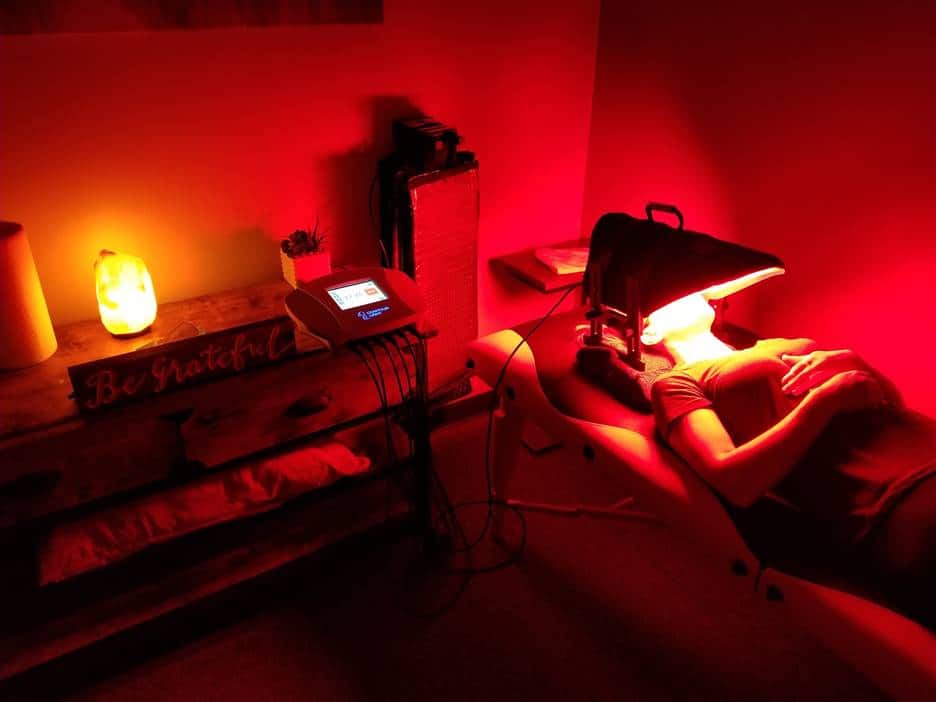
Red light therapy offers a more balanced approach. The gradual process allows individuals to adjust mentally and emotionally over time. This reduces the risk of developing body image issues.

Enhancing Recovery with Red Light

Accelerating Healing

Red light therapy can accelerate healing after liposuction. It reduces inflammation and swelling, which are common post-surgery issues. By minimizing these symptoms, patients experience less discomfort.

The therapy works by penetrating the skin layers. This stimulates cellular activity and increases blood flow. As a result, the body repairs itself more quickly. Studies have shown that red light therapy can reduce recovery time significantly.

Benefits of Integration

Integrating red light therapy into a post-liposuction plan offers several benefits. Patients can return to their daily activities faster. Reduced swelling means less downtime and quicker mobility.

Pain management becomes easier with this therapy. The reduced inflammation leads to less pain. Patients feel more comfortable during their recovery period.

Wellness technology like red light therapy also promotes better skin health. It helps in reducing scars and improves skin texture. This makes the overall outcome of the liposuction more satisfactory.

Frequency and Duration

For optimal results, follow specific guidelines for red light therapy sessions. Start with frequent sessions immediately after surgery.

  1. First Week: Daily sessions for 10-15 minutes.
  2. Second Week: Reduce to every other day.
  3. Third Week Onwards: Shop red light therapy devices two to three times a week until fully healed.

Consistency is key for effective recovery. Regular sessions ensure continuous stimulation of the healing process. Always consult with your healthcare provider before starting any new treatment or shop red light therapy devices.

Planning Your Recovery Strategy

Consult Professionals

Consult healthcare professionals before starting any recovery plan. Doctors can evaluate your specific needs post-surgery. They will assess how Red Light Therapy fits into your overall treatment.

A tailored approach ensures the best results. Each body reacts differently to surgical interventions. Professional advice minimizes risks and enhances recovery.

Schedule Therapy Sessions

Incorporate Red Light Therapy into your schedule. Consistent sessions are crucial for optimal benefits. Start with shorter sessions and gradually increase duration.

Follow guidelines provided by your therapist. Regular therapy accelerates healing and reduces inflammation after liposuction.

Monitor Progress

Track your progress throughout the recovery. Keep a journal of symptoms and improvements. This helps in adjusting the therapy as needed.

Regular check-ins with your doctor are essential. They can make necessary modifications to your recovery plan. Monitoring progress ensures you stay on track.

Lifestyle Adjustments

Make lifestyle changes to support recovery. Maintain a balanced diet rich in vitamins and minerals. Proper nutrition aids in faster healing.

Stay hydrated by drinking plenty of water daily. Hydration is vital for tissue repair and overall health.

Physical Activity

Introduce light physical activity into your routine. Gentle exercises like walking help improve circulation. Good blood flow is crucial for healing post-surgical treatment; shop red light therapy devices.

Avoid strenuous activities initially. Gradually increase intensity as advised by your healthcare provider.

Rest and Relaxation

Ensure adequate rest during recovery. Sleep is when the body heals the most. Aim for 7-9 hours of sleep each night.

Practice relaxation techniques like deep breathing or meditation. These methods reduce stress, which can hinder recovery.

Avoid Risk Factors

Identify and avoid potential risk factors that could impede recovery. Refrain from smoking, as it slows down healing processes.

Limit alcohol consumption, which can interfere with medication and hydration levels. Minimizing risks helps in achieving better outcomes.

Supportive Measures

Use supportive measures alongside Red Light Therapy. Wear compression garments as recommended to reduce swelling.

Consider lymphatic drainage massages if suggested by your doctor. These methods complement the therapy and enhance recovery results.

Achieving Optimal Results

Consistency Matters

Regular sessions of Red Light Therapy are crucial. They help in sustaining weight loss and body contouring benefits when you shop red light therapy devices. Missing sessions can slow down progress.

Consistency ensures better healing results. It reduces swelling and bruising. This leads to a more toned physique over time.

Complementary Practices

Maintaining a healthy diet is essential. Eating balanced meals supports the healing process. It also boosts overall skin health.

Regular exercise helps too. Light activities like walking can improve blood circulation. This aids in quicker recovery and enhances the therapy’s effects.

Patient Commitment

Commitment to the recovery plan is vital. Following the therapist’s advice speeds up healing. It also minimizes potential complications.

Adherence to scheduled sessions and guidelines leads to better aesthetic results. Patients who stick to their plans and shop red light therapy devices often see more satisfying outcomes.

Benefits of Red Light Therapy

Red Light Therapy offers many advantages. It promotes collagen production, improving skin elasticity. This is beneficial for individuals seeking a smoother skin texture post-liposuction and who shop red light therapy devices.

The therapy also reduces inflammation. This lessens pain and discomfort during recovery. Patients experience a more comfortable healing journey.

Potential Drawbacks

There are some drawbacks to consider. Not everyone may respond well to Red Light Therapy. Some individuals might need additional treatments or options.

Possible side effects include mild irritation or redness. These usually subside quickly but should be monitored.

Long-term Success

For long-term success, integrate Red Light Therapy into your routine. Pair it with healthy lifestyle choices for optimal results.

Summary

Red light therapy offers a promising, non-invasive option for enhancing recovery and optimizing results after liposuction. By understanding its benefits and safety insights, you can make informed decisions about incorporating it into your post-surgery plan and shop red light therapy devices.

Ready to achieve the best possible outcomes? Explore red light therapy as part of your recovery strategy. Embrace this innovative approach to boost your healing process, shop red light therapy devices, and maximize your results. Don’t wait—start planning your path to a smoother recovery today and shop red light therapy devices!

Frequently Asked Questions

What are the benefits of red light therapy after liposuction?

Red light therapy can reduce swelling and bruising. It speeds up healing by promoting cell regeneration. This helps you recover faster.

Is red light therapy safe post-liposuction?

Yes, it is generally safe. Red light therapy is non-invasive and has minimal side effects. Always consult your doctor first.

How does red light therapy compare to liposuction?

Liposuction removes fat instantly but requires recovery time. Red light therapy is gradual and non-invasive. It enhances skin appearance and promotes healing.

Can red light therapy enhance my recovery after liposuction?

Absolutely. It reduces inflammation and speeds up tissue repair. This leads to a smoother, quicker recovery process.

How should I plan my recovery strategy after liposuction?

Include red light therapy sessions in your plan. Follow your surgeon’s guidelines for rest and activity. Maintain a healthy diet for optimal results.

What should I expect during a red light therapy session?

Sessions are quick and painless, usually lasting 10-20 minutes; shop red light therapy devices. You will sit or lie down while the light targets specific areas.

How soon can I start red light therapy after liposuction?

Consult your surgeon, but typically you can start within a few days post-surgery to shop red light therapy devices. Early treatment can maximize benefits and speed up recovery.

Nose Fillers Gone Wrong: Recognizing and Fixing the Issues

Understanding Nose Filler Complications

Complications Defined

Nose filler complications are issues that arise after a cosmetic nasal dorsum injection procedure. These can include infections, allergic reactions, and asymmetry. Infections may occur if the area is not properly sterilized when performing filler injection. Allergic reactions happen due to the body’s response to the correction filler material. Asymmetry results when fillers are unevenly distributed.

Other complications include skin necrosis and vascular occlusion. Skin necrosis occurs when the skin tissue dies due to lack of blood flow, often related to hyaluronic acid filler injections or nose filler treatments. Vascular occlusion happens when a blood vessel is blocked by the filler material.

Causes of Complications

Complications often occur during nose filler treatment due to improper technique or poor-quality materials. Untrained providers may inject fillers incorrectly, leading to issues like asymmetry or vascular occlusion. Using non-medical grade fillers can also cause severe reactions.

Lack of hygiene during the procedure increases infection risk. Not following aftercare instructions can worsen complications. Patients must understand these risks before undergoing a nose filler procedure.

Importance of Certified Providers

Choosing a certified medical provider is crucial for minimizing risks. Certified providers have training in facial anatomy and injection techniques. They use high-quality, medical-grade fillers.

Certified providers follow strict hygiene protocols. This reduces the risk of infections and other complications. They also offer better aftercare advice, which helps prevent issues post-procedure.

Role of Aftercare

Aftercare plays a significant role in preventing complications. Patients should follow their provider’s instructions closely. This includes keeping the treated area clean and avoiding strenuous activities.

Cold compresses can reduce swelling and bruising. Avoiding alcohol and smoking aids in faster healing. Patients should report any unusual symptoms to their provider immediately.

Proper aftercare ensures better results and minimizes risks. It helps maintain the appearance achieved through the procedure.

Identifying Signs of Filler Failures

Swelling and Bruising

Swelling and bruising can be immediate signs of filler failure. After a nose filler procedure, some swelling is normal. However, excessive swelling might indicate an issue. Bruising that spreads or worsens over time could also be a red flag.

Persistent swelling lasting more than a week is unusual. Patients should consult their doctor if they notice this. Similarly, if bruising doesn’t fade within a few days, it might suggest complications.

Unnatural Results

Unnatural-looking results often indicate improper filler placement. If the nose appears lumpy or uneven, the filler may not have been injected correctly. This can happen when the filler isn’t distributed evenly under the skin.

Asymmetry in the nose can be another sign of failure. If one side looks different from the other, it suggests that the filler wasn’t placed symmetrically. This could result from poor technique or incorrect filler amounts.

Serious Complications

e signs point to more serious complications. Vision problems can occur if the filler blocks blood vessels near the eyes. Patients might experience blurred vision or even blindness in severe cases.

Tissue death, or necrosis, is another critical issue. This happens when blood flow to an area is blocked by the filler. Symptoms include severe pain, skin discoloration, and sores on the nose.

Immediate Actions

Patients should take immediate action if they notice any of these signs. Contacting a healthcare professional promptly can prevent further damage. In some cases, doctors can dissolve the filler using an enzyme called hyaluronidase.

Common Causes Behind Filler Mishaps

Inexperienced Providers

Many filler mishaps occur because of inexperienced providers. These providers may lack the necessary skills and knowledge. They might not understand facial anatomy well enough.

In 2020, a study showed that untrained practitioners are more likely to cause complications. Patients often choose cheaper options, leading them to these less qualified individuals. This can result in uneven filler distribution or even nerve damage.

Incorrect Filler Type

Using the wrong type of filler can lead to problems. Dermal fillers vary in their composition and purpose. Some are better for deep wrinkles, while others suit fine lines.

If a provider uses a filler meant for deep tissue in a shallow area, it can cause lumps or bumps. This is why understanding the properties of each dermal filler is crucial. For instance, using hyaluronic acid-based fillers inappropriately can lead to swelling and bruising.

Incorrect Volume

The amount of filler used also matters greatly. Too much filler can stretch the skin excessively. This may lead to an unnatural appearance.

On the other hand, too little filler won’t achieve the desired effect. Both scenarios can leave patients dissatisfied and seeking corrective procedures. Precise measurement is key to avoiding these issues.

Patient’s Skin Condition

A patient’s skin condition plays a significant role. Those with thin or damaged skin are at higher risk. Older patients often have thinner skin, making them more susceptible to complications.

People with underlying skin conditions like eczema or psoriasis need special care. Using fillers on compromised skin can worsen these conditions.

Overall Health

A patient’s general health also affects the outcome of filler treatments. Conditions like diabetes or autoimmune diseases increase risks. These health issues can slow down healing and make infections more likely.

Smokers may also experience more complications due to poor blood circulation. It’s important for providers to assess overall health before proceeding with any treatment.

Addressing Asymmetry and Over-Filling

Correcting Asymmetry

Asymmetry can occur when fillers are not evenly distributed. This might result in an uneven appearance. Strategic filler redistribution is one solution. A skilled practitioner can inject more filler into the under-filled side. This helps balance the overall look.

Another option is to dissolve some of the filler from the overfilled side. Hyaluronidase is an enzyme that breaks down hyaluronic acid fillers. This process can be done gradually to achieve symmetry.

Techniques for Over-Filling

Over-filling can make the nose look unnatural. Reducing filler volume is essential in such cases. The same enzyme, hyaluronidase, can help here too. It allows for precise reduction without affecting other areas.

In some cases, a combination of dissolving and re-injecting may be necessary. This ensures a natural and balanced appearance. A tailored approach based on individual needs is crucial.

Importance of Tailored Approach

Every face is unique. What works for one person may not work for another. A tailored approach considers the entire facial structure. This includes the chin and jawline, which play a role in overall aesthetics.

Consultation with an experienced practitioner is vital. They can assess asymmetrical results and recommend appropriate solutions. Many people find that personalized treatment plans yield better outcomes.

Real-Life Examples

Jane had her nose filled but ended up with one side larger than the other. Her doctor used hyaluronidase to dissolve some filler from the larger side. Then, more filler was added to the smaller side. Jane’s nose became symmetrical again.

Tom experienced over-filling in his nose, making it look bulky. His practitioner dissolved a portion of the filler gradually. Tom’s nose returned to a more natural shape without compromising his overall look.

Managing Necrosis and Vascular Occlusion

Filler Necrosis

Filler necrosis happens when the skin tissue dies due to lack of blood supply. It is a severe complication of nose fillers. Immediate treatment is crucial to prevent permanent damage. Symptoms include pain, discoloration, and swelling. The affected area may turn white or dark.

Doctors need to act fast. They usually dissolve the filler with hyaluronidase. This enzyme breaks down the filler material quickly. Early intervention can save the tissue from dying.

Signs of Vascular Occlusion

Vascular occlusion occurs when a blood vessel gets blocked by the filler. This blockage stops blood flow, leading to tissue death. Common signs are severe pain, color changes in the skin, and coldness in the area. If these symptoms appear, it’s an emergency.

Patients should contact their doctor immediately. Time is critical in these situations. Quick action can prevent serious complications like tissue death and scarring.

Immediate Steps

If vascular occlusion is suspected, follow these steps:

  1. Stop injecting fillers right away.
  2. Massage the area gently to disperse the filler.
  3. Apply warm compresses to increase blood flow.
  4. Inject hyaluronidase to dissolve the filler.

These steps can help restore blood flow and reduce damage.

Role of Medical Intervention

Prompt medical intervention is vital in managing necrosis and vascular occlusion. Doctors use several techniques to treat these issues effectively. Hyaluronidase injections are common for dissolving fillers causing blockages.

In some cases, doctors may use medications that improve blood flow. Anticoagulants can help dissolve clots in the artery or vein. Hyperbaric oxygen therapy might also be used to enhance oxygen supply to the affected tissues.

Early diagnosis and treatment improve outcomes significantly. Patients should seek immediate medical attention if they notice any unusual symptoms after getting nose fillers.

Emotional Impact

Experiencing complications like necrosis or vascular occlusion can be emotionally distressing. Patients often feel anxious and scared about potential permanent damage. Support from healthcare providers and loved ones is essential during this time.

Correcting Vision Problems and Scarring

Vision Problems

Vision problems can be a serious side effect of nose fillers. Blindness is rare but can occur if the filler blocks blood vessels that supply the eyes. This blockage can lead to vision loss in one or both eyes. Immediate medical attention is crucial if any visual changes are noticed after the procedure.

Symptoms to Watch

Symptoms of vision problems include sudden loss of vision, blurred vision, and pain around the eyes. People may also experience double vision or see dark spots. These symptoms should not be ignored. Quick action can prevent permanent damage.

Medical Treatment

Doctors use various methods to treat vision problems caused by fillers. One common treatment involves injecting an enzyme called hyaluronidase to dissolve the filler. This can help restore blood flow to the affected areas. In more severe cases, surgical intervention might be necessary.

Scarring Issues

Scarring is another potential issue with nose fillers. It can affect the appearance of facial features and skin texture. Scars may form due to improper injection techniques or reactions to the filler material.

Laser Treatments

Laser treatments are often used to reduce scarring. Lasers can stimulate collagen production and improve skin texture. They work by removing the top layers of damaged skin, allowing new skin to grow.

Surgical Options

Surgical options are available for more severe scars. Procedures like scar revision surgery can help improve the appearance of deep or raised scars. Surgery usually involves removing the scar tissue and repositioning it to make it less noticeable.

Importance of Immediate Care

Seeking immediate medical attention for any complications is vital. Delaying treatment can lead to more severe issues and long-term damage. If symptoms appear, contact a healthcare provider right away.

Emotional Impact

The emotional impact of these complications can be significant. Changes in appearance and vision problems can affect a person’s self-esteem and quality of life. Support from friends, family, and mental health professionals can be beneficial during recovery.

Solutions for Botched Nose Fillers

Hyaluronidase Use

Hyaluronidase is a powerful enzyme. It dissolves unwanted hyaluronic acid fillers. This is especially useful for unsatisfactory nose filler results. The enzyme breaks down the filler, allowing the body to absorb it. This process usually takes a few hours.

Patients can see improvement quickly. The nose returns to its original shape. This solution works well for most people. Always consult with a qualified provider before undergoing this treatment.

Additional Filler Injections

etimes, adding more filler can correct poor outcomes. Strategic injections can balance the previous filler. This method reshapes the nose to a more desirable look.

The provider injects small amounts of filler in specific areas. This helps in achieving symmetry and correcting imperfections. It’s essential to use a skilled provider for this procedure.

Experienced Provider Importance

Choosing an experienced dermal filler provider is crucial. They have the expertise to correct botched fillers effectively. An experienced provider knows how to use hyaluronidase properly.

They also understand where to place additional fillers for the best results. Consulting with a highly trained professional reduces the risk of further complications. Patients should research and select providers with excellent reviews and credentials.

Patient Stories

Many patients have shared their experiences online. Some had bad lip filler or unsatisfactory chin fillers corrected successfully. Their stories highlight the importance of seeking help from experts.

One patient had a poorly done nasal dorsum injection corrected by an experienced provider using hyaluronidase and additional fillers. Another patient fixed undereye fillers with strategic injections and was very satisfied with the outcome.

Prevention Tips

Preventing botched fillers starts with choosing the right provider. Look for certifications and experience in facial fillers. Discuss your expectations clearly during consultations.

Ask about the types of fillers used and potential risks involved. Understanding these factors helps in making informed decisions.

Preventing Future Filler Complications

Research Thoroughly

Always research before getting filler injections. Look for certified medical providers. Check their credentials and reviews. Ensure they have experience with filler augmentation.

Talk to friends or family who have had successful procedures. Ask about their experiences. Learn from their mistakes and successes.

Consult Certified Providers

Consultation is key. Schedule a meeting with a certified provider. Discuss your goals and concerns. Bring up any past reactions to fillers or other substances.

Ask about the different types of available fillers. Know the difference between permanent fillers and temporary ones. Understand which one suits your needs best.

Discuss Potential Risks

Have an open discussion about potential risks. Ask about filler injection vascular compromise and how to avoid it. Know the signs of complications like redness, swelling, or unusual pain.

Learn how to recognize early symptoms of unwanted filler side effects. Early detection can prevent severe issues. Make sure the provider explains what to do if complications arise.

Adhere to Aftercare Instructions

Follow aftercare instructions strictly. These instructions help minimize risks. They often include avoiding certain activities and medications.

Keep the treated area clean and avoid touching it unnecessarily. This reduces the risk of infection and other complications.

Regular Follow-ups

Schedule regular follow-ups with your provider. These appointments help monitor the results and catch any issues early. Regular check-ins ensure that the filler is settling properly.

Discuss any concerns during these visits. If something feels off, don’t hesitate to mention it.

Choose Absorbable Fillers

Consider using absorbable fillers instead of permanent ones. Absorbable fillers are safer in many cases because they break down over time. They reduce the risk of long-term complications.

Ask your provider if absorbable fillers are right for you. They can offer guidance based on your specific needs.

Avoid DIY Kits

Never use DIY filler kits. These kits are dangerous and can lead to severe complications. Always seek professional help for filler injections.

DIY kits lack the precision and safety measures of professional treatments. They increase the risk of infections, vascular compromise, and poor results.

Recognize Contraindications

Understand potential filler contraindications before proceeding with treatment. Some medical conditions or medications may make filler use unsafe for you.

Discuss your full medical history with your provider. Ensure they know about any allergies or ongoing treatments you are undergoing.

Closing Thoughts

Navigating the world of nose fillers can be tricky. Complications like asymmetry, necrosis, and scarring are real risks. But with the right knowledge and proactive steps, you can avoid these pitfalls. Always consult a qualified professional and keep an eye out for early signs of trouble.

If you’re dealing with botched fillers, don’t panic. Solutions exist to correct these issues. Prioritize your health and seek expert advice immediately. Stay informed, stay safe, and make educated decisions. Ready to dive deeper? Explore our resources for more tips on achieving flawless results.

Frequently Asked Questions

What are common signs of nose filler complications?

Redness, swelling, and bruising are common. Severe pain, asymmetry, or skin discoloration may indicate serious issues.

How can I identify if my nose filler has gone wrong?

Look for prolonged swelling, lumps, or changes in skin color. If you experience vision problems or severe pain, seek medical help immediately.

What causes nose fillers to go wrong?

Incorrect injection technique, poor product quality, or allergic reactions can cause complications. Always choose a qualified professional.

Can over-filling be corrected?

Yes, over-filling can often be corrected with hyaluronidase injections. This enzyme dissolves the excess filler safely.

How is necrosis from fillers managed?

Necrosis requires immediate medical attention. Treatments include hyaluronidase, antibiotics, and hyperbaric oxygen therapy to restore blood flow.

Are vision problems from fillers permanent?

Vision issues need urgent care. Prompt treatment with hyaluronidase and other interventions can prevent permanent damage.

How can I prevent future filler complications?

Choose an experienced injector, use high-quality products, and follow post-procedure care instructions closely. Regular follow-ups help catch issues early.

Eyelid Surgery Covered by Insurance: How to Get Approval

Understanding Eyelid Surgery Coverage

Defining Eyelid Surgery

Eyelid surgery, or blepharoplasty, involves removing excess skin, muscle, and fat around the eyes for cosmetic reasons and sagging. This procedure can be cosmetic or medically necessary. Cosmetic eyelid surgery improves appearance by reducing wrinkles or puffiness in some cases. Medically necessary eyelid surgery corrects vision problems caused by droopy eyelids, notes cosmetic reasons.

Cosmetic vs. Medically Necessary

Cosmetic eyelid surgery is elective. It aims to enhance facial aesthetics. Insurance rarely covers these procedures. Patients usually pay out-of-pocket for cosmetic surgeries.

Medically necessary eyelid surgery addresses functional issues. Drooping eyelids may impair vision, causing safety concerns. Insurance often covers these surgeries if they meet specific criteria, which is often a question for the academy. For example, vision tests must show significant obstruction.

Importance of Coverage

Insurance coverage for medically necessary eyelid surgery is crucial. Without it, patients may face high costs. Coverage ensures that those in need receive timely care without financial burden, raising the question of its impact on the academy and lifting the lid on hidden costs.

Variations in Coverage

Coverage varies by insurance plan. Some plans cover the full cost of medically necessary procedures without question. Others may only cover a portion, leading to out-of-pocket expenses for patients in question.

Factors affecting coverage include:

  • The type of insurance plan
  • Specific policy terms
  • Documentation provided by healthcare providers

Potential Out-of-Pocket Expenses

Even with insurance, out-of-pocket expenses can arise. These may include copayments, deductibles, and coinsurance. Patients should review their policies carefully to question and understand potential costs.

Criteria for Insurance Coverage

Medically Necessary Conditions

Insurance companies often cover eyelid surgery if it’s medically necessary. One common condition is impaired vision due to excess upper eyelid skin. This can cause difficulty in seeing, which affects daily activities like driving or reading. Another condition is eyelid ptosis, where the upper eyelid droops over the eye. This can also impair vision and may need surgical correction.

Required Documentation

To prove medical necessity, documentation is essential. Doctors usually conduct visual field tests. These tests measure the scope of vision and identify any obstructions caused by the eyelids. Patients may also need photographs showing the eyelids’ position relative to the eyes. A comprehensive medical history is often required too.

Types of Eyelid Surgeries

Several types of eyelid surgeries might be covered by insurance:

  • Blepharoplasty: This surgery removes excess skin and fat from the upper or lower eyelids. It’s often done to improve vision issues.
  • Eyelid Ptosis Repair: This procedure corrects drooping eyelids that block vision. It involves tightening the muscles that lift the eyelids.

Both surgeries aim to improve function rather than just appearance. Therefore, they are more likely to receive insurance coverage.

Insurance Approval Process

The approval process involves several steps. First, a patient consults with a specialist who diagnoses the issue. Next, various tests and photos are taken as evidence. The doctor then submits this documentation to the insurance provider. The insurer reviews it to determine if the surgery meets their criteria for medical necessity.

Common Insurer Requirements

Different insurers have different requirements for coverage. However, some common criteria include:

  • Documented vision impairment
  • Failed non-surgical treatments
  • Detailed medical records
  • Photographs showing the problem

Meeting these requirements increases the chances of getting insurance approval.

Steps to Qualify for Coverage

Consult Insurance

First, consult with your insurance carrier. Verify if your plan covers eyelid surgery. Ask about the specific requirements and necessary documentation.

Insurance companies often have strict guidelines. They may need proof that the surgery is medically necessary. This can include evidence of vision impairment.

Standardized Photos

During your consultation, take standardized photos. These photos should clearly show the eyelid issues. Photos must be taken from different angles.

Ensure the images are clear and well-lit. Insurance companies use these photos to assess the severity of the condition.

Visual Field Test

Undergo a visual field test during your consultation. This test measures how much of your field of vision is obstructed by your eyelids.

A technician will guide you through this test. You will look into a machine and respond to light stimuli. Results will show any significant vision impairment.

Submit Documentation

Submit all required documentation to your insurance company. This includes:

  • Standardized photos
  • Results from the visual field test
  • A detailed report from your doctor

Ensure all documents are complete and accurate. Incomplete submissions can delay approval.

Approval Process

The insurance company will review the submitted documents. They determine if the surgery is medically necessary based on their criteria.

Approval times can vary. It may take several weeks to receive a response. Stay in contact with your insurance carrier for updates.

Scheduling Your Consultation

Qualified Surgeon

Choose a qualified surgeon for your eyelid surgery. The American Academy of Ophthalmology recommends surgeons with experience in procedures often covered by insurance. Look for board certification and a strong track record.

Ask for referrals from your primary care doctor or friends who had similar surgeries. Check online reviews and patient testimonials.

Preparing Questions

Prepare questions before your consultation. Ask about the surgery’s impact on vision and insurance coverage. This helps you understand what to expect.

Questions to consider include:

  • How will the surgery affect my vision?
  • Will my insurance cover the procedure?
  • What are the potential risks and complications?

Write down these questions. Bring them to your appointment.

Personal Health Information

Gather all necessary personal health information before your consultation. This includes medical history, current medications, and any previous surgeries.

Your surgeon needs this information to assess your suitability for eyelid surgery. Accurate details help in planning the procedure.

Insurance Details

Bring your insurance details to the consultation. This includes your insurance card and any relevant documents. Knowing your coverage can ease the process.

Discussing insurance early helps avoid surprises. Confirm if pre-authorization is needed for the surgery.

Office Visit

During your office visit, discuss all aspects of the surgery. The surgeon will examine your eyelids and may take photographs. They will explain the procedure, recovery time, and any restrictions on activities.

Addressing Common Concerns

Cosmetic vs. Medical

Many patients have questions about whether their eyelid surgery is considered cosmetic or medically necessary. Cosmetic reasons for eyelid surgery include enhancing appearance or achieving a youthful look. Medically necessary procedures address vision problems caused by drooping eyelids.

Doctors determine the necessity based on specific criteria. For example, if drooping eyelids obstruct your vision, it is likely deemed medically necessary. Insurance companies often require documentation, such as photographs and vision tests, to approve coverage.

Insurance Denials

Insurance denials are a common concern. Patients may worry about their claims being rejected even if the surgery is medically necessary. Understanding the reasons for denial can help you prepare better.

Common reasons include insufficient documentation or not meeting specific criteria set by the insurance provider. If your claim is denied, you have the right to appeal. Start by requesting a detailed explanation from your insurer.

Appeal Process

The appeal process involves several steps:

  1. Review the denial letter and understand the reasons.
  2. Gather additional information or evidence supporting your case.
  3. Submit an appeal letter along with the new documentation.
  4. Follow up with the insurance company regularly.

It’s essential to keep all records organized and maintain communication with your healthcare provider during this process.

Surgery Effectiveness

Patients often worry about the effectiveness of eyelid surgery. Questions about whether the procedure will solve their issues are common. Success rates for medically necessary eyelid surgeries are high when performed by qualified surgeons.

Most patients experience significant improvements in vision and appearance. However, individual results may vary based on factors like age, skin condition, and overall health.

Recovery Time

Recovery time is another frequent concern. Post-surgery recovery varies from person to person but generally follows a predictable timeline.

  • Initial swelling and bruising subside within one to two weeks.
  • Most people return to normal activities after two weeks.
  • Full recovery, including complete healing and final results, may take several months.

Following your surgeon’s post-operative care instructions is crucial for a smooth recovery.

Navigating Insurance Policies

Reading Policy

Reviewing your insurance policy is crucial. Insurance companies often have specific guidelines for coverage. Look for terms like “medically necessary.” This indicates if the surgery could be covered.

Check your policy’s exclusions. Some policies do not cover cosmetic procedures. Eyelid surgery may fall into this category unless medically necessary.

Direct Communication

Call your insurance provider directly. Speak to a representative about your coverage. Ask clear questions about eyelid surgery coverage.

Take detailed notes during the call. Write down the representative’s name, date, and key points discussed. This can help if disputes arise later.

Healthcare Advocate

Consider consulting a healthcare advocate. These professionals understand insurance policies well. They can explain complex terms and conditions.

An advocate can also help you appeal denied claims. They know the process and can guide you step-by-step.

Specialist Consultation

If still unclear, consult an insurance specialist. They can provide expert advice on your policy. Specialists often have insider knowledge of various insurance companies.

They can also help negotiate with your provider. This might increase the chances of getting coverage for your eyelid surgery.

Documentation

Gather all necessary documentation. This includes medical records and doctor’s notes. Submit these to your insurance company when requesting coverage.

Ensure all documents clearly state the medical necessity of the surgery. This strengthens your case for coverage.

Persistence is Key

Be persistent in following up with your insurance company. Sometimes multiple calls are needed to get a clear answer.

Keep copies of all correspondence. This includes emails and letters from your insurance provider. Having a paper trail can be very useful in disputes.

Preparing for Eyelid Surgery

Pre-Surgery Instructions

Following pre-surgery instructions is crucial. These guidelines help ensure insurance coverage eligibility. Doctors often provide specific directions. These may include avoiding certain medications or fasting before surgery.

Patients should follow these instructions carefully. Compliance can prevent complications. It also shows the insurance company that you are taking the procedure seriously.

Health Evaluation

A comprehensive health evaluation is necessary. This step identifies any conditions that might affect surgery or recovery. Your doctor will check your overall health. They may perform tests on your eyes and upper eyelids.

Health evaluations help ensure a safe surgery. They can uncover hidden issues, like high blood pressure or diabetes, which could complicate recovery. Insurance companies may require proof of this evaluation.

Post-Surgery Care

Arranging post-surgery care is important. The recovery period impacts daily activities. Patients often experience swelling and bruising around the eye and lid area.

Plan for someone to drive you home after surgery. You might need assistance with household tasks for a few days. Having support makes the recovery smoother and less stressful.

Transportation

Transportation arrangements are vital. After eyelid surgery, vision might be temporarily impaired. The pupil can be sensitive to light, making driving unsafe.

Organize a ride home in advance. Consider asking a friend or family member for help. Some patients use ride-sharing services as an alternative.

Aftercare and Insurance Claims

Aftercare Steps

Proper aftercare is crucial for a successful recovery. Patients should follow their surgeon’s instructions closely. This often includes:

  • Keeping the head elevated to reduce swelling.
  • Applying cold compresses to minimize bruising.
  • Using prescribed eye drops or ointments to prevent infection.

Regular follow-up appointments are necessary. These help monitor healing and detect any complications early.

Monitoring for Complications

Complications can arise after eyelid surgery. It’s important to watch for signs such as:

  • Excessive swelling or bruising.
  • Severe pain that doesn’t improve with medication.
  • Vision changes or loss.

If any of these occur, contact the surgeon immediately. Early intervention can prevent more serious issues.

Insurance Claims Process

Submitting insurance claims for eyelid surgery involves several steps. First, obtain pre-authorization from your insurance company. This confirms that they will cover the procedure if it’s medically necessary.

Next, gather all required documentation. This typically includes:

  • A detailed letter from the surgeon explaining the medical necessity.
  • Medical records showing the condition being treated.
  • Photographs documenting the issue.

Submit these documents along with the claim form. Keep copies of everything for your records.

Documentation and Timelines

Timing is critical when submitting claims. Most insurance companies have specific deadlines. Submit your claim promptly to avoid delays or denials.

Detailed records are essential. Document every interaction with the insurance company. Include dates, times, and names of representatives spoken to. This can be helpful if there are disputes later on.

Handling Disputes

Disputes may arise during the claims process. If your claim is denied, don’t panic. Review the denial letter carefully. It should explain why the claim was rejected and what steps you can take next.

File an appeal if you believe the denial was incorrect. Provide additional documentation if needed. Be persistent and follow up regularly.

Summary

You now have a clear understanding of eyelid surgery insurance coverage, from eligibility criteria to post-surgery claims. By following the outlined steps, you can navigate the complexities of insurance policies with confidence.

Ready to take the next step? Schedule your consultation today and ensure your procedure is covered. Don’t let insurance hurdles stand in your way. Reach out to a qualified professional and start your journey towards better vision and confidence.

Frequently Asked Questions

Is eyelid surgery covered by insurance?

Eyelid surgery can be covered by insurance if it’s deemed medically necessary. This often includes cases where vision is impaired due to drooping eyelids.

What criteria must be met for insurance to cover eyelid surgery?

Insurance typically requires proof that the surgery is necessary for medical reasons, such as vision obstruction or chronic discomfort.

How do I qualify for insurance coverage for eyelid surgery?

To qualify, you need a documented medical evaluation showing that your eyelid condition affects your vision or causes other health issues.

What should I bring to my consultation for eyelid surgery?

Bring your medical records, a list of symptoms, and any documentation from previous eye exams. This helps in assessing your eligibility for insurance coverage.

What common concerns do patients have about eyelid surgery and insurance?

Patients often worry about the cost and whether their insurance will cover it. It’s important to check with your insurer and get pre-authorization if possible.

How do I navigate my insurance policy for eyelid surgery?

Carefully review your policy’s terms on surgical procedures. Contact your insurer directly to understand what documentation is needed for coverage.

What aftercare steps are covered by insurance post-eyelid surgery?

Insurance may cover follow-up visits and necessary medications prescribed by your surgeon. Always verify with your provider beforehand.

Tummy Tuck Scars: Appearance, Location & Treatment Options

Understanding Tummy Tuck Scars

What Are Tummy Tuck Scars

Tummy tuck scars are a result of traditional abdominoplasty, full abdominoplasty, and mini tucks. This procedure involves removing excess skin and fat from the abdomen in tummy tuck surgery procedures. Surgeons make incisions, which lead to scarring.

Why Scars Occur

Scars occur because of the necessary incisions made during the tummy tuck procedure and dressings. These incisions allow surgeons to remove unwanted skin and fat during a specific tummy tuck procedure. The body heals by forming scar tissue at these incision sites.

Setting Realistic Expectations

It’s important for tummy tuck patients to set realistic expectations about scarring. Most tummy tucks will leave visible scars. Knowing this helps patients prepare mentally and emotionally.

Variability in Scar Appearance

Scar appearance varies among individuals. Factors like skin type, age, and genetics play a role. Some people may have more noticeable scars than others.

Healing Process

The healing process also affects scar appearance. Proper care can improve healing. Patients should follow their surgeon’s aftercare instructions carefully.

Types of Incisions

There are different types of tummy tuck incisions. A full tummy tuck usually involves a horizontal incision across the lower abdomen. A mini tummy tuck incision is smaller and less invasive.

Scar Placement

Surgeons aim to place scars where they are less noticeable. Typically, scars are placed below the bikini line. This allows patients to conceal them with clothing.

Long-Term Scar Management

Long-term scar management is crucial for better results. Using silicone sheets or gels can help reduce scar visibility over time.

Scar Locations

Traditional Incision

The traditional tummy tuck scar runs from hip to hip. It sits just above the pubic area. This scar is usually hidden by underwear or swimwear. The length depends on the amount of skin removed.

Mini Tummy Tuck

A mini tummy tuck has a smaller scar. It is also located in the lower abdomen. The incision is shorter than the traditional one. This option suits those with less excess skin.

Extended Tummy Tuck

An extended tummy tuck features a longer scar. It extends beyond the hips. The scar wraps around the lower back. This procedure targets more areas, including the flanks.

Fleur de Lis Tummy Tuck

A fleur de lis tummy tuck creates a vertical scar. The vertical scar runs up the center of the abdomen. There is also a horizontal scar like in traditional tucks. This method addresses significant weight loss cases.

Circumferential Tummy Tuck

A circumferential tummy tuck leaves a scar around the entire torso. The incision runs 360 degrees around the body. This extensive procedure removes skin from multiple areas. It is often used after major weight loss.

T-Scar Technique

The T-scar technique combines both vertical and horizontal scars. The scars form a “T” shape on the lower abdomen. It helps refine the waistline and remove excess skin effectively.

Scar Appearance

Initial Look

Tummy tuck scars are noticeable right after surgery. They appear red and slightly raised. The skin around the scar may feel tight.

Evolution Over Time

Over months, the scar changes. It usually becomes flatter and lighter. This process can take up to a year or more.

Common Characteristics

Tummy tuck scars often start as dark red or purple. They gradually fade to pink and then to a lighter color. The texture also changes from raised to flat.

Factors Influencing Appearance

Skin type affects scar appearance. Darker skin may have more noticeable scars. Surgical techniques also play a role. Proper suture placement can lead to better results.

Scar Treatment Options

Several treatments can improve scar appearance:

  • Silicone gel sheets
  • Pressure garments
  • Scar revision surgery

These options help flatten and lighten scars over time.

Importance of Scar Management Regime

A good scar management regime is crucial. It includes keeping the wound clean and using prescribed ointments. Taping the scar can also help.

Role of Circulation

Good blood circulation aids healing. Light massage around the scar area can improve circulation.

Long-Term Results

With proper care, tummy tuck scars become less noticeable over time. However, some scarring will always remain.

Scar Evolution

Initial Stage

The first stage of scar progression occurs right after surgery. The scar appears red or deep purple. This is due to inflammation and increased blood flow to the area.

During the first few weeks, the body starts its natural healing process. Collagen fibers form to close the wound.

First 12 Months

The first 12 months are crucial for scar healing. The scar may look raised and firm. This is normal as collagen continues to build up.

Over time, the color of the scar will change. It usually transitions from deep purple to a lighter shade. Patience is key during this period.

Maturation Phase

Between 18 months to 2 years, the scar enters the maturation phase. The raised appearance starts to flatten. The color fades to a lighter shade, often white.

This phase marks significant changes in the scar’s appearance. However, full maturation can take up to two years.

Scar Revision Techniques

Scar revision techniques can help improve the appearance of scars. Laser therapy and silicone sheets are common options.

These methods are best applied after the initial healing phase. Consult a doctor for personalized advice.

Avoid Early Judgement

It’s important not to judge the final appearance of the scar too early. Scar healing is a long process that requires patience.

Early assessments may lead to unnecessary worry. Give your body time to heal properly before making any conclusions.

Minimizing Scar Visibility

Proper Wound Care

Proper wound care is essential for reducing the visibility of tummy tuck scars. Clean the surgical incision daily to prevent infection. Use mild soap and water. Pat dry with a clean towel. Avoid rubbing the area.

Applying antibiotic ointment can help in healing. It reduces the risk of infection. Cover the incision line with sterile bandages. Change these bandages regularly.

Post-Surgical Garments

Wearing post-surgical garments is crucial. These garments support the healing process. They also minimize swelling and bruising.

Compression garments should be worn as directed by the surgeon. They help flatten and smooth out the scar area. Ensure they fit well but are not too tight.

Non-Invasive Treatments

Non-invasive treatments can aid in scar healing. Healite II LED Light Therapy is one such treatment. It uses low-level light therapy to promote skin repair.

This therapy improves blood circulation around the surgical scar. It enhances cellular activity, which speeds up healing. Healite II is painless and has no downtime.

Brown Micropore Tape

Brown micropore tape can be used on the scar once the wound has closed. This tape helps keep the incision line flat and less noticeable.

Apply the tape along the scar daily. Replace it every few days or as needed. Consistent use can significantly reduce scar visibility over time.

Following Surgeon Instructions

Following your plastic surgeon’s instructions is critical for optimal scar healing. Surgeons provide specific aftercare guidelines tailored to individual needs.

Keep follow-up appointments for regular check-ups. Report any unusual symptoms like redness, swelling, or pain immediately.

Avoiding Sun Exposure

Avoid exposing the scar to direct sunlight. UV rays can darken the scar, making it more noticeable. Use sunscreen with high SPF if sun exposure is unavoidable.

Wear clothing that covers the scar area, especially during peak sun hours. This simple step can greatly improve scar appearance over time.

Massaging the Scar

Massaging the scar can help in breaking down excess collagen. This makes the scar softer and flatter.

Use gentle circular motions when massaging. Do this for a few minutes several times a day. Consult your surgeon before starting any massage routine.

Treatment Options

Topical Treatments

Topical products can help improve the appearance of tummy tuck scars. Creams with silicone are popular choices. Silicone gel sheets also work well. They create a barrier that helps the skin heal.

Other products include creams with vitamin E or onion extract. These ingredients may reduce redness and smooth the scar area. Patients should apply these treatments daily for the best results.

Laser Therapy

Laser therapy is another effective treatment for scars. It uses focused light to break down scar tissue. This encourages new, healthy skin to grow.

Patients usually need multiple sessions for optimal results. The procedure can be costly but often provides significant improvement. Laser therapy is best performed by a dermatologist or trained professional.

Silicone Gel Sheets

Silicone gel sheets are an easy-to-use option. They are placed directly over the scar site. These sheets keep the area hydrated and protected.

Many patients find that silicone gel sheets reduce scar thickness and color. They are available over-the-counter and are simple to use at home.

Professional Scar Management

Professional scar management strategies can greatly improve scar appearance. Techniques like massage can help break down excess scar tissue. Regular massage increases blood flow to the area, aiding healing.

Light therapy is another professional option. It involves using specific wavelengths of light to treat scars. This method can reduce inflammation and promote collagen production.

Invasive Options

e scars may require more invasive treatments. Surgical scar revision is one such option. This procedure removes the old scar and re-closes the wound carefully.

Patients might consider this if other treatments fail or if the scar causes discomfort. It’s crucial to discuss risks and benefits with a surgeon before proceeding.

Healing Timeline

Immediate Phase

The immediate phase starts right after surgery. It lasts about one week. During this time, the body begins its initial healing process. Swelling and bruising are common. Patients should follow post-operative care instructions to manage these symptoms.

Early Recovery

The early recovery phase spans from the second week to the end of the first month. Stitches are removed during this period. The scar might appear red and raised. It’s crucial to avoid strenuous activities. Patients should keep the area clean and dry.

Mid-Term Healing

Mid-term healing occurs between the second and sixth months. The scar gradually flattens and starts fading. Scar care products like silicone sheets can be useful. Regular check-ups with the doctor help monitor progress.

Long-Term Healing

Long-term healing extends from six months up to a year or more. The scar continues to mature, becoming less noticeable over time. Factors like skin type, age, and overall health affect scar appearance. Patience is essential during this phase.

Factors Affecting Healing

Several factors influence the healing timeline:

  • Individual Health: Healthier individuals tend to heal faster.
  • Age: Younger patients often recover quicker.
  • Skin Type: Darker skin may develop more noticeable scars.
  • Post-Operative Care: Following care instructions speeds up recovery.

Importance of Patience

Healing from a tummy tuck is a gradual process. Results vary among individuals. Patience is key to achieving the best outcome. Adhering to post-operative care instructions ensures optimal healing.

When to Consider Revision

Healing Period

Patients should wait at least 12 months before considering scar revision surgery. This allows the scar to mature and heal fully. During this period, scars often improve significantly on their own.

Indicators of Poor Healing

e scars may not heal as expected. Indicators of poor healing include:

  • Persistent redness or swelling
  • Raised or thickened scars
  • Itching or pain around the scar area

If these symptoms persist beyond the normal healing period, seek professional assessment.

Professional Assessment

A plastic surgeon can evaluate the scar. They will consider factors like skin type, scar location, and overall health. This helps determine if revision surgery is necessary.

Scar Revision Process

Scar revision surgery involves removing the old scar and re-closing the wound. The surgeon might use techniques such as:

  • Z-plasty: Repositions the scar to make it less noticeable
  • Skin grafting: Uses skin from another part of the body to cover the scar

These methods aim to improve the scar’s appearance but can’t eliminate it entirely.

Expectations and Limitations

Scar revision can enhance the appearance of a scar but has limitations. Potential improvements include:

  • Smoother skin texture
  • Reduced redness or discoloration
  • Better alignment with surrounding skin

However, complete removal of a scar is not possible. Patients should have realistic expectations about the outcomes.

Closing Thoughts

Understanding and managing tummy tuck scars is crucial for a smooth recovery. By knowing what to expect and taking proactive steps, you can significantly reduce their visibility. It’s essential to follow your surgeon’s advice and explore various treatment options.

Don’t let scars deter you from achieving your desired look. Embrace the journey with confidence and take action to support your healing process. If you’re ever unsure or need more guidance, consult with your healthcare provider. Ready to learn more? Dive deeper into our resources and take control of your post-surgery care today.

Frequently Asked Questions

What are the common locations of tummy tuck scars?

Tummy tuck scars typically appear horizontally across the lower abdomen, just above the pubic area. Some patients may also have a small vertical scar.

How do tummy tuck scars change over time?

Initially, scars are red and raised. Over months, they flatten and fade to a lighter color, becoming less noticeable.

Can I minimize the visibility of my tummy tuck scars?

Yes, using silicone sheets, scar creams, and sun protection can help reduce scar visibility. Consult your surgeon for personalized advice.

Are there treatments available for reducing tummy tuck scars?

Yes, treatments like laser therapy, microneedling, and steroid injections can improve scar appearance. Consult with a dermatologist or plastic surgeon.

When should I consider revision surgery for my tummy tuck scars?

Consider revision surgery if your scars are excessively thick, raised, or cause discomfort after one year. Always consult with your surgeon first.

How long does it take for tummy tuck scars to heal completely?

Tummy tuck scars can take up to a year or more to fully mature and fade. Healing time varies per individual.

Is it possible to avoid visible scars entirely after a tummy tuck?

No, some scarring is inevitable. However, skilled surgeons place incisions strategically to make scars as inconspicuous as possible.

Rhinoplasty Surgery: Stages, Side Effects, and Recovery

Preparing for Your Procedure

Discuss Expectations

Discussing expectations with your surgeon is crucial. Share what you hope to achieve with the rhinoplasty. Set realistic goals based on your facial features, physical exam, and overall health, considering reasons, cost, and small changes. This conversation helps align your vision with what is surgically possible, considering your goal, procedures, and options.

Talk about potential outcomes and risks. Understand that no surgery is without risk. Knowing these factors can help you make an informed decision inside and back.

Undergo Examination

A thorough examination is necessary before the surgery. This includes a physical exam where the surgeon assesses your nose’s structure, facial features, and inside the bridge for changes. They will also evaluate your facial features inside to ensure harmony and make changes to the bridge if necessary.

Your face will be measured and photographed from different angles to observe changes and the bridge. These photographs are essential for surgical planning. They help the surgeon visualize the final outcome, bridge changes, and plan accordingly.

Compile Medications List

Compile a list of all current medications and supplements you take. Bring this list to your consultation. Some medications can affect bleeding and healing, so it’s important for your surgeon to know.

Your surgeon may advise you to stop certain medications before the procedure. Follow these instructions carefully to avoid complications during surgery.

Bring Photographs

Bringing photographs of desired nose shapes can be helpful. These images give the surgeon a clear idea of your preferences. However, remember that every face is unique, and exact replication might not be possible.

These photographs serve as a reference point during discussions. They help in setting achievable goals and understanding limitations.

During the Surgery

Anesthesia

Rhinoplasty surgery usually requires anesthesia. Most people receive general anesthesia. This means they are completely asleep during the operation. In some cases, local anesthesia with sedation is used. The person remains awake but relaxed and pain-free.

Incision Techniques

There are two main incision techniques in rhinoplasty. The closed rhinoplasty involves incisions inside the nostrils. This method leaves no visible scars. Open rhinoplasty uses an incision across the base of the nose between the nostrils. This allows better access to the nasal structure.

Modifying Bone and Cartilage

The surgeon works on bone and cartilage under the skin. They may remove or add tissue as needed. For a hump reduction, they shave down bone and cartilage. To change the tip, they reshape cartilage. Sometimes, grafts from other body parts are used.

Duration of Surgery

Rhinoplasty can last from one to three hours. The exact time depends on the complexity of the case. Minor changes take less time, while major reconstructions take longer.

Inside the Operating Room

The surgery takes place in a sterile environment. The surgeon wears gloves, masks, and gowns to maintain cleanliness. Specialized tools help them make precise adjustments.

Post-Surgery Care

After the operation, patients are moved to a recovery room. Nurses monitor vital signs as anesthesia wears off. Most people go home the same day but need someone to drive them.

Recovery Period

Initial recovery lasts about a week. Swelling and bruising are common around the eyes and nose. A splint may be placed on the nose to protect it and maintain its new shape.

Follow-Up Visits

Follow-up visits to the hospital or clinic ensure proper healing. These usually occur within days after surgery and then at regular intervals over several weeks.

Post-Surgery Recovery

Initial Care

Expect to wear a plastic splint after the surgery. This splint supports the new shape of your nose and minimizes swelling. Cotton gauze will be placed inside the nose. It is usually removed within the first 48 hours.

Anticipate some discomfort during this period. Pain medication may be prescribed to manage it. Most patients are allowed to go home the same day, as rhinoplasty is often an outpatient procedure.

Swelling and Bruising

Swelling and bruising around the nose and eyes are common. This can last several weeks. Mild facial swelling might persist for up to a year.

To reduce swelling, keep your head elevated while sleeping. Cold compresses can help with bruising. Avoid strenuous activities that could increase blood flow to the face.

Healing Process

The healing process varies from person to person. Full recovery time can take several months to a year. The majority of visible swelling should subside within two months.

Follow-up appointments with your surgeon are essential. They monitor progress and ensure proper healing. Adhering to post-surgery instructions is crucial for optimal results.

Recovery Room

After surgery, you will spend some time in the recovery room. Medical staff will monitor you as you wake up from anesthesia. Once stable, you can usually go home.

Having someone drive you home is necessary. You will still be groggy from the anesthesia.

Patient Community

Joining a patient community can be beneficial. Sharing experiences with others who have undergone rhinoplasty can offer support and advice.

Online forums and local support groups are good places to start. They provide insights into what to expect during recovery.

Understanding Swelling Stages

Immediate Stage

Swelling begins right after rhinoplasty surgery. This stage lasts for the first few days. The nose and surrounding areas may appear very swollen. Bruising is common. Applying ice packs can help reduce swelling during this period.

Four to Six Weeks

Swelling starts to decrease after the first week. By four to six weeks, much of the initial swelling subsides. The nose begins to take on a more defined shape. However, some swelling remains, especially around the tip of the nose.

Three Months

At three months post-surgery, significant changes are noticeable. The majority of the swelling has reduced. The nose’s shape becomes clearer. Patients often feel more confident in their appearance at this stage.

One Year

Complete resolution of swelling can take up to one year. By this time, the final shape of the nose is evident. Any residual swelling should be minimal. Patience is crucial during this period as swelling decreases gradually.

Variations Among Individuals

The duration and intensity of swelling vary among individuals. Factors such as skin thickness, age, and overall health can influence recovery time. Some people may experience prolonged swelling, while others recover quickly.

Asymmetrical Healing Explained

Uneven Swelling

Asymmetrical healing often occurs due to uneven swelling. After rhinoplasty, swelling is common. It can vary on different sides of the nose. This unevenness leads to asymmetry during the healing process.

The body heals at different rates. One side may swell more or less than the other. This is normal and expected in many cases.

Temporary Asymmetry

Asymmetry during healing does not necessarily indicate the final outcome. The initial stages of recovery can be misleading. Temporary asymmetry is a part of the process.

Surgeons inform patients about this possibility. They emphasize that early asymmetry is not a cause for concern. Patience is crucial during this time.

Swelling Resolution

Most cases of asymmetry resolve as swelling subsides over time. The body gradually reduces inflammation. Both sides of the nose start to look more balanced.

This process can take weeks or even months. By the end of the healing period, most patients see significant improvement.

Real-Life Experiences

Many patients share their experiences online. They often describe initial worries about asymmetry. Over time, they notice improvements as swelling decreases.

For example, a patient might report seeing one nostril higher than the other initially. Months later, they find both nostrils aligned properly.

Surgeon Guidance

Surgeons play a key role in managing expectations. They provide detailed post-operative care instructions. These guidelines help minimize swelling and promote even healing.

Follow-up appointments are essential. Surgeons monitor progress and address any concerns about asymmetry.

Managing Post-Op Pain

Pain Levels

Expect mild to moderate pain after rhinoplasty surgery. This is common and usually manageable. Over-the-counter pain relievers like ibuprofen or acetaminophen often help. Local anesthesia used during the procedure can wear off within a few hours. After that, discomfort may increase slightly.

Nasal Packing Discomfort

Nasal packing can cause discomfort. Surgeons use it to control bleeding and support the new shape of the nose. The packing is temporary and usually removed within a few days. Patients often feel pressure and difficulty breathing through their nose during this period.

Follow Surgeon’s Advice

Follow your surgeon’s advice on managing pain for a smooth recovery. They may suggest specific medications or techniques to reduce discomfort. Elevating your head while resting can also help minimize swelling and pain.

Medication Instructions

Take prescribed medications as directed. Do not exceed recommended dosages. Some patients may receive stronger painkillers if over-the-counter options are insufficient. Always communicate any unusual pain or side effects with your doctor.

Rest and Recovery

Rest is crucial for recovery. Avoid strenuous activities for at least two weeks post-surgery. Physical exertion can increase pain and swelling. Listen to your body and take breaks when needed.

Cold Compresses

Applying cold compresses can reduce swelling and numb the area, providing relief from pain. Use them as instructed by your surgeon. Avoid placing ice directly on the skin to prevent frostbite.

Emotional Support

Pain management isn’t just physical; emotional support matters too. Talk to friends or family about your experience. Their support can make the recovery process more bearable.

Potential Complications and Risks

Infection

Infection is a possible risk after rhinoplasty surgery. Bacteria can enter the surgical site, causing redness, swelling, and pain. This may require antibiotics to treat.

Signs of infection include fever, chills, and pus discharge. Immediate medical attention is necessary if these symptoms appear.

Bleeding

Bleeding is another risk. Small amounts are normal right after surgery. However, excessive bleeding needs immediate attention.

Patients should avoid activities that increase blood pressure. This includes heavy lifting and intense exercise.

Anesthesia Reactions

Reactions to anesthesia can occur during rhinoplasty. These reactions range from mild nausea to severe allergic responses.

Anesthesiologists monitor patients closely during surgery to manage any adverse reactions. It’s important to discuss any previous anesthesia issues with your doctor.

Need for Additional Surgery

etimes, the initial results of rhinoplasty are not as expected. Factors like healing and tissue response can affect the outcome.

e people may need revision surgery to correct or improve their results. This can add to the overall cost and recovery time.

Changes in Nasal Appearance

Unexpected changes in nasal appearance can happen post-surgery. The nose might look asymmetrical or different from what was planned.

These changes might be due to swelling or healing processes. Patience is needed as final results can take up to a year to appear.

Excessive Pain

While some pain is normal, excessive pain is not. It could signal complications like infection or tissue damage.

Pain that worsens instead of improving needs medical evaluation. Proper pain management strategies should be discussed with your surgeon.

Unusual Discharge

Unusual discharge from the nose can indicate problems. Clear fluid may suggest cerebrospinal fluid leak, which is rare but serious.

Yellow or green discharge often signals infection. Both require prompt medical attention for appropriate treatment.

Emotional Impact

Complications can have an emotional impact on patients. Fear and anxiety about the outcome are common feelings.

Support from family and friends helps in coping with these emotions. Counseling might also be beneficial for some individuals.

When to See Your Surgeon Again

Follow-Up Appointments

Follow-up appointments are crucial. They help monitor the healing process. Most surgeons recommend seeing patients within a week after surgery. During this visit, they check for any immediate issues.

Regular follow-ups continue for several months. These visits ensure the nose is healing properly. The surgeon will assess swelling and bruising. They might also remove any stitches or splints.

Signs of Complications

Contact your surgeon if you experience complications. Signs include excessive bleeding, severe pain, or infection. Swelling that worsens instead of improving could be a concern.

Other signs might include fever or unusual discharge from the surgical site. Promptly addressing these issues can prevent further problems. It’s better to be cautious and seek professional advice.

Periodic Check-Ups

Periodic check-ups are essential within the first year. These visits help ensure the best outcome from your rhinoplasty surgery. Typically, surgeons schedule these at three, six, and twelve months post-surgery.

During these check-ups, they evaluate the final shape of the nose. Any minor adjustments needed can be discussed. This ensures satisfaction with the results.

Long-Term Monitoring

Long-term monitoring may also be necessary. Some changes in the nose can occur over time. Regular visits help catch any issues early. This proactive approach can maintain the desired appearance.

Final Remarks

You’ve taken a significant step by learning about rhinoplasty surgery. Understanding the procedure, recovery, and potential risks helps you make informed decisions. Your preparation and post-op care are crucial for a successful outcome.

Stay proactive in your healing journey. Keep an open line with your surgeon and follow their advice. If you have concerns or notice unusual symptoms, don’t hesitate to reach out. Trust the process and give yourself time to heal. Ready to explore more? Dive deeper into our resources or schedule a consultation today.

Frequently Asked Questions

How should I prepare for rhinoplasty surgery?

Follow your surgeon’s pre-op instructions. Stop smoking, avoid certain medications, and arrange for post-surgery care.

What happens during rhinoplasty surgery?

The surgeon reshapes the nose under general anesthesia. The procedure typically lasts 1-2 hours.

How long does swelling last after rhinoplasty?

Swelling peaks at 48 hours and gradually subsides over weeks. Full results are visible after a year.

Why is one side of my nose healing differently?

Asymmetrical healing is common. Each side of the nose may heal at different rates due to individual anatomy.

How can I manage post-op pain effectively?

Use prescribed pain medications and follow your surgeon’s advice. Keep your head elevated to reduce discomfort.

What are the potential risks of rhinoplasty?

Risks include infection, bleeding, or dissatisfaction with results. Discuss these with your surgeon beforehand.

When should I schedule a follow-up with my surgeon?

Typically, a follow-up is scheduled within the first week post-surgery. Your surgeon will monitor your healing process.

Buttock Contouring After Massive Weight Loss – Techniques and Considerations

Understanding Buttock Contouring

Definition and Significance

Buttock contouring reshapes the buttocks after massive weight loss. It enhances body aesthetics by removing excess skin and fat through excisional surgery. This procedure helps improve self-esteem and body image.

Many people experience posterior thigh skin redundancy after losing significant weight, often requiring aesthetic surgery like body lift surgery or large volume fat grafting to address the subcutaneous fat. This extra skin can cause discomfort and hygiene issues. Buttock contouring addresses these problems effectively.

Evolution of Techniques

Buttock contouring techniques have evolved over the years. Early methods were less effective and had higher risks. Modern techniques focus on safety and effectiveness.

The surgical butt lift is a common method. Surgeons remove excess skin and fat from massive weight loss body, then lift and tighten the remaining tissue in inner thigh lifts for contour after weight reduction surgery. This creates a smoother, more youthful appearance.

Other advanced procedures include weight reduction surgery, skin excision, outer thigh lifts, and inner thigh lifts. These techniques target specific areas for better results. Combining different methods often yields the best outcomes.

Comprehensive Body Reshaping

Buttock contouring is part of comprehensive body reshaping. After massive weight loss, many people need multiple procedures like upper body lift and inner thigh lifts to contour and achieve their desired look.

Abdominoplasty, or a tummy tuck, is often combined with buttock contouring, weight reduction surgery, and inner thigh lifts. Surgeons use abdominoplasty markings to plan the surgery. This ensures a balanced and harmonious result.

Patients may also need thigh lifts to address loose skin in the legs after weight reduction surgery and to contour their shape. Combining buttock contouring with weight reduction surgery and other procedures saves time and reduces recovery periods.

Importance of Contouring After Weight Loss

Psychological Benefits

Body contouring procedures after massive weight loss can improve mental health. People often feel more confident and satisfied with their appearance after weight reduction surgery. Self-esteem increases as the body looks more proportionate. Studies show that individuals who undergo weight reduction surgery report higher levels of happiness.

Feeling good about one’s body, even after weight reduction surgery, can reduce anxiety and depression. This emotional boost helps people engage more in social activities. They may also find it easier to maintain relationships.

Physical Benefits

Contouring after weight reduction surgery offers many physical benefits. It removes excess skin that can cause discomfort and hygiene issues after weight reduction surgery. Skin folds can lead to rashes and infections if not properly treated, especially after weight reduction surgery.

Surgery also helps in achieving a more toned look. This makes it easier to wear different types of clothing after weight reduction surgery. People can move more freely without the hindrance of extra skin.

Addressing Excess Skin

Excess skin is a common issue after massive weight loss. The skin loses its elasticity and does not shrink back. This can be uncomfortable and even painful at times.

Buttock contouring helps remove this excess skin. Procedures like lifts and tucks are common solutions. These surgeries help create a smoother, firmer appearance.

Lack of Volume

Weight loss often leads to a lack of volume in the buttocks area. This can make the body look unbalanced. Fat transfer or implants are used to add volume back into the buttocks.

These methods help achieve a natural-looking result. Adding volume can improve both appearance and comfort. It provides better support for sitting and other activities.

Personalized Approach

A personalized approach is crucial for successful contouring. Each body is unique, requiring tailored solutions. Surgeons assess individual needs before recommending procedures.

This ensures that results look natural and fit the person’s body type. A customized plan often involves multiple steps, combining different techniques for the best outcome.

Improving Quality of Life

Improved quality of life is one of the main goals of buttock contouring after weight loss. When people feel better about their bodies, they tend to be more active. Increased activity levels contribute to overall health and well-being.

Better mobility also means fewer physical limitations. People find it easier to engage in hobbies and sports, leading to a more fulfilling life.

Exploring Surgical Techniques

Lower Body Lift

A lower body lift is a common surgical technique for buttock contouring. It targets the lower abdomen, thighs, and buttocks. Surgeons remove excess skin and fat through precise incisions. This technique improves the overall shape and appearance of the lower body.

Patients often see immediate results. Recovery time can vary but typically lasts several weeks. It’s important to follow post-operative care instructions closely.

Fat Grafting

Fat grafting involves transferring fat from one part of the body to another. Surgeons use liposuction to harvest fat cells. These cells are then purified and injected into the buttocks. This cosmetic surgery procedure enhances volume and shape.

Fat grafting provides a natural look and feel. Results can last for several years. However, some fat may be reabsorbed by the body over time.

Excisional Procedures

Excisional procedures involve the removal of excess skin and tissue. These plastic surgery procedures are essential after massive weight loss. They help eliminate sagging skin that cannot be addressed with non-invasive methods.

Surgeons make strategic skin incisions to minimize visible scars. Recovery involves managing discomfort and following care guidelines. Patients should expect gradual improvement in their appearance.

Criteria for Selection

Selecting the appropriate surgical technique depends on various factors. The amount of excess skin, patient health, and desired outcomes all play a role. Surgeons evaluate these criteria during consultations.

For those with significant skin laxity, excisional procedures may be necessary. Patients seeking volume enhancement might prefer fat grafting. Each cosmetic surgery option offers unique benefits tailored to individual needs.

Combining Procedures

Combining multiple procedures can provide comprehensive body reshaping. A lower body lift often serves as the foundation for this approach. Additional techniques like fat grafting or excisional surgeries are integrated based on patient goals.

This combination addresses multiple areas simultaneously. It reduces overall recovery time compared to separate surgeries. Patients achieve a more balanced and harmonious appearance through this method.

Fat Grafting and Implants

Fat Grafting Benefits

Fat grafting uses your own fat to enhance the buttocks. It involves removing fat from other body parts, like the abdomen or thighs. This process is called liposculpture. One major benefit of fat grafting is a more natural look and feel. The body tends to accept its own fat better than foreign materials.

Patients often prefer fat grafting because it provides a dual benefit. They get rid of unwanted fat from one area and enhance another. The results are usually long-lasting. However, not everyone has enough extra fat for this procedure.

Implant Benefits

Implants offer a good option for those without enough extra fat. They provide consistent volume and shape. Implants can give more dramatic results compared to fat grafting.

Plastic surgeons use silicone implants for buttock augmentation. These implants are durable and safe. They come in various shapes and sizes, allowing customization for each patient.

Procedure Steps: Fat Grafting

The first step in fat grafting is liposuction. Surgeons remove fat from areas like the abdomen or thighs. This fat is then purified to remove any impurities.

Next, the purified fat is injected into the buttocks. Surgeons use small incisions to minimize scarring. The entire procedure usually takes a few hours. Recovery time is short, often just a few days.

Procedure Steps: Implants

Implant insertion starts with a small incision in the buttock crease. Surgeons create a pocket for the implant under the gluteal muscle or above it.

Silicone implants are then placed into these pockets. The incisions are closed with sutures. The entire process typically takes about two hours.

Recovery from implant surgery can take longer than fat grafting. Patients may need a few weeks to fully heal.

Patient Satisfaction

Patient satisfaction rates vary between the two methods. Many patients report high satisfaction with both techniques.

Fat grafting offers a more natural look and feel. This method also has fewer complications since it uses the body’s own tissue.

Implants can provide more predictable results in terms of size and shape. However, they carry risks like infection or implant shifting.

Autogenous Tissue Augmentation

Advantages

Autogenous tissue augmentation uses a patient’s own tissue. It avoids foreign implants. This method has fewer complications and rejections.

Using autogenous tissue is safer. There is no risk of implant rupture. Patients experience more natural results.

Fat Harvesting

Surgeons harvest fat from the patient’s body. Common donor sites include the abdomen, thighs, and flanks. The harvested fat is then purified.

The purified fat is injected into the buttocks. This increases volume and improves shape.

Dual Benefits

Liposculpture offers dual benefits. It contours the donor site. It also augments the buttocks.

Patients achieve a more harmonious body profile. Liposculpture helps reduce unwanted fat in problem areas.

Procedure Steps

  1. Surgeons identify donor sites.
  2. They use liposuction to harvest fat.
  3. The harvested fat is processed and purified.
  4. Purified fat is injected into the buttocks.

Each step ensures optimal results. The procedure requires precision and expertise.

Recovery

Recovery from autogenous tissue augmentation varies. Most patients return to normal activities within two weeks. Swelling and bruising are common but temporary.

Patients must avoid sitting directly on their buttocks for a few weeks. This helps ensure proper fat integration and survival.

Patient Selection Criteria

Health Status

Patients must be in good health before undergoing buttock contouring. This includes having no chronic illnesses that could complicate surgery. Conditions like diabetes or heart disease need careful management. A thorough medical evaluation is essential.

Weight loss patients often have loose skin and tissue that require removal. However, they must be free from infections or any active diseases. Blood tests and other diagnostic tools help determine eligibility.

Weight Stability

Significant weight loss should be stable for at least six months. Fluctuating weight can affect the results of buttock contouring. Stable weight ensures the tissues are ready for reshaping.

Patients who continue to lose weight may experience further sagging. This could necessitate additional surgeries, which is not ideal. Therefore, maintaining a stable weight is crucial.

Realistic Expectations

Having realistic expectations is vital for satisfactory outcomes. Patients must understand what the surgery can and cannot achieve. Unrealistic goals lead to disappointment.

Surgeons discuss potential results during consultations. They show before-and-after photos to set clear expectations. This helps patients visualize the possible improvements.

Preoperative Evaluation

A thorough preoperative evaluation is mandatory. This includes medical history, physical exams, and psychological assessments. Such evaluations identify any risks associated with the surgery.

The surgeon assesses skin quality, fat distribution, and muscle tone. These factors influence the surgical plan. Psychological readiness is also considered, ensuring patients are mentally prepared for the changes.

Significant Weight Loss

Only those who have lost a substantial amount of weight qualify for buttock contouring. The procedure aims to remove excess skin and reshape the area. Those who haven’t lost enough weight may not see significant benefits.

Weight loss patients often undergo other procedures like tummy tucks or arm lifts first. Buttock contouring usually follows once these areas are addressed.

Outpatient Setting

Most buttock contouring procedures occur in an outpatient setting. This means patients go home the same day. They receive detailed postoperative care instructions to follow at home.

Outpatient settings offer several advantages:

  • Reduced hospital costs
  • Lower infection risk
  • Convenience for the patient

However, some cases may require hospital stays, especially if combined with other procedures.

Care and Recovery

Postoperative care is crucial for successful recovery. Patients must follow their surgeon’s instructions closely. This includes taking prescribed medications and attending follow-up appointments.

Recovery times vary but generally range from two to four weeks. During this period, avoiding strenuous activities is important to ensure proper healing.

Anatomical Considerations

Muscle Structure

Muscle structure plays a key role in buttock contouring. The gluteal muscles are the primary focus. These muscles include the gluteus maximus, gluteus medius, and gluteus minimus. Each muscle contributes to the shape and volume of the buttocks.

Understanding muscle anatomy helps surgeons plan procedures. This knowledge allows them to enhance muscle definition. Proper muscle assessment ensures a balanced and natural look.

Fat Distribution

Fat distribution varies among individuals. After massive weight loss, fat deposits may be uneven. Some areas might have a significant amount of residual fat, while others have very little.

Surgeons need to evaluate these fat deposits carefully. They must decide where to remove or redistribute fat. This approach helps achieve smooth contours and avoids irregularities.

Skin Elasticity

Skin elasticity is vital in buttock contouring. Massive weight loss often leaves excess skin. This skin can sag and lose its ability to snap back.

Assessing skin elasticity helps in planning the surgery. Surgeons can determine how much skin needs removal. They can also predict how well the remaining skin will conform to new contours.

Safety Concerns

Safety is a top priority in any surgical procedure. Buttock contouring involves several risks. These include infection, bleeding, and adverse reactions to anesthesia.

Understanding a patient’s unique anatomy reduces these risks. Detailed anatomical assessments guide safe surgical techniques. Surgeons can avoid complications by tailoring their approach to each patient.

Predicting Outcomes

Anatomical assessment helps predict outcomes. Surgeons can set realistic expectations for patients. They use anatomical data to forecast results accurately.

This process includes evaluating muscle tone, fat distribution, and skin condition. By doing so, surgeons can offer personalized advice on what results are achievable.

Minimizing Complications

Complications can arise during or after surgery. Proper anatomical understanding minimizes these risks. Surgeons can identify potential problem areas beforehand.

For example, they might notice poor blood supply in certain regions. Addressing these issues early leads to safer surgeries and better recovery.

Results and Complications

Expected Results

Buttock contouring after massive weight loss aims to improve the body silhouette. Patients often see a more balanced and proportional figure. This procedure enhances self-image and boosts confidence.

Removing excess skin is key for these results. The procedure tightens loose skin and improves the shape of the buttocks. Many patients report satisfaction with their new appearance.

Common Complications

Complications can occur with any surgery. Buttock contouring is no exception. Some common issues include:

  • Infection
  • Scarring
  • Hematoma (blood pooling)

Infections may require antibiotics. Scars are usually managed with proper wound care. Hematomas might need drainage.

Other problems like seroma, fluid accumulation under the skin, can happen. This may require aspiration to remove the fluid.

Post-Operative Care

Post-operative care is crucial for minimizing risks. Following the surgeon’s guidelines helps in a smooth recovery. Proper care reduces complications and ensures better results.

Patients should avoid strenuous activities during recovery. Keeping the area clean prevents infections. Wearing compression garments helps reduce swelling.

Achieving Body Image Goals

Psychological Impact

Massive weight loss patients often face psychological challenges. Losing a significant amount of weight can change one’s appearance dramatically. This transformation can lead to mixed emotions. Some people feel joy, while others struggle with their new body image.

Buttock contouring helps improve self-esteem. It provides a more balanced and toned appearance. Many patients report feeling more confident after surgery. They feel more comfortable in their clothes and social situations.

Setting Realistic Goals

Realistic goals are crucial for successful outcomes. Patients should discuss their expectations with their surgeon. Clear communication ensures that both parties understand the desired results.

Surgeons evaluate the patient’s skin quality and fat distribution. They consider factors like age and overall health. By setting achievable goals, patients avoid disappointment. They also reduce the risk of complications.

Completing the Transformation

Buttock contouring is often the final step in a transformation journey. After massive weight loss, many patients undergo body lifts. These procedures remove excess skin and improve contours.

A body lift procedure might include an upper body lift or thigh lift. Buttock contouring complements these surgeries. It creates a harmonious look by addressing the lower body.

Patients who complete their transformation experience higher life satisfaction. They feel proud of their achievements and enjoy improved mobility.

Improved Quality of Life

Achieving body image goals enhances overall well-being. Patients often find it easier to maintain a healthy lifestyle post-surgery. They engage in physical activities with greater ease.

Better appearance boosts mental health. Patients experience reduced anxiety and depression levels. They develop healthier relationships and social interactions.

Closing Thoughts

Buttock contouring after massive weight loss can transform your body and boost your confidence. It’s not just about looking good; it’s about feeling great in your skin. With various techniques available, you can choose the one that fits your needs best.

Consider your goals and consult with a qualified surgeon to explore your options. Ready to take the next step? Schedule a consultation today and start your journey toward achieving the body image you desire. Your new look is just around the corner!

Frequently Asked Questions

What is buttock contouring?

Buttock contouring reshapes and enhances the buttocks’ appearance, especially after significant weight loss. It helps achieve a more balanced and proportionate body shape.

Why is contouring important after massive weight loss?

Contouring addresses excess skin and sagging tissues that often result from massive weight loss. It improves body aesthetics and boosts self-confidence.

What surgical techniques are available for buttock contouring?

Common techniques include fat grafting, implants, and autogenous tissue augmentation. Each method has its benefits and suitability depending on individual patient needs.

What is fat grafting in buttock contouring?

Fat grafting involves transferring fat from other body areas to the buttocks. This technique enhances volume and shape using your own tissue.

Who is an ideal candidate for buttock contouring?

Ideal candidates are individuals with stable weight, good health, and realistic expectations. They should have excess skin or volume loss in the buttocks area.

What are the anatomical considerations in buttock contouring?

Surgeons consider skin quality, underlying muscle structure, and existing fat distribution. These factors influence the choice of technique and expected outcomes.

What results can be expected from buttock contouring?

Patients can expect a firmer, more lifted appearance. Results vary based on the chosen technique, but most experience improved body contours and enhanced confidence.

Arm Lift or Liposuction: Making the Right Choice for Your Arms

Deciding Between Arm Lift and Liposuction

Excess Fat vs. Loose Skin

Evaluate individual needs to choose between arm liposuction and an arm lift. If there is more excess fat, liposuction may be the better choice. This procedure removes fat deposits from the upper arm. It helps those with good skin elasticity.

If loose, saggy skin is the problem, consider an arm lift. This surgery removes extra skin and tightens the area. People who have lost a lot of weight often need this procedure.

Desired Outcome

Consider what you want to achieve. If the goal is fat removal, arm liposuction is effective. The procedure focuses on eliminating fat cells. It improves the contour of the upper arm.

For skin tightening, an arm lift is more suitable. This surgery addresses sagging skin. It provides a smoother and firmer appearance.

Recovery Time

Understand the differences in recovery time between these procedures. Arm liposuction usually has a shorter recovery period. Patients can return to normal activities in about one week.

An arm lift has a longer recovery time. Full recovery can take several weeks. Patients may need to limit physical activity during this period.

Scarring

Scarring varies between the two procedures. Arm liposuction leaves small scars near the elbow or other incision sites. These scars are usually minimal and fade over time.

An arm lift results in larger scars along the inner arm. These scars may be more noticeable but can improve with proper care.

Making an Informed Choice

To make an informed choice, consult with a qualified surgeon. Discuss your goals and concerns with them. They can recommend the best option based on your needs.

Basics of Upper Arm Liposuction

Process Overview

Upper arm liposuction involves using a cannula to remove excess fat. The surgeon makes tiny incisions in the upper arms. The cannula, a thin tube, is inserted through these incisions. It breaks up and suctions out the fat deposits. This technique targets specific areas for precise fat removal.

Traditional liposuction and circumferential arm liposuction are common methods. Traditional liposuction focuses on localized fat removal. Circumferential arm liposuction addresses fat around the entire upper arm. Both methods aim to create a slimmer, more toned appearance.

Immediate Improvement

Patients often notice immediate improvement post-procedure. The arms appear slimmer right away. However, some swelling and bruising are common initially. These symptoms decrease over time. Optimal results become visible as healing progresses. This process can take several weeks to months.

During recovery, it’s important to follow the surgeon’s instructions. Wearing compression garments helps reduce swelling. It also supports the new arm contour. Regular follow-up visits ensure proper healing.

Minimal Scarring

One major benefit of upper arm liposuction is minimal scarring. The incisions made are very small, usually less than a centimeter. These tiny cuts heal quickly and leave little to no noticeable scars. This makes it a cosmetically favorable option for many patients.

Scarring concerns are common with other procedures like an arm lift. However, with upper arm liposuction, the small incision size significantly reduces this issue. Patients can enjoy smoother skin without worrying about visible scars.

Safety and Risks

Like any surgical procedure, upper arm liposuction carries some risks. Potential complications include infection, bleeding, and asymmetry. Choosing a qualified surgeon reduces these risks. It’s crucial to discuss all potential outcomes during the consultation.

Patients should also be aware of temporary side effects. These can include numbness or changes in skin sensation. Most side effects resolve as the body heals.

Addressing Excess Arm Fat

Stubborn Fat Removal

Liposuction targets stubborn fat deposits in the upper arms. These fat pockets are often resistant to diet and exercise. The procedure involves small incisions near the underarm area. A thin tube called a cannula is inserted to break up and suction out the fat.

For many, these fat deposits can be frustrating. Even with regular workouts, they may not go away. Liposuction provides a solution by directly removing this excess fat.

Enhancing Arm Contour

Post-liposuction treatments play a crucial role in enhancing arm contour. Radiofrequency (RF) treatments are popular for this purpose. RF energy heats the deeper layers of the skin, promoting collagen production.

This process helps tighten any loose or excess skin left after fat removal. It makes the arms look smoother and more toned. Combining liposuction with RF treatments can offer better results than liposuction alone.

Realistic Expectations

It’s important to have realistic expectations about upper arm liposuction. Only a certain amount of fat can be safely removed in one session. Typically, surgeons recommend removing no more than 5 liters of fat from the entire body.

Removing too much fat at once can lead to complications. Patients should understand that liposuction is not a weight-loss method but a body contouring technique. Setting realistic goals ensures satisfaction with the results.

Procedure Details

The liposuction procedure itself is straightforward. Patients usually receive local anesthesia to numb the area. Small incisions are made near the underarm or radial elbow area. The cannula is then used to break up and remove the excess fat.

Recovery time varies but usually takes a few weeks. Swelling and bruising are common but temporary. Patients should follow their surgeon’s post-operative care instructions closely for optimal results.

Emotional Impact

Addressing excess arm fat can have a significant emotional impact. Many people feel self-conscious about their upper arms. Liposuction can boost confidence and improve self-esteem.

Seeing a noticeable change in the arm’s appearance can be rewarding. It allows individuals to wear sleeveless clothing without feeling insecure.

Understanding Arm Lifts

Procedure Overview

An arm lift, also called brachioplasty, is a surgical procedure. It removes excess skin and fat from the upper arms. Surgeons make incisions on the underside of the arm or along the inner arm. This helps to hide scars. They then remove excess skin and fat. The remaining skin is tightened for a toned look.

Ideal Candidates

Arm lifts are best suited for individuals with significant skin laxity. This means they have loose or sagging skin. It’s not just about having excess fat. People who have lost a lot of weight often have this problem. An arm lift can help them achieve a more defined arm shape.

Scarring Expectations

Scarring is a key consideration in arm lifts. Incisions can leave noticeable marks. Most patients find this trade-off acceptable. Improved arm appearance outweighs the scars for many people. Over time, scars can fade but will never completely disappear.

Visual Results from Liposuction

Before and After Photos

Before and after photos can show the changes from upper arm liposuction. These images often display a noticeable reduction in arm size. The arms appear firmer and more toned.

Patients can see how liposuction helps in fat removal. The photos highlight the flattening effects on the upper arms. They also demonstrate how skin tightens over time.

Natural-Looking Results

An experienced plastic surgeon can achieve natural-looking results with liposuction. They use precise techniques to remove fat cells evenly. This ensures a smooth contour of the arms.

Plastic surgeons carefully plan each procedure. They consider the patient’s body shape and goals. This attention to detail leads to results that look both natural and balanced.

Progressive Improvement

The visual results from liposuction improve over time. Initially, there may be some swelling. As this swelling subsides, the arm contour becomes more defined.

Patients often notice continued improvement for several months. The skin adjusts to the new shape, enhancing the overall appearance. This gradual change helps in achieving a more toned look.

Technical Details

During liposuction, a cannula is used to suction out fat cells. This small tube is inserted through tiny incisions in the skin. The procedure targets specific areas for fat removal.

Ultrasound energy can assist in breaking down fat cells before suction. This method allows for smoother results and less trauma to surrounding tissues. It also minimizes complications like scarring.

Addressing Loose Skin

Loose skin can sometimes be a concern after fat removal. However, the skin’s elasticity usually allows it to retract naturally over time.

In some cases, additional procedures might be required to address any remaining loose skin. Plastic surgeons can provide options tailored to individual needs.

Potential Complications

As with any surgery, there are potential complications with liposuction. These include infection, scarring, and uneven contours.

Choosing a qualified plastic surgeon reduces these risks significantly. Patients should follow post-operative care instructions carefully to avoid issues.

Before and After Gallery

Image Selection

The gallery features a curated selection of before and after images. These images illustrate the range of outcomes possible with both liposuction and arm lifts. Patients can see the difference in tone and contraction of their upper arms. The photos cover various stages, from immediately after surgery to several weeks later.

Patient Testimonials

Patient testimonials provide personal insights. Many patients share their recovery process and satisfaction with results. One patient noted feeling more confident just days after the procedure. Another mentioned how the medical center staff made them feel like a valued member of the community.

Diversity of Profiles

The gallery emphasizes the diversity of patient profiles. It shows how different arm shapes and sizes respond to the procedures. Some patients have more fat in specific areas, while others have loose skin. This diversity helps future patients understand that results vary based on individual characteristics.

Recovery Insights

Testimonials also offer recovery insights. Patients discuss how they managed pain and swelling in the initial days post-surgery. Many found compression garments helpful for faster healing. They also mention following post-op care instructions closely for optimal results.

Satisfaction Levels

Satisfaction levels are generally high among patients. Many express happiness with their new appearance and improved self-esteem. One patient said she felt like a new person, while another appreciated the natural look achieved through liposuction.

Recovery Insights

Post-procedure care

After upper arm liposuction, proper post-procedure care is crucial. Patients should wear compression garments to help reduce swelling and support the new contours of their arms. These garments should be worn continuously for the first few weeks.

Activity restrictions are also important. Light activities can resume within a few days, but strenuous exercises should be avoided for at least four weeks. This helps prevent complications and ensures optimal healing.

Recovery timeline

The recovery timeline varies for each individual. However, most patients can expect to return to normal activities within one to two weeks. Full recovery, including the final results, may take up to six months.

For those undergoing both liposuction and arm lifts, the recovery period might be slightly longer. It is essential to follow the surgeon’s advice and attend all follow-up appointments to monitor progress.

Pain management

Pain management is a common concern after upper arm liposuction. Most patients experience mild to moderate discomfort. Pain can be managed with prescribed medications or over-the-counter pain relievers.

Swelling and bruising are also common. These symptoms typically peak within the first few days and gradually subside over the next few weeks. Applying cold compresses can help reduce swelling.

Scar treatment

Scarring is minimal with upper arm liposuction compared to other surgical procedures. However, proper care is still necessary. Keeping the incision sites clean and dry helps prevent infection.

Using silicone-based scar treatments can improve the appearance of scars over time. It is also advisable to avoid direct sunlight on the scars as it can cause discoloration.

Common concerns

Patients often worry about risks associated with upper arm liposuction. Complications are rare when performed by qualified surgeons but can include infection, bleeding, and asymmetry.

Medical societies emphasize the importance of choosing a board-certified plastic surgeon. This reduces risks and ensures a safe procedure.

Exploring Procedures Through Visuals

Surgical Techniques

The upper arm liposuction process involves specific surgical techniques. Surgeons start by making small incisions in the targeted area. These incisions are usually less than one centimeter long. A wetting solution is then injected to minimize bleeding and pain. The solution helps to break down fat cells.

Surgeons use a cannula, a thin tube, to suction out the fat. They move the cannula back and forth under the skin. This motion helps to remove unwanted fat deposits efficiently. Videos illustrating this process can help patients understand what happens during surgery.

Incision Methods

Different incision methods are used depending on the patient’s needs. For minimal scarring, surgeons make incisions in less visible areas like the armpit or elbow crease. Diagrams can show where these incisions are typically placed.

In some cases, more extensive incisions are required. This is common for patients with significant skin laxity. Animated visuals can compare the size and placement of different types of incisions.

Fat Removal Process

The fat removal process is a crucial part of upper arm liposuction. Surgeons use the cannula to target specific fat pockets. They aim to create a smooth and natural-looking contour.

Visual aids can demonstrate how the cannula moves through the tissue layers. These aids can also show how much fat is typically removed during the procedure. This helps set realistic expectations for patients.

Before and After Transformations

Before and after transformations offer a clear picture of potential outcomes. Animated sequences can show gradual changes in arm appearance over time.

These visuals highlight improvements in arm shape and contour. They also emphasize that results vary based on individual factors like body type and amount of fat removed.

Scar Comparisons

Comparing scars from liposuction and arm lifts helps patients understand the differences between procedures. Liposuction scars are generally small and fade over time. Arm lift scars, however, tend to be longer and more noticeable.

Diagrams can visually compare these scars side-by-side. This comparison helps patients make informed decisions about which procedure suits their needs best.

Exercise Post-Surgery

Post-surgery exercise plays a role in maintaining results. Light activities like walking can start soon after surgery. More intense exercises should wait until full recovery.

Visual guides can outline suitable exercises at different stages of recovery. These guides help patients plan their post-surgery routines effectively.

Summary

Upper arm liposuction offers a targeted solution for those looking to address excess fat and achieve a more toned appearance. By understanding the differences between arm lifts and liposuction, you can make an informed choice that aligns with your aesthetic goals. Visual results and recovery insights provide a clear picture of what to expect, ensuring you’re well-prepared for the journey ahead.

Ready to transform your upper arms? Explore our before and after gallery to see real results. Consult with our experts to find out which procedure is best for you. Your dream arms are just a step away. Don’t wait—start your journey today!

Frequently Asked Questions

What is upper arm liposuction?

Upper arm liposuction is a cosmetic procedure that removes excess fat from the upper arms to create a slimmer appearance.

How does upper arm liposuction differ from an arm lift?

Liposuction removes fat, while an arm lift removes excess skin and tightens the area. Liposuction is less invasive but may not address sagging skin.

Who is a good candidate for upper arm liposuction?

Ideal candidates are individuals with good skin elasticity and localized fat deposits in the upper arms. They should be in good overall health.

What can I expect during recovery from upper arm liposuction?

Expect some swelling and bruising. Most people return to normal activities within a week, but full recovery might take several weeks.

Are the results of upper arm liposuction permanent?

Results are long-lasting if you maintain a stable weight and healthy lifestyle. Significant weight gain can affect results.

How soon will I see results after upper arm liposuction?

Initial results are visible once swelling reduces, typically within a few weeks. Final results may take 3-6 months to fully appear.

Can upper arm liposuction address significant sagging skin?

No, liposuction primarily targets fat. For significant sagging skin, an arm lift might be necessary to achieve desired results.

Awake Liposuction: What It Is? Key Facts You Must Know

Defining Awake Liposuction

Less Invasive Alternative

Awake liposuction is a less invasive cosmetic surgery alternative to traditional fat reduction techniques. It uses local anesthesia instead of general anesthesia. This means patients remain conscious during the procedure.

The awake liposuction method reduces risks associated with traditional anesthesia and being fully asleep during the invasive procedure. Complications from general anesthesia are avoided. Patients can communicate with the surgeon throughout the operation.

Increased Safety and Comfort

Being awake during liposuction procedures offers increased safety and comfort. Patients feel more in control and less anxious. Local anesthesia numbs only the targeted area, leaving the rest of the body unaffected during awake liposuction procedures.

Patients can stand or move slightly during the procedure. This helps the surgeon achieve better results. It also ensures that fat removal is even and symmetrical during awake liposuction surgery.

Anesthesia Usage

Awake liposuction differs from traditional liposuction in terms of anesthesia usage. Traditional liposuction often requires general anesthesia, which carries higher risks. General anesthesia affects the entire body and requires longer recovery time compared to awake liposuction surgery.

In contrast, awake tumescent liposuction uses a mixture of local anesthetic and epinephrine. This minimizes bleeding and reduces pain. The patient remains alert but comfortable throughout the surgery.

Recovery Time

Recovery time for awake liposuction is generally shorter than for traditional methods. Patients can usually return to normal activities within a few days. There is less bruising and swelling compared to ordinary liposuction.

Awake liposuction patients typically experience faster healing. They can see initial results almost immediately after the procedure. Full results become visible within a few weeks.

Cost Variations

The cost of awake liposuction varies depending on several factors. These include the area treated, the amount of fat removed, and the surgeon’s expertise. Awake tumescent liposuction may be more affordable due to lower anesthesia costs.

Tumescent Technique Overview

Preparation

Doctors begin by marking the areas for fat removal. They then sterilize the skin to prevent infection. This preparation phase is crucial for a successful outcome.

Injection of Tumescent Solution

The tumescent solution contains saline, lidocaine, and epinephrine. It is injected into the fatty tissue. Lidocaine acts as a local anesthetic, numbing the area. Epinephrine constricts blood vessels, reducing blood loss.

Anesthesia Use

Local anesthesia is used instead of general anesthesia. This makes the procedure safer. Patients remain awake but feel minimal discomfort. Nitrous oxide gas can also be given to help relax the patient.

Fat Removal Process

After the solution takes effect, small incisions are made. A thin tube called a cannula is inserted through these incisions. The cannula suctions out the fat cells. The process is precise and minimizes damage to surrounding tissues.

Benefits of Tumescent Liposuction

This technique offers several benefits:

  • Reduced bleeding due to epinephrine
  • Less pain because of lidocaine
  • Faster recovery time compared to traditional methods
  • Lower risk of complications from general anesthesia

Post-Procedure Care

Patients can usually go home the same day. They receive instructions on caring for the incision sites. Mild swelling and bruising are common but temporary.

Benefits of Awake Fat Removal

Reduced Recovery Time

Awake fat removal offers a shorter recovery period. Patients usually resume normal activities within a few days. This is due to the local anesthesia used in the procedure. Unlike general anesthesia, it allows for quicker healing.

Lower Risk of Complications

Using local anesthesia reduces risks. General anesthesia can cause complications like nausea and breathing issues. Local anesthesia minimizes these risks, making the procedure safer. Patients stay awake and alert during the surgery.

Financial Advantage

Avoiding general anesthesia saves money. General anesthesia requires an anesthesiologist, increasing costs. Local anesthesia eliminates this need. Patients benefit from reduced surgical fees.

Precision and Effectiveness

Awake procedures allow patient movement. This helps the surgeon target fat deposits accurately. Patients can stand or move as needed during the surgery. It ensures even and effective fat removal.

Enhanced Patient Comfort

Local anesthesia enhances comfort. Patients feel less anxious knowing they remain awake. Communication with the surgeon is possible throughout the fat removal treatment. This interaction can improve the overall experience.

Versatility in Treatment Options

Awake surgery accommodates various fat reduction techniques. Surgeons can perform multiple fat removal modalities in one session. This flexibility benefits patients seeking comprehensive results.

Immediate Feedback

Patients provide immediate feedback during the procedure. They can indicate areas needing extra attention. This real-time communication improves the outcome of the fat removal surgery.

Minimal Scarring

The tumescent technique, discussed earlier, involves small incisions. These tiny cuts lead to minimal scarring post-surgery. Patients appreciate the aesthetic benefits of fewer scars.

Fat Transfer Possibilities

Fat removed during awake liposuction can be reused. Surgeons may transfer it to other body parts needing volume enhancement. This dual benefit appeals to many patients seeking both contouring and augmentation.

Ideal Candidate Criteria

Body Weight

Candidates should be close to their ideal body weight. Being within 10-20 pounds of your target weight is recommended. This ensures better results and fewer complications. Excessive weight can make the procedure less effective.

Skin Elasticity

Good skin elasticity is crucial. It helps the skin adapt to new contours after fat removal. Poor skin elasticity may lead to sagging or uneven results. Younger individuals often have better skin elasticity.

Realistic Expectations

Having realistic expectations is important. Awake liposuction can remove fat but won’t drastically change your body shape. It targets specific areas for contouring, not overall weight loss. Understanding this can prevent disappointment.

Thorough Consultation

A consultation with a qualified plastic surgeon is necessary. The surgeon will assess your candidacy and discuss potential outcomes. They will evaluate:

  • Your medical history
  • Areas you want to treat
  • Your skin condition

This step ensures you are a good candidate and understand the procedure.

Non-Smokers

Non-smokers are preferred candidates. Smoking can affect healing and increase risks during surgery. If you smoke, quitting before the procedure is advised.

Stable Health

Candidates should be in stable health. Conditions like diabetes or heart disease need careful evaluation. These conditions can complicate surgery and recovery.

Procedure Areas and Capacity

Common Areas

Awake liposuction can target several common areas. These include the abdomen, thighs, and arms. The abdomen is a popular choice because it often stores excess fat. Thighs are another frequent area for treatment, especially for women. Arms can also benefit from this procedure, reducing unwanted fat.

Limits on Fat Removal

There are limits to how much fat can be safely removed in one session. Surgeons recommend not removing more than 5 liters of fat at once. This limit helps minimize risks such as excessive bleeding or fluid imbalance. Following these guidelines ensures the safety of the patient during surgery.

Multiple Areas in One Session

It’s possible to treat multiple areas in a single session. However, the patient’s health and goals play a significant role. Healthy individuals with clear goals may undergo treatment on different regions like the abdomen and thighs simultaneously. This approach can save time and reduce overall recovery periods.

Safety Considerations

Safety is paramount in awake liposuction. Surgeons must consider blood vessels and skin integrity when planning the procedure. Proper care ensures minimal damage to these structures. Patients should discuss all potential risks with their surgeon before scheduling the surgery.

Surgeon Expertise

The expertise of the surgeon is crucial for successful outcomes. Skilled surgeons can navigate complex areas and ensure effective fat removal without complications. Patients should choose experienced professionals for their procedures.

Anticipating Results and Recovery

Realistic Expectations

Patients should set realistic expectations for their post-procedure results. Immediate changes are visible, but final outcomes take time. Swelling and bruising are common initially. They usually subside within a few weeks. Full results can take up to six months.

Recovery Process

Recovery time varies by individual. Many patients return to work within a few days. However, full recovery can take a couple of weeks. Light activities can resume after a few days, but strenuous activities should be avoided for at least two weeks.

Post-Operative Care

Following post-operative care instructions is crucial for optimal healing. Patients must wear compression garments as advised. These garments help reduce swelling and support the body as it heals. Keeping the treated areas clean is also important to prevent infection.

Managing Pain and Discomfort

Pain and discomfort are normal after awake liposuction. Local anesthesia is used during the procedure, which minimizes pain during surgery. Post-surgery, over-the-counter pain relievers usually suffice. Some patients may experience mild discomfort for a few days.

Diet and Hydration

A healthy diet aids in recovery. Patients should focus on balanced meals rich in vitamins and minerals. Staying hydrated is equally important. Drinking plenty of water helps flush out toxins and reduces swelling.

Potential Complications

Complications are rare but possible. Infection, excessive bleeding, or adverse reactions to anesthetics can occur. Monitoring the recovery process closely helps identify any issues early on. Contacting the healthcare provider promptly if complications arise is essential.

Benefits of Awake Liposuction

Awake liposuction offers several benefits:

  • Reduced risks associated with general anesthesia.
  • Shorter recovery times.
  • Immediate feedback from patients during the procedure.

Safety and Post-Care Guidelines

Low Risk

Awake liposuction has a low risk of serious complications. This is especially true when performed by an experienced surgeon. The procedure uses local anesthesia, reducing the risks associated with general anesthesia. Patients remain awake and can communicate with the surgeon throughout.

Infections are rare but can occur. Proper hygiene and following post-care instructions reduce this risk. Bruising, swelling, and minor pain are common but temporary.

Essential Post-Care

Proper post-care is crucial for a smooth recovery. Follow these steps:

  1. Keep the incision sites clean.
  2. Wear compression garments as recommended.
  3. Avoid strenuous activities for at least two weeks.
  4. Stay hydrated and maintain a healthy diet.

Compression garments help reduce swelling and support healing tissues. Keeping incision sites clean prevents infections.

Signs to Watch

Watch for signs that may require immediate medical attention:

  • Severe pain or increased swelling
  • Redness or warmth around the incision sites
  • Fever or chills
  • Unusual discharge from the wounds

These symptoms could indicate an infection or other complications. Contact your doctor immediately if you notice any of these signs.

Exercise Caution

After surgery, avoid intense exercise for at least two weeks. Gentle walking is encouraged to promote blood circulation. Gradually return to regular activities as advised by your doctor.

Exercise helps maintain the results of the liposuction. However, overexertion can cause complications.

Understanding Costs and FAQs

Cost Factors

The cost of awake liposuction varies. Several factors influence the final price.

Firstly, the size of the area being treated matters. Larger areas like the abdomen or thighs cost more than smaller areas like the chin.

Secondly, location affects costs. Procedures in big cities often cost more than those in smaller towns. Clinics in places like New York or Los Angeles may charge higher fees.

Lastly, the surgeon’s experience plays a role. Highly experienced surgeons might charge more due to their expertise and reputation.

Longevity of Results

Many people wonder how long the results last. Awake liposuction offers long-lasting results if patients maintain a healthy lifestyle.

However, weight gain can alter the outcome. It’s essential to follow a balanced diet and exercise regularly.

In some cases, additional treatments might be necessary. This depends on individual goals and body responses. Discussing this with your surgeon is crucial for setting realistic expectations.

Insurance Coverage

Insurance coverage for awake liposuction is rare. Most insurance plans consider it a cosmetic procedure.

However, there are exceptions. If the procedure addresses medical issues, like removing excess fat causing health problems, coverage might be possible.

Patients should check with their insurance providers. They need to understand what is covered and what is not before proceeding.

Financing Options

Paying for awake liposuction upfront can be challenging. Many clinics offer financing options to make it affordable.

  • Payment Plans: Some clinics allow patients to pay in installments.
  • Medical Loans: Specialized loans for medical procedures are available.
  • Credit Cards: Using credit cards is another option, though interest rates may apply.

Final Remarks

Awake liposuction offers a modern, efficient way to sculpt your body without the need for general anesthesia. You’ve learned the ins and outs of this procedure, from its benefits to what you can expect during recovery. It’s clear that awake liposuction can be a game-changer for those looking to achieve their ideal physique with minimal downtime.

Thinking about taking the plunge? Consult with a certified specialist to see if you’re an ideal candidate. Your journey to a more confident you could start today. Don’t wait—take the first step towards transforming your body and boosting your self-esteem now.

Frequently Asked Questions

What is awake liposuction?

Awake liposuction is a fat removal procedure performed under local anesthesia. Patients remain conscious but comfortable during the process.

How does the tumescent technique work?

The tumescent technique involves injecting a solution to numb the area and reduce bleeding. It allows for precise fat removal with minimal discomfort.

What are the benefits of awake liposuction?

Benefits include quicker recovery, less pain, and fewer risks compared to traditional liposuction. Patients can also provide feedback during the procedure.

Who is an ideal candidate for awake liposuction?

Ideal candidates are those in good health, close to their ideal weight, and seeking to remove localized fat deposits resistant to diet and exercise.

Which areas can be treated with awake liposuction?

Common areas include the abdomen, thighs, arms, back, and chin. The technique is versatile and can target multiple areas in one session.

What should I expect during recovery?

Recovery is typically quick. Most patients return to normal activities within a few days. Swelling and bruising may occur but subside over time.

Is awake liposuction safe?

Yes, awake liposuction is generally safe when performed by a qualified surgeon. Follow post-care guidelines to minimize risks and ensure optimal results.

Breast Augmentation Recovery: Timeline, Tips, and What to Expect

Understanding Recovery Timeline

Immediate Post-Op

Right after surgery, patients will feel groggy. This is due to anesthesia. It’s normal to experience pain and swelling. Surgeons usually prescribe painkillers to manage discomfort. A compression garment or surgical bra is often recommended. This helps reduce swelling and supports the breasts.

Patients should rest and avoid any strenuous activities. It’s crucial to keep the incision sites clean. Follow the surgeon’s instructions for wound care. Most patients can go home the same day after surgery recovery but need someone to drive them, following postoperative instructions and taking postoperative medications within the hour.

Days 1 to 7

The first week is critical for recovery. Pain and swelling will still be present but should gradually decrease according to postoperative instructions and implant recovery. Patients might notice bruising around the breast area. It’s important not to lift heavy objects or engage in physical activities after breast augmentation, as per your plastic surgeon’s directions.

Follow-up appointments with the surgeon are common during this period of breast augmentation and breast implant recovery. The surgeon will check on healing progress and remove any drains if used after breast augmentation. Sleeping upright can help reduce swelling and improve comfort.

Weeks 3 to 4

By weeks three and four, most of the initial breast swelling and bruising will have subsided. Patients may start feeling more comfortable moving around. Light activities can generally resume, but it’s essential to avoid intense breast exercise.

Incision sites should be healing well by now. Scarring will still be visible on the breast but will fade over time. It’s important to continue wearing a breast support bra as advised by the surgeon.

Full Healing

Complete recovery can take several months. By this time, most breast patients return to their normal routines without restrictions. Scars on the breast will continue to mature and lighten over the next year.

Regular follow-ups with the surgeon ensure proper healing. Any concerns or complications should be addressed promptly.

First 24 Hours Post-Op

Close Monitoring

Close monitoring is essential immediately after undergoing surgery. Nurses will check vital signs regularly. They will also monitor for any complications.

Patients may feel groggy from anesthesia. It’s normal to experience some confusion and disorientation.

Arrange Transportation

Arrange for someone to drive you home post-surgery. Patients cannot drive themselves due to the effects of anesthesia and pain medications.

Having a friend or family member stay with you is important. They can assist with basic needs and provide emotional support.

Initial Discomfort

Expect initial discomfort after the implant procedure. Pain levels vary among breast cancer patients but are generally manageable with prescribed medications.

Postoperative swelling is common and can last several days. Keeping the head elevated can help reduce swelling.

Support Garments

Support garments play a crucial role in the breast augmentation recovery process. Surgeons typically recommend wearing a surgical bra.

These bras provide necessary support to new implants. They also help minimize swelling and improve comfort.

Medications

Surgeons prescribe postoperative medications to manage breast pain and prevent infection. Follow the dosage instructions carefully.

e patients may need antibiotics as a precaution. Always complete the full course as directed by your surgeon.

Rest and Hydration

Rest is vital in the first 24 hours of breast augmentation recovery. Avoid any strenuous activities or heavy lifting.

Staying hydrated aids in the recovery process. Drink plenty of water unless otherwise instructed by your healthcare provider.

Days 1 to 7 Recovery

Day 1

Patients may still feel the effects of anesthesia. Acute pain is common. Swelling and bruising are noticeable. Recovery bras should be worn to minimize discomfort.

Day 2

Pain might persist, but it should lessen. Swelling continues. It’s important to take prescribed medications as directed. This helps manage pain and prevents infection.

Days 3-4

Pain gradually decreases. Swelling might still be present. Gentle activities like short walks are recommended. This promotes circulation without straining the surgical site.

Days 5-6

Discomfort should reduce further. Most patients can resume light daily activities. Continue wearing recovery bras for support. Avoid heavy lifting or strenuous exercises.

Day 7

Most acute pain subsides by now. Swelling starts to diminish noticeably. Follow up with your surgeon is crucial. They will check the implant recovery process and ensure proper healing.

Managing Discomfort

Take pain medications as prescribed. Do not skip doses even if feeling better. Use ice packs to reduce swelling but avoid direct contact with the skin.

Promoting Healing

Gentle movements help prevent stiffness. Avoid any activity that strains the chest area. Drink plenty of water and eat nutritious foods to aid recovery.

Weeks 3 to 4 Healing

Transition Phase

At weeks 3 to 4, the body transitions from acute recovery to more noticeable healing. Swelling reduces significantly during this period. Bruising also starts to fade. Patients often find it easier to move around.

This phase is crucial for the operative healing period. The body’s tissues continue to mend. Some discomfort may still be present, but it should be manageable with over-the-counter pain relief.

Signs of Healthy Healing

Healthy healing signs are important to monitor. Reduced swelling and bruising are good indicators. The incisions should begin to look less red and more like normal skin.

Patients might also notice:

  • Less tenderness around the breasts
  • Improved range of motion
  • Gradual return of sensation

It’s essential to keep an eye on these signs. They show that the operative healing course is progressing well.

Symptoms of Concern

Not all symptoms are positive. Certain signs may warrant a call to the surgeon. Persistent or increasing pain can be a red flag. Unusual swelling or redness could indicate an infection.

Other concerning symptoms include:

  • Fever or chills
  • Pus or unusual discharge from incisions
  • Breasts feeling excessively hard or warm

These symptoms should not be ignored. Immediate medical attention may be necessary.

Follow-Up Appointments

Follow-up appointments are vital during weeks 3 to 4. Surgeons check the progress of healing and ensure implants are settling correctly. These visits help catch any potential issues early.

Patients should adhere strictly to their follow-up schedule. Missing these appointments can delay identifying complications. Regular monitoring helps ensure long-term success and satisfaction with the results.

Managing Pain and Medications

Medications

Surgeons often prescribe medications to manage pain after breast augmentation. These can include opioids like oxycodone or hydrocodone. It is important to take these exactly as prescribed. Over-the-counter options like ibuprofen may also be recommended.

Misuse of medications can lead to serious health issues. Always follow the dosage instructions provided by your surgeon. Never take more than what is prescribed. If you experience side effects, contact your doctor immediately.

Pain

Pain levels vary for each person. Some may feel mild discomfort, while others experience severe pain. The first few days are usually the hardest. Ice packs can help reduce swelling and numb the area.

Elevating your upper body while resting can also help alleviate pain. Use pillows to keep yourself propped up. Avoid any strenuous activities during this period.

Exercise

Light exercise can aid in recovery but must be done carefully. Walking short distances helps improve circulation. This reduces the risk of blood clots forming.

Avoid heavy lifting or intense workouts for at least six weeks post-surgery. Always consult your surgeon before resuming any exercise routine.

Home Care

Resting at home is crucial for recovery. Create a comfortable space where you can relax without disturbances. Keep necessary items like water, snacks, and medications within reach.

Having someone to assist you during the initial days can be very helpful. They can help with household chores and ensure you have everything you need.

Reducing Medication Reliance

As healing progresses, gradually reduce reliance on pain medication. Start by spacing out doses further apart. Transition to over-the-counter pain relievers if approved by your surgeon.

Listen to your body during this time. If pain persists, consult your doctor rather than increasing medication on your own.

Nutrition and Diet Advice

Balanced Diet

A balanced diet is essential for recovery. Vitamins and proteins play a crucial role. They support wound healing and tissue repair.

Vitamins like Vitamin C help in collagen formation. Collagen is vital for skin strength. Proteins are the building blocks of cells. They aid in muscle and tissue regeneration.

Specific Foods

Certain foods can speed up recovery. Leafy greens like spinach are rich in vitamins. Citrus fruits provide Vitamin C. Lean meats and fish offer high protein levels.

Nuts and seeds contain healthy fats. These fats reduce inflammation. Berries are antioxidants that help in fighting infections.

Supplements

Supplements can also be beneficial. Vitamin A supports immune function. Zinc aids in wound healing. Omega-3 fatty acids reduce inflammation.

Consult a doctor before starting any supplements. Ensure they do not interact with medications.

Foods to Avoid

e foods hinder recovery. Alcohol should be avoided. It dehydrates the body and impairs healing.

Excessive sodium can cause swelling. Processed foods often have high sodium levels. Sugary foods can lead to inflammation.

Hydration Importance

Staying hydrated is crucial. Water helps transport nutrients to cells. It also removes toxins from the body.

Aim for at least eight glasses of water daily. Herbal teas can also be hydrating options.

Role of Fiber

Fiber aids digestion during recovery. Whole grains, fruits, and vegetables are good sources. Fiber prevents constipation, which can be common post-surgery.

Avoiding constipation reduces discomfort and strain on the body.

Meal Planning

Plan meals around recovery needs. Include a variety of nutrient-dense foods. Small, frequent meals can be easier to digest.

Prepare meals ahead of time if possible. This ensures access to healthy options when energy is low.

Exercise and Activities

Initial Activity

Patients should start with light walking. This can begin within a few days post-surgery. Walking helps in preventing blood clots and promotes circulation. It also aids in reducing swelling around the breasts.

Avoid strenuous activities in the first week. Heavy lifting is not recommended. These actions can strain the healing tissues and disrupt recovery.

First Two Weeks

Continue with light walking during this period. Patients may increase their walking time gradually. Ensure to listen to the body and rest when needed.

Refrain from upper body exercises. The focus should remain on gentle movements. This helps avoid any undue stress on the breasts.

Weeks Three to Four

Introduce low-impact activities. Yoga or stretching can be beneficial but avoid poses that put pressure on the chest.

Wear a supportive bra during these activities. A supportive bra ensures that the breasts are held firmly, aiding in proper healing.

Weeks Five to Six

Patients can start moderate exercises. Light jogging or cycling can be reintroduced. Always monitor how the body feels during these activities.

Consult with your surgeon before increasing intensity. It’s crucial to get professional clearance before resuming more vigorous exercises.

Beyond Six Weeks

Most patients can return to normal activities after six weeks. However, it’s important to continue wearing a supportive bra.

Gradually reintroduce weight training. Start with lighter weights and increase as comfort allows.

Importance of Support

A supportive bra is essential throughout recovery. It provides necessary support to the healing tissues.

Avoid underwire bras initially. They can irritate the incision sites and hinder proper healing.

Emotional Support

Recovery can be emotionally challenging. It’s common for patients to experience mood swings due to physical restrictions and discomfort.

Seek support from family and friends. Their encouragement can make a significant difference in your recovery journey.

Incision Care Tips

Cleaning Instructions

Clean the incision sites daily. Use mild soap and water. Pat dry with a clean towel. Avoid scrubbing the area.

If prescribed, apply antibiotic ointment. Use a cotton swab for application. Follow your doctor’s instructions.

Keeping Dry

Keep the incision sites dry. Moisture can lead to infection. Avoid soaking in baths or swimming pools.

Use waterproof bandages if necessary. Change them regularly to maintain dryness.

Sunlight Exposure

Avoid direct sunlight on the incision sites. UV rays can darken scars.

Cover the area with clothing or use sunscreen if exposure is unavoidable. Consult your doctor for suitable sunscreen options.

Recognizing Infection

Watch for signs of infection at the incision sites:

  • Redness or swelling
  • Warmth around the area
  • Pus or unusual discharge
  • Fever or chills

Contact your doctor immediately if you notice these symptoms. Early intervention can prevent complications.

Proper Healing

Monitor the healing process closely. Report any changes to your healthcare provider.

When to Seek Help

Signs of Infection

Infections can occur after surgery. Signs of infection include redness around the incision, warmth, and pus. Fever is also a warning sign. If any of these symptoms appear, contact your surgeon immediately. Early treatment is crucial to prevent complications.

Unusual Swelling

e swelling is normal. However, unusual or severe swelling needs attention. If one breast swells more than the other, it could indicate a problem. Persistent swelling that doesn’t improve should be evaluated by a doctor.

Severe Pain

Pain after surgery is expected but manageable with medication. Severe pain that doesn’t lessen over time is concerning. It might signal an issue like hematoma or improper healing. Notify your surgeon if you experience intense pain.

Open Communication

Always communicate openly with your plastic surgeon. Any concerns or unexpected changes should be discussed. Don’t hesitate to ask questions or report symptoms. Your surgeon can provide reassurance or take necessary actions.

Follow-Up Appointments

Attending all scheduled follow-up appointments is essential for proper recovery. These visits allow the surgeon to assess healing and address any issues early on. Missing appointments can hinder recovery progress and increase risks.

Closing Thoughts

Recovering from breast augmentation can be a rollercoaster, but understanding each phase helps ease the journey. From managing pain to knowing when to seek help, you’ve got the tools to navigate this process smoothly. Stick to your surgeon’s advice and listen to your body.

Ready to take the next step? Embrace this new chapter with confidence. If you have any more questions or need support, don’t hesitate to reach out to your healthcare provider. Your journey is unique—make it a successful one!

Frequently Asked Questions

What should I expect in the first 24 hours after breast augmentation?

You may feel groggy from anesthesia and experience some pain and swelling. Rest and follow your surgeon’s instructions closely.

How long does it take to recover from breast augmentation surgery?

Initial recovery takes about 1 week, but full recovery can take up to 6 weeks. Follow your surgeon’s guidance for best results.

How can I manage pain after breast augmentation?

Use prescribed pain medications and over-the-counter options as directed. Cold compresses can also help reduce discomfort.

When can I resume exercise after breast augmentation?

Light activities can usually be resumed after 2 weeks. Avoid strenuous exercises for at least 4-6 weeks, or until your surgeon gives the go-ahead.

What foods should I eat during recovery?

Focus on high-protein foods, fruits, vegetables, and plenty of fluids. Proper nutrition aids healing and reduces inflammation.

How do I care for my incisions post-surgery?

Keep incisions clean and dry. Follow your surgeon’s instructions on changing dressings and avoid submerging them in water until fully healed.

When should I contact my surgeon during recovery?

Seek help if you experience severe pain, excessive swelling, signs of infection, or any unusual symptoms. Always err on the side of caution.

Abdominoplasty Cost: Factors & Detailed Breakdown

Understanding Tummy Tuck

Definition and Purpose

Abdominoplasty, commonly known as a tummy tuck, is an abdominal surgery and cosmetic procedure performed by a cosmetic surgeon on the abdominal area. It aims to remove excess skin and fat from the abdomen through a surgical tummy tuck or full abdominoplasty, resulting in a toned tummy. This tummy tuck procedure also tightens the muscles in the abdominal wall for men and includes a mini tuck. The primary purpose of tummy tuck surgery, including mini tuck procedures for men, is to improve the appearance of the midsection. Many people choose this surgery for body contouring.

Difference from Less Invasive Procedures

A tummy tuck differs from less invasive fat reduction methods. Procedures like liposuction or CoolSculpting don’t address loose skin, muscle separation, or men needing tummy tuck surgery. A tummy tuck involves making an incision to remove excess tissue. It also repairs weakened or separated muscles. This results in a firmer and smoother abdominal profile.

Ideal Candidates

Not everyone is suitable for a tummy tuck. Ideal candidates for tummy tuck surgery are those in good health and at a stable weight. They should have realistic expectations about the results. People with significant weight loss often consider this surgery to remove excess skin. Women post-pregnancy may also opt for it to restore their pre-pregnancy shape.

Health Status

Candidates must be non-smokers or willing to quit before surgery. Smoking can interfere with healing and increase risks. They should not have serious medical conditions that impair healing. Conditions like diabetes or heart disease need careful management.

Cosmetic Goals

The cosmetic goals vary among patients. Some seek a full tummy tuck for extensive correction. Others might prefer a mini tummy tuck for minor improvements. A full tummy tuck addresses both upper and lower abdomen areas. A mini tummy tuck focuses on the area below the navel.

Types of Tummy Tucks

There are different types of tummy tucks:

  • Full Tummy Tuck: Involves a horizontal incision between the hip bones.
  • Mini Tummy Tuck: Requires a smaller incision and targets only the lower abdomen.
  • Extended Tummy Tuck: Includes removal of love handles along with abdominal correction.

Recovery Process

Recovery varies based on the type of tummy tuck performed:

  • Mini Tummy Tuck Recovery: Generally shorter, around two weeks.
  • Full Tummy Tuck Recovery: Can take four to six weeks.
  • Extended Tummy Tuck: May require longer recovery due to more extensive work.

Patients need to follow their surgeon’s instructions carefully during recovery.

Finding a Specialist

Choosing a qualified specialist is crucial for successful outcomes. Look for board-certified plastic surgeons with experience in abdominoplasty. Check reviews and before-and-after photos of previous patients. Consultations help in understanding what to expect and discussing personal goals.

Types of Tummy Tuck Procedures

Mini Tummy Tuck

Mini tummy tuck procedures target the lower abdomen. They are less invasive than full tummy tucks. Surgeons recommend mini tummy tucks for women with minor skin and fat excess below the navel. Recovery time is shorter, usually around one to two weeks.

Full Tummy Tuck

Full tummy tucks address both upper and lower abdominal areas. This procedure involves a horizontal incision between the hip bones. Surgeons remove excess skin and tighten muscles. Ideal candidates are those with significant loose skin or muscle separation. Recovery takes about four to six weeks.

Extended Tummy Tuck

Extended tummy tucks go beyond the abdomen. They also target the flanks or “love handles.” This procedure is ideal for patients who have lost a lot of weight. The recovery period can last six to eight weeks due to its complexity.

Fleur-de-Lis Tummy Tuck

Fleur-de-Lis tummy tucks involve both horizontal and vertical incisions. This technique removes a large amount of skin from the upper and lower abdomen. It is suitable for people with extensive skin laxity after massive weight loss. Recovery may take up to eight weeks.

Drainless Tummy Tuck

Drainless tummy tucks use special sutures to avoid using post-surgical drains. These sutures create internal pockets that drain fluids naturally. This method reduces discomfort and speeds up recovery. Patients can expect a recovery time similar to that of a full tummy tuck, around four to six weeks.

CoolSculpting® vs. Surgical Tummy Tucks

CoolSculpting® is a non-surgical alternative to traditional tummy tuck procedures. It uses controlled cooling to freeze and eliminate fat cells. This method is best for individuals with small fat pockets. Unlike surgical options, CoolSculpting® has minimal downtime, usually just a few days.

Factors Influencing Cost

Surgeon Expertise

Surgeon expertise greatly impacts the cost of abdominoplasty. Experienced surgeons often charge more. They bring a higher skill level and success rate. Patients pay for their knowledge and precision. Board-certified surgeons typically have higher fees.

Geographic Location

Geographic location affects the cost too. Urban areas usually have higher prices. Living costs and demand in cities drive up fees. Rural areas may offer lower prices. Traveling for surgery could save money but adds travel expenses.

Individual Surgical Needs

Each patient’s needs differ. Complex cases require more time and resources. This increases the overall cost. Weight, age, and health can affect the complexity. Additional procedures like liposuction also raise the price.

Anesthesia Fees

Anesthesia fees add to the total cost. General anesthesia is common for abdominoplasty. An anesthesiologist must monitor the patient. Their expertise comes at a price. Local anesthesia might be cheaper but less common.

Hospital or Surgical Center Costs

The choice of facility matters. Hospitals generally charge more than surgical centers. Hospitals offer more resources and staff. Surgical centers might be more affordable but still safe and professional.

Post-Surgery Garments

Post-surgery garments are necessary for recovery. These garments support healing and reduce swelling. They come with an additional cost that patients must consider. The price varies based on quality and brand.

Medical Tests

Medical tests are part of pre-surgery preparation. Blood tests, imaging, and physical exams ensure patient safety. These tests help identify any risks or complications. They add to the overall expense but are essential.

Prescription Medication

Prescription medication is needed post-surgery. Pain relief, antibiotics, and anti-inflammatory drugs aid recovery. These medications prevent infection and manage pain. Their cost depends on the type and duration needed.

Average Tummy Tuck Expenses

U.S. Cost Range

Tummy tuck costs in the U.S. vary widely. On average, total tummy tuck cost ranges from $6,000 to $12,000. This range depends on the type of procedure and the surgeon’s expertise.

Mini Tummy Tuck

A mini tummy tuck is less invasive. It targets the lower abdomen. The average cost for this procedure is between $3,500 and $8,000. Many tummy tuck patients choose this option for quicker recovery.

Full Tummy Tuck

A full tummy tuck involves more extensive work. It addresses both upper and lower abdominal areas. The total tummy tuck cost for this procedure typically falls between $6,000 and $10,000.

Extended Tummy Tuck

An extended tummy tuck includes the flanks or love handles. This procedure is more comprehensive. Average costs range from $8,000 to $15,000 due to its complexity.

Fleur-de-Lis Tummy Tuck

The Fleur-de-Lis tummy tuck is for significant weight loss patients. It removes excess skin horizontally and vertically. The tummy tuck procedure costs for this type are usually between $10,000 and $18,000.

Drainless Tummy Tuck

A drainless tummy tuck uses advanced techniques to avoid drainage tubes. This method can reduce discomfort post-surgery. The average cost is around $7,000 to $12,000.

Non-Surgical Alternative

CoolSculpting® is a non-surgical alternative to traditional tummy tucks. It uses cooling technology to eliminate fat cells. The cost range for CoolSculpting® is generally between $2,000 and $4,000 per session.

Additional Surgery Costs

Medical Tests

Before an abdominoplasty, patients often need medical tests. These tests ensure they are fit for surgery. Blood tests and imaging studies might be required. Medical tests can add to the total surgical costs. It’s crucial to factor these into your budget.

Post-Surgery Garments

After the surgery, patients need special garments. These garments help with healing and support the abdomen. They are not usually included in the initial quote. Post-surgery garments can cost between $50 and $200.

Anesthesia Costs

Anesthesia is essential for a tummy tuck. General anesthesia is often used for this procedure. The fees for anesthesia can vary. Anesthesia costs range from $500 to $1,000. This depends on the location and the anesthesiologist’s experience.

Follow-Up Visits

Patients will need follow-up visits after surgery. These visits ensure proper healing and address any concerns. Some surgeons include follow-up visits in their fees. Others charge separately. Budgeting for multiple visits is wise.

Complications

Complications can arise during or after surgery. These may require additional treatments or hospital stays. Unexpected complications can significantly increase the overall expenses. Having a financial cushion for such situations is important.

Surgical Facility Fees

The facility where the surgery takes place also charges fees. Surgical facility fees cover operating room use, nursing staff, and equipment. These fees vary widely based on location and facility type. They can add several thousand dollars to the overall cost.

Surgeon Fees

The surgeon’s fee is a significant part of the total cost. Experienced surgeons may charge more due to their expertise. It’s essential to discuss all potential charges with your surgeon during consultation.

Medication Expenses

Post-surgery, patients will need medications for pain management and infection prevention. These medications are typically not included in the initial quote. Medication expenses should be considered when budgeting for the procedure.

Miscellaneous Costs

There may be other minor costs associated with abdominoplasty:

  • Travel expenses if surgery is performed far from home
  • Childcare or pet care during recovery
  • Time off work, which could mean lost wages

These miscellaneous costs can add up quickly.

Importance of Detailed Consultation

A detailed consultation with your surgeon is crucial. Discuss all potential charges and understand what is included in the initial quote. Ask about any additional costs that might come up during or after the procedure.

Insurance and Abdominoplasty

Cosmetic Procedure

Abdominoplasty, often known as a tummy tuck, is typically classified as a cosmetic procedure. This means it is generally not covered by insurance. Insurance companies view it as an elective surgery aimed at improving appearance rather than addressing medical issues.

Medical Necessity

However, there are cases where abdominoplasty can be deemed medically necessary. For instance, if the patient has significant excess skin causing infections or other health problems, insurance might cover part of the cost. A plastic surgeon would need to document these issues thoroughly.

Related Procedures

Certain related procedures might have different insurance coverage criteria. For example, abdominal surgeries that repair hernias or separate abdominal muscles due to pregnancy might be covered. These procedures address functional problems rather than just aesthetic concerns.

Questions to Ask

When contacting insurance providers, ask specific questions to understand potential coverage:

  • Does my policy cover any part of an abdominoplasty procedure?
  • What criteria must be met for the surgery to be considered medically necessary?
  • Are there any specific documents or referrals needed from my plastic surgeon?

Financing Your Tummy Tuck

CareCredit Option

CareCredit is a popular financing option. It helps cover costs not paid by insurance. CareCredit can be used for tummy tucks, liposuction, and other medical services. This credit card offers flexible payment plans.

You can apply online or at your surgeon’s office. If approved, you can start using it immediately. Monthly payments depend on the total amount borrowed. Interest rates vary based on the plan chosen.

Payment Plans

Many surgeons offer payment plans. These plans break down the cost into manageable monthly payments. You should discuss this with your surgeon’s office.

Ask about any interest charges or fees. Ensure you understand the terms before agreeing to a plan. Some offices may require a down payment.

Personal Loans

Personal loans are another option. Banks and credit unions provide these loans. Interest rates depend on your credit score and loan terms.

You can use a personal loan to cover all or part of the tummy tuck cost. Repayment terms usually range from one to five years. Check for any hidden fees or penalties.

Understanding Terms

Before choosing a financing option, read all terms and conditions carefully. Look for hidden fees, interest rates, and repayment schedules.

Understanding these details helps avoid unexpected financial burdens. Ask questions if anything is unclear. Make sure you know the total cost over time.

Combining Procedures

e patients combine procedures like a mommy makeover with their tummy tuck. This can increase the overall price but may save money in the long run.

Discuss this with your surgeon. They can provide detailed cost estimates for combined procedures. Financing options may also cover these additional services.

Recovery and Results

Recovery Timeline

Patients should expect a recovery time of about 6 to 8 weeks. Most take at least two weeks off work. Physical activity is limited during the first few weeks. Light walking can help circulation, but avoid strenuous exercise.

Swelling and bruising are common initially. These symptoms typically reduce within the first month. It’s crucial to follow post-operative instructions closely for optimal healing.

Long-term Care

Maintaining the results requires lifestyle changes. A balanced diet and regular exercise are key. Avoid significant weight fluctuations to preserve the surgery’s benefits.

Patients should avoid smoking as it can hinder the healing process. Proper hydration and skin care also contribute to maintaining results.

Post-Operative Instructions

Following the surgeon’s instructions is vital. This includes taking prescribed medications and attending follow-up appointments. Wearing compression garments can reduce swelling and support healing.

Patients should monitor their incisions for any signs of infection. Keeping the area clean ensures proper healing.

Emotional Well-being

Many patients report increased confidence after recovery. The procedure often helps with body image issues, especially post-pregnancy or significant weight loss cases.

It’s important to have realistic expectations about the results. Discussing goals with your surgeon can help set achievable outcomes.

Expert Opinions

Research suggests that abdominoplasty has high satisfaction rates. According to expert reviewers, most patients feel content with their results years after the procedure.

Summary

Understanding abdominoplasty costs is crucial. You’ve learned about different tummy tuck procedures, cost factors, and average expenses. You now know what to expect financially and how to manage the costs through insurance or financing options.

Ready for a smoother, firmer abdomen? Take the next step and consult with a certified surgeon. Your dream body is within reach. Don’t wait—start your journey today!

Frequently Asked Questions

What is abdominoplasty?

Abdominoplasty, or tummy tuck, is a surgical procedure to remove excess skin and fat from the abdomen. It tightens the abdominal muscles for a firmer look.

How much does a tummy tuck typically cost?

The average tummy tuck costs between $6,000 and $12,000. This varies based on location, surgeon’s experience, and specific procedure type.

What factors influence the cost of abdominoplasty?

Several factors affect the cost, including the surgeon’s expertise, geographic location, facility fees, anesthesia, and post-surgery care.

Does insurance cover abdominoplasty?

Generally, insurance does not cover abdominoplasty as it is considered cosmetic. However, coverage may be possible if it’s medically necessary.

Are there additional costs associated with a tummy tuck?

Yes, additional costs can include anesthesia fees, hospital or surgical facility costs, medical tests, post-surgery garments, and prescriptions for medication.

Can I finance my tummy tuck surgery?

Yes, many clinics offer financing options. You can also use medical credit cards or personal loans to manage the cost over time.

How long is the recovery period after a tummy tuck?

Recovery typically takes 2-4 weeks. Full results are usually visible after several months as swelling subsides and tissues heal.

Pros and Cons of Dysport vs Botox: Which is Better?

Understanding Dysport and Botox

Neuromodulators

Dysport and Botox are neuromodulators. They come from botulinum toxin type A. Both are used for cosmetic and medical purposes; botox varies in application and dosage, as detailed on the botox treatment page.

Reducing Wrinkles

Both Dysport and Botox reduce facial wrinkles. They relax the muscles that cause lines. This makes the skin look smoother. People often use botox treatment and cosmetic injectables at a cosmetic skin clinic to treat severe wrinkles, crow’s feet, forehead lines, and frown lines.

FDA Approval

The FDA has approved both treatments for specific uses. Botox was first approved by the FDA in 2002. It is widely used for cosmetic applications. Dysport received FDA approval in 2009. It is also used to treat facial wrinkles.

Onset of Action

Dysport tends to work faster than Botox. Results from Dysport can appear within 2-3 days. Botox results usually take about a week to show.

Duration of Effects

The effects of both treatments last several months. Botox typically lasts 3-4 months. Dysport can last a bit longer, up to 5 months for some people, according to the team studying its effect.

Spread and Diffusion

Dysport spreads more easily over larger areas. This can be beneficial for treating larger zones like the forehead. Botox stays more localized where it is injected.

Cost Comparison

The cost of Dysport and Botox can vary. Botox is generally more expensive per unit. However, because Dysport units are smaller, you might need more units compared to Botox.

Side Effects

Both treatments have side effects. Common side effects include bruising at the injection site and headaches. Rarely, people may experience drooping eyelids or eyebrows.

Key Differences

Molecular Size

Dysport and Botox have different molecular sizes. Dysport has smaller molecules compared to Botox. This impacts how each spreads in the treatment areas. Dysport’s smaller molecules allow for more precise targeting of muscles. This can be beneficial for larger areas or when treating multiple wrinkles.

Botox, with its larger molecules, tends to stay more localized. This makes it suitable for precise applications like vertical wrinkles between the eyebrows.

Onset Time

The onset time for visible effects differs between Dysport and Botox. Dysport generally shows results faster. Many individuals notice changes within 2-3 days after injection. This quick onset is advantageous for those needing rapid results.

Botox usually takes longer to show effects. The average onset time is around 5-7 days. Some individuals may even wait up to two weeks to see full results.

Duration of Effect

The duration of effect also varies between Dysport and Botox. Dysport typically lasts about 3-4 months. This means individuals need fewer treatments per year.

Botox, on the other hand, often lasts slightly longer. The effects can persist for 4-6 months on average. This extended duration can be a significant advantage for many individuals seeking long-term wrinkle reduction.

Treatment Areas

Both Dysport and Botox are used in various treatment areas. Common areas include:

  • Forehead lines
  • Crow’s feet
  • Vertical wrinkles between the eyebrows

Dysport’s ability to spread over larger areas makes it ideal for broader regions like the forehead. Botox’s more localized action suits smaller, specific areas.

Muscle Targeting

Precise muscle targeting is crucial for effective wrinkle treatment. Dysport’s smaller molecular size allows it to diffuse more easily into muscles. This can lead to a more natural look as it smooths out multiple lines at once.

Botox’s larger molecules ensure it stays where injected, reducing the risk of affecting nearby muscles. This precision is beneficial for delicate areas requiring careful application.

Pros of Dysport

Larger areas

Dysport spreads more easily than Botox. This makes it suitable for treating larger areas. For example, the forehead often benefits from Dysport. It can cover a wider region with fewer injections.

Patients seeking treatment for broad muscle groups may prefer Dysport. Its ability to diffuse means fewer shots are needed. This can lead to a quicker procedure and less discomfort.

Quick results

Dysport shows results faster than Botox. Many patients notice changes within 2-3 days. This is ideal for those needing last-minute enhancements.

People preparing for events often choose Dysport. Its rapid onset allows them to see improvements quickly. This can be crucial for weddings or important meetings.

Natural look

Dysport provides a natural appearance. It relaxes muscles without freezing them completely. This leads to smoother skin that still looks expressive.

Patients often report looking refreshed. They avoid the “frozen” look sometimes associated with Botox. Dysport’s effects blend well with natural facial movements.

Longer-lasting effects

e studies suggest Dysport lasts longer than Botox. Results may persist for up to five months. This can mean fewer visits to the clinic over time.

Patients appreciate the extended duration of effects. Less frequent treatments can save time and money in the long run.

Cost-effective

Dysport can be more cost-effective than Botox. The price per unit is often lower. Because it spreads easily, fewer units may be needed for the same area.

This can result in significant savings for patients. Those on a budget might find Dysport to be a more affordable option.

Fewer side effects

Many patients experience fewer side effects with Dysport. Common issues like bruising or swelling tend to be milder and resolve quickly.

The reduced side effects make Dysport appealing. Patients can return to their daily activities sooner after treatment.

Cons of Dysport

Unintended Muscle Effects

Dysport can spread more easily than Botox. This can lead to unintended muscle effects. If the injection spreads too far, it might affect nearby muscles. This can cause drooping eyelids or uneven facial expressions. Such side effects are temporary but can be concerning.

Injection Site Discomfort

Patients often report injection site discomfort with Dysport. The discomfort includes pain, swelling, and redness at the injection site. These side effects usually go away in a few days. However, they can be bothersome for some patients.

Limited FDA Approval

Dysport is only FDA-approved for glabellar lines. Glabellar lines are the frown lines between your eyebrows. This limits Dysport’s versatility compared to Botox. Botox has FDA approval for multiple areas, including crow’s feet and forehead lines.

Shorter Duration

The effects of Dysport may not last as long as Botox. Studies show that Dysport’s results typically last three to four months. Some patients find this short duration inconvenient. They need more frequent treatments to maintain their desired look.

Potential Allergic Reactions

Like any medication, Dysport can cause allergic reactions. Symptoms include itching, rash, and difficulty breathing. Though rare, these reactions require immediate medical attention. Patients should discuss their medical history with their doctor before treatment.

Higher Dosage Requirement

Dysport often requires a higher dosage than Botox to achieve similar results. This can make it less cost-effective for some patients. A higher dosage also increases the risk of side effects like muscle weakness.

Pros of Botox

Precision Targeting

Botox offers precise targeting of muscles. This precision helps in reducing wrinkles in specific areas. Botox treatments are effective for small zones like crow’s feet around the eyes. The injections can be accurately placed to address facial wrinkles without affecting surrounding muscles. This makes Botox ideal for treating fine lines.

Long-Standing Reputation

Botox has a long-standing reputation in the cosmetic industry. It has been used for over 20 years. Many studies prove its safety and efficacy. These studies show that botulinum toxin injections effectively reduce facial wrinkles. They also demonstrate that Botox is safe when administered by professionals.

Extensive Studies

Extensive studies support the use of Botox for wrinkle reduction. Research highlights its effectiveness in smoothing face wrinkles. Botox units are measured precisely to ensure the right dosage. This careful measurement minimizes risks and maximizes benefits.

Proven Safety

The safety of Botox is well-documented. It has undergone numerous clinical trials. These trials confirm that botulinum toxins are safe for cosmetic use. Patients can trust Botox because of its proven track record.

Quick Results

Botox results appear quickly after treatment. Most people see improvements within a few days. This quick response is beneficial for those seeking immediate results. Botox injections provide noticeable changes with minimal downtime.

Versatile Applications

Botox is versatile in its applications. It can treat various facial areas, including the forehead and around the mouth. This versatility makes it a popular choice for many patients seeking facial wrinkle treatments.

Minimal Downtime

There is minimal downtime associated with botox treatments. Patients can return to their daily activities soon after receiving injections. This convenience appeals to those with busy schedules who want effective med spa treatments without significant recovery time.

High Patient Satisfaction

Patient satisfaction with Botox is high. Many people report positive experiences and improved appearance after treatment. The high satisfaction rates further endorse Botox’s effectiveness and reliability.

Widely Available

Botox is widely available at many cosmetic skin clinics and med spas. Its availability ensures that more people can access this effective treatment for facial wrinkles.

Cons of Botox

Slower Onset

Botox has a slower onset compared to Dysport. Results might take up to two weeks to become noticeable. This delay can be frustrating for those seeking immediate improvements. Dysport often shows results within a few days. People planning for events or special occasions might find this delay inconvenient.

More Injections Needed

Botox may require more injections due to its limited spreading capability. It tends to stay localized at the injection site. This characteristic can be beneficial for precise treatments but also means multiple injections might be needed for larger areas. Patients might experience more discomfort and longer treatment sessions.

Injection Site Pain

Pain at the injection site is a common issue with Botox. Some patients report mild to moderate pain during and after the procedure. The pain usually subsides within a few hours, but it can be uncomfortable. Applying ice packs and taking over-the-counter pain relievers can help manage this discomfort.

Botulinum Toxicity

There is a rare risk of botulinum toxicity with Botox. This occurs if the toxin spreads beyond the targeted muscles. Symptoms include difficulty breathing, swallowing problems, and muscle weakness. While these cases are extremely rare, they highlight the importance of choosing a qualified practitioner.

Botulinum Poisoning Symptoms

Symptoms of botulinum poisoning are severe but uncommon. They include blurred vision, slurred speech, and loss of bladder control. Immediate medical attention is necessary if any of these symptoms occur. Understanding these risks helps patients make informed decisions about their treatments.

Limited Effect on Severe Wrinkles

Botox may have limited effectiveness on severe wrinkles. Deep lines and furrows might not respond as well to treatment. Patients with significant aging signs might need additional treatments or alternative procedures. Consulting with a dermatologist can provide insights into the best options for individual needs.

Choosing Between Dysport and Botox

Treatment Area Size

The size of the treatment area can influence your choice between Dysport and Botox. Dysport spreads quickly over a larger area. This makes it a good option for treating large regions like the forehead. Botox, on the other hand, stays more localized. It works well for small areas such as around the eyes.

Dysport’s ability to cover larger areas may reduce the number of injections needed. This can be more comfortable for some patients. In contrast, Botox’s precision is preferred for targeting specific wrinkles or fine lines.

Desired Onset Speed

Onset speed is another factor to consider. Dysport often shows results within two to three days. This can be beneficial if you need quick results before an event. Botox typically takes five to seven days to show effects.

If you prefer faster results, Dysport might be the better choice. However, if you are not in a hurry, Botox offers similar long-term benefits.

Consulting a Professional

It’s crucial to consult with a skilled professional. They can help you decide which product suits your needs best. During a botox consultation, discuss your personal goals and expectations.

A professional will evaluate your muscle strength and skin condition. They can recommend whether Dysport or Botox is more suitable based on these factors.

Individual Muscle Strength

Individual muscle strength varies among people. Some may have stronger facial muscles that require a different approach. Dysport may diffuse more easily in stronger muscles, offering better coverage.

Botox might be preferred for weaker muscles where precision is key. Consulting with an expert helps tailor the treatment to your unique muscle structure.

Skin Condition

Skin condition plays a vital role in choosing between these neurotoxin injectables. For those with thicker skin, Dysport’s spreadability might offer better results. People with thinner skin may benefit from Botox’s precise application.

An expert can assess your skin type during the consultation. This ensures that you receive the most effective injectable treatments for your wrinkle concerns.

Stubborn Wrinkles

Stubborn wrinkles require targeted treatments. Botox is often used for deep lines that need precise attention. Dysport can treat broader areas but might not target deep wrinkles as effectively as Botox.

Discussing stubborn wrinkles with a professional helps identify which product will work best for your specific needs.

Final Thoughts

Weighing Pros and Cons

Patients should weigh the pros and cons of Dysport and Botox carefully. Both treatments have unique benefits. Dysport often spreads more easily, which can be beneficial for larger areas like the forehead. Botox is known for its precision, making it ideal for smaller areas. Each treatment has its own set of potential side effects. Consulting with a professional is crucial to understand which option suits individual needs.

Importance of Experienced Injector

Selecting an experienced injector is vital. An experienced practitioner knows how to administer the treatments safely and effectively. They can minimize risks and achieve the desired outcomes. A skilled injector understands facial anatomy well. This knowledge helps in placing the injections accurately. Patients should research their chosen professional’s credentials thoroughly.

Temporary Results

Both Dysport and Botox offer temporary results. The effects typically last between three to six months. Patients need ongoing treatments to maintain their appearance. Regular maintenance ensures that wrinkles and fine lines remain less visible. It’s important to plan for these continuous sessions when considering either treatment.

Safety and Consultation

Safety should always be a priority. Before undergoing any treatment, patients must have a thorough consultation. During this session, the practitioner will review medical history and skin type. This helps in determining the most suitable treatment plan. Discussing any allergies or previous reactions to similar treatments is essential.

Treatment Experience

The experience during treatment varies slightly between Dysport and Botox. Dysport may cause less discomfort due to its formulation. Botox might feel a bit more intense but is generally well-tolerated. Both procedures are quick, usually completed within 15-30 minutes. Patients can return to their daily activities almost immediately after the session.

Effects on Current Wrinkles

Both treatments are effective on current wrinkles but work differently. Dysport tends to show results faster, often within 2-3 days. Botox might take up to a week to show full effects. The ability of each treatment to reduce forehead lines and other wrinkles depends on individual skin characteristics.

Closing Thoughts

Both Dysport and Botox have their pros and cons. Your choice depends on your specific needs and preferences. Remember, consulting with a qualified professional is crucial for making an informed decision. They can provide personalized advice based on your skin type and desired results.

Ready to take the next step? Book a consultation with a trusted expert today. They’ll help you navigate the options and find what works best for you. Feel free to share your experiences or questions in the comments below. Your journey towards youthful, radiant skin starts now!

Frequently Asked Questions

What are the main differences between Dysport and Botox?

Dysport spreads more easily, making it ideal for larger areas. Botox is more precise, suitable for smaller regions.

Which lasts longer, Dysport or Botox?

Both typically last 3-4 months. Duration can vary based on individual factors like metabolism and treatment area.

Is one safer than the other?

Both Dysport and Botox are FDA-approved and considered safe when administered by a qualified professional.

How quickly do results appear for Dysport vs. Botox?

Dysport results may appear in 2-3 days. Botox generally takes about 3-5 days to show effects.

Are there any side effects?

Common side effects include mild bruising, swelling, and redness at the injection site. Both treatments share similar side effect profiles.

Can I switch from Botox to Dysport or vice versa?

Yes, you can switch between them. Consult with your healthcare provider to determine the best option for your needs.

How should I choose between Dysport and Botox?

Consider factors like treatment area, desired precision, and how quickly you want to see results. Consult with a qualified professional for personalized advice.

BodyTite Abdomen Procedure: Ideal Candidates & Aftercare Guide

Understanding BodyTite for the Abdomen

Definition

BodyTite is a minimally-invasive procedure. It tightens abdominal skin and removes fat. This method uses radiofrequency energy. The energy heats tissues beneath the skin.

Collagen Production

The heat from BodyTite stimulates collagen production. Collagen helps in achieving firmer, smoother skin. This process continues even after the procedure. Patients often see improvements over several months.

Effectiveness

BodyTite abdomen treatment works well for contouring. It’s especially effective post-pregnancy or after significant weight loss, making you an ideal bodytite candidate for advanced body sculpting treatment like tummy tucks or a mini tummy tuck. Many patients choose it to avoid traditional abdominoplasty.

Procedure Steps

  1. A small incision is made.
  2. A thin tube called a cannula is inserted.
  3. Radiofrequency energy is delivered to melt fat.
  4. The melted fat is suctioned out.
  5. Skin contracts and tightens due to the heat.

Benefits

  • Minimally invasive: Less scarring compared to traditional methods.
  • Short recovery time: Patients can return to normal activities quickly after a mini tummy tuck with minimal cons and back to their routine.
  • Dual action: Removes fat and tightens skin simultaneously.

Ideal Candidates

Ideal candidates for bodytite abdomen treatment have moderate amounts of loose skin and fat. They are usually healthy individuals. Post-pregnancy women often seek this treatment. Those who experienced significant weight loss also benefit greatly.

Comparison with Traditional Abdominoplasty

Traditional abdominoplasty, or tummy tuck, involves larger incisions. It results in more noticeable scars and longer recovery times for bodytite patients undergoing bodytite abdomen treatment. BodyTite offers a less invasive alternative with fewer risks.

Real-Life Examples

Jane, a mother of two, chose BodyTite after her pregnancies for its result. She wanted to tighten her abdominal area without extensive surgery, considering bodytite abdomen treatment that many bodytite patients have seen result from. John lost 50 pounds but struggled with loose skin. BodyTite helped him achieve a more toned appearance.

Ideal Candidates for the Procedure

Close to Ideal Weight

Ideal BodyTite candidates are men near their ideal body weight for the best result. These individuals often struggle with stubborn abdominal fat. Despite diet and exercise, this fat remains. Skin laxity is another issue. This means the skin does not spring back easily.

Less Invasive Option

BodyTite is less invasive than traditional surgery. Conventional liposuction surgery involves larger incisions. BodyTite uses smaller incisions. This results in less scarring and quicker recovery times. Patients prefer this option for these reasons.

Good Overall Health

Candidates should be in good overall health. This ensures a smoother recovery process. Health issues can complicate healing. A plastic surgeon will assess your health before the bodytite abdomen treatment procedure.

Realistic Expectations

Having realistic expectations is crucial. BodyTite can improve appearance but won’t make you perfect. Discuss goals with a board-certified plastic surgeon. They can provide a realistic outcome.

Non-Smokers

Non-smokers are better candidates for BodyTite. Smoking affects healing negatively. It reduces blood flow, which is essential for recovery. Surgeons often advise quitting smoking before any surgical procedures.

Suitable Age Range

Both men and women can benefit from BodyTite. There is no strict age limit, but most bodytite abdomen patients are between 30-60 years old. Younger skin tends to have better elasticity, aiding in excellent skin tightening, especially for BodyTite abdomen.

Stable Weight

Maintaining a stable weight is important. Fluctuations in weight can affect results. Surgeons recommend being at a stable weight for several months before undergoing the BodyTite abdomen procedure.

No Major Surgeries Planned

Patients should not have major surgeries planned soon after BodyTite. This allows the bodytite abdomen to heal properly from one procedure before undergoing another.

Comparing BodyTite and Tummy Tuck

Less Invasive

BodyTite is less invasive than a tummy tuck. It uses radiofrequency energy to melt body fat and tighten skin in men. This method requires only small incisions.

Recovery time for BodyTite is shorter. Most people return to normal activities within a week. Scarring is minimal due to the tiny incisions.

A full tummy tuck involves a larger incision across the lower abdomen of the body. It removes excess skin and fat, and tightens abdominal muscles in men’s bodies. Recovery can take several weeks. Scarring is more noticeable.

Cost-Effectiveness

BodyTite is generally more cost-effective than a tummy tuck. The procedure costs less because it is less complex.

A tummy tuck surgery can be expensive. It often includes fees for anesthesia, operating room facilities, and the surgeon’s fee for men’s body procedures. These factors increase the total cost.

For those seeking a budget-friendly option, BodyTite may be preferable. It offers good body results without the high price tag of a tummy tuck.

Preferred Scenarios

There are situations where a tummy tuck might be better than BodyTite. A mini tummy tuck or full tummy tuck can address severe body skin laxity and muscle separation.

Women who have had multiple pregnancies might prefer a body tummy tuck. This surgery can repair stretched abdominal muscles effectively.

People with significant body weight loss may also benefit from a tummy tuck. Excess skin removal provides more comprehensive reshaping.

In cases needing drastic body changes, permanent tummy tuck results offer long-term satisfaction. Though more invasive, it delivers substantial improvements in body contour.

Pros and Cons of BodyTite

Pros

BodyTite offers several advantages. It is a minimally invasive procedure. This means it requires only small incisions. These incisions are less than 2 millimeters wide.

Another benefit is there are no noticeable scars. The tiny incisions heal quickly and leave minimal marks. Patients often prefer this over traditional surgeries with large scars.

The procedure and recovery time are shorter. BodyTite usually takes about one to two hours. Recovery time is also faster, often just a few days. This allows patients to return to their daily activities sooner.

BodyTite can also be cost-effective. Traditional surgeries like a tummy tuck can be expensive. BodyTite usually costs less because it is less invasive and requires fewer resources.

Cons

There are some drawbacks to consider. One limitation is in addressing extensive skin laxity. BodyTite may not be as effective for those with significant loose skin. More invasive procedures might be needed for better results.

Another potential con is the risk of complications. Although rare, complications such as infection or uneven results can occur. It’s important to choose an experienced provider to minimize these risks.

The BodyTite Procedure Explained

Preparation

BodyTite patients begin with a consultation. The doctor assesses the abdomen and discusses goals. A treatment plan is then created.

On the day of the procedure, local anesthesia or sedation is used. This ensures comfort throughout the process.

Device Function

The BodyTite device uses radiofrequency energy. It consists of a handpiece, probe, and electrode.

The probe is inserted under the skin. The electrode remains on the surface. Together, they create a controlled thermal field.

Fat Melting

The BodyTite handpiece delivers radiofrequency energy to melt fat. The heat liquefies fat cells without damaging surrounding tissue.

This process also tightens the skin. The melted fat is then suctioned out if combined with liposuction.

Collagen Stimulation

Radiofrequency energy stimulates collagen production. Collagen helps in skin tightening and improving elasticity.

This results in smoother and firmer skin over time. The effect continues to improve for several months post-procedure.

Duration

The BodyTite procedure typically lasts 1-2 hours. The exact time depends on the treatment area size and whether liposuction is included.

Combining BodyTite with liposuction can enhance results. It removes more fat and provides better contouring.

Recovery

Recovery from BodyTite treatment is relatively quick. Patients may experience swelling and bruising.

Most return to normal activities within a few days. Full recovery usually takes a few weeks.

Aftercare and Recovery

Immediate Expectations

Patients can expect some swelling, redness, and tenderness after the BodyTite abdomen procedure. These symptoms are normal and typically subside within a week. Swelling might last longer for some individuals. Redness usually fades within a few days. Tenderness can persist for up to two weeks.

Follow-Up Care

Follow-up care is crucial for optimal recovery. Clinics often schedule a follow-up visit within the first week. During this visit, doctors check on healing progress. They also remove or change dressings if necessary. Patients should keep the treated area clean and dry to prevent infection.

Returning to Work

Most people can return to work within a few days to a week after the treatment. This depends on individual recovery rates and job demands. Light duties are recommended initially. Avoid strenuous activities during this period.

Resuming Exercise

Exercise routines can resume gradually. Light activities like walking can start after one week. More intense workouts should wait until at least four weeks post-procedure. Always consult with your doctor before resuming any exercise regimen.

Diet and Hydration

A balanced diet aids recovery. Include plenty of fruits, vegetables, and lean proteins. Staying hydrated is equally important. Drinking water helps flush out toxins and reduces swelling.

Adhering to Instructions

Following aftercare instructions is vital for achieving the best results. Patients should:

  • Wear compression garments as advised
  • Avoid direct sun exposure on the treated area
  • Refrain from smoking and alcohol consumption
  • Take prescribed medications as directed

Results and Expectations

Visible Results

Visible results from the BodyTite abdomen procedure are gradual. Initial changes can be seen within a few days. However, full results develop over several months. The procedure stimulates collagen production, which tightens the skin over time. This process can take 3-6 months.

Longevity of Results

Results typically last between 2 to 4 years. Factors like age, lifestyle, and genetics affect longevity. Maintenance sessions can extend the benefits. Discuss this option with your provider during a consultation.

Fat Reduction and Tightening

The BodyTite probe targets fat cells in the treated area. It melts the fat, which is then removed via suction. This reduces fat volume and tightens the skin simultaneously. Most patients see a significant improvement in both aspects.

Swelling and Recovery

Swelling is common after the procedure. It usually subsides within a few days to weeks. Wearing compression garments as recommended helps reduce swelling faster. Follow all aftercare instructions for optimal recovery.

Personalized Consultation

A consultation with a board-certified provider is essential. It helps set realistic expectations based on individual health and body composition. Discuss any concerns or questions during this session for tailored advice.

Repeat Treatments

In some cases, patients may opt for repeat treatments to maintain or enhance their results. These sessions can be scheduled as needed, based on your body’s response and personal goals.

Cost Breakdown

Starting Cost

The cost of a BodyTite abdomen procedure varies. For a single area treatment, the starting cost is around $5,000. This price can increase if multiple areas are treated in one session.

Additional Costs

Treating more areas in one session will add to the total cost. Each additional area might add approximately $1,500 to $2,000. Factors such as the provider’s expertise and location can also influence the final price.

Comparing Alternatives

BodyTite is often compared with traditional liposuction and non-invasive procedures like CoolSculpting. Traditional liposuction can range from $3,000 to $7,500 per area. CoolSculpting costs about $2,000 to $4,000 for multiple sessions. BodyTite offers a middle-ground option with its unique radiofrequency technology which provides skin tightening benefits.

Cost-Effectiveness

Though BodyTite might seem pricier initially, it provides long-lasting results with minimal downtime. Patients often find it more cost-effective in the long run due to fewer required sessions and enhanced skin tightening compared to other methods.

Consultation Importance

It’s crucial to consult with a provider for a detailed quote. Providers can assess individual treatment plans based on specific needs and targeted areas. This personalized approach ensures accurate pricing and effective treatment outcomes.

Closing Thoughts

BodyTite for the abdomen offers a modern, less invasive alternative to traditional procedures. It delivers significant results with a quicker recovery time. If you’re looking to achieve a firmer, more contoured midsection, BodyTite might be your answer.

Ready to take the next step? Consult with a certified professional to discuss your goals and see if BodyTite is right for you. Your journey to a more confident you starts now. Don’t wait—start your transformation today!

Frequently Asked Questions

What is BodyTite for the abdomen?

BodyTite is a minimally invasive procedure that uses radiofrequency energy to melt fat and tighten skin on the abdomen. It provides significant results with less downtime compared to traditional surgery.

Who is an ideal candidate for BodyTite?

Ideal candidates are individuals with moderate fat deposits and mild to moderate skin laxity. They should be in good health and have realistic expectations about the results.

How does BodyTite compare to a tummy tuck?

BodyTite is less invasive than a tummy tuck. It requires smaller incisions, has a shorter recovery time, and leaves minimal scars. However, it may not provide the same level of skin tightening as a tummy tuck.

What are the pros and cons of BodyTite?

Pros include minimal scarring, shorter recovery time, and effective fat reduction. Cons include potential minor side effects like swelling or bruising and less dramatic results compared to more invasive surgeries.

What happens during the BodyTite procedure?

During the procedure, a small cannula is inserted under the skin. Radiofrequency energy is then used to melt fat and tighten the skin simultaneously. The melted fat is suctioned out through the cannula.

What should I expect during recovery after BodyTite?

Aftercare includes wearing compression garments and avoiding strenuous activities for a few weeks. Most patients can return to normal activities within 1-2 days but full recovery may take several weeks.

How much does BodyTite cost?

The cost of BodyTite varies depending on factors like location, provider experience, and extent of treatment. On average, it ranges from $2,000 to $7,000 per session.