
Dysport Results Day by Day: Your Daily Expectations Guide

Did you know that 80% of people see noticeable changes in their skin just days after Dysport injections at medical spas, according to couture med spas providers and the medication guide? Just wait to see the results! Understanding Dysport results day by day, along with the medication guide, can help you manage your expectations and enhance your experience during injection sessions, especially regarding mild injection site pain. Many individuals are curious about initial dysport considerations, how quickly they can expect to see improvements, and what the process looks like over time at couture med spa until the end.

From the initial effects to the final results at couture med spa, tracking these changes can provide valuable insights into your treatment journey. This post will break down the timeline of Dysport results at couture med spa, highlighting what to watch for each day. Get ready to discover how this popular treatment can transform your skin and boost your confidence.

Understanding Dysport Results Timeline

Day One Effects

Results from Dysport begin to show within 24 hours. After the injection, some people may notice slight redness or swelling at the site. This is normal and usually subsides quickly. The initial effects might include a feeling of tightness in the treated area.

Days Two to Three Changes

By day two, effects become more noticeable. Many individuals start to see a reduction in fine lines and wrinkles. However, results can vary. Some may still feel tightness while others experience a smoother appearance.

Peak Results

The peak effects of Dysport typically occur around two weeks after treatment. At this stage, most users observe significant improvements in their skin texture. Wrinkles appear softer and less pronounced. The treated areas look rejuvenated and refreshed.

Weeks Three to Four Observations

During weeks three to four, results continue to stabilize. Improvements may still be evident, but they often reach a plateau. Most users maintain a youthful look without drastic changes during this time.

Long-Term Outcomes

Dysport results last for about three to six months on average before fading gradually. Users often return for follow-up treatments to maintain their appearance. Over time, the skin may require less frequent treatments as muscle memory develops.

Individual Variability

Not everyone experiences Dysport in the same way. Factors like age, skin type, and lifestyle can influence results. Some individuals might see quicker effects while others take longer. Genetics also play a role in how well the body responds to Dysport.

For instance, younger patients often have better skin elasticity, leading to faster results. Older patients may notice slower changes due to loss of collagen and elasticity.

Maintenance Considerations

To maintain optimal results, regular follow-ups are essential. Many practitioners recommend scheduling appointments every three to six months based on individual needs. Consistency helps keep the skin looking fresh.

Initial Effects of Dysport

Onset of Action

Dysport starts to work within 24 to 48 hours after the injections. Patients may notice subtle changes in their facial appearance during this time. The neurotoxin begins to relax the targeted muscles, leading to a smoother look. This process is gradual. Full effects typically develop over several days.

Injection Site Reactions

After receiving Dysport, some individuals experience mild swelling at the injection sites. This reaction usually resolves quickly, often within a few hours. Some might feel slight pain or discomfort at these locations. These sensations are normal and generally temporary.

Subtle Changes

On the first day post-injection, patients may observe minor improvements in their wrinkles or fine lines. The muscles that received the prescription injection start to relax. This relaxation can lead to less visible signs of aging. However, noticeable results may take a bit longer to fully appear.

Muscle Relaxation

Dysport specifically targets certain muscles to reduce movement. As the neurotoxin takes effect, it blocks signals from nerves to these muscles. This action leads to decreased muscle activity and helps soften the skin’s appearance. Many patients appreciate this gradual change.

Monitoring Progress

During the initial days after treatment, monitoring any reactions is essential. Patients should keep an eye on their injection sites for signs of inflammation or unusual pain. If any concerns arise, contacting a healthcare provider is crucial for guidance.

Overall Experience

The experience with Dysport can vary from person to person. Some may feel satisfied with early results, while others prefer waiting for full effects. It’s important to have realistic expectations about what Dysport can achieve in the early days.

Common Concerns

e common concerns include possible bruising or redness at the injection sites. These issues are typically mild and resolve quickly. Understanding these potential reactions helps manage expectations during recovery.

Peak Effects of Dysport

First Week

Patients typically notice the full effects of Dysport by the end of the first week. This period allows the treatment to take full effect. Many individuals will see improvements in their appearance as muscle relaxation becomes more evident.

On day one, some may feel slight changes. The muscles start to relax, but results are minimal. By day three, noticeable changes appear. Wrinkles and fine lines begin to soften. The skin looks smoother and more youthful.

By day five, most patients report significant improvements. The treated areas show a marked reduction in movement. This is when many people start feeling more confident about their appearance.

Muscle Relaxation

Muscle relaxation occurs gradually over several days. Initially, the product blocks nerve signals to the muscles. This process leads to a decrease in muscle activity.

By day two or three, patients feel less tension in the treated areas. This is often when they notice that their expressions look softer. As days progress, this effect becomes more pronounced.

Around day five, the peak relaxation sets in for most individuals. They can see clearer differences in their facial movements. The relaxed muscles contribute to a smoother appearance.

Full Settlement

Waiting up to two weeks is essential for Dysport to fully settle. During this time, the product distributes evenly throughout the treatment area. This ensures consistent results.

e patients may experience minor side effects during this period. These can include temporary bruising or swelling at the injection sites. However, these symptoms usually resolve quickly.

After two weeks, the final results become apparent. Patients often express satisfaction with their improved look. They appreciate how natural and refreshed they appear.

In summary, understanding the timeline for peak effects is crucial for patients considering Dysport. They can manage expectations effectively by knowing what to anticipate on specific days after treatment.

Long-Term Results of Dysport

Effectiveness Duration

Dysport typically lasts about three months. Patients often notice its full effects within 2 to 3 days after treatment. This timeline can vary slightly among individuals. Some may see results lasting longer, while others might experience a shorter duration. Factors such as dosage and injection sites can influence how long the effects last.

Consistent Treatments

To maintain optimal results, patients need consistent treatments. Scheduling follow-up appointments every three months helps ensure that the effects of Dysport remain visible. Skipping treatments can lead to a gradual return of muscle activity. This means wrinkles and fine lines will start to reappear over time. Regular maintenance is essential for those seeking long-term benefits.

Individual Variability

Individual experiences with Dysport can differ significantly. Factors like metabolism play a crucial role in how long results last. A faster metabolism may break down the product more quickly than in someone with a slower metabolism. Lifestyle choices also impact results. For instance, regular exercise and a healthy diet can enhance the longevity of Dysport’s effects.

Stress levels can affect how well Dysport works too. High stress may cause muscle tension that counteracts the treatment’s effectiveness. Other factors include age and skin type. Older patients may notice changes in their skin elasticity, which can alter how Dysport performs.

Comparison with Botox

Dysport is often compared to Botox, as both are neuromodulators used for similar purposes. While they both reduce wrinkles by relaxing muscles, there are slight differences in their results and onset times. Botox typically has a longer-lasting effect than Dysport, sometimes extending beyond three months for some individuals.

Patients should consult with their healthcare provider to determine which option suits them best. Both treatments have unique characteristics that may appeal to different preferences or needs.

Monitoring Results

Monitoring results after each treatment is important. Patients should take note of any changes in their appearance and discuss these during follow-up appointments. Adjustments in dosage or frequency may be necessary based on individual responses.

Keeping a record of before-and-after photos can help evaluate progress over time. This practice allows patients to visually track improvements and make informed decisions regarding future treatments.

Factors Influencing Dysport Outcomes

Muscle Strength

Muscle strength is a key factor in how Dysport works. Stronger muscles require more Dysport to achieve the desired effect. For example, treating the forehead may need a different dosage compared to the crow’s feet area. The reason is that the muscles in these areas vary in strength and activity level. A person with strong facial muscles may not see results as quickly or as dramatically as someone with weaker muscles.

Doctors often assess muscle strength during consultations. They determine the right dosage based on this assessment. This helps ensure that patients get optimal results from their treatment.

Treatment Areas

The specific areas treated also influence Dysport outcomes. Each area of the face responds differently to the injections. For instance, areas with high muscle movement, like around the eyes, may need more frequent treatments. On the other hand, less active areas might maintain results longer.

Understanding these differences helps patients manage their expectations. It also guides healthcare providers in planning future treatments. Knowing which areas respond well can improve overall satisfaction with Dysport.

Individual Metabolism

Individual metabolism plays a significant role in how long Dysport results last. People metabolize substances at different rates. Some may notice effects fade sooner than others due to faster metabolism.

For instance, younger individuals often have quicker metabolisms compared to older adults. This means they may require touch-ups sooner to maintain their desired look. Regular follow-ups with healthcare providers can help track these changes over time.

Lifestyle Choices

Lifestyle choices significantly impact Dysport results as well. Skincare routines can either enhance or diminish effects. Using quality skincare products can help maintain skin health and prolong results.

Sun exposure is another crucial factor. Overexposure to UV rays can damage skin and reduce treatment longevity. Individuals who frequently use sunscreen and protective clothing may enjoy longer-lasting results.

Habits like smoking can affect skin elasticity and appearance. These choices influence how well Dysport performs over time.

Managing Expectations for Dysport

Realistic Expectations

Patients must have realistic expectations about the results of Dysport. The effects do not appear immediately after the injection. Instead, they develop gradually over time. It is essential to understand that noticeable changes may take a few days to manifest.

Most patients see initial improvements within 2-3 days. However, the full effect typically takes up to 2 weeks. This gradual onset can surprise some individuals. They might expect immediate results but should remember that this is normal.

Importance of Patience

Patience plays a crucial role in the process. After an injectable appointment, it is easy to feel anxious about the outcome. Waiting for results can be challenging. Yet, this waiting period allows the product to settle and work effectively.

During this time, minor adjustments may be necessary. Follow-up appointments with a Couture Med Spa provider can help address any concerns. These visits ensure that the treatment meets individual needs. Adjustments can enhance results and provide satisfaction.

Follow-Up Appointments

Follow-up appointments are vital for managing expectations and outcomes. Patients should schedule these visits as recommended by their provider. Regular check-ins allow for assessment of the results. If adjustments are needed, providers can make them promptly.

These appointments also offer a chance to discuss any concerns or questions. Communication with the Couture Med Spa providers helps build trust and understanding. Clear dialogue ensures that patients feel comfortable throughout their treatment journey.

Understanding Results Over Time

Dysport results evolve over time. Some areas may respond faster than others, leading to uneven appearances initially. This variation is common and usually resolves as the product settles.

Patients should keep track of their progress day by day. Taking photos can help visualize changes over time. This practice encourages a better understanding of how Dysport works.

Emotional Considerations

The emotional aspect of waiting for results should not be overlooked. Many individuals feel excitement mixed with anxiety during this period. Sharing experiences with others who have undergone similar treatments can help alleviate fears.

Support from friends, family, or online communities can provide reassurance. Understanding that patience is part of the process makes it easier to cope.

Pre-Treatment Preparation Tips

Photos Tracking

Patients should consider taking photos of their facial expressions. This helps in tracking progress after the initial treatment. By comparing these photos from day to day, patients can see how their appearance changes over time. It adds a personal touch to the experience and provides a visual record of results.

Avoid Blood Thinners

Avoiding blood thinners is crucial before any treatment session. Medications like aspirin and ibuprofen can increase the risk of bruising. Alcohol also has similar effects. Stopping these substances at least a week before the appointment is wise. This precaution helps ensure better results with less downtime.

Discuss Medical History

Discussing medical conditions with the provider is essential. Patients should inform their provider about any existing health issues or medications they are taking. This information helps in creating a tailored treatment plan that addresses individual needs. Transparency ensures safety and effectiveness during various procedures.

Follow Paperwork Guidelines

Completing all necessary paperwork before the appointment is important. Providers often require specific forms detailing medical history and consent for procedures. Filling out this paperwork ahead of time can save valuable minutes during the appointment. It allows for a smoother process on treatment day.

Understand Treatment Areas

Knowing the treatment areas involved can help set realistic expectations. Dysport can treat various areas such as frown lines, crow’s feet, and forehead lines. Understanding where Dysport will be injected can help patients feel more comfortable with the procedure.

Explore Options

Patients should explore all available options before their appointment. Different providers may offer various techniques or products, including fillers along with Dysport. Researching these options allows patients to make informed decisions about their care.

Prepare for Recovery

Understanding what to expect after treatment is vital. Patients may experience some swelling or redness at the injection site. Following post-treatment instructions closely can enhance recovery and results.

Plan for Follow-Ups

e patients might need follow-up appointments after the initial treatment. Scheduling these in advance ensures continuity of care and allows for adjustments if needed. Discussing follow-up plans with the provider can clarify expectations regarding future treatments.

Post-Treatment Care Tips

Aftercare Instructions

Patients should follow specific aftercare instructions after receiving Dysport injections. Laying down flat for four hours post-injection is essential. This helps prevent the product from migrating to unintended areas. Staying upright allows the treatment to settle properly.

Avoiding strenuous exercise for at least eight hours after treatment is also important. Physical activity can increase blood flow and may cause the Dysport to spread too much. Keeping calm and resting during this period ensures better results.

Skin Specialist Recommendations

Consulting with a skin specialist can provide personalized advice tailored to individual needs. Each person’s skin reacts differently to treatments. A specialist can suggest additional care tips based on personal health history and skin type.

It’s wise to ask about any future treatments during your follow-up visits. Understanding when to schedule additional injections can help maintain desired results. Regular check-ups ensure that patients stay informed about their skin’s condition and treatment options.

Reducing Swelling

Applying ice to the injection sites can effectively reduce mild swelling. Use a clean cloth or an ice pack wrapped in a towel. Apply it gently for about 10-15 minutes every hour as needed. This simple step can enhance comfort and minimize any visible side effects.

Monitoring the treated areas is crucial. Look for any unusual reactions or prolonged swelling. If symptoms persist, contact your healthcare provider immediately for further assistance.

Couture Med Spa Follow-Up

Couture Med Spa provides ongoing support after treatments. They offer guidance on what to expect in the days following Dysport injections. Their team is available for questions regarding recovery or concerns about results.

Scheduling a follow-up appointment is beneficial. The medical staff can assess the results and discuss any necessary adjustments or additional injections if needed.

End of Treatment Care

Understanding the end of treatment care is vital for achieving optimal results. Patients should feel encouraged to communicate openly with their providers about their experiences. Discussing outcomes helps refine future treatment plans.

Maximizing and Maintaining Dysport Results

Regular Treatments

Regular treatments every three months are essential for maintaining smooth skin after Dysport injections. This schedule helps to ensure that the effects last longer. Over time, the muscles may regain some movement, leading to wrinkles reappearing. Scheduling follow-up appointments with your dermatologist keeps results consistent.

Dermatologists recommend sticking to this timeline. They can assess how well the treatment is working for you. Adjustments may be needed based on individual response. Staying on track with appointments helps prevent noticeable changes in appearance.

Skincare Routine

A good skincare routine enhances Dysport results significantly. Use gentle cleansers and moisturizers daily. Products containing hyaluronic acid can help retain moisture in the skin. This keeps the skin looking fresh and hydrated.

Incorporating sunscreen into your routine is crucial. A broad-spectrum SPF protects against harmful UV rays. Sun exposure can cause premature aging and diminish the effects of Dysport. Aim for at least SPF 30 and reapply throughout the day, especially if outside.

Sun Protection

Protecting the skin from excessive sun exposure prolongs the effects of Dysport. UV rays can lead to skin damage and accelerate aging. Wear hats or sunglasses when outdoors to shield your face.

Consider avoiding direct sunlight during peak hours, typically between 10 AM and 4 PM. If spending time outside, seek shade whenever possible. These steps help maintain a youthful appearance longer.

Additional Treatments

e people explore additional treatments alongside Dysport for enhanced results. Options like a surgical brow lift can complement the effects of Dysport. This procedure raises the brow area and reduces sagging skin.

Consult a dermatologist before combining treatments. They can provide personalized advice based on your needs and goals. Understanding all available options ensures you make informed decisions about your care.

Lifestyle Choices

Healthy lifestyle choices also play a role in maintaining Dysport results. Drinking plenty of water keeps the skin hydrated from within. Eating a balanced diet rich in antioxidants supports skin health as well.

Avoid smoking and limit alcohol consumption. Both habits can contribute to premature aging and affect skin elasticity. Focusing on overall wellness contributes positively to your appearance.

Addressing Common Concerns and Side Effects

Normal Reactions

Patients often experience mild swelling and bruising after receiving Dysport injections. These reactions are common and temporary. Swelling can appear immediately or within a few hours. Bruising may develop at the injection site. Both typically resolve within a few days.

It is essential to understand that these side effects are part of the body’s natural response to the medication. They usually do not indicate a serious problem. Most people find that these symptoms fade quickly. If they persist beyond a week, it is wise to consult a healthcare provider.

Safety Profile

Dysport has an impressive safety profile. The FDA approved this product for cosmetic use in 2009. It is effective and safe when used as directed. Studies show that most patients tolerate Dysport well with minimal side effects.

The medication guide provides detailed information on its use. Full prescribing information outlines potential contraindications and precautions. Always read this information before treatment. This ensures proper understanding of how to use Dysport safely.

Unexpected Side Effects

In rare cases, unexpected side effects may occur after treatment. These can include severe allergic reactions or unusual muscle weakness. If any concerning symptoms arise, contact your healthcare provider immediately.

A quick evaluation helps determine if further action is necessary. Providers are trained to handle such situations effectively. They can provide guidance on whether to continue treatment or adjust dosages.

Consultation Importance

Before starting Dysport, patients should discuss their medical history with their provider. Certain areas of concern may affect treatment plans. Conditions like neuromuscular disorders or allergies could lead to complications.

Consultation ensures the best outcomes for each individual. Providers can assess personal risk factors and tailor treatments accordingly. This approach improves overall satisfaction with results.

Best Practices for Use

To maximize results, follow post-treatment care instructions carefully. Avoid strenuous activities for 24 hours after injections. Staying upright for several hours post-treatment helps prevent migration of the product.

Patients should also avoid touching the treated area for at least 24 hours. This minimizes the risk of infection and promotes healing. Following these guidelines enhances the effectiveness of Dysport.

Summary

Dysport results unfold over time, and knowing what to expect can help you navigate the journey. From initial effects to peak results, each phase plays a role in your overall satisfaction. Remember, factors like your skin type and treatment area can influence outcomes.

Managing your expectations is key. With proper preparation and aftercare, you can maximize and maintain your results. Stay informed about common concerns and side effects to ensure a smooth experience. Your satisfaction matters, so take charge of your Dysport journey. Ready to enhance your look? Consult a professional today for tailored advice that fits your needs.

Frequently Asked Questions

What is the typical timeline for seeing Dysport results?

Most patients notice initial effects within 2 to 3 days. Peak results are usually visible around 2 weeks after treatment. Long-term effects can last up to 4 months.

How long do Dysport results last?

Dysport results typically last between 3 to 6 months, depending on individual factors like metabolism and treatment area. Regular touch-ups help maintain your desired look.

Are there any side effects of Dysport?

Common side effects include mild swelling, bruising, or redness at the injection site. These usually resolve within a few days. Serious side effects are rare but should be discussed with your provider.

Can I combine Dysport with other treatments?

Yes, Dysport can be safely combined with other cosmetic procedures like fillers or laser treatments. Consult your provider for personalized recommendations based on your goals.

How can I maximize my Dysport results?

To maximize results, follow post-treatment care tips, avoid strenuous exercise for 24 hours, and stay upright for several hours after treatment. Hydration also supports overall skin health.

Is there any pre-treatment preparation needed?

Before treatment, avoid blood thinners like aspirin and alcohol for at least 24 hours. Discuss any medications or supplements with your provider to ensure safety and optimal results.

What should I do if I experience complications?

If you notice unusual symptoms or prolonged side effects, contact your healthcare provider immediately. Early intervention is key to addressing any concerns effectively.
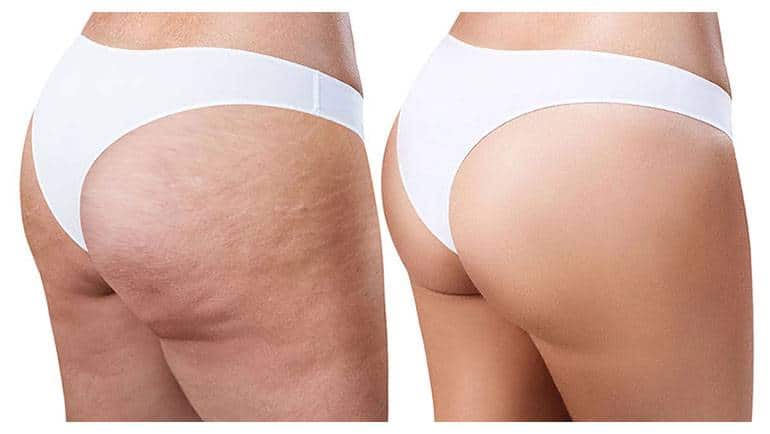
Cellulite Treatment Cost: Effectiveness and Key Focus Areas

Cellulite is a common concern for many, affecting millions worldwide, often leading to cosmetic treatments for complete skin rejuvenation, particularly on the inner thighs and sometimes body surgery. It has been around for centuries, often seen as a sign of femininity, especially with cosmetic treatments to reduce noticeable cellulite and improve the way cellulite appears. Today, the demand for effective cellulite treatments has skyrocketed. But with so many options available, understanding the cellulite treatment cost is crucial. Prices can vary widely based on the type of cellulite removal treatment and location. Some methods for cellulite removal are quick fixes, while others require more investment but offer longer-lasting results, including cellulite treatment costs. Knowing what to expect financially helps in making informed decisions. This post breaks down the costs associated with popular cellulite treatments and offers insights into what works best for your budget and goals.

Overview of Cellulite Treatments

Non-Invasive Options

Many people choose non-invasive cellulite treatments. These options include creams, laser therapy, and radiofrequency treatments. Cellulite creams often contain caffeine or retinol. They aim to improve skin texture and reduce the appearance of unsightly cellulite.

Laser therapy uses focused light to break down fat cells, which may vary in cellulite treatment costs. This method can promote collagen production. Radiofrequency treatments heat the skin and stimulate blood flow. Both methods have gained popularity among cellulite sufferers.

Invasive Procedures

e individuals opt for invasive procedures for faster results. Liposuction is one popular option. It removes excess fat but does not guarantee improvement of cellulite. Another choice is subcision, which involves cutting the fibrous bands under the skin. This can provide a smoother appearance.

Surgical options may offer more dramatic results. However, they come with higher risks and costs. Patients must weigh these factors carefully when considering cellulite removal procedures.

Effectiveness and Popularity

The effectiveness of cellulite reduction treatments varies by individual. Many patients report positive results from both non-invasive and invasive options. Satisfaction largely depends on expectations and treatment types.

Non-invasive methods often require multiple sessions for noticeable changes. Some patients find results fade over time, needing ongoing treatments to maintain effects. In contrast, invasive procedures can yield longer-lasting improvements.

Goals and Expectations

Patients typically seek cellulite treatments for aesthetic reasons. Common goals include reducing visible cellulite and improving skin texture. Many desire smoother skin for confidence in revealing clothing.

Expectations play a crucial role in patient satisfaction. Realistic goals lead to better outcomes and happier clients. Understanding that complete removal of cellulite may be impossible is essential.

Most patients want significant improvement rather than perfection. They should discuss their goals with medical professionals before starting treatment.

Popular Options for Different Body Areas

Thighs

Thighs are one of the most commonly treated body areas for cellulite. Many people seek treatments to reduce the appearance of dimpling in this area. Popular options include radiofrequency therapy and laser treatments. These methods target subcutaneous fat and stimulate collagen production.

Studies show that these treatments can improve skin texture on the thighs. Results vary based on individual factors like skin type and the severity of cellulite. Most patients notice a smoother appearance after multiple sessions.

Buttocks

The buttocks also require special attention when it comes to cellulite treatment. Many prefer non-invasive techniques like massage therapy or ultrasound. These treatments help break down fat cells while improving circulation.

e clinics offer specialized spa treatments that combine various techniques for better results. For example, vacuum therapy can enhance blood flow and lymphatic drainage in the area. Patients often see noticeable improvements after several visits.

Abdomen

Cellulite on the abdomen is another concern for many individuals. Popular treatments here include liposuction and mesotherapy. Liposuction removes excess fat from beneath the skin, while mesotherapy involves injecting compounds that dissolve fat.

These approaches can be effective, but they may come with higher costs. The average price for liposuction ranges from $2,000 to $7,500 depending on the clinic and location. Patients should weigh the benefits against the financial investment.

Arms

The arms are often overlooked but can also show signs of cellulite. Treatments such as laser therapy and radiofrequency are gaining popularity in this area too. These methods work by tightening skin and reducing fat deposits.

Results from these treatments can vary widely among individuals. Factors like age and skin elasticity play a role in effectiveness. Many clinics offer packages that include multiple sessions at a reduced rate.

Skin Care and Diet

Skin care plays a crucial role in managing cellulite in any body area. Regular exfoliation and moisturizing can improve overall skin appearance. A balanced diet rich in fruits, vegetables, and lean proteins also supports healthy skin.

Hydration is key as well. Drinking enough water helps maintain skin elasticity, which can minimize the look of cellulite over time. Combining topical treatments with a healthy lifestyle enhances overall results.

Effectiveness Overview

Different treatments have varying effectiveness based on body areas targeted. Thighs often respond well to laser and radiofrequency therapies. Buttocks benefit from massage techniques, while liposuction is more suitable for stubborn abdominal fat.

Patients should consult with professionals to determine which option best suits their needs. Understanding personal goals and budget will guide them toward the right choice.

Velashape III Cellulite Reduction Explained

Treatment Technology

Velashape III combines several technologies to target cellulite. It uses infrared light, radiofrequency energy, and vacuum suction. This combination heats the underlying fat cells while stimulating collagen production. As a result, skin texture improves. The treatment effectively reduces the appearance of cellulite by breaking down fat deposits.

Quick Results

Patients often notice changes after just one session. Many report smoother skin and reduced dimpling. The results can be quite satisfying, especially for those looking for fast improvements. Most people experience minimal discomfort during the procedure.

Session Duration

Each Velashape III session lasts about 30 to 45 minutes. Treatment plans typically require multiple sessions for optimal results. Experts recommend around four to six sessions spaced one week apart. This schedule helps maintain progress and enhance overall body contour.

Minimal Downtime

One major advantage of Velashape III is the minimal downtime involved. Patients can return to their daily activities right after treatment. Some may experience mild redness or swelling, but these effects usually fade quickly. The convenience makes it appealing for busy individuals seeking effective cellulite reduction.

Cost Considerations

The cost of Velashape III treatments varies based on location and provider expertise. On average, each session can range from $150 to $500. Total costs depend on the number of sessions needed to achieve desired results. Patients should consult with experts for personalized estimates.

Final Thoughts

Velashape III offers a promising solution for those struggling with cellulite. Its blend of technology provides quick results with little recovery time. With a structured treatment plan, individuals can enjoy smoother skin and improved body confidence.

Cost of Velashape III Treatment

Average Cost

Velashape III treatment for cellulite reduction typically costs between $1100 to $2000. This price range reflects the average expenses patients can expect. Each session usually lasts about 30 to 60 minutes. Many people require multiple sessions for effective results.

Influencing Factors

Several factors influence the total cost of Velashape III treatments. One major factor is the number of sessions needed. Most patients undergo a series of treatments to see optimal results. Clinics often recommend anywhere from four to six sessions, depending on individual goals.

The size of the body area also plays a significant role in pricing. Treating larger areas, like thighs or buttocks, may increase costs compared to smaller areas, such as arms or stomach. Each clinic has its pricing structure based on these considerations.

Location Variations

Costs may vary significantly based on clinic location. Urban clinics often charge more than those in rural areas. This difference stems from overhead costs and local demand for treatments. Patients should research clinics in their area for accurate pricing.

Individual patient needs can also affect the final bill. Some patients might require additional services or specialized care that increases overall costs. Discussing specific needs with a healthcare provider is crucial for understanding potential expenses.

Price Comparison with Surgery

Surgical Costs

Liposuction is a common surgical option for cellulite treatment. The average cost of liposuction ranges from $2,000 to $10,000. This price varies based on the area treated and the surgeon’s experience. Patients should also consider additional costs. These may include anesthesia fees and facility charges.

In contrast, Velashape III offers a non-surgical alternative. The average cost for this procedure is between $500 to $1,500 per session. Many patients require multiple sessions for optimal results. This makes Velashape III more affordable in terms of upfront costs compared to surgery.

Recovery Time

Recovery time differs significantly between these two treatments. Liposuction requires a longer recovery period. Patients typically need one to two weeks before resuming normal activities. Some may experience swelling, bruising, and discomfort during this time.

Velashape III has minimal downtime. Most patients can return to their daily routines immediately after treatment. Some may feel slight discomfort or redness in the treated area, but these effects usually resolve quickly. This difference in recovery time is appealing for those with busy schedules.

Risks and Side Effects

Surgical procedures come with inherent risks. Possible complications include infection, scarring, and anesthesia-related issues. These risks can lead to additional medical costs if complications arise.

Velashape III presents fewer risks. Side effects are generally mild and temporary. Common reactions include minor swelling or tenderness at the treatment site. Patients often find this option safer than invasive surgery.

Long-term Cost-Effectiveness

Considering long-term cost-effectiveness, Velashape III may offer better value. While initial sessions might seem costly, they do not involve the same high expenses as surgery. Regular maintenance treatments can be scheduled as needed without significant financial burden.

Surgery involves higher upfront costs and potential follow-up procedures if results are unsatisfactory. Patients may also face long-term care expenses related to complications or revisions.

Factors Influencing Treatment Costs

Number of Sessions

The number of sessions required for cellulite treatment significantly affects the total cost. Most patients need multiple sessions to achieve visible results. Treatments can vary from three to ten sessions, depending on the individual’s condition and goals. Each session incurs a fee, which adds up quickly.

Patients should also consider that some treatments require maintenance sessions after the initial series. This ongoing commitment can increase the overall expense.

Body Area Size

The size of the body area being treated also plays a crucial role in determining costs. Larger areas, such as thighs or buttocks, generally cost more than smaller areas, like arms or stomachs. Clinics often charge based on the square footage of skin treated.

For example, treating both thighs may cost twice as much as treating just one thigh. Patients should discuss their specific needs with the clinic to get accurate estimates.

Treatment Complexity

The complexity of the treatment affects pricing as well. Some technologies used for cellulite reduction are more advanced and costly than others. Techniques like laser therapy or radiofrequency tend to have higher fees due to their effectiveness and technology involved.

Less complex treatments, such as topical creams or manual massage techniques, typically cost less but may offer limited results. Patients should weigh their options carefully before deciding.

Clinic Reputation and Location

Clinic reputation and location also influence treatment costs. Well-established clinics with experienced professionals often charge higher fees. Their reputation for delivering quality results can justify these costs.

Location matters too. Urban areas usually have higher living costs, which translates into higher treatment prices. In contrast, rural clinics might offer lower rates due to lower overhead expenses.

Additional Costs

In addition to treatment fees, patients should consider additional costs associated with cellulite treatment. Consultation fees may apply before beginning any procedure. These initial assessments help determine the best treatment plan for each individual.

Aftercare products can also add to the total cost. Many clinics recommend specific creams or lotions to enhance results post-treatment. Patients should factor in these expenses when budgeting for their cellulite treatment journey.

Number of Sessions Required

Session Overview

The number of sessions required for cellulite treatment depends on individual circumstances. Factors include the severity of the cellulite and the results a person wants to achieve. Many people may notice improvements after just a few treatments, while others may need more sessions.

Initial Consultation

An initial consultation is essential. During this meeting, a specialist assesses the condition. This assessment helps determine how many sessions are necessary. The expert will discuss the patient’s goals and expectations. They will also explain what to expect from the treatment process.

Effective Procedure

Most effective procedures require multiple sessions for optimal results. For example, some treatments might suggest six to eight sessions spaced a few weeks apart. Each session usually lasts between 30 to 60 minutes. This timeframe allows the body to respond well without excessive downtime.

Customized Plans

Treatment plans are not one-size-fits-all. Each plan is customized based on patient needs. Some may have mild cellulite that responds quickly to treatment. Others might have more severe cases requiring longer commitment and additional sessions.

Living with Cellulite

Many people want solutions for their cellulite issues. They often seek treatments that can help tone their skin and reduce the appearance of dimpling. Understanding the range of options is crucial in making informed decisions about care.

Downtime Considerations

Downtime varies by procedure. Some methods allow individuals to return to daily activities right away. Others may require a short recovery period after each session. Patients should consider their schedules when planning treatments.

Treatment Effectiveness

Research shows that consistent sessions improve outcomes significantly. The effects can last for months or even years if combined with lifestyle changes like diet and exercise. Maintaining results often requires follow-up sessions over time.

Impact of Clinic Location

Urban Clinics

Urban clinics often charge higher prices for cellulite treatments. The cost reflects the demand and operational expenses in cities. These clinics usually have access to advanced technology. They may offer specialized equipment that can improve treatment results.

Patients in urban areas might find a wider range of services. High-end clinics in cities provide luxury experiences. They may include personalized consultations and follow-up care. This type of service can increase overall costs significantly.

Rural Clinics

Rural clinics typically have lower pricing for similar treatments. Less competition often leads to more affordable options. However, these clinics might not always have the latest equipment. Some rural areas lack access to specialized devices used in cellulite treatment.

Expertise can also vary between locations. Rural clinics may not have staff trained in the newest techniques. Patients should consider this when choosing a clinic based on location.

Pricing Differences

High-end clinics set their prices based on several factors. These include location, reputation, and quality of service. Patients pay for the experience and expertise offered at these facilities.

Low-end clinics provide basic treatments at lower prices. While cost-effective, they may lack advanced technology or highly trained staff. Patients must weigh the pros and cons of each option.

Equipment Availability

The availability of specialized equipment varies by location. Urban clinics often invest in the latest technology. This can lead to better outcomes for patients seeking cellulite treatments.

In contrast, rural clinics may use older methods or less sophisticated devices. This difference can affect treatment effectiveness and patient satisfaction.

Patients should ask about the equipment used during their consultation. Understanding what technology is available helps make an informed decision.

Expertise Level and Aftercare Costs

Practitioner Expertise

The expertise level of the practitioner significantly affects the cost of cellulite treatment. Highly trained professionals often charge more for their services. They have advanced skills and experience that can lead to better results. For example, a dermatologist with specialized training in cosmetic procedures may charge between $200 to $500 per session. This is higher than a general practitioner who might offer similar treatments at a lower price.

Research shows that experienced practitioners are more likely to achieve optimal outcomes. They understand how to customize treatments based on individual needs. Testimonials from patients often highlight how expert care led to improved satisfaction with results. Higher prices can reflect this expertise, but they may also indicate better quality.

Importance of Aftercare

Aftercare plays a crucial role in maintaining the results of cellulite treatments. Patients must follow specific guidelines after their sessions. This can include avoiding certain activities or using special products. Proper aftercare helps enhance the effectiveness of the initial treatment.

Costs associated with aftercare can vary widely. Some clinics offer packages that include aftercare services, while others charge separately. Patients should expect to pay anywhere from $50 to $200 for follow-up care products or sessions. Investing in aftercare ensures that results last longer and improves overall satisfaction.

Maintenance Costs

Maintaining results requires ongoing commitment. Regular maintenance treatments may be necessary to keep cellulite at bay. These follow-up sessions can range from $150 to $400 each, depending on the procedure and provider’s expertise.

Patients should discuss maintenance plans during consultations. Understanding these costs upfront helps in budgeting for long-term care. Many clinics provide discounts for packages that include multiple sessions, making it more affordable.

Satisfactory Outcomes

Higher expertise and effective aftercare often lead to more satisfactory outcomes for patients. Skilled practitioners are adept at managing expectations and addressing concerns. They provide tailored advice on maintaining results post-treatment.

Investing in quality care pays off in the long run. Patients who choose experienced professionals and commit to aftercare usually report better experiences and results. A combination of expert treatment and diligent aftercare maximizes benefits.

Closing Thoughts

Understanding cellulite treatment costs helps you make informed decisions. From Velashape III to surgical options, knowing what influences pricing can save you money and time. Factors like clinic location and expertise level play a big role.

Investing in your body is essential, so weigh your options carefully. Research clinics, compare prices, and don’t hesitate to ask questions. Your journey to smoother skin starts with the right information. Take action now and explore the best treatment for your needs!

Frequently Asked Questions

What is cellulite?

Cellulite is a common condition where the skin appears dimpled or lumpy, often found on thighs, hips, and buttocks. It occurs due to fat deposits pushing through connective tissue beneath the skin.

How much do cellulite treatments typically cost?

Cellulite treatment costs vary widely, ranging from $100 to over $3,000 per session. Factors like the treatment type, location, and provider expertise influence pricing.

Is Velashape III effective for cellulite reduction?

Yes, Velashape III is a popular non-invasive option that combines infrared light, radiofrequency energy, and vacuum suction to reduce cellulite appearance. Many patients notice smoother skin after several sessions.

How many sessions of Velashape III are needed?

Most patients require 4 to 6 sessions for optimal results. The exact number depends on individual goals and the severity of cellulite.

Does insurance cover cellulite treatments?

Typically, insurance does not cover cosmetic procedures like cellulite treatments. It’s advisable to check with your provider for specific coverage details.

What factors influence the cost of cellulite treatments?

Key factors include treatment type, clinic location, practitioner expertise, and required number of sessions. Higher-quality clinics may charge more but often provide better results.

Are there any aftercare costs associated with cellulite treatments?

Yes, aftercare may involve follow-up appointments or additional products recommended by your provider. It’s essential to discuss any potential extra costs during your initial consultation.

Liposuction for Bingo Wings: Brachioplasty Pros & Cons

What Are Bingo Wings

Bingo wings refer to loose, sagging skin found on the upper arms, near the armpits and shoulders, often a result of excess weight around the wrists. This area can develop excess fat and skin due to natural sagging, causing the upper arms to droop and creating a flap-like appearance, which may require upper arm liposuction or invisible arm lift surgery. Many people describe them as resembling wings or bat wings due to their arm skin shape.

Women are more likely to experience bingo wings and require treatment such as arm lift or upper arm liposuction than men. Hormonal changes, particularly during menopause, can contribute to this condition, leading to treatment options such as arm liposuction for the bingo wing. Aging also plays a significant role in the development of bingo wings. As skin loses elasticity over time, especially in men, it becomes less firm and more prone to sagging, like a bingo wing.

The appearance of bingo wings in men stems from fat deposits under the skin. These deposits can accumulate in men due to various factors, including genetics, lifestyle choices, and bingo wing. For some men, weight gain leads to more pronounced bingo wings. Even those who maintain a healthy weight may still have moderate bingo wings due to genetic predisposition.

Bingo wings can be distressing for many individuals. They often feel self-conscious about wearing sleeveless tops or swimsuits, especially due to bingo wing. This concern, like bingo wing, is common among women, especially as they age. The desire for toned arms drives many to seek solutions for bingo wing.

Several reasons contribute to the formation of bingo wings. Lack of exercise can lead to bingo wing and weakened muscles in the upper arms. Poor diet can also result in increased fat accumulation in this bingo wing area. Stress and hormonal imbalances may add to the problem as well.

Bingo wings can be addressed through various methods. Exercise targeting the upper arms can help tone the muscles. Strength training exercises like tricep dips and push-ups are beneficial. However, these methods may not completely eliminate bingo wings for everyone.

Surgical options exist for those looking for a more permanent solution. Procedures like liposuction can remove excess fat from the upper arms. In some cases, a surgical arm lift may be recommended to tighten loose skin.

Many people consider both non-surgical and surgical options when dealing with bingo wings. Each choice has its pros and cons. Non-surgical methods require commitment and time but carry fewer risks. Surgical procedures offer immediate results but involve recovery time and potential complications.

Understanding bingo wings helps in finding effective solutions. Recognizing that they are common can ease feelings of self-consciousness. Many women experience this issue, making it important to seek support and information.

Causes of Bingo Wings

Natural Aging

Aging is a significant factor in developing severe bingo wings. As people age, skin loses elasticity. This natural process affects the upper arms too. The skin becomes thinner and less firm. Muscle mass also decreases over time. This combination leads to a noticeable drooping effect. Many individuals notice this change in their 40s or 50s.

Weight Loss Effects

Weight loss can create challenges for the upper arms. When someone loses weight, they may experience loose skin. This happens because the skin does not always shrink back to its original shape. Those who have lost a significant amount of weight often see this issue. Loose skin can make the upper arms appear flabby. It contributes to the upper arm wobble that many find frustrating.

Fat Deposits

Fat deposits play a role in creating bingo wings. These deposits can accumulate on the upper arms, leading to a sagging appearance. Genetics often influence where fat is stored in the body. Some individuals may naturally store more fat in their arms compared to others. Even those who are fit might struggle with stubborn fat in this area.

Lifestyle choices also impact fat distribution. A diet high in calories and low in nutrients can lead to increased fat storage. Inactive lifestyles contribute to this issue as well. Regular exercise helps combat these effects but may not completely eliminate them.

Hormonal Changes

Hormonal changes affect fat distribution and skin elasticity too. Women, especially during menopause, experience fluctuations in hormones. These changes can lead to increased fat storage around the arms and other areas of the body.

Health Conditions

Certain health conditions may also cause bingo wings. Conditions like obesity or metabolic syndrome can lead to excess fat accumulation. Skin conditions can affect elasticity as well. For example, diabetes may influence how skin ages and responds to weight changes.

Summary

Bingo wings result from various factors, including aging, weight loss, and fat deposits. Understanding these causes is essential for anyone considering treatment options like liposuction. Knowledge about these factors helps set realistic expectations for results.

Why Women Are More Prone to Bingo Wings

Hormonal Differences

Women experience hormonal weight fluctuation throughout their lives. These changes often occur during puberty, menstruation, pregnancy, and menopause. Hormones like estrogen can lead to fat accumulation in the upper arms. This is less common in men, who usually have higher testosterone levels. Testosterone promotes muscle growth.

Women typically have a higher percentage of body fat compared to men. This natural difference makes them more susceptible to storing fat in areas like the upper arms. As women age, hormonal shifts can cause fat distribution patterns to change. This results in increased sagging and loose skin around the arms.

Muscle Mass Disparity

Women generally possess less muscle mass in their upper arms than men. Men have more muscle fibers due to their higher testosterone levels. This muscle mass helps keep the arms toned and firm.

Lack of muscle can contribute to the appearance of bingo wings. Weaker muscles lead to less support for the skin and fat layers above them. As a result, skin may sag more noticeably in women. Regular strength training can help build arm muscles and reduce this effect.

Genetic Factors

Genetics also play a significant role in the development of bingo wings. Some women are genetically predisposed to store fat in their upper arms. Family history can influence where fat accumulates on the body. If a mother or sister has bingo wings, a woman might be more likely to develop them too.

Skin elasticity decreases with age, especially for women. Genetics determine how well skin maintains its firmness and tightness as it ages. Those with lower skin elasticity may notice sagging sooner than others.

Lifestyle Choices

Lifestyle choices can impact the appearance of bingo wings as well. Poor diet and lack of exercise contribute to weight gain and fat accumulation in unwanted areas. Oversized cardigans may hide bingo wings temporarily but do not address the underlying issue.

Incorporating regular physical activity can help combat these factors. Focused exercises targeting the triceps can strengthen the muscles in the upper arms. A balanced diet rich in nutrients supports overall health and weight management.

Comparing Treatment Options for Bingo Wings

Natural Treatments

Natural treatments focus on exercise and diet. Many women use toning exercises to strengthen the upper arm area. These exercises include tricep dips, push-ups, and dumbbell lifts. Regular workouts can help reduce fat and tone the muscles in the arms.

Results from exercise take time. It may take weeks or months to see significant changes. Consistency is key. A balanced diet also supports this process by helping to reduce overall body fat.

Surgical Treatments

Surgical options include liposuction and upper arm reductions. Liposuction removes excess fat from the upper arms. This procedure can create a more contoured look quickly. Recovery time varies but usually lasts a few weeks.

Upper arm reduction involves removing skin and tissue. This option is suitable for those with significant sagging skin. The results are often more dramatic than with exercise alone.

Effectiveness Comparison

Natural treatments yield gradual results. They promote long-term health benefits, such as improved muscle tone and strength. However, they require dedication and patience.

Surgical treatments provide immediate outcomes. Patients often see noticeable changes right after the procedure. However, risks include infection and complications from anesthesia.

Benefits of Each Option

Natural treatments have several advantages:

  • No surgical risks.
  • Improved overall health.
  • Cost-effective over time.

Surgical treatments also offer benefits:

  • Quick results.
  • Significant fat removal.
  • Immediate improvement in appearance.

Limitations of Each Option

Natural methods have limitations too:

  • Results may not meet expectations.
  • Requires consistent effort and time.
  • May not be effective for everyone.

Surgical options come with their own drawbacks:

  • Higher costs upfront.
  • Recovery period needed.
  • Potential for complications.

Natural Treatments for Bingo Wings

Arm Exercises

Lifting dumbbells or kettlebells can help tighten loose skin. These weights build muscle without adding bulk. Start with light weights and gradually increase as strength improves. This method focuses on the inner arms, which often show sagging.

Arm curls are a great exercise to target these areas. They engage the biceps while also working the triceps. Aim for three sets of 10-15 repetitions for best results. Incorporating these exercises into your routine can lead to noticeable improvements.

Push-Ups

Push-ups are effective for strengthening the core and upper arms. They engage multiple muscle groups, making them efficient. Begin with modified push-ups if necessary, using knees instead of toes.

Regular push-ups help tighten upper arm skin over time. Aim for 3 sets of 8-12 reps, depending on your fitness level. As strength increases, standard push-ups can replace modified ones. This transition will enhance overall arm tone.

Swimming Benefits

Swimming is another excellent natural treatment for bingo wings. It provides a full-body workout while specifically targeting the arms. The resistance of water helps tone muscles without stressing joints.

Arm circling while swimming is particularly effective. This motion engages shoulder and arm muscles, reducing flab in the upper arms. Try incorporating swimming into your weekly routine for optimal results.

Consistency Matters

Consistency is key in any fitness program. Regularly performing these exercises will yield better results over time. Combine various workouts to keep your routine engaging and effective.

Consider setting specific goals to track progress. For example, aim to increase weight lifted or the number of repetitions each week. Keeping a fitness journal can motivate you to stay on track.

Nutrition Support

Pairing exercise with a balanced diet enhances results. Focus on lean proteins, whole grains, and plenty of fruits and vegetables. Staying hydrated also plays a vital role in skin health.

Avoid processed foods high in sugar and unhealthy fats. These can contribute to weight gain and hinder progress in toning arms. A healthy lifestyle supports all natural treatments effectively.

Overview of Liposuction for Bingo Wings

Definition

Liposuction is a surgical procedure designed to remove stubborn fat from specific areas of the body. This includes the upper arms, commonly referred to as “bingo wings.” Many women struggle with excess fat in this area, even after diet and exercise.

The procedure involves making small incisions in the skin. A thin tube, called a cannula, is inserted to suction out the unwanted fat. This method can significantly improve the contour of the arms.

Vaser Liposuction

Vaser liposuction is a specific technique used for targeting bingo wings. It uses ultrasound technology to break down fat cells before removal. This method is less invasive than traditional liposuction.

Patients experience less swelling and bruising with Vaser liposuction. The recovery time is often shorter as well. Many women prefer this method due to its effectiveness and reduced discomfort.

Combination Treatments

Liposuction can be combined with other treatments for enhanced results. One popular option is Renuvion, which tightens the skin after fat removal. This combination helps achieve smoother and firmer arms.

Renuvion uses radiofrequency energy and helium plasma. It promotes collagen production, improving skin elasticity. Many patients find that this duo provides a more complete transformation.

Women interested in these procedures should consult with qualified professionals. They can discuss individual goals and expectations during consultations.

Benefits

Liposuction for bingo wings offers several benefits:

  • Improved Appearance: Arms look slimmer and more toned.
  • Boosted Confidence: Many women feel more confident wearing sleeveless clothing.
  • Long-lasting Results: With a healthy lifestyle, results can last for years.

These advantages make liposuction an appealing option for those struggling with arm fat.

Risks and Considerations

Like any surgery, liposuction carries risks. Possible complications include infection, scarring, or uneven results. Patients should weigh these risks against potential benefits.

Choosing an experienced surgeon is crucial. A skilled professional can minimize risks and enhance outcomes. Women should also have realistic expectations about their results.

Effectiveness of Liposuction for Bingo Wings

Fat Removal

Liposuction effectively removes stubborn fat deposits from the upper arms. Many people struggle with excess fat in this area, commonly referred to as “bingo wings.” This condition often occurs due to aging, genetics, or weight fluctuations.

Studies show that liposuction can target these specific areas where fat tends to accumulate. The procedure involves suctioning out fat through small incisions. Patients typically experience a significant reduction in the volume of fat in their upper arms.

Immediate Results

Results from liposuction can be seen almost immediately. After the procedure, swelling may occur, but this generally subsides within a few weeks. Most patients notice a slimmer appearance right after surgery.

The final results become clearer over time as the body heals. Full recovery usually takes a few months. During this period, skin will begin to tighten and adjust to the new contours of the arms.

Combining Treatments

Combining liposuction with skin-tightening treatments can improve overall outcomes. While liposuction removes excess fat, skin-tightening procedures help address sagging skin. This combination leads to smoother and firmer upper arms.

Popular skin-tightening options include radiofrequency or laser treatments. These methods stimulate collagen production in the skin. Increased collagen helps enhance skin elasticity and firmness.

Patients should discuss their goals with a qualified surgeon before deciding on a treatment plan. Surgeons can recommend the best approach tailored to individual needs.

Recovery Process

Recovery after liposuction is crucial for achieving optimal results. Following post-operative instructions is essential. Patients should wear compression garments to minimize swelling and support healing.

Most individuals return to normal activities within one to two weeks. However, avoiding strenuous exercises during the initial recovery period is important. Gradually reintroducing physical activity helps maintain results without risking complications.

Long-Term Effects

Long-term effects depend on lifestyle choices after surgery. Maintaining a healthy diet and regular exercise is vital for sustaining results. Weight gain can affect the appearance of treated areas, potentially leading to new fat deposits.

Patients should also have realistic expectations about their results. Liposuction improves body shape but does not prevent future weight changes or aging effects. Regular follow-up appointments with the surgeon can help monitor progress and address any concerns.

Recovery Process After Liposuction

Recovery Timeline

The recovery timeline after liposuction for bingo wings typically spans several weeks. Initial swelling and bruising are common in the first few days. Most patients notice that swelling peaks around the third day post-surgery. Bruising can last up to two weeks, but it gradually fades.

After one week, many individuals return to light activities. By the second week, most patients can resume normal routines. However, strenuous activities should wait until at least four weeks post-surgery. This timeline varies based on individual healing and the extent of the procedure.

Post-Operative Care

Post-operative care is crucial for a smooth recovery. Surgeons often recommend wearing compression garments for several weeks. These garments help reduce swelling and support the healing process. They also shape the arms as they heal.

Staying hydrated is essential during recovery. Drinking plenty of water aids in reducing swelling and flushing out toxins. Patients should avoid swimming or soaking in water for at least two weeks. This helps prevent infection at incision sites.

Following Instructions

Following the surgeon’s instructions is vital for optimal recovery. Surgeons provide specific guidelines tailored to each patient’s needs. Ignoring these instructions can lead to complications or unsatisfactory results.

Patients should avoid heavy lifting and intense arm workouts for several weeks. Engaging in these activities too soon can strain healing tissues. Instead, focus on gentle movements to maintain flexibility without stressing the arms.

Monitoring for signs of complications is important. Redness, increased pain, or unusual discharge may indicate infection. In such cases, contacting the surgeon immediately is necessary.

Emotional Considerations

Emotional well-being plays a role in recovery too. Many individuals feel anxious about their appearance post-surgery. It’s normal to have concerns about how their arms will look after healing.

Support from family and friends can make a difference during this time. Talking about feelings can help ease anxiety and boost confidence as they progress through recovery.

Pros and Cons of Liposuction

### Benefits

Liposuction effectively removes excess fat from the arms. This procedure targets upper arm fat, helping to create streamlined arms. Many patients experience quick results after the surgery. This can lead to a significant boost in self-esteem.

People often feel more confident in their appearance post-surgery. The removal of flabby arms can enhance overall body shape. Patients may find that they fit better into clothes after the procedure. This change can improve social interactions and personal relationships.

### Drawbacks

Surgical risks are an important consideration. Like any surgery, liposuction carries potential complications. These can include infection or adverse reactions to anesthesia. Scarring is another concern for many individuals. While surgeons strive for minimal scarring, some marks may remain.

Cost considerations also play a role in decision-making. Liposuction can be expensive and is often not covered by insurance. Patients should evaluate their financial situation before proceeding.

### Consultation Importance

A consultation with a qualified surgeon is crucial. During this meeting, individuals can discuss their goals and concerns. Surgeons can provide insights into expected results and recovery times. They will also explain the risks associated with arm liposuction.

Everyone’s circumstances are different. Factors such as skin elasticity and overall health affect outcomes. Loose skin may not tighten after fat removal, leading to excess skin issues. In such cases, an arm lift might be necessary to achieve desired results.

Patients should weigh the pros and cons carefully. Understanding both sides helps in making an informed decision. Each person’s needs and expectations vary widely.

Final Remarks

Liposuction can be a game-changer for tackling those stubborn bingo wings. It offers a quick fix, especially if natural treatments haven’t cut it for you. Understanding the pros and cons is crucial before making your decision. Recovery can be a breeze, but knowing what to expect helps you prepare.

If you’re considering liposuction, consult a qualified professional to discuss your options. Your journey to smoother arms starts with informed choices. Don’t let bingo wings hold you back any longer—take action today!

Frequently Asked Questions

What are bingo wings?

Bingo wings refer to the sagging skin and excess fat that hangs under the upper arms. This common issue often affects women, especially as they age or lose muscle tone.

What causes bingo wings?

Bingo wings are primarily caused by aging, hormonal changes, weight gain, and a lack of muscle tone. Genetics can also play a role in their development.

Why are women more prone to bingo wings?

Women tend to have higher body fat percentages and hormonal fluctuations that contribute to fat accumulation in the upper arms. They often experience more significant muscle loss with age.

What are the treatment options for bingo wings?

Treatment options include liposuction, arm lifts, and non-invasive procedures like CoolSculpting. Natural treatments like exercise and diet can also help reduce their appearance.

How effective is liposuction for bingo wings?

Liposuction is highly effective for removing excess fat from bingo wings. It provides immediate results and can significantly enhance arm contour when performed by a qualified surgeon.

What is the recovery process after liposuction?

Recovery typically involves swelling and bruising for several weeks. Patients can usually return to light activities within a week but should avoid strenuous exercise for about four to six weeks.

What are the pros and cons of liposuction for bingo wings?

Pros include quick fat removal and improved arm aesthetics. Cons may involve risks such as infection, scarring, and the need for anesthesia. Always consult with a professional before proceeding.

Lip Augmentation Techniques: Your Essential Guide to Lip Anatomy

Lip augmentation techniques have evolved significantly over the years. From early methods using paraffin and silicone to today’s advanced fillers, plastic surgeons have diverse options in discussing lip augmentation and the lip injection technique within cosmetic surgery. These techniques enhance lip volume and shape, particularly for those with thin lips, using hyaluronic acid dermal fillers through a dermal filler injection, offering a boost in confidence for many, especially around the vermillion. Modern procedures focus on safety and natural results, making them a step towards an effective lip augmentation method among various age groups, in view of different lip filler injection techniques.

With advancements in technology, practitioners now use hyaluronic acid-based fillers and step up their lip injection technique that provide instant results with minimal downtime, including thin lips lip enhancement techniques. Understanding these techniques helps individuals make informed choices about their appearance. The growing demand reflects society’s changing beauty standards and the desire for fuller lips, particularly through injection technique. Explore the latest trends in different lip filler injection techniques and find the right lip injection technique for you, including thin lips lip enhancement techniques.

Understanding Lip Anatomy

Lip Structure

Lips consist of several key parts. The vermilion border is the distinct line where the lip color changes from the skin to the lips, highlighting the importance of injection technique. This border, defined by the injection technique, shapes the fullness of the lips. The philtral columns are two vertical ridges that run from the nose to the center of the upper lip. They help create a defined cupid’s bow using different lip filler injection techniques, which is a prominent feature in many people’s smiles through thin lips lip enhancement techniques and various lip injection techniques.

The anatomy of the lips also includes various layers. The outer layer is skin, while deeper layers contain muscle and connective tissue, similar to different lip filler injection techniques and the lip injection technique. Each layer plays a role in how the lips look and move. A good understanding of this structure is crucial for anyone considering lip augmentation.

Muscle Function

Muscles play a significant role in lip movement. The orbicularis oris is the primary muscle around the mouth, relevant to thin lips lip enhancement techniques, different lip filler injection techniques, and lip injection technique. It allows for actions such as puckering and closing the lips. This muscle is vital for speech and facial expressions. When someone smiles or frowns, this muscle contracts to change the shape of the lips.

Other muscles also influence lip movement. The zygomaticus major lifts the corners of the mouth during smiling. In contrast, depressor anguli oris pulls down the corners during sadness. Understanding these muscles helps practitioners achieve desired results in lip augmentation procedures.

Importance of Anatomy Knowledge

Understanding lip anatomy is essential for effective augmentation techniques. Knowledge about structures like the labial artery ensures safety during different lip filler injection techniques, lip injection technique, and thin lips lip enhancement techniques. This artery supplies blood to the lips and can be easily damaged if not careful.

Practitioners must also consider individual variations in anatomy, including different lip filler injection techniques, when planning treatments such as thin lips lip enhancement techniques and the appropriate lip injection technique. Some people have thicker vermilion borders or more pronounced philtral columns than others due to different lip filler injection techniques and lip injection technique, as well as thin lips lip enhancement techniques. Tailoring procedures, such as different lip filler injection techniques for thin lips lip enhancement techniques, to each person’s unique features leads to better outcomes.

Familiarity with lip anatomy reduces complications during augmentation. For example, knowing where major blood vessels are located helps avoid bruising or swelling during lip injection technique and different lip filler injection techniques. It can also prevent asymmetrical results, which can occur if one side of the lips receives more filler than the other.

In summary, understanding lip anatomy aids in achieving natural-looking results in lip augmentation. It allows practitioners to enhance features using different lip filler injection techniques without compromising function or aesthetics, employing a precise lip injection technique.

Aging and Lip Changes

Volume Loss

Aging causes noticeable changes in the lips. Many people experience volume loss over time. This loss contributes to thin lips, which can affect facial aesthetics. The upper lip often appears less prominent as it loses volume.

As we age, our bodies produce less collagen and elastin, impacting different lip filler injection techniques. These proteins are crucial for maintaining skin structure. When their production decreases, lips become thinner and less plump. Wrinkles may also form around the mouth area. This can lead to cosmetic asymmetries that alter the overall appearance of the face due to different lip filler injection techniques.

Thinning Lips

Thinning lips are a common issue among older adults. As skin ages, it becomes more fragile and less elastic. The oral mucosa also changes, leading to a less youthful look. Lips may lose their natural color and fullness as well.

The effects of aging on the upper lip are particularly noticeable. It may retract or become less defined, impacting lip aesthetics significantly. Individuals might feel self-conscious about these changes, affecting their confidence.

Lifestyle Factors

Lifestyle choices play a significant role in how lips age. Sun exposure is one major factor that leads to premature aging. UV rays can damage the skin, causing redness and dryness in the lips. Over time, this damage can contribute to a rough texture and uneven tone.

Smoking also accelerates lip aging. It reduces blood flow to the lips, leading to further thinning and wrinkles. Smokers often notice deeper lines around their mouths compared to non-smokers. These lifestyle factors can compound the natural aging process.

Facial Rejuvenation Options

Many seek facial rejuvenation techniques to address these concerns. Various lip augmentation methods can restore volume and improve lip aesthetics. Options include fillers that boost lip volume and enhance shape.

These treatments can help achieve a more youthful appearance while addressing specific issues like cosmetic asymmetries. However, individuals should consult with professionals before proceeding with any cosmetic procedures.

Popular Injection Techniques

Needle Technique

Lip injections often use the needle technique. This method allows for precise placement of the filler. Practitioners can target specific areas, enhancing contours and volume effectively.

Needle injections offer more control over the amount of product used. They can create sharper lines and defined shapes. However, this technique may cause more discomfort during the procedure. Swelling and bruising are common side effects.

Cannula Technique

The cannula technique is another popular option. This method uses a blunt-tipped cannula instead of a sharp needle. It can reduce trauma to the tissue, leading to less swelling and bruising.

Cannulas allow for greater product distribution with fewer injection points. This means less downtime for patients. The technique is generally safer and more comfortable than needle injections. However, it requires skilled practitioners to navigate safely around blood vessels.

Benefits and Limitations

Each lip injection technique has its pros and cons.

Needle Technique Benefits:

  • Precise placement of fillers
  • Ability to create defined shapes

Needle Technique Limitations:

  • More discomfort during procedure
  • Higher risk of bruising and swelling

Cannula Technique Benefits:

  • Less tissue trauma
  • Fewer injection points needed

Cannula Technique Limitations:

  • Requires advanced skills
  • May not achieve as much precision in certain cases

Understanding these factors helps patients choose wisely.

Practitioner Expertise

Practitioner expertise plays a crucial role in successful lip augmentation. Skilled professionals assess individual needs before selecting a technique. They consider factors like facial anatomy, desired outcomes, and patient comfort.

Proper injection points are vital for achieving natural-looking results. Inexperienced practitioners may risk intravascular injections, which can lead to complications. Knowledge of facial anatomy ensures safety during the procedure.

Patients should prioritize consultations with qualified professionals. Discussing preferences and concerns helps align expectations with outcomes. Practitioners can recommend sessions based on individual goals.

Hyaluronic acid injections are common in lip augmentation. They provide temporary results, allowing for adjustments in future sessions. If necessary, hyaluronidase injections can dissolve the filler quickly.

In summary, understanding these techniques enhances decision-making for potential patients. The choice between needle and cannula techniques impacts precision, safety, and comfort levels. Always consult an experienced practitioner to ensure the best results.

Types of Lip Fillers

Hyaluronic Acid Fillers

Hyaluronic acid (HA) fillers are the most common type used for lip augmentation. They are derived from a substance that naturally occurs in the body. This makes HA fillers safe and effective for enhancing lip volume.

HA fillers have several advantages. One major benefit is reversibility. If a patient is unhappy with their results, an enzyme called hyaluronidase can dissolve the filler quickly. This offers peace of mind for many individuals.

Another advantage is the low risk of allergic reactions. Because HA fillers are similar to natural substances in the body, they are less likely to cause side effects. Most patients tolerate these injections well.

Calcium Hydroxylapatite Fillers

Calcium hydroxylapatite (CaHA) fillers differ from HA fillers in composition and longevity. CaHA is a mineral-like compound found in bones. It provides a thicker consistency than HA fillers, making it suitable for deeper injections.

The effects of CaHA fillers last longer, typically around 12 to 18 months. This extended duration appeals to many patients who prefer fewer visits for touch-ups. CaHA fillers stimulate collagen production in the skin. This can improve skin texture over time.

Different Injection Techniques

Different lip filler injection techniques can influence the outcome of the procedure. For instance, the “linear threading” technique involves injecting small amounts of filler along a line. This method creates a more natural look by evenly distributing the product.

Another technique is the “cross-hatching” method. This approach uses a grid-like pattern to fill the lips more uniformly. Each technique has its own benefits and can be chosen based on individual needs.

Steps for Lip Augmentation

The process of lip augmentation involves several steps:

  1. Consultation: Patients discuss their goals with a qualified professional.
  2. Preparation: The area is cleaned and numbing cream may be applied.
  3. Injection: The chosen filler is injected using one of the techniques.
  4. Post-Care: Patients receive instructions on how to care for their lips after treatment.

Each step ensures safety and satisfaction with the results.

Alternative Lip Augmentation Methods

Fat Transfer

Fat transfer, also known as autologous fat injection, is a natural and permanent option for lip enhancement. This technique involves taking fat from another part of the body, such as the abdomen or thighs. Surgeons then inject this fat into the lips to create volume.

This method offers a more natural look compared to synthetic fillers. It reduces the risk of allergic reactions since the fat comes from the patient’s own body. However, the procedure requires two steps: liposuction to remove fat and injections for augmentation.

Botox Enhancements

Botulinum toxin, commonly known as Botox, serves as an effective lip augmentation technique. It is often used for subtle enhancements, such as the “lip flip.” This procedure involves injecting Botox into specific areas around the lips. The result is a slight curl of the upper lip, making it appear fuller.

The effects last about three to four months. Patients appreciate this option because it does not add volume like fillers but enhances shape instead. This technique is popular among those seeking a less invasive alternative to traditional lip augmentation.

Non-Surgical Options

Non-surgical options also exist for those wanting lip enhancements without needles. Lip plumping devices are one such method. These devices use suction to temporarily increase blood flow to the lips. As a result, lips look fuller for several hours.

Topical treatments containing ingredients like hyaluronic acid can provide moisture and plumpness. These products are easy to apply and safe for home use. They do not offer long-lasting results but can enhance appearance quickly for special occasions.

Popular Procedures

Many people seek cosmetic enhancements for fuller lips. Traditional lip augmentation procedures often involve dermal fillers made from hyaluronic acid. These fillers offer immediate results and can last six months to a year.

Patients should consider their options carefully when choosing a method. Each technique has its pros and cons. Some methods are temporary while others offer permanent solutions. Understanding these differences helps individuals make informed decisions about their aesthetic goals.

Safety Considerations

Safety is crucial in any lip treatment. It is essential to consult with qualified professionals before undergoing any procedure. Researching providers ensures that they have proper training and experience in cosmetic procedures.

Patients should discuss their medical history and any concerns during consultations. This conversation helps determine which lip augmentation options are most suitable based on individual needs.

Preparing for Lip Augmentation

Pre-Procedure Steps

Scheduling a consultation is crucial. A qualified practitioner will assess your lips and discuss your goals. They will explain the lip augmentation procedure in detail. It is also important to avoid blood thinners like aspirin or ibuprofen before the treatment. These can increase bleeding during the procedure.

Patients should inform their doctor about any medications or supplements they take. This helps prevent complications. Taking these steps ensures a smoother experience.

Setting Realistic Expectations

Understanding what lip augmentation can achieve is vital. Many people desire fuller lips, but results vary. Patients should discuss their expectations with their surgeon. This helps align goals with what is achievable through cosmetic enhancement.

Potential risks exist with all procedures. Bruising, swelling, and infection are possible side effects. Being aware of these risks allows for better decision-making.

Choosing a Qualified Practitioner

Selecting an experienced plastic surgeon is key. Research credentials and look for a specialist in cosmetic dermatology. Review before-and-after photos of previous patients to gauge their skills.

A skilled practitioner will prioritize safety and patient satisfaction. They will conduct a thorough assessment and provide personalized recommendations. This includes choosing between options like autologous lip augmentation or lip implants.

Understanding the Lip Shaping Process

The lip shaping process involves several stages. First, there is the consultation phase, where goals are set. Next comes the actual procedure, which may use techniques like ha lips injection or fillers.

After the procedure, follow-up care is essential. Practitioners often provide aftercare instructions to minimize complications. Knowing what to expect post-treatment aids recovery.

The Role of Cosmetic Surgery Centers

Many patients consider visiting specialized centers. These facilities often have advanced technology and experienced teams. They focus on providing quality cosmetic procedures tailored to individual needs.

Choosing such a center can enhance confidence in the treatment outcome. It offers reassurance that professionals handle every aspect of care.

Step-by-Step Injection Technique

Consultation Process

Consultation is the first step in the lip augmentation procedure. The injector discusses goals with the patient. They assess the patient’s medical history and expectations. This helps determine the best approach for each individual.

During this meeting, the injector may take notes about the desired volume and shape. This information guides them in choosing the right filler product. It also sets the stage for the next session.

Marking Points

Marking points on the lips is crucial before injecting. The injector uses a caliper to measure and mark proper points on both lips. This ensures symmetry and precision during the procedure. The markings help visualize where to inject.

The injector checks these markings against facial features. This helps achieve a natural look that fits the patient’s face.

Applying Numbing Agents

Before starting the injections, the injector applies a numbing agent. This can be topical cream or local anesthesia. It minimizes discomfort during the procedure. Patients often feel more relaxed knowing pain is reduced.

Once numbed, patients may feel pressure but should not experience sharp pain.

Injection Procedure

The actual injection technique involves using a gauge needle suited for fillers. The injector carefully inserts the needle at marked points. They inject small amounts of filler into specific areas of the lips.

Shaping occurs as they mold and distribute the filler evenly. This creates fullness and enhances contours. The injector monitors results as they proceed, ensuring balance and symmetry.

Post-Injection Care

After injecting, post-injection massage is important. The injector gently massages the lips to distribute the filler evenly. This helps avoid lumps and unevenness.

Patients are advised to monitor their lips after leaving the clinic. Swelling or bruising may occur but usually subsides within a few days.

Immediate Results

Monitoring for immediate results is essential after lip augmentation. Patients often see instant changes in their appearance. However, final results may take up to two weeks as swelling decreases.

Injectors guide patients on what to expect during this time frame. They provide instructions for aftercare to ensure optimal outcomes.

Side Effects and Aftercare

Common Side Effects

Patients often experience common side effects after lip augmentation. Swelling usually occurs immediately after the treatment. This swelling can last from a few hours to several days. Bruising is also typical at the injection site. Tenderness may be present as well. These effects are generally mild and resolve on their own.

e patients report itching or redness around the lips. These symptoms typically indicate the body’s natural response to the injections. Most side effects diminish within a week, leading to natural results. However, every patient reacts differently to treatments.

Aftercare Tips

Following treatment, proper aftercare is crucial for optimal outcomes. Patients should avoid strenuous activity for at least 24 hours. This helps minimize swelling and bruising. Applying ice packs to the area can reduce discomfort. Ice should be wrapped in a cloth and placed on the lips for short periods.

Hydration is essential during recovery. Drinking plenty of water helps maintain skin elasticity. Patients should also avoid hot drinks and spicy foods for a few days. Such items can irritate the injection sites.

Signs of Complications

While most side effects are minor, some patients may face complications. Severe pain that does not improve with time requires immediate medical attention. Signs of infection include increased redness, warmth, or discharge from the injection site.

Patients must monitor their condition closely after treatment. If any unusual symptoms arise, contacting a doctor is critical. Early intervention can prevent further issues.

Risks and Safety

Every medical procedure carries risks, including lip augmentation. Patients must provide informed consent before undergoing treatment. Understanding potential complications is essential for safety.

Severe complications, though rare, can occur. These may include vascular occlusion or allergic reactions to fillers. Discussing these risks with a qualified doctor beforehand is vital.

Patient Experience

Each patient’s experience varies based on individual factors. Some may achieve desired results quickly, while others might need adjustments later. Maintaining open communication with the doctor throughout the process enhances satisfaction with the results.

Understanding these aspects prepares patients for what to expect post-treatment. Awareness of side effects and aftercare ensures a smoother recovery process.

Closing Thoughts

Lip augmentation can transform your look and boost your confidence. With various techniques and fillers available, understanding your options is crucial. You’ve learned about the anatomy, aging effects, popular methods, and aftercare. This knowledge empowers you to make informed choices for your lip enhancement journey.

Always consult with a qualified professional before proceeding. They can tailor the approach to fit your unique needs and ensure safety. Ready to enhance your smile? Take the first step today! Research local experts and schedule a consultation to discuss your goals. Your perfect pout awaits!

Frequently Asked Questions

What is lip augmentation?

Lip augmentation is a cosmetic procedure aimed at enhancing the fullness and shape of the lips. This can be achieved through various techniques, including injections and surgical methods.

How long do lip fillers last?

Most lip fillers last between 6 to 12 months, depending on the type used and individual metabolism. Regular touch-ups are recommended to maintain desired results.

Are lip fillers safe?

Yes, when administered by a qualified professional, lip fillers are generally safe. It’s essential to choose a licensed practitioner to minimize risks and complications.

What are the common side effects of lip augmentation?

Common side effects include swelling, bruising, and tenderness at the injection site. These usually subside within a few days.

Can I reverse lip fillers if I’m not satisfied?

Yes, hyaluronic acid fillers can be dissolved using an enzyme called hyaluronidase. Consult your provider for options if you’re unhappy with your results.

How should I prepare for a lip augmentation procedure?

Avoid blood thinners like aspirin or alcohol for at least 24 hours before your appointment. This helps reduce the risk of bruising and swelling.

What aftercare is needed post-lip augmentation?

Post-procedure care includes avoiding strenuous exercise, excessive sun exposure, and touching your lips for 24 hours. Follow your practitioner’s specific instructions for optimal healing.

Combining AirSculpt® with Other Procedures for Optimal Results

Combining AirSculpt® with other procedures, such as laser liposuction techniques, conventional liposuction, tummy tucks, and standard liposuction, is gaining traction in the cosmetic world. This innovative technique offers a unique approach to body contouring compared to the traditional liposuction procedure, utilizing advanced training AirSculpt® without the invasive procedure, especially when pairing AirSculpt® lipo. It allows for enhanced results when paired with treatments like liposuction or skin tightening. Patients benefit from quicker recovery times and more comprehensive transformations using the liposuction technique.

Historically, body sculpting focused on single procedures, limiting options. Today, advancements in technology enable seamless integration of methods. This shift empowers individuals to achieve their desired look more effectively. By understanding how to combine these treatments, you can make informed choices that align with your aesthetic goals.

Benefits of AirSculpt® Technology

Minimally Invasive

AirSculpt® technology offers a minimized invasiveness compared to traditional liposuction. The procedure uses a small cannula, which reduces the size of incisions needed. This smaller incision leads to less trauma for the body. Patients often experience fewer complications and lower risks of infection. They can also enjoy a more comfortable experience during the procedure.

Faster Recovery

Recovery time is significantly reduced with AirSculpt®. The technique causes less damage to surrounding tissues. Traditional liposuction can leave patients with bruising and swelling that takes weeks to heal. With AirSculpt®, many patients return to normal activities within days instead of weeks. This quick recovery allows individuals to resume their daily lives sooner.

Enhanced Precision

Precision is another key benefit of AirSculpt® technology. The advanced training in AirSculpt® allows surgeons to target fat deposits accurately. This precision results in better contouring outcomes. Patients often notice smoother transitions between areas after the procedure. The ability to sculpt the body more effectively leads to improved satisfaction with results.

Better Contouring Results

AirSculpt® helps achieve superior contouring results. Surgeons can remove fat from specific areas while preserving surrounding tissues. This careful approach creates natural-looking results that enhance the body’s shape. Many patients appreciate the aesthetic improvements without drastic changes.

Advanced Training

Surgeons undergo advanced training in AirSculpt® techniques. This specialized education equips them with skills necessary for optimal results. Trained professionals understand how to use the technology effectively. Their expertise ensures that patients receive safe and efficient care throughout the process.

Less Discomfort

Patients report experiencing less discomfort during and after the procedure. The gentle nature of AirSculpt® minimizes pain levels compared to traditional methods. Many find that they require fewer pain medications post-procedure. This aspect contributes to an overall positive experience.

Long-Lasting Results

Results from AirSculpt® are long-lasting when combined with a healthy lifestyle. Fat cells removed from targeted areas do not grow back if patients maintain their weight. This permanence makes it an attractive option for those looking for sustainable change.

Ideal Candidates for AirSculpt®

Weight Stability

Individuals who maintain a stable weight are ideal candidates for AirSculpt®. This procedure works best for those who are close to their target body weight. If someone fluctuates significantly in weight, results may not be as effective or long-lasting.

Candidates should focus on maintaining their current weight before considering the procedure. The goal is to enhance their natural shape rather than create drastic changes. Those who have already achieved their desired weight can benefit more from targeted fat removal.

Targeted Fat Reduction

Many seek AirSculpt® for its ability to provide targeted fat reduction. This procedure can effectively eliminate fat deposits in specific areas of the body. Popular areas include the abdomen, thighs, and arms.

Candidates often have stubborn fat that does not respond to diet and exercise. They desire a more contoured appearance without undergoing major surgery. AirSculpt® allows for precision in fat removal, which appeals to many looking for specific improvements.

Minimally Invasive Preference

People who prefer minimally invasive procedures find AirSculpt® appealing. Unlike traditional liposuction, it requires no large incisions or extensive downtime. This aspect attracts those who want quick recovery times.

The procedure typically involves local anesthesia and small access points. Patients can often return to normal activities within days rather than weeks. This convenience makes it a suitable choice for busy individuals.

Emotional Considerations

Candidates often feel frustrated with areas of fat that resist diet and exercise efforts. Many experience low self-esteem due to these stubborn fat pockets. AirSculpt® offers a way to boost confidence by enhancing body shape.

Real-life experiences show that patients feel empowered after the procedure. They report higher satisfaction with their appearance and improved self-image. This emotional benefit adds value to the physical results obtained from AirSculpt®.

Combining AirSculpt® with Skin Tightening

Renuvion Technology

Renuvion technology offers effective skin tightening after a single AirSculpt® session. This method uses radiofrequency energy combined with helium plasma. It heats the skin tissues while cooling the surface, minimizing damage.

Surgeons apply this technology to areas that need skin tightening, such as the neck and under the chin. The goal is to improve the skin’s appearance and elasticity after fat removal. Patients often notice enhanced results when combining these procedures.

Moderate to Severe Skin Laxity

Moderate to severe skin laxity can be challenging for many individuals. This condition may occur due to aging, weight loss, or genetics. Often, people seek solutions for loose skin around the neck and jawline.

Combining AirSculpt® with Renuvion can address these concerns effectively. The AirSculpt® procedure removes excess fat, while Renuvion tightens the remaining skin. This combination leads to a smoother and more contoured appearance.

Experienced Surgeon Required

Choosing an experienced surgeon is crucial for successful outcomes. Renuvion’s use in conjunction with AirSculpt® is considered off-label. This means it is not specifically approved for this purpose by regulatory bodies.

An experienced surgeon understands the nuances of both procedures. They can assess individual needs and tailor treatment plans accordingly. Proper training ensures safety and effectiveness during the procedure.

Patients should always research their surgeon’s background before proceeding. Look for board-certified professionals with a history of performing these specific combinations.

Benefits of Combining Procedures

Combining AirSculpt® with Renuvion has several advantages:

  • Enhanced results: Patients often see a significant improvement in body contouring.
  • Less downtime: The combination can reduce recovery time compared to separate procedures.
  • Comprehensive treatment: Addresses both fat removal and skin laxity in one session.

These benefits make this combination appealing for those looking to improve their appearance.

Combining AirSculpt® with Fat Transfer

Enhanced Results

AirSculpt® is effective for fat removal. This technique pairs well with fat transfer. During fat transfer, viable fat cells get moved to enhance areas like the buttocks, breasts, or hips. This process allows for a more comprehensive body transformation.

Fat transfer can help achieve a fuller appearance in targeted areas. It uses the patient’s own fat, making it safer than synthetic fillers. Many people prefer this method for its natural results.

Customization Options

Each individual’s body is different. Therefore, customizing the procedure is crucial. Patients can discuss their aesthetic goals with their surgeon. Together, they can create a plan that meets specific needs.

Surgeons may combine AirSculpt® with traditional liposuction techniques. This combination can maximize fat removal capabilities. For example, using traditional tumescent liposuction helps to prepare the fat for transfer.

Procedure Steps

  1. The surgeon marks the treatment areas.
  2. They perform AirSculpt® to remove unwanted fat.
  3. The removed fat is processed for viability.
  4. The surgeon injects the purified fat into the chosen areas.

This method ensures that the transferred fat has the best chance of survival in its new location.

Benefits of Combining Techniques

Combining AirSculpt® with fat transfer offers many benefits:

  • Achieves a more balanced body contour.
  • Reduces recovery time compared to invasive liposuction techniques.
  • Minimizes scarring due to smaller incisions.

Patients often experience less discomfort and faster healing times than with traditional liposuction procedures.

Ideal Candidates

Not everyone is a perfect candidate for this combination. Ideal candidates are those who have enough excess fat for removal. They should also be in good health and have realistic expectations about their results.

Surgeons typically evaluate patients during an initial consultation. This assessment helps determine if they are suitable for both AirSculpt® and fat transfer.

Final Thoughts

Combining AirSculpt® with fat transfer creates a powerful option for body enhancement. It allows individuals to sculpt their bodies while adding volume where desired. This approach tailors results to personal goals.

Procedure and Recovery Steps

Pre-Procedure Consultations

Consultations are essential before any surgery procedures. They help set realistic expectations for the patient. During the consultation, doctors assess the patient’s health and discuss goals. This step ensures that patients understand what to expect from the treatment.

Doctors explain how AirSculpt® works in combination with other methods. They also discuss potential outcomes and risks associated with each option. Patients should be open about their medical history and any concerns. This transparency helps create a tailored plan that meets individual needs.

Minimally Invasive Process

AirSculpt® follows a minimally invasive process. It uses local anesthesia rather than general anesthesia. This approach reduces the risks often associated with more invasive procedures.

The procedure itself involves small incisions, which leads to less trauma on the body. Surgeons use specialized tools to remove fat without traditional suction techniques. This method minimizes damage to surrounding tissues. As a result, patients experience less pain during and after the surgery.

Shorter Recovery Period

Recovery time is a significant factor when considering any liposuction procedures. AirSculpt® provides a shorter recovery period compared to traditional liposuction methods. Patients can often return to their daily activities within just a few days.

Most people experience minimal swelling and bruising after the procedure. These side effects are usually less severe than those seen with more invasive options. Pain management is often simple, requiring only over-the-counter medications.

Patients should still follow post-operative care instructions carefully. Staying hydrated and avoiding strenuous activities helps speed up recovery. Regular follow-up appointments allow doctors to monitor progress.

Combining with Other Procedures

Combining AirSculpt® with other surgical options can enhance results. For example, pairing it with fat transfer can create a more contoured appearance. Each addition should be discussed during consultations to ensure safety and effectiveness.

Surgeons evaluate how multiple procedures affect overall recovery time and results. Understanding these interactions helps patients make informed decisions about their treatment plans.

Long-Term Results and Maintenance

Healthy Lifestyle

Maintaining fat reduction results requires commitment. A healthy lifestyle plays a crucial role. Eating balanced meals helps keep weight stable. Regular exercise also supports long-term success. Aim for at least 150 minutes of moderate activity each week. This can include walking, cycling, or swimming.

Nutrition matters too. Focus on whole foods like fruits, vegetables, and lean proteins. Avoid processed foods high in sugar and fat. Hydration is essential as well. Drinking enough water helps your body function properly.

Follow-Up Appointments

Scheduling follow-up appointments is important after the procedure. These visits allow healthcare providers to monitor progress. They can address any concerns you may have. Regular check-ins help ensure that results remain satisfactory.

During these appointments, professionals assess changes in your body. They may suggest adjustments to your diet or exercise routine. This ongoing support can enhance your results significantly.

Understanding Touch-Ups

Results from AirSculpt® are generally long-lasting. However, some individuals may need touch-ups over time. Factors such as age, genetics, and lifestyle choices influence this need. Understanding these factors helps set realistic expectations.

Touch-ups can enhance or maintain the initial results achieved through AirSculpt®. Patients should discuss their options with their healthcare provider during follow-up visits.

Emotional Considerations

The emotional impact of achieving desired results can be significant. Many patients feel more confident after the procedure. This newfound confidence can lead to positive changes in various aspects of life.

Maintaining results contributes to this confidence boost. It encourages a commitment to healthy habits and a proactive approach to self-care.

Support Systems

Having a strong support system aids in maintaining results. Friends and family can encourage healthy choices. Joining fitness groups or clubs fosters motivation and accountability.

Support systems provide an environment where individuals feel empowered to stick to their goals. Sharing experiences with others who have undergone similar procedures can also be beneficial.

Safety and Risks

Potential Risks

Combining AirSculpt® with other procedures can increase the risk of complications. Infection is a common concern after any surgical procedure. It may occur if bacteria enter the body during surgery. Bruising is also likely, especially when multiple areas are treated. This can lead to discomfort and affect recovery time.

Another risk is asymmetry. When combining procedures, achieving perfect symmetry can be challenging. This may result in uneven results, requiring additional treatments to correct.

Choosing a Surgeon

Selecting a board-certified surgeon is crucial. Experienced surgeons have a better understanding of how different procedures interact. They can help minimize risks associated with combining techniques. Research their background and read reviews from past patients. A qualified surgeon will discuss all potential risks in detail during your consultation.

Consultation Discussion

During the initial consultation, discuss all possible side effects and complications. Ask about specific risks related to your unique situation. Every patient’s body reacts differently to procedures. Understanding these differences can help set realistic expectations.

Surgeons should provide a thorough explanation of what to expect post-surgery. They should cover pain management, recovery time, and signs of complications to watch for. Clear communication helps build trust and ensures you feel comfortable moving forward.

Post-Operative Care

Post-operative care plays a significant role in minimizing risks. Follow your surgeon’s instructions closely after surgery. This includes taking prescribed medications and attending follow-up appointments. Proper care helps reduce the chance of infection and promotes healing.

Avoid strenuous activities for at least a few weeks after surgery. This gives your body time to recover and reduces the risk of complications. Staying hydrated and eating nutritious foods can also aid in recovery.

Emotional Considerations

Emotional health is just as important as physical health during recovery. Some patients may experience anxiety about their results or recovery process. Open communication with your healthcare team can help address these feelings.

Support from friends and family can also be beneficial. Having someone to talk to can ease worries about the outcome or recovery challenges.

Cost Overview

Procedure Costs

Costs for AirSculpt® vary widely. The extent of the procedure significantly influences pricing. Treating larger areas or multiple regions increases costs. For instance, targeting both the abdomen and thighs will cost more than just one area.

The average price for AirSculpt® can range from $3,000 to $10,000. Clinics often provide detailed estimates based on individual needs. Patients should expect a consultation fee as well. This initial meeting helps determine the exact costs based on specific goals.

Additional Procedures

Combining AirSculpt® with other procedures adds to the overall expense. Popular combinations include skin tightening and fat transfer. Skin tightening enhances results by improving skin elasticity after fat removal. Fat transfer involves taking fat from one area and injecting it into another, like the buttocks or face.

These additional treatments can range from $2,000 to $5,000 each. Patients should discuss these options during their initial consultation. Understanding the added costs upfront helps in budgeting effectively.

Financing Options

Many clinics offer financing options to ease the financial burden. Payment plans allow patients to pay over time rather than all at once. Some facilities partner with third-party financing companies. These companies provide loans specifically for cosmetic procedures.

Patients can often choose between low-interest loans or no-interest plans if paid within a certain timeframe. This flexibility makes procedures more accessible to a wider audience.

Insurance typically does not cover cosmetic procedures like AirSculpt®. Therefore, understanding all potential costs is crucial before proceeding.

Hidden Costs

e patients overlook hidden costs associated with combining procedures. Post-operative care may require follow-up visits or special garments. These can add an extra few hundred dollars to the total bill.

Medications for pain management or swelling might be necessary after surgery. Patients should inquire about these potential expenses during consultations.

Budgeting Tips

Creating a budget can help manage costs effectively. Start by listing all expected expenses, including consultations and additional treatments. Research different clinics to compare prices and services offered.

Consider asking about package deals for multiple procedures. Many clinics provide discounts when booking several services together.

Final Remarks

Combining AirSculpt® with other procedures can enhance your results. Whether it’s skin tightening or fat transfer, these combinations offer a comprehensive approach to body contouring. You get the benefits of multiple treatments without compromising your safety or recovery time. Each method complements AirSculpt®, providing you with a tailored experience that meets your unique goals.

Consider your options carefully. Consult with a qualified professional to explore how these procedures can work together for optimal outcomes. Take the next step towards achieving the body you desire. Don’t wait—schedule your consultation today and discover the transformative potential of combining AirSculpt® with other techniques.

Frequently Asked Questions

What is AirSculpt® technology?

AirSculpt® is a minimally invasive body contouring procedure that uses patented technology to remove fat without traditional liposuction techniques. It offers precision, reduced downtime, and minimal discomfort.

Who are ideal candidates for AirSculpt®?

Ideal candidates for AirSculpt® are individuals close to their target weight, with localized fat deposits. They should be in good health and have realistic expectations about the results.

Can I combine AirSculpt® with skin tightening procedures?

Yes, combining AirSculpt® with skin tightening treatments enhances overall results. This approach helps improve skin elasticity and firmness post-fat removal, providing a more contoured appearance.

Is fat transfer possible after AirSculpt®?

Absolutely! Fat transfer can be performed after AirSculpt® to enhance volume in areas like the breasts or buttocks. This combination allows for sculpting and augmentation simultaneously.

What should I expect during recovery?

Recovery after AirSculpt® typically involves mild swelling and bruising. Most patients return to normal activities within a few days, but full results may take several weeks to appear.

Are there any risks associated with AirSculpt®?

As with any procedure, there are risks such as infection or uneven results. However, AirSculpt® is designed to minimize these risks through its advanced techniques.

How much does an AirSculpt® procedure cost?

The cost of AirSculpt® varies based on the treatment area and specific needs. It’s essential to consult with a qualified provider for an accurate estimate tailored to your goals.

Liposuction Recovery Exercises: Safe Moves to Rebuild Strength

Liposuction recovery exercises play a crucial role in achieving your desired results after a plastic surgery procedure, such as a tummy tuck or other body sculpting procedure, by incorporating effective surgery routines. Many believe that resting is the key to healing, but staying active with toning exercises and liposuction activities can speed up your recovery and harness the power of a tummy tuck. Gentle movements enhance circulation and reduce swelling. They also help maintain muscle tone, which can be lost during downtime after stomach lipo or during the liposuction recovery guide for optimal liposuction results with smartlipo laser liposuction.

Ignoring these exercises may lead to slower recovery, less satisfying outcomes, and suboptimal liposuction results from smartlipo laser liposuction. The right routine empowers you to regain strength and confidence faster. This post will guide you through effective liposuction recovery exercises that are safe and beneficial. You’ll discover how to balance rest with activity for optimal healing.

What Is Liposuction?

Liposuction is a surgical procedure designed to remove excess fat from specific areas of the body. This treatment uses suction techniques to target unwanted fat deposits. Many people seek liposuction to improve their body contours and achieve a more defined shape.

Common target areas for liposuction include the abdomen, love handles, hips, thighs, and under the chin. These regions often hold stubborn fat that does not respond well to diet, exercise, or suction. Abdominal liposuction is especially popular among those looking to flatten their stomachs.

The procedure involves making small incisions in the skin. Through these incisions, a thin tube called a cannula for suction is inserted. The cannula then removes fat through suction. This method allows for precise suction fat removal in desired areas.

There are various liposuction techniques available today. Traditional liposuction is one of the most common methods. It uses manual suction to extract fat. Advanced laser liposuction techniques, like Smartlipo, use lasers to melt fat before removal. Micro liposuction is another method that focuses on smaller areas with less invasive techniques.

Liposuction surgery can be performed under local or general anesthesia. The choice depends on the extent of fat removal through suction and the patient’s comfort level. Recovery time varies but generally includes suction, rest, and limited physical activity for several weeks.

Liposuction patients often experience swelling and bruising after surgery. These effects typically resolve within a few weeks. Doctors recommend wearing compression garments during recovery. These garments help reduce swelling and support healing.

It’s important for prospective liposuction patients to have realistic expectations about their results. While liposuction can significantly improve body shape, it is not a weight loss solution. Maintaining a healthy lifestyle post-surgery, including proper suction, is crucial for lasting results.

Patients should consult with experienced surgeons before deciding on the suction procedure. They should discuss their goals, any concerns they might have about the suction during the surgery, or the recovery process.

In summary, liposuction is an effective way to remove unwanted fat from specific areas of the body. Understanding the suction procedure and its implications helps patients make informed decisions.

Importance of Exercise After Liposuction

Recovery Benefits

Exercise plays a crucial role in liposuction recovery. Engaging in physical activity helps to maintain the results achieved from the suction procedure. It supports the body in adjusting to its new shape through suction. Regular exercise also boosts metabolism, which is vital after surgery and suction.

Light activities like walking can start as soon as one week post-surgery, following suction. This promotes blood circulation, reducing swelling and enhancing healing. Gradually increasing activity levels can further aid recovery. Patients should aim for at least 150 minutes of moderate exercise each week after their initial recovery phase.

Reducing Swelling

Reducing swelling, like suction, is another key benefit of exercise during recovery. Movement stimulates lymphatic drainage, helping to eliminate excess fluid. This process can minimize bruising and swelling around the treated areas. Gentle exercises such as stretching or yoga can be particularly effective. These activities promote flexibility without putting too much strain on the body.

Incorporating low-impact workouts into daily routines can lead to quicker recovery times. Many patients notice less discomfort when they remain active. Staying consistent with light exercises encourages overall well-being and aids in healing.

Preventing Weight Gain

Preventing weight gain is essential after liposuction. While the procedure removes fat cells, it does not stop future weight gain. If patients do not maintain a healthy lifestyle, they may regain weight. Regular exercise is vital for keeping off those extra pounds.

A balanced diet combined with physical activity helps sustain results long-term. Engaging in cardiovascular exercises like jogging or cycling burns calories effectively. Strength training can also be beneficial, building muscle and boosting metabolism.

Creating a workout plan tailored to individual needs is important. Consulting with a fitness professional may help establish an effective routine. This ensures that exercises are safe and appropriate for post-surgery conditions.

Emotional Well-Being

Exercise contributes to emotional health during recovery. Physical activity releases endorphins, improving mood and reducing stress. Patients often feel more positive about their bodies as they engage in fitness routines.

Setting achievable fitness goals can enhance motivation during this phase. Celebrating small successes builds confidence and encourages continued effort.

Typical Post-Lipo Exercise Timeline

Initial Phase

Gentle walking should begin just a couple of days after surgery. This light activity helps improve circulation and reduces swelling. Patients may feel some discomfort, but this is normal. Walking for 10 to 15 minutes at a time is ideal. Aim for two to three times daily during this phase. Staying hydrated also supports recovery.

Avoid any strenuous movements or exercises during this period. The focus should be on gradual movement. Walking promotes healing without putting too much strain on the body. It’s essential to listen to your body and stop if pain increases.

Mid-Recovery Phase

From weeks three to six, patients can slowly reintroduce cardio exercises. Activities like brisk walking, cycling, or swimming are suitable options. Start with low-impact workouts for about 20 to 30 minutes. Gradually increase intensity as comfort allows.

This phase marks an important step in the lipo exercise timeline. Cardio helps maintain post liposuction weight and boosts energy levels. Patients should still avoid high-impact sports or heavy lifting during this time. Focus on consistency rather than intensity.

Listening to the body remains crucial. If any unusual pain occurs, it’s best to consult a healthcare provider.

Late Recovery Phase

After six weeks, most patients can resume light weightlifting and more strenuous activities. Start with lighter weights and fewer repetitions. This approach helps rebuild strength without overexerting the body.

In this phase, patients can incorporate strength training into their routine. Exercises such as squats, lunges, and resistance band workouts are effective. These help tone the areas treated by liposuction.

It’s important to maintain a balanced workout plan that includes both cardio and strength training. A varied routine aids in overall fitness and prevents boredom.

As recovery progresses, individuals can gradually return to their normal exercise routines. However, patience is key during this process.

Early Recovery Workouts (2-3 Weeks)

Gentle Walking

Walking is essential during the early recovery phase. It helps to minimize swelling and reduces water retention in the body. Start with short walks around your home or yard. Aim for 10 to 15 minutes a few times a day. As you feel more comfortable, gradually increase the duration.

This activity keeps blood flowing without putting stress on healing areas. It also supports mental well-being. A simple stroll can boost your mood after surgery.

Avoid Strenuous Activities

Avoid any strenuous activities during the first few weeks. High-impact exercises can strain your body and slow down recovery. Activities like running, jumping, or heavy lifting should be completely off-limits. These actions may lead to complications such as swelling or bruising.

Instead, focus on low-intensity movements. Light stretching or yoga can help maintain flexibility without overexerting yourself. Always prioritize your body’s signals.

Listen to Your Body

Listening to your body is crucial at this stage. Everyone’s recovery timeline varies based on individual factors. Pay attention to how you feel during and after exercise. If something feels uncomfortable or painful, stop immediately.

Rest is just as important as movement. Take breaks when needed and don’t push beyond your comfort level. This approach will lead to better results in the long run.

Hydration and Nutrition

Stay hydrated throughout your recovery process. Drinking plenty of water aids in reducing swelling and improves overall health. Pair hydration with a balanced diet rich in vitamins and minerals.

Foods high in protein can support healing by repairing tissues. Include fruits and vegetables for their antioxidants, which help fight inflammation.

Monitoring Progress

Track your progress as you recover from liposuction. Keeping a journal can help you note how much you walk each day and how you feel afterward. This practice allows you to see improvements over time.

Consult with your healthcare provider about any concerns regarding your recovery journey. They can provide personalized advice tailored to your situation.

Mid Recovery Workouts (3-6 Weeks)

Light Cardio

In the mid-recovery phase, light cardio exercises become essential. Activities like walking, cycling, and swimming can help maintain fitness levels. These exercises boost circulation and aid in healing. Start with short sessions of 10 to 15 minutes. Gradually increase the duration as your body allows.

Walking is a great way to get moving. It requires no special equipment and can be done anywhere. Cycling, whether on a stationary bike or outdoors, offers a low-impact option. Swimming is also beneficial. The water provides support and reduces strain on the body.

Intensity Increase

As recovery progresses, increasing workout intensity is important. Listen to your body and adjust based on how you feel. If you experience pain or discomfort, scale back your activities. Focus on building strength without overdoing it.

Strength training can be introduced at this stage. Use light weights or resistance bands to start. Aim for low repetitions to avoid straining your body. Bodyweight exercises like squats and lunges can also be effective. These movements help strengthen core muscles and improve stability.

Surgeon Clearance

Before advancing to more intense workouts, surgeon clearance is crucial. Your doctor will assess your recovery progress during follow-up appointments. They will determine if you are ready for higher intensity activities. Do not rush this process; it’s vital for safety.

Once cleared by your surgeon, consider incorporating more challenging exercises. This may include aerobic classes or weightlifting sessions. Ensure that these activities align with your recovery goals.

Recovery Monitoring

Monitoring your body’s response during this phase is key. Keep track of any swelling or discomfort after workouts. Adjust your routine accordingly if issues arise. Staying hydrated and eating a balanced diet supports recovery as well.

Consider journaling about your workouts and feelings daily. This practice helps identify patterns in your recovery process. You can discuss these findings with your healthcare provider during visits.

Emotional Wellbeing

Recovery isn’t just physical; emotional wellbeing matters too. Engage in activities that promote relaxation and reduce stress. Gentle yoga or meditation can be helpful during this time.

Connecting with others who have undergone similar procedures can provide support. Online forums or local support groups may offer valuable insights and encouragement.

Late Recovery Workouts (6+ Weeks)

Cardio Exercises

Resuming vigorous cardio exercises is important after six weeks. Running and aerobics are great options. These activities help improve cardiovascular health. They also boost energy levels and enhance mood. Start slowly to avoid injury. Gradually increase the intensity and duration of workouts.

Many people find that they can run short distances by this time. Others may prefer group classes for motivation. Always listen to your body and adjust as needed. If any discomfort arises, take a step back.

Weightlifting

Light weightlifting can begin around six weeks post-surgery. Start with lower weights to gauge strength levels. Focus on proper form to prevent injuries. As confidence builds, gradually increase weights. This progression helps rebuild muscle tone lost during recovery.

Aim to return to pre-surgery lifting levels over time. Consistency is key in rebuilding strength. It’s crucial to balance weightlifting with other forms of exercise for overall fitness.

Balanced Routine

Maintaining a balanced exercise routine supports overall health. Incorporate flexibility and stretching exercises into your regimen. Activities like yoga or Pilates can enhance flexibility and core strength.

A well-rounded approach promotes better weight management too. Engage in different types of workouts each week. This variety keeps the routine interesting and effective.

Consider setting specific fitness goals as motivation. Track progress regularly to stay on course. Celebrate small achievements along the way to stay motivated.

Safe Exercises for Each Stage

Initial Recovery

Gentle walking is essential during the initial recovery stage. This phase usually lasts for about one to two weeks after liposuction surgery. Walking helps promote blood circulation. It reduces the risk of complications like blood clots. Start with short walks around your home or yard.

Aim for 5 to 10 minutes several times a day. Gradually increase the duration as you feel comfortable. Listen to your body and stop if you experience pain. Staying active in this way aids healing without straining your body.

Mid-Recovery

Low-impact cardio becomes important in the mid-recovery stage, which typically occurs between two to six weeks post-surgery. Activities like cycling and swimming are great options. These exercises engage your heart without putting too much pressure on your body.

Cycling can be done on a stationary bike or outdoors. Keep the intensity low at first. Swimming offers a full-body workout while being gentle on your skin. Both activities help improve endurance and burn calories effectively.

Consider starting with 15 to 20 minutes of these aerobic activities. Increase the time as you gain strength and confidence. Always check with your doctor before starting any new routine.

Late Recovery

Light weightlifting and more intense cardio come into play during the late recovery stage, usually after six weeks. At this point, your body should have healed enough to handle greater physical demands. Resistance training helps tone muscles and improve overall strength.

Begin with light weights, focusing on form and control. Aim for exercises that target different muscle groups, such as bicep curls and squats. Incorporate more intense cardio workouts like jogging or group fitness classes as tolerated.

A balanced routine can enhance your results from liposuction. Aim for 30 minutes of exercise most days of the week. Mix in both strength training and cardio for optimal benefits.

Managing Pain During Exercise

Pain Management

Pain is a common experience for patients after liposuction. It can occur during the recovery phase, especially when starting an exercise routine. Using ice packs can help reduce swelling and numb the area. Applying ice for 15-20 minutes can provide relief. Over-the-counter pain relievers like ibuprofen or acetaminophen may also alleviate discomfort.

Patients should follow the recommended dosage on the label. These medications can help manage pain effectively. However, they are not a substitute for proper care and monitoring.

Consult Your Doctor

If pain persists or worsens, consulting with a healthcare provider is essential. Persistent pain may indicate complications. A doctor can assess the situation and recommend further treatment options. They might suggest alternative therapies or adjustments to your exercise plan.

It’s vital to listen to your body during recovery. Patients should never ignore severe pain that does not improve with rest or medication. Seeking professional advice ensures safe recovery and prevents further issues.

Modify Exercises

Modifying exercises is crucial for comfort and safety during recovery. Starting with low-impact activities helps ease the body back into fitness. Walking is a great option as it promotes circulation without straining the body. Gradually increasing intensity allows patients to gauge their limits.

Avoiding high-impact workouts is important in the early stages of recovery. Activities like running or jumping can cause unnecessary strain and lead to injury. Focus on gentle movements that promote flexibility and strength without causing discomfort.

Listen to Your Body

Listening to your body is key when managing pain during exercise. Every patient’s experience is different, and what works for one person may not work for another. If an exercise causes pain, stop immediately and reassess your approach.

Keeping track of how your body responds can guide adjustments in your routine. Some days may feel better than others, so patience is necessary. Recovery takes time, and respecting your body’s signals is crucial.

Gradual Progression

Progressing gradually in exercise intensity helps avoid setbacks. Start with short sessions, then increase duration as you feel comfortable. This approach allows your body to adapt without overwhelming it.

Incorporating rest days into your routine is also beneficial. These breaks allow muscles to recover properly. Consistency in exercise will build strength over time while minimizing discomfort.

Common Post-Lipo Exercise Concerns

Swelling Issues

Swelling is a common concern after liposuction. This can cause discomfort and may affect mobility. Gentle lipo workouts can help reduce swelling. Light activities, such as walking, promote blood circulation. Improved circulation helps to remove excess fluid from the body.

Patients should start with short walks. Gradually increasing the duration is key. This approach allows the body to adapt without causing strain. Staying active can also aid in healing. Many find that movement helps them feel better overall.

Fear of Overexertion

Many patients worry about overdoing it after surgery. The fear of injury or complications is real. It’s essential to listen to your body during recovery. Pacing oneself is crucial for safe progress.

Starting with low-intensity exercises is advisable. Activities like stretching or light yoga can be beneficial. These exercises maintain flexibility without stressing the body. Patients should avoid high-impact workouts initially. Heavy lifting and intense cardio can lead to setbacks.

Gradual Return to Activity

Returning to normal activity levels takes time. Patients should not rush the process. Following a structured plan helps ease this transition. Consulting with a healthcare provider ensures safety.

Most doctors recommend starting with basic movements before progressing. Simple tasks like walking or gentle stretching are great first steps. As comfort increases, one can gradually add more challenging lipo exercises.

Tracking progress is helpful for many patients. Keeping a journal of daily activities can motivate individuals to stay active. It also allows for adjustments based on how the body responds.

Emotional support plays a role in recovery too. Engaging with others who have undergone similar procedures can provide reassurance. Sharing experiences fosters a sense of community and understanding.

Final Remarks

Liposuction recovery is a crucial journey. Understanding the importance of exercise at each stage helps you regain strength and improve results. From gentle movements in the early weeks to more intense workouts later, each phase plays a vital role in your overall recovery. Addressing pain and concerns ensures you stay on track and motivated.

You’ve got the tools now to navigate your post-lipo exercise plan effectively. Stay committed and listen to your body. Don’t hesitate to consult with professionals for personalized guidance. Your path to a healthier, more confident you starts here. Get moving!

Frequently Asked Questions

What should I expect during liposuction recovery?

Liposuction recovery varies by individual. Expect swelling, bruising, and discomfort for a few weeks. Follow your surgeon’s guidelines for optimal healing.

When can I start exercising after liposuction?

You can typically start light exercises, like walking, within a few days post-surgery. More intense workouts usually begin around 2-3 weeks after the procedure.

Are there specific exercises recommended for early recovery?

Yes, gentle activities such as walking and stretching are encouraged in the first 2-3 weeks. These help improve circulation and reduce swelling.

Can I do strength training after liposuction?

Strength training is generally safe after 6 weeks post-surgery. Start with low weights and gradually increase intensity based on your comfort level.

How can I manage pain during exercise?

Use prescribed pain medications as needed. Listen to your body and avoid any movements that cause significant discomfort.

What are common concerns about post-lipo exercise?

Common concerns include fear of injury and worsening swelling. Always consult your surgeon before starting any new exercise routine to ensure safety.

Is it normal to feel fatigued during recovery?

Yes, fatigue is common during recovery due to the body’s healing process. Ensure you’re getting enough rest and nutrition to support healing.

Liposuction for Love Handles: Benefits, Techniques & Recovery

Liposuction for love handles can be a game-changer. Many struggle with stubborn fatty bulges around the waist, despite diet and exercise, often considering abdominal liposuction or other liposuction treatments and techniques. This fat removal body procedure targets those tricky areas like love handles lipo for men, offering a smoother silhouette. It contrasts with traditional weight loss methods, particularly procedure fat removal for men, that often fall short.

People, including men, are eager for quick results, and liposuction delivers just that. It reshapes your body and boosts confidence in ways you might not expect. Understanding the benefits and risks is crucial before diving in. This post will explore everything you need to know about liposuction for love handles, from the process to recovery. Get ready to discover how this option could transform your body and self-image.

What is Love Handles Liposuction

Definition

Love handles liposuction is a cosmetic procedure. It targets excess fat around the flanks and waistline. This area can be challenging to tone through diet and exercise alone. Many individuals find stubborn fat in this region even after losing weight.

Advanced Techniques

Surgeons use advanced techniques for love handle liposuction. These methods include tumescent liposuction and laser-assisted liposuction. Tumescent liposuction involves injecting a solution into the area before removing fat. This solution helps numb the area and reduces bleeding. Laser-assisted liposuction uses lasers to melt fat before suctioning it out. Both methods aim to sculpt and contour the waistline effectively.

Popular Choice

Many people choose love handles lipo for its effectiveness. It provides noticeable results for those struggling with excess fat on their sides. The procedure can boost confidence by enhancing body shape. Individuals often seek this treatment when traditional methods fail.

Recovery Process

Recovery from love handles liposuction varies for each person. Most patients experience swelling and bruising after the procedure. These symptoms typically subside within a few weeks. Patients should follow post-operative instructions carefully. Wearing compression garments can help reduce swelling and support healing.

Results

Results from love handles liposuction are usually visible within a few weeks. Final results may take several months as swelling decreases. Many patients report satisfaction with their new body shape. They feel more comfortable in fitted clothing and swimwear.

Considerations

Before undergoing love handle liposuction, individuals should consider a few factors. Consulting with a qualified surgeon is essential. They can assess whether someone is a good candidate for the procedure. Factors like overall health and realistic expectations play a role in decision-making.

Risks

Like any surgery, love handles liposuction carries some risks. Common risks include infection, scarring, and uneven contours. Patients should discuss these risks with their surgeons before proceeding. Understanding potential complications helps ensure informed choices.

Benefits of Love Handles Liposuction

Fat Elimination

Liposuction for love handles effectively eliminates fat from the love handles for good. This procedure targets stubborn fat that often resists diet and exercise. Many people struggle with these unwanted deposits, known as unloved love handles.

Liposuction removes this fat through a small incision in the skin. A thin tube, called a cannula, suctions out the excess fat. The result is a more contoured waistline. Patients can enjoy long-lasting results when they maintain a healthy lifestyle after surgery.

Sleek Contours

Achieving sleek, smooth contours is another benefit of this procedure. Liposuction reshapes the body by removing fat from specific areas. The focus on love handles helps create a balanced silhouette.

After the surgery, many patients notice an improvement in their overall body shape. Clothes fit better, and individuals feel more comfortable in their skin. This change can lead to a more positive self-image.

Self-Confidence Boost

Boosting self-confidence is one of the most significant advantages of liposuction for love handles. Many people feel insecure about their appearance due to unflattering love handles. This insecurity can affect social interactions and personal relationships.

By improving body image, liposuction helps individuals feel more confident. They may find themselves wearing clothes they previously avoided. Social events become less daunting, and self-esteem rises.

Real-Life Experiences

Many patients share their experiences after undergoing liposuction for love handles. They report feeling liberated from the burden of unwanted fat. One patient stated, “I finally feel like I can wear what I want without feeling ashamed.”

Another individual shared how liposuction changed their perspective on fitness. They became more motivated to stay active and eat healthily after seeing their new shape.

Considerations Before Surgery

Before deciding on liposuction, it’s essential to consult a qualified surgeon. They will evaluate your health and discuss your goals. Understanding the risks and benefits is crucial for making an informed decision.

Patients should also have realistic expectations about the results. Liposuction is not a weight-loss solution but rather a body contouring option.

Liposuction Techniques

Traditional Methods

Conventional liposuction is a common fat removal procedure. This method uses a suction technique to remove excess fat from specific areas. Surgeons make small incisions in the skin. They insert a thin tube called a cannula. The cannula helps to break apart fat cells and suction them out.

This technique works well for many liposuction patients. It can effectively target love handles and other stubborn fat areas. However, recovery time may be longer compared to advanced methods. Patients often experience swelling and bruising post-surgery.

Advanced Techniques

Advanced liposuction techniques offer new options for fat removal. One popular method is tumescent liposuction. This process involves injecting a solution into the targeted area before the procedure. The solution contains saline, lidocaine, and epinephrine. This mixture reduces pain and bleeding during surgery.

Another innovative technique is laser-assisted liposuction. This method uses laser energy to liquefy fat cells before removal. It leads to less trauma to surrounding tissues. As a result, patients may experience quicker recovery times and less discomfort.

Ultrasound-assisted liposuction is another option. This technique uses sound waves to break down fat before suctioning it out. It can be particularly effective in larger areas of fat removal.

Choosing the Right Technique

Selecting the right liposuction procedure is crucial for achieving optimal results. Each technique has its advantages and disadvantages. The choice depends on individual factors such as body type and desired outcomes.

Consulting with a qualified surgeon is essential. They can assess your situation and recommend a suitable liposuction plan. A personalized approach ensures that the selected method aligns with your goals.

Understanding the liposuction effectiveness of different techniques also matters. Some methods may yield better results in specific areas than others. For instance, laser-assisted methods might provide smoother contours around love handles.

Cost Considerations

Liposuction costs vary based on the chosen technique. Traditional methods tend to be more affordable than advanced procedures like laser or ultrasound-assisted liposuction. Patients should consider both financial implications and potential benefits when deciding on a treatment plan.

Insurance coverage often does not include cosmetic procedures like liposuction surgery. Patients must prepare for out-of-pocket expenses related to their liposuction session.

Tumescent Liposuction

Overview

Tumescent liposuction, or tumescent lipo, is a popular method for removing fat. This technique minimizes strain on the body during fat elimination. It uses a specialized fluid called tumescent fluid. This fluid contains lidocaine, a local anesthetic, which helps to numb the area. It also includes epinephrine, which reduces bleeding and swelling.

Procedure Details

Surgeons inject the tumescent fluid into the treatment area. The fluid swells the fat cells, making them easier to remove. This process is less invasive than traditional liposuction. Surgeons use a small tube called a cannula to extract the fat. The cannula’s size allows for precise fat removal without damaging surrounding tissues.

Benefits

One major benefit of tumescent liposuction is its safety profile. Since it uses local anesthesia, patients often experience fewer complications. They can avoid general anesthesia risks associated with traditional methods. Many patients report stunning liposuction results with minimal downtime.

Another advantage is skin tightening. The tumescent fluid helps to tighten the skin as it removes subcutaneous fat. Patients often notice improved contours in their hips after the procedure.

Recovery Process

After surgery, patients typically wear a compression garment. This garment helps reduce swelling and supports healing. Swelling can occur but usually subsides within a few weeks. Most people return to normal activities within days.

Surgeons may place drains in the treated areas to help remove excess blood and fluid. These drains are temporary and are usually removed within a few days post-surgery.

Advanced Techniques

e surgeons combine tumescent liposuction with ultrasound energy. This method enhances fat removal by breaking down fat cells before extraction. It can lead to smoother results and further improve contours.

Patients should seek a free liposuction consultation to discuss their options. A qualified surgeon will evaluate individual needs and goals.

VASER Liposuction

Technology

VASER liposuction uses ultrasound technology to optimize fat breakdown. It targets fat cells while preserving blood vessels and surrounding tissues. This technique delivers precision. Surgeons can remove unwanted fat from the waistline, flanks, and back more effectively.

This method is less invasive than conventional liposuction surgery. Patients experience less swelling and bruising. Recovery time is often shorter. The advanced technology helps achieve a smoother appearance in the treated areas.

Skin Tightening

Skin tightening is another benefit of VASER liposuction. The ultrasound energy stimulates collagen production. This leads to firmer skin after the procedure. Many patients appreciate this added advantage.

The results can be particularly noticeable around the waist and love handles. A smooth, toned look enhances overall body contours. Patients feel more confident in their appearance.

Customization

Customization plays a significant role in VASER liposuction. Each treatment plan is tailored to the individual’s needs. Surgeons assess body shape and desired outcomes before surgery. This ensures that every patient achieves optimal results.

Patients can discuss their goals during consultations at cosmetic surgery clinics. Surgeons will recommend the best approach for achieving the desired waistline and flanks. The degree of contouring available with VASER is impressive.

Results

Results from VASER liposuction are often seen quickly. Most patients notice a difference shortly after their surgery date. However, final results may take several months as swelling subsides.

Exercise remains important post-surgery. It helps maintain results and promotes overall health. Many patients find that they enjoy exercising more after seeing their improved figures.

This technique stands out among other options like laser liposuction or extensive lipo. Each method has its benefits, but VASER offers unique advantages in precision and recovery.

Considerations

Potential patients should consider all aspects before undergoing any cosmetic surgery. Consulting with a qualified surgeon is crucial for understanding risks and benefits. They can provide detailed explanations about what to expect during recovery.

Discussing concerns about pain is also important. While some discomfort may occur, many report only mild sting sensations during recovery.

Understanding the details of VASER liposuction can help individuals make informed decisions about their bodies. It’s essential to weigh personal goals against available options carefully.

Ideal Candidates

Good Candidate

Patients seeking liposuction for love handles must evaluate their overall health. A good candidate is someone who maintains a healthy lifestyle. They should not be significantly overweight. Individuals within a few pounds of their goal weight often see the best results. This procedure targets stubborn fat that doesn’t respond to diet and exercise.

Men and women can both benefit from this treatment. Age is less important than health status. Those with realistic expectations about the outcomes stand to gain the most. Understanding that liposuction is not a weight-loss solution is crucial.

Healthy Look

A healthy look is essential for candidates considering this option. Patients should have no serious medical conditions that could complicate surgery. Conditions like diabetes or heart disease may pose risks during the procedure. Consulting with a healthcare provider helps assess any potential issues.

Ideal candidates should also be non-smokers. Smoking can slow down recovery and affect results. Maintaining a balanced diet and regular exercise routine supports overall health. This foundation enhances the effectiveness of liposuction.

Personal Goals

Candidates must define their personal goals before undergoing liposuction. Setting clear, achievable objectives helps in understanding what to expect from the procedure. Liposuction can enhance body contours but does not replace healthy habits.

It’s vital to approach this treatment with realistic expectations. Some patients may desire dramatic changes, but liposuction works best for subtle improvements. The focus should be on achieving a more balanced figure rather than extreme transformations.

Realistic Expectations

Having realistic expectations is key for successful outcomes. Patients should understand that liposuction shapes the body, not a substitute for weight loss. It’s effective for removing localized fat deposits but won’t eliminate all fat in targeted areas.

Discussing desired results with a qualified surgeon helps set appropriate goals. Surgeons can provide insights into what is feasible based on individual body types and conditions. This discussion ensures that patients align their expectations with possible results.

Healthy Physique

Maintaining a healthy physique is crucial for those considering liposuction. Candidates should commit to a balanced lifestyle post-surgery. This commitment aids in sustaining results over time.

Regular physical activity and nutritious eating habits help prevent future weight gain. Liposuction reshapes the body but does not stop natural aging processes or lifestyle choices.

Consultation Process

Initial Meeting

Dr. Friedlander begins with an initial meeting. This is where he learns about the patient’s goals. He listens carefully to what they want from the liposuction procedure. Each person’s desires are unique. Understanding these goals helps him tailor a plan.

Thorough Assessment

A thorough assessment follows the initial meeting. This includes examining fat stores around the love handles. Medical history plays a crucial role in this process. Dr. Friedlander reviews any past surgeries and health conditions. He also checks current medication use. Some medications can affect healing and results.

Creating a Treatment Plan

After gathering all necessary information, he creates a treatment plan. This plan aims to replace love handles with an ideal physique. It outlines the specific areas to target during the procedure. The plan also includes expected recovery times and post-operative care.

Setting Expectations

Patients should understand what to expect from the procedure. Dr. Friedlander explains the benefits and risks involved. He discusses realistic outcomes based on individual body types. Patients leave feeling informed and confident about their choices.

Follow-Up Consultations

Follow-up consultations are important too. They allow for adjustments in the treatment plan if needed. If patients have concerns after the initial consultation, they can address them here. This ongoing communication ensures that everyone stays on the same page.

Personalizing the Experience

Each consultation is personalized to fit individual needs. Dr. Friedlander believes in involving patients throughout the process. Patients often feel more comfortable when they know what to expect at every step.

Importance of Home Care

Home care instructions are also part of the consultation process. Dr. Friedlander provides guidelines for pre- and post-operative care at home. Following these instructions is crucial for achieving good results.

Final Thoughts

The consultation process is vital for successful liposuction for love handles. It sets the foundation for everything that follows. Patients gain clarity about their goals and how to achieve them safely.

Preparation Steps

Medications

Patients must discontinue blood-thinning medications before the procedure. Common medications include aspirin and ibuprofen. These can increase bleeding during and after surgery. Supplements like vitamin E also fall into this category. Discuss all medications with the doctor. They will provide a specific timeline for stopping these drugs.

Smoking

Quitting smoking is crucial for recovery. Surgeons recommend patients stop smoking at least 2-4 weeks before the surgery. Smoking can hinder healing and lead to complications. It reduces blood flow, which is essential for recovery. Patients should seek help if they struggle to quit. Support groups or nicotine replacement therapies can be beneficial.

Treatment Plan

A detailed treatment plan is necessary for successful liposuction. This plan outlines the goals of the procedure and the expected outcomes. It also includes specific instructions from the surgeon. Understanding what to expect helps reduce anxiety before the surgery. Patients should ask questions about any uncertainties regarding the process.

Recovery Area

Arranging a recovery area at home is important. This space should be comfortable and free from distractions. Stock it with essentials like water, snacks, and medications. A cozy environment aids in relaxation during recovery. Patients should also have someone available to assist them post-surgery.

Transportation

Planning transportation is vital after the procedure. Patients cannot drive themselves home due to anesthesia effects. Arrange for a friend or family member to take you home safely. This ensures that patients can rest without worrying about getting back.

Body Preparation

Preparing the body is equally important before surgery. Staying hydrated helps maintain overall health. Eating a balanced diet supports healing and boosts energy levels. Avoiding heavy meals right before surgery is advisable to minimize nausea.

Final Checklist

Before heading to surgery, create a final checklist:

  1. Confirm all medication adjustments.
  2. Ensure transportation arrangements are set.
  3. Prepare your recovery area.
  4. Gather necessary items like loose clothing.
  5. Follow any last-minute instructions from your surgeon.

Recovery and Results

Recovery Timeline

Recovery from liposuction for love handles typically involves a few days of rest. Patients should plan to take time off work to allow the body to heal. Most people can return to light activities within a week. Regular activities may resume after two weeks, but each patient heals differently.

Swelling and bruising are common after the procedure. These effects usually fade over the following weeks. The treatment site may feel tender or sore. Pain management is important during this phase. Doctors often recommend over-the-counter pain relievers or prescribed medication.

Healing Process

The healing process varies for each individual. Most patients notice significant improvement in their comfort level within a few days. As swelling decreases, the body begins to show its new shape. Full recovery can take several months, with final results visible around three to six months post-surgery.

Patients must follow their surgeon’s aftercare instructions closely. This includes wearing compression garments as directed. Compression helps reduce swelling and supports the healing tissues. Staying hydrated and maintaining a balanced diet also aid recovery.

Expected Results

Results from liposuction can be quite rewarding. Many patients experience a significant reduction in love handles, leading to improved body contours. The final outcome depends on individual goals and body types. Some may achieve their desired look quickly, while others might need more time.

Most individuals report increased confidence after the procedure. A new body shape can positively impact self-esteem and overall well-being. However, it is essential to have realistic expectations about what liposuction can achieve.

Safety and Risks

While liposuction is generally safe, risks exist. Common complications include infection and uneven contours at the treatment site. Patients should discuss these risks with their surgeon before surgery.

To minimize risks, choosing a qualified surgeon is crucial. Researching credentials and reading patient reviews can help ensure safety. Asking questions during consultations can clarify any doubts about the procedure.

Post-Procedure Care

Post-procedure care plays a vital role in recovery success. Rest is essential during the initial healing phase. Limiting strenuous activities aids in faster recovery.

e doctors recommend supplements that support healing, like vitamin C or zinc. These may enhance tissue repair but should always be discussed with a healthcare provider first.

Maintaining open communication with the surgical team is vital. Reporting any unusual symptoms promptly can prevent complications and ensure proper healing.

Conclusión

Liposuction for love handles is a game-changer. It targets stubborn fat and helps you achieve a slimmer, more contoured waistline. With techniques like tumescent and VASER liposuction, you have options tailored to your needs. Understanding the benefits, ideal candidates, and recovery process empowers you to make informed decisions.

Ready to take the next step? Consult with a qualified expert who can guide you through the process. Your journey to a more confident you starts here. Don’t wait—schedule your consultation today and discover how love handles liposuction can transform your body and boost your self-esteem.

Frequently Asked Questions

What is love handles liposuction?

Love handles liposuction is a cosmetic procedure that targets excess fat around the hips and abdomen. It helps create a more contoured silhouette by removing stubborn fat deposits.

Who are ideal candidates for love handles liposuction?

Ideal candidates are individuals close to their target weight, with localized fat deposits in the love handle area. Good skin elasticity and overall health are also essential for optimal results.

What are the benefits of love handles liposuction?

Benefits include improved body shape, increased self-confidence, and enhanced physical appearance. It can provide immediate results with minimal downtime compared to traditional weight loss methods.

How long does recovery take after liposuction?

Recovery time varies but typically ranges from one to two weeks for most patients. Light activities can usually be resumed within a few days, while strenuous exercise should wait until cleared by a doctor.

Are there any risks associated with love handles liposuction?

Like any surgical procedure, risks include infection, scarring, and uneven results. Choosing a qualified surgeon minimizes these risks significantly.

What techniques are used in love handles liposuction?

Common techniques include tumescent liposuction and VASER liposuction. Each method has unique advantages, such as reduced bruising or enhanced precision in fat removal.

How should I prepare for my liposuction consultation?

Prepare by gathering your medical history, listing medications, and setting realistic expectations. Be ready to discuss your goals and ask questions about the procedure and recovery process.

Liposuction Preparation Tips: Essential Steps for Success

Liposuction, a weight loss procedure and plastic surgery procedure, can transform your body, but proper preparation is key for cosmetic surgery like a tummy tuck. Many people dive in without knowing the essential steps. This can lead to complications or unsatisfactory results. Understanding liposuction preparation tips can make all the difference.

From choosing the right plastic surgeons to understanding recovery time for the high definition liposuction procedure, every detail matters, including liposuction prep tips and liposuction results. You’ll want to focus on your health and set realistic expectations, especially as part of a patient community, while considering liposuction prep tips from plastic surgeons for typical liposuction patients. Knowing what to do before the liposuction prep tip procedure helps you feel confident and ready, according to plastic surgeons and the patient community, including ASPS member surgeons. The more informed you are, the smoother your journey will be in the patient community. Let’s explore these crucial tips from the patient community to ensure you’re well-prepared for your liposuction experience.

Determine Your Target Weight

Ideal Weight

Maintaining a healthy weight is crucial before considering liposuction. Surgeons recommend being near your ideal weight. This ensures better results from the liposuction transformation. If you are significantly overweight, focus on losing weight first within the patient community.

Liposuction targets unwanted fat in specific areas. It is not meant for overall weight loss. Instead, it helps contour your body by removing localized fat deposits within the patient community. For example, if you have stubborn fat around your abdomen or thighs, the patient community suggests that liposuction can help reshape those areas.

Body Contouring

Understanding the purpose of liposuction is essential. Liposuction is primarily a body contouring procedure for the patient community, not a solution for obesity. It works best for individuals in the patient community who are close to their target weight but struggle with specific fat deposits.

For instance, someone in the patient community may be at a healthy weight but still have excess fat on their arms or hips. In these cases, the patient community finds that liposuction can provide the desired shape and definition. This procedure enhances the overall appearance for the patient community without significant weight loss.

Consultation Discussion

Discussing your weight and fitness goals with your surgeon and the patient community is vital during the initial consultation. Be open about your current weight and any past efforts to lose weight. The surgeon will evaluate your situation and help set realistic expectations.

Surgeons often ask about lifestyle habits as well. They want to know about your diet and exercise routine. This information helps them understand how committed you are to maintaining results after surgery.

Consider preparing a list of questions for your surgeon. Ask about recovery time and potential risks involved in the procedure. Understanding these factors will help you make an informed decision.

Realistic Expectations

Setting realistic expectations is important when planning for liposuction. Many people believe that this procedure will solve all their body image issues. However, that is not true.

Liposuction can enhance your appearance but does not replace a healthy lifestyle. A balanced diet and regular exercise remain critical for long-term success. Those who maintain their commitment to fitness often see better results after surgery.

Your surgeon will guide you through this process. They will explain what to expect before, during, and after the procedure. This clarity can ease any anxiety you might feel.

Maintain a Healthy Diet

Limit Sugary Foods

Consuming too much sugar can lead to weight gain. This is especially important before liposuction. Limit intake of sugary and fatty foods to maintain a stable weight. These foods can create resistant fat, making it harder for the body to shed extra pounds.

Sugary drinks are often the worst offenders. They add calories without providing nutrients. Instead, opt for water or herbal teas. These choices keep you hydrated without unnecessary sugars.

Include More Fruits and Vegetables

Fruits and vegetables should be staples in your diet. They provide essential vitamins and minerals. They also contain fiber, which helps with digestion and keeps you full longer.

Choose a variety of colors when selecting fruits and vegetables. Dark leafy greens like spinach and kale are excellent options. Berries are rich in antioxidants and low in calories. Incorporating these foods into your meals can help you reach your target weight effectively.

Focus on Lean Proteins

Lean proteins are crucial for muscle maintenance. Foods like chicken, turkey, fish, beans, and legumes offer high protein without excess fat. Including these in your diet supports overall health as you prepare for surgery.

Protein also aids in recovery after liposuction. It helps repair tissues and builds muscle mass. Aim for balanced meals that include lean proteins along with healthy fats.

Avoid Extreme Diets

Crash diets may seem tempting but can be harmful. Sudden changes in eating habits can lead to nutrient deficiencies. These deficiencies can affect your health before surgery.

Extreme diets often fail to provide sustainable results. After surgery, it’s important to have a healthy foundation to build upon. Focus on small, manageable changes instead of drastic measures.

Balanced Meal Planning

Planning meals ahead can help maintain a healthy diet. Create a weekly menu that includes all food groups. This ensures you get adequate nutrition leading up to your procedure.

Consider preparing meals in advance. This saves time and prevents unhealthy choices when you’re busy or stressed.

Consult a Professional

Speaking with a nutritionist can provide personalized guidance. They can help create a tailored plan that fits your needs. A professional can also address any concerns about specific foods or dietary restrictions.

Complete Necessary Lab Tests

Schedule Tests

Schedule and complete all required lab tests before your surgery date. Doctors often recommend specific tests to ensure safety during the procedure. Common tests include blood work, urine analysis, and sometimes imaging studies. These assessments help identify any underlying health issues.

Plan these tests at least a few weeks prior to the surgery. This allows time for results to come back and for any necessary follow-ups. If you wait too long, it may delay your surgery.

Confirm Health Status

Use lab results to confirm your overall health and readiness for surgery. The tests will check vital functions like liver and kidney performance. They can also reveal conditions such as anemia or infections that need attention.

Understanding your health status is crucial. For example, if blood tests show low hemoglobin levels, your surgeon may advise treatment before proceeding with liposuction. Addressing these issues ensures you’re in the best possible condition for the procedure.

Follow Up on Results

Follow up with your surgeon if any test results indicate potential health issues. Open communication is essential. If something unusual appears in your lab results, discuss it with your doctor immediately.

Surgeons rely on this information to make informed decisions about your care. They may suggest additional tests or treatments based on what they find. Ignoring abnormal results can lead to complications during or after the procedure.

Importance of Preparation

Preparation plays a critical role in the success of liposuction procedures. Properly managing your health ahead of time can reduce risks. Patients who complete their lab tests often feel more confident going into surgery.

A healthy diet, as discussed earlier, complements this preparation process. Nutrition supports recovery and overall well-being. Pairing good nutrition with thorough testing creates a strong foundation for successful outcomes.

Emotional Considerations

Undergoing liposuction can be an emotional journey. Patients often feel nervous about the results of their lab tests. It’s natural to worry about potential health concerns.

Seek support from friends or family during this time. Discussing fears can ease anxiety and prepare you mentally for the surgery ahead.

Stop Smoking Before Surgery

Importance of Quitting

Quitting smoking is essential before undergoing liposuction. It is recommended to stop smoking at least four weeks prior to surgery. This timeframe allows your body to recover from the effects of nicotine. Improved blood flow enhances healing and reduces the risk of complications.

Nicotine constricts blood vessels. This can lead to inadequate oxygen supply during and after surgery. Reduced oxygen levels can slow down healing. It may also increase the chance of infections.

Anesthesia Risks

Smoking can interfere with anesthesia effectiveness. Smokers often have respiratory issues, which complicate anesthesia management. Anesthesia risks increase for those who smoke because their lungs are less efficient. Complications may arise, such as difficulty breathing or prolonged recovery times.

Surgeons assess patients’ health before surgery. They consider smoking history when evaluating surgical risks. Patients need to be honest about their smoking habits. This transparency helps doctors prepare adequately.

Seeking Support

Quitting smoking can be challenging. Many find it hard to break the habit alone. Seeking support is crucial for success. There are various resources available to help individuals quit smoking.

Consider joining a support group or using cessation programs. These programs provide guidance and encouragement. Nicotine replacement therapies, like patches or gum, can ease withdrawal symptoms.

Friends and family can also play a vital role. Sharing your goal with them creates accountability. Their support can motivate you during tough moments.

Health Benefits

Stopping smoking has immediate health benefits. Within 20 minutes, heart rate and blood pressure drop to normal levels. After 12 hours, carbon monoxide levels in the blood return to normal.

Long-term benefits include reduced risk of heart disease and lung cancer. Quitting improves overall health, making recovery from surgery easier.

Patients should focus on these benefits while preparing for liposuction. The decision to quit will not only aid in surgery but also enhance overall well-being.

Planning Ahead

Create a quitting plan that fits your lifestyle. Set a quit date and stick to it. Prepare for cravings by identifying triggers and developing coping strategies.

Avoid situations where you might be tempted to smoke. Surround yourself with supportive people who encourage your decision.

Monitoring progress is also helpful. Celebrate milestones, like days or weeks without smoking. Positive reinforcement strengthens your commitment.

Avoid Alcohol Pre-Surgery

Alcohol Effects

Refraining from alcohol is crucial in the weeks before your surgery. Alcohol can significantly affect your body’s response to anesthesia. It may also interfere with your heart rate, which is vital during and after the procedure. A steady heart rate helps ensure that the surgery goes smoothly.

Alcohol consumption can lead to dehydration. This condition can complicate surgery and recovery. It impacts your body’s ability to heal properly. Surgeons prefer patients who are well-hydrated and in optimal health.

Discuss with Your Surgeon

Discuss any concerns about alcohol use with your surgeon. They can provide personalized advice based on your situation. Open communication helps build trust between you and your medical team. It ensures everyone is on the same page regarding your health.

Your surgeon may recommend a specific timeline for cutting out alcohol. Following their guidance can improve your surgical outcomes. For some patients, this could mean avoiding alcohol for at least two weeks prior to surgery. Others may need to stop even earlier.

Health Risks

Consuming alcohol before surgery carries additional health risks. It can increase the chance of complications during and after the procedure. These complications can include excessive bleeding or adverse reactions to anesthesia.

Patients with a history of heavy drinking face even greater risks. Their bodies might not react as expected to medications used during surgery. Recovery can be longer and more difficult for these individuals.

Emotional Considerations

Emotional stability is another reason to avoid alcohol before surgery. Many people drink to cope with anxiety or stress. However, alcohol can worsen feelings of anxiety in the long run. Finding healthier ways to manage stress is essential.

Consider engaging in activities that promote relaxation. Practices like yoga, meditation, or deep-breathing exercises can be beneficial. These methods help calm nerves without the negative effects of alcohol.

Support Systems

Building a support system is important during this time. Friends and family can help you stay accountable in avoiding alcohol. They can also provide emotional support leading up to the surgery.

Joining a support group may also be helpful if you struggle with alcohol addiction. These groups offer resources and encouragement as you prepare for surgery.

Discuss Medications with Surgeon

Medication List

A comprehensive list of current medications is essential. This includes prescription drugs, over-the-counter medications, and any supplements. Patients should create a detailed inventory of everything they take. This list helps the experienced surgeon understand potential interactions during the liposuction procedure.

e common medications to note include:

  • Pain relievers like ibuprofen or aspirin
  • Blood thinners such as warfarin or clopidogrel
  • Herbal supplements like ginkgo biloba or fish oil

Providing this information allows the surgeon to evaluate any risks associated with these substances.

Adjustments Before Surgery

Certain medications may need to be paused or adjusted before surgery. For instance, blood thinners can increase bleeding risks during and after the procedure. Surgeons often recommend stopping these medications at least one week prior to the surgery date.

e anti-inflammatory drugs can interfere with healing. Patients should discuss these with their individual plastic surgeon. It’s crucial to follow their recommendations closely. This ensures safe surgery and optimal recovery.

Follow Instructions Carefully

Following your surgeon’s instructions regarding medication management is vital. Surgeons provide specific guidelines based on each patient’s health history and current medications. Adhering to these guidelines can significantly impact anesthesia safety and overall surgery results.

Patients must communicate openly with their surgeons about any concerns. If there are uncertainties about which medications to continue or stop, ask for clarification.

By sharing all relevant information, patients help their surgeons create a tailored plan for their cosmetic procedure. This collaboration enhances safety and improves outcomes.

Importance of Communication

Effective communication between patients and surgeons is paramount. Discussing all aspects of medication use builds trust and understanding. It also allows for adjustments that promote a smoother surgical experience.

Surgeons appreciate when patients take an active role in their health care decisions. This engagement leads to better-prepared individuals for their liposuction surgery.

Plan Time Off Work

Arrange Recovery Time

Sufficient time off work is crucial for recovery after liposuction. This procedure requires your body to heal properly. Most surgeons recommend taking at least one week off for initial recovery. However, some may need two weeks or more, depending on the extent of the surgery.

Consider how your body feels during this time. Fatigue and discomfort are common in the days following the procedure. Avoid rushing back to work too soon. Your health should come first.

Job Demands

Think about the physical demands of your job when planning your return. If your job involves heavy lifting or strenuous activities, you may need additional time away. It is important to listen to your body’s signals during recovery.

For desk jobs, a shorter recovery time might be possible. Many people feel ready to return in about one week. Still, everyone heals differently. Consulting with your surgeon can provide clarity on when it’s safe to go back.

Inform Your Employer

Informing your employer about your surgery is essential. Share details about your expected recovery timeline. Transparency can help in planning workloads and responsibilities during your absence.

Discussing your surgery allows for better understanding from colleagues. They can support you upon your return, especially if you need adjustments in workload or tasks.

Recovery Timeline

A typical recovery timeline after liposuction includes:

  1. First Week: Rest and minimal movement.
  2. Second Week: Gradual increase in activities.
  3. Third Week: Return to normal activities based on comfort level.

Follow these steps to ensure a smooth transition back to work:

  1. Schedule your surgery on a Friday or before a long weekend.
  2. Prepare a list of tasks that others can handle while you’re away.
  3. Set up an out-of-office email response for communication.

Arrange Post-Surgery Support

Daily Activities Help

Organizing help for daily activities is crucial. Tasks like driving, household chores, and childcare can be challenging after liposuction. Recovery can take time, so having assistance is essential.

Ask a friend or family member to help you during the initial days. They can drive you to appointments or run errands. It’s important not to overexert yourself right after the surgery. Simple tasks like cooking or cleaning may feel overwhelming.

Consider hiring a service for household chores if possible. This option allows you to focus on your recovery without added stress.

Meal Preparation

Preparing meals in advance is a smart move. After liposuction, you will want to avoid heavy lifting and long hours in the kitchen. Cook and freeze meals before your surgery. This way, you have healthy options ready when you return home.

If cooking isn’t feasible, look into meal delivery services. Many companies offer nutritious meals tailored for post-operative recovery. Having these meals on hand reduces stress during your recovery body creams routine.

Emotional Support

The emotional aspect of recovery is often overlooked. Join a patient community where you can share experiences with others who have undergone similar procedures. This connection can provide comfort and advice during your recovery.

Discuss your feelings with close friends or family members too. They can offer encouragement and support as you heal from the procedure.

Plan for Comfort

Creating a comfortable recovery space is vital. Set up a cozy area in your home where you can rest. Gather pillows, blankets, and anything else that makes you feel at ease.

Keep essentials nearby, such as water bottles, snacks, and remote controls. This setup minimizes movement and helps you relax more effectively.

Follow-Up Care

Schedule follow-up appointments with your surgeon after the procedure. These visits are important for monitoring your healing process. Your doctor will check for any complications and ensure everything is progressing well.

Make sure someone accompanies you to these appointments if possible. You may still feel tired or uncomfortable after surgery.

Follow Pre-Surgery Hygiene Tips

Clean Surgical Area

Surgeons stress the importance of cleanliness before liposuction. Typical liposuction patients must prepare their bodies properly. This includes cleaning the surgical area thoroughly as instructed by the surgeon. Use mild soap and warm water to wash the skin. Focus on the areas where the procedure will occur.

Following these instructions helps reduce the risk of infection. An unclean surgical site can lead to complications during recovery. Patients should also avoid shaving the area just before surgery. Shaving can irritate the skin and increase infection risk.

Avoid Topical Products

Another key liposuction prep tip is to avoid using moisturizers, lotions, or topical treatments on the surgical site. These products can leave a residue on the skin. Such residues may interfere with the surgeon’s work. They might also increase the chances of infection.

Patients must refrain from applying any cosmetic products in the days leading up to surgery. Makeup, creams, and other treatments should be avoided. Keeping the skin clean and free from unnecessary products is essential for a successful outcome.

Follow Hygiene Guidelines

Diligent liposuction preparation includes following all pre-surgery hygiene guidelines. Surgeons provide specific instructions tailored to each patient’s needs. Adhering to these guidelines is crucial for safety and effectiveness.

Patients should shower before arriving at the surgical center. This helps remove dirt and bacteria from the skin. Wearing clean clothes to the appointment is important. It shows respect for both the medical team and the process.

In some cases, surgeons may recommend antiseptic washes prior to surgery. These washes help further reduce germs on the skin. Patients must follow these recommendations closely for optimal results.

Importance of Hygiene

Maintaining proper hygiene before liposuction affects overall health outcomes. Infections can lead to longer recovery times or additional procedures. Patients who take hygiene seriously often experience smoother recoveries.

An informed patient understands that preparation goes beyond physical appearance. It involves taking steps that support health and healing after surgery. By prioritizing cleanliness, patients set themselves up for success.

Conclusões Finais

Preparing for liposuction is crucial for a successful outcome. By following the tips outlined, you set yourself up for a smoother experience. From maintaining a healthy diet to arranging post-surgery support, each step plays a vital role in your journey.

Take charge of your health and well-being. Consult with your surgeon and ensure you’re fully prepared. Don’t skip any steps—your body deserves the best care possible. Embrace this opportunity for transformation and make informed choices. Ready to take the plunge? Start your preparation today!

Frequently Asked Questions

What is the ideal weight to be before liposuction?

Aim for a weight that is within 10-15% of your target weight. This helps ensure optimal results and reduces surgical risks.

How can I maintain a healthy diet before surgery?

Focus on whole foods like fruits, vegetables, lean proteins, and whole grains. Avoid processed foods and sugars to improve your overall health.

Why are lab tests necessary before liposuction?

Lab tests assess your overall health and identify any underlying conditions. This ensures you are fit for surgery and helps minimize complications.

How long should I stop smoking before surgery?

It’s best to quit smoking at least four weeks prior to surgery. Smoking can hinder healing and increase the risk of complications.

Can I drink alcohol before my liposuction procedure?

Avoid alcohol for at least 48 hours before surgery. Alcohol can interfere with anesthesia and recovery, increasing risks.

What medications should I discuss with my surgeon?

Inform your surgeon about all medications, including over-the-counter drugs and supplements. Some can affect bleeding and anesthesia safety.

How much time should I plan to take off work after liposuction?

Typically, plan for at least one week off work. Recovery varies by individual; listen to your body for the best results.

Liposuction Swelling Reduction: Quick Tips for Faster Recovery

Did you know that nearly 80% of liposuction and laser lipolysis patients experience noticeable swelling in the surgical aftermath after plastic surgery procedures? This post dives into effective strategies for liposuction swelling reduction in the cosmetic surgery procedure, including the use of a compression garment after the surgical procedure at Park Meadows cosmetic surgery. Swelling can be a major concern in liposuction plastic surgery, impacting recovery and results, especially after traditional liposuction procedures, making the use of a compression garment essential for advice from liposuction surgeons. Understanding how to manage the liposuction recovery process and surgical swelling is crucial for anyone considering this popular cosmetic surgery for minimal swelling and rapid liposuction recovery.

We’ll explore practical tips to minimize swelling during the liposuction recovery process, including post-operative care, the use of a compress, garment recommendations, and lifestyle adjustments for rapid liposuction recovery. With the right approach, men can enhance their healing process and enjoy their new look sooner, despite surgical swelling. Let’s uncover the best ways for men to tackle this common issue and help you feel confident during your recovery journey.

Understanding Swelling After Liposuction

Normal Reaction

Lipo swelling is a common reaction after any liposuction procedure. This swelling occurs due to the body’s natural response to surgery. It is important to recognize that swelling is a normal and temporary part of the healing process for men.

After liposuction surgery, men may notice the body sends fluids to the affected area. This helps with healing but also causes visible swelling. The amount of swelling in men can vary based on the type of liposuction performed. Traditional liposuction may have more swelling than laser liposuction or tumescent liposuction in men.

Recovery Timeline

Most men patients notice that the bulk of swelling subsides within a few weeks. During this time, patients will begin to see their slimmer appearance emerge. The initial recovery period typically lasts about two weeks.

However, some individuals may experience longer recovery times depending on the extent of liposuction performed. Extensive liposuction can lead to more pronounced swelling. In these cases, it may take several weeks for significant changes to appear.

Residual Swelling

Residual swelling and fluid retention can persist for months after the procedure. This is especially true for those who undergo invasive liposuction techniques. Even with rapid liposuction recovery, some patients might still feel swollen in certain areas.

It is crucial to follow post-operative care instructions provided by your experienced liposuction surgeon. These guidelines often include wearing compression garments and staying hydrated. Both practices help reduce lipo swelling effectively.

Importance of Care

Proper care during the liposuction recovery process can speed up healing. Patients should avoid strenuous activities for at least four to six weeks post-surgery. Gentle movement is encouraged to promote circulation without straining the body.

Maintaining a healthy diet supports overall recovery and helps manage fluid retention. Foods rich in potassium can assist in reducing swelling as well.

Emotional Impact

Swelling can also affect one’s emotional state during recovery. Many patients feel anxious about their appearance while waiting for the final results. Understanding that this phase is temporary can ease concerns about body image.

Support from family and friends plays an essential role during this time. Sharing experiences with others who have undergone cosmetic surgery procedures can provide comfort and reassurance.

How to Reduce Swelling

Compression Garments

Wearing compression garments is essential after liposuction. These garments help to minimize swelling and promote better circulation in the body. They apply steady pressure on the swollen areas, which can aid in reducing tissue swelling. Doctors often recommend wearing these garments for several weeks post-surgery. Following their advice can lead to a more comfortable recovery.

Compression garments also support the skin as it adjusts to its new shape. This support can prevent excessive movement of swollen tissues, which might lead to more discomfort. Patients should choose the right size for effectiveness. Tight garments may cause additional pain, while loose ones may not provide sufficient pressure.

Avoid Heat Sources

Avoiding heat sources is crucial during recovery. Hot tubs and steam rooms can be tempting, but they may increase swelling significantly. Heat causes blood vessels to expand, leading to more visible swelling in the body. Staying away from these sources helps keep the normal swelling within manageable limits.

Instead, opt for cooler environments during the initial healing phase. This practice will help control inflammation and reduce the risk of persistent swelling. Keeping cool supports your body’s natural healing process, allowing it to recover effectively.

Cold Therapy

Applying cold therapy can be very effective in managing swelling after liposuction. Ice packs placed on swollen areas can provide immediate relief. Cold therapy reduces blood flow to the swollen tissues, which helps decrease inflammation and discomfort.

Using ice packs for 15-20 minutes at a time is recommended. Make sure to wrap the ice pack in a cloth to protect your skin from frostbite. Repeating this process several times a day can significantly reduce severe swelling.

Cold therapy not only helps with swelling but also alleviates pain associated with surgical recovery. Many patients find that this method enhances their overall comfort level during the healing process.

Monitor Swelling Levels

Monitoring your swelling levels is important throughout recovery. Some degree of swelling is expected after liposuction, but knowing what is normal can help identify issues early on. Minor swelling may be common, but if you notice persistent swelling, consult your doctor.

Keeping track of how your body responds can guide you in adjusting your care routine. If certain methods are not effective, discussing alternatives with your healthcare provider is wise.

Importance of Compression Garments

Post-Surgery Use

Wear compression garments 24 hours a day for the first two weeks after liposuction. This constant pressure helps reduce swelling and supports healing. The garment applies even pressure to the treated areas. This aids in minimizing fluid buildup.

After two weeks, continue wearing the compression garment during the day or continuously, depending on your comfort. Many find that wearing it during the day suffices. Others prefer to keep it on at night as well. The key is to listen to your body and adjust accordingly.

Skin Contraction

Compression garments play a vital role in how well the skin adapts post-surgery. They help the skin contract smoothly over new contours. After liposuction, the body undergoes changes that can lead to unevenness if not properly managed.

By applying consistent pressure, these garments encourage the skin to fit snugly against the underlying tissues. This reduces the risk of sagging or irregularities in appearance. A smoother contour can significantly enhance overall results.

Comfort and Recovery

Choosing the right compression garment is essential for comfort. Look for garments made from breathable materials that allow for movement. Some may feel tight initially, but this is normal and necessary for effective compression.

Make sure to follow your surgeon’s recommendations on how long to wear them. Proper use of these garments can lead to better recovery outcomes. They can also improve your confidence as you notice positive changes in your body shape.

Long-Term Considerations

After the initial recovery phase, some may choose to wear compression garments less frequently. However, many find continued use beneficial for maintaining results. Discuss with your surgeon about when it’s appropriate to reduce usage.

e people opt for lighter compression garments later on for comfort while still providing support. This gradual transition helps maintain skin elasticity and shape long-term.

Emotional Impact

Wearing compression garments can also have an emotional effect post-surgery. Many patients report feeling more secure and confident when they adhere to their recovery plan. Knowing that they are taking steps to enhance their results can boost morale.

The journey through healing is personal and varies per individual. Each person’s experience with compression will differ based on their body and surgery specifics.

Using Ice Packs Effectively

Cold Therapy

Cold therapy plays a vital role in recovery after liposuction. Applying ice packs helps reduce swelling in the treated areas. This can significantly improve comfort during the healing process.

Most patients experience some swelling after the procedure. Ice packs can alleviate this discomfort effectively. They help numb the area, which can reduce pain and inflammation. It is important to start using ice packs soon after surgery. The sooner they are used, the better the results.

Application Guidelines

Proper application of ice packs is crucial for safety and effectiveness. Always wrap ice packs in a cloth or towel before placing them on the skin. Direct contact can cause frostbite, which can damage the skin.

Apply the ice pack for about 15-20 minutes at a time. Allow the skin to warm up between applications to prevent cold injury. Repeat this process several times a day as needed.

Duration of Use

Using ice packs should continue for several days post-surgery. Most doctors recommend applying them for 48 to 72 hours after the operation. After this period, swelling usually decreases significantly. Some patients may still feel discomfort even after initial swelling subsides.

If swelling persists beyond a week, consult your doctor for further advice. They may suggest alternative treatments or adjustments to your care routine.

Benefits of Ice Packs

Ice packs offer various benefits during recovery from liposuction:

  • Reduced swelling: Cold therapy minimizes fluid accumulation.
  • Pain relief: Numbing effect alleviates discomfort.
  • Faster recovery: Quicker reduction in inflammation promotes healing.

These benefits contribute to an overall improved recovery experience.

Combining with Compression Garments

Using ice packs works well alongside compression garments. Compression garments help support healing tissues and reduce swelling. Together, they enhance recovery outcomes after liposuction.

Patients should wear these garments as directed by their surgeon while using ice packs. This combination aids in managing both swelling and discomfort effectively.

Precautions

While ice packs provide many advantages, precautions are necessary. Never leave an ice pack on too long to avoid skin damage. Monitor the treated area for any unusual changes or increased pain.

If you notice any adverse effects, contact your healthcare provider immediately. They can guide you on proper care and adjustments needed for your recovery plan.

Staying Hydrated

Drink Water

Drinking plenty of water is crucial after liposuction. It helps flush out excess fluids from the body. This process can significantly reduce swelling. Aim for at least eight glasses of water daily. Keeping hydrated aids in faster recovery and healing.

The body loses fluids during surgery. Drinking enough water replaces those lost fluids. Proper hydration also supports skin elasticity. Well-hydrated skin appears healthier and can heal better.

Avoid Dehydration

Caffeinated and alcoholic beverages can lead to dehydration. These drinks may seem refreshing but can have negative effects on recovery. Caffeine acts as a diuretic, which increases urine production. Alcohol can also cause the body to lose more fluids.

Men should be especially cautious with these beverages post-surgery. Their bodies may require more hydration to recover effectively. Avoiding these drinks helps maintain hydration levels. Staying away from them will support overall health during recovery.

Focus on Diet

A balanced diet complements hydration efforts. Foods rich in water content are beneficial. Fruits like watermelon, oranges, and strawberries contain high water levels. Vegetables such as cucumbers and lettuce also help keep you hydrated.

Incorporating these foods into your diet provides essential nutrients too. Nutrients support healing and reduce inflammation. A healthy diet can enhance the body’s natural recovery process after liposuction.

Consistent Hydration

Maintaining consistent hydration is key to reducing swelling. Make it a habit to drink water throughout the day. Set reminders if needed, so you don’t forget to hydrate.

Proper hydration supports overall recovery and promotes well-being. The body requires time to heal after surgery. Staying hydrated assists in managing pain and discomfort as well.

Monitor Progress

Keep track of how much water you consume daily. Monitoring your intake ensures you meet your hydration goals. Adjust your fluid intake based on activity levels or environmental conditions.

If swelling persists despite proper hydration, consult a healthcare professional. They can provide guidance tailored to individual needs.

Massage Techniques for Healing

Lymphatic Drainage

Lymphatic drainage massage is a vital technique after liposuction. This method helps reduce swelling and improves circulation. The lymphatic system plays an essential role in removing excess fluid and toxins from the body. After surgery, this system may slow down due to surgical trauma.

Gentle techniques stimulate the lymph nodes. They encourage the movement of lymph fluid. This can lead to quicker recovery and less discomfort. Surgeons often recommend this type of massage for their patients. It supports tissue healing and promotes overall well-being.

Gentle Techniques

Using gentle massage techniques can also aid recovery. These methods promote fluid movement and decrease stiffness in the affected areas. For instance, light circular motions can help ease tension. They provide comfort and improve blood flow to the tissues.

Patients should start these techniques only after consulting with their surgeon. Each person’s recovery process varies. A professional can guide you on when to begin and how to perform these massages safely.

Professional Consultation

Consulting with a professional is crucial for post-liposuction care. Experts can offer personalized advice on appropriate massage methods. They know which techniques work best for specific surgical procedures.

Professionals may suggest a series of sessions tailored to your needs. These sessions can enhance healing and reduce inflammation effectively. Seeking help from specialists ensures that you receive safe and effective care.

Benefits of Massage

Massage has several benefits after liposuction surgery. It aids in reducing swelling and improving cellulite appearance. Regular sessions can lead to faster recovery times as well.

Patients often report feeling more relaxed after massages. This emotional relief contributes positively to overall recovery experiences. Improved circulation also helps nourish tissues, leading to better healing outcomes.

Dietary Considerations Post-Lipo

Limit Salt Intake

Liposuction patients should limit their intake of salty foods. High sodium levels can lead to additional bloating and swelling. This can slow down the recovery process after lipo procedures. Foods such as processed snacks, canned soups, and fast food often contain high amounts of salt. By avoiding these foods, patients can help reduce excess fluid retention. This simple dietary change aids in minimizing discomfort during recovery.

Include Iron-Rich Foods

Incorporating iron-rich foods is crucial for healing. Iron supports the body in producing red blood cells. These cells carry oxygen to tissues, which helps in recovering from fat removal. Good sources of iron include spinach, lentils, and lean meats. Eating these foods can lower inflammation and promote wound healing after liposuction procedures. A well-balanced diet with adequate iron can speed up the recovery process.

Maintain a Balanced Diet

Maintaining a balanced diet is essential for overall health and recovery. Liposuction patients should focus on incorporating fruits, vegetables, whole grains, and lean proteins into their meals. These foods provide necessary vitamins and minerals that support healing. Healthy fats like avocados and nuts also play a role in reducing inflammation. Consuming a variety of foods ensures the body gets all the nutrients it needs to recover effectively.

Hydration Matters

Staying hydrated is another important aspect post-liposuction. Drinking plenty of water helps flush out toxins from the body. It also aids in reducing swelling by keeping tissues hydrated. Aim for at least eight glasses of water daily. Herbal teas and clear broths are also good options for hydration.

Avoid Alcohol and Caffeine

Alcohol and caffeine should be avoided after liposuction procedures. Both substances can lead to dehydration, which worsens swelling. They may also interfere with medications prescribed for pain management or infection prevention. Patients should steer clear of these beverages until fully healed.

Monitor Portion Sizes

Monitoring portion sizes can aid in maintaining a healthy weight post-surgery. Eating smaller meals more frequently can help regulate energy levels and prevent overeating. This approach supports a balanced diet while ensuring adequate nutrient intake.

Personalized Recovery Recommendations

Seek Expert Advice

Board-certified plastic surgeons provide valuable insights during the recovery process. They assess individual needs and tailor recommendations based on specific situations. Consulting with these experts ensures that patients receive personalized care. Surgeons can address concerns about swelling and healing timelines.

Patients should ask questions about their unique recovery journey. Understanding what to expect helps manage anxiety. Surgeons often share tips on how to minimize swelling effectively. Following their advice can lead to better outcomes and faster healing.

Follow Tailored Plans

Each recovery plan is different. Factors like age, health, and the extent of liposuction affect recovery. Surgeons create customized plans that cater to these variables. Adhering to these tailored recommendations is crucial for optimal healing.

Patients may need to adjust their daily routines. Activities might be limited in the first few days post-surgery. Rest is essential during this time. Gradually increasing activity levels can help improve circulation and reduce swelling.

Surgeons may recommend specific compression garments. These garments support the treated areas and help control swelling. Wearing them as instructed aids in a smoother recovery process.

Utilize Support Services

Support services play a key role in the recovery process. Many plastic surgery clinics offer resources for patients after surgery. These services include follow-up appointments and access to nursing staff for questions.

Utilizing these resources can ease concerns during recovery. Patients can discuss any unusual symptoms or discomfort with professionals. Having access to expert guidance helps maintain peace of mind.

Friends and family also contribute to a successful recovery. Their support can make a significant difference in emotional well-being. They can assist with daily tasks, allowing patients to focus on healing.

Monitor Progress

Monitoring progress is vital throughout the recovery phase. Keeping track of any changes in swelling or pain provides important information for both patients and surgeons. Regular check-ins with the surgeon enable timely adjustments to the recovery plan.

Documentation of daily experiences can help identify patterns in healing. Patients should note when swelling decreases or increases. This information is useful during follow-up visits.

Stay Informed

Staying informed about the recovery process helps manage expectations. Researching reliable sources provides insight into what is normal after liposuction. Understanding the timeline for swelling reduction assists in planning daily activities.

Education empowers patients to take an active role in their recovery journey. Knowledge about potential complications or signs of infection allows for prompt action if needed.

Swelling Reduction Timeline

Initial Phase

Most patients notice operative swelling immediately after liposuction. This swelling is part of the body’s natural healing process. It typically peaks within 48 hours post-surgery. At this stage, the body reacts to the trauma caused by the procedure. Fluid accumulation occurs as blood vessels expand and fluids leak into surrounding tissues.

The first week is critical. During this time, patients should follow their surgeon’s post-operative care instructions closely. Compression garments help manage swelling effectively. Most people see a significant reduction in swelling during this phase.

Weeks One to Three

By the end of week one, most of the initial swelling starts to decrease. Patients often feel more comfortable and can resume light activities. However, some residual swelling may still be present. This is normal and expected.

Between weeks two and three, swelling continues to improve. Many patients experience a noticeable change in their appearance. The body gradually reabsorbs excess fluids. This timeline varies among individuals due to factors like age, health, and adherence to recovery protocols.

Months One to Three

After one month, most patients see substantial changes. Swelling usually reduces significantly but may not be completely gone. Some residual swelling can linger for several months. It’s essential to remember that each person heals differently.

During this period, regular check-ins with the surgeon are beneficial. Monitoring progress helps ensure everything is healing properly. If any excessive or prolonged swelling occurs, it’s crucial to consult with your healthcare provider.

Long-Term Considerations

By three months, many patients enjoy the results of their liposuction surgery fully. However, some may still notice slight swelling in specific areas. This residual swelling can last up to six months or longer in some cases.

Maintaining a healthy lifestyle supports optimal healing. Staying hydrated and eating a balanced diet aids recovery. Gentle exercise can also promote circulation and reduce swelling over time.

Summary

Reducing swelling after liposuction is crucial for a smooth recovery. You’ve learned about the causes of swelling and various effective methods to minimize it. From wearing compression garments to staying hydrated and using ice packs, each step plays a vital role in your healing journey. Incorporating massage techniques and paying attention to your diet can further enhance recovery.

Take charge of your post-lipo experience. Implement these strategies to speed up healing and achieve your desired results. Remember, every little effort counts. Consult with your healthcare provider for personalized advice tailored to your needs. Your journey doesn’t end here—stay informed and proactive for the best outcomes.

Frequently Asked Questions

What causes swelling after liposuction?

Swelling is a normal part of the healing process after liposuction. It occurs due to fluid accumulation in the treated areas as your body responds to surgery and begins to heal.

How long does swelling last after liposuction?

Swelling typically peaks within 48 hours post-surgery and can last from a few weeks to several months. Individual recovery varies based on factors like procedure type and personal health.

Can I reduce swelling with home remedies?

Yes, home remedies like ice packs, staying hydrated, and gentle massage can help reduce swelling. Always consult your surgeon before trying new methods to ensure they are safe for your recovery.

Are compression garments necessary after liposuction?

Yes, wearing compression garments is crucial. They support your healing tissues, reduce swelling, and help contour the treated areas effectively.

When can I start exercising after liposuction?

Light activities can usually resume within a week, while more intense workouts may take 4-6 weeks. Always follow your surgeon’s specific recommendations for a safe return to exercise.

What dietary changes should I make post-liposuction?

Focus on a balanced diet rich in protein, fruits, and vegetables. Avoid high-sodium foods to minimize water retention and promote faster healing.

How can massage techniques aid in recovery?

Gentle massage can improve circulation and lymphatic drainage, helping to reduce swelling. Consult with a professional for techniques that are safe during your recovery phase.

Fat Transfer After Liposuction: Benefits, Risks & Recovery Insights

Fat transfer after liposuction, a type of cosmetic surgery, is a game-changer in body contouring for those considering weight loss surgery, especially when performed by an experienced plastic surgeon. It allows you to reshape your figure through a cosmetic procedure by using unwanted fat from one area and injecting it into another, performed by experienced plastic surgeons. This technique, often used in cosmetic surgery by experienced plastic surgeons, enhances curves and creates a more balanced silhouette. Many people seek this cosmetic surgery procedure for natural-looking results without the need for implants, as plastic surgeons undergo extensive training.

The benefits of plastic surgery are clear: smoother skin, improved volume, and a more youthful appearance, thanks to the training of plastic surgeons. Recovery from plastic surgery is often quicker than traditional methods, making it an appealing option for training plastic surgeons. Understanding the training process and its advantages can help you make informed decisions about your body goals. Explore how fat transfer can transform your look and boost your confidence.

Understanding Fat Transfer

Procedure Overview

Fat transfer involves harvesting fat from one area of the body and injecting it into another. This process typically begins with liposuction. Surgeons remove excess fat from areas like the abdomen, thighs, or hips. They use a thin tube called a cannula to extract the fat cells. After harvesting, the fat is purified. This step ensures that only healthy fat cells are used for injection.

Once prepared, the surgeon injects the fat into the target area. Common sites include the breasts, buttocks, face, and hands. The goal is to enhance volume or shape in these regions. Patients often seek this procedure for various reasons. Some want fuller breasts or a more contoured backside. Others aim to restore lost facial volume due to aging.

Benefits of Using Own Tissue

Using the patient’s own tissue is a significant advantage of fat transfer. This method reduces the risk of rejection or allergic reactions. Since the body recognizes its own fat, it integrates well into the new location. Many patients appreciate this natural approach.

The results can appear more organic compared to synthetic fillers or implants. For example, when fat is injected into the face, it can create a softer look. This contrasts with fillers that may feel less natural over time. The use of one’s own tissue also means fewer complications related to foreign substances.

Areas of Application

Fat transfer is versatile and can be applied in several areas:

  • Breasts: Increases breast size without implants.
  • Buttocks: Enhances shape and volume for a fuller appearance.
  • Face: Restores youthful contours by adding volume to cheeks and lips.
  • Hands: Reduces signs of aging by filling in hollow areas.

Each application serves different aesthetic goals. Patients should discuss their desired outcomes with their surgeon during consultations.

Recovery Process

Recovery after fat transfer varies per individual but generally follows similar patterns. Patients might experience some swelling and bruising in both the donor and recipient sites. These side effects usually resolve within a few weeks.

Surgeons often recommend avoiding strenuous activities for at least two weeks post-procedure. This precaution helps ensure optimal healing and fat retention in the injected area. Most patients return to normal activities within one week but should follow their surgeon’s specific instructions.

Longevity of Results

Results from fat transfer can last for years, depending on various factors. The body’s natural metabolism affects how much fat survives after injection. Typically, about 60-80% of transferred fat remains long-term. Maintaining a stable weight can help preserve results as well.

Alternative Names for Fat Transfer

Fat Grafting

Fat transfer is often called fat grafting. This term highlights the process of taking fat from one part of the body and moving it to another. Surgeons use this method to enhance areas like the face, breasts, and buttocks.

During fat grafting, doctors perform liposuction to extract fat. They then prepare this fat for injection into the desired area. This technique has gained popularity due to its natural results. Many patients prefer using their own fat over synthetic fillers.

Lipofilling

Another common name for fat transfer is lipofilling. This term emphasizes the filling aspect of the procedure. It refers to filling in areas that may lack volume or have lost elasticity.

Lipofilling can be used for various cosmetic purposes. It addresses issues such as wrinkles, hollows in the cheeks, or volume loss in breasts. The procedure is minimally invasive compared to traditional implants. Patients appreciate that it uses their own body tissue.

Autologous Fat Transplantation

e people refer to fat transfer as autologous fat transplantation. The word “autologous” means that the fat comes from one’s own body. This term stresses safety and compatibility since there is less risk of rejection.

Autologous fat transplantation allows for a more personalized approach to cosmetic enhancement. The surgeon tailors the procedure based on individual needs. For example, they can select specific areas for liposuction and target those areas needing volume.

Benefits of Fat Transfer

Fat transfer offers several advantages over other methods. It provides natural-looking results since it uses the patient’s own tissue. There is also a lower chance of allergic reactions or complications.

Fat transfer can improve skin texture and tone in addition to adding volume. This technique stimulates collagen production, leading to smoother skin over time.

Considerations

Despite its benefits, patients should consider some factors before undergoing fat transfer. The amount of fat that survives after injection can vary. Not all transferred fat will remain in place permanently.

Patients should also have realistic expectations about their results. Some swelling may occur post-procedure, which can affect initial appearance. Full results typically become visible within a few months.

Common Body Parts for Fat Transfer

Breasts

Breast augmentation is one of the most popular procedures involving fat transfer. Many women choose this option to enhance their breast size and shape. The process involves removing fat from another part of the body, such as the abdomen or thighs, and injecting it into the breasts. This method provides a more natural look compared to traditional implants. It also reduces the risk of rejection since the body uses its own fat.

The recovery time for breast fat transfer is similar to that of liposuction. Patients may experience swelling and bruising, but these effects typically subside within a few weeks. Results can be long-lasting if patients maintain a stable weight.

Buttocks

Fat transfer is widely used for buttock enhancement, often referred to as a Brazilian butt lift (BBL). This procedure has gained popularity in recent years, especially among individuals looking for a fuller backside. Surgeons remove fat from areas like the abdomen, hips, or thighs and inject it into the buttocks.

A BBL not only enhances the shape of the buttocks but also contours other body areas. This dual benefit appeals to many patients. Recovery after a Brazilian butt lift usually requires avoiding sitting directly on the buttocks for several weeks. Proper care during recovery helps ensure optimal results.

Face

Facial rejuvenation is another common application of fat transfer. This technique can restore volume to areas that lose fullness with age, such as cheeks and under-eye regions. Injecting fat into these areas can create a more youthful appearance.

Fat transfer for facial rejuvenation offers several advantages over fillers. It provides longer-lasting results and utilizes the patient’s own fat, minimizing risks of allergic reactions. The procedure is relatively quick, with minimal downtime.

Hands

Hand rejuvenation is an emerging trend in cosmetic procedures using fat transfer. As people age, their hands can show signs of aging, like thin skin and prominent veins. Transferring fat to the hands can restore lost volume and improve their appearance.

This treatment enhances both aesthetics and self-esteem. Patients feel more confident when their hands look youthful again. The procedure is straightforward and typically requires local anesthesia.

Benefits of Fat Transfer After Liposuction

Natural Appearance

Fat transfer uses the patient’s own fat. This method reduces the risk of rejection. It blends well with existing tissues. The result is a more natural look compared to synthetic fillers. Patients often feel more comfortable knowing they are using their own body material. This can lead to higher satisfaction rates.

Enhanced Body Contour

Fat transfer improves body contour effectively. It removes fat from unwanted areas, such as the abdomen or thighs. This process helps in achieving a slimmer appearance. The extracted fat is then injected into desired areas, like the breasts or buttocks. This creates a fuller and more balanced figure. Patients can sculpt their bodies according to their personal preferences.

Versatile Procedure

Fat transfer can be performed alongside other cosmetic procedures. Many patients choose to combine it with liposuction for comprehensive results. For example, someone may want to enhance their buttocks while simultaneously reducing belly fat. This combination can save time and reduce recovery periods.

Minimal Scarring

Using liposuction techniques for fat removal leads to minimal scarring. Tiny incisions are made during the procedure. These small cuts often heal quickly and leave less noticeable marks. Patients appreciate this aspect of fat transfer after liposuction.

Long-lasting Results

The results of fat transfer can be long-lasting. Once the transferred fat establishes itself in the new location, it behaves like normal fat tissue. Patients may enjoy these results for several years with proper care and maintenance.

Improved Self-esteem

Many patients report an increase in self-esteem after undergoing fat transfer. They feel happier with their bodies after seeing improved contours and fullness in desired areas. This boost in confidence can positively impact various aspects of life, including social interactions and personal relationships.

Safety Profile

Fat transfer has a good safety profile when performed by qualified professionals. Risks are generally low, especially when compared to other enhancement methods. Serious complications are rare, making it a popular choice among patients.

Recovery Process

The recovery process after fat transfer is typically straightforward. Most patients can return to daily activities within a few days. Some swelling and bruising may occur but usually resolve quickly.

Limitations and Considerations

Fat Survival

Not all transferred fat cells survive after the procedure. Studies show that about 30% to 50% of the injected fat can be reabsorbed by the body. This absorption can impact the final appearance. Patients may notice changes in volume over time. The survival rate can vary based on several factors, including the technique used and the patient’s overall health.

Multiple Sessions

Achieving the desired volume often requires multiple appointments. One session might not provide enough fullness. Individuals may need to return for additional procedures to enhance their aesthetic results. These follow-up sessions allow for adjustments based on how much fat survives from previous transfers.

Donor Fat Availability

Having enough donor fat is crucial for a successful procedure. If there isn’t sufficient fat available, it limits the areas that can be treated. Common donor areas include the abdomen, thighs, and flanks. Patients should discuss their options with their surgeon during the initial consultation.

Training and Expertise

Proper training is essential for performing fat transfer after liposuction. Surgeons must understand various techniques to ensure safety and effectiveness. Board-certified professionals are more likely to have the necessary skills. They can better assess patients’ needs and tailor procedures accordingly.

Health Considerations

Certain health conditions may affect candidacy for fat transfer procedures. Patients with a history of cancer or significant injuries should communicate this to their surgeon. A thorough medical evaluation is necessary before proceeding. This assessment helps identify any potential risks involved in the surgery.

Aesthetic Goals

Understanding personal aesthetic goals is vital for patients considering this procedure. Clear communication with the surgeon about desired outcomes can lead to more satisfying results. Patients should express any concerns regarding their physical features during consultations.

Recovery Time

Recovery varies based on individual circumstances and extent of the procedure. Patients may experience swelling and bruising after fat transfer, which generally subsides within weeks. Following post-operative care instructions helps speed up healing.

Emotional Impact

Undergoing cosmetic procedures can lead to emotional changes. Some individuals may feel more confident after enhancing their appearance through fat transfer. Others might face challenges adjusting to their new look. Support from friends or professionals can help navigate these feelings.

Ideal Candidates for Fat Transfer

Sufficient Fat

Candidates for fat transfer after liposuction must have sufficient excess fat in donor areas. This is crucial, as the procedure involves harvesting fat from one part of the body and injecting it into another. Common donor sites include the abdomen, thighs, or flanks. Those with minimal fat in these areas may not be suitable for this cosmetic procedure.

Surgeons assess the amount of available fat during consultations. Experienced plastic surgeons can determine if a patient has enough fat to achieve desired results. If the fat is insufficient, alternative methods may be suggested.

Overall Health

Good overall health is vital for candidates considering fat transfer. Patients should be free from serious medical conditions that could complicate surgery or recovery. Conditions like diabetes, heart disease, or active infections can pose risks during and after the procedure.

A qualified surgeon will review a candidate’s medical history before proceeding. They may require blood tests or other evaluations to ensure safety. Healthy individuals typically experience better outcomes and faster recovery times.

Realistic Expectations

Realistic expectations about outcomes are essential for potential candidates. Many patients may desire dramatic changes, but understanding the limits of plastic surgery techniques is important. Fat transfer can enhance volume and contour but won’t create perfection.

Surgeons encourage open discussions about goals and concerns during consultations. Patients should be aware that results vary based on individual factors such as body type and skin elasticity. Emotional readiness also plays a role in satisfaction with outcomes.

Candidates should ask questions and express their desires clearly. This helps ensure that both the patient and the surgeon are aligned on expected results.

Effectiveness and Longevity of Results

Individual Factors

Results from fat transfer after liposuction can be long-lasting. However, they may vary based on individual factors. Each person’s body responds differently to the procedure. Genetics, age, and skin elasticity play significant roles in how well the results hold up over time.

e people may notice that their results last longer than others. This variation is natural and expected. Those who maintain a healthy lifestyle often enjoy more enduring outcomes.

Fat Cell Survival

The longevity of results significantly depends on the survival rate of the transferred fat cells. Not all fat cells survive the transfer process. A portion may die due to lack of blood supply after being relocated. Studies show that about 50-80% of transferred fat cells can survive in the long term.

Surviving fat cells integrate into the surrounding tissue. They become part of the body’s natural fat stores. The better the integration, the longer the results will last. Doctors monitor these factors closely during the procedure to maximize survival.

Weight Stability

Maintaining a stable weight is crucial for prolonging results. Significant weight gain or loss can alter the appearance achieved through fat transfer. If a person gains weight, existing fat may expand, affecting overall aesthetics.

Conversely, losing weight can reduce the volume of transferred fat. This change can lead to uneven contours or diminished fullness in treated areas. Therefore, individuals should focus on a balanced diet and regular exercise after their procedure.

Importance of Qualified Providers

Choosing qualified providers is essential for optimal results. Certification and residency training matter when selecting a doctor for this procedure. Osteopathic doctors and other medical professionals with extensive medical education understand how to manage fat transfer effectively.

Patients should research clinics before committing to a procedure. A reputable clinic will have experienced doctors who prioritize patient safety and satisfaction.

Post-Procedure Care

Following post-procedure guidelines is vital for success. Doctors typically provide instructions on caring for treated areas after surgery. Adhering to these recommendations helps ensure that fat cells survive and integrate properly.

Patients should also attend follow-up appointments as scheduled. These visits allow doctors to assess healing progress and address any concerns.

Recovery Process and Safety Considerations

Recovery Time

Recovery time after fat transfer can vary. Patients typically experience swelling and bruising in the treated areas. This can last for several days to weeks. Most people return to regular activities within one to two weeks. However, full recovery may take longer.

During this time, it is common to feel some discomfort. Pain medication can help manage this. Following the surgeon’s post-operative care instructions is vital. These guidelines often include resting, avoiding strenuous activities, and keeping the surgical site clean.

Post-Operative Care

Post-operative care plays a significant role in healing. Patients should adhere to their specific care plan provided by their surgical team. This may include wearing compression garments to reduce swelling. Staying hydrated and maintaining a balanced diet also supports recovery.

Patients should monitor their surgical sites for signs of infection. Redness, increased pain, or unusual discharge are warning signs. Contacting the healthcare provider promptly can prevent complications.

Choosing a Surgeon

Selecting a qualified plastic surgeon is crucial for safety and optimal results. Surgeons should have experience in both liposuction and fat transfer procedures. Checking credentials and reviews can provide peace of mind.

A well-planned surgical procedure increases the chances of success. Discussing expectations with the surgeon helps align goals. A thorough consultation allows patients to understand the process better.

Facility Standards

The choice of surgical facility matters as well. An accredited surgical facility ensures that safety standards are met during outpatient procedures. Facilities should be equipped for emergencies, should they arise.

Patients must feel comfortable in their chosen environment. This contributes to overall satisfaction with the experience.

Long-Term Outcomes

Long-term outcomes depend on various factors, including adherence to post-operative care and individual health conditions. Fat transfer results can last for years if patients maintain a stable weight and healthy lifestyle.

Realistic expectations are essential when considering results from reconstructive surgery. Understanding that some fat may be reabsorbed helps set these expectations.

Potential Risks and Need for Multiple Sessions

Surgical Risks

Fat transfer after liposuction carries several potential risks. Infection is one of the most common complications. It can occur at the site where fat is harvested or injected. Signs include redness, swelling, and fever.

Another serious risk is fat embolism. This happens when fat enters the bloodstream and blocks blood vessels. It can lead to severe complications, including respiratory issues.

Asymmetry is also a concern. After the procedure, some patients may notice uneven results. This can happen if the fat does not survive in one area as well as another.

Multiple Sessions

Many patients find they need multiple sessions to achieve their desired results. The body absorbs some of the transferred fat over time. Surgeons often advise patients to wait several months before considering additional procedures. This allows for a clearer understanding of how much fat remains.

Patients should discuss their goals with their plastic surgeon early in the process. Understanding that achieving full results may take time helps set realistic expectations.

Importance of Consultation

Discussing potential risks with a qualified plastic surgeon is crucial. Many doctors emphasize this during initial consultations. They explain what to expect before, during, and after the surgery.

Surgeons should have proper medical training and board certification in cosmetic procedures. This ensures they are skilled in managing both the surgery and its possible complications. Patients should ask about the surgeon’s residency training and experience with fat transfer techniques.

Having a thorough understanding of these aspects can help patients feel more comfortable with their choice of surgeon.

Revision Surgery

In some cases, revision surgery may be necessary if initial results do not meet expectations. This could be due to complications or dissatisfaction with symmetry after healing. Patients should consider this possibility when planning their procedures.

Surgeons can provide guidance on whether additional surgeries are needed based on individual circumstances.

Conclusão

Fat transfer after liposuction offers a unique way to enhance your body contours. You gain the benefit of using your own fat, which can lead to natural-looking results. Understanding the advantages, risks, and recovery process is crucial for making informed decisions. Ideal candidates can enjoy significant improvements, but it’s essential to weigh all factors before proceeding.

If you’re considering this procedure, consult with a qualified professional. They can guide you through the process and help you achieve your desired outcomes safely. Take the first step toward your transformation today!

Frequently Asked Questions

What is fat transfer after liposuction?

Fat transfer after liposuction involves taking excess fat from one area of the body and injecting it into another area to enhance volume and contour. This procedure improves body shape while utilizing your own natural tissue.

How long do results from fat transfer last?

Results from fat transfer can last for several months to years, depending on individual factors like metabolism and lifestyle. Maintaining a stable weight helps preserve the results.

Are there any risks associated with fat transfer?

Yes, potential risks include infection, uneven results, or complications from anesthesia. It’s crucial to choose a qualified surgeon to minimize these risks.

Who are ideal candidates for fat transfer?

Ideal candidates are individuals with sufficient fat deposits for harvesting and realistic expectations about the procedure’s outcomes. A consultation with a qualified surgeon is essential.

How long is the recovery process?

Recovery typically takes one to two weeks. Most patients can return to normal activities within this timeframe, but strenuous exercise should be avoided for at least four weeks.

Can I have multiple fat transfer sessions?

Yes, multiple sessions may be necessary to achieve desired results. Your surgeon will evaluate your needs and recommend an appropriate plan based on your goals.

Is fat transfer permanent?

While fat transfer provides long-lasting results, not all transferred fat will survive in its new location. Some may be reabsorbed by the body over time, affecting permanence.

Sculptra Collagen Stimulation: Revitalize Your Skin’s Volume

Sculptra collagen stimulation, alongside cosmetic dermal fillers and soft tissue dermal fillers, is changing the game in aesthetic treatments compared to a surgical facelift. Unlike traditional cosmetic treatment fillers that offer instant results, Sculptra works beneath the surface, gradually enhancing your skin’s elasticity and volume while addressing deep wrinkles and facial wrinkles through multiple injections. This unique approach, unlike skin care treatments and cosmetic dermal fillers, stimulates your body’s natural collagen production, leading to a more youthful appearance over time, reducing facial wrinkles and enhancing soft tissue dermal fillers.

Many people want quick fixes, but Sculptra dermal fillers offer lasting benefits that stand out without lumps for contour deficiencies and use. It’s not just about looking good now; it’s about maintaining that glow for years to come by using dermal filler and Sculptra material. With minimal downtime and natural-looking results, Sculptra, a dermal filler, is becoming a go-to choice for those seeking to use effective anti-aging solutions to contour deficiencies. Discover how this innovative treatment, using dermal filler and sculptra material, can transform your skin without the artificial feel of other options, as the cannula places sculptra.

Understanding Collagen Stimulation

Role of Collagen

Collagen is a protein that provides structure to the skin. It helps maintain skin elasticity and firmness. This protein acts like a scaffold, keeping the skin tight and youthful. As people age, collagen production decreases. This reduction leads to sagging skin and wrinkles.

Aging and Collagen Loss

Aging significantly impacts collagen levels. By the age of 30, collagen production begins to decline. This process continues as one gets older. Factors like sun exposure, smoking, and poor diet can speed up this loss. When collagen diminishes, the skin loses its ability to bounce back. Fine lines and deeper wrinkles start to form.

Sculptra as a Solution

Sculptra is a collagen stimulator designed to combat these effects. It contains poly-L-lactic acid, which encourages the body to produce more collagen naturally. Over time, Sculptra can restore volume and improve skin texture. Results are gradual, appearing over several months. Patients often notice improvements lasting up to two years after treatment.

Sculptra is injected into specific areas of the face. The procedure usually takes about 30 minutes to complete. A series of treatments may be recommended for optimal results. Many patients report satisfaction with their smoother, firmer skin after using Sculptra.

Understanding how Sculptra works helps individuals make informed decisions about their skincare options. This treatment offers an effective way to stimulate natural collagen production without invasive surgery.

Benefits of Sculptra Treatment

Natural Growth

Sculptra treatment uses a unique approach. It stimulates the body’s natural collagen production. This biostimulatory effect encourages the skin to regenerate over time. Patients often notice improvements in skin texture and elasticity.

Collagen is vital for youthful skin. As people age, collagen levels decrease. Sculptra helps counteract this loss. The result is healthier, more resilient skin.

Long-Lasting Results

Results from successful Sculptra treatments can be impressive. Improvements may appear as early as one month after the procedure. Full effects develop gradually, reaching peak results at about six months.

These outcomes can last up to two years. Many patients appreciate the longevity of Sculptra injections compared to other fillers. Fewer touch-ups are needed, making it a cost-effective option.

FDA Approval

The FDA approved Sculptra in 2004 for cosmetic use. Its safety and efficacy have been well-documented over the years. This approval assures patients that they are using a reliable product.

Studies show that Sculptra effectively enhances skin glow and texture. Patients report feeling more confident and satisfied with their appearance after treatment.

Treatment Technique

The Sculptra injection technique is important for achieving optimal results. Skilled practitioners often use a cannula for these injections. This method minimizes discomfort and reduces bruising.

Proper placement of Sculptra material is crucial. Injectors must understand facial anatomy to ensure even distribution of the filler. Experience plays a significant role in successful outcomes.

Ideal Candidates

Not everyone is a perfect candidate for Sculptra treatments. Ideal candidates include those looking for gradual volume restoration without immediate results.

Individuals with good skin elasticity benefit most from this treatment. Those who want longer-lasting results should consider Sculptra over traditional fillers.

Post-Treatment Care

Post-treatment care can enhance the benefits of Sculptra injections. Patients should avoid strenuous exercise for at least 24 hours after their appointment. Keeping the treated area clean is also essential.

Regular follow-up appointments help monitor progress and address any concerns.

Restoring Natural Skin Texture

Smoothing Lines

Sculptra works effectively to smooth out fine lines and wrinkles. This treatment uses poly-L-lactic acid, a compound that helps the body produce collagen. As collagen levels rise, skin becomes firmer and smoother. Patients often notice a reduction in the appearance of lines after several sessions.

The process is gradual. Improvements may not be visible immediately. Over time, skin texture enhances significantly. Many people report feeling more confident as their skin appears rejuvenated.

Gradual Improvement

With Sculptra, the improvement in skin quality occurs over months. The treatment stimulates collagen production continuously. This means that results build gradually rather than appearing all at once.

Patients typically see noticeable changes around six weeks after their first session. Full effects can take up to six months to develop fully. Regular follow-up treatments help maintain these results. This gradual approach allows for a more natural transition without sudden changes.

Natural-Looking Results

Sculptra provides natural-looking results that enhance overall skin texture. Unlike some other cosmetic procedures, it does not create an artificial appearance. Instead, it encourages the body to restore its own collagen levels.

Many users appreciate the subtlety of Sculptra’s effects. Friends and family might notice a difference but may not realize the source of the change. The focus remains on enhancing one’s natural beauty.

Skin Care Treatments

Incorporating Sculptra into a broader skin care treatment plan can maximize benefits. Combining it with other treatments, like chemical peels or microdermabrasion, can improve overall results. These treatments work together to refine skin texture and tone.

Regular skin care routines also support Sculptra’s effectiveness. Using moisturizers, sunscreens, and serums can protect and nourish the skin. Healthy habits contribute to long-lasting outcomes from Sculptra.

Dissolvable Suture Material

In some cases, doctors may use dissolvable suture material during Sculptra injections for added precision. This technique can help shape and contour areas treated with Sculptra. It ensures that injections are placed accurately for optimal results.

This method may enhance the overall experience for patients seeking facial rejuvenation. It allows for better control during the procedure.

Enhancing Facial Volume

Volume Restoration

Sculptra plays a significant role in restoring lost facial volume. As people age, their skin loses collagen. This leads to sagging and hollow areas. Sculptra stimulates the body’s natural collagen production. It helps fill in these areas over time.

The treatment uses small injections of poly-L-lactic acid (PLLA). This substance is biocompatible and biodegradable. It gradually encourages the skin to produce more collagen. The results are not instant but develop over several months. Patients often notice improvements lasting up to two years.

Collagen Stimulation Process

Collagen stimulation occurs through a series of multiple injections. During the procedure, a cosmetic professional assesses the facial area. They determine where to inject Sculptra for maximum effect. The process often involves injecting into deeper layers of the skin.

After injection, PLLA begins to work under the surface. It triggers the body’s natural healing response. Over time, new collagen forms around the injected areas. This creates a fuller appearance in the skin. Unlike hyaluronic acid dermal fillers, which provide immediate results, Sculptra requires patience.

Targeted Areas for Enhancement

Certain areas of the face benefit most from Sculptra treatments. The cheek region is one of the primary targets. Many people experience volume loss here first. This can create a tired or aged look.

Other areas include the temples and jawline. These regions may also show signs of aging, leading to deep wrinkles or sagging skin. Sculptra can help restore a youthful contour to these areas as well.

Patients seeking skin enhancement may also consider Sculptra for nasolabial folds or marionette lines. These are common concerns among individuals looking for non-surgical options.

Facial assessment is crucial before starting any cosmetic procedure. A thorough evaluation helps identify which areas need enhancement. Professionals will discuss expectations and possible outcomes with patients.

What to Expect During Treatment

Typical Procedure

A Sculptra treatment session usually begins with a consultation. The practitioner assesses the client’s facial volume and skin condition. They discuss goals and expectations. After this, the practitioner prepares for the injectable treatment.

The area to be treated is cleaned thoroughly. A topical anesthetic may be applied to minimize discomfort. Then, the practitioner injects Sculptra into specific areas of the face. This process can take about 30 minutes to an hour, depending on the number of injection appointments needed.

After the injections, gentle massage may be recommended. This helps distribute the product evenly under the skin. Patients typically schedule follow-up appointments every few weeks to monitor progress and administer additional injections if necessary.

Unique Injection Requirements

Sculptra has unique injection requirements that differ from other fillers. It requires a trained practitioner who understands facial anatomy well. Proper technique is essential for achieving natural-looking results. Injecting Sculptra incorrectly can lead to lumps or unevenness in the skin.

Practitioners should have experience with this specific product. They must also know how to assess individual needs. Each patient’s facial structure varies, so customization is vital for effective treatment.

Immediate Post-Injection Experience

Patients often notice some immediate effects after treatment. Swelling and redness at the injection sites are common side effects. These usually resolve within a few days but can vary by individual.

e might experience minor bruising as well. Applying ice can help reduce swelling and discomfort after injections. Most patients return to their daily activities right away, though some prefer to avoid strenuous exercise for 24 hours.

Results from Sculptra are not immediate like those from other fillers. The full effect develops gradually over several weeks as collagen production increases. It’s important for patients to manage expectations during this time.

In summary, understanding what to expect during Sculptra treatment helps prepare patients for their journey towards enhanced facial volume. Following proper procedures ensures safety and effectiveness in achieving desired results.

Post-Treatment Care Tips

Avoid Strenuous Activities

Patients should avoid strenuous activities right after receiving Sculptra. High-impact exercises can increase blood flow to the treated areas. This may lead to a higher risk of swelling and bruising. It’s best to refrain from heavy workouts for at least 24 hours post-treatment.

Sun exposure can also affect healing. Direct sunlight may irritate the skin and worsen side effects. Stay out of the sun for a few days after treatment. If you must be outside, wear a wide-brimmed hat and apply sunscreen with a high SPF.

Gentle Massage

Practitioners often recommend gentle massage of treated areas. This helps distribute the product evenly beneath the skin. Follow your provider’s specific instructions regarding massage techniques. Typically, light pressure is sufficient.

Massage should begin about five days after treatment. This allows time for initial swelling to subside. Patients should use clean hands when performing massages to prevent infection.

Manage Side Effects

Common side effects include swelling and tenderness in the treated areas. These symptoms usually resolve within a few days but can vary by individual. Applying a cold compress can help reduce swelling and provide comfort.

Over-the-counter pain relief may also be beneficial. Medications like ibuprofen or acetaminophen can alleviate discomfort. Always follow the recommended dosage on the label.

Monitor for unusual symptoms, such as excessive redness or prolonged swelling. These could indicate complications that require medical attention.

Surgical Interventions

In rare cases, surgical interventions might be necessary if complications arise. Issues such as persistent lumps or severe allergic reactions need immediate evaluation by a healthcare professional.

If dissolvable stitches are used during the procedure, they will typically dissolve on their own within a few weeks. Patients should still keep an eye on the stitches to ensure proper healing.

Follow-Up Appointments

Follow-up appointments are crucial for monitoring progress. Practitioners assess how well Sculptra integrates into the skin and address any concerns. Schedule these visits as advised by your provider.

Discuss any changes you notice during recovery with your practitioner. Open communication helps ensure optimal results.

Long-Term Effects on Skin

Sustained Improvement

Sculptra stimulates collagen production in the skin. Over two years, patients often notice sustained improvement in their skin quality. The initial effects may appear gradually, but they become more evident over time. Many report that their skin looks firmer and smoother.

Collagen is crucial for maintaining skin elasticity. As collagen levels rise, the skin begins to regain its youthful appearance. This process can help reduce the look of saggy skin. Patients frequently feel more confident as their skin improves.

Ongoing Collagen Production

The treatment triggers ongoing collagen production even after the initial phase. This means that the benefits of Sculptra are not just temporary. New collagen continues to form for months following treatment.

Patients might experience a gradual enhancement in their overall skincare results. The skin may feel plumper and healthier. This ongoing production helps combat the natural aging process.

Follow-Up Sessions

To maintain these results, patients might need follow-up sessions. These sessions can help sustain improved skin quality over time. Regular check-ups allow for adjustments based on individual progress.

e individuals may find that their immune systems respond differently to treatments. Monitoring for any lumps or irregularities is essential after receiving Sculptra. Consulting with a healthcare provider ensures that any concerns are addressed promptly.

In summary, Sculptra offers long-term benefits for skin quality through sustained collagen stimulation. The results can last for years with proper care and follow-up treatments.

Achieving Youthful Look Naturally

Natural Results

Sculptra offers a natural-looking solution for those seeking to rejuvenate their skin. Unlike surgical procedures, Sculptra stimulates collagen production in the body. This process helps to restore volume and smooth out wrinkles. Many people prefer this method because it provides gradual results. The changes are subtle yet effective, enhancing one’s appearance without drastic alterations.

Integration with Body

The main ingredient in Sculptra is poly-L-lactic acid. This compound works by encouraging the body to produce its own collagen. As people age, collagen levels decrease, leading to fine lines and sagging skin. Sculptra addresses these issues directly at the source. Over time, the treated areas become firmer and more youthful. It acts in harmony with the body’s natural processes, making it a popular choice for skin rejuvenation.

Patient Satisfaction

Patient satisfaction rates for Sculptra treatments are high. Many individuals report noticeable improvements in their skin’s texture and firmness. They appreciate the long-lasting effects of the product. Results can last up to two years with proper maintenance. Regular treatments help maintain a youthful glow and combat signs of aging like wrinkles and fine lines.

Areas of Treatment

Sculptra is versatile and can treat various areas on the face and body. Common sites include the cheeks, nasolabial folds, and temples. Each area benefits from increased collagen production, leading to smoother skin overall. Patients often notice an improvement in volume around their cheeks, creating a fuller appearance. This correction enhances facial contours naturally.

Benefits of Lactic Acid

Lactic acid aids in skin renewal as well. It exfoliates dead skin cells and promotes cell turnover. This action helps improve skin tone and texture, complementing Sculptra’s effects. The combination of lactic acid with Sculptra creates a powerful duo for anti-aging treatment. Together, they enhance both immediate and long-term results.

Final Remarks

Sculptra collagen stimulation offers a powerful way to rejuvenate your skin. You’ve learned how it enhances volume, restores texture, and promotes long-term benefits. This treatment not only helps you look younger but also boosts your confidence. The aftercare tips ensure you maintain those results for as long as possible.

Embrace the natural-looking results that Sculptra provides. Now is the time to take action and explore this innovative treatment. Consult with a qualified professional to see how Sculptra can fit into your skincare routine. Your journey to youthful, vibrant skin starts today!

Frequently Asked Questions

What is Sculptra and how does it work?

Sculptra is an injectable treatment that stimulates collagen production in the skin. It uses poly-L-lactic acid to promote natural skin rejuvenation, enhancing volume and texture over time.

How long do the effects of Sculptra last?

The results of Sculptra can last up to two years or more, depending on individual factors like skin type and lifestyle. Regular touch-ups can help maintain optimal results.

Is Sculptra treatment painful?

Most patients experience minimal discomfort during Sculptra injections. A topical anesthetic or ice may be used to enhance comfort, making the process relatively painless.

How many sessions are required for optimal results?

Typically, 2-3 treatment sessions are recommended for best results. Each session is spaced about 4-6 weeks apart, allowing your body to gradually produce collagen.

Are there any side effects of Sculptra?

Common side effects include swelling, bruising, and tenderness at the injection site. These usually resolve within a few days. Serious complications are rare when performed by a qualified professional.

Can anyone get Sculptra treatments?

While most people are suitable candidates, those with certain medical conditions or allergies should consult their doctor first. An initial consultation will determine if Sculptra is right for you.

How should I care for my skin after Sculptra treatment?

Post-treatment care includes avoiding strenuous exercise, excessive sun exposure, and alcohol for 24 hours. Gentle cleansing and moisturizing can help support recovery and enhance results.

Alcohol Restrictions Pre-Op: Risks, Guidelines, and Recovery Tips

Alcohol restrictions during surgery preparation pre-op are crucial for a safe surgical experience, especially regarding alcoholic beverages and alcoholic drink, as supported by preoperative intervention research. Historically, medical professionals have recognized the risks associated with drinking alcohol before the surgeon’s table in the week leading up to surgery. Heavy alcohol use can lead to complications like bleeding and anesthesia issues, especially in those with an alcohol problem or alcohol dependence, highlighting ways alcohol affects health. These restrictions help minimize these risks related to alcohol drinking routines and ensure better outcomes at the table when drinking alcohol.

Patients often overlook the importance of following these guidelines. Ignoring them can result in delays or even cancellations of procedures. Understanding the reasons behind these restrictions, such as drinking alcohol at the table, empowers patients to make informed choices. It’s not just about avoiding drinking alcohol; it’s about prioritizing health and safety. Following alcohol restrictions pre-op, such as not to drink, sets the stage for a smoother recovery process and enhances overall surgical success.

Why Avoid Alcohol Before Surgery

Complications Risk

Preoperative alcohol use can lead to serious complications. Drinking alcohol affects the immune system, making it harder for the body to fight infections. It also increases the risk of blood clots during and after surgery. Studies show that patients who consume alcohol before surgery face higher chances of complications.

In a 2018 study published in the Journal of Surgical Research, researchers found that heavy drinkers had a 60% increased risk of postoperative complications compared to non-drinkers. This highlights the importance of avoiding alcohol prior to any surgical procedure.

Anesthesia Effectiveness

Anesthesia works best when the body is not influenced by alcohol. Perioperative alcohol consumption can interfere with how anesthesia drugs function. Alcohol alters liver metabolism, affecting how quickly or slowly anesthesia is processed in the body.

For instance, a single presurgery drink may seem harmless, but it can impact sedation levels. This interference can lead to inadequate anesthesia, causing discomfort or pain during surgery. Ensuring that patients are alcohol-free helps anesthesiologists administer the correct dosage for safety.

Bleeding and Healing

Alcohol has a direct effect on bleeding and healing processes. Preoperative alcohol interventions are crucial for minimizing these risks. Alcohol thins the blood, increasing bleeding during surgery. Excessive bleeding can complicate surgical procedures and extend recovery time.

Postoperative alcohol use can also slow down healing. A study from The American Journal of Surgery indicates that patients who consume alcohol post-surgery heal more slowly than those who abstain. This delay can lead to longer hospital stays and increased healthcare costs.

Recommendations

Surgeons often recommend complete abstinence from alcohol at least 24 hours before surgery. Some even suggest a longer period for heavy drinkers to allow their bodies to recover fully. Patients should discuss their alcohol intake with their healthcare provider before surgery.

  1. Avoid all forms of alcohol for at least 24 hours before surgery.
  2. Follow your surgeon’s advice regarding preoperative alcohol use.
  3. Consider seeking help if you have difficulties abstaining from alcohol.

Problems with Anesthesia

Risks of Alcohol

Alcohol consumption can lead to several problems during surgery. It significantly affects how the body reacts to anesthesia. Anesthesiologists often face challenges when patients have a history of drinking. Alcohol can cause nausea and vomiting after surgery. These issues complicate recovery and can delay discharge.

Patients who drink heavily may also experience aspiration. This occurs when stomach contents enter the lungs. Aspiration can lead to serious respiratory complications. Avoiding alcohol helps minimize these risks.

Adverse Reactions

Alcohol interacts with sedatives used in anesthesia. This interaction can cause adverse reactions that affect patient safety. The anesthesiologist must adjust dosages based on alcohol use. If a patient drinks prior to surgery, the effectiveness of anesthesia may decrease. This results in inadequate pain control during and after the procedure.

e patients might also experience heightened sensitivity to anesthetics. This can lead to unexpected responses during surgery. Monitoring becomes more complex for the medical team when alcohol is involved.

Confusion Post-Surgery

Post-operative confusion is another concern linked to alcohol use. Patients may experience acute confusion or delirium after waking up from general anesthesia. Studies show that alcohol consumption increases this risk significantly. The brain’s response to anesthesia changes with regular drinking habits.

Increased confusion can hinder recovery efforts. Patients may struggle to follow instructions or understand their surroundings. This situation complicates post-surgical care and increases anxiety levels.

Recommendations Before Surgery

To ensure a safe surgical experience, patients should follow specific recommendations regarding alcohol consumption:

  1. Avoid alcohol for at least 24 hours before surgery.
  2. Inform your doctor about any drinking habits.
  3. Discuss medications taken along with alcohol.
  4. Follow pre-operative guidelines provided by the healthcare team.

These steps help reduce the chances of complications related to anesthesia.

Importance of Communication

Communication between patients and healthcare providers is crucial. Patients must disclose their alcohol use honestly. This information allows anesthesiologists to plan appropriately for each case.

An accurate analysis of a patient’s history leads to better outcomes. Understanding past drinking habits helps medical teams anticipate potential problems.

Increased Bleeding Risks

Alcohol Effects

Alcohol consumption can significantly impact the body’s ability to clot blood. The liver processes alcohol, which can alter its function. This change affects the production of clotting factors. These factors are essential for stopping bleeding during surgery. When someone drinks alcohol, it may take longer for their body to form clots. This delay increases surgical risks.

Medication Interactions

Many patients take blood-thinning medications before surgery. Alcohol can interact with these drugs. This interaction may enhance the effects of the medication. It could lead to excessive bleeding during and after the procedure. Patients must inform their doctors about any alcohol use. This information helps healthcare providers manage medication safely.

Blood Transfusion Needs

Reducing alcohol intake before surgery can lower the chance of needing a blood transfusion. Excessive bleeding during surgery may require this intervention. Transfusions carry their own risks, such as allergic reactions or infections. By avoiding alcohol, patients can help keep their blood stable. This stability is crucial for a successful surgical outcome.

Heart Considerations

Patients with heart conditions face additional risks when consuming alcohol. Alcohol can increase blood pressure and heart rate. These changes can complicate surgery and recovery. Patients should discuss their alcohol habits with their doctors, especially if they have heart issues.

Timeframe for Abstinence

Experts recommend stopping alcohol consumption at least 48 hours before surgery. This timeframe allows the body to recover from the effects of alcohol. It also helps restore normal liver function, which is vital for clotting.

Long-term Health

Long-term alcohol use can lead to chronic health problems. These problems may complicate surgical procedures further down the line. By reducing or eliminating alcohol intake, patients improve their overall health. They also decrease potential surgical risks associated with future operations.

Medication Interference

Medication Effects

Medications play a crucial role in managing health before and after surgery. They help control pain, reduce anxiety, and prevent infections. Alcohol can interfere with these medications. It can change how the body absorbs and processes drugs. This interference may lead to adverse reactions. For example, mixing alcohol with pain relievers can increase the risk of stomach bleeding.

Healthcare providers must assess a patient’s alcohol use before surgery. They need to understand any potential risks. Some patients may experience withdrawal symptoms if they stop drinking suddenly. Withdrawal can include nausea, sweating, and anxiety. These symptoms could complicate recovery and affect medication effectiveness.

Drug Interactions

Alcohol interacts with many medications used during the surgical process. Anesthetics are one type of drug affected by alcohol use. Consuming alcohol before surgery can make anesthesia less effective. This situation may lead to complications during the procedure.

Certain medications also have increased side effects when combined with alcohol. Antidepressants, for instance, can cause severe drowsiness when paired with alcohol. This combination can hinder a patient’s ability to recover fully post-surgery.

Patients must inform their healthcare team about all medications they take. This includes over-the-counter drugs and herbal supplements. Some supplements can also interact negatively with anesthesia or other prescribed medications.

Preoperative Intervention Research

Research shows that preoperative interventions are vital for patients who consume alcohol regularly. Effective interventions can reduce complications during and after surgery. Studies indicate that patients who receive counseling about alcohol use have better outcomes.

These interventions aim to minimize withdrawal symptoms and ensure proper medication use. Patients should be educated on the importance of avoiding alcohol leading up to surgery. They should also understand how this affects their recovery process.

Recovery Considerations

Postoperative recovery is critical for successful outcomes. Alcohol use can delay healing and increase the risk of infection. Medications prescribed after surgery work best without the presence of alcohol in the system.

Patients recovering from surgery should avoid alcohol until cleared by their doctor. This guidance ensures medications work effectively without interference. It also reduces the chance of complications during recovery.

Healthcare professionals play an essential role in this process. They must provide clear information about the risks of alcohol consumption related to medications. They should encourage patients to ask questions and express concerns.

Infection and Sepsis Concerns

Infection Risks

Alcohol consumption before surgery increases the risk of infections. Surgical site infections (SSIs) can occur in patients who consume alcohol. Studies show that the incidence of SSIs is higher in these individuals. Alcohol weakens the immune system, making it difficult for the body to fight off germs.

Respiratory infections also pose a concern. Patients who drink heavily may have weakened lung function. This can lead to pneumonia after surgery. The risk of urinary tract infections (UTIs) is also elevated. Alcohol affects hydration levels, which can contribute to UTIs during recovery.

Sepsis Development

Sepsis is a severe reaction to infection. It can lead to septic shock, a life-threatening condition. Alcohol use increases the likelihood of developing sepsis following surgery. Research indicates that patients with high alcohol intake have a higher sepsis incidence. This makes pre-operative alcohol restrictions essential.

Preventing sepsis starts before surgery. Reducing alcohol intake helps lower infection risks. The body’s ability to respond to infections improves without alcohol’s interference. Keeping the body healthy before surgery is crucial for recovery.

Recovery Enhancement

Post-surgery recovery relies on a strong immune response. Alcohol affects this response negatively. By avoiding alcohol, patients enhance their body’s ability to fight off infections. A robust immune system aids healing and reduces complications.

Patients should focus on nutrition and hydration during recovery. Proper food intake supports immune function. Staying hydrated flushes out toxins and keeps organs functioning well. These practices are vital for preventing infections.

Delayed Healing and Recovery

Impact on Healing

Alcohol consumption can significantly delay the healing process after surgery. Doctors often advise patients to avoid alcohol before and after their procedures. Alcohol can interfere with the body’s natural ability to recover. It affects the immune system, making it harder for the body to fight infections.

Surgical wounds need time and proper conditions to heal. Any complications can lead to longer recovery times. A study from 2018 highlighted that patients who consumed alcohol had a higher risk of delayed healing. This means they may face more issues than those who abstain.

Importance of Recovery Time

Recovery time varies by individual and procedure. However, excessive alcohol consumption can extend this period. For instance, a patient might expect to recover in one week. If they drink heavily, this could double or triple their recovery time.

Doctors emphasize the importance of following pre-operative instructions regarding alcohol use. They may provide specific guidelines based on the patient’s condition and type of surgery. Adhering to these guidelines can result in a smoother recovery.

Risks of Complications

Complications can arise from drinking before surgery. Alcohol can lead to increased bleeding during and after the operation. This increases the likelihood of needing additional interventions.

Moreover, patients may experience acute confusion or delirium post-surgery if they consume alcohol beforehand. These symptoms can confuse medical staff about the real cause of disorientation. A doctor must assess whether it’s related to anesthesia or past alcohol use.

Recommendations from Doctors

Doctors recommend discussing any alcohol consumption with them well in advance. Open discussions help tailor advice based on individual health conditions. Each patient’s situation is unique, and recommendations may vary accordingly.

Patients should also consider the amount of alcohol consumed regularly. Light drinkers might have different risks compared to heavy drinkers. Understanding personal habits helps doctors provide better care.

Cardiopulmonary Complications

Heart Health

Complications can arise from alcohol consumption before surgery. Alcohol affects the heart in various ways. It can lead to high blood pressure and an irregular heart rate. These conditions increase the risk of postoperative complications.

Patients may experience symptoms like chest pain or shortness of breath. Such symptoms can indicate underlying heart issues that need attention. Preoperative alcohol use can weaken heart muscles. This weakening raises the chances of a potential stroke during or after surgery.

Lung Function

Alcohol also impacts lung function. It can cause inflammation in the lungs, making it harder to breathe post-surgery. Patients with compromised lung health face increased risks. They may struggle with symptoms like coughing or difficulty in deep breathing.

Postoperative complications related to lung function include pneumonia. This serious condition can develop if patients do not recover well. Avoiding alcohol before surgery helps ensure better lung health.

Recovery Process

A smoother recovery process is vital for both the heart and lungs. Alcohol restrictions pre-op contribute to better outcomes. They help minimize complications and enhance overall health.

Patients who avoid alcohol often heal faster. Their cardiovascular system remains more stable during recovery. This stability leads to less strain on the body as it heals from surgery.

Case Studies

Several case studies show the impact of alcohol on surgical outcomes. One study found that patients who abstained from alcohol had fewer complications. They reported shorter hospital stays and quicker recoveries than those who consumed alcohol.

Another case highlighted the importance of preoperative counseling about alcohol use. Patients who received guidance were more likely to avoid drinking before surgery. This approach led to improved postoperative results.

Bariatric Surgery Considerations

Discuss Alcohol Consumption

Surgeons often recommend discussing alcohol consumption with a doctor before bariatric surgery. This conversation helps identify any potential risks. Patients should be honest about their drinking habits. This openness allows for better preoperative assessment and tailored advice.

Alcohol can affect the body’s healing process after surgery. It may lead to complications during recovery. Doctors can provide specific guidelines on alcohol intake prior to the procedure. Following these guidelines can improve postoperative outcomes.

Alcohol Use Disorder Risk

Patients face an increased risk of developing alcohol use disorder after bariatric surgery. Studies show that some individuals may turn to alcohol as a coping mechanism for emotional distress. The changes in body weight and metabolism can also impact alcohol tolerance.

Research indicates that around 30% of patients report problematic drinking within two years post-surgery. Understanding this risk is crucial during the preoperative period. Surgeons and healthcare teams can offer support and resources to address these concerns.

Follow Guidelines

Following specific guidelines is essential to prevent complications related to alcohol. These guidelines often include abstaining from alcohol for a set period before and after surgery. This abstinence helps ensure that the body is in optimal condition for the procedure.

Patients should also consider participating in a preoperative pilot trial focused on behavioral changes. Such trials often emphasize healthy lifestyle modifications, including dietary changes and reduced alcohol intake. These steps prepare patients for long-term success after surgery.

Maintaining open communication with healthcare providers enhances safety during this time. Regular check-ins help track progress and address any concerns regarding alcohol use.

Preoperative Interventions

Preoperative interventions play a vital role in ensuring health and safety before surgery. These may include counseling sessions focused on substance use. Support groups can also provide valuable resources and peer support.

Surgeons might recommend nutritional counseling as part of the preparation steps. Proper nutrition supports healing and recovery after the procedure. Patients must understand the importance of following these recommendations closely.

Guidelines for Stopping Alcohol

Be Open with Providers

Patients must discuss their alcohol consumption habits with healthcare providers. This includes any chronic alcohol use or patterns of drinking. Honesty helps doctors understand potential risks during surgery. Some may have underlying alcohol problems that require attention before the procedure.

Healthcare providers can offer tailored advice based on individual situations. They may suggest specific strategies for alcohol cessation. This open dialogue can enhance safety and improve surgical outcomes.

Follow Presurgery Instructions

Surgeons provide clear instructions regarding food, medications, and alcohol intake. Following these guidelines is crucial. Patients should know that even mild alcohol consumption can interfere with anesthesia and recovery. Ignoring these instructions may lead to complications during or after surgery.

Patients should also keep track of their drinking behaviors leading up to the surgery date. Noticing changes in habits can help them prepare better for the procedure. Adhering to presurgery guidelines can significantly reduce risks associated with alcohol withdrawal.

Abstain from Alcohol

Abstaining from alcohol is vital before surgery. Doctors typically recommend stopping all forms of alcohol for at least 48 hours prior to the operation. This period allows the body to stabilize and reduces the risk of withdrawal symptoms.

Alcohol withdrawal can cause various symptoms such as anxiety, tremors, and nausea. These symptoms can complicate the surgical process and recovery time. Therefore, understanding alcohol withdrawal information is essential for anyone who drinks regularly.

Recognize Risks

Understanding the risks associated with continued alcohol use is important. Patients should be aware that ongoing risk alcohol use can lead to severe complications during surgery. Alcohol affects the body’s ability to heal and recover.

Moreover, patients need to consider how their drinking routines impact overall health. Engaging in alcohol use screening helps identify problematic drinking patterns early on. Early intervention can lead to better outcomes both before and after surgery.

Ways to Reduce Use

There are many effective ways to reduce alcohol intake before surgery. Setting clear goals about drinking limits can help patients stay on track. Seeking support from friends or family members often provides additional motivation.

Healthcare professionals may recommend resources for alcohol use reduction. Counseling or support groups can be beneficial for those struggling with excessive drinking.

Final Remarks

Avoiding alcohol before surgery is crucial for your safety and recovery. The risks associated with anesthesia, bleeding, medication interference, infections, and healing delays can significantly impact your surgical outcome. For those considering bariatric surgery, adhering to alcohol restrictions is even more important. Following the guidelines for stopping alcohol can help ensure a smoother procedure and faster recovery.

Take charge of your health by prioritizing these recommendations. Communicate with your healthcare provider about any concerns or questions you may have regarding alcohol restrictions. Your well-being matters, so make informed choices to support a successful surgical experience. Don’t underestimate the power of being proactive—your body will thank you later.

Frequently Asked Questions

Why is it important to avoid alcohol before surgery?

Avoiding alcohol before surgery reduces the risk of complications. It helps ensure safer anesthesia, minimizes bleeding, and promotes better healing post-operation.

How does alcohol affect anesthesia?

Alcohol can interfere with anesthesia effectiveness. It may alter how your body metabolizes anesthetic drugs, increasing risks during surgery.

What are the bleeding risks associated with alcohol consumption before surgery?

Alcohol thins the blood, which can lead to increased bleeding during and after surgery. This can complicate recovery and extend hospital stays.

Can alcohol interfere with post-operative medications?

Yes, alcohol can interact negatively with pain management medications and antibiotics, reducing their effectiveness and increasing side effects.

How does alcohol impact healing after surgery?

Alcohol slows down the healing process by impairing immune function and nutrient absorption. This can lead to longer recovery times and potential complications.

Are there specific guidelines for stopping alcohol before surgery?

Most guidelines recommend avoiding alcohol for at least 48 hours prior to surgery. However, consult your healthcare provider for personalized recommendations based on your health status.

What should bariatric surgery patients know about alcohol restrictions?

Bariatric surgery patients need to avoid alcohol for a longer period due to altered metabolism. Alcohol can also hinder weight loss efforts and increase the risk of complications.