Many people love the results of dermal fillers. They enhance features and boost confidence. However, not everyone is satisfied with their look. Some may wonder, is it possible to reverse dermal fillers? The good news is that there are options available. Hyaluronic acid fillers can be dissolved using an enzyme called hyaluronidase. This offers a quick fix for those who want to revert to their natural appearance. On the flip side, semi-permanent fillers may require more time and patience to fade away as a result. Understanding these choices helps individuals make informed decisions about their beauty treatments. Reversing dermal fillers can be a game-changer for many.
Key Takeaways
If you’re unhappy with your dermal fillers, it’s important to consult with a qualified professional who can guide you through the reversal process.
Hyaluronic acid fillers can be reversed using an enzyme called hyaluronidase, so ensure you know the type of filler used before seeking removal.
For non-hyaluronic fillers, different removal methods may apply; research your specific product and discuss options with your provider.
Gentle massage techniques may help improve the appearance of fillers if they settle unevenly, but always seek professional advice first.
After any reversal procedure, follow your provider’s aftercare instructions carefully to promote healing and achieve the best results.
To prevent dissatisfaction with future filler treatments, communicate openly with your injector about your goals and expectations.
Understanding Dermal Fillers
Definition
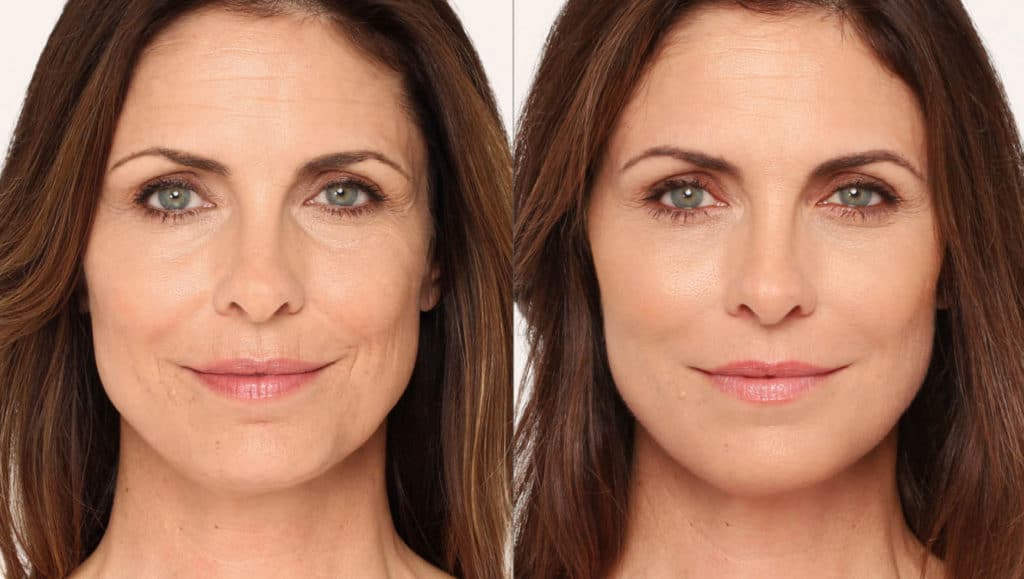
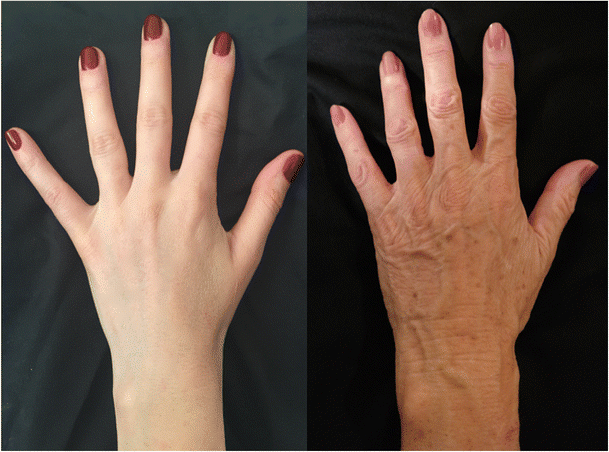
Dermal fillers are substances injected into the skin. They help to fill in wrinkles, add volume, and enhance facial contours. Many people use dermal filler injections for cosmetic improvements. This treatment can restore a youthful appearance quickly and effectively with dermal filler and additional fillers.
Types of Fillers
Different types of dermal fillers exist. Hyaluronic acid fillers are the most common. They attract water and provide hydration. Brands like Juvederm and Restylane are popular examples.
Non-hyaluronic acid fillers also exist. These include calcium hydroxylapatite and poly-L-lactic acid. Calcium hydroxylapatite is found in Radiesse. It stimulates collagen production over time. Poly-L-lactic acid is in Sculptra, a dermal filler that gradually restores facial volume.
Temporary Nature
Most dermal filler treatments are temporary. The body absorbs these fillers over time. Hyaluronic acid fillers typically last from six months to two years. Non-hyaluronic acid fillers may last longer but will eventually fade.
Patients should expect changes in their dermal filler results as time passes. Regular touch-ups with dermal filler are often needed to maintain the desired look.
Injection Procedure
The dermal filler procedure usually involves minimal downtime. A healthcare professional administers the dermal filler injections with a fine needle. Patients might feel slight discomfort during the process. Most clinics apply a numbing cream beforehand.
Side effects can occur, including swelling or bruising at the injection site. These reactions to dermal filler are generally mild and resolve within a few days.
Risks and Reactions
Though rare, some individuals experience more severe dermal filler reactions. Allergic reactions can happen, leading to itching or redness. Infections may also occur if proper hygiene is not followed.
Understanding potential dermal filler side effects is essential for patients considering treatment. Consulting with a qualified professional can minimize risks.
Residual Fillers
Residual dermal fillers can remain after the initial treatment period ends. Some patients may want to reverse their results due to dissatisfaction or complications.
In these cases, hyaluronic acid fillers can be dissolved using an enzyme called hyaluronidase. This process allows for quick removal of unwanted filler material.
For non-hyaluronic acid fillers, reversal options are limited. Patients must wait for the body to absorb these products naturally.
Can You Reverse Dermal Fillers
Reversal Possibility
Reversing dermal fillers is indeed possible. Skilled practitioners can effectively remove or adjust these substances. This process often involves using specific techniques and solutions tailored to the type of filler injected.
Filler Types Matter
The ability to reverse fillers depends greatly on the type used. Many hyaluronic acid-based fillers are reversible. Hyaluronic acid can be dissolved with an enzyme called hyaluronidase. This enzyme breaks down the filler quickly, restoring the area to its original state.
Other fillers, such as those made from silicone or poly-L-lactic acid, do not have a straightforward reversal method. These materials are not easily dissolved. Patients may need to wait for their bodies to absorb these fillers naturally over time.
Adjustment Techniques
Practitioners can also adjust fillers instead of reversing them entirely. Sometimes, patients might want to reduce volume rather than eliminate it completely. In these cases, experienced injectors can strategically inject hyaluronidase or other solutions to achieve a more balanced look.
Consultation Importance
Consultations play a crucial role in this process. Patients should discuss their concerns and desired outcomes with their injector. An experienced professional will evaluate the situation and recommend the best course of action. They will consider factors like the filler type, injection site, and individual patient needs.
Risks of Reversal
While dermal filler reversal is generally safe, some risks exist. Possible side effects include swelling, bruising, or allergic reactions to the reversing agent. These reactions are typically mild but can occur in some individuals.
Patients must choose qualified professionals for any procedure involving dermal fillers or their reversal. Proper training and experience ensure safer outcomes and reduce complications.
Time Frame for Absorption
For non-reversible fillers, patience is essential. The body gradually absorbs these products over months or even years. While waiting may be frustrating, it allows for a natural resolution without additional procedures.
Real-Life Examples
Many individuals have successfully reversed their fillers using hyaluronidase. For instance, someone who received too much filler in their lips may seek adjustment for a more natural appearance. After treatment, they often feel satisfied with the results and regain confidence in their look.
Addressing Unsatisfactory Results
Common Issues
Many patients experience dissatisfaction after receiving dermal fillers. Overfilling is a frequent cause. This happens when too much product is injected into one area. It can lead to an unnatural look. Asymmetry is another common issue. If one side of the face appears different from the other, it can be frustrating for patients.
Lumpiness may also occur. This happens when the filler does not distribute evenly. Patients may feel discomfort or pain in these areas. These situations can significantly affect the treatment appearance and overall satisfaction.
Professional Consultation
Consulting with a professional is essential for correcting unsatisfactory results. A qualified practitioner can assess the situation accurately. They can determine if the results stem from overfilling, asymmetry, or lumpiness.
Professionals may recommend specific products that help resolve these issues. For instance, hyaluronidase is a medicine used to dissolve hyaluronic acid fillers. This treatment can restore balance and improve the overall look.
Patient-Provider Communication
Effective communication between patients and providers plays a vital role in achieving desired outcomes. Patients should express their concerns clearly during follow-up visits. Discussing what went wrong helps providers understand the patient’s perspective.
Providers must listen actively to their patients’ experiences. They should ask questions about any side effects or discomfort. This information helps in planning corrective measures effectively.
Open dialogue can lead to better results in future treatments as well. When both parties work together, they can create a more satisfactory experience.
Correction Options
Patients have several options for addressing unsatisfactory results from dermal fillers:
Dissolving Agents: Using hyaluronidase to dissolve unwanted filler.
Reinjection: Adjusting the filler by adding more product where needed.
Massage Techniques: Sometimes, gentle massage can help distribute the filler more evenly.
Waiting Period: In some cases, allowing time for the filler to settle before making changes.
Each option depends on individual circumstances and should be discussed with a professional.
Massage Techniques for Fillers
Minor Issues
Massage can help with minor issues after filler injections. It may alleviate problems such as lumpiness or unevenness. When fillers settle, some areas may look bumpy. Gentle massage helps distribute the filler evenly. This technique is particularly useful for lip fillers and other facial enhancements.
Professionals often recommend light massage within a few days post-injection. This timing allows the filler to stabilize while still being malleable. A cosmetic injector might provide specific instructions tailored to individual needs.
Professional Guidance
Performing massage safely is crucial. Always seek guidance from a qualified professional, such as a physician assistant or a licensed cosmetic injector. They can show proper techniques and pressure levels. Following their advice minimizes risks associated with cosmetic medicine.
In-office treatments allow for hands-on adjustments by trained staff. They know how to handle complications and can assess results accurately. If you notice any irregularities, consult your injector before attempting self-massage.
Risks of Self-Massage
Self-massage poses risks without proper knowledge. Applying too much pressure can cause more harm than good. It might shift the filler or create further unevenness. Avoid massaging if there are signs of swelling or bruising, as this could worsen medical filler reactions.
If you feel discomfort or see unusual changes, contact your provider immediately. They can evaluate the situation and suggest appropriate steps. Remember, professional intervention is always safer than experimenting alone.
Follow-Up Care
After receiving additional filler injections, consider follow-up appointments for assessments. These visits allow providers to monitor results and address concerns early on. Regular check-ins ensure that any issues are resolved promptly.
Understanding how to care for your fillers can enhance overall satisfaction with cosmetic enhancements. Proper care leads to better outcomes and longer-lasting results.
Removing Hyaluronic Acid Fillers
Enzyme Introduction
Hyaluronidase is an enzyme that can dissolve hyaluronic acid fillers. These fillers are popular for smoothing wrinkles and enhancing facial features. Many cosmetic doctors use hyaluronidase when patients experience complications from filler injections. This enzyme works by breaking down the hyaluronic acid in fillers, allowing the body to absorb it more easily.
Procedure Effectiveness
The procedure using hyaluronidase is effective for several issues. It can address overfilling, lumps, or uneven areas caused by previous treatments. For instance, if a patient feels their cheeks look too full after receiving Juvéderm, hyaluronidase can help restore balance. The injection typically takes only a few minutes. Most patients notice a difference almost immediately.
Doctors often recommend this treatment when there are visible complications. Swelling may occur after the initial filler injection. In such cases, hyaluronidase can smooth out the area effectively. Patients appreciate how quickly they see results compared to waiting for fillers to fade naturally.
Potential Risks
While hyaluronidase is generally safe, some risks exist. One major concern is removing too much filler. This can lead to an undesired appearance or deeper wrinkles than before. Patients may need additional treatments to correct this issue.
Allergic reactions are another potential risk. Though rare, some individuals may react negatively to hyaluronidase itself. Doctors usually perform a patch test before the procedure to minimize this risk. They discuss all possible side effects with patients beforehand.
Need for Further Treatment
After using hyaluronidase, some people might require more procedures. Additional filler may be necessary to achieve the desired look again. Cosmetic surgeons often suggest waiting a few weeks before deciding on further treatments. This allows time for swelling to subside and the area to settle.
Patients should also remember that results vary based on individual circumstances. Some may find they need multiple sessions of hyaluronidase to fully address their concerns. Others might only require one treatment.
Options for Non-Hyaluronic Fillers
Dissolution Limitations
Non-hyaluronic fillers present unique challenges. Unlike hyaluronic acid fillers, these cosmetic injectables cannot be dissolved using hyaluronidase. This enzyme effectively breaks down hyaluronic acid but does not affect other types of fillers. Patients seeking immediate reversal have limited options in this case.
Steroid Injections
Steroid injections offer a potential solution for partial reversal. In some instances, doctors may use steroids to reduce swelling or soften the filler. This method can help improve the appearance temporarily. However, results vary based on the specific type of filler used and individual patient response.
Natural Degradation Process
Waiting for natural degradation is often necessary with non-hyaluronic fillers. These products break down over time, but this process can take months or even years. The body gradually absorbs the filler, leading to a return to the original appearance. Patience is key when considering this option.
Consultation Importance
Consulting a qualified professional is crucial for anyone considering alterations to their filler treatment. Doctors can provide tailored advice based on individual circumstances. They assess the type of filler used and recommend appropriate actions.
Risks and Considerations
Patients should also be aware of potential risks when opting for steroid injections or waiting for natural degradation. Side effects from steroid treatments can include skin thinning or discoloration. Understanding these risks helps patients make informed decisions about their cosmetic procedures.
Final Thoughts
In summary, reversing non-hyaluronic fillers poses challenges due to the inability to dissolve them with hyaluronidase. Alternatives like steroid injections exist but come with limitations and potential side effects. Ultimately, waiting for the body to naturally degrade these fillers remains the primary option for many individuals.
Steps After Reversal
Monitor Area
After a filler reversal procedure, it is crucial to monitor the treatment area. Look for any signs of redness, swelling, or discomfort. These could indicate an adverse reaction. Changes in the skin texture may also occur.
If any unusual symptoms arise, contact your provider immediately. They can assess the situation and provide guidance. Quick action can prevent further complications.
Follow-Up Appointments
Scheduling follow-up appointments with your surgeon is important. These visits allow for assessment of the results from the filler reversal. The provider can evaluate how well the area has responded to the treatment.
During these appointments, discuss any concerns. Providers often check for asymmetry or other irregularities. They can suggest additional treatments if necessary. Regular follow-ups help ensure satisfactory outcomes.
Discuss Future Goals
Future cosmetic goals should be a topic of discussion with your provider after a filler reversal. Understanding what you want to achieve can guide future treatments. Your provider can offer insights on safe options moving forward.
Preventive measures are also essential. Discussing how to maintain desired results can be beneficial. Your provider may recommend specific skincare routines or alternative treatments that align with your goals.
Prevention Strategies for Fillers
Qualified Provider
Choosing a qualified provider is crucial for filler treatment. An experienced professional understands the nuances of different fillers. They can recommend the appropriate filler based on individual needs. Providers with solid credentials minimize risks during the procedure.
A skilled injector knows how to handle complications that may arise. They stay updated on the latest techniques and products. This knowledge ensures better results and enhances safety.
Consultations
Thorough consultations are essential before any filler treatment. During these meetings, patients should discuss their goals and concerns. Understanding potential risks helps set realistic expectations.
Providers should explain the different types of fillers available. Patients must know about acid fillers and modern fillers, as they have various properties. Knowing specific filler characteristics aids in making informed choices.
Follow-Ups
Regular follow-ups after filler treatments are important for monitoring results. These appointments allow providers to assess how well the fillers integrate into the skin. If adjustments are needed, timely action can be taken.
Patients should feel comfortable reaching out to their providers with questions or concerns. Open communication fosters trust and leads to better outcomes.
Realistic Expectations
Setting realistic expectations is vital in any filler treatment journey. Patients should understand that results vary from person to person. Factors like skin type and age influence how fillers perform.
Discussing desired outcomes helps align patient goals with achievable results. Providers can guide clients on what to expect during and after treatment.
Risk Awareness
Understanding the risks associated with fillers is also necessary. Complications can occur, even with qualified providers. Patients should be informed about possible side effects and how to manage them.
Awareness of these risks encourages patients to make safer choices. It also prepares them for any changes that might arise post-treatment.
Closing Thoughts
Reversing dermal fillers is definitely possible. You have options, whether it’s using hyaluronic acid dissolvers or exploring alternatives for non-hyaluronic fillers. Understanding the right steps after reversal can help you regain your confidence and satisfaction with your appearance. Prevention strategies also play a crucial role in ensuring you achieve the best results from your fillers.
Take charge of your beauty journey. If you’re considering fillers or have concerns about past treatments, consult with a qualified professional. They can guide you through your choices and help you make informed decisions. Your look should reflect your true self, so don’t hesitate to seek the best care available.
Frequently Asked Questions
Is it safe to reverse dermal fillers?
Yes, reversing dermal fillers is generally safe when performed by a qualified professional. They can assess your situation and recommend the best approach for reversal.
How long does it take to reverse dermal fillers?
The process of reversing hyaluronic acid fillers can take just a few minutes. However, visible results may vary and typically appear within a day or two.
Can all types of dermal fillers be reversed?
Not all dermal fillers can be reversed. Hyaluronic acid fillers can be dissolved, while non-hyaluronic fillers like silicone or permanent fillers may require more invasive procedures.
What should I expect after reversing dermal fillers?
After reversing fillers, you may experience swelling or bruising at the injection site. These effects are usually temporary and should subside within a few days.
Are there any risks involved in reversing dermal fillers?
While rare, potential risks include allergic reactions or infection. Always consult with an experienced practitioner to minimize these risks.
Can I prevent unsatisfactory results from dermal fillers?
To prevent unsatisfactory results, choose a reputable injector with experience. Discuss your goals clearly before treatment to ensure realistic expectations.
What steps should I take after filler reversal?
Post-reversal, follow your practitioner’s advice on care. Avoid strenuous activities and excessive sun exposure for optimal healing.
Dermal Fillers Aftercare: Essential Steps for Optimal Results
Did you know that nearly 80% of people experience some swelling after getting derma fillers? Proper aftercare is crucial for achieving the best results. Following the right aftercare tips for long-lasting derma fillers, including lip injections and wrinkle removal, can make all the difference in your appearance and satisfaction, serving as a guide for lip enhancements.
Simple steps like avoiding strenuous exercise, staying out of the sun, and keeping your hands off your face can enhance the longevity of your fillers. Hydration and gentle cleansing are also key to maintaining that fresh look. With the right care, you can enjoy beautiful, youthful skin for months. Let’s dive into these essential tips, including dermal filler aftercare, to ensure your investment in facial filler treatments lasts as long as possible.
Key Takeaways
Follow immediate aftercare steps, like applying ice packs, to reduce swelling and bruising after getting dermal fillers.
Avoid touching or massaging the treated area for at least 24 hours to ensure the fillers settle properly.
Keep your skin hydrated by drinking plenty of water and using moisturizers to enhance the longevity of your fillers.
Limit physical activities, especially intense workouts, for a few days to prevent excessive swelling and ensure optimal results.
Protect your skin from sun exposure and heat by wearing sunscreen and avoiding saunas or hot baths to maintain filler effectiveness.
Incorporate long-term care practices, such as regular skincare routines, to support the health of your skin and prolong the results of your dermal fillers.
Understanding Dermal Fillers
Volume Restoration
Dermal fillers restore volume to the face. They help smooth out lines and wrinkles. This can create a more youthful appearance. Many people seek dermal filler injections to enhance their looks. The dermal filler appointment can fill in hollows under the eyes or cheeks. It can also improve lip volume.
These cosmetic injectables are popular for their immediate effects. Patients notice changes right after treatment. This instant result often boosts confidence levels.
Types of Substances
Different substances are used in dermal filler products. The most common is hyaluronic acid. This substance occurs naturally in the body. It helps retain moisture and adds volume to skin. Other fillers may contain calcium hydroxyapatite or poly-L-lactic acid. Each type has unique properties and uses.
Calcium hydroxyapatite is thicker than hyaluronic acid. It provides a more substantial lift, often used for deeper wrinkles during a dermal filler appointment. Poly-L-lactic acid stimulates collagen production over time. This means results improve gradually, offering a natural look.
Aesthetic Benefits
Enhancing facial contours is another significant benefit of dermal fillers. They can redefine the jawline and cheekbones. Many patients appreciate how fillers shape their faces.
Filler injections can also improve symmetry. For example, if one side of the face appears less full, fillers can balance it out. This creates a harmonious look that many desire.
Patients often report feeling more attractive after treatment. They enjoy the refreshed appearance that comes with well-placed fillers.
Many find that enhanced facial features from a dermal filler appointment lead to increased self-esteem. The aesthetic benefits of dermal filler treatments go beyond just physical improvements.
Aftercare Importance
Aftercare is critical for maintaining results from dermal filler treatments. Following the recommended aftercare tips can prevent issues like dermal filler lumpiness or prolonged swelling. Patients should avoid strenuous exercise for at least 24 hours post-treatment after a dermal filler appointment.
Proper care ensures that results last longer and look better over time. Patients should also stay hydrated and avoid alcohol for a few days after their dermal filler appointment.
Immediate Aftercare Steps
Touch Avoidance
After receiving dermal fillers, avoiding touch is crucial. Patients should not apply pressure to the treated area. This can cause the filler to shift or create uneven results. It’s essential to keep hands away from the face for at least 24 hours after dermal filler treatment.
If any swelling or bruising occurs after the dermal filler, do not rub the area. Instead, gently apply a cold compress to reduce discomfort. Following these guidelines helps maintain the desired look and ensures proper healing.
Hydration
Staying hydrated is vital for optimal results. Drinking plenty of water supports the skin and enhances the effectiveness of the fillers. Dehydration can lead to a dull appearance and may affect how long the filler lasts.
Aim for at least eight glasses of water daily. This simple step, like a dermal filler, can make a significant difference in maintaining skin elasticity and overall health.
Activity Restrictions
Avoiding strenuous activities after dermal filler treatment is important in the first 24-48 hours post-treatment. High-intensity workouts can increase blood flow and lead to swelling or bruising. Light activities like walking are acceptable, but anything that raises heart rate should be avoided.
Patients should also refrain from hot yoga or sauna sessions during this period. The heat can exacerbate swelling and discomfort. Proper rest allows the body to heal effectively.
Sun Protection
Sun exposure can negatively impact healing. Patients should avoid direct sunlight for at least two weeks after receiving fillers. UV rays can cause inflammation and affect the filler’s longevity.
Using sunscreen with SPF 30 or higher is recommended when going outside. Wearing a wide-brimmed hat adds extra protection for treated areas.
Follow-Up Care
Scheduling follow-up appointments is essential for assessing results. These visits allow practitioners to address concerns or make adjustments if necessary. Most practitioners recommend a follow-up within two weeks of treatment.
In case of any cosmetic emergencies, such as excessive swelling or allergic reactions, contact your practitioner immediately. They can provide specific aftercare advice tailored to individual needs.
Avoid Disturbing the Area
Massage Risks
Avoid massaging or rubbing the injection site. This action can lead to complications with the filler. The skin needs time to settle after treatment. Touching or manipulating the area may cause uneven results. It’s important to let your body adjust naturally. Follow your provider’s advice on how long to avoid touching your face.
Sleep Position
Do not sleep on your face for at least a week after getting fillers. Sleeping in this position can displace the filler. Instead, sleep on your back with your head elevated. This method helps maintain the shape of treated areas. It also reduces swelling and bruising. Keeping pressure off the face aids in a smoother recovery.
Clothing Choices
Wear loose clothing around the facial areas after treatment. Tight collars or straps can put pressure on the injection sites. This pressure may affect how the filler settles. Loose clothing allows for comfort and prevents unnecessary contact with treated areas. Consider wearing button-up shirts or loose-fitting tops during recovery.
Timeframe for Healing
Understanding the healing process is essential. Full results from dermal fillers can take up to two weeks to appear. During this period, it is crucial to be mindful of your activities. Avoid strenuous exercise and excessive heat exposure, as these can increase swelling.
Hydration and Skin Care
Stay hydrated during your recovery journey. Drinking water helps maintain skin elasticity and overall health. Use gentle skin care products that do not irritate the treated area. Avoid harsh chemicals and exfoliants for at least two weeks post-treatment.
Follow-Up Consultations
Schedule follow-up consultations with your provider as needed. They can assess how well the fillers have settled and address any concerns you might have. Regular check-ins ensure that you achieve the best possible results from your treatment.
Maintain Hydration
Drink Water
Drinking plenty of water is essential after receiving dermal fillers. Staying hydrated helps the skin maintain its elasticity and firmness. It also assists in the integration of the fillers into your skin. Aim for at least eight glasses of water daily. This simple habit can significantly enhance the longevity of your injectables.
Hydration affects your overall skin health. Dry skin can lead to uneven texture, making fillers less effective. Regularly consuming water can prevent dryness. It also flushes out toxins, promoting a healthier complexion.
Use Quality Products
Using high-quality skincare products supports hydration levels in your skin. Look for ingredients like hyaluronic acid and glycerin. These components attract moisture and keep the skin plump. A consistent skincare regimen plays a crucial role in maintaining results.
Investing in a gentle skincare regimen is also important. Avoid harsh cleansers that strip away natural oils. Instead, opt for mild, hydrating formulas that cleanse without irritation. Incorporate moisturizers designed for your skin type to lock in moisture.
Avoid Dehydrating Substances
Avoid consuming dehydrating substances like caffeine and alcohol. Both can lead to moisture loss in the skin. Caffeine can act as a diuretic, increasing urination and reducing hydration levels. Alcohol has similar effects, leading to dryness and dullness.
Reducing these substances can help maintain your skin’s health post-treatment. If you choose to indulge occasionally, balance it with extra water intake. This way, you can mitigate some of the drying effects.
Regular Touch-Ups
Scheduling regular touch-ups is vital for long-lasting results. Fillers do not last forever; they gradually break down over time. Depending on the type of filler used, you may need maintenance every six months to a year.
Consult with your injector about the best timeline for touch-ups. They can provide personalized advice based on your unique needs and goals. Keeping up with these appointments ensures that you always look your best.
Gentle Care
Implementing a gentle skincare routine is crucial after getting fillers. Avoid aggressive scrubbing or exfoliating for at least two weeks post-treatment. This allows the fillers to settle properly without disruption.
Use soft cloths or pads when cleansing your face. Patting instead of rubbing will prevent irritation and promote healing. Being gentle helps maintain the integrity of the filler while supporting overall skin health.
Limit Physical Activity
Postpone Workouts
High-impact workouts can affect the results of your dermal fillers. Increased blood flow to the face may lead to swelling and bruising. It is best to avoid these intense activities for at least 24 to 48 hours after treatment. This waiting period allows the fillers to settle properly without added pressure from physical exertion.
Gentle exercises are a better option during this time. Activities like walking or light stretching keep you active without stressing your body. These low-impact exercises promote a healthy lifestyle while minimizing potential side effects from fillers.
Monitor Swelling
After exercising, it is important to monitor for any unusual swelling. Some swelling can occur naturally after filler injections. However, if you notice an increase in size or discomfort, it might indicate a reaction to exercise.
Pay attention to how your body feels during and after physical activity. If swelling persists beyond a few days, consult your healthcare provider. They can assess whether it’s part of the normal healing process or needs further attention.
Stay Informed
Understanding the effects of fillers on your body helps maintain confidence in your appearance. Knowing how physical activity influences these results ensures you make informed decisions. Always follow the aftercare advice given by your practitioner.
Following these tips allows you to enjoy the positive effects of your dermal fillers while minimizing risks. A balanced approach to exercise promotes overall well-being without compromising aesthetic outcomes.
Listen to Your Body
Your body provides signals about its condition. If you feel any discomfort or pain, take it seriously. Resting when needed helps in recovery and enhances the final results of your treatment.
Remember that patience is key after receiving dermal fillers. Taking care of yourself now ensures long-lasting effects later on. Prioritize gentle movements and give your body time to adjust.
Manage Swelling and Bruising
Cold Compresses
Cold compresses play a vital role in managing swelling after a dermal filler treatment. Applying a cold pack to the injection site can help reduce inflammation. This method works by constricting blood vessels, which slows down blood flow. The recommended duration is 10-15 minutes at a time. Repeat this process several times a day for the first 48 hours after treatment.
Patients should ensure that the compress is not applied directly to the skin. Wrap it in a cloth to avoid frostbite. This simple step can significantly lessen discomfort and promote healing.
Topical Treatments
Topical treatments like arnica or vitamin K creams are effective for minimizing bruising. Arnica is a natural remedy known for its anti-inflammatory properties. It helps speed up the healing process of bruises. Apply it gently on the affected area as directed, usually two to three times daily.
Vitamin K cream also aids in bruise recovery. It promotes better circulation and reduces discoloration. Using these creams can enhance recovery and improve overall results from wrinkle removal or lip enhancement treatment.
Sleep Position
Elevating the head while sleeping is crucial for reducing swelling. Keeping the head raised helps fluids drain away from the face. This position minimizes fluid accumulation, which often leads to increased swelling.
Use an extra pillow or two when resting at night. Avoid sleeping flat on your back during the first few nights post-treatment. This simple adjustment can make a noticeable difference in how quickly swelling subsides.
Hydration and Diet
Staying hydrated is another important factor in managing swelling. Drinking plenty of water supports overall health and helps flush out toxins from the body. Aim for at least 8 glasses of water each day, especially after receiving fillers.
Consider avoiding salty foods during the recovery period. High sodium intake can lead to water retention, worsening swelling around the injection sites.
Avoid Heat Exposure
Avoiding heat exposure is essential during recovery. Heat can increase blood flow, leading to more swelling and discomfort. Stay away from hot showers, saunas, or intense workouts for at least 48 hours following treatment.
Keeping cool will aid in faster recovery and maintain the desired results from your lip enhancement treatment or other filler procedures.
Protect from Sun and Heat
Sunscreen Importance
Applying a high SPF sunscreen daily is crucial after beauty treatments like derma fillers. The skin becomes more sensitive to sunlight post-treatment. Using sunscreen helps prevent skin discolouration and protects against UV damage. Choose a broad-spectrum sunscreen with at least SPF 30. Remember to reapply every two hours, especially if you are outdoors.
Skin concerns can worsen without proper protection. Direct sun exposure can lead to pigmentation issues. This can affect the overall look of your fillers. A good sunscreen acts as a barrier against harmful rays. It keeps your skin healthy and maintains the results of your treatment.
Avoid Heat Exposure
Avoiding heat is essential in the week following your treatment. Activities that increase body temperature can negatively impact the fillers. Saunas and hot tubs should be avoided right after the procedure. High temperatures can cause swelling and may disrupt the filler placement.
Heat can also lead to increased blood flow, which might result in bruising. Limiting exposure to heat helps maintain the integrity of the fillers. Staying cool allows your skin to heal properly while keeping the results intact.
Seek Shade
Wearing hats and seeking shade when outdoors is another effective way to protect your skin. A wide-brimmed hat shields your face from direct sunlight. This simple step reduces the risk of sun damage significantly.
Staying under an umbrella or in shaded areas also helps maintain cooler skin temperatures. These precautions are vital for preserving both your skin and the results of your treatment.
Skincare Products
Using gentle skincare products is important during this time. Harsh chemicals can irritate sensitive skin after filler injections. Look for products that soothe and hydrate without causing irritation.
Incorporate moisturizers that contain calming ingredients like aloe vera or chamomile. These ingredients help reduce inflammation and promote healing. Avoid exfoliants or strong acids for at least a week post-treatment.
Long-Term Care Practices
Regular Touch-Ups
Scheduling regular touch-up appointments is essential for maintaining the effects of derma fillers. Most fillers last anywhere from six months to two years, depending on the type used. Regular visits to your provider can ensure that your results remain fresh and natural-looking. These sessions allow practitioners to assess how well the filler has settled and make adjustments as needed.
Touch-ups can also help in prolonging the longevity of the results. For instance, if you notice any fading or unevenness, a quick appointment can address these issues promptly. Many patients find that they require fewer treatments over time as their skin becomes accustomed to the fillers.
Balanced Diet
A balanced diet plays a crucial role in supporting skin health. Foods rich in antioxidants can help maintain the skin’s elasticity and vitality. Incorporating fruits like berries, vegetables such as spinach, and healthy fats like avocados into your meals can provide essential nutrients.
Hydration is equally important. Drinking plenty of water helps keep your skin plump and reduces dryness. Avoiding excessive sugar and processed foods can also prevent inflammation, which may affect the overall appearance of your skin.
Consistent Skincare Routine
Maintaining a consistent skincare routine tailored to individual needs is vital for long-lasting results. Cleanse your face daily to remove impurities and excess oils. Use serums that contain hyaluronic acid or vitamin C to boost hydration and promote collagen production.
Moisturizing regularly helps lock in moisture and keeps the skin supple. It’s also important to use sunscreen daily, even on cloudy days. This protects against sun damage, which can degrade filler results over time.
Consider consulting with a dermatologist to create a skincare regimen that suits your specific skin type and concerns. They can recommend products that complement your treatment while addressing any underlying issues.
Emotional Well-Being
Emotional well-being also impacts how you perceive your filler results. Feeling good about yourself can enhance the positive effects of the treatment. Engage in activities that boost self-esteem, such as exercise or hobbies you enjoy.
Surrounding yourself with supportive friends and family can also improve your outlook. Discussing your feelings about cosmetic treatments openly can alleviate anxiety related to appearance changes.
Closing Thoughts
Caring for your dermal fillers is key to achieving lasting results. Following the aftercare tips outlined ensures your investment remains worthwhile. By understanding immediate care, managing swelling, and committing to long-term practices, you set yourself up for success.
Don’t underestimate the importance of protection and hydration. These steps not only enhance your appearance but also boost your confidence. Take charge of your beauty journey today! For more expert tips and personalized advice, reach out to a professional in the field. Your skin deserves the best care possible.
Frequently Asked Questions
What are dermal fillers made of?
Dermal fillers typically contain hyaluronic acid, a substance naturally found in the body. Some may also include calcium hydroxylapatite or poly-L-lactic acid. These materials help restore volume and smooth out wrinkles.
How long do dermal fillers last?
The longevity of dermal fillers varies by type and individual factors. Generally, they last from six months to two years. Consult your provider for specific recommendations based on the filler used.
Can I wear makeup after getting fillers?
It’s best to wait at least 24 hours before applying makeup. This allows the injection sites to heal and reduces the risk of irritation or infection.
How can I reduce swelling after fillers?
To minimize swelling, apply a cold compress to the treated area. Keeping your head elevated and avoiding strenuous activities can also help.
Are there any side effects of dermal fillers?
Common side effects include swelling, bruising, and redness at the injection site. These usually resolve within a week. Serious complications are rare but should be discussed with your provider.
When can I resume normal activities after receiving fillers?
Most people can return to normal activities within 24 hours. However, avoid intense exercise or activities that cause excessive sweating for at least a few days.
How often should I get touch-ups for my dermal fillers?
Touch-up appointments are typically recommended every six to twelve months, depending on the type of filler used and individual results. Regular consultations with your provider will ensure optimal outcomes.
2024 Non-Invasive Skin Tightening Treatments You Need to Know
Non-invasive skin tightening trends are changing the beauty game. Traditional methods often involve downtime and discomfort. In contrast, modern techniques offer quick results with minimal recovery. These innovative treatments need to use advanced technologies like ultrasound and radiofrequency to boost collagen and tighten skin without surgery.
People are opting for these gentler options to achieve a youthful appearance without the hassle of invasive procedures. The rise of non-invasive solutions means you can enjoy smoother, firmer skin while fitting treatment into your busy life. Stay ahead in the beauty world by exploring these exciting trends, including surgical skin, that prioritize both effectiveness and comfort.
Key Takeaways
Non-invasive skin tightening methods offer effective alternatives to surgery, making them appealing for those seeking subtle enhancements without downtime.
Popular treatments like MicroNeedling with Radiofrequency and CO2 Laser Resurfacing can significantly improve skin texture and firmness; consider these options for 2024.
Exosome therapy is emerging as a promising option for skin rejuvenation, leveraging the body’s natural healing processes to enhance results.
Mesotherapy techniques can target specific areas of concern, providing tailored solutions for individuals looking to improve skin elasticity.
Sculptra is gaining attention for its ability to stimulate collagen production, leading to long-lasting skin firming effects.
Stay informed about expert insights and trends in non-surgical skin tightening to make educated choices about your skincare routine.
Understanding Non-Invasive Skin Tightening
Definition
Non-invasive skin tightening refers to procedures that enhance skin firmness without surgery. These treatments use various techniques like surgical skin ultrasound, radiofrequency, and laser therapy. They stimulate collagen production and improve skin texture. Many people prefer these methods over invasive skincare solutions due to their safety and effectiveness.
Benefits
Minimal downtime is a key advantage of non-invasive options. Most treatments require little to no recovery time. Patients can often return to daily activities immediately after their invasive beauty treatments sessions. This convenience appeals to busy individuals who want results without disrupting their schedules.
The risk of complications is lower with non-invasive treatments compared to invasive beauty treatments. Surgical procedures, including invasive beauty treatments, can lead to infections, scarring, or anesthesia-related issues. Non-invasive options generally avoid these risks. This makes them safer for many individuals.
Growing Popularity
The trend towards non-invasive skin tightening is rising among those seeking subtle enhancements. Many individuals desire a more youthful appearance without drastic changes. Non-invasive methods provide natural-looking results. They allow for gradual improvements rather than sudden transformations.
ial media plays a significant role in this trend. Influencers and celebrities share their experiences with non-invasive treatments. Their endorsements encourage others to consider these options for mere wrinkle reduction and overall skin health.
Non-invasive procedures also offer customizable solutions. Practitioners can tailor treatments based on individual needs and concerns. This personalized approach increases satisfaction and encourages repeat visits.
Patients appreciate the visible results from non-invasive skin tightening. Many notice improvements after just one session, with optimal effects appearing over several months. The gradual nature of these results helps maintain a natural look.
Techniques Used
Common techniques include:
Ultrasound therapy: Uses sound waves to stimulate collagen.
Radiofrequency: Delivers energy to heat the skin, promoting collagen production.
Laser therapy: Targets specific areas to tighten skin and reduce wrinkles.
These methods are effective for various skin types and concerns. Individuals can choose based on their preferences and desired outcomes.
Why Choose Non-Surgical Methods
Safety First
Non-surgical methods for skin tightening are generally safer than traditional surgery. Surgery often involves significant risks, including infection and scarring. Non-invasive options typically have fewer side effects. Most procedures require little to no downtime. Patients can resume daily activities almost immediately after treatment. This convenience makes non-surgical methods appealing.
Cost-Effectiveness
The cost of non-invasive skin tightening is often lower than surgical procedures. Traditional cosmetic enhancement options can be expensive. They may involve hospital stays, anesthesia, and longer recovery periods. Non-surgical treatments usually come at a fraction of the price. Many patients find this more manageable for their budgets.
Gradual Results
One major benefit of non-surgical procedures is the ability to achieve gradual results. Patients do not undergo drastic changes overnight. Instead, they see subtle improvements over time. This allows individuals to adjust to their new appearance naturally. It may also reduce the likelihood of unwanted attention or questions about the change.
Procedure Variety
There are many non-invasive options available today. Techniques like ultrasound therapy, radiofrequency treatments, and laser therapy are popular choices. Each procedure offers unique benefits tailored to individual needs. These options allow patients to select what suits them best.
Combination Treatments
Combining different non-surgical methods can enhance results further. For example, pairing radiofrequency with micro-needling can boost collagen production significantly. This combination approach addresses various skin concerns simultaneously. It provides a more comprehensive solution without resorting to surgery.
Emotional Benefits
Choosing non-invasive techniques can also have emotional advantages. Many people feel empowered by their decisions regarding cosmetic enhancements. The ability to enhance one’s appearance safely boosts confidence levels. Gradual changes help individuals feel comfortable in their skin.
Accessibility
Non-surgical methods are widely accessible in various settings. Many dermatology clinics offer these services, making it easier for patients to find suitable options nearby. The growing popularity of these treatments has led to increased availability across different regions.
Consultation Importance
Consulting with a qualified professional is crucial before choosing a procedure. Experts can evaluate individual needs and recommend appropriate options based on specific goals. They can provide insights into what to expect during and after treatment.
Key Treatments for 2024
Light Treatments
Innovative light treatments are gaining popularity. These therapies use specific wavelengths to tighten the skin. They stimulate collagen production, improving skin tone and texture. Technologies like LED and laser treatments are leading the way.
In 2024, many will seek these non-invasive options. These treatments require minimal downtime. Patients appreciate that they can quickly return to daily activities.
Specialized Treatments
Specialized treatments are also on the rise. Procedures such as radiofrequency and ultrasound therapy offer effective solutions. Both methods deliver energy deep into the skin layers. This promotes collagen remodeling without surgery.
Experts expect these methods to become more refined in 2024. Enhanced devices will increase comfort during procedures. Patients will experience less pain and faster results.
Cosmetic Advancements
Advancements in cosmetic medicine improve treatment efficacy. New formulations enhance the effects of existing procedures. For instance, combining microneedling with PRP (platelet-rich plasma) boosts results significantly.
These advancements align with consumer desires for personalized solutions. Many want treatments tailored to their unique skin needs. This trend is expected to grow in 2024.
Consumer Trends
Consumer trends show a shift towards holistic skincare solutions. People increasingly favor multi-faceted approaches. They want a combination of treatments for optimal results.
This year, patients will often select packages that include various therapies. Combining different modalities can create a more comprehensive treatment plan. It addresses multiple aesthetic goals at once.
Goals of Treatment
The primary goals of non-invasive skin tightening remain consistent. People aim for smoother, firmer skin without invasive surgery. They desire visible results with minimal recovery time.
By offering various options, providers can meet these goals effectively. Many patients seek natural-looking improvements rather than dramatic changes.
Future Outlook
The future looks promising for non-invasive skin tightening treatments. Innovations in technology continue to emerge. As techniques evolve, so do patient expectations.
In 2024, clinics will likely invest in advanced equipment and training. This ensures practitioners can provide the best care possible.
MicroNeedling with Radiofrequency
Collagen Boost
Microneedling enhances collagen production by creating tiny injuries in the skin. These micro-injuries stimulate the body’s natural healing process. This process increases collagen and elastin, which are essential for youthful skin.
Combining microneedling with radiofrequency (RF) treatment takes this a step further. RF energy heats deeper layers of the skin. This heat triggers even more collagen production. The result is firmer and more radiant skin.
Dual-Action Approach
This treatment uses a dual-action approach. Microneedling targets the surface layer of the skin. It improves texture and reduces fine lines. At the same time, RF energy penetrates deeper layers. This dual effect helps to rejuvenate the skin from both angles.
The non-insulated microneedle radiofrequency treatment effectively treats various skin concerns. It can reduce wrinkles and improve overall skin tone. Many patients notice smoother skin after just a few sessions.
Effective Treatment
Microneedling with RF shows effectiveness in treating fine lines and improving skin texture. Studies demonstrate significant improvements after multiple treatments. Patients often report visible changes within weeks.
Clinical aesthetic dermatology supports this method as an innovative solution. The combination of fractional RF skin resurfacing and microneedling creates a comprehensive treatment plan. This plan addresses both superficial and deep skin issues.
Many people seek this treatment for its minimal downtime. Unlike traditional laser therapy, microneedling with RF allows for quicker recovery times. Patients can return to their daily activities soon after.
Procedure Details
During the procedure, a device equipped with microneedles is used. These needles create micro-channels in the skin while delivering RF energy at the same time. The mesotherapy microneedling technique often incorporates nourishing serums to enhance results.
Sessions typically last about 30 to 60 minutes, depending on the area treated. Most individuals require three to five sessions for optimal results. Each session is spaced about four to six weeks apart.
After treatment, some redness may occur but usually fades within a few days. Results can last several months, depending on individual skin conditions and care routines.
CO2 Laser Resurfacing Benefits
Treatment Process
CO2 laser resurfacing uses a carbon dioxide laser to remove layers of skin. This process promotes skin rejuvenation by stimulating collagen production. The laser targets specific areas, minimizing damage to surrounding tissues.
During the treatment, the laser vaporizes damaged skin cells. Patients often experience a warming sensation, but numbing cream can help reduce discomfort. Recovery time varies, typically lasting one to two weeks. The skin may appear red and swollen initially, but this subsides as healing progresses.
Effectiveness on Skin Issues
Laser resurfacing effectively treats various skin problems. It reduces the appearance of scars, including acne scars. Many people also seek this treatment for sun damage and age spots.
The procedure helps improve skin texture and tone. Studies show significant improvements in skin quality after treatment. For example, patients report smoother skin and fewer wrinkles.
Experts endorse CO2 laser resurfacing for its versatility. Dr. Hovsepian emphasizes its effectiveness in addressing multiple concerns at once. He notes that it provides noticeable results with minimal downtime compared to traditional methods.
Endorsements from Experts
Dr. Hovsepian is among many professionals who support CO2 laser resurfacing. He highlights the procedure’s ability to deliver remarkable outcomes for patients. His experience shows that most patients achieve their desired results.
Patients appreciate how this laser treatment enhances their appearance without invasive surgery. Many feel more confident after their skin improves significantly.
Beneficial Substances Released
CO2 laser resurfacing not only removes damaged layers but also releases beneficial substances into the skin. This includes growth factors that aid in healing and rejuvenation. These substances help restore the skin’s natural glow.
The procedure encourages the body’s healing response, leading to healthier-looking skin over time. As new collagen forms, the skin becomes firmer and more elastic.
Exploring Exosome Therapy
Role of Exosomes
Exosomes are tiny vesicles released by cells. They play a crucial role in cellular regeneration and skin rejuvenation. These vesicles contain proteins, lipids, and genetic material. When introduced into the skin, they enhance communication between cells. This process encourages the body to repair and regenerate damaged tissues.
Patients receiving exosome therapy often notice improvements in their skin’s appearance. The therapy stimulates the production of collagen and elastin, two key proteins that maintain skin structure. Increased collagen leads to firmer skin, while elastin provides elasticity. Together, they help create a youthful look.
Improving Skin Texture
Exosome therapy shows promise in improving skin texture. Many patients report smoother and more radiant skin after treatment. This therapy can also reduce fine lines and wrinkles. Exosomes help to hydrate the skin and promote a more even tone.
Studies indicate that exosome therapy may significantly improve the overall quality of the skin. Patients have shared positive experiences regarding their skin’s transformation. Results vary but can last for several months with proper care.
Innovative Treatment
Leading dermatologists emphasize the innovative nature of exosome therapy. It represents a shift toward more advanced skincare treatments. Unlike traditional methods, this therapy uses the body’s natural processes to heal itself.
Dermatologists highlight its non-invasive characteristics. There is no need for surgery or extensive downtime. Most patients can resume their daily activities shortly after treatment. The minimally invasive nature appeals to many looking for effective solutions without significant recovery time.
In recent years, exosome therapy has gained traction in aesthetic medicine. Research continues to explore its full potential in various applications, including anti-aging treatments. As technology evolves, so does the understanding of how exosomes can benefit skin health.
Patients interested in non-invasive options should consider exosome therapy as a viable choice. While results may vary, many find it an attractive alternative to more invasive procedures like CO2 laser resurfacing.
Mesotherapy Techniques Explained
Overview of Mesotherapy
Mesotherapy involves using mesotherapy injections to deliver vitamins, enzymes, and hormones directly into the skin. This technique enhances skin texture and promotes rejuvenation. The process typically starts with a consultation. A trained professional assesses the patient’s needs and skin condition.
The injections are administered in small doses. They target specific areas of concern, such as wrinkles or sagging skin. Many patients report visible improvements after just a few sessions. Benefits include increased hydration, improved elasticity, and reduced fine lines.
Microneedling Integration
Microneedling is often combined with mesotherapy for enhanced results. This technique uses tiny needles to create micro-injuries in the skin. The body responds by producing collagen and elastin. These are essential for youthful-looking skin.
In mesotherapy, microneedling allows better absorption of the injected substances. This combination leads to more comprehensive rejuvenation. Patients experience smoother skin with fewer blemishes. They also notice an improvement in overall tone and texture.
Contouring and Cellulite Reduction
Mesotherapy plays a significant role in body contouring and cellulite reduction. The injections can break down fat cells in targeted areas. This helps shape and define the body’s silhouette. Many people use mesotherapy for areas like the abdomen, thighs, and arms.
Cellulite is a common concern for many individuals. Mesotherapy injections can improve circulation and promote lymphatic drainage. This reduces the appearance of dimpled skin over time. Regular treatments can lead to noticeable changes in skin smoothness and firmness.
Improving Skin Tone
Another benefit of mesotherapy is its ability to improve skin tone. The injections contain various nutrients that nourish the skin from within. Ingredients like hyaluronic acid and antioxidants help brighten dull complexions.
Patients often see an increase in radiance after treatment. Even skin tone becomes more achievable with consistent sessions. For those struggling with pigmentation issues, mesotherapy offers a non-invasive solution.
Sculptra for Skin Firming
Collagen Production
Sculptra works by stimulating collagen production in the skin. This injectable treatment uses poly-L-lactic acid, which encourages the body to create its own collagen over time. As collagen levels rise, skin firmness improves.
Results from Sculptra are not immediate. Patients usually see gradual changes over several months. The longevity of these results can last up to two years, making it a popular choice for comprehensive skin rejuvenation.
Facial Contours
Sculptra is effective in enhancing facial contours. It addresses areas like the cheeks and jawline, providing a fuller appearance. Many patients seek this treatment to restore youthful volume lost due to skin aging.
Sculptra is also used for buttock contouring. It helps improve shape and fullness without surgery. This non-invasive approach appeals to those wanting natural-looking enhancements.
Gradual Improvements
This treatment suits individuals seeking gradual improvements. Some prefer subtle changes over drastic transformations. Sculptra provides that option, allowing patients to achieve their desired look slowly.
A personalized skincare routine can enhance the effects of Sculptra. Combining it with effective skincare products promotes overall skin vitality. Regular follow-ups with a plastic surgeon help maintain results and address any skin concerns.
Patients often report satisfaction with their outcomes. They appreciate the natural feel and appearance of their skin after treatment. The gradual enhancement allows them to adjust to changes comfortably.
Safety and Considerations
While Sculptra is generally safe, it requires careful administration by qualified professionals. Consulting with a skilled plastic surgeon ensures proper technique and minimizes risks. It’s essential to discuss any medical history or allergies before treatment.
e common side effects include swelling or bruising at the injection site. These typically resolve within a few days. Understanding these factors helps patients make informed decisions about their skincare options.
Expert Insights on Emerging Trends
Technological Advancements
Experts predict significant technological advancements in non-invasive skin tightening treatments. Devices are becoming more sophisticated. They will use advanced energy delivery systems for better results. For example, ultrasound and radiofrequency technologies are evolving. These improvements enhance the effectiveness of treatments while minimizing discomfort.
New devices may also allow for quicker treatment times. Patients can expect to see visible results faster than ever before. This increased efficiency will likely attract more individuals seeking these services. The accessibility of these treatments is important as well. With more clinics offering them, people have greater opportunities to improve their skin’s appearance.
Personalized Treatment Plans
Personalization plays a critical role in achieving optimal results in skin care trends. Each individual has unique skin concerns and goals. Experts emphasize the need for customized treatment plans. These plans should consider factors like age, skin type, and specific issues such as fine lines or sagging skin.
A tailored approach ensures that individuals receive the most effective treatments. For instance, some may benefit from a combination of techniques, including Sculptra and other non-invasive options. This strategy maximizes the potential for improved contours and texture.
Addressing Concerns
Concerns about safety and efficacy remain prevalent among patients. Experts highlight the importance of using FDA-approved technologies. Patients should feel confident in their choices when selecting treatments. Understanding the potential risks and benefits is essential.
Transparency between practitioners and patients is crucial. Clear communication builds trust and helps manage expectations regarding results. Patients often seek reassurance about the longevity of outcomes as well. Many non-invasive procedures offer long-lasting effects with proper maintenance.
Building Confidence
The impact of non-invasive skin tightening on confidence cannot be underestimated. Many individuals report feeling more self-assured after treatments. A youthful appearance can boost overall well-being and social interactions.
As technology advances, so does the ability to enhance natural beauty without invasive procedures. Non-invasive options provide a way for people to achieve desired looks without significant downtime or recovery periods.
Future Trends
Looking ahead, experts foresee even more innovative solutions entering the market. New ingredients and formulations may enhance the effectiveness of topical products used alongside treatments. Research into bio-stimulating agents will likely yield exciting developments.
Moreover, education around these emerging trends will empower individuals to make informed decisions about their skin care journeys. As awareness grows, so does interest in achieving healthier, younger-looking skin through non-invasive means.
Summary
Non-invasive skin tightening trends are changing the game for those seeking youthful skin without surgery. You’ve explored various treatments like microneedling, CO2 laser resurfacing, and Sculptra. Each method offers unique benefits tailored to your skin’s needs. Staying updated on these trends can help you make informed choices.
The future looks bright for non-surgical options. As technology advances, more effective and personalized treatments will emerge. Embrace these innovations to enhance your beauty journey. Don’t miss out on the chance to rejuvenate your skin effortlessly. Dive into these trends today and discover what suits you best. Your skin deserves the best, so take action now!
Frequently Asked Questions
What is non-invasive skin tightening?
Non-invasive skin tightening refers to cosmetic procedures that lift and firm the skin without surgery. Techniques include laser treatments, radiofrequency, and microneedling, offering minimal downtime and noticeable results.
How long do non-surgical skin tightening results last?
Results from non-surgical skin tightening can last anywhere from six months to two years, depending on the treatment type and individual factors like skin condition and lifestyle.
Are there any side effects of non-invasive skin tightening?
Side effects are generally mild and may include redness, swelling, or slight discomfort. These symptoms usually resolve within a few hours to a few days post-treatment.
Who is a good candidate for these treatments?
Good candidates are individuals seeking to improve skin firmness without surgery. Ideal candidates typically have mild to moderate skin laxity and realistic expectations about the results.
How many sessions are needed for optimal results?
Most non-invasive skin tightening treatments require multiple sessions for best results. Typically, patients may need 3-6 sessions spaced several weeks apart, depending on the specific treatment.
Is there any downtime after the procedure?
Most non-invasive procedures involve little to no downtime. Patients can often return to their daily activities immediately, although some may experience minor redness or swelling.
How can I choose the right treatment for me?
Consulting with a qualified dermatologist or aesthetician is crucial. They will assess your skin type, goals, and medical history to recommend the most effective treatment tailored to your needs.
Post-Operative Depression: Symptoms, Causes, and How to Cope
Post-operative depression is a real challenge many face after surgery. It often goes unnoticed, yet it can significantly impact recovery, especially in cases of postoperative depression, postpartum depression, chronic pain, and postsurgery depression. Historically, mental health post-surgery wasn’t widely discussed. Patients were expected to bounce back physically while emotional struggles remained in the shadows.
Coping with these feelings is crucial for healing. Understanding the signs of post-operative depression helps in addressing it early through proud recovery community and effective recovery practices. Simple strategies like talking to loved ones, seeking professional help, or engaging in light activities can make a difference. This guide offers practical tips to navigate through this tough time and regain control over your emotional well-being.
Key Takeaways
Understand that post-operative depression is a common issue that can affect recovery; being aware of this can help you take proactive steps.
Recognize the symptoms, such as sadness or lack of interest, to identify if you or someone else may be experiencing this condition.
Be mindful of high-risk surgeries that may lead to depression; consult with your healthcare provider to understand your specific risks.
Communicate openly with your healthcare providers about your feelings and concerns; they can provide support and resources tailored to your needs.
Build a support network of friends and family who can offer emotional and practical assistance during recovery.
Engage in regular physical activity, as it can boost mood and promote healing; even light exercises can make a difference.
Understand Post-Operative Depression
Definition
Post-operative depression refers to a common emotional response following surgery, often addressed through recovery practices within a proud recovery community. Many patients experience feelings of sadness, anxiety, or hopelessness after their procedure. This reaction can occur due to various factors, including operative pain, the stress of recovery, and changes in routine.
Surgery often disrupts normal life. Patients may feel isolated during their recovery period. They might also struggle with physical limitations that affect their daily activities, especially in recovery practices, postsurgery depression, and within a proud recovery community. These feelings can lead to what is known as postoperative blues.
Difference from Clinical Depression
Normal post-surgery blues differ from clinical depression. While many patients may feel low for a few days or weeks, the proud recovery community acknowledges that clinical depression lasts longer and has more severe symptoms, often requiring recovery practices. Symptoms of surgery depression include persistent sadness, lack of energy, changes in appetite, and trouble sleeping.
In contrast, clinical depression requires professional intervention. It can significantly impact daily functioning and quality of life. Recognizing the difference between these two conditions is crucial for proper treatment and recovery practices.
Importance of Recognition
Recognizing post-operative depression is vital for effective management. Early identification allows healthcare providers to address the issue promptly. This can help prevent the condition from worsening into chronic depression.
Patients should communicate openly about their feelings during recovery. Discussing depressive symptoms with a doctor can lead to appropriate support and resources. Treatment options may include therapy, medication, or support groups tailored for surgical recovery.
Ignoring signs of post-surgery depression can hinder healing. Emotional well-being plays a significant role in physical recovery. Addressing psychological needs alongside physical health leads to better outcomes.
Symptoms to Watch For
Patients should be aware of several depression symptoms during recovery. Common indicators include:
Persistent sadness
Increased irritability
Loss of interest in activities
Changes in sleep patterns
Difficulty concentrating
These symptoms may arise at different stages of the recovery process. Noticing them early can lead to timely intervention.
Coping Strategies
Coping with post-operative depression involves several strategies. Engaging in light physical activity can enhance mood and reduce anxiety. Connecting with friends and family provides emotional support during this challenging time.
Practicing relaxation techniques, such as deep breathing or meditation, can also help manage feelings of stress and anxiety. Maintaining a healthy diet supports both physical and mental health during recovery.
Recognize Symptoms and Causes
Emotional Symptoms
Post-operative depression can show various emotional symptoms. Feelings of hopelessness often arise. Patients may feel that recovery is impossible or that their situation will not improve. Agitation is another common symptom. A patient might feel restless or irritable, even over small matters.
Anxiety can also increase after surgery. This anxiety may stem from worries about recovery or future health issues. Patients might experience mood swings as well, moving quickly from sadness to irritability. These emotional symptoms can be overwhelming. They may affect daily life and hinder the healing process.
Physical Symptoms
Physical symptoms are also significant indicators of post-operative depression. Fatigue is a major symptom many patients report. After surgery, the body needs time to heal, but this fatigue can feel more intense than expected. Loss of appetite frequently accompanies fatigue. Patients may struggle to eat, which can worsen their physical state.
Sleep disturbances often occur as well. Insomnia or excessive sleep can both signal depression. Some patients find it hard to fall asleep due to anxiety or discomfort. Others may sleep too much, avoiding reality and responsibilities.
These physical symptoms can lead to a cycle of worsening mental health. A lack of energy can make it difficult to engage in activities that promote healing, like walking or socializing.
Potential Causes
Several factors contribute to post-operative depression. Reactions to anesthesia are common culprits. Anesthesia affects the brain and can lead to feelings of confusion or sadness post-surgery. Pain medications also play a role in mental health changes. Opioids, for example, are effective for pain relief but can cause mood swings and depression.
The stress of undergoing surgery itself can trigger depressive episodes. The anticipation and recovery process can create emotional turmoil. Pre-existing mental health conditions may worsen after surgery.
Environmental factors contribute as well. A lack of support from family and friends can leave patients feeling isolated during recovery. Limited mobility after surgery may prevent patients from engaging in social activities they once enjoyed.
Understanding these causes helps in addressing post-operative depression effectively.
Identify High-Risk Surgeries
Cardiac Procedures
Certain surgeries, like cardiac procedures, involve significant emotional and physical stress. Heart surgery often requires long hospital stays. Patients may face anxiety about their health and recovery. This anxiety can lead to feelings of sadness or hopelessness after the operation. Studies show that patients who undergo heart surgery are at a higher risk for depression.
Major Orthopedic Surgeries
Major orthopedic surgeries also rank high on the list of risky operations. These include joint replacements and spinal surgeries. Recovery from these procedures can take months. During this time, patients may struggle with pain and limited mobility. Losing independence can trigger feelings of depression. The longer the recovery, the greater the chance of developing surgery symptoms related to mental health.
Emergency Surgeries
Emergency surgeries present unique challenges. They often occur without prior planning or mental preparation. Patients may experience shock or trauma from sudden health issues. This lack of readiness can affect emotional well-being post-operation. Research indicates that emergency surgery patients face higher rates of anxiety and depression compared to those undergoing planned procedures.
Lifestyle Changes
Surgeries that result in significant lifestyle changes are also high-risk for post-operative depression. For example, weight loss surgeries can drastically alter daily routines and eating habits. Patients must adapt to new diets and exercise regimens. These changes can be overwhelming and lead to feelings of isolation or sadness.
Similarly, surgeries affecting mobility can impact daily life significantly. Patients may need help with basic tasks, leading to frustration and a sense of loss. Such adjustments can contribute to a decline in mental health.
Recovery Time
Longer recovery times increase the risk of depression as well. Patients undergoing extensive rehabilitation may feel discouraged by slow progress. Each day without improvement can lead to negative thoughts about their situation. This is especially true for older adults who may already deal with other health issues.
Surgical Complications
Surgical complications further heighten the risk of depression. Issues like infections or prolonged pain can extend hospital stays and recovery times. The uncertainty surrounding these complications can create additional stress for patients and their families.
Communicate with Healthcare Providers
Open Discussions
Operative patients often experience various emotions after surgery. It is vital to have open discussions about mental health with healthcare providers. Surgeons and nurses can help identify signs of post-operative depression. They are trained to recognize these symptoms. Patients should feel comfortable sharing their feelings. This communication can lead to better support and care.
Regular check-ins with healthcare providers can uncover underlying issues. Discussing mood changes and emotional struggles is important. Patients should not hesitate to voice concerns. Many healthcare facilities encourage this kind of dialogue. Providers appreciate when patients share their experiences.
Report Symptoms
Persistent depressive symptoms can affect recovery. Patients must report these symptoms to their healthcare team. Feeling sad, anxious, or hopeless after surgery is common but should not be ignored. These feelings might indicate a deeper issue that needs attention.
Healthcare providers may ask specific questions during follow-up visits. Answering these honestly helps in assessing mental health. If patients notice changes in sleep patterns, appetite, or energy levels, they should speak up. Reporting these signs can lead to timely intervention.
Seek Resources
Patients should also ask healthcare providers for resources related to mental health. Many hospitals offer support services for post-operative care. These resources may include counseling or therapy options tailored for operative patients.
Referrals to mental health professionals can be beneficial. Providers can connect patients with specialists who understand post-operative challenges. Mental health experts can provide coping strategies and support systems.
Support groups are another valuable resource. Connecting with others who have similar experiences can reduce feelings of isolation. Sharing stories and coping methods can foster a sense of community among operative patients.
Follow-Up Care
Follow-up appointments are crucial for recovery. They allow healthcare providers to monitor both physical and mental health progress. Patients should prioritize these visits as part of their overall recovery plan.
During these appointments, discussing emotional well-being is essential. Providers can adjust treatment plans based on patient feedback. This collaborative approach enhances the healing process.
Build a Support Network
Family Support
Family and friends play a crucial role in recovery. They offer emotional support during tough times. Their encouragement can help ease feelings of loneliness. Regular visits or phone calls can make a significant difference. Sharing feelings with loved ones helps to lighten the emotional load. They can also assist with daily tasks, allowing you to focus on healing.
Involving family members in your recovery journey is essential. Their presence can create a sense of belonging. This support often leads to improved mental health. It’s important to communicate your needs clearly. Let them know how they can help you best.
Join Support Groups
Joining a recovery community can be beneficial. Support groups provide a safe space for sharing experiences. Meeting others who have gone through similar surgeries fosters understanding. It creates connections that reduce feelings of isolation.
Organizations like the American Psychological Association recommend these groups. They offer valuable resources and coping strategies. Members often share tips that worked for them. This shared knowledge can aid your recovery process.
Support groups also encourage accountability. Knowing others are cheering for your progress can motivate you. Many find comfort in hearing success stories from peers.
Seek Professional Counseling
Professional counseling is another option to consider. Therapists trained in post-operative care can provide tailored support. They help address specific issues related to surgery and recovery.
Counseling offers a structured environment to express feelings. A professional can teach coping skills and stress management techniques. This support is vital, especially if feelings of depression persist.
Finding the right therapist is key. Look for someone who specializes in recovery or post-operative care. Don’t hesitate to ask questions during the initial meeting. Building trust with a counselor is essential for effective treatment.
Summary
Building a strong support network is crucial after surgery. Family and friends provide immediate emotional backing. Joining a proud recovery community connects you with others facing similar challenges. Seeking professional counseling ensures you have expert guidance during tough times.
Coping with post-operative depression requires effort and openness. Don’t hesitate to reach out for help when needed. Recovery is not just physical; it’s emotional too.
Engage in Physical Activity
Follow Exercise Plans
Following prescribed exercise plans is crucial for recovery. Doctors often provide specific routines tailored to individual needs. These plans help manage physical discomfort and promote healing. Engaging in the recommended activities can speed up the recovery process. It sets a solid foundation for both physical and mental health.
Patients should start with light exercises. Simple movements like walking or stretching are effective. They can gradually increase intensity as they feel stronger. Consistency is key. Sticking to the plan helps ensure fast rehabilitation.
Mental Health Boost
Physical activity significantly impacts mental health. Exercise releases endorphins, which improve mood. Regular movement can reduce feelings of anxiety and depression. It also provides a sense of accomplishment, especially after surgery.
Many studies support these claims. Research shows that patients who engage in physical activity report better emotional well-being. They feel more positive about their recovery journey. This improvement can lead to a quicker return to daily life.
Gradual Increase
Gradually increasing activity levels is essential during recovery. Pushing too hard too soon can lead to setbacks. Start slowly and listen to your body’s signals. If something feels painful, it’s important to stop and rest.
As strength improves, add new exercises or extend durations. This gradual approach builds confidence and stamina. Patients often find joy in discovering what their bodies can do again.
Setting small, achievable goals helps maintain motivation. For example, aim for a short walk each day and gradually increase distance over time. Celebrate every milestone, no matter how small.
Social Engagement
Engaging in physical activities with others can enhance recovery as well. Joining a group class or exercising with friends adds social interaction. This connection can alleviate feelings of isolation that sometimes follow surgery.
Support from others encourages accountability too. Sharing experiences with peers fosters a sense of community. It reminds patients they are not alone in their journey.
Maintain Healthy Lifestyle Habits
Balanced Diet
A balanced diet plays a crucial role in recovery. Eating nutritious foods helps the body heal. It also supports mental health. Include fruits, vegetables, whole grains, and lean proteins in meals. These foods provide essential vitamins and minerals. They can boost mood and energy levels.
Hydration is equally important. Drinking enough water aids digestion and keeps energy high. Avoiding excessive sugar and processed foods can prevent mood swings. These foods often lead to crashes that worsen feelings of depression.
Adequate Sleep
Adequate sleep is vital for emotional stability. Sleep deprivation can worsen symptoms of depression. Aim for 7 to 9 hours of quality sleep each night. Establish a regular sleep schedule to improve restfulness.
Create a calming bedtime routine. This may include reading or listening to soft music. Limiting screen time before bed helps too. The blue light from devices can interfere with sleep quality.
Avoid Alcohol and Drugs
Avoiding alcohol and drugs is essential during recovery. Substances like these can worsen depressive symptoms. They can interfere with medication effectiveness as well.
Alcohol may seem relaxing but often leads to increased anxiety later on. Similarly, recreational drugs can disrupt mental health further. Staying away from these substances promotes a clearer mind and better emotional balance.
Mindfulness Practices
Mindfulness practices are beneficial for coping with post-operative depression. Techniques like meditation or deep-breathing exercises help reduce stress. Regular practice enhances focus and emotional regulation.
Start with just a few minutes daily. Gradually increase the time as comfort grows. Apps or online videos can guide beginners through mindfulness exercises.
Incorporating mindfulness into daily routines fosters resilience against negative thoughts. It allows individuals to become more aware of their feelings without judgment.
Recovery Routine
Establishing a recovery routine is key to maintaining healthy habits. A structured plan helps manage time effectively while focusing on healing activities.
Include time for meal preparation, exercise, and relaxation in this routine. Schedule periods for social interaction too, as connection with others supports emotional health.
Set Achievable Personal Goals
Small Goals
Setting small, realistic goals helps track recovery progress. These goals should be specific and manageable. For example, aim to walk for ten minutes each day. This approach makes it easier to see progress without feeling overwhelmed.
Each small goal achieved builds confidence. It creates a sense of accomplishment. When you notice improvements, it boosts your mood. Focus on what you can do today rather than what still needs to be done.
Celebrate Milestones
Celebrating each milestone is important. No achievement is too minor to recognize. Whether it’s taking a shower or cooking a meal, celebrate these wins. A simple reward, like treating yourself to your favorite snack, can lift your spirits.
Acknowledging these moments keeps motivation high. It reminds you that recovery is a journey. Each step forward matters. These celebrations reinforce positive feelings and encourage continued effort.
Long-Term Focus
Focusing on long-term recovery is crucial. Immediate results can be tempting but often unrealistic. Recovery takes time and patience. Instead of rushing, appreciate the gradual changes in your health.
Keep a journal to document your feelings and achievements over time. Reflecting on this progress can provide insight into how far you’ve come. It also helps in understanding that setbacks are part of the process.
Support System
Building a support system enhances goal-setting efforts. Friends and family can provide encouragement and accountability. Share your goals with them and ask for their help when needed.
Consider joining support groups as well. Connecting with others facing similar challenges can offer comfort and motivation. Hearing their stories may inspire you to keep moving forward.
Mindfulness Practices
Incorporate mindfulness practices into your routine. Techniques such as meditation or deep breathing can help manage stress during recovery. Mindfulness keeps you grounded and focused on the present moment.
These practices promote emotional well-being while working toward your goals. They create a space for self-reflection, allowing you to process your experiences more effectively.
Professional Guidance
Consulting with healthcare professionals can aid in setting realistic goals. They can assess your physical condition and suggest appropriate targets for recovery progress. Their expertise ensures you stay on track without risking your health.
Regular check-ins with a therapist or counselor can also be beneficial. They provide strategies for coping with emotional challenges during recovery.
Closing Thoughts
Coping with post-operative depression is crucial for your recovery. Understanding the condition and recognizing symptoms is the first step. High-risk surgeries require extra attention. Communication with healthcare providers and building a solid support network can make a world of difference. Staying active and maintaining healthy habits will boost your mood and energy levels. Setting achievable goals keeps you motivated.
Take charge of your mental health. Don’t hesitate to reach out for help or advice. You deserve a smooth recovery, both physically and mentally. Explore resources, talk to professionals, and lean on your loved ones. Your journey matters, so make it count!
Frequently Asked Questions
What is post-operative depression?
Post-operative depression is a mood disorder that can occur after surgery. It may manifest as feelings of sadness, anxiety, or hopelessness and can affect recovery.
What are the symptoms of post-operative depression?
Symptoms include persistent sadness, fatigue, loss of interest in activities, difficulty concentrating, and changes in sleep or appetite. Recognizing these signs early is crucial for effective management.
Who is at risk for post-operative depression?
Individuals undergoing high-risk surgeries, those with a history of depression, or lacking social support are more susceptible. Awareness can help in taking preventive measures.
How can I communicate with my healthcare provider about my feelings?
Be open and honest about your emotions and concerns. Prepare questions in advance and express any symptoms you’re experiencing to ensure you receive appropriate support.
Why is building a support network important?
A strong support network provides emotional assistance, reduces feelings of isolation, and encourages positive coping strategies. Engaging family and friends can significantly aid recovery.
How does physical activity help with post-operative depression?
Physical activity releases endorphins, which improve mood and reduce anxiety. Even light exercise can enhance mental well-being during recovery.
What lifestyle habits can help manage post-operative depression?
Maintaining a balanced diet, getting adequate sleep, and avoiding alcohol and drugs can significantly improve overall mental health and aid in recovery from surgery.
Hand Rejuvenation with Fat Transfer: What You Need to Know
Ever wondered how to restore youthful hands with fat grafting treatments without invasive surgery, making cosmetic alterations for better cosmetic outcomes using fat grafting techniques? Fat transfer for hand rejuvenation is the answer. This innovative procedure uses your own body fat to plump up thin, aging skin on the hands. It smooths out wrinkles and adds volume, giving a more youthful appearance.
The benefits are clear: natural results, minimal downtime, and lasting effects. Many people choose this option, including fat grafting, to enhance their confidence and show off their hands without hesitation, asds dermatologist. Discover how fat transfer can transform not just your hands but also your overall look. Embrace the chance to revive your hands with this simple yet effective technique.
Key Takeaways
Fat transfer for hand rejuvenation is a safe and effective way to restore volume and improve the appearance of aging hands.
The benefits include smoother skin, reduced wrinkles, and a more youthful look, making it a great option for those concerned about their hand appearance.
Proper preparation is crucial; consult with a qualified professional to discuss your goals and understand the procedure fully.
During the procedure, local anesthesia is used to ensure comfort, so you can expect minimal discomfort while achieving satisfying results.
Follow recovery tips closely, such as avoiding heavy activities and following up with your doctor, to ensure optimal healing and results.
Not everyone is a suitable candidate; factors like skin condition and health history should be considered before proceeding.
Understanding Fat Transfer for Hands
Definition
Fat transfer involves using a patient’s own fat to rejuvenate hands. This procedure enhances volume and smooths out wrinkles. It is also known as autologous fat grafting. Patients benefit from this technique, such as fat graft and hand fat transfer, because it utilizes their own tissue, reducing the risk of rejection.
Process of Harvesting
The first step in hand fat transfer is harvesting fat cells. Surgeons typically extract fat from areas with excess fat, such as the abdomen or thighs. They use liposuction to collect the fat. This method is minimally invasive and leaves small scars.
After harvesting, the surgeon processes the fat. The goal is to separate healthy fat cells from unwanted fluids and debris. This ensures that only transplanted fat with high viability is used for injection.
Injection Technique
Once prepared, the next step is injecting the fat into the hands. Surgeons use a technique called microlipoinjection for this process. This method allows for precise placement of the fat. Injected fat fills in hollows and adds volume to thin areas of the hands.
Surgeons often use a cannula for injecting the fat. A cannula is a thin tube used in hand fat transfer that reduces trauma to surrounding tissues. This helps improve healing and results in smoother outcomes.
Fat Distribution
Proper fat distribution is crucial for achieving natural-looking results. Surgeons carefully plan where to inject the fat based on each patient’s unique anatomy. They consider factors like existing volume loss, skin texture, and hand fat transfer.
The injected fat undergoes a process called integration. Over time, some of the transplanted fat may not survive. However, a significant portion will establish its blood supply through hand fat transfer and remain in place.
Results of Fat Transfers
Patients can expect noticeable changes after undergoing hand fat transfers. Many report immediate improvements in hand appearance. Full results from the hand fat transfer become visible within several months as swelling subsides and the body adjusts.
Fat transfer hand augmentation results can last for years. However, some patients may require additional treatments over time to maintain their desired look.
Alternative Techniques
Fat transfer procedures have evolved over time, leading to various techniques being developed. These include different methods of harvesting and injecting fat. Each technique aims to enhance safety and effectiveness.
Surgeons choose specific techniques, such as hand fat transfer, based on patient needs and preferences. Understanding these options can help patients make informed decisions regarding hand rejuvenation.
Benefits of Hand Rejuvenation
Natural Results
Fat transfer for hand rejuvenation offers natural-looking results. Surgeons take fat from other body parts and inject it into the hands. This process uses the body’s own tissue, which helps create a more authentic appearance. Patients often notice that their hands look fuller and smoother after the procedure. Unlike synthetic fillers, fat transfer blends seamlessly with existing tissue.
Long-lasting Effects
The effects of fat transfer are long-lasting compared to traditional fillers. While many fillers last only a few months, transferred fat can remain for years. Studies show that about 50-70% of the injected fat survives after the first few months. This means patients enjoy sustained improvements without frequent touch-ups. Many appreciate this aspect as it reduces the need for repeated treatments.
Reduced Allergic Reactions
Using autologous fat significantly lowers the risk of allergic reactions. Since the fat comes from the patient’s own body, there is no chance of rejection or allergy. This contrasts with synthetic fillers, which can cause side effects in some individuals. Patients often feel safer knowing they are using their own tissue.
Cosmetic Improvement
Hand rejuvenation through fat transfer leads to noticeable cosmetic improvement. Many individuals seek this procedure to combat signs of aging. Thin skin and prominent veins can make hands appear older than they are. Fat injections restore volume and smooth out wrinkles, providing a youthful look.
Patients report higher satisfaction levels with hand rejuvenation compared to other methods. The results enhance not just appearance but also confidence. Feeling good about one’s hands can impact daily life positively.
Minimal Downtime
Recovery time after a fat transfer is generally minimal. Most patients return to normal activities within a few days. Some swelling and bruising may occur, but these symptoms typically resolve quickly. This makes it a convenient option for those with busy schedules.
Versatility of Treatment
Fat transfer is versatile and can be tailored to individual needs. Surgeons can adjust the amount of fat injected based on desired outcomes. This personalization allows for optimal results that suit each patient’s unique anatomy.
Many clinics now offer this procedure due to its growing popularity. Patients should consult with experienced surgeons to discuss options and expectations.
Preparing for the Procedure
Medical History
Patients should review their medical history with a dermatologist before undergoing any fat transfer for hand rejuvenation. This step is crucial. It helps the doctor understand any pre-existing conditions. Certain health issues might affect the procedure’s safety and effectiveness.
Discussing past surgeries or treatments can also provide valuable insights. For instance, if a patient has undergone facelift surgery, it may influence the approach taken during the fat grafting procedure. Ensure that all relevant information is shared openly.
Expectations and Risks
Setting realistic expectations is vital for patients considering this cosmetic procedure. Discussing desired outcomes with the dermatologist can help align goals. Patients should express what they hope to achieve from the treatment.
Understanding potential risks is equally important. Fat transfer is generally a painless procedure, but complications may arise. Common risks include bruising, swelling, or infection at the injection site. A candid conversation about these aspects can prepare patients mentally and emotionally.
Medications and Supplements
Patients must disclose all medications and supplements to their doctor prior to the procedure. Some medications can affect bleeding and healing. For example, blood thinners can increase the risk of excessive bleeding during and after the process.
Supplements like fish oil or vitamin E may also pose risks. They can interfere with blood clotting, leading to complications. Providing a complete list of current medications ensures that the dermatologist can make informed decisions regarding treatment.
Understanding Procedures
Fat transfer for hand rejuvenation involves a liposuction procedure to harvest fat from another body area. This technique is often referred to as the dry liposuction technique. The harvested fat is then injected into the hands to restore volume and improve appearance.
Patients may want to know how many sessions are necessary for optimal results. Typically, one session suffices, but some may need follow-up visits depending on individual circumstances. Discussing this aspect helps clarify commitment levels.
Post-Procedure Care
Post-procedure care plays a significant role in achieving satisfactory results. Patients should follow their dermatologist’s instructions carefully after injections. This includes avoiding strenuous activities for a few days to promote healing.
Regular follow-up appointments allow dermatologists to monitor progress and address concerns promptly. Keeping communication open ensures that patients feel supported throughout their recovery journey.
What Happens During the Process
Fat Removal
The first step in fat transfer for hand rejuvenation is fat removal. This process usually takes about 30 minutes. Surgeons often use liposuction to extract fat from other parts of the body. Common areas include the abdomen, thighs, or flanks.
Surgeons inject a local anesthetic to minimize discomfort. They then make small incisions to insert a thin tube called a cannula. The cannula helps remove the fat through suction. After extraction, the fat is processed to separate healthy fat cells from unwanted fluids.
Fat Injection
Next, the surgeon prepares for the fat injection phase. This part typically lasts around 30 minutes as well. The processed fat is placed in syringes for injection. Surgeons carefully inject small amounts of fat into specific areas of the hands.
The goal is to restore volume and smooth out wrinkles or hollows. Surgeons may use a technique called micro-injection for precision. This technique allows them to place tiny droplets of fat into multiple layers of skin.
Immediate Effects
After the procedure, the treated area may appear swollen and bruised. This is normal and usually subsides within a week. Patients often notice some immediate volume improvement in their hands.
However, it’s essential to understand that some of the injected fat will be absorbed by the body over time. Initial results might change as swelling decreases and absorption occurs.
Patients can expect full results in about three months. At this point, they will see how much volume has been retained. Regular follow-up appointments help monitor progress and address any concerns.
Recovery Timeline
Recovery from this procedure varies among patients but generally follows a similar timeline:
First Week: Swelling and bruising peak during this time.
Two Weeks: Most swelling reduces significantly.
Three Months: Final results are visible after healing is complete.
Patients should avoid strenuous activities during recovery. Light movement is encouraged to promote circulation without putting stress on the hands.
Anesthesia and Comfort
Topical Anesthesia
Topical anesthesia plays a crucial role in ensuring patient comfort during fat transfer for hand rejuvenation. This type of anesthesia is applied directly to the skin. It numbs the surface area where the procedure occurs. Patients often feel minimal discomfort because of this effective numbing agent.
Doctors usually apply the topical anesthetic about 30 minutes before the procedure. This allows enough time for it to take effect. Patients can relax as they wait, knowing their hands will be numb when the process begins.
Local Anesthesia
Local anesthesia is also commonly used during this procedure. It targets specific areas rather than affecting the entire body. A doctor injects this anesthesia into the areas where fat will be harvested and injected. This method ensures that patients do not feel pain in those specific spots.
The use of local anesthesia helps maintain awareness during the procedure. Patients remain awake but comfortable throughout the process. This is important for both safety and patient preference.
Office Setting
The fat transfer procedure typically takes place in an office setting. This environment is less intimidating than a hospital. Many patients prefer this more relaxed atmosphere for their treatment.
Doctors perform these procedures in well-equipped clinics. They follow strict protocols to ensure safety and cleanliness. Patients can expect a calm and professional setting, enhancing their overall experience.
Minimizing Discomfort
Several measures are taken to ensure minimal discomfort during fat transfer for hand rejuvenation. Doctors communicate clearly with patients throughout the process. They explain each step, which helps reduce anxiety.
Monitoring vital signs is standard practice during the procedure. This ensures that everything remains stable while addressing any concerns promptly.
Doctors may use smaller needles for injections. Smaller needles can decrease discomfort significantly. Patients often report feeling only slight pressure rather than pain during the procedure.
Post-procedure care also plays an essential role in comfort levels. Doctors provide clear instructions on how to manage any swelling or bruising afterward. They may recommend over-the-counter pain relief if needed.
Patients should feel reassured knowing that experienced ASDS dermatologists handle these procedures. Their expertise ensures that every measure is taken to prioritize comfort and safety.
Recovery and Aftercare Tips
Ice Application
Ice is essential after the fat transfer procedure. It helps manage swelling and discomfort. Applying ice packs to the treated areas for 15-20 minutes can provide relief. Make sure to wrap the ice pack in a cloth to protect your skin. Repeat this several times a day for the first few days. This method reduces inflammation and speeds up recovery.
Bruising and Redness
Bruising and redness may occur at the injection sites. These symptoms are common after fat transfer. They usually resolve within a week or two. Patients should not worry if they notice these effects. Keeping the hands elevated can help minimize bruising. Avoid strenuous activities that could exacerbate these symptoms during the initial recovery period.
Maintenance Treatments
To maintain optimal results, consider follow-up treatments. Many patients benefit from additional sessions of fat transfer or other rejuvenation methods. Scheduling maintenance treatments every six months can enhance longevity. Consult with your healthcare provider for personalized recommendations based on individual needs.
Expected Results and Longevity
Cosmetic Outcomes
Fat transfer for hand rejuvenation provides soft and natural results. Patients often notice a significant improvement in the appearance of their hands. The procedure adds volume, smoothing out wrinkles and fine lines. This leads to a more youthful look.
The rejuvenated hands can appear plumper and healthier. Many individuals report feeling more confident after the treatment. They appreciate how the added fat helps restore lost volume due to aging. This natural enhancement makes the hands look less bony and more vibrant.
Results
Results from fat transfer are generally satisfying. Most patients achieve noticeable improvements soon after the procedure. The final outcome may take several weeks to fully develop as swelling subsides.
Longevity of results can vary, but many enjoy their enhanced appearance for several years. Studies suggest that fat retention rates can be high. Some patients retain up to 70% of the transferred fat long-term. This retention rate contributes to lasting results.
Factors like age, lifestyle, and skin quality can affect results. Younger patients may experience better fat survival compared to older individuals. Healthy habits such as hydration and sun protection also play a role in maintaining outcomes.
Combination Procedures
Combining fat transfer with other cosmetic procedures can enhance the overall effect. Treatments like laser therapy or chemical peels can complement the rejuvenation process. These additional procedures help improve skin texture and tone.
Patients often discuss their goals with a qualified practitioner before deciding on combination treatments. This approach allows for personalized plans tailored to individual needs. Enhanced outcomes are usually more noticeable when different techniques work together.
Combining methods can also address multiple concerns at once. For instance, while fat transfer restores volume, laser treatments can reduce pigmentation or improve skin elasticity.
Suitability and Considerations
Ideal Candidates
Candidates for fat transfer for hand rejuvenation typically show signs of volume loss. This can happen due to aging or weight changes. People with thin skin on their hands may benefit most from this procedure. Those who have noticeable veins or tendons might also find fat transfer helpful.
Good candidates usually possess realistic expectations. They should understand that results vary based on individual factors. Skin elasticity and overall health play a role in the outcome. A thorough assessment of the skin condition is necessary.
Donor Fat Availability
Availability of donor fat is crucial for successful fat transfer. The procedure requires fat to be harvested from another area of the body. Common areas include the abdomen, thighs, or flanks. Sufficient fat stores are essential for effective treatment.
Not everyone has enough excess fat for harvesting. Individuals with low body fat may face challenges. They might need alternative treatments if donor fat is insufficient. Consulting a professional can help determine the best approach.
Importance of Consultation
Consulting with a qualified dermatologist is vital before proceeding with fat transfer. A dermatologist can evaluate individual needs and conditions. They can discuss potential risks and benefits associated with the procedure.
During the consultation, patients should ask questions about the process. Understanding what to expect helps alleviate concerns. A qualified professional will explain the steps involved in fat transfer.
Patients should also inquire about possible risks associated with the procedure. While complications are rare, they can occur. Risks may include infection, uneven results, or absorption of transferred fat over time.
A thorough discussion about personal medical history is important too. Certain conditions may affect eligibility for fat transfer. For instance, those with bleeding disorders or certain skin conditions may not be ideal candidates.
In summary, suitability for fat transfer depends on various factors. Ideal candidates exhibit signs of volume loss and have sufficient donor fat available. Consulting a qualified dermatologist ensures proper guidance and understanding of potential risks.
Últimas Observaciones
Fat transfer for hand rejuvenation is a game-changer. You can restore youthfulness and vitality to your hands with this innovative procedure. The benefits are clear: smoother skin, reduced wrinkles, and increased volume. Preparation, comfort during the process, and proper aftercare play crucial roles in achieving the best results.
Understanding your suitability for this treatment is essential. Consult with a qualified professional to ensure you’re a good fit. Embrace the opportunity to revitalize your hands and boost your confidence. Don’t wait—take the first step toward rejuvenation today!
Frequently Asked Questions
What is fat transfer for hand rejuvenation?
Fat transfer for hand rejuvenation involves extracting fat from one part of your body and injecting it into the hands. This procedure restores volume, reduces wrinkles, and enhances the overall appearance of aging hands.
How long does the fat transfer procedure take?
The entire fat transfer procedure typically takes about one to two hours. This includes both the fat extraction and injection processes.
Is fat transfer for hand rejuvenation safe?
Yes, fat transfer is generally considered safe when performed by a qualified professional. Risks include swelling, bruising, or uneven results, but serious complications are rare.
How long is the recovery period?
Most patients can return to normal activities within a week. However, full recovery may take several weeks as swelling subsides and results become apparent.
When will I see results after the procedure?
Results can be seen immediately after the procedure, but they improve over time as swelling decreases. Optimal results are usually visible within three to six months.
Are the results permanent?
While some of the injected fat may be absorbed by the body, many patients enjoy lasting results for one to two years. Maintenance treatments can extend these effects.
Who is a good candidate for this procedure?
Good candidates for fat transfer are individuals seeking to rejuvenate their hands without extensive downtime. Ideal candidates should be in good health and have sufficient donor fat available.
Cellulite Reduction for Chronic Illness Patients: Key Insights
Did you know that over 80% of female patients experience cellulite on the skin surface at some point in their lives due to fat lobules in the dermis? For chronic illness patients, this can feel even more frustrating. Factors like hormonal changes, age, and reduced mobility can worsen cellulite, making it a common concern for a cosmetic surgeon.
Effective cellulite reduction for chronic illness patients of all ages is essential for enhancing self-esteem and overall well-being. Simple lifestyle changes, targeted treatments, and supportive therapies can make a difference at any age. This post explores practical strategies to tackle cellulite while considering the unique challenges faced by those with chronic conditions and age. Discover how small adjustments can lead to significant improvements in skin appearance, age, and confidence.
Key Takeaways
Understand that cellulite can be influenced by chronic illnesses, making it important to consider your health when seeking treatment options.
Identify the specific causes and risk factors related to your chronic illness that may contribute to cellulite, as this knowledge can guide your treatment choices.
Explore non-invasive techniques, such as lifestyle changes and topical treatments, which can be safer and more manageable for chronic illness patients.
Consider energy-based therapies that have shown effectiveness in reducing cellulite; however, consult with a healthcare provider before starting any new treatment.
When evaluating injectable and subcision methods, prioritize safety and ensure that these options are suitable for your health condition.
Always choose a qualified provider who understands both cellulite treatments and the complexities of chronic illness to ensure a safe and effective approach.
Understanding Cellulite and Chronic Illness
Definition of Cellulite
Cellulite is a common skin condition. It shows as dimpled skin, often described as having a cottage cheese or orange peel texture. This occurs due to the interaction between fat cells and connective tissue beneath the skin.
Prevalence in Females
Postpubertal females experience cellulite more than males. Studies show that around 80% to 90% of women have some degree of cellulite. Hormonal changes, especially during puberty, pregnancy, and menopause, contribute to this condition. Males rarely develop cellulite due to their thicker skin and different fat distribution patterns.
Importance in Chronic Illness Management
Understanding cellulite is crucial for managing chronic illnesses. Many patients with chronic conditions may experience changes in body composition. These changes can lead to increased fat accumulation and altered lymphatic drainage.
Chronic illnesses can also affect lipolysis, the process where fat cells break down stored fat. This can lead to an increase in fat globules within adipose tissue. Patients may struggle with edema, which is swelling caused by excess fluid trapped in tissues. Edema can worsen the appearance of cellulite.
Moreover, individuals with chronic illnesses often have lower levels of physical activity. This inactivity can lead to increased body mass index (BMI) and fat layers under the skin. A higher BMI correlates with greater visibility of cellulite.
Fat Cells and Connective Tissue
Fat cells, known as adipocytes, play a significant role in the formation of cellulite. They store energy as fat and are found in adipose layers throughout the body, including the buttocks and thighs. When these cells expand, they push against connective tissue, creating that dimpled look.
Connective tissue holds everything together but can weaken over time due to factors like aging or hormonal changes. In chronic illness patients, this weakening may occur more rapidly. This results in more pronounced cellulite.
Treatment Considerations
Addressing cellulite in chronic illness patients requires a tailored approach. Treatments like collagenase clostridium histolyticum injections target the connective tissue directly. These injections help break down collagen bands that contribute to the dimpling effect.
Improving lymphatic drainage through massage or specific exercises can reduce edema and enhance skin appearance. Focusing on overall health through diet and moderate exercise also supports better body composition.
Causes and Risk Factors
Hormonal Factors
Hormones play a vital role in the formation of cellulite. Estrogen is a significant contributor. It affects blood flow and fat storage, leading to changes in skin structure. Women experience hormonal fluctuations during puberty, pregnancy, and menopause. These changes often increase cellulite visibility.
Research shows that lower estrogen levels can reduce collagen production. Collagen helps keep skin firm. Reduced collagen leads to skin sagging. This sagging makes cellulite more noticeable.
Genetic Predisposition
Genetics also influences cellulite development. Certain individuals may inherit a tendency to develop this condition. Studies suggest that family history can be a strong risk factor. Women are more likely than men to have cellulite due to genetic differences.
Women typically have more subcutaneous fat than men. This fat layer is where cellulite forms. Gender differences in fat distribution contribute to susceptibility.
Lifestyle Factors
Lifestyle choices significantly impact cellulite severity. Poor diet can lead to obesity, which increases fat deposits under the skin. High-fat and high-sugar foods contribute to weight gain. A healthy diet rich in fruits, vegetables, and whole grains can help manage weight.
Physical activity is another crucial factor. Regular exercise improves circulation and reduces body fat. Lack of physical activity can worsen the appearance of cellulite over time.
Stress can also exacerbate cellulite conditions. Stress hormones like cortisol can lead to increased fat storage, particularly around the abdomen and thighs. Managing stress through relaxation techniques or hobbies can help mitigate these effects.
Aging Changes
Aging brings about various changes that affect cellulite development. As people age, skin loses elasticity and firmness due to decreased collagen production. This loss makes cellulite more visible.
Aging often leads to weight gain if lifestyle habits don’t change. The combination of aging and weight gain can worsen the appearance of cellulite.
Adverse Events
Chronic illnesses can also have adverse effects on the body’s ability to manage cellulite. Conditions such as diabetes or hormonal disorders may alter metabolism and fat distribution patterns.
Patients with chronic illnesses may find it harder to maintain an active lifestyle or healthy diet, further contributing to cellulite development.
Impact of Chronic Illness on Cellulite
Skin Elasticity
Chronic illnesses can affect skin elasticity significantly. Conditions like diabetes and autoimmune diseases lead to skin laxity. This change occurs due to reduced collagen production. Collagen is essential for maintaining skin firmness. With less collagen, the skin becomes more prone to developing cellulite.
Fat distribution also shifts in chronic illness patients. Hormonal changes can cause fat to accumulate in certain areas. This accumulation can lead to severe cellulite in places like thighs and buttocks. The appearance of cellulite depressions becomes more noticeable.
Medications
Certain medications used to manage chronic illnesses can influence cellulite severity. Some treatments may lead to weight gain as a side effect. Increased body fat can worsen the appearance of cellulite. For example, corticosteroids often cause weight gain and skin thinning. Thinner skin may highlight existing cellulite depressions.
Medications affecting hormones can alter fat distribution. Hormonal therapies for conditions like thyroid disorders can change how fat is stored in the body. These changes often contribute to the development of cellulite.
Inflammation
Chronic illnesses often lead to increased inflammation in the body. Inflammation affects cutaneous microcirculation, which is vital for healthy skin. Poor circulation can reduce nutrient delivery to skin cells, affecting their health and appearance.
Inflammation may also promote damage to collagen fibers. When these fibers are compromised, skin loses its structure and support. As a result, the risk of developing cellulite increases.
Patients with chronic illnesses might notice prolonged skin discoloration as well. This discoloration often accompanies inflammation and poor circulation. Such changes can further impact skin appearance and make cellulite more prominent.
Weight Loss
Weight loss can benefit those with chronic illnesses struggling with cellulite reduction. Losing excess weight helps decrease fat deposits under the skin. This process can improve the overall appearance of cellulite depressions.
However, weight loss should be approached carefully. Rapid weight loss may lead to further skin laxity, worsening the issue instead of helping it. Gradual weight loss through a balanced diet and exercise is recommended for better results.
Collagen Treatment
Collagen treatments have gained attention for their potential benefits in reducing cellulite appearance. Neocollagenesis refers to the formation of new collagen in the skin. Treatments that stimulate this process may help improve skin texture and elasticity.
e options include laser therapy and radiofrequency treatments that enhance collagen production. These methods aim to reduce the visibility of cellulite by tightening the skin.
Evaluating Treatment Options
Personalized Plans
Effective cellulite reduction requires personalized treatment plans. Each patient has unique health conditions that affect their skin and body. Chronic illnesses can change how treatments work. A thorough patient assessment is crucial. This helps healthcare providers tailor a plan based on individual needs.
Different treatments exist, but not all are suitable for everyone. Some patients may respond well to non-invasive methods, while others may need an invasive treatment option. Understanding these differences is vital in creating an effective strategy.
Realistic Expectations
There is no universally effective cellulite treatment. What works for one person might not work for another. Patients should set realistic expectations about the results of any procedure. Many factors influence outcomes, including weight, lifestyle, and overall health.
A single treatment may not provide lasting results. Multiple treatment sessions could be necessary to see improvement. It’s essential to discuss this with healthcare providers before starting any program. They can help clarify what to expect from the process.
Consultation Importance
Consulting with healthcare providers is key when exploring treatment options. Providers can review a patient’s medical history and current condition. They can suggest suitable treatments that align with the patient’s health goals.
Patients should feel empowered to ask questions during their consultations. Understanding the posttreatment care is also important. Providers often recommend specific follow-up actions after a procedure to maximize results.
Invasive vs Non-Invasive
Invasive treatments often yield quicker results but come with risks. These procedures require careful patient positioning and skilled practitioners to minimize complications. Non-invasive treatments tend to have fewer risks and can be done in outpatient settings.
However, non-invasive options may take longer to show results. Patients should weigh the pros and cons of each type of treatment carefully. The choice depends on individual preferences and health considerations.
Long-Term Commitment
Cellulite reduction is not just about immediate results. A long-term commitment to maintaining skin appearance is necessary. This includes regular exercise, a balanced diet, and potentially ongoing treatments.
Patients should view cellulite reduction as part of a broader health journey. It requires dedication over time rather than expecting quick fixes.
Non-Invasive Techniques Overview
Massage Therapy
Massage therapy is a common non-invasive technique for cellulite reduction. This method involves manipulating the skin and underlying tissues to improve microcirculation. Improved blood flow can help reduce dimpling caused by cellulite. Regular sessions may enhance skin texture and firmness.
Patients often find this technique relaxing. It requires minimal downtime, allowing individuals to return to daily activities quickly. However, results vary based on individual body types and conditions. Some may need several sessions to see noticeable changes.
Radiofrequency Treatments
Radiofrequency treatments use energy waves to heat the skin’s deeper layers. This process stimulates collagen production, which helps tighten the skin. The technique targets tissue release, leading to improved elasticity and reduced appearance of cellulite.
These procedures are generally safe with little risk involved. Patients experience minimal discomfort during treatment. Results may not be immediate but can become visible over time. Multiple sessions are typically necessary for optimal results.
Laser Therapy
Laser therapy employs focused light energy to penetrate the skin. This method targets fat cells beneath the skin while promoting collagen growth. Many patients report smoother skin after undergoing laser treatments.
The effectiveness of laser therapy can depend on various factors, including the type of laser used and patient skin type. Although this method shows promise, it also requires several sessions for best outcomes.
Ultrasound Techniques
Ultrasound techniques utilize sound waves to break down fat deposits under the skin. This approach enhances suction and penetration into targeted areas. Ultrasound can improve blood circulation, further aiding in reducing the appearance of cellulite.
Patients appreciate that ultrasound is non-invasive with minimal side effects. However, like other methods, multiple treatments are often needed for satisfactory results.
Combining Techniques
Combining different non-invasive techniques can enhance results. For instance, using massage therapy alongside radiofrequency may yield better outcomes than either method alone. This combination addresses multiple aspects of cellulite reduction effectively.
Patients should discuss their options with healthcare providers before starting any treatment plan. Each individual has unique needs based on their condition and health status.
Energy-Based Therapies Explained
Thermal Energy
Thermal energy therapies use heat to target cellulite. These treatments often employ radiofrequency technology. This method heats the skin’s deeper layers. It stimulates collagen production and improves skin texture. Increased collagen can lead to smoother skin appearance.
Sessions typically last around 30 to 60 minutes. Patients may require multiple sessions for optimal results. The heat also promotes blood flow, enhancing overall skin health.
Wave Therapy
Wave therapy involves using sound waves to treat cellulite. Acoustic wave therapy is a common example. This technique sends waves through the skin. The waves create mechanical vibrations that break down fat cells.
These vibrations also stimulate circulation and lymphatic drainage. Improved circulation helps reduce the appearance of cellulite over time. Many patients find this method comfortable and effective.
Laser Energy
Laser energy is another powerful tool in cellulite treatment. Laser-assisted therapies focus on specific areas of the body. They use light to penetrate the skin layers, targeting fat deposits directly.
This method helps tighten the skin and improve its elasticity. The laser energy encourages collagen synthesis as well, which benefits overall skin tone. Some patients notice visible improvements after just a few sessions.
Combined Modalities
Combining different energy-based modalities can enhance treatment outcomes. For instance, using both thermal and wave therapies may yield better results than one alone. The combination targets cellulite from multiple angles.
Using massage alongside these therapies also shows promise. Massage can help improve circulation and further break down fat deposits. This approach may maximize the effectiveness of other treatments.
Muscle Contraction Techniques
Muscle contraction techniques can complement energy-based therapies. These methods apply biomechanical forces to stimulate muscles beneath the skin. They create an outward force that helps lift and tone the treated area.
Patients often experience improved muscle tone after these sessions. Enhanced muscle contraction contributes to a firmer look in areas affected by cellulite.
Meta-Analysis Insights
Recent meta-analysis studies highlight the effectiveness of these energy-based treatments for chronic illness patients. Results show significant improvement in skin texture and reduction in cellulite visibility.
Patients with chronic illnesses often struggle with cellulite due to decreased mobility or hormonal imbalances. Targeting these issues with energy-based therapies can provide relief and boost confidence.
Injectable and Subcision Methods
Injectable Treatments
Injectable treatments offer a way to target cellulite. One notable option is collagenase clostridium histolyticum. This injectable solution works by breaking down the fibrous bands that cause dimpling in the skin. It targets the subcutaneous tissue, where these bands pull on the skin, leading to an uneven appearance.
Patients typically receive this treatment in a series of injections. Results may vary from person to person. Some may see improvement within weeks, while others might need multiple sessions. Cosmetic surgeons often recommend this method for its minimally invasive nature.
Subcision
Subcision is another effective method for reducing cellulite. This procedure involves using a small needle to cut through the fibrous septae causing dimpling. By releasing these bands, subcision helps smooth the skin’s surface.
Two types of subcision exist: manual subcision and acoustic subcision. Manual subcision uses a sharp blade to release the fibrous tissue. Acoustic subcision employs sound waves to break apart the fibrous bands without extensive incisions. Both techniques aim to enhance skin texture and reduce the appearance of cellulite.
Recovery time after subcision varies but is generally brief. Most patients can return to normal activities within a few days. Bruising and swelling may occur but typically resolve quickly.
Risks and Considerations
Both injectable treatments and subcision come with potential risks. Patients may experience bruising, swelling, or tenderness at the injection site or incision area. In rare cases, infections or allergic reactions can occur.
It’s essential for patients with chronic illnesses to consult with experienced plastic surgeons before undergoing any cosmetic surgery procedures. Surgeons should evaluate individual health conditions and discuss potential complications related to specific treatments.
Patients should also consider their overall expectations and goals. Realistic outcomes are crucial for satisfaction after treatment. Many clinics offer consultations to help patients understand what each procedure entails.
In summary, both injectable treatments and subcision present viable options for cellulite reduction. They focus on addressing the underlying causes of dimpling through targeted methods. While they offer benefits, understanding the risks and recovery times is vital for informed decisions.
Choosing Safe and Effective Treatments
Evidence-Based Therapies
Patients should prioritize evidence-based treatments when considering options for cellulite reduction. These therapies often have proven efficacy and safety profiles. Medical doctors and clinicians must rely on clinical protocols that are backed by research. This ensures that the chosen methods meet high standards of care.
Topical agents and oral supplements can also play a role in treatment plans. Some studies suggest that certain supplements may improve skin quality. However, it is crucial to consult with healthcare practitioners before starting any new regimen. They can help identify which supplements align with individual health needs.
Patient-Specific Factors
Each patient is unique. Factors like skin type, overall health, and medical history influence treatment choices. Clinicians should assess these elements before recommending therapies. For example, patients with chronic illnesses may react differently to certain treatments.
Medical training emphasizes the importance of tailoring approaches to individual patients. This personalized method increases the likelihood of achieving clinical improvements. Practitioners must be aware of potential side effects associated with various therapies.
Monitoring Treatment Response
Ongoing monitoring is vital in managing cellulite reduction effectively. Clinicians should regularly evaluate how patients respond to their chosen treatments. Adjustments may be necessary based on observed outcomes.
For instance, if a patient does not see expected results from injectable methods, alternative strategies might be explored. Surgery could be an option for some, but it comes with risks. Therefore, practitioners must weigh the benefits against potential complications.
Regular follow-ups allow for timely changes in treatment plans. This responsiveness can lead to better results and improved patient satisfaction.
Multicenter Studies
Research plays a critical role in identifying effective therapies. Multicenter studies contribute valuable data about various treatments’ efficacy across diverse populations. Such studies help establish best practices for clinicians.
These findings guide practitioners in developing informed treatment protocols. They ensure that patients receive the most effective options available based on current evidence.
Selecting a Qualified Provider
Specialized Training
Choosing a provider with specialized training is key. Not all practitioners have the same level of expertise in cellulite treatments. Seek out providers who focus on this area. They should have experience with various techniques and devices used for cellulite reduction.
Providers may include dermatologists, plastic surgeons, or other healthcare professionals. Look for those who stay updated on the latest advancements in treatment options. This ensures they use safe and effective methods.
Verify Credentials
Verifying the credentials of potential providers is essential. Check their education, training, and certifications. A qualified physician will often display their credentials in their office or website.
Look for certifications from recognized organizations in aesthetic medicine. These can include the American Academy of Dermatology or similar bodies. It shows they have met specific standards in practice.
In addition to certifications, consider their experience level. Ask how many procedures they have performed. An experienced practitioner will likely deliver better results.
Open Communication
Open communication with your provider is crucial. Discuss your treatment goals and expectations clearly. This helps ensure that both you and the provider are aligned.
Ask questions about the procedures offered. Understand what each treatment entails, including recovery time and possible side effects. A qualified health care professional will provide clear answers and address any concerns.
Encourage honesty during these conversations. If something doesn’t feel right, trust your instincts. You deserve a provider who respects your comfort and preferences.
Physician Supervision
Physician supervision plays an important role in treatment safety. Many procedures require oversight by a qualified physician. This ensures proper protocols are followed.
Check if the practitioner works under a licensed physician’s supervision. This adds an extra layer of safety to the treatment process.
Surgeons or primary care doctors involved in your care should be well-versed in cellulite treatments. Their expertise can help guide you toward the best options for your needs.
Treatment Goals
Set clear treatment goals before starting any procedure. Discuss these goals with your provider to tailor a plan just for you. Providers can recommend agents or devices that target specific areas effectively.
Understanding what you want from the treatment can lead to better outcomes. A good practitioner will listen and adjust plans as needed.
Final Remarks
Cellulite can be a frustrating issue, especially for those with chronic illnesses. Understanding how these conditions affect your skin is key to finding effective treatments. You’ve explored various options, from non-invasive techniques to energy-based therapies. Each choice has its pros and cons, but what matters most is selecting what’s right for you.
Prioritize safety and effectiveness by choosing qualified providers who understand your unique needs. Don’t hesitate to ask questions and advocate for yourself. The journey to cellulite reduction can be challenging, but with the right approach, you can achieve visible results. Take charge of your skin health today. Explore your options and connect with professionals who can guide you through this process. Your confidence is worth it!
Frequently Asked Questions
What is cellulite, and how does it affect chronic illness patients?
Cellulite is the dimpled appearance of skin, commonly on thighs and buttocks. Chronic illness can exacerbate its visibility due to factors like poor circulation and hormonal imbalances.
Can chronic illnesses cause an increase in cellulite?
Yes, certain chronic illnesses can lead to increased cellulite. Conditions affecting circulation, metabolism, or hormonal balance may worsen its appearance.
What are the best treatment options for cellulite in chronic illness patients?
Non-invasive treatments like massage therapy, energy-based therapies, and dietary changes are often recommended. Consult a healthcare provider for personalized options based on your condition.
Are energy-based therapies safe for chronic illness patients?
Energy-based therapies can be safe but should be approached cautiously. Always consult with a qualified provider who understands your specific health conditions before starting treatment.
How do injectable treatments work for cellulite reduction?
Injectable treatments involve substances that break down fat cells or stimulate collagen production. They can help improve skin texture but should only be administered by experienced professionals.
What qualifications should I look for in a provider for cellulite treatment?
Choose a licensed provider with experience in treating patients with chronic illnesses. Look for certifications in dermatology or aesthetic medicine to ensure safety and efficacy.
How long does it take to see results from cellulite treatments?
Results vary by treatment type but generally appear within a few weeks to months. Consistency in follow-up sessions enhances outcomes, especially for chronic illness patients.
Body Positivity and the Challenge of Societal Pressures
Cellulite affects many people, and it’s time to change the narrative. For body positivity advocates, embracing all body types is crucial. Cellulite reduction isn’t just about aesthetics; it’s about feeling good in your skin. This post explores effective methods for reducing cellulite with wit while promoting self-love. We’ll discuss lifestyle changes, treatments, and tips that empower you to celebrate your body. Understanding these options helps boost confidence and encourages acceptance of natural beauty. Let’s dive into practical solutions that align with body positivity and enhance your well-being.
Key Takeaways
Embrace body positivity by celebrating all body types, including those with cellulite, to promote a more inclusive view of beauty.
Understand the historical context of body positivity and the fat rights movement to better appreciate the ongoing struggles against societal pressures.
Recognize and challenge cellulite stigma by educating yourself and others about its natural occurrence in many bodies.
Advocate for diverse representations in media and marketing that reflect real bodies, helping to normalize cellulite and other features.
Engage in open conversations about body diversity to foster understanding and acceptance among friends and community members.
Support brands that prioritize body positivity in their marketing efforts, as this can lead to a greater cultural shift towards acceptance.
Understanding Body Positivity
Definition
Body positivity means accepting and appreciating all body types and sizes with wit. This concept encourages individuals to love themselves, regardless of societal standards. It promotes the idea that every body is unique and beautiful in its own way.
Movement Focus
The body positivity movement aims to foster self-love. It challenges societal beauty norms that often promote unrealistic standards. This movement encourages people to embrace their bodies as they are, without comparison.
ial media plays a significant role in spreading these messages. Many influencers share their journeys towards self-acceptance. They highlight the importance of loving one’s own body, no matter its shape or size.
Mental Health Importance
Mental health is crucial in the body positivity community. Many advocates stress how self-esteem impacts overall well-being. A positive body image can lead to better mental health outcomes.
People who accept their bodies often experience less anxiety and depression. They feel empowered to express themselves without fear of judgment. By promoting body positivity, advocates work to improve mental health for everyone.
Challenges Faced
Despite its benefits, the body positivity movement faces challenges. Some critics argue it encourages obesity or unhealthy lifestyles. However, many advocates clarify that body positivity is not about promoting unhealthy habits.
Instead, it focuses on acceptance and self-love while encouraging healthy choices. The goal is to create a culture where people feel good about themselves, regardless of size.
Community Support
The body positivity community provides support for individuals struggling with self-image. Many groups focus on sharing personal stories and experiences. This helps others feel less alone in their struggles.
Support networks often include online forums and social media groups. These platforms allow members to connect and share advice on embracing their bodies. They create safe spaces for open discussions about body image issues.
Cultural Impact
Body positivity has made significant cultural impacts in recent years. More brands are featuring diverse models in their advertising campaigns. This shift reflects changing attitudes toward beauty standards.
Events like body positive workshops and conferences also gain popularity. They educate participants on the importance of self-love and acceptance. Such initiatives encourage dialogue around body image issues.
History of Body Positivity
Origins
The body positivity movement has its roots in the fat acceptance movement of the 1960s. This early movement aimed to challenge societal norms about weight and beauty. Activists fought against discrimination based on size. They believed all bodies deserve respect, regardless of shape or size.
In 1969, the first Fat-in took place in New York City. This event marked a significant moment for body positivity activists. It helped raise awareness about body image issues. The movement grew as more people joined to advocate for acceptance and equality.
Key Milestones
A major milestone occurred in 1969 with the establishment of the National Association to Advance Fat Acceptance (NAAFA). NAAFA focused on promoting social justice for larger bodies. They worked to change laws that discriminated against people because of their size. Their efforts resulted in greater visibility for body positivity issues.
In the 1990s, the movement expanded further. Activists began to include voices from various backgrounds. They recognized that different experiences shape how people view their bodies. This shift led to a broader understanding of body image issues.
Evolution
The body positivity movement now includes diverse perspectives. It embraces individuals of all sizes, races, and genders. Social media platforms like Instagram have played a crucial role in this evolution. Users share their stories and celebrate their bodies through hashtags like #BodyPositivity.
Positivity communities have emerged online, creating safe spaces for discussions about body image. These platforms allow individuals to connect and support each other. They help challenge unrealistic beauty standards promoted by mainstream media.
Current obesity reports show that societal attitudes toward weight continue to evolve. Many people are beginning to understand that health comes in many forms. This shift reflects a growing acceptance of diverse bodies.
Advocates emphasize self-love and acceptance over strict dieting or exercise regimens. They promote the idea that everyone should feel comfortable in their skin. Body positivity activists work tirelessly to dismantle harmful stereotypes about weight and health.
Influence of Fat Rights Movement
Advocacy Role
The fat rights movement emerged in the late 20th century. It focused on advocating for equal rights and representation for people of all sizes. Activists challenged societal norms and fought against fat discrimination. They aimed to change how society views fat bodies.
Fat activists formed organizations to promote their goals. These groups worked to raise awareness about fat oppression. They highlighted the negative impacts of weight-based discrimination in various areas, including employment and healthcare. Their efforts laid the groundwork for modern body positivity initiatives.
Body Positivity Foundations
The fat acceptance movement directly influenced body positivity. It encouraged individuals to embrace their bodies, regardless of size. This shift in mindset helped many people feel more confident. The movement emphasized self-love and acceptance as essential values.
Fat liberation movements also inspired various campaigns promoting body diversity. These campaigns often featured models of different sizes in media and advertising. By challenging traditional beauty standards, they encouraged a broader definition of attractiveness. The impact was significant, leading to increased visibility for larger bodies.
Healthcare and Media Impact
The fat rights movement played a crucial role in challenging discriminatory practices in healthcare. Many fat activists highlighted the biases present in medical settings. They argued that healthcare professionals often overlook health issues due to a patient’s size. This discrimination can lead to inadequate care and misdiagnosis.
Fat studies have emerged as an academic field that examines these issues. Researchers analyze how fatness is perceived in society and its effects on people’s lives. The findings support the need for change within healthcare systems.
Media representation has also seen improvements due to fat activism. More platforms now feature diverse body types, fostering a sense of community among fat individuals. Social media has amplified this effect, allowing fat influencers to share their stories widely. Their influence has helped reshape public perceptions of fatness.
By promoting positive images and narratives, they challenge stereotypes associated with larger bodies. This shift encourages acceptance and understanding among audiences.
Addressing Societal Pressures
Media Influence
iety often promotes narrow beauty standards. Media portrayals depict ideal bodies that many cannot achieve. This creates unhealthy comparisons. People may feel inadequate because they do not fit these images. Diet culture reinforces this mindset. It suggests that weight loss equals worthiness. Such messages lead to negative body image and health issues.
Social Media Role
ial media plays a dual role in body image discussions. On one hand, it perpetuates unrealistic ideals. Users see filtered photos and edited videos daily. These images can distort reality and create bias against natural bodies.
On the other hand, social media can challenge these pressures. Many advocates share their journeys towards self-acceptance. They promote body positivity and acceptance of all shapes and sizes. Campaigns like #BodyPositivity encourage diverse representation. This helps build a supportive community online.
Embracing Self-Acceptance
Resisting societal pressures requires conscious effort. Individuals can start by questioning the messages they receive from media. Understanding that these portrayals often lack authenticity is crucial.
Practicing self-love is another effective strategy. This involves recognizing personal strengths beyond physical appearance. Engaging in activities that bring joy can boost confidence. Surrounding oneself with positive influences also helps.
Support from friends and family is vital too. Open conversations about body image can foster understanding and acceptance. Sharing personal experiences can reduce feelings of isolation among individuals facing similar struggles.
Seeking Treatment Options
For those struggling with negative body image, seeking help is important. Various treatments are available to address underlying issues. Therapy can provide tools for coping with societal pressures and improving self-esteem. Medication may also be an option for some people dealing with anxiety or depression related to body image.
Research shows that individuals who engage in therapy often report improved mental health over time. Studies indicate that support groups can also play a significant role in recovery, offering shared experiences among patients.
Building Community Support
Creating a supportive community enhances resilience against societal pressures. Local groups or online forums allow individuals to connect and share their stories. These spaces promote acceptance and provide resources for those seeking help.
Advocacy efforts are essential in challenging societal norms as well. By raising awareness about these issues, communities can work together to create change.
Navigating Cellulite Stigma
Understanding Cellulite
Cellulite appears on many bodies. It is a common feature, not a flaw. This natural occurrence affects people of all shapes and sizes. Despite this, society often views it negatively. The stigma surrounding cellulite can lead to feelings of shame and insecurity. Many people feel pressured to conform to unrealistic beauty standards.
Impact on Self-Esteem
The stigma associated with cellulite can harm self-esteem. Individuals may feel judged for their bodies. This judgment often stems from diet culture and its focus on thinness. Media representations further amplify this issue. They frequently promote an ideal body type that excludes cellulite. As a result, many individuals experience anxiety about their appearance.
Weight stigma contributes to negative body image. Those who struggle with unwanted fat may face discrimination. This can occur in social settings or even within healthcare environments. Such experiences can discourage individuals from seeking support or help. These factors create a cycle of low self-worth.
Normalizing Cellulite
Promoting positive representation is essential for change. Celebrating diverse body types helps normalize cellulite. Social media plays a crucial role in this movement. Influencers and advocates highlight the beauty of all bodies, including those with cellulite. This visibility fosters acceptance and encourages dialogue.
Advocates can share personal stories about their experiences with cellulite. These narratives challenge the notion that cellulite is something to hide or eradicate. They emphasize that everyone deserves to feel confident in their skin.
Overcoming Stigma
Addressing the stigma requires collective action. Society needs to shift its focus from weight loss talk to body positivity. Conversations should center around acceptance rather than eradication of features like cellulite. Education about body diversity is crucial in this process.
Support groups and community initiatives can help combat obesity stigma and weight stigma. They provide safe spaces for individuals to share their experiences without judgment. Programs promoting healthy lifestyles should focus on well-being instead of appearance.
Embracing Body Positivity
Body positivity advocates encourage self-love and acceptance. They remind us that our worth is not tied to our appearance or the presence of cellulite. By embracing all body types, we create an inclusive environment.
Initiatives like the new WeightWatchers clinic aim to support healthier living without focusing solely on weight loss drugs or injectable weight solutions. These programs should prioritize mental health alongside physical health.
Embracing Body Diversity
Celebrate Differences
Bodies come in many shapes and sizes. Each person has unique features that make them who they are. This diversity should be celebrated, not hidden. Many individuals struggle with societal standards of beauty. They often feel pressured to fit a narrow mold. Acceptance of all body types is crucial for mental well-being.
In 2020, the body positivity movement gained momentum. It encouraged people to embrace their bodies, including those with cellulite. Figures like Tigress Osborn and Ashley Graham have amplified this message. They inspire others to love their bodies as they are.
Inclusive Representation
Media plays a significant role in shaping perceptions of beauty. Often, it focuses on a limited view of what is considered attractive. This can lead to feelings of inadequacy among many individuals. Advocating for inclusive representation in fashion and advertising is essential. Brands should showcase models of various sizes and appearances.
In 2019, the fashion industry saw some progress. More brands began featuring diverse models in their campaigns. This shift helps break down stereotypes about body image. It sends a powerful message that all bodies deserve to be seen and valued.
Appreciate Unique Traits
Every individual has physical traits that tell their story. These differences should be appreciated rather than shamed. For example, cellulite is common and affects many people, regardless of size or weight. Understanding this can help individuals feel more connected to their bodies.
Parshall, a body positivity advocate, emphasizes the importance of self-love. She encourages people to focus on what makes them unique. By shifting the narrative from perfection to acceptance, individuals can foster a healthier relationship with their bodies.
Create Safe Spaces
Creating safe spaces for discussions around body image is vital. Such spaces allow individuals to share their experiences without fear of judgment. They enable open conversations about insecurities and triumphs related to body diversity.
Support groups, workshops, and online forums can provide these environments. Through shared stories, individuals can find comfort in knowing they are not alone in their struggles.
Challenging Beauty Standards
Redefining Beauty
Traditional beauty standards often favor thinness and flawlessness. This narrow view excludes many individuals. It promotes a fatphobic advertising culture that shames those who do not fit the mold. Such standards can lead to negative self-image and mental health issues. Many people feel pressured to conform, often leading them on a difficult weight loss journey.
Efforts are underway to redefine beauty. Advocates promote body positivity by celebrating all sizes. They encourage acceptance of natural bodies, including those with cellulite. The movement aims to dismantle harmful ideals that equate worth with weight.
Inclusive Representation
Fashion and media play significant roles in shaping perceptions of beauty. Many brands now showcase diverse models in various sizes. This shift helps combat weight bias and promotes inclusivity. Campaigns highlight that beauty is not limited to one size or shape. By featuring models of different weights, these brands challenge conventional norms.
e organizations focus on promoting healthy living rather than weight loss. They encourage people to engage in activities that make them feel good, regardless of their size. This approach shifts the focus from intentional weight loss to overall well-being.
Supporting Initiatives
Several initiatives support diverse beauty ideals across industries. For example, the gorgeous agency represents models of all sizes. They work to ensure that everyone has a place in fashion, regardless of their body type.
Moreover, social media platforms amplify voices advocating for body diversity. Influencers share their experiences with body image and challenge societal norms. They promote messages against shaming and celebrate individuality. These platforms create communities where people can feel accepted and valued.
The Role of Education
Education plays a crucial role in challenging beauty standards. Schools can teach students about body positivity and self-acceptance. By discussing the dangers of glorifying obesity or promoting unrealistic images, educators can foster a healthier mindset.
Parents also influence how children perceive beauty. Open conversations about body image can help children develop a positive self-image early on. Encouraging kids to appreciate their unique traits builds confidence.
Moving Forward
Advocating for body positivity means embracing all shapes and sizes. It requires challenging outdated beliefs about what is beautiful. Society must recognize that health comes in various forms, not just through numbers on a scale.
Through collective efforts, we can reshape the narrative around beauty standards. As more voices join this movement, acceptance will grow. The goal is to create a world where everyone feels valued, regardless of their appearance.
New Marketing Push and Backlash
Recent Campaigns
New marketing campaigns have emerged that specifically target body-positive communities. These campaigns often promote weight-loss products, yet they contradict the very principles of body positivity. Advertisements frequently feature influencers who claim to embrace all body types while simultaneously selling products aimed at reducing cellulite or promoting weight loss.
These advertisement stories are prevalent on social media platforms. Companies create flashy content to attract attention. They often use before-and-after photos to showcase results. This approach can mislead viewers into thinking that beauty is tied to a specific body type. Research shows that these tactics can harm self-esteem, especially among young women who are most impressionable.
Backlash from Advocates
Body positivity advocates have voiced strong opposition to these marketing strategies. Many argue that companies exploit insecurities for profit. They highlight how these campaigns undermine the movement’s goal of self-acceptance. Critics argue that promoting weight-loss drugs within this context sends mixed messages.
The backlash has gained momentum on the internet. Advocates use hashtags and share personal stories to raise awareness. They emphasize that acceptance should not come with conditions tied to appearance or size. The damaging diet industry continues to face scrutiny as more people reject its narrative.
Ethical Implications
Using influencers to promote weight-loss drugs raises ethical questions. Influencers often have large followings, making their endorsements powerful. However, many lack qualifications in health or nutrition. This creates a risk of spreading misinformation about weight loss.
Influencers may present a false narrative about quick fixes for cellulite reduction. Followers might not realize that these drugs may come with side effects or potential health risks. The responsibility lies with both the companies and the influencers to provide accurate information.
Moreover, when influencers promote such products, they may inadvertently contribute to body shaming. Their posts can perpetuate harmful stereotypes about body image and worth. Advocates stress the need for transparency in these promotions.
Fostering Inclusive Dialogue
Encouraging Conversations
Open conversations about body image are essential. These discussions help individuals understand their own experiences and feelings. They also create a safe space for sharing stories. Many people struggle with body image issues. Talking openly can ease these burdens. It allows individuals to connect and find common ground.
Communities play a crucial role in this dialogue. They can foster an environment of support and acceptance. For instance, organizations like NAAFA (National Association to Advance Fat Acceptance) work to raise awareness. Their executive director, Osborn, emphasizes the importance of inclusivity. Events hosted by such organizations encourage positive interactions among diverse groups.
Understanding Perspectives
Respecting different viewpoints is vital within the body positivity movement. Not everyone has the same journey regarding body image. Some may face discrimination based on their size or appearance. Others might deal with societal pressures that affect their self-esteem. Acknowledging these differences promotes understanding and empathy.
Body positivity advocates should focus on listening. Engaging with various stories enriches the conversation. It helps dismantle stereotypes and biases that persist in society. By sharing personal experiences, individuals can highlight the impact of negative body image perceptions.
Collaborative Efforts
Addressing systemic biases requires collaboration among communities. Groups must come together to discuss funding for initiatives that promote body positivity. This includes supporting campaigns that challenge harmful beauty standards. Collective action amplifies voices advocating for change.
Positive communities can lead efforts to educate others about body image diversity. Workshops and events can be organized to share knowledge and resources. These gatherings provide opportunities for learning and growth.
Advocates can also leverage social media platforms to spread awareness. Sharing stories online helps reach wider audiences. It creates a ripple effect, encouraging others to join the conversation.
Closing Thoughts
Body positivity is more than just a trend; it’s a movement that champions self-acceptance and challenges outdated beauty norms. Recognizing the impact of societal pressures and cellulite stigma is crucial for fostering a culture of inclusivity. You can embrace your body and celebrate its uniqueness, regardless of imperfections.
Let’s shift the narrative around beauty and promote a mindset that uplifts everyone. Engage in conversations that matter, support those who challenge the status quo, and advocate for diverse representations in media. Your voice matters, and together, you can create a world where every body is celebrated. Join the movement today!
Frequently Asked Questions
What is body positivity?
Body positivity promotes acceptance of all body types, encouraging individuals to love themselves regardless of societal beauty standards. It aims to foster self-esteem and well-being.
How did the body positivity movement start?
The body positivity movement emerged in the 1960s as a response to unrealistic beauty ideals. It has evolved, influenced by various social movements advocating for fat rights and inclusivity.
What role does the fat rights movement play in body positivity?
The fat rights movement highlights discrimination against larger bodies. It advocates for equal treatment and challenges stereotypes, reinforcing the principles of body positivity.
How can I address societal pressures regarding my body?
To combat societal pressures, practice self-compassion and surround yourself with supportive communities. Focus on health and happiness rather than conforming to external expectations.
Why is cellulite stigmatized?
Cellulite is often stigmatized due to societal beauty norms that equate smooth skin with attractiveness. This stigma can negatively impact self-esteem and body image.
How can we embrace body diversity?
Embracing body diversity involves celebrating different shapes, sizes, and appearances. Promote inclusive representation in media and challenge narrow beauty standards to foster acceptance.
What should I know about recent marketing trends related to body image?
Recent marketing trends aim to promote body positivity but can sometimes backfire by commodifying the movement. It’s essential to support brands that genuinely advocate for inclusivity rather than just capitalizing on it.
Seasonal Cellulite Treatment Planning: Your Ultimate Guide
Seasonal cellulite treatment planning, including lipotherapeia, miracle treatments, pilates, and vegetable smoothies, is essential for those wanting smoother skin. Many people have struggled with cellulite for years, seeking effective solutions like skin tightening and lipotherapeia as possible treatment for the best result. With the rise of various treatments for cellulite patients, it’s crucial to understand what works best for term cellulite reduction depending on the season in your cellulite reduction journey, including home cellulite remedies.
Historical methods often involved natural remedies and lifestyle changes, but modern techniques now include advanced therapies such as nonsurgical cellulite reduction treatment options, various cellulite reduction procedures, and revolutionary cellulite treatment. Understanding how to tailor your approach, including advanced cellulite treatments and cellulite treatment methods, can lead to better results in a cellulite reduction procedure or surgical cellulite reduction treatments. This guide will break down seasonal strategies to combat cellulite effectively. You’ll discover practical tips and expert insights, including surgical cellulite reduction treatments, that can help you achieve your skin goals all year round. Get ready to embrace a more confident you!
Key Takeaways
Plan Ahead:Start your seasonal cellulite treatment at least 6-12 weeks before your target date to see the best results. This allows ample time for effective treatments and lifestyle changes.
Combine Treatments: Use a mix of effective treatments, like topical creams and supplements, to enhance results. For example, pairing a good diet with exercise can significantly reduce the appearance of cellulite.
Focus on Nutrition: Incorporate anti-inflammatory foods into your diet, such as fruits, vegetables, and healthy fats, alongside surgical cellulite reduction treatments. These can help improve skin health and reduce cellulite.
Stay Active: Regular exercise is crucial. Aim for a combination of cardio and strength training to boost circulation and tone muscles, which can help minimize cellulite.
Avoid Pitfalls: Be aware of common mistakes in cellulite treatment, such as relying solely on creams or neglecting diet and exercise. A balanced approach is key for effectiveness.
Track Your Progress: Keep a journal of your treatments and changes in diet or exercise. This will help you see what works best for you, including surgical cellulite reduction treatments, and make necessary adjustments along the way.
Understanding Cellulite
Definition
Cellulite is a common skin condition. It appears as dimpled or lumpy skin, often found on the thighs, buttocks, and abdomen, leading to surgical cellulite reduction treatments. Many people experience this condition, regardless of their weight or body type, and seek surgical cellulite reduction treatments.
Causes
Fat deposits cause cellulite. These deposits push through the connective tissue beneath the skin, often addressed by surgical cellulite reduction treatments. This results in the uneven surface that characterizes cellulite.
Genetics play a significant role in its development. If family members have cellulite, you may also be prone to it. Hormonal changes can also trigger its appearance. For example, estrogen influences fat distribution and skin structure.
Lifestyle choices affect cellulite too. A diet high in fats and sugars can contribute to unwanted cellulite. Sedentary behavior can worsen the condition. Regular exercise helps maintain a healthy weight and improves skin tone, unlike surgical cellulite reduction treatments.
Factors Influencing Development
Several factors influence the development of this cellulite condition. Genetics is one of the primary factors. If your parents had visible cellulite, it’s likely you will too.
Hormonal changes also play a role. Hormones such as estrogen and insulin can affect fat storage and skin elasticity. Changes during puberty, pregnancy, or menopause can increase the risk of developing persistent cellulite.
Lifestyle choices significantly impact cellulite concerns. Lack of physical activity leads to weakened muscles and less toned skin. Poor dietary habits, like consuming processed foods, can contribute to fat accumulation.
Severity Levels
Cellulite varies in severity among individuals. Some may have mild forms with slight dimpling. Others may face severe cellulite with pronounced lumps and indentations.
Understanding your specific situation is crucial for effective treatment planning. Consulting with cellulite experts can provide personalized insights into your condition.
Treatment Options
Numerous treatments exist for reducing the appearance of cellulite. Options include creams, procedures, and exercises designed for cellulite reduction.
Cellulite creams often contain ingredients aimed at improving skin texture and hydration. They may offer temporary improvements but are not long-term solutions.
More advanced options include laser therapy and radiofrequency treatments. These technologies target underlying structures to promote smoother skin.
Regular exercise is effective for many patients seeking cellulite reduction treatment. Activities like strength training and cardio help reduce fat while toning muscles.
Consultation Importance
A cellulite consultation with a professional can help identify the best approach for you. Experts assess your condition and recommend appropriate treatments based on factors like severity and personal goals.
Benefits of Seasonal Planning
Optimal Results
Aligning treatment plans with seasonal changes offers many advantages. Different seasons affect our skin and body in unique ways. For instance, warmer weather often leads to increased sweating and hydration. This can enhance the effectiveness of certain treatments for cellulite.
Cold weather may lead to dry skin, which can affect how well treatments work. Planning treatments during spring or summer often yields better results due to improved skin condition. The body responds differently based on temperature and humidity. Understanding these factors helps in scheduling effective treatments.
Consistent Routines
Planning treatments during less busy seasons promotes consistency. Many people have hectic schedules during holidays or peak seasons. This can make it difficult to stick to a routine. Scheduling treatments during quieter months allows for a more relaxed approach.
Clients can focus on their treatment without distractions. They can attend appointments regularly and follow through with home care routines. A consistent routine leads to better outcomes over time. Regular treatments help maintain progress and improve overall skin health.
Weather Considerations
Certain treatments are more effective in specific weather conditions. For example, yoga is often more enjoyable in mild weather. Practicing yoga outside can enhance relaxation and boost circulation. Improved circulation helps reduce the appearance of cellulite.
e topical treatments may perform better in warmer temperatures. Heat can increase absorption rates, making products more effective. Cold weather may not be ideal for certain procedures that require skin sensitivity.
Treatment Types
Different types of treatments respond uniquely to seasonal changes. Here are some examples:
Topical Treatments: These can be more effective in warmer months when the skin is hydrated.
Massage Therapy: This is often more enjoyable in comfortable temperatures, enhancing relaxation.
Laser Treatments: These may provide better results when done in cooler months to avoid sun exposure.
Considering these factors allows individuals to choose the right time for each treatment type.
Overall Wellness
Seasonal planning not only benefits cellulite treatment but also promotes overall wellness. It encourages individuals to listen to their bodies and adapt their routines accordingly. People become more aware of how their environment impacts their health.
This awareness fosters a proactive approach to skincare and self-care practices. By embracing seasonal changes, individuals can create a balanced lifestyle that supports long-term goals.
Creating a 6-12 Week Plan
Setting Goals
Setting realistic goals is crucial for a successful cellulite treatment plan. A 6-12 week plan allows for visible improvements. This timeframe provides enough time to see results from treatments. It also helps maintain motivation. Goals should be specific and achievable. For example, aim to reduce the appearance of cellulite by a certain percentage.
Regularly reviewing these goals can keep progress on track. Adjustments may be necessary based on results. This flexibility helps in achieving long-term success.
Scheduling Treatments
Scheduling regular treatment sessions is essential within the plan. Consistency plays a vital role in achieving desired outcomes. Consider planning sessions every week or every other week. This frequency allows the body to respond effectively to treatments.
Monitoring progress is equally important during this interval. Take photos and measurements to track changes over time. These records provide motivation and insight into what works best.
Combining Approaches
Incorporating both professional treatments and at-home care enhances the plan’s effectiveness. Professional treatments include options like laser therapy or massage techniques. These methods can provide immediate results.
At-home care complements these treatments well. Simple practices such as dry brushing or using topical creams can boost circulation. Staying hydrated also supports skin health.
A balanced approach ensures that you take advantage of various methods. This combination can lead to more significant improvements over the 6-12 week period.
Example Schedule
Week 1-2: Start with an initial consultation and first professional treatment.
Week 3-4: Continue with weekly treatments and begin daily at-home care.
Week 5-8: Assess progress; adjust home routine as needed.
Week 9-10: Add new techniques if necessary and maintain consistency.
Week 11-12: Evaluate overall results and set new goals if desired.
This structured schedule keeps focus on the goal while allowing room for adjustments.
Monitoring Progress
Regular check-ins help maintain motivation throughout the plan. Set reminders to evaluate both physical changes and emotional well-being. Celebrate small victories along the way, like improved skin texture or increased confidence.
Tracking your journey can make a difference in commitment levels. Sharing progress with friends or a support group also helps maintain accountability.
Effective Treatments to Consider
Radiofrequency Treatments
High-power radiofrequency treatments are effective for deep-acting cellulite reduction. These treatments work by heating the skin’s deeper layers. This process stimulates collagen production. Increased collagen can improve skin texture and reduce the appearance of cellulite. Many clinics offer these services, often with little to no pain involved.
Years of research support the use of radiofrequency for body contouring. Patients typically see results after a few sessions. Each session lasts about 30 minutes to an hour. The effects can last several months, depending on individual factors.
Ultrasound Cavitation
Ultrasound cavitation treatments also show promise in reducing cellulite. This technology uses sound waves to break down fat cells beneath the skin’s surface. The body then naturally eliminates these broken-down cells over time.
These treatments can target specific areas effectively. Many patients report minimal discomfort during the procedure. Results may vary, but many notice improvements within a few weeks.
LED Therapy
LED therapy is another option worth considering. This method uses different light wavelengths to promote healing and reduce inflammation. It can help improve skin texture and tone.
e studies suggest that LED therapy may enhance other treatments’ effectiveness, especially when combined with ultrasound or radiofrequency therapies. Sessions are usually short and painless, making it a convenient choice for many.
Infrared/Red Light Treatments
Infrared and red light treatments are gaining attention as well. They penetrate deep into the skin layers, promoting circulation and lymphatic drainage. Improved circulation helps reduce fluid retention, which can make cellulite less noticeable.
These treatments often complement other procedures like ultrasound or radiofrequency. Patients appreciate the non-invasive nature of this therapy.
Professional Consultation
Consulting with a doctor or skincare professional is essential before starting any treatment plan. Each person’s skin type and condition differ, so personalized recommendations are crucial. A professional will assess your specific needs and suggest appropriate options.
They may recommend a combination of treatments for optimal results. Regular follow-ups can help track progress and adjust the plan as needed.
Nutrition and Diet Tips
Eliminate Harmful Foods
Removing sugar, alcohol, and trans fats from your diet is crucial. These substances can worsen cellulite by increasing body fat and inflammation. Sugar promotes fat storage, while alcohol dehydrates the skin. Trans fats, found in many processed foods, can lead to poor circulation.
Focus on whole foods instead. This change supports healthier skin and helps reduce the appearance of cellulite.
Emphasize Lean Proteins
Lean proteins play a key role in maintaining muscle mass. Muscle helps to reduce the visibility of cellulite. Include options like chicken, turkey, and fish in your meals. Fish oil offers omega-3 fatty acids that help with inflammation and skin health.
Aim for balanced meals that include protein sources. This will assist in managing weight effectively.
Incorporate Healthy Fats
Healthy fats are essential for overall health. Omega-3 fatty acids improve skin elasticity and hydration. They also support fat metabolism. Include foods rich in these fats, such as walnuts, flaxseeds, and avocados.
Using oils like olive oil can enhance your dishes while providing beneficial nutrients. A light drizzle can add flavor without excess calories.
Load Up on Vegetables
Vegetables are vital for a nutritious diet. They provide fiber, vitamins, and minerals that help maintain healthy skin. Leafy greens like spinach and kale are excellent choices. They contain high levels of polyphenols, which have antioxidant properties.
Aim for a variety of colors on your plate. Each color represents different nutrients that contribute to overall health.
Berry Smoothies for Nutrients
Smoothies offer an easy way to consume essential nutrients. Berry smoothies made with spinach or kale provide antioxidants and vitamins. Berries are low in calories but high in fiber, making them a great choice for weight management.
Try mixing different berries with a base of almond milk or yogurt. This combination creates a delicious drink packed with nutrients.
Daily Protein Intake
Incorporate protein into every meal. Aim for about 20-30 grams per meal to support muscle maintenance. Eggs are an excellent source of protein and can be prepared in various ways.
Consider adding protein-rich snacks between meals as well. Options like Greek yogurt or nuts keep energy levels steady throughout the day.
Stay Hydrated
Hydration is vital for healthy skin and reducing the appearance of cellulite. Drinking enough water helps flush out toxins from the body. Aim for at least eight glasses of water per day.
Caffeine can also aid in hydration when consumed in moderation. Green tea is another option that provides antioxidants along with hydration.
Importance of Regular Exercise
Cardiovascular Benefits
Cardiovascular exercises play a key role in reducing cellulite. High-Intensity Interval Training (HIIT) and cycling boost heart rate. These activities improve blood circulation and help burn fat. Research shows that consistent cardio can reduce the appearance of cellulite over time.
Swimming is another excellent option. It engages multiple muscle groups while being easy on the joints. The resistance from water adds power to your workout. This combination can lead to better overall body composition.
Consistency Matters
Aim for 3-5 workout sessions each week. Regular exercise enhances metabolism and promotes fat loss. It helps maintain muscle tone, which improves skin texture. A consistent routine is crucial for seeing results.
e may feel tempted to skip workouts or rely on quick fixes. However, these shortcuts rarely yield lasting effects. Instead, focus on building a sustainable exercise habit.
Misleading Exercises
Avoid relying on targeted “cellulite exercises.” Many of these claims lack scientific support. They often promise results without addressing the root causes of cellulite.
The science shows that overall body fat reduction is more effective than localized workouts. Spot reduction through specific exercises is largely a myth. Engaging in full-body workouts yields better results.
Types of Effective Exercises
Incorporate a mix of aerobic and strength-training exercises into your routine:
Aerobic exercises: Include running, dancing, or brisk walking.
Strength training: Focus on weightlifting or resistance bands to build muscle.
These activities can enhance your overall fitness level and help with cellulite reduction.
Supplements for Better Results
Recommended Supplements
Centella Asiatica is known for its skin-firming properties. This herb helps improve collagen production. It can also enhance skin hydration. Regular use may reduce the appearance of cellulite.
Curcumin, found in turmeric, has anti-inflammatory effects. It may improve blood circulation. Enhanced circulation can lead to better skin health. Consider adding curcumin supplements to your routine.
EGCG, a compound in green tea, offers antioxidant benefits. It supports fat metabolism and helps with weight management. These factors can contribute to reducing cellulite visibility.
Collagen Intake
Daily intake of collagen or vegan collagen powder is crucial. Collagen supports skin elasticity and firmness. Studies show that collagen supplementation can improve skin hydration and texture over time.
A typical recommendation is 10 grams per day. This amount can help maintain skin structure. Vegan options are available for those who prefer plant-based products.
Additional Benefits
Green coffee extract has potential benefits as well. It contains chlorogenic acid, which may aid in fat loss. This extract can also boost metabolism, contributing to overall body composition.
Pine bark supplements, like Pycnogenol, offer antioxidant support. They may improve blood flow and strengthen connective tissue. Enhanced circulation can lead to healthier skin appearance.
Exercise Connection
Regular exercise complements these supplements. High-intensity interval training (HIIT) improves circulation and burns fat. Combining HIIT with these supplements may yield maximum results in cellulite treatment.
Using equipment like resistance bands or weights can further enhance workouts. Building muscle tone helps improve overall body shape. This combination leads to more visible results when paired with proper nutrition and supplementation.
Topical Creams and Applications
Caffeine Benefits
Topical cellulite treatments often contain caffeine. This ingredient helps temporarily reduce the appearance of cellulite. Caffeine works by tightening the skin and improving circulation in the area. It can also help break down fat cells, leading to smoother skin.
Many creams on the market use caffeine as a primary active ingredient. Users should apply these creams consistently for better results. Some studies suggest that regular use can lead to noticeable improvements over time.
Retinol Effects
Another popular ingredient is retinol. This vitamin A derivative promotes skin firming and improves skin texture. Retinol boosts collagen production, which helps maintain skin elasticity. As a result, it may reduce the dimpling effect of cellulite.
Using retinol-based creams requires patience. Results may take weeks or even months to appear. Regular application is key to achieving desired outcomes.
Application Consistency
Applying topical treatments consistently is crucial. These products should become part of a daily skincare routine. Users need to apply them to clean, dry skin for maximum absorption.
Incorporating massages during application can enhance effectiveness. Massaging the cream into the skin increases blood flow and may improve results.
Short-Term Results
Results from topical applications can vary significantly among users. Many people experience only short-term improvement. Factors such as skin type, diet, and lifestyle play a role in effectiveness.
e individuals may see noticeable changes after a few weeks. Others might find little to no difference at all. It’s essential to manage expectations when using these products.
Complementary Treatments
Topical treatments work best as part of a comprehensive plan. Combining creams with other methods can enhance overall effectiveness. Exercise plays a vital role in reducing cellulite appearance.
Incorporating strength training and cardio can improve muscle tone and burn fat. A balanced diet also supports skin health and reduces body fat levels.
Professional Services
For more significant results, consider professional services like ultrasound therapy or injections. These procedures target deeper layers of skin and fat tissue. They often yield longer-lasting effects compared to topical applications alone.
Consulting with a dermatologist or plastic surgeon can provide guidance on the best treatment options available.
Avoiding Common Mistakes
Quick Fixes
Many people seek instant results with seasonal cellulite treatments. They often turn to quick-fix solutions that promise immediate change. However, these methods rarely deliver lasting effects. Relying solely on these treatments can lead to disappointment. Results may fade quickly after the treatment ends.
Unproven Methods
e individuals try unproven methods like dry brushing and coffee scrubs. These techniques lack scientific support for cellulite reduction. Using them can waste time and money. They may offer temporary skin smoothing but do not address the underlying issues of cellulite.
Holistic Approach
A holistic approach is essential for effective cellulite treatment. This method combines diet, exercise, and professional treatments. Focusing on overall health can lead to better results. Regular exercise helps improve muscle tone and reduces laxity in the skin. Activities like rowing provide an excellent workout while targeting multiple muscle groups.
Diet plays a crucial role as well. Eating a balanced diet rich in fruits, vegetables, and lean proteins supports skin health. Staying hydrated also aids in maintaining skin elasticity. Proper nutrition can help reduce the appearance of cellulite over time.
Professional treatments such as laser therapy or radiofrequency sessions can enhance results. These procedures target the deeper layers of skin where cellulite forms. Sessions typically require minimal downtime, allowing for easy integration into a busy schedule.
Maintenance
Maintenance is vital after initial treatments. Many people overlook this aspect, thinking one session is enough. Regular follow-up sessions ensure continued improvement and prevent regression. A consistent routine makes a significant difference in long-term results.
Incorporating a mix of at-home care and professional treatments is key. This strategy maximizes effectiveness while minimizing costs over time. Setting realistic goals helps manage expectations throughout the process.
Focus on Consistency
Consistency is more important than intensity when it comes to treatments. Committing to regular workouts and healthy eating habits leads to better outcomes than sporadic efforts. Establishing a routine will keep you motivated and focused on your goals.
Time Commitment
Investing time in your treatment plan pays off in the long run. Short, frequent sessions are often more beneficial than longer, infrequent ones. Aim for a minimum number of sessions each month to see noticeable changes.
Final Remarks
Seasonal cellulite treatment planning is your key to smoother skin. By understanding cellulite and the benefits of a well-structured plan, you can achieve real results. Creating a 6-12 week strategy tailored to your needs, along with effective treatments, nutrition, and exercise, makes all the difference. Avoiding common mistakes keeps you on track toward your goals.
Take charge of your journey now. Implement these strategies and enjoy the confidence that comes with healthier skin. Don’t wait—start your seasonal plan today and see the transformation unfold. Your skin deserves it!
Frequently Asked Questions
What is cellulite?
Cellulite is a skin condition characterized by dimpled, lumpy areas, usually on the thighs, hips, and buttocks. It occurs when fat deposits push through connective tissue beneath the skin, affecting its appearance.
How does seasonal planning help with cellulite treatment?
Seasonal planning allows you to tailor your treatments and lifestyle changes based on the time of year. This approach can enhance effectiveness, ensuring you’re using the right strategies for optimal results during each season.
What should I include in a 6-12 week cellulite treatment plan?
Your plan should incorporate effective treatments, dietary adjustments, regular exercise, and possibly supplements. Aim for a balanced approach that addresses all aspects of health and wellness for the best results.
Are there specific diets that help reduce cellulite?
Yes, diets rich in whole foods, lean proteins, healthy fats, and antioxidants can help reduce cellulite. Focus on hydration and limit processed foods for better skin health.
How important is exercise in reducing cellulite?
Regular exercise is crucial for reducing cellulite. It helps improve circulation, tone muscles, and reduce body fat, leading to smoother skin texture over time.
Can supplements really improve the appearance of cellulite?
Certain supplements, like collagen and omega-3 fatty acids, may support skin elasticity and overall health. They can complement your treatment plan but should not replace other methods.
Are topical creams effective against cellulite?
Topical creams can provide temporary improvements in skin texture and hydration. Look for products containing caffeine or retinol for potential benefits but remember they work best as part of a comprehensive plan.
Tummy Tuck Surgery – Abdominoplasty Options
Thinking about a tummy tuck in Kansas ? This popular procedure can help you achieve a flatter, toned abdomen. Whether you’re dealing with loose skin after weight loss or pregnancy, a tummy tuck offers a solution for many. The benefits of plastic surgery go beyond aesthetics; it can result in a flat tummy, boost your confidence, and improve your overall body image for men.
Thinking about a tummy tuck in Kansas ? This popular procedure can help you achieve a flatter, toned abdomen. Whether you’re dealing with loose skin after weight loss or pregnancy, a tummy tuck offers a solution for many. The benefits of plastic surgery go beyond aesthetics; it can result in a flat tummy, boost your confidence, and improve your overall body image for men.
Kansas is home to skilled surgeons who specialize in this transformative surgery. They use advanced techniques to ensure safe and effective results. If you want to learn more about the process, recovery, and what to expect, you’re in the right place. Dive into this guide to discover everything you need to know about getting a tummy tuck in Kansas for men.
Key Takeaways
A tummy tuck is a surgical procedure that tightens abdominal muscles and removes excess skin, ideal for individuals with loose skin after weight loss or pregnancy.
To determine if you are an ideal candidate, consider your overall health, weight stability, and realistic expectations about the results.
Understand the difference between a tummy tuck and liposuction; while a tummy tuck removes skin, liposuction focuses on fat removal.
Be prepared for recovery time; most patients need several weeks to heal fully and should follow their surgeon’s post-operative care instructions closely.
Costs can vary significantly, so check with your insurance provider about coverage options and plan your budget accordingly.
Choose a qualified surgeon by checking their credentials, reading reviews, and ensuring they have experience specifically with tummy tuck surgeries.
Understanding Tummy Tuck Surgery
Definition
Abdominoplasty, commonly known as a tummy tuck for men, is a cosmetic procedure. It aims to enhance the appearance of the abdomen. Many people seek this surgery after significant weight loss or pregnancy. The procedure can restore confidence and improve body image.
Process
The tummy tuck procedure involves several key steps. Surgeons first assess the patient’s needs during tummy tuck consultations. They determine the best approach based on individual circumstances.
Surgeons then make an incision, often along the lower abdomen. This incision allows for the removal of excess skin and fat. After this, they tighten the abdominal muscles. Tightening these muscles creates a firmer abdominal wall.
There are various tummy tuck procedures available. A full tummy tuck addresses larger areas of excess skin. A mini tummy tuck focuses on smaller areas and requires a shorter incision. An extended tummy tuck may be necessary for patients with more extensive issues. Each technique has specific benefits based on patient needs.
Benefits
The results of a successful tummy tuck can be life-changing. Patients often achieve a flatter, more toned abdomen after surgery. This change can boost self-esteem and encourage a healthier lifestyle.
A traditional tummy tuck provides significant improvements in abdominal contour. Patients report feeling more comfortable in their clothing. Many feel confident enough to wear fitted outfits or swimwear that they previously avoided.
The optimal tummy tuck procedure not only improves appearance but also enhances quality of life. Patients frequently experience improved mobility and physical comfort after surgery.
Considerations
Tummy tuck patients should consider recovery time before undergoing surgery. Full recovery from a surgical tummy tuck may take several weeks. Patients must follow post-operative care instructions to ensure proper healing.
Potential risks exist, as with any surgery. Complications can include infection, scarring, or dissatisfaction with results. Discussing these concerns during consultations is essential.
Ideal Candidates for the Procedure
Characteristics
Ideal candidates for a tummy tuck often have specific characteristics. Many patients experience loose or sagging abdominal skin after pregnancy or significant weight loss. This excess skin can lead to discomfort and self-consciousness. Individuals with bulges in their midsection may find this procedure beneficial.
Good health is crucial for anyone considering surgery. Candidates should not have serious medical conditions that could complicate the procedure. Healthy individuals typically recover faster and have fewer complications.
Weight Stability
Candidates must be at a stable weight before undergoing a tummy tuck. This means they should not plan to lose or gain significant weight soon after the surgery. Fluctuating weight can affect the results of the procedure.
Patients who maintain a consistent weight will likely enjoy longer-lasting results. Weight stability allows the surgeon to contour the abdomen more effectively.
Smoking Limitations
Non-smokers are ideal candidates for tummy tuck surgery. Smoking affects blood flow, which can slow healing and increase complications. Surgeons often require patients to quit smoking weeks before and after the surgery.
Individuals who smoke may face higher risks during recovery. This includes infections and delayed healing times. Therefore, quitting is essential for those considering this procedure.
Post-Pregnancy Considerations
Many women consider tummy tucks after childbirth. Pregnancy can stretch abdominal muscles and skin significantly. Some women find it difficult to regain their pre-pregnancy shape.
A tummy tuck can help restore the appearance of the abdomen by tightening muscles and removing excess skin. Women should wait until they are done having children before undergoing this surgery. Future pregnancies can reverse the effects of the procedure.
Male Candidates
Men also seek tummy tucks, especially if they have lost significant weight. Weight loss can leave behind loose skin, particularly around the thighs and midsection. A tummy tuck offers these men an opportunity to achieve a firmer appearance.
Candidates should consult with a plastic surgeon to discuss their goals and expectations. This conversation helps ensure that both parties understand what to expect from the procedure.
Tummy Tuck vs Liposuction
Focus Areas
Tummy tucks and liposuction serve different purposes. A tummy tuck, or abdominoplasty, focuses on removing excess skin and tightening abdominal muscles. This procedure is ideal for those with loose skin due to weight loss or pregnancy. It addresses issues like skin laxity and stretch marks.
Liposuction, on the other hand, targets fat removal. It helps eliminate stubborn fat from areas like the belly, thighs, and buttocks. This technique is effective for patients who are close to their ideal weight but struggle with fat bulges.
Invasiveness
Liposuction is less invasive than a tummy tuck. Surgeons perform liposuction through small incisions. They use a thin tube called a cannula to suction out fatty tissue. This results in shorter recovery times compared to a tummy tuck.
A tummy tuck requires larger incisions. The surgeon removes excess skin and tightens the abdominal wall muscles. Recovery may take longer due to the more extensive nature of the surgery.
Combination Approaches
Combining tummy tuck and liposuction can be beneficial in certain cases. Patients with both loose skin and excess fat may achieve better results with this approach. For example, someone who lost a significant amount of weight might have excess belly fat and sagging skin.
In such scenarios, surgeons often recommend doing both procedures together. This combination can create a more defined silhouette and address multiple concerns at once.
Ideal Candidates
Ideal candidates for these surgeries vary based on individual needs. Those with loose skin after weight loss may benefit more from a tummy tuck. Individuals with localized fat deposits might prefer liposuction as their primary option.
Surgeons assess each patient’s situation carefully before recommending a procedure or combination of procedures. Factors include overall health, body type, and specific goals for surgery.
The Surgical Procedure Explained
Incision Process
A tummy tuck begins with an incision. This incision typically runs from hip to hip. It allows the surgeon access to the underlying tissues. General anesthesia is used during this surgery. It keeps patients comfortable and pain-free throughout the operation.
Surgeons place the incision low on the abdomen. This placement helps minimize visible scarring. After making the incision, the surgeon lifts the skin away from the abdominal wall. This step reveals the underlying musculature and tissue.
Muscle Tightening and Skin Removal
Once the incision is made, muscle tightening occurs next. The surgeon tightens the abdominal muscles by stitching them closer together. This technique creates a firmer core and improves posture.
After tightening, excess skin is removed. The surgeon carefully pulls down the remaining skin to create a smooth appearance. The remaining skin is then stitched back into place.
This process ensures that patients achieve a flatter stomach and improved body contour.
Mini Abdominoplasty Option
For those with less extensive needs, a mini abdominoplasty may be an option. This procedure involves a smaller incision and targets specific areas of concern. It focuses mainly on removing excess skin below the belly button.
Patients who choose this option often experience quicker recovery times. Mini abdominoplasty can still provide significant results without as much scarring.
Post-Operative Care
After surgery, patients usually wear a compression garment. This garment supports healing and reduces swelling in the abdominal area. Surgeons may also monitor for complications like seroma, which is fluid buildup under the skin.
Recovery varies among individuals, but most can return to normal activities in several weeks. Following post-operative instructions is crucial for optimal results.
In summary, understanding these surgical techniques helps patients make informed decisions about their options. A tummy tuck can greatly enhance physical appearance and boost confidence when performed correctly.
Recovery and Expected Results
Recovery Timeline
Recovery after a tummy tuck varies for each person. Typically, the initial recovery period lasts about two weeks. During this time, bruising and swelling are common. Patients often feel tired and may experience discomfort. Pain medication can help manage this discomfort.
After the first week, many patients can return to light activities. However, strenuous exercise should wait for at least six weeks. Full recovery may take several months. The final outcome becomes clearer around three to six months post-surgery.
Compression Garments
Wearing compression garments is crucial during recovery. These garments help reduce swelling and support the healing process. They also improve circulation and minimize discomfort. Doctors usually recommend wearing them for several weeks after surgery.
Patients should follow their doctor’s instructions on how long to wear these garments. Gradual movement is important. Light walking helps improve blood flow without straining the abdomen.
Long-lasting Results
The results of a tummy tuck can be very satisfying with proper care. Many people notice significant improvement in their body shape. Maintaining a stable weight is essential for long-lasting results. Major weight loss before surgery can improve outcomes.
Pregnancy after a tummy tuck may affect the results. It’s best to wait until after having children to undergo this procedure. This ensures that the final outcome remains intact.
Expectations and Goals
Setting realistic expectations is vital for satisfaction with the procedure. Patients should discuss their goals with their surgeon beforehand. Understanding potential outcomes helps align treatment plans with personal desires.
Many patients report feeling more confident after their recovery. This emotional benefit can be just as important as physical changes. Knowing what to expect can ease anxiety about the healing process.
Healing Process
The healing process involves both physical and emotional aspects. Physical healing includes managing pain and swelling effectively. Emotional healing focuses on adjusting to new body images.
Support from family and friends plays a key role in recovery. Encouragement helps maintain motivation during the healing journey.
Cost and Insurance Considerations
Average Costs
Tummy tuck procedures in Kansas typically range from $6,000 to $12,000. This variation depends on several factors. The surgeon’s experience, the complexity of the surgery, and the facility’s location all play a role. Additional costs may include anesthesia fees and post-operative care. Patients should consider these when budgeting for the procedure.
Insurance Coverage
Most cosmetic surgeries are not covered by insurance. Tummy tucks fall under this category as they are considered elective procedures. Insurers usually view them as aesthetic concerns rather than medical necessities. Patients should understand that this means they will likely bear the full cost of the surgery themselves.
Financing Options
Many patients worry about how to pay for a tummy tuck. Consulting with the surgeon’s office is a good first step. They often provide information on financing options or payment plans. Some facilities partner with financial institutions to offer loans specifically for cosmetic procedures. These plans can make it easier to manage costs over time.
Risks and Complications
Every surgery has risks and complications. Tummy tucks are no different. Possible complications include infection, scarring, and anesthesia risks. Understanding these concerns is crucial before proceeding with the surgery. Discussing these risks with a qualified surgeon helps ensure informed decision-making.
Key Differences in Procedures
Different types of tummy tucks exist, each with unique costs and recovery times. A full tummy tuck is more extensive than a mini tummy tuck. The latter usually costs less but may not address all areas of concern. Patients should weigh their options carefully based on their specific needs.
Recovery Period
The recovery period varies among individuals. Generally, patients can expect to take about two to four weeks off work. During this time, they must follow post-operative care instructions closely. Adhering to these guidelines reduces complications and promotes faster healing.
Choosing a Qualified Surgeon
Board-Certified Surgeons
Selecting a Board-Certified Plastic Surgeon is crucial for safety and quality. These surgeons have completed extensive training in plastic surgery. They understand the complexities of procedures like tummy tucks. Certification ensures they meet high standards in patient care and surgical outcomes.
Patients should prioritize finding a surgeon who specializes in cosmetic surgery. This expertise can lead to better results. A qualified surgeon will also be familiar with the latest techniques and technologies. Their knowledge can enhance the overall experience.
Experience Matters
Experience plays a significant role in successful surgeries. Patients should check how long the surgeon has been practicing. More years often indicate a higher level of skill. It is also beneficial to look at the number of tummy tuck procedures performed.
Reading patient reviews can provide insight into the surgeon’s abilities. Reviews often highlight important aspects such as bedside manner and recovery experiences. This information can help potential patients feel more confident in their choice.
Schedule Consultations
Scheduling an initial consultation is an essential step. This meeting allows patients to discuss their goals and concerns directly with the surgeon. It’s an opportunity to ask questions about the procedure, recovery time, and potential risks.
During the consultation, patients should evaluate how comfortable they feel with the surgeon. Trust is key in any medical relationship. The right surgeon will listen carefully and offer clear explanations.
Discussing specific concerns about scars or excess skin is important during this meeting. A knowledgeable surgeon will provide realistic expectations regarding outcomes. They should explain how their techniques minimize scarring while achieving desired results.
Consider Safety Protocols
Safety should always be a top priority when selecting a surgeon. Patients must inquire about the facility where the surgery will take place. Accredited surgical centers adhere to strict safety standards.
Surgeons should also discuss post-operative care plans. Understanding follow-up appointments and recovery support is vital for success. Patients need assurance that they will receive proper care throughout their journey.
Make Informed Decisions
Choosing the right plastic surgeon is not just about credentials but also about personal comfort. Patients should feel confident in their decision-making process. Researching various options helps ensure satisfaction with the final outcome.
Consulting multiple surgeons can provide different perspectives on what to expect from a tummy tuck procedure. Each consultation offers valuable insights into individual approaches and philosophies regarding cosmetic surgery.
Non-Surgical Alternatives
CoolSculpting
CoolSculpting is a popular non-surgical option. This technique uses controlled cooling to freeze and eliminate fat cells. Patients often choose this method for minor contouring. The procedure is quick, usually lasting about an hour.
Results appear gradually as the body removes the treated fat cells. Most people notice changes within a few weeks. However, it may take up to three months for full results. Swelling and mild discomfort are common but typically resolve quickly.
Laser Treatments
Laser treatments are another alternative for body contouring. These techniques use focused light energy to target fat and tighten skin. Many clinics offer various laser options tailored to individual needs.
These methods can help improve skin texture and promote tightening. However, they may not achieve dramatic results like surgery. Patients should manage their expectations when considering these treatments.
Lifestyle Changes
Lifestyle changes play a significant role in body shaping. Dieting and exercise can enhance results from non-surgical methods. A balanced diet supports weight management and overall health.
Regular physical activity helps tone muscles and reduce fat. Patients often find that combining these efforts with treatments leads to better outcomes. Staying committed to a healthy lifestyle is crucial for long-term success.
Clothing Adjustments
e individuals turn to clothing options for immediate results. Wearing shapewear can provide a temporary solution while waiting for treatment results. This type of clothing offers augmentation by smoothing out the body’s contours.
Choosing the right outfits also helps create a flattering appearance. Tailored clothes can enhance natural curves without invasive procedures.
Considerations
Non-surgical options may be suitable for those seeking less invasive solutions. They often require little downtime compared to surgical methods. Patients can return to their daily routines quickly after treatment.
However, these alternatives might not work for everyone. Individuals with significant excess skin or fat may need surgical intervention for optimal results. Consulting with a qualified surgeon remains essential for personalized advice.
Cierre de Pensamientos
Tummy tuck surgery can transform your body and boost your confidence. Understanding the procedure, ideal candidates, and recovery process is crucial for making informed decisions. Weighing tummy tuck against liposuction helps clarify your options. Choosing a qualified surgeon is vital for achieving the best results.
Explore non-surgical alternatives if you’re not ready for surgery. Each option has its benefits, so consider what fits your lifestyle and goals. Take charge of your journey to a flatter abdomen today. Research, consult, and don’t hesitate to reach out for personalized advice. Your ideal body awaits!
Frequently Asked Questions
What is a tummy tuck?
A tummy tuck, or abdominoplasty, is a surgical procedure that removes excess skin and fat from the abdomen. It tightens the abdominal muscles for a flatter, firmer appearance.
Who is an ideal candidate for a tummy tuck?
Ideal candidates are individuals in good health, close to their ideal weight, and have loose or sagging abdominal skin. Women post-pregnancy or those who have lost significant weight often benefit most.
How does a tummy tuck differ from liposuction?
A tummy tuck focuses on removing excess skin and tightening muscles, while liposuction targets fat removal. They can be combined for enhanced results but serve different purposes.
What should I expect during the recovery period?
Recovery typically takes 2-4 weeks. Expect swelling, bruising, and discomfort. Follow your surgeon’s aftercare instructions for optimal healing and results.
How much does a tummy tuck cost in Kansas ?
The average cost of a tummy tuck in Kansas ranges from $6,000 to $12,000. Factors include surgeon fees, facility costs, and anesthesia. Check with your provider for specifics.
Will insurance cover my tummy tuck?
Most insurance plans do not cover cosmetic tummy tucks. However, if the procedure is deemed medically necessary (e.g., after significant weight loss), you may qualify for coverage.
Are there non-surgical alternatives to a tummy tuck?
Yes, non-surgical options like CoolSculpting and laser treatments can reduce fat and tighten skin but may not provide the same dramatic results as surgery. Consult with a qualified professional to explore these options.
is home to skilled surgeons who specialize in this transformative surgery. They use advanced techniques to ensure safe and effective results. If you want to learn more about the process, recovery, and what to expect, you’re in the right place. Dive into this guide to discover everything you need to know about getting a tummy tuck in Kansas for men.
Key Takeaways
A tummy tuck is a surgical procedure that tightens abdominal muscles and removes excess skin, ideal for individuals with loose skin after weight loss or pregnancy.
To determine if you are an ideal candidate, consider your overall health, weight stability, and realistic expectations about the results.
Understand the difference between a tummy tuck and liposuction; while a tummy tuck removes skin, liposuction focuses on fat removal.
Be prepared for recovery time; most patients need several weeks to heal fully and should follow their surgeon’s post-operative care instructions closely.
Costs can vary significantly, so check with your insurance provider about coverage options and plan your budget accordingly.
Choose a qualified surgeon by checking their credentials, reading reviews, and ensuring they have experience specifically with tummy tuck surgeries.
Understanding Tummy Tuck Surgery
Definition
Abdominoplasty, commonly known as a tummy tuck for men, is a cosmetic procedure. It aims to enhance the appearance of the abdomen. Many people seek this surgery after significant weight loss or pregnancy. The procedure can restore confidence and improve body image.
Process
The tummy tuck procedure involves several key steps. Surgeons first assess the patient’s needs during tummy tuck consultations. They determine the best approach based on individual circumstances.
Surgeons then make an incision, often along the lower abdomen. This incision allows for the removal of excess skin and fat. After this, they tighten the abdominal muscles. Tightening these muscles creates a firmer abdominal wall.
There are various tummy tuck procedures available. A full tummy tuck addresses larger areas of excess skin. A mini tummy tuck focuses on smaller areas and requires a shorter incision. An extended tummy tuck may be necessary for patients with more extensive issues. Each technique has specific benefits based on patient needs.
Benefits
The results of a successful tummy tuck can be life-changing. Patients often achieve a flatter, more toned abdomen after surgery. This change can boost self-esteem and encourage a healthier lifestyle.
A traditional tummy tuck provides significant improvements in abdominal contour. Patients report feeling more comfortable in their clothing. Many feel confident enough to wear fitted outfits or swimwear that they previously avoided.
The optimal tummy tuck procedure not only improves appearance but also enhances quality of life. Patients frequently experience improved mobility and physical comfort after surgery.
Considerations
Tummy tuck patients should consider recovery time before undergoing surgery. Full recovery from a surgical tummy tuck may take several weeks. Patients must follow post-operative care instructions to ensure proper healing.
Potential risks exist, as with any surgery. Complications can include infection, scarring, or dissatisfaction with results. Discussing these concerns during consultations is essential.
Ideal Candidates for the Procedure
Characteristics
Ideal candidates for a tummy tuck often have specific characteristics. Many patients experience loose or sagging abdominal skin after pregnancy or significant weight loss. This excess skin can lead to discomfort and self-consciousness. Individuals with bulges in their midsection may find this procedure beneficial.
Good health is crucial for anyone considering surgery. Candidates should not have serious medical conditions that could complicate the procedure. Healthy individuals typically recover faster and have fewer complications.
Weight Stability
Candidates must be at a stable weight before undergoing a tummy tuck. This means they should not plan to lose or gain significant weight soon after the surgery. Fluctuating weight can affect the results of the procedure.
Patients who maintain a consistent weight will likely enjoy longer-lasting results. Weight stability allows the surgeon to contour the abdomen more effectively.
Smoking Limitations
Non-smokers are ideal candidates for tummy tuck surgery. Smoking affects blood flow, which can slow healing and increase complications. Surgeons often require patients to quit smoking weeks before and after the surgery.
Individuals who smoke may face higher risks during recovery. This includes infections and delayed healing times. Therefore, quitting is essential for those considering this procedure.
Post-Pregnancy Considerations
Many women consider tummy tucks after childbirth. Pregnancy can stretch abdominal muscles and skin significantly. Some women find it difficult to regain their pre-pregnancy shape.
A tummy tuck can help restore the appearance of the abdomen by tightening muscles and removing excess skin. Women should wait until they are done having children before undergoing this surgery. Future pregnancies can reverse the effects of the procedure.
Male Candidates
Men also seek tummy tucks, especially if they have lost significant weight. Weight loss can leave behind loose skin, particularly around the thighs and midsection. A tummy tuck offers these men an opportunity to achieve a firmer appearance.
Candidates should consult with a plastic surgeon to discuss their goals and expectations. This conversation helps ensure that both parties understand what to expect from the procedure.
Tummy Tuck vs Liposuction
Focus Areas
Tummy tucks and liposuction serve different purposes. A tummy tuck, or abdominoplasty, focuses on removing excess skin and tightening abdominal muscles. This procedure is ideal for those with loose skin due to weight loss or pregnancy. It addresses issues like skin laxity and stretch marks.
Liposuction, on the other hand, targets fat removal. It helps eliminate stubborn fat from areas like the belly, thighs, and buttocks. This technique is effective for patients who are close to their ideal weight but struggle with fat bulges.
Invasiveness
Liposuction is less invasive than a tummy tuck. Surgeons perform liposuction through small incisions. They use a thin tube called a cannula to suction out fatty tissue. This results in shorter recovery times compared to a tummy tuck.
A tummy tuck requires larger incisions. The surgeon removes excess skin and tightens the abdominal wall muscles. Recovery may take longer due to the more extensive nature of the surgery.
Combination Approaches
Combining tummy tuck and liposuction can be beneficial in certain cases. Patients with both loose skin and excess fat may achieve better results with this approach. For example, someone who lost a significant amount of weight might have excess belly fat and sagging skin.
In such scenarios, surgeons often recommend doing both procedures together. This combination can create a more defined silhouette and address multiple concerns at once.
Ideal Candidates
Ideal candidates for these surgeries vary based on individual needs. Those with loose skin after weight loss may benefit more from a tummy tuck. Individuals with localized fat deposits might prefer liposuction as their primary option.
Surgeons assess each patient’s situation carefully before recommending a procedure or combination of procedures. Factors include overall health, body type, and specific goals for surgery.
The Surgical Procedure Explained
Incision Process
A tummy tuck begins with an incision. This incision typically runs from hip to hip. It allows the surgeon access to the underlying tissues. General anesthesia is used during this surgery. It keeps patients comfortable and pain-free throughout the operation.
Surgeons place the incision low on the abdomen. This placement helps minimize visible scarring. After making the incision, the surgeon lifts the skin away from the abdominal wall. This step reveals the underlying musculature and tissue.
Muscle Tightening and Skin Removal
Once the incision is made, muscle tightening occurs next. The surgeon tightens the abdominal muscles by stitching them closer together. This technique creates a firmer core and improves posture.
After tightening, excess skin is removed. The surgeon carefully pulls down the remaining skin to create a smooth appearance. The remaining skin is then stitched back into place.
This process ensures that patients achieve a flatter stomach and improved body contour.
Mini Abdominoplasty Option
For those with less extensive needs, a mini abdominoplasty may be an option. This procedure involves a smaller incision and targets specific areas of concern. It focuses mainly on removing excess skin below the belly button.
Patients who choose this option often experience quicker recovery times. Mini abdominoplasty can still provide significant results without as much scarring.
Post-Operative Care
After surgery, patients usually wear a compression garment. This garment supports healing and reduces swelling in the abdominal area. Surgeons may also monitor for complications like seroma, which is fluid buildup under the skin.
Recovery varies among individuals, but most can return to normal activities in several weeks. Following post-operative instructions is crucial for optimal results.
In summary, understanding these surgical techniques helps patients make informed decisions about their options. A tummy tuck can greatly enhance physical appearance and boost confidence when performed correctly.
Recovery and Expected Results
Recovery Timeline
Recovery after a tummy tuck varies for each person. Typically, the initial recovery period lasts about two weeks. During this time, bruising and swelling are common. Patients often feel tired and may experience discomfort. Pain medication can help manage this discomfort.
After the first week, many patients can return to light activities. However, strenuous exercise should wait for at least six weeks. Full recovery may take several months. The final outcome becomes clearer around three to six months post-surgery.
Compression Garments
Wearing compression garments is crucial during recovery. These garments help reduce swelling and support the healing process. They also improve circulation and minimize discomfort. Doctors usually recommend wearing them for several weeks after surgery.
Patients should follow their doctor’s instructions on how long to wear these garments. Gradual movement is important. Light walking helps improve blood flow without straining the abdomen.
Long-lasting Results
The results of a tummy tuck can be very satisfying with proper care. Many people notice significant improvement in their body shape. Maintaining a stable weight is essential for long-lasting results. Major weight loss before surgery can improve outcomes.
Pregnancy after a tummy tuck may affect the results. It’s best to wait until after having children to undergo this procedure. This ensures that the final outcome remains intact.
Expectations and Goals
Setting realistic expectations is vital for satisfaction with the procedure. Patients should discuss their goals with their surgeon beforehand. Understanding potential outcomes helps align treatment plans with personal desires.
Many patients report feeling more confident after their recovery. This emotional benefit can be just as important as physical changes. Knowing what to expect can ease anxiety about the healing process.
Healing Process
The healing process involves both physical and emotional aspects. Physical healing includes managing pain and swelling effectively. Emotional healing focuses on adjusting to new body images.
Support from family and friends plays a key role in recovery. Encouragement helps maintain motivation during the healing journey.
Cost and Insurance Considerations
Average Costs
Tummy tuck procedures in Kansas typically range from $6,000 to $12,000. This variation depends on several factors. The surgeon’s experience, the complexity of the surgery, and the facility’s location all play a role. Additional costs may include anesthesia fees and post-operative care. Patients should consider these when budgeting for the procedure.
Insurance Coverage
Most cosmetic surgeries are not covered by insurance. Tummy tucks fall under this category as they are considered elective procedures. Insurers usually view them as aesthetic concerns rather than medical necessities. Patients should understand that this means they will likely bear the full cost of the surgery themselves.
Financing Options
Many patients worry about how to pay for a tummy tuck. Consulting with the surgeon’s office is a good first step. They often provide information on financing options or payment plans. Some facilities partner with financial institutions to offer loans specifically for cosmetic procedures. These plans can make it easier to manage costs over time.
Risks and Complications
Every surgery has risks and complications. Tummy tucks are no different. Possible complications include infection, scarring, and anesthesia risks. Understanding these concerns is crucial before proceeding with the surgery. Discussing these risks with a qualified surgeon helps ensure informed decision-making.
Key Differences in Procedures
Different types of tummy tucks exist, each with unique costs and recovery times. A full tummy tuck is more extensive than a mini tummy tuck. The latter usually costs less but may not address all areas of concern. Patients should weigh their options carefully based on their specific needs.
Recovery Period
The recovery period varies among individuals. Generally, patients can expect to take about two to four weeks off work. During this time, they must follow post-operative care instructions closely. Adhering to these guidelines reduces complications and promotes faster healing.
Choosing a Qualified Surgeon
Board-Certified Surgeons
Selecting a Board-Certified Plastic Surgeon is crucial for safety and quality. These surgeons have completed extensive training in plastic surgery. They understand the complexities of procedures like tummy tucks. Certification ensures they meet high standards in patient care and surgical outcomes.
Patients should prioritize finding a surgeon who specializes in cosmetic surgery. This expertise can lead to better results. A qualified surgeon will also be familiar with the latest techniques and technologies. Their knowledge can enhance the overall experience.
Experience Matters
Experience plays a significant role in successful surgeries. Patients should check how long the surgeon has been practicing. More years often indicate a higher level of skill. It is also beneficial to look at the number of tummy tuck procedures performed.
Reading patient reviews can provide insight into the surgeon’s abilities. Reviews often highlight important aspects such as bedside manner and recovery experiences. This information can help potential patients feel more confident in their choice.
Schedule Consultations
Scheduling an initial consultation is an essential step. This meeting allows patients to discuss their goals and concerns directly with the surgeon. It’s an opportunity to ask questions about the procedure, recovery time, and potential risks.
During the consultation, patients should evaluate how comfortable they feel with the surgeon. Trust is key in any medical relationship. The right surgeon will listen carefully and offer clear explanations.
Discussing specific concerns about scars or excess skin is important during this meeting. A knowledgeable surgeon will provide realistic expectations regarding outcomes. They should explain how their techniques minimize scarring while achieving desired results.
Consider Safety Protocols
Safety should always be a top priority when selecting a surgeon. Patients must inquire about the facility where the surgery will take place. Accredited surgical centers adhere to strict safety standards.
Surgeons should also discuss post-operative care plans. Understanding follow-up appointments and recovery support is vital for success. Patients need assurance that they will receive proper care throughout their journey.
Make Informed Decisions
Choosing the right plastic surgeon is not just about credentials but also about personal comfort. Patients should feel confident in their decision-making process. Researching various options helps ensure satisfaction with the final outcome.
Consulting multiple surgeons can provide different perspectives on what to expect from a tummy tuck procedure. Each consultation offers valuable insights into individual approaches and philosophies regarding cosmetic surgery.
Non-Surgical Alternatives
CoolSculpting
CoolSculpting is a popular non-surgical option. This technique uses controlled cooling to freeze and eliminate fat cells. Patients often choose this method for minor contouring. The procedure is quick, usually lasting about an hour.
Results appear gradually as the body removes the treated fat cells. Most people notice changes within a few weeks. However, it may take up to three months for full results. Swelling and mild discomfort are common but typically resolve quickly.
Laser Treatments
Laser treatments are another alternative for body contouring. These techniques use focused light energy to target fat and tighten skin. Many clinics offer various laser options tailored to individual needs.
These methods can help improve skin texture and promote tightening. However, they may not achieve dramatic results like surgery. Patients should manage their expectations when considering these treatments.
Lifestyle Changes
Lifestyle changes play a significant role in body shaping. Dieting and exercise can enhance results from non-surgical methods. A balanced diet supports weight management and overall health.
Regular physical activity helps tone muscles and reduce fat. Patients often find that combining these efforts with treatments leads to better outcomes. Staying committed to a healthy lifestyle is crucial for long-term success.
Clothing Adjustments
e individuals turn to clothing options for immediate results. Wearing shapewear can provide a temporary solution while waiting for treatment results. This type of clothing offers augmentation by smoothing out the body’s contours.
Choosing the right outfits also helps create a flattering appearance. Tailored clothes can enhance natural curves without invasive procedures.
Considerations
Non-surgical options may be suitable for those seeking less invasive solutions. They often require little downtime compared to surgical methods. Patients can return to their daily routines quickly after treatment.
However, these alternatives might not work for everyone. Individuals with significant excess skin or fat may need surgical intervention for optimal results. Consulting with a qualified surgeon remains essential for personalized advice.
Cierre de Pensamientos
Tummy tuck surgery can transform your body and boost your confidence. Understanding the procedure, ideal candidates, and recovery process is crucial for making informed decisions. Weighing tummy tuck against liposuction helps clarify your options. Choosing a qualified surgeon is vital for achieving the best results.
Explore non-surgical alternatives if you’re not ready for surgery. Each option has its benefits, so consider what fits your lifestyle and goals. Take charge of your journey to a flatter abdomen today. Research, consult, and don’t hesitate to reach out for personalized advice. Your ideal body awaits!
Frequently Asked Questions
What is a tummy tuck?
A tummy tuck, or abdominoplasty, is a surgical procedure that removes excess skin and fat from the abdomen. It tightens the abdominal muscles for a flatter, firmer appearance.
Who is an ideal candidate for a tummy tuck?
Ideal candidates are individuals in good health, close to their ideal weight, and have loose or sagging abdominal skin. Women post-pregnancy or those who have lost significant weight often benefit most.
How does a tummy tuck differ from liposuction?
A tummy tuck focuses on removing excess skin and tightening muscles, while liposuction targets fat removal. They can be combined for enhanced results but serve different purposes.
What should I expect during the recovery period?
Recovery typically takes 2-4 weeks. Expect swelling, bruising, and discomfort. Follow your surgeon’s aftercare instructions for optimal healing and results.
How much does a tummy tuck cost in Kansas ?
The average cost of a tummy tuck in Kansas ranges from $6,000 to $12,000. Factors include surgeon fees, facility costs, and anesthesia. Check with your provider for specifics.
Will insurance cover my tummy tuck?
Most insurance plans do not cover cosmetic tummy tucks. However, if the procedure is deemed medically necessary (e.g., after significant weight loss), you may qualify for coverage.
Are there non-surgical alternatives to a tummy tuck?
Yes, non-surgical options like CoolSculpting and laser treatments can reduce fat and tighten skin but may not provide the same dramatic results as surgery. Consult with a qualified professional to explore these options.
Fat Transfer Methods: Surgical vs. Non-Surgical Options Explained
Choosing between non-surgical vs surgical fat transfer can be a game-changer for your body goals. Both cosmetic enhancements methods have their perks, but understanding the fat techniques differences is key to making the right choice in cosmetic surgery and fat reduction approaches. Non-surgical options offer less downtime and quicker results, while surgical procedures may provide more dramatic changes.
Knowing what fits your lifestyle and expectations is crucial. This guide will break down the pros and cons of each method, helping you weigh your options effectively. Whether you’re aiming for subtle enhancements like fat reduction or significant transformations such as fat transfer surgeries, we’ve got you covered with expert insights on the fat grafting procedure. Dive in to discover which fat transfer technique aligns best with your vision.
Key Takeaways
Non-surgical fat transfer options, like injections and fillers, offer quicker results with less downtime, making them suitable for those seeking minimal disruption to their daily lives.
Surgical fat transfer can provide more dramatic and longer-lasting results; however, it requires a more extended recovery period and is suitable for individuals looking for significant changes.
Effectiveness varies between methods; consider your goals and expectations when choosing the right approach for fat transfer.
Safety is crucial; always consult with a qualified professional to discuss potential risks associated with both non-surgical and surgical procedures.
Ideal candidates differ; assess your health status and aesthetic goals to determine which method aligns with your needs.
Budget wisely; weigh the costs of each option against the long-term benefits to make an informed decision about your fat transfer journey.
Understanding Fat Transfer Methods
Definition
Fat transfer involves moving fat from one area of the body to another. This process helps to enhance specific body parts like the face, breasts, or buttocks while also allowing for fat reduction. It can also be used for fat reduction in unwanted areas.
Surgical Methods
Surgical fat transfer techniques are more invasive. They often involve anesthesia and incisions. Procedures like gluteal fat grafting and facial fat grafting fall into this category. Surgeons use liposuction to extract fat from donor areas. After that, they inject the purified fat into the target area.
This method allows for significant volume increases. Patients can expect longer-lasting results in fat reduction compared to non-surgical methods. Recovery time varies but usually takes a few weeks. Complications can include swelling, bruising, or infection.
Non-Surgical Methods
Non-surgical fat transfer techniques are less invasive and generally safer. These procedures often use fillers instead of actual fat. For example, some treatments utilize synthetic materials to achieve similar results.
These methods may require multiple sessions for desired outcomes. Results may not be as dramatic as those from surgical options. However, recovery time is shorter, with minimal downtime.
Comparison of Outcomes
The goal of both surgical and non-surgical methods is to improve body contour. Patients aim for a more aesthetically pleasing appearance. Surgical techniques provide greater volume and longevity in results.
In contrast, non-surgical approaches offer convenience and lower risks. Patients should consider their goals when choosing between these options.
Fat Reduction Techniques
Both surgical and non-surgical methods can serve as fat reduction procedures. Traditional liposuction is a common surgical option for removing excess fat from areas like the abdomen or thighs. This technique can lead to a significant percent fat reduction.
Non-surgical fat reduction techniques include CoolSculpting or ultrasound therapy. These options destroy fat cells without surgery. They also require no downtime, making them appealing for busy individuals.
Overview of Non-Surgical Options
CoolSculpting
CoolSculpting is a popular method for body sculpting. It uses cryolipolysis to freeze and eliminate fat cells. This process targets specific areas of the body. The cold temperature destroys fat cells without harming the skin. After treatment, the body naturally removes these dead cells over time.
This method is non-invasive and requires no downtime. Patients can return to daily activities right after the procedure. CoolSculpting works well for smaller fat pockets. It’s ideal for areas like the abdomen, thighs, and love handles.
Emsculpt
Emsculpt complements CoolSculpting by focusing on muscle toning. This treatment uses high-intensity focused electromagnetic energy. It stimulates muscle contractions beyond what exercise can achieve. As a result, it helps build muscle while also reducing fat.
Emsculpt is suitable for various body types. It can be used on the abdomen, buttocks, arms, and legs. Combining Emsculpt with CoolSculpting enhances overall results. Patients can achieve a more toned appearance alongside fat reduction.
Non-Invasive Benefits
Non-invasive body sculpting offers many advantages. Procedures like CoolSculpting and Emsculpt do not require surgery. Patients avoid risks associated with anesthesia and long recovery times. These treatments provide a weight loss solution without invasive methods.
Consultations help determine the best approach for individuals. Providers assess each patient’s unique needs and goals. They create personalized weight loss plans that may include both treatments.
These options are particularly appealing to women looking to improve their body shape. Many prefer non-invasive methods because they fit easily into busy lifestyles.
Treatment Timeline
The timeline for results varies based on individual factors. Patients typically see changes in their bodies within a few weeks after treatment. Full results may take up to three months as the body continues to eliminate fat cells.
Most patients need multiple sessions for optimal results. Each session lasts about 35-60 minutes depending on the area treated. Regular follow-up appointments can track progress and adjust plans as needed.
Overview of Surgical Options
Liposuction
Liposuction is a popular surgical procedure for fat removal. It involves using a cannula, which is a thin tube. The surgeon inserts the cannula into the skin and removes excess fat through suction. This method targets specific areas of the body. Common spots include the abdomen, outer thighs, and arms. Patients often choose liposuction when they have stubborn fat deposits that do not respond to diet or exercise.
This procedure can achieve significant results. It suits individuals with localized fat that doesn’t go away with lifestyle changes. Liposuction can reshape your body and enhance your overall appearance. However, it requires careful planning and consultation with a qualified surgeon.
Tummy Tucks
Tummy tucks are another option for those seeking surgical solutions. This cosmetic procedure focuses on removing loose skin from the abdomen. It also involves repositioning muscles that may have stretched during pregnancy or weight loss. Many patients find this surgery beneficial after significant changes in their body.
During a tummy tuck, the surgeon makes an incision along the lower abdomen. They then remove excess skin and tighten the underlying muscles. This process results in a flatter stomach and improved body contour. Patients typically report higher satisfaction levels post-surgery compared to non-surgical options.
Larger Areas
Surgical choices excel in addressing larger areas of fat deposits. Procedures like liposuction and tummy tucks can remove more substantial amounts of fat than non-surgical methods. This capability makes them ideal for patients with more significant concerns about their body shape.
For example, those with larger abdomens or sagging skin after weight loss may benefit greatly from these surgical options. These procedures allow surgeons to target multiple areas effectively, delivering noticeable results.
Considerations for Patients
Cosmetic surgery patients should consider several factors before choosing surgical options. First, understanding the recovery time is essential. Surgical procedures often require longer healing periods than non-surgical treatments.
Second, potential risks associated with surgery must be discussed with a surgeon. Complications can arise, such as infection or scarring. Knowing these possibilities helps patients make informed decisions.
Lastly, patients should focus on their goals for body contouring. Discussing expectations with a qualified surgeon ensures that they choose the right cosmetic procedure for their needs.
Comparing Effectiveness
Immediate Results
Surgical fat transfer methods often yield immediate and dramatic results. Patients can see changes in their appearance right after the procedure. For example, liposuction combined with fat grafting to the buttocks can enhance shape and volume instantly. This immediate transformation appeals to many who want quick improvements.
Non-surgical options, like injections, offer more gradual changes. These treatments may take weeks to show full effects. Patients often need to wait for swelling to subside before noticing real differences. Some may find this slow process frustrating, especially if they have specific goals in mind.
Longevity of Results
Surgical methods generally provide longer-lasting outcomes compared to non-surgical treatments. Fat transferred during surgery tends to remain in the body for years. Many patients enjoy a toned appearance that lasts, requiring fewer touch-ups over time.
In contrast, non-surgical options may require maintenance sessions. The body can absorb injected fat over time, leading to diminished results. Patients might need additional treatments every few months to maintain their desired look. This ongoing commitment can be a drawback for those seeking a more permanent solution.
Treatment Sessions
Non-surgical fat transfer often involves multiple sessions for optimal results. Each session aims to gradually build up volume and improve contours. For instance, someone targeting their buttocks may need several visits to achieve their desired shape.
Surgical procedures usually require only one session for significant improvement. Patients undergo the operation once and experience immediate changes afterward. This efficiency makes surgical options attractive for those who prefer less frequent visits.
Weight Loss Efforts
Both surgical and non-surgical methods can complement weight loss efforts. However, they work differently with individual goals in mind. Surgical fat transfer can provide a boost in confidence after weight loss, enhancing areas that may have lost volume.
Non-surgical treatments can also support weight loss journeys by helping individuals achieve a more balanced appearance as they lose weight. They can target specific areas without the downtime associated with surgery.
Recovery Time Considerations
Non-Surgical Options
Non-surgical fat transfer methods like CoolSculpting and Emsculpt offer a significant advantage in recovery time. These procedures typically require little to no downtime. Patients can often return to their normal activities immediately after treatment. CoolSculpting freezes fat cells, which the body naturally eliminates over time. Emsculpt uses high-intensity focused electromagnetic technology to stimulate muscle contractions. Both methods allow individuals to maintain their daily routines without interruption.
Patients appreciate the convenience of these options. Many busy adults prefer non-surgical procedures because they fit into their schedules easily. They can undergo treatment during lunch breaks or after work without needing extensive recovery time. This flexibility makes non-surgical fat transfer appealing for those with active lifestyles.
Surgical Procedures
In contrast, surgical fat transfer involves a more extended recovery period. This process requires anesthesia and incisions, leading to longer downtime. Patients may need several days to weeks for initial recovery. Post-operative care is also necessary, including follow-up visits and monitoring for complications.
Surgical procedures like liposuction or tummy tucks can involve pain and swelling. Patients might experience bruising and tenderness in the treated areas. Depending on the extent of the surgery, some individuals may need help with daily activities during recovery. This can affect work, family commitments, and social life.
Lifestyle Impact
Recovery time significantly impacts lifestyle choices. Non-surgical methods allow patients to resume exercise and other activities quickly. This quick turnaround helps maintain motivation and progress toward fitness goals.
Surgical options can disrupt daily routines more profoundly. Individuals may have to adjust their schedules for recovery, affecting work attendance or family obligations. The need for rest can lead to frustration for those eager to return to their pre-treatment activities.
The choice between non-surgical and surgical fat transfer should consider recovery time alongside effectiveness. While surgical options might provide dramatic results, the longer recovery can be a deterrent for many.
Safety and Health Factors
Non-Surgical Benefits
Non-surgical fat transfer procedures are generally safer than surgical options. They involve minimal invasiveness, which leads to a lower risk profile. Many people prefer these methods because they require no incisions. This reduces the chances of complications like infections or excessive bleeding.
The recovery time is often shorter with non-surgical techniques. Patients can return to their daily activities quickly. This convenience appeals to those who want effective results without the long downtime associated with surgery.
Surgical Risks
Surgical fat transfer carries inherent risks. These include potential for infection, scarring, and complications related to anesthesia. Infection can occur if bacteria enter during the procedure. Scarring may result from incisions made during surgery, which can affect the appearance of the area.
Anesthesia also poses risks. Some patients may have adverse reactions to anesthesia drugs. Serious complications are rare but can happen. Understanding these risks is crucial for anyone considering surgical options.
Importance of Consultation
Consulting with qualified professionals is vital for minimizing risks. A skilled surgeon can assess individual health needs and determine the best approach. They will evaluate factors like weight, skin condition, and specific areas targeted for fat transfer.
People should discuss their medical history openly. This includes any past surgeries or health issues that might impact the procedure. Qualified professionals can provide tailored advice based on this information.
They will also explain what to expect during recovery and any necessary aftercare. Proper guidance helps ensure a smoother experience and better outcomes.
Healthy Lifestyle Considerations
Maintaining a healthy diet plays a significant role in the success of both surgical and non-surgical fat transfers. People who eat nutritious foods tend to recover faster and achieve better results. A balanced diet supports skin health and overall wellness, which is critical when undergoing any procedure.
Weight management is another important factor. Those who are at or near their ideal weight often see more favorable outcomes. Fat cells transferred to areas like the chin or thighs may survive better in individuals with stable weight.
Patients should also consider how lifestyle choices affect their results over time. Engaging in regular exercise and maintaining a healthy diet can prolong the benefits of fat transfer procedures.
Ideal Candidates for Each Method
Non-Surgical Candidates
Individuals looking for subtle changes often choose non-surgical fat transfer. They prefer minimal downtime and quick recovery. These candidates usually have small pockets of fat they want to address. They may seek to enhance body contour without the need for invasive procedures.
Health status plays a crucial role in determining suitability. Non-surgical candidates should be in good overall health. They should also have realistic expectations about the results. Lifestyle factors, such as activity level and diet, can impact outcomes as well. Those who maintain a stable weight typically see better results.
Surgical Candidates
Surgical fat transfer is ideal for those with larger fat deposits or excess skin. These individuals often want more dramatic changes to achieve a toned physique. They may have experienced significant weight loss or aging, leading to loose skin. Surgical procedures can remove this excess skin while redistributing fat effectively.
Candidates for surgery must be aware of the recovery involved. A longer downtime is typical after surgical procedures. Health considerations are essential here too. Patients must undergo evaluations to ensure they are fit for surgery. This includes assessing any underlying health issues that could complicate recovery.
Evaluating Suitability
Determining the best method requires careful evaluation of several factors. Patient health status is paramount in this decision-making process. Those with chronic conditions may face risks with either option.
Expectations play a vital role in candidate selection as well. Non-surgical methods yield more subtle results, which might not meet everyone’s needs. Patients seeking a more dramatic transformation should consider surgical options.
Lifestyle habits also influence suitability for both methods. Active individuals often benefit from non-surgical procedures since they recover quickly. Conversely, those with sedentary lifestyles might find surgical options more appealing due to the potential for greater change.
Cost and Long-Term Implications
Upfront Costs
Surgical fat transfer often involves higher upfront costs. Procedures like liposuction or breast augmentation can range from $3,000 to $10,000. This amount includes anesthesia, facility fees, and surgeon’s fees.
Non-surgical fat transfer options, such as dermal fillers, usually cost less initially. Treatments can start at around $600 and go up depending on the product used. However, these lower costs can be misleading.
Additional Sessions
Non-surgical treatments frequently require multiple sessions. Patients might need repeat visits every few months to maintain results. This can add up over time. For example, if a patient needs three sessions per year at $600 each, the total comes to $1,800 annually.
In contrast, surgical methods may offer longer-lasting results after a single procedure. While they are more expensive upfront, they might save money in the long run by reducing the need for frequent touch-ups.
Long-Term Maintenance
Long-term maintenance varies significantly between both methods. Surgical fat transfer generally provides more stable results. Once the fat is transferred successfully, it can last for several years with proper care.
Non-surgical options may not have the same durability. The body gradually absorbs fillers or injected fat. Patients often face concerns about how quickly their results fade. This uncertainty can lead to additional costs for follow-up procedures.
Future Procedures
Future procedures are another consideration. Surgical patients may need revisions or adjustments later on. These additional surgeries can also incur extra costs and risks.
Non-surgical patients must plan for ongoing treatments to sustain their desired look. This could mean budgeting for regular appointments and products over time.
Summary of Considerations
Surgical Fat Transfer:
Higher initial costs.
Longer-lasting results.
Potential future revisions.
Non-Surgical Fat Transfer:
Lower upfront costs.
Requires multiple sessions.
Ongoing maintenance needed.
Both methods have their pros and cons regarding cost and implications over time. Understanding these factors helps patients make informed decisions about which option suits them best.
Final Remarks
Choosing between non-surgical and surgical fat transfer is a big deal. Each method has its perks and drawbacks. Non-surgical options often mean less downtime, while surgical methods can offer more dramatic results. Your choice should align with your goals, budget, and comfort level.
Take the time to weigh your options carefully. Consult with professionals who can guide you based on your unique needs. Knowledge is power, and understanding these methods ensures you make an informed decision. Ready to explore your fat transfer journey? Dive into the details and take that next step toward a more confident you!
Frequently Asked Questions
What is the main difference between non-surgical and surgical fat transfer?
Non-surgical fat transfer uses techniques like injections to enhance areas without invasive procedures. Surgical fat transfer involves liposuction to remove fat, which is then injected into targeted areas. The choice depends on your goals and comfort level.
How long do results last for each method?
Non-surgical results may last several months, depending on the technique used. Surgical fat transfer typically offers longer-lasting results, often persisting for years, as it involves transferring your own fat cells.
Is there a significant recovery time for these procedures?
Non-surgical options generally require minimal downtime, allowing you to resume normal activities quickly. Surgical fat transfer usually entails a longer recovery period, often requiring days to weeks for full healing.
Are there risks associated with both methods?
Yes, both methods carry risks. Non-surgical options may lead to temporary swelling or bruising. Surgical fat transfer can involve more serious complications like infection or scarring, though these are rare when performed by qualified professionals.
Who are ideal candidates for non-surgical fat transfer?
Ideal candidates for non-surgical fat transfer are those seeking subtle enhancements without surgery. They should be in good health and have realistic expectations about the results.
Can anyone undergo surgical fat transfer?
Not everyone is a suitable candidate for surgical fat transfer. Ideal candidates are typically healthy individuals with enough excess fat for harvesting and specific aesthetic goals in mind.
How do costs compare between the two methods?
Non-surgical fat transfer tends to be less expensive upfront but may require multiple sessions. Surgical fat transfer has higher initial costs but can offer more permanent results, potentially reducing long-term expenses.
Understanding the Costs of Velashape III Cellulite Treatments
Wondering how much cellulite treatments really cost? The price can vary widely, depending on the type of treatment and where you go. From creams and laser therapies to liposuction, each option comes with its own price tag. This post dives into a detailed cellulite treatment cost comparison, including plastic surgery and spa options, helping you make an informed choice about the result with your surgeon.
We’ll break down the expenses associated with various treatments, so you know what to expect. Understanding these costs is crucial for budgeting your beauty goals. Whether you’re considering a quick fix or a long-term solution, knowing the financial side of types like spa treatments or procedures by a surgeon using radiofrequency will help you decide what fits best for your needs and wallet.
Key Takeaways
Understand the different types of cellulite treatments available, including both non-invasive and invasive options, to choose what best fits your needs and budget.
Velashape III treatments can be costly; weigh the benefits against the price to determine if it’s worth the investment for you.
Treatment costs can vary significantly based on the body area being treated, so consider focusing on specific areas for potentially lower expenses.
Be aware that factors like location and the provider’s expertise can greatly influence treatment costs; shop around for the best options.
Plan for multiple sessions, as most treatments require several visits to achieve desired results; factor this into your overall budget.
Don’t overlook aftercare expenses, which can add to the total cost; ensure you understand all potential fees before committing to a treatment.
Overview of Cellulite Treatments
Treatment Options
Numerous cellulite treatments are available today. Options include both invasive and non-invasive methods. Non-invasive treatments like Velashape III at a spa use radiofrequency and vacuum technology, among other types. These machines target cellulite without surgery. Many people prefer these methods due to their minimal downtime.
Invasive options include procedures like Cellulaze. This technique uses laser technology to treat moderate to severe cellulite. It works by breaking down the fibrous bands that cause dimpling in the skin. Patients often see significant improvement after just one session. However, these spa treatments can be more expensive than non-invasive types of options.
Effectiveness
The effectiveness of cellulite reduction treatments varies by individual. Some may find that non-invasive methods, such as spa treatments, provide enough improvement in skin texture, especially considering the types of cellulite treatment costs. Others might require more aggressive treatments for better results. Studies show that laser treatments can lead to a noticeable decrease in cellulite dimpling.
Results from these procedures can last several months or even years with proper maintenance. Regular follow-up sessions of various types may enhance the longevity of the results. Many people report feeling more confident in their skin post-treatment.
Suitability for Skin Types
Different cellulite treatment options cater to various skin types and body areas. For lighter skin tones, laser treatments tend to be effective. However, darker skin tones should consult with professionals before undergoing any procedure. Certain lasers may not work well on darker skin.
Non-invasive methods like Velashape III suit most skin types. They are also safe for different body areas, including thighs and buttocks. Patients should discuss their specific needs with a qualified expert before choosing a method.
Cost Comparison
Cost plays a crucial role when selecting a treatment option. Non-invasive treatments generally cost less upfront but may require multiple sessions for optimal results. In contrast, invasive procedures like Cellulaze have higher initial costs but often yield quicker results.
On average, non-invasive treatments range from $200 to $600 per session. Invasive treatments can start around $2,500 and go up based on the extent of the procedure. Insurance typically does not cover cosmetic procedures, so patients should budget accordingly.
Summary of Results
Overall, cellulite reduction results depend on the treatment chosen and individual factors. Many patients experience smoother skin and reduced dimpling after treatment. The best approach involves consulting with professionals to determine the most suitable option based on personal goals and budget.
Cost of Velashape III Treatment
Average Cost Range
The average cost for Velashape III treatment ranges from $1100 to $2000. This price can vary based on several factors. The location of the clinic plays a significant role. Urban areas typically charge more than rural ones.
The experience and expertise of the practitioner also influence the price. More experienced professionals may have higher fees. The number of sessions required affects overall costs. Patients often need multiple treatments to see significant results.
Cost-Effectiveness Comparison
Velashape III is generally more cost-effective compared to surgical options. Surgical procedures can cost significantly more, often exceeding $5000. They also involve longer recovery times and potential complications.
Velashape III offers a non-invasive alternative with less downtime. Patients can resume daily activities almost immediately after treatment. This aspect makes it appealing for those seeking effective cellulite reduction without surgery.
Additional Costs
Additional costs can arise during the treatment process. Initial consultations are usually charged separately. These fees can range from $100 to $300 depending on the clinic.
Aftercare may also incur costs. Some patients may require follow-up sessions or maintenance treatments. These additional appointments can add to the total expense over time.
Understanding these factors helps patients make informed decisions about their cellulite treatment options.
Treatment Options for Different Body Areas
Thigh Area
Several treatments focus on the thigh area. Common options include radiofrequency therapy and acoustic wave therapy. Radiofrequency uses heat to stimulate collagen production. This helps improve skin texture and reduce the appearance of cellulite.
Acoustic wave therapy employs sound waves to break down fat cells. It also enhances blood circulation in the thighs. Many spas offer these cosmetic treatment options as non-invasive solutions.
Patients often choose mechanical massage as a complementary treatment. This technique can further improve skin smoothness. Combining these treatments may yield better results.
Stomach Area
The stomach area presents unique challenges for cellulite treatment. Laser therapy is a popular choice for this body part. Lasers target deeper layers of skin, promoting collagen growth. The result is firmer skin and reduced dimpling.
Ultrasound technology is another effective option. It uses sound waves to penetrate the skin and break down fat deposits. This method can be customized based on an individual’s needs.
Cosmetic procedures like liposuction are also available. However, surgery typically involves longer recovery times compared to non-invasive treatments. Patients should discuss their goals with professionals before deciding.
Customization of Treatment Plans
Every individual has different needs when it comes to cellulite treatment. A personalized treatment plan considers factors like body area and skin condition. Specialists assess each patient’s unique situation during consultations.
A tailored approach might combine several treatments for optimal results. For example, a patient may start with acoustic wave therapy for immediate improvement. They might then follow up with laser therapy for long-term benefits.
Customization ensures that patients receive the best possible care. Professionals often recommend specific therapies based on the body areas being treated.
Cost Considerations
Costs vary significantly among different cosmetic treatments. Non-invasive methods like massage or acoustic wave therapy tend to be more affordable than surgery. Patients should inquire about pricing during consultations to understand their options better.
Insurance coverage may not apply to cosmetic procedures. Therefore, budgeting for treatments is essential. Many clinics offer payment plans to help manage costs effectively.
Understanding the expenses associated with each procedure allows patients to make informed decisions.
Factors Affecting Treatment Costs
Number of Sessions
The number of sessions required plays a significant role in determining the total cost of cellulite treatment. Many treatments require multiple visits for optimal results. For instance, some patients might need anywhere from three to ten sessions. Each session can range from $100 to $500, depending on the method used and the clinic’s pricing structure.
Patients should consider their specific needs when estimating costs. A higher number of sessions can lead to a greater overall fee. However, some clinics offer package deals that reduce the price per session when booking multiple appointments.
Clinic Location
The location of the clinic also impacts treatment costs. Urban areas often have higher fees due to increased overhead expenses. Clinics in cities like New York or Los Angeles may charge more than those in smaller towns. Prices can vary by region, with some areas offering competitive rates to attract clients.
Patients should research local clinics to find the best options for their budget. Comparing prices between different locations can help identify potential savings.
Professional Expertise
The expertise of the professional performing the treatment affects the overall cost as well. Highly trained and experienced practitioners typically charge more for their services. Their skill level may lead to better results, which can justify the higher fees.
Choosing a qualified professional is crucial for effective treatment. Patients should look for certifications and reviews before making a decision. Investing in a skilled expert may save money in the long run by reducing the need for additional sessions.
Body Area Size and Complexity
The size and complexity of the body area being treated influence costs significantly. Larger areas such as thighs or buttocks require more time and resources compared to smaller areas like arms or stomachs. More complex cases may also demand specialized techniques, which can increase fees.
Clinics often assess each individual case during consultations. They consider factors such as weight and skin condition before providing a cost estimate. Understanding these variables helps patients prepare financially for treatments.
Discounts for Packages
Many clinics offer discounts on multiple session packages, making treatments more affordable. These packages can provide significant savings compared to paying for individual sessions. Patients should inquire about available deals during their initial consultation.
e facilities may even have loyalty programs that reward repeat customers with additional discounts or perks. Taking advantage of these offers can lower the overall treatment costs considerably.
Comparing Non-Invasive and Invasive Costs
Non-Invasive Treatments
Non-invasive treatments like Velashape III offer lower costs compared to surgical procedures. The average cost for Velashape III ranges from $100 to $500 per session. Patients often need multiple sessions, but the total remains manageable.
These procedures use energy to target cellulite without surgery. Patients experience minimal discomfort and can return to normal activities immediately. There is no need for anesthesia or lengthy recovery times. This absence of downtime translates into savings.
Invasive Treatments
In contrast, invasive treatments can be significantly more expensive. Procedures like liposuction can cost between $2,000 and $15,000 depending on the area treated. These costs include not just the surgery itself, but also hospital fees and anesthesia.
Recovery time is another factor. Patients may need several weeks off work to heal properly. This lost income adds to the overall expense of invasive treatments.
Long-Term Financial Benefits
Choosing non-invasive options has long-term financial benefits. Although the upfront cost may appear higher with multiple sessions, patients avoid additional expenses related to recovery.
Non-invasive treatments often require less frequent maintenance over time. Many patients find they achieve satisfactory results without needing ongoing care. This reduces future spending compared to invasive methods that might require follow-up surgeries.
Cost Comparison Summary
Non-invasive treatments:
Lower initial costs
Minimal recovery time
Fewer hidden expenses
Invasive treatments:
Higher upfront costs
Longer recovery periods
Potential for additional surgeries
Patients considering their options should weigh these factors carefully. Non-invasive treatments provide a cost-effective solution for managing cellulite without the risks associated with surgery.
Number of Sessions Needed
Individual Goals
The number of sessions needed for cellulite treatment varies widely. Each person’s body responds differently to treatments. Individual goals play a major role in determining how many appointments are necessary. Some people seek only minor improvement, while others desire significant results.
Stubborn Areas
More sessions might be required for larger or more stubborn areas. For instance, thighs and buttocks often require extra attention. These regions tend to hold more fat and may not respond as quickly to treatment. Patients with higher levels of cellulite may also need additional sessions for effective reduction.
Initial Consultation
An initial consultation is crucial for determining the optimal number of sessions. During this meeting, practitioners assess the individual’s condition and discuss specific goals. They can recommend a personalized treatment plan based on their findings. This helps set realistic expectations regarding the results.
Treatment Plans
Most treatment plans suggest starting with a series of sessions spaced out over weeks. Many providers recommend between six to twelve appointments for best results. Each session typically lasts about 30 to 60 minutes. This timeframe allows for targeted treatment without extensive downtime.
Maintenance Sessions
After completing the initial series, maintenance sessions may be necessary. These appointments help sustain results over time. Most practitioners suggest returning every few months after the initial treatments. This ensures continued improvement in skin tone and texture.
Experience Matters
Experience matters when choosing a practitioner for cellulite treatment. Skilled professionals can better assess needs and customize plans effectively. They understand how different bodies react to various treatments. Their expertise leads to better outcomes and fewer wasted sessions.
Results Timeline
Results from cellulite treatments can take time to appear. Many people notice improvements after a few sessions, but full results often take longer. It’s important to remain patient during this process.
Considering Costs
Costs can add up based on the number of appointments required. Patients should factor in both the initial consultation and ongoing maintenance sessions when budgeting. Understanding these expenses upfront helps in making an informed decision about treatment options.
Location and Expertise Impact on Price
City Clinics
Cost differences exist between clinics in large cities and smaller towns. In metropolitan areas, prices for cellulite treatments can be significantly higher. For example, a session in New York or Los Angeles may cost around $500 to $800. This is due to the high demand for services and the increased cost of living in these regions.
In contrast, smaller towns may offer similar treatments at a lower price. A session might range from $200 to $400. The reduced operational costs allow clinics in these areas to charge less. However, potential clients should consider the availability of specific technologies and equipment in these locations.
Practitioner Experience
A practitioner’s experience and reputation also affect treatment pricing. Highly skilled professionals often charge more due to their expertise. They may have advanced certifications or extensive training in newer technologies. Their reputation can lead to better results, making their services more valuable.
Less experienced practitioners may offer lower prices but could lack the same level of skill. Clients should weigh the potential risks of choosing lower-cost options. Quality service often leads to better outcomes and satisfaction.
Equipment and Technologies
The type of equipment used impacts the overall cost of cellulite treatments. Advanced technologies tend to have higher price tags. Clinics investing in state-of-the-art machines may charge more per session. These machines often provide faster and more effective results.
Older or less effective equipment may lower costs but could result in less satisfactory outcomes. Clients should inquire about the technology used during their treatment. Understanding this can help them make informed decisions about where to receive care.
Balancing Cost and Quality
Balancing cost with quality of service is essential for clients seeking cellulite treatments. While it may be tempting to choose the cheapest option, this could lead to disappointment. Quality providers often use better equipment and have more experienced staff.
Clients should research clinics thoroughly before making a decision. Reading reviews and asking for recommendations can provide insight into a clinic’s reputation. Investing in a reputable clinic can save money in the long run by achieving desired results faster.
Aftercare Expenses Explained
Common Requirements
Aftercare for cellulite treatment often includes specific products and services. These can vary widely in cost. For instance, topical creams designed to improve skin texture can range from $20 to $100.
Massage therapy is another common aftercare option. A single session typically costs between $50 and $150. Patients may need multiple sessions for the best results.
Dietary supplements can also play a role in aftercare. Prices for these supplements usually fall between $15 and $60 per month.
Regular follow-up appointments with healthcare providers are essential too. Each visit might cost around $100, depending on the provider’s expertise.
Enhancing Results
Aftercare significantly influences the effectiveness of cellulite treatments. Proper care can enhance and prolong the results achieved during the initial procedure.
For example, maintaining a healthy diet helps keep skin firm and reduces fat accumulation. Staying hydrated is equally important. Drinking enough water improves skin elasticity.
Physical activity also plays a crucial role in aftercare. Engaging in regular exercise can help maintain body tone and shape. It is often recommended to include both cardio and strength training exercises.
Treatment Variations
The type of cellulite treatment received greatly affects aftercare needs. Different procedures have unique requirements.
For instance, laser treatments may necessitate specific skincare routines post-procedure. This could involve using gentle cleansers or moisturizers to soothe the skin. Costs for these specialized products can add up quickly.
On the other hand, liposuction requires more intensive aftercare. Patients might need compression garments that range from $30 to $150 each. Recovery time may also require additional medical consultations, leading to higher expenses.
Non-invasive treatments like radiofrequency or ultrasound may have less demanding aftercare protocols. However, patients still benefit from following a good skincare routine and lifestyle changes.
Summary of Costs
Topical creams: $20 – $100
Massage therapy: $50 – $150
Dietary supplements: $15 – $60/month
Follow-up appointments: ~$100/visit
Understanding aftercare costs helps patients plan their budgets effectively. The investment in aftercare is essential for achieving long-lasting results.
Closing Thoughts
Navigating the world of cellulite treatments can feel overwhelming. You’ve learned about various options, costs, and factors that affect your budget. Understanding these elements empowers you to make informed decisions tailored to your needs. Whether opting for Velashape III or exploring other alternatives, knowing what to expect financially is crucial.
Your journey toward smoother skin starts with the right information. Evaluate your choices wisely and consider consulting with professionals to get personalized advice. Don’t hesitate to reach out for quotes and assessments. Take control of your treatment plan today and embrace the confidence that comes with making educated choices.
Frequently Asked Questions
What is the average cost of cellulite treatments?
The average cost of cellulite treatments varies widely, typically ranging from $200 to $3,500 per session, depending on the treatment type and area being treated.
How much does Velashape III treatment cost?
Velashape III treatments generally cost between $300 to $800 per session. The total price depends on the number of sessions required for optimal results.
Are there cheaper alternatives to invasive cellulite treatments?
Yes, non-invasive options like topical creams and laser therapies can be more affordable, often costing between $100 to $500 per session compared to invasive procedures.
How many sessions are usually needed for effective cellulite treatment?
Most patients require 4 to 10 sessions for noticeable results. The exact number depends on individual goals and the specific treatment chosen.
Do location and practitioner expertise affect treatment costs?
Absolutely. Treatments in metropolitan areas or by highly experienced practitioners often come at a premium. Prices can vary significantly based on these factors.
What additional costs should I expect after treatment?
Aftercare expenses may include follow-up visits, skin care products, or maintenance treatments. These can add an extra $50 to $300 to your total budget.
Is cellulite treatment covered by insurance?
Generally, cellulite treatments are considered cosmetic and are not covered by health insurance. Always check with your provider for specifics.
Cryolipolysis Cost: What You Need to Know Before You Go!
Curious about the cryolipolysis cost? This popular coolsculpting treatments fat-freezing treatment has gained traction for its effectiveness and minimal downtime, thanks to various cryolipolysis techniques and the contrast cryolipolysis procedure. Many people are eager to know how much they need to invest for a slimmer figure and fat reduction treatment options to eliminate unwanted fat, stubborn body fat, and new fat. Prices can vary based on several factors, including location, clinic reputation, treatment areas, and sculpt. Understanding these elements helps you make informed decisions.
Knowing the average cryolipolysis cost for your coolsculpting treatment can guide your expectations and budgeting. It’s essential to balance affordability with quality service, like men sculpting to achieve the best results. In this post, we’ll sculpt the breakdown of what influences the price and how men can find the right option for your needs. Let’s dive into the details!
Key Takeaways
Cryolipolysis is a popular fat reduction treatment to sculpt the body, but costs can vary widely based on factors like location, provider expertise, and treatment areas.
On average, expect to pay between $2,000 to $4,000 for a full sculpt treatment cycle, but always inquire about specific pricing during your consultation.
Consider additional expenses such as sculpt consultations, follow-up sessions, and potential add-on treatments that may impact the overall cost.
Explore financing options or payment plans that many clinics offer to sculpt the treatment more affordable for you.
Compare cryolipolysis with other fat reduction methods to sculpt and determine which best fits your budget and desired results for men.
Check with your insurance provider about possible coverage for cryolipolysis to sculpt men; some plans might cover it if deemed medically necessary.
Understanding Cryolipolysis and Its Purpose
Non-Invasive Technique
Cryolipolysis, also known as CoolSculpting, is a non-invasive fat reduction technique for men. This method targets specific areas of the body to sculpt and reduce stubborn fat in men. It works by using controlled cooling to sculpt and freeze fat cells in men without damaging the surrounding skin or tissues.
The process starts with a device that sculpts men by applying cold temperatures to the targeted area. The temperature lowers enough to sculpt fat cells while keeping other tissues safe for men. As a result, this technique does not require any surgical procedures to sculpt men. Patients can undergo treatment without the need for anesthesia.
Targeting Fat Cells
The primary purpose of cryolipolysis is to sculpt, target, and freeze fat cells in men. When exposed to cold, these fat cells in men undergo apoptosis, which means they sculpt and die off gradually. After the procedure, men sculpt the body to naturally process and eliminate these dead cells over several weeks.
Most people notice visible changes in their body shape and sculpt about two to three months after treatment. The results can be long-lasting if men patients sculpt and maintain a healthy lifestyle. Regular exercise and a balanced diet for men will help keep the fat from returning.
Minimal Downtime
One reason for the popularity of cryolipolysis among men is its minimal downtime. Unlike traditional liposuction, which requires recovery time, CoolSculpting allows patients to resume daily activities immediately after treatment.
Patients often describe the procedure as comfortable. Some men feel an intense cold sensation initially, but it usually subsides quickly. This convenience makes it appealing for men with busy schedules who want to avoid lengthy recovery periods.
Comparison to Liposuction
Traditional liposuction involves surgery and anesthesia. This method can lead to bruising and swelling in men, requiring longer recovery times. In contrast, cryolipolysis offers a safer alternative for men without significant risks associated with surgery.
Many individuals, including men, prefer non-surgical options due to lower risks and faster recovery times. They appreciate being able to return to work or social activities shortly after treatment.
Health Benefits
Cryolipolysis also has health benefits beyond aesthetic improvements. Reducing excess fat in men can lower the risk of obesity-related health issues such as diabetes and heart disease.
By targeting localized fat deposits, individuals may experience improved confidence and self-esteem as well. Many report feeling more motivated to maintain a healthier lifestyle after seeing positive results from their treatment.
In summary, cryolipolysis is a popular choice for those looking to reduce stubborn fat without surgery. Its effectiveness lies in its ability to target fat cells safely while offering minimal downtime compared to traditional methods.
Typical Costs and Influencing Factors
Cost Range
Costs for cryolipolysis treatments vary widely. They typically range from $600 to over $1,000 per treatment area. The specific price often depends on the body part being treated. For example, treating larger areas like the abdomen usually costs more than smaller areas like the chin.
The number of sessions also impacts the total cost. Many patients require multiple sessions to achieve desired results. This can increase the overall expense significantly.
Average Treatment Cost
The average full treatment cost is around $3,200. This figure reflects the need for several sessions to see effective results. Patients should consider this when budgeting for cryolipolysis.
Insurance rarely covers this procedure since it is considered cosmetic. Therefore, individuals should be prepared for out-of-pocket expenses.
Influencing Factors
Several factors influence the cost of cryolipolysis treatments. Geographic location plays a major role. Urban areas often have higher prices compared to rural settings.
Provider experience also affects pricing. Established clinics with skilled professionals may charge more. Their expertise can lead to better outcomes, justifying higher costs.
Other factors include equipment quality and clinic reputation. Clinics using advanced technology may offer better results but at a higher price point.
Treatment Areas and Cost Variations
Abdomen Area
The abdomen is a popular treatment area for cryolipolysis. Many patients seek to reduce stubborn fat in this region. The cost for treating the abdomen can vary significantly. A single session may range from $700 to $1,500.
Larger areas like the abdomen often require multiple sessions. Patients might need two to three sessions to achieve desired results. This can lead to increased overall expenses.
Thighs and Arms
Thighs are another common area for treatments. Treating the inner or outer thighs typically costs between $600 and $1,200 per session. Many people choose to target both thigh areas, which can further increase costs.
The arms also see significant attention in cryolipolysis procedures. Treatment costs for the arms generally fall within a similar range as the thighs. Patients may spend about $600 to $1,200 per session here as well.
Chin Area
Smaller treatment areas, such as the chin, tend to be less expensive. Costs for chin treatments usually range from $300 to $800 per session. The fewer number of required sessions makes this option more budget-friendly.
Patients often find that targeting smaller areas leads to quicker results and lower total expenses. This is especially true when compared to larger body areas that demand more extensive treatment plans.
Multiple Applicators
Using multiple applicators during a single session can also affect costs. Some medical spas offer discounts for using several applicators at once. This method allows patients to treat different areas simultaneously, saving both time and money.
However, it’s essential to discuss these options with your provider. They can create a personalized treatment plan based on individual needs and goals.
Noninvasive Treatments
Cryolipolysis is a noninvasive treatment option. It provides an alternative to traditional surgical methods like liposuction. Many patients prefer this approach due to its minimal downtime and fewer risks.
While the initial costs may seem high, many find value in the long-term results. The investment in cryolipolysis can lead to improved self-esteem and satisfaction with one’s appearance.
Outpatient Procedures
These treatments are typically performed in outpatient settings, such as medical spas or clinics. Patients can expect the procedure to last about 35-60 minutes per area treated.
No anesthesia is required, making it a convenient choice for many individuals looking for effective fat reduction without surgery.
Additional Expenses to Consider
Doctor’s Fees
Doctor’s fees can vary greatly. Many providers charge different rates based on their experience and location. A highly experienced doctor may charge more, reflecting their expertise.
Costs for consultations can also add up. Initial visits may have separate fees that aren’t included in the treatment price. Patients should always ask about these charges upfront.
Facility Charges
Facility charges are another important factor. Clinics often have their own costs related to maintaining equipment and providing services. These facility fees can significantly increase the overall price of cryolipolysis.
Patients should inquire about these fees during the consultation. Knowing the total cost helps avoid surprises later.
Specialized Applicators
e clinics offer specialized applicators or advanced technology for better results. These tools may come with additional costs. While they could enhance effectiveness, patients must weigh the benefits against the extra expenses.
Not all facilities use the same technology. Patients should research what each clinic offers and how it impacts pricing.
Travel Costs
Travel costs can be a hidden expense. If someone chooses a provider in a different city or state, transportation and accommodation expenses can add up quickly.
Patients should consider these potential costs when selecting a provider. Local options might save money in the long run if travel is required.
Potential Side Effects
Potential side effects can lead to more expenses. Some people experience bruising or swelling after treatment. This discomfort may require over-the-counter medication or follow-up visits.
Understanding these risks is crucial before undergoing cryolipolysis. Patients should discuss side effects with their doctor to prepare for any extra costs.
Experience Matters
The experience of the practitioner plays a role in cost and outcomes. More experienced professionals may charge higher fees but could provide better results and fewer complications.
Investing in an experienced provider often leads to greater satisfaction. Patients should evaluate both cost and quality when making decisions.
Financing and Payment Options
Financing Plans
Many providers offer financing plans to help patients manage their payments. These plans allow clients to pay in smaller, more affordable amounts over time. This option is particularly helpful for those who may find the upfront costs of cryolipolysis challenging.
Providers often partner with third-party financing companies. These companies specialize in medical financing and can provide flexible payment terms. Patients can apply for credit options that suit their budget. Approval processes are usually quick. Once approved, patients can begin treatment without financial strain.
Discounts for Bundled Treatments
Discounts are often available for patients who choose bundled treatment sessions. Many clinics offer packages that include multiple cycles of cryolipolysis at a reduced rate. This approach lowers the per-session cost significantly. For example, purchasing three sessions at once might save a patient up to 20% compared to paying for each session individually.
Patients should inquire about these discounts when scheduling their appointments. Some clinics may even run promotions during certain times of the year. Staying informed about these offers can lead to substantial savings.
Credit Options
Exploring credit options is another way to finance cryolipolysis treatments. Many healthcare providers accept major credit cards, which can spread out payments over time. However, it’s essential to consider interest rates when using credit cards for medical expenses.
Medical financing companies also offer specialized loans for cosmetic procedures. These loans often come with lower interest rates compared to standard credit cards. They provide a clear repayment plan, making budgeting easier.
Payment Structures
Payment structures vary by provider and location. It’s important to ask specific questions regarding payment options during the initial consultation. Knowing how many cycles you plan on undergoing will also affect the overall cost and payment methods available.
Patients should evaluate their financial situation before committing to treatment plans. Understanding your budget will help determine how much you can afford upfront or through financing options.
FAQs
Common questions about financing often arise during consultations. Patients frequently ask about the total number of sessions required and how financing affects overall costs. Providers should be ready to answer these inquiries transparently.
Understanding the details surrounding payment options helps patients feel more confident in their decisions. Clear communication about costs ensures there are no surprises later on.
Comparing Cryolipolysis with Alternatives
CoolSculpting vs. Liposuction
Cryolipolysis, also known as CoolSculpting, is a non-invasive fat reduction treatment. It uses cold temperatures to target fat cells, causing them to break down.
Liposuction is a surgical procedure. It involves suctioning out fat from specific areas of the body. The main difference lies in invasiveness. Liposuction requires anesthesia and an incision, while CoolSculpting does not.
Recovery time varies significantly between these two methods. Patients can return to normal activities shortly after a CoolSculpting session. In contrast, liposuction may require several weeks for full recovery.
Other Non-Invasive Options
Several other non-invasive fat reduction treatments exist. SculpSure uses laser technology to destroy fat cells. Emsculpt focuses on muscle building while reducing fat.
Both options provide different results compared to cryolipolysis. SculpSure can be faster but might not be as effective for larger fat deposits. Emsculpt offers muscle toning benefits, which CoolSculpting does not provide.
Costs also vary among these treatments. A single session of SculpSure typically ranges from $1,500 to $2,000. Emsculpt sessions can cost around $750 each.
Effectiveness of Cryolipolysis
Cryolipolysis shows effectiveness in various areas of the body. It works well for stubborn fat pockets like love handles and abdomen. However, it may not be suitable for everyone.
Surgical procedures like double chin surgery may yield more immediate results for some individuals. These surgeries often provide a more dramatic change in appearance but come with higher risks and longer recovery times.
Patients should consider their goals when choosing a treatment option. Cryolipolysis is ideal for those seeking gradual changes without downtime. Surgical options suit those desiring significant fat removal quickly.
Evaluating the Value for Money
Cost Analysis
Prices for cryolipolysis, commonly known as CoolSculpting, can vary significantly. On average, a single session costs between $2,000 and $4,000. This price often includes consultations and follow-up appointments. Many clinics offer packages that reduce the overall cost per session.
Costs should be weighed against potential outcomes. Research shows that patients can lose up to 25% of fat in treated areas after just one session. However, achieving optimal results may require multiple sessions. The total investment can add up quickly.
Effectiveness and Results
A multicenter evaluation conducted in 2020 highlighted the effectiveness of CoolSculpting. Participants reported an average fat reduction of around 20-25%. A systematic review published in the Journal of Cosmetic Dermatology confirmed these findings. It noted high efficacy rates across various body types.
Results do not appear overnight. Patients typically see changes within three weeks, with full results visible after about three months. Maintaining a healthy lifestyle is essential for long-term benefits. Weight gain can diminish the effects of treatment.
Patient Satisfaction
Participant satisfaction plays a crucial role in evaluating value for money. Studies indicate that over 80% of patients express satisfaction with their results. Testimonials often mention improved body confidence and self-image post-treatment. Good Housekeeping also highlights positive patient feedback regarding comfort during procedures.
Consultation is key to determining if someone is a good candidate for this treatment. Not everyone will achieve the same results. Factors such as body weight, health status, and personal goals influence outcomes.
Long-Term Considerations
Considering long-term benefits is vital when assessing value for money. Cryolipolysis offers a non-invasive option for fat reduction without surgery or downtime. Many patients appreciate this aspect.
However, maintaining results requires commitment to a healthy lifestyle. Regular exercise and balanced nutrition are necessary to keep weight off after treatment. Those who ignore these factors may find their results fading over time.
Insurance Coverage Possibilities
General Coverage
CoolSculpting, a popular form of cryolipolysis, is often not covered by insurance. Insurers typically view it as a cosmetic procedure. This classification means that the treatment is seen as non-essential for medical reasons. Most insurance plans focus on medically necessary treatments. They do not cover procedures aimed at aesthetic improvements.
Exceptions and Inquiries
People interested in CoolSculpting should check with their specific insurance providers. Some may offer exceptions or partial coverage options. It’s important to ask about any potential benefits related to the procedure. Discussing your individual situation can provide clarity on what might be available.
Payment Plans
Providers may offer payment plans for those without insurance coverage. These plans can help ease the financial burden of undergoing the treatment. Many clinics understand that costs can be high and offer flexible options. Discussing these plans with your provider can lead to manageable payment schedules.
Candidate Considerations
Not everyone is a candidate for CoolSculpting. Factors such as overall health and body goals play a significant role. People considering this procedure should consult with a healthcare professional first. A thorough evaluation helps determine if they are suitable candidates for cryolipolysis.
Risks and Safety
Like any medical procedure, CoolSculpting carries certain risks. Some common side effects include redness, swelling, and temporary discomfort. These effects usually resolve quickly but should be discussed with a provider beforehand. Understanding the risks involved is crucial before making any decisions.
Diet and Lifestyle Goals
Achieving desired results often requires commitment beyond the procedure itself. Maintaining a healthy diet and regular exercise is essential for long-term success. Cryolipolysis helps reduce fat cells, but it does not replace healthy habits. People must align their lifestyle choices with their body goals for effective outcomes.
Available Literature
Research on cryolipolysis continues to grow. The available literature supports its effectiveness in fat reduction in targeted areas, like the chin or abdomen. Reports indicate that many people experience noticeable changes after treatment. However, results vary based on individual factors such as body type and adherence to post-treatment care.
Final Remarks
Understanding cryolipolysis cost is essential for making informed decisions about your body. You’ve learned that costs vary based on multiple factors, including treatment areas and additional expenses. Evaluating the value for money brings clarity to your investment in this procedure.
Consider your financing options and insurance coverage possibilities. This knowledge empowers you to choose wisely. Remember, each journey is unique, so weigh your choices carefully. If you’re ready to explore cryolipolysis further, consult a professional today. Your transformation could be just a decision away!
Frequently Asked Questions
What is cryolipolysis?
Cryolipolysis is a non-invasive fat reduction treatment that uses controlled cooling to eliminate stubborn fat cells. It targets specific areas of the body, helping to contour and shape without surgery.
How much does cryolipolysis typically cost?
The cost of cryolipolysis varies widely, generally ranging from $2,000 to $4,000 per session. Factors such as location, provider experience, and treatment area can influence the final price.
Are there additional expenses with cryolipolysis?
Yes, additional costs may include consultation fees, follow-up sessions, and any necessary pre-treatment evaluations. Always inquire about the total cost during your initial consultation.
Does insurance cover cryolipolysis?
Most insurance plans do not cover cryolipolysis as it is considered a cosmetic procedure. However, it’s advisable to check with your insurance provider for specific coverage details.
How long does a cryolipolysis session take?
A typical cryolipolysis session lasts between 35 to 60 minutes, depending on the treatment area. Patients can often return to normal activities immediately afterward.
How many sessions are needed for optimal results?
Many patients require two to three sessions for the best results. The exact number depends on individual goals and the areas being treated.
Is cryolipolysis safe?
Yes, cryolipolysis is considered safe for most individuals. Side effects are usually mild and temporary, including redness or swelling at the treatment site. Always consult a qualified professional for personalized advice.