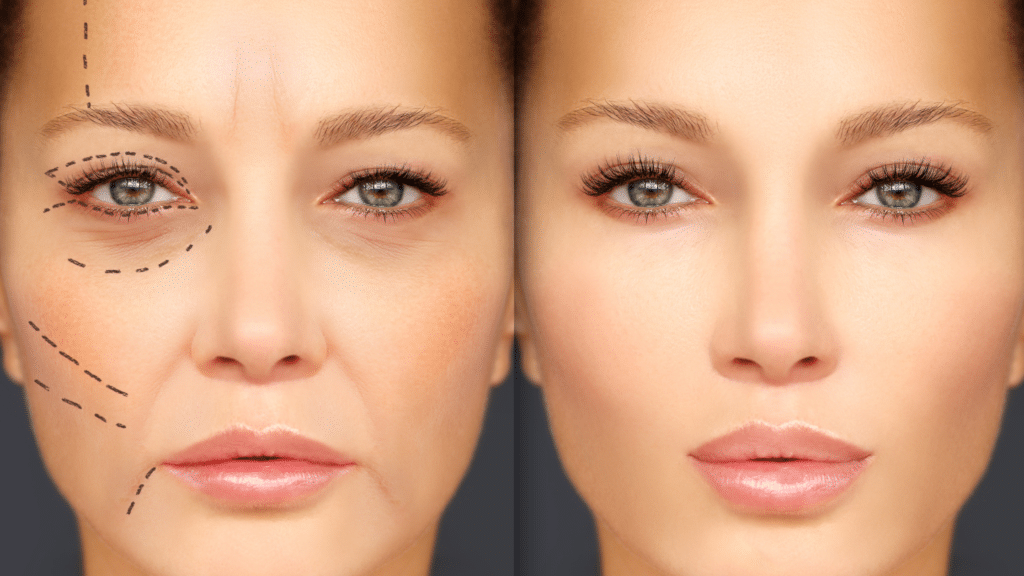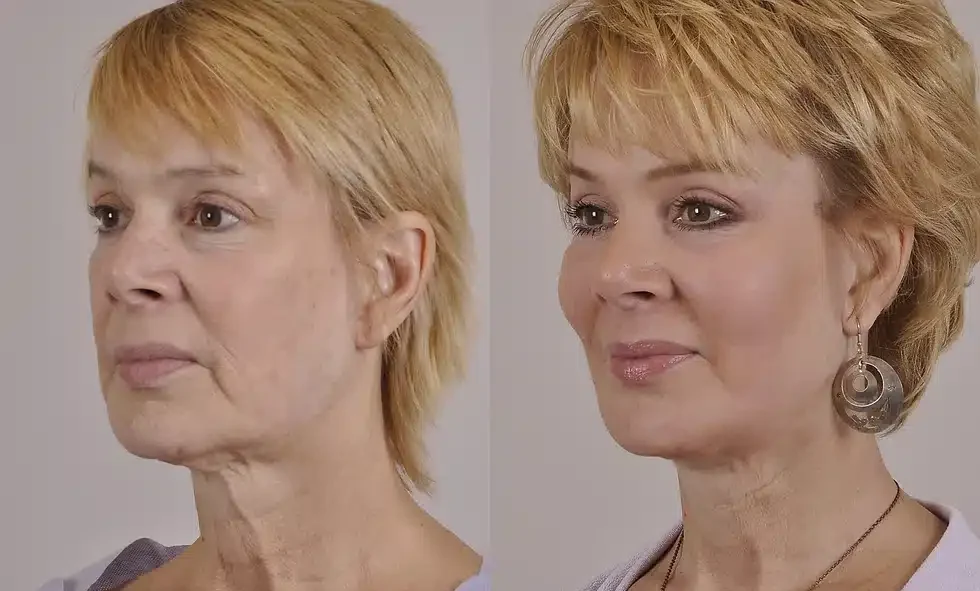
How Injectable Fillers Can Address Facial Volume Loss

Fillers for facial volume restoration, including resilient hyaluronic acid for lip augmentation and cheek depth, have become a game-changer in the beauty industry. These treatments date back to the early 2000s when they gained popularity for their ability to enhance facial contours and reduce signs of aging. Today, they are widely used to restore lost volume, smooth wrinkles, and create a youthful appearance.

People seek these fillers for quick results with minimal downtime. They offer a non-surgical option that can transform your look without the risks associated with invasive procedures. From hyaluronic acid to collagen-based fillers, options abound to suit various needs. Understanding these choices, including dermal filler, can help you achieve natural-looking results and boost your confidence.

Key Takeaways

  • Facial volume loss can occur due to aging, lifestyle, and environmental factors. Understanding these causes helps you identify when to consider treatments.
  • Injectable fillers are a popular solution for restoring volume. Research different types to find the best fit for your needs.
  • Consult with a qualified professional to discuss the appropriate filler types and application techniques tailored to your facial structure.
  • Safety is crucial; always prioritize licensed practitioners who use FDA-approved products for your filler treatments.
  • Be aware of the expected results and downtime after filler application to plan accordingly for any social or professional commitments.
  • Stay updated on trends in filler use, as new techniques and products can enhance your overall results and satisfaction.

Understanding Facial Volume Loss

Natural Aging

Aging affects everyone. Over time, facial volume decreases due to the loss of collagen and elastin. These proteins are essential for maintaining skin structure and firmness. As people age, their bodies produce less of these substances, including dermal filler. This leads to a thinner appearance in the face.

The skin also loses its ability to retain moisture. This contributes to a drier, more wrinkled look. Fat pads beneath the skin shrink as well. This change results in sagging skin and hollow areas, particularly around the cheeks and eyes.

Genetics and Lifestyle

Genetics play a significant role in how quickly someone experiences facial volumizing loss. Some individuals may naturally have less facial fat or thinner skin. This predisposition can lead to earlier signs of aging.

Lifestyle factors also impact facial volume. Poor diet, smoking, and excessive sun exposure can accelerate volume loss. A diet low in nutrients can affect skin health. Smoking reduces blood flow to the skin, leading to premature aging. Sun damage breaks down collagen and elastin faster than normal.

Visual Signs

Several visible signs indicate volume restoration needs. Hollow cheeks are common as fat pads diminish over time. This gives the face a gaunt appearance. Sagging skin often occurs around the jawline and chin. This sagging can create jowls that make a person look older.

Other signs include thinning lips and deepening nasolabial folds, which run from the nose to the mouth. These changes can affect one’s self-esteem and overall appearance. Many seek facial rejuvenation treatments to combat these issues.

Facial volume restoration techniques can help address these concerns effectively.

Causes of Volume Loss

Collagen Reduction

Collagen is vital for skin structure. It provides strength and elasticity. As people age, collagen production decreases. This loss leads to lost volume in the face. The skin may appear saggy or less firm.

Elastin also plays a role in maintaining skin’s bounce. Reduced elastin contributes to wrinkles and fine lines. The combination of less collagen and elastin results in noticeable volume loss over time.

Fat Redistribution

Fat pads in the face help shape its contours. With age, these fat pads can shift or shrink. This change affects how the face looks. Areas that once appeared full may seem hollow or sunken.

For instance, the cheeks may lose volume. This creates a more aged appearance. The jawline can also become less defined due to fat loss. This redistribution alters the overall facial structure significantly.

Bone Density Changes

Bone density impacts facial volume as well. Bones provide support for the skin and soft tissues above them. As bone density decreases with age, it can lead to a flatter appearance in the face.

The jawbone often loses density first. This change can cause the lower face to sag. Cheekbones may also lose their prominence, leading to an older look.

Injectable Fillers Overview

Definition

Dermal fillers are substances injected into the skin. They restore volume and smooth out wrinkles. These injectable fillers can enhance facial contours, giving a more youthful appearance. They work by filling in areas that have lost volume due to aging or other factors.

Benefits

Using fillers for non-surgical facial rejuvenation has many advantages. They provide immediate results, allowing for quick improvements in appearance. Recovery time is minimal compared to surgical options. Patients can return to their daily activities soon after treatment.

Fillers also offer versatility. They can be used in various areas of the face, such as cheeks and lips. This adaptability makes them popular among those seeking subtle enhancements. These treatments often result in natural-looking outcomes, which many patients prefer.

Materials Used

The materials in dermal fillers vary widely. One of the most common types is hyaluronic acid fillers. Hyaluronic acid is a naturally occurring substance in the body. It helps retain moisture and adds volume to the skin. This makes it an effective choice for facial rejuvenation.

Other materials include calcium hydroxylapatite and poly-L-lactic acid. Each type serves different purposes and offers unique benefits. For example, calcium-based fillers provide a firmer texture, while poly-L-lactic acid stimulates collagen production over time.

Consultation Process

Considering dermal fillers involves a thorough consultation with a qualified professional. During this meeting, patients discuss their goals and concerns. The expert will assess the facial structure and recommend suitable options. This ensures that the chosen filler aligns with the patient’s needs.

Patients should ask about the specific dermal filler material being used. Understanding how each material works can help set realistic expectations for results.

Treatment Procedure

Filler injections typically take less than an hour to complete. A local anesthetic may be applied to minimize discomfort during the procedure. After treatment, patients might experience slight swelling or bruising at injection sites. These effects usually resolve within a few days.

Hyaluronidase is available if any adverse reactions occur or if adjustments are needed after filler injections. This enzyme helps dissolve hyaluronic acid quickly, ensuring safety and satisfaction.

Juvederm®

Juvederm® is a well-known brand of hyaluronic acid fillers. It offers several formulations tailored for specific facial areas. For instance, Juvederm Voluma® is designed for cheek volume restoration. This filler adds lift and contour to the cheeks, enhancing facial structure.

Juvederm Ultra® targets lips and fine lines around the mouth. It provides a smooth texture and natural-looking volume. Juvederm Vollure® addresses moderate to severe wrinkles. This formulation gives a subtle lift while maintaining facial expressions.

Each type of Juvederm® filler has unique properties. These variations allow practitioners to customize treatments based on individual needs. The results can last from six months to two years, depending on the specific product and treatment area.

Restylane®

Restylane® is another popular line of dermal fillers. It consists of various products that cater to different treatment goals. Restylane-L® is known for its smooth consistency, making it ideal for facial wrinkles and folds.

Restylane Silk® focuses on lip enhancement and fine lines around the mouth. Its smaller particles provide precise control during injections. For those seeking more volume, Restylane Lyft® is available. This filler adds fullness to cheeks and corrects midface volume loss.

Versatility defines Restylane®. Practitioners can use it in multiple areas like the face, hands, and even neck. Patients appreciate its ability to address various concerns with a single brand. Results typically last six months to one year, depending on the product used.

Revance RHA®

Revance RHA® fillers are specifically designed for dynamic facial areas. These fillers adapt to facial dynamics, allowing for natural movement. Revance RHA® 1, 2, and 3 offer different levels of firmness for varying treatment needs.

Revance RHA® 1 is suitable for superficial lines and wrinkles. Revance RHA® 2 targets moderate facial wrinkles and folds. Revance RHA® 3 provides support for deeper wrinkles and volume loss in the cheeks.

These fillers maintain their shape while allowing flexibility. This quality makes them ideal for areas that move frequently, such as around the mouth and eyes. They provide long-lasting results, often exceeding one year.

Patients benefit from these advanced formulations. Each filler works uniquely to restore volume and enhance facial features effectively.

Filler Application Techniques

Skilled Practitioners

Skilled practitioners play a vital role in filler treatment. They understand facial anatomy and aesthetics. This knowledge helps them achieve natural results. An experienced injector can assess the client’s unique features. They tailor the filler procedure to enhance these features without overdoing it.

Training and experience matter in this field. Practitioners who have completed specialized training are often better equipped. They know how to avoid complications and manage patient expectations effectively. Trusting a qualified professional ensures safety and satisfaction.

Cannulas vs Needles

The choice between cannulas and needles affects the filler technique used. Cannulas are flexible tubes that reduce bruising and swelling. They allow for smoother application of fillers. Many practitioners prefer cannulas for larger areas, such as cheeks or jawlines.

Needles offer precision in smaller areas like lips or under eyes. They can deliver fillers more accurately but may cause more discomfort. Each method has its pros and cons. The choice depends on the area being treated and the practitioner’s preference.

Strategic Layering

Strategic layering is crucial in achieving optimal volume restoration. This approach involves applying filler in multiple layers rather than all at once. Layers help create a more natural look by mimicking the structure of youthful skin.

Practitioners often start with deeper layers to provide foundational support. Then, they add upper layers for contouring and refinement. This method prevents an overfilled appearance, which can be unappealing.

Placement also matters. Injectors consider factors like facial symmetry and volume loss areas when planning treatments. They assess where to place fillers for the best effect, ensuring balance across the face.

Filler Treatment Simplifies Rejuvenation

Filler treatment simplifies rejuvenation processes for many individuals. It allows for quick results with minimal downtime compared to surgical options. Patients can return to daily activities shortly after their appointments.

Results typically last several months, depending on the type of filler used. Regular maintenance treatments can help sustain desired effects over time. This convenience makes fillers an attractive option for those seeking subtle enhancements.

Clients should discuss their goals with their injectors during consultations. Clear communication leads to better outcomes and ensures that expectations align with reality.

Safety and Suitability

Professional Consultation

Consulting with a qualified professional is crucial before considering dermal fillers. A licensed practitioner can assess individual needs and facial structure. They will discuss the best formulation for your specific situation. This assessment helps avoid complications and ensures the right enhancement for your features.

Side Effects

Potential side effects exist with dermal fillers. Common reactions include swelling, bruising, and redness at the injection site. These usually resolve within a few days. More serious risks, though rare, can include infection or allergic reactions. Understanding these is vital before proceeding.

Contraindications

Certain individuals should avoid dermal fillers. Those with severe allergies to any filler components may face risks. People with skin infections in the treatment area must also wait until healed. Pregnant or breastfeeding women should consult their doctors before using fillers.

Personalized Treatment Plans

Personalized treatment plans are essential for effective results. Each person’s facial anatomy differs significantly. Factors like age, skin type, and desired outcomes influence the approach. A tailored plan considers these variables to achieve optimal restoration of volume.

Target Areas

Dermal fillers can be used in various areas of the face. Common target areas include cheeks, nasolabial folds, and marionette lines. Enhancing these regions improves overall facial definition and balance. The choice of filler depends on the specific area being treated.

Family of Fillers

Different families of fillers offer unique benefits. Hyaluronic acid fillers provide hydration and volume but may require more frequent touch-ups. Calcium hydroxylapatite fillers last longer but may have different side effects. Understanding these options helps in selecting the appropriate filler for your needs.

Long-Term Changes

Long-term changes can occur after using dermal fillers. Over time, skin elasticity may improve due to hydration from hyaluronic acid types. However, repeated use can lead to varying results in different individuals. Regular follow-ups with a professional help maintain desired outcomes.

Expected Results and Downtime

Immediate Effects

Visible results from filler treatments appear quickly. Patients often notice a plumper appearance almost immediately after the procedure. This effect can enhance facial contours, smooth out lines, and restore lost volume. The skin looks more youthful and vibrant right away.

e fillers provide instant results, while others may take a few days for full effects to show. For example, hyaluronic acid fillers tend to give immediate volume. This is due to their ability to attract moisture.

Longevity of Results

The duration of results varies based on several factors. Most fillers last between six months to two years. Factors influencing how long the effects last include the type of filler used, the area treated, and individual metabolism.

Ultra-long-lasting fillers can provide results for up to five years. These fillers contain materials that integrate well with skin tissue. However, they may require more careful consideration before use.

Age also plays a role in how long results last. Younger patients might see longer-lasting effects because their skin is generally more elastic. On the other hand, older patients may experience quicker breakdown of the filler due to thinner skin.

Minimal Downtime

Downtime after filler treatments is typically minimal. Many patients return to daily activities immediately after their appointments. Some mild swelling or bruising may occur but usually resolves within a few days.

A few simple steps can enhance recovery. Patients should avoid strenuous exercise for 24 hours post-treatment. Staying away from extreme temperatures is also advised during this period.

Most side effects are temporary and manageable. Applying ice packs can help reduce swelling and discomfort. Patients often find that any visible signs of treatment fade quickly.

Summary of Key Points

  1. Immediate visible effects include plumper skin and reduced lines.
  2. Results typically last from six months to two years.
  3. Individual factors influence longevity, such as age and metabolism.
  4. Downtime is minimal, allowing quick return to normal activities.

Filler treatments offer significant benefits with short recovery times. They improve facial volume effectively while allowing patients to maintain their busy lifestyles without prolonged interruptions.

Natural Enhancements

Demand for subtle, natural-looking enhancements is increasing. Patients want results that do not appear overdone. They prefer fillers that enhance their features while maintaining their unique look. This trend reflects a shift in how people view beauty. Many now seek to look refreshed rather than drastically altered.

Different fillers are available to meet these needs. Hyaluronic acid fillers, for example, offer excellent options for achieving volume without looking artificial. These soft tissue fillers provide hydration and elasticity to the skin. Their ability to integrate seamlessly with facial tissues makes them popular among face filler patients.

Combination Treatments

The rise of combination treatments is notable. Many patients choose to combine facial filler treatments with other procedures. For instance, they may opt for Botox alongside dermal fillers. This approach can enhance overall results by targeting multiple areas at once.

Combination treatments allow for more comprehensive facial rejuvenation. Patients can achieve better balance and symmetry through this method. Procedures like chemical peels or laser treatments often complement fillers well. This synergy leads to improved dermal filler results.

Preventative Use

Younger demographics are increasingly using fillers preventatively. Many individuals in their twenties and thirties now opt for hyaluronic acid gels to maintain youthful skin. They recognize that early intervention can help delay the signs of aging.

Preventative filler use focuses on minimizing future wrinkles and fine lines. Patients understand that maintaining volume can lead to longer-lasting results over time. By starting early, they hope to avoid more extensive treatments later in life.

Types of Fillers

Different types of tissue fillers cater to various needs. Medium consistency fillers are ideal for enhancing specific areas like the cheeks or jawline. Jawline fillers create definition and structure, improving facial contours.

Hyaluronic acids remain the most popular choice for many patients. They provide natural-looking volume and hydration, making them versatile options in facial aesthetics.

Predictive Outcomes

Predictive filler outcomes are becoming a focus in consultations. Practitioners aim to set realistic expectations based on individual anatomy and desired results. This helps patients understand what they can expect from their treatment.

Clear communication about expected results is crucial. It allows patients to make informed decisions regarding their cosmetic goals.

Final Remarks

Facial volume restoration is crucial for achieving a youthful look. You’ve learned about the causes of volume loss, types of fillers, and application techniques. Understanding safety and expected results helps you make informed choices. Staying updated on trends ensures you’re aware of the latest advancements in filler use.

Now, it’s time to take action. If you’re considering fillers for facial volume restoration, consult a qualified professional. They can guide you through your options and help you achieve your aesthetic goals safely. Embrace the journey to a revitalized appearance—your confidence deserves it!

Frequently Asked Questions

What is facial volume loss?

Facial volume loss refers to the reduction of fat and collagen in the face, leading to a sunken or aged appearance. It commonly affects areas like the cheeks, temples, and under the eyes.

What causes facial volume loss?

Several factors contribute to facial volume loss, including aging, genetics, weight fluctuations, and lifestyle choices. Sun exposure and smoking can also accelerate this process.

What are injectable fillers?

Injectable fillers are substances injected into the skin to restore lost volume, smooth wrinkles, and enhance facial contours. They provide a non-surgical solution for rejuvenating the face.

Hyaluronic acid fillers, such as Juvederm and Restylane, are popular for facial volume restoration. Other options include calcium hydroxylapatite and poly-L-lactic acid fillers.

How are fillers applied?

Fillers are typically injected using a fine needle or cannula. The procedure is quick, often taking less than an hour, with minimal discomfort.

Are there any risks associated with fillers?

While generally safe, fillers can cause side effects like swelling, bruising, or allergic reactions. Choosing a qualified practitioner minimizes risks significantly.

How long do filler results last?

Results from injectable fillers can last from six months to two years, depending on the type used and individual factors. Regular maintenance treatments can prolong results.

What Should You Know About Allergic Reactions to Injectable Fillers?

Did you know that nearly 10% of people experience allergic reactions to injectable fillers? These popular cosmetic treatments can enhance your appearance but come with risks. Understanding the potential for allergic reactions to cosmetic injectables is crucial before diving into the world of injectable treatments and fillers.

Many individuals seek these quick fixes for youthful skin, but not everyone knows how their body might react. Allergic responses to cosmetic injectables, such as dermal fillers and injectable fillers, can range from mild irritation to severe complications. It’s essential to be informed about ingredients and consult with a qualified expert. This guide will help you navigate the landscape of injectable fillers and keep you safe while achieving your desired look.

Key Takeaways

  • Understand the types of injectable fillers and their potential for allergic reactions, as this knowledge can help you make informed decisions about cosmetic procedures.
  • Be aware of common allergic reactions such as swelling, redness, and itching that may occur after receiving fillers, allowing for quicker identification.
  • Learn to recognize allergy symptoms early on, which can help you seek medical advice promptly if you experience any adverse effects.
  • Assess the severity of any allergic reaction by considering factors like duration and intensity, which can guide your next steps in managing the situation.
  • Review case studies of local reactions to injectable fillers to better understand how different individuals may respond and what treatment options are available.
  • Stay informed about delayed hypersensitivity reactions and their connection to other health conditions to ensure comprehensive care and prevention strategies.

Understanding Injectable Fillers

Definition

Injectable fillers are substances used to enhance facial features and reduce wrinkles. They are injected into the skin to add volume and smooth out lines. Many people seek these injectable filler treatments to achieve a youthful appearance.

Types of Fillers

Several types of fillers exist in the market today. Hyaluronic acid is one of the most popular options. It naturally occurs in the body, making it a safe choice for many. Collagen fillers are another type. They help restore skin elasticity with injectable filler but may not last as long as hyaluronic acid.

Synthetic options also exist. These include permanent fillers and nonbiodegradable fillers. Permanent fillers can provide long-lasting results but carry higher risks of complications. Temporary fillers, like HA filler injections, are often preferred for their lower risk profile and ease of adjustment.

Safety Profile

The general safety profile of injectable fillers is good. Most people tolerate them well. Common side effects of injectable filler include swelling, bruising, or redness at the injection site. Serious complications are rare but can occur. Allergic reactions may happen in some individuals, especially with certain types of fillers.

Popularity

Injectable filler treatments have gained significant popularity over the years. Many choose injectable filler for their minimal downtime compared to surgical procedures. The demand for lip fillers and facial fillers continues to rise. People appreciate that these treatments can be done quickly, often during a lunch break.

According to the American Society of Plastic Surgeons, millions of filler injections occur annually in the U.S. This reflects a growing trend in non-invasive cosmetic procedures. Patients seek these injectable filler treatments for various reasons, including enhancing facial contours or restoring lost volume due to aging.

Common Allergic Reactions

Typical Symptoms

Allergic reactions to injectable fillers can occur. Common symptoms include swelling, redness, and itchiness at the injection site. These signs often appear soon after the treatment. Swelling is the most frequent reaction. It may last a few days or longer, depending on individual sensitivity to injectable filler.

Redness can also develop around the area where the filler was injected. This reaction usually fades within a few hours to days. Itchiness might accompany these symptoms as well, causing discomfort for some patients.

Severity of Reactions

Reactions can vary widely in severity. Some individuals experience mild symptoms that resolve without intervention. Others may face more intense reactions that affect their overall treatment outcomes. Severe allergic responses can lead to complications, which may require immediate medical attention.

For example, a patient might have significant swelling that obstructs vision or causes pain. In such cases, it is crucial to seek help from a healthcare professional promptly. Understanding the potential for severe reactions helps patients prepare and respond effectively.

Medical Intervention

Certain allergic reactions necessitate medical intervention. If swelling or redness persists beyond a few days, consulting a doctor is wise. They can assess the situation and recommend appropriate treatments.

In rare cases, an allergic filler reaction can trigger anaphylaxis, a life-threatening condition. Symptoms of anaphylaxis include difficulty breathing, rapid heartbeat, and dizziness. This requires emergency care immediately.

Hyaluronan effects may also play a role in how individuals react to fillers. Hyaluronan is a substance commonly found in dermal fillers. Some people may develop a hypersensitivity to it, leading to more pronounced allergic reactions.

Identifying Allergy Symptoms

Common Symptoms

Rashes often appear as red, itchy patches on the skin. This can happen shortly after receiving injectable fillers.

Difficulty breathing is another serious symptom. It can feel like a tightness in the chest or throat. This requires immediate medical attention.

Dizziness may also occur during an allergic reaction. It can make a person feel lightheaded or faint. These symptoms together indicate a potential allergic response.

Early Recognition

Recognizing these symptoms early is crucial. Quick identification allows for prompt treatment. Delayed treatment can worsen the situation.

For instance, if someone notices a rash after a filler injection, they should seek help right away. Medical professionals can provide necessary interventions to manage the reaction.

Delayed Reactions

e symptoms do not appear immediately. They may take weeks to show up after the procedure. Monitoring for delayed symptoms is essential.

A person might experience swelling or redness long after the injection. This can lead to complications if ignored. Regular check-ins with a healthcare provider are advisable.

Importance of Communication

Discussing any previous allergies with your provider is important before getting fillers. This helps them assess risks better and prepare for possible reactions.

Patients should also inform their doctors about any new symptoms that arise post-procedure. Open communication ensures safety and effective management of any issues.

Assessing Allergy Severity

Symptom Intensity

Evaluating the severity of an allergic reaction involves examining symptom intensity. Symptoms can range from mild to severe. Mild symptoms may include itching, redness, or swelling at the injection site. These often resolve quickly without treatment.

Severe symptoms, however, can be life-threatening. They may include difficulty breathing, swelling of the face or throat, and rapid heartbeat. Symptoms like these require immediate attention. Recognizing the difference is crucial for safety.

Symptom Duration

The duration of symptoms is another important factor. Mild reactions typically last a few hours to a couple of days. If symptoms persist beyond this period, it signals a need for further evaluation.

Severe reactions can escalate rapidly. For example, anaphylaxis can occur within minutes after exposure to an allergen. This condition demands urgent medical intervention. Delaying treatment can lead to serious health risks.

Immediate Attention

Seek immediate medical attention if you experience severe symptoms. Breathing difficulties are particularly alarming and should never be ignored. Call emergency services right away if you notice these signs.

Healthcare professionals can provide necessary treatments such as epinephrine injections. Epinephrine works quickly to reverse severe allergic reactions. Having this on hand is essential for those with known allergies.

Follow-Up Care

Follow up with healthcare providers for any persistent or worsening symptoms. Even if initial symptoms seem mild, they can develop into something more serious later on. Regular check-ins can help manage your condition effectively.

Your doctor may recommend allergy testing to identify specific triggers. This information can guide future treatment options and prevent further reactions.

Personal Experiences

Many individuals have shared experiences about their allergic reactions to injectable fillers. Some reported mild swelling that resolved quickly with ice packs and antihistamines. Others faced more serious challenges, requiring hospital visits due to breathing issues.

These stories highlight the importance of understanding your body’s responses. Everyone reacts differently to allergens, making personal awareness key in managing allergies.

In summary, assessing the severity of an allergic reaction involves looking at both symptom intensity and duration. Immediate medical attention is vital for severe symptoms like breathing difficulties. Follow-up care is also important for ongoing management and prevention of future reactions.

Case Study of Local Reactions

Hypothetical Scenario

A 30-year-old woman received injectable fillers for facial contouring. She reported no previous allergic reactions to cosmetic products. Two days after the procedure, she noticed redness and swelling at the injection sites. The swelling was mild but uncomfortable. This case illustrates a common local reaction to fillers.

Management Steps

The healthcare provider assessed her condition promptly. They recommended an oral antihistamine to reduce itching and swelling. In some cases, corticosteroids might also be used to manage inflammation. The provider advised applying a cold compress to ease discomfort.

Monitoring the patient was crucial. The provider scheduled follow-up visits to track her recovery. After a week, the swelling decreased significantly. The woman reported feeling better and was relieved that the symptoms were resolving.

Lessons Learned

This case highlights the importance of early detection of local reactions. Providers should educate patients about potential side effects before treatment. Understanding symptoms helps in seeking timely medical advice. It is essential to have a plan for managing reactions if they occur.

Preventive measures can also play a role. Conducting thorough assessments before procedures can identify risks. Providers should consider skin testing for patients with a history of allergies.

Delayed Hypersensitivity Explained

Definition

Delayed hypersensitivity is an immune response that occurs days to weeks after exposure to a substance. This type of reaction can develop after receiving injectable fillers. The body may take time to recognize the filler as foreign. As a result, symptoms may not appear immediately.

Causes

Several factors can cause delayed hypersensitivity reactions. One potential cause is the material used in the filler itself. Common fillers include hyaluronic acid, collagen, and other synthetic materials. Each has different properties that may trigger an immune response.

Individual immune responses also play a significant role. Some people have heightened sensitivity to certain substances. Their bodies react more aggressively than others. Genetic factors can influence these responses. Previous allergic reactions may increase the likelihood of developing delayed hypersensitivity.

Importance of Monitoring

Awareness and monitoring are crucial even after initial treatment success. Just because the first injection went well does not guarantee future safety. Symptoms can appear long after the procedure. Patients should be vigilant for any signs of reactions.

Common symptoms include redness, swelling, or itching at the injection site. In some cases, these symptoms can escalate into more severe reactions. Patients should report any unusual changes to their healthcare provider immediately.

Healthcare providers must educate patients about these possibilities. They should discuss potential risks before treatment begins. This ensures that patients understand what to expect after receiving fillers.

Maintaining open communication with healthcare professionals is essential. Patients should feel comfortable discussing concerns or symptoms they experience post-treatment. Regular follow-ups can help catch any issues early on.

Causes of Allergic Reactions

Potential Allergens

Injectable fillers can contain various potential allergens. These include synthetic components like hyaluronic acid, collagen, and certain polymers. Some individuals may react to these materials. Allergies can arise from the body’s response to foreign substances.

Natural fillers, such as those derived from animal sources, may also cause reactions. For example, collagen sourced from bovine products can trigger allergies in sensitive individuals. The risk increases with fillers containing additives or preservatives. These substances can provoke an immune response in some patients.

Individual Predisposition

Individual predisposition plays a significant role in allergic reactions. People with a history of allergies are at higher risk. Those who have experienced reactions to medications or other injectables should proceed with caution.

Previous allergic history is crucial for understanding potential risks. Patients must inform their healthcare providers about any past reactions. This information helps professionals choose safer filler options. Genetic factors can also influence how one reacts to fillers. Some people may have a genetic tendency to develop allergies.

Injection Technique

Improper injection technique can trigger allergic reactions as well. If the filler is injected too deeply or incorrectly, it may cause irritation and inflammation. This can lead to an exaggerated immune response.

Technique matters during the procedure. A skilled injector minimizes risks associated with fillers. They should follow proper protocols to ensure safety. An untrained practitioner may not recognize signs of an allergic reaction promptly.

In summary, understanding the causes of allergic reactions is vital for anyone considering injectable fillers. Awareness of potential allergens, individual predisposition, and proper injection techniques can help reduce risks associated with these cosmetic procedures.

Connection with Other Conditions

Existing Allergies

Individuals with existing allergies may face higher risk of allergic reactions to injectable fillers. Common allergens include pollen, dust mites, and certain foods. These allergies can make the immune system more sensitive. This sensitivity can lead to unexpected responses when filler materials are introduced into the body.

For example, a person allergic to latex might also react to certain fillers containing similar proteins. The immune system may recognize these proteins as threats. This recognition can trigger an inflammatory response. Therefore, it’s crucial for patients to disclose all known allergies before treatment.

Autoimmune Conditions

Autoimmune conditions can also increase the likelihood of adverse events. Conditions like lupus or rheumatoid arthritis affect how the body responds to foreign substances. The immune system in these individuals is already on high alert. As a result, introducing new materials could provoke an exaggerated reaction.

A study published in the Journal of Dermatological Treatment in 2021 highlighted this concern. It found that people with autoimmune diseases had a significantly higher chance of experiencing complications after filler injections. Understanding this connection is vital for both patients and healthcare providers.

Cross-Reactivity

Cross-reactivity poses another risk factor when considering injectable fillers. This occurs when the immune system reacts to similar proteins found in different substances. For instance, someone allergic to certain types of fish may experience a reaction to fillers derived from marine sources.

This potential for cross-reactivity emphasizes the need for careful evaluation of filler materials. Not all fillers are made from the same components. Some contain hyaluronic acid, while others may use synthetic materials or animal products. Patients must be aware of their specific allergies and discuss them with their healthcare provider.

Medical History Importance

Comprehensive medical history is essential before using injectable fillers. A detailed review helps identify any pre-existing conditions or allergies that could complicate treatment. Providers should ask about past reactions to medications, cosmetics, or other procedures.

Moreover, understanding a patient’s complete health background allows for tailored recommendations. Certain fillers may be safer options based on individual profiles. Patients should feel empowered to share their complete medical history without hesitation.

Managing Allergic Reactions

Immediate Steps

Mild allergic reactions can occur after receiving injectable fillers. Symptoms may include redness, swelling, or itching at the injection site. The first step is to apply cold compresses to the affected area. This helps reduce swelling and provides relief. Cold compresses lower blood flow and can ease discomfort.

Monitoring the reaction is crucial. If symptoms persist or worsen, contact a healthcare provider. In some cases, facial edema may develop, which requires immediate attention.

Emergency Treatments

Severe allergic reactions can lead to anaphylaxis. This life-threatening condition requires urgent medical care. It is essential to have emergency treatments available, such as epinephrine. Epinephrine can quickly reverse severe symptoms like difficulty breathing or swelling of the throat.

Doctors recommend that patients who have had previous allergic reactions carry an epinephrine auto-injector. Knowing how to use it can save lives during emergencies. Always inform your doctor about any allergies before getting fillers.

Follow-Up Care

Regular follow-ups with healthcare providers are vital for monitoring recovery. These visits allow doctors to assess any ongoing symptoms or complications. They can also provide guidance on managing future treatments safely.

Patients should discuss their experiences after receiving fillers. Sharing information about any adverse reactions helps doctors make informed decisions for future procedures. Maintaining open communication ensures better safety and effectiveness in treatment plans.

Treatment Options

If an allergic reaction occurs, doctors may consider using hyaluronidase injections. This enzyme helps dissolve hyaluronic acid-based fillers if needed. It can be particularly useful in cases of accidental injection into areas where it shouldn’t be.

Patients should understand their options and discuss them with their healthcare provider. Knowing what treatments are available provides reassurance and prepares individuals for potential reactions.

Final Remarks

Injectable fillers can enhance your appearance, but they come with risks of allergic reactions. Understanding the symptoms and severity is crucial for your safety. Recognizing local and delayed hypersensitivity reactions can help you respond swiftly and effectively.

Stay informed and proactive about your health. Consult with a qualified professional before any procedure. If you experience any unusual symptoms after using fillers, seek medical advice immediately. Your safety matters most. Share this knowledge with friends and family to ensure everyone is aware of the potential risks. Stay safe, stay beautiful!

Frequently Asked Questions

What are injectable fillers?

Injectable fillers are substances injected into the skin to restore volume, smooth wrinkles, and enhance facial contours. Common types include hyaluronic acid, collagen, and calcium hydroxylapatite.

Can you have an allergic reaction to injectable fillers?

Yes, some individuals may experience allergic reactions to components in injectable fillers, particularly if they contain animal-derived ingredients or specific synthetic substances.

What are common symptoms of an allergic reaction?

Common symptoms include redness, swelling, itching, and rash at the injection site. Severe reactions may involve difficulty breathing or swelling beyond the injection area.

How can I identify if I’m having an allergic reaction?

Monitor for symptoms like increased swelling, prolonged redness, or unusual discomfort after filler injections. Consult a healthcare professional if symptoms persist or worsen.

What should I do if I suspect an allergic reaction?

If you suspect an allergic reaction, seek medical attention immediately. Early intervention can help manage symptoms effectively and prevent complications.

Are there risk factors for developing allergies to fillers?

Yes, individuals with a history of allergies or sensitivities to certain substances may be at higher risk. Discuss your medical history with your provider before treatment.

How are allergic reactions to fillers managed?

Management typically involves antihistamines for mild reactions and corticosteroids for more severe cases. Always consult a healthcare professional for personalized advice and treatment options.

Pre-Surgery Preparation: Essential Tips for a Smooth Recovery

Recovery tips after cosmetic surgery are essential for a smooth healing process. Many people undergo procedures to enhance their appearance, but the recovery phase can be challenging. Knowing how to care for yourself post-surgery is crucial. Proper rest, hydration, and following your doctor’s advice can make a big difference in your cosmetic surgery recovery process, especially during surgery recovery periods and throughout your plastic surgery recovery journey, along with other cosmetic surgery recovery tips.

Understanding the importance of managing pain and monitoring swelling helps ensure a successful outcome. Avoiding strenuous activities and prioritizing self-care after plastic surgery sets the foundation for a quicker recovery. With the right knowledge, you can navigate this journey with confidence and ease. Discover effective strategies that will help you bounce back and enjoy your results sooner.

Key Takeaways

  • Prepare Early: Get ready for your surgery by organizing your home and gathering necessary items beforehand to ensure a smooth recovery process.
  • Follow Instructions: Stick to the pre-op guidelines given by your doctor to minimize risks and complications during recovery.
  • Dress Comfortably: Wear loose, comfortable clothing during the operative recovery phase post-surgery to make it easier to move and reduce irritation on your healing body in the operative recovery process.
  • Have Supplies Ready: Stock up on essential items like medications, snacks, and hygiene products for the operative recovery phase so you won’t have to run errands during the operative recovery process.
  • Eat Well and Hydrate: Focus on nutritious meals and drink plenty of water to support healing and keep your energy up during recovery.
  • Listen to Your Body: During the operative recovery phase, balance rest with light activity, and stay in touch with your healthcare provider to discuss any concerns or unusual symptoms in the operative recovery process.

Prepare for Surgery in Advance

Arrange Transportation

Many surgery patients need reliable transportation on the surgery day. This is vital because anesthesia can affect your ability to drive during the operative recovery process and the operative recovery phase. Arranging a ride ensures safety and reduces stress. A family member or friend can help you get to and from the surgical facility. They can also provide support during your journey.

Set Up Recovery Area

Creating a comfortable recovery area at home is essential. This space should have everything you might need after the plastic surgery procedure. Gather supplies like pillows, blankets, and medications. Keep water and snacks nearby for easy access. You may want to have entertainment options available, like books or movies. This helps keep your mind occupied during recovery.

Plan for Assistance

Planning for assistance from loved ones is crucial during the initial recovery period. Many plastic surgery patients require help with daily tasks. Simple activities like cooking, cleaning, or running errands can be challenging after surgery. Discuss your needs with family or friends ahead of time. Having a support system in place makes the surgery recovery process smoother.

Follow Surgeon’s Instructions

Surgeons often provide specific instructions before and after the operation. Following these guidelines is important for a successful recovery. Patients should pay attention to medication schedules and activity restrictions. Ignoring these details can lead to complications or delays in healing.

Manage Pain Effectively

Pain management is an important part of the surgery journey. Surgeons usually prescribe pain relief medications after surgery. Patients should take these as directed to stay comfortable. If pain persists despite medication, contacting your surgeon is necessary.

Stay Hydrated and Nourished

Staying hydrated and nourished aids in recovery. Drinking plenty of fluids helps flush out anesthesia from your system. Eating healthy foods provides essential nutrients that promote healing. Focus on light meals that are easy to digest initially.

Monitor Your Health

Monitoring your health during recovery is essential. Look for signs of infection, such as redness or swelling around the incision site. If any unusual symptoms arise, contact your surgeon immediately. Regular check-ins can prevent complications.

Rest and Relaxation

Adequate rest is critical after undergoing cosmetic plastic surgery. The body needs time to heal properly. Avoid strenuous activities during the first few weeks post-surgery. Instead, focus on gentle movements and relaxation techniques.

Follow Pre-Op Instructions

Dietary Restrictions

Surgeons provide operative recovery instructions that include specific dietary guidelines. Following these can significantly improve healing. Patients should adhere to any restrictions on food and drink before surgery. For example, some procedures require fasting for several hours prior. This helps prevent complications during anesthesia.

After surgery, nutrition remains important. Surgeons may recommend a balanced diet rich in vitamins and minerals. Foods high in protein can support tissue repair. Staying hydrated is equally essential. Drinking plenty of water aids recovery and prevents dehydration.

Medication Guidelines

Patients must follow medication guidelines carefully. Surgeons often prescribe medications to manage pain and prevent infections. It’s crucial to take these as directed. Misusing or skipping doses can hinder the recovery process.

Avoiding certain substances is also vital. Alcohol and smoking can slow down healing. They increase the risk of complications after an operation. Sticking to the prescribed medication plan helps minimize discomfort and promotes faster recovery.

Required Evaluations

Completing required lab tests or medical evaluations before surgery is critical. These tests help assess overall health and readiness for the procedure. They often include blood tests or imaging studies. Such evaluations allow surgeons to identify any potential risks.

Patients should also discuss their medical history with their surgeon. This includes any allergies or previous surgeries. Sharing this information ensures better postoperative care.

Emotional Health

Postoperative depression can occur after cosmetic surgery. Understanding this possibility is important for emotional well-being during recovery. Patients should be aware of their feelings and seek support if needed.

Engaging with friends or family can help combat feelings of isolation. Talking about experiences can ease anxiety related to recovery. Seeking professional help may also be beneficial if feelings become overwhelming.

Home Preparation

Preparing the home environment before surgery aids recovery efforts. Setting up a comfortable space for rest is essential. Having easy access to necessities like water, snacks, and medications makes life easier post-surgery.

Organizing help from loved ones can alleviate stress during recovery. Friends or family can assist with daily tasks such as cooking or cleaning. This support allows patients to focus on healing rather than chores.

Choose Comfortable Clothing

Loose-Fitting Tops

Opt for loose-fitting clothing after cosmetic surgery. This type of clothing allows for easy movement. It reduces discomfort around the surgical area, especially if the chest is involved. Button-up or zip-up tops are ideal. They help avoid lifting your arms too much during recovery. Lifting can strain the surgical site and increase pain.

Avoid tight clothing that could rub against sensitive areas. The right fit will help you feel more at ease. Look for tops that provide enough room to breathe but still offer support. Choose styles that make it easy to dress without needing assistance.

Easy Footwear

Select slip-on shoes for post-surgery recovery. These types of shoes reduce the need to bend over. Bending can be painful and strain your body after surgery. Slip-on shoes allow you to keep your feet comfortable without added effort.

Avoid shoes with laces or buckles. These can create extra work when getting dressed. Instead, look for options like sandals or loafers that you can easily slide on and off. Keeping your footwear simple helps maintain comfort during recovery.

Soft Fabrics

Ensure all clothing is made of soft, breathable fabrics. Materials like cotton are excellent choices. They prevent irritation on sensitive skin, which is common after surgery. Breathable fabrics allow air circulation, keeping you cool and comfortable.

Avoid rough or scratchy materials that may cause discomfort. Soft fabrics will help you feel relaxed as you heal. You may also want to consider wearing layers. This way, you can adjust your clothing according to your comfort levels.

Important Considerations

Consider your specific needs based on the type of surgery performed. For example, surgeries involving the chest may require additional care in choosing clothing styles. Always prioritize comfort over fashion during recovery.

Here are some key points to remember:

  • Loose-fitting tops help avoid discomfort.
  • Slip-on shoes minimize bending and straining.
  • Soft fabrics prevent irritation on healing skin.

These tips will aid in a smoother recovery process. Following these guidelines helps ensure you stay comfortable while healing from cosmetic surgery.

Stock Up on Essentials

Medications

Purchase any prescribed medications before your surgery. This step ensures you have everything ready when you return home. Pain management is crucial after cosmetic procedures. Having medications on hand will help you avoid unnecessary discomfort. Consult with your doctor about what to get. They can provide a list of necessary items.

Consider over-the-counter options too. These may include pain relievers or anti-nausea medications. It’s wise to have these stocked up just in case. Being prepared reduces stress during recovery.

Entertainment

Gather entertainment options for your recovery time. Boredom can set in quickly, especially if you need to rest a lot. Choose books, magazines, or movies that you enjoy. This will help keep your mind engaged while you heal.

Streaming services offer many choices for shows and films. Consider downloading content ahead of time. Wi-Fi may be slow or unavailable after surgery. You might also want light activities like puzzles or coloring books. These can keep you occupied without much physical effort.

Comfort Items

Have extra pillows available for support during recovery. Pillows help you find comfortable resting positions after surgery. You may need to sleep at an angle for the first few days. This helps reduce swelling and discomfort.

Consider using a body pillow for added support. It can wrap around your body and provide stability while sleeping. Grab some soft blankets to keep warm and cozy.

Hydration and Nutrition

Stock up on easy-to-eat foods and drinks. Smoothies, soups, and yogurt are excellent choices post-surgery. They are gentle on the stomach and easy to digest. Staying hydrated is equally important during recovery.

Prepare a few meals in advance if possible. This saves time and energy when you’re not feeling your best. Having nutritious snacks handy can also help maintain energy levels.

Assistance

Arrange for help from friends or family members after your procedure. Recovery can be challenging, and having someone around makes a difference. They can assist with daily tasks like cooking or cleaning.

It’s vital to have someone who understands your needs during this time. Their support can ease anxiety and enhance the overall experience.

Maintain Proper Nutrition

High-Protein Foods

Eating high-protein foods is essential after cosmetic surgery. These foods support tissue repair and recovery. Proteins help rebuild muscles and skin that may have been affected during surgery. Good sources include chicken, fish, eggs, beans, and nuts.

Incorporating these foods into daily meals can speed up healing. For example, a grilled chicken breast or a serving of lentils can boost protein intake effectively. Aim to include protein in every meal. This approach will help maintain strength as the body heals.

Fiber-Rich Foods

Fiber-rich foods play a crucial role in recovery as well. Pain medications often lead to constipation. Eating enough fiber helps prevent this uncomfortable side effect. Fruits, vegetables, whole grains, and legumes are great sources of fiber.

Including foods like spinach, apples, and oatmeal in your diet can be beneficial. These options not only provide fiber but also offer vitamins and minerals needed for healing. Drinking plenty of water alongside fiber-rich foods is important too. It helps keep everything moving smoothly in the digestive system.

Avoid Salty Foods

Avoiding salty foods is another important tip during recovery. High salt intake can contribute to swelling and fluid retention. This can hinder the healing process and increase discomfort post-surgery. Processed foods often contain high levels of salt.

For a healthier diet post-surgery, choose fresh ingredients whenever possible. Cooking at home allows better control over salt content. Use herbs and spices for flavor instead of salt. This practice will keep meals enjoyable while supporting recovery.

Meal Planning Tips

Planning meals ahead of time can simplify following these nutrition guidelines. Make a shopping list that includes high-protein and fiber-rich options while avoiding salty snacks. Preparing meals in advance saves time and ensures you stick to your dietary goals.

Consider creating a weekly menu with balanced meals. Include items like quinoa bowls with vegetables and grilled chicken or smoothies packed with fruits and yogurt. This approach keeps appetite satisfied without compromising nutrition.

Listening to Your Body

Listening to your body is key during recovery as well. After surgery, appetite may fluctuate. Eat when hungry, but focus on nutritious options that help healing. If cravings arise for unhealthy foods, find healthier alternatives instead.

For example, if craving chips, consider air-popped popcorn seasoned with herbs instead. Staying mindful about food choices supports overall health during recovery.

Stay Hydrated

Importance of Water

Drinking plenty of water is essential after cosmetic surgery. It helps flush out anesthesia and medications from your system. Staying hydrated supports healing and recovery. Many people underestimate how much water they need during this time. Aim for at least eight glasses a day.

Water also aids in maintaining healthy blood circulation. Good circulation helps deliver nutrients to the surgical site. This can speed up recovery. It is crucial to remember that hydration impacts overall well-being.

Avoiding Dehydration

Limit caffeine and sugary drinks post-surgery. These beverages can lead to dehydration. Caffeine acts as a diuretic, which means it makes you urinate more. This can contribute to fluid loss, making it harder for your body to recover.

Sugary drinks often contain high levels of sugar. They can also lead to increased thirst and potential weight gain. Focusing on water or electrolyte drinks like Gatorade is advisable. Electrolytes help maintain balance in your body, especially after surgery.

Managing Bathroom Visits

e people may experience constipation after surgery. This can be due to medications or changes in diet. Staying hydrated helps prevent this issue. Drinking enough fluids keeps the digestive system moving smoothly.

If you find yourself needing to use the bathroom frequently, don’t worry. It’s normal to have more frequent trips when increasing your fluid intake. Listen to your body and respond accordingly.

Drinking Techniques

Using a straw can make drinking easier after surgery. Some procedures may cause discomfort when tilting your head back to drink from a glass. A straw allows you to sip without straining.

Consider keeping a water bottle nearby throughout the day. This serves as a reminder to drink more fluids regularly. You may set a goal, such as finishing one bottle by lunchtime.

Example Recovery Plan

Here’s an example of how you might structure your hydration plan:

  1. Start your day with a glass of water.
  2. Drink another glass before each meal.
  3. Sip on Gatorade during the afternoon.
  4. Finish your day with herbal tea or more water.

Following this plan can help ensure adequate hydration.

Balance Rest and Activity

Follow Advice

Surgeons provide specific instructions for recovery. Following their advice is crucial. They often recommend when to resume light activities. This helps promote circulation in the body. Good circulation aids healing.

Rest is essential after surgery. It allows the body to recover from the procedure. However, too much rest can lead to stiffness. Therefore, balance is key.

Gentle Movements

Gentle movements are important during recovery. Patients should practice light stretching as recommended by their healthcare provider. These movements keep the muscles active without causing pain.

Staying in bed for too long can create discomfort. Limiting movement can cause anxiety and stress. Simple stretches can ease this tension. They help maintain flexibility in the arms and legs.

Avoid Strenuous Exercises

Avoiding strenuous exercises is vital until cleared by a healthcare provider. Heavy lifting or intense workouts can strain the surgical area. This may lead to complications or extended recovery time.

Instead of high-impact activities, focus on low-impact options like walking. Walking promotes blood flow and reduces the risk of blood clots. Start with short distances and gradually increase as comfort grows.

Pain Management

Managing pain effectively supports better recovery. Pain can limit movement, which affects overall healing. Using prescribed medications helps control discomfort during this phase.

Patients should communicate with their healthcare providers about pain levels. If pain persists, adjustments may be necessary. Effective pain management allows for more mobility and activity.

Emotional Well-being

Emotional health plays a role in physical recovery. Anxiety about healing can affect rest and activity levels. Engaging in light activities can boost mood and reduce stress.

Consider finding support from friends or family during recovery. Having someone to talk to can alleviate feelings of anxiety. A positive mindset aids healing.

Use of Supportive Tools

Using supportive tools can enhance comfort during recovery. For example, a compression board may provide stability and support to the surgical area.

These tools help manage swelling and promote healing effectively. Patients should consult their surgeon about what tools are suitable for them.

Communicate with Healthcare Providers

Follow-Up Questions

Patients should keep a list of questions for their follow-up appointments. This helps ensure all concerns are addressed. Common topics may include medication, wound care, and expected recovery timelines. Writing down these questions aids in remembering important details.

It’s also vital to inquire about any restrictions on activities post-surgery. Understanding what to avoid can prevent complications. Patients might ask about signs of infection or other unusual symptoms. Being proactive in communication helps boost recovery.

Report Symptoms

Reporting any unusual symptoms is crucial. Patients must inform their surgeon immediately if they notice anything concerning. This includes increased pain, swelling, or fever. Quick reporting allows for timely intervention.

Surgeons can provide specific instructions based on the symptoms reported. They may adjust medication or recommend additional treatments. Prompt communication can significantly impact recovery outcomes.

Schedule Regular Check-Ins

Scheduling regular check-ins with healthcare providers is essential. These appointments allow surgeons to monitor progress effectively. Adjustments to the recovery plan may be necessary based on these evaluations.

Patients should not skip these visits, even if they feel fine. Regular assessments help catch potential issues early. Surgeons can offer guidance tailored to each patient’s needs during these meetings.

Recognize Normal Recovery Signs

Swelling and Bruising

Expect swelling and bruising after cosmetic surgery. These symptoms are part of the normal recovery process. Swelling occurs due to fluid buildup in the tissues. Bruising happens when small blood vessels break during surgery. Both conditions can last from a few days to several weeks.

Applying ice packs can help reduce swelling. Keeping the head elevated also aids in minimizing fluid accumulation. These steps contribute to a more comfortable recovery experience.

Discomfort and Fatigue

Mild discomfort is common during the early recovery phase. Patients often feel soreness around the surgical site. This can be managed with prescribed pain relief medications. Fatigue is another typical sign in the first few days post-surgery. Body healing requires energy, leading to tiredness.

Rest is crucial during this time. Avoiding strenuous activities helps ensure a proper recovery. Listening to your body allows for better management of these symptoms.

Timeline for Visible Results

Understanding the timeline for visible results is essential. Full recovery after cosmetic surgery can take several weeks or even months. Initial results may not reflect the final outcome immediately. The acute recovery phase usually lasts about two weeks, where most swelling subsides.

After this period, improvements become more noticeable. However, complete healing might take longer depending on the procedure type. It’s vital to have realistic expectations about the recovery process.

Importance of Follow-Up Care

Regular follow-up appointments with healthcare providers aid in monitoring progress. These visits allow doctors to assess healing and address any concerns. They provide guidance on what signs indicate a successful recovery.

Patients should report any unusual symptoms, such as excessive swelling or pain that worsens over time. Early communication ensures timely interventions if complications arise.

Recovery Experience Variations

Recovery experiences vary from person to person. Factors like age, overall health, and specific procedures influence recovery times. Some patients may heal faster than others.

Being aware of personal limits helps manage recovery effectively. Taking it slow promotes a smoother transition back to daily activities.

Closing Thoughts

Recovery after cosmetic surgery is crucial for achieving the best results. You’ve learned how to prepare, what to expect, and how to take care of yourself during this time. Following these tips will help you navigate your recovery smoothly. Trust your body’s healing process and stay in touch with your healthcare team.

Take charge of your recovery journey. Implement these strategies to ensure a successful outcome. Remember, your well-being is the priority. Don’t hesitate to seek support from friends and family. They can help lighten the load during this time. Share your experience and encourage others who may be considering cosmetic surgery. Your journey can inspire them to prioritize their health and recovery too.

Frequently Asked Questions

What should I do to prepare for cosmetic surgery?

Preparing for cosmetic surgery involves researching your procedure, discussing expectations with your surgeon, and following any pre-operative instructions. This ensures a smoother recovery process.

How important is nutrition after surgery?

Proper nutrition is crucial for recovery. A balanced diet helps heal tissues, boosts immunity, and restores energy levels. Focus on protein-rich foods and vitamins.

How can I stay hydrated during recovery?

Staying hydrated aids in healing and reduces discomfort. Aim for at least 8-10 glasses of water daily. Herbal teas and broths are also good options.

What types of clothing should I wear post-surgery?

Choose loose, comfortable clothing that doesn’t irritate surgical sites. Front-opening tops are ideal for easy dressing and undressing without straining.

How can I balance rest and activity after surgery?

Rest is vital for healing, but light activity promotes circulation. Follow your surgeon’s guidelines on when to gradually resume normal activities.

When should I contact my healthcare provider during recovery?

Contact your healthcare provider if you experience unusual pain, excessive swelling, or signs of infection like fever or drainage. Early intervention is key.

What are normal recovery signs after cosmetic surgery?

Normal recovery signs include mild swelling, bruising, and discomfort. These symptoms typically improve over time. If they worsen or persist, consult your doctor.

Do patients often experience regret after cosmetic surgery?

Addressing cosmetic surgery regrets can be tough. Many people seek enhancements but later feel disappointment. The difference between expectation and reality can be shocking. This blog will explore common regrets and how to cope with them. We’ll discuss ways to understand your feelings, patient expectations, and find paths to acceptance while considering potential regret, severe regret, and plastic surgery remorse.

You’re not alone in this journey. Many have faced similar challenges after procedures. It’s essential to recognize the emotional impact of these choices. We’ll share expert insights on cosmetic plastic surgery and practical tips to help you navigate these feelings. Embracing your experience is the first step toward healing and moving forward.

Key Takeaways

  • Understand that cosmetic surgery regret can stem from unrealistic expectations; take time to reflect on your motivations before deciding on surgery.
  • Be aware of common causes of disappointment, such as lack of thorough research or pressure from others; prioritize your own feelings and desires.
  • Recognize the psychological and emotional effects that can arise after surgery; consider seeking support from friends, family, or professionals if needed.
  • Pay attention to warning signs and red flags during the consultation process; ensure you feel comfortable and fully informed with your surgeon.
  • Manage your expectations by discussing potential outcomes and limitations with your surgeon; this will help you prepare mentally for the results.
  • Learn from real-life stories shared by others who have experienced regret; their experiences can provide valuable insights and guidance for your own journey.

Understanding Cosmetic Surgery Regret

Definition of Regret

Plastic cosmetic surgery regret occurs when patients feel unhappy with their surgical outcomes. Many individuals experience this feeling after undergoing cosmetic procedures. Studies show that approximately 20% of plastic surgery patients report some form of regret. This statistic highlights the prevalence of dissatisfaction among those who seek aesthetic improvements.

Unmet Expectations

Patients often enter surgery with high hopes and expectations. They imagine how they will look and feel post-surgery. However, these expectations may not align with reality. Research indicates that unmet expectations significantly contribute to postoperative decision regret. For instance, if a patient expects a dramatic change from cosmetic plastic surgery but only sees slight improvements, disappointment can set in.

etimes, the results may differ due to various factors like healing time or individual anatomy. Some patients might also face complications or require additional surgeries. These outcomes can lead to feelings of remorse about their choices.

Acknowledging Regret

Acknowledging regret is crucial for addressing it effectively. Patients need to understand their feelings and why they occur. Ignoring these emotions can lead to further dissatisfaction and mental health issues. Support from experienced plastic surgeons can help patients navigate these feelings.

Surgeons often encourage open conversations about expectations before surgery. This dialogue helps ensure that patients make informed decisions about cosmetic plastic surgery. It also allows them to express concerns and ask questions.

Support groups can provide additional assistance for those struggling with regret. Sharing experiences with others who have similar feelings can be therapeutic. This support fosters understanding and acceptance.

Moving Forward

Patients should consider their motivations for seeking cosmetic procedures. Understanding the reasons behind their decisions can empower them to move forward positively. Setting realistic goals can also play a role in reducing regret.

When considering cosmetic plastic surgery, thorough research is essential. Patients should investigate potential surgeons, procedures, and outcomes. Consulting multiple professionals can provide different perspectives on what to expect.

Common Causes of Post-Surgery Disappointment

Unrealistic Expectations

Many patients enter cosmetic surgery with unrealistic expectations. They often envision a perfect outcome without considering the limitations of surgery. This disconnect can lead to profound dissatisfaction. For example, a patient might expect their body to look like a celebrity’s after surgery. When reality does not meet these high hopes, disappointment sets in.

Surgeons must address these expectations before the procedure. Clear discussions about what is achievable can help manage feelings post-surgery. Patients should understand that results may vary based on individual factors. These include body type, healing ability, and even age. Without this understanding, many experience decision regret postoperatively.

Poor Communication

Another significant factor in surgery dissatisfaction is poor communication between the patient and surgeon. Effective conversations are essential for ensuring that both parties are aligned on goals and outcomes. Misunderstandings can arise if the surgeon fails to explain the procedure fully or if the patient does not express their desires clearly.

For instance, if a patient wants a subtle change but does not articulate it well, the surgeon may take a different approach. This misalignment can lead to unsatisfactory outcomes. Patients should feel comfortable asking questions and voicing concerns throughout the process. A good relationship with the surgeon can enhance postoperative satisfaction.

Unforeseen Complications

Postoperative complications also contribute to surgery discontent. Even with skilled surgeons, complications can occur unexpectedly. These may include infections, scarring, or adverse reactions to anesthesia. Such issues can severely impact recovery and overall satisfaction with the surgical outcome.

For example, a patient who experiences complications may feel frustrated or angry. They might compare their current situation to their pre-surgery hopes and feel let down. In some cases, these complications require additional procedures to correct them. This can lead to further disappointment and increased costs.

Patients should be aware of potential risks before undergoing surgery. Understanding that complications can happen helps set realistic benchmarks for recovery and satisfaction. Surgeons have a responsibility to inform patients about these risks during consultations.

Summary of Factors

Several key factors influence surgery dissatisfaction:

  • Unrealistic expectations lead to disappointment.
  • Poor communication hinders alignment between patient and surgeon.
  • Unforeseen complications can drastically affect recovery.

Awareness of these elements is crucial for anyone considering cosmetic surgery. By addressing them early on, patients can better prepare for their journey and reduce the likelihood of regrets later.

Psychological and Emotional Effects

Emotional Distress

Regret after cosmetic surgery often leads to emotional distress. Many patients experience anxiety when they feel their expectations were not met. This feeling can stem from an aesthetic outcome that does not align with their desires. The disappointment can create a cycle of negative emotions. Patients may blame themselves for their choices, deepening feelings of guilt and sadness.

Patients sometimes report feelings of being trapped in their new appearance. They may struggle with a distorted perception of how they looked before surgery. This altered view can lead to ongoing dissatisfaction. Emotional responses can vary widely among individuals. Some may feel anger towards the surgeon or the process itself. Others may withdraw socially, fearing judgment from peers.

Decreased Self-Esteem

The psychological impact of surgical regret can significantly lower self-esteem. Individuals who undergo cosmetic procedures often seek validation through their appearance. When results fall short, it can provoke feelings of inadequacy. This decline in self-worth may cause them to question their value beyond physical looks.

Research shows that dissatisfaction with surgical results can lead to long-term emotional consequences. Patients might develop a negative mindset about their bodies. They may fixate on perceived flaws instead of embracing their unique features. Over time, this fixation can manifest as chronic low self-esteem and persistent dissatisfaction.

Social Withdrawal

Regret can also result in social withdrawal or isolation. Patients may avoid social situations due to embarrassment about their appearance. They might fear criticism from friends or family regarding their decision to undergo surgery. This withdrawal creates a vicious cycle where loneliness exacerbates feelings of regret.

e people may limit interactions on social media platforms as well. They might compare themselves unfavorably to others who appear satisfied with their cosmetic enhancements. This comparison can intensify feelings of inadequacy and distress.

Individuals experiencing these emotions often find it challenging to reach out for support. They may feel ashamed or believe that others will not understand their struggles. As a result, they might suffer in silence, compounding their emotional pain.

Addressing these psychological effects is crucial for recovery. Support groups or therapy can help individuals process their feelings and regain confidence in themselves. Understanding the motivations behind cosmetic surgery can also aid in addressing underlying issues.

Factors Influencing Patient Regret

Social Media Influence

ial media plays a significant role in shaping patient expectations. Many prospective patients view filtered images of cosmetic surgery results online. This can create unrealistic standards of beauty. These platforms often showcase only the best outcomes. They do not reveal the risks or complications involved.

Patients may feel pressure to achieve these idealized results. This leads to dissatisfaction if their outcomes differ from what they expected. Studies show that social media can lead to increased regret among those who undergo cosmetic procedures. The gap between reality and expectations creates discontent.

Pre-operative Counseling

Lack of thorough pre-operative counseling is another major factor influencing regret. Many patients do not receive adequate information before surgery. They might not fully understand the procedure, recovery process, or potential complications. This lack of knowledge can lead to poor decision-making.

Patients often feel rushed into making choices without proper guidance. They may overlook critical questions about their health and desired outcomes. As a result, this can lead to feelings of disappointment after the surgery. Comprehensive counseling helps set realistic expectations and prepares patients for recovery.

Surgeon-Patient Communication

Inadequate communication between surgeons and patients also contributes to regret. Effective communication is crucial for patient satisfaction. Patients need to express their concerns and desires clearly. Surgeons must listen and provide honest feedback about what is achievable.

When communication fails, misunderstandings occur. Patients may receive results that do not align with their goals. Research indicates that strong surgeon-patient relationships enhance satisfaction rates. Open dialogue fosters trust and helps manage expectations effectively.

Warning Signs and Red Flags

Unrealistic Expectations

Unrealistic expectations often lead to regret after cosmetic surgery. Many individuals seek perfection, believing surgery will solve all their problems. They may think that a new nose or breasts will change their life entirely. This way of thinking is dangerous. It can create dissatisfaction with the results. Patients should understand that surgery cannot make them perfect.

e patients might have a distorted body image. They may focus only on flaws rather than appreciating their overall appearance. This mindset can set them up for disappointment. It’s crucial to have a clear understanding of what surgery can realistically achieve.

External Pressure

External pressure can also serve as a significant red flag. Friends, family, or social media may influence decisions to undergo surgery. Some people feel they need to conform to beauty standards set by others. This pressure can cloud judgment and lead to hasty decisions.

A significant number of patients who regret their surgeries report feeling rushed into it by others. It’s essential for individuals to make choices based on personal desires and not external expectations. Consulting with a qualified professional can help clarify motivations and goals.

Emotional Instability

Emotional instability is another warning sign that shouldn’t be ignored. Individuals experiencing significant emotional challenges may not be ready for surgery. This includes those dealing with anxiety, depression, or low self-esteem.

A person in this state may think surgery will bring happiness or confidence. However, these feelings often remain unchanged post-surgery. Emotional well-being plays a critical role in satisfaction with surgical outcomes.

Patients should evaluate their mental health before making any decisions. Seeking support from mental health professionals can provide clarity and guidance.

Inadequate Communication

Inadequate communication with the surgeon can lead to misunderstandings about the procedure and its outcomes. Patients must ask questions about risks, recovery time, and expected results.

Surgeons should provide clear images and detailed explanations of what to expect. Lack of transparency about potential risks can create unrealistic expectations.

Clear communication helps establish trust between the patient and the surgeon. It ensures both parties are aligned on goals and desired outcomes.

Common Causes of Regret

Common causes of regret include poor research, lack of support, and inadequate preparation for recovery. Patients should take time to gather information about procedures and outcomes.

Understanding the frequency of complications associated with specific surgeries is also vital. This knowledge allows patients to weigh the risks against their desires.

Managing Expectations Before Surgery

Realistic Goals

Setting realistic goals is crucial before any surgical procedure. Patients should have clear discussions with their surgeons about what to expect. Unrealistic expectations can lead to disappointment. Surgeons often emphasize the importance of understanding what is achievable through surgery. They explain that each person’s body responds differently to procedures.

Patients should openly communicate their desires and concerns. This helps the surgeon tailor the procedure to meet individual needs. A good match between patient and surgeon is essential for satisfaction. Both parties must agree on the expected outcomes.

Comprehensive Discussions

Comprehensive discussions about risks and outcomes are vital for a successful surgical journey. Patients need to understand potential complications related to their chosen procedures. Surgeons provide detailed information about what might happen during recovery.

Postoperative anxiety often arises from uncertainty. Knowing what to expect can ease these worries. Surgeons should outline the entire process, from preoperative preparations to postoperative care. Patients should ask questions until they feel comfortable with the information provided.

Visual References

Reviewing before-and-after photos can help patients gain a clearer understanding of expected results. These images provide insight into what is possible through surgery. They also showcase the surgeon’s previous work and skill level.

Patients should look for photos that closely resemble their body type or desired outcome. This helps set realistic postoperative expectations. Seeing actual results can bridge the gap between hope and reality.

Importance of Follow-Up

Follow-up appointments are crucial in managing expectations after surgery. These sessions allow surgeons to monitor healing and address any concerns. Patients can discuss their feelings about the results during these visits.

Surgeons can also provide guidance on how to maintain results over time. Understanding that some changes may take time is important for patients. Patience plays a key role in the recovery process.

Emotional Support

Emotional support is another critical aspect of managing expectations. Many patients experience a range of emotions before and after surgery. Friends, family, or support groups can provide reassurance during this time.

Sharing experiences with others who have undergone similar procedures can be helpful. They can offer advice based on their own journeys, making patients feel less isolated.

Coping Strategies for Regret

Mental Health Support

Regret can weigh heavily on individuals after cosmetic surgery. Seeking support from mental health professionals is crucial. Therapists can help process feelings of remorse and develop coping strategies. They provide a safe space to talk about emotions. This professional guidance can lead to better emotional health.

Counseling sessions often focus on understanding the reasons behind regret. They can also teach stress management techniques. Individuals may find relief through cognitive-behavioral therapy (CBT). CBT helps change negative thought patterns into positive ones.

Communicating with Surgeons

Open communication with the surgeon is essential. Patients should feel comfortable discussing their concerns about surgery discontent. Surgeons can offer insights into potential solutions for issues that arise post-surgery. They may suggest corrective procedures or other options to improve satisfaction.

Surgeons often appreciate honest feedback from patients. This dialogue fosters trust and may lead to better outcomes. Patients must prepare specific questions before meetings. This preparation ensures they address all their concerns and receive clear answers.

Support Groups

Joining support groups can be beneficial for those experiencing regret. These groups provide a platform for sharing experiences and advice. Individuals can connect with others who have faced similar situations. Hearing different perspectives can offer new coping strategies.

Support groups often create a sense of community. Members share stories, both positive and negative, which can help in processing feelings of regret. These discussions foster understanding and acceptance among participants.

Many organizations offer online forums and local meet-ups for support group members. This accessibility makes it easier for individuals to seek help without feeling isolated.

Building Confidence

Building confidence after surgery is an important step in overcoming regret. Engaging in self-care activities can boost self-esteem. This might include exercising, pursuing hobbies, or practicing mindfulness techniques.

Practicing self-compassion is vital too. Individuals must remind themselves that everyone makes choices they later question. Accepting imperfections can lead to personal growth and improved mental well-being.

Positive affirmations can also play a role in rebuilding confidence. Repeating encouraging statements helps shift focus from negative thoughts to positive aspects of life.

Reflecting on Choices

Reflecting on the decision-making process can aid in coping with regret. Individuals should consider what led them to choose surgery initially. Understanding motivations may clarify feelings of remorse.

Keeping a journal can help track emotions over time. Writing down thoughts allows individuals to express feelings freely and identify patterns in their thinking.

Importance of Pre-Operative Counseling

Setting Expectations

Counseling plays a crucial role in cosmetic surgery. It helps set realistic expectations for individuals. Patients often have idealized views of their desired outcomes. Through effective counseling, surgeons can clarify what is achievable. This process includes discussing the limitations of procedures. By understanding these limitations, patients can make informed decisions.

Surgeons should encourage open dialogue during consultations. This approach allows individuals to express their concerns and desires. When patients feel heard, they are more likely to trust the surgeon’s guidance. A strong foundation of communication fosters a positive relationship between patient and doctor.

Discussing Risks

It’s essential to discuss potential risks and complications during operative counseling. Every surgical procedure carries inherent risks. These may include infection, scarring, or dissatisfaction with results. Patients must understand these risks before proceeding.

Surgeons should provide clear information about possible side effects. They should also explain how these risks vary depending on individual health factors. For example, someone with pre-existing conditions may face higher risks. Informed consent requires that patients fully grasp what they are agreeing to.

By addressing these issues upfront, patients can weigh their options carefully. They can then decide if the benefits outweigh the risks involved. This transparency helps prevent future regrets.

Aligning Goals

Detailed consultations are vital for aligning patient and surgeon goals. Both parties need to share the same vision for the outcome of the surgery. Surgeons should ask specific questions about why patients want the procedure. Understanding their motivations can lead to better results.

Surgeons must also explain how different techniques impact results. For instance, a facelift might differ significantly from dermal fillers in terms of recovery and longevity. Patients should know what to expect at every stage of the process.

Surgeons can utilize visual aids to help illustrate potential outcomes. Before-and-after photos can provide context for what is realistic versus unrealistic. This practice helps individuals visualize their transformation and sets appropriate expectations.

Learning from Real-Life Stories

Personal Experiences

Many individuals share their life stories about cosmetic surgery regrets. For instance, a woman named Sarah underwent breast augmentation at age 24. Initially, she felt excited about her new look. However, over time, she developed complications that led to multiple surgeries. She now wishes she had considered the long-term effects before making her decision.

Another case involves a man named John who sought liposuction. He believed it would help him achieve his dream body quickly. After the procedure, he experienced severe pain and dissatisfaction with the results. John’s journey highlights the need for careful thought before undergoing surgery.

The Role of Social Media

ial media plays a significant role in shaping people’s decisions about cosmetic procedures. Many influencers promote idealized images of beauty. This can lead to unrealistic expectations among potential patients. A young woman, Emily, felt pressured to have a nose job after seeing countless posts online. She later regretted her choice when the results didn’t meet her expectations.

People often overlook the importance of understanding their bodies and desires. They tend to focus on what they see in media rather than what is best for them personally.

Lessons Learned

Learning from others’ experiences can provide a clear understanding of the risks involved in cosmetic surgery. Testimonials reveal common themes. Many regret not seeking more information before their procedures. They emphasize the importance of thorough research and honest discussions with medical professionals.

Friends and family can also influence decisions. Some individuals feel pressured by peers who have undergone similar surgeries. They may not realize that each person’s body responds differently to surgical changes.

Making Informed Decisions

Informed decision-making is crucial for anyone considering cosmetic surgery. Gathering information from reliable sources can prevent future regrets. Patients should ask questions and discuss their motivations with healthcare providers.

A good step is to seek out support groups or forums where people share their stories. Hearing firsthand accounts can help potential patients weigh their options better. These interactions can clarify what to expect during recovery and beyond.

Closing Thoughts

Addressing cosmetic surgery regrets is crucial for anyone considering these procedures. Understanding the emotional and psychological impacts can help you make informed decisions. Recognizing warning signs and managing expectations are vital steps in ensuring satisfaction. Pre-operative counseling is essential for setting realistic goals and avoiding disappointment.

If you or someone you know is grappling with regret, remember that support is available. Reach out to professionals who can guide you through the healing process. Embrace your journey toward self-acceptance and well-being. Your happiness matters, and taking proactive steps can lead to a more fulfilling experience. Don’t hesitate—take charge of your narrative today.

Frequently Asked Questions

What is cosmetic surgery regret?

Cosmetic surgery regret refers to feelings of disappointment or dissatisfaction following a surgical procedure. It can stem from unmet expectations, complications, or changes in personal circumstances.

What causes post-surgery disappointment?

Common causes include unrealistic expectations, lack of thorough research, poor communication with the surgeon, and unexpected complications during or after the procedure.

How does regret affect mental health?

Regret can lead to anxiety, depression, and low self-esteem. Patients may struggle with body image issues and feel isolated from their support networks.

What are warning signs of potential regret?

Warning signs include expressing doubts before surgery, feeling pressured to undergo the procedure, or having vague reasons for wanting surgery. These indicate a need for further reflection.

How can I manage my expectations before surgery?

Research your procedure thoroughly. Consult with experienced professionals and discuss possible outcomes openly. Understand both the benefits and limitations of the surgery.

What coping strategies can help with regret?

Coping strategies include seeking support from friends or professionals, journaling feelings, and focusing on positive aspects of your life. Therapy can also provide valuable tools for processing emotions.

Why is pre-operative counseling important?

Pre-operative counseling helps patients clarify their motivations, set realistic goals, and prepare mentally for surgery. It fosters open communication between the patient and surgeon, reducing the likelihood of regret.

Are Vegan Dermal Fillers Available? – Your Guide to Cruelty-Free Options

Did you know that the global demand for vegan and cruelty-free products is skyrocketing, with a 25% increase in recent years? Many people are now seeking alternatives to traditional dermal fillers that align with their ethical beliefs. The beauty industry is evolving, and consumers want options like dermal fillers vegan that don’t harm animals or the planet.

Vegan and cruelty-free derma fillers are becoming more accessible, providing effective solutions without compromising values. This post explores the availability of these innovative products, highlighting key benefits and what to look for when choosing them. Get ready to discover how you can enhance your beauty routine while staying true to your principles.

Key Takeaways

  • Vegan and cruelty-free dermal fillers are available, catering to those who prioritize ethical beauty choices.
  • Look for fillers that use plant-based ingredients, as these are typically vegan-friendly; common ingredients include hyaluronic acid derived from plants.
  • Research brands that specifically market their products as vegan to ensure they meet your ethical standards.
  • Consider alternatives to traditional fillers, such as natural oils or other non-invasive treatments, which may offer similar benefits without animal-derived ingredients.
  • Stay informed about future trends in vegan beauty, as the demand for cruelty-free products is growing and leading to more innovations in the market.
  • When choosing a vegan filler, read labels carefully and check for certifications to ensure you are making a truly ethical choice.

Understanding Vegan and Cruelty-Free

Veganism Defined

Veganism is more than a diet. It excludes all forms of animal exploitation and cruelty. This includes avoiding meat, dairy, eggs, and any other animal-derived products. Ethical vegans strive to live by vegan principles in all aspects of their lives. They reject not only food items but also clothing, cosmetics, and personal care products that involve animal testing or ingredients.

Lifestyle Choices

Vegan ideals extend beyond what one eats. Many people choose vegan skincare products to align with their values. These products do not contain animal-derived ingredients. They also avoid any form of animal testing. The commitment to cruelty-free living means selecting brands that respect animals and the environment.

Importance of Cruelty-Free Products

Cruelty-free products play a crucial role in the animal cruelty movement. They help reduce the demand for animal testing in the cosmetic industry. Many companies still test their products on animals. This practice causes suffering to countless animals each year. By choosing cruelty-free options, consumers can make a statement against this cruel treatment.

Consumers should look for specific labels when shopping. These labels indicate that no animal testing occurred during product development. Some reputable certifications include Leaping Bunny and PETA’s Beauty Without Bunnies program. These organizations ensure that brands meet strict standards regarding animal welfare.

Benefits of Vegan and Cruelty-Free Derma Fillers

Vegan and cruelty-free derma fillers are becoming increasingly available. These fillers often use plant-based ingredients instead of animal-derived substances like collagen or hyaluronic acid sourced from animals. This shift aligns with growing consumer demand for ethical beauty solutions.

Using vegan fillers can have additional benefits for the skin. Plant-derived ingredients may offer hydration without harmful side effects associated with animal products. Consumers can feel good knowing they support ethical practices while caring for their skin.

The Animal Cruelty Labels

Animal cruelty labels are essential for informed choices. They help consumers identify which products adhere to vegan principles. Many brands now proudly display these labels on their packaging. This transparency encourages shoppers to make responsible decisions about their skincare.

Shoppers should educate themselves about the brands they support. Researching a company’s practices can reveal its commitment to vegan ideals. Many companies provide detailed information on their websites about sourcing and testing methods.

What Makes Dermal Fillers Vegan

Ingredients Matter

Vegan dermal fillers use synthetic or plant-based ingredients. These fillers avoid animal-derived substances like collagen or hyaluronic acid sourced from animals. Instead, they rely on alternatives such as algae, which can provide similar benefits without harming animals.

For example, some brands utilize plant-based glycerin and other natural extracts. These ingredients help achieve the desired plumping effect in a more ethical way. Consumers seeking vegan options should always check the ingredient list to ensure no animal products are included.

No Animal Testing

Another essential aspect of vegan dermal fillers is the absence of animal testing. Many companies committed to cruelty-free practices do not test their products on animals at any stage of production. This commitment aligns with vegan principles, which oppose any form of animal suffering.

Regulatory bodies in different countries have started to ban animal testing for cosmetics. As a result, more brands are moving towards cruelty-free methods. This shift helps consumers feel more confident about their choices. They can support brands that prioritize ethical treatment of all living beings.

Ethical Manufacturing Practices

Ethical manufacturing practices play a crucial role in determining whether a product is truly vegan. Companies must ensure that their entire supply chain adheres to these standards. This includes sourcing ingredients responsibly and maintaining transparency throughout the process.

Many vegan dermal filler brands engage in sustainable practices. They focus on minimizing environmental impact while ensuring fair labor conditions for workers. By doing so, they contribute to a more humane industry overall.

e brands also participate in certifications that verify their vegan status. Certifications from organizations like PETA or The Vegan Society can guide consumers in making informed choices. These labels assure buyers that the products meet strict criteria regarding animal welfare and ingredient sourcing.

Consumer Awareness

Consumer awareness is vital when choosing vegan dermal fillers. Individuals should research brands and their practices before making purchases. Reading reviews and checking for certifications can help identify reputable companies.

ial media platforms often highlight cruelty-free and vegan brands. Influencers frequently share their experiences with these products, providing valuable insights into effectiveness and ethical considerations.

Common Ingredients in Vegan Fillers

Non-Animal Hyaluronic Acid

Non-animal stabilized hyaluronic acid is a key component in many vegan dermal fillers. This ingredient provides hydration and volume without using animal products. It is derived from bacterial fermentation, making it suitable for those who follow a vegan lifestyle. This method ensures that the product remains cruelty-free. Many users appreciate its effectiveness in improving skin texture and reducing wrinkles.

Plant-Based Alternatives

Plant-based alternatives also play a significant role in vegan fillers. Agarose gel is one such option. It comes from seaweed and offers a natural way to add volume. This gel can mimic the effects of traditional fillers without harming animals. Another alternative is poly-L-lactic acid, which is biodegradable and made from cornstarch. It stimulates collagen production, promoting long-term results. Both options are gaining popularity among consumers seeking ethical beauty solutions.

Exclusion of Animal-Derived Collagen

Vegan fillers exclude collagen derived from animals. Traditional fillers often use collagen sourced from cows or pigs. This practice raises ethical concerns for many people. By avoiding animal-derived ingredients, vegan fillers align with cruelty-free principles. They provide a safer choice for individuals with allergies or sensitivities to animal products.

Additional Vegan Ingredients

Other vegan ingredients may include plant oils and extracts. These components enhance the filler’s texture and efficacy. For example, jojoba oil can improve skin hydration. Aloe vera extract helps soothe and calm the skin post-treatment. Each ingredient contributes to a more natural and gentle experience.

The demand for vegan dermal fillers continues to rise. Consumers are becoming more aware of the impact of their choices on animals and the environment. As a result, manufacturers are responding by developing innovative products that meet these needs. The market now offers a variety of options that cater to different preferences and budgets.

Availability of Vegan Dermal Fillers

Clinics Offering Fillers

Many clinics now offer vegan dermal fillers. Skinviva is one notable example. They provide options that align with vegan principles. Their fillers often use ingredients like hyaluronic acid, which is derived from non-animal sources. This approach caters to clients who seek ethical cosmetic solutions.

Other clinics are also beginning to adopt these products. They recognize the importance of catering to a more conscious consumer base. As awareness grows, more providers will likely include vegan options in their services.

Product Verification

Verifying product claims is crucial. Clients should always ask providers about the ingredients in their dermal filler options. Not all fillers labeled as “vegan” may meet strict criteria. Some may still contain animal-derived components or have been tested on animals.

Providers should be transparent about their products. Asking questions can help clients make informed choices. It’s essential to understand what goes into these cosmetic injectables. This knowledge empowers consumers to select products that align with their values.

Market Demand Influence

The demand for vegan and cruelty-free products is rising. Many consumers prefer cosmetic injectable companies that offer ethical alternatives. This trend influences the availability of vegan dermal fillers in the market.

As more people choose vegan lifestyles, companies respond accordingly. They develop products that meet these demands. The growing interest in sustainable beauty drives innovation in the industry.

This shift affects not only fillers but also other cosmetic procedures. Brands are increasingly focusing on creating ethical options for their customers. The market’s response reflects changing consumer preferences.

Several brands are stepping up to meet this demand. Juvederm has introduced lines that focus on ethical practices. Other brands are following suit by ensuring their products are cruelty-free and vegan-friendly.

These developments show a commitment to sustainability in beauty products. Consumers now have access to a wider range of dermal filler brands that align with their values.

Future Outlook

The future looks promising for vegan dermal fillers. As awareness continues to spread, more clinics will likely offer these options. The industry must adapt to changing consumer needs and preferences.

Clients can expect to see more innovations in this area. The growth of vegan products in cosmetics signals a positive trend towards ethical beauty standards.

Brands Offering Vegan Options

Juvederm

Juvederm by Allergan is a leading name in the dermal filler market. This brand offers vegan fillers that do not contain any animal-derived ingredients. Juvederm has gained popularity among vegans and those seeking cruelty-free options. Their formulations use synthetic materials, making them suitable for vegan patients. The availability of these products allows individuals to enhance their appearance without compromising their ethical beliefs.

Emerging Brands

Several emerging brands are also committed to providing vegan solutions. Companies like Revance and Teoxane focus on cruelty-free practices. They ensure that their products do not include animal products or by-products. These brands often highlight their commitment to humane products in their marketing materials. Consumers can find a variety of vegan fillers from these sources, expanding their choices.

Research Brand Ethics

When considering dermal fillers, it’s essential to research brand ethics and ingredient sourcing. Many consumers prefer products that align with their values. Checking if a brand is certified vegan can provide peace of mind. Look for labels that indicate no animal testing and no animal-derived ingredients. Transparency in sourcing can also help build trust between the consumer and the brand.

Ingredient Awareness

Understanding the ingredients in dermal fillers is crucial for informed choices. Some common fillers may contain substances derived from animals, such as hyaluronic acid sourced from rooster combs. Opting for vegan versions ensures that no animals were harmed in the process. Ingredients such as plant-based hyaluronic acid are excellent alternatives.

Consumer Demand

The demand for vegan and cruelty-free products continues to rise. Many consumers now prioritize ethical considerations when selecting beauty products. This trend encourages brands to innovate and develop more vegan options. As awareness grows, more brands will likely follow suit, offering diverse choices for vegans and vegetarians.

Final Thoughts

Consumers should feel empowered to ask questions about the products they use. Engaging with brands about their practices can lead to better understanding and support for ethical choices. The market for vegan and cruelty-free dermal fillers is expanding rapidly. With options like Juvederm and other emerging brands, individuals can make decisions that reflect their values.

Alternatives to Traditional Fillers

Plant-Based Treatments

Plant-based topical treatments offer a non-invasive option for those seeking alternatives to traditional fillers. Many products use ingredients like hyaluronic acid derived from plants. These treatments hydrate and plump the skin without the need for injections. Some brands incorporate botanical extracts to enhance skin elasticity and firmness.

Clinicians recommend these natural options during consultations. They can provide guidance on suitable products based on individual skin types. Results may vary, but many users report improved texture and hydration after consistent use.

Natural Remedies

Facial exercises and tools like gua sha are gaining popularity as effective non-injectable remedies. Facial exercises help tone and tighten muscles, which can improve overall appearance. Regular practice may lead to more defined cheekbones and a youthful look.

Gua sha involves scraping a smooth tool across the skin. This technique stimulates circulation and promotes lymphatic drainage. Users often notice a reduction in puffiness and an immediate glow post-treatment. Both methods are safe and can be easily incorporated into daily skincare routines.

Biocompatible Materials

Biocompatible materials present an exciting future for cosmetic fillers. These materials integrate well with the body, minimizing adverse reactions. Researchers are exploring options like collagen derived from plants or algae as potential substitutes.

The development of these materials is still in progress. However, they promise to be safer choices for patients concerned about animal-derived products or chemical additives. As science advances, these alternatives may become widely available.

Consultation Importance

Consultation with a qualified clinician remains essential before opting for any treatment. Discussing personal goals helps determine the best approach. Clinicians can assess skin conditions and recommend appropriate treatments, whether traditional or alternative.

Understanding the benefits and limitations of each option is crucial. Patients should feel empowered to ask questions about ingredients and procedures during their consultation. This knowledge leads to informed decisions regarding cosmetic enhancements.

Considerations for Choosing Vegan Fillers

Certification Labels

Checking certification labels is crucial. Look for labels that clearly state “vegan” or “cruelty-free.” These certifications ensure that no animal products were used in the fillers. Organizations like the Vegan Society and Leaping Bunny provide reliable certifications. They verify that companies meet strict standards regarding animal welfare. Without these labels, it’s hard to know if a product truly aligns with vegan values.

Ingredient Safety

Consulting with knowledgeable practitioners is essential. Dermatologists and cosmetic experts can provide insights into ingredient safety. They understand which ingredients are harmful and which are safe. Many vegan fillers use natural ingredients, but not all are suitable for everyone. A professional can help identify any potential allergies or skin reactions. This step ensures that you choose a filler that fits your needs without compromising your values.

Personal Values

Weighing personal values against the necessity of animal testing regulations is important. Some individuals prioritize vegan products due to ethical concerns about animal welfare. Others may consider the effectiveness and safety of fillers more significant. Animal testing has been a controversial topic in cosmetics. In some regions, regulations may require testing on animals before approval. Understanding these regulations helps consumers make informed choices.

Ingredient Awareness

Being aware of common filler ingredients also matters. Many traditional fillers include hyaluronic acid, collagen, or other animal-derived substances. Vegan fillers often use plant-based alternatives, such as algae or soy-derived compounds. Researching these ingredients helps clarify what aligns with your beliefs.

Research Options

Researching various brands is vital in this decision-making process. Some brands specialize in vegan and cruelty-free products. They often provide clear information about their sourcing and testing practices. Reading reviews from others who have used these products can also be helpful. Their experiences can shed light on effectiveness and safety.

Ethical Considerations

Ethical considerations should guide your choice of fillers. Many people choose vegan options to support sustainability and reduce harm to animals. This commitment can enhance personal satisfaction with your choice. It’s essential to reflect on what matters most to you when making decisions about cosmetic procedures.

Final Thoughts

Choosing vegan and cruelty-free dermal fillers involves careful consideration of several factors. Checking certification labels, consulting professionals, weighing personal values, and researching options are all important steps. Each decision reflects individual priorities regarding ethics and health.

Increased Demand

Consumer interest in ethical beauty products is on the rise. Many people are shifting towards a vegan lifestyle. This change reflects a broader movement toward sustainability and animal rights. The vegan community is becoming more vocal about their preferences. They seek cosmetic products that align with their values. As a result, companies are responding by offering more vegan options.

The trend of Veganuary highlights this demand. Each January, many people try a vegan diet for the month. This initiative encourages individuals to consider how their choices affect animals and the environment. Following this trend, brands are likely to expand their vegan product lines. Expect more cosmetic products that do not use any animal-derived ingredients.

Advancements in Biotechnology

Biotechnology plays a crucial role in creating plant-based alternatives. Researchers are exploring ways to develop vegan fillers using natural sources. For example, scientists are studying plant extracts that can mimic the effects of traditional fillers. These innovations could lead to safer and more effective skin treatments.

Many companies are investing in biotechnology to meet consumer needs. They aim to create products that do not rely on human blood products or animal testing. This shift will benefit both consumers and the environment. Ethical practices in cosmetic dermatology will gain importance as consumers demand transparency.

Stricter Regulations

Stricter regulations are expected in the beauty industry. Governments may implement new guidelines for labeling practices. Transparency will become essential for brands marketing their products as vegan. Consumers want to know exactly what is in their cosmetics.

The population’s awareness of ingredient sourcing is increasing. People are more informed about what they apply to their skin. They expect brands to disclose information about their sourcing methods. This change will push companies to adopt clearer labeling standards.

Focus on Sustainability

Sustainability will remain a key focus in the future of beauty products. Many brands are already adopting eco-friendly packaging and production methods. Consumers prefer brands that prioritize environmental responsibility.

This trend aligns with the broader concept of total veganism, which emphasizes reducing harm to all living beings. The cosmetic industry must adapt to these evolving values. Companies that fail to embrace this shift may fall behind.

Pensamientos Finales

Vegan and cruelty-free dermal fillers are not just a trend; they are a movement towards ethical beauty. You’ve learned what makes these fillers stand out, the ingredients to look for, and the brands leading the charge. With increasing availability, it’s easier than ever to make choices that align with your values.

Now is the time to take action. Explore vegan options, support brands committed to cruelty-free practices, and consider alternatives that nourish your skin without harm. Your beauty routine can reflect your principles. Dive into this new world of ethical beauty and make informed choices that resonate with you.

Frequently Asked Questions

Are vegan and cruelty-free dermal fillers the same?

Not necessarily. Vegan fillers do not contain animal-derived ingredients, while cruelty-free means no animal testing was involved. Some products may be one but not the other.

What are common ingredients in vegan dermal fillers?

Vegan dermal fillers typically use hyaluronic acid, plant-based glycerin, and botanical extracts. These ingredients provide hydration and volume without animal products.

Where can I find vegan dermal fillers?

You can find vegan dermal fillers at specialty beauty stores, online retailers, and select dermatology clinics. Look for brands that explicitly label their products as vegan.

Which brands offer vegan dermal fillers?

Brands like Juvederm, Restylane, and Revanesse have introduced vegan options. Always check product labels to confirm their vegan status.

Are there alternatives to traditional dermal fillers?

Yes, alternatives include natural treatments like fat transfer, collagen-stimulating injections, or skin boosters made from plant-based ingredients. Consult a professional for personalized recommendations.

How can I choose the right vegan filler for me?

Consider your skin type, desired results, and any allergies you may have. Consult with a licensed practitioner who specializes in vegan options for tailored advice.

The future of vegan beauty includes more innovative formulations, sustainable sourcing, and increased transparency in ingredient lists. Expect to see a rise in demand for ethical beauty products.

Understanding the Impact of Dermal Fillers on Facial Expressions

The impact of derma fillers on facial expressions is a hot topic. Many people seek these treatments for a youthful look. However, the results can vary. Some enjoy a natural enhancement, while others might feel their expressions appear frozen or unnatural. This contrast raises questions about the balance between beauty and expression, particularly in the subject of facial treatments and aes, including facial fat grafting.

Understanding how these fillers affect your face is crucial. They can smooth out wrinkles with dermal filler but may also alter your facial expression and the way you express emotions through facial treatments and facial fat grafting. Knowing the pros and cons helps in making informed choices. This post will explore both sides of the coin, ensuring you grasp what to expect from derma fillers and their effect on your facial expressions.

Key Takeaways

  • Derma fillers can enhance facial features but may alter expressions; understanding their effects is crucial before treatment.
  • Patients should aim for a natural look by discussing their goals with professionals to avoid an overly filled appearance.
  • After treatment, some facial movements may feel different; it’s important to have realistic expectations about changes in expression.
  • High patient satisfaction levels indicate that many individuals appreciate the results, yet personal preferences vary greatly.
  • Safety remains a priority; always consult qualified practitioners to minimize risks and ensure proper techniques are used.
  • Changes in areas like nasolabial folds can be significant, so consider how these adjustments will impact your overall facial dynamics.

Understanding Derma Fillers

Composition

Hyaluronic acid (HA) fillers are popular in cosmetic procedures. These fillers contain a substance naturally found in the body. HA helps retain moisture in the skin. It provides volume and hydration, making it effective for facial aesthetics as a dermal filler.

The composition of HA fillers varies by product. Some may also include lidocaine for comfort during dermal filler injections. These products come in various consistencies. This allows for different applications, such as smoothing fine lines with dermal filler or adding volume to cheeks.

Common Uses

Dermal fillers treat various facial concerns. They are especially effective for facial wrinkles and folds. One common area treated is the nasolabial folds. These lines run from the nose to the corners of the mouth, often treated with dermal filler. Over time, these folds can deepen due to aging and loss of skin elasticity.

HA fillers restore lost volume in these areas. They can soften the appearance of wrinkles and create a smoother look. The results from the dermal filler typically last six months to a year, depending on the product used. Regular treatments help maintain a youthful appearance.

Facial Dynamics

Considering facial dynamics is essential when evaluating dermal filler treatments. Each person’s face has unique expressions and movements. Dermal filler procedures should enhance natural features without causing stiffness or unnatural looks.

Injecting too much filler can lead to an overfilled appearance. This dermal filler can restrict facial expressions, making it hard to smile or frown naturally. A skilled practitioner understands how to balance volume with movement. They assess how the filler interacts with muscles and skin.

Understanding individual anatomy also plays a role in treatment success. Practitioners must consider factors like skin type, age, and desired outcomes. This ensures that each dermal filler injection procedure achieves optimal results while maintaining expression.

Risks and Considerations

While dermal fillers offer many benefits, there are risks involved. Possible side effects include swelling, bruising, or infection at the injection site. More serious complications can arise if not administered correctly.

Patients should consult qualified professionals before considering dermal filler treatments. A thorough discussion about goals and concerns is crucial for safety and satisfaction.

Effects on Facial Expressions

Positive Impact

Dermal fillers can enhance facial appearance. They smooth out certain wrinkles and restore volume. This often leads to a more youthful look. A relaxed face can improve self-esteem. Many people report feeling happier with their facial contours after treatment.

These fillers can also help with facial dynamics. They allow for better movement in the facial area. Patients may notice improved facial animations, making them look more expressive. For instance, a subtle enhancement in the cheeks can lead to a more vibrant smile.

Negative Impact

Not all effects are positive. Some individuals may experience overexpressiveness. This happens when too much filler is used, leading to an unnatural look. A grimace might appear exaggerated instead of genuine. This can cause discomfort in social situations.

Facial wrinkles may also change in appearance after treatment. While some are filled, others can become more pronounced due to altered dynamics. The balance between different areas of the face is crucial. An imbalance can create a stiff or frozen look, affecting emotional expression.

Need for Standardized Methodology

The assessment of changes in facial expressions needs a standardized methodology. Current practices vary widely among professionals. Researchers should develop clear guidelines for measuring facial dynamics post-treatment. This will help determine how dermal fillers affect facial expressions accurately.

A consistent approach will enable better comparisons across studies. It can also assist practitioners in making informed decisions about treatment plans. Understanding how different fillers interact with facial muscles is essential for achieving natural results.

Psychosocial Implications

Altered facial expressions due to dermal fillers can have significant psychosocial implications. Changes in appearance can affect personal relationships and social interactions. A person’s ability to convey emotions may diminish if their expressions appear less authentic.

For some, the fear of looking unnatural leads to anxiety before treatments. Others may feel pressure to maintain a youthful appearance, impacting mental health. Individuals must weigh the benefits against potential emotional effects.

ial media also plays a role in shaping perceptions of beauty standards. People often compare themselves to filtered images online. This can lead to unrealistic expectations regarding dermal fillers and their impact on facial expressions.

Natural Look After Fillers

Evaluation Criteria

Assessing the naturalness of facial expressions after a cosmetic filler treatment involves several key criteria. First, observers look for the ability to express emotions freely. This includes smiling, frowning, and other facial movements without stiffness.

Next, symmetry plays a crucial role. A balanced appearance enhances the perception of naturalness. Observers also consider the smoothness of the skin. Fillers like hyaluronic acid (HA fillers) should blend seamlessly with existing tissue.

Lastly, the volume added must match individual facial features. Overfilling can lead to an unnatural look. Therefore, practitioners often recommend starting with smaller amounts. Gradual enhancement allows for adjustments based on how the body reacts.

Significance of Natural Expressions

Maintaining natural facial expressions is vital in achieving aesthetic goals. Many individuals seek cosmetic procedures to enhance their beauty without losing their identity. If fillers alter expressions too much, it can lead to dissatisfaction.

Natural expressions foster better social interactions. People connect through genuine emotional displays. When someone appears overly filled or stiff, it can create discomfort in communication. Thus, achieving a balance between enhancement and naturalness is essential.

Research shows that those who maintain their natural look report higher satisfaction levels after treatment. They feel more confident and comfortable in their skin. This confidence impacts daily life and relationships positively.

Findings on Retained Natural Look

Studies reveal that a significant proportion of subjects retain a natural look post-treatment. In one survey, around 70% of participants reported feeling they looked naturally enhanced after receiving HA filler treatments.

Another study indicated that only 15% felt their expressions were negatively affected by cosmetic fillers. Most found that fillers helped correct wrinkles while preserving their ability to express emotions.

Practitioners emphasize the importance of technique in achieving these results. Proper injection methods and choosing the right type of filler contribute to maintaining naturalness. For example, using soft tissue fillers allows for more flexibility in facial movement compared to more permanent options.

In summary, evaluating the naturalness of facial expressions after filler treatments involves looking at emotional expression, symmetry, skin smoothness, and appropriate volume. Maintaining natural expressions is crucial for aesthetic satisfaction and social interaction. Research supports that most individuals retain a natural look post-treatment when done correctly.

Facial Movements Post-Treatment

Assessment Methods

Facial movements after treatment can be assessed using various methods. Video recordings are a common choice. They allow for detailed observation of how the face moves during expressions. Photographs also play a role in capturing static images of facial features. These methods help to document the effects of facial rejuvenation treatments like dermal fillers.

Dynamic facial expressions are crucial for evaluating treatment outcomes. They provide insight into how well the fillers integrate with natural facial movements. Observing changes in expressions helps identify any limitations caused by the treatment. This assessment is essential for ensuring that patients retain their ability to express emotions naturally.

Objectives of Assessments

The primary objective of assessing facial movements is to evaluate the effectiveness of cosmetic treatments. Practitioners aim to achieve an optimal treatment outcome without compromising expression. Secondary objectives include understanding patient satisfaction and identifying any potential side effects.

Evaluating facial movements can reveal how well fillers reduce severe wrinkles while maintaining full contraction capability. Understanding these aspects helps practitioners refine their techniques and improve patient results.

Dynamic Expression Importance

Capturing dynamic expressions post-treatment is vital for several reasons. First, it allows for a comprehensive view of how fillers affect overall facial aesthetics. Second, it helps identify any unintended changes in expression due to filler placement or volume.

For example, some patients may experience a facial stretch that alters their smile or frown. By analyzing video footage, practitioners can recognize these issues early on. This proactive approach ensures that adjustments can be made if necessary.

Long-Term Effects

Long-term studies on facial movements after facial injections show varying results. Some patients maintain natural expressions over time, while others may notice stiffness or reduced mobility. These findings highlight the importance of ongoing assessments even months after treatment.

Practitioners often use follow-up appointments to monitor changes in facial dynamics. This continuous evaluation helps ensure that patients achieve the desired results without sacrificing their ability to express themselves fully.

Patient Satisfaction Levels

Satisfaction Metrics

Patient satisfaction metrics are essential in evaluating the aesthetic outcome of dermal fillers. Studies show that many patients report high levels of satisfaction after treatment. A study protocol revealed that 85% of participants felt satisfied with their results. The average score on a satisfaction scale was above 8 out of 10. This indicates a strong positive response to the aesthetic improvement seen after procedures.

Factors Influencing Satisfaction

Factors contributing to high satisfaction levels include perceived attractiveness and the reduction of visible age signs. Patients often express happiness about looking younger and feeling more confident. Many report that the added volume from fillers enhances their facial features. This improvement can lead to a boost in self-esteem, making them feel more attractive overall.

Subject and Investigator Assessments

Both subject and investigator assessments play a crucial role in determining satisfaction levels. Subjects often rate their happiness based on personal expectations and desired outcomes. Investigators also evaluate results through clinical assessments, using tools like weighted kappa for consistency. This dual approach helps ensure that satisfaction is measured accurately.

In one study, researchers found a significant correlation between subject satisfaction and investigator ratings. The proportion of satisfied patients matched closely with the degree of aesthetic improvement observed by professionals. This alignment suggests that both perspectives are important for understanding patient happiness.

Age and Treatment Intensity

Age plays a role in how individuals perceive their results. Younger patients may have different expectations compared to older patients. For instance, older individuals might focus more on restoring volume lost over time. Their satisfaction often hinges on achieving a natural look rather than an exaggerated appearance.

The intensity of treatment also affects patient outcomes. Those who receive moderate enhancements often report higher satisfaction than those seeking dramatic changes. Patients desire results that enhance their natural beauty without drastically altering their facial expressions.

Safety and Tolerability Concerns

Common Safety Issues

Safety concerns often arise with dermal filler treatments. Patients worry about allergic reactions and infections. These risks can occur with any cosmetic procedure. Clinicians must evaluate individual health histories before treatment.

Local tolerability events may include redness, swelling, or bruising at the injection site. Research shows that most of these effects are temporary. They usually resolve within a few days. However, severe complications like vascular occlusion can happen. This occurs when filler blocks blood vessels, leading to tissue damage.

Clinical Study Findings

Clinical studies provide valuable insights into the safety of HA fillers. Research indicates that hyaluronic acid (HA) fillers have a good safety profile. In a study published in 2020, over 90% of participants reported minimal side effects. Most experienced only mild swelling or tenderness.

Feedback from subjects is crucial in understanding tolerability. Many patients express satisfaction with their results despite minor discomfort. They appreciate the natural look that HA fillers provide. This positive feedback supports the continued use of these products in aesthetic practices.

Monitoring Adverse Effects

Monitoring safety and adverse effects is essential in cosmetic procedures. Practitioners should conduct thorough assessments before and after treatment. This helps identify any unexpected reactions early on.

Patients should be educated about potential side effects. Awareness can reduce anxiety and encourage open communication with providers. Regular follow-ups are necessary to ensure ongoing safety.

In some cases, limitations exist regarding the use of certain toxins with fillers. For example, combining neurotoxins and fillers can lead to unpredictable outcomes. Clinicians must weigh the benefits against potential risks when planning treatments.

Nasolabial Fold Changes

Impact of HA Fillers

Hyaluronic acid (HA) fillers play a significant role in the appearance of nasolabial folds. These folds run from the sides of the nose to the corners of the mouth. Research shows that HA fillers can effectively reduce the severity of these lines. A study published in 2018 demonstrated that patients experienced noticeable improvements after treatment. The fillers add volume and hydration, making the skin appear plumper.

Patients often report a more youthful look following treatment. The reduction in nasolabial folds contributes to an overall smoother facial structure. This change can enhance confidence and self-esteem.

Aesthetic Improvements

Aesthetic enhancements are evident in the lower face post-treatment with fillers. Many individuals notice a softer and more balanced appearance. The radial cheek folds also benefit from filler injections. These changes create harmony between different facial features.

The improvement is not only visual but also emotional for many patients. They feel more attractive and satisfied with their appearance. The treatment can lead to a significant boost in personal and social interactions.

Study Findings

Studies have confirmed the effectiveness of fillers in reducing nasolabial folds. One notable research project analyzed over 200 patients treated with HA fillers. Results showed a clear reduction in fold depth after just one session. Most participants maintained positive results for up to six months.

Another study highlighted that 85% of patients reported satisfaction with their results. They noted improved facial symmetry and reduced signs of aging. The findings indicate that fillers provide both immediate and lasting benefits.

These studies underscore the impact of fillers on facial expressions. Patients can achieve a more youthful look without invasive surgery. This non-surgical option appeals to many seeking aesthetic improvements.

Photography and Video Analysis

Role of Visual Media

Photography and video analysis play a crucial role in assessing changes in facial expressions after derma filler treatments. Standardized photographs capture precise moments, allowing for direct comparison before and after procedures. Investigators use these images to observe subtle alterations in facial dynamics.

Video recordings provide a more dynamic view of facial movements. They showcase how expressions change over time, rather than just in isolated snapshots. This helps researchers understand the fluidity of facial reactions.

Advantages of Dynamic Media

Dynamic visual media offers significant advantages over static images for evaluation purposes. Videos capture the nuances of movement that photographs cannot. This includes the way skin stretches or relaxes during various expressions.

Using video allows for a comprehensive assessment of treatment outcomes. Investigators can analyze how well patients express emotions like happiness or surprise post-treatment. This analysis is vital as it reflects the impact of fillers on overall facial expressiveness.

Objective Measurement Tools

Studies utilize photography and video recordings to objectively measure treatment outcomes related to derma fillers. These tools enable a systematic evaluation of changes in facial expressions. For instance, investigators can compare pre- and post-treatment videos to assess improvements in nasolabial folds.

The use of animation techniques further enhances this analysis. By creating supplemental digital content, researchers can illustrate how specific fillers affect facial dynamics over time. This method provides clarity on the effectiveness of different treatment options.

Assessment Techniques

Investigator assessments rely on detailed observation from both photographs and videos. This dual approach ensures a thorough evaluation process. Assessments may include scoring systems that quantify changes in expression strength and range.

The combination of static images and dynamic videos leads to more reliable conclusions about treatment effects. Such comprehensive methodologies provide valuable insights into patient satisfaction and emotional expression post-treatment.

Closing Thoughts

Derma fillers can significantly influence your facial expressions. They enhance your appearance while maintaining a natural look. Understanding the balance between aesthetics and movement is crucial. Patient satisfaction levels indicate that many appreciate the results, but safety must always come first.

If you’re considering fillers, weigh the pros and cons carefully. Consult with a qualified professional to ensure a satisfying experience. Remember, your facial expressions are part of your identity. Choose wisely to enhance your beauty without compromising your unique charm. Stay informed and make decisions that suit you best!

Frequently Asked Questions

What are derma fillers?

Derma fillers are injectable substances used to restore volume, smooth wrinkles, and enhance facial contours. They provide a non-surgical solution for facial rejuvenation.

Do derma fillers affect facial expressions?

Yes, derma fillers can impact facial expressions. If not applied correctly, they may lead to a less animated or frozen appearance. Skilled practitioners minimize this risk.

How long do the effects of derma fillers last?

The results of derma fillers typically last between six months to two years, depending on the type of filler used and the area treated.

Can I achieve a natural look with fillers?

Absolutely! When administered by an experienced professional, derma fillers can enhance your features while maintaining a natural appearance, allowing for subtle changes.

Are there any safety concerns with derma fillers?

While generally safe, derma fillers can cause side effects like swelling or bruising. Choosing a certified practitioner reduces risks and ensures proper technique.

How do fillers change nasolabial folds?

Derma fillers can effectively soften nasolabial folds by adding volume, resulting in a smoother transition between the nose and mouth area, enhancing overall facial harmony.

Is there evidence supporting patient satisfaction with fillers?

Yes, studies show high levels of patient satisfaction post-treatment. Most individuals report improved self-esteem and satisfaction with their facial appearance after receiving dermal fillers.

Fillers Gone Wrong: How to Choose the Right Practitioner

Avoiding derma fillers gone wrong is crucial for anyone considering cosmetic enhancements. Many people desire a youthful appearance but may not realize the risks involved. Poorly administered fillers can lead to complications, dissatisfaction, or even permanent damage. Understanding how to choose qualified professionals for dermal filler treatment and what to expect regarding dermal filler substances can make all the difference. Researching reputable clinics and asking the right questions is essential.

This guide will help you navigate the world of dermal fillers safely. We’ll cover tips on selecting the best provider and signs to watch for that indicate a bad experience. Stay informed and empowered in your beauty journey.

Key Takeaways

  • Research and understand dermal fillers, including their benefits and risks, to make informed decisions about your cosmetic procedures.
  • Be aware of common issues that can arise from fillers, such as uneven results or allergic reactions, and discuss these with your practitioner.
  • Choose a qualified and experienced practitioner to minimize the risk of filler problems; check their credentials and reviews.
  • Clearly communicate your goals and expectations with your practitioner to ensure you both have the same vision for your results.
  • Start with small amounts of filler to gauge how your body reacts before committing to larger treatments.
  • Follow all aftercare guidelines provided by your practitioner to enhance results and reduce the likelihood of complications.

Understanding Dermal Fillers

What Are Fillers?

Dermal fillers are injectable substances. They restore volume with dermal filler, smooth out lines, and enhance facial contours. Many people choose dermal filler treatments to achieve a more youthful appearance.

Types of Fillers

Different types of fillers exist. Each type has unique properties. The most common ones include:

  • Hyaluronic acid: This is the most popular type. It attracts moisture, providing hydration and volume.
  • Calcium hydroxylapatite: This filler is thicker and provides more structure. It stimulates collagen production.
  • Poly-L-lactic acid: This substance works gradually. It helps rebuild lost collagen over time.

Each type of dermal filler serves different needs and areas of the face.

Duration of Results

Results from dermal filler injections are temporary. Most fillers last between six months to two years. The duration depends on the filler type and the area treated. For example, lip fillers may need more frequent touch-ups compared to cheek fillers.

Treatment Procedure

The dermal filler treatment procedure is straightforward. A qualified provider assesses your needs during a consultation. They discuss the best options for you. After that, they perform the injection in targeted areas.

A typical appointment lasts about 30 minutes. Providers often use a local anesthetic to minimize discomfort. Patients may experience swelling or bruising afterward from the dermal filler, which usually resolves quickly.

Choosing a Provider

Choosing the right dermal filler provider is crucial. Look for someone with experience and proper qualifications. Ask about their training and previous work. A skilled provider can help avoid complications with dermal filler and ensure better results.

Common Problems

While most dermal filler treatments go well, some complications can arise. Overfilling is a common issue where too much filler is injected into one area. This can lead to an unnatural appearance.

Other problems may include lumps or unevenness in the skin. In rare cases, serious complications like infection can occur. Discuss these risks with your provider before treatment.

Managing Expectations

Understanding what to expect from dermal filler results is essential. Filler effects can vary based on individual factors such as skin type and age. Realistic expectations can lead to higher satisfaction after treatment.

Patients should also know that follow-up appointments may be necessary for maintenance. Regular sessions help maintain the desired look over time.

Risks of Fillers

Side Effects

Fillers may cause several side effects. Common issues include bruising and swelling at the injection site. These symptoms usually appear right after the procedure. Bruising can last for a few days or even weeks. Swelling may subside within hours but can persist longer in some cases.

Infections are another risk associated with fillers. They can develop at the injection site if proper hygiene is not maintained. Symptoms of infection include redness, warmth, and pus. Severe infections may require medical treatment or antibiotics.

Vascular Complications

Vascular complications pose serious risks during filler procedures. Injecting fillers into blood vessels can lead to tissue necrosis. This occurs when blood flow is blocked, causing skin death in the affected area. Signs of tissue necrosis include discoloration and severe pain.

According to a study published in the journal Plastic and Reconstructive Surgery, vascular occlusion can happen in about 1% of filler procedures. Immediate recognition and treatment are critical to preventing permanent damage.

Filler Migration

Filler migration is a potential issue that users should consider. This happens when the injected substance moves away from the original site. The result can be an altered appearance that was not intended. For instance, fillers meant for lips might migrate to areas around the mouth.

Migration often occurs due to poor technique or improper placement of the filler. It can also happen if too much product is used. Patients may need additional treatments to correct this issue, which can be frustrating.

Help and Prevention

Understanding these risks is crucial for anyone considering dermal fillers. Consulting with a qualified practitioner is essential. They should have experience with injections and a good reputation.

Patients must ask questions before undergoing treatment. Discussing potential side effects and complications helps set realistic expectations. Practitioners should explain their techniques and safety measures clearly.

Maintaining open communication with your provider is vital throughout the process. If any unusual symptoms occur after the procedure, contact them immediately. Early intervention can prevent more severe complications.

Common Issues with Fillers

Overfilling

Filler complications often arise from overfilling. This occurs when too much filler is injected into one area. The result can be an unnatural appearance. Many patients desire a subtle enhancement, but overfilling can lead to a look that appears exaggerated or artificial.

Proportionate enhancement is crucial. A skilled practitioner knows how to balance volume across facial features. This ensures natural results. For instance, lip filler patients may want fuller lips but should avoid an overly plump look that disrupts their facial harmony.

Uneven Distribution

Uneven filler distribution can cause significant issues. This leads to facial asymmetry, which many people strive to avoid. If fillers are not placed evenly, one side of the face may look different from the other. This can create an awkward and unbalanced appearance.

Expert filler injections require careful technique. Practitioners must assess each patient’s unique facial structure before proceeding with treatment. They should consider factors like bone structure and skin elasticity. Proper assessment minimizes the risk of uneven distribution and promotes a symmetrical outcome.

Allergic Reactions

Allergic reactions pose another risk associated with filler injections. Some individuals may react negatively to ingredients in the fillers. These reactions can range from mild swelling to severe complications requiring medical attention.

Patients must disclose any known allergies before treatment. This information helps practitioners choose the safest options for their clients. Understanding potential side effects is essential for informed consent.

Side Effects

Common side effects include swelling and bruising at the injection site. These symptoms typically resolve within a few days but can be concerning for patients. Awareness of these potential issues helps manage expectations prior to undergoing injectable filler treatment.

While most side effects are temporary, some complications may last longer or require intervention. Patients should closely monitor their reactions after receiving fillers and consult their practitioner if they notice unusual changes.

Reasons for Filler Problems

Practitioner Issues

Many filler problems arise due to practitioners lacking adequate medical training. Some injectors do not have the necessary background in anatomy or facial aesthetics. This lack of experience can lead to significant mistakes during the procedure.

Qualified professionals understand the complexities of facial structures. They know how to assess a patient’s unique features. This knowledge helps prevent undesired filler results. Selecting an injector with proper credentials is crucial for safe outcomes.

Product Quality

The quality of filler products plays a major role in treatment success. Using low-quality fillers can lead to serious complications. Improperly stored products may degrade, causing adverse reactions when injected.

e clinics opt for cheaper fillers to cut costs. These products often lack the necessary safety standards. Patients should always inquire about the types of fillers being used. Researching filler brands and their reputations can help avoid bad filler experiences.

Assessment Failures

A thorough assessment of facial anatomy is essential before any filler treatment. Failure to evaluate the unique structure of a patient’s face can result in uneven filler placement. This leads to lip filler problems and other visible issues.

Practitioners must take time to examine each individual carefully. They should consider factors like skin type, bone structure, and existing volume loss. Neglecting this step can cause unsatisfactory results that might require corrective procedures.

Wrong Filler Choice

Choosing the wrong filler type is another common mistake. Different fillers serve various purposes based on their composition and viscosity. For instance, some fillers are best suited for deep lines, while others work well for fine lines or lip enhancement.

Patients often rely on the advice of their injectors for product selection. However, if the injector lacks experience, they may recommend inappropriate options. This can lead to potential filler contraindications, resulting in complications or dissatisfaction.

Placement Techniques

Filler placement techniques significantly impact the final outcome. Incorrect injection angles or depths can create lumps or asymmetry in treated areas. Uneven filler placement can distort natural features and lead to visible irregularities.

Practitioners should use advanced techniques to ensure smooth and even distribution of fillers. Proper techniques minimize risks and enhance overall appearance.

Choose a Qualified Practitioner

Verify Credentials

Patients must verify the credentials of their chosen injector. Check if the practitioner is registered with relevant medical boards. These boards ensure that practitioners meet certain standards for training and safety. A qualified practitioner has the necessary education and experience to perform cosmetic procedures safely.

Look for certifications in dermatology or plastic surgery. Practitioners with these qualifications often have specialized training in injection techniques. This training helps minimize risks associated with derma fillers.

Research Experience

Researching a practitioner’s experience is crucial. Read reviews and testimonials from previous patients. These insights can reveal the practitioner’s skill level and patient satisfaction. A practitioner with positive feedback is more likely to provide quality care.

Consider how long the practitioner has been performing treatments. Experienced injectors typically have a better understanding of facial anatomy. They can assess individual needs more accurately, which leads to safer outcomes.

Safety Standards

Select a practitioner who uses FDA-approved products. These products have undergone rigorous testing for safety and effectiveness. Using non-approved products can lead to complications or unsatisfactory results.

Ensure that the clinic follows safety protocols during the procedure. This includes maintaining a sterile environment and using proper techniques for injection. A qualified injector will prioritize patient safety throughout the treatment process.

Consultation Importance

Schedule a consultation before proceeding with any treatment. During this meeting, ask about the practitioner’s experience and techniques. Discuss your preferences and any concerns you may have about the procedure.

A good practitioner will take time to explain the treatment plan. They should address any questions about potential risks and side effects. This open communication builds trust between the patient and the injector.

Avoid Inexperienced Practitioners

Inexperienced practitioners can pose significant risks during filler treatments. They may lack essential skills needed for precise injections. This lack of expertise can result in uneven results or complications, such as bruising or infection.

It is vital to avoid clinics that offer low prices without evidence of quality care. Cheap treatments often indicate inexperienced practitioners or subpar products. Investing in a qualified practitioner ensures better results and reduces risks associated with filler injections.

Importance of Clear Goals

Communication

Open communication with your practitioner is essential. You should express your aesthetic goals clearly. Discuss what you hope to achieve from the treatment. This includes any specific areas you want to enhance or correct. Practitioners can only provide the best results if they understand your desires.

Address any concerns during this conversation. If something worries you, speak up. A good practitioner will listen and provide answers. They should explain the methods and techniques used. This clarity helps build trust between you and your provider.

Realistic Expectations

Setting realistic expectations is crucial for satisfaction. Understand that results may vary from person to person. Factors such as skin type, age, and health can influence outcomes.

Discuss what is achievable based on your unique situation. Avoid comparing yourself to others or unrealistic images online. Instead, focus on what looks good for you. This mindset helps prevent disappointment after the procedure.

Risks and Benefits

During the consultation, discuss potential risks and benefits of derma fillers. Every treatment carries some risk, including swelling or bruising. Knowing these risks prepares you for possible outcomes.

Practitioners should also inform you of the benefits. These may include improved facial symmetry or enhanced volume in certain areas. Understanding both sides helps you make an informed decision.

Knowledge of Products

Familiarize yourself with the products being used. Different types of fillers have various effects and durations. Some last longer than others, while some are more suitable for specific areas of the face.

Ask your practitioner about their experience with the products they use. Knowing their expertise can build confidence in their abilities.

Follow-Up Plans

Establish a follow-up plan with your practitioner after treatment. This plan should include when to return for check-ups or touch-ups if needed. Regular follow-ups help monitor results and address any concerns early.

Your practitioner should guide you on how to maintain results at home as well. Proper skincare can enhance the effects of derma fillers.

Start with Small Amounts

Minimal Filler Use

Beginning with small amounts of dermal fillers is essential. Starting conservatively helps achieve subtle enhancements. A little filler can make a significant difference without overwhelming the natural look. This approach allows for a more controlled outcome.

Gradual adjustments can be made after the initial treatment. Too much filler at once may lead to lumps or nodules. These complications can create an unnatural appearance. Patients often prefer a more natural look, which is easier to achieve with minimal product.

Gradual Increases

Increasing the volume of filler should occur over multiple sessions. This method allows for better monitoring of results. After each session, patients can evaluate how they feel about their appearance. Adjustments can then be made based on those evaluations.

For example, if a patient feels satisfied after the first treatment, they might choose to keep that amount. If they want a bit more volume, they can add it in the next session. This gradual approach reduces the risk of complications.

Reduced Risks

Starting small significantly lowers the chances of overfilling. Overfilling can lead to visible issues like lumps or an overly puffy look. Patients often worry about these outcomes when considering fillers. By starting conservatively, many avoid these concerns altogether.

Conservative use of fillers allows for better control over the final look. Practitioners can assess how the filler integrates with the skin and adjust accordingly. This flexibility is crucial in achieving desired results without compromising safety.

Patient Comfort

Many patients feel more comfortable with this gradual process. It allows them to see how their body reacts to fillers over time. Some may find that they need less than they initially thought. Others may discover they want more, but that’s okay too.

This patient-centered approach fosters trust between practitioners and clients. Open communication about goals and expectations leads to better outcomes.

Follow Aftercare Guidelines

Importance of Aftercare

Adhering to aftercare instructions is crucial. It helps minimize side effects and optimize the results of the procedure. Patients often overlook this step, thinking the treatment is complete once they leave the clinic. This belief can lead to complications, such as swelling or uneven results.

Practitioners provide detailed aftercare guidelines. These guidelines may include avoiding certain activities for a few days. Following them can significantly improve healing time and overall satisfaction with the treatment.

Avoid Strenuous Activities

Avoiding strenuous activities immediately after treatment is essential. Physical exertion can increase blood flow to the area, leading to more swelling or bruising. Patients should refrain from heavy lifting, intense workouts, or any activity that raises heart rate for at least 24 to 48 hours post-procedure.

Extreme temperatures also pose risks. Exposure to hot environments like saunas or cold environments like ice baths can negatively affect the filler. Staying in a controlled climate helps maintain results and reduces discomfort during recovery.

Schedule Follow-Up Appointments

Scheduling follow-up appointments is important for monitoring progress. Practitioners can assess how well the filler settles into the skin. They can also address any concerns or issues that arise after the procedure.

Patients should not hesitate to reach out if they notice anything unusual. Common concerns include lumps or persistent swelling. Timely communication with the practitioner ensures that any adjustments can be made quickly.

Follow-up visits typically occur within two weeks of the initial treatment. During these appointments, practitioners may suggest additional care tips tailored to individual needs.

Communicate Concerns

Open communication is vital after receiving dermal fillers. Patients should feel comfortable discussing their experiences with their practitioners. Sharing feelings about how the fillers look or feel can lead to better outcomes.

Practitioners appreciate feedback from their clients. This dialogue helps them understand what works best for each individual. It also builds trust between patients and providers.

In summary, post-procedure care plays a significant role in achieving desired results with dermal fillers. Following aftercare guidelines minimizes side effects and enhances satisfaction with the outcome. Avoiding strenuous activities and extreme temperatures is necessary for optimal recovery. Scheduling follow-up appointments allows for ongoing assessment and support from practitioners. Engaging openly about any concerns ensures a positive experience throughout the process.

Final Remarks

Avoiding dermal fillers gone wrong starts with understanding the process and risks involved. You need to choose a qualified practitioner who prioritizes your safety and goals. Clear communication about what you want is key. Starting small and following aftercare guidelines can make a big difference in your results.

Your journey to a successful filler experience hinges on informed choices. Don’t rush into anything. Take your time, do your research, and ensure you feel confident in your decisions. Stay proactive about your beauty treatments. If you’re considering dermal fillers, reach out to professionals who can guide you through the process safely. Your appearance is worth it!

Frequently Asked Questions

What are dermal fillers?

Dermal fillers are injectable substances used to restore volume, smooth wrinkles, and enhance facial contours. Common materials include hyaluronic acid, calcium hydroxylapatite, and poly-L-lactic acid.

What risks are associated with dermal fillers?

Risks include allergic reactions, infections, and uneven results. Serious complications can arise if fillers migrate or if blood vessels are blocked during injection.

How can I avoid problems with dermal fillers?

To minimize issues, choose a qualified practitioner, communicate your goals clearly, start with small amounts, and follow aftercare guidelines diligently.

Why do filler problems occur?

Filler problems often result from poor technique, unqualified practitioners, or using excessive amounts. Individual anatomy and skin type also play a crucial role in outcomes.

How do I choose a qualified practitioner for fillers?

Look for board-certified dermatologists or plastic surgeons with extensive experience in injectables. Read reviews and ask for before-and-after photos of previous clients.

What aftercare should I follow post-filler treatment?

After treatment, avoid strenuous exercise, excessive sun exposure, and alcohol for at least 24 hours. Follow your practitioner’s specific aftercare instructions for optimal results.

Can I reverse dermal filler effects if I’m unhappy?

Yes, hyaluronic acid fillers can be dissolved with an enzyme called hyaluronidase. Consult your practitioner immediately if you experience dissatisfaction or complications.

The Art of Achieving Natural-Looking Results with Dermal Fillers

Did you know that over 70% of people prefer natural-looking derma fillers for a subtle enhancement? Achieving subtle results with facial fillers is the key to looking refreshed without the telltale signs of injectable fillers or cosmetic work, often discussed during a dermal filler consultation and involving stimulating fillers. The right approach can enhance your features while keeping it all under the radar.

Natural-looking derma fillers can help smooth out wrinkles and add volume, giving you that youthful glow. It’s all about balance; the goal is to look like the best version of yourself. With expert techniques and quality products, you can enjoy a beautiful transformation. Say goodbye to drastic changes and hello to a more confident you with dermal filler results.

Key Takeaways

  • Choose the right type of dermal filler based on your needs; each type offers different textures and results for a natural look.
  • Consult with a qualified professional to create a personalized treatment plan that focuses on subtle enhancements tailored to your facial structure.
  • Understand that achieving natural results involves using expert techniques, such as micro-injections, to avoid overfilling.
  • Be aware of the longevity of filler effects; plan your treatments accordingly to maintain your desired appearance without frequent touch-ups.
  • Consider your own facial features and aesthetic goals when deciding if fillers are right for you, ensuring that any enhancements feel authentic.
  • Subtle enhancements can boost confidence without drastic changes, making it essential to focus on achieving a balanced look.

The Art of Achieving Subtle Results

Conservative Approach

A conservative approach is crucial when using dermal fillers. Many people desire natural-looking results. Overfilling can lead to an unnatural appearance. This often happens when practitioners prioritize volume over subtle enhancements in dermal filler results. A skilled injector understands the balance between enhancement and maintaining a natural look. They aim to create results that enhance features without drawing attention to the filler itself.

Practitioners should start with small amounts of product. This allows for gradual changes. Adjustments can be made over time as needed. Patients often appreciate this method, as it reduces the risk of looking “overdone,” resulting in a focus on subtlety that helps maintain the patient’s unique features while improving their overall appearance.

Symmetry and Balance

Symmetry plays a key role in achieving natural aesthetics. Facial symmetry enhances beauty and attractiveness. Many people are unaware of how asymmetry can affect their looks, resulting in misconceptions about beauty. Subtle adjustments can create a more balanced appearance. Dermal fillers can help correct minor imbalances in facial features.

Injectors should assess each patient’s face carefully. They need to understand where enhancements will make the most impact. For example, filling in areas that appear sunken can improve overall symmetry. This technique creates a harmonious look without being obvious.

Understanding Facial Anatomy

Understanding facial anatomy is essential for achieving subtle enhancements. Each face is unique, with different structures and proportions. Knowledge of underlying muscles, fat pads, and skin elasticity is vital for injectors. This knowledge helps them determine the best approach for each patient.

Injectors must also consider how substances interact with the skin. Different types of dermal fillers have varied properties. Some provide more volume, while others offer smoother textures. Choosing the right product for the desired effect is important for achieving natural results.

Patients should communicate their goals clearly. Discussing desired outcomes helps injectors tailor their techniques accordingly. This collaboration leads to better results and satisfaction.

Understanding Dermal Fillers

Purpose of Fillers

Dermal fillers serve a specific purpose in cosmetic treatments. They add volume to areas of the face that may have lost fullness due to aging or other factors. These dermal filler injections can smooth out wrinkles, enhance lips, and contour cheeks. Many people choose fillers to achieve a more youthful appearance without undergoing invasive surgery.

Fillers also help restore facial symmetry. A balanced face often appears more attractive. By using fillers, patients can achieve subtle enhancements that look natural. The goal is to enhance features rather than change them completely.

How Fillers Work

Dermal fillers work by injecting substances into the skin. Common ingredients include hyaluronic acid, calcium hydroxylapatite, and poly-L-lactic acid. These materials naturally occur in the body. They help retain moisture and provide structure to the skin.

The injection process is quick and typically requires minimal downtime. Patients often see immediate results after their dermal filler treatment. The effects can last from several months to over a year, depending on the type of filler used.

Fillers reduce signs of aging by plumping up sagging skin and filling in fine lines. This process creates a smoother surface and restores youthful contours. Many individuals report feeling more confident after their facial filler treatment.

Fillers vs. Botox

Understanding the differences between fillers and Botox is essential for those considering cosmetic procedures. While both are popular options, they serve different purposes.

Botox works by temporarily relaxing muscles that cause wrinkles. It’s often used for dynamic wrinkles like crow’s feet or frown lines. In contrast, dermal fillers physically fill in areas of volume loss or hollowness.

Another key difference lies in the duration of results. Botox effects usually last three to six months, while dermal fillers can last longer, depending on the product used.

Consulting with a qualified professional is crucial before any treatment. A dermal filler consultation allows patients to discuss their goals and concerns. Professionals can recommend the best approach based on individual needs.

Types of Dermal Fillers

Hyaluronic Acid

Hyaluronic acid fillers are popular among cosmetic injectables. They attract moisture and provide hydration to the skin. This type of filler is soft and gel-like. It works well for adding volume to lips and cheeks. Results usually last between six to twelve months.

These fillers are safe for most skin types. Side effects may include swelling or bruising at the injection site. Allergic reactions are rare but can occur. Consulting with a dermatologist is important before treatment.

Calcium Hydroxylapatite

Calcium hydroxylapatite is another common dermal filler. It is thicker than hyaluronic acid fillers. This type adds volume and stimulates collagen production in the skin. It works well for deep wrinkles and facial folds.

Results from calcium hydroxylapatite can last up to 18 months. Some people may experience mild side effects like redness or tenderness. These typically resolve within a few days.

Poly-L-Lactic Acid

Poly-L-lactic acid fillers differ from other types. They are biodegradable and stimulate collagen over time. These fillers gradually restore facial volume lost due to aging. Effects can last up to two years.

This filler requires multiple sessions to achieve desired results. Common side effects include redness, swelling, and lumps under the skin. Patients should discuss these possibilities with their cosmetic injectors.

PMMA Fillers

PMMA (polymethyl methacrylate) fillers offer a unique option. They contain tiny microspheres that provide support under the skin. PMMA fillers are used for deeper wrinkles and scars. Effects can be long-lasting, often over five years.

Side effects may include irritation or lumps at the injection site. A dermatologist’s guidance is crucial for this type of filler.

Comparing Benefits

Each dermal filler has specific benefits based on its ingredients and texture. Hyaluronic acid is great for hydration, while calcium hydroxylapatite adds volume and promotes collagen growth. Poly-L-lactic acid is ideal for gradual results, and PMMA offers longevity.

Considering individual needs is key when selecting a filler type. Factors such as skin type and desired outcomes play a role in this decision.

Potential Side Effects

All dermal fillers have potential side effects. Common issues include swelling, bruising, or redness at the injection site. More severe reactions can occur but are rare.

Patients should always consult with qualified professionals before getting any cosmetic injectables. Understanding what each type offers helps in making informed choices.

How to Achieve Natural Results

Choose Experienced Professionals

Selecting an experienced cosmetic dermatologist is crucial for achieving natural results. A skilled professional understands facial anatomy and the nuances of dermal fillers. They can assess your unique features and recommend the best approach.

An experienced dermatologist will also have a portfolio of previous work. Reviewing this can give you insight into their style and results. Look for someone who has positive reviews and satisfied clients. This helps ensure that you receive safe and effective treatment.

Start Small

Starting with small amounts of filler is wise. Many people fear looking overdone after treatment. Using a conservative approach helps prevent this issue. Gradual increases in filler can lead to more natural results.

After your initial treatment, wait a few weeks to see how your face settles. Dermal fillers often take time to integrate into the skin. If you desire more volume or definition, consult your dermatologist about adding more later.

Tailor Treatments

Tailoring treatments to individual facial structures is essential. Each person’s face is unique, so a one-size-fits-all approach does not work well. A good dermatologist evaluates your skin type, bone structure, and facial symmetry before deciding on a treatment plan.

For example, someone with thinner skin may require different techniques than someone with thicker skin. The choice of filler also matters. Some fillers are better suited for certain areas than others. For instance, softer fillers may be ideal for delicate areas like under the eyes.

Understand Your Skin Type

Understanding your skin type enhances the effectiveness of the treatment. Oily skin might react differently than dry skin when fillers are injected. People with sensitive skin should inform their dermatologists about any concerns prior to treatment.

Your dermatologist can recommend products or techniques that suit your needs best. This ensures that you achieve results that enhance your natural beauty without compromising safety.

Monitor Results

Monitoring the results after treatment is important. Take note of how your face looks over time. If any concerns arise, reach out to your dermatologist promptly. Open communication helps address any issues quickly and effectively.

e people experience swelling or bruising after injections. These effects usually fade within a few days but can vary based on individual healing rates. Understanding these aspects prepares you for what to expect post-treatment.

Longevity of Filler Effects

Duration Ranges

The effects of dermal fillers vary based on the type used. Hyaluronic acid fillers typically last between six to twelve months. For example, Juvederm and Restylane are popular choices that fall within this range.

Calcium hydroxylapatite fillers, like Radiesse, can provide results for up to eighteen months. These fillers stimulate collagen production, enhancing longevity.

Poly-L-lactic acid fillers, such as Sculptra, offer a longer duration but require multiple sessions. Results can last up to two years after treatment.

Influencing Factors

Several factors impact how long the results last. Individual metabolism plays a significant role. A faster metabolism may break down fillers more quickly.

Lifestyle choices also influence longevity. Regular exercise can enhance circulation, possibly speeding up filler absorption.

Sun exposure can degrade hyaluronic acid, leading to shorter-lasting effects. Smoking and alcohol consumption can also accelerate filler breakdown.

Age affects skin elasticity and volume too. Older individuals may notice results fading sooner than younger patients.

Maintenance Schedules

To prolong the effects of dermal fillers, establishing a maintenance schedule is key. Many professionals recommend touch-up treatments every six to twelve months for hyaluronic acid fillers.

Patients using calcium hydroxylapatite or poly-L-lactic acid products might consider appointments every twelve to eighteen months.

Staying hydrated helps maintain skin volume and elasticity. Proper skincare routines can also support filler longevity. Using sunscreen daily protects against UV damage.

Regular consultations with a qualified practitioner ensure the best results over time. They can adjust treatment plans based on individual needs and changes in appearance.

Are Fillers Right for You

Consultation Importance

Consulting with a professional is essential before considering fillers. A qualified expert can assess your skin type and cosmetic goals. They will discuss different fillers and their suitability for you. This step ensures that you receive personalized advice tailored to your needs.

Benefits of Fillers

Filler treatments offer various benefits for cosmetic concerns. Many people use fillers to enhance facial volume. They can smooth out wrinkles and fine lines. Others seek subtle changes in lip shape or cheek prominence. Natural filler results can boost self-esteem and confidence.

Injectable fillers can also stimulate collagen production. This effect improves skin elasticity over time. Some individuals choose filler injections as a non-surgical option for facial rejuvenation. The results often look fresh without appearing overdone.

Common Treatment Areas

Common filler treatment areas include the cheeks, lips, and nasolabial folds. These spots typically show signs of aging first. Fillers can restore lost volume and create a youthful appearance. Many patients find that these areas respond well to various filler products.

Contraindications to Consider

Not everyone is a candidate for filler treatments. Certain health conditions may prevent someone from receiving fillers. Individuals with allergies to specific substances should avoid them. Pregnant or breastfeeding women are also advised against using fillers.

Skin infections or active acne in the treatment area can complicate procedures too. If you have a history of keloid scarring, consult a doctor first. Discussing these factors during the consultation helps determine if fillers are safe for you.

Filler Treatment Plans

Creating a filler treatment plan is crucial for optimal results. Professionals often recommend starting with small amounts of filler. This approach allows for adjustments based on how your body responds. Gradual changes lead to more natural-looking outcomes.

Patients should also understand that different fillers have varying longevity levels. Some may last six months, while others could remain effective for up to two years. Knowing this can help set realistic expectations.

Personalized Treatment Plans

Tailored Treatments

Custom filler treatment plans are essential for achieving natural-looking results. Each patient has unique facial features and personal goals. A one-size-fits-all approach rarely delivers the desired outcome. Dermatologists assess individual needs to create tailored treatments that suit specific facial structures. This personalized approach ensures that the fillers enhance natural beauty without overwhelming features.

Discuss Expectations

Patients must openly discuss their expectations with a dermatologist. Clear communication helps align the treatment plan with personal goals. Many patients may have unrealistic ideas about what fillers can achieve. By discussing these expectations, dermatologists can educate patients on the potential results of aesthetic treatments. This conversation is crucial for managing hopes and understanding limitations.

Combining Treatments

Combining fillers with other cosmetic treatments can yield more comprehensive results. For instance, using fillers alongside Botox injections can address different signs of aging simultaneously. Fillers add volume while Botox relaxes muscles, reducing wrinkles. This combination often leads to a more balanced and youthful appearance.

Types of Fillers

Different types of fillers serve various purposes in aesthetic treatments. Hyaluronic acid fillers provide hydration and volume, making them popular choices. Other options include collagen-based fillers, which improve skin elasticity. Understanding the types of fillers available helps patients make informed decisions during consultations.

Importance of Professional Guidance

Professional guidance is vital in creating effective treatment plans. Dermatologists possess the expertise to recommend appropriate products and techniques. Their knowledge helps avoid complications and ensures safety during injections. Trusting a qualified professional enhances the likelihood of achieving subtle, natural-looking results.

Follow-Up Care

Follow-up care is an important aspect of any treatment plan. Patients should schedule follow-up appointments to assess results and address any concerns. These check-ins allow dermatologists to monitor progress and make adjustments as needed. Proper aftercare contributes to long-lasting effects from cosmetic treatments.

Real-Life Experiences

Many patients report satisfaction after receiving custom filler treatment plans. One patient shared how a tailored approach transformed her confidence without altering her appearance drastically. Another noted that combining injections with skincare treatments improved her overall look significantly.

By focusing on customized strategies, patients can achieve their desired aesthetic outcomes effectively. Personalized treatment plans lead to better satisfaction and enhanced self-esteem.

Expert Techniques for Natural Look

Advanced Injection Techniques

Cosmetic procedures have evolved. Advanced injection techniques play a key role in achieving a natural look with dermal fillers. Techniques like microcannula and needle injections allow for precise placement. Microcannulas reduce bruising and swelling by minimizing trauma to the skin. This method enables smoother application of fillers.

Needle injections are still widely used, especially for specific areas like lips or nasolabial folds. Both techniques require skilled hands. A cosmetic dermatologist must understand facial anatomy well. They should know how to enhance features without overdoing it.

Placement and Depth

The success of facial aesthetics relies heavily on injection placement and depth. Fillers should be placed in the right layers of skin. Each area of the face has unique skin types and structures. For example, deeper injections provide volume in areas like cheeks, while superficial placements work better for smoothing wrinkles.

Depth matters too. Injecting too superficially can lead to an unnatural appearance. Conversely, injecting too deep may not provide the desired lift. Cosmetic options vary based on individual needs. A customized approach helps address specific cosmetic concerns effectively.

Technology and Tools

Technology enhances the results of dermal fillers significantly. New tools improve accuracy during procedures. Devices like ultrasound imaging help visualize facial anatomy before treatment. This technology allows dermatologists to plan their approach better.

e injectors use specialized syringes designed for precise delivery. These tools minimize waste and ensure that each drop counts towards the desired effect. The combination of skilled technique and advanced tools leads to optimal results.

Personalized Approach

Every patient has different cosmetic issues and goals. A personalized treatment plan is essential for achieving subtle results. Understanding each patient’s unique skin type helps tailor the procedure effectively. Some may need lip treatments, while others might focus on smoothing wrinkles or addressing uneven skin tone.

Consultations with a qualified cosmetic dermatologist are crucial. They assess individual needs and recommend appropriate procedures based on those assessments.

Benefits of Subtle Enhancements

Confidence Boost

Subtle enhancements can significantly boost confidence. Many people feel more comfortable in their skin after minor adjustments. Small changes can lead to a more balanced and harmonious appearance. This often translates to increased self-esteem. For instance, individuals who undergo facial enhancements report feeling more attractive and confident in social settings.

The psychological impact is notable. Positive feelings about one’s appearance can improve overall mental health. Feeling good about how you look can enhance interactions with others. This newfound confidence often encourages people to engage more actively in their lives.

Minimal Downtime

Minimal downtime is another advantage of subtle fillers. Most procedures are quick, taking only about 30 minutes to an hour. Patients can return to their daily routines almost immediately. This convenience appeals to busy individuals seeking cosmetic improvements without significant disruption.

Recovery is typically swift as well. Some might experience slight swelling or bruising, but these effects usually resolve within a few days. Many people choose to schedule treatments during lunch breaks or on weekends. The ability to achieve results with little interruption makes subtle fillers increasingly popular.

Youthful Appearance

Maintaining a youthful appearance is a common goal for many. Subtle plumping can help achieve this without drastic changes. People desire a fresh look that feels natural and authentic. They want enhancements that complement their features rather than alter them entirely.

Natural-looking results are key in today’s cosmetic landscape. Many prefer a refreshed look over an exaggerated one. Subtle fillers allow for gradual changes that align with individual facial enhancement goals. This approach helps individuals feel like the best version of themselves without looking overly done.

Long-Lasting Effects

The longevity of subtle fillers adds to their appeal. Results can last from six months up to two years, depending on the type used. This durability means fewer frequent visits to maintain the desired look. Many appreciate the balance between effectiveness and minimal upkeep.

Regular touch-ups can keep results looking fresh while allowing for adjustments over time. Individuals can decide how much enhancement they want based on changing preferences or aging patterns.

Closing Thoughts

Natural-looking dermal fillers can enhance your beauty without making it obvious. Achieving subtle results requires understanding the types of fillers, personalized treatment plans, and expert techniques that focus on your unique features. You want to feel confident and look like the best version of yourself.

Consider consulting with a professional who specializes in subtle enhancements. They can guide you through the process, ensuring you get the results you desire. Don’t hesitate to explore options that fit your style and needs. Take the first step towards a more radiant you today!

Frequently Asked Questions

What are dermal fillers?

Dermal fillers are injectable substances used to restore volume, smooth wrinkles, and enhance facial contours. They provide a non-surgical option for achieving youthful, natural-looking results.

How long do the effects of dermal fillers last?

The longevity of filler effects varies by type and individual factors. Generally, results can last from six months to two years, depending on the product used and the treatment area.

Are dermal fillers safe?

Yes, when administered by a qualified professional, dermal fillers are generally safe. However, it’s essential to discuss any medical conditions or allergies with your provider beforehand.

Can I achieve a natural look with fillers?

Absolutely! Skilled practitioners can use techniques that create subtle enhancements, ensuring your results look natural and enhance your features without overdoing it.

Who is a good candidate for dermal fillers?

Good candidates for dermal fillers are individuals looking to address volume loss, fine lines, or specific facial contours. A consultation will determine if they suit your needs.

What should I expect during the treatment?

During treatment, you’ll receive injections in targeted areas. The process is quick and typically takes less than an hour. Mild discomfort may occur but usually subsides quickly.

How can I find a qualified practitioner?

Look for licensed professionals with experience in aesthetic treatments. Check reviews, ask for before-and-after photos, and ensure they prioritize patient safety and satisfaction.

BBL Recovery Essentials | Your Guide to Compression Garments

Choosing compression garments for BBL recovery, such as liposuction girdles and postoperative wear for liposuction patients, is crucial for optimal healing after a tummy tuck. These specialized garments help reduce swelling and support your new shape after surgery. Historically, compression wear has been used in various medical fields to enhance recovery.

In the world of cosmetic surgery, they play a vital role in promoting blood circulation and minimizing discomfort. Selecting the right garment can make a significant difference in your recovery experience. It’s not just about comfort; it’s about achieving the best results possible. Understanding the types of compression garments available can empower you to take the step toward making informed choices after fat transfer surgery. This guide will walk you through everything you need to know for a smoother recovery journey.

Key Takeaways

  • Understand BBL Recovery: Recognize that recovery from a Brazilian Butt Lift (BBL) fat transfer surgery involves specific needs, including the step of using compression garments to aid healing.
  • Select the Right Compression Garment for Fat Transfer Surgery: Choose garments that fit well and provide the necessary support without being too tight, as this can impact your recovery.
  • Look for Key Features: Opt for compression wear made from breathable materials with adjustable straps to ensure comfort and effectiveness during your recovery after fat transfer surgery.
  • Follow Proper Care Instructions: Maintain your compression garments after fat transfer surgery by washing them according to the label, ensuring they remain effective and hygienic throughout your recovery.
  • Avoid Common Mistakes: Steer clear of wearing garments that are too loose or skipping recommended wearing times, as these can hinder your healing process after fat transfer surgery; consider using a compression aid for gentle compression.
  • Implement Expert Tips: Consider advice from professionals about when to start wearing compression garments after fat transfer surgery and how long to use them for optimal results.

Understanding BBL Recovery

Recovery Plan

A structured recovery plan is crucial for optimal results after a Brazilian Butt Lift (BBL). This plan includes specific guidelines for activity levels, diet, fat transfer surgery, and the use of compression garments.

Compression garments help reduce swelling and support the healing process after fat transfer surgery. They also improve blood circulation, which is essential during surgical recovery. Following your surgeon’s recommendations ensures that you achieve the best possible outcome.

Stages and Timelines

The liposuction recovery process typically unfolds in stages. The first stage begins immediately after surgery. Patients often experience swelling and bruising. This initial phase lasts about one to two weeks.

During this time, it’s important to rest and avoid strenuous activities. Most people return to light daily activities within a week after wearing a surgery recovery garment or compression garment. However, full recovery can take several months.

Around four to six weeks post-surgery, wearing a compression garment, swelling starts to decrease significantly. By this time, patients may feel more comfortable moving around. Many resume normal activities but should still avoid heavy lifting or intense workouts.

Complete healing from fat transfer surgery, including wearing a compression garment, can take up to six months or more. The final results will become visible as the swelling subsides completely and the body adjusts to its new shape.

Impact of Swelling

Swelling plays a significant role in the recovery process after BBL surgery, especially with a compression garment. It occurs as the body responds to trauma from the procedure. Understanding how swelling affects recovery is vital for patients.

Excess fluid accumulation can lead to discomfort and might slow down the healing process, making a compression garment beneficial. Compression garments help manage this swelling effectively. They apply consistent pressure on the treated areas, minimizing fluid build-up.

Patients should monitor their swelling closely during recovery. If swelling persists beyond the expected timeline, they should consult their surgeon for advice.

In summary, understanding BBL recovery involves recognizing the importance of a structured plan. Stages of recovery vary in duration and impact overall results. Managing swelling through compression garments is key for effective healing.

Role of Compression Garments

Swelling Reduction

Compression garments play a crucial role in reducing swelling and bruising after a Brazilian Butt Lift (BBL). These specialized garments apply consistent pressure to the surgical area. This pressure helps to minimize fluid buildup, which can lead to swelling.

Studies show that wearing an effective compression garment immediately after surgery can significantly reduce recovery time. Patients often experience less discomfort when they use these garments. The compression also aids in promoting better blood circulation. Improved circulation is essential for healing and can help prevent complications.

Body Contouring

Specific compression garments contribute to shaping and contouring the body post-surgery. They mold the newly shaped areas into their desired form. A good compression garment ensures that the fat cells transferred during the procedure stay in place. This is vital for achieving the best possible results.

The right compression garment provides a snug fit without being overly tight. Medical grade compression options are designed specifically for this purpose. Vests and bodysuits are popular choices among patients. They help maintain the new silhouette while supporting the healing process.

Support for Fat Cells

Support from compression garments is critical for newly transferred fat cells. After surgery, these cells need stability to survive and thrive in their new location. High compression garments provide the necessary support to keep them secure.

Medical compression stockings are another option that can aid in this process. They offer targeted pressure to specific areas, ensuring optimal support where it’s needed most. Patients may find that using a combination of different styles enhances their overall recovery experience.

Choosing the Right Garment

Selecting the correct compression garment is essential for effective recovery. Quality compression garments should be made from breathable materials that allow for comfort throughout the day. Proper fit is also vital; too loose or too tight will not provide adequate support.

Grade compression garments come in various strengths, such as low, medium, and high compression options. Consulting with a healthcare provider can help determine which type is best suited for individual needs.

Long-term Benefits

Using compression garments during recovery has long-term benefits as well. They help maintain results by preventing sagging and promoting skin elasticity over time. Many patients report higher satisfaction levels with their outcomes when they adhere to wearing their prescribed garments.

Key Benefits of Compression Wear

Improved Circulation

Compression body suits play a vital role in enhancing blood circulation. This is crucial after surgery, as it helps reduce swelling and bruising. Proper blood flow can lead to quicker healing times. Patients often report that wearing these garments leads to less discomfort during recovery.

Reduced risks of complications are another significant benefit. Compression wear can help prevent issues like blood clots. These garments apply pressure to the body, which encourages blood to flow more efficiently. In turn, this minimizes the chances of developing serious conditions post-surgery.

Enhanced Comfort

Postoperative wear provides much-needed support during the healing process. Many patients find that compression garments improve their comfort levels significantly. The snug fit helps stabilize the body after surgery. This stability can ease pain and make daily activities more manageable.

Mobility also improves with the right compression wear. Patients can move around without feeling overly restricted. This is important for maintaining an active lifestyle while recovering. The added support allows individuals to engage in light activities sooner than they might otherwise.

Psychological Benefits

Wearing compression garments offers psychological advantages as well. Many individuals feel a sense of security when they are properly supported. This feeling can boost confidence during recovery. Knowing that the body is being held in place can alleviate anxiety about physical changes.

Supportive clothing can also foster a positive mindset. Patients often feel more comfortable in their skin when wearing compression body suits. This emotional boost can be essential for overall recovery success. It helps individuals focus on healing rather than worrying about their appearance or discomfort.

Thigh Support

Thigh support is another key feature of many compression garments. This area tends to be sensitive after procedures like Brazilian Butt Lifts (BBL). Properly designed postoperative wear addresses this need effectively. It provides targeted pressure where it’s most needed.

By targeting the thighs, these garments help maintain shape and firmness. This is especially important after surgery, where areas may feel loose or unstable. Effective thigh support contributes to a smoother recovery journey.

In summary, choosing the right compression garments offers numerous benefits for BBL recovery. Improved circulation leads to faster healing and reduced complications. Enhanced comfort and mobility make daily life easier during recovery. Psychological benefits from feeling secure and supported cannot be overlooked either.

Choosing the Right Fit

Accurate Measurements

Taking accurate measurements is crucial when selecting compression garments. Proper sizing ensures that the garment fits snugly without being too tight. This fit is essential for effective recovery after procedures like liposuction and fat transfer.

Use a soft measuring tape to measure key areas. Focus on the waist, hips, and thighs. Write down these measurements for reference. Medical professionals often recommend getting measured by a qualified person. This step helps avoid common mistakes in sizing.

Comfort Matters

Fit directly affects comfort during recovery. A well-fitted knee bodysuit can provide support without causing discomfort. If the garment is too loose, it won’t apply adequate pressure. Conversely, if it’s too tight, it can lead to pain or restricted movement.

Comfort impacts daily activities. Many people need to wear these garments for weeks after surgery. Thus, a comfortable fit can significantly enhance the overall experience during recovery. Consider trying on different styles and sizes before making a choice.

Professional Guidance

Consulting with medical professionals is vital when choosing compression wear. Surgeons or nurses can offer personalized recommendations based on individual needs. They understand the importance of compression in recovery and can guide you through the selection process.

Medical specialists may suggest specific brands or types of garments that work best for your situation. Following their advice increases the chances of a successful recovery. They can also inform you about any necessary adjustments as your body heals.

Types of Garments

Different types of compression garments are available for post-operative recovery. Here are some options:

  • Knee Bodysuit: Offers full-body compression and supports the thighs and abdomen.
  • Abdominal Binder: Focuses on the midsection, providing extra support where needed.
  • Liposuction Garment: Specifically designed for those recovering from liposuction procedures.

Choosing the right type depends on your procedure and personal comfort preferences.

Monitoring Fit Over Time

As recovery progresses, body changes may affect how compression garments fit. Regularly check if your garment still provides proper support. Adjustments may be necessary as swelling decreases over time.

Keep an eye out for signs of discomfort or reduced effectiveness. If issues arise, consult with your healthcare provider for solutions.

Features to Look For

Adjustable Closures

Look for compression garments with adjustable closures. These features allow for a customizable fit. After a Brazilian Butt Lift (BBL), swelling can vary from day to day. Adjustable straps or hooks can help accommodate these changes. This flexibility ensures that the garment stays snug without causing discomfort.

Many brands offer options like Velcro or hook-and-eye closures. These styles make it easy to adjust as needed. A proper fit is crucial for effective compression. It helps in reducing swelling and supports healing.

Breathable Fabrics

Consider garments made from breathable, moisture-wicking fabrics. Recovery after a BBL often involves extended wear of compression garments. Breathable materials help keep the skin dry and comfortable. Fabrics like nylon or spandex blend allow air circulation while providing support.

Moisture-wicking properties are essential during recovery. They draw sweat away from the skin, preventing irritation and rashes. Proper fabric choice enhances comfort levels significantly. Look for labels that specify these features when shopping.

Seamless Construction

Pay attention to the importance of seamless construction in compression garments. Seams can cause irritation, especially during long periods of wear. Seamless designs provide a smooth surface against the skin. This feature is especially beneficial when wearing the garment under clothing.

Seamless garments also offer better compression distribution. They avoid pressure points that can lead to discomfort or even pain. Many high-quality brands focus on this design aspect for enhanced comfort.

Styles Available

Different styles of compression garments cater to various needs during recovery. Full-body suits offer comprehensive coverage and support but may feel restrictive for some individuals. High-waisted shorts provide targeted support to the buttocks while allowing freedom of movement.

Bodysuits are popular choices as they cover the entire torso and maintain consistent pressure throughout recovery. Each style has its benefits, so consider your personal preference and comfort level when choosing.

Fit and Functionality

The fit should always prioritize functionality over aesthetics. The primary goal is to aid in recovery while ensuring comfort throughout the healing process. Compression garments should not be too tight or loose; they must provide adequate support without restricting blood flow.

Regularly assess how the garment feels during wear. If it causes discomfort, it may not be the right choice for you. Comfort leads to compliance, which is vital for effective recovery.

Proper Use and Care

Daily Wear

Compression garments play a vital role in recovery after cosmetic surgery, especially following procedures like a Brazilian Butt Lift (BBL). Surgeons typically recommend wearing these garments for extended wear. Most patients should aim to wear them for at least 20 to 22 hours a day during the first few weeks post-surgery. This consistent pressure helps reduce swelling and supports healing.

As recovery progresses, the duration of wear may decrease. After about six weeks, many patients can start reducing their wear time. However, it’s essential to follow your surgeon’s specific instructions regarding the timeline and duration of use.

Washing Tips

Proper care of compression garments is crucial for maintaining their effectiveness. Always wash them according to the manufacturer’s instructions. Generally, hand washing is best. Use cold water and a mild detergent to avoid damaging the fabric.

Avoid using bleach or fabric softeners, as these can break down the material over time. Air drying is recommended instead of using a dryer. This method helps preserve the elasticity and integrity of the garment. Regular washing keeps the garment clean and hygienic, which is important for recovery.

Transitioning Stages

Transitioning between different stages of compression garments is an important part of the recovery process. Initially, you might wear a higher compression garment immediately after surgery. As healing progresses, your doctor may recommend switching to a lighter compression garment.

This gradual transition allows your body to adapt while still providing support. Listen to your body during this phase. If you experience discomfort or increased swelling, consult your healthcare provider. They can help determine if adjustments are necessary.

Choosing the right compression garment ensures optimal recovery from plastic surgeries like BBLs. Each stage serves its purpose in aiding healing and reducing complications.

Common Mistakes to Avoid

Wrong Size

Choosing the wrong size of compression garments can lead to problems. Many people underestimate the importance of proper fit. A garment that is too tight can cause discomfort and restrict blood flow. This can hinder healing after a Brazilian Butt Lift (BBL). Conversely, a garment that is too loose will not provide the necessary support. It may even shift during movement, reducing its effectiveness.

Measure your body accurately before purchasing. Use a measuring tape to get your waist, hips, and thighs. Compare these measurements with the sizing chart provided by the manufacturer. Always opt for a size that allows for comfort while still providing compression.

Ignoring Medical Advice

Following medical advice is crucial during recovery. Surgeons often recommend specific types of garments for a reason. They know what works best for healing and preventing complications. Ignoring this advice can lead to poor outcomes.

For example, some patients might choose styles based on aesthetics rather than functionality. This can result in inadequate support. Always consult with your healthcare provider about which garment to use and how long to wear it.

Incorrect Wear

Wearing compression garments incorrectly poses risks. Some people think that tighter is better, but this is not true. A garment that is too tight can compress nerves and blood vessels. This may lead to numbness or tingling sensations.

On the other hand, wearing a garment that is too loose fails to provide adequate support. Loose garments can allow fluid buildup, leading to swelling or seromas. Both situations can complicate recovery.

Not Adjusting for Comfort

Adjusting your garment for comfort is essential. Compression garments should be snug but not painful. If you experience pain or discomfort, reevaluate how you’re wearing it. You might need to adjust straps or reposition the garment itself.

Comfort helps ensure consistent wear throughout the day and night. Many patients find themselves reluctant to wear their garments if they are uncomfortable.

Overlooking Care Instructions

Proper care of your compression garments matters greatly. Many individuals neglect washing instructions or fabric care guidelines. Not following these can lead to deterioration in quality over time.

Always wash according to the manufacturer’s recommendations. Use gentle detergent and avoid fabric softeners, as they can affect elasticity. Proper maintenance ensures that the garment remains effective throughout your recovery period.

Expert Tips for Best Results

Regular Follow-Ups

Regular follow-ups with healthcare providers are essential after a cosmetic surgery procedure. These visits allow doctors to monitor your healing process. They can identify any complications early on. For liposuction patients, this is crucial. The doctor can check the liposuction site for signs of infection or issues. Consistent check-ins help ensure that your recovery stays on track.

During these appointments, discuss any concerns you may have about your compression garments. The right fit and usage can significantly impact your recovery. Your provider can offer personalized advice based on your specific needs. This guidance will help you achieve the best results possible.

Healthy Lifestyle

Combining garment use with a healthy lifestyle enhances recovery outcomes. Staying active within safe limits promotes circulation and reduces swelling. Focus on light activities like walking or gentle stretching. Proper nutrition also plays a vital role in healing. Eating a balanced diet supports tissue repair and overall health.

Hydration is equally important. Drinking plenty of water helps flush out toxins from your body. Avoiding processed foods aids in managing inflammation. Together, these practices support the effectiveness of your compression garments.

Patience and Adherence

Patience is key during recovery from procedures like tummy tuck or liposuction. Rushing the process can lead to setbacks. Compression garments need time to work effectively. Following the recommended wearing schedule is crucial for optimal results.

Adhering to recovery protocols ensures long-term success. This includes maintaining proper hygiene and care for your skin under the garment. Cleanliness prevents irritation and promotes healing at the liposuction site.

Incorporating these expert tips will help you navigate your recovery journey more effectively. Stay committed to following your healthcare provider’s advice and remain patient with your progress.

Closing Thoughts

Choosing the right compression garment for your BBL recovery is crucial. It supports healing, enhances comfort, and helps achieve desired results. You’ve learned about the importance of fit, features, and proper care. Avoid common mistakes to ensure you get the most out of your garment.

Take charge of your recovery journey. Invest in quality compression wear that meets your needs. Consult with your surgeon or a professional for personalized recommendations. Your body deserves the best support during this transformative time. Embrace this opportunity for a smoother recovery and better outcomes. Don’t wait—make informed choices today!

Frequently Asked Questions

What is the purpose of compression garments in BBL recovery?

Compression garments help reduce swelling, improve blood circulation, and support the newly shaped areas after a Brazilian Butt Lift (BBL). They enhance comfort during recovery and promote optimal healing.

How long should I wear compression garments after BBL?

It’s recommended to wear compression garments for at least 4 to 6 weeks post-surgery. Always follow your surgeon’s specific advice for the best results tailored to your recovery needs.

Can I choose any compression garment for my BBL recovery?

No, choosing the right compression garment is crucial. Look for ones specifically designed for BBL recovery to ensure proper fit, support, and comfort in the targeted areas.

What features should I look for in a compression garment?

Opt for breathable fabrics, adjustable straps, and graduated compression levels. These features enhance comfort and effectiveness during your recovery process.

Are there any common mistakes when using compression garments?

Yes, avoid wearing garments that are too tight or loose. Also, don’t skip wearing them as prescribed. Both can hinder healing and affect your final results.

How do I care for my compression garments?

Wash them gently by hand or on a delicate cycle with mild detergent. Avoid fabric softeners and air dry to maintain elasticity and support.

When can I stop wearing my compression garment?

Consult your surgeon for personalized guidance. Generally, you may gradually reduce wear after 4 to 6 weeks, depending on your healing progress.

Non-Surgical Body Contouring: What It Is, Benefits, Risks & Techniques

Non-surgical body contouring is changing the game for those seeking a slimmer, more sculpted look without the need for surgery. This innovative approach uses advanced techniques to target stubborn fat and enhance your natural shape. Imagine achieving your dream body with minimal downtime, no invasive procedures, and without cosmetic surgeries like surgical liposuction, but through sculpsure treatments or lipolysis.

From cool sculpting to radiofrequency treatments, there are various options available to fit your needs. These treatments not only help in reducing fat but also boost confidence and improve overall well-being. With expert guidance, you can explore the best nonsurgical body sculpting techniques work, tailored just for you, including cosmetic procedures, fat reduction procedures, and fat reduction options. Get ready to embrace a new you with non-surgical body contouring.

Key Takeaways

  • Non-surgical body contouring offers a range of techniques to reshape your body without the need for surgery, making it a popular choice for many.
  • Understand how different methods work, such as cold and heat-based fat reduction, to choose the best option for your body goals.
  • Benefits include minimal downtime, less pain, and immediate results compared to traditional surgery.
  • Be aware of the limitations and risks involved, including potential side effects and the need for multiple sessions for optimal results.
  • Always choose a qualified provider to ensure safety and effectiveness; look for someone with experience and positive reviews.
  • Stay informed about various non-invasive techniques like radiofrequency and ultrasound methods to find the right fit for your needs.

What Is Non-Surgical Body Contouring

Definition

Non-surgical body contouring is a method to reduce stubborn fat without the need for surgery. This technique uses various technologies to target and eliminate fat cells. Many people seek this option because it avoids the risks associated with surgical procedures, including nonsurgical body sculpting techniques and fat reduction options for contour.

Suitability

This nonsurgical body sculpting procedure is best for individuals who are near their ideal weight but have specific areas of fat they want to address. Those with a healthy lifestyle may find nonsurgical body sculpting beneficial. It helps in shaping the body without significant downtime.

Techniques

Several nonsurgical body sculpting techniques work effectively. These include cryolipolysis, ultrasound, and radiofrequency. Each method targets fat cells differently. For example, cryolipolysis freezes fat cells, causing them to die off gradually. Ultrasound uses sound waves to break down fat, while radiofrequency heats the tissue to promote fat loss.

Treatment Sessions

Achieving optimal results typically requires multiple sessions of the nonsurgical body sculpting procedure. Most patients undergo 2 to 4 sessions spaced several weeks apart. The exact number of sessions depends on individual goals and the specific area being treated.

Recovery Time

One advantage of nonsurgical body contouring is minimal recovery time. Patients can often return to daily activities immediately after treatment. This contrasts sharply with surgical liposuction, which requires more downtime and carries higher risks.

Results Timeline

Results from nonsurgical body sculpting may not be immediate. Fat reduction occurs gradually over weeks as the body eliminates dead fat cells. Patients usually start seeing noticeable changes within a month after their first session.

Cost Considerations

Cost can vary widely for nonsurgical body contouring treatments. Prices depend on the technique used and the number of sessions required. It’s essential for individuals to consider their budget when exploring options.

Effectiveness

Effectiveness varies based on personal factors such as metabolism and lifestyle choices. Maintaining a balanced diet and regular exercise enhances results from nonsurgical body sculpting techniques.

How Non-Surgical Contouring Works

Targeting Fat Cells

Non-surgical body contouring targets fat cells to reshape the body. It uses specific technologies to either freeze or heat these cells. This process helps reduce stubborn fat without invasive surgery.

Fat cells respond differently to temperature changes. Cold temperatures can cause fat cell death, while heat can stimulate metabolism and cell breakdown. Both methods aim to improve body shape by eliminating unwanted fat.

Cryolipolysis Explained

Cryolipolysis is a popular cold-based method for breaking down fat cells. Developed in 2008, this technique uses controlled cooling to target and destroy fat cells beneath the skin.

During the procedure, a device cools the area being treated. The temperature drops enough to crystallize fat cells without harming surrounding tissues. Over several weeks, the body naturally processes and eliminates these dead fat cells.

Studies show that cryolipolysis can reduce fat in targeted areas by up to 25%. This method is effective for areas like the abdomen, thighs, and flanks. Patients typically see results within three months after treatment.

Laser Treatments

Laser treatments are another option for non-surgical body contouring. These procedures use focused light energy to heat and destroy fat cells.

The laser penetrates the skin’s surface, targeting fat deposits beneath. This heating process causes fat cells to break down and release their contents into the bloodstream. The body then metabolizes these released fats over time.

One common type of laser treatment is called lipolysis. It involves inserting a thin tube under the skin to deliver laser energy directly to the fat layer. Results may vary, but many patients notice a slimmer appearance after just one session.

Red Light Therapy

Red light therapy is an emerging technique in non-surgical contouring. It uses low-level wavelengths of light to stimulate cellular activity in fat cells.

This therapy promotes metabolism and encourages the breakdown of stored fats. Unlike other methods, red light therapy is non-invasive and painless. Patients often feel relaxed during the sessions.

Research indicates that red light therapy can help with weight loss when combined with a healthy diet and exercise routine. Many clinics offer this treatment as part of their body contouring services.

Benefits of Non-Surgical Contouring

Non-Invasive Approach

Non-surgical body contouring offers a non-invasive approach to reshaping the body. Procedures like SculpSure use laser treatment to target fat cells without the need for anesthesia or incisions. This means patients can avoid the risks associated with cosmetic surgeries. The absence of surgical treatments makes it appealing for many people.

Patients appreciate the comfort of these procedures. They can often return to their daily activities immediately after treatment. There’s no long hospital stay or extensive recovery period involved.

Quick Recovery

Minimal recovery time is another significant advantage. Unlike traditional cosmetic procedures, non-surgical options allow for a faster return to normal life. Most patients experience only mild discomfort, which can be managed easily.

Results from SculpSure treatments appear gradually over a few weeks. This gradual change allows individuals to adjust to their new look without sudden alterations. Many find this less stressful and more satisfying than immediate results from surgical options.

Long-Lasting Effects

The potential for long-lasting effects is also noteworthy. Non-surgical body contouring can produce results that last as long as patients maintain their weight. Fat cells destroyed during procedures like SculpSure do not regenerate. This means that if individuals keep a healthy lifestyle, they can enjoy their results for years.

Maintaining a balanced diet and regular exercise enhances these long-term benefits. Individuals who commit to these habits often see better outcomes from their cosmetic procedures.

Versatile Treatment Options

Many options exist within non-surgical body contouring. These include various laser treatments and other techniques tailored for different areas of the body. Patients can choose what best fits their needs and goals.

For instance, some may focus on stubborn belly fat while others might target thighs or arms. Each procedure aims to improve specific areas effectively without invasive intervention.

Emotional Well-Being

Undergoing non-surgical body contouring can boost emotional well-being. Many individuals feel more confident in their bodies after treatment. The gradual improvement allows them to embrace changes without pressure.

These positive feelings contribute significantly to overall satisfaction with the procedure. Patients report increased self-esteem and improved body image after completing their treatments.

Limitations and Risks

Treatment Frequency

Multiple treatments are often necessary to achieve desired outcomes. Most patients require at least three sessions for optimal results. These sessions usually occur over several weeks. This timeline allows the body to respond effectively. Each session targets specific areas, such as the abdomen or thighs.

The treatment may focus on fat cells using light energy. This energy disrupts the fat cells, allowing the body to eliminate them naturally. However, patience is key. Results do not appear immediately after a single treatment.

Temporary Side Effects

Patients should be aware of potential temporary side effects. Common reactions include redness and swelling in treated areas. These effects typically resolve within a few hours to days. The skin may feel sensitive during this time. This sensitivity is usually mild and manageable.

e patients also report minor bruising or tenderness. These symptoms often fade quickly and do not hinder daily activities. Understanding these risks helps set realistic expectations for recovery.

Individual Variability

Results from non-surgical body contouring can vary significantly among individuals. Factors such as body type, metabolism, and lifestyle play a role in effectiveness. Some people may see noticeable changes after their first session, while others may take longer to notice improvements.

Genetics also influence how the body responds to treatments. For instance, some may have more resilient fat cells that resist destruction. Others might experience faster fat loss due to a more active metabolism.

Real-Life Experiences

Many patients share their experiences with non-surgical contouring. Some express satisfaction with gradual changes in their appearance. Others find that they need additional sessions to reach their goals. Personal stories highlight the importance of individual assessment before starting treatment.

For example, one patient reported seeing significant results after four sessions but needed five for full satisfaction. Another patient experienced swelling that lasted longer than expected but was pleased with the final outcome.

Types of Non-Invasive Techniques

Cryolipolysis

Cryolipolysis is a popular noninvasive method for body contouring. This technique uses cold temperatures to freeze and destroy fat cells. The process targets specific areas, like the abdomen or thighs. Results typically appear over several weeks as the body naturally eliminates the dead fat cells.

This method is effective for small pockets of fat. Many patients report minimal discomfort during the procedure. Side effects may include temporary redness or swelling in the treated area.

Laser Treatments

Laser treatments are another effective option. They use focused light energy to break down fat cells. This method can also tighten skin, enhancing overall appearance.

Patients usually experience little to no downtime after these treatments. The results can be noticeable within weeks. However, multiple sessions might be necessary to achieve desired results.

Red Light Therapy

Red light therapy is gaining traction in the field of body contouring. This treatment uses low-level wavelengths of light to promote fat loss and improve skin texture. It works by stimulating cellular activity, which can help reduce stubborn fat deposits.

Many individuals appreciate this technique for its noninvasive nature. Sessions are quick and painless, making it convenient for busy schedules.

Cold-Based vs Heat-Based Methods

Cold-based methods like cryolipolysis focus on freezing fat cells. These techniques target specific pockets of fat without damaging surrounding tissue.

Heat-based methods, such as laser treatments, use thermal energy to destroy fat cells. They often stimulate collagen production, leading to tighter skin over time.

Both methods have unique benefits and can be effective based on individual goals. Patients should consult with professionals to determine which technique suits their needs best.

Emerging Technologies

The field of noninvasive body contouring continues to evolve. New technologies are emerging regularly, offering innovative options for patients. For instance, ultrasound technology is being explored for its ability to target fat layers more precisely.

Another exciting development is radiofrequency-assisted lipolysis. This method combines heat and vibration to enhance fat reduction while tightening skin simultaneously.

These advancements provide more choices for individuals seeking body contouring solutions without surgical procedures. As research progresses, new treatments will likely become available, further expanding options for noninvasive body shaping.

Cold and Heat-Based Fat Reduction

Cryolipolysis

Cryolipolysis is a non-surgical fat reduction technique. It uses extreme cold to target and eliminate fat cells. The process works by cooling fat deposits without harming the surrounding skin. This method specifically targets subcutaneous fat, which is the layer of fat just beneath the skin.

During a cryolipolysis treatment, a device applies controlled cooling to the area. This effectively freezes the fat cells. Over time, the body naturally processes and removes these dead cells. Studies show that patients can see a 20-25% reduction in fat in the treated area after one session. Common areas for this treatment include the abdomen, thighs, and flanks.

Laser Treatments

Laser treatments like SculpSure use heat to achieve fat loss. These procedures utilize laser energy to raise the temperature of fat cells. Once heated, the fat cells undergo a process called lipolysis. This causes them to break down and be absorbed by the body.

SculpSure treatments take about 25 minutes per session. Patients often notice results within six weeks, with optimal results appearing around 12 weeks post-treatment. This technique is effective for areas such as the abdomen, love handles, and thighs.

Effectiveness Comparison

Both cryolipolysis and laser treatments provide nonsurgical fat reduction options. Each has its unique benefits and applications.

Cryolipolysis is ideal for those looking for a non-invasive option with minimal downtime. It’s particularly effective for targeting stubborn fat deposits that resist diet and exercise.

Laser treatments like SculpSure offer quicker sessions but may require more follow-up visits for maximum effect. They are also suitable for various body parts, including smaller areas where precision is necessary.

Patients should consider their specific needs when choosing between these techniques. Factors like desired outcomes, treatment time, and comfort level should influence decisions. Consulting with a qualified professional can help determine the best approach for individual goals.

Both methods have proven to be safe and effective weight loss solutions. They do not require anesthesia or significant recovery time compared to traditional liposuction procedures.

In summary, cryolipolysis focuses on extreme cold for fat cell elimination while laser treatments apply heat for similar results. Each has unique advantages depending on individual preferences and specific treatment areas.

Radiofrequency and Ultrasound Methods

Radiofrequency Technique

Radiofrequency (RF) is a popular method for non-surgical body contouring. This technique uses heat to target and destroy fat cells. RF devices emit energy that penetrates the skin layers. The heat generated causes the fat cells to break down.

Studies show RF can improve skin tone and texture as well. It stimulates collagen production, which helps tighten the skin. Patients often report visible results after just a few sessions. The procedure typically lasts 30 to 60 minutes.

Safety is a key feature of radiofrequency treatments. RF devices are designed to protect surrounding tissues while focusing on fat cells. This minimizes the risk of injury or burns. Many clinics offer this treatment due to its effectiveness and safety profile.

Ultrasound Method

Ultrasound is another effective option for body contouring. This method utilizes sound waves to reduce fat in targeted areas. High-frequency sound waves penetrate the skin and create vibrations in fat tissues.

The vibrations disrupt the fat cell membranes, leading to cell death. Afterward, the body naturally eliminates these dead cells over time. Most patients notice changes within a few weeks post-treatment.

Ultrasound treatments are non-invasive and usually require no downtime. Sessions typically last around an hour, making it convenient for busy individuals.

Precision is one of ultrasound’s strong points. Practitioners can target specific areas, such as the abdomen or thighs, with accuracy. This allows for tailored treatments based on individual needs.

Safety Considerations

Both radiofrequency and ultrasound methods prioritize patient safety. They have undergone extensive testing and clinical studies to confirm their efficacy and safety profiles. Side effects are minimal, often limited to slight redness or swelling at the treatment site.

Practitioners must be trained to ensure optimal results with these technologies. Proper technique enhances safety and effectiveness during procedures.

Patients should consult licensed professionals before undergoing any treatment. A thorough assessment will help determine the most suitable approach for body contouring goals.

Choosing a Qualified Provider

Verify Credentials

Providers must have the right credentials. Look for licenses and certifications specific to body contouring. These credentials show that the provider has the necessary training. Experience in this field is also crucial. A qualified provider should have a solid background in performing these procedures. Ask about their experience with specific devices used in non-surgical body contouring. This information helps ensure safety and effectiveness.

Consult Multiple Providers

Consulting multiple providers is essential. Each will offer different insights and options. This approach allows you to compare various treatment plans. Some providers may specialize in certain procedures, while others may focus on different techniques. For example, one might excel in ultrasound methods, while another focuses on radiofrequency treatments. Gathering this information helps you make an informed decision.

Personalized Treatment Plans

Personalized treatment plans are vital for achieving the best results. Every individual’s body is unique, and a one-size-fits-all approach often falls short. A qualified provider should assess your specific needs and goals during the consultation. They should discuss what treatment or procedure would work best for you.

Discuss any concerns or questions you may have. A good provider listens and adjusts the plan accordingly. This collaboration ensures that the procedure aligns with your expectations and desired outcomes.

Understand Available Options

Understanding available options can lead to better choices. Various non-surgical body contouring methods exist, including cryolipolysis and laser treatments. Each method uses different devices and techniques to target fat cells. Research these options before consulting providers.

Providers should explain how each option works, its benefits, and potential risks. Knowing these details helps you feel more comfortable with your decision.

Check Reviews and Testimonials

Reviews from previous clients can provide valuable insights. Look for testimonials about their experiences with the provider. Positive feedback often indicates a high level of satisfaction with results and care received.

Online platforms can be useful for finding reviews. Websites like RealSelf allow users to share their experiences openly.

Follow-Up Care Importance

Follow-up care is another aspect to consider when choosing a provider. Aftercare plays a significant role in recovery and overall results. Ask potential providers about their follow-up protocols and support after the procedure.

A thorough follow-up plan shows commitment to patient care and satisfaction.

Closing Thoughts

Non-surgical body contouring offers a game-changing way to achieve your desired silhouette without the need for invasive procedures. With various techniques available, from cold and heat-based methods to radiofrequency and ultrasound treatments, you can find an option that fits your lifestyle and goals. Understanding the benefits, limitations, and risks is crucial for making informed choices.

Choosing a qualified provider is key to ensuring safety and effectiveness. Don’t hesitate to ask questions and seek expert advice before starting your journey. Embrace the possibilities of non-surgical contouring and take the first step toward a more confident you. Explore your options today!

Frequently Asked Questions

What is non-surgical body contouring?

Non-surgical body contouring refers to aesthetic procedures that reshape and enhance body areas without invasive surgery. Techniques include fat reduction, skin tightening, and muscle toning.

How long do non-surgical body contouring results last?

Results can vary based on the technique used and individual factors. Generally, results last from several months to a few years with proper maintenance and a healthy lifestyle.

Is non-surgical body contouring safe?

Yes, non-surgical body contouring is generally considered safe when performed by qualified professionals. However, it’s essential to discuss any potential risks during your consultation.

Can I combine different non-surgical techniques?

Yes, many patients benefit from combining different non-surgical techniques for optimal results. A qualified provider can create a personalized plan tailored to your goals.

How many sessions are needed for optimal results?

Most techniques require multiple sessions for best results, typically ranging from 2 to 6 treatments. Your provider will recommend a plan based on your specific needs.

Who is an ideal candidate for non-surgical body contouring?

Ideal candidates are individuals close to their target weight with stubborn fat areas or skin laxity. A consultation will help determine if you’re a good fit.

What should I look for in a provider?

Choose a licensed and experienced provider specializing in non-surgical body contouring. Check credentials, read reviews, and ensure they offer personalized treatment plans.

Fat Transfer or Fillers: Which Option is Best for Your Face?

Fat transfer vs. dermal fillers is a hot topic in cosmetic enhancement. Both methods aim to improve facial volume and smoothness but differ significantly. Fat transfer involves harvesting fat from your own body, while dermal fillers use synthetic substances. The history of these techniques dates back decades, with fat transfer gaining popularity for its natural results. Dermal fillers emerged as a quick fix, offering instant gratification without surgery. Each option, including fat grafting, dermal filler, and fat injection, has its pros and cons, making it crucial to understand what suits your needs best. This post will dive into the differences, benefits, and considerations of both methods to help you make an informed choice for your beauty journey.

Key Takeaways

  • Choose the Right Option for You: Consider your goals and preferences when deciding between fat transfer and dermal fillers. Each method has unique benefits suited to different needs.
  • Understand the Procedures: Familiarize yourself with how each filler and fat grafting procedure works. Dermal fillers are non-surgical and offer immediate results, while fat transfer involves surgery and may take longer to see final outcomes.
  • Plan for Recovery: Be aware of the recovery times associated with each option, including filler, fat grafting, and fat injection. Dermal fillers typically require little downtime, while fat transfer may need more time for healing.
  • Consider Longevity: Think about how long you want the results of dermal filler or fat injection to last. Fat transfer often provides longer-lasting effects compared to dermal fillers, which may require more frequent touch-ups.
  • Budget Wisely: Evaluate the costs of both options. While dermal fillers might seem cheaper upfront, consider the long-term expenses of ongoing treatments.
  • Consult a Professional: Always seek advice from a qualified medical professional to assess which filler method aligns best with your aesthetic goals and health considerations.

Understanding Dermal Fillers

Definition

Dermal fillers are artificial gels injected into the skin. They enhance facial volume and smooth out wrinkles. These filler products help restore a youthful appearance by filling in facial folds and fine lines.

Types of Fillers

A variety of filler types exist to meet different cosmetic needs. Common types include hyaluronic acid fillers, which attract moisture and provide hydration. Other options include synthetic fillers that offer longer-lasting results. Each filler type is designed for specific areas of the face.

For example, some fillers work well for lips while others are better for cheeks or nasolabial folds. Patients often choose filler based on desired results and treatment areas.

Treatment Duration

Dermal filler treatments are not permanent. The effects typically last between six to 18 months. Factors like the type of filler used and individual metabolism affect how long the results last.

Patients may need follow-up treatments to maintain their desired look. Regular maintenance can keep facial volume restoration consistent over time.

Benefits of Fillers

Fillers offer several benefits for those looking to improve their appearance. They can diminish wrinkles and restore lost volume effectively. Many patients appreciate the quick results with minimal downtime.

The treatment process is usually straightforward. A trained professional injects the filler into specific areas, creating immediate changes in facial structure. This allows for a refreshed look without invasive surgery.

Considerations

While dermal fillers are popular, there are important considerations. Possible side effects include bruising, swelling, or allergic reactions at the injection site. Patients must consult with qualified professionals to discuss risks and expectations.

Understanding the differences between various filler products is crucial. Each has its own properties and potential outcomes. Researching options helps patients make informed decisions about their cosmetic goals.

Exploring Fat Transfer

Procedure Overview

Fat transfer is a surgical procedure that uses a person’s own fat to restore volume to various areas of the body, especially the face. The process involves liposuctioning fat from one part of the body, often the abdomen or thighs. This harvested fat is then purified and injected into targeted areas.

This technique works well for facial rejuvenation. It can fill in cheek hollows, smooth out wrinkles, and enhance lips. The use of one’s own fat reduces the risk of allergic reactions. It also provides a natural look since the fat integrates with surrounding tissues.

Techniques Used

Several fat transfer techniques exist to ensure effective results. The overfilling technique is common. Surgeons inject more fat than needed because some fat cells may reabsorb back into the body after the procedure. This method helps achieve desired volume even after some loss occurs.

Surgeons use specialized tools during liposuctioning to minimize damage to fat cells. Gentle handling increases the chances that more of these cells will survive and thrive once injected.

Recovery Process

Recovery from a fat transfer procedure varies by individual. Most patients experience swelling and bruising at both the donor and injection sites. These symptoms usually improve within a few weeks.

Surgeons often recommend avoiding strenuous activities for several weeks post-surgery. This allows the body time to heal properly and ensures optimal integration of the transferred fat.

Long-lasting Results

Fat transfer offers long-lasting results compared to dermal fillers. Once integrated, the transferred fat behaves like natural tissue. Studies indicate that about 50-70% of injected fat survives long-term. This means patients can enjoy their enhanced appearance for years.

The longevity of results depends on various factors, including lifestyle choices and individual metabolism. Maintaining a stable weight can help preserve these results over time.

Considerations for Choosing a Surgeon

Choosing a qualified fat transfer surgeon is crucial for successful outcomes. Prospective patients should research credentials and experience in performing this specific procedure.

Consultations are important for discussing goals and expectations. A good surgeon will explain the fat grafting procedure clearly and address any concerns.

Surgical vs Non-Surgical Options

Fat Transfer

Fat transfer is a surgical procedure that involves harvesting fat from one part of the body. This fat is then injected into areas needing volume, like the face. The process requires a plastic surgeon and is typically performed under local or general anesthesia.

Recovery time can vary. Patients often experience swelling and bruising for several weeks. Full results may take months to appear as the body adjusts. The permanence of this procedure is a significant advantage. Many enjoy lasting results, as the transferred fat can integrate with existing tissue.

Dermal Fillers

Dermal fillers are non-surgical treatments that use injections to restore volume in the face. These fillers consist of substances like hyaluronic acid. They provide immediate results with minimal discomfort.

Patients usually do not need anesthesia for filler procedures. Most find the process quick, taking only about 15 to 30 minutes. Common side effects include slight swelling or redness at the injection sites, which usually resolves quickly.

Comparison of Results

The results from fat transfer tend to be more permanent than those from fillers. While fillers last anywhere from six months to two years, fat transfer can offer long-lasting improvements. This difference influences many when considering cosmetic treatment options.

e patients prefer fillers due to their non-invasive nature and shorter recovery time. Others may opt for fat transfer because they want more significant and longer-lasting changes.

Consultation Importance

Consultation with a facial plastic surgeon is crucial for both treatments. Surgeons evaluate individual needs and goals during this process. They will explain the risks and benefits associated with each option.

Understanding these factors helps patients make informed decisions about their facial rejuvenation options. Discussing concerns about discomfort, recovery time, and desired outcomes is essential.

Invasive vs Non-Invasive

Invasive facelift surgery involves more extensive procedures compared to dermal fillers. Surgery often requires longer recovery times and carries higher risks. Non-invasive options like fillers allow for quicker results without major downtime.

Patients must weigh their choices carefully based on personal preferences and lifestyle considerations.

Recovery and Downtime

Dermal Fillers

Dermal fillers provide immediate results. Patients often notice volume enhancement right after the treatment. This quick effect is one of the main reasons people choose fillers over fat transfer.

Downtime for fillers is minimal. Most individuals can return to their daily activities almost immediately. Some may experience mild bruising at the injection sites. This usually fades within a few days. Swelling may also occur but typically resolves quickly.

Fat Transfer

Fat transfer involves a more extended recovery process. After this procedure, patients usually need about one to two weeks to heal properly. The body requires time to adjust after removing fat from one area and injecting it into another.

Swelling is common following a fat transfer. It can last several days or even up to two weeks. Bruising may also appear at both the donor site and the injection site. These effects are generally mild but can cause discomfort.

Comparing Recovery Times

Recovery times differ significantly between these two methods. While dermal fillers require little to no downtime, fat transfer demands patience during the healing phase.

Patients must consider their schedules when deciding between these options. Those needing immediate results might prefer fillers due to their quick recovery time.

Fat transfer may offer longer-lasting results but with a longer recovery period. Individuals should weigh the benefits of each option based on their lifestyle and needs.

Volume Loss Considerations

Both procedures aim to address volume loss in different ways. Fillers add volume instantly, while fat transfer provides a more natural, gradual enhancement as swelling subsides.

Patients should be aware that results from fillers last about six months to two years, depending on the product used. In contrast, fat transfer results can last several years if the transferred fat survives well.

Understanding these differences helps patients make informed decisions about which method suits them best.

Longevity of Results

Fillers Overview

Dermal fillers provide temporary results. They can enhance facial features and reduce deep wrinkles. However, these effects typically last from six months to two years. The duration often depends on the type of filler used. Patients must schedule regular appointments to maintain their youthful appearance.

Repeated treatments can add up in cost. This ongoing commitment may not suit everyone. Many patients seek longer-lasting solutions for facial aging.

Fat Transfer Benefits

Fat transfer offers a different approach. It involves taking fat from one part of the body and injecting it into another area, such as the face. This method provides more long-term benefits compared to fillers.

The longevity of fat transfer results stems from how fat cells integrate with surrounding tissue. Once injected, these cells can survive and thrive in their new location. Over time, they improve tissue quality and promote a more youthful look.

Patients often notice that their skin appears plumper and smoother after fat transfer. This effect can last for several years, making it an appealing option for those looking to combat facial aging.

Maintenance Considerations

Maintaining results with dermal fillers requires ongoing treatments. Patients must return every few months or years to keep up appearances. Each session can be costly and time-consuming.

Fat transfer, however, reduces the need for frequent visits. Although some patients may require touch-ups, the overall maintenance is less demanding. This makes fat transfer a more convenient choice for many individuals.

Aging Effects

Both options address signs of aging but in different ways. Fillers temporarily fill loose skin and smooth out wrinkles. They create immediate volume but fade over time.

Fat transfer tackles aging by enhancing the skin’s natural structure. It helps restore lost volume caused by facial aging. The integration of fat cells leads to improved skin texture and elasticity.

Patients who choose fat transfer often report satisfaction with their results. They appreciate having a natural solution that aligns with their body’s own tissues.

Cost Comparison

Initial Costs

Dermal fillers often have a lower initial cost compared to fat transfer. A typical session for dermal fillers can range from $500 to $2,000. This depends on the type of filler and the area treated. In contrast, fat transfer usually costs between $3,000 and $7,000. The higher price reflects the complexity of the procedure. Fat transfer involves liposuction to harvest fat from one area of the body before injecting it into another.

Long-Term Costs

Repeated treatments with dermal fillers can add up over time. Fillers generally last from six months to two years. Patients may need multiple sessions each year to maintain their results. Therefore, someone who opts for fillers may spend thousands annually if they want consistent results.

Fat transfer offers a longer-lasting solution. The results can last several years, making it more cost-effective in the long run. Patients pay more upfront but may save money over time due to fewer required follow-up procedures.

Treatment Frequency

Cost-effectiveness also depends on treatment frequency. Dermal fillers require regular appointments. For example, if a patient gets fillers every six months, that totals two treatments per year. Over five years, this could amount to $5,000 or more, depending on the chosen product and treatment area.

In contrast, patients typically undergo fat transfer once every few years. This means less frequent visits and lower cumulative costs over time. Many prefer this option for its convenience and potential savings.

Volume Considerations

The volume of treatment also impacts costs. Dermal fillers are often sold by the syringe or vial. Depending on the desired effect, patients might need several syringes in one session. This increases the overall expense significantly.

Fat transfer uses natural body fat, which can provide more volume in one procedure. This means fewer sessions are needed for similar or better results compared to fillers.

Added Benefits of Each Method

Quick Results

Dermal fillers offer immediate aesthetic improvements. Patients notice changes right after the procedure. This quick result is appealing for those seeking fast solutions. Fillers can smooth out specific wrinkles and lines effectively. The treatment takes only a short time, often less than an hour.

People appreciate that dermal fillers require minimal downtime. Most can return to daily activities right away. This convenience makes it a popular choice among busy individuals.

Natural Appearance

Fat transfer provides a more natural look and feel compared to fillers. Surgeons use the patient’s own fat, which reduces the risk of allergic reactions. This method often results in a softer appearance. Many find that fat transfer feels more authentic than synthetic options.

The body accepts transferred fat well, enhancing the overall outcome. Patients enjoy a rejuvenated look without an artificial feel. This benefit appeals to those who prioritize natural aesthetics.

Contour and Texture Improvement

Fat transfer does more than just restore volume; it improves contour and texture as well. Surgeons can sculpt areas like the cheeks, jawline, and temples with precision. This method allows for enhanced facial harmony.

Fat grafting also promotes skin quality over time. The process encourages collagen production, leading to smoother skin texture. Patients often experience longer-lasting improvements beyond mere volume restoration.

Dermal fillers primarily focus on filling lines and wrinkles. While they provide quick fixes, they don’t offer contouring benefits like fat transfer does. Those seeking comprehensive facial rejuvenation might prefer fat transfer for its versatility.

Longevity of Results

The longevity of results varies between the two methods. Dermal fillers typically last from six months to two years, depending on the product used. Some patients may need regular touch-ups to maintain their desired look.

In contrast, fat transfer results can last for years or even be permanent in some cases. Once the transferred fat establishes itself, it integrates into the surrounding tissue. This leads to lasting improvements in both volume and contour.

Patients should weigh these factors when choosing between treatments. Understanding the benefits of each method aids in making informed decisions.

Evaluating the Results

Suitability Assessment

People should assess their goals when choosing between fat transfer and dermal fillers. Each procedure offers different results. Fat transfer involves using natural cells from the patient’s body. This method may appeal to those wanting a more organic approach. In contrast, dermal fillers use synthetic materials. These fillers provide immediate results but may not align with everyone’s preferences.

Determining suitability also depends on the areas being treated. Fat transfer is often used for larger areas like cheeks or lips. Dermal fillers work well for smaller areas, such as under-eye wrinkles or fine lines around the mouth. Understanding these differences helps in making an informed decision.

Personal Preferences

Personal preferences play a significant role in this choice. Some people prefer natural methods over synthetic options. They may feel that using their own fat is safer and more effective. Others might prioritize convenience and immediate results. For them, dermal fillers are appealing due to quicker procedures and less downtime.

The longevity of results also affects choices. Fat transfer can last longer, often several years. Dermal fillers typically last six months to two years, depending on the product used. People need to consider how often they want to undergo treatments.

Pros and Cons

Evaluating the pros and cons of each option can clarify decisions:

  • Fat Transfer:
    • Pros:
    • Uses natural cells.
    • Longer-lasting results.
    • Less chance of allergic reactions.
    • Cons:
    • Requires a surgical procedure.
    • Possible complications from liposuction.
    • Longer recovery time.
  • Dermal Fillers:
    • Pros:
    • Quick application.
    • Minimal downtime.
    • Immediate visible effects.
    • Cons:
    • Results are temporary.
    • Potential for allergic reactions.
    • May require multiple sessions.

Understanding these factors helps people make better choices based on their lifestyles and expectations.

Lifestyle Compatibility

Lifestyle compatibility is crucial in the decision-making process. Those with busy schedules might favor dermal fillers due to quick treatments and minimal recovery time. On the other hand, individuals who don’t mind some downtime may opt for fat transfer for its long-lasting effects.

Signs of aging can influence decisions too. Wrinkles and sagging skin prompt many to seek cosmetic solutions. Fat transfer may address deeper wrinkles effectively, while dermal fillers can target surface-level issues quickly.

Final Remarks

Choosing between fat transfer and dermal fillers depends on your goals and preferences. Both methods offer unique benefits, from natural results with fat transfer to the versatility of dermal fillers. Understanding your options helps you make an informed decision that suits your needs.

Take the time to weigh the pros and cons of each approach. Consult with a qualified professional who can guide you through the process. Your journey to enhanced beauty starts with the right choice. Don’t hesitate—explore your options today for a more confident tomorrow.

Frequently Asked Questions

What are dermal fillers made of?

Dermal fillers are typically made from hyaluronic acid, calcium hydroxylapatite, or poly-L-lactic acid. These substances add volume and hydration to the skin, enhancing facial contours.

How does fat transfer work?

Fat transfer involves harvesting fat from one area of your body through liposuction. This fat is then purified and injected into areas needing volume, such as the face or breasts.

Which option lasts longer: fat transfer or dermal fillers?

Fat transfer generally offers longer-lasting results, often lasting several months to years. Dermal fillers typically last between six months to two years, depending on the type used.

Is there downtime after these procedures?

Both procedures have minimal downtime. Dermal fillers may cause slight swelling or bruising for a few days. Fat transfer may require more recovery time, usually up to a week.

Are there risks associated with these treatments?

Yes, both options carry risks. Dermal fillers may cause allergic reactions or lumps. Fat transfer can lead to infection or uneven results. Consult a qualified professional for personalized advice.

How much do dermal fillers and fat transfer cost?

Costs vary widely. Dermal fillers can range from $500 to $2,000 per session, while fat transfer typically costs between $3,000 and $10,000 due to the surgical nature of the procedure.

Can I combine these treatments?

Yes, many people choose to combine dermal fillers and fat transfer for enhanced results. Consult with a qualified practitioner to discuss your goals and create a tailored treatment plan.

Non-Surgical Neck Rejuvenation: Exploring Dermal Fillers and Alternatives

Neck rejuvenation is gaining traction as people seek youthful appearances. In recent years, derma fillers have emerged as a popular option for this purpose. These injectables can restore volume and smooth out wrinkles, giving the neck a refreshed look. Historically, neck treatments were limited to surgical options, but advancements in cosmetic procedures have changed the game. Now, non-invasive methods like fillers are accessible and effective. Many individuals prefer these quick procedures due to minimal downtime and immediate results. As you explore the world of neck rejuvenation, consider how derma fillers might be the solution for achieving that youthful glow without going under the knife.

Key Takeaways

  • Dermal fillers can effectively improve the appearance of the neck by adding volume and reducing wrinkles, making them a popular choice for neck rejuvenation.
  • Non-surgical methods, including dermal fillers, provide a less invasive option with quicker recovery times compared to surgical procedures.
  • The results from dermal fillers can last several months, but maintenance treatments are necessary to sustain the desired look.
  • Understanding the recovery process is crucial; most people can return to their normal activities shortly after treatment with minimal downtime.
  • Explore alternatives to fillers, such as laser treatments or skin tightening procedures, to find the best option for your specific needs.
  • Consult with a qualified professional to determine the right treatment plan tailored to your skin type and rejuvenation goals.

Understanding Neck Rejuvenation

Definition

Neck rejuvenation is a cosmetic procedure. It aims to improve the appearance of the neck. People often seek this treatment to enhance their overall look. The procedure can reduce signs of aging. It may involve various techniques, including dermal fillers.

Common Concerns

Many individuals worry about common issues in the neck area. These include wrinkles, sagging skin, and loss of elasticity. As people age, skin loses collagen and elastin. This leads to drooping and creases. Sun exposure can also contribute to skin damage. These factors make the neck appear older than it is.

Importance

Neck rejuvenation plays a crucial role in achieving a youthful appearance. A smooth and firm neck can balance one’s features. It draws attention away from other aging signs on the face. Many people overlook their necks during skincare routines. This can lead to an unbalanced look as the face appears younger than the neck.

Treatment Options

Several options exist for neck rejuvenation. These include non-invasive methods like dermal fillers, Botox, and laser treatments.

  1. Dermal Fillers: These injectables add volume to sagging areas.
  2. Botox: This relaxes muscles that cause wrinkles.
  3. Laser Treatments: These help tighten skin and improve texture.

Each treatment has its benefits and drawbacks. Consulting with a qualified professional is essential for choosing the right option.

Results and Expectations

Results from neck rejuvenation vary by individual. Some notice immediate improvements with fillers or Botox. Others may need time to see full effects from laser treatments. Patients should have realistic expectations. A well-done procedure enhances natural beauty without drastic changes.

Maintenance

Maintaining results requires ongoing care. Regular skincare routines help keep the skin healthy. Protecting the neck from sun damage is vital too. Wearing sunscreen daily can prevent further aging signs.

Non-Surgical Methods for Neck

Dermal Fillers

Dermal fillers are a popular choice for neck rejuvenation. They add volume and smooth out wrinkles. Injections can enhance the neck’s appearance without surgery. Results appear quickly and last several months to a year. Patients often experience minimal discomfort during the procedure.

The treatment involves injecting hyaluronic acid-based fillers into targeted areas. This substance naturally occurs in the body, making it safe. The fillers hydrate the skin and stimulate collagen production. As a result, the neck looks plumper and firmer.

Patients appreciate that dermal fillers require little downtime. Most can return to normal activities right after treatment. This convenience makes it an attractive option for many individuals.

Radiofrequency Treatments

Radiofrequency (RF) treatments also offer non-surgical options for neck enhancement. These procedures use energy waves to heat the skin’s deeper layers. The heat stimulates collagen production, improving skin texture and elasticity.

RF treatments are effective for tightening loose skin on the neck. Many clinics offer this service, which typically lasts about 30 minutes to an hour. Patients may need several sessions for optimal results. The effects can last up to two years with proper maintenance.

One key advantage of RF treatments is their safety profile. There is little risk of scarring or significant side effects. Recovery time is minimal, allowing patients to resume daily activities quickly.

Benefits of Non-Invasive Procedures

Non-invasive procedures have several benefits over traditional surgery. They come with minimal downtime and lower risks. Surgical methods often require extensive recovery periods and can lead to complications.

Patients prefer these options due to their convenience. Many non-surgical treatments can be performed during lunchtime appointments. Individuals appreciate being able to fit these procedures into busy schedules.

Another benefit is collagen stimulation without surgical intervention. Both dermal fillers and RF treatments promote collagen growth in the skin. Collagen is essential for maintaining skin firmness and elasticity. As collagen levels increase, patients notice smoother and tighter skin.

These non-surgical options allow individuals to achieve desired results without drastic measures. They cater to those who want improvements while avoiding long recovery times.

Role of Dermal Fillers

How They Work

Dermal fillers add volume to the skin. They smooth out lines and wrinkles. The main ingredient in most fillers is hyaluronic acid. This substance occurs naturally in the body. It helps retain moisture and provides a plump appearance. When injected into the neck, fillers can rejuvenate the area significantly.

Fillers work by filling in hollow spaces and restoring lost volume. They can also stimulate collagen production over time. Collagen is essential for skin elasticity and firmness. As people age, collagen levels drop, leading to sagging skin. Dermal fillers can counteract this effect effectively.

Types of Fillers

Several types of fillers are available for neck rejuvenation. One popular option is hyperdilute Radiesse. This filler consists of calcium hydroxylapatite microspheres suspended in a gel. It provides excellent lifting effects while remaining flexible.

Another common type is Juvederm, which contains hyaluronic acid. Juvederm offers a smooth texture and blends well with existing tissues. Sculptra is another option that promotes collagen production gradually over several months.

Each type of filler has its unique properties. Choosing the right one depends on individual needs and desired results.

Immediate Results

Patients often appreciate the immediate results from dermal fillers. After treatment, they see instant improvement in their neck’s appearance. Fine lines may diminish, and volume loss appears corrected right away.

The procedure itself involves minimal discomfort. Many fillers contain lidocaine, which numbs the area during injection. Patients typically report only mild pain or pressure during the process.

Recovery time is short as well. Most individuals can return to daily activities almost immediately after treatment. Swelling or bruising may occur but usually resolves within a few days.

Dermal fillers offer a non-surgical solution for neck rejuvenation. They provide quick results without extensive downtime.

Effectiveness of Fillers

Reducing Neck Lines

Fillers have proven effective in reducing neck lines and wrinkles. They work by adding volume to the skin, which smooths out these imperfections. Studies show that patients notice a significant improvement after treatment. For instance, a 2019 study published in the Journal of Cosmetic Dermatology highlighted that 80% of participants reported satisfaction with their results.

Supporting Evidence

Testimonials from real patients also support the use of fillers for neck rejuvenation. Many share positive experiences about how fillers improved their appearance. Some report feeling more confident after treatment. A patient named Sarah stated, “I felt like my neck looked years younger after just one session.” This sentiment echoes across various reviews online.

Treatment Sessions

Achieving the desired results often requires multiple sessions. Initial treatments may provide noticeable improvements, but maintenance is key. Doctors typically recommend follow-up appointments every six to twelve months. This ensures that the effects last longer and continue to enhance the neck’s appearance. Each session allows for adjustments based on individual needs.

Safety and Side Effects

Fillers are generally safe when administered by trained professionals. However, potential side effects exist. Common issues include swelling, bruising, or redness at the injection site. These effects usually resolve within a few days. Serious complications are rare but can occur if not performed correctly.

Long-term Results

Long-term results depend on several factors, including skin type and lifestyle choices. Sun exposure and smoking can impact the longevity of filler effects. Patients are encouraged to adopt good skincare practices post-treatment. This includes using sunscreen and moisturizing regularly.

Duration of Results

Typical Longevity

Neck fillers typically provide results that last around 12 months. Patients often notice immediate changes after the procedure. Over time, these effects gradually diminish.

Influencing Factors

Individual skin type plays a significant role in how long fillers last. People with oily skin may find that the results fade faster. On the other hand, those with dry skin might enjoy longer-lasting effects.

Lifestyle choices also impact the duration of results. Smoking can accelerate aging and reduce filler longevity. Sun exposure harms the skin and can lead to quicker breakdown of the filler material.

Maintenance Treatments

Regular maintenance treatments are essential for prolonging the effects of fillers. Many practitioners recommend follow-up sessions every 6 to 12 months. This helps maintain volume and smoothness in the neck area.

Patients should discuss their goals with their healthcare provider to create a tailored treatment plan. This plan may include both initial and maintenance sessions to ensure optimal results.

Recovery Process Overview

Typical Recovery

The recovery process after neck rejuvenation with dermal fillers varies for each person. Swelling and tenderness are common immediately after the injections. Most patients experience some degree of swelling in the treated areas. This swelling can last for a few days. Tenderness may also occur, making the area feel sensitive to touch.

Patients should expect these side effects to gradually improve. Typically, the most noticeable swelling decreases within the first week. However, minor swelling can persist for up to two weeks. It’s crucial to be patient during this time as the body heals.

Aftercare Instructions

Following aftercare instructions is vital for optimal results. Patients often receive guidelines from their healthcare providers. These instructions usually include avoiding strenuous activities for at least 24 hours post-injection. Keeping the head elevated can help reduce swelling.

Massaging the treated areas is another important step in recovery. Gentle massage helps distribute the filler evenly and promotes healing. Patients should follow their provider’s advice on when and how to massage. Proper aftercare can enhance results and minimize complications.

Side Effects Resolution

Side effects from dermal fillers typically resolve within one to two weeks. Initial swelling subsides quickly, while tenderness may linger a bit longer. Most patients report feeling normal again by the end of this period.

In some cases, bruising may occur at the injection sites. Bruising usually fades within a week or two. If any unusual symptoms arise, patients should contact their healthcare providers promptly.

Gradual resolution of side effects allows patients to see improvements over time. The final results will become clearer as swelling decreases and skin settles into place.

Alternatives to Fillers

Morpheus8

Morpheus8 is a popular choice for neck rejuvenation. This treatment combines microneedling and radiofrequency energy. It targets skin laxity and enhances collagen production. The procedure helps tighten the skin and improve its texture.

Patients often see results after just one session. However, multiple sessions may be necessary for optimal results. Recovery time is minimal, with most people returning to normal activities quickly.

FaceTite

FaceTite is another non-surgical option available for neck rejuvenation. It uses radiofrequency-assisted lipolysis to target excess fat and tighten skin. This method provides noticeable contouring effects without large incisions.

FaceTite is effective for patients with moderate skin laxity. Results appear gradually over several months as the body produces collagen. Patients may experience some swelling or bruising, but this typically subsides within a week.

Comparing Options

Fillers offer immediate volume and smoothness to the neck area. They work well for specific concerns like deep lines or hollows. However, fillers do not address skin laxity or excess fat. Their effects are temporary, lasting six months to two years depending on the type used.

On the other hand, Morpheus8 and FaceTite provide longer-lasting solutions. They treat different aspects of neck aging effectively. Morpheus8 focuses on tightening and improving skin quality, while FaceTite reduces fat and tightens skin simultaneously.

Each option has its benefits and limitations:

  • Fillers: Quick results, temporary effects, limited in treating laxity.
  • Morpheus8: Improves texture, stimulates collagen, requires multiple sessions.
  • FaceTite: Contours the neck, permanent results, some downtime expected.

Patients should consider their specific needs when choosing a treatment plan. Consulting with a qualified professional can help determine the best approach.

Choosing the Right Treatment

Consultation Importance

Seeking advice from a qualified professional is crucial. They can assess individual needs and skin types. Each person’s skin condition varies. A dermatologist or licensed practitioner will provide insights tailored to you. They will evaluate your skin’s elasticity, texture, and overall appearance.

Discuss your goals openly. Describe what you wish to achieve with neck rejuvenation. This helps professionals suggest suitable options. They might recommend fillers, laser treatments, or other methods based on your situation.

Factors to Consider

Several factors influence the choice of treatment for neck rejuvenation. Skin condition is one of the most significant. Aging skin may require different approaches than younger skin.

Desired outcomes also play a role. Do you want immediate results or long-term improvements? Fillers provide quick results but may need maintenance every few months. Other treatments might offer gradual changes over time.

Budget considerations are essential too. Some treatments can be costly. Knowing how much you’re willing to spend helps narrow down options.

Combination Treatments

Considering a combination of treatments can enhance results. Neck rejuvenation often requires more than one approach for optimal effects. For example, fillers can add volume, while laser therapy tightens skin.

Combining treatments addresses multiple concerns at once. A practitioner may suggest using fillers alongside chemical peels for better skin texture. This comprehensive strategy can lead to more satisfying outcomes.

Aftercare and Maintenance

After any treatment, proper care is vital. Follow post-treatment instructions closely to ensure healing and effectiveness. Avoid sun exposure and harsh products immediately after procedures.

Regular follow-ups with your professional help maintain results. They can monitor progress and suggest additional treatments as needed.

Risks and Side Effects

Every medical procedure carries risks. Discuss potential side effects with your provider before proceeding. Common side effects of fillers include swelling, bruising, and redness at the injection site.

Understanding these risks prepares you for what to expect during recovery. Knowledge empowers you to make informed decisions about your treatment options.

Final Remarks

Neck rejuvenation is a game-changer, and dermal fillers can play a vital role. They offer a non-surgical solution to enhance your neck’s appearance, providing immediate results with minimal downtime. You can expect a smoother, firmer look that boosts your confidence.

Choosing the right treatment is key. Weigh your options and consult with a qualified professional to tailor the approach to your needs. Take charge of your neck rejuvenation journey today. Explore the benefits of dermal fillers and see how they can transform your look. Don’t wait—your refreshed self awaits!

Frequently Asked Questions

Can dermal fillers improve the appearance of my neck?

Yes, dermal fillers can enhance neck appearance by adding volume and reducing wrinkles. They provide a non-surgical option for rejuvenation, offering immediate results with minimal downtime.

How long do the effects of dermal fillers last on the neck?

The effects typically last between 6 to 18 months, depending on the type of filler used and individual factors like skin type and lifestyle.

Is there any downtime after receiving neck fillers?

Most patients experience minimal downtime. Some swelling or bruising may occur, but this usually resolves within a few days, allowing you to return to normal activities quickly.

Are there risks associated with using dermal fillers in the neck area?

While generally safe, risks include allergic reactions, infection, or uneven results. Choosing a qualified practitioner minimizes these risks significantly.

What are alternatives to dermal fillers for neck rejuvenation?

Alternatives include laser treatments, chemical peels, and surgical options like neck lifts. Each has unique benefits and considerations based on individual needs and goals.

How do I choose the right treatment for neck rejuvenation?

Consult a qualified dermatologist or plastic surgeon to discuss your concerns. They can recommend personalized options based on your skin type, goals, and medical history.

Are results from dermal fillers immediate?

Yes, results are often visible immediately after treatment. However, final results may take a few days as swelling subsides and the filler settles into place.