The cost of plasma gas skin tightening can be a game-changer for many. It promises youthful skin and a fresh look, but is it worth the price tag? While some rave about its results, others question its effectiveness and affordability. The treatment, such as plasma surgery or plasma fibroblast therapy, can be pricey, leading to mixed feelings among potential clients considering Renuvion.
Understanding the benefits versus the costs is crucial. This procedure may offer instant results, but it’s essential to weigh them against your budget and expectations. Are you ready to invest in your skin? In this post, we’ll break down the costs, benefits, and what you need to know about plasma treatment and Renuvion before diving in.
Key Takeaways
- Plasma skin tightening can be an effective treatment for reducing wrinkles and improving skin texture, making it a valuable option if you’re looking for noticeable results.
- Costs can vary significantly based on the treatment area, so consider which areas you want to focus on to manage your budget effectively.
- The expertise of the provider plays a crucial role in determining the price; choose a qualified professional to ensure safety and satisfactory results.
- Location impacts pricing; research local clinics to find competitive rates without compromising quality.
- Don’t forget to factor in additional costs like consultations or follow-up treatments when budgeting for plasma skin tightening.
- Weigh the cost against potential benefits; many patients find the long-term improvements in skin appearance worth the investment.
Understanding Plasma Skin Tightening
Plasma Technology
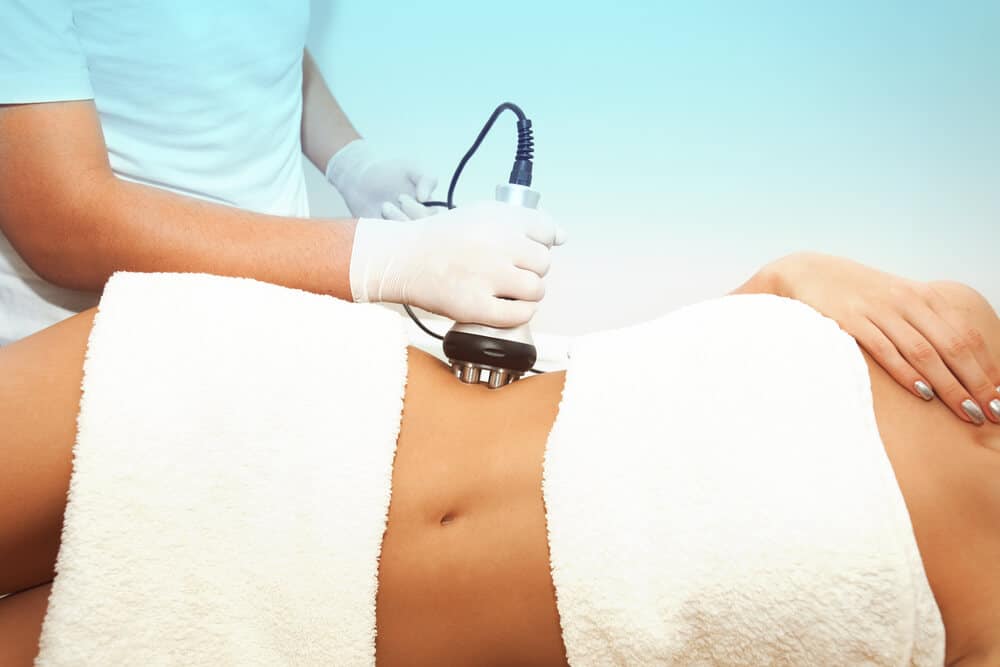
Renuvion plasma skin tightening uses plasma energy to stimulate the skin. This technology generates a small electrical arc. It creates a tiny wound on the skin’s surface. The body responds by producing collagen and elastin. These proteins help tighten and rejuvenate the skin.
The process is often referred to as Renuvion plasma fibroblast therapy. It targets specific areas for treatment. This method offers visible results without major surgery.
Non-Invasive Procedure
Plasma treatments are non-invasive. They don’t require cuts or stitches like traditional surgery. This makes recovery easier and faster for patients. Most people can return to daily activities within a few days.
e patients prefer plasma procedures over surgical options due to less downtime. Risks associated with surgery, such as infection or scarring, are lower with plasma treatment.
Common Treatment Areas
Plasma skin tightening is popular for several areas of the body. The most common sites include:
- Face
- Neck
- Abdomen
- Arms
- Thighs
The face and neck are particularly popular due to aging concerns. Many want to reduce wrinkles and sagging skin in these areas.
Treatment Costs
Understanding plasma treatment costs is important for potential patients. Prices can vary widely based on location and provider expertise. Typically, a single plasma treatment session may cost between $300 to $2,000.
Multiple sessions might be recommended for optimal results. Overall costs can add up, but many find the investment worthwhile compared to surgical options.
Patient Experiences
Many plasma patients report satisfaction with their results. They notice tighter skin and improved texture after treatment. Some share their experiences on social media, highlighting before-and-after photos.
However, not all experiences are positive. Some individuals may experience side effects like swelling or redness post-treatment. These effects usually subside within a week.
Factors Influencing Cost
Provider Expertise
The expertise of the provider plays a significant role in determining the cost of plasma gas skin tightening. Experienced practitioners often charge more for their services. They bring specialized knowledge and skills that can enhance safety and effectiveness. A skilled provider may use advanced techniques, leading to better results. This expertise reduces the risk of complications. Patients may pay a premium for the peace of mind that comes with choosing a qualified professional.
Geographic Location
Geographic location also affects pricing. Areas with higher living costs tend to have higher treatment prices. For instance, cities like New York or Los Angeles generally charge more than smaller towns. Local demand influences pricing as well. In regions where this treatment is popular, prices may be elevated due to competition among clinics. Thus, patients should consider local market rates when evaluating costs.
Treatment Areas
The size and number of treatment areas impact the overall cost. Treating larger areas requires more time and resources. For example, tightening skin on the abdomen will likely cost more than treating just the face. Multiple areas treated at once can lead to added expenses. Each area requires careful attention during the procedure.
Patients should discuss their specific needs with providers to understand how these factors come into play. A detailed consultation can clarify potential costs based on individual circumstances.
Additional Considerations
Other elements can influence the total price as well. The type of equipment used can vary between clinics, impacting both quality and cost. Some facilities may offer package deals or promotions, which can help make treatments more affordable. Patients should inquire about financing options available through clinics. Many practices provide payment plans that ease the financial burden.
Insurance coverage is another important consideration. Most cosmetic procedures are not covered by insurance but some medical conditions might qualify for partial coverage.
Treatment Area and Size Impact
Smaller Areas
Smaller treatment areas tend to be less expensive. For example, eyelids are a common area for plasma gas skin tightening. The cost for this area is generally lower than larger body areas. Treatments on smaller sections require less time and fewer resources. This translates to lower overall costs for patients.
Larger Areas
Larger areas, such as the abdomen, increase the price of treatments. These procedures involve more extensive work. They often require more local anesthesia and longer treatment times. Patients may also need multiple sessions to achieve desired results. This can significantly raise the total expense.
Multiple Treatment Areas
Choosing multiple treatment areas adds complexity. Each additional area increases both time and cost. For instance, treating both the face and neck will take longer than focusing on just one area. This means patients should expect higher prices for combined treatments.
Skin Laxity Influence
The extent of skin laxity affects both duration and price of treatments. Patients with significant laxity may need more intensive procedures. This can lead to longer sessions and higher costs. In contrast, those with mild laxity might benefit from shorter, less expensive treatments.
Renuvion Procedures
Renuvion treatments specifically target skin laxity. They are considered innovative options for tightening skin effectively. The price of Renuvion procedures varies based on the treatment area size and complexity. Patients should discuss their specific needs with their providers.
Surgical vs. Non-Invasive Treatments
Patients often compare invasive surgery to non-invasive treatments like plasma gas skin tightening. Invasive surgeries generally have higher costs due to hospital stays and anesthesia fees. Non-invasive options offer lower costs and reduced recovery times, making them appealing choices.
Overall Cost Considerations
Overall, several factors influence the cost of plasma gas skin tightening. These include the size of the treatment area, the number of areas being treated, and individual skin conditions. Understanding these elements can help patients make informed decisions about their treatment options.
Provider Expertise and Pricing
Board-Certified Professionals
Choosing a board-certified professional is crucial for safety during plasma gas skin tightening. These providers have met rigorous standards and undergone extensive training. They understand the complexities of the procedure and can handle complications if they arise.
People often overlook this aspect when considering treatment pricing. A certified provider may charge more, but this reflects their expertise. This investment can lead to better outcomes and fewer risks.
Experience Matters
Surgeons with more experience typically command higher fees. Their skill level allows them to perform procedures efficiently and effectively. Experienced providers often have a track record of successful treatments. Patients can feel more at ease knowing they are in capable hands.
Less experienced providers may offer lower prices. However, this can come with risks. They might not have the same depth of knowledge or hands-on practice. Complications from poorly performed procedures can lead to additional costs down the line.
Risks of Cheaper Options
Opting for cheaper options can be tempting. Many people seek affordable treatments without considering the potential consequences. Less experienced providers might cut corners to keep costs low. This can lead to subpar results or even serious complications.
Patients should be aware of what could happen if they choose a less qualified surgeon. Poor results may require corrective procedures, which can be costly and time-consuming. Investing in a skilled provider upfront is often more economical in the long run.
Anesthesia Considerations
The type of anesthesia used also affects treatment pricing. Procedures may require an anesthesiologist or a certified registered nurse anesthetist (CRNA). Their involvement adds to the overall cost but ensures patient safety during the procedure.
Using local anesthesia may reduce costs compared to general anesthesia. However, it’s essential to discuss these options with your provider to find what works best for you.
Location and Price Variations
Urban Costs
Major cities often charge more for plasma gas skin tightening. High overhead costs contribute to these prices. Rent, utilities, and staff salaries are typically higher in urban areas. Facilities need to cover these expenses, which reflects in the procedure costs. For example, a session in New York City may cost between $1,500 and $3,000. In contrast, smaller towns may offer similar services for $800 to $1,200.
Rural Pricing
Rural areas generally present lower costs. Providers in these locations face reduced operational expenses. These savings can lead to more affordable prices for patients. However, fewer specialists may be available in these regions. This limited access can affect the quality of care or availability of advanced technology.
Local Demand
Local demand plays a significant role in pricing variations. Areas with a high interest in cosmetic procedures often see increased costs. A surge in clientele allows providers to raise their fees. Conversely, less interest can drive prices down as practitioners seek to attract customers.
For instance, cities known for beauty trends might have a higher number of clinics competing for business. This competition can lead to promotional pricing or package deals that make treatments more accessible.
Market Competition
Competition among providers also influences pricing. In densely populated cities like Los Angeles or Miami, many clinics offer plasma gas skin tightening. They may lower prices or offer discounts to draw clients away from competitors. Patients might find promotions during specific seasons or holidays.
In contrast, rural areas may have only one or two providers. This lack of competition can keep prices stable but potentially higher than expected due to limited options.

Additional Costs to Consider
Anesthesia Fees
Anesthesia fees can add a significant amount to the total cost of plasma gas skin tightening. Many procedures require local or general anesthesia to ensure patient comfort. The exact costs for anesthesia vary based on the provider and location. On average, patients might pay anywhere from $300 to $1,000 for anesthesia services. This additional fee should be factored into the overall treatment costs.
Post-Procedure Care
Post-procedure care is another important consideration. After undergoing plasma gas skin tightening, patients may need follow-up treatments or specialized skincare products. These can range from topical ointments to more advanced therapies. The potential medication costs can add up quickly. Patients should expect to spend an extra $100 to $500 on these products and services.
Combining Treatments
Combining treatments is a common practice in cosmetic procedures. Many patients choose to pair plasma gas skin tightening with other options like fillers or Botox for enhanced results. While this can improve outcomes, it also increases expenses. Each additional treatment comes with its own set of costs, which can significantly impact the total expenditure.
For example, Botox injections typically cost between $300 and $800 per session. Adding this to the plasma gas procedure raises the overall financial commitment. Patients should weigh the benefits against the increased costs when considering multiple treatments.
Surgical Alternatives
e patients may consider surgical alternatives as part of their treatment plan. Options such as facelifts or brow lifts often have higher upfront costs but may offer longer-lasting results. Surgical options usually range from $3,000 to over $15,000 depending on the complexity and extent of the surgery. Patients should evaluate these surgical alternatives carefully before deciding.
Safety and Warnings
Safety is a critical factor when considering any cosmetic procedure, including plasma gas skin tightening. Potential side effects or complications may lead to additional medical expenses if post-procedure issues arise. It’s essential to discuss all risks with a qualified professional beforehand.
Overall Financial Impact
The overall financial impact of plasma gas skin tightening can be substantial when considering all factors involved. Initial treatment costs may seem manageable, but additional fees for anesthesia, post-procedure care, and possible combination treatments can escalate quickly.
Patients must conduct thorough research and budgeting before committing to this procedure. Understanding all potential costs will help them make informed decisions about their investment in skincare.
Comparing Cost to Results
Average Cost
The average cost of plasma gas skin tightening varies widely. Prices typically range from $1,500 to $3,000 per session. Factors affecting the price include the provider’s experience, location, and the treatment area, such as the neck or face. Some clinics may offer package deals for multiple sessions, which can reduce the overall expense.
Patients should understand that while the initial cost is significant, many find value in the long-term benefits. Plasma skin tightening can last from one to three years. This longevity often makes it a more appealing option compared to other treatments that require frequent maintenance.
Results
Results from plasma skin tightening often meet or exceed patient expectations. Many report visible improvement in skin texture and tightness shortly after treatment. Reviews highlight smoother skin and reduced wrinkles as common outcomes.
Patients generally notice a tighter appearance in areas treated with plasma gas. These results can enhance facial contours and improve confidence. However, individual experiences can vary based on skin type and age.
Patient Satisfaction
Patient satisfaction rates for plasma skin tightening are notably high. Many individuals express satisfaction with their results. They appreciate not only the physical changes but also the emotional boost that comes with improved self-esteem.
Reviews frequently mention feelings of increased confidence post-treatment. Patients feel more comfortable in their skin and often report a positive change in how they present themselves socially.
Time Investment
Time investment is another factor to consider. Each treatment session lasts about 30 minutes to an hour. Recovery time is relatively short, with most people returning to normal activities within a few days.
This minimal downtime adds to the appeal of plasma gas skin tightening compared to surgical options, which often require longer recovery periods.
Perceived Value
The perceived value for money can be high among patients who prioritize aesthetic improvements. The potential for enhanced self-image can outweigh the initial costs for many individuals.
Investing in one or two sessions may seem steep at first glance but can lead to lasting benefits. Improved self-esteem may result in better personal and professional interactions.
Benefits of Skin Tightening
Aesthetic Improvements
Skin tightening procedures provide efficient skin tightening results. Patients often experience firmer and smoother skin after treatment. This improvement can boost self-confidence and enhance overall appearance. Many individuals seek these treatments to combat the effects of aging or weight loss. Loose skin can make a person appear older than they are.
These procedures address various areas, including the face, neck, and abdomen. They help restore youthful contours. The results can be noticeable quickly, leading to high satisfaction among patients. Some techniques, like renuvion skin treatments, use advanced technology to achieve these outcomes.
Minimal Downtime
Nonsurgical skin tightening options typically involve minimal downtime compared to surgical alternatives. For example, procedures like laser skin rejuvenation allow patients to return to their daily routines almost immediately. Unlike invasive skin rejuvenation methods, there is less recovery time needed.
Patients appreciate this convenience. Many prefer procedures that fit into their busy schedules. For instance, some treatments may only require a few hours for completion. This flexibility makes it easier for individuals to prioritize their skin health without major disruptions.
Natural-Looking Results
Natural-looking results are another significant benefit of nonsurgical skin tightening techniques. Unlike surgical skin tightening, which can leave visible scars, many modern procedures aim for subtle enhancements. Patients often feel satisfied with their results because they look refreshed but not overdone.
Techniques such as renuvion liposuction procedure focus on tightening the skin while removing excess fat. This dual approach can create a more toned appearance without drastic changes. Consulting with a plastic surgeon or dermatologist ensures the best possible outcome tailored to individual needs.
Cost-Effectiveness
The cost of nonsurgical options is often lower than that of cosmetic surgery. While prices vary based on location and provider expertise, many find that the benefits outweigh the costs. Fewer complications mean reduced expenses in recovery care.
Patients should consider both short-term and long-term effects when evaluating costs. Investing in skin rejuvenation procedures can lead to lasting improvements in appearance and confidence.
Summary
Plasma gas skin tightening offers promising results, but understanding the costs involved is crucial for your decision-making. Factors like treatment area, provider expertise, and location all play significant roles in pricing. You must also consider additional costs that might arise.
Weighing the benefits against the expenses will help you determine if it’s worth it for you. Investing in this treatment can lead to firmer, rejuvenated skin. If you’re ready to explore your options, research local providers and consult with experts. Your journey to a more youthful appearance starts with informed choices. Don’t hesitate; get the skin you deserve today!
Frequently Asked Questions
What is plasma skin tightening?
Plasma skin tightening is a non-invasive cosmetic procedure that uses plasma energy to stimulate collagen production, resulting in tighter and firmer skin. It targets wrinkles, fine lines, and sagging skin.
How much does plasma gas skin tightening cost?
The cost of plasma gas skin tightening varies widely, typically ranging from $500 to $3,000 per session. Factors like treatment area and provider expertise influence the final price.
Are there any side effects?
Common side effects include redness, swelling, and minor discomfort at the treatment site. These usually subside within a few days. Serious complications are rare when performed by a qualified provider.
How long do results last?
Results from plasma skin tightening can last anywhere from 1 to 3 years, depending on individual factors such as age and skin condition. Regular maintenance treatments can prolong results.
Is it suitable for all skin types?
Plasma skin tightening is generally safe for most skin types. However, individuals with certain conditions or darker skin tones should consult a specialist to assess suitability.
Can I combine this treatment with others?
Yes, plasma skin tightening can be combined with other treatments like fillers or Botox for enhanced results. Always discuss your options with your provider for the best outcome.
What are the benefits of this treatment?
Benefits include improved skin texture, reduced wrinkles, and a more youthful appearance. It’s a quick procedure with minimal downtime, making it appealing for busy individuals seeking effective results.