How to Maximize Your Liposuction Results with Healthy Habits: 7 Essential Tips

Liposuction, as one of the fat removal options among cosmetic procedures, can be a game-changer for those seeking a slimmer figure in plastic surgery topics. However, the journey doesn’t end once the liposuction surgery is done; it requires work to maintain the liposuction results and a plan for recovery. To truly maximize your liposuction results, adopting a healthy habits plan is crucial by the end of the day. Nutrition plays a vital role in recovery from liposuction surgery and maintaining your new shape. Regular exercise helps tone muscles and boosts metabolism. Staying hydrated supports skin elasticity and overall health.

Incorporating these habits not only enhances your appearance but also improves your well-being. Embracing a balanced lifestyle after liposuction sets you up for long-term success. It’s about making choices that support your body and confidence. Dive into ways to elevate your results through simple yet effective changes.

Key Takeaways

  • Choose the Right Surgeon: Research and select a qualified surgeon to ensure the best possible liposuction results. Look for credentials and patient reviews.
  • Prepare Your Body: Get your body ready for surgery by following pre-operative instructions, which can enhance recovery and results.
  • Focus on Post-Operative Care: Adhere to post-liposuction care guidelines, including wearing compression garments and attending follow-up appointments.
  • Adopt a Healthy Diet: Maintain a balanced diet rich in nutrients to support healing and sustain your results after surgery.
  • Stay Active: Incorporate regular exercise into your routine to help maintain your new shape and improve overall health.
  • Manage Stress: Practice stress management techniques, such as meditation or yoga, to promote better recovery and well-being.

Understand the Liposuction Process

Liposuction Overview

Liposuction is a cosmetic procedure that targets unwanted fat deposits. It helps in contouring the body by removing fat tissue from specific areas. Many people seek this treatment to enhance their appearance and boost their confidence.

The liposuction surgery involves various techniques. Traditional liposuction uses a cannula to suction out fat cells. Other methods include tumescent liposuction, where saline solution is injected first. Each technique offers different benefits based on individual needs.

Realistic Expectations

Understanding the results of a successful liposuction procedure is crucial. This treatment does not guarantee drastic weight loss. Instead, it focuses on shaping the body by eliminating stubborn fat areas that resist diet and exercise.

Patients must have realistic expectations about the outcome. Liposuction results vary based on factors like skin elasticity and overall health. Some may notice immediate changes, while others might take time to see full results after the healing process.

Not a Weight Loss Solution

Liposuction should not be viewed as a weight loss solution. Many believe that undergoing lipo surgery at an Orlando liposuction clinic will allow them to indulge in unhealthy habits afterward. This misconception can lead to disappointment with the results.

Healthy habits are essential for maintaining the benefits of the procedure. A balanced diet and regular exercise should complement any liposuction treatment. These lifestyle changes help prevent new fat deposits from forming in treated areas.

Consultation Importance

A liposuction consultation appointment is vital before deciding on the procedure. During this meeting, patients discuss their goals and concerns with a qualified surgeon. The doctor assesses medical history and examines problem areas.

This appointment also provides an opportunity to learn about different liposuction options available. Surgeons explain various techniques and what to expect during recovery. Understanding these details helps patients make informed decisions.

Healing Process

The healing process after a liposuction procedure varies for each person. Patients may experience swelling and bruising in treated areas. Most can return to normal activities within a few weeks, but complete recovery takes longer.

Surgeons often recommend wearing compression garments post-surgery. These garments help reduce swelling and support healing. Following post-operative instructions is crucial for achieving optimal liposuction results.

Final Thoughts

In summary, understanding the liposuction process is essential for anyone considering this treatment. Recognizing that it is not a substitute for healthy living is important. Patients should maintain realistic expectations about their results and commit to healthy habits afterward.

Research and Choose an Experienced Surgeon

Board-Certified Surgeons

Seek out a board-certified plastic surgeon. These surgeons have undergone rigorous training and education. They possess the necessary skills for performing liposuction safely. Look for someone who specializes in cosmetic plastic surgery. Surgeons with extensive experience in liposuction techniques can offer better surgical results.

Verify Credentials

Verify the surgeon’s credentials thoroughly. Check if they are certified by the American Board of Plastic Surgery. This certification ensures that they meet high standards in their field. Read reviews from previous patients to gauge their satisfaction. Before-and-after photos can provide insight into the surgeon’s skill level. Look for consistent, positive outcomes in these images.

Schedule a Consultation

Schedule a consultation appointment with potential surgeons. This meeting allows you to discuss your goals and expectations. Prepare a list of questions to ask during this time. Inquire about the surgeon’s experience with liposuction specifically. Ask how many procedures they have performed and their success rates.

During the consultation, assess the surgeon’s expertise and communication style. A good surgeon will listen to your concerns and provide honest advice. They should explain the procedure clearly, including risks and recovery time.

Evaluate Options

Consider all options available to you. Some surgeons may offer different liposuction techniques, such as tumescent or laser-assisted liposuction. Each method has its own advantages and disadvantages. Discuss these options with your surgeon to determine what suits you best.

After gathering information, weigh your choices carefully. Make sure you feel comfortable with your selected surgeon before proceeding. Trust is crucial when undergoing any type of surgery.

Importance of Experience

Experience plays a key role in achieving optimal surgery outcomes. An experienced surgeon will know how to handle complications that may arise during the procedure. They can tailor the approach based on individual patient needs.

Patients often report higher satisfaction levels when treated by skilled surgeons. Their expertise can lead to smoother recoveries and better aesthetic results.

Emotional Considerations

Choosing a surgeon is not just about technical skills; it also involves emotional aspects. Feeling confident in your surgeon can ease anxiety before the procedure. Building a rapport with them can enhance your overall experience.

In summary, finding the right plastic surgeon is vital for maximizing liposuction results. Researching credentials, scheduling consultations, and evaluating options will ensure you make an informed decision.

Prepare Your Body Before Surgery

Maintain Optimal Weight

Optimal weight plays a crucial role in cosmetic surgery outcomes at an Orlando liposuction clinic. Being at a healthy weight can lead to better results. It reduces the risk of complications during the procedure. Maintaining your weight before surgery can also help with recovery. Surgeons often recommend patients to be within 10-15 pounds of their ideal weight.

Weight management involves both diet and exercise. A stable weight helps ensure that the body responds well to the surgery. It also aids in achieving more satisfactory results after the procedure. Those who are overweight may face additional risks, such as longer recovery times or increased chance of complications.

Engage in Physical Activity

Regular physical activity is essential for preparing your body. Exercise tones muscles and improves circulation. Good circulation can enhance healing after the plastic surgery procedure. Aim for at least 150 minutes of moderate aerobic activity each week. This could include walking, swimming, or cycling.

Strength training is also beneficial. It helps build muscle and improve overall body composition. Focus on exercises that target areas where you want to see improvement post-surgery. For example, if you plan on liposuction for your abdomen, core workouts can be helpful.

Follow a Balanced Diet

A balanced diet supports overall health and readiness for surgery. Eating plenty of fruits, vegetables, lean proteins, and whole grains provides essential nutrients. These nutrients are vital for healing and recovery after a cosmetic procedure.

Hydration is equally important. Drinking enough water helps maintain skin elasticity and overall well-being. Avoid excessive sugar and processed foods leading up to the surgery date. These can hinder your body’s ability to heal.

Consider meal planning before your surgery date. Preparing healthy meals in advance can help you stick to your dietary goals. It reduces the temptation to eat unhealthy foods when you’re busy or stressed.

Use Compression Garments

Compression garments are often recommended after liposuction. Wearing these garments helps reduce swelling and supports the healing process. They provide pressure to the treated areas, which can improve results.

Start wearing compression garments as soon as your surgeon advises it. Typically, this will be immediately after the cosmetic surgery procedure. Following your surgeon’s guidelines will ensure you get the most benefit from them.

Follow Pre-Operative Instructions

Dietary Guidelines

Surgeons often provide dietary restrictions before the surgical procedure. Following these guidelines can greatly affect recovery. Patients should avoid heavy meals and focus on light, nutritious options. Foods rich in protein and vitamins can aid healing. Staying hydrated is also crucial. Drinking plenty of water helps maintain body function and aids recovery.

Avoid Smoking and Alcohol

Surgeons advise against smoking and alcohol consumption before the invasive procedure. Both can increase surgical risks. Smoking reduces blood flow, which can slow healing. Alcohol can interfere with anesthesia and medications used during the operation. Stopping these habits well in advance is essential for a safe experience.

Arrange Transportation and Support

Post-operative care is vital for successful recovery. Patients must arrange for transportation after the procedure. Anesthesia can impair your ability to drive safely. Having a trusted friend or family member help is important. They can assist with daily tasks during the initial recovery phase.

Support from loved ones also plays a role in emotional recovery. Encouragement can boost morale during this time. It’s essential to have someone who understands your needs.

Follow Medical Orders

Adhering to all operative care instructions is crucial. Surgeons provide specific orders regarding medication, activity level, and wound care post-surgery. Ignoring these instructions can lead to complications or prolong recovery times. Always ask questions if any part of the order is unclear.

Prepare Your Home

Preparing your home before surgery can ease the recovery process. Create a comfortable space where you can rest. Stock up on essentials like food, water, and medications. Keep items within reach to minimize movement after the procedure.

Consider setting up a recovery area with pillows and blankets for comfort. Make sure that your environment is calm and quiet to promote healing.

Mental Preparation

Mental readiness plays a significant role in recovery after an invasive procedure. Understanding what to expect helps reduce anxiety. Familiarize yourself with the recovery timeline provided by your surgeon. This knowledge prepares you for each stage of healing.

Visualizing your success can boost motivation too. Many patients find it helpful to set realistic goals for their recovery journey.

Post-Liposuction Care Essentials

Compression Garments

Wearing compression garments is crucial after liposuction. Surgeons often recommend these to minimize swelling. They support the treated areas, helping the skin adjust to its new shape. These garments should fit snugly but not be overly tight.

Patients typically need to wear them for several weeks. This duration may vary based on individual recovery. Following this guideline can lead to better results and less discomfort. Not wearing them as instructed may increase swelling and prolong recovery time.

Follow Instructions

Surgeons provide specific post-operative care instructions. These guidelines are tailored to each patient’s situation. It’s essential to follow these recommendations closely. They cover medication schedules, activity restrictions, and signs of complications.

Ignoring these instructions can lead to cosmetic concerns. For example, excessive physical activity too soon may affect healing negatively. Patients should also keep appointments for follow-up visits. These check-ups allow surgeons to monitor progress and address any issues early.

Rest and Recovery

Rest plays a vital role in recovery after liposuction. The body needs time to heal properly. Patients should prioritize sleep and avoid strenuous activities for at least a few weeks. This helps reduce fatigue and promotes healing.

Staying hydrated is also important during this time. Drinking plenty of water aids in recovery and reduces swelling. Eating nutritious foods supports overall health as well. A balanced diet can enhance healing and improve energy levels.

Monitor Your Health

Keeping an eye on your health is important post-surgery. Watch for any unusual symptoms like increased pain or fever. Report these issues to your surgeon immediately. Early detection can prevent complications.

Maintaining a healthy lifestyle after surgery is equally important. Regular exercise, when approved by your doctor, can help sustain results. Focus on low-impact activities initially, then gradually increase intensity.

Emotional Well-being

The emotional aspect of recovery shouldn’t be overlooked. Many patients feel anxious about their appearance after surgery. It’s normal to have mixed feelings during recovery. Support from friends and family can help ease these concerns.

Consider joining support groups or forums online. Connecting with others who have undergone similar procedures can provide comfort and advice.

Maintain a Healthy Diet

Key Foods

Lean proteins play a crucial role in your diet. They help build and repair tissues, especially after surgery. Include chicken, turkey, fish, and legumes in your meals. These foods provide essential nutrients without adding extra fat.

Fiber-rich foods are also important. They aid digestion and keep you feeling full longer. Whole grains, beans, fruits, and vegetables should be staples in your diet. These foods help prevent future weight gain by managing hunger levels effectively.

Avoid Processed Foods

Processed foods can sabotage your efforts. They often contain bad fats and excessive sugar. Eating these types of foods can lead to unwanted fat accumulation. Focus on whole, unprocessed options instead. This approach supports long-term weight loss and helps maintain your liposuction results.

Limit sugary drinks and snacks as well. These items add empty calories without nutritional value. Opt for water or herbal teas to stay hydrated. Healthy choices will enhance your recovery while keeping extra fat at bay.

Healthy Fats

Incorporating healthy fats is vital for overall health. Omega-3 fatty acids are particularly beneficial. They support recovery by reducing inflammation in the body. Include sources like salmon, walnuts, and flaxseeds in your diet.

These healthy fats can also improve heart health. A balanced intake of good fats helps regulate cholesterol levels. This balance is key to avoiding future weight gain and maintaining optimal well-being.

Balanced Meals

Creating balanced meals is essential for maximizing liposuction results. Aim for a mix of proteins, healthy fats, and carbohydrates in each meal. This balance fuels the body while promoting effective weight management.

Plan your meals ahead of time to stay on track. Prepping meals can prevent impulsive food choices that lead to excess fat intake. Set aside time each week to prepare nutritious options that align with your goals.

Lifestyle Changes

Adopting a healthy lifestyle goes beyond diet alone. Regular physical activity supports weight loss and overall health. Aim for at least 150 minutes of moderate exercise weekly. Activities like walking, swimming, or cycling can be enjoyable ways to stay active.

Prioritize sleep and stress management. Lack of sleep can lead to weight gain and unhealthy eating habits. Find relaxation techniques that work for you, such as yoga or meditation.

Stay Hydrated

Importance of Water

Drinking plenty of water daily is crucial after liposuction. Water helps in the recovery process. It maintains skin elasticity, which can improve your overall appearance. Staying hydrated can also reduce swelling, a common issue post-surgery.

Avoid Sugary Drinks

Sugary drinks can hinder your recovery. These beverages add empty calories without providing hydration. They can also lead to weight gain, which is counterproductive after liposuction. Excessive caffeine may dehydrate you. This can negatively affect your healing process and outcomes.

Monitor Fluid Intake

Monitoring your fluid intake is essential for meeting your hydration needs. Aim for at least 8-10 glasses of water each day. This amount may vary based on activity level and climate. Keeping track ensures you stay hydrated throughout your recovery.

Clothing Choices

Wearing the right clothing can support your recovery. Choose loose-fitting garments that allow for comfort and airflow. Tight clothing may cause irritation or restrict movement. Proper attire aids in reducing swelling and promotes better circulation.

Smoking Effects

Avoid smoking during recovery. Smoking can lead to complications such as infection and delayed healing. The chemicals in cigarettes restrict blood flow, which is vital for recovery. Quitting smoking enhances the effectiveness of liposuction results.

Recovery Timeline

Recovery from liposuction typically takes several days to weeks. Initial swelling often peaks around 3-5 days post-surgery. After this period, swelling should gradually decrease. Staying hydrated speeds up this process and improves your overall outcome.

Long-Term Benefits

Maintaining healthy habits after surgery leads to great results in the long run. A balanced diet combined with proper hydration supports sustained weight management. This approach helps maintain the shape achieved through liposuction.

Emotional Well-being

Hydration plays a role in emotional health too. Feeling good physically can boost your mood and confidence levels. Drinking enough water keeps you energized, which is important during recovery.

Incorporate Regular Exercise

Start Slowly

Start with low-impact activities after your surgeon gives the green light. Walking is a great option. It helps improve circulation and aids recovery. Begin with short walks and gradually increase the distance. This approach allows your body to adjust without strain.

Light stretching can also be beneficial. Stretching improves flexibility and reduces muscle tension. It prepares your body for more intense workouts later on.

Gradual Increase

Gradually increase the intensity of your workouts as you feel comfortable. Aim to add more challenging activities over time. This progression helps maintain your results from liposuction.

Consider incorporating moderate cardio exercises, like cycling or swimming, into your routine. These activities boost heart health and help burn calories. They also enhance endurance, which is important for overall fitness.

Mix It Up

Focus on a balanced mix of cardio, strength training, and flexibility exercises. This combination maximizes results and promotes overall health.

Cardio exercises are essential for burning fat and improving cardiovascular fitness. Aim for at least 150 minutes of moderate-intensity cardio each week. Activities like jogging, dancing, or group fitness classes can be enjoyable ways to achieve this.

Strength training is equally important. It builds muscle and supports metabolism. Incorporate resistance exercises using weights or resistance bands at least two days a week. Target all major muscle groups to ensure balanced development.

Flexibility exercises should not be overlooked. Yoga or Pilates can improve flexibility and core strength. These practices also promote relaxation and reduce stress.

Consistency Matters

Consistency in your exercise routine is key to long-term success. Set realistic goals for yourself to stay motivated. Tracking your progress can help you see improvements over time.

Joining a fitness class or finding a workout buddy may provide additional motivation. Having support can make exercising more enjoyable and help keep you accountable.

Make sure to listen to your body during workouts. If you experience pain or discomfort, pause and reassess your routine. It’s crucial to prioritize safety while maximizing your results.

Nutrition Connection

Pairing regular exercise with healthy eating habits enhances liposuction results. Focus on a balanced diet rich in whole foods like fruits, vegetables, lean proteins, and whole grains. Proper nutrition fuels your workouts and aids recovery.

Manage Stress Levels

Relaxation Techniques

Stress can significantly impact your body. High stress levels may lead to increased inflammation. This can affect the healing process after liposuction. Practice relaxation techniques like meditation or deep breathing exercises. These methods help calm the mind and reduce tension. They also improve focus on recovery.

Meditation encourages mindfulness. It allows you to connect with your body. Deep breathing helps lower cortisol, a stress hormone. Lowering this hormone can improve outcomes in your recovery journey. Spend a few minutes each day practicing these techniques. Notice the difference in how you feel.

Sleep Quality

Adequate sleep is crucial for recovery. The body heals during rest. Lack of sleep can slow down this process. Aim for 7-9 hours of quality sleep each night. Create a calming bedtime routine to enhance sleep quality.

Limit screen time before bed. Instead, read a book or listen to soothing music. A dark, quiet room promotes better rest. Good sleep supports your immune system and reduces stress levels. This leads to improved healing after liposuction.

Joyful Activities

Engaging in activities that bring joy can reduce stress significantly. Hobbies, sports, or spending time with loved ones are great options. These activities distract from daily worries and promote happiness.

Consider taking up a new hobby or revisiting an old one. Painting, gardening, or cooking can be therapeutic. Physical activity releases endorphins, which are natural mood boosters. They also help target areas that need attention post-surgery.

Incorporating these joyful activities into your routine will make a difference in your overall well-being. They help manage stress effectively and promote a positive mindset.

Toxins and Diet

Diet plays a role in managing stress levels too. Eating healthy foods can reduce toxins in the body. Focus on fruits, vegetables, and whole grains for better nutrition. Avoid processed foods high in sugars and fats.

Hydration is equally important. Drinking plenty of water helps flush out toxins and keeps the body functioning well. Proper nutrition supports the body’s healing process after liposuction.

Consistency Matters

Consistency is key in managing stress levels effectively. Make relaxation techniques, good sleep habits, and joyful activities part of your daily routine. Over time, these practices will yield significant benefits.

Summary

Maximizing your liposuction results hinges on adopting healthy habits. You’ve learned the importance of understanding the procedure, selecting a skilled surgeon, and following pre-operative and post-operative care. Staying committed to a balanced diet, hydration, regular exercise, and stress management will enhance your outcomes significantly.

Embrace these practices as part of your lifestyle. They not only support your liposuction results but also boost your overall well-being. Remember, consistency is key. Take charge of your health today. Start implementing these habits now for lasting results. Your journey to a healthier you begins with one small step.

Frequently Asked Questions

How can I prepare my body before liposuction?

Preparing your body involves maintaining a healthy diet, staying hydrated, and avoiding smoking or alcohol. This helps enhance your recovery and results.

What should I expect during the liposuction process?

Liposuction is a surgical procedure that removes excess fat from specific areas. Expect anesthesia, incisions, and a recovery period to achieve optimal results.

How important is choosing an experienced surgeon?

An experienced surgeon ensures safety and effective results. Their expertise can significantly impact your recovery and overall satisfaction with the procedure.

What are the essential post-liposuction care steps?

Post-operative care includes following your surgeon’s instructions, managing pain, wearing compression garments, and attending follow-up appointments for optimal healing.

Can I maintain my results after liposuction?

Yes, maintaining results requires a healthy diet, regular exercise, and hydration. Lifestyle choices play a crucial role in sustaining your new body shape.

How does stress affect my liposuction results?

High stress can hinder recovery and lead to unhealthy habits. Managing stress through relaxation techniques can support better healing and lasting results.

When can I return to exercise after liposuction?

Consult your surgeon for personalized advice. Generally, light activities can resume within a week, while intense workouts may require 4-6 weeks of recovery time.
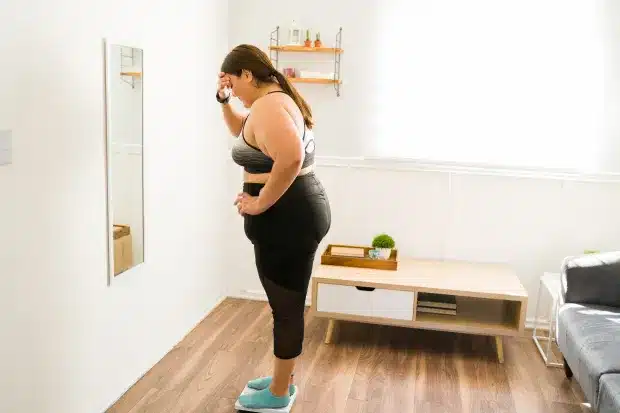
Liposuction and Medical Weight Loss: A Winning Combination for Lasting Results

Liposuction, a fat removal procedure, and medical weight loss: a winning combination for long-term success in dieting with effective fat removal techniques and cosmetic surgery. This powerful duo can transform your health and body image through effective weight loss strategies, dieting, laser lipo treatment, and weight loss surgeries. Liposuction offers quick fat removal, while medical weight loss provides a structured plan for sustainable results through dieting. Together, they tackle stubborn fat and promote healthier habits.

Many people struggle with weight management through dieting, but this approach, including laser liposuction, makes it easier to achieve lasting change. With expert guidance, you can navigate the journey toward a healthier lifestyle, including dieting and laser liposuction. Embrace the benefits of both dieting and laser liposuction methods and unlock your potential for success. Get ready to take control of your body and confidence through dieting and laser liposuction.

Key Takeaways

  • Combining liposuction with a medical weight loss program and dieting can lead to better long-term results, as both approaches complement each other effectively.
  • Post-liposuction, adopt healthy eating habits and dieting along with regular exercise to maintain your results and prevent fat return.
  • Seek professional guidance from healthcare providers to create a personalized plan that supports sustained weight loss after laser liposuction and includes dieting.
  • Understand that aging affects metabolism, so it’s important to adjust your lifestyle and expectations as you age, including considerations for lipo and suction.
  • Address any psychological concerns about body image and self-esteem, as these can play a significant role in your weight loss journey, including lipo and suction.
  • Set realistic goals for your weight loss and liposuction outcomes to stay motivated and focused on your health journey.

Understanding the Benefits of Combining Liposuction with Medical Weight Loss

Targeting Fat Areas

Liposuction effectively targets stubborn fat areas that diet and exercise often can’t reach. Common spots include the abdomen, thighs, and arms. Many people struggle with these areas despite their best efforts, including suction and lipo.

Fat removal through liposuction allows for immediate changes in body shape. This method can enhance self-esteem and motivate individuals to maintain a healthier lifestyle. The results from the lipo are visible right away, which can be encouraging with suction.

Synergy of Methods

Medical weight loss focuses on overall health, sustainable weight management, lipo, and suction. It involves a comprehensive plan that may include dietary changes, lipo, exercise routines, suction, and medical supervision. Combining this approach with liposuction creates a powerful synergy.

Liposuction provides instant contouring. It shapes the body by removing excess fat. Meanwhile, medical weight loss helps individuals develop healthy habits. These habits lead to gradual fat loss over time. Together, they create a balanced strategy for long-term success.

Long-Term Success

Combining liposuction with medical weight loss promotes lasting results. Individuals often find it easier to maintain their new shape after lipo and suction when they also focus on health. Medical weight loss programs, including lipo and suction, support lifestyle changes that prevent future weight gain.

Studies show that patients who combine suction and lipo methods report higher satisfaction levels. They experience not just physical changes from lipo and suction but emotional benefits too. The confidence gained from improved appearance, such as lipo and suction, can boost motivation to stay healthy.

Key Considerations

  • Consultation: Always consult with healthcare professionals before starting any lipo program involving suction.
  • Realistic Goals: Set achievable goals for both liposuction and medical weight loss.
  • Follow-Up Care: Regular follow-up is essential for monitoring progress and making adjustments.

In summary, the combination of liposuction and medical weight loss offers an effective solution for those seeking lasting change. Liposuction addresses specific fat deposits while medical weight loss focuses on overall health. This dual approach leads to better outcomes and improved well-being.

How Liposuction Enhances Medical Weight Loss Outcomes

Immediate Results

Liposuction provides immediate visible results. Patients often see changes in their body shape right after the procedure. This instant transformation boosts motivation for continued weight loss efforts. Many individuals feel encouraged to stick to their diet and exercise plans after seeing these results. The psychological impact of looking better can drive patients to maintain a healthier lifestyle.

Physical Activity Benefits

Removing stubborn fat through liposuction makes it easier to engage in physical activities. Patients often find that they can move more freely after the procedure. For example, someone who struggled with excess fat may find jogging or exercising less challenging post-surgery. Increased mobility can lead to a more active lifestyle, which is crucial for long-term weight loss success.

Achieving Proportionate Shape

Liposuction helps in achieving a more proportionate body shape. Many people have specific areas of fat that resist diet and exercise. These areas can distort body proportions and affect self-esteem. Liposuction surgery targets these problem zones effectively. As a result, patients experience a balanced silhouette that aligns with their goals.

Modern Techniques

Modern liposuction techniques have improved outcomes significantly. Laser liposuction and tumescent liposuction are popular options today. These methods use advanced technology to enhance fat removal while minimizing recovery time. They allow for personalized liposuction treatment, catering to individual needs and preferences.

Multiple Procedures

e patients opt for multiple liposuction procedures over time. This approach allows them to gradually achieve their desired look without overwhelming their bodies. Each session can focus on specific areas, leading to refined results. This gradual change also helps maintain motivation as patients witness ongoing improvements.

Long-term Success

Combining liposuction with medical weight loss creates a solid foundation for long-term success. The initial results from fat removal surgery can serve as a springboard for healthier habits. Patients often report increased confidence and commitment to fitness after undergoing lipo surgery. This synergy between immediate results and sustained effort leads to better overall health.

Strategies for Long-Term Success Post-Liposuction

Balanced Diet

Maintaining a balanced diet is crucial after liposuction. This helps prevent fat accumulation in untreated areas. Focus on whole foods like fruits, vegetables, lean proteins, and whole grains. These foods provide essential nutrients without excess calories. Avoid processed foods high in sugar and unhealthy fats.

Eating smaller portions can also aid in weight maintenance. Consider meal prepping to control portions better. Staying hydrated is important too. Drinking water can help manage hunger levels and support overall health.

Regular Exercise

Regular exercise plays a key role in sustaining the benefits of liposuction. It helps maintain lipo weight maintenance by burning calories and building muscle. Aim for at least 150 minutes of moderate aerobic activity each week. This could include walking, cycling, or swimming.

Incorporate strength training exercises twice a week. These exercises help tone the body and improve contours. Activities like weight lifting or resistance bands can target stubborn areas effectively. Finding enjoyable activities makes it easier to stay consistent.

Follow-Up Appointments

Periodic follow-ups with healthcare professionals are vital for monitoring progress. Regular check-ins allow doctors to assess results and make necessary adjustments. They can provide guidance on customized weight loss plans, diet, and exercise tailored to individual needs.

These appointments also offer an opportunity to address any concerns. Discussing challenges faced post-surgery can lead to effective solutions. Healthcare providers may suggest additional treatments if needed.

Support Systems

Building a support system enhances long-term success. Friends or family members can motivate you to stick to your goals. Joining a support group can provide encouragement from others with similar experiences.

Sharing your journey with others creates accountability. This connection helps maintain focus on health and fitness goals after surgery.

Mental Health Awareness

Mental health should not be overlooked during this process. A positive mindset contributes significantly to long-term results. Practicing stress-reduction techniques can be beneficial.

Consider mindfulness practices such as yoga or meditation. These techniques promote mental clarity and emotional balance, aiding in overall well-being.

The Role of Diet and Exercise in Maintaining Results

Importance of Exercise

A consistent exercise routine is crucial for maintaining results after liposuction. Regular physical activity helps burn calories and keep excess weight off. Aim for at least 150 minutes of moderate aerobic activity each week. This can include brisk walking, cycling, or swimming.

Strength training also plays a key role. It builds muscle mass, which increases metabolism. More muscle burns more calories, even at rest. Focus on major muscle groups two days a week to maximize benefits.

Nutritious Diet

A nutritious diet supports overall health and helps prevent new fat deposits. Eating whole foods should be a priority. Include plenty of fruits, vegetables, lean proteins, and whole grains. These foods provide essential nutrients without empty calories.

Certain foods can aid in body fat maintenance. Foods high in fiber help you feel full longer. This reduces the chances of overeating. Healthy fats from sources like avocados and nuts are also beneficial. They support cell health and can improve satiety.

Avoid processed foods and sugary snacks. These often lead to weight gain and offer little nutritional value. Instead, focus on balanced meals that meet your body’s needs.

Hydration and Sleep

Hydration is another important factor in maintaining results post-liposuction. Drinking enough water aids digestion and keeps your skin healthy. Aim for at least eight glasses of water daily. Proper hydration helps flush out toxins from the body.

Sleep is equally critical. Lack of sleep can disrupt hormones that control hunger and appetite. This can lead to unhealthy eating habits and weight gain. Strive for 7-9 hours of quality sleep each night.

Building Healthy Habits

Creating healthy habits is vital for long-term success after liposuction. Start by setting realistic goals for both diet and exercise. Track your progress to stay motivated. Small changes can make a big difference over time.

Incorporate activities you enjoy into your routine. This makes it easier to stick with them long-term. Whether it’s dancing, hiking, or joining a sports team, find what works for you.

Support from friends or family can also help maintain motivation. Share your goals with others who encourage you to stay on track.

Professional Guidance for Sustained Weight Loss

Dietitian Support

Consulting with a dietitian can greatly enhance your weight loss journey. They can create personalized meal plans that fit your lifestyle and preferences. This tailored approach helps ensure you receive the necessary nutrients while reducing calorie intake.

Dietitians also educate people on portion control and healthy food choices. Their expertise allows you to make informed decisions about what to eat. Many find that having a structured plan makes it easier to stay on track. Regular check-ins with a dietitian can provide motivation and accountability.

Fitness Trainer Advice

Seeking advice from fitness trainers is crucial for developing effective exercise routines. Trainers assess your current fitness level and design customized weight loss plans and tailored programs. These programs focus on your specific goals, whether it’s fat loss or muscle gain.

Trainers also teach proper exercise techniques. This reduces the risk of injury during workouts. Engaging in regular physical activity is essential for long-term weight management. Trainers often introduce new exercises to keep routines fresh and exciting.

Medical Supervision

Ongoing medical supervision plays a vital role in safe weight management. Healthcare professionals monitor progress and adjust treatment plans as needed. This ensures that any weight loss procedure remains effective over time.

Doctors can also help identify any underlying health issues affecting weight loss. They provide guidance on medication or other treatments if necessary. Regular appointments allow for discussions about challenges faced during the weight loss process.

Combination Approach

Combining diet, exercise, and medical support forms an effective weight loss strategy. Each element complements the others, leading to better outcomes. For example, a dietitian might suggest dietary changes that align with an exercise program designed by a trainer.

This combination helps people achieve their goals more efficiently. It also encourages healthier habits that last beyond the initial weight loss phase. Many individuals report feeling more confident and empowered through this holistic approach.

Good Candidates for Procedures

Not everyone is a good candidate for weight loss procedures like liposuction. Medical evaluations determine suitability based on factors such as body mass index (BMI) and overall health status. Those who are already committed to lifestyle changes often see better results from these procedures.

Involving medical professionals early in your weight loss treatment ensures informed decisions are made. This proactive approach supports not just immediate results but long-term success as well.

Addressing Common Concerns About Fat Return

Fat Cell Removal

Liposuction is effective in removing fat cells from specific areas of the body. This procedure targets stubborn fat deposits that diet and exercise often fail to eliminate. However, it’s important to understand that liposuction does not prevent future weight gain. Remaining fat cells can still expand if a person gains weight after the procedure.

Weight gain can lead to uneven body contours. The areas where fat was removed may appear slimmer, while other areas may become more pronounced. Therefore, maintaining a healthy lifestyle is crucial. It helps minimize the risk of gaining back fat.

Healthy Lifestyle Choices

Adopting healthy habits significantly lowers the chances of fat return. Regular exercise and a balanced diet play vital roles in this process. Engaging in physical activity helps burn calories and keeps the metabolism active. Eating nutritious foods supports overall health and aids in weight management.

Staying hydrated can help control hunger and improve metabolism. Keeping track of food intake also encourages better choices. People who commit to these practices are more likely to maintain their results after liposuction.

Post-Surgery Care

Proper post-surgery care is essential for long-term success. Following the surgeon’s advice ensures optimal healing and recovery. Patients should attend follow-up appointments to monitor progress. These check-ups help identify any concerns early on.

Repeat procedures are generally avoidable with diligent care. Many individuals find that they do not need additional surgeries when they stick to their health plans. A combination of regular exercise and a balanced diet can sustain results for years.

Managing Risks

Every surgical procedure carries risks, including liposuction. Some potential risks include infection, scarring, or uneven results. Understanding these risks is important before undergoing surgery. Discussing concerns with a qualified professional can provide clarity.

Patients should ask about the likelihood of complications and what steps can be taken to mitigate them. This knowledge helps set realistic expectations for recovery and results.

Emotional Considerations

The emotional aspects of weight loss should not be overlooked. Many people feel anxious about surgery and its outcomes. Support from family or friends during this time can be beneficial. Joining support groups or engaging with professionals can also provide reassurance.

Having a strong support system helps individuals stay committed to their post-surgery goals. Emotional well-being plays a crucial role in maintaining motivation for a healthy lifestyle.

The Impact of Aging on Metabolism and Liposuction Results

Slower Metabolism

Aging significantly impacts metabolism. As people grow older, their metabolic rate tends to decrease. This slowdown makes weight maintenance more challenging. A slower metabolism means the body burns fewer calories at rest. This can lead to weight gain if dietary habits remain unchanged.

Research shows that muscle mass declines with age. Muscle is more metabolically active than fat. Losing muscle means burning fewer calories, even during daily activities. Consequently, maintaining lasting liposuction results becomes harder without lifestyle changes.

Hormonal Changes

Hormonal changes also play a crucial role in how the body stores fat. For example, estrogen levels drop in women during menopause. This change often leads to increased fat storage around the abdomen. Similarly, testosterone levels decline in men as they age, affecting fat distribution.

These hormonal shifts can impact fat loss results after liposuction. The body may resist fat loss due to altered hormone levels. Understanding these changes helps set realistic expectations for post-liposuction outcomes.

Counteracting Metabolic Decline

Several strategies can help counteract age-related metabolic decline. Strength training is one effective method. It builds muscle mass and boosts metabolism. Engaging in resistance exercises two to three times a week can make a difference.

Dietary adjustments are equally important. Eating a balanced diet rich in protein can support muscle growth and repair. Protein-rich foods include lean meats, fish, eggs, legumes, and dairy products. Reducing processed foods and sugars also helps maintain a healthy weight.

Staying hydrated is essential too. Water aids digestion and can help control hunger. Drinking enough water throughout the day supports overall health.

Lifestyle Changes

Incorporating regular physical activity into daily routines is vital. Simple activities like walking or cycling can enhance calorie burn. Aim for at least 150 minutes of moderate aerobic activity each week.

Getting sufficient sleep matters for weight management. Poor sleep affects hormones that regulate appetite and metabolism. Prioritizing quality sleep can support better fat loss results.

Mindfulness practices can also benefit individuals seeking long-term success after liposuction. Stress can lead to emotional eating or poor food choices. Techniques such as meditation or yoga can help manage stress levels effectively.

Setting Realistic Expectations for Liposuction

Understanding Liposuction

Liposuction is a body contouring method. It is not a solution for weight loss. Many people contemplate liposuction surgery to enhance their body shape. This procedure helps remove stubborn fat deposits that do not respond to diet and exercise. However, it’s essential to understand its role.

e individuals may believe that liposuction will lead to significant weight loss. This misconception can lead to disappointment. The successful liposuction procedure primarily focuses on reshaping the body rather than reducing overall weight.

Individual Factors

Results from the liposuction procedure can vary greatly. Factors such as skin elasticity play a crucial role in the outcome. Younger patients with firmer skin may experience better results. Older individuals might face challenges if their skin has lost elasticity. Overall health also influences recovery and final results.

Consulting with a qualified surgeon is vital before proceeding. They can assess individual conditions and provide tailored advice. Each person’s body responds differently to the lipo procedure.

Recovery Process

Understanding the recovery process is critical for success. After the last liposuction surgery, patients should expect some downtime. Swelling and bruising are common, and full recovery may take weeks. Surgeons usually provide specific guidelines on care and activity levels post-surgery.

Patients must follow these instructions carefully. Ignoring them can lead to complications or prolonged healing times.

Potential Risks

Every surgical procedure carries risks, including liposuction. Possible complications include infection, scarring, and fluid accumulation. Some patients experience changes in sensation or uneven results after surgery.

Discussing these risks during the appointment with your surgeon is important. They will explain what to expect and how to minimize potential problems.

Popular Treatment Areas

Certain areas are more popular for liposuction treatment than others. Common spots include the abdomen, thighs, buttocks, and arms. These areas often hold stubborn fat that resists diet and exercise efforts.

Knowing which areas you want to target can help in planning the procedure effectively.

Combining Approaches

For long-term success, many choose to combine liposuction with medical weight loss programs. This combination can lead to better outcomes by addressing both fat removal and overall health improvement.

Incorporating healthy lifestyle changes after surgery enhances results further.

Psychological Benefits of Combining Liposuction with Weight Loss Programs

Boost in Self-Esteem

Liposuction can significantly enhance self-esteem. Many individuals feel more confident after fat reduction procedures. This change often leads to a better body image. Improved appearance can motivate people to maintain their weight loss goals. With increased confidence, they may engage more in social activities. This positive shift can create a cycle of motivation and success.

Studies show that people who undergo liposuction experience higher satisfaction levels with their bodies. They report feeling more attractive and desirable. This newfound confidence often translates into other areas of life, including work and relationships. Feeling good about oneself plays a crucial role in overall happiness.

Reduction in Anxiety and Stress

Body image issues can lead to anxiety and stress. Many individuals struggle with how they perceive themselves. This struggle can affect mental health significantly. Liposuction helps address these concerns by providing visible results. After the procedure, many notice a decrease in anxiety related to their appearance.

Weight loss programs combined with liposuction also contribute to reduced stress levels. As individuals shed pounds and achieve their goals, they often feel a sense of accomplishment. This success diminishes feelings of inadequacy and worry about body image. A healthier mindset emerges as self-doubt decreases.

Positive Outlook on Life

Achieving weight loss goals leads to a more positive outlook on life. Individuals who combine liposuction with medical weight loss often experience this shift. The physical transformation inspires hope and motivation for future endeavors.

As people reach their desired weight, they are likely to adopt healthier habits. They may start exercising regularly or eating better. These lifestyle changes promote overall well-being and happiness. Achieving these goals fosters resilience against future challenges.

The combination of liposuction and weight loss creates a holistic approach to health. It addresses both physical and psychological aspects of wellness. Many find that this partnership enhances their quality of life significantly.

Pensamientos Finales

Combining liposuction with medical weight loss can be a game-changer for your long-term success. This dynamic duo not only enhances your results but also sets you on a path to maintain those hard-earned changes. With the right strategies, support, and realistic expectations, you can enjoy lasting benefits that go beyond just aesthetics.

Don’t leave your health and happiness to chance. Take control by seeking professional guidance and committing to a balanced lifestyle. Embrace this winning combination to transform your body and boost your confidence. Ready to make the leap? Start your journey today!

Frequently Asked Questions

What is the main benefit of combining liposuction with medical weight loss?

Combining liposuction with medical weight loss offers a comprehensive approach to fat reduction and long-term weight management. Liposuction removes stubborn fat, while medical weight loss programs help maintain results through lifestyle changes.

How does liposuction enhance medical weight loss outcomes?

Liposuction targets specific areas of fat, creating a more contoured appearance. This boost in confidence can motivate individuals to adhere to their medical weight loss plans, leading to better overall results.

What strategies can help ensure long-term success after liposuction?

To maintain results, adopt a balanced diet, engage in regular exercise, and set achievable goals. Regular follow-ups with healthcare professionals also support sustained weight management.

How important are diet and exercise after liposuction?

Diet and exercise are crucial for maintaining liposuction results. A healthy lifestyle prevents fat from returning and enhances overall well-being, ensuring lasting success.

Should I be concerned about fat return after liposuction?

While liposuction removes fat cells, remaining cells can still expand if lifestyle choices aren’t managed. Adopting healthy habits is key to preventing fat return and achieving lasting results.

How does aging affect metabolism and liposuction results?

Aging slows metabolism, making weight management more challenging. However, maintaining an active lifestyle and healthy eating can counteract these effects and preserve liposuction results over time.

What psychological benefits come from combining liposuction with weight loss programs?

The combination boosts self-esteem and body image. Feeling better about oneself often leads to increased motivation for maintaining a healthier lifestyle, enhancing overall mental well-being.

Liposuction for Excessive Underarm Sweating

Key Takeaways

  • Axillary hyperhidrosis is excessive underarm sweating that can interfere with everyday activities.
  • There are several factors in the development of excessive sweating in the underarm area, such as genetics and lifestyle.
  • Liposuction removes sweat glands directly and is also a treatment that is a long-term option for managing symptoms.
  • You must weigh the pros and cons of liposuction when deciding on a treatment option. Slice it against other methods, such as topical treatments or medication, to make an informed decision.
  • A discussion with a healthcare provider can help you determine what treatment is best for your individual needs and medical history.
  • Recognizing the causes and treatment options of axillary hyperhidrosis can help patients make informed decisions regarding their condition.

Sweaty armpits driving you bonkers? Axillary hyperhidrosis could be to blame.

It takes a toll on daily life, making you uncomfortable and embarrassed. Fortunately, liposuction provides an answer, addressing severe underarm sweating with long-lasting results.

This process removes those annoying sweat glands. Compared to Botox or MiraDry, liposuction is a surgical option that has its own benefits and risks. Botox gives temporary relief, while MiraDry uses microwave energy.

Each has its own perks. Familiarity with these options can make it easier to choose how to treat this condition.

Think about what’s best for your lifestyle, and get back to being comfortable in your own skin.

What Is Axillary Hyperhidrosis?

Definition of Axillary Hyperhidrosis

Axillary hyperhidrosis is a focal form of hyperhidrosis, meaning it has a specific area of focus — the underarms.

Apocrine sweat glands are super active, despite only comprising about 2% of the body’s total sweat glands. Their overactivity can cause serious discomfort. However, unlike typical sweating, they occur without triggers such as heat or exercise.

There are two main types: primary hyperhidrosis, often genetic, and secondary hyperhidrosis, caused by other medical issues.

Accurate diagnosis is also important to differentiate it from other similar disorders, since it can be socially debilitating.

Common Symptoms

People with axillary hyperhidrosis may sweat excessively and beyond normal amounts. This led to them frequently wearing damp clothing and changing outfits regularly, which can be inconvenient and embarrassing.

To add to distress, skin irritation and odor are common. Social situations can feel anxiety-inducing due to the visible sweat marks or just the smell.

Symptoms vary widely; some people might just experience mild dampness, while others deal with constant wetness. This variability highlights the need for treatment tailored to the individual.

Prevalence and Demographics

Axillary hyperhidrosis affects nearly 3% of the population.

It typically begins in adolescence or early adulthood, which is why it’s more prevalent in young people. It affects all genders, but studies show a slight male predominance.

There is also a possible genetic component, meaning it can run in families, which may account for why it persists in some demographics.

Knowing these trends can inform targeted treatments and support systems.

What Causes Excessive Underarm Sweating?

1. Genetic Factors

Genetic factors play a major role in axillary hyperhidrosis. Hereditary patterns can determine how likely one is to develop this.

Some genes determine how actively the sweat glands are, and this makes some people sweat more than others. If multiple family members have experienced hyperhidrosis, the risk increases for others.

Understanding this genetic predisposition can help tailor treatment plans. For instance, if there’s a severe family history, aggressive treatments may be used sooner.

2. Hormonal Influences

Hormonal shifts can cause more sweating.

Life stages such as puberty, menopause, or pregnancy also involve hormonal shifts, which can cause symptoms.

Thyroid disorders, too, affect sweat production, often increasing it.

For any woman experiencing hyperhidrosis, a hormonal assessment can be the key.

This helps identify if the condition is associated with an underlying hormonal imbalance.

This, in turn, allows for a more precise strategy in treatment.

3. Stress and Anxiety

Emotional states trigger the body’s sweat response.

Stress and anxiety can not only cause sweating episodes, but can also worsen these episodes. When stress increases, your body’s instinct is to cool down by sweating. Learning to manage stress with mindfulness practice or therapy is often part of a holistic treatment approach. Psychological support can also be helpful, providing strategies to cope with anxiety, which in turn helps reduce sweat-related anxiety.

4. Dietary Triggers

Meanwhile, some foods and drinks can increase sweating. Common culprits are spicy foods and caffeine, which stimulate sweat production. Alcohol can do the same thing.

Staying on top of specific food triggers may be achieved with the help of a food diary, and making changes can help alleviate symptoms.

Dietary changes alone may not cure hyperhidrosis; a healthy diet promotes overall well-being, which may help reduce excessive sweating flare-ups.

5. Medical Conditions

There are several medical conditions that can cause secondary hyperhidrosis.

Conditions such as diabetes, obesity, and some infections can worsen sweating. It’s important to treat these underlying health issues to keep symptoms under control.

Regular check-ups help you keep an eye on overall health and make sure any contributing conditions are controlled.

By focusing on overall wellness, individuals can better manage the challenges of hyperhidrosis, leading to improved quality of life.

How Does Axillary Hyperhidrosis Affect Daily Life?

Emotional and Psychological Impact

Living with axillary hyperhidrosis is a strain on someone’s mental health.

Think about feeling anxious every time you go out because you’re worried about visible sweat stains or odors.

This constant worry takes its toll, leading to anxiety and even depression.

They can begin to feel bad about themselves and affect their self-esteem.

When self-esteem wanes, you may be tempted to skip social events or work functions.

You worry about what people think of you.

Your mental health is important, and you should reach out for help.

Therapy or counseling can help, and remember, treating the condition can boost your confidence and emotional well-being.

Social and Professional Challenges

Social settings are challenging when you have excessive sweating. Some may even skip parties or meet-ups entirely for fear of others’ judgment.

In a business environment, the anxiety of sweating through clothes can be stressful when presenting to a group. Public speaking is a common fear, but it’s even harder if you’re worried about sweat.

Workplaces should understand, maybe even have lenient dress codes or breaks. Open chats about the condition can help, making life easier for those affected.

Physical Discomfort and Hygiene Issues

The physical side of axillary hyperhidrosis isn’t fun either.

That constant sweat ends up chafing your sensitive areas, which is pretty uncomfortable.

It also means more showers and deodorant – and that can be a hassle.

This can lead to skin infections or rashes in the underarm area. Keeping the skin healthy is key, so moisturizing and wearing breathable fabrics can help ease discomfort.

Most begin with strong antiperspirants and move to others if necessary.

Many people find relief through surgeries like liposuction-curettage. They often go back to work within a week, if not sooner, despite some initial discomfort.

Liposuction as a Treatment Option

Overview of Liposuction Procedure

Liposuction for axillary hyperhidrosis begins with the patient settled comfortably in an outpatient setting.

The surgeon uses tumescent anesthesia, a mixture that numbs the area and shrinks blood vessels. This mix reduces swelling and bleeding during the surgery, making it less painful.

Once the area is numb, the surgeon makes tiny cuts in the underarm. These tiny openings let a thin tube, or cannula, go in and suck out the sweat glands.

This precise removal targets only the glands causing excessive sweating, leaving the rest of the tissue intact. The entire process typically takes about a few hours, and patients can go home the same day.

Recovery is fast, with many people back to daily activities within a few days.

Benefits of Liposuction for Hyperhidrosis

Many patients notice a substantial reduction in sweat levels following liposuction. This lessens the perpetual itch for antiperspirants and the feel and appearance of the skin.

With less moisture, skin stays smooth and irritation-free. Many find this change boosts their confidence, knowing they can wear clothes without sweat marks.

The relief from sweating is long-term, often lasting years. Now you can face social situations without worrying about damp clothes or unpleasant odors.

This allows you to feel more comfortable and confident with other people.

Risks and Considerations

Liposuction is a safe procedure, but there are some potential side effects.

Patients may experience bruising or swelling in the armpit area. Infections are uncommon, but they can occur if post-surgery care isn’t followed diligently.

Sweating can return after a period of time, but it generally isn’t as extreme. It is important to discuss this in-depth with a healthcare provider to balance these risks.

This can be accomplished through a thorough consultation, which will help set the right expectations around the procedure’s benefits and limitations.

Comparing Treatment Methods

Liposuction vs. Botox Injections

Liposuction and Botox are two different ways to treat axillary hyperhidrosis.

Liposuction removes sweat glands from the underarms more permanently. Botox injections are non-surgical and require a series of small injections. These injections block nerve signals that cause sweat production.

Although lipo is long-lasting, Botox generally needs to be repeated every 6 to 12 months.

Liposuction usually involves some recovery time and minor discomfort.

Botox has few side effects and allows you to return to your normal routine immediately.

Patient preference has a huge impact on this decision.

Some can go for liposuction, which is a one-time option, but others go for Botox, which is less invasive and much more affordable.

Liposuction vs. MiraDry Procedure

The MiraDry procedure and liposuction both aim to reduce excessive sweating, but they use different techniques.

MiraDry uses microwave technology to specifically destroy sweat glands, which can result in almost instant and permanent results.

Liposuction, being surgical, involves physically cutting out the glands and it can also have long-lasting results.

Recovery times differ, and MiraDry typically offers a faster return to normal than the surgical recovery required after undergoing liposuction.

Side effects also vary; MiraDry may cause temporary swelling or numbness, while liposuction may require more extensive healing.

Speaking with a healthcare provider is important to decide what treatment is best.

Other Available Treatments

Beyond liposuction, Botox, and MiraDry, there are other treatments for axillary hyperhidrosis.

Iontophoresis, which uses electrical currents, and prescription medications such as anticholinergics can help with it.

Lifestyle changes, like stress management and opting for breathable clothing, also help prevent sweating.

Exploring all options helps make sure that your care is as personalized as possible for you.

Choosing the Right Treatment

Factors to Consider

If you’re considering liposuction for axillary hyperhidrosis, it’s important to consider a few key factors.

How severe the symptoms are is a big factor. Some people have the sweats, while others can’t leave the house.

Treatment costs also matter. Liposuction can be expensive, and it may not be covered by insurance.

Side effects and recovery time are another thing to consider. Most people get better in two or three days. However, soreness can last for as long as a week, which can prevent activities like lifting.

What you should see first is long-term results and satisfaction. Rates of sweat reduction are around 63%, which is a big deal if you suffer from hyperhidrosis.

Your health and medical history cannot be overlooked—some treatments may not be appropriate for everyone. So if you’re juggling other health issues, this needs to be in the conversation.

Consulting with Healthcare Professionals

Speaking to experienced dermatologists is essential. They bring valuable insights, helping to tailor a plan that fits individual needs.

Whether it’s liposuction on its own or in conjunction with other treatments, results can take several days to reveal themselves. Visible change usually occurs within about 3 to 5 days.

You need to understand all the options, including those that you would need to do every day or every few days. Healthcare providers teach patients how it works and what to expect, helping them feel educated.

Openly discussing concerns, like potential side effects, builds trust. Soaking the affected areas for 20 to 40 minutes also makes the treatment more effective.

Patients should say what they want, but it’s tough to get what you want; if it happens, it’s a win-win.

Conclusion

Sweat issues can put a serious damper on everyday life. Axillary hyperhidrosis, that under-the-arms sweatfest, derails days. The key is finding the right fix.

For this reason, liposuction is a strong option and offers relief to so many who suffer. It’s not a one-size-fits-all solution, however. Different treatments work for different people. It comes down to choosing what works for you.

Do your research, weigh the pros and cons, and talk to a doctor. Make conscious decisions. Don’t let sweat rob you of comfort or confidence.

Explore the path to a drier, happier you. The next step you’re ready to take is to contact a health professional today and see how they can help you start your sweat-free life.

Frequently Asked Questions

What Is Axillary Hyperhidrosis?

Axillary hyperhidrosis can cause discomfort and embarrassment in social situations.

What Causes Excessive Underarm Sweating?

The condition is often caused by overactive sweat glands. Genetics, stress, and some medical conditions can cause it.

How Does Axillary Hyperhidrosis Affect Daily Life?

Excessive perspiration can interfere with daily living, leading to anxiety and social isolation. It can also cause skin irritation.

How Can Liposuction Help with Axillary Hyperhidrosis?

Liposuction targets and removes sweat glands in the underarm area. This can greatly decrease sweating and provide a permanent solution to the problem.

Is Liposuction a Safe Treatment for Excessive Sweating?

Yes, if done correctly by a qualified specialist. Liposuction is minimally invasive and has a high success rate for treating axillary hyperhidrosis.

How Does Liposuction Compare to Other Treatments?

Liposuction is less invasive than surgery and more effective than topical treatments. It offers long-lasting results with little downtime.

How Do I Choose the Right Treatment for Axillary Hyperhidrosis?

Speak to a healthcare professional about your symptoms. When choosing a treatment, consider factors such as effectiveness, side effects, and personal preferences.

The Holistic Benefits of Body Sculpting for Women’s Wellness and Confidence

Key Takeaways

  • Body sculpting is holistic — it boosts your confidence and can improve your body image, which will positively affect your mind.
  • It promotes overall wellness by encouraging healthy lifestyle choices and maintaining ongoing self-care practices.
  • Non-invasive body sculpting treatments allow you to recover quickly. That makes it pretty easy to work into your busy schedule, and it doesn’t really take very much time away for whatever it is.
  • The versatility of body sculpting treatments caters to various needs and body types, providing personalized options for every woman.
  • When you welcome body sculpting, you can explore other holistic health practices. This journey adds to your lifestyle balance and fulfillment.
  • Women who undergo body sculpting feel empowerment. This transformation inspires them to maintain adherence to their health and wellness journey.

Are you interested in how body sculpting can enhance confidence and wellness?

Women say it’s a real game changer.

Sculpting gives you more than just a slimmer figure. It boosts self-esteem by targeting certain areas, but without surgery.

Non-invasive and quick recovery? You bet!

Accommodating for all bodies, treatments target any stubborn spot you can’t change.

Imagine walking out with oodles of confidence. You’re prepared to do battle with the world, and it’s all as simple and friendly as a chat.

Body sculpting’s holistic benefits are real, transforming more than just the body.

Are you up for a change, though?

So, let’s go ahead and dig in.

What Are Holistic Benefits

Define Holistic Benefits

Holistic health is about seeing the whole picture.

Body sculpting isn’t just about looking good. It’s about feeling good too.

Body sculpting offers a way to connect physical, mental, and emotional health. It’s like a massive hug for your well-being.

When someone undergoes a treatment like SculpSure, they can remove up to 25% of fat in one session. This is not just about losing weight; it’s also about gaining confidence.

The pleasantness of observing those changes? It’s like a happiness booster that pours out into real life and makes everything a little bit brighter.

The holistic benefits extend further than the skin. They touch on every part of well-being.

When body sculpting is part of life, it brings balance to beauty and health.

That balance is so important because if you have a harmonious body image, you feel better about life.

Sculptra gives you a natural appearance, and results are long-lasting. With its promise of durability, it becomes an appealing option for anyone searching for a long-term solution to anti-aging.

Importance for Women’s Wellness

Women have their own set of health challenges, and this can be a game changer when it comes to body sculpting.

It gives women a sense of control over their bodies.

Think about returning to work the very day after your procedure. You may just get a little redness or tenderness!

That’s the beauty of body sculpting—it fits into life snugly, with little to no downtime.

This ease of transition can make a significant positive difference in terms of physical comfort, helping even mundane activities feel more enjoyable.

The confidence boost that body sculpting provides can lead to a more active lifestyle.

With newfound self-esteem, women often feel more motivated to take care of themselves, leading to healthier habits.

It’s a second-order effect but plays a big role in overall well-being.

Body sculpting isn’t just a beauty treatment.

Played into a larger wellness strategy, it empowers women to feel their best – inside and out.

Boosting Self-Confidence

1. Enhancing Body Image

Body sculpting makes magic in the way that women see their bodies.

It’s like looking in the mirror and finally seeing the version of yourself you’ve always imagined.

Techniques such as Cellulaze give results after one session, giving an instant self-worth boost.

This newfound confidence often encourages women to redefine their personal beauty standards, fostering a positive relationship with their bodies.

Sculptra users, for example, can’t get enough of the natural appearance and long-term effects that aid them in their individual beauty acceptance.

Body sculpting can give women the ability to embrace and love their unique shapes.

2. Promoting Positive Mindset

Body sculpting isn’t merely about physical transformation; it’s a trigger for changing mentalities.

Once women begin to substitute negative self-talk with positive affirmations, they can embrace their achievements and see success more clearly.

When you celebrate pretty much every milestone of your body transformation, it helps strengthen your mental resilience.

Take John, for example; after his surgery, he found new confidence to join a sports team.

This shift promotes a growth mindset, with fitness and wellness in mind.

The joy of implementing changes you want to see fills your daily life with inspiration, shapes your interactions, and builds your sense of success.

3. Encouraging Self-Acceptance

Self-acceptance is a beautiful journey supported by body sculpting.

When they achieved the body goals they cared about, they were more likely to love themselves.

Acknowledging personal milestones, such as a 43% decrease in triglycerides after the procedure, emphasizes the health advantages along with cosmetic benefits.

Light exercise, advised post-sculpting, keeps the results and enhances mood.

As women begin to see the changes, they start to embrace their natural beauty.

Body sculpting complements self-acceptance efforts, reinforcing that change is a step toward self-love, not away from it.

Supporting Overall Wellness

Physical Health Improvements

Body sculpting can significantly enhance your physical health by enhancing your muscle tone and strength.

Targeted techniques are aimed at specific areas of the body. They help you create a more outlined and stronger body.

For example, lipolysis, a nonsurgical procedure, can be a game-changer. It’s as if you could grant your muscles superpower status — minus the surgical drama of liposuction.

Pair treatments like Cellulaze with regular exercise, and you can see amazing results.

In fact, a healthy diet can make those results last a year or more!

Can you imagine that, a whole year of fabulous!

Now, let’s discuss cardiac health. Body sculpting is not just about looking good but about feeling good too.

Combining sculpting workouts can improve cardiovascular fitness, which makes for a happy and healthy heart.

Most of us burn 60 to 75 percent of our daily calories when we chill out. So why not make those calories work for us, right?

When it comes to burning calories, devices such as the MedGem can give you exact numbers. They even tell you how many calories you are burning while you sit around!

It’s like having a personal trainer in your pocket.

There’s the added benefit of weight management. Some effective body sculpting procedures can help support weight goals by assisting in shedding those stubborn pounds. It’s a bit like checking in with your sculpting pal when the scale is refusing to budge.

Let’s not forget about posture and performance. It’s not just about standing tall; good posture feels strong and confident. The right body sculpting techniques can increase physical performance and help you walk with pride.

Mental Health Enhancements

Beyond the physical, body sculpting works wonders on mental health, too.

Think about the confidence boost of seeing body-specific improvements. It’s like an atta boy for all that effort.

This newfound confidence can alleviate stress and anxiety, allowing daily life to feel a little less daunting.

There’s that sense of achievement.

If you notice progress, large or small, it gives you something to feel good about.

It’s a little reminder that all your efforts are paying off, giving you the push to continue.

You can enhance this experience by adding mindfulness practices to your body sculpting routine.

Celebrating how far you’ve come means that every single session is a win.

Self-care is another area where body sculpting shines.

Treating these sessions as self-care can also help your mental clarity.

They provide a nice break from life’s frenzied pace. It’s the equivalent of hitting the reset button for the mind.

Emotional Wellbeing

Body sculpting can heal the emotional pain related to body image.

It is a pathway to positive body transformation, helps you heal emotionally, and leads to feeling empowered.

This is not only changing your appearance – this is changing how you feel about yourself.

Feeling in charge of your body can boost spirits and encourage better coping mechanisms.

The ALMA ACCENT PRIME techniques actively induce collagen production.

That improvement in skin texture and elasticity helps lead to a dramatic transformation and enhances emotional wellbeing.

It’s like giving your skin a pep talk, enhancing its natural radiance.

Non-Invasive and Quick Recovery

Understanding Non-Invasive Techniques

Body sculpting offers an amazing variety of non-invasive techniques. These options are ideal for anyone wanting to adopt a new look without going under the knife.

Cryolipolysis, for example, is a well-known technique in which fat cells are frozen and slowly expelled from the body.

It’s not just about the freezing, though. Techniques such as radiofrequency and laser therapy gently melt away fat, offering options for varying needs.

These aren’t just effective methods — they’re safe and comfortable, too. Patients often describe the sensation as a “light cooling” rather than pain.

Because of improvements in technology, those techniques are more precise, and nonsurgical results are even more impressive.

Benefits of Minimal Downtime

One of the best things about these non-invasive procedures is the minimal downtime.

Imagine this: you book a short session over your lunch hour. Afterward, you return to work feeling only a hint of redness or tenderness.

Sessions are 30 to 60 minutes long, so they can squeeze even into the craziest of schedules.

The ability to bounce back into daily life right after treatment means a busy routine is no problem.

This flexibility is a game-changer for those juggling work, family, and personal time.

As results develop over the course of weeks or months, they integrate smoothly into one’s life, providing the slow but obvious transformation.

The lure of such convenience can’t be overstated, especially for those who are wary of surgery.

Versatility of Body Sculpting Treatments

Customizing for Different Body Types

Tailoring body sculpting treatments to individual physiques is akin to crafting a bespoke outfit; it needs to fit just right.

A one-size-fits-all approach won’t work because different body types respond uniquely to sculpting techniques.

For example, Morpheus8 has incredible versatility, able to be used on just about every area of the body. This versatility is especially important when addressing various skin and body concerns.

It helps improve skin texture and minimize signs of aging.

Professional guidance is where it’s at.

The pros at places like Ridgeline Aesthetics know how to create personalized plans that work.

They center the treatment around each individual’s unique shape and goals, ensuring the treatments match up.

Helpful is encouraging women to love their unique body shapes in the process of sculpting.

That makes sculpting a journey of self-love and acceptance, with the satisfying cherry on top of refined results.

Targeting Specific Problem Areas

Body sculpting excels at spot-targeting troublesome areas.

Many women struggle with stubborn spots like the thighs and abdomen. This is where the precision of treatments such as the UltraSpeed handpiece and Accent Prime comes into play.

These methods successfully sculpt certain areas of the body. They also reduce cellulite and tighten skin, all with little discomfort or downtime.

The satisfaction of getting the results you want in trouble spots is worth its weight in gold.

Up to 90% of patients notice changes after just one session.

Whether it’s the youthful glow Morpheus8 can uncover or the high-speed contouring you get from UltraSpeed, the efficacy is clear.

For a variety of body issues, body sculpting provides a highly customizable solution.

It particularly shines when diet and exercise fail.

Additional Holistic Advantages

Long-Term Lifestyle Changes

Body sculpting is more than appearance; it’s a portal to a more permanent change in your lifestyle.

Many women feel motivated to adopt healthier habits after body sculpting. It’s just like a clean slate. It’s not just a quick fix but a commitment to exercise regularly and eat healthy.

Think about body sculpting as a spark, lighting a path toward sustainable weight management. For women, this means using the procedures as a gateway to change rather than a superficial fix.

It doesn’t hurt that results like the equivalent of 20,000 crunches in a 30-minute treatment don’t exactly hurt your motivation.

These changes can drastically reduce the risk of type 2 diabetes in the long run. The benefits go way beyond your skin!

Encouragement of Healthy Habits

Adding body sculpting to a larger wellness plan inspires women to make other healthier lifestyle choices.

Regular physical activity becomes important, not only to keep those sculpted results, but as a way to promote overall health.

Consider, even at rest, most individuals will burn between 60 to 75 percent of their daily calories.

So, consider pairing body sculpting with mindful eating practices.

It’s about improving on what you’ve done.

When you set realistic goals, body sculpting becomes a comprehensive lifestyle journey.

You can augment this strategy with devices such as the FDA-cleared MedGem.

It doesn’t accurately measure the calories you’re burning.

It’s not only a body; it’s a lifestyle that takes care of itself.

With no-downtime treatments such as BodyFX, it’s easier than ever to incorporate these healthful habits into daily life.

Almost all patients are satisfied with their treatments.

They return time and time again, discover new areas, and embrace this holistic practice as an integral part of their wellness program.

Conclusion

Body sculpting does more than change the body; it boosts the spirit.

Women find new confidence and embrace wellness.

Treatments give an opportunity for a quick recovery, taking the gift of time back to life.

Sculpting fits into busy lives with ease and grace.

The benefits go way beyond the physical, lifting the mind and soul too.

Women feel empowered, ready to take on the world.

Get into body sculpting.

Experience the transformative journey of change and growth.

Feel better, look better, live better.

It’s an opportunity for a new beginning, a new you.

Browse your possibilities, consult with specialists, and join them in this universe of benefits.

Your future self will thank you.

Go ahead, take the plunge, and see where it takes you.

Frequently Asked Questions

What are the holistic benefits of body sculpting for women?

Body sculpting delivers more than just physical change. It improves self-image, increases confidence, and encourages mental wellness. These treatments promote balance, encouraging a healthier lifestyle.

How does body sculpting boost self-confidence?

Body sculpting reshapes and refines your body. This can lead to better self-esteem and body positivity. When you feel good about how you look, you feel more confident in everything you do.

Is body sculpting supportive of overall wellness?

Yes, body sculpting supports wellness because it promotes a healthier lifestyle. It motivates people to maintain results through proper diet and regular exercise. It’s this holistic approach that promotes long-term health.

Are body sculpting treatments non-invasive?

Many body sculpting treatments are non-invasive. They involve no surgery or downtime, so they’ll heal quickly. This makes them an easy option for women with busy lifestyles.

What is the versatility of body sculpting treatments?

Body sculpting offers a variety of treatments, and you can target different areas. Whether it comes to toning arms or slimming waistlines, there are more customized options. This versatility caters to individual body goals and needs.

Are there additional holistic advantages to body sculpting?

Yes, body sculpting can help with circulation and skin texture. It promotes lymphatic drainage, helping detoxify the body. These additional benefits contribute to overall health and well-being.

Can body sculpting be a part of a holistic health routine?

Eric, that’s totally true. Body sculpting fits into a holistic health routine by balancing diet and exercise with body sculpting. It supports overall wellness, allowing you to achieve and maintain a balanced lifestyle.

Can Liposuction Impact Your Fertility? What You Should Know

Key Takeaways

  • Liposuction is a procedure that removes excess fat to help reshape areas of the body. This change can impact what options you have for fertility treatment.
  • Liposuction itself doesn’t directly impact fertility. It is important to time the procedure with fertility treatments for optimal health and results.
  • Safety considerations come first; speak with doctors to determine what the best timing for liposuction would be in the context of your fertility plans. They can also help you understand any potential risks involved.
  • Post-pregnancy, ensure you live healthily to keep your liposuction results. In addition to balanced nutrition, make sure that you exercise regularly, as pregnancy can affect the shape and weight of your body.
  • Powerful discussions with your cosmetic surgeon and fertility specialist can alleviate common concerns about liposuction and fertility. You can be confident making smart decisions.
  • To find out how liposuction can impact your fertility journey, you need to look at the bigger picture. This means weighing what you want for your cosmetic appearance with what you need for your reproductive health.

Wondering whether liposuction can affect your ability to get pregnant?

Understanding how liposuction can affect fertility and pregnancy is important.

Get into the nitty-gritty of how this procedure can impact pregnancy outcomes.

Timing and safety are key when considering liposuction with future pregnancies in mind.

We’ll also address the common concerns about maintaining those post-liposuction results after pregnancy.

Are you planning a family, or merely curious?

In one post, this is how cosmetic surgery and fertility treatments intersect.

Let’s find out how to do that with confidence and educated decision-making.

What is Liposuction?

Definition and Purpose

Liposuction is a cosmetic surgery used to remove fatty body areas. It’s not your go-to for fat loss but more for sculpting the shape of your physique.

Think of it as chipping away a sculpture. You’re chipping away the bits of marble that don’t match your vision.

Liposuction sculpts you to reach specific body shapes. It boosts your self-esteem and body image by making changes that diet and exercise simply can’t handle.

It’s important to keep in mind that liposuction is not a replacement for healthy habits. Eating right and staying active still hold the winning combo for overall health.

Common Areas Treated

Liposuction tends to target the areas where stubborn fat likes to camp out, such as the abdomen, thighs, arms, and buttocks.

These areas cling to fat regardless of how hard you try with diet and exercise.

Liposuction treats these localized pockets of fat, helping you achieve a better-balanced body proportion.

You can team it up with other procedures such as tummy tucks or breast reductions for even more dramatic results.

That way, liposuction can be part of an overall approach to achieving your aesthetic desires.

Techniques and Popularity

You have options like tumescent, where you inject a saline solution to break down fat. There are also laser-assisted alternatives that melt fat for easy removal.

These techniques are fairly popular for body contouring because they’re minimally invasive, which means significantly less downtime and risk involved.

People love liposuction because it offers aesthetic improvement without major surgery.

Fertility and Liposuction

Liposuction reduces your amount of adipose tissue, which can lead to hormonal changes, but don’t panic.

A small fraction report issues with fertility, but success rates for getting pregnant after lipo are comparable to those of the general population.

Therefore, liposuction typically doesn’t interfere with fertility.

Most don’t need a second round post-pregnancy as initial results often stick around.

You’ve really got to stay within five pounds of your target weight to keep those lipo results.

If you’re considering Mummy Tummy Liposuction, focus on skin quality.

Women with good skin and little muscle separation make the best candidates for this procedure.

Recovery typically takes three to six months.

After that, you can enjoy the results for years — even through pregnancy — with minimal fallout.

How Does Liposuction Affect Fertility?

1. Impact on Reproductive Organs

Let’s clear the air: liposuction doesn’t mess with your reproductive organs.

It’s about pulling fat off, and it just hitches to the surface — no innards are approached. That means your reproductive health is exactly as it was before the procedure.

There’s no hard proof that liposuction causes fertility issues. Although you may feel light and confident after surgery, you still have the ability to conceive.

The National Institutes of Health backs up that claim. They point out that pregnancy rates after liposuction are similar to the general population’s.

You can sleep easy knowing that liposuction doesn’t put a dent in your reproductive health.

2. Influence on Hormonal Balance

Now let’s discuss hormones.

Liposuction doesn’t actually send your hormones into overdrive. The loss of some adipose tissue may result in some minor alterations, but nothing drastic that would impact your fertility.

Maintaining a healthy weight post-procedure is crucial. It keeps your hormonal balance in check, which is important when you’re thinking about getting pregnant.

Keep in mind that hormonal changes are more related to pregnancy and not the liposuction that preceded it.

If you plan to get pregnant, it’s best to wait around six months after liposuction. This allows your body to settle into its new norm. That way, any minor hormonal shifts can stabilize, making your pregnancy journey smoother.

3. Effects on Overall Health

Liposuction is not a shortcut to better health — it’s more about how you look.

Feeling good about how you look can help your mental health.

A healthy lifestyle is still key to getting the most out of liposuction. Eating right and staying active can help you maintain those results.

Recovery from liposuction takes time. It usually lasts between three to six months, so give yourself time to heal before even thinking about pregnancy.

While liposuction doesn’t directly impact subsequent pregnancies, maintaining good health will help preserve your results and support overall wellness.

A small percentage of people report fertility issues following surgery. These are more often related to personal health concerns than liposuction itself.

Safety and Timing Considerations

Best Time for Liposuction Before Pregnancy

When you’re considering liposuction, timing is key—especially if you want a family.

It’s wise to wait until your weight is stable before you undergo this procedure. This way, your results last longer and look better.

Doctors typically recommend waiting until you’ve had all the children you’d like. You don’t want to go through liposuction and then see your body change a lot during a pregnancy.

Allowing your body to heal completely before you conceive is essential. We’re talking about a recovery period of up to six months, which means patience pays off.

Think about where you are with your body goals and family plans. Perhaps consult with a healthcare provider to determine the most suitable timing for you.

Risks During Pregnancy

Pregnancy brings a whole lot of changes, and your body is no exception.

During this time, weight gain can mess with the results of your liposuction. Hormonal shifts also affect where we gain fat and body shape.

If you want to maintain your lipo results, monitoring your weight is critical.

A healthy lifestyle can also help you avoid some of the risks that accompany pregnancy.

Keep in mind, up to 90% of women get stretch marks thanks to the way skin expands.

Staying active and eating well made a big difference.

Post-Pregnancy Recovery and Liposuction

After pregnancy, your body needs time to bounce back.

Liposuction recovery can take up to six months.

Before jumping into any extra procedures, like a mommy makeover, ensure you’re well beyond breastfeeding.

Patience is the name of the game after you give birth. Your body is adapting and it needs time.

Instead, focus on healthy habits—such as a balanced diet and exercise—to support your recovery.

If your body undergoes significant changes after pregnancy, revision liposuction might be a possibility.

Most people return to their normal activities within one to two weeks after liposuction.

So, there’s for sure light at the end of the tunnel!

Maintaining Results After Pregnancy

Lifestyle Adjustments

Following liposuction and pregnancy, how you live day-to-day matters a lot.

Eating healthy and working out will help your results stick.

Stick to wholesome foods, like fruits, vegetables, and lean proteins.

Hydration is equally crucial, which is an important fact to keep in mind.

Stay hydrated with water to keep your body feeling great.

Exercise is your friend here. Regular cardio and strength training can work wonders for getting those pesky pounds to move out and letting your muscles glisten.

Stress management is very important. Yoga, meditation, or even just a walk will work.

Remember, pregnancy changes your body, so expect some adjustments.

The majority of women gain about 25-35 pounds during their pregnancy, and up to 90% develop stretch marks.

Set realistic goals and give yourself time to adapt.

Follow-Up Procedures

Sometimes after pregnancy, your body doesn’t exactly resemble a supermodel. If you’re considering revision liposuction, that’s an option. Most women won’t need it, thanks to the lasting effects of their first procedure.

Stay in touch with your plastic surgeon for follow-ups to check in on how things are going. If you’re considering more changes, a mommy makeover can wait until you’ve stopped breastfeeding for several months.

It’s wise to discuss candidly any worries you have about your body after liposuction with your doctor. They can advise you on the steps to take.

Long-Term Health Benefits

Staying on top of your health pays huge dividends when it comes to self-confidence.

Looking good and feeling good often go hand-in-hand.

Staying within a healthy weight range after liposuction can keep you feeling better overall.

It’s not just about the physical benefits; feeling confident can boost your mental health, too.

Keep up the healthy habits, and you’ll continue to reap the rewards of your efforts.

If you’re a mom, enlist some help at home while you heal and get used to things.

Your body might respond differently with each pregnancy, so patience and preparation are key.

Addressing Common Concerns

Myths About Liposuction and Fertility

Many women fret that liposuction may affect their fertility. They are also fearful it could complicate pregnancy.

Those concerns are often unfounded. Liposuction targets fat cells and does not interfere with reproductive organs; the procedure does not cause infertility.

For instance, many women worry that after liposuction they will have complications if they get pregnant later. In reality, liposuction does not impede conception or healthy pregnancies.

It’s a process that deals solely with body contouring and doesn’t impact fertility.

Weight loss and fertility are often misunderstood. While maintaining a healthy weight can positively impact fertility, liposuction is not a weight loss tool.

Individual health is much more important for fertility than body contouring procedures such as liposuction.

Consulting Healthcare Professionals

It’s important to talk about your own health and fertility concerns with clinicians.

If considering liposuction, here’s how to approach concerns about potential future pregnancies.

Ask fertility specialists for straightforward, informed advice. Discuss your concerns and expectations openly during consultations to make informed decisions.

These individualized consultations allow the professionals to handle particular questions, instilling confidence.

Ahead of your appointment, make a list of concerns that will guide your discussion.

First, inquire about the timeline for procedures such as a ‘Mummy Makeover.’ It’s best to schedule it months after you stop breastfeeding.

These discussions guarantee you get the specific advice you need based on how you’re currently feeling and your goals for the near future.

Personalized Treatment Plans

Developing an individualized treatment plan is key, especially when combining liposuction with family planning.

Healthcare providers can help develop a plan that suits your health history and goals.

For example, if you want to maintain liposuction results, don’t stray more than five pounds from your goal weight.

For some women, Vaser Liposuction with Renuvion skin tightening technology might be the right fit.

By considering personal circumstances, you and your healthcare provider can determine the best course of action.

Consistent communication allows for adjustment to your plan as necessary.

This way, procedures support your custom aesthetic goals and family planning goals.

Conclusion

You know the facts about liposuction and its link to fertility treatments.

Liposuction doesn’t mess with fertility directly, but timing matters.

Give your body a break after surgery before you dive into fertility treatments.

Safety first, we always say, right?

Maintain your newly sculpted shape by adhering to a healthy lifestyle after pregnancy.

Address those nagging worries head-on; knowledge is your best friend here.

Always talk to your guy or gal to make sure you’re doing the right thing.

Ready to take it to the next level?

More details can be found in our guides below.

Your journey to understanding and making informed choices doesn’t stop here.

Keep learning, stay curious, and reach out if you need a hand.

Frequently Asked Questions

What is liposuction?

Liposuction is a cosmetic procedure to remove excess fat. It also targets specific areas of the body, helping to improve contour and shape. It’s not a weight-loss technique, but a body sculpting tool.

Can liposuction affect fertility?

Liposuction doesn’t directly affect fertility. It zeroes in on fat cells and does not affect reproductive organs. Get personalized advice from a healthcare provider.

When is the best time to have liposuction if planning pregnancy?

It is best to finish having children before liposuction. This guarantees consistent results, as pregnancy can change body contours and impact prior liposuction results.

Is liposuction safe before fertility treatments?

Liposuction is safe (in general) before fertility treatments. It’s important to talk about timing and health conditions with a provider for the best outcomes.

How can one maintain liposuction results after pregnancy?

It requires a balanced diet and regular exercise to maintain results. Maintaining body contours after lipo necessitates post-pregnancy care and a healthy lifestyle.

What are common concerns about liposuction and fertility?

Common concerns include safety, timing, and impact on future pregnancies. Discussing these concerns with a healthcare provider can help answer questions and offer personalized advice for these circumstances.

Does liposuction impact IVF success rates?

Liposuction has no direct effects on IVF success rates. The most important thing is keeping a healthy weight and lifestyle, which is important for all fertility and treatment.

Liposuction and Intermittent Fasting: My Journey to Weight Management and Body Contouring

Key Takeaways

  • Liposuction is a procedure that removes fat deposits, providing immediate body contouring results. Remember that it shouldn’t replace weight loss or a healthy lifestyle.
  • It limits your calorie intake, which may also help you manage your weight. This approach has gained popularity among those seeking holistic health benefits.
  • Combining liposuction with intermittent fasting can increase your overall results for your body. This powerful duo helps keep the weight off and promotes a healthier lifestyle afterward.
  • When combining these practices, consider the risks, including nutritional deficiencies and surgical complications. Professional guidance is essential to navigate the challenges.
  • How to prepare for liposuction with intermittent fasting.
  • People need to tailor their approach based on their health and lifestyle to maximize benefits and minimize risk.

I once ran into a friend who swore by the power combo of liposuction and intermittent fasting. She shared her journey, emphasizing how this dynamic duo not only sculpted her body but also boosted her confidence.

With liposuction, you get immediate results, while intermittent fasting helps maintain them.

You need to understand the risks before you dive in. A combination of these methodologies requires careful planning and expert guidance. Trust me, it’s not something to rush into.

Get educated about it and make sure you have a good plan. Let’s discover the pros and cons together.

Ready to dive deeper?

Understanding Liposuction

What Is Liposuction

Liposuction is a cosmetic procedure that acts as a magic eraser to fat spots.

Imagine vacuuming away those stubborn fat pockets. Yep, that’s how it works.

We had tumescent liposuction where they pump a special fluid in to help remove fat. We also looked into laser-assisted liposuction, which uses laser energy to melt the fat before it can be sucked out.

It’s really important to see a certified plastic surgeon; believe me, these people know what they’re doing and they keep things safe.

How Liposuction Works

Let’s deconstruct that.

First, you’ll get anesthesia, so you don’t feel a thing. Then, a small tube known as a cannula is used to extract the fat. It’s inserted through small cuts in the skin. It may take several hours to complete, depending on the volume of fat to be removed.

Afterward, you may feel bruised and tender, but most individuals are back to work in a few days. The swelling may last for months before you see the final look.

Who Should Consider Liposuction

Who should consider liposuction?

It’s for people who have stubborn fat that won’t go away, no matter how much you diet and exercise. Remember, it’s not a weight loss solution.

You must be no more than 30% overweight, reasonably firm-skinned, and a non-smoker. Maintaining a healthy weight prior to the surgery is important. If you keep your weight in check, the results can last for many years, but do keep in mind that your skin may lose some elasticity as you age.

Remember, you may need to discontinue some meds, such as blood thinners, a few weeks prior.

Exploring Intermittent Fasting

What Is Intermittent Fasting

Intermittent fasting is an eating pattern that alternates between eating and fasting periods. It’s not what you eat, but when you eat.

This method is becoming more popular because it works with our hectic lives. There are lots of ways to do it.

Some people fast for 16 hours and eat during an 8-hour window, which is known as the 16/8 method. Others opt for alternate-day fasting (ADF), in which you fast for a day and eat normally the next.

Each method affects the body in its own way. Some are easier to follow than others. It’s all about finding what works best for you.

People can adapt intermittent fasting to their lifestyle.

For example, if you’re a morning person, you might want to eat between 9 AM and 5 PM. Night owls may opt for a different window.

It’s flexible, and that’s why it’s attractive.

Remember that less than 10% of people actually follow through with their resolutions. A plan that fits your lifestyle can help you succeed.

Common Fasting Methods

Popular methods include the 16/8 and the 5:2 diet.

The 5:2 diet involves eating normally for five days and restricting calories to 500-600 on two days. Even supermodel Gisele Bündchen follows this method.

The point is to choose a routine that works for you. For some, the 16/8 fits seamlessly, while others find the 5:2 diet more manageable.

The ADF method includes eating normally one day and eating very little the next. Each method suits different routines.

For example, a busy parent might need a different plan than a shift worker.

Benefits of Intermittent Fasting

Intermittent fasting has a lot of health benefits. It’s not just for weight loss, though.

Studies show it can improve insulin sensitivity and heart health. It helps with lipid profiles, meaning it can reduce bad cholesterol and increase good cholesterol.

Others even find they’re sharper and more focused when they’re fasting. In trials, 23% reported it was easy to stick to. Although there were some negative effects such as constipation or bad breath, adherence remained high at more than 80%.

This proves that it’s not simply a fad; it’s a sustainable living choice that many can stick with.

Benefits of Combining Liposuction and Fasting

1. Enhanced Weight Management

When it comes to keeping those pounds off after lipo, intermittent fasting is like your sidekick.

It’s not just what you see right after surgery. It’s about the long haul.

Fasting can help you keep that newly sculpted shape because it helps you get into a rhythm—no more 1 am raids on the fridge!

By sticking to fasting windows, you’re basically training your body to eat when it’s most beneficial.

Plus, when you pair this with some good ol’ exercise, you’re setting yourself up for success. Exercise helps keep the weight off and tones you up even more.

I’ve discovered a brisk morning walk or a quick home workout does the trick.

Risks and Considerations

Potential Health Risks

When I consider the marriage of liposuction and intermittent fasting, I see a number of health risks.

For one, liposuction itself is already a big procedure, and fasting while doing it could just be making things more difficult.

There’s also the risk of nutrient deficiencies if fasting isn’t managed correctly. Think about it: nutrients are vital for recovery, and if you’re not getting enough, you’re setting yourself up for problems.

I also have to give a shout out to blood sugars. During fasting, they can swing, and if you’re recovering from surgery, that’s no good.

Some complained of constipation, water retention, and bad breath while fasting. At the end of eight weeks, these problems had doubled.

Impact on Recovery Process

Fasting can slow down how quickly liposuction patients recover. Why? Well, it can lead to dehydration, which is a big no-no for healing.

After liposuction, anticipate swelling and a few weeks of wearing compression garments. So, you’ve got to quench the thirst, too.

Balanced nutrition is also super important during recovery. Without it, your body simply cannot make repairs.

You’ll spend a few hours in the hospital. During that time, doctors will look over how your recovery is coming along.

Nutritional Needs and Deficiencies

After liposuction, your body requires important nutrients like protein and healthy fats. These help wounds heal and keep your energy levels up. If you’re fasting, getting enough could be challenging.

That’s why meal planning is important. You want to ensure you’re consuming enough to help your body heal.

Less than 10% of participants struggled to sleep, and a few experienced weakness. Insufficient nutrition could be one reason why.

Consultation with Healthcare Professionals

Before pursuing fasting and surgery, consult with medical professionals. They can help you figure out a fasting plan that won’t mess with your health.

Discuss your health and dietary history. Professional advice helps you avoid common pitfalls. For example, you must stop taking blood thinners or NSAIDs a week before your surgery. Regular aspirin users need to stop two weeks before.

Keep that communication open!

Preparing for Liposuction with Fasting

Consult a Specialist

If you’re doing intermittent fasting and considering getting liposuction, you’ll want to talk to an expert. They can walk you through the details of the surgery and how it interacts with your diet.

I found that the more personalized the guidance, the more it was a game changer. It’s a way of customizing everything to meet individual health requirements, and it makes the entire process much easier.

Specialists can offer insights into potential impacts of fasting on your surgery. This is important because it helps facilitate a successful recovery.

You have a strong advantage if you’re within 30 pounds of your goal weight. That sets you up for sustainable long-term success in losing stubborn fat.

Design a Personalized Plan

A fasting plan that works for them is what’s most important.

I always recommend including healthy foods and regular exercise such as weight training to prepare the body for surgery. This approach not only supports your fasting goals but boosts overall health, too.

Flexibility is your friend, so adjust eating schedules to personal preference but never lose sight of the main goal.

If you take certain medications and hormone supplements, you’ll need to stop them well in advance of your surgery. Your plan needs to account for these changes.

Monitor Health Indicators

Keeping tabs on health markers such as weight and blood sugar is crucial when fasting. I try to see healthcare professionals regularly to monitor progress and make adjustments.

This exercise in regular monitoring helps to tweak fasting plans based upon how the body responds — to be sure you’re on the right track.

Tracking these indicators proactively keeps you on a balanced diet. Remaining hydrated is just as important — both are essential leading up to your surgery.

Adjust Fasting Schedule Pre-Surgery

As the surgery date gets closer, modifying the fasting schedule is wise. Make sure you load up on energy and nutrients.

You can’t eat or drink anything after midnight the night before the procedure, so don’t forget that.

Keeping a stable routine can help keep you healthy and support your recovery.

Remember to not shave or trim the treatment area two weeks prior to surgery.

You may need a few days to recover after your surgery before returning to work.

Be on the lookout for common problems such as temporary seromas.

Conclusion

You have it, so there you go.

Both liposuction and intermittent fasting pack their own punch.

Together, they may be the leg up you need on the weight-loss game.

It’s not all sunshine and rainbows.

Yes, the combo can improve results, but it isn’t magic.

You’ve gotta know the risks and be ready to go for the ride.

Tried and tested by so many of us, these methods show promise, but it’s key to know your body and needs first.

You chat with your doc, weigh the chances, and make a call that’s right for you.

Do your homework, talk with the experts, and then dive in!

You got this.

Remember, it’s your path.

Take control and make it count.

Frequently Asked Questions

What is liposuction?

Liposuction is a cosmetic procedure that removes excess fat from specific body areas. It’s done by a surgeon with a suction technique. It aims to define body contours and improve the overall appearance of the body.

How does intermittent fasting work?

Intermittent fasting is cycling between eating and periods of fasting. It doesn’t tell you which foods to eat, but when you should eat them. Popular methods include the 16/8 method and the 5:2 diet.

Can liposuction and intermittent fasting be combined safely?

Combining liposuction and intermittent fasting can be safe under medical guidance. Fasting may also help maintain the results post-surgery. Nonetheless, it’s important to consult with a healthcare professional to adapt the approach based on individual needs.

What are the benefits of combining liposuction and fasting?

This combination can amplify body contouring results. It could help with weight management and metabolic health and even enhance the fat-loss effects of liposuction, they said.

What are the risks associated with liposuction?

Liposuction risks may include infection, scarring, and anesthesia issues. Swelling and bruising after surgery are completely normal. All risks should be discussed with a qualified surgeon.

How should one prepare for liposuction with intermittent fasting?

Preparation should include a thorough health evaluation. A balanced diet and staying hydrated are essential. Fasting protocols may need to be adjusted before surgery. Be sure to speak to a physician for your specific situations.

Is intermittent fasting beneficial after liposuction?

Intermittent fasting after liposuction can help keep the weight off and maintain a healthy metabolism. It can help preserve the result of the surgery. Professional guidance is recommended to ensure safe and effective fasting practices.

The Profound Impact of Liposuction on Quality of Life and Well-Being

Key Takeaways

  • Liposuction is a cosmetic procedure that removes excess fat, which may improve the shape of the body and self-esteem.
  • Post-surgery, many people see benefits emotionally and psychologically, too, like increased confidence and feeling less anxious about their appearance.
  • Long-term quality of life improvements can include improved physical health through easier mobility and motivation for a healthier lifestyle.
  • It is essential to consider the potential risks and complications, including infection or uneven results.
  • Seeing a qualified healthcare provider helps people understand the procedure. This guidance allows them to make informed choices that align with their personal objectives.
  • Inactive lifestyle post-surgery leads to change over time.

Liposuction, another common option for fat removal, reshapes bodies by targeting problem areas like thighs, abdomen, and arms.

It’s not just about looks; it boosts confidence and happiness, revealing how important appearance is for a satisfying life.

Those who choose that option find themselves with a rejuvenated enthusiasm for life, since the procedure alters their self-perceptions.

The long-term effects are enlightening.

Health perception improved; emotional well-being was better. People tend to be more active, so they end up being more active.

This process provides more than cosmetic transformation; it can restore your quality of life, bringing everyday moments back to joy.

What is Liposuction

Define Liposuction

Liposuction is a minimally invasive body shaping technique and focuses on removing fat from areas to achieve a better body contour.

Unlike traditional weight-loss methods, it specifically targets stubborn fat resistant to diet and exercise.

It’s important to realize that liposuction has both cosmetic and medical benefits.

In cosmetic surgery, it augments body aesthetics by reshaping areas such as the abdomen, thighs, arms, and more.

In reconstructive surgery, it can treat conditions such as lipomas or lipodystrophy syndrome.

Surgeons like tumescent liposuction because it’s incredibly effective. They inject a mix of salt water and medicines to help make fat removal easier.

This process isn’t for weight loss — it’s for defining the body’s silhouette.

Explain Liposuction Procedure

There are several steps to the liposuction procedure itself.

First, a surgeon does pre-operative measurements and consultations to make sure the person is a good candidate.

During the procedure, anesthesia—either local or general—is used depending on the amount of fat removed and the patient’s comfort level.

As for local anesthetic, patients can leave the hospital the same day.

The surgeon makes small incisions and uses a vacuum device to extract fat cells in the targeted areas. Techniques such as Laser Assisted Lipolysis (LAL) utilize tumescent fluid to streamline fat removal.

The process can last for several hours, depending on the amount of fat being removed.

After surgery, patients will experience swelling. This swelling usually reduces over the following weeks, with most of it resolving after about four weeks.

Common Areas for Liposuction

Liposuction is most often done in areas like the abdomen, thighs, and arms.

It specifically targets localized fat deposits, particularly in the hips and buttocks.

Sometimes, it’s combined with other cosmetic procedures like abdominoplasty for better effect.

This means that the idea is to enhance total body proportions for a more balanced look.

Identify Suitable Candidates

Good candidates for liposuction tend to be at a stable weight and have realistic expectations.

A thorough medical examination is key to safe results. It’s important to understand their psychological motivations so that you can cater the procedure to them.

People with certain health conditions may be discouraged from pursuing liposuction to prevent complications.

Emotional and Psychological Benefits

1. Improve Body Image

Liposuction alters perceptions of self by correcting the body image concerns tied to excess fat.

When people look in the mirror and see a body that matches the one they want, “relief” hits them.

They feel both a sense of fulfillment. This procedure can help reshape body contours, enabling improved personal relationships.

Being comfortable in their own skin makes them more approachable and relatable to others.

Improved body image is also closely tied to mental health. When people feel happy with their appearance, they often feel happy overall.

Studies find marked decreases in body image-related distress post-surgery, which brings a new level of ease to everyday living.

Many also find they have better mobility and comfort, which makes simple tasks more enjoyable.

2. Boost Self-Esteem

For some, achieving the body shape they desire through liposuction can drastically boost their self-esteem.

There’s a strong connection between how people look and how they feel about themselves.

We feel our self-worth when our physical appearance improves.

Countless patients tell stories of newfound confidence, feeling comfortable socializing or even trying new things.

The psychological lift from successful fat removal can be profound, contributing to a happier, more confident mindset.

While some have ambivalent feelings after surgery, including around 30% who are uncertain, there are great coping strategies that healthcare providers can deliver.

A 2019 report showed that liposuction often increases people’s confidence.

This newfound confidence can work wonders for their emotional health.

3. Enhance Life Satisfaction

Most people see a spike in life satisfaction after liposuction.

Improved looks can lead to greater participation in social activities and thus make life more full—more delicious.

Liposuction can improve your confidence and help you feel more comfortable in your skin. As a result, more find themselves keen to adopt an active, fulfilling way of life.

Statistics show that plenty of people who have undergone the procedure are very happy.

In fact, a 2017 study of them found that 70 percent felt happier afterwards.

A study published in Plastic and Reconstructive Surgery found that, for many people, depressive symptoms were lower. In fact, 80% reported feeling less depressed six months post-surgery.

These changes not only change the outside but bring peace and happiness inside.

Long-Term Quality of Life Effects

Health Perception Changes

Liposuction can influence the way individuals perceive their own well-being.

Many patients experience an increase in their sense of well-being after the procedure. They often have an improved body image. This can give them a better view of their health.

Research finds that effective fat removal is strongly correlated with improved quality of life.

After surgery, individuals report large improvements in their health ratings.

Patients with lipoedema used to suffer from physical banishment to ghettos of fat. After liposuction, they report less pain and more life satisfaction. This improves everyday activities and social interactions, improving quality of life beyond appearance.

Emotional Well-Being Improvements

The psychological benefits of liposuction are significant as well.

It stabilizes emotions and decreases the shame and embarrassment typically connected to excess body fat.

Patients often report feeling their self-esteem has improved, as they feel more comfortable in their own skin.

This increase in self-image positively affects interpersonal relationships, leading to more authentic social experiences.

Post-operative surveys illustrate these positive emotional effects, including that patients feel more confident and happy.

Patients feel less anxiety and less depression, which significantly lessens their psychosocial burdens.

This shift creates a brighter perspective on life.

Physical Health Benefits

Beyond its cosmetic advantages, liposuction has a few notable physical health benefits, including reducing pain caused by obesity and other metabolic disorders.

By eliminating excess fat, patients are less uncomfortable and can be more active. This increase in mobility promotes a healthier lifestyle.

It’s easy to incorporate exercise, which aids in weight management. The procedure can significantly reverse chronic conditions such as diabetes and heart disease. By cutting back on fat, it revs metabolism and improves overall health.

Liposuction works wonders on patients with lipoedema. It alleviates pain, tension, and cosmetic symptoms when nothing else works. This translates into a noticeable lift in their overall quality of life.

As a result, liposuction is a potential candidate for long-term health improvements.

Considerations and Risks

Potential Side Effects

There are potential liposuction side effects.

Common ones include swelling and bruising, which most patients can expect. These typically go away in a few weeks, but knowing they’re probably temporary helps manage expectations.

Temporary numbness or changes in skin sensation can also occur; while these may sound alarming, they’re usually temporary.

Conclusion

For many, liposuction will bring real changes, not only on the outside but inside.

People feel better about themselves and enjoy life more after the procedure. They may experience a new spark in social situations or feel more confident at work.

For others, it’s an energy and motivation enhancer.

However, it’s not all roses. Any surgery has risks — liposuction is no different.

It is important to think hard and seek professional advice before going under the knife.

For anyone considering this journey, consulting a trusted doctor is key.

Ask questions, get the facts straight, and weigh the pros and cons.

Liposuction can be a powerful tool for change, but it’s not a quick fix.

Look past the surface, and see if it aligns with your life goals.

Ready to go play? Take the plunge with experts, and choose wisely.

The future is yours for the taking.

Frequently Asked Questions

What is liposuction?

Liposuction is a cosmetic procedure. It dissolves excess fat in certain areas. Popular areas include the abdomen, thighs, and arms. It sculpts and shapes the body. It’s not a weight-loss solution.

How can liposuction improve emotional well-being?

Many patients feel more confident post-surgery. Improved body image can help with self-esteem. This frequently improves social interactions. The better you feel about yourself, the happier you become.

Are the quality of life improvements from liposuction long-lasting?

Yes, they can be. The results last when combined with a healthy lifestyle. Regular exercise and a balanced diet are key. There is maintained physical appearance, and it also provides emotional benefits.

What risks should I consider before undergoing liposuction?

All surgeries come with their risks. Potential complications include infection and scarring. Ask a qualified surgeon about your concerns. They can give personalized recommendations and guidance on your eligibility.

Who is an ideal candidate for liposuction?

Ideal candidates are healthy individuals. They need to have stubborn fat pockets. These don’t respond to diet and exercise. A stable weight and realistic expectations are key.

How does liposuction affect mental health?

Many have reduced anxiety after the procedure. A polished look helps with a positive attitude. This helps promote improved mental health. Discuss expectations before beginning work with a professional.

Can liposuction lead to better physical health?

Indirectly, yes. Patients tend to pick up healthier habits after surgery. That can lead to better physical health overall. Liposuction by itself is not a replacement for a healthy life.

Fat Grafting in Reconstructive Urology: Techniques, Benefits, and Future Directions

Key Takeaways

  • Fat grafting in reconstructive urology takes fat from one area of the body to another. The technique adds tissue volume and function, providing a more natural alternative to synthetic implants.
  • Techniques for fat grafting have advanced a lot. Advancements in harvesting and processing methods are greatly improving the success rates and outcomes of these procedures.
  • Fat grafting has a number of benefits. It offers a better aesthetic outcome, a lower rejection rate, and even a more natural sensation than synthetic material.
  • A common challenge that comes with fat grafting is fat resorption. During this process, the body absorbs some of the transferred fat, leading to volume loss over time.
  • Recent advancements center around increasing graft survival rates and reducing complications, which make the procedure more predictable and effective.
  • The field of fat grafting for reconstructive urology is making important strides in research. New techniques and technologies are emerging, promising even better patient outcomes.

Fat grafting in reconstructive urology appears to open exciting new doors. I no longer view this as a medical procedure, but as an opportunity to transform lives.

Surgeons artfully take fat from one area to graft it into another area. It is this technique that makes fat such a versatile tool in urology.

This technique comes with promises, but challenges such as fat survival and integration. Recent advances in technology make this process more reliable, and the future is bright.

Think about the possibilities as we break down barriers and have better outcomes for patients. Let’s take this journey into this exciting growing field together.

Understanding Fat Grafting

What is Fat Grafting?

Finally, fat grafting, or lipofilling, is a neat autologous procedure that’s all my own fat.

Picture this: you take a bit of fluff from one spot, like the tummy or thighs. Then, you plump up another area that craves a little extra love!

This is achieved by extracting fat using lipoaspirate, a posh way of saying fat obtained from liposuction. We meticulously inject this fat into the target area.

Now, why use lipoaspirate? It provides a natural, biocompatible source of graft material, reducing the risk of rejection.

This technique isn’t specific to urology. It’s a superstar in other surgical fields as well!

Whether it’s facial rejuvenation, breast reconstruction, or even hand surgery, fat grafting plays a versatile role.

It’s about borrowing from one to enhance another, making a symbiotic whole.

Applications in Reconstructive Urology

Fat grafting excels in reconstructive urology, aiding in issues such as urethral strictures.

By utilizing fat grafts, we can provide soft tissue augmentation, particularly in reconstructive genitalia.

It is essential both functionally and aesthetically, so the patient feels better and looks natural.

In trauma cases requiring reconstruction, fat grafting promotes healing and better outcomes. Its versatility means it can accomplish both functional and aesthetic needs, making it a go-to option.

The first phase, “acute,” ends after roughly three months. After that, you transition into the “chronic” phase, which can last for up to nine months more.

Not all fat cells survive that journey.

About half rupture post-transplant, but the peripheral zone, less than 300 µm thick, contains the survivors — the adipocytes and ASCs. These keep the graft alive and successful.

Its microdroplets, at just 1.6 mm deep, can completely revascularize, so they don’t become necrotic.

The real magic occurs at 7-14 days after grafting when progenitor cells and preadipocytes begin to mature into adipocytes.

Techniques for Fat Grafting

1. Harvesting Fat Tissue

I recall seeing a skilled surgeon expertly perform liposuction to harvest fat — pure artistry.

This process is essential and includes techniques such as tumescent and power-assisted liposuction.

A major factor is where you choose donor sites, which is often the abdomen or thighs. The quality of fat coming from these sites affects the success and retention of the graft.

Picture selecting the ripest apples for a pie; it’s much the same here.

The fat must be harvested gently to keep those delicate adipocytes intact. Less trauma means better viability, which is crucial for a successful graft.

2. Processing and Purification

Once harvested, the fat is processed to get it ready for its new job. Think of it as cleaning and polishing a gem.

Techniques like centrifugation spin out impurities and excess fluids, leaving behind pure, usable fat. This step is critical, as impurities can compromise the quality and stability of the graft.

Processed fat can dramatically increase graft survival and stability. It’s like a good foundation for a house and will be lasting.

3. Injection Techniques

The magic does not stop there, because in the injection phase, it is all about precision.

Surgeons apply specialized techniques to place fat exactly where it is desired. It’s like that painter putting the finishing touches on a masterpiece.

The right cannulas help with even distribution and lower your risk of injuring the fat that you’re transferring. The technique with which the injection is administered can make a big difference. It affects how well the graft survives as well as the final aesthetic outcomes.

It’s about getting it right so the patient rejoices and the procedure works as it should.

Benefits of Fat Grafting

Natural Tissue Compatibility

When it comes to reconstructive urology, using your own fat (autologous fat) is a VIP-pass kind of deal. It fits right in because it’s your tissue. This means less chance of your body saying, “Hey, what’s this?” and causing trouble, unlike synthetic fillers.

Fat grafting has existed for more than a century and is now a very dependable approach to soft tissue reconstruction. It makes it feel and look natural.

This is particularly important in areas such as the breast or temple, where the desired end result needs to look completely natural. Plus, using your tissue helps it blend in better, offering a seamless integration that alloplastic materials can’t match.

It’s no wonder why it has become popular. More than just fill space, it helps your body heal and look more like you, not like a science project.

Minimally Invasive Procedure

Fat grafting is like taking the scenic route — it’s less invasive than other reconstructive methods.

Imagine fewer scars and less time recovering. Many procedures also use local anesthesia, which makes them more comfortable and less scary.

This approach is increasingly becoming the go-to option for people who want less fuss and faster recovery.

It’s really taking off because people love that it’s less invasive but still works.

Improved Aesthetic Outcomes

As far as appearance, fat grafting is a game changer. It not only restores volume but smoothes out those pesky contours that might be bothering you.

Whether filling in temple hollowing or addressing post-surgery irregularities, fat grafting can elevate the aesthetic results.

Patients couldn’t be happier with their results, with a whopping 81% satisfaction rate. Surgeons also toast success, reporting good cosmetic outcomes in 89% of cases.

It can effectively correct contour irregularities caused by mastectomy. This capability to create optimal breast shapes with a natural texture makes it the best choice.

The survival rate of grafted fat is about 50%. Both patients and surgeons say the results are often well worth it.

Challenges in Fat Grafting

Fat Absorption Issues

Okay, let’s get into the nitty gritty of fat absorption.

One of the major pitfalls with fat grafting is how the body absorbs the graft over time. This phenomenon, known as fat resorption, can screw up the longevity of the graft.

The human body tends to absorb some of the injected fat. However, this absorption can produce erratic outcomes.

Where you place the graft greatly affects how much fat is absorbed. Beyond that, a patient’s individual characteristics, such as their metabolism and lifestyle, are also critical.

Now, you may be wondering how do we retain as much of that graft as possible.

Some strategies can help, like ensuring optimal graft placement and considering patient-specific factors.

It’s also hugely important to follow up on the patient to monitor graft stability.

Let’s be honest — no one wants to go through all that trouble, just to have all that success go poof.

Risk of Complications

Next, the risk of complications.

Fat grafting isn’t without its risks—think infection, necrosis, or even fat embolism. To prevent these, the surgical approach is critical. A well-executed procedure can greatly reduce these risks.

It starts with an extensive patient work-up. Knowing the patient’s health status helps to tailor the procedure, minimizing potential complications.

Postoperative care is the unsung hero here. Keeping a close watch on recovery allows these potential adverse outcomes to be nipped in the bud.

This is why aftercare is critical. It plays essential roles in keeping the patient healthy and happy with her surgery results.

Technical Limitations

Now, let’s talk technical for a moment. Fat grafting brings its own technical challenges. The experience and skill of the surgeon are paramount in overcoming these hurdles.

For example, differences in patient anatomy can affect grafting procedures. It’s about adapting to the different landscape each patient brings.

Without continued training and education of surgeons, we are no longer privy to the best and most advanced techniques of today’s world.

This continuous education allows them to maneuver through the intricate realm of fat grafting effortlessly, leading to enhanced patient results.

Advancements in Fat Grafting

Innovative Techniques

If I think about the leaps in fat grafting, the buzz around stem cells is inescapable. These little powerhouses are increasing graft retention and viability. Imagine a world where the fat you graft stays put and thrives, thanks to these cell warriors.

One popular method is using handheld suction, which 69.5% of practitioners prefer. It’s the reliable old friend that everyone goes to for the best results.

We can’t stop there; clinical studies are the backbone here. They validate these new techniques, showing us what’s working and pointing out where we need to tweak things.

Enhanced Fat Survival Rates

Learning how to improve fat graft survival is more of a puzzle to be pieced together over time.

It’s the harvesting and processing that make all the difference.

Studies show that processing cotton gauze boosts the number of viable cells. It’s like extra life for your graft!

Then there’s vascularization; it’s critical to graft retention and integration.

Your overall health also plays a huge role. Even the smallest lifestyle changes can boost your graft’s survival.

Postoperative care? That’s the icing on the cake, the lid on the jar, all things said and done.

Use of Stem Cells

Stem cells are the new rock stars of fat grafting. They have regenerative properties that will take fat grafts further than ever before.

How do they do that?” you might ask.

Consider them as the best teammates, advocating for healing and tissue integration. Research is abuzz with the potential they offer in reconstructive urology. They’re unlocking the doors to possibilities we only dreamed of.

The journey began with Coleman in 1995, and today, it feels like we’re on the cusp. Autologous fat grafting revolutionized plastic surgery, and stem cells are the next chapter.

Future Directions in the Field

Potential Research Areas

When exploring future research in fat grafting, it falls to understanding outcomes better.

We need to understand why fat sometimes doesn’t stick around after surgery. While we’ve made great strides, retaining 100% of transferred fat remains a mystery.

Research shows that fat lives best when it’s near a blood supply. We also need additional studies to validate this finding.

Studying the long-term effects is really important. It’s not about how things look immediately after the initial surgery; it’s about how they look over time.

Comparative studies with other techniques may reveal whether or not fat grafting actually stands firm.

Clinical trials are our North Star. They help us validate new methods, and they help us discover the best ways to improve results.

Emerging Technologies

Technology is shaking things up in the fat grafting world. New tools and gadgets are making those procedures smarter and more effective.

Take 3D imaging and modeling for example. They assist in planning surgeries so that those operations are more precise and tailored.

Advanced processing techniques, such as those utilizing larger cannulas (3-4 mm), have been shown to support cell viability and bolster fat survival.

This tech boost is crucial for better graft quality.

Integrating technology into practice isn’t just about being fancy; it’s about giving patients the best outcomes possible.

The future will probably adopt PRP and adipose stem cells more routinely. At least a small but growing group of practitioners are already on board with these techniques.

Long-Term Outcomes

Keeping an eye on patients after fat grafting is important. We need to understand how long results last and what influences them.

Part of it is educating the patients on what to expect. They have to know that the results can fluctuate and that follow-ups are necessary.

There are a number of factors that can affect the durability of fat grafts, including whether the body adapts. Regular follow-ups track success and solve any issues as soon as they arise.

Pre-expansion devices are becoming increasingly important, according to the studies by del Vecchio and Bucky. Preconditioning techniques for recipient sites may also be important.

Serial injections could be a game-changer in tricky cases like progressive hemifacial atrophy.

Conclusion

Fat grafting? It’s the new game-changer in reconstructive urology.

I’ve talked you through its techniques, its benefits, and even the bumps on the road. This isn’t just a science thing; it’s personal.

We’re talking real people seeing real results. Envision a future when natural tissue repair takes center stage.

It’s like seeing a caterpillar morph into a butterfly. Don’t you want to be a part of this ride?

Get in, sniff around, and perhaps even add your own observations to this burgeoning field. To keep the conversation going, share your thoughts, experiences, or even your wildest ideas.

You never know who that’s going to be. Your insights could be the catalyst for the next breakthrough in this exciting new era of medical technology.

Frequently Asked Questions

What is fat grafting in reconstructive urology?

Fat grafting in reconstructive urology is transferring fat from one place to another. This technique enhances or repairs urological structures, improving function and appearance.

How is fat grafting performed?

Fat grafting involves three steps: harvesting, processing, and injecting. Fat is removed through liposuction, purified, and then strategically injected into the desired area.

What are the benefits of fat grafting in urology?

Fat grafting offers a number of advantages. It allows for natural tissue integration, produces less scarring, and uses the patient’s own tissue, drastically reducing the chance of rejection.

What challenges are associated with fat grafting?

There are challenges such as fat resorption, which can alter outcomes, and the requirement for technical skill to prevent complications or asymmetries.

What advancements have been made in fat grafting?

Recent advancements include improved fat purification techniques and better graft survival rates, making the procedure more reliable and effective.

What is the future direction of fat grafting in reconstructive urology?

Future directions include improving fat cell viability, optimizing techniques, and expanding applications to enhance patient outcomes.

Can anyone undergo fat grafting for reconstructive urology?

Not everyone’s a candidate. A healthcare professional assesses each case based on health condition and urological requirements.

My Experience with Liposuction and Its Effects on Metabolic Syndrome Parameters

Key Takeaways

  • Liposuction removes unwanted fat deposits to enhance your look. It does not cure metabolic syndrome.
  • Metabolic syndrome is a collection of conditions that increase your risk for heart disease, stroke, and diabetes. This syndrome is often associated with obesity.
  • Liposuction can improve body contour; it doesn’t address the health markers that come with metabolic syndrome.
  • Researchers found that liposuction did not significantly change insulin sensitivity or other metabolic syndrome risk factors.
  • Lifestyle changes and medical treatments are more effective solutions for metabolic syndrome.
  • Always consult healthcare professionals to understand the best approach for individual health needs.

Liposuction gets headlines in part of the metabolic syndrome. I dig into its effects, including how fat removal could shift health outcomes.

Some believe it has perks, including better insulin functioning and reduced blood pressure. Yet, risks exist too. Understanding these impacts requires looking at research.

Studies show otherwise. Some improve metabolic health markers; some do not. I want to dig into these findings, providing insights into the potential pros and cons.

Let’s look more closely at this idea. It’s important to consider the facts before determining what role liposuction plays in health.

Understanding Liposuction

What is Liposuction

Liposuction is about eliminating those stubborn fat pockets that refuse to budge despite diet and exercise.

It’s a cosmetic procedure to remove fat to help you look and feel your best.

Some people confuse liposuction with other fat removal methods, but it is not.

Unlike non-surgical options such as CoolSculpting or fat burners, liposuction is surgical.

The techniques include tumescent liposuction, where they inject a mix of saline and anesthetics to make fat removal easier, and ultrasound-assisted liposuction, using sound waves to loosen the fat before it’s sucked out.

Each method has its quirks and best-use cases, so it’s important to know the difference.

How Liposuction Works

So, how does liposuction actually work?

First, it’s a surgical procedure, meaning you’re going under the knife, so to speak. The surgeon begins by making small incisions. Then they use a thin tube, called a cannula, to break up and suction out the fat.

Here’s the catch: not everyone’s an ideal candidate. Picking the right patient is crucial to the best results. You want someone with good skin elasticity because the skin needs to bounce back after fat’s removed.

Remember, it’s more about contouring than losing weight. In fact, you could regain as much as 50% of the fat in a few months. This is especially likely if you don’t manage your energy balance—what you eat versus what you burn.

Types of Liposuction Techniques

There are many liposuction techniques, each suited for a different part of the body.

The technique makes a difference if you know how to use them both.

The reason tumescent liposuction is the workhorse of the procedure is that it’s safe and effective.

For areas with fibrous fat, such as the back, ultrasound-assisted lipo may be the better choice.

Each of the techniques has its own strengths and weaknesses. For example, tumescent offers good precision, while ultrasound works well on more challenging areas.

It’s all about matching the technique to the body part and the patient’s needs.

Liposuction for the benefit of cardiovascular risk factors can take weeks to months to improve after the procedure.

It can also throw your energy balance out of whack, which can make fat come back in other areas of your body.

Metabolic Syndrome Overview

What is Metabolic Syndrome

Metabolic syndrome clusters several conditions that typically occur together. This combination increases your risk for heart disease, stroke, and type 2 diabetes.

The criteria for diagnosing metabolic syndrome include having at least three of the following: increased waist circumference (abdominal obesity), elevated triglycerides, reduced HDL cholesterol, high blood pressure, and high fasting blood sugar.

These factors (especially when taken together) really illustrate the effect the syndrome has on health.

One critical component in the development of this syndrome is obesity — particularly abdominal obesity. It often leads to glucose intolerance and high levels of insulin and triglycerides.

This condition concerns chronic diseases and is a huge warning alarm. It sets you up for possible cardiovascular problems and diabetes, so it needs to be addressed and corrected right away.

Symptoms and Diagnosis

Metabolic syndrome tends to come with some common symptoms. These are high blood pressure, high blood sugar, excess fat around the waist, and abnormal cholesterol.

Diagnosing this syndrome involves conducting various tests such as blood pressure measurement, fasting blood glucose tests, and lipid profiles.

Early detection is key—catching chronic disease before it can cause serious health issues. By catching these signs early, patients can take control of their health.

They can also adopt lifestyle changes that could stave off full-blown syndrome, underscoring the need for regular health check-ups.

Common Risk Factors

Lifestyle choices play a critical role in the development of metabolic syndrome. Factors such as an unhealthy diet, physical inactivity, and excessive drinking are key contributors. Genetic predispositions also make some people more vulnerable than others.

A diet high in sugars and fats, along with a sedentary lifestyle, makes things worse. Obesity-related conditions are increasingly common, and they’re also making healthcare more expensive.

Understanding the risk factors is essential to increasing the prevalence of these disorders and creating healthier communities.

Liposuction and Metabolic Syndrome

1. Relationship Between Liposuction and Metabolic Health

Liposuction is still a huge player in metabolic health. By taking out fat with this procedure, you’re going to see a difference. That seems like a good thing, right?

However, when it comes to insulin sensitivity, the story is not quite so simple.

Liposuction can lead to losing up to 2.64 kg of weight and decreased body mass index (BMI) post-treatment. Those changes do not inherently equate to improved insulin sensitivity or reduced risk of cardiometabolic problems.

While abdominal liposuction has cosmetic advantages, it does nothing to correct the metabolic issues associated with obesity. Conditions such as insulin resistance and high blood pressure are still ignored.

2. Potential Benefits for Metabolic Syndrome

Liposuction doesn’t reproduce all the metabolic benefits of “regular” weight loss, but it does promote some positive changes in some metabolic measures. These improvements can still be beneficial for your overall health.

For example, triglycerides and serum glucose levels significantly improved post-procedure. Triglycerides may fall by approximately 10.06 mg/dL, and serum glucose concentration may decrease by 4.25 mg/dL.

These changes can alleviate some symptoms of metabolic syndrome, but the benefits go beyond the physical. The psychological reinforcement from body contouring can also be significant — particularly for people who have suffered from poor self-image as a result of metabolic syndrome.

If you feel better about how you look, you’re more likely to make healthier lifestyle decisions.

3. Risks and Considerations

Liposuction is not without its risks; you need to weigh these against the benefits.

Complications can include infection and scarring, or even more serious complications such as fluid imbalance or reaction to anesthesia.

Before considering liposuction, you need to evaluate personal health. For instance, those with specific health conditions may be at risk before, during, and after surgery.

Understanding these risks will help you make an informed decision.

4. Current Research Findings

Recent studies on liposuction and metabolic health tell a different story.

Evidence indicates that enhanced metabolic markers, like serum insulin, can decline by approximately 2.86 μIU/mL.

Taking off fat alone isn’t as metabolically helpful as the traditional methods of weight loss.

These differences call for more research to arrive at clearer conclusions.

5. Case Studies and Examples

This is where case studies are useful for illustrating liposuction’s differing effects.

There are stories of patients who had better metabolic outcomes, like lower triglycerides.

There are also cases where people had complications, highlighting the need for individualized medical advice.

Everyone’s response to the procedure can be different, and it’s important to keep in mind these varied results.

Liposuction’s Impact on Health Markers

Effects on Blood Sugar Levels

When we think of liposuction, we think about its use for removing body fat.

Liposuction also has some interesting effects on blood sugar levels, which is pretty important for people with metabolic syndrome.

Liposuction takes away that fat and can dramatically improve how our body processes sugar.

This tends to lead to better glucose tolerance.

This means that our body knows how to process sugar better, which can make us less susceptible to diabetes, for instance.

After undergoing liposuction, it is important to make sure you are monitoring blood glucose.

By tracking these changes, we can proactively address any potential problems, maintaining our well-being.

Regular check-ups can help sustain the benefits of the procedure over time.

Changes in Cholesterol Levels

Now let’s talk cholesterol.

Liposuction may not just slim your waistline — it could also adjust your cholesterol.

When fat’s removed, our lipid profiles can improve, which is a win for our heart health.

As body fat decreases, liposuction may help improve cholesterol levels, which is important for metabolic health.

Be especially vigilant about these changes following your surgery. The better you keep your cholesterol in check, the lower your risk of cardiovascular problems.

By regularly testing your lipid levels, you’ll have a clearer understanding of how your body is adapting. This information can allow you to know whether additional lifestyle changes are necessary.

Influence on Blood Pressure

Then we move on to blood pressure, which is another piece of the metabolic syndrome puzzle.

For example, weight loss — even from something like liposuction — has a beneficial ripple effect on blood pressure that can reverse hypertension.

This is because losing weight can ease some of the pressure on your heart. You should monitor blood pressure after liposuction, since changes in weight can directly impact hypertension.

I monitor it regularly so that I’m not taken by surprise if something needs to be corrected. This could improve overall cardiovascular health and decrease the risk of complications related to high blood pressure.

Weighing the Pros and Cons

Health Benefits of Liposuction

When people consider liposuction, they think about how the results will look in the form of aesthetics; it does have health benefits.

Liposuction is powerful when it comes to removing body fat.

Studies show patients see an average reduction of 9.4 ± 1.8 kg, which is approximately 16% of their total fat mass.

This fat removal can lead to better glucose tolerance and improve metabolic syndrome risk factors.

Removing large amounts of fat may also improve general well-being by decreasing stress on the body.

It can provide a psychological boost, improving confidence and quality of life.

It is important to note that although liposuction can redefine body contours, it does not substitute for a healthy lifestyle.

Possible Side Effects and Complications

However, liposuction, like any surgery, comes with potential risks.

Common side effects can include swelling, bruising, and temporary numbness in the treated areas.

More serious complications, while rare, can include infection, deep vein thrombosis, or even pulmonary embolism.

It’s important to go over these risks with a healthcare professional and ensure that you can give informed consent.

Patient education is essential to understanding the procedure.

It also helps prepare for the recovery process and know what to expect after surgery.

Long-term Outcomes and Maintenance

Liposuction results require commitment to lifestyle change. If you don’t develop healthy habits, you’ll still regain weight after surgery, and the procedure’s benefits will be undone.

Liposuction doesn’t necessarily improve CHD risk factors or insulin sensitivity, especially when evaluated 10 weeks post-surgery. Long-term health outcomes depend heavily on diet and exercise.

Frequent check-ins with healthcare specialists can offer tailored support to maintain outcomes. It’s a partnership — merging surgery and continued lifestyle management.

Alternatives to Liposuction

Non-surgical Fat Reduction Methods

When it comes to talking about non-surgical fat reduction, there are a lot of choices.

Techniques such as CoolSculpting, which freezes fat cells, and laser treatments, which break down fat using heat, are on the rise.

Then there’s radiofrequency, which involves energy waves that heat and destroy the fat cells.

These methods are nice because they have little to no downtime, unlike surgical procedures. However, they typically require several treatments, and the results sometimes vary.

As always, technology is helping, making these procedures more efficient and more broadly available.

Keep in mind, although they’re safer with less risk than surgery, they may not provide dramatic results for everyone.

It’s important to weigh those options with any personal goals and expectations in mind.

Lifestyle Changes and Diet

Making changes in your lifestyle and diet is key for metabolic health.

A balanced diet also helps manage weight and could cut down on fat — which means you might not opt for something like liposuction.

Consider eating more whole foods, such as vegetables and lean proteins, and reducing processed foods.

Lifestyle changes, such as improved diet habits, can complement the results of liposuction and help prevent weight regain.

Nutrition certainly plays a huge part, and a well-thought-out diet can help ensure prolonged success.

The thinking behind that is to develop sustainable behaviors that aid health, as opposed to relying on surgical fixes.

Exercise and Physical Activity

Exercise is key to keeping weight off post any fat-loss method.

Regular activity improves metabolic health, which lowers the risk of metabolic syndrome.

Even just one exercise session of 60–90 minutes will help you burn fat. Keep in mind that it’s no magic wand for weight loss.

Over time, aerobic exercises, if paired with stable energy intake, can significantly reduce body fat. They target visceral adipose tissue (VAT) and abdominal subcutaneous adipose tissue (SAT), which is good.

Exercise also reduces inflammatory markers and enhances functions in the body.

For optimal results, incorporating physical activity into your daily life is essential.

Conclusion

Liposuction does more than change looks — it could potentially combat metabolic syndrome.

That’s a huge deal, particularly if you want to address some health markers.

It isn’t the magic bullet.

It’s weighing the pros and cons, which is the key.

No two bodies are the same, and results can vary.

When you’re willing to look for options, new ways to get healthy can be made clear.

You want what’s best for your body, right?

Don’t just wade in.

Chat with your doc, ask questions, and get all the info.

Own your health journey, be discerning, and discover what works for you.

Continue to learn, continue to ask questions, continue to advocate for what keeps you healthy.

Frequently Asked Questions

What is liposuction?

Liposuction is a surgical cosmetic procedure that removes fat deposits. It targets specific body areas. The procedure isn’t a weight-loss solution. Liposuction is often an option for those who aren’t able to shed fat through diet and exercise.

What is metabolic syndrome?

Metabolic syndrome is a cluster of conditions. It consists of high blood pressure, high blood sugar, excess body fat around the waist, and abnormal cholesterol levels. All of these conditions raise the risk of heart disease, stroke, and diabetes.

Can liposuction treat metabolic syndrome?

Liposuction isn’t a cure for metabolic syndrome. It primarily targets subcutaneous fat. Metabolic syndrome is more associated with visceral fat. Lifestyle changes and medicines are more effective for treating metabolic syndrome.

How does liposuction affect health markers?

While liposuction can help enhance body contour, it doesn’t seem to meaningfully influence health markers. It doesn’t lower cholesterol or blood pressure. Lifestyle changes are important for improving all of these markers of health.

What are the pros of liposuction?

Liposuction can improve body shape and contour. It gets rid of localized fat deposits. It is a pretty quick procedure, with very little downtime. It doesn’t heal underlying health problems.

What are the cons of liposuction?

Liposuction has its own risks. Infection, scarring, and uneven fat removal are potential complications. Results aren’t permanent without lifestyle changes. It’s important to consider these factors before you go ahead.

What are alternatives to liposuction?

Alternatives range from diet and exercise to lifestyle changes. Options like CoolSculpting and SculpSure provide fat loss without surgery. You should consult with a healthcare provider for personalized recommendations.

What Will Happen to My Weight Gain Patterns After Liposuction?

Key Takeaways

  • Liposuction targets specific deposits of fat with precision. It doesn’t alter your underlying metabolic profile, meaning future weight gain will depend on your lifestyle and genetics.
  • Weight gain can still occur in areas that weren’t treated with liposuction. A point of emphasis is to keep a balanced diet and exercise.
  • Regular physical activity after liposuction can help control weight and maintain overall health and is critical for experiencing lasting effects.
  • Psychological factors such as body image and self-esteem also play a crucial role in determining what weight you put on post-surgery. This underscores the need for mental health resources.
  • Liposuction is not a weight-loss solution; it’s a tool for body contouring. Understanding this helps you adjust your expectations and encourages you to create healthy habits.
  • Talking to healthcare professionals about lifestyle changes can maximize the results of your liposuction and help support a healthy weight management plan.

Curious how liposuction disrupts your body’s weight balance?

Liposuction tweaks your metabolism and changes how your body handles fat. After the procedure, fat can play hide and seek, hiding out in unwanted places. This is where exercise becomes a key player. It keeps weight in check and may even alter how your body responds after surgery.

Liposuction isn’t a magic fix; it’s part of a picture. Being engaged and intentional can really make a difference.

Let’s delve into this and see how it plays out and what this means for your journey.

Liposuction and Metabolic Profile

What is Liposuction?

When I think of liposuction, it’s a cosmetic procedure that’s supposed to take away fat from certain areas of the body.

It’s not a weight loss solution or a fix for obesity. It’s just more about shaping up those areas where fat won’t leave.

The cool thing about today’s techniques is they’re minimally invasive. That means less downtime and fewer scars.

Know what liposuction can’t do. It doesn’t perform miracles on cellulite or skin tightening either. So if you’re thinking you have a magic wand for those, maybe rethink.

How Liposuction Alters Metabolism

Liposuction shakes things up in the metabolism department. Losing out on fat cells may affect how your body uses energy.

When you get rid of fat cells, the remaining ones have to pick up more work. This sometimes leads to compensatory weight gain. It’s like they go into overdrive.

There’s also a link between liposuction and metabolic disorders, such as insulin resistance. People think that as you lose fat, you get better at insulin. However, research shows that insulin sensitivity is not altered even three months after a large liposuction.

How your body processes lipids is a different story. Visceral fat cells, also known as VAT, are highly active and drive fat breakdown. In contrast, losing subcutaneous fat cells, or SAT, doesn’t alter this balance much.

Effects on Hormonal Balance

Hormones (discussed without being scrolled over). Liposuction can mess with levels tied to appetite and metabolism. Fat cell removal can adjust leptin and ghrelin production. The hormone that tells you you’re full, leptin, might drop while the one that makes you hungry, ghrelin, could rise. This hormonal juggling act can indeed turn managing weight into a tightrope walk.

An altered hormonal balance could also shift the location where future fat decides to “park” itself.

Long-term studies show that women experience very few metabolic changes after liposuction. This finding is based on studies conducted over a 16-year period. The body’s pretty resilient, huh?

Weight Gain Patterns After Liposuction

1. Understanding Adipose Tissue Changes

Adipose tissue, or body fat, plays important roles in energy storage and metabolism. It’s the body’s reserve tank — that fat that we’ve stored for when we need it.

When you have lipo, that reshuffles where and how many of these fat cells you have. Liposuction removes fat from selected areas, so those spots will have fewer fat cells.

Although the removed fat cells don’t grow back, the remaining ones can get larger if you gain weight. This is known as hypertrophy.

If you gain more than 5 pounds, the fat cells in the areas you treated will shrink. Meanwhile, over on those untreated areas, you watch those fat cells swell.

If you put on a mere 10% of your body weight, your body will produce fat cells throughout your body. This can occur even in areas where you’ve previously had liposuction.

These changes significantly alter your body’s overall composition. You will also need to stay on top of your weight post-surgery.

2. Redistribution of Body Fat

If you gain weight after having liposuction, this can cause the fat to be distributed unevenly.

Fat can return in untreated areas, making them look bigger. Meanwhile, the treated areas remain unchanged.

It’s similar to some people when they find that they get more fat in their hips or thighs than they used to. This is because of how fat moves and settles in the body.

Lifestyle habits, such as diet and exercise, have a massive impact on this redistribution. If you eat healthy and stay active, you can avoid this uneven spread.

Genetics also play a role. There can be areas of fat that are genetically programmed to store fat more than other areas, and they are still plastic after liposuction.

Knowing your body’s tendencies can help manage expectations post-surgery.

3. Long-term Weight Management

Staying in shape after liposuction is about healthy living.

For most people, their results are thrilling, particularly if they maintain their weight. If you put on less than 5 pounds, you don’t change that much. Gaining more can lead to larger fat cells, even in treated areas.

Weigh yourself regularly to catch any significant weight gain early.

It’s all about setting realistic goals for weight maintenance. If someone had 6 pounds of fat removed, being at or under 124 pounds keeps the fat off.

So think of liposuction as that head start, and then maintaining a balanced life is how you keep it.

Exercise and Post-Liposuction Weight

Importance of Physical Activity

Alright you guys, let’s talk about why moving our bodies is a huge deal after lipo.

Physical activity plays a huge role in keeping weight off long-term.

Regular exercise does more than burn calories. It increases our metabolism, which means we use more energy even when we’re at rest.

An active lifestyle has an effective way of fighting back against stubborn fat that wants to come back. This is especially true for tricky areas like the inner thighs and arms that liposuction can’t always reach.

Working out does wonders for our mental wellbeing (particularly in terms of how we view our own bodies).

It lifts our spirits and makes us feel sexy and more comfortable in our new body.

Staying active reduces the risk of those pesky obesity-related diseases.

We’re talking heart disease and diabetes, which are no fun whatsoever.

Exercise Strategies to Maintain Results

Now let’s talk about how to keep those results looking fabulous.

Switching up your workouts can help your fitness. Try incorporating both aerobic activities, like walking or swimming, and resistance training, like lifting weights.

This combo tones your muscles and burns fat effectively. It specifically targets the deep SAT layers that liposuction typically removes.

Written by Amy Schmittauer Landino on 11/12/2015 to Girls’ Guide to Social Media.

Setting clear, achievable goals can be super motivating. Be it a specific number of steps per day or lifting a heavier weight, tracking progress works.

Let’s make it fun and throw in some variety so you don’t plateau. Maybe it’s dance classes or hiking—whatever makes your heart sing.

It’s all about consistency, so choose activities you genuinely like doing!

Combining Diet and Exercise for Success

Finally, let’s discuss food—because everyone loves food, right?

You can’t out-exercise a bad diet, but teaming exercise with healthy eating creates an unstoppable force.

Load your plate with these lean proteins, healthy fats, and whole grains—your health goals will thank you.

This duo helps you achieve your ideal body weight and also maintain it.

Portion control and mindful eating are lifesavers here, ensuring we’re not undoing our hard work.

Planning meals can help you stick to healthy choices, especially after liposuction.

Remember, going for a 500- to 1,000-calorie deficit each day keeps those inches off.

You may start to see a shift in shape after gaining as little as 5 pounds following surgery.

It’s important to monitor your success, without becoming obsessed.

Psychological Impact on Weight Gain

Influence of Body Image Perception

For instance, our body image affects our self-perception. That perception has a significant impact on our desire to keep the weight off.

When someone feels better about their appearance after liposuction, they’re eager to get started on a healthy lifestyle, he said. It can make them confident, which can spark them to want to change for the better.

The societal standards out there can screw with our minds, creating unrealistic expectations. After liposuction, some feel pressure to live up to these ideals more than ever.

Having a positive body image is a game changer for overall health.

Studies reveal that body image gets better with weight loss-focused programs.

A 48-week program shifted body image views over time. This change can be seen, as participants saw an average drop in their Body Shape Questionnaire (BSQ) scores with a p-value of .004.

When we feel good about ourselves, it’s easier to stick to healthy habits.

Fostering a positive body image is essential for sustainable weight maintenance.

It’s a little like establishing a basis for better living.

Emotional Eating and Lifestyle Changes

Emotional eating sneaks up on us, especially after something like liposuction. It’s when we reach for food not because we’re hungry but because we’re stressed or upset.

Yet triggers can be anything from a bad day at work to being unhappy with our body. It’s important to recognize these patterns.

If you find yourself in this cycle, try these strategies:

  • Keep a food diary: Write down what you eat and how you feel to spot patterns.
  • Focus on your meal, savoring each bite, to avoid mindless munching.

Switching gears to healthier coping tools can make a world of difference.

Whether it’s exercising, chatting with a friend, or trying meditation—these can help you manage stress better.

Exercise is an important component of keeping a healthy weight.

You should get at least 150 minutes of moderate activity each week to improve your body image.

Lifestyle changes after liposuction are like a clean slate.

It may take months for hormones to settle, impacting weight and body image.

With mental health support — notably for men who may want liposuction — these transformations become easier.

Conclusion

I’ve delved into liposuction and how it can affect weight gain.

Liposuction can alter where fat appears later on. It won’t keep you from gaining more weight in the future.

Regular exercise helps you keep weight off after the procedure. The mind plays a big role too.

Feeling good and staying active does help a lot.

Research and expert advice are your friends. They teach you how the process works. You get clarity and confidence.

Are you interested in what liposuction is? Talk to a pro. Ask questions, but get the facts. The point is to discover what works for you.

Your mission — stay curious. Stay up to date. Love it or hate it, you’ve got this!

Frequently Asked Questions

Can liposuction change my metabolic profile?

Liposuction doesn’t change your metabolism (much). It doesn’t affect the body’s ability to gain weight since it removes fat cells. A healthy lifestyle is essential for post-procedure weight management.

How does weight gain occur after liposuction?

After liposuction, weight gain can occur if calorie intake exceeds calorie expenditure. Unresolved fat may still build up on the areas that are not treated. Eating a balanced diet along with regular exercise helps with weight control.

Is exercise important after liposuction?

Yes, exercise is important after liposuction. It promotes weight maintenance and improves overall health. Movement prevents unwanted fat accumulation in places that have not been treated.

Can liposuction impact my mental health?

Liposuction may lead to psychological issues. Some have better self-esteem; others feel pressured to keep up the results. Develop a positive body image and get support if necessary.

Will liposuction permanently prevent weight gain?

Liposuction doesn’t stop you from gaining weight in the future. It removes fat cells, but the remaining cells can expand. More sustainable lifestyle changes, such as following a healthy diet and exercising regularly, are key to achieving long-lasting results.

Does liposuction target specific weight gain patterns?

Liposuction targets specific areas where fat will be removed, not in this pattern. It reshapes but doesn’t prevent fat accumulation elsewhere. My best advice is to try to maintain a fairly balanced lifestyle.

How can I maintain results after liposuction?

To maintain liposuction results, follow a healthy diet and regular exercise routine. Stay hydrated, get enough sleep, and avoid drastic weight changes. These habits support long-term success and overall well-being.

Our Protein Requirements for Optimal Recovery After Surgery

Key Takeaways

  • Protein is important for recovery after surgery.
  • Identifying the exact protein needs in post-surgery patients is vital to ensure the repair can take place.
  • Talk to a healthcare professional or a registered dietitian to learn how much protein you should be eating. They can guide you on the proper dosage based on your unique situation and the specific procedure you’ve undergone.
  • Good sources of protein such as lean meats, fish, eggs, dairy, and plant-based sources can aid in recovery.
  • Timing is key; distributing your protein intake evenly throughout the day makes your body more efficient. This approach assists with repair and regeneration.
  • Using protein supplements or shakes is another easy way to reach your protein goals. This is particularly useful if you’re having a decreased appetite or have dietary restrictions.

After surgery, protein takes the front seat. It helps us heal faster and get back to normal.

Our bodies require protein to repair tissues and maintain strength. Eating the right amount of protein also helps our immune system. It avoids complications.

We need to be mindful of what we eat after surgery. Chicken, fish, and beans are all good sources of protein. They make sure we’re heading in the right direction.

Remember, when we take care of our protein needs, we take care of our recovery.

Let’s unpack how protein can transform our healing journey.

Why Nutrition Matters After Surgery

Role in Healing and Recovery

Let’s take a closer look at why protein is a superstar for healing and recovery in the days after surgery.

Protein is known as the building block for our body. It’s what helps repair tissues and speed up healing.

After surgery, your body’s tissues may sustain damage. That’s where protein comes in, as it rebuilds those tissues and muscles.

Think of it as a construction crew for your body. They work around the clock to patch up and fix everything that needs mending.

If you don’t consume sufficient protein, it may take longer for you to recover. That causes it to become more difficult for your body to re-adjust to its normal self.

Protein also helps keep your muscles from wasting away during the recovery. Muscles require lots of energy and nutrients to remain strong, and protein is an excellent source of energy and nutrients.

When we have enough protein, it increases our recovery speeds, allowing us to recover more quickly following surgery.

Impact on Immune Function

Protein is more than just building muscles and repairing tissue.

It is a critical part of having a robust immune system, which is essential after surgery.

Our immune system requires amino acids, the building blocks of protein, to produce antibodies and immune cells. These fight off infections.

When we’re recovering from surgery, our immune system is under stress, and protein helps it stay strong.

Enough protein can decrease the amount of stress surgery puts on our immune response. It’s like putting an umbrella in our immune system to keep out an infection.

To support our immune health, we need to be eating healthy sources of protein. Focus on lean meats, beans, and dairy products during the recovery phase.

Influence on Complication Risk

Failing to get enough protein after surgery can result in complications and even infections.

Nobody wants longer hospital stays, but malnutrition can lead to them.

Maintaining our protein levels is critical to prevent these dangers.

When we can get adequate doses of protein, we reduce the risk of surgical complications.

We can plan meals with lots of high-protein foods to make sure we get enough protein. Good options include chicken, fish, tofu, and legumes.

That way, we lend our body a hand in healing and decrease the chance of complications during recovery.

Understanding Protein Needs Post-Surgery

What Are Protein Requirements?

Get ready because we’re diving into protein needs after surgery.

Patients often need more protein to recover after surgery. We’re looking at somewhere between 1.5 to 2 grams of protein per 2 pounds of body weight.

If someone weighs 154 pounds (about 70 kg), they may need up to 140 grams of protein per day.

It’s not just about hitting numbers; it’s about understanding how these needs ebb and flow. Factors such as age, sex, and lifestyle are also at play.

Older adults undergoing knee replacement can lose muscle at a rate as high as 1% per day. This major loss makes protein intake all the more vital to their recovery.

You need to consider personalized protein requirements. Recovery isn’t one-size-fits-all.

Calculating what you need based on your body weight and activity level helps tailor your intake.

Tracking your protein intake also makes sure you follow those crucial nutrition guidelines.

That means you can customize your diet according to what your body needs.

This is particularly important in periods when your appetite isn’t at its best.

Factors Affecting Protein Needs

There are several factors that are going to go into how much protein you actually need after surgery.

The type and duration of surgery matter a lot. Major surgeries, such as abdominal cancer operations, often result in patients not eating enough protein or energy in the first week.

Individual health conditions and your nutritional status before surgery also affect how much protein you need.

If your muscles have been sedentary, you can lose a lot of muscle in as little as five days — which is why protein is essential.

Levels of physical activity following surgery are essential to understand protein needs.

While being active can help reduce muscle, it also means you may need more protein.

Consulting healthcare professionals is key—they can help tailor your protein intake to your specific situation.

It’s all about making recovery work for you.

Recommended Protein Intake Levels

As far as different surgeries, it depends on if someone has had a sleeve or a bypass.

For instance, after major surgeries, you may need 1.2-2 g of protein per kilogram of body weight. These rules are essential for effective recovery.

If protein intake falls short, recovery could suffer. Muscle atrophy and impaired glucose uptake are potential issues.

It’s important to routinely evaluate your protein intake. It helps you align your intake with recovery goals.

Eating essential amino acids or protein supplements between meals can help you meet your intake goals. This is especially true when your appetite isn’t strong.

Remember, the ESPEN guidelines state that 0.61 g/kg/day is not enough. Meeting or exceeding these recommendations will help you recover well.

1. Benefits of Protein for Recovery

1. Tissue Repair and Growth

Healing well after surgery is important for recovery. That’s where protein comes in and plays a significant role in supporting that healing process.

Protein is the building block for our ability to repair ourselves. It also aids in the repair of damaged tissues and promotes cell regeneration. Key amino acids, such as leucine, glutamine, and arginine, participate in this process.

You can find them in foods like meat, fish, eggs, and legumes — all excellent sources of complete proteins. When we add these to our daily diet, we’re providing our bodies with the necessary properties to heal well.

It plays a vital role after surgery, so high-quality protein sources, such as lean chicken or tofu, are important.

They give our tissues the nutrients they require for speedy and efficient healing.

2. Immune System Support

Protein is a vital support for our immune system, which is important post-surgery.

When we eat an adequate amount of protein, our bodies can make immune-related proteins and antibodies that fight infections.

For instance, certain amino acids such as glutamine and cysteine support immune cell function and response. These amino acids are abundant in dairy products, nuts, and seeds.

Keeping our immune system strong helps us avoid infections while recovering. A protein-rich diet can boost our defenses.

Foods such as Greek yogurt and cottage cheese help us stay healthy while we heal.

3. Reducing Surgical Complications

Getting extra protein isn’t just about healing faster; it’s about avoiding complications.

Research shows that sufficient protein intake can significantly decrease the risk of surgical complications. It accomplishes this by enhancing our body’s recovery processes.

Eating good-quality protein sources, like fish or legumes, helps our body to heal. We need to monitor our protein intake, especially when our appetite may not be high post-surgery.

Protein supplements can be an effective way to meet your nutritional needs. They help keep them right where they need to be to minimize complications and facilitate a healthy recovery.

Best Protein Sources for Post-Surgery

Animal-Based Protein Options

We begin by examining some great animal-based protein sources.

Lean poultry, such as chicken and turkey, is one of the best options for those recovering from surgery. They’re high in protein and low in fat, making them perfect for muscle recovery without unnecessary calories.

Fish is another great option, particularly fatty varieties such as salmon and mackerel, which are high in omega-3 fatty acids. These fatty acids are not just for the heart; they help reduce inflammation, which can speed up healing.

Eggs are another versatile option, packed with high-quality protein and essential nutrients like vitamin D.

Low-fat dairy products, like Greek yogurt and cottage cheese, also deserve a spot on your plate. They give you the protein you need and limit how much fat you eat.

Keep in mind, though red meat — such as beef and pork — can be a source of protein, it’s best to eat it sparingly. Too much can cause inflammation, which is undesirable after surgery.

Plant-Based Protein Alternatives

If you prefer plant-based proteins, legumes, nuts, and seeds are heroes here.

Lentils, chickpeas, and beans are protein powerhouses and fiber-rich, aiding digestion. Nuts and seeds, such as almonds and chia seeds, provide protein and healthy fats. Tofu and tempeh are great for vegetarians and contain complete proteins.

Mixing various plant proteins is essential to your health. Pair rice with beans or enjoy hummus with pita to make sure that you get all the essential amino acids!

You increase your protein consumption by sampling a wide array of plant-based foods. It also supports your overall nutrition by providing essential vitamins and minerals for recovery.

Role of Protein Drinks and Supplements

Protein drinks and supplements are convenient if food isn’t sufficient.

Protein shakes can be a godsend, particularly if appetite is on the low side. They support muscle maintenance and recovery, providing the body what it needs in a fast-digesting form.

If you’re opting for protein supplements, select quality versions containing all of the essential amino acids. They should complement your diet, not substitute it, making sure you’re well on your way to bouncing back after surgery.

Timing and Strategies for Protein Intake

Importance of Nutrient Timing

When it comes to consuming protein after surgery, timing is everything.

Nutrient timing does matter for muscle protein synthesis and actual recovery.

It also helps the body start the healing process faster, with consuming protein shortly after surgery helping the body rebuild tissues. It’s like giving your body the tools it needs right when it needs it.

Pairing protein with meal timing maximizes absorption and use of the protein.

For example, eating a protein-rich snack or meal within an hour or two after surgery can optimize recovery.

Having a set eating schedule ensures that you have a regular stream of nutrients.

All of this support helps your body adapt and recover.

Tips to Increase Dietary Protein

Getting more protein into your regular meals and snacks doesn’t have to be a hassle.

Here are some simple ways to boost protein intake:

  • Add protein-rich ingredients like Greek yogurt or nut butter to smoothies.
  • Toss some beans or grilled chicken into salads for a protein punch.
  • You can use protein supplements, such as whey or plant-based powders, when necessary.
  • Meal prep can be a lifesaver. Prepping protein-heavy meals in advance means you’ll always have access to a protein-rich dish.

Cooking meals and snacks with protein in mind can help us fill our plates for success.

This allows us to come back stronger than ever!

Balancing Protein with Other Nutrients

While protein is key, don’t forget about other nutrients.

Carbs and fats are really important for recovery, so a balanced diet is key. Carbs fuel your body, fats help absorb vitamins and protect organs.

Mindful eating practices can help us ensure that we receive a well-rounded intake of essential nutrients. Micronutrients, such as vitamins and minerals, also help in protein metabolism.

Adding plenty of fruits and veggies will also promote overall health and recovery.

Conclusion

I can’t emphasize enough how important protein is post-surgery. It hastens recovery, reinforces tissue, and energizes you. We just have to hone in on the right foods.

Think lean meats, eggs, beans, and nuts.

Be sure that you time your meals right. Distributing your protein intake over the course of your day works best.

As our journey throughout this topic demonstrates, recovery isn’t just about rest; it’s about fueling your body right.

If you don’t, we want you to clearly see the path to healing.

Here’s our call to action: take charge of your nutrition, and let it be your ally in recovery.

Take this dive confidently, and watch your body show you how much it appreciates your efforts in ways you never dreamed.

I wanted to learn more.

Stick around our blog for more tips and tricks on how to navigate the tech of nutrition and beyond.

Frequently Asked Questions

Why is protein essential after surgery?

Protein helps with tissue repair and muscle recovery. It aids the healing process, optimizes immune function, and preserves muscle mass. A high-protein diet speeds up recovery and reduces the risk of complications.

How much protein do I need post-surgery?

Talk to your doctor about what’s best for you. You should target between 1.5 and 2 grams of protein per kilogram of body weight. Individual needs vary, depending on the type of surgery and the recovery goals.

What are the best protein sources after surgery?

Choose lean meats, fish, eggs, dairy, and plant-based proteins like beans and lentils. Include protein-rich foods in each meal to aid healing.

When should I consume protein for optimal recovery?

Spread your protein throughout the day. Aim for 20-30 grams per meal to optimize muscle protein synthesis and boost recovery.

Can protein supplements help with post-surgery recovery?

Yes, protein supplements can help if there isn’t enough dietary protein. Opt for high-quality options such as whey or plant-based protein powders. Talk to your doctor before incorporating supplements.

Are there any risks of consuming too much protein post-surgery?

Too much protein can put a strain on the kidneys and lead to dehydration. Balance your protein consumption with proper hydration.” Always adhere to healthcare recommendations for safe consumption levels.

How does protein support the immune system during recovery?

Protein supplies the amino acids necessary for producing and running your immune cells. It aids the body in resisting infections and accelerates the healing of wounds, facilitating a more efficient recovery.

Cellulite: Understanding, Causes, and Treatment Options

Cellulite in different body areas is a common concern for many. It often appears on thighs, buttocks, and even the stomach. While some people embrace it, others seek ways to reduce its visibility. The truth is, cellulite doesn’t discriminate; it affects various body types and sizes. Understanding where lipedema shows up can help you tackle it more effectively.

Many products promise to eliminate cellulite, but results can vary widely. Knowing the facts about lipedema, how and why it forms, empowers you to make informed choices. By exploring effective treatments and lifestyle changes, you can improve your skin’s texture and boost your confidence.

Key Takeaways

  • Cellulite can appear in various body areas, and understanding its causes is crucial for effective management.
  • Recognize the symptoms of cellulite in different body parts to identify your specific concerns and seek appropriate treatment.
  • Differentiate between cellulite and lipedema, as they require different approaches for management and treatment.
  • Be aware of risk factors like genetics and lifestyle choices that can increase your chances of developing cellulite.
  • Implement lifestyle changes, such as a balanced diet and hydration, to help reduce the appearance of cellulite over time.
  • Regular exercise targeting specific areas can significantly improve skin texture and reduce cellulite visibility.

Understanding Cellulite and Lipedema

Cellulite Defined

Cellulite is a cosmetic condition that affects many people. It appears as dimpled skin, often on the thighs, hips, and buttocks. This occurs when fat deposits push through the connective tissue beneath the skin. The appearance can vary from mild to severe. Factors like genetics, diet, lifestyle, and lipedema contribute to cellulite development.

Many individuals seek treatments for cellulite. Options include topical creams, massage, and laser therapy. Some consider procedures like liposuction or lipolysis for lipedema, but these do not specifically target cellulite.

Lipedema Explained

Lipedema is a chronic disorder that primarily affects women. It leads to painful fat accumulation in the legs and arms. Unlike cellulite, lipedema causes a disproportionate body shape. The lower body often appears larger than the upper body, a condition known as lipedema. This condition usually starts during puberty or pregnancy.

Individuals with lipedema often experience pain and bruising in affected areas. The skin may feel tender to touch. This differs significantly from cellulite and lipedema, which typically do not cause discomfort.

Key Differences

While both conditions involve lipedema fat deposits, they are distinct in nature. Here are key differences:

  • Location: Cellulite can occur anywhere on the body, while lipedema mainly affects the legs and arms.
  • Symptoms: Lipedema is often painful and may cause easy bruising. Cellulite generally lacks these symptoms.
  • Body Shape: Lipedema leads to an uneven body shape due to fat distribution. Cellulite affects skin texture but does not change overall body proportions.

Treatment Options

Treatment for lipedema focuses on managing symptoms. Compression garments help reduce swelling and pain. Some patients explore surgical options like liposuction specifically for lipedema fat removal. This differs from traditional liposuction techniques used for cosmetic purposes in cases of lipedema.

Understanding lipogenesis (the process of fat creation), lipoatrophy (loss of fat in certain areas), and lipedema can provide insight into both conditions. Recognizing these processes helps in exploring treatment pathways.

Emotional Impact

Both conditions can affect self-esteem and body image. Many individuals feel frustrated by their appearance due to cellulite or lipedema. Support groups exist for those with lipedema, such as the Lipedema Foundation. These communities offer resources and emotional support.

Causes of Cellulite in Various Areas

Hormonal Changes

Hormonal changes play a significant role in the formation of cellulite deposits. Estrogen, a key hormone in women, affects blood flow and fat storage. This hormone can cause changes in the subcutaneous tissue, leading to lipedema and skin irregularities. For example, during puberty or pregnancy, fluctuations in estrogen levels can increase cellulite appearance in areas like the thighs and buttocks.

Other hormones, such as insulin and cortisol, also influence fat distribution. Insulin promotes fat storage while cortisol can increase fat accumulation in certain areas, including lipedema. This is why women may notice more cellulite during hormonal shifts.

Genetic Factors

Genetics also contribute to cellulite formation. Family history can determine how likely someone is to develop cellulite depressions. If a parent had noticeable cellulite or lipedema, their children might be predisposed to it as well.

Genetic traits affect skin structure and fat distribution. Some people have thinner dermal vascular layers or different patterns of superficial fascia that make cellulite more visible. Understanding one’s genetic predisposition, including conditions like lipedema, helps explain why some individuals experience more pronounced cellulite than others.

Lifestyle Influences

Lifestyle choices significantly impact the distribution of cellulite across different body parts. Diet plays a crucial role in this process. High-fat and high-sugar diets can lead to increased fat storage and worsen cellulite appearance. Foods rich in salt can cause water retention, making cellulite and lipedema more visible.

Physical activity also influences cellulite formation. Regular exercise helps maintain a healthy weight and reduces fat accumulation. Strength training tones muscles under the skin, improving overall smooth skin topography. Conversely, a sedentary lifestyle contributes to increased fat deposits in areas prone to cellulite.

Hydration is another important factor. Drinking enough water keeps skin hydrated and improves its elasticity. Well-hydrated skin appears smoother and less dimpled.

Symptoms Across Different Body Parts

Thighs and Buttocks

Cellulite symptoms are most noticeable on the thighs and buttocks. These areas often display dimpled skin. The skin appears uneven and textured. This condition occurs due to fat deposits pushing against the skin. The superficial tissue effects create a distinctive look that many people recognize.

The severity of cellulite in these regions can differ from person to person. Some may have mild dimpling, while others experience more pronounced changes. Genetics play a significant role in this variation.

Abdomen

Cellulite can also appear on the abdomen. Here, it presents similar skin surface alterations as seen on the thighs and buttocks. The texture may feel different due to the underlying muscle structure. Some individuals notice these changes after weight fluctuations or hormonal shifts.

In women, hormonal changes during pregnancy can increase the visibility of cellulite on the abdomen. Weight gain can also contribute to the development of this dermatologic condition in this area.

Breasts

The breasts are another area where cellulite symptoms can manifest. Changes in skin texture occur here as well. Women may notice a dimpled appearance, particularly as they age. This alteration is linked to dermal atrophy, which affects skin elasticity.

As with other body parts, the degree of visibility varies among individuals. Factors like genetics and lifestyle choices influence how pronounced these symptoms are.

Upper Arms

Cellulite can also affect the upper arms. Many people overlook this area when considering cellulite symptoms. However, some individuals experience noticeable textural changes here too. The skin may appear saggy or uneven.

Weight loss can lead to increased visibility of cellulite on the upper arms for some people. As fat diminishes, the remaining skin may not retract fully, leading to similar skin alterations.

Individual Variation

Recognizing that cellulite’s severity and visibility vary greatly is essential. Factors such as genetics, age, and body composition play crucial roles in how this condition appears across different body parts. Each person’s experience with cellulite is unique.

e might find it more prominent in certain areas than others. This variability highlights the importance of understanding individual differences when discussing cellulite symptoms.

Differences Between Lipedema and Cellulite

Symmetrical Swelling

Lipedema is a condition that causes symmetrical swelling in certain body areas. This swelling often affects the legs and arms. People with lipedema may feel pain or discomfort in these areas. In contrast, cellulite does not cause any pain. It appears as dimpled skin, usually on the thighs, buttocks, and abdomen.

The pain associated with lipedema can limit daily activities. Many individuals find it difficult to walk or stand for long periods. This pain is a key factor that differentiates lipedema from cellulite. Cellulite, while it may affect appearance, does not interfere with mobility.

Cuff Appearance

Another notable difference lies in the distinct cuff appearance at the ankles seen in lipedema. This cuff creates a clear line between the swollen area of the leg and the normal ankle size. Individuals with lipedema often have larger legs but thin ankles, creating this noticeable effect.

Cellulite does not create such an appearance. Instead, it simply alters the texture of the skin in affected areas. The skin may look bumpy or uneven but maintains a uniform shape without distinct lines or cuffs.

Medical Intervention Needed

Addressing lipedema requires medical intervention. Healthcare professionals often recommend specialized treatments for this condition. These can include compression therapy, physical therapy, or even surgical options like liposuction.

On the other hand, people typically seek treatment for cellulite for cosmetic reasons. Many opt for creams, massages, or laser treatments to improve the appearance of their skin. While these methods can help reduce the visibility of cellulite, they do not address underlying issues like those found in lipedema.

Emotional Impact

The emotional impact of both conditions can differ significantly. Individuals with lipedema often experience feelings of frustration and sadness due to their symptoms. The visible swelling and pain can lead to low self-esteem.

In contrast, those with cellulite might feel self-conscious about their appearance but generally do not face the same level of emotional distress. They often view cellulite as a common issue that many people experience.

Risk Factors for Developing Cellulite

Sedentary Lifestyle

A sedentary lifestyle is a significant risk factor for cellulite development. People who do not engage in regular physical activity tend to accumulate more subcutaneous fat. This fat sits beneath the skin and can lead to the appearance of cellulite.

Poor diet also plays a crucial role. High consumption of processed foods, sugars, and unhealthy fats can contribute to weight gain. This extra weight may increase the severity of cellulite. Maintaining a balanced diet with plenty of fruits, vegetables, and whole grains can help manage body fat levels.

Hormonal Fluctuations

Hormonal changes can elevate cellulite risk. Puberty, pregnancy, and menopause often trigger these fluctuations. During puberty, the body undergoes various changes that can impact skin elasticity. This loss of elasticity can worsen the appearance of cellulite.

Pregnancy also affects skin and fat distribution. The body stores more subcutaneous adipose tissue during this time, which can lead to increased cellulite visibility. These hormonal shifts are temporary but may leave lasting effects on skin texture.

Genetic Factors

Genetics play a role in cellulite severity as well. Some individuals inherit a tendency for thicker skin or more pronounced subcutaneous fat layers. This predisposition can make them more susceptible to noticeable cellulite.

Family history often indicates a higher likelihood of developing cellulite. If parents or siblings have visible cellulite, it increases the chances of others in the family experiencing it too. Genetic factors influence how fat is distributed in the body and how skin responds to changes.

Skin Elasticity

Skin elasticity is another key factor affecting cellulite visibility. As people age, skin naturally loses its elasticity due to reduced collagen production. This thickened skin may not hold up as well against underlying fat deposits, making cellulite more prominent.

Individuals with good skin elasticity may experience less severe cellulite symptoms. Keeping skin hydrated and using moisturizers can help maintain elasticity over time.

Subcutaneous Fat Layers

The thickness of the subcutaneous adipose layer directly impacts cellulite appearance. Thicker layers can push against connective tissue, creating dimples on the skin’s surface. Reducing overall body fat through exercise and healthy eating can decrease the thickness of this layer.

Strategies such as strength training can build muscle underneath the skin. This muscle helps smooth out the appearance of cellulite by providing support to the upper layers of skin.

Lifestyle Changes to Reduce Cellulite

Balanced Diet

Maintaining a balanced diet is crucial for skin health. A diet rich in fruits, vegetables, and lean proteins can help improve skin appearance. Foods high in antioxidants, like berries and leafy greens, support skin repair. Lean proteins, such as chicken and fish, aid in muscle development.

Healthy fats from sources like avocados and nuts also play a role. These fats keep the skin hydrated and promote elasticity. Avoiding processed foods and sugars can further benefit skin quality. High sugar intake may lead to increased fat deposits, worsening the appearance of cellulite.

Regular Exercise

Regular physical activity is essential for cellulite reduction. Engaging in exercises that build muscle tone can minimize fat deposits beneath the skin. Strength training, such as weight lifting or resistance workouts, tightens muscles. This tightening effect can make cellulite less visible.

Cardiovascular exercises are also beneficial. Activities like running, cycling, or swimming help burn calories and reduce overall body fat. Consistency is key; aim for at least 150 minutes of moderate aerobic activity each week. Incorporating both strength training and cardio into your routine supports overall body composition.

Hydration

Staying hydrated enhances skin tightening and elasticity. Drinking enough water daily helps flush out toxins from the body. It also keeps the skin plump and reduces the appearance of cellulite. Aim for at least eight 8-ounce glasses of water each day.

In addition to water, consuming hydrating foods can be helpful. Fruits like watermelon and cucumber contain high water content. These foods not only hydrate but also provide essential vitamins and minerals for skin health.

Professional Treatments

Professional treatments can complement lifestyle changes for better results. The ionithermie cellulite reduction treatment is one option. This treatment uses heat and electrical stimulation to promote circulation and detoxification in targeted areas.

While professional treatments may offer quick results, they work best alongside healthy habits. Maintaining an active lifestyle and balanced diet will enhance the effects of these treatments.

Emotional Well-being

Addressing emotional well-being is also important in reducing cellulite’s impact on self-image. Stress management techniques like yoga or meditation can improve mental health. Feeling good about oneself contributes to overall wellness.

Support from friends or family can boost motivation for maintaining healthy habits. Sharing experiences encourages accountability and fosters a positive environment for change.

Exercise to Manage Cellulite

Strength Training

Strength training builds muscle and reduces fat beneath the skin. This type of exercise can help improve the appearance of visible cellulite. It tightens the skin and enhances overall body shape. Focus on exercises that target areas prone to cellulite, such as thighs, buttocks, and abdomen.

Exercises like squats, lunges, and leg presses are effective. Aim for at least two strength training sessions each week. Consistency is key. Over time, these workouts can lead to noticeable improvements in skin texture.

Cardiovascular Activities

Cardiovascular activities improve circulation and support fat loss. Cycling and swimming are excellent choices for managing mild to moderate cellulite. These exercises increase blood flow, helping to reduce the appearance of cellulite.

Aim for 150 minutes of moderate-intensity cardio each week. Activities like brisk walking or jogging also count. Choose what you enjoy most to stay motivated. Regular participation in cardio can enhance your results from strength training.

Consistency in Routines

Consistency in exercise routines is essential for effective cellulite treatment. Regular workouts yield better results than sporadic efforts. Establish a schedule that fits your lifestyle.

Consider setting specific goals to track your progress. Small victories can motivate you to keep going. For example, increasing weights in strength training or extending cardio duration can show improvement over time.

Treatment Options

In addition to exercise, various cellulite treatment options exist. Some people explore invasive treatments for severe cellulite. These can include procedures like liposuction or laser therapy. However, many prefer non-invasive methods.

Cellulite rollers and devices like the Flexitouch Plus System offer alternatives too. These systems promote lymphatic drainage and improve skin texture without surgery. They work best when combined with regular exercise.

Lifestyle Integration

Integrating exercise into daily life is crucial for long-term success against advanced cellulite. Simple changes make a difference, like taking stairs instead of elevators or walking during breaks at work.

Combining these activities with a balanced diet further supports your efforts against cellulite. Proper hydration also plays a role in maintaining skin elasticity.

Treatment Options and Results

Topical Treatments

Topical treatments can help reduce the visibility of cellulite. Products containing caffeine or retinol are popular choices. Caffeine works by dehydrating fat cells, making skin appear smoother. Retinol, on the other hand, promotes collagen production. This can improve skin texture over time. Users often notice a temporary reduction in the appearance of dimpling after applying these creams.

Results vary among individuals. Some people may see a difference within weeks, while others might take longer. Consistent application is key for effectiveness. However, these treatments do not eliminate cellulite completely. They merely provide a short-term improvement.

Laser Therapy

Laser therapy offers another option for treating cellulite. This method uses focused light energy to target fibrous bands beneath the skin. The heat from the laser breaks down these bands, leading to smoother skin. Many clinics offer this treatment as part of cosmetic dermatology services.

Patients typically require multiple sessions for optimal results. Each session lasts about 30 minutes to an hour. Some may experience mild discomfort during the procedure. Side effects can include redness or swelling, but these usually subside quickly. Overall, laser therapy shows promising results for many individuals.

Cryolipolysis

Cryolipolysis is an advanced treatment that freezes fat cells to reduce their size. This method has gained popularity in recent years for its effectiveness in body contouring. During the procedure, a device applies cold temperatures to targeted areas with cellulite.

The process can take one to three hours, depending on the area treated. Patients may see noticeable changes within weeks as the body naturally eliminates dead fat cells. However, results can vary widely among individuals. Factors such as diet and exercise play a role in overall success.

Setting Realistic Expectations

It’s important to set realistic expectations when considering treatment options for cellulite. Many treatments aim to reduce the appearance of cellulite rather than eliminate it entirely. Individuals should understand that results will vary based on different factors like genetics and skin type.

e people may be satisfied with a slight improvement in their skin’s appearance after treatments. Others may wish for more significant changes and could feel disappointed if expectations are too high. Consulting with a dermatologist can help clarify what is achievable based on personal circumstances.

Consulting a Doctor for Guidance

Professional Advice

Seeking professional advice is crucial when dealing with cellulite. A doctor can help differentiate between cellulite and other conditions, such as lipedema. Lipedema often presents similar symptoms but requires different treatment approaches. Understanding these differences ensures that individuals receive the most effective care.

Doctors utilize physical examinations and medical history to make accurate diagnoses. They may also recommend imaging tests in some cases. This process helps identify the specific type of fat distribution in the body. Proper diagnosis leads to better treatment options.

Treatment Plans

Discussing potential treatment plans with a dermatologist or specialist is essential. These professionals can tailor approaches based on individual needs. Each person’s body responds differently to treatments. Therefore, personalized plans are vital for achieving desired results.

Common treatments include lifestyle changes, topical creams, and procedures like laser therapy or liposuction. A dermatologist will assess which options suit each individual best. They consider factors like skin type, age, and overall health before recommending a plan.

Safety and Efficacy

Consulting a healthcare provider before starting any new treatment is important. Many treatments available today promise quick results. However, safety should always come first. Some treatments may not be suitable for everyone.

Healthcare providers can explain the risks and benefits associated with each option. For instance, certain procedures might cause side effects or complications. Understanding these aspects helps individuals make informed decisions about their care.

Moreover, ongoing communication with a doctor is necessary throughout the treatment process. Regular check-ups allow doctors to monitor progress and adjust plans as needed. This approach increases the likelihood of successful outcomes.

Emotional Support

Dealing with cellulite can affect self-esteem and emotional well-being. Discussing feelings with a doctor can provide additional support. Many healthcare providers understand the emotional impact of body image issues. They can offer resources or referrals to counseling services if needed.

Support groups may also be beneficial. Connecting with others facing similar challenges can reduce feelings of isolation. Sharing experiences helps build confidence and resilience.

Summary

You’ve explored the ins and outs of cellulite, from its causes to treatment options. Understanding how it manifests in different body areas is crucial for managing your concerns effectively. Lifestyle changes and targeted exercises can make a real difference. Knowing the differences between lipedema and cellulite helps you identify what you’re dealing with.

Take charge of your skin health today. Consult a doctor for personalized advice tailored to your needs. Stay informed and proactive in your journey against cellulite. Your body deserves it!

Frequently Asked Questions

What is cellulite?

Cellulite is a common skin condition characterized by dimpled, lumpy skin. It usually appears on the thighs, hips, and buttocks due to fat deposits beneath the skin.

How does cellulite differ from lipedema?

Cellulite involves uneven fat distribution and affects most women. Lipedema is a chronic condition marked by abnormal fat accumulation in the legs and arms, often accompanied by pain and swelling.

Can diet help reduce cellulite?

Yes, a healthy diet rich in fruits, vegetables, and whole grains can improve skin health and reduce the appearance of cellulite. Staying hydrated also plays a crucial role.

Are there specific exercises to target cellulite?

While no exercise can eliminate cellulite completely, strength training, cardio, and high-intensity interval training (HIIT) can help tone muscles and improve skin elasticity.

What are common risk factors for developing cellulite?

Risk factors include genetics, hormonal changes, poor diet, lack of exercise, and obesity. Women are more prone to cellulite due to differences in fat distribution.

Are there effective treatments for cellulite?

Treatment options include laser therapy, radiofrequency treatments, and topical creams. Results vary; consult with a healthcare provider for personalized recommendations.

When should I consult a doctor about cellulite?

If you’re concerned about the appearance of your skin or suspect you may have lipedema, it’s best to consult a doctor. They can provide guidance on treatment options tailored to your needs.