Fat Reduction and Body Sculpting: CoolSculpting & Kybella Options

Fat reduction and body sculpting are more than just trends; they’re lifestyle choices and weight loss solutions, often involving cosmetic surgeries and lipolysis procedures. Many people seek effective weight loss solutions and methods for abdominal fat reduction to achieve their ideal body shape, as nonsurgical fat reduction works. Techniques like liposuction, cool sculpting, and targeted workouts, along with nonsurgical fat reduction and lipolysis procedures, can help you shed those stubborn pounds, enhance your natural curves, and assist in thigh fat reduction.

With the right approach, true body sculpting methods like nonsurgical body sculpting techniques work, allowing you to boost your confidence and feel great in your skin through noninvasive treatments body sculpting or a nonsurgical body sculpting procedure. Understanding the various nonsurgical body sculpting techniques work available allows you to make informed decisions that align with your goals regarding the nonsurgical body sculpting procedure, noninvasive treatments body sculpting, and fat reduction method. Whether it’s through diet, exercise, nonsurgical body sculpting techniques, or advanced treatments like a fat reduction method, achieving a sculpted physique is within reach. Dive into this guide to discover practical tips and insights for your nonsurgical body sculpting fat reduction journey.

Key Takeaways

  • Non-surgical fat reduction methods, like CoolSculpting and SculpSure, can help you achieve your body goals without surgery.
  • Before choosing a fat reduction option, such as nonsurgical body sculpting, assess whether it fits your health needs and lifestyle, as not everyone is a good candidate.
  • Benefits of these nonsurgical body sculpting treatments include minimal downtime and targeted fat loss, making them appealing for busy individuals.
  • Understand the limitations, such as the need for multiple sessions and that results may vary based on individual body types.
  • Always choose a qualified provider for nonsurgical body sculpting to ensure safety and effectiveness; check their credentials and reviews.
  • Remember that these treatments work best when combined with a healthy diet and regular exercise for optimal results.

Understanding Non-Surgical Fat Reduction

Definition

Non-surgical fat reduction refers to various fat reduction procedures that eliminate unwanted fat without the need for invasive surgery. These treatments aim to reshape the body by targeting stubborn fat pockets that do not respond well to diet and exercise. Many people seek these methods for a more toned appearance.

Targeting Stubborn Fat

These procedures specifically target subcutaneous fat, which is the layer of fat beneath the skin. Common areas include the abdomen, thighs, and arms. Treatments like ultrasound fat reduction can effectively break down fat cells. This process helps in reducing abdominal fat and other problem areas.

Fat reduction methods vary in technique. Some use cold temperatures to freeze fat cells, while others utilize heat or ultrasound waves. The targeted approach allows for precise treatment of specific areas without affecting surrounding tissues.

Convenience and Non-Invasiveness

The convenience of non-surgical options appeals to many individuals. Most treatments require minimal downtime, allowing patients to resume normal activities quickly. For instance, ultrasound fat reduction treatments often take less than an hour. Patients can easily fit these sessions into their busy schedules.

These methods are also considered non-invasive. They typically involve little to no discomfort during the procedure. Unlike traditional liposuction, there are no incisions or anesthesia required. This reduces the risk of complications and promotes a safer experience.

Patients often appreciate that results may appear gradually over several weeks. The body naturally processes and eliminates the treated fat cells over time. This gradual change can lead to a more natural-looking result compared to surgical options.

Popular Procedures

Several popular non-surgical treatments exist today:

  • CoolSculpting: Uses cryolipolysis to freeze and eliminate fat cells.
  • Ultrasound Therapy: Employs sound waves to break down fat.
  • Radiofrequency Treatments: Uses heat to target and reduce fat.

Each method has its advantages and is suited for different body types and goals.

Is Non-Surgical Fat Reduction Right for You

Ideal Candidates

Non-surgical fat reduction is suitable for specific individuals. Those with a stable weight and localized areas of fat are ideal candidates. People should have realistic expectations about their weight loss journey. This treatment works best for those who exercise regularly and follow a healthy diet.

Individuals with good skin elasticity also benefit more from these procedures. Those who are not significantly overweight will see better results. Health status plays a crucial role too. Candidates should not have any serious medical conditions or skin infections.

Realistic Expectations

Setting realistic expectations is vital before undergoing any fat reduction treatment. Results will vary from person to person. Not everyone will achieve the same level of fat loss. Some might see noticeable changes, while others may experience subtle improvements.

Understanding that non-surgical methods complement a healthy lifestyle is essential. These treatments are not a quick fix for significant weight loss. They help target stubborn fat that does not respond to diet and exercise alone. A clear understanding of what to expect leads to greater satisfaction.

Weight Stability Post-Treatment

Maintaining a stable weight after treatment is necessary for lasting results. Weight fluctuations can affect the outcome of non-surgical fat reduction procedures. Individuals should commit to healthy eating and regular exercise to keep results intact.

A balanced diet supports overall health and helps maintain weight loss. Exercise increases metabolism and builds muscle, enhancing body contours. Without these efforts, the benefits of the procedure may diminish over time.

Patients should monitor their weight closely after treatment. Regular check-ins with healthcare providers can help track progress and address concerns early on.

Benefits of Non-Surgical Fat Reduction

Quick Recovery

Non-surgical fat reduction treatments offer a quick recovery time. Most procedures require no downtime. Patients can return to their daily activities almost immediately. This is a significant advantage over surgical methods, which often involve longer recovery periods.

Fat reduction methods like CoolSculpting and SculpSure use advanced technology to target unwanted fat. These treatments freeze or heat fat cells without damaging the surrounding skin. As a result, patients feel little to no discomfort during the process. Many describe the sensation as mild pressure or a cooling effect.

No Anesthesia Required

The absence of general anesthesia is another benefit. Non-surgical fat reduction allows for localized treatment without invasive procedures. There are no incisions or stitches involved. This means there are no scars left behind after the treatment. It also reduces the risk associated with anesthesia.

Patients often feel more comfortable knowing they won’t undergo surgery. They can discuss their concerns with practitioners openly. Many clinics offer consultations before starting any treatment. This helps ensure that patients understand what to expect during the procedure.

Longevity of Results

Results from nonsurgical fat reduction can be long-lasting with proper weight maintenance. Once fat cells are eliminated, they do not return if a healthy lifestyle is maintained. Regular exercise and a balanced diet play crucial roles in sustaining these results.

Fat loss occurs gradually as the body metabolizes the destroyed fat cells. Patients typically start seeing results within weeks after treatment. Full effects may take up to three months to manifest completely.

Maintaining a stable weight is essential for keeping those results intact. Gaining weight can lead to new fat deposits forming in other areas of the body. Therefore, adopting healthy habits is vital after undergoing these treatments.

Targeted Areas

These treatments effectively target specific areas where fat deposits accumulate, such as the thighs and abdomen. Thigh fat reduction is particularly popular among individuals looking to slim down their legs without surgery.

Various techniques exist for different body parts. Each method offers unique benefits based on individual needs and goals. Consulting with professionals helps determine which approach works best for each person’s situation.

Limitations of Non-Surgical Fat Reduction

Treatment Focus

Non-surgical fat reduction targets excess fat but does not provide extensive body sculpting. These treatments aim to eliminate localized fatty tissues, not reshape the entire body. Patients should understand that while they can reduce fat, they won’t achieve dramatic changes in body contour.

Fat reduction techniques like CoolSculpting and SculpSure focus on specific areas. They freeze or heat fatty tissues to destroy them. However, these methods are not substitutes for surgical procedures. Surgical treatments offer more significant results through techniques like tummy tucks or liposuction. Non-surgical options lack the ability to remove large amounts of fat effectively.

Multiple Sessions Needed

Achieving desired outcomes often requires multiple sessions. Most patients need at least two to three treatments to see noticeable results. Each session targets a small area, leading to gradual improvement over time. This process can be frustrating for those seeking quick fixes.

The timeline for visible changes varies by individual. Some may start seeing results within weeks, while others may take months. Patience is essential when opting for non-surgical fat reduction.

Not for Weight Loss

These procedures are not suitable for significant weight loss. They cater to individuals close to their ideal weight who want to fine-tune their bodies. Non-surgical methods work best for those with stubborn areas of fat that resist diet and exercise.

Patients looking for substantial weight loss should consider surgical options instead. Techniques such as gastric bypass surgery or lap band surgery are designed for major weight loss goals. Non-surgical fat reduction simply does not provide the same level of change.

Real-Life Examples

Many individuals have shared their experiences with non-surgical fat reduction. One patient noted a 20% reduction in abdominal fat after three sessions of CoolSculpting. However, she still needed to maintain a healthy lifestyle to keep her results.

Another person tried SculpSure on her thighs but was disappointed with the minimal changes after two sessions. She later opted for tuck surgery to achieve her desired outcome successfully.

Popular Non-Surgical Body Contouring Options

Cellulite Smoothing

Cellulite smoothing is a popular option in non-surgical body sculpting. This technique targets dimpled skin. It uses devices that apply suction and massage to break down fat cells. Many people see improvements after just a few sessions.

This method helps improve skin texture. It can be used on areas like the thighs and buttocks. Results are often visible within a few weeks.

Skin Tightening

Skin tightening is another effective non-invasive treatment. This procedure uses heat or ultrasound to stimulate collagen production. Increased collagen leads to firmer skin.

Many patients choose this technique for the outer thighs and abdomen. The results can last for several months, making it a popular choice.

Hair Removal

Hair removal is also part of body sculpting procedures. Laser hair removal is common among those seeking smoother skin. It targets hair follicles, reducing hair growth over time.

This method is quick and works on various body parts. Patients enjoy long-lasting results without needing regular shaving or waxing.

Benefits of Consulting a Cosmetic Surgeon

Consulting with an experienced cosmetic surgeon offers many advantages. A skilled surgeon provides personalized assessments and treatment plans. They can recommend the best nonsurgical body sculpting techniques based on individual needs.

Surgeons also help set realistic expectations regarding outcomes. They understand how different procedures work and can explain them clearly.

Patients benefit from their expertise in managing risks and complications as well. This knowledge ensures safer treatments and better overall experiences.

Versatility Beyond Fat Reduction

Non-surgical body contouring goes beyond just fat reduction. These techniques address various aesthetic concerns, such as skin laxity, cellulite, and unwanted hair.

e treatments combine multiple techniques for comprehensive results. For example, a patient might receive skin tightening alongside cellulite smoothing for enhanced effects.

These methods are suitable for many body areas, including the abdomen, thighs, arms, and face. They allow individuals to achieve desired looks without invasive surgeries.

Patients appreciate the minimal downtime associated with these options. Most can return to daily activities right after treatment.

Cryolipolysis (CoolSculpting)

Process Overview

Cryolipolysis is a non-invasive body contouring method. It uses extreme cold to target and dismantle fat cells without harming surrounding tissues. The process begins with a device that applies suction to the treatment area. This suction pulls the skin and fat into the cooling plates.

Once in place, the temperature drops significantly. This cold temperature triggers a natural cell death process called apoptosis. Fat cells are sensitive to cold. They begin to crystallize and break down over time. The body then naturally eliminates these dead cells through its lymphatic system.

FDA Clearance

The U.S. Food and Drug Administration (FDA) has cleared cryolipolysis for treating various areas of the body. These include the abdomen, flanks, thighs, arms, and under the chin. The FDA approval highlights its safety and effectiveness compared to traditional liposuction methods. Unlike liposuction machines, which require incisions, cryolipolysis offers a non-surgical option.

This makes it appealing for those who want to avoid surgery while still achieving results. Patients often seek this procedure for stubborn fat pockets that resist diet and exercise.

Results Timeline

Results from cryolipolysis are not immediate. Patients typically start noticing changes within three weeks after treatment. Maximum results usually appear around two to three months post-procedure.

During this time, the body continues to flush out the destroyed fat cells. Many people experience a reduction in fat thickness in treated areas. This leads to improved body contours without significant downtime.

Safety Considerations

While generally safe, there are potential side effects associated with cryolipolysis. Some patients may experience temporary redness, swelling, or numbness in the treated area. In rare cases, paradoxical adipose hyperplasia can occur, where fat cells enlarge instead of reducing.

It’s essential to consult with a qualified professional before undergoing any lipolysis procedures. They can provide detailed information on what to expect and help determine if this method suits individual needs.

Laser Treatment (SculpSure)

Non-Invasive Procedure

SculpSure is a non-invasive treatment that uses laser technology. It targets stubborn fat without surgery. This method stands out because it does not require any incisions or anesthesia. Patients experience minimal discomfort during the process.

The procedure lasts about 25 minutes per session. Many people can return to their daily activities right after. This convenience appeals to those who want to avoid invasive treatments.

Controlled Heat Mechanism

Controlled heat plays a crucial role in SculpSure’s effectiveness. The laser delivers heat to the treatment area, specifically targeting subcutaneous fat cells. These cells are located just beneath the skin’s surface.

As the temperature rises, fat cells undergo a process called apoptosis. This means they break down and eventually die off. The body naturally eliminates these dead fat cells over time. Most patients notice results within six weeks.

Common Treatment Areas

SculpSure can treat several areas of the body. Commonly treated regions include:

  • Abdomen
  • Flanks (love handles)
  • Thighs
  • Back
  • Under the chin

Each area requires specific attention and technique from the surgeon. Surgeons often customize the treatment plan based on individual needs.

Technology Behind SculpSure

The technology behind SculpSure involves advanced laser and light therapy systems. It uses wavelengths that effectively penetrate the skin without harming surrounding tissues. This precision minimizes side effects and speeds up recovery.

e clinics also combine SculpSure with other methods like ultrasound energy or radiofrequency for enhanced results. These combinations can improve overall body sculpting outcomes.

Patients should consult with a qualified surgeon before undergoing treatment. A thorough evaluation helps determine if SculpSure is suitable for their goals.

Results and Expectations

Most individuals see significant fat reduction after a few sessions. However, results vary from person to person. Factors such as diet, exercise, and metabolism play roles in how well the body responds.

SculpSure is not a weight-loss solution but rather a body sculpting option. Ideal candidates are near their target weight but struggle with specific areas of fat.

Injectable Deoxycholic Acid (Kybella)

Fat Breakdown

Kybella contains deoxycholic acid, a naturally occurring substance in the body. This compound helps break down and absorb dietary fat. When injected into specific areas, Kybella targets and destroys fat cells.

The process begins when Kybella is injected into the fat beneath the chin. The deoxycholic acid disrupts the cell membranes of fat cells. Once these cells are destroyed, the body naturally processes and eliminates them over time.

Treatment Areas

Kybella is primarily used for isolated fat reduction. It is most effective under the chin, where many people struggle with excess fat. This treatment helps create a more defined jawline and improves overall facial contours.

Patients often seek Kybella after other methods fail to reduce stubborn fat. Unlike laser treatments like SculpSure, Kybella specifically targets localized areas of fat.

Treatment Sessions

Most patients require multiple treatments for optimal results. Typically, 2 to 6 sessions are recommended, spaced about a month apart. Each session involves several small injections in the targeted area.

Results can take weeks to appear as the body gradually eliminates the destroyed fat cells. Many notice a significant change within 4 to 6 weeks after their last treatment.

Side Effects

While Kybella is generally safe, some side effects may occur. Common reactions include swelling, bruising, or pain at the injection site. These effects usually resolve within a few days.

Serious complications are rare but can happen. Patients should discuss potential risks with their healthcare provider before starting treatment.

Choosing a Qualified Provider

Board-Certified Surgeons

Selecting a board-certified cosmetic surgeon is crucial. These professionals have completed extensive training in their field. They understand the complexities of fat reduction and body sculpting procedures. Certification ensures they meet high standards. Patients can feel more secure knowing their provider has the necessary qualifications.

Surgeons who are board-certified often stay updated on the latest techniques and technologies. This commitment to ongoing education leads to better patient outcomes. A qualified provider will also know how to handle complications if they arise during the procedure.

Experience Matters

Experience with specific treatments is another key factor. Not all providers have equal expertise in every technique or device. Some may specialize in injectable deoxycholic acid, while others focus on body sculpting devices. Patients should inquire about the provider’s experience with their chosen procedure.

Ask how many similar procedures the provider has performed. Look for those who have a history of successful outcomes. A skilled provider can tailor the procedure to meet individual needs. This personalized approach can enhance efficacy and satisfaction.

Read Reviews

Reading reviews from previous patients can provide valuable insights. Online platforms often feature testimonials that reflect real experiences. These reviews can highlight both positive and negative aspects of a provider’s service.

Before-and-after photos are especially helpful. They offer visual proof of the provider’s work. Patients should look for consistency in results across multiple cases. This information can guide decision-making and set realistic expectations.

Safety First

Safety should be a top priority when choosing a provider. Inquire about the facility where the procedure will take place. Ensure it meets safety standards and is accredited by relevant organizations.

Providers should also discuss potential risks associated with each procedure. Understanding these risks helps patients make informed decisions about their care.

Technologies and Techniques

Different technologies and techniques exist for fat reduction and body sculpting. Familiarize yourself with various options available in the market. Some may use advanced devices, while others rely on traditional methods.

A knowledgeable provider will explain the mechanisms behind each option. They should help you understand which treatment aligns best with your goals and needs.

Closing Thoughts

Non-surgical fat reduction and body sculpting offer effective options for those looking to enhance their physique without invasive procedures. You’ve learned about various techniques, their benefits, and limitations. Each method has its unique advantages, making it essential for you to choose what fits your needs best.

Consulting with a qualified provider can ensure you make informed decisions tailored to your goals. Prioritize your health and aesthetics by exploring these innovative treatments. Ready to take the next step? Dive into a consultation and discover how you can achieve the body you desire. Your journey starts today!

Frequently Asked Questions

What is non-surgical fat reduction?

Non-surgical fat reduction refers to various cosmetic procedures that target and eliminate stubborn fat without invasive surgery. Popular methods include cryolipolysis, laser treatments, and injectable solutions.

How long do results last from non-surgical fat reduction?

Results can vary based on the method used and individual factors. Generally, results can last several months to years with a healthy lifestyle, but maintenance sessions may be needed for optimal effects.

Are non-surgical fat reduction procedures safe?

Yes, non-surgical fat reduction procedures are generally safe when performed by qualified professionals. Side effects are usually mild and temporary, such as swelling or redness at the treatment site.

How many sessions are needed for optimal results?

Most patients require multiple sessions for optimal results, typically ranging from one to four treatments depending on the specific procedure and targeted area.

Is there any downtime after treatment?

Most non-surgical fat reduction treatments have little to no downtime. Patients can often resume normal activities immediately after the procedure, making it convenient for busy lifestyles.

Who is a good candidate for non-surgical fat reduction?

Good candidates are individuals close to their ideal weight with stubborn fat pockets. A consultation with a qualified provider will help determine suitability based on personal health and goals.

How much does non-surgical fat reduction cost?

Costs vary widely based on the treatment type, provider expertise, and geographic location. On average, expect to pay between $2,000 to $4,000 for a complete treatment plan.

Ultherapy Ultrasound Lifting: Unlock Skin Tightening & Collagen Boost

Did you know that 90% of people notice visible aging by their mid-30s due to a decrease in natural collagen and how new collagen works, prompting a need for a collagen boost and collagen stimulation? Ultherapy ultrasound lifting offers a non-invasive solution to combat this, providing a collagen boost through new collagen works and collagen stimulation. It uses nonsurgical ultherapy ultrasound technology to stimulate collagen production, giving your skin a natural lift without invasive treatments from a provider ultherapy. This nonsurgical ultherapy treatment targets sagging skin on the face, neck, and décolletage, promoting a collagen boost through new collagen works and collagen stimulation.

With no downtime, it’s perfect for busy lifestyles. Results can last up to two years, making it a smart investment in your beauty routine with nonsurgical ultherapy, as new collagen works to provide a collagen boost from your provider ultherapy. Many patients report firmer and tighter skin after just one session of nonsurgical ultherapy, where collagen works through ultrasound treatment and collagen stimulation. Discover how ultherapy, through collagen stimulation, can rejuvenate your appearance and boost your confidence as collagen works. Say goodbye to invasive surgeries and hello to a youthful glow through therapy, where collagen works and collagen stimulation is key!

Key Takeaways

  • Ultherapy is a non-invasive treatment that uses ultrasound technology to lift and tighten skin through collagen stimulation, making it a great option for those looking to improve their appearance without surgery, as collagen works.
  • Understanding how ultrasound skin tightening works can help you appreciate the benefits of Ultherapy, especially in stimulating collagen production for firmer skin.
  • The technology behind Ultherapy is advanced and effective, targeting deep layers of skin to achieve noticeable results over time as collagen works through collagen stimulation.
  • Scientific studies support the effectiveness of Ultherapy, showing significant improvements in skin lifting and tightening for many patients, as collagen works through collagen stimulation.
  • When considering Ultherapy, weigh its benefits against other treatments, as it offers unique advantages like minimal downtime and long-lasting results.
  • Always consult with a qualified professional to discuss the safety and potential side effects of Ultherapy, ensuring it aligns with your skincare goals.

What is Ultherapy

Definition

Ultherapy is a non-invasive procedure designed for lifting the neck, chin, and brow. It also improves lines and wrinkles on the upper chest with therapy. This therapy method uses ultrasound technology to target specific areas of the skin. The therapy procedure stimulates collagen production, which helps tighten and lift sagging skin.

FDA Clearance

Ultherapy holds a significant distinction. It is the only FDA-cleared non-invasive therapy for lifting. This clearance indicates that it meets strict safety and effectiveness standards for therapy set by the U.S. Food and Drug Administration. Many patients choose Ultherapy because it offers results without surgery.

How It Works

The process begins with a consultation with a qualified provider ultherapy. During this therapy meeting, the provider assesses the patient’s needs and goals. The actual treatment involves using ultrasound waves. These waves penetrate deep into the skin layers. They stimulate collagen fibers to regenerate.

Patients often experience immediate tightening after the procedure. However, optimal results from therapy appear over time as collagen builds up. Most patients notice improvements within two to three months of therapy, with continued enhancement up to six months post-treatment.

Treatment Areas

Ultherapy can be applied to various areas of the body. Common treatment areas include:

  • Neck
  • Chin
  • Brow
  • Chest

Each area responds differently based on skin condition, therapy, and age. Providers tailor treatments to meet individual patient needs.

Duration and Sessions

A typical Ultherapy session lasts between 30 to 90 minutes. The duration varies depending on the area being treated. Many patients require only one session for effective results. Some may choose additional sessions for enhanced effects.

Side Effects

Ultherapy is generally safe with minimal side effects. Patients may experience slight redness or swelling immediately after therapy treatment. These symptoms usually resolve quickly. Serious complications from therapy are rare but can occur in some cases.

Cost Considerations

Cost varies based on geographic location and provider expertise. On average, a single therapy session can range from $1,500 to $4,000. Patients should consult their provider for an accurate estimate of therapy tailored to their specific needs.

Understanding Ultrasound Skin Tightening

How It Works

Ultrasound skin tightening therapy delivers focused ultrasound energy deep into the skin layers. This energy penetrates without harming the outer skin. It precisely targets the tissue under the skin’s surface. The heat from this therapy energy stimulates the cells in that area.

This process triggers the body’s natural regenerative response. As a result, it encourages collagen production. Collagen is crucial for maintaining skin elasticity and firmness. Over time, therapy with increased collagen leads to tighter and smoother skin.

Non-Invasive Procedure

Ultrasound skin tightening is a non-invasive treatment. There is no need for surgery or incisions. Patients do not require anesthesia during the procedure. Many find it comfortable and tolerable.

This therapy method allows individuals to avoid long recovery times associated with surgical options. Most people can return to their daily activities right after therapy treatment.

Benefits of Ultrasound Lifting

The benefits of ultrasound lifting include:

  • Minimal downtime: Most patients experience little to no recovery time after therapy.
  • Natural results: Improvements appear gradually as collagen builds up.
  • Long-lasting effects: Results from therapy can last for up to a year or more with proper care.

These advantages make ultrasound skin tightening appealing to many looking for a youthful appearance.

Treatment Process

The treatment begins with a consultation. A qualified practitioner assesses the patient’s needs and goals. They then apply a special gel to the skin to help conduct ultrasound waves.

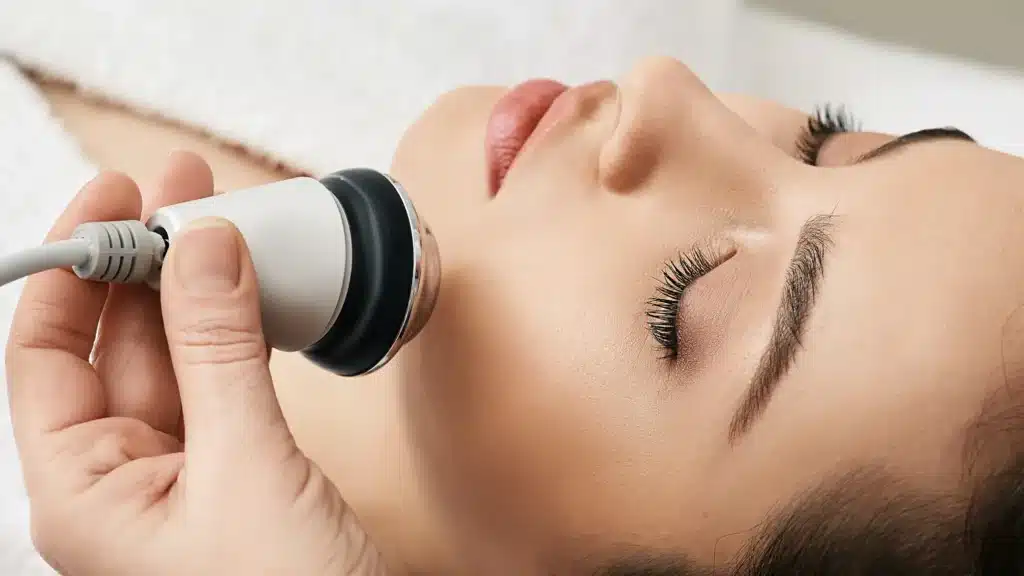
Next, they use a handheld device to deliver ultrasound energy. The session typically lasts between 30 minutes to an hour, depending on the area being treated.

Patients may notice some immediate tightening after the procedure, but results improve over several months as collagen continues to develop.

Considerations

While ultrasound skin tightening is safe, some factors should be considered. Individuals with certain medical conditions may not be ideal candidates. Always consult with a healthcare professional before proceeding.

e side effects might occur, such as temporary redness or swelling in the treated area. However, these effects usually resolve quickly.

Technology Behind Ultherapy

Ultrasound Imaging

Ultherapy uses ultrasound technology to improve skin tightness. This method allows providers to see the layers of tissue they are treating. By visualizing these layers, practitioners can target specific areas effectively. This precision is crucial for achieving desired results.

Providers can monitor the depth of their treatment. They know exactly where to apply energy. This means the ultrasound energy reaches the right spots in the skin. As a result, the treatment stimulates collagen production effectively. Collagen is essential for maintaining skin elasticity and firmness.

Treatment Precision

The precision of ultrasound technology ensures effectiveness. It allows for a non-invasive approach to lifting and tightening skin. Providers can focus on problem areas without affecting surrounding tissues. This targeted delivery minimizes discomfort and downtime for patients.

With this technology, each session can be customized. Practitioners assess individual patient needs before starting treatment. They adjust settings based on skin type and condition. This tailored approach leads to better outcomes.

Advanced Differentiation

Ultherapy stands out due to its advanced technology. Unlike other skin tightening treatments, it combines imaging with therapy. Many treatments use heat or lasers but lack precise targeting capabilities. Ultherapy’s unique ultrasound imaging sets it apart.

This differentiation matters because it enhances safety and effectiveness. Patients experience fewer side effects compared to other methods. The ability to visualize tissue layers reduces risks associated with blind treatments.

Ultherapy also offers long-lasting results. Most patients notice improvements over time as collagen builds up. This gradual enhancement is different from instant results seen in some procedures.

Patient Experience

Patients report high satisfaction rates with Ultherapy. The process is generally quick, often taking under an hour. Most people return to normal activities immediately after treatment. Some may experience mild redness or swelling, but this resolves quickly.

Many appreciate that Ultherapy does not require anesthesia. The ultrasound technology provides enough comfort during the procedure. Patients often describe a feeling similar to a warm massage.

How Ultherapy Stimulates Collagen

Ultrasound Energy

Ultherapy uses focused ultrasound energy. This energy penetrates deep into the skin layers. It targets the dermis and subcutaneous tissue. The ultrasound waves create heat at specific depths. This process does not harm the outer skin layer.

The energy reaches areas where collagen production occurs. The heat stimulates the cells responsible for collagen synthesis. These cells respond by working harder to produce new collagen.

New Collagen Production

Over time, the body begins to regenerate new collagen. This process is gradual and can take several months. Initial results might not be immediately visible. However, as new collagen forms, improvements become noticeable.

Studies show that collagen regeneration can continue for up to six months post-treatment. Patients may see a significant collagen boost in skin elasticity and firmness during this period.

Skin Tightening Effects

As the new collagen works, skin lifting and tightening occur. Patients often notice a more youthful appearance. The skin appears firmer and smoother over time.

This gradual improvement is one of the key benefits of Ultherapy. Unlike surgical options, it offers a non-invasive alternative with minimal downtime. Many patients appreciate the natural-looking results.

Results vary from person to person. Factors such as age and skin condition influence outcomes. Some individuals may require follow-up treatments for optimal results.

Long-Term Benefits

The effects of Ultherapy can last for over a year. Regular treatments can maintain collagen levels and support ongoing skin health. Individuals often report improved confidence along with their enhanced appearance.

In summary, Ultherapy effectively stimulates collagen production using ultrasound technology. The process leads to natural-looking skin tightening and lifting over time. Patients enjoy the long-term benefits of increased collagen levels without invasive procedures.

Ultherapy for Skin Lifting

Target Areas

Ultherapy focuses on lifting specific areas of the face and neck. It effectively targets the neck, chin, brow, and upper chest. These regions often show signs of aging first. Patients look for ways to improve their appearance without surgery. Ultherapy provides a non-invasive option.

Natural Results

A single ultherapy session can produce noticeable results. Many patients appreciate that they achieve a more youthful look without undergoing a surgical facelift. This treatment uses ultrasound technology to stimulate collagen production. The results appear gradually, enhancing the skin’s natural texture and firmness. Patients report feeling more confident after treatment.

Patient Satisfaction

High patient satisfaction rates are common with Ultherapy. Studies show that many individuals feel pleased with their results one year after treatment. A significant percentage of patients express happiness with the lift and tightness in their skin. This satisfaction stems from the natural-looking outcomes that do not involve recovery time associated with traditional surgeries.

Comparison to Other Treatments

Ultherapy stands out among many laser treatments and cosmetic options. Unlike other procedures, it does not require extensive downtime. Patients can return to daily activities immediately after their session. This convenience appeals to those seeking effective face therapy without major lifestyle changes.

Long-Term Benefits

The effects of Ultherapy can last for over a year, depending on individual factors. Regular maintenance can enhance results further. Skin care products may also complement the benefits gained from this treatment. Patients often combine Ultherapy with other treatments for optimal outcomes.

Scientific Evidence of Effectiveness

Clinical Studies

Numerous clinical studies support the effectiveness of Ultherapy. Research published in the Journal of Cosmetic Dermatology in 2015 showed significant improvements in skin elasticity and firmness after Ultherapy treatment. Participants noted visible lifting effects within two to three months post-procedure.

Another study published in Dermatologic Surgery in 2016 confirmed that patients experienced noticeable tightening of the skin. This study involved more than 100 subjects who underwent the treatment. Results indicated that over 70% of participants were satisfied with their outcomes.

Treatment Results

Over 2 million Ultherapy treatments have been performed worldwide. This figure highlights its popularity among patients seeking non-invasive options. Many individuals report satisfaction with their results, often noting improved skin texture and reduced sagging.

The treatment stimulates the body’s natural healing process. It uses ultrasound energy to target deeper layers of skin, promoting collagen production. This leads to firmer and tighter skin over time.

Awards and Recognitions

Ultherapy has received several awards from reputable sources. For instance, NewBeauty awarded it the “Best Non-Surgical Skin Tightening Treatment” multiple times. Aesthetic Everything also recognized it as a top treatment for skin rejuvenation. These accolades underscore its status in the cosmetic industry.

Patient Experiences

Many patients share positive experiences following their Ultherapy sessions. They describe a gradual improvement in their appearance, often feeling more confident afterward. One patient reported feeling ten years younger after just one session. Another mentioned how friends complimented her youthful look weeks after treatment.

These real-life stories emphasize the treatment’s impact on self-esteem and overall well-being.

Long-term Effects

Research indicates that the benefits of Ultherapy can last up to two years or longer. Patients typically notice ongoing improvements as collagen continues to rebuild over time. Regular follow-up sessions may enhance these results, ensuring sustained effects.

In summary, scientific evidence supports Ultherapy’s effectiveness as a non-invasive lifting option. Clinical studies confirm significant treatment results, while patient testimonials highlight satisfaction and confidence boosts. With millions of treatments performed globally and numerous awards received, Ultherapy stands out as an innovative therapy in skin lifting.

Benefits of Ultherapy

Natural Results

Ultherapy offers natural-looking results. Patients experience a subtle lift without the need for invasive procedures. The ultrasound technology targets deeper layers of skin. This process stimulates collagen production, which helps improve skin elasticity. Many users report feeling more confident in their appearance after treatment.

No Surgery Required

Patients appreciate that Ultherapy requires no surgery. Unlike traditional facelift surgeries, this treatment does not involve any incisions. It reduces the risks associated with surgical procedures. Recovery time is also minimal compared to surgical options. Most people can return to their daily activities right after the session.

Minimal Downtime

One major advantage of Ultherapy is its minimal downtime. Patients can resume normal activities immediately post-treatment. There are no bandages or lengthy recovery periods involved. Some may experience slight redness or swelling, but these effects usually fade quickly. This convenience makes it an attractive option for busy individuals.

Long-Lasting Effects

The benefits of Ultherapy extend beyond immediate results. The treatment promotes long-lasting effects due to stimulated collagen production. Collagen naturally declines with age, leading to sagging skin. Ultherapy encourages the body to produce more collagen over time. Many patients see continued improvement for up to six months after treatment.

High Patient Satisfaction

Ultherapy enjoys a high patient satisfaction rate. Studies show that many clients are pleased with their results. A survey indicated that around 95% of users would recommend the procedure to others. This positive feedback stems from both the effectiveness and safety of the treatment.

Global Use

The popularity of Ultherapy is evident worldwide. It has gained recognition in various countries since its FDA approval in 2009. Many clinics now offer this non-invasive lifting option as part of their services. Patients across different regions have embraced it for its effectiveness and convenience.

Fast Facts

Here are some fast facts about Ultherapy:

  • Non-invasive treatment
  • Stimulates collagen production
  • Results can last up to two years
  • Suitable for all skin types
  • Approved by the FDA since 2009

Comparing Ultherapy with Other Treatments

Nonsurgical Options

Ultherapy stands out as a nonsurgical option for skin lifting and tightening. Many people seek alternatives to invasive treatments like facelifts. Facelifts involve surgery, anesthesia, and longer recovery times. In contrast, Ultherapy uses ultrasound technology to stimulate collagen production without cutting the skin.

This procedure requires minimal downtime. Patients can often return to their daily activities immediately after treatment. Other nonsurgical treatments, such as dermal fillers or chemical peels, do not provide the same lifting effects as Ultherapy. Fillers add volume but do not tighten the skin.

Precision of Ultrasound

Ultrasound technology offers precision that many other treatments lack. Ultherapy targets specific layers of skin and tissue. This depth is crucial for effective lifting and tightening. Other non-surgical procedures may treat only the surface layer of the skin.

For instance, laser treatments primarily affect the outer skin layer. They can improve texture but do not address deeper structural issues. Ultrasound therapy penetrates deeper, allowing for more significant results in skin tightening. This precision leads to better outcomes for patients seeking effective solutions.

FDA Clearance

Ultherapy has unique recognition among cosmetic procedures due to its FDA clearance specifically for lifting. The FDA approved Ultherapy in 2009 after extensive clinical studies demonstrated its effectiveness and safety. Many other nonsurgical options do not have this level of regulatory approval for lifting purposes.

This distinction provides reassurance to patients considering treatment options. Knowing that Ultherapy is backed by scientific research can influence decision-making. Patients often feel more confident choosing a procedure with proven results rather than relying on less regulated treatments.

Additional Treatments

While Ultherapy is effective, it’s essential to consider additional treatments available. Options like radiofrequency therapy or micro-needling offer different benefits. Radiofrequency can also tighten skin but may require multiple sessions for optimal results.

Micro-needling improves skin texture and tone but does not focus on lifting like Ultherapy does. Each treatment has its strengths and weaknesses, depending on individual patient needs.

Safety and Side Effects of Ultherapy

General Safety

Ultherapy is generally safe. Licensed physicians perform the procedure using ultrasound technology. The FDA approved Ultherapy in 2009 for lifting skin on the neck, chin, and brow. Many patients report positive results without serious complications.

Safety largely depends on the provider’s experience. A qualified practitioner understands the anatomy and skin types. They can assess individual needs accurately. Consulting with a licensed professional helps ensure a safe experience.

Common Side Effects

Patients may experience temporary redness after treatment. This usually fades within a few hours. Swelling can occur as well, but it typically resolves quickly. Some individuals report feelings of tingling or tenderness in treated areas.

These side effects are common and often mild. Serious complications are rare when Ultherapy is performed correctly. Most people tolerate the procedure well, returning to normal activities shortly after.

Importance of Consultation

Consulting with a qualified provider is crucial. They can discuss potential risks and benefits specific to each patient. Understanding personal health history aids in minimizing risks associated with Ultherapy.

Providers conduct thorough assessments before treatment. They evaluate skin condition, medical history, and treatment goals. This consultation helps tailor the procedure to individual needs.

Risk Factors

Certain factors may increase the risk of side effects. Individuals with certain skin conditions should approach Ultherapy cautiously. Those with a history of allergies or skin sensitivities must inform their provider.

Pregnant women and those with certain medical conditions should avoid this treatment. Open communication about health status ensures safety during the procedure.

Aftercare Instructions

Following treatment, patients should follow aftercare instructions carefully. Avoiding sun exposure helps reduce risks of irritation or pigmentation changes. Staying hydrated supports overall skin recovery.

Using gentle skincare products post-treatment promotes healing. Patients should also avoid strenuous exercise for a few days to minimize swelling.

Final Remarks

Ultherapy is a game-changer in skin lifting and tightening. It harnesses ultrasound technology to stimulate collagen, giving your skin a youthful boost. The benefits are clear: non-invasive, effective, and safe. You now have the knowledge to make an informed choice about your skincare routine.

Consider Ultherapy if you’re seeking a reliable solution for sagging skin. With proven effectiveness and minimal side effects, it stands out among treatment options. Don’t wait any longer; explore how Ultherapy can transform your skin today. Your journey to a firmer, more youthful appearance starts now!

Frequently Asked Questions

What is Ultherapy?

Ultherapy is a non-invasive cosmetic treatment that uses ultrasound technology to lift and tighten skin. It stimulates collagen production, resulting in firmer skin without surgery.

How does Ultherapy work?

Ultherapy works by delivering focused ultrasound energy deep into the skin. This energy heats the tissue, promoting collagen regeneration and tightening the skin over time.

Is Ultherapy safe?

Yes, Ultherapy is considered safe for most individuals. It has been FDA-cleared and involves minimal risk of side effects when performed by qualified professionals.

How long do Ultherapy results last?

Results from Ultherapy can last up to 18 months, depending on individual factors like age and skin condition. Maintenance treatments can help prolong the effects.

Who is a good candidate for Ultherapy?

Ideal candidates are those with mild to moderate skin laxity. It’s suitable for both men and women looking for a non-surgical lifting option.

Are there any side effects?

Common side effects include temporary redness, swelling, or tenderness in the treated area. These usually resolve within a few hours to days.

How does Ultherapy compare to other treatments?

Ultherapy differs from other treatments like fillers or lasers by focusing on deeper layers of skin. It offers natural-looking results without downtime, making it a popular choice for skin lifting.

Hyperbaric Oxygen Treatment: Key Benefits, Risks & What to Expect

Hyperbaric oxygen treatment (HBOT) has gained attention in diving medicine for its remarkable healing properties, particularly in skin therapies and health information. This therapy dates back to the 17th century when it was first used under hyperbaric conditions to treat decompression sickness in divers, utilizing hyperbaric pressure for effective hyperbaric oxygen prevention and hyperbaric oxygen brain injury treatment. Today, it’s recognized for addressing various medical conditions, from topical oxygen therapy and atmosphere hyperbaric oxygen therapy to chronic infections, with minutes retry hyperbaric oxygen therapy also being considered.

Patients breathe pure oxygen in a pressurized chamber, enhancing oxygen delivery to tissues. This process accelerates recovery and promotes overall health. As science continues to explore its benefits, more people are discovering how HBOT can improve their quality of life. Understanding this treatment opens doors to new possibilities in health and wellness.

Overview of Hyperbaric Oxygen Treatment

Definition

Hyperbaric oxygen therapy (HBOT) is a medical treatment. It involves breathing pure oxygen in a pressurized chamber. This method increases the amount of oxygen in the blood. The higher pressure allows more oxygen to dissolve in the bloodstream. It helps in healing and fighting infections.

Historical Use

The origins of HBOT date back to the 19th century. It was first developed for treating decompression sickness in divers. This condition occurs when divers ascend too quickly, causing nitrogen bubbles to form in the body. Early treatments used simple chambers that increased air pressure. Over time, technology advanced, leading to more sophisticated hyperbaric chambers.

In 1960, the U.S. Navy officially recognized HBOT for treating decompression illness. This marked a significant step in its medical acceptance. As research grew, doctors began exploring other uses for this therapy.

Modern Applications

Today, HBOT has various applications beyond decompression sickness. It treats conditions like carbon monoxide poisoning and chronic wounds. The hyperbaric oxygen therapy committee report outlines these uses based on scientific evidence.

Burn victims benefit from HBOT as it promotes faster healing of damaged tissues. Patients with diabetic foot ulcers also experience improved recovery rates with this treatment. In some cases, HBOT aids in reducing the size of certain tumors before surgery.

Athletes use HBOT as well. They believe it helps with recovery after intense training sessions or injuries. Many claim it reduces muscle soreness and speeds up healing times.

Treatment Periods

Oxygen treatment periods vary based on individual needs and conditions being addressed. Typically, sessions last between 60 to 120 minutes. Patients may undergo multiple sessions over several weeks. The exact number depends on the severity of their condition.

Safety is a priority during these treatments. Medical professionals monitor patients closely throughout each session. Side effects are rare but can include ear pain or temporary vision changes.

In summary, hyperbaric oxygen therapy has evolved significantly since its inception for diving-related illnesses. Today, it serves various medical purposes, showcasing its versatility and effectiveness in promoting healing and recovery.

How Hyperbaric Oxygen Therapy Works

Increased Pressure

Hyperbaric oxygen therapy (HBOT) operates by increasing air pressure. This pressure can be 2 to 3 times higher than normal atmospheric pressure. Under these conditions, the lungs absorb more oxygen than they typically would.

The treatment takes place in a special chamber. Patients breathe pure oxygen while inside this chamber. The increased pressure allows for a greater amount of oxygen to dissolve into the bloodstream. This process enhances the body’s ability to deliver oxygen to tissues that need it most.

Fighting Infections

The extra oxygen from HBOT plays a vital role in fighting infections. Oxygen is crucial for many cellular processes, including those that combat bacteria. Higher levels of oxygen can help kill certain types of bacteria, especially those that thrive in low-oxygen environments.

Research shows that HBOT can improve the effectiveness of antibiotics. It helps the immune system work better against infections. This is particularly important for chronic wounds and infections that do not respond well to standard treatments.

Growth Factors Release

In addition to fighting infections, HBOT stimulates the release of growth factors and stem cells. Growth factors are proteins that promote cell growth and healing. Stem cells have the unique ability to develop into different types of cells needed for repair.

Studies indicate that exposure to high levels of oxygen encourages these beneficial substances to enter the bloodstream. This process supports tissue regeneration and speeds up healing times for injuries.

Tissue Repair Acceleration

Increased oxygen levels accelerate tissue repair significantly. Oxygen is essential for cellular metabolism, allowing cells to function and heal effectively. When tissues receive more oxygen, they can regenerate faster after injury or surgery.

HBOT also reduces inflammation in the body. Inflammation often slows down recovery and healing processes. By lowering inflammation, patients experience less pain and discomfort during recovery.

Many medical professionals recommend HBOT for various conditions, including diabetic foot ulcers and radiation injuries. These conditions benefit greatly from enhanced oxygen delivery and reduced inflammation.

Benefits of Hyperbaric Oxygen Therapy

Wound Healing

Hyperbaric oxygen therapy (HBOT) promotes faster wound healing and tissue regeneration. The treatment involves breathing pure oxygen in a pressurized environment. This high oxygen concentration increases the amount of oxygen dissolved in the blood.

Higher oxygen levels enhance the body’s natural healing process. They stimulate the growth of new blood vessels, which is crucial for supplying nutrients to damaged tissues. Studies show that patients with chronic wounds often see improvement after undergoing HBOT.

Infection Reduction

The effectiveness of hyperbaric therapy extends to its ability to reduce infection rates. The increased pressure and oxygen levels create a hostile environment for bacteria. Many types of bacteria cannot survive in high-oxygen conditions.

For example, HBOT is beneficial for treating diabetic foot ulcers. These ulcers are prone to infections, and traditional treatments may fail. Patients receiving hyperbaric oxygenation often experience fewer infections and better outcomes.

Chronic Conditions

Patients with chronic conditions may find improved quality of life through hyperbaric hyperoxia. Conditions such as fibromyalgia or chronic fatigue syndrome can be debilitating. Standard treatments may provide little relief.

HBOT helps by delivering high oxygen levels to tissues that need it most. This process can alleviate pain and improve overall well-being. Patients report feeling more energetic and less fatigued after therapy sessions.

Safety Profile

Safety is a key aspect of hyperbaric oxygen therapy. The procedure is generally well-tolerated when conducted by trained professionals. Minor side effects may occur but are usually temporary.

Common effects include ear discomfort or temporary vision changes due to pressure fluctuations. Serious complications are rare, making HBOT a safe option for many patients.

Supporting Evidence

Research supports the benefits of hyperbaric therapy across various medical fields. The Undersea and Hyperbaric Medical Society recognizes several approved uses for HBOT. These include carbon monoxide poisoning, decompression sickness, and non-healing wounds.

Ongoing studies continue to explore the potential applications of hyperbaric physics in medicine. As knowledge expands, more patients may benefit from this innovative treatment.

Conditions Treated by Hyperbaric Oxygen Therapy

Decompression Sickness

Hyperbaric oxygen treatment effectively addresses decompression sickness. This condition occurs when divers ascend too quickly, causing nitrogen bubbles to form in the bloodstream. The therapy helps dissolve these bubbles and reduces pain. It also speeds up recovery by increasing oxygen levels in tissues.

Serious Infections

Hyperbaric medicine therapy treats serious infections, particularly those caused by bacteria. Infections like necrotizing fasciitis can be life-threatening. The increased oxygen from hyperbaric exposure enhances white blood cell function. This aids in fighting off infections more effectively.

Air Bubbles in Blood Vessels

Air bubbles in blood vessels can lead to complications known as arterial gas embolism. Hyperbaric treatment helps remove these bubbles from the bloodstream. It reduces the risk of damage to vital organs and tissues. Quick intervention is crucial for better outcomes.

Nonhealing Wounds

Nonhealing wounds, such as diabetic foot ulcers, benefit greatly from hyperbaric oxygen treatment. These wounds often result from poor circulation and diabetes complications. Increased oxygen levels promote healing by stimulating new blood vessel growth. Patients experience faster recovery times with this therapy.

Radiation Injuries

Radiation injuries can occur after cancer treatments. Hyperbaric medicine therapy assists in healing damaged tissues from radiation exposure. It reduces inflammation and promotes tissue regeneration. Many patients report improved quality of life after this treatment.

Severe Anemia

Severe anemia can lead to low oxygen levels in the body. Hyperbaric oxygen treatment increases oxygen delivery to tissues, helping alleviate symptoms. Patients with conditions like sickle cell disease may find relief through this method. Enhanced oxygen supply supports overall health.

Brain Abscess

Brain abscesses are pockets of infection that can be dangerous. Hyperbaric oxygen therapy aids in treating brain abscesses by increasing oxygen concentration in the brain. This helps fight the infection and reduces swelling around the abscess.

Carbon Monoxide Poisoning

Carbon monoxide poisoning is a serious condition that requires immediate attention. Hyperbaric treatment provides high levels of oxygen to displace carbon monoxide from hemoglobin in the blood. This rapid intervention can save lives and prevent long-term damage.

Preparing for Hyperbaric Oxygen Therapy

Attire Guidelines

Patients should wear hospital-approved gowns or scrubs during hyperbaric oxygen therapy sessions. This attire ensures safety and comfort throughout the procedure. Loose clothing can get caught in equipment, which may pose risks. Hospital-approved garments also help maintain a sterile environment within the hyperbaric oxygen chambers.

Safety Precautions

Remove any items that generate heat before entering the hyperbaric environment. This includes electronic devices and certain types of jewelry. Petroleum-based products are also prohibited due to fire hazards. These precautions minimize risks associated with high-pressure oxygen inhalation.

Medical Consultations

Discuss any medical conditions or medications with healthcare providers before starting therapy. Some conditions may affect how a person responds to elevated oxygen pressures. For example, those with respiratory issues might need adjustments in their treatment plans. Medications like certain antibiotics can influence oxygen absorption in tissues.

Understanding the Chamber

A typical session in a hyperbaric oxygen therapy chamber lasts about 60 to 120 minutes. Patients may need multiple sessions to achieve desired outcomes. The chamber operates at higher than normal atmospheric pressure, allowing for effective oxygen administration. This process enhances systemic oxygen levels and promotes healing.

Benefits of Therapy

Hyperbaric oxygen therapy can significantly improve tissue oxygenation. Increased levels of pure oxygen help repair damaged tissues and reduce inflammation. Patients often report faster recovery times from injuries and surgeries after undergoing this treatment.

Personal Equipment

Individuals using a person hyperbaric oxygen unit should follow specific instructions provided by their healthcare team. Each unit may have unique operational guidelines that ensure safety and effectiveness during use. Proper training on these units helps patients maximize their benefits.

Monitoring During Sessions

During each session, healthcare professionals monitor patients closely. They check vital signs and ensure adequate tissue oxygen tensions are maintained throughout the therapy. Any discomfort or unusual symptoms should be reported immediately.

Post-Therapy Care

After therapy, patients may experience fatigue or a slight headache due to changes in pressure. Resting and staying hydrated are essential post-session practices. Following up with healthcare providers is crucial for ongoing care and assessment of treatment effectiveness.

What to Expect During Treatment

Therapy Setting

Patients can receive hyperbaric oxygen therapy in different environments. Some clinics have individual units designed for one patient at a time. These units provide privacy and comfort during the procedure. Other facilities offer multiperson rooms where several patients can undergo treatment together. This setup encourages a sense of community but may not be as private.

The choice of setting often depends on the clinic’s resources and the patient’s needs. Each environment is equipped with safety features and monitoring systems to ensure patient well-being.

Air Pressure

During each session, the air pressure inside the chamber will be significantly higher than normal. Typically, it will be about 2 to 3 times greater than standard atmospheric pressure. This increased pressure allows more oxygen to dissolve into the blood. Higher oxygen levels promote healing by enhancing cell function and reducing inflammation.

Patients might feel a sensation in their ears due to the change in pressure, similar to what occurs during airplane takeoff or landing. Healthcare professionals will guide patients on how to equalize this pressure comfortably.

Session Duration

Each therapy session usually lasts around two hours. Patients should expect to spend this time inside the chamber while receiving treatment. The exact duration may vary based on individual health care plans and specific conditions being treated.

Before entering, patients should follow any pre-session instructions from their health care team. This may include avoiding certain activities or medications that could affect treatment.

During the session, patients relax, read, or listen to music. Some clinics provide entertainment options to help pass the time. Staff members monitor patients closely throughout the session for safety.

Types of Treatments

Hyperbaric oxygen therapy is used for various conditions. It helps treat chronic wounds, infections, and radiation injuries. It also aids recovery after surgery or trauma. Each case is unique, and treatment plans are tailored accordingly.

Healthcare teams assess each patient’s needs before starting therapy. They review medical history and current health status to determine the best approach. Understanding these details helps maximize the effectiveness of the treatment.

Risks and Precautions of Hyperbaric Oxygen Therapy

Middle Ear Injuries

Fluid leakage and eardrum rupture are common issues during hyperbaric oxygen therapy. The increased pressure in the chamber can cause discomfort. Patients may experience pain in their ears as the pressure builds up. This discomfort occurs because the air pressure outside the body changes faster than the pressure inside the middle ear.

To prevent these injuries, patients should equalize ear pressure during treatment. Techniques like swallowing or yawning can help. If someone feels severe pain, they must inform the technician immediately.

Vision Changes

Temporary nearsightedness, or myopia, is another risk associated with hyperbaric oxygen therapy. Increased oxygen levels can affect vision temporarily. Patients might notice blurred vision or difficulty focusing after treatment. These effects usually resolve after a short period.

Regular check-ups with an eye doctor can help monitor any changes in vision. Awareness of this side effect is important for those considering treatment.

Lung Complications

Barotrauma refers to lung collapse caused by rapid pressure changes during hyperbaric oxygen therapy. This can occur if patients hold their breath while ascending or descending in the chamber. The lungs cannot adjust quickly enough to the changing pressure, leading to serious complications.

Patients should follow instructions carefully and breathe normally throughout the session. Understanding how to manage breathing can significantly reduce this risk.

Seizures and Oxygen Toxicity

Seizures pose a serious risk due to oxygen toxicity at high pressures. Hyperbaric therapy increases oxygen levels in the blood, which can lead to harmful effects on the nervous system. Most patients do not experience seizures, but those with a history of epilepsy should consult their doctor beforehand.

Awareness of symptoms like dizziness or confusion is key. If such symptoms occur, patients should notify medical staff immediately.

Fire Hazards

The risk of fire in an oxygen-rich environment is significant. Oxygen supports combustion, making it crucial to follow safety protocols strictly. Flammable materials must be kept away from the chamber.

Patients should avoid bringing items like lighters or aerosol sprays into the treatment area. Medical staff will ensure that all safety measures are in place before starting therapy.

FDA Regulation and Approved Conditions

FDA Oversight

The Food and Drug Administration (FDA) regulates hyperbaric oxygen therapy (HBOT). It ensures that the devices used for this treatment meet safety standards. The FDA has approved HBOT for specific medical conditions. This regulation helps protect patients from ineffective or unsafe practices.

Approved Conditions

Several medical conditions are recognized by the FDA for HBOT use. These include:

  • Decompression sickness
  • Carbon monoxide poisoning
  • Nonhealing wounds

Decompression sickness often affects divers who ascend too quickly. It can cause severe pain and other health issues. Carbon monoxide poisoning occurs when a person inhales this toxic gas. It can lead to brain damage or even death without prompt treatment. Nonhealing wounds, such as diabetic ulcers, may not respond to standard treatments. HBOT can promote healing in these cases.

Importance of Consultation

Consulting with a certified medical professional is crucial before starting HBOT. A doctor can evaluate the patient’s condition and determine if HBOT is appropriate. They will consider the patient’s medical history and current health issues. This assessment helps ensure safe and effective treatment.

Patients should understand that while HBOT can be beneficial, it is not suitable for everyone. Some individuals may have underlying conditions that could lead to complications. Therefore, a thorough evaluation is necessary.

Treatment Environment

The treatment environment for HBOT involves a hyperbaric chamber. This chamber increases the atmospheric pressure around the patient. The higher pressure allows more oxygen to dissolve in the blood plasma. This process enhances oxygen delivery to tissues, promoting healing.

During treatment, patients breathe pure oxygen for a set period. Sessions typically last between 60 to 120 minutes. Patients may undergo multiple sessions depending on their condition.

Risks and Considerations

While HBOT has many benefits, risks exist as well. Possible side effects include ear barotrauma and temporary vision changes. These occur due to pressure changes during treatment. Understanding these risks is important before beginning therapy.

Patients must also inform their healthcare provider about any medications they take. Certain drugs may interact negatively with HBOT.

In summary, the FDA plays a critical role in regulating hyperbaric oxygen therapy and approving its use for specific conditions. Consulting with a qualified healthcare professional ensures that patients receive appropriate care tailored to their needs.

Post-Treatment Expectations and Results

Initial Feelings

Patients often experience temporary fatigue or lightheadedness after a hyperbaric oxygen treatment session. These sensations can occur due to the body’s adjustment to increased oxygen levels. Most patients report feeling better after resting for a short period.

Monitoring how you feel following each session is essential. If unusual symptoms arise, such as severe headaches or prolonged dizziness, contact your healthcare provider immediately. Early intervention can help address any potential problems.

Healing Potential

The healing potential of hyperbaric oxygen therapy is significant. Data suggests that patients may notice improved recovery times for certain conditions. Over several treatments, many individuals report decreased pain and enhanced overall health.

Research indicates that the therapy can stimulate tissue repair and promote healing in various injuries. A series of treatments often leads to cumulative benefits. Patients should discuss their specific health needs with their providers to understand the expected outcomes.

Treatment Series

A typical treatment series consists of multiple sessions, usually ranging from 10 to 40 treatments depending on the condition being treated. Each session lasts about 60 to 90 minutes. Consistency plays a vital role in achieving the best results.

e patients may start noticing improvements within a few sessions. Others might require more time before experiencing noticeable changes. It’s crucial to adhere to the recommended schedule for optimal results.

Reporting Changes

Keeping an open line of communication with healthcare providers is critical during treatment. Patients should maintain an inbox of questions or concerns they may have regarding their progress. This practice allows for timely adjustments to the treatment plan if necessary.

Documenting any changes in symptoms can also provide valuable insights for medical professionals. They can use this information to tailor the treatment approach effectively.

Long-Term Benefits

Long-term benefits from hyperbaric oxygen therapy can include sustained symptom relief and enhanced quality of life. Many patients find that their overall health improves significantly over time.

The therapy may support better oxygen delivery throughout the body, which aids in healing processes. As a result, individuals often feel more energetic and capable of engaging in daily activities.

Closing Thoughts

Hyperbaric oxygen treatment is a game-changer for many health issues. You’ve learned how it works, its benefits, and what to expect. This therapy can enhance healing, boost recovery, and improve overall well-being. It’s crucial to weigh the risks and follow guidelines for a safe experience.

If you’re considering hyperbaric oxygen therapy, do your homework. Consult with healthcare professionals who specialize in this field. Make informed decisions to maximize your health benefits. Dive into this opportunity for better health and recovery today!

Frequently Asked Questions

What is hyperbaric oxygen treatment?

Hyperbaric oxygen treatment (HBOT) involves breathing pure oxygen in a pressurized room or chamber. This enhances oxygen delivery to tissues, promoting healing and recovery.

Who can benefit from hyperbaric oxygen therapy?

Individuals with conditions like chronic wounds, decompression sickness, or carbon monoxide poisoning can benefit. It also aids athletes in recovery and enhances overall wellness.

How long does a typical session last?

A typical HBOT session lasts about 60 to 120 minutes. The exact duration depends on the specific condition being treated and the protocol followed by the healthcare provider.

Are there any side effects of hyperbaric oxygen therapy?

Common side effects include ear discomfort, temporary vision changes, and fatigue. Serious complications are rare but can occur, so it’s essential to consult a qualified provider.

How many sessions are usually required?

The number of sessions varies based on the condition treated. Some may require just a few sessions, while others might need 20 or more for optimal results.

Is hyperbaric oxygen therapy FDA-approved?

Yes, the FDA has approved HBOT for specific conditions, including decompression sickness and chronic non-healing wounds. Always consult a healthcare professional for guidance tailored to your needs.

Can I eat before my hyperbaric session?

It’s generally recommended to avoid heavy meals before treatment. Light snacks are acceptable, but always follow your provider’s specific guidelines for the best experience.

Breast Augmentation Surgery Cost: Key Factors & Financing Options

Breast augmentation surgery cost can vary significantly. Many people think it’s all about the price tag, but when it comes to plastic surgery costs, it’s more than just dollars and cents; as a member, you should consider the risk and check the website. Factors like surgeon expertise, location, and type of implants play a crucial role in determining the final cost, including cosmetic breast augmentation costs, fee, and aesthetic plastic surgery national databank statistics contact us via email.

While some clinics may offer low prices for cosmetic breast augmentation costs, they might compromise on quality and safety regarding breast implants and the fee charged by a plastic surgeon. Investing in a skilled surgeon for a breast implant ensures better results and peace of mind. Understanding the overall expenses helps you make informed decisions. This post will break down the costs associated with breast augmentation and provide tips for finding the right balance between affordability, quality, and choosing a plastic surgeon.

Factors Influencing Breast Augmentation Costs

Surgeon Fees

Surgeon fees play a significant role in breast augmentation costs. The expertise and training of the surgeon for breast implant procedures directly impact these fees. Highly experienced surgeons typically charge more due to their skills and successful track records. Patients often seek board-certified plastic surgeons for safety and quality. This choice can increase costs but may lead to better results. Surgeons with less experience may offer lower rates, but this can come with risks. It’s essential to balance cost with the surgeon’s qualifications.

Implant Type

The type of implants used also affects breast augmentation costs. Different types of implants vary in price. Silicone implants generally cost more than saline implants due to their natural feel and appearance. Patients must consider their preferences when selecting implants. Some may choose textured or smooth surfaces, which can further influence costs. The brand of implants can impact the overall price. Premium brands often charge higher prices for their products.

Location of Surgery

The location of the surgery significantly influences the total cost as well. Prices vary widely based on geographic area. Urban centers often have higher costs than rural areas due to demand and overhead expenses. Operating room fees are another factor that varies by location. Hospitals might charge more than outpatient surgical centers.

Anesthesia fees also add to the overall expense. General anesthesia is usually more costly than local anesthesia. Patients should inquire about these fees during consultations.

Additional Expenses

Patients should also account for other related expenses in their budget. Pre-operative tests, post-operative care, and follow-up visits can add to the final cost of breast augmentation procedures. These costs can accumulate quickly, so it’s crucial to plan ahead.

Insurance coverage rarely includes cosmetic breast augmentation costs, making it essential for patients to understand all potential expenses before proceeding.

Average Costs

On average, breast augmentation costs range from $3,000 to $10,000 in the United States. This wide range reflects variations in surgeon fees, implant types, and location factors discussed earlier.

Understanding these aspects helps patients make informed decisions about their breast augmentation journey. It is wise to gather detailed quotes from multiple providers before committing to a specific option.

Implant Type and Pricing

Saline vs. Silicone

Saline implants are usually less expensive than silicone implants. The average cost for saline implants ranges from $3,000 to $5,000. In contrast, silicone implants typically cost between $4,000 and $6,500. This price difference is mainly due to the materials used in production.

Silicone implants contain medical-grade silicone, which is more costly to produce. The manufacturing process involves strict quality control measures. These ensure the safety and durability of the implants. This added expense reflects in the final price.

Size Matters Not

The size of the implant does not affect the overall cost. Manufacturers set a standard price for each type of implant, regardless of size. Whether a patient chooses a small or large implant, the price remains constant.

This pricing structure simplifies decision-making for patients. They can focus on other factors like shape and texture without worrying about cost variations based on size.

Production Costs Explained

Production costs play a significant role in determining implant prices. Silicone implants require advanced technology and high-quality materials. Medical-grade silicone must meet specific standards set by regulatory bodies. This ensures that the implants are safe for use.

Saline implants involve simpler production methods. They consist of a silicone shell filled with sterile salt water. This makes them easier and cheaper to manufacture compared to silicone implants.

Additional Costs

Patients should also consider additional expenses related to breast augmentation surgery. Surgeons may charge fees for consultation and follow-up visits. Anesthesia and facility fees can also add to the total cost.

Insurance typically does not cover cosmetic procedures like breast augmentation. Patients should plan their budgets accordingly.

Geographical Location and Cost Differences

Location Impact

Breast augmentation surgery costs differ widely based on location. Each region has its own pricing structure. For instance, the average cost in Virginia ranges from $7,700 to $8,200. This variation often reflects local economic conditions.

Urban areas tend to have higher surgery fees. Cities like New York or Los Angeles may charge significantly more than smaller towns. The increased cost covers higher overhead for facilities and providers. Surgeons in these areas might also have more experience, which can raise prices.

Facility Type

The type of facility also influences costs. Accredited surgical centers generally charge more than outpatient clinics. These centers offer advanced technology and better safety protocols. Patients may prefer them for peace of mind.

In some regions, hospitals provide breast augmentation services as well. Hospital-based procedures can be pricier due to additional resources and staff. They might include overnight stays or extended recovery options.

Economic Factors

Economic factors play a crucial role in determining surgery costs. Areas with a high cost of living often have higher prices for medical services. This includes breast augmentation surgeries. For example, states like California and Massachusetts typically report higher average costs compared to southern states.

Insurance coverage varies too. Some plans may cover part of the surgery if it’s deemed medically necessary, but most consider it cosmetic. Patients should check their insurance policies before proceeding.

Regional Examples

Different regions show distinct pricing patterns:

  • Northeast: Prices can range from $8,000 to $12,000.
  • Midwest: Costs usually fall between $6,000 and $9,000.
  • South: Average prices are around $5,500 to $8,000.
  • West Coast: Pricing tends to be on the higher end, around $8,500 to $10,500.

These examples illustrate how geographical location directly affects costs.

Surgeon Experience and Fees

Surgeon Fees

Surgeon fees play a significant role in the total cost of breast augmentation surgery. More experienced and extensively trained plastic surgeons tend to charge higher fees. Their expertise often leads to better patient outcomes. Patients can trust that these surgeons have refined their skills over years of practice.

Less experienced surgeons may offer lower rates. However, this could lead to potential risks. Lower fees might seem appealing but can result in complications during or after surgery. Choosing a surgeon based solely on price can be risky.

Surgical Center Costs

Surgical center costs also contribute to the overall expenses. Facilities with advanced technology and high safety standards often charge more. They ensure a safer environment for patients during the procedure. Investing in a reputable surgical center is crucial for a successful experience.

e centers may offer packages that include multiple services. These packages can cover anesthesia fees, facility fees, and even post-operative care. When evaluating costs, consider not only the surgical fee but also what is included in the total price.

Anesthesia Fees

Anesthesia fees are another factor in the total surgery costs. Anesthesia is necessary for patient comfort during the procedure. The type of anesthesia used can affect the overall cost. General anesthesia usually costs more than local anesthesia.

Patients should discuss anesthesia options with their surgeon beforehand. Understanding these costs helps avoid surprises later on. It is essential to factor in all aspects of the procedure when assessing financial commitments.

Importance of Qualifications

The qualifications and reputation of plastic surgeons are vital when evaluating costs. A surgeon’s educational background, certifications, and track record matter significantly. Patients should research potential surgeons thoroughly before making a decision.

Reading reviews and testimonials can provide insight into a surgeon’s skill level. This information helps patients weigh the importance of experience against cost. Choosing an experienced surgeon might require a higher upfront investment but can lead to better results.

Surgical Garment Fee

Surgical garment fees are often overlooked but should be considered. After surgery, patients typically need specialized garments for recovery. These garments help support healing and improve results.

Costs for these garments vary by provider and quality. Patients should ask about these additional expenses during their consultations. Understanding all associated costs ensures there are no unexpected financial burdens post-surgery.

Additional Related Fees

Surgical Facility Fees

Surgical facility fees cover the cost of using the operating room. These fees can vary based on the location and type of facility. On average, these charges range from $500 to $2,000. The total cost can increase if the surgery takes longer than planned or requires more advanced equipment.

Anesthesia Fees

Anesthesia is essential for comfort during breast augmentation surgery. Anesthesia fees typically range from $600 to $1,200. The exact fee depends on the type of anesthesia used and the duration of the procedure. General anesthesia tends to be more expensive than local anesthesia.

Post-Operative Medications

Patients often need medications after surgery. These can include pain relievers and antibiotics to prevent infection. Post-operative medications usually cost around $50 to $150. While this may seem small, it adds to the overall expense.

Post-Surgery Garments

Special garments are required after breast augmentation surgery. These garments help support healing and maintain results. Prices for post-surgery bras can range from $30 to $100. Patients should factor in this additional cost when budgeting for their surgery.

Follow-Up Visits

Follow-up visits are crucial for monitoring recovery. Many surgeons recommend at least one or two follow-up appointments after the procedure. Each visit may cost between $100 and $300 depending on the surgeon’s fees and location. This recurring expense can accumulate quickly.

Overall Cost Impact

These additional fees can significantly impact the total cost of breast augmentation surgery. When you add surgical facility fees, anesthesia costs, medications, garments, and follow-up visits, the expenses can rise substantially.

Patients should prepare for a comprehensive budget that encompasses all these aspects. The basic cost of surgery should not be the only consideration. Planning for these extra expenses ensures there are no surprises during recovery.

Understanding these factors helps patients make informed decisions about their breast augmentation journey. A thorough budget allows for better financial planning and reduces stress during recovery.

Is Breast Augmentation Covered by Insurance?

Coverage Overview

Most health insurance plans do not cover cosmetic breast augmentation. This procedure is often viewed as elective surgery. Patients seeking breast enhancement surgery typically pay out of pocket for the costs involved.

Insurance providers usually classify breast augmentations as cosmetic procedures. They consider these surgeries non-essential. Therefore, patients should expect to handle the full financial burden themselves.

Reconstruction After Mastectomy

In contrast, insurance must cover breast reconstruction after a mastectomy due to breast cancer. The Women’s Health and Cancer Rights Act of 1998 mandates this coverage. Women who have undergone a mastectomy are entitled to reconstructive surgery. This includes the use of silicone or saline breast implants.

The law ensures that patients receive comprehensive care following cancer treatment. It guarantees that individuals can restore their bodies after such a significant medical event.

Checking Individual Plans

Patients should check with their individual insurance providers for specific coverage details. Each plan varies in terms of what it covers and under what circumstances. Some policies may offer partial coverage for certain aspects of breast surgery.

It is crucial to understand the terms of your health insurance policy. Review your plan’s benefits before proceeding with any surgical options. Contacting your insurance company directly can provide clarity on what is included.

Financial Considerations

The cost of breast augmentation surgery can be substantial. Factors include the surgeon’s fees, anesthesia, and facility costs. Patients should also factor in additional expenses like post-operative care and recovery aids, such as a surgical bra.

Patients can explore financing options if they face high costs. Many clinics offer payment plans to help manage expenses over time.

Managing and Financing Surgery Expenses

Payment Plans

Many plastic surgeons offer payment plans to help manage surgical expenses. These plans allow patients to spread the cost over time. This can make the overall procedure costs more manageable. Patients should inquire about these options during their initial consultation. Discussing financial arrangements early in the process is essential.

Surgeons often partner with financing companies. These providers specialize in medical loans. They can offer low-interest rates and flexible terms. Patients can choose a plan that fits their budget. This option can ease the financial burden of breast augmentation surgery.

Saving Strategies

Saving in advance is another effective way to handle costs. Setting aside money each month can add up over time. Patients should create a savings plan before scheduling the procedure. This approach provides peace of mind when the surgery date arrives.

Using medical credit cards is also a popular option. These cards are designed specifically for healthcare expenses. They often come with promotional periods offering no interest if paid off within a specific timeframe. This can help patients finance their surgery without incurring significant debt.

Consultation Discussions

The initial consultation with the surgeon is crucial for understanding all aspects of the procedure cost. Patients should prepare questions about anesthesia, operating room fees, and follow-up care expenses. Discussing these details upfront helps avoid surprises later on.

Surgeons may provide a breakdown of all costs involved in the surgery. This includes items such as saline implants, garments needed post-surgery, and any additional procedures that may be necessary. Understanding all potential expenses allows patients to plan effectively.

Provider Options

Researching various providers is important for finding competitive pricing. Different practices may offer varying prices for similar services. The American Society of Plastic Surgeons (ASPS) provides resources to find qualified surgeons and compare practice costs.

Patients should not only consider the price but also the reputation of the provider. Quality matters in aesthetic surgery. A lower-cost option might not provide the same level of care or expertise as a more established practice.

Final Thoughts

Managing and financing breast augmentation surgery requires careful planning. Patients must explore payment plans offered by many surgeons. Saving in advance or utilizing medical credit cards can ease financial stress.

Discussing all financial options during the initial consultation ensures that patients understand their choices. By taking these steps, individuals can better prepare for their journey toward achieving their aesthetic goals.

Getting an Accurate Quote

Schedule Consultation

Scheduling a consultation with a board-certified plastic surgeon is essential. This step allows for a tailored quote based on individual needs. The surgeon will assess personal goals and expectations. They will also evaluate physical health and body type. This evaluation is crucial for determining the right approach.

During the consultation, patients should discuss their desired outcomes. The surgeon will explain the various options available. Each option may have different costs associated with it. By asking questions, patients can gain clarity on what to expect.

Understand Costs

An accurate quote includes all potential costs involved in breast augmentation surgery. This goes beyond just the surgeon’s fees. It covers anesthesia, facility fees, and post-operative care as well. Patients should inquire about each component of the quote.

For example, the average cost of breast augmentation can vary widely. The total expense might include pre-operative tests and follow-up appointments too. Understanding these details helps in budgeting effectively.

Transparency is Key

Transparency is vital during consultations. Patients must feel comfortable asking detailed questions. Questions about risks, recovery time, and long-term care are important. Surgeons should provide clear answers to these inquiries.

Consider discussing financing options as well. Many surgeons offer payment plans or financing through third-party companies. Knowing these options upfront can ease financial concerns.

Email Communication

Patients can also use email to gather more information before the consultation. Sending inquiries ahead of time can help clarify any doubts. This way, patients arrive prepared with specific questions.

Surgeons often respond promptly to emails. This communication can provide insights into their practices and policies. It may also highlight any additional costs that could arise unexpectedly.

Review Information Online

Researching information online is another effective strategy. Many medical websites provide data about average costs and procedures involved in breast augmentation. Reading patient reviews can also give insights into experiences others have had.

Websites of board-certified plastic surgeons often contain resources too. They may list typical expenses, financing options, and patient testimonials. Gathering this information allows for informed decision-making.

Final Remarks

Understanding breast augmentation surgery costs is essential for making informed decisions. You’ve learned about various factors that impact pricing, from implant types to geographical differences and surgeon expertise. Each element plays a crucial role in determining the final cost.

Being prepared can help you navigate these expenses effectively. Explore financing options and get accurate quotes to ensure you’re making the best choice for your needs. Remember, investing in your health and confidence is invaluable. Take the next step—research, ask questions, and connect with qualified professionals. Your journey starts now.

Frequently Asked Questions

What is the average cost of breast augmentation surgery?

The average cost of breast augmentation surgery typically ranges from $3,000 to $10,000. This varies based on factors like implant type, surgeon experience, and geographical location.

Are there financing options available for breast augmentation?

Yes, many clinics offer financing plans. Options include payment plans, medical credit cards, and personal loans to help manage costs effectively.

Does insurance cover breast augmentation surgery?

Generally, insurance does not cover cosmetic breast augmentation. However, if it’s deemed medically necessary, such as for reconstruction after a mastectomy, partial coverage may be possible.

How do different implant types affect the cost?

Silicone implants are usually more expensive than saline implants. The choice of implant type significantly influences the overall surgery cost.

Why does geographical location impact breast augmentation costs?

Costs vary by location due to differences in the cost of living, demand for services, and local market rates for surgeons and facilities.

What additional fees should I expect with breast augmentation?

Additional fees may include anesthesia costs, facility fees, post-operative care, and follow-up visits. Always ask for a detailed breakdown during your consultation.

How can I get an accurate quote for my breast augmentation?

To obtain an accurate quote, consult with several certified surgeons. Ensure they provide a comprehensive estimate that includes all potential costs associated with the procedure.

Abdominoplasty with Liposuction: A Perfect Pair for Your Body?

Abdominoplasty with liposuction, also known as lipoabdominoplasty, combines two powerful cosmetic plastic surgery procedures for a flatter stomach and improved body contour, often compared to a tummy tuck. While traditional abdominoplasty, or tummy tuck, focuses on removing excess skin and many wrinkles, adding lipoabdominoplasty with liposuction targets stubborn fat pockets and can remove lbs. This combo offers a more comprehensive solution for those struggling with post-pregnancy changes or weight loss aftermath, including options like tummy tuck and liposuction abdominoplasty for abdominoplasty candidates looking to shed lbs.

Many people face the frustration of loose skin and unwanted fat that diet and exercise can’t fix, often considering options like a tummy tuck to lose those extra lbs, especially after significant weight loss or changes in their bodies like lugo. The synergy of these procedures, including a tummy tuck, can boost confidence and enhance your overall appearance. Understanding the benefits of a tummy tuck with liposuction is essential for anyone considering body transformation. Get ready to explore how this tummy tuck procedure can reshape your life.

Understanding Abdominoplasty and Liposuction

Abdominoplasty Defined

Abdominoplasty is a surgical method. It focuses on removing excess skin and fat from the abdomen during a tummy tuck. This procedure tightens the abdominal muscles. People often refer to it as a tummy tuck. Surgeons perform this operation for various reasons. Common candidates include those with sagging skin after pregnancy or significant weight loss.

The abdominoplasty technique can vary. Some methods involve making a horizontal incision above the pubic area. Others may use a vertical incision, depending on the amount of excess skin. The goal is to create a flatter and firmer tummy.

Liposuction Explained

Liposuction is another popular procedure. It targets localized fat deposits in different body areas. This process involves suctioning out fat through small incisions. Surgeons use a thin tube called a cannula for this.

Superficial liposuction focuses on removing fat just beneath the skin’s surface. This technique helps contour the body better. Patients often seek liposuction after diet and exercise fail to eliminate stubborn fat.

Reasons for Procedures

Many factors lead people to consider these surgeries. Weight loss is one of the most common reasons. After massive weight loss surgery, individuals may have excess tissues that need removal.

Aging also plays a role in seeking these procedures. Skin loses elasticity over time, leading to sagging. Pregnancy can change the abdominal area significantly as well. Many women notice changes in their bodies post-pregnancy, such as stretched skin and weakened muscles.

Candidates for Surgery

Not everyone is suitable for abdominoplasty or liposuction. Ideal candidates are generally healthy and maintain a stable weight. They should have realistic expectations about their results.

Surgeons evaluate each patient’s unique situation before proceeding. Factors like overall health, age, and lifestyle matter greatly.

Expected Results

Abdominoplasty results can be impressive when done correctly. Patients often report increased confidence after surgery. However, maintaining a healthy lifestyle is crucial for lasting results.

Liposuction outcomes also depend on individual circumstances. Some may need multiple sessions for optimal results. Each procedure carries risks but can lead to satisfying transformations.

Key Differences Between Procedures

Abdominoplasty Focus

Abdominoplasty, commonly known as a tummy tuck, primarily aims to remove excess skin. This procedure also tightens the abdominal muscles. Many individuals seek this surgery after significant weight loss or pregnancy. They often experience loose skin that does not return to its original state.

This procedure involves making a large incision across the lower abdomen. Surgeons then remove the excess skin and fat. They also repair weakened muscles. The result is a flatter and firmer abdominal area.

Liposuction Targets Fat

Liposuction specifically removes fat from targeted areas of the body. It does not directly address skin laxity or muscle tone. People choose liposuction for various reasons, such as stubborn fat deposits that resist diet and exercise.

Surgeons perform liposuction using a small cannula inserted into the skin. This method allows for less invasive treatment compared to abdominoplasty. The recovery time is typically shorter because there are no large incisions involved.

Invasiveness Comparison

Abdominoplasty is often more invasive than liposuction. The larger incision requires more extensive recovery time. Patients may need to take several weeks off work to heal properly.

In contrast, liposuction generally involves minimal downtime. Most patients can return to normal activities within a few days. However, results may vary based on individual health and the extent of the procedure.

Results Expectations

The results from each procedure differ significantly. Abdominoplasty provides dramatic changes in both skin appearance and muscle tone. Patients often enjoy a more sculpted midsection after surgery.

Liposuction results focus solely on fat removal. While it can enhance body contours, it does not create tighter skin or improve muscle strength. Some patients may combine both procedures for optimal results.

Reasons for Choosing Each Procedure

Individuals choose abdominoplasty for various reasons:

  1. Loose skin after weight loss.
  2. Muscle separation from pregnancy.
  3. Desire for a flatter abdomen.

Liposuction appeals to those who want to target specific fat areas without major surgery:

  1. Stubborn fat pockets.
  2. Body contouring.
  3. Less recovery time.

Understanding these differences helps potential patients make informed decisions about their options.

How They Complement Each Other

Body Contouring

Combining abdominoplasty with liposuction can significantly enhance overall body contouring. Each procedure targets different aspects of the body. Abdominoplasty focuses on removing excess skin and tightening abdominal muscles. Liposuction, on the other hand, effectively removes fat deposits from specific areas.

People often seek these procedures together to achieve a balanced and sculpted look. The combination allows for a more comprehensive approach to body shaping. Many patients find that addressing both skin laxity and stubborn fat gives them the results they desire.

Fat Removal

Liposuction is an effective method for fat removal. It can target areas like the abdomen, thighs, and arms. This procedure works by breaking up and suctioning out fat cells. The result is a slimmer appearance in those areas.

Abdominoplasty tightens the skin after fat removal. Loose skin can be a problem after significant weight loss or pregnancy. By combining these two procedures, patients can enjoy smoother contours without excess skin hanging over their new shape.

Simultaneous Solutions

The combination of abdominoplasty and liposuction addresses both skin and fat issues simultaneously. This dual approach can lead to better overall results compared to having each procedure done separately.

For example, someone who has lost weight may have loose skin and localized fat deposits. Liposuction can remove stubborn fat pockets, while abdominoplasty can tighten the skin for a firmer look. This synergy helps create a more youthful silhouette.

Many people consider this option because it offers efficiency. Instead of undergoing multiple surgeries at different times, they can have both procedures performed in one session. This minimizes recovery time and allows patients to see results sooner.

Emotional Impact

The emotional benefits of combining these procedures are notable as well. Many individuals feel more confident after achieving their desired body shape. They often report improvements in self-esteem and body image.

Television shows have highlighted transformations resulting from these surgeries. Viewers see how abdominoplasty with liposuction changes lives, giving people newfound confidence and happiness.

In summary, the blend of abdominoplasty with liposuction provides a powerful solution for body contouring. This approach effectively tackles both loose skin and unwanted fat. Patients benefit from improved aesthetics and emotional well-being through this combined method.

Benefits of Combining Procedures

Comprehensive Results

Combining abdominoplasty with liposuction leads to more comprehensive aesthetic results. Abdominoplasty removes excess skin and tightens the abdominal muscles. Liposuction targets stubborn fat deposits. This combination allows for a more sculpted and defined waistline. Patients often see a flatter stomach and improved body contours.

This dual approach addresses multiple concerns at once. Instead of just removing skin or fat, both procedures work together. The result is a more balanced and harmonious appearance. Many patients report feeling more satisfied with their overall look after this combination.

Single Recovery Period

Choosing to have these procedures together can simplify recovery. Patients benefit from a single recovery period instead of two separate ones. A combined surgery means less time away from daily activities. It also reduces the stress of undergoing multiple surgeries.

Typically, recovery from both procedures takes about four to six weeks. During this time, patients can focus on healing without the added burden of scheduling another surgery later. Fewer doctor visits and follow-up appointments lead to a smoother recovery process.

Improved Self-Esteem

Many individuals experience a boost in self-esteem and body image after combining abdominoplasty and liposuction. Achieving desired body goals enhances confidence levels. Patients often feel more comfortable in their clothes and social situations.

This emotional impact is significant for many people. Feeling good about one’s appearance can lead to better mental health. Some individuals report increased motivation to maintain their weight after surgery. They may adopt healthier habits, such as regular exercise and balanced diets.

Improved self-image can also affect personal relationships. People who feel better about themselves are likely to engage more with others. They may participate in activities they previously avoided due to insecurities about their bodies.

Financial Considerations

Combining these procedures can be cost-effective as well. One surgical fee covers both operations, potentially saving money compared to having them separately. Patients also save on anesthesia costs and facility fees by scheduling one surgery instead of two.

Insurance coverage may vary based on individual circumstances and policies. It’s essential for patients to check with their providers regarding coverage for both procedures.

Achieving a Contoured Look

Targeted Fat Removal

Combining abdominoplasty with liposuction effectively targets fat removal. Liposuction extracts excess fat from specific areas. This process helps reduce surplus skin and creates a smoother appearance.

Many people struggle with sagging and loose skin after weight loss. Removing fat can improve the overall body shape. Each procedure complements the other, enhancing results.

Skin Tightening

Abdominoplasty focuses on tightening the skin. This is crucial for those with loose skin folds or thin skin due to aging or weight changes. The procedure removes extra skin and tightens what remains.

Good skin elasticity plays a significant role in recovery. Patients with good skin elasticity often see better results. They experience fewer complications and faster healing times.

Balanced Appearance

Achieving a balanced look requires both procedures. Combining them enhances natural body contours. Many patients report feeling more confident in their appearance after surgery.

These procedures also address various cosmetic concerns. For instance, individuals may have stretch marks or wrinkles that affect their self-esteem. By tightening the skin, abdominoplasty reduces these imperfections significantly.

Proportionate Results

A proportionate look is essential for many seeking body contouring. Loose skin can create an unbalanced appearance, especially after significant weight loss. Abdominoplasty addresses this by removing unwanted skin.

Liposuction fine-tunes the silhouette by targeting stubborn fat deposits. This combination leads to a more toned and sculpted figure. It allows individuals to feel comfortable in their own skin again.

Emotional Impact

The emotional impact of these surgeries is profound. Many individuals experience increased confidence post-surgery. They often find it easier to engage in social activities or wear fitted clothing without embarrassment.

Addressing both fat and skin issues leads to noticeable improvements in quality of life. People feel happier and more satisfied with their bodies.

Addressing Multiple Areas Simultaneously

Combined Procedures

Abdominoplasty with liposuction allows for effective treatment of the abdomen, flanks, and other areas at the same time. Surgeons often recommend this combination for patients seeking a more comprehensive solution. By merging these procedures, individuals can achieve significant improvements across multiple body areas.

This approach targets stubborn fat deposits while tightening loose skin. Patients can see results in their waistline and overall body contour. The ability to address several problem areas during one surgery saves time and reduces recovery periods.

Efficiency of Surgery

The efficiency of combining abdominoplasty and liposuction makes it appealing. Instead of undergoing separate surgeries, patients benefit from a single procedure. This reduces anesthesia exposure and hospital visits.

A streamlined process minimizes the disruption to daily life. Patients often appreciate having only one recovery period. They can return to their routines sooner while enjoying enhanced results.

Harmonious Results

Combining these procedures leads to a more balanced appearance. A well-contoured body enhances the overall aesthetic. When treating multiple areas together, surgeons can create a unified look that feels natural.

For example, someone may have excess skin on their abdomen and unwanted fat on their flanks. Treating both issues together allows for smoother transitions between different body parts. The result is a harmonious silhouette that complements the individual’s natural shape.

Patient Considerations

Patients should consider their unique body goals before choosing this combined approach. Consulting with a qualified surgeon is essential. They can provide insights into what combinations work best for specific needs.

Surgeons will evaluate factors like skin elasticity and fat distribution. These assessments help determine if abdominoplasty with liposuction is suitable. Each patient’s anatomy is different, so personalized plans are crucial for success.

Recovery Insights

Recovery after combined procedures varies among individuals. Following surgery, patients must adhere to post-operative care instructions closely. This includes managing swelling and avoiding strenuous activities initially.

Most people find that recovery timelines are similar to those of standalone surgeries. However, they may experience less overall downtime since multiple areas are treated simultaneously.

In summary, addressing multiple areas simultaneously through abdominoplasty with liposuction offers many benefits. It provides an efficient solution for various concerns while ensuring a cohesive appearance. Patients can enjoy transformative results in a single surgical session.

Reducing Overall Recovery Time

Combined Procedure

A combined procedure of abdominoplasty with liposuction offers several advantages. Patients benefit from having one recovery period instead of two separate ones. This approach reduces the overall downtime significantly. Instead of waiting weeks for each procedure, individuals can return to their normal activities faster.

Recovery from both treatments at once means less disruption in daily life. Many patients appreciate this efficiency. It allows them to focus on healing without juggling multiple recovery timelines.

Quicker Return

The quicker return to normal activities is a major benefit. After surgery, patients often want to resume their routines. They may have jobs, family responsibilities, or hobbies that they wish to return to quickly. With a combined procedure, they typically find it easier to get back into their rhythm.

Patients often report feeling better sooner than expected. This quick turnaround can lead to higher satisfaction rates. They not only see physical changes but also experience emotional benefits from returning to their lives.

Post-Operative Care

Managing post-operative care becomes simpler with a combined approach. Patients only need to follow one set of instructions for recovery. This reduces confusion and helps ensure proper care.

For example, after surgery, patients must monitor swelling and bruising. They also need to adhere to activity restrictions. Having a single recovery plan streamlines this process. It minimizes the chances of missing important steps in care.

Patients facing poor tissue elasticity or excess fibrosis benefit greatly from this method. These conditions can complicate recovery if not managed correctly. By addressing both issues simultaneously, they receive comprehensive treatment.

Weight Loss Impact

Weight loss can enhance the results of both procedures. Losing excess pounds may improve outcomes and lead to better skin elasticity. Many patients find that shedding weight before surgery aids in recovery as well.

Pregnancy can change body shape significantly too. Many women seek these procedures after childbirth. Combining abdominoplasty with liposuction helps restore their pre-pregnancy figures effectively.

Importance of Expertise and Experience

Surgeon’s Experience

Choosing a surgeon with experience in both abdominoplasty and liposuction is vital. These procedures require specific skills for successful outcomes. A qualified surgeon knows how to handle various situations that may arise during surgery. Their training and practice can lead to better results.

Surgeons with extensive experience have often dealt with complications. They can predict potential issues before they occur. This foresight is crucial in ensuring patient safety. For example, an experienced surgeon can recognize signs of excessive bleeding early on, allowing for quick intervention.

Tailored Approaches

Every patient has unique needs and goals. A skilled surgeon understands this and creates a tailored approach for each individual. This customization includes assessing body type, skin quality, and overall health.

A personalized plan enhances the effectiveness of the procedure. It ensures that the techniques used align with the patient’s specific requirements. For instance, some patients might need more liposuction than others based on their body composition. The right approach can lead to a smoother recovery and more satisfying results.

Minimizing Risks

An expert surgeon plays a significant role in minimizing risks associated with surgery. Complications can happen, but a knowledgeable professional knows how to reduce them effectively. They stay updated on the latest techniques and technologies that enhance safety.

Surgeons often discuss potential risks during consultations. This open communication helps patients understand what to expect. For example, they may explain how certain methods decrease scarring or improve healing time.

A well-versed surgeon also prepares for emergencies. If unexpected issues arise during surgery, their experience allows for swift action. This preparedness can make a difference in outcomes.

Importance of Follow-Up Care

Follow-up care is another area where expertise matters. After the procedure, patients need guidance on recovery. An experienced surgeon provides detailed instructions on post-operative care. This includes managing pain, caring for incisions, and recognizing signs of complications.

Regular follow-ups allow the surgeon to monitor progress closely. They can adjust recovery plans as needed based on how the patient responds.

Selecting a Qualified Plastic Surgeon

Research Credentials

Surgeons must have the right credentials. Look for board certification in plastic surgery. This certification shows that the surgeon has completed specific training. It also indicates that they meet high standards in cosmetic plastic surgery.

Check their educational background and experience in plastic surgery procedures. A qualified surgeon should have extensive training in skin removal surgery and other relevant techniques. Researching the surgeon’s qualifications can help ensure safety during your procedure.

Review Patient Photos

Before-and-after photos provide valuable insight. They show the surgeon’s skills and results from previous patients. Look for images of patients who had similar goals. This will give you a clearer understanding of what to expect.

Many surgeons display these photos on their websites. Take time to review them carefully. Notice the quality of results and how natural they appear. This step is crucial when considering cosmetic procedures like abdominoplasty with liposuction.

Schedule Consultations

Consultations are essential for choosing a surgeon. Meet with potential candidates to discuss your goals and expectations. During this meeting, ask questions about their experience with plastic surgery combination procedures.

Discuss any concerns you may have regarding the surgery. A good surgeon will listen and provide honest answers. They should explain potential outcomes clearly, helping you make an informed decision.

During the consultation, evaluate how comfortable you feel with the surgeon. Trust your instincts; a strong rapport can lead to better communication throughout the process.

Understand Techniques Used

Surgeons may use various techniques during abdominoplasty with liposuction. Understanding these methods can help you feel more confident in your choice. Ask about their approach to fat grafting and how they handle excess skin.

Inquire about recovery times and what to expect post-surgery. Knowing this information helps set realistic expectations for your journey toward improved body confidence.

Consider Reviews and Testimonials

Patient reviews offer additional perspective on a surgeon’s practice. Look for testimonials online or ask for references from former patients. Positive feedback often indicates a skilled surgeon.

Pay attention to comments about patient care and satisfaction with results. This information can help guide your decision-making process.

Pensamientos Finales

Combining abdominoplasty with liposuction offers a powerful solution for achieving a toned and contoured body. You gain the benefits of both procedures, addressing excess skin and stubborn fat simultaneously. This approach not only enhances your overall appearance but also streamlines recovery, allowing you to enjoy your results sooner.

Choosing the right plastic surgeon is crucial for optimal outcomes. Trust their expertise to guide you through the process and ensure safety. If you’re considering this combination, reach out for a consultation today. Your journey to a more confident you starts now!

Frequently Asked Questions

What is abdominoplasty with liposuction?

Abdominoplasty, or tummy tuck, removes excess skin and fat from the abdomen. When combined with liposuction, it enhances body contour by targeting stubborn fat areas, providing a more sculpted appearance.

Who is a good candidate for these procedures?

Ideal candidates are generally healthy adults with realistic expectations. Those struggling with loose skin or localized fat deposits after weight loss or pregnancy benefit most from this combination.

How long does recovery take?

Recovery varies, but most patients can return to light activities within 1-2 weeks. Full recovery may take several weeks, depending on individual healing and adherence to post-operative care.

Are there risks involved?

Like any surgery, risks include infection, scarring, and complications from anesthesia. Choosing a qualified surgeon minimizes these risks significantly.

Can I combine other procedures with abdominoplasty and liposuction?

Yes, many patients opt to combine these procedures with breast surgeries or body lifts. Consult your surgeon to tailor a plan that meets your aesthetic goals.

How do I choose a qualified plastic surgeon?

Look for board certification in plastic surgery, extensive experience with these procedures, and positive patient reviews. A thorough consultation will also help you assess their expertise.

What results can I expect?

Patients typically achieve a flatter abdomen and improved body contours. Results vary based on individual factors like skin elasticity and overall health.

Buttock Augmentation: Types, Techniques, Benefits & Candidates

Buttock augmentation has gained massive popularity in recent years. This procedure, which enhances the shape and size of the buttocks through gluteal augmentation procedures and cosmetic surgery, dates back to ancient cultures that valued body curves, including traditional gluteal lift techniques and gluteal implants. From early methods using implants to the rise of fat transfer techniques, advancements in butt augmentation procedures have made this surgical buttocks augmentation procedure safer and more effective.

Today, many people seek buttock augmentation through surgery techniques for various reasons, including boosting self-esteem and achieving a more balanced silhouette with a gluteal lift, fat graft, and tissue. With options like buttock augmentation procedures such as Brazilian Butt Lifts and silicone implants, individuals can choose what surgery techniques work best for them. Understanding the benefits and risks of butt augmentation options, butt augmentation surgery, buttock lifts, and butt implants is crucial before making a decision. This post will explore everything you need to know about buttock augmentation and gluteal lift, helping you make an informed choice.

What is Buttock Augmentation

Definition

Buttock augmentation is a surgical procedure designed to enhance the contour, size, and shape of the buttocks. This procedure aims to create a more balanced body profile with buttock lift, butt augmentation surgery, butt augmentation option, and butt implants. Many people seek this enhancement for various reasons, including aesthetic desires or reconstructive needs, such as butt augmentation surgery, butt implants, buttock lift, or buttock implants.

Techniques Used

Surgeons perform buttock augmentation using different techniques. The most common methods are implants and fat grafting.

  1. Implants involve placing silicone implants in the buttocks. These implants can provide significant volume and shape.
  2. Fat grafting, also known as the Brazilian Butt Lift, uses fat harvested from other body areas, unlike buttock implants. This method offers a more natural look since it utilizes the patient’s own tissue.

e procedures combine both techniques for optimal results. Surgeons assess each patient’s needs before deciding on the best approach, including options like buttock lift, butt augmentation surgery, buttock implants, and butt implants.

Popularity Growth

The popularity of buttock augmentation has surged over recent years. According to the American Society of Plastic Surgeons, there has been a dramatic increase in butt augmentation surgery, butt implants, buttock implants, and buttock lift procedures. In 2020 alone, over 28,000 buttock augmentations were performed in the United States.

Many individuals desire fuller buttocks to boost their confidence and self-image. Celebrities have also influenced this trend by embracing curvier shapes, including butt implants, butt augmentation, buttock lift, and buttock implants. Social media platforms showcase numerous success stories, encouraging more people to consider buttock enhancement.

Aesthetic and Reconstructive Purposes

Buttock augmentation serves both aesthetic and reconstructive purposes. For some, butt augmentation enhances body proportions and improves overall appearance with butt implants and a buttock lift. Others may need reconstruction after trauma or surgery that affects the buttocks area.

Patients often report increased satisfaction with their bodies post-procedure, including butt implants, buttock lift, and butt augmentation. This can lead to improved mental health and self-esteem.

Risks and Considerations

Like any surgical procedure, buttock augmentation carries risks. Possible complications include infection, scarring, or dissatisfaction with results. Patients should discuss these risks thoroughly with their surgeons.

Choosing a qualified surgeon for butt augmentation, butt implants, or a buttock lift is crucial for safety and desired outcomes. Researching credentials and previous patient reviews for buttock lift, butt implants, and butt augmentation can help ensure a positive experience.

Types of Buttock Augmentation

Buttock Implants

Buttock implants are silicone-filled devices. They are surgically placed within the tissues of the buttocks. These implants come in various shapes and sizes. Surgeons select the right implant, such as butt implants, based on a patient’s body type and desired outcome, including buttock lift and butt augmentation. The procedure typically takes about two to three hours. Recovery can take several weeks, but many patients see immediate results.

Implants can provide a fuller appearance. They also help enhance the overall shape of the buttocks. Some patients prefer this method because it offers a more permanent solution compared to fat grafting, unlike butt implants, butt augmentation, or a buttock lift. However, there are risks involved in procedures like buttock lift or butt augmentation, such as infection or implant displacement. Patients should discuss these risks, including buttock lift, butt augmentation, and butt implant, with their surgeon before deciding.

Fat Grafting

Fat grafting is also known as the Brazilian Butt Lift (BBL). This technique transfers fat from other areas of the body to the buttocks. Doctors use liposuction to remove fat from places like the abdomen or thighs, as well as for procedures like buttock lift, butt augmentation, or butt implant. After purification, this fat is injected into specific areas of the buttocks.

This method provides a natural look and feel. It uses the patient’s own fat for butt augmentation, reducing the risk of rejection in butt implant procedures. Many patients appreciate that they can contour another part of their body while enhancing their buttocks. However, not all transferred fat survives after surgery. Some studies show that about 30% may be absorbed by the body over time, especially in butt augmentation or butt implant procedures.

Combination Approach

Combining both implants and fat grafting for butt augmentation is an option for some patients. This approach can achieve optimal results by enhancing volume and shape simultaneously with a butt implant. The combination allows for a more customized result tailored to individual needs, such as a butt implant.

Surgeons may recommend this method for patients seeking significant enhancement, butt. It can create a more balanced look, especially for those with less natural fat available for transfer to the butt. Combining techniques may also improve overall contouring and projection.

Patients considering buttock augmentation should consult with qualified professionals. Understanding different options helps in making informed decisions. Each method has its advantages and potential drawbacks.

Choosing the right type for your butt depends on personal goals and body types. A thorough discussion with a plastic surgeon about butt enhancement can clarify what works best for each individual.

Gluteal Implants Explained

Material Composition

Gluteal implants consist of silicone. This material is chosen for its durability and safety. Surgeons insert these implants into the buttocks to enhance shape and volume. The silicone gel mimics the natural feel of body tissue, butt. Patients often prefer butt gluteal implants for a more defined appearance.

Surgical Process

The surgical process involves several steps. First, the surgeon makes an incision in the buttocks. Next, they create a pocket for the implant. After that, the implant is placed into the pocket and secured, butt. Finally, the surgeon closes the incision with stitches. This procedure requires careful planning and precision.

Recovery Time

Recovery from butt gluteal augmentation surgery takes longer than fat grafting. Patients may need several weeks before resuming normal activities. Swelling and discomfort are common during recovery. Following post-operative instructions is crucial for healing.

Durability and Shape

Gluteal implants are known for their durability. They can last many years without needing replacement. Many patients appreciate how implants provide a consistent shape over time, butt. Unlike fat grafting, which can lose volume, gluteal implants maintain their form but butt.

Comparison with Fat Grafting

Fat grafting involves taking fat from another body part and injecting it into the buttocks. This method has its benefits but also limitations. Fat grafting results can vary based on how much fat survives after surgery, especially for the butt. Some patients may not achieve their desired volume in the butt with fat alone.

Surgical Complexity

The complexity of gluteal augmentation surgery is higher than fat grafting, butt. Surgeons must consider factors like implant size, placement location, and butt. Each decision affects the final result. Not all candidates may be suitable for implants due to these complexities.

Risks Involved

Like any surgical procedure, gluteal augmentation carries risks. Potential complications include infection, scarring, or implant displacement. Patients should discuss these risks with their surgeon before proceeding.

Ideal Candidates

Ideal candidates for gluteal implants are those seeking significant enhancement in shape and size. They should have realistic expectations about the outcome. A thorough consultation with a qualified surgeon is essential to determine suitability.

Brazilian Butt Lift (BBL)

Procedure Overview

A Brazilian Butt Lift (BBL) is a popular buttock lift procedure. It combines liposuction with fat transfer to enhance the shape and volume of the buttocks. During this treatment, surgeons first perform liposuction. They remove fat from areas like the abdomen, thighs, or flanks. This process helps contour the body while also providing fat for the buttock enhancement.

Fat Purification

After harvesting the fat, it undergoes a purification process. This step is crucial to ensure that only healthy fat cells are used. The purified fat is then injected into specific areas of the buttocks. Surgeons carefully place these injections to create a natural look and feel. This method allows for precise control over the contour and volume of the buttocks.

Dual Benefits

The BBL offers dual benefits: body contouring and buttock enhancement. Patients enjoy a slimmer waistline while achieving a fuller backside. This combination makes it an attractive option for many seeking plastic surgery solutions. The use of one’s own fat also reduces risks compared to synthetic implants.

Recovery Process

Recovery from a BBL varies by individual. Most patients experience swelling and bruising in both the liposuction and injection sites. Full recovery can take several weeks. During this time, it’s essential to follow post-operative care instructions. Avoiding sitting directly on the buttocks for at least two weeks helps maintain results.

Risks Involved

Like any surgery, there are risks associated with BBLs. Possible complications include infection, blood clots, or uneven results. Patients should discuss these risks with their surgeon before proceeding. Choosing a qualified surgeon can help minimize potential issues.

Ideal Candidates

Not everyone is an ideal candidate for a BBL. Those with enough excess fat for removal usually benefit most from this procedure. Good candidates should also be in overall good health and have realistic expectations about their results.

Long-Term Results

Results from a BBL can last for years if maintained properly. Weight fluctuations can affect the size and shape of the buttocks, so stable weight is important. Regular exercise and a healthy diet will help preserve the outcome.

Benefits of Buttock Augmentation

Increased Fullness

Buttock enhancements provide increased fullness to the buttocks. This procedure can create a rounder shape and improve projection. Many people seek this surgery to transform flat buttocks into a more contoured appearance.

Liposculpture buttocks augmentation is a popular method. It uses fat from other body areas to enhance the buttocks. This technique not only adds volume but also helps shape the body overall. The result is often a more balanced silhouette.

Improved Proportion

Improved body balance and proportion are key benefits of butt augmentation surgery. A fuller backside can complement wider hips or a smaller waist. This creates an hourglass figure that many desire.

Patients often feel that their overall appearance is enhanced after the procedure. Buttocks musculature plays a role in how clothes fit and look on the body. A well-proportioned body can lead to better confidence in personal style choices.

Positive Self-Image

The positive impact on self-image cannot be overstated. Many individuals report feeling more attractive after undergoing procedures like lipoinjection augmentation. When people feel good about their bodies, their confidence grows.

A firm buttocks can change how someone carries themselves. Confidence boosts can affect social interactions and personal relationships. Some patients even find they engage more in physical activities post-surgery.

Buttock Repair Options

Buttock repair options exist for those needing correction after weight loss or aging. These procedures can reshape and lift the buttocks for a youthful look. Buttocks reduction may also be necessary for some individuals seeking a more balanced appearance.

Buttock prostheses offer another enhancement option. These implants can help achieve desired shapes and sizes without using fat transfer methods. Patients should discuss all options with their surgeons to determine the best fit for their goals.

Long-Term Results

Buttock lift results can last several years, depending on individual factors such as age and lifestyle. Maintaining a healthy weight supports long-lasting outcomes from these procedures. Regular exercise focusing on the buttocks muscles can also enhance results.

Surgeons often recommend combining surgeries for optimal results. For example, combining a buttock lift with liposculpture can maximize benefits. Patients should consult with professionals to understand risks and rewards before proceeding.

Pre-Operative Considerations

Consult Surgeon

Consulting with a board-certified plastic surgeon is essential. A qualified surgeon can help clarify goals and expectations. They will discuss the procedure in detail. This includes the techniques used in buttock augmentation. Surgeons assess individual needs during this consultation. They provide insights on what results to expect. Understanding these aspects ensures a smoother process.

Medical Evaluation

Undergoing a thorough medical evaluation is crucial before surgery. This evaluation checks overall health and suitability for the procedure. It helps identify any underlying conditions that may affect surgery or recovery. Factors like age, weight, and medical history play a role in this assessment. The surgeon might request lab tests or imaging studies. These steps ensure a safe surgical experience.

Discuss Risks

Discussing potential risks and complications is vital. Every surgical procedure carries inherent risks. Buttock augmentation is no exception. Common risks include infection, scarring, and anesthesia complications. Patients should also be aware of specific risks related to implants or fat grafting. For example, fat necrosis can occur when transferred fat does not survive.

Surgeons should explain these risks clearly. They will guide patients on how to minimize them. Following pre-operative instructions can reduce complications. Patients must also understand the recovery process thoroughly. Knowing what to expect post-surgery helps manage expectations.

Recovery Process

Recovery from buttock augmentation varies among individuals. Some may experience swelling and bruising after surgery. Pain management strategies are typically discussed beforehand. Surgeons often prescribe medication to control discomfort.

Patients should plan for downtime after the procedure. Most people need at least one to two weeks off work for healing. Physical activity will be limited initially to promote proper recovery. Gradually resuming normal activities is important for optimal results.

Emotional Considerations

Emotional readiness is another important factor to consider before surgery. Many patients have high hopes for their new appearance. However, it is essential to maintain realistic expectations about outcomes. Discussing feelings with a trusted friend or therapist can help.

Support systems are important during recovery as well. Friends and family can provide encouragement and assistance during this time.

Overview of the Surgical Procedure

Anesthesia Types

Surgeons typically use general anesthesia for buttock augmentation. This helps patients stay relaxed and pain-free during the surgery. Local anesthesia may also be used in some cases, especially if fat flap surgery is involved.

Incision Process

Surgeons make incisions based on the chosen technique. For implants, incisions usually occur in the natural folds of the skin. This placement minimizes visible scars. In fat flap surgery, the surgeon makes small cuts to remove fat from other areas of the body.

Implant Placement

If using implants, the surgeon carefully places them in the desired area. The implants can be silicone or saline, depending on patient preference and anatomy. The placement aims for a natural look and feel.

Fat Injection Technique

For fat injections, surgeons extract fat through liposuction from areas like the abdomen or thighs. They then purify this fat before injecting it into the buttocks. This method allows for a more natural enhancement.

Surgery Duration

The entire procedure usually lasts between 2 to 4 hours. The duration depends on factors like the techniques used and whether additional procedures are performed at the same time.

Post-Operative Instructions

Following surgery, patients must adhere to their surgeon’s instructions. These guidelines often include avoiding strenuous activities and following specific care routines for incision sites. Proper post-operative care is crucial for optimal results.

Risks and Complications

Like all surgeries, buttock augmentation carries risks. Possible complications include infection, scarring, and uneven results. Patients should discuss these risks with their surgeon before proceeding.

Recovery Timeline

Recovery varies by individual but generally takes several weeks. Most people can return to light activities within a week but should avoid heavy lifting for up to six weeks.

Importance of Follow-Up Care

Regular follow-up appointments are essential after surgery. These visits allow the surgeon to monitor healing and address any concerns that arise. Patients should never hesitate to contact their surgeon if they experience unusual symptoms.

Post-Surgery Recovery Process

Recovery Timeline

Recovery from buttock augmentation varies for each person. Initial swelling and bruising often occur right after surgery. This can last anywhere from a few days to two weeks. During this time, the body begins to heal. After about two weeks, most patients notice significant improvements in swelling. By six weeks, many people return to normal activities. However, full results may take several months as the body continues to adjust.

Compression Garments

Wearing compression garments is crucial during recovery. These garments help reduce swelling and support the healing process. Doctors usually recommend wearing them for at least four to six weeks after surgery. They apply gentle pressure to the area, which helps improve blood circulation. Improved circulation promotes faster healing and reduces discomfort. Patients should follow their surgeon’s advice regarding when and how long to wear these garments.

Avoiding Pressure

Avoiding direct pressure on the buttocks is vital for a successful recovery. Patients must refrain from sitting or lying directly on the area for several weeks. Doing so can disrupt the healing process and affect the final result. Instead, using specialized cushions can help alleviate pressure while sitting. These cushions provide support without putting weight on the buttocks. It is essential to follow this guideline closely to ensure proper healing.

Activity Restrictions

Physical activity restrictions are also important during recovery. Light activities can typically resume within a week, but more strenuous exercises should wait longer. Patients should avoid heavy lifting and high-impact activities for at least six weeks. Following these restrictions helps prevent complications and promotes better results.

Follow-Up Appointments

Regular follow-up appointments with the surgeon are necessary during recovery. These visits allow doctors to monitor healing progress and address any concerns. Surgeons often check for signs of infection or other complications during these appointments. Open communication with healthcare providers ensures that patients receive appropriate care throughout their recovery.

Emotional Well-being

Patients may experience emotional ups and downs during recovery. Changes in body image can lead to anxiety or frustration as they wait for results. Support from friends, family, or professional counselors can be beneficial during this time. It is essential to remember that healing takes time and patience.

Ideal Candidates for Augmentation

Good Health

Individuals in good overall health are ideal candidates for augmentation procedures. Good health minimizes the risk of complications during and after surgery. Candidates should not have serious medical conditions. These conditions can interfere with the healing process.

Realistic expectations are also crucial. Understanding what augmentation can achieve helps prevent disappointment. Candidates should discuss their goals with a qualified surgeon. This conversation ensures that expectations align with possible outcomes.

Shape and Size

Those looking to improve their buttock shape, size, or symmetry often seek augmentation techniques. Many individuals desire a more contoured appearance. Some may want to enhance volume for a fuller look. Others might aim to correct asymmetry between the two sides.

Candidates should consider their body proportions as well. A balanced look enhances overall aesthetics. Surgeons often recommend specific techniques based on individual body types. They provide tailored solutions to meet personal goals.

Fat Stores and Implants

Candidates must have sufficient fat stores for a Brazilian Butt Lift (BBL). BBL involves transferring fat from other body areas to the buttocks. This method requires enough donor fat for effective results. Common donor sites include the abdomen, thighs, or flanks.

For those opting for implants, suitability is key. Surgeons assess skin elasticity and overall body structure. Implants can provide significant enhancement when fat transfer isn’t an option. The choice between BBL and implants depends on individual circumstances.

Age Considerations

Age plays a role in candidacy as well. Most surgeons recommend candidates be at least 18 years old. Younger individuals may still be developing physically. Older candidates should have realistic expectations about recovery time and results.

Surgeons often evaluate lifestyle factors too. Smokers face increased risks during surgery and recovery. Maintaining a healthy lifestyle supports better outcomes.

Psychological Readiness

Psychological readiness is essential for potential candidates. Those considering augmentation should feel comfortable in their skin. They must understand that surgery is not a solution to self-esteem issues.

A thorough consultation helps address any concerns or fears about the procedure. Mental preparation contributes to a smoother recovery experience.

Closing Thoughts

Buttock augmentation can transform your silhouette and boost your confidence. Whether you prefer gluteal implants or a Brazilian Butt Lift, understanding your options is key. You’ve learned about the benefits, pre-operative steps, and recovery process. This knowledge empowers you to make informed decisions.

If you’re considering this procedure, consult with a qualified specialist. They can guide you through every step, ensuring safety and satisfaction. Your journey toward a more confident you starts now. Don’t wait—explore your options and take the leap towards the body you’ve always wanted!

Frequently Asked Questions

What is Buttock Augmentation?

Buttock augmentation is a cosmetic procedure aimed at enhancing the size and shape of the buttocks. This can be achieved through implants or fat transfer techniques, such as the Brazilian Butt Lift.

How long does the recovery take after a Brazilian Butt Lift?

Recovery from a Brazilian Butt Lift typically takes about 2 to 4 weeks. Patients may experience swelling and discomfort, but most can return to light activities within a week.

Are there risks associated with buttock augmentation?

Yes, like any surgery, buttock augmentation carries risks. These may include infection, scarring, asymmetry, and complications related to anesthesia. Consulting with a qualified surgeon reduces these risks.

Who is an ideal candidate for buttock augmentation?

Ideal candidates are individuals in good health with realistic expectations. They should have sufficient fat for transfer (in BBL) or be seeking implants for aesthetic enhancement.

How long do gluteal implants last?

Gluteal implants can last anywhere from 10 to 20 years, depending on individual factors and maintenance. Regular follow-ups with your surgeon are essential for monitoring.

Can I combine buttock augmentation with other procedures?

Yes, buttock augmentation can be combined with other cosmetic procedures, such as liposuction or tummy tucks. This approach can enhance overall body contouring results.

Will I need to wear compression garments after surgery?

Yes, wearing compression garments post-surgery is crucial. They help reduce swelling, support healing, and maintain the new shape of your buttocks during recovery.

Neck Lift Scars: Understanding Their Appearance and Management Strategies

Neck lift scars can be a concern for many considering cosmetic surgery, just like tummy tuck, facelift, chin implants, or hair line procedures. Understanding how these scars form, especially around the platysma and ear, and what to expect post-surgery is essential for men thinking about a neck lift. The healing process varies from person to person, but knowing the right care techniques, especially after facial plastic surgery or a noticeable neck lift, can help minimize visibility of a neck scar.

This guide dives into scar management, including tips on aftercare, ways to enhance healing, and addressing neck lift scars visibility from typical recovery process post neck lift surgery and neck lift surgery incisions near the ear. We’ll explore the types of neck lift procedures, including those involving the ear, and their potential impact on scarring in men. With the right knowledge, men can make informed decisions about neck lift surgery and feel confident in their choices. Let’s uncover the facts about neck lift scars for men and how to achieve the best results possible.

Understanding Neck Lift Scars

Neck Lift Scarring

Neck lift scarring refers to the marks left on the skin after men undergo neck lifts. These scars occur due to the surgical incisions made during the surgical neck lift procedure for men. Surgeons make cuts, including a neck lift scar, to remove excess skin and tighten underlying muscles in men. The depth and length of these incisions can vary based on the type of procedure performed. A traditional neck lift typically results in longer scars, while a short scar neck lift aims to minimize visible marks.

Healing Process

The typical healing process for neck lift scars starts immediately after surgery. Initially, swelling and redness appear around the incision sites. This is normal as the body begins to heal. Over the next few weeks, patients may notice that the scars become darker before they start to fade. Most scars will continue to improve over several months.

During this time, it is crucial to be patient. Complete healing can take up to a year or more. Factors such as skin type, age, and overall health can impact how well scars heal. Following a successful neck lift recovery plan is vital for achieving the best results.

Post-Surgery Care

Post-surgery care plays a significant role in minimizing scarring. Patients should follow their surgeon’s instructions closely after the initial neck lift procedure. Keeping the incisions clean and dry helps prevent infection and promotes healing.

Using silicone gel sheets or creams can also aid in scar management. These products help keep the area hydrated and reduce scar visibility over time. Avoiding sun exposure is essential as UV rays can darken scars, making them more noticeable.

Regular follow-up appointments with the surgeon allow for monitoring of healing progress. Surgeons can provide tailored advice based on individual recovery experiences.

Location of Neck Lift Scars

Common Locations

Neck lift scars usually appear in specific areas. The most common locations are under the chin, around the earlobes, and along the hairline. Surgeons often place incisions in these spots to minimize visibility.

Under the chin, the incision allows for direct access to tighten loose neck skin. This placement helps hide scars in natural skin folds. Scars around the earlobes can blend with existing features, making them less noticeable.

Incisions along the hairline are also strategic. They allow for lifting without creating prominent scars. These locations ensure that any surgical neck lift scars remain discreet.

Variations in Scar Placement

The placement of neck lift surgery scars can vary based on individual needs. Each patient’s anatomy influences where incisions are made. For example, if more skin is removed, surgeons may need to extend incisions further.

In some cases, a limited incision neck lift is an option. This technique uses smaller cuts, resulting in less visible scars. However, it may not provide the same results as traditional methods.

Patients should discuss their goals with their surgeon. Understanding how much skin will be removed can help determine scar placement.

Extended Scarring

Scars from neck lift procedures can sometimes extend into the scalp or along the hairline. This happens particularly in more extensive surgeries, like a direct excision neck lift. Such techniques often require longer incisions to achieve desired results.

Surgeons consider each patient’s unique needs when planning scar locations. They aim to balance effective treatment with minimal scarring. Patients should ask about potential scar visibility during consultations.

Impact of Techniques

Different techniques lead to different scar outcomes. For instance, neck liposuction may leave minimal scarring compared to surgical options. Liposuction typically involves smaller incisions, which heal better and are less visible.

Conversely, traditional surgical neck lifts involve larger cuts to remove excess skin effectively. These surgeries generally provide more dramatic results but come with increased scar visibility.

Patients undergoing numerous neck lift procedures should be aware of this factor. Careful planning can help manage expectations regarding scar appearance.

Visibility of Healed Scars

Scar Location

Scarring from a neck lift often depends on the location of the incisions. Scars under the chin are rarely visible. This area tends to heal well and blend with the skin. Patients usually find that these scars are discreet and not noticeable in everyday life.

Scars behind the ears and in the scalp are also commonly hidden. Surgeons place incisions in these areas to minimize visibility. The natural folds and contours of the ears help conceal any scarring. Individuals often feel more confident knowing that these scars will not be easily seen.

Hairline Considerations

Scars along the hairline can be more prominent for some people. Those with short hair or baldness may notice these scars more than others. The contrast between hair and skin can make scars stand out. However, many individuals find that their hair grows back over time, softening the appearance of any scars.

People who undergo a neck lift should discuss their hair length with their surgeon before the procedure. This conversation can help set realistic expectations about scar visibility. Surgeons can adjust incision techniques based on personal preferences.

Severity of Scarring

The degree of scarring varies among individuals. Some may experience severe scarring, while others have minimal marks. Factors such as skin type, healing ability, and surgical technique play important roles. Patients often feel anxious about how they will heal post-surgery.

Surgeons use specific techniques to reduce scarring severity. For example, they may employ sutures that dissolve over time or use advanced stitching methods. These approaches aim to promote better healing outcomes.

Discomfort During Healing

Post-operative discomfort is common after a neck lift. Patients might feel tightness or sensitivity around the incision sites. This discomfort usually subsides within a few weeks as healing progresses. Proper care during recovery is essential for minimizing scarring.

Following medical advice helps ensure optimal healing. Keeping incision sites clean reduces the risk of infection and promotes better scar formation. Patients should avoid sun exposure on healing scars, as UV rays can darken them.

Expertise Matters

Choosing a qualified surgeon is crucial for achieving the best results. An experienced surgeon understands how to minimize visibility and manage scarring effectively. They provide personalized care tailored to each patient’s needs.

Patients should seek recommendations and review portfolios of past work before making a decision. Understanding a surgeon’s expertise can significantly impact healing outcomes and overall satisfaction.

Immediate Post-Surgery Care

Follow Instructions

Surgeons provide specific aftercare instructions. Following these guidelines is crucial for recovery. Each patient’s needs may vary based on individual circumstances. Adhering to the surgeon’s advice helps minimize complications. It can also reduce the risk of emergency situations that may arise post-surgery.

Keep Area Clean

Keeping the surgical area clean and dry is essential. This practice helps prevent infection. Patients should gently clean the site as directed. Avoid soaking the area in water until fully healed. Using gauze or sterile dressings can protect the incision from dirt and bacteria.

Monitor for Complications

Patients need to watch for signs of complications. Look for excessive bleeding or unusual pain levels. If these occur, contact your physician immediately. Quick action can be lifesaving in certain situations. Understanding what to monitor is part of effective aftercare.

Avoid Smoking

Smoking can hinder healing after surgery. It restricts blood supply to the tissues, which is vital for recovery. Avoid smoking before and after the procedure. This step promotes better healing and reduces scarring risks significantly.

Pain Management

Pain management is an important aspect of recovery. Physicians often prescribe medications to control discomfort. Patients should take these as instructed, without exceeding recommended doses. If pain persists, discussing it with the individual physician is necessary.

Use of Drains

e surgeries may require drains to remove excess fluid. These help prevent complications like seromas or hematomas. Patients must understand how to care for these drains properly. Keeping them clean and monitoring output is essential for a smooth recovery.

Understand Injections

In some cases, injections may be used during the procedure for anesthesia or pain relief. Awareness of this process can help patients feel more comfortable about their treatment plan. Discussing any concerns with the physician prior to surgery ensures clarity.

Recovery Timeline

Recovery times vary among individuals based on their overall health and specific procedures performed. Typically, initial healing occurs within a few weeks, but complete recovery may take longer. Regular follow-ups with the physician will help track progress.

Scar Healing Stages

Initial Inflammation

The healing process begins with the initial inflammation stage. This stage typically lasts for a few days after surgery. During this time, redness and swelling are common. The body sends white blood cells to the area to start healing. This response helps prevent infection and supports tissue repair.

Pain might also occur during this phase. It is normal and usually manageable with prescribed medication. Patients should monitor any changes in color or temperature around the incision site. If there are concerns, it’s important to consult a healthcare professional.

Proliferative Stage

After the inflammation subsides, the healing moves into the proliferative stage. This stage can last from a few weeks to several months. New tissue starts to form as collagen builds up in the area. The body works hard to replace damaged skin with fresh, healthy tissue.

During this time, patients may notice that scars become raised or bumpy. This is a sign that the body is producing new cells. It’s essential to keep the area moisturized and protected from sunlight. Proper care can significantly influence how well the scar heals.

Maturation Stage

Finally, the healing enters the maturation stage. This phase can last for up to a year or more after surgery. During maturation, scars begin to fade and flatten. The collagen fibers reorganize, making the scar less noticeable over time.

Patients may find that their scars lighten in color and feel smoother. However, some scars may require additional treatment if they do not improve naturally. Options like scar revision can help enhance the appearance of persistent scars.

Understanding these stages is crucial for anyone considering neck lift surgery. Knowledge of what to expect can help manage expectations during recovery. Each person’s healing journey is unique, and factors like age and skin type play a role in how scars develop.

Techniques to Fade Scars

Silicone Sheets

Using silicone sheets or gels can significantly improve the appearance of scars. These products create a protective barrier over the scar. They help retain moisture and promote healing. Studies show that silicone can reduce scar size and redness.

Most people apply silicone sheets for at least 12 hours daily. Results usually appear after several weeks of consistent use. It is essential to choose high-quality silicone products for best results.

Massage Therapy

Massaging the scar area is another effective technique. This method promotes blood flow and encourages healing. Gentle pressure helps break down the dense collagen fibers in the scar tissue.

Start massaging as soon as the wound has healed completely. Use your fingertips to apply circular motions on the scar. Aim for about 10 minutes daily for optimal results. Regular massage can also improve skin texture and elasticity.

Laser Therapy

Laser therapy offers a more advanced option for reducing scar visibility. This technique uses focused light beams to target scar tissue. The heat from the laser stimulates collagen production, promoting smoother skin.

Patients typically require multiple sessions for noticeable improvement. Each session lasts about 30 minutes, depending on the treatment area. Side effects may include temporary redness or swelling, but these usually fade quickly.

Fat Removal Techniques

In some cases, fat removal techniques can enhance the neck’s contour post-surgery. Removing excess fat can help minimize the appearance of scars by creating a smoother transition between skin areas.

Surgeons often perform this procedure through small incisions near the hairline. These incisions are less visible and can blend better with natural contours.

Training and Expertise

Choosing a qualified surgeon is crucial for minimizing scars during neck lift procedures. Surgeons with extensive training have better techniques to reduce scarring risks. They understand how to position incisions strategically along natural creases.

Patients should research their options thoroughly before selecting a surgeon. Reading reviews and checking credentials can help ensure a successful outcome with minimal scarring.

Effective Scar Treatments

Steroid Injections

Steroid injections can help reduce hypertrophic scars. These types of scars often form around the ears after a neck lift. The injections work by flattening and softening the scar tissue. Doctors usually administer these injections every few weeks. Results often appear within a month. Many women find this treatment effective for improving the appearance of their scars.

Scar Revision Surgery

Severe cases of scarring may require more attention. Scar revision surgery offers an option for those with significant scars. This procedure involves removing the old scar and stitching the skin back together. Surgeons aim to create a less noticeable scar in its place. Recovery from this surgery can take time, but many patients see improvements. This option is especially helpful for individuals who feel self-conscious about their scars.

Topical Treatments

Topical treatments are another way to manage neck lift scars. Silicone gels and creams are popular choices among patients. These products help keep the scar hydrated, which can improve healing. Studies show that silicone treatments can reduce scar size and redness over time. Applying these treatments consistently is key to seeing results. Many women incorporate them into their daily skincare routine.

Tumescent Fluid Injections

Tumescent fluid injections are also used in some cases. This technique involves injecting a solution under the skin before surgery. It helps minimize bleeding and bruising during the procedure. As a result, patients may experience less noticeable scars afterward. This method has gained popularity due to its effectiveness in enhancing surgical outcomes.

Short Scar Techniques

Short scar techniques have emerged as an alternative for neck lifts. These methods aim to minimize visible scarring while still achieving desired results. Surgeons use specific incision patterns to limit scar length. Patients often prefer this approach for its cosmetic benefits. Shorter scars typically heal better and become less visible over time.

Sun Protection for Scars

Importance of Protection

Protecting scars from sun exposure is crucial. Sunlight can darken scars, making them more noticeable. This is especially true for scars on the neck skin, which is often exposed to sunlight. The risk of hyperpigmentation increases significantly if scars are not shielded from UV rays.

Scars may take time to heal. During this period, the skin remains sensitive. It’s essential to provide care to prevent further damage. Avoiding direct sunlight on healing areas can help ensure better results.

Sunscreen Recommendations

Using broad-spectrum sunscreen is vital. A high SPF of at least 30 should be applied to scarred areas. This protects against both UVA and UVB rays. Reapply sunscreen every two hours, especially if you’re outside for long periods.

Consider using sunscreens specifically designed for sensitive skin. These products often contain fewer irritants and are less likely to cause reactions. Look for ingredients like zinc oxide or titanium dioxide, as they provide effective protection without harsh chemicals.

Protective Clothing and Accessories

Wearing protective clothing is another effective strategy. Long sleeves and high collars can help shield scars from sunlight. Hats with brims also offer great protection for areas like the forehead and scalp.

For those with short hair, wearing a scarf or a hat can cover the neck area well. This extra layer acts as a barrier against harmful UV rays.

Additional Care Tips

Avoid tanning beds as they expose skin to harmful UV radiation. Tanning can worsen the appearance of scars and increase risks associated with sun exposure.

Stay in the shade whenever possible, especially during peak sun hours between 10 AM and 4 PM. This simple action reduces direct exposure to sunlight.

Stay hydrated by drinking plenty of water. Hydrated skin heals better and maintains elasticity, which is important for scar recovery.

Monitoring Scar Appearance

Keep an eye on scar changes over time. If a scar appears darker or shows signs of irritation, consult a dermatologist promptly. They can recommend treatments that may help lighten the scar or improve its appearance.

In summary, protecting scars from sun exposure is essential for optimal healing and appearance. Use broad-spectrum sunscreen with high SPF daily. Wear protective clothing and hats when outdoors to minimize UV ray contact on the neck skin and other affected areas.

Revision Surgery Options

Necessity for Revision

Scar revision surgery might be necessary when scars from previous procedures do not heal well. Some patients may experience raised, discolored, or wide scars after their initial plastic surgery. These issues can occur after various facial plastic surgeries, including neck lifts and facelifts. Scars can also remain prominent despite following post-operative care, leading to dissatisfaction with the results.

Surgeons often recommend revision surgery if the scar affects appearance or self-esteem. A consultation with a qualified surgeon helps determine if revision is appropriate. The surgeon assesses the scar’s characteristics and discusses the potential for improvement.

Techniques Used

Different techniques exist for scar revision. Excision is one method where the surgeon removes the scar tissue entirely. This technique allows for a new incision that can heal better than the original scar. Surgeons often use this method for larger or more noticeable scars.

Laser treatment is another option. It works by targeting the scarred area with concentrated light beams. This method can improve texture and color while minimizing the appearance of scars. Laser treatments usually require multiple sessions for optimal results.

Other methods include platysmaplasty and liposuction, which may address underlying issues contributing to visible scars. Each technique has its benefits, and the choice depends on individual circumstances.

Expected Outcomes

Expected outcomes from revision surgery vary based on techniques used and individual healing responses. Patients generally see improved scar appearance after surgery. However, complete removal of scars may not always be possible.

Recovery time also varies by technique. Excision typically requires more downtime than laser treatments. Patients may need to avoid strenuous activities for several weeks following excision surgery.

After any revision procedure, following post-operative care is crucial. This includes keeping the area clean and protected from sun exposure to promote healing. Regular follow-up appointments help monitor recovery progress.

In some cases, patients notice significant changes in just a few months. Others may take longer to see full results as swelling subsides and skin heals.

Final Remarks

Understanding neck lift scars is crucial for your recovery journey. You now know where scars form, how they heal, and ways to minimize their appearance. Effective post-surgery care and treatments can make a significant difference in scar visibility. Protecting your skin from the sun is essential, as is considering revision surgery if needed.

Your choices matter. Prioritize your healing and explore the best options for scar management. Stay informed and proactive about your care. Consider consulting with a qualified professional for personalized advice tailored to your needs. Embrace your journey towards a more confident you. Take action today!

Frequently Asked Questions

What causes neck lift scars?

Neck lift scars result from surgical incisions made during the procedure. The extent and visibility depend on the technique used and individual healing factors.

How long do neck lift scars take to heal?

Most neck lift scars typically take 6 to 12 months to fade significantly. However, complete healing can vary based on skin type and care.

Can neck lift scars be hidden?

Yes, skilled surgeons place incisions in discreet locations, often behind the ears or under the chin, minimizing their visibility.

What can I do to minimize scar visibility?

Follow post-operative care instructions, keep the area moisturized, and consider silicone sheets or gels to help reduce scar appearance.

Is sun protection necessary for healing scars?

Absolutely. Protecting healing scars from sun exposure is crucial. Use a broad-spectrum sunscreen with SPF 30 or higher to prevent discoloration.

When should I consult a doctor about my scars?

Contact your surgeon if you notice excessive redness, swelling, or signs of infection. Early intervention can improve healing outcomes.

Are there revision surgery options for prominent scars?

Yes, revision surgery can improve the appearance of prominent scars. Consult with a qualified plastic surgeon to discuss your options.

AirSculpt® for Facial Contouring: Benefits, Procedure & Results

Did you know that over 70% of people are unhappy with their facial contours, leading many to seek cosmetic surgery clinics for plastic surgery procedures and significant skin tightening, often from professionals with vast liposuction experience? AirSculpt® for facial contouring is changing the game. This innovative technique offers a sculpt minimally invasive way to achieve a more defined jawline and cheekbones without extensive downtime.

AirSculpt® uses advanced technology to remove fat precisely, creating natural-looking results. It’s perfect for those seeking to sculpt a fresh look without surgery. Patients experience less swelling and quicker recovery compared to traditional sculpt methods. With AirSculpt®, you can enhance your features and boost your confidence in no time. Discover how this cutting-edge procedure can sculpt your appearance and simplify your beauty routine.

What is AirSculpt® for Facial Contouring

Definition

AirSculpt® is a minimally invasive fat removal and contouring procedure. It uses a specialized technology to target fat cells. This method requires no general anesthesia, making it safer than traditional liposuction while sculpting the body.

Patients enjoy quick recovery times with this technique. Unlike other procedures, AirSculpt® does not require large incisions. Instead, it uses tiny access points. This aspect leads to less scarring and discomfort.

Facial Features

AirSculpt® specifically enhances facial features. Many people seek this treatment to sculpt and define their jawlines or cheekbones. The procedure can also sculpt and reduce unwanted fat in areas like the neck and chin.

Surgeons use precision tools during the process. They can sculpt the face with great accuracy. This level of detail helps achieve natural-looking results. Patients often feel more confident after the treatment.

Popularity

AirSculpt® has gained popularity for its precision and reduced recovery time. Many individuals prefer to sculpt it over traditional methods for facial contouring. The procedure allows patients to sculpt their return to daily activities quickly.

The demand for non-invasive cosmetic procedures to sculpt has increased in recent years. People want effective solutions without lengthy downtime. AirSculpt® meets these needs well.

Surgeons report high satisfaction rates among patients. Most experience minimal swelling and bruising post-procedure. This contributes to its appeal as a go-to option for sculpting facial enhancement.

Benefits

Patients choose AirSculpt® for various reasons:

  • Minimally invasive: Smaller incisions lead to less pain.
  • Quick recovery: Many return to normal activities within days.
  • Natural results: Precision techniques create subtle enhancements.
  • Versatility: Effective on multiple facial areas.

These benefits make AirSculpt® a preferred choice for many seeking facial contouring.

Technology Behind AirSculpt®

Laser-Assisted Technology

AirSculpt® uses laser-assisted technology to enhance facial contouring. This method utilizes a laser to sculpt and target fat cells directly. The laser energy sculpts the fat cells, making them easier to remove. This process minimizes damage to surrounding tissues. Patients often experience less bruising and swelling compared to traditional methods of sculpting.

The laser also promotes skin tightening during the procedure. By stimulating collagen production, it helps sculpt and improve skin texture and elasticity. Many patients notice smoother skin after treatment. This technology represents a significant advancement in cosmetic procedures.

Targeting Fat Cells

AirSculpt® selectively targets fat cells for removal. This precision is key to achieving desired results. Unlike traditional liposuction, which can remove both fat and surrounding tissue, AirSculpt® focuses solely on unwanted fat.

The advanced training required for practitioners ensures they can sculpt and perform this technique effectively. Surgeons learn how to sculpt, identify, and extract only the targeted fat cells. This careful approach leads to a more sculpted appearance with minimal impact on surrounding areas.

Patented Cannula Design

A patented cannula plays a crucial role in the AirSculpt® process. This specialized tool allows for gentle fat extraction. The design of the cannula sculpt reduces trauma to the body during the procedure.

Using this cannula, surgeons can sculpt and navigate through small incisions with precision. They extract fat without causing excessive bleeding or discomfort. Many patients appreciate this gentler approach to sculpt their recovery, leading to quicker recovery times.

The combination of these technologies makes AirSculpt® a sought-after option for facial contouring. Patients often express satisfaction with their sculpt results and recovery experiences.

Benefits of AirSculpt® for the Face

Minimal Downtime

AirSculpt® offers minimal downtime compared to traditional facial contouring methods. Many patients can return to their daily activities within a few days. Traditional procedures often require weeks of recovery. This quicker recovery time appeals to those who sculpt busy lifestyles.

Patients report being able to sculpt their lives by resuming work and social activities shortly after the procedure. This is a significant advantage for many individuals. They do not need to sculpt extended breaks from their routine.

Natural-Looking Results

Natural-looking results are another key benefit of AirSculpt®. The technique uses advanced technology to sculpt the face without excessive removal of fat. This approach helps maintain facial volume and structure. Patients appreciate that their results appear subtle and refined.

Many individuals fear looking unnatural after cosmetic procedures. AirSculpt® addresses this concern effectively. The precision of the method allows for sculpted tailored outcomes that enhance natural beauty.

Reduced Risk of Scarring

AirSculpt® also reduces the risk of scarring and bruising. Traditional methods often involve larger incisions that sculpt, leading to more visible scars. AirSculpt® uses smaller entry points, which minimizes damage to surrounding tissues.

Patients experience less bruising due to the gentle technique used in AirSculpt®. This means a smoother healing process overall. Fewer side effects lead to increased patient satisfaction.

Superior Skin Tightening

The procedure provides superior skin tightening benefits as well. As fat is sculpted away, the skin tightens naturally around the new contours. This effect enhances the overall appearance of the face.

Many patients notice improved skin texture and elasticity after undergoing AirSculpt®. The combination of fat removal and skin tightening sculpts a youthful look.

Long-Lasting Effects

Results from AirSculpt® are long-lasting when combined with a healthy lifestyle. Patients can sculpt and maintain their results through proper diet and exercise. Regular skincare routines also help keep skin looking vibrant.

This longevity makes AirSculpt® an appealing choice for those seeking lasting changes without frequent touch-ups.

Positive Patient Experiences

Numerous testimonials highlight positive experiences with AirSculpt® for facial contouring. Patients express satisfaction with both the process and outcomes. They often mention feeling more confident in their sculpted appearance post-procedure.

Real-life stories show how effective AirSculpt® has been in transforming lives. Individuals report feeling happier and more self-assured after sculpt treatment.

Differences from Traditional Contouring Methods

Invasiveness

Traditional liposuction is known as an invasive procedure. It involves larger incisions and requires general anesthesia. This can sculpt lead to more discomfort and longer recovery times. AirSculpt®, on the other hand, is less invasive. It uses a small cannula that only requires tiny punctures in the skin to sculpt. This method minimizes trauma to surrounding tissues. Patients often experience less pain and swelling with AirSculpt®.

Precision

AirSculpt® technology offers improved precision. It uses advanced techniques to sculpt and target specific areas of fat. This allows for better sculpting of facial features. Traditional methods may not sculpt the same level of accuracy. Surgeons have less control over sculpting fat removal with traditional liposuction. AirSculpt®’s approach leads to more defined and natural-looking results.

Recovery Period

The recovery period after AirSculpt® is generally quicker than with traditional methods. Patients can often sculpt their return to normal activities within a few days. Traditional liposuction may require weeks for full recovery. Many people appreciate this quicker turnaround. They can enjoy their sculpted improved body contours sooner without prolonged downtime.

Expected Results from AirSculpt®

Facial Symmetry

AirSculpt® provides noticeable improvements in facial symmetry. Patients often see a more balanced appearance after the sculpt procedure. The process focuses on removing unwanted fat while sculpting the face. This leads to enhanced cheekbones and a defined jawline.

Patients frequently report feeling more confident in their looks. They appreciate the natural results that AirSculpt® delivers. Many find that their facial features appear more sculpted, aligned, and harmonious.

Immediate Results

Results from a single AirSculpt® session can be seen almost immediately. Swelling may occur as the body sculpts, but this usually subsides within a few days. After the initial recovery, patients notice a sculpted, slimmer look in their face.

The contours become more pronounced as healing progresses. Most individuals express satisfaction with their sculpted new facial shape shortly after treatment. These immediate changes sculpt, boost self-esteem, and enhance overall appearance.

Long-Term Outcomes

Long-term results from AirSculpt® are also promising. Patients can expect lasting effects due to the sculpting and removal of fat cells. Once these cells are gone, they do not return. This means that facial contours remain stable over time.

Many people enjoy their sculpted new look for years following the procedure. Regular maintenance through a healthy lifestyle helps sculpt and sustain these results. Proper skincare and hydration contribute to sculpting and maintaining skin elasticity as well.

Customized Results

AirSculpt® offers customized outcomes based on individual facial structure. Each person’s face is unique, so results vary accordingly. Surgeons assess each patient’s features before the procedure.

This personalized approach ensures that every contour sculpt fits well with the patient’s overall appearance. Some may desire more definition around the cheeks to sculpt, while others focus on the jawline. Understanding these preferences is key to achieving optimal results.

Surgeons use advanced techniques to sculpt faces carefully. They consider factors like age, skin type, and bone structure to sculpt during planning. This attention to detail sculpt leads to satisfying results tailored to each individual.

Recovery Process After AirSculpt®

Timeline Stages

Recovery from the AirSculpt® procedure typically unfolds over several weeks. The first stage lasts about 1 to 2 days. Patients often experience mild swelling and bruising. This discomfort usually subsides quickly.

The second stage occurs from day 3 to week 1 to sculpt. Many individuals return to light activities within this timeframe. By the end of the first week, most swelling sculpt reduces significantly.

Weeks 2 to 4 mark the third stage. During this period, patients notice continued improvements in their facial sculpt contouring results. Skin retraction becomes more evident as healing progresses. Full recovery can take up to three months, with optimal results sculpt becoming visible around that time.

Post-Procedure Care

Minimal post-procedure discomfort is common after liposuction procedures like AirSculpt®. Patients may feel soreness, but it is usually manageable with over-the-counter pain relievers to sculpt relief.

Care after the procedure involves simple steps. Keeping the treated area clean is essential. Patients should avoid strenuous activities to sculpt for at least a week. Staying hydrated and following a balanced diet can also aid recovery and sculpt.

Importance of Following Instructions

Following post-care instructions is crucial for sculpting optimal results. Surgeons provide detailed guidelines tailored to each patient’s needs. Adhering to these recommendations helps ensure proper skin retraction, sculpt the body, and enhances overall satisfaction with the results.

Patients should attend all follow-up appointments. These visits allow healthcare providers to monitor healing and address any concerns.

Key Factors in Recovery

Several factors impact recovery after AirSculpt®:

  • Individual health status
  • Age
  • Skin elasticity

Younger patients often experience better skin retraction due to increased elasticity. Older individuals may require additional time for optimal results.

Potential Complications

While rare, complications can occur during recovery. Signs of infection include increased redness, swelling, or discharge from the incision sites. Patients should immediately contact their surgeon if they notice these symptoms.

In rare cases, uneven contours may develop as healing progresses. If this occurs, further adjustments might be necessary.

Potential Risks of AirSculpt®

Common Side Effects

AirSculpt® can lead to some common side effects. Swelling is typical after the procedure. It may last a few days. Patients often experience bruising, which can be noticeable but usually fades over time. Minor pain or discomfort might occur as well. This pain is often manageable with over-the-counter medication.

Most individuals heal well, but it’s essential to monitor these symptoms. If swelling or bruising worsens, contact a healthcare provider.

Rare Complications

e risks are rare but should not be ignored. Infection is one of the serious concerns associated with any surgical procedure. Though uncommon, infections can lead to complications that require additional treatment.

Another potential issue is uneven results. Sometimes, patients may notice asymmetry in their facial features post-procedure. This happens when fat removal isn’t uniform on both sides. Such outcomes can affect overall satisfaction with the results.

Importance of Qualified Practitioners

Choosing a qualified practitioner is crucial for minimizing risks. A skilled professional will have the right experience and training in performing AirSculpt® procedures. They understand how to manage potential complications effectively.

Research practitioners thoroughly before making a decision. Look for reviews and ask about their qualifications. A good practitioner will also discuss possible risks during the consultation process. They should provide clear information on what to expect from the procedure and recovery.

Patients should feel comfortable asking questions. Understanding the risks helps set realistic expectations. It also allows individuals to make informed decisions about their care.

Candidacy for AirSculpt® Facial Contouring

Ideal Candidates

Ideal candidates for AirSculpt® facial contouring are typically adults aged 18 and older. Age plays a crucial role in skin elasticity. Younger individuals often have firmer skin, which can yield better results. Those with significant skin laxity may not be suitable for this procedure. Their skin may not respond well to the contouring effects.

Health status is also important. Candidates should be in good overall health. This includes being free from chronic illnesses that could complicate recovery. A consultation with a qualified surgeon can help determine if someone meets these criteria.

Realistic Expectations

Setting realistic expectations is essential before undergoing any cosmetic surgery procedures. Patients should understand what AirSculpt® can and cannot achieve. The procedure can enhance facial features but won’t create perfection. Results vary based on individual body types and healing processes.

Discussing goals with an elite body sculpture surgeon can clarify expected outcomes. Surgeons can provide insights into what is achievable through the treatment. Open communication about desired results helps ensure satisfaction after the procedure.

Contraindications

Certain medical conditions may prevent someone from being a candidate for AirSculpt® facial contouring. For example, individuals with bleeding disorders or those on blood-thinning medications might face risks during the procedure.

Pregnant or nursing women should also avoid this treatment until they are no longer in that condition. People with significant skin laxity may need alternative options like tummy tucks or other surgical procedures.

It’s vital to disclose all medical history to the surgeon during consultations. This information helps them assess risks effectively. Each patient’s unique situation will guide their eligibility for treatment.

Is AirSculpt® Right for You

Consult a Specialist

Evaluating your suitability for AirSculpt® is crucial. Consulting with a qualified specialist can help determine if this procedure meets your needs. They will assess your medical history and current health status. This evaluation guides the decision-making process.

A specialist will also discuss your aesthetic goals. They can explain how pairing AirSculpt® lipo with facial contouring can enhance results. Understanding the procedure fully helps you make an informed choice.

Personal Goals

Consider your personal goals before proceeding with AirSculpt®. Define what you wish to achieve with facial contouring. Are you looking for subtle changes or dramatic improvements? Clear objectives will guide your expectations.

Potential benefits include improved facial symmetry and enhanced features. Many patients report increased confidence after the procedure. Evaluating these factors can help you decide if AirSculpt® aligns with your aspirations.

Weighing Pros and Cons

Weighing the pros and cons of AirSculpt® is essential. Start by listing the advantages. Benefits include minimal downtime and less invasive techniques compared to traditional liposuction. Patients often experience quicker recovery times, allowing them to return to daily activities faster.

However, there are also considerations to keep in mind. The cost of AirSculpt® can be significant. Always check if it fits within your budget. Recovery time varies among individuals, so be prepared for some swelling and bruising post-procedure.

Here are some key points to consider:

  • Pros:
    • Less invasive than traditional methods
    • Minimal downtime
    • Quick recovery
    • Enhanced facial features
  • Cons:
    • Higher cost
    • Potential for swelling
    • Individual recovery times vary

Understanding these elements helps you make a balanced decision.

Final Thoughts

Research plays a vital role in deciding whether AirSculpt® is right for you. Gather information from credible sources and consult professionals. Make sure to have realistic expectations about outcomes and recovery.

Pensamientos Finales

AirSculpt® offers a modern solution for facial contouring, blending advanced technology with effective results. You can achieve a more defined look without the lengthy recovery of traditional methods. This innovative approach minimizes risks while maximizing benefits, making it a compelling choice for many.

If you’re considering facial contouring, AirSculpt® might be the right fit for you. Consult with a qualified professional to explore your options and see how this technique can enhance your natural beauty. Don’t wait—take the first step toward a more sculpted appearance today!

Frequently Asked Questions

What is AirSculpt® for facial contouring?

AirSculpt® is a minimally invasive procedure that uses advanced technology to remove fat and sculpt the face. It offers precise contouring without the need for traditional surgical methods.

How does AirSculpt® technology work?

AirSculpt® employs a patented air-assisted technique to gently extract fat cells. This method minimizes trauma to surrounding tissues, promoting faster recovery and better results.

What are the benefits of AirSculpt® for facial contouring?

The benefits include minimal downtime, less discomfort, precise fat removal, and natural-looking results. Patients can achieve enhanced facial features without extensive surgery.

How does AirSculpt® differ from traditional contouring methods?

Unlike traditional liposuction, AirSculpt® is less invasive, requires no general anesthesia, and offers quicker recovery. It provides more refined results with fewer risks.

What results can I expect from AirSculpt®?

Patients typically see immediate improvements in facial contouring. Final results develop over several weeks as swelling subsides and skin tightens.

What is the recovery process like after AirSculpt®?

Recovery is usually quick. Most patients return to normal activities within a few days. Mild swelling or bruising may occur but typically resolves within a week.

Who is a good candidate for AirSculpt® facial contouring?

Ideal candidates are those with localized fat deposits in the face and realistic expectations. A consultation with a qualified provider can determine suitability for this procedure.

Radiofrequency Skin Tightening 101: Everything You Need to Know About the Treatment

Did you know that 75% of people are unhappy with their skin’s appearance, often seeking cosmetic treatment, cosmetic therapy, low dose radiofrequency, or radio frequency therapy? Radiofrequency skin tightening is changing the game. This non-invasive radio frequency therapy uses heat to boost collagen production, giving your skin a youthful lift. It can reduce wrinkles and sagging through noninvasive skin tightening and radio frequency skin tightening without the need for surgery, helping to firm the skin and combat skin decline.

Many are turning to radiofrequency therapy for its quick results and minimal downtime in addressing skin problems with radiofrequency skin treatments and radio frequency skin tightening. Imagine looking refreshed and vibrant in just a few sessions of radiofrequency therapy for skin problems, including radiofrequency skin tightening and radiofrequency skin treatments. With rf therapy and radiofrequency skin tightening, you can achieve smoother, firmer skin without the risks associated with invasive procedures. Discover how this innovative technique, radiofrequency therapy, can transform your skincare routine and help you regain confidence in your appearance with rf therapy and radio frequency.

What is Radiofrequency Skin Tightening

Definition

Radiofrequency skin tightening is a non-invasive cosmetic procedure. It aims to improve the appearance of sagging skin. Many people choose radiofrequency skin treatments for its effectiveness without surgery to address skin problems.

How It Works

This procedure uses radio waves to heat the skin. The heat penetrates deep into the dermis layer. This process stimulates collagen production. Collagen is essential for maintaining skin elasticity and firmness. As people age, collagen levels decrease. This can lead to wrinkles and sagging skin. By increasing collagen, rf therapy and radio frequency skin tightening help restore a youthful appearance.

Goals of Treatment

The primary goal of radio frequency skin tightening is to firm and tighten the skin. Many individuals seek this treatment for various reasons. Some want to reduce fine lines and wrinkles. Others aim to improve skin texture and tone. Many clinics offer this service, including radio frequency skin tightening, as part of their anti-aging treatments.

Treatment Areas

Common areas treated include the face, neck, and abdomen. Patients often notice improvements in these regions after just a few sessions of radio frequency skin tightening. Results may vary based on individual skin types, conditions, and frequency.

Session Details

Each session typically lasts around 30 to 60 minutes. During the treatment, patients may feel a warm sensation as the radio waves frequency works on their skin. Most procedures require multiple sessions for optimal results. Patients usually see noticeable changes after three to six sessions of radio frequency skin tightening.

Safety and Side Effects

Radiofrequency skin tightening is considered safe for most individuals. Side effects are generally mild and temporary. Some patients may experience redness or swelling after treatment. These effects usually resolve within a few hours to days.

Effectiveness

Studies show that many patients report satisfaction with their results. A significant number notice tighter skin and improved texture over time. However, results can vary based on factors such as age and skin condition.

Long-term Care

To maintain results, patients may need follow-up treatments every six months to a year. Healthy lifestyle choices can also support long-lasting effects. Staying hydrated and using sunscreen can help protect the skin.

How Radiofrequency Skin Tightening Works

Treatment Device

A wand connects to a machine that emits radio waves. This wand is moved over the skin during the procedure. It delivers controlled energy deep into the dermal layers. The heat generated by these radio waves warms the tissue. This process stimulates skin cells.

Collagen Production

The heat prompts the production of collagen and elastin. These proteins are essential for maintaining skin elasticity and firmness. As people age, collagen levels decrease. This leads to sagging skin and wrinkles. Radiofrequency treatments help counteract this effect. Increased collagen production results in firmer, smoother skin over time.

Treatment Duration

The typical duration of a radiofrequency skin treatment ranges from 30 to 90 minutes. Factors such as the area being treated influence the time needed. Most patients find the process quick and convenient. Minimal discomfort occurs during the session. The sensation feels warm, similar to a hot stone massage.

Number of Sessions

Most individuals require multiple sessions for optimal results. A series of treatments provides more significant improvements in skin texture and tightness. Providers often recommend three to six sessions spaced a few weeks apart. This schedule allows for gradual enhancement of the skin’s appearance.

Post-Treatment Care

After treatment, some redness or swelling may occur. These effects typically resolve within a few hours. Patients can return to their daily activities immediately after the procedure. No special care is usually needed post-treatment. However, applying sunscreen is crucial to protect the skin.

Results Timeline

Visible results may take several weeks to appear fully. As collagen builds up, improvements become more noticeable over time. Many patients enjoy long-lasting effects after completing their treatment plan. Results can last from several months to years, depending on individual factors.

Safety Measures

Radiofrequency skin treatments are generally safe for most skin types. Practitioners assess each patient’s needs before starting treatment. They ensure that the procedure is suitable based on medical history and skin condition.

Who Can Benefit?

Individuals seeking tighter, younger-looking skin can benefit from radiofrequency treatments. Those with mild to moderate sagging or fine lines see positive changes. It serves as a non-invasive option compared to surgical facelifts.

Before the Treatment

Consultation

Consulting with a doctor is crucial. A medical professional will assess your medical history and treatment goals. They will determine if radiofrequency skin tightening is suitable for you. Patients should share all relevant health information. This includes any previous cosmetic procedures or skin conditions.

Doctors may ask about allergies or medications you take. Some medications can affect the procedure’s outcome. Discussing these factors helps ensure safety and effectiveness.

Skincare Products

Avoid certain skincare products before the treatment. Products containing retinoids or acids can irritate the skin. These ingredients may increase sensitivity during the procedure. It’s wise to stop using them at least one week prior.

Patients should also refrain from using harsh exfoliants. This includes scrubs and peels that might damage the skin barrier. Keeping the skin calm and healthy leads to better results.

Medications

e medications can interfere with the procedure. Blood thinners, for example, increase bleeding risks during treatment. Inform your practitioner about any medications you are taking.

It’s essential to follow your doctor’s advice regarding medication adjustments. They may recommend stopping certain medications a few days before treatment. This step helps minimize complications.

Questions and Concerns

Discuss any questions or concerns with your practitioner beforehand. Knowing what to expect eases anxiety about the experience. Practitioners can explain how the procedure works in detail.

Inquire about potential side effects and recovery time. Understanding these aspects prepares patients for what lies ahead. Addressing concerns upfront builds trust between patient and practitioner.

Preparing Mentally

Mental preparation is as important as physical preparation. Patients should have realistic expectations about results. Radiofrequency skin tightening improves skin appearance but does not provide instant transformation.

Understanding the process helps manage expectations. Results often appear gradually over weeks as collagen builds up in the skin. Knowing this can prevent disappointment after the procedure.

Post-Treatment Care

Post-treatment care is vital for optimal results. Practitioners typically provide specific instructions to follow afterward. These may include avoiding sun exposure and applying gentle moisturizers.

Following post-care guidelines helps maintain skin health and prolong results. Patients should adhere to their practitioner’s advice closely for best outcomes.

During the Treatment

Gel Application

Practitioners begin the radiofrequency skin tightening treatment by applying a gel to the skin. This gel acts as a conductor, allowing the radiofrequency wand to glide smoothly. It helps in transmitting the energy effectively to the treatment area. The gel also protects the skin from heat during the procedure.

Sensation During Treatment

Patients may feel a warming sensation during the treatment. This warmth is normal and indicates that the radiofrequency energy is working. Most patients do not experience significant pain. The sensation can be likened to a gentle heating pad on the skin. Comfort levels vary, but many describe it as tolerable.

Temperature Monitoring

Practitioners closely monitor the skin’s temperature throughout the procedure. They use specialized tools to ensure that the treatment remains safe and effective. Maintaining an optimal temperature helps achieve desired results without causing damage to the skin. Practitioners adjust settings based on individual responses and skin types.

Duration of Treatment

The length of each session varies based on the treatment area and individual needs. Generally, sessions last between 30 minutes to one hour. Patients often undergo multiple treatments for best results. Practitioners recommend spacing these sessions about four to six weeks apart.

Post-Treatment Care

After completing the treatment, practitioners provide aftercare instructions. Patients may experience mild redness or swelling in the treated area. These effects usually subside within a few hours. Keeping the skin hydrated is essential for recovery. Practitioners advise avoiding sun exposure and using sunscreen for protection.

Expected Results

Results from radiofrequency treatments are gradual and improve over time. Patients typically notice tighter, firmer skin within a few months after their sessions. Full results can take up to six months to manifest as collagen production continues to increase.

Follow-Up Treatments

Regular follow-up treatments can enhance and maintain results. Many patients choose to return for maintenance sessions every six months to a year. This ensures continued skin elasticity and firmness over time.

After the Treatment

Resuming Activities

Patients can return to their normal activities right after the radiofrequency skin tightening procedure. This convenience makes it a popular choice among those seeking cosmetic treatments. Unlike more invasive cosmetic surgery, recovery time is minimal. Many people even choose to have the treatment during their lunch break.

Temporary Side Effects

e individuals may experience temporary side effects following the treatment. Common issues include redness, tingling, or soreness in the affected skin. These symptoms typically resolve within a few hours to a couple of days. Most patients find these side effects manageable and not disruptive.

Post-Treatment Care

Practitioners often provide specific post-treatment care instructions. Following these guidelines is crucial for optimal results. Patients should keep their skin moisturized and avoid excessive sun exposure. Using sunscreen can help protect the treated area from UV damage.

Hydration also plays an important role in recovery. Drinking plenty of water supports skin health and aids in collagen production. Patients may notice improvements in skin texture over time as collagen builds up.

Long-Term Results

The benefits of radiofrequency therapy can become more visible over several weeks. Collagen production continues to increase long after the treatment is complete. For many, this leads to firmer and smoother skin that lasts for months or even longer.

e might need multiple sessions for desired results. A practitioner can recommend a suitable treatment plan based on individual skin issues and goals. Regular follow-ups can enhance the effectiveness of the cosmetic procedure.

Monitoring Skin Changes

After treatment, keeping an eye on any changes in the skin is essential. Some patients might develop minor skin problems like dryness or irritation. If these issues persist, consulting with a practitioner is advisable. They can offer solutions tailored to each patient’s needs.

In summary, radiofrequency skin tightening offers immediate benefits with minimal downtime. The procedure’s non-invasive nature allows patients to quickly resume their daily routines. While some temporary side effects may occur, they are generally mild and short-lived.

Who Can Perform the Treatment

Licensed Professionals

Licensed dermatologists or trained medical professionals typically perform radiofrequency skin tightening. These practitioners have the necessary education and training to ensure safety. They understand skin anatomy and the technology used in treatments.

Skin care specialists also offer these services. However, they must have proper certifications. Their expertise varies widely, so it’s essential to verify their qualifications.

Importance of Experience

Choosing a qualified and experienced practitioner is crucial. Experienced providers know how to tailor treatments for individual needs. They can assess skin conditions accurately and recommend appropriate techniques.

A skilled practitioner can minimize side effects and enhance results. Inexperienced providers may not achieve the desired outcome. This can lead to dissatisfaction with treatment results.

Checking Credentials

Before proceeding, check the practitioner’s credentials and reviews. Look for board certification in dermatology or related fields. A certified provider has met specific educational and training standards.

Reading online reviews can provide insights into a practitioner’s reputation. Look for feedback on patient experiences, results, and professionalism. Positive reviews often indicate a reliable provider.

Consultation Process

Schedule a consultation before the treatment. During this visit, discuss your goals and concerns. The practitioner should explain the procedure clearly. They should also outline potential risks and benefits.

Ask about their experience with radiofrequency treatments. Inquire how many procedures they have performed successfully. This information can help you feel more confident in your choice.

Treatment Setting

Consider where the treatment will take place. A reputable skin surgery center should meet health and safety regulations. Cleanliness and proper equipment are essential for any procedure.

The environment should be comfortable and professional. Staff should be knowledgeable and ready to answer questions. This setting contributes to a positive overall experience.

Follow-Up Care

After treatment, follow-up care is important. Qualified practitioners provide post-treatment instructions clearly. They guide patients on how to care for their skin afterward.

Ensure that your provider is available for any questions or concerns after the procedure. Good communication helps address any issues that may arise during recovery.

Benefits of Radiofrequency Skin Tightening

Noninvasive Treatment

Radiofrequency skin tightening is a noninvasive procedure. It does not require surgery, which means less risk and quicker recovery. Many people prefer this method because it avoids the complications of surgical skin tightening.

This treatment uses energy to heat the deeper layers of the skin. The heat stimulates collagen production. Collagen is essential for maintaining skin tightness and elasticity. As a result, patients experience firmer skin without the need for invasive techniques.

Versatile Application

Radiofrequency therapy can treat various areas of the body. Common areas include the face, neck, and abdomen. This versatility makes it a popular choice for many individuals seeking skin rejuvenation.

For facial skin tightening, radiofrequency treatments can reduce sagging and improve overall appearance. On the neck, it can help tighten loose skin that often develops with age. On the abdomen, it can target stubborn areas that diet and exercise may not affect.

Immediate Results

Patients often notice immediate visible changes after their session. Skin can appear tighter and smoother right away. These results are encouraging for those looking for quick improvements in their appearance.

However, the most significant benefits come over time. As collagen builds up in the skin, long-term effects become noticeable. Regular sessions can lead to lasting improvements in skin tightness and texture.

Long-Term Effects

The potential for long-lasting results attracts many to radiofrequency treatments. Over time, skin elasticity increases as collagen levels rise. This process leads to continued improvement even after treatment sessions end.

Patients may also enjoy benefits like improved skin tone and reduced wrinkles. The overall effect is a more youthful appearance without significant downtime.

Home Devices

e individuals opt for home radiofrequency therapy devices. These devices allow users to maintain their results between professional rf treatments. They provide convenience and flexibility while still delivering benefits.

While home devices may not be as powerful as professional options, they can still support ongoing skin regeneration efforts. Users should follow instructions carefully to achieve optimal results.

Effectiveness and Duration of Results

Treatment Timeline

Most significant improvements from radiofrequency skin tightening become visible up to six months after treatment. During this period, collagen production increases. This natural process tightens the skin over time. Many patients notice smoother and firmer skin as a result.

Results vary among individuals. Factors like age, skin type, and lifestyle play a role. Some people experience longer-lasting effects than others. Generally, results can last for one to two years. Regular maintenance treatments can help prolong these results.

Individual Factors

Individual characteristics impact how effective radiofrequency treatments are. Younger patients often see quicker improvements. Skin quality also matters; healthier skin responds better to treatment. Lifestyle choices such as diet and sun exposure affect skin elasticity.

Genetics can influence how long results last. Some people have naturally more resilient skin. Others may notice their skin aging faster despite treatment. Understanding these factors helps set realistic expectations.

Home Devices

Home radiofrequency devices are available on the market. These products promise similar effects to professional treatments but often fall short. Clinical studies show that at-home devices typically lack the same power and effectiveness.

Professional treatments use stronger energy levels for better results. They can penetrate deeper into the skin layers compared to home devices. As a result, patients may not achieve the same level of improvement at home.

While home devices offer convenience, they require consistent use for noticeable changes. Users should manage expectations when using these products. Some may still find them beneficial for minor improvements or maintenance between professional sessions.

Cost Considerations

The cost of professional radiofrequency treatments can be significant. Prices vary based on location and provider expertise. Patients should consider their budget when deciding on treatment options.

Home devices present a lower initial investment but may not deliver the same results as professional care. Weighing the pros and cons of each option is essential for making an informed decision.

Important Considerations

Treatment Cost

Radiofrequency skin tightening can be costly. Each treatment averages around $2,000. Many people need multiple sessions for optimal results. These sessions may vary based on the area being treated and individual skin needs. Some clinics offer package deals which can lower the overall cost. Always inquire about financing options if needed.

Skincare Regimen

A proper skincare regimen is crucial after the procedure. Maintaining results requires consistent care. This includes using moisturizers and sunscreen daily. Products with retinoids can also help improve skin tone and texture. Regular follow-ups with a dermatologist can guide you in selecting appropriate products. They can tailor advice to your specific skin type and concerns.

Health Considerations

Before deciding on radiofrequency treatments, consider personal health conditions. Certain medical issues might affect treatment outcomes. For example, individuals with skin conditions or autoimmune diseases should consult a doctor first. Discussing your treatment goals with a healthcare provider is essential. They can help determine if this procedure aligns with your desired outcomes.

Realistic Expectations

Setting realistic expectations is vital for satisfaction. Results may vary from person to person. Some individuals notice improvements immediately, while others see gradual changes over time. Understanding that results are not permanent helps manage expectations. Regular maintenance treatments might be necessary to uphold the effects.

Potential Side Effects

Like any procedure, radiofrequency skin tightening has potential side effects. Common side effects include redness, swelling, and mild discomfort in the treated area. These usually resolve within a few hours to a few days. Serious complications are rare but can occur, so it’s important to choose a qualified practitioner.

Pensamientos Finales

Radiofrequency skin tightening offers a non-invasive way to enhance your skin‘s appearance. You’ve learned how it works, what to expect before, during, and after treatment, and who can perform it. The benefits are clear: tighter, smoother skin with minimal downtime. Keeping in mind the important considerations ensures you make an informed choice.

If you’re looking to rejuvenate your skin, consider radiofrequency treatments. Consult with a qualified professional to discuss your goals and see if this is the right fit for you. Your journey to youthful skin could be just a treatment away. Take action today!

Frequently Asked Questions

What is radiofrequency skin tightening?

Radiofrequency skin tightening is a non-invasive cosmetic procedure that uses radiofrequency energy to stimulate collagen production in the skin. This helps to tighten and lift sagging skin, improving overall appearance.

Is radiofrequency skin tightening safe?

Yes, radiofrequency skin tightening is considered safe for most individuals. It has minimal side effects, such as mild redness or swelling, which typically subside quickly.

How long does a treatment session take?

A typical radiofrequency skin tightening session lasts between 30 to 90 minutes, depending on the treatment area.

How many sessions are needed for optimal results?

Most patients require 3 to 6 sessions for optimal results, spaced about 4 to 6 weeks apart. Individual needs may vary based on skin condition and desired outcomes.

Are the results permanent?

Results from radiofrequency skin tightening can last up to 1-2 years, depending on factors like age and lifestyle. Maintenance treatments can help prolong effects.

Can anyone undergo this treatment?

While most people can benefit from radiofrequency skin tightening, those with certain medical conditions or skin infections should consult a professional before proceeding.

What should I expect after the treatment?

Post-treatment, you may experience mild redness or swelling. These effects usually resolve within a few hours, allowing you to return to normal activities immediately.

Body Lift Surgery After Significant Weight Loss

Body lift surgery after weight loss can be a game-changer. Many people face loose skin and stubborn fat after shedding pounds. This surgery helps reshape and tighten the body, boosting confidence and improving overall appearance. It targets areas like the abdomen, thighs, and buttocks, giving you a fresh start.

Understanding the benefits and risks of body lift surgery is crucial for anyone considering it. With proper guidance, this procedure can enhance your physical transformation and help you embrace your new lifestyle. Dive into this post to learn more about what to expect, recovery tips, and how to make informed decisions about your journey.

Understanding Body Lift Surgery

Body lift surgery is a procedure to remove excess skin and fat after significant weight loss. Many individuals experience this issue after shedding a large amount of weight. The skin may not tighten back, leading to sagging. This surgery aims to improve body contours and boost confidence.

Types of Procedures

Different types of body lift surgeries exist. The lower body lift focuses on the abdomen, buttocks, and thighs. It removes excess skin from these areas. Patients often seek this procedure after losing weight through diet or bariatric surgery.

An upper body lift addresses the chest and arms. This surgery can help with sagging skin in those areas. A total body lift combines both upper and lower lifts. It provides comprehensive results for those who have lost significant weight.

Common Surgical Options

Body lift surgery can include various procedures like abdominoplasty, commonly known as a tummy tuck. This operation removes excess abdominal skin and tightens muscles. Many patients find it beneficial after weight loss.

Breast lifts are also part of body lift surgeries. They elevate and reshape sagging breasts. This can restore a youthful appearance and improve self-esteem.

Thigh lifts target the inner thighs. They remove excess skin and fat, enhancing leg contours. This procedure helps many feel more comfortable in their clothing.

Benefits of Body Lift Surgery

Patients often report improved body image after surgery. They feel more confident in their appearance. The removal of excess skin can also lead to better mobility and comfort.

Recovery time varies by individual and procedure type. Most patients take several weeks to heal fully. Following post-operative care instructions is crucial for optimal results.

Risks and Considerations

As with any plastic surgery procedures, risks exist. These include infection, scarring, and complications from anesthesia. Consulting a qualified cosmetic surgeon is essential before proceeding.

Surgeons evaluate each patient’s health history, goals, and expectations. They provide guidance on the best approach for individual needs.

In summary, understanding body lift surgery helps potential patients make informed decisions. Knowledge about different types of lifts and associated procedures is crucial. Many find that this surgery significantly enhances their quality of life after weight loss.

Purpose of Body Lift

Improve Contour

Body lift surgery aims to enhance body contour. Many individuals experience excess skin after significant weight loss. This loose skin can affect various areas, including the abdomen, thighs, and arms. The primary goal of this surgery is to remove this excess skin.

Patients often seek a more toned appearance. They want their bodies to reflect their hard work in losing weight. A body lift can reshape and tighten the skin, leading to a smoother silhouette. This improvement in body shape can boost overall satisfaction with one’s appearance.

Hygiene Issues

Excess skin can lead to hygiene problems. Many people with loose skin experience rashes and infections. Areas where skin folds can trap moisture are particularly vulnerable. Rashes may develop due to friction and irritation from skin-on-skin contact.

Infections can also occur in these areas, causing discomfort and pain. Addressing these issues is crucial for maintaining good health. Body lift surgery removes the excess skin, which helps prevent these hygiene-related concerns. Patients often report an increase in comfort after surgery.

Psychological Benefits

Psychological benefits play a significant role in body lift surgery. Many individuals who undergo this procedure notice improvements in self-esteem and confidence. After losing weight, they may still feel unhappy due to the presence of excess skin.

The removal of this skin can lead to a more positive self-image. People often feel proud of their bodies again. Increased confidence can influence many aspects of life, including social interactions and personal relationships.

Studies show that patients who have undergone body lift surgery report higher satisfaction levels with their bodies. They feel more comfortable wearing fitted clothing or bathing suits. This newfound confidence encourages them to engage in activities they may have avoided before.

Long-term Effects

The long-term effects of body lift surgery are generally positive. Many patients enjoy lasting results when following a healthy lifestyle post-surgery. Maintaining weight through diet and exercise is essential for preserving the improved contour achieved through the procedure.

Regular follow-ups with healthcare providers help monitor progress and address any concerns. Patients should stay informed about proper care after surgery to ensure optimal healing.

Ideal Candidates

Weight Loss

People who have lost a significant amount of weight often seek body lift surgery. This is especially true for individuals who struggle with sagging skin after their weight loss journey. The skin may not bounce back after losing a large amount of fat. This can lead to discomfort and self-consciousness.

Candidates usually include women and men who have undergone bariatric surgery or other weight loss programs. They may have lost 100 pounds or more. These individuals often find that their bodies do not reflect their new, healthier selves. Instead, they may be left with excess skin on the abdomen, thighs, and arms.

Health Status

Ideal candidates must be in good overall health. They should have no serious medical conditions that could complicate surgery. Conditions like heart disease or diabetes need to be managed before considering this procedure.

A stable weight is also important. Candidates should maintain their weight for at least six months before surgery. This stability helps ensure that the results of the body lift will last over time. It also reduces the risk of complications during recovery.

Lifestyle Commitment

Realistic expectations are crucial for ideal candidates. People should understand what body lift surgery can and cannot achieve. While it can improve appearance, it does not guarantee perfection. Scars will occur, and some recovery time is needed.

Commitment to a healthy lifestyle is essential as well. Candidates must be willing to maintain a balanced diet and regular exercise after surgery. This commitment helps sustain the results from the body lift procedure.

Support from family and friends can also play a significant role in recovery. Emotional support helps individuals cope with changes in their bodies and lives post-surgery.

Psychological Readiness

Psychological readiness matters too. Individuals should feel mentally prepared for the changes that come with surgery. Those who have struggled with body image issues may benefit from counseling before proceeding. Understanding their motivations can help clarify their needs.

Procedure Overview

General Steps

Body lift surgery involves several important steps. First, the patient receives anesthesia to ensure comfort during the procedure. This can be general anesthesia or sedation, depending on the case.

Next, the surgeon makes incisions in specific areas of the body. These incisions allow access to the underlying tissues and skin. The surgeon removes excess skin and fat, which often results from significant weight loss. This step is crucial for achieving a smoother and tighter appearance.

After removing the excess skin, the surgeon tightens the remaining tissue. This process helps with skin contraction, improving overall contour. Finally, the surgeon carefully closes the incisions using sutures or staples.

Duration of Surgery

The duration of body lift surgery can vary significantly. Most procedures take between 4 to 8 hours to complete. The time depends on the extent of the surgery and areas being treated. For example, a full-body lift might take longer than a lower body lift alone.

Surgeons often schedule these surgeries in a way that allows for proper recovery time. Patients should prepare for a long day at the surgical center.

Staging Procedures

In some cases, patients may need multiple stages of surgery. Achieving desired results can require more than one session. Surgeons often recommend this approach for extensive weight loss patients.

Each stage focuses on different areas of the body. For instance, one session may address the abdomen, while another targets the thighs or arms. This method allows for better healing and results tailored to each individual.

Post-Operative Experience

Patients typically experience swelling and discomfort after surgery. Recovery time varies by individual but generally takes several weeks. Surgeons provide detailed post-operative care instructions to aid in recovery.

Monitoring for complications is essential during this period. Patients should attend follow-up appointments as scheduled to ensure proper healing.

Many people share their experiences through various platforms, including TV shows focused on transformations after weight loss. These episodes often highlight both challenges and successes related to body lift surgery.

Ultimately, body lift surgery offers a solution for those who have undergone significant weight loss. It helps remove excess skin and improves overall body shape. The procedure can greatly enhance self-esteem and quality of life.

Benefits of Body Lift

Aesthetic Improvements

Body lift surgery significantly enhances physical appearance. It removes excess skin and tightens the remaining tissue. This results in a smoother and firmer body contour. Many individuals experience a dramatic change in how they look. For instance, after losing substantial weight, loose skin can cover the body. This surplus skin hampers self-esteem and confidence. A body lift targets these areas, improving overall body shape.

Patients often report feeling more attractive post-surgery. They enjoy wearing fitted clothing without worrying about loose skin. The aesthetic improvements can lead to a more youthful appearance as well. People notice their curves and contours more clearly. This transformation can be empowering.

Functional Benefits

Body lift surgery also offers practical advantages. It improves mobility for many patients. Loose skin can restrict movement during daily activities. After surgery, individuals often feel lighter and more agile. Improved comfort is another key benefit. Clothes fit better, making it easier to engage in various activities.

Many people find that their physical abilities increase after the procedure. Activities like walking, running, or exercising become less challenging. This newfound freedom encourages healthier habits and routines. Patients may also experience less chafing and irritation from extra skin folds. Overall, the functional benefits greatly enhance quality of life.

Emotional Boost

The emotional impact of body lift surgery cannot be overlooked. Achieving a more proportionate body shape leads to a significant psychological boost. Many individuals gain confidence and feel happier with their appearance. The transformation can help them embrace social situations without fear or anxiety.

For example, someone who struggled with lax skin may finally feel comfortable at the beach or poolside. The psychological effects are profound; they encourage people to participate in activities they once avoided due to embarrassment. A positive self-image contributes to improved mental health overall.

In summary, body lift surgery provides numerous benefits beyond aesthetics. It enhances physical appearance by removing excess skin and creating a firmer contour. Functional improvements lead to better mobility and comfort in daily tasks. Finally, the emotional boost from achieving a desired body shape fosters greater confidence and happiness.

Risks and Considerations

Common Risks

Body lift surgery carries several common risks. Infection is one of the main concerns. It can occur at the incision site or deeper tissues. Scarring is another risk. Patients may experience visible scars that can take time to fade. Complications from anesthesia can also arise. These complications may include allergic reactions or breathing problems.

Patients should be aware of these risks before proceeding with surgery. Understanding the potential for complications helps in making informed decisions.

Recovery Time

Prolonged recovery time is a significant consideration. Healing after body lift surgery varies by individual. Most patients need several weeks to recover fully. During this period, movement can be limited. Pain and discomfort are common as well.

e patients might require follow-up surgeries. These additional procedures can address issues like excessive skin or uneven results. This possibility adds to the overall recovery timeline and should be factored into decision-making.

Choosing a Surgeon

Choosing the right surgeon is crucial for minimizing risks. A qualified and experienced surgeon can make a difference in outcomes. They should have a solid track record with body lift surgeries. Checking credentials and patient reviews is essential.

Surgeons often use advanced techniques to reduce complications. They can help manage expectations regarding scarring and healing times. An experienced surgeon will also provide detailed pre-operative instructions. Following these guidelines can lead to better results.

Emotional Considerations

Patients may also face emotional challenges after surgery. Changes in body appearance can affect self-esteem. Some individuals may feel overwhelmed by their new look, even if they had positive experiences losing weight.

Support from friends, family, or support groups can help during this transition. Open communication about feelings and concerns is important for emotional well-being.

Recovery Process

Initial Rest

Recovery from body lift surgery typically begins with a period of rest. Patients usually spend the first few days resting at home. This initial phase is crucial. It allows the body to start healing after the skin removal procedure. Most patients can expect to feel tired and sore during this time. Pain management is often necessary, and doctors prescribe medications to help.

After about a week, many patients can begin light activities. These include walking short distances around the house. Walking helps improve circulation and reduce the risk of complications like blood clots. However, heavy lifting or strenuous activities should be avoided for several weeks.

Gradual Return

By two to four weeks post-surgery, patients can gradually return to normal activities. Light exercise can resume, but it’s essential to listen to the body. Some may still experience swelling or discomfort. Patients should avoid high-impact sports for at least six weeks.

Full recovery can take several months. Skin reconstruction continues as swelling decreases and scars begin to heal. Patience is vital during this process. The final results become clearer over time.

Post-Operative Care

Following post-operative care instructions is critical for a successful recovery. Wearing compression garments is one such instruction. These garments help reduce swelling and support the new contours of the body. They also promote skin tightening, which is important after sagging skin has been removed.

Patients must keep their surgical sites clean and dry. This reduces the risk of infection, which is a common complication after surgery. Doctors provide specific guidelines on how to care for incisions.

Follow-Up Appointments

Regular follow-up appointments are essential in the recovery process. These visits allow doctors to monitor healing and address any concerns. During these appointments, surgeons assess the surgical sites and check for signs of complications.

e patients may experience unexpected issues, such as excessive swelling or changes in sensation. Addressing these problems early can prevent further complications down the line.

Patients should not hesitate to contact their surgeon if they notice anything unusual during recovery. Open communication ensures that any potential issues are handled promptly.

In summary, understanding the recovery timeline and following care instructions is crucial after body lift surgery. By maintaining regular check-ups and adhering to advice, patients can enhance their healing process and achieve better results.

Before-and-After Transformations

Real-Life Examples

Kaitlyn Smith lost over 100 pounds. After her weight loss, she faced challenges with stretched skin. This excess skin affected her confidence. She decided to undergo body lift surgery. The results were remarkable. Kaitlyn shared her before-and-after photos online. The transformation showcased a toned and contoured body.

Erica Lugo also experienced a significant change. She lost around 160 pounds through diet and exercise. However, she struggled with stretch marks and sagging skin. Erica chose to have body lift surgery as well. Her journey inspired many others looking for similar transformations. The difference in her appearance was striking.

Visual Impact

Before-and-after photos tell powerful stories. These images illustrate the dramatic changes that can occur after body lift surgery. Patients often highlight their improved self-esteem and body image. Many feel more comfortable in their own skin after the procedure.

A common issue after weight loss is abnormal scars from previous surgeries or skin stretching. Body lift surgery helps to address these concerns. Surgeons remove excess skin, leading to smoother contours. Patients report feeling proud of their bodies again.

Patient Testimonials

Many patients express satisfaction with their results. They share how the surgery changed their lives. One patient said, “I finally feel like myself again.” Another mentioned, “The transformation has given me new confidence.” Such testimonials show the emotional impact of this surgery.

Patients often note the importance of support during recovery. Friends and family play a crucial role in helping them adjust to their new bodies. Support groups also provide encouragement and advice.

Emotional Changes

Undergoing body lift surgery goes beyond physical changes. It affects emotional well-being too. Many patients struggle with their identity after losing significant weight. They may feel disconnected from their new bodies.

Surgery helps bridge this gap. It allows individuals to embrace their transformation fully. For some, it’s about reclaiming their life after years of being unhappy with their appearance.

Quality of Life Improvements

Physical Comfort

Body lift surgery can significantly enhance physical comfort. After substantial weight loss, many individuals experience sagging skin due to poor tissue elasticity. This excess skin can hinder movement and cause discomfort during daily activities.

With body lift surgery, patients often report improved ease of movement. The removal of saggy skin allows for greater freedom in physical activities. Patients find it easier to exercise, participate in sports, and engage in social events. Improved comfort leads to a more active lifestyle.

Mental Health

The impact of body lift surgery extends beyond the physical realm. Many studies show that patients experience reductions in anxiety and depression post-surgery. The transformation achieved through this procedure aligns with their cosmetic goals and enhances self-image.

Feeling good about one’s appearance can lead to increased confidence. Patients often express a newfound joy in how they present themselves. This boost in mental health contributes to overall well-being. Positive changes in mood are commonly reported after seeing the results of their transformation.

Social Interactions

ial interactions improve significantly after body lift surgery. Many individuals feel more confident and less self-conscious about their bodies. Increased self-esteem fosters better relationships with others.

Patients often engage more in social situations where they previously felt uncomfortable. The ability to wear fitted clothing without worrying about many wrinkles or sagging skin encourages participation in gatherings and events. These improvements create a more fulfilling social life.

Overall Quality of Life

The overall quality of life improves dramatically following body lift surgery. Patients enjoy enhanced physical comfort, which leads to increased activity levels. They also experience positive shifts in mental health, reducing feelings of anxiety and depression.

The combination of these factors creates a ripple effect on daily living. Individuals become more active and socially engaged. They often report feeling happier and more satisfied with their lives.

In summary, body lift surgery addresses both physical discomfort and emotional challenges faced after significant weight loss. By removing excess skin, patients achieve their cosmetic goals while enhancing their quality of life.

Pensamientos Finales

Body lift surgery can be a game-changer after significant weight loss. It helps you achieve a more toned appearance and boosts confidence. Understanding the procedure, benefits, and recovery can empower you to make informed choices. You deserve to feel comfortable in your skin.

If you’re considering body lift surgery, weigh your options carefully. Consult with experienced professionals who can guide you through the process. Your journey to a new you starts with the right knowledge and support. Take that next step today!

Frequently Asked Questions

What is body lift surgery?

Body lift surgery is a cosmetic procedure that removes excess skin and fat after significant weight loss. It reshapes and tightens the body’s contours, improving overall appearance.

Who are ideal candidates for body lift surgery?

Ideal candidates are individuals who have lost a substantial amount of weight, have stable body weight, and are in good health. They should also have realistic expectations about the results.

How long does the body lift procedure take?

The duration of a body lift surgery typically ranges from 3 to 7 hours, depending on the extent of the surgery and the areas being treated.

What are the main benefits of body lift surgery?

The primary benefits include improved body shape, enhanced self-esteem, better fitting clothes, and increased comfort in daily activities. It can lead to significant quality of life improvements.

What risks are associated with body lift surgery?

Potential risks include infection, scarring, blood clots, and complications from anesthesia. Discuss these risks thoroughly with your surgeon before proceeding.

How long is the recovery process?

Recovery time varies but generally lasts from 4 to 6 weeks. Full recovery may take several months as swelling subsides and scars heal.

Can I see before-and-after photos of previous patients?

Yes, most reputable surgeons provide before-and-after photos of past patients. This helps you set realistic expectations about what body lift surgery can achieve.

Dysport Results Day by Day: Your Daily Expectations Guide

Did you know that 80% of people see noticeable changes in their skin just days after Dysport injections at medical spas, according to couture med spas providers and the medication guide? Just wait to see the results! Understanding Dysport results day by day, along with the medication guide, can help you manage your expectations and enhance your experience during injection sessions, especially regarding mild injection site pain. Many individuals are curious about initial dysport considerations, how quickly they can expect to see improvements, and what the process looks like over time at couture med spa until the end.

From the initial effects to the final results at couture med spa, tracking these changes can provide valuable insights into your treatment journey. This post will break down the timeline of Dysport results at couture med spa, highlighting what to watch for each day. Get ready to discover how this popular treatment can transform your skin and boost your confidence.

Understanding Dysport Results Timeline

Day One Effects

Results from Dysport begin to show within 24 hours. After the injection, some people may notice slight redness or swelling at the site. This is normal and usually subsides quickly. The initial effects might include a feeling of tightness in the treated area.

Days Two to Three Changes

By day two, effects become more noticeable. Many individuals start to see a reduction in fine lines and wrinkles. However, results can vary. Some may still feel tightness while others experience a smoother appearance.

Peak Results

The peak effects of Dysport typically occur around two weeks after treatment. At this stage, most users observe significant improvements in their skin texture. Wrinkles appear softer and less pronounced. The treated areas look rejuvenated and refreshed.

Weeks Three to Four Observations

During weeks three to four, results continue to stabilize. Improvements may still be evident, but they often reach a plateau. Most users maintain a youthful look without drastic changes during this time.

Long-Term Outcomes

Dysport results last for about three to six months on average before fading gradually. Users often return for follow-up treatments to maintain their appearance. Over time, the skin may require less frequent treatments as muscle memory develops.

Individual Variability

Not everyone experiences Dysport in the same way. Factors like age, skin type, and lifestyle can influence results. Some individuals might see quicker effects while others take longer. Genetics also play a role in how well the body responds to Dysport.

For instance, younger patients often have better skin elasticity, leading to faster results. Older patients may notice slower changes due to loss of collagen and elasticity.

Maintenance Considerations

To maintain optimal results, regular follow-ups are essential. Many practitioners recommend scheduling appointments every three to six months based on individual needs. Consistency helps keep the skin looking fresh.

Initial Effects of Dysport

Onset of Action

Dysport starts to work within 24 to 48 hours after the injections. Patients may notice subtle changes in their facial appearance during this time. The neurotoxin begins to relax the targeted muscles, leading to a smoother look. This process is gradual. Full effects typically develop over several days.

Injection Site Reactions

After receiving Dysport, some individuals experience mild swelling at the injection sites. This reaction usually resolves quickly, often within a few hours. Some might feel slight pain or discomfort at these locations. These sensations are normal and generally temporary.

Subtle Changes

On the first day post-injection, patients may observe minor improvements in their wrinkles or fine lines. The muscles that received the prescription injection start to relax. This relaxation can lead to less visible signs of aging. However, noticeable results may take a bit longer to fully appear.

Muscle Relaxation

Dysport specifically targets certain muscles to reduce movement. As the neurotoxin takes effect, it blocks signals from nerves to these muscles. This action leads to decreased muscle activity and helps soften the skin’s appearance. Many patients appreciate this gradual change.

Monitoring Progress

During the initial days after treatment, monitoring any reactions is essential. Patients should keep an eye on their injection sites for signs of inflammation or unusual pain. If any concerns arise, contacting a healthcare provider is crucial for guidance.

Overall Experience

The experience with Dysport can vary from person to person. Some may feel satisfied with early results, while others prefer waiting for full effects. It’s important to have realistic expectations about what Dysport can achieve in the early days.

Common Concerns

e common concerns include possible bruising or redness at the injection sites. These issues are typically mild and resolve quickly. Understanding these potential reactions helps manage expectations during recovery.

Peak Effects of Dysport

First Week

Patients typically notice the full effects of Dysport by the end of the first week. This period allows the treatment to take full effect. Many individuals will see improvements in their appearance as muscle relaxation becomes more evident.

On day one, some may feel slight changes. The muscles start to relax, but results are minimal. By day three, noticeable changes appear. Wrinkles and fine lines begin to soften. The skin looks smoother and more youthful.

By day five, most patients report significant improvements. The treated areas show a marked reduction in movement. This is when many people start feeling more confident about their appearance.

Muscle Relaxation

Muscle relaxation occurs gradually over several days. Initially, the product blocks nerve signals to the muscles. This process leads to a decrease in muscle activity.

By day two or three, patients feel less tension in the treated areas. This is often when they notice that their expressions look softer. As days progress, this effect becomes more pronounced.

Around day five, the peak relaxation sets in for most individuals. They can see clearer differences in their facial movements. The relaxed muscles contribute to a smoother appearance.

Full Settlement

Waiting up to two weeks is essential for Dysport to fully settle. During this time, the product distributes evenly throughout the treatment area. This ensures consistent results.

e patients may experience minor side effects during this period. These can include temporary bruising or swelling at the injection sites. However, these symptoms usually resolve quickly.

After two weeks, the final results become apparent. Patients often express satisfaction with their improved look. They appreciate how natural and refreshed they appear.

In summary, understanding the timeline for peak effects is crucial for patients considering Dysport. They can manage expectations effectively by knowing what to anticipate on specific days after treatment.

Long-Term Results of Dysport

Effectiveness Duration

Dysport typically lasts about three months. Patients often notice its full effects within 2 to 3 days after treatment. This timeline can vary slightly among individuals. Some may see results lasting longer, while others might experience a shorter duration. Factors such as dosage and injection sites can influence how long the effects last.

Consistent Treatments

To maintain optimal results, patients need consistent treatments. Scheduling follow-up appointments every three months helps ensure that the effects of Dysport remain visible. Skipping treatments can lead to a gradual return of muscle activity. This means wrinkles and fine lines will start to reappear over time. Regular maintenance is essential for those seeking long-term benefits.

Individual Variability

Individual experiences with Dysport can differ significantly. Factors like metabolism play a crucial role in how long results last. A faster metabolism may break down the product more quickly than in someone with a slower metabolism. Lifestyle choices also impact results. For instance, regular exercise and a healthy diet can enhance the longevity of Dysport’s effects.

Stress levels can affect how well Dysport works too. High stress may cause muscle tension that counteracts the treatment’s effectiveness. Other factors include age and skin type. Older patients may notice changes in their skin elasticity, which can alter how Dysport performs.

Comparison with Botox

Dysport is often compared to Botox, as both are neuromodulators used for similar purposes. While they both reduce wrinkles by relaxing muscles, there are slight differences in their results and onset times. Botox typically has a longer-lasting effect than Dysport, sometimes extending beyond three months for some individuals.

Patients should consult with their healthcare provider to determine which option suits them best. Both treatments have unique characteristics that may appeal to different preferences or needs.

Monitoring Results

Monitoring results after each treatment is important. Patients should take note of any changes in their appearance and discuss these during follow-up appointments. Adjustments in dosage or frequency may be necessary based on individual responses.

Keeping a record of before-and-after photos can help evaluate progress over time. This practice allows patients to visually track improvements and make informed decisions regarding future treatments.

Factors Influencing Dysport Outcomes

Muscle Strength

Muscle strength is a key factor in how Dysport works. Stronger muscles require more Dysport to achieve the desired effect. For example, treating the forehead may need a different dosage compared to the crow’s feet area. The reason is that the muscles in these areas vary in strength and activity level. A person with strong facial muscles may not see results as quickly or as dramatically as someone with weaker muscles.

Doctors often assess muscle strength during consultations. They determine the right dosage based on this assessment. This helps ensure that patients get optimal results from their treatment.

Treatment Areas

The specific areas treated also influence Dysport outcomes. Each area of the face responds differently to the injections. For instance, areas with high muscle movement, like around the eyes, may need more frequent treatments. On the other hand, less active areas might maintain results longer.

Understanding these differences helps patients manage their expectations. It also guides healthcare providers in planning future treatments. Knowing which areas respond well can improve overall satisfaction with Dysport.

Individual Metabolism

Individual metabolism plays a significant role in how long Dysport results last. People metabolize substances at different rates. Some may notice effects fade sooner than others due to faster metabolism.

For instance, younger individuals often have quicker metabolisms compared to older adults. This means they may require touch-ups sooner to maintain their desired look. Regular follow-ups with healthcare providers can help track these changes over time.

Lifestyle Choices

Lifestyle choices significantly impact Dysport results as well. Skincare routines can either enhance or diminish effects. Using quality skincare products can help maintain skin health and prolong results.

Sun exposure is another crucial factor. Overexposure to UV rays can damage skin and reduce treatment longevity. Individuals who frequently use sunscreen and protective clothing may enjoy longer-lasting results.

Habits like smoking can affect skin elasticity and appearance. These choices influence how well Dysport performs over time.

Managing Expectations for Dysport

Realistic Expectations

Patients must have realistic expectations about the results of Dysport. The effects do not appear immediately after the injection. Instead, they develop gradually over time. It is essential to understand that noticeable changes may take a few days to manifest.

Most patients see initial improvements within 2-3 days. However, the full effect typically takes up to 2 weeks. This gradual onset can surprise some individuals. They might expect immediate results but should remember that this is normal.

Importance of Patience

Patience plays a crucial role in the process. After an injectable appointment, it is easy to feel anxious about the outcome. Waiting for results can be challenging. Yet, this waiting period allows the product to settle and work effectively.

During this time, minor adjustments may be necessary. Follow-up appointments with a Couture Med Spa provider can help address any concerns. These visits ensure that the treatment meets individual needs. Adjustments can enhance results and provide satisfaction.

Follow-Up Appointments

Follow-up appointments are vital for managing expectations and outcomes. Patients should schedule these visits as recommended by their provider. Regular check-ins allow for assessment of the results. If adjustments are needed, providers can make them promptly.

These appointments also offer a chance to discuss any concerns or questions. Communication with the Couture Med Spa providers helps build trust and understanding. Clear dialogue ensures that patients feel comfortable throughout their treatment journey.

Understanding Results Over Time

Dysport results evolve over time. Some areas may respond faster than others, leading to uneven appearances initially. This variation is common and usually resolves as the product settles.

Patients should keep track of their progress day by day. Taking photos can help visualize changes over time. This practice encourages a better understanding of how Dysport works.

Emotional Considerations

The emotional aspect of waiting for results should not be overlooked. Many individuals feel excitement mixed with anxiety during this period. Sharing experiences with others who have undergone similar treatments can help alleviate fears.

Support from friends, family, or online communities can provide reassurance. Understanding that patience is part of the process makes it easier to cope.

Pre-Treatment Preparation Tips

Photos Tracking

Patients should consider taking photos of their facial expressions. This helps in tracking progress after the initial treatment. By comparing these photos from day to day, patients can see how their appearance changes over time. It adds a personal touch to the experience and provides a visual record of results.

Avoid Blood Thinners

Avoiding blood thinners is crucial before any treatment session. Medications like aspirin and ibuprofen can increase the risk of bruising. Alcohol also has similar effects. Stopping these substances at least a week before the appointment is wise. This precaution helps ensure better results with less downtime.

Discuss Medical History

Discussing medical conditions with the provider is essential. Patients should inform their provider about any existing health issues or medications they are taking. This information helps in creating a tailored treatment plan that addresses individual needs. Transparency ensures safety and effectiveness during various procedures.

Follow Paperwork Guidelines

Completing all necessary paperwork before the appointment is important. Providers often require specific forms detailing medical history and consent for procedures. Filling out this paperwork ahead of time can save valuable minutes during the appointment. It allows for a smoother process on treatment day.

Understand Treatment Areas

Knowing the treatment areas involved can help set realistic expectations. Dysport can treat various areas such as frown lines, crow’s feet, and forehead lines. Understanding where Dysport will be injected can help patients feel more comfortable with the procedure.

Explore Options

Patients should explore all available options before their appointment. Different providers may offer various techniques or products, including fillers along with Dysport. Researching these options allows patients to make informed decisions about their care.

Prepare for Recovery

Understanding what to expect after treatment is vital. Patients may experience some swelling or redness at the injection site. Following post-treatment instructions closely can enhance recovery and results.

Plan for Follow-Ups

e patients might need follow-up appointments after the initial treatment. Scheduling these in advance ensures continuity of care and allows for adjustments if needed. Discussing follow-up plans with the provider can clarify expectations regarding future treatments.

Post-Treatment Care Tips

Aftercare Instructions

Patients should follow specific aftercare instructions after receiving Dysport injections. Laying down flat for four hours post-injection is essential. This helps prevent the product from migrating to unintended areas. Staying upright allows the treatment to settle properly.

Avoiding strenuous exercise for at least eight hours after treatment is also important. Physical activity can increase blood flow and may cause the Dysport to spread too much. Keeping calm and resting during this period ensures better results.

Skin Specialist Recommendations

Consulting with a skin specialist can provide personalized advice tailored to individual needs. Each person’s skin reacts differently to treatments. A specialist can suggest additional care tips based on personal health history and skin type.

It’s wise to ask about any future treatments during your follow-up visits. Understanding when to schedule additional injections can help maintain desired results. Regular check-ups ensure that patients stay informed about their skin’s condition and treatment options.

Reducing Swelling

Applying ice to the injection sites can effectively reduce mild swelling. Use a clean cloth or an ice pack wrapped in a towel. Apply it gently for about 10-15 minutes every hour as needed. This simple step can enhance comfort and minimize any visible side effects.

Monitoring the treated areas is crucial. Look for any unusual reactions or prolonged swelling. If symptoms persist, contact your healthcare provider immediately for further assistance.

Couture Med Spa Follow-Up

Couture Med Spa provides ongoing support after treatments. They offer guidance on what to expect in the days following Dysport injections. Their team is available for questions regarding recovery or concerns about results.

Scheduling a follow-up appointment is beneficial. The medical staff can assess the results and discuss any necessary adjustments or additional injections if needed.

End of Treatment Care

Understanding the end of treatment care is vital for achieving optimal results. Patients should feel encouraged to communicate openly with their providers about their experiences. Discussing outcomes helps refine future treatment plans.

Maximizing and Maintaining Dysport Results

Regular Treatments

Regular treatments every three months are essential for maintaining smooth skin after Dysport injections. This schedule helps to ensure that the effects last longer. Over time, the muscles may regain some movement, leading to wrinkles reappearing. Scheduling follow-up appointments with your dermatologist keeps results consistent.

Dermatologists recommend sticking to this timeline. They can assess how well the treatment is working for you. Adjustments may be needed based on individual response. Staying on track with appointments helps prevent noticeable changes in appearance.

Skincare Routine

A good skincare routine enhances Dysport results significantly. Use gentle cleansers and moisturizers daily. Products containing hyaluronic acid can help retain moisture in the skin. This keeps the skin looking fresh and hydrated.

Incorporating sunscreen into your routine is crucial. A broad-spectrum SPF protects against harmful UV rays. Sun exposure can cause premature aging and diminish the effects of Dysport. Aim for at least SPF 30 and reapply throughout the day, especially if outside.

Sun Protection

Protecting the skin from excessive sun exposure prolongs the effects of Dysport. UV rays can lead to skin damage and accelerate aging. Wear hats or sunglasses when outdoors to shield your face.

Consider avoiding direct sunlight during peak hours, typically between 10 AM and 4 PM. If spending time outside, seek shade whenever possible. These steps help maintain a youthful appearance longer.

Additional Treatments

e people explore additional treatments alongside Dysport for enhanced results. Options like a surgical brow lift can complement the effects of Dysport. This procedure raises the brow area and reduces sagging skin.

Consult a dermatologist before combining treatments. They can provide personalized advice based on your needs and goals. Understanding all available options ensures you make informed decisions about your care.

Lifestyle Choices

Healthy lifestyle choices also play a role in maintaining Dysport results. Drinking plenty of water keeps the skin hydrated from within. Eating a balanced diet rich in antioxidants supports skin health as well.

Avoid smoking and limit alcohol consumption. Both habits can contribute to premature aging and affect skin elasticity. Focusing on overall wellness contributes positively to your appearance.

Addressing Common Concerns and Side Effects

Normal Reactions

Patients often experience mild swelling and bruising after receiving Dysport injections. These reactions are common and temporary. Swelling can appear immediately or within a few hours. Bruising may develop at the injection site. Both typically resolve within a few days.

It is essential to understand that these side effects are part of the body’s natural response to the medication. They usually do not indicate a serious problem. Most people find that these symptoms fade quickly. If they persist beyond a week, it is wise to consult a healthcare provider.

Safety Profile

Dysport has an impressive safety profile. The FDA approved this product for cosmetic use in 2009. It is effective and safe when used as directed. Studies show that most patients tolerate Dysport well with minimal side effects.

The medication guide provides detailed information on its use. Full prescribing information outlines potential contraindications and precautions. Always read this information before treatment. This ensures proper understanding of how to use Dysport safely.

Unexpected Side Effects

In rare cases, unexpected side effects may occur after treatment. These can include severe allergic reactions or unusual muscle weakness. If any concerning symptoms arise, contact your healthcare provider immediately.

A quick evaluation helps determine if further action is necessary. Providers are trained to handle such situations effectively. They can provide guidance on whether to continue treatment or adjust dosages.

Consultation Importance

Before starting Dysport, patients should discuss their medical history with their provider. Certain areas of concern may affect treatment plans. Conditions like neuromuscular disorders or allergies could lead to complications.

Consultation ensures the best outcomes for each individual. Providers can assess personal risk factors and tailor treatments accordingly. This approach improves overall satisfaction with results.

Best Practices for Use

To maximize results, follow post-treatment care instructions carefully. Avoid strenuous activities for 24 hours after injections. Staying upright for several hours post-treatment helps prevent migration of the product.

Patients should also avoid touching the treated area for at least 24 hours. This minimizes the risk of infection and promotes healing. Following these guidelines enhances the effectiveness of Dysport.

Summary

Dysport results unfold over time, and knowing what to expect can help you navigate the journey. From initial effects to peak results, each phase plays a role in your overall satisfaction. Remember, factors like your skin type and treatment area can influence outcomes.

Managing your expectations is key. With proper preparation and aftercare, you can maximize and maintain your results. Stay informed about common concerns and side effects to ensure a smooth experience. Your satisfaction matters, so take charge of your Dysport journey. Ready to enhance your look? Consult a professional today for tailored advice that fits your needs.

Frequently Asked Questions

What is the typical timeline for seeing Dysport results?

Most patients notice initial effects within 2 to 3 days. Peak results are usually visible around 2 weeks after treatment. Long-term effects can last up to 4 months.

How long do Dysport results last?

Dysport results typically last between 3 to 6 months, depending on individual factors like metabolism and treatment area. Regular touch-ups help maintain your desired look.

Are there any side effects of Dysport?

Common side effects include mild swelling, bruising, or redness at the injection site. These usually resolve within a few days. Serious side effects are rare but should be discussed with your provider.

Can I combine Dysport with other treatments?

Yes, Dysport can be safely combined with other cosmetic procedures like fillers or laser treatments. Consult your provider for personalized recommendations based on your goals.

How can I maximize my Dysport results?

To maximize results, follow post-treatment care tips, avoid strenuous exercise for 24 hours, and stay upright for several hours after treatment. Hydration also supports overall skin health.

Is there any pre-treatment preparation needed?

Before treatment, avoid blood thinners like aspirin and alcohol for at least 24 hours. Discuss any medications or supplements with your provider to ensure safety and optimal results.

What should I do if I experience complications?

If you notice unusual symptoms or prolonged side effects, contact your healthcare provider immediately. Early intervention is key to addressing any concerns effectively.

Liposuction for Bingo Wings: Brachioplasty Pros & Cons

What Are Bingo Wings

Bingo wings refer to loose, sagging skin found on the upper arms, near the armpits and shoulders, often a result of excess weight around the wrists. This area can develop excess fat and skin due to natural sagging, causing the upper arms to droop and creating a flap-like appearance, which may require upper arm liposuction or invisible arm lift surgery. Many people describe them as resembling wings or bat wings due to their arm skin shape.

Women are more likely to experience bingo wings and require treatment such as arm lift or upper arm liposuction than men. Hormonal changes, particularly during menopause, can contribute to this condition, leading to treatment options such as arm liposuction for the bingo wing. Aging also plays a significant role in the development of bingo wings. As skin loses elasticity over time, especially in men, it becomes less firm and more prone to sagging, like a bingo wing.

The appearance of bingo wings in men stems from fat deposits under the skin. These deposits can accumulate in men due to various factors, including genetics, lifestyle choices, and bingo wing. For some men, weight gain leads to more pronounced bingo wings. Even those who maintain a healthy weight may still have moderate bingo wings due to genetic predisposition.

Bingo wings can be distressing for many individuals. They often feel self-conscious about wearing sleeveless tops or swimsuits, especially due to bingo wing. This concern, like bingo wing, is common among women, especially as they age. The desire for toned arms drives many to seek solutions for bingo wing.

Several reasons contribute to the formation of bingo wings. Lack of exercise can lead to bingo wing and weakened muscles in the upper arms. Poor diet can also result in increased fat accumulation in this bingo wing area. Stress and hormonal imbalances may add to the problem as well.

Bingo wings can be addressed through various methods. Exercise targeting the upper arms can help tone the muscles. Strength training exercises like tricep dips and push-ups are beneficial. However, these methods may not completely eliminate bingo wings for everyone.

Surgical options exist for those looking for a more permanent solution. Procedures like liposuction can remove excess fat from the upper arms. In some cases, a surgical arm lift may be recommended to tighten loose skin.

Many people consider both non-surgical and surgical options when dealing with bingo wings. Each choice has its pros and cons. Non-surgical methods require commitment and time but carry fewer risks. Surgical procedures offer immediate results but involve recovery time and potential complications.

Understanding bingo wings helps in finding effective solutions. Recognizing that they are common can ease feelings of self-consciousness. Many women experience this issue, making it important to seek support and information.

Causes of Bingo Wings

Natural Aging

Aging is a significant factor in developing severe bingo wings. As people age, skin loses elasticity. This natural process affects the upper arms too. The skin becomes thinner and less firm. Muscle mass also decreases over time. This combination leads to a noticeable drooping effect. Many individuals notice this change in their 40s or 50s.

Weight Loss Effects

Weight loss can create challenges for the upper arms. When someone loses weight, they may experience loose skin. This happens because the skin does not always shrink back to its original shape. Those who have lost a significant amount of weight often see this issue. Loose skin can make the upper arms appear flabby. It contributes to the upper arm wobble that many find frustrating.

Fat Deposits

Fat deposits play a role in creating bingo wings. These deposits can accumulate on the upper arms, leading to a sagging appearance. Genetics often influence where fat is stored in the body. Some individuals may naturally store more fat in their arms compared to others. Even those who are fit might struggle with stubborn fat in this area.

Lifestyle choices also impact fat distribution. A diet high in calories and low in nutrients can lead to increased fat storage. Inactive lifestyles contribute to this issue as well. Regular exercise helps combat these effects but may not completely eliminate them.

Hormonal Changes

Hormonal changes affect fat distribution and skin elasticity too. Women, especially during menopause, experience fluctuations in hormones. These changes can lead to increased fat storage around the arms and other areas of the body.

Health Conditions

Certain health conditions may also cause bingo wings. Conditions like obesity or metabolic syndrome can lead to excess fat accumulation. Skin conditions can affect elasticity as well. For example, diabetes may influence how skin ages and responds to weight changes.

Summary

Bingo wings result from various factors, including aging, weight loss, and fat deposits. Understanding these causes is essential for anyone considering treatment options like liposuction. Knowledge about these factors helps set realistic expectations for results.

Why Women Are More Prone to Bingo Wings

Hormonal Differences

Women experience hormonal weight fluctuation throughout their lives. These changes often occur during puberty, menstruation, pregnancy, and menopause. Hormones like estrogen can lead to fat accumulation in the upper arms. This is less common in men, who usually have higher testosterone levels. Testosterone promotes muscle growth.

Women typically have a higher percentage of body fat compared to men. This natural difference makes them more susceptible to storing fat in areas like the upper arms. As women age, hormonal shifts can cause fat distribution patterns to change. This results in increased sagging and loose skin around the arms.

Muscle Mass Disparity

Women generally possess less muscle mass in their upper arms than men. Men have more muscle fibers due to their higher testosterone levels. This muscle mass helps keep the arms toned and firm.

Lack of muscle can contribute to the appearance of bingo wings. Weaker muscles lead to less support for the skin and fat layers above them. As a result, skin may sag more noticeably in women. Regular strength training can help build arm muscles and reduce this effect.

Genetic Factors

Genetics also play a significant role in the development of bingo wings. Some women are genetically predisposed to store fat in their upper arms. Family history can influence where fat accumulates on the body. If a mother or sister has bingo wings, a woman might be more likely to develop them too.

Skin elasticity decreases with age, especially for women. Genetics determine how well skin maintains its firmness and tightness as it ages. Those with lower skin elasticity may notice sagging sooner than others.

Lifestyle Choices

Lifestyle choices can impact the appearance of bingo wings as well. Poor diet and lack of exercise contribute to weight gain and fat accumulation in unwanted areas. Oversized cardigans may hide bingo wings temporarily but do not address the underlying issue.

Incorporating regular physical activity can help combat these factors. Focused exercises targeting the triceps can strengthen the muscles in the upper arms. A balanced diet rich in nutrients supports overall health and weight management.

Comparing Treatment Options for Bingo Wings

Natural Treatments

Natural treatments focus on exercise and diet. Many women use toning exercises to strengthen the upper arm area. These exercises include tricep dips, push-ups, and dumbbell lifts. Regular workouts can help reduce fat and tone the muscles in the arms.

Results from exercise take time. It may take weeks or months to see significant changes. Consistency is key. A balanced diet also supports this process by helping to reduce overall body fat.

Surgical Treatments

Surgical options include liposuction and upper arm reductions. Liposuction removes excess fat from the upper arms. This procedure can create a more contoured look quickly. Recovery time varies but usually lasts a few weeks.

Upper arm reduction involves removing skin and tissue. This option is suitable for those with significant sagging skin. The results are often more dramatic than with exercise alone.

Effectiveness Comparison

Natural treatments yield gradual results. They promote long-term health benefits, such as improved muscle tone and strength. However, they require dedication and patience.

Surgical treatments provide immediate outcomes. Patients often see noticeable changes right after the procedure. However, risks include infection and complications from anesthesia.

Benefits of Each Option

Natural treatments have several advantages:

  • No surgical risks.
  • Improved overall health.
  • Cost-effective over time.

Surgical treatments also offer benefits:

  • Quick results.
  • Significant fat removal.
  • Immediate improvement in appearance.

Limitations of Each Option

Natural methods have limitations too:

  • Results may not meet expectations.
  • Requires consistent effort and time.
  • May not be effective for everyone.

Surgical options come with their own drawbacks:

  • Higher costs upfront.
  • Recovery period needed.
  • Potential for complications.

Natural Treatments for Bingo Wings

Arm Exercises

Lifting dumbbells or kettlebells can help tighten loose skin. These weights build muscle without adding bulk. Start with light weights and gradually increase as strength improves. This method focuses on the inner arms, which often show sagging.

Arm curls are a great exercise to target these areas. They engage the biceps while also working the triceps. Aim for three sets of 10-15 repetitions for best results. Incorporating these exercises into your routine can lead to noticeable improvements.

Push-Ups

Push-ups are effective for strengthening the core and upper arms. They engage multiple muscle groups, making them efficient. Begin with modified push-ups if necessary, using knees instead of toes.

Regular push-ups help tighten upper arm skin over time. Aim for 3 sets of 8-12 reps, depending on your fitness level. As strength increases, standard push-ups can replace modified ones. This transition will enhance overall arm tone.

Swimming Benefits

Swimming is another excellent natural treatment for bingo wings. It provides a full-body workout while specifically targeting the arms. The resistance of water helps tone muscles without stressing joints.

Arm circling while swimming is particularly effective. This motion engages shoulder and arm muscles, reducing flab in the upper arms. Try incorporating swimming into your weekly routine for optimal results.

Consistency Matters

Consistency is key in any fitness program. Regularly performing these exercises will yield better results over time. Combine various workouts to keep your routine engaging and effective.

Consider setting specific goals to track progress. For example, aim to increase weight lifted or the number of repetitions each week. Keeping a fitness journal can motivate you to stay on track.

Nutrition Support

Pairing exercise with a balanced diet enhances results. Focus on lean proteins, whole grains, and plenty of fruits and vegetables. Staying hydrated also plays a vital role in skin health.

Avoid processed foods high in sugar and unhealthy fats. These can contribute to weight gain and hinder progress in toning arms. A healthy lifestyle supports all natural treatments effectively.

Overview of Liposuction for Bingo Wings

Definition

Liposuction is a surgical procedure designed to remove stubborn fat from specific areas of the body. This includes the upper arms, commonly referred to as “bingo wings.” Many women struggle with excess fat in this area, even after diet and exercise.

The procedure involves making small incisions in the skin. A thin tube, called a cannula, is inserted to suction out the unwanted fat. This method can significantly improve the contour of the arms.

Vaser Liposuction

Vaser liposuction is a specific technique used for targeting bingo wings. It uses ultrasound technology to break down fat cells before removal. This method is less invasive than traditional liposuction.

Patients experience less swelling and bruising with Vaser liposuction. The recovery time is often shorter as well. Many women prefer this method due to its effectiveness and reduced discomfort.

Combination Treatments

Liposuction can be combined with other treatments for enhanced results. One popular option is Renuvion, which tightens the skin after fat removal. This combination helps achieve smoother and firmer arms.

Renuvion uses radiofrequency energy and helium plasma. It promotes collagen production, improving skin elasticity. Many patients find that this duo provides a more complete transformation.

Women interested in these procedures should consult with qualified professionals. They can discuss individual goals and expectations during consultations.

Benefits

Liposuction for bingo wings offers several benefits:

  • Improved Appearance: Arms look slimmer and more toned.
  • Boosted Confidence: Many women feel more confident wearing sleeveless clothing.
  • Long-lasting Results: With a healthy lifestyle, results can last for years.

These advantages make liposuction an appealing option for those struggling with arm fat.

Risks and Considerations

Like any surgery, liposuction carries risks. Possible complications include infection, scarring, or uneven results. Patients should weigh these risks against potential benefits.

Choosing an experienced surgeon is crucial. A skilled professional can minimize risks and enhance outcomes. Women should also have realistic expectations about their results.

Effectiveness of Liposuction for Bingo Wings

Fat Removal

Liposuction effectively removes stubborn fat deposits from the upper arms. Many people struggle with excess fat in this area, commonly referred to as “bingo wings.” This condition often occurs due to aging, genetics, or weight fluctuations.

Studies show that liposuction can target these specific areas where fat tends to accumulate. The procedure involves suctioning out fat through small incisions. Patients typically experience a significant reduction in the volume of fat in their upper arms.

Immediate Results

Results from liposuction can be seen almost immediately. After the procedure, swelling may occur, but this generally subsides within a few weeks. Most patients notice a slimmer appearance right after surgery.

The final results become clearer over time as the body heals. Full recovery usually takes a few months. During this period, skin will begin to tighten and adjust to the new contours of the arms.

Combining Treatments

Combining liposuction with skin-tightening treatments can improve overall outcomes. While liposuction removes excess fat, skin-tightening procedures help address sagging skin. This combination leads to smoother and firmer upper arms.

Popular skin-tightening options include radiofrequency or laser treatments. These methods stimulate collagen production in the skin. Increased collagen helps enhance skin elasticity and firmness.

Patients should discuss their goals with a qualified surgeon before deciding on a treatment plan. Surgeons can recommend the best approach tailored to individual needs.

Recovery Process

Recovery after liposuction is crucial for achieving optimal results. Following post-operative instructions is essential. Patients should wear compression garments to minimize swelling and support healing.

Most individuals return to normal activities within one to two weeks. However, avoiding strenuous exercises during the initial recovery period is important. Gradually reintroducing physical activity helps maintain results without risking complications.

Long-Term Effects

Long-term effects depend on lifestyle choices after surgery. Maintaining a healthy diet and regular exercise is vital for sustaining results. Weight gain can affect the appearance of treated areas, potentially leading to new fat deposits.

Patients should also have realistic expectations about their results. Liposuction improves body shape but does not prevent future weight changes or aging effects. Regular follow-up appointments with the surgeon can help monitor progress and address any concerns.

Recovery Process After Liposuction

Recovery Timeline

The recovery timeline after liposuction for bingo wings typically spans several weeks. Initial swelling and bruising are common in the first few days. Most patients notice that swelling peaks around the third day post-surgery. Bruising can last up to two weeks, but it gradually fades.

After one week, many individuals return to light activities. By the second week, most patients can resume normal routines. However, strenuous activities should wait until at least four weeks post-surgery. This timeline varies based on individual healing and the extent of the procedure.

Post-Operative Care

Post-operative care is crucial for a smooth recovery. Surgeons often recommend wearing compression garments for several weeks. These garments help reduce swelling and support the healing process. They also shape the arms as they heal.

Staying hydrated is essential during recovery. Drinking plenty of water aids in reducing swelling and flushing out toxins. Patients should avoid swimming or soaking in water for at least two weeks. This helps prevent infection at incision sites.

Following Instructions

Following the surgeon’s instructions is vital for optimal recovery. Surgeons provide specific guidelines tailored to each patient’s needs. Ignoring these instructions can lead to complications or unsatisfactory results.

Patients should avoid heavy lifting and intense arm workouts for several weeks. Engaging in these activities too soon can strain healing tissues. Instead, focus on gentle movements to maintain flexibility without stressing the arms.

Monitoring for signs of complications is important. Redness, increased pain, or unusual discharge may indicate infection. In such cases, contacting the surgeon immediately is necessary.

Emotional Considerations

Emotional well-being plays a role in recovery too. Many individuals feel anxious about their appearance post-surgery. It’s normal to have concerns about how their arms will look after healing.

Support from family and friends can make a difference during this time. Talking about feelings can help ease anxiety and boost confidence as they progress through recovery.

Pros and Cons of Liposuction

### Benefits

Liposuction effectively removes excess fat from the arms. This procedure targets upper arm fat, helping to create streamlined arms. Many patients experience quick results after the surgery. This can lead to a significant boost in self-esteem.

People often feel more confident in their appearance post-surgery. The removal of flabby arms can enhance overall body shape. Patients may find that they fit better into clothes after the procedure. This change can improve social interactions and personal relationships.

### Drawbacks

Surgical risks are an important consideration. Like any surgery, liposuction carries potential complications. These can include infection or adverse reactions to anesthesia. Scarring is another concern for many individuals. While surgeons strive for minimal scarring, some marks may remain.

Cost considerations also play a role in decision-making. Liposuction can be expensive and is often not covered by insurance. Patients should evaluate their financial situation before proceeding.

### Consultation Importance

A consultation with a qualified surgeon is crucial. During this meeting, individuals can discuss their goals and concerns. Surgeons can provide insights into expected results and recovery times. They will also explain the risks associated with arm liposuction.

Everyone’s circumstances are different. Factors such as skin elasticity and overall health affect outcomes. Loose skin may not tighten after fat removal, leading to excess skin issues. In such cases, an arm lift might be necessary to achieve desired results.

Patients should weigh the pros and cons carefully. Understanding both sides helps in making an informed decision. Each person’s needs and expectations vary widely.

Final Remarks

Liposuction can be a game-changer for tackling those stubborn bingo wings. It offers a quick fix, especially if natural treatments haven’t cut it for you. Understanding the pros and cons is crucial before making your decision. Recovery can be a breeze, but knowing what to expect helps you prepare.

If you’re considering liposuction, consult a qualified professional to discuss your options. Your journey to smoother arms starts with informed choices. Don’t let bingo wings hold you back any longer—take action today!

Frequently Asked Questions

What are bingo wings?

Bingo wings refer to the sagging skin and excess fat that hangs under the upper arms. This common issue often affects women, especially as they age or lose muscle tone.

What causes bingo wings?

Bingo wings are primarily caused by aging, hormonal changes, weight gain, and a lack of muscle tone. Genetics can also play a role in their development.

Why are women more prone to bingo wings?

Women tend to have higher body fat percentages and hormonal fluctuations that contribute to fat accumulation in the upper arms. They often experience more significant muscle loss with age.

What are the treatment options for bingo wings?

Treatment options include liposuction, arm lifts, and non-invasive procedures like CoolSculpting. Natural treatments like exercise and diet can also help reduce their appearance.

How effective is liposuction for bingo wings?

Liposuction is highly effective for removing excess fat from bingo wings. It provides immediate results and can significantly enhance arm contour when performed by a qualified surgeon.

What is the recovery process after liposuction?

Recovery typically involves swelling and bruising for several weeks. Patients can usually return to light activities within a week but should avoid strenuous exercise for about four to six weeks.

What are the pros and cons of liposuction for bingo wings?

Pros include quick fat removal and improved arm aesthetics. Cons may involve risks such as infection, scarring, and the need for anesthesia. Always consult with a professional before proceeding.