Rhinoplasty Surgery: Stages, Side Effects, and Recovery

Preparing for Your Procedure

Discuss Expectations

Discussing expectations with your surgeon is crucial. Share what you hope to achieve with the rhinoplasty. Set realistic goals based on your facial features, physical exam, and overall health, considering reasons, cost, and small changes. This conversation helps align your vision with what is surgically possible, considering your goal, procedures, and options.

Talk about potential outcomes and risks. Understand that no surgery is without risk. Knowing these factors can help you make an informed decision inside and back.

Undergo Examination

A thorough examination is necessary before the surgery. This includes a physical exam where the surgeon assesses your nose’s structure, facial features, and inside the bridge for changes. They will also evaluate your facial features inside to ensure harmony and make changes to the bridge if necessary.

Your face will be measured and photographed from different angles to observe changes and the bridge. These photographs are essential for surgical planning. They help the surgeon visualize the final outcome, bridge changes, and plan accordingly.

Compile Medications List

Compile a list of all current medications and supplements you take. Bring this list to your consultation. Some medications can affect bleeding and healing, so it’s important for your surgeon to know.

Your surgeon may advise you to stop certain medications before the procedure. Follow these instructions carefully to avoid complications during surgery.

Bring Photographs

Bringing photographs of desired nose shapes can be helpful. These images give the surgeon a clear idea of your preferences. However, remember that every face is unique, and exact replication might not be possible.

These photographs serve as a reference point during discussions. They help in setting achievable goals and understanding limitations.

During the Surgery

Anesthesia

Rhinoplasty surgery usually requires anesthesia. Most people receive general anesthesia. This means they are completely asleep during the operation. In some cases, local anesthesia with sedation is used. The person remains awake but relaxed and pain-free.

Incision Techniques

There are two main incision techniques in rhinoplasty. The closed rhinoplasty involves incisions inside the nostrils. This method leaves no visible scars. Open rhinoplasty uses an incision across the base of the nose between the nostrils. This allows better access to the nasal structure.

Modifying Bone and Cartilage

The surgeon works on bone and cartilage under the skin. They may remove or add tissue as needed. For a hump reduction, they shave down bone and cartilage. To change the tip, they reshape cartilage. Sometimes, grafts from other body parts are used.

Duration of Surgery

Rhinoplasty can last from one to three hours. The exact time depends on the complexity of the case. Minor changes take less time, while major reconstructions take longer.

Inside the Operating Room

The surgery takes place in a sterile environment. The surgeon wears gloves, masks, and gowns to maintain cleanliness. Specialized tools help them make precise adjustments.

Post-Surgery Care

After the operation, patients are moved to a recovery room. Nurses monitor vital signs as anesthesia wears off. Most people go home the same day but need someone to drive them.

Recovery Period

Initial recovery lasts about a week. Swelling and bruising are common around the eyes and nose. A splint may be placed on the nose to protect it and maintain its new shape.

Follow-Up Visits

Follow-up visits to the hospital or clinic ensure proper healing. These usually occur within days after surgery and then at regular intervals over several weeks.

Post-Surgery Recovery

Initial Care

Expect to wear a plastic splint after the surgery. This splint supports the new shape of your nose and minimizes swelling. Cotton gauze will be placed inside the nose. It is usually removed within the first 48 hours.

Anticipate some discomfort during this period. Pain medication may be prescribed to manage it. Most patients are allowed to go home the same day, as rhinoplasty is often an outpatient procedure.

Swelling and Bruising

Swelling and bruising around the nose and eyes are common. This can last several weeks. Mild facial swelling might persist for up to a year.

To reduce swelling, keep your head elevated while sleeping. Cold compresses can help with bruising. Avoid strenuous activities that could increase blood flow to the face.

Healing Process

The healing process varies from person to person. Full recovery time can take several months to a year. The majority of visible swelling should subside within two months.

Follow-up appointments with your surgeon are essential. They monitor progress and ensure proper healing. Adhering to post-surgery instructions is crucial for optimal results.

Recovery Room

After surgery, you will spend some time in the recovery room. Medical staff will monitor you as you wake up from anesthesia. Once stable, you can usually go home.

Having someone drive you home is necessary. You will still be groggy from the anesthesia.

Patient Community

Joining a patient community can be beneficial. Sharing experiences with others who have undergone rhinoplasty can offer support and advice.

Online forums and local support groups are good places to start. They provide insights into what to expect during recovery.

Understanding Swelling Stages

Immediate Stage

Swelling begins right after rhinoplasty surgery. This stage lasts for the first few days. The nose and surrounding areas may appear very swollen. Bruising is common. Applying ice packs can help reduce swelling during this period.

Four to Six Weeks

Swelling starts to decrease after the first week. By four to six weeks, much of the initial swelling subsides. The nose begins to take on a more defined shape. However, some swelling remains, especially around the tip of the nose.

Three Months

At three months post-surgery, significant changes are noticeable. The majority of the swelling has reduced. The nose’s shape becomes clearer. Patients often feel more confident in their appearance at this stage.

One Year

Complete resolution of swelling can take up to one year. By this time, the final shape of the nose is evident. Any residual swelling should be minimal. Patience is crucial during this period as swelling decreases gradually.

Variations Among Individuals

The duration and intensity of swelling vary among individuals. Factors such as skin thickness, age, and overall health can influence recovery time. Some people may experience prolonged swelling, while others recover quickly.

Asymmetrical Healing Explained

Uneven Swelling

Asymmetrical healing often occurs due to uneven swelling. After rhinoplasty, swelling is common. It can vary on different sides of the nose. This unevenness leads to asymmetry during the healing process.

The body heals at different rates. One side may swell more or less than the other. This is normal and expected in many cases.

Temporary Asymmetry

Asymmetry during healing does not necessarily indicate the final outcome. The initial stages of recovery can be misleading. Temporary asymmetry is a part of the process.

Surgeons inform patients about this possibility. They emphasize that early asymmetry is not a cause for concern. Patience is crucial during this time.

Swelling Resolution

Most cases of asymmetry resolve as swelling subsides over time. The body gradually reduces inflammation. Both sides of the nose start to look more balanced.

This process can take weeks or even months. By the end of the healing period, most patients see significant improvement.

Real-Life Experiences

Many patients share their experiences online. They often describe initial worries about asymmetry. Over time, they notice improvements as swelling decreases.

For example, a patient might report seeing one nostril higher than the other initially. Months later, they find both nostrils aligned properly.

Surgeon Guidance

Surgeons play a key role in managing expectations. They provide detailed post-operative care instructions. These guidelines help minimize swelling and promote even healing.

Follow-up appointments are essential. Surgeons monitor progress and address any concerns about asymmetry.

Managing Post-Op Pain

Pain Levels

Expect mild to moderate pain after rhinoplasty surgery. This is common and usually manageable. Over-the-counter pain relievers like ibuprofen or acetaminophen often help. Local anesthesia used during the procedure can wear off within a few hours. After that, discomfort may increase slightly.

Nasal Packing Discomfort

Nasal packing can cause discomfort. Surgeons use it to control bleeding and support the new shape of the nose. The packing is temporary and usually removed within a few days. Patients often feel pressure and difficulty breathing through their nose during this period.

Follow Surgeon’s Advice

Follow your surgeon’s advice on managing pain for a smooth recovery. They may suggest specific medications or techniques to reduce discomfort. Elevating your head while resting can also help minimize swelling and pain.

Medication Instructions

Take prescribed medications as directed. Do not exceed recommended dosages. Some patients may receive stronger painkillers if over-the-counter options are insufficient. Always communicate any unusual pain or side effects with your doctor.

Rest and Recovery

Rest is crucial for recovery. Avoid strenuous activities for at least two weeks post-surgery. Physical exertion can increase pain and swelling. Listen to your body and take breaks when needed.

Cold Compresses

Applying cold compresses can reduce swelling and numb the area, providing relief from pain. Use them as instructed by your surgeon. Avoid placing ice directly on the skin to prevent frostbite.

Emotional Support

Pain management isn’t just physical; emotional support matters too. Talk to friends or family about your experience. Their support can make the recovery process more bearable.

Potential Complications and Risks

Infection

Infection is a possible risk after rhinoplasty surgery. Bacteria can enter the surgical site, causing redness, swelling, and pain. This may require antibiotics to treat.

Signs of infection include fever, chills, and pus discharge. Immediate medical attention is necessary if these symptoms appear.

Bleeding

Bleeding is another risk. Small amounts are normal right after surgery. However, excessive bleeding needs immediate attention.

Patients should avoid activities that increase blood pressure. This includes heavy lifting and intense exercise.

Anesthesia Reactions

Reactions to anesthesia can occur during rhinoplasty. These reactions range from mild nausea to severe allergic responses.

Anesthesiologists monitor patients closely during surgery to manage any adverse reactions. It’s important to discuss any previous anesthesia issues with your doctor.

Need for Additional Surgery

etimes, the initial results of rhinoplasty are not as expected. Factors like healing and tissue response can affect the outcome.

e people may need revision surgery to correct or improve their results. This can add to the overall cost and recovery time.

Changes in Nasal Appearance

Unexpected changes in nasal appearance can happen post-surgery. The nose might look asymmetrical or different from what was planned.

These changes might be due to swelling or healing processes. Patience is needed as final results can take up to a year to appear.

Excessive Pain

While some pain is normal, excessive pain is not. It could signal complications like infection or tissue damage.

Pain that worsens instead of improving needs medical evaluation. Proper pain management strategies should be discussed with your surgeon.

Unusual Discharge

Unusual discharge from the nose can indicate problems. Clear fluid may suggest cerebrospinal fluid leak, which is rare but serious.

Yellow or green discharge often signals infection. Both require prompt medical attention for appropriate treatment.

Emotional Impact

Complications can have an emotional impact on patients. Fear and anxiety about the outcome are common feelings.

Support from family and friends helps in coping with these emotions. Counseling might also be beneficial for some individuals.

When to See Your Surgeon Again

Follow-Up Appointments

Follow-up appointments are crucial. They help monitor the healing process. Most surgeons recommend seeing patients within a week after surgery. During this visit, they check for any immediate issues.

Regular follow-ups continue for several months. These visits ensure the nose is healing properly. The surgeon will assess swelling and bruising. They might also remove any stitches or splints.

Signs of Complications

Contact your surgeon if you experience complications. Signs include excessive bleeding, severe pain, or infection. Swelling that worsens instead of improving could be a concern.

Other signs might include fever or unusual discharge from the surgical site. Promptly addressing these issues can prevent further problems. It’s better to be cautious and seek professional advice.

Periodic Check-Ups

Periodic check-ups are essential within the first year. These visits help ensure the best outcome from your rhinoplasty surgery. Typically, surgeons schedule these at three, six, and twelve months post-surgery.

During these check-ups, they evaluate the final shape of the nose. Any minor adjustments needed can be discussed. This ensures satisfaction with the results.

Long-Term Monitoring

Long-term monitoring may also be necessary. Some changes in the nose can occur over time. Regular visits help catch any issues early. This proactive approach can maintain the desired appearance.

Final Remarks

You’ve taken a significant step by learning about rhinoplasty surgery. Understanding the procedure, recovery, and potential risks helps you make informed decisions. Your preparation and post-op care are crucial for a successful outcome.

Stay proactive in your healing journey. Keep an open line with your surgeon and follow their advice. If you have concerns or notice unusual symptoms, don’t hesitate to reach out. Trust the process and give yourself time to heal. Ready to explore more? Dive deeper into our resources or schedule a consultation today.

Frequently Asked Questions

How should I prepare for rhinoplasty surgery?

Follow your surgeon’s pre-op instructions. Stop smoking, avoid certain medications, and arrange for post-surgery care.

What happens during rhinoplasty surgery?

The surgeon reshapes the nose under general anesthesia. The procedure typically lasts 1-2 hours.

How long does swelling last after rhinoplasty?

Swelling peaks at 48 hours and gradually subsides over weeks. Full results are visible after a year.

Why is one side of my nose healing differently?

Asymmetrical healing is common. Each side of the nose may heal at different rates due to individual anatomy.

How can I manage post-op pain effectively?

Use prescribed pain medications and follow your surgeon’s advice. Keep your head elevated to reduce discomfort.

What are the potential risks of rhinoplasty?

Risks include infection, bleeding, or dissatisfaction with results. Discuss these with your surgeon beforehand.

When should I schedule a follow-up with my surgeon?

Typically, a follow-up is scheduled within the first week post-surgery. Your surgeon will monitor your healing process.

Brazilian Laser Hair Removal | Benefits, Preparation, and Aftercare

Did you know that over 70% of people who try laser hair removal for Brazilian swear by its effectiveness? Laser hair removal Brazilian is a game-changer for those tired of constant shaving and waxing. This treatment offers a long-term solution to unwanted hair, ensuring smooth skin with minimal effort. It’s quick, precise, and can save you tons of time in your grooming routine.

Imagine ditching razors and wax strips forever! With laser hair removal Brazilian, you get lasting results while avoiding the pain and hassle of traditional methods. Whether you’re prepping for summer or just want to feel confident every day, this treatment has got you covered. Dive into the benefits and see why so many are making the switch today.

Key Takeaways

  • Long-Term Solution: Brazilian laser hair removal offers a more permanent solution compared to waxing and shaving, reducing hair growth significantly over time.
  • Preparation is Key: Properly preparing for your session, such as avoiding sun exposure and shaving the area, can enhance the effectiveness and comfort of the procedure.
  • Procedure Experience: Expect a quick and relatively painless procedure with minimal discomfort, thanks to modern laser technology.
  • Effective Aftercare: Post-treatment care, including moisturizing and avoiding direct sunlight, is crucial for maintaining smooth skin and preventing irritation.
  • Cost Efficiency: While the initial cost may be higher, laser hair removal can be more cost-effective in the long run by eliminating the need for frequent waxing or shaving.
  • Customized Options: Understanding the difference between full and regular Brazilian options allows you to choose the treatment that best fits your personal preferences and needs.

Understanding Brazilian Laser Hair Removal

Technology

Laser hair removal uses advanced technology. The laser targets hair follicles beneath the skin’s surface. It emits a concentrated light beam.

This light is absorbed by the pigment in the hair. The heat damages the follicle, preventing future growth. This process is called photothermolysis.

Different types of lasers are used. Alexandrite and diode lasers are common. Each type has specific benefits for different skin tones.

Versatility

Brazilian laser hair removal suits both women and men. It adapts to various lifestyles and professions. Athletes often choose this method for its long-lasting results.

Professionals like dancers and models benefit too. They need smooth, hair-free skin regularly. Busy individuals appreciate the time saved compared to shaving or waxing.

Safety

The procedure is safe when performed by a trained medical aesthetician. They assess your skin type before treatment. This ensures the right laser setting is used.

Common side effects include redness and swelling. These typically subside within a few hours. Serious complications are rare but can occur if done improperly.

Efficacy

Laser hair removal offers a more permanent solution than traditional methods. Shaving cuts hair at the surface, leading to quick regrowth. Waxing pulls hair from the root but still allows it to grow back.

After several sessions, laser treatments significantly reduce hair growth. Most people need 6-8 sessions for optimal results. Maintenance sessions may be required yearly.

Benefits Over Waxing and Shaving

Cost-Effective

Brazilian laser hair removal is cost-effective in the long run. Waxing and shaving require frequent purchases of supplies. Wax strips, razors, and shaving oil add up over time. A single laser treatment may seem expensive. However, fewer sessions are needed over time. This reduces overall costs compared to continuous waxing or shaving.

Less Skin Irritation

Shaving and waxing often cause skin irritation. Razor burn is common with shaving. Waxing can lead to redness and swelling. These methods also increase the risk of ingrown hairs. Laser hair removal targets hair follicles without affecting the skin surface as much. This results in less irritation and fewer ingrown hairs.

Time-Saving

Shaving and waxing take a lot of time each week or month. Shaving the bikini area needs regular upkeep due to quick hair growth. Waxing appointments must be scheduled frequently for smooth skin. Laser treatments gradually reduce hair regrowth. Fewer sessions are needed over time, saving hours spent on maintenance.

Long-Term Results

Laser hair removal offers long-term reduction in hair growth. Shaving only cuts hair at the surface, leading to quick regrowth within days. Waxing removes hairs from roots but still requires regular sessions every few weeks as new hairs grow back. Laser treatments damage hair follicles, slowing down or stopping new hair growth after several sessions.

Convenience

Laser treatments offer convenience for those with busy schedules. No need to remember constant shaving or waxing routines. Appointments can be spaced out more over time as results improve.

Preparing for Your Session

Shave 24 Hours Before

Shaving the area 24 hours before your treatment session is crucial. It helps the laser focus on hair follicles beneath the skin. By shaving, you avoid burning hair above the skin’s surface during the session. This step ensures a smoother and more effective treatment.

Avoid Sun Exposure

Avoid sun exposure and tanning beds before your appointment. Sunburned or tanned skin can be more sensitive to light treatments. It increases the risk of side effects like burns or discoloration. Aim to stay out of direct sunlight for at least two weeks before your session.

No Plucking or Waxing

Do not pluck or wax the area before your treatment series begins. These methods remove hair from the root, which interferes with the laser’s target. The laser needs to identify hair roots to work effectively. Shaving is the only recommended method for hair removal leading up to your sessions.

Stay Hydrated

Drink plenty of water in the days leading up to your appointment. Hydrated skin responds better to laser treatments. Proper hydration also helps in reducing any discomfort during and after the session.

Use Gentle Products

Use gentle skincare products before and after your appointment. Avoid harsh chemicals that can irritate your skin. Opt for mild cleansers and lotions without fragrances or alcohol.

Wear Comfortable Clothing

On the day of your session, wear loose-fitting clothes. Tight clothing can cause friction and irritation on treated areas. Comfortable attire helps you feel at ease during and after your treatment.

Consultation Importance

Attend a consultation prior to beginning your treatment series. A consultation allows you to discuss any concerns with a professional. They will assess your skin type and hair color to customize the treatment plan.

What to Expect During the Procedure

Sensation Felt

Many women describe the sensation during a laser hair removal Brazilian as similar to a rubber band snapping against the skin. The feeling can vary depending on the individual’s pain tolerance and the treatment area. Some may experience more discomfort than others, but it is generally manageable. The laser uses light energy to target hair follicles, which creates this sensation.

Duration of Session

A typical session for a Brazilian laser hair removal can last between 20 to 30 minutes. This includes preparation time and the actual procedure. Multiple treatments are necessary for optimal results because hair grows in cycles. Most people need about six to eight sessions spaced several weeks apart. Each session targets different hair follicles, ensuring comprehensive coverage.

Immediate After-Effects

After the procedure, it is common to experience some redness or sensitivity in the treated area. These effects are temporary and usually subside within a few hours to a couple of days. Applying aloe vera gel or a cold compress can help soothe any discomfort. It is important to avoid sun exposure and hot baths immediately after treatment to prevent irritation.

Results Over Time

Results from laser hair removal become more noticeable after multiple sessions. A single treatment will not remove all hair permanently. However, with consistent sessions, many women see significant reductions in hair growth. It is essential to follow the recommended schedule for treatments to achieve the best outcomes.

Managing Discomfort

To manage discomfort during your session, communicate with your technician about any pain you feel. They can adjust the settings on the laser or provide numbing cream if needed. Staying relaxed and hydrated can also help reduce discomfort during the procedure.

Aftercare for Smooth Skin

Soothing Lotions

After a laser hair removal Brazilian treatment, the skin might feel sensitive. Applying Aloe Vera gel can help soothe any discomfort. Aloe Vera has cooling properties that reduce redness and irritation. Other soothing lotions can also be beneficial. Look for products with natural ingredients to avoid further irritation.

Hair Shedding Timeline

Hair does not fall out immediately after the treatment. It takes about 1-3 weeks for the treated hair to shed completely. During this period, you might notice some hair growth, but these will eventually fall out. The true results of the treatment become visible once all treated hairs have shed.

Avoiding Sun Exposure

Direct sunlight can harm freshly treated skin. It’s crucial to avoid sun exposure for at least two weeks post-treatment. If you must go outside, apply a high SPF sunscreen to protect the area. Sunscreen with SPF 30 or higher is recommended to prevent sunburn and other damage.

Moisturizing Routine

Keeping the skin moisturized is essential after a laser hair removal session. Use gentle, fragrance-free moisturizers daily. This helps maintain smooth and healthy skin while it heals from the procedure.

Monitoring Skin Reactions

Watch for any unusual reactions on your skin post-treatment. Redness and slight swelling are normal but should subside within a few hours to days. If severe irritation occurs, contact your dermatologist immediately.

Wearing Loose Clothing

Wearing loose clothing helps prevent friction on the treated area. Tight clothes can irritate sensitive skin and cause discomfort.

Comparing Full vs Regular Brazilian

Area Coverage

A full Brazilian laser hair removal removes all hair from the pubic region. This includes the front, back, and everything in between. A regular Brazilian leaves a small strip or triangle of hair at the front. Both methods target the bikini line but differ in how much hair remains.

Personal Preferences

Choosing between a full and regular Brazilian depends on individual preferences. Some prefer the completely smooth look of a full Brazilian. Others might feel more comfortable leaving some hair with a regular Brazilian. Personal comfort plays a significant role in this decision. Some may find it less invasive to leave a small patch of hair.

Desired Aesthetic

Desired aesthetic is another factor to consider. Those who wear minimal clothing like swimsuits might opt for a full Brazilian for a cleaner look. Others might choose a regular Brazilian for a natural appearance while still reducing unwanted hair.

Number of Sessions

The choice between full and regular Brazilian affects the number of sessions needed. A full Brazilian usually requires more sessions because it covers more area. Each session targets hair follicles, reducing regrowth over time.

Overall Cost

Overall cost also varies based on the chosen method. More sessions mean higher costs for a full Brazilian compared to a regular one. Clinics often offer package deals that can help manage expenses.

Addressing Common Questions

Pain Level

Many people worry about the pain associated with laser hair removal. The truth is, the pain level varies. Laser hair removal often feels like a rubber band snapping against the skin. Compared to waxing, it is generally less painful. Waxing involves ripping hair out from the roots, which can be very uncomfortable.

e describe laser treatment as a mild discomfort. Others find it more tolerable than other methods. Numbing creams are available for those with low pain tolerance. This can help reduce any discomfort during the procedure.

Ideal Candidates

Not everyone knows who makes an ideal candidate for Brazilian laser hair removal. The good news is that modern lasers work on many skin types and hair colors. In the past, only those with light skin and dark hair saw good results. Newer laser technology has changed this.

People with darker skin tones or lighter hair can now benefit too. It’s important to consult with a professional before starting treatment. They will assess your skin and hair type to ensure you get the best results.

Permanence of Results

A common question is whether laser hair removal offers permanent results. The answer is both yes and no. Laser treatments target hair follicles to reduce growth significantly. Most people see a 70-90% reduction in hair after several sessions.

However, some regrowth can occur over time due to hormonal changes or other factors. Maintenance sessions may be required every year or so to keep the area smooth.

Hair Regrowth Concerns

Concerns about hair regrowth are valid but manageable. Hair grows in cycles: anagen (growth), catagen (transitional), and telogen (resting). Laser treatment targets hairs in the anagen phase when they are most visible.

Since not all hairs are in this phase at once, multiple sessions are needed for effective results.

Understanding Costs

Factors Influencing Cost

Several factors affect the cost of Brazilian laser hair removal. The size of the area being treated is one significant factor. A Brazilian treatment covers a larger area compared to smaller regions like the upper lip. This means more laser pulses are needed, increasing the price.

Another factor is the number of sessions required. Most individuals need multiple sessions for effective results. Hair grows in cycles, and lasers target hair in its growth phase. Typically, six to eight sessions are necessary for optimal outcomes.

Average Costs

The cost of Brazilian laser hair removal can vary widely. On average, each session may range from $150 to $300. Therefore, a full treatment plan could total between $900 and $2400 over several months.

Investing in laser hair removal offers long-term benefits. Unlike shaving or waxing, which require constant upkeep, laser treatments provide more permanent results. This can save money and time in the long run.

Financing Options

Many clinics offer financing options to make treatments more accessible. Some provide payment plans that allow you to spread out the cost over several months without interest.

Packages can also help reduce costs. Clinics may offer discounts if you purchase multiple sessions upfront. These packages often include six or more sessions at a reduced rate per session.

Summary

Brazilian laser hair removal offers a long-lasting solution for smooth, hair-free skin, outshining traditional methods like waxing and shaving. By understanding the process, preparing adequately, and following aftercare tips, you can achieve optimal results with minimal discomfort.

Ready to embrace smoother skin? Book your Brazilian laser hair removal session today and experience the benefits firsthand. Trust in our expertise to guide you through every step of the journey. Say goodbye to unwanted hair and hello to confidence!

Frequently Asked Questions

What is Brazilian laser hair removal?

Brazilian laser hair removal targets hair in the pubic region, including the front, back, and everything in between. It offers a long-term solution compared to temporary methods like waxing or shaving.

How does Brazilian laser hair removal compare to waxing?

Laser hair removal provides longer-lasting results and less pain than waxing. It also reduces ingrown hairs and skin irritation over time.

How should I prepare for my Brazilian laser hair removal session?

Shave the treatment area 24 hours before your appointment. Avoid sun exposure, tanning products, and certain skincare products for at least a week prior.

What can I expect during the procedure?

You might feel a slight snapping sensation as the laser works. Sessions typically last 15-30 minutes, depending on the area treated.

What aftercare is needed post-treatment?

Avoid hot showers, saunas, and vigorous exercise for 24 hours. Moisturize the area and apply aloe vera to soothe any redness or swelling.

Is there a difference between full and regular Brazilian laser hair removal?

Yes, a full Brazilian removes all pubic hair front to back while a regular Brazilian leaves a small strip or triangle of hair at the front.

How much does Brazilian laser hair removal cost?

Costs vary based on location and provider but generally range from $150 to $500 per session. Multiple sessions are usually required for optimal results.

Mommy Makeover Procedure | Components and Benefits

What is a Mommy Makeover

Definition

A mommy makeover combines plastic surgery procedures. It aims to restore a woman’s body after pregnancy and breastfeeding. Common surgeries include tummy tucks, breast lifts, and liposuction.

Goals

The main goal is to achieve a more youthful and toned body appearance post-pregnancy. Many women find it hard to regain their pre-pregnancy bodies through diet and exercise alone. These procedures help them feel confident again.

Personalized Approach

Each mommy makeover is personalized. The surgeon tailors the procedure to meet the unique needs of each patient. Some women may need more focus on the abdomen, while others might prioritize their breasts or thighs.

Common Procedures

  1. Tummy Tuck: Removes excess skin and tightens abdominal muscles.
  2. Breast Lift: Raises sagging breasts and can include implants.
  3. Liposuction: Removes stubborn fat deposits from various body parts.

Benefits

A mommy makeover offers several benefits:

  • Restores self-confidence
  • Enhances physical appearance
  • Improves posture by tightening abdominal muscles
  • Helps in wearing pre-pregnancy clothes comfortably

Considerations

Before opting for a mommy makeover, consider these points:

  • Recovery time varies based on the number of procedures.
  • It’s best to wait until you’re done having children.
  • Consult with a board-certified plastic surgeon for safety.

Key Components Explained

Breast Procedures

Breast procedures are often part of a mommy makeover. These include breast augmentation, lift, or reduction. Augmentation increases breast volume using implants. It helps restore fullness lost after pregnancy.

A breast lift addresses sagging. This procedure raises and firms the breasts by removing excess skin. It also tightens the surrounding tissue.

Breast reduction reduces size and weight. It removes excess fat, glandular tissue, and skin. This helps alleviate discomfort and achieve a more proportionate look.

Tummy Tuck

A tummy tuck, or abdominoplasty, targets the abdominal area. It removes excess skin and fat. The surgeon also tightens weakened or separated muscles.

This results in a smoother and firmer abdomen. Many women choose this to address changes after childbirth.

Liposuction

Liposuction complements a tummy tuck. This procedure removes stubborn fat deposits from various parts of the body.

Common areas include the abdomen, thighs, hips, and arms. Liposuction sculpts these areas for a more contoured appearance.

Thigh Lift

Thigh lifts focus on reshaping the thighs. They remove excess skin and fat from the inner or outer thighs.

This procedure is ideal for those with sagging skin due to weight loss or aging. A thigh lift creates smoother and more toned legs.

Arm Lift

An arm lift addresses sagging underarm skin. Known as brachioplasty, it removes excess skin and fat between the armpit and elbow.

The result is a more defined upper arm contour. This procedure is popular among those who have lost significant weight.

Brazilian Butt Lift

A Brazilian butt lift enhances buttock shape using your own fat. Surgeons transfer fat from other areas of your body to your buttocks.

This procedure not only adds volume but also improves overall body proportions. It’s customizable based on individual desires for shape and size.

Benefits and Timing

Psychological Benefits

A mommy makeover offers several psychological benefits. Many women experience improved self-esteem after the procedures. They feel more comfortable in their bodies. This boost in confidence can positively impact other areas of life, such as work and relationships.

Physical Benefits

Physical benefits are also significant. Women often see a reduction in stretch marks and loose skin. The procedures can restore the pre-pregnancy shape of the body. This includes tightening the abdominal area and lifting the breasts.

Ideal Timing

The ideal timing for a mommy makeover is crucial. It’s best to wait until you are close to your target weight. Being at a stable weight ensures better results.

It’s also important to have completed childbearing. Future pregnancies can alter the results of the surgery. Therefore, waiting until after your last baby is advisable.

Combined Procedures

Combining multiple procedures into one or several surgeries is efficient. It reduces overall recovery time compared to having separate surgeries.

Common combinations include:

  • Tummy tuck
  • Breast lift
  • Liposuction

This approach provides a comprehensive transformation in fewer stages.

Risks and Considerations

While there are many benefits, it is essential to consider risks too. Every surgery carries some risk of complications like infection or blood clots.

Choosing a Surgeon

Experience Matters

Selecting a surgeon with extensive experience is crucial. Many women undergo mommy makeovers to address loose skin, excess fat, and weakened abdominal muscles. An experienced surgeon understands the complexities of these surgical treatments. They know how to perform different surgeries effectively.

Consultations Are Key

Thorough consultations are essential. A good surgeon will provide personalized treatment plans tailored to your needs. During the consultation, discuss your goals and concerns. Ask about the surgical procedure and what it involves. Understanding the process helps you make informed decisions.

Portfolio Review

Reviewing before-and-after photos is important. These images show the results of previous mommy makeover patients. Look for consistency in outcomes and see if they align with your expectations. This step ensures you select a surgeon who can deliver desired results.

Surgical Center Quality

The quality of the surgical center matters too. Ensure the facility is accredited and well-equipped for cosmetic surgery procedures. A reputable center follows strict safety protocols, reducing risks during surgery.

Patient Testimonials

Patient testimonials offer valuable insights. Reading experiences from other women who have had a mommy makeover can help you gauge satisfaction levels. Positive reviews often indicate reliable surgeons and successful outcomes.

Board Certification

Verify that the surgeon is board-certified in plastic surgery. This certification means they have undergone rigorous training and adhere to high standards of practice. It adds an extra layer of trust in their capabilities.

Board Certification Importance

Significance

Choosing a board-certified plastic surgeon is crucial. It ensures the highest standards of safety and care. These surgeons have undergone rigorous training. They also adhere to strict ethical guidelines.

Board certification means they are recognized by official medical boards. This recognition guarantees they meet specific qualifications. Complex procedures like mommy makeovers require such expertise.

Meaning

Board certification is more than just a title. It involves passing comprehensive exams. Surgeons must demonstrate their knowledge and skills.

These exams cover various aspects of plastic surgery. They include patient safety, surgical techniques, and post-operative care. Being board-certified signifies that a surgeon has mastered these areas.

Verification

Always verify a surgeon’s credentials. Check if they are board-certified by reputable organizations like the American Board of Plastic Surgery (ABPS). Membership in professional organizations like the American Society of Plastic Surgeons (ASPS) adds another layer of credibility.

You can find this information on their websites or through direct inquiries.

Professional Organizations

Membership in organizations like ASPS is important. These groups set high standards for their members. They provide continuous education opportunities.

Surgeons who are members stay updated on the latest techniques and technologies. This ongoing education ensures they can offer the best care possible.

Procedure Overview

Typical Duration

Mommy makeover surgeries often take between 3 to 6 hours. The exact time depends on the number of procedures involved. General anesthesia is commonly used for patient comfort and safety.

Combining Procedures

Surgeons tailor mommy makeovers to each patient’s goals. They combine multiple procedures into one session. Common combinations include:

  • Tummy tuck
  • Breast augmentation or lift
  • Liposuction

These combinations help enhance various areas of the body in a single surgery.

Staging Procedures

For safety, some surgeons may stage the procedures. This means performing them in multiple sessions rather than all at once. Staging can reduce risks and improve recovery times.

Safety Concerns

Safety is a top priority during mommy makeovers. Surgeons conduct thorough evaluations before proceeding. They check medical history, current health status, and specific concerns related to the surgery.

Recovery Time

Recovery varies by individual and procedure volume. Most people need about two weeks off work to rest and heal. Full recovery can take several months, depending on the complexity of the surgery.

Costs Involved

The total cost of a mommy makeover can vary widely. Factors like surgeon’s experience, location, and specific procedures affect the price. On average, it ranges from $10,000 to $20,000 in the United States.

Questions to Ask

Patients should ask detailed questions during consultations:

  • What are the risks?
  • What is the expected recovery time?
  • How many similar surgeries has the surgeon performed?

These questions help ensure patients have all necessary information before deciding on surgery.

Recovery Insights

Timeline

The recovery time for a mommy makeover varies. Most patients need about two weeks of rest. During the first few days, you will experience the most discomfort. Rest is crucial during this period.

By the end of the first week, many patients start to feel better. However, it’s important to avoid strenuous activities. Full recovery can take several months.

Symptoms Management

Post-operative symptoms are common. Expect soreness, bruising, and swelling. These usually peak within 48 hours after surgery.

To manage these symptoms:

  • Use prescribed pain medications.
  • Apply cold compresses to reduce swelling.
  • Wear compression garments as advised by your surgeon.

These steps help in reducing discomfort and speeding up healing.

Aftercare Instructions

Following your surgeon’s aftercare instructions is vital. It ensures a smooth recovery and optimal results.

Key instructions often include:

  1. Keep incisions clean and dry.
  2. Avoid heavy lifting for at least six weeks.
  3. Attend all follow-up appointments with your surgeon.

Ignoring these guidelines can lead to complications and delay healing.

Patient Community Support

Joining a patient community can be beneficial. Many find emotional support from others who have undergone similar procedures.

Online forums and local support groups offer:

  • Personal experiences
  • Tips for managing recovery
  • Encouragement during challenging times

Connecting with others can make the recovery period more bearable.

Customizing Your Plan

Enhancement Options

Patients should communicate openly with their surgeon about their aesthetic goals. This helps in creating a customized plan that meets personal needs. Discussing enhancement options is crucial. Surgeons can suggest different procedures based on individual concerns.

For example, some patients may want to focus on the abdomen. Others might be more concerned with breast changes after pregnancy. Open communication ensures that all areas of concern are addressed.

Targeted Changes

Surgeons can tailor the mommy makeover plan to target specific areas affected by pregnancy. Common areas include the breasts, abdomen, and thighs. Each patient’s experience is unique, so the approach should be personalized.

Breast augmentation or lift might be recommended for sagging breasts. Tummy tucks can help tighten loose abdominal skin. Liposuction is often used to remove stubborn fat deposits.

Personalizing the Approach

A personalized approach is essential for achieving satisfying and long-lasting results. Each patient has different body types and aesthetic goals. The surgeon will evaluate these factors during consultations.

Personalization involves selecting the right combination of procedures. It also includes planning the surgery timeline for optimal recovery. This tailored strategy ensures better outcomes and higher patient satisfaction.

Long-Term Satisfaction

Achieving long-term satisfaction requires careful planning and execution. Patients must follow post-surgery care instructions closely. Regular follow-ups with the surgeon are also important.

Closing Thoughts

A mommy makeover is more than just a cosmetic procedure; it’s a journey to rediscovering your confidence. By understanding the key components, benefits, and recovery process, you can make informed decisions that align with your goals. Choosing a board-certified surgeon ensures you’re in safe hands, giving you peace of mind throughout your transformation.

Ready to take the next step? Consult with a trusted expert to customize a plan that suits your unique needs. Embrace this opportunity to feel rejuvenated and empowered. Your journey to a new you begins now!

Frequently Asked Questions

What is a Mommy Makeover?

A Mommy Makeover is a combination of cosmetic procedures aimed at restoring a woman’s body post-pregnancy. It typically includes breast augmentation, tummy tuck, and liposuction.

What are the key components of a Mommy Makeover?

Key components often include breast surgery (lift or augmentation), tummy tuck, and liposuction. These address common post-pregnancy changes.

When is the best time to get a Mommy Makeover?

The ideal time is when you’ve finished having children and have reached your target weight. This ensures long-lasting results.

How do I choose the right surgeon for my Mommy Makeover?

Look for board-certified plastic surgeons with experience in mommy makeovers. Check reviews and before-and-after photos.

Why is board certification important for choosing a surgeon?

Board certification ensures the surgeon has met rigorous standards in training, ethics, and practice. It’s crucial for safety and quality results.

What does the recovery process involve after a Mommy Makeover?

Recovery usually takes several weeks. Expect some swelling and discomfort initially. Follow your surgeon’s guidelines closely for optimal healing.

Can I customize my Mommy Makeover plan?

Yes, each plan is tailored to meet individual needs. Discuss your goals with your surgeon to create a personalized treatment plan.

Thermage vs Morpheus8: Which Wins for Skin Tightening?

Key Takeaways

  • Understanding the differences between Thermage and Morpheus8, both fractional microneedling options, is crucial for anyone considering non-surgical skin tightening options to address wrinkles, as advised by a plastic surgeon, alongside other treatments like chemical peels. Thermage uses radiofrequency energy, while Morpheus8 combines microneedling with radiofrequency for deeper tissue remodeling.
  • For those prioritizing cutting-edge technology in skincare, Morpheus8, a fractional microneedling and tissue tightening method recommended by dermatologists, represents a newer approach that targets both the surface and deeper layers of the skin, offering comprehensive rejuvenation for wrinkles and more.
  • The benefits of each procedure vary, with Thermage being well-suited for those seeking minimal downtime and tissue tightening, and Morpheus8, a fractional microneedling technology recommended by dermatologists, offering more dramatic results for skin texture, firmness, and wrinkles due to its dual action.
  • When considering skin tightening treatments for wrinkles on your face, assess your specific skin concerns, downtime tolerance, and desired outcomes for appearance to choose between Thermage and Morpheus8 effectively with a dermatologist.
  • Consultation with a qualified dermatologist or cosmetic surgeon who is experienced in both treatments can provide personalized insights and recommendations based on your skin type, aesthetic goals, and the procedure of tissue tightening for face appearance.
  • The right choice between Thermage, an invasive skin tightening and tissue tightening method, and Morpheus8, known for skin rejuvenation and skin resurfacing, depends on individual needs, making it essential to weigh the pros and cons of each based on the information provided in the article.

Understanding Skin Tightening

Skin Tightening

Skin tightening refers to cosmetic procedures aimed at reducing skin laxity, wrinkles, and improving skin texture and appearance, with varying results and potential side effects. These treatments, including the Morpheus device procedure, help achieve more youthful results by addressing loose skin, wrinkles, and other signs of aging. They are popular in cosmetic skin clinics where experts use various methods, including Morpheus, to enhance the skin surface’s appearance, target wrinkles, and achieve desired results.

Radiofrequency energy is a key player in non-invasive skin tightening treatments, reducing wrinkles, improving appearance, with minimal downtime and noticeable results. It heats the skin tissue, promoting collagen production. This process leads to tighter, smoother skin over time.

Collagen Production

Collagen plays a crucial role in maintaining skin elasticity and firmness, reducing wrinkles, improving appearance, and yielding results akin to Morpheus. As we age, our body’s natural collagen production decreases, leading to wrinkles, looser, aged-looking skin, and a change in appearance as a result.

Skin tightening treatments stimulate the body’s natural healing process, encouraging new collagen formation, improving the appearance and delivering results. This results in firmer and rejuvenated skin. Dermatologists often recommend these skin rejuvenation treatments for patients looking to combat the effects of aging, achieve smoother skin, and tighten loose skin without resorting to invasive procedures at a cosmetic skin clinic.

Non-Invasive Options

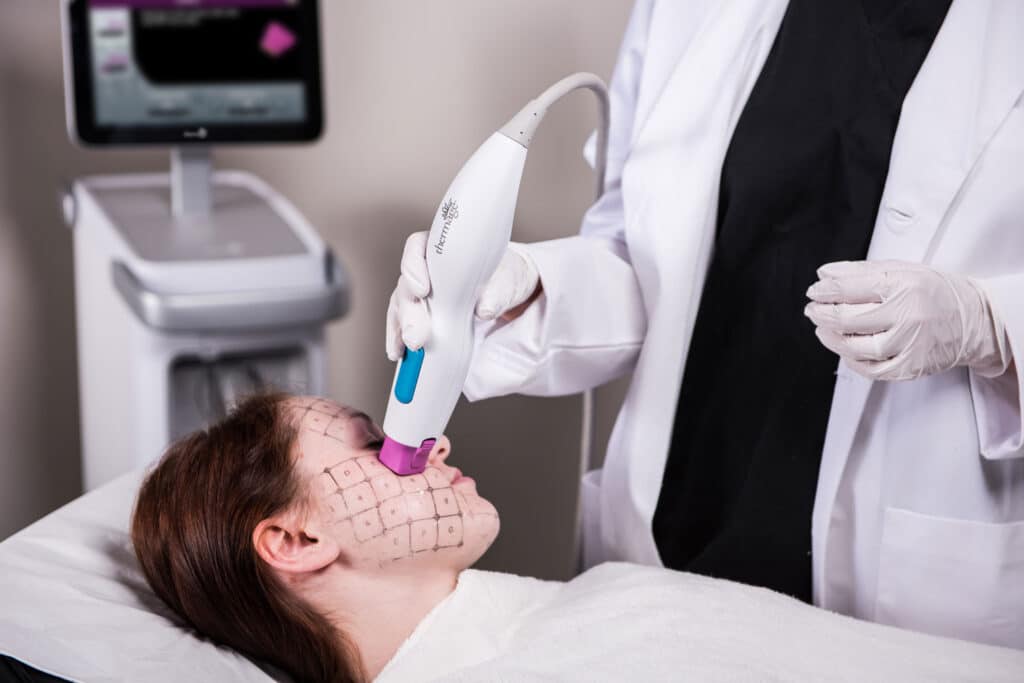
Non-invasive options like Thermage and Morpheus8 have gained popularity for their effectiveness in tissue tightening and skin rejuvenation without surgery, improving appearance with noticeable results. Thermage uses radiofrequency energy to heat deep layers of the skin, improving its appearance. Morpheus8 combines microneedling with radiofrequency for both superficial and deeper skin resurfacing, enhancing the appearance.

These methods offer benefits such as minimal downtime and reduced risk compared to traditional surgical approaches for invasive skin and appearance issues, impacting skin tissue. Patients can see improvements in skin texture, tightness, and appearance, making these treatments highly sought after for those looking to reverse signs of aging.

Morpheus8 vs Thermage

Treatment Approach

Morpheus8 combines microneedling with radiofrequency to remodel the skin and improve its appearance. It targets the deeper layers, encouraging collagen production. Patients often see results immediately after their first session. This method stands out for its minimal recovery time, allowing individuals to resume daily activities quickly and improves the appearance of skin tissue.

Thermage, on the other hand, uses radiofrequency energy alone to heat the deep, collagen-rich layers of the skin. The heat stimulates existing collagen in skin tissue and promotes new collagen growth over time. Unlike Morpheus8, Thermage results unfold gradually.

Session Frequency

Morpheus8 typically requires 1-3 sessions for optimal results. Each session is spaced about 4-6 weeks apart. This treatment plan suits those looking for quicker improvements in skin texture and firmness.

Thermage often involves a single treatment but may need follow-up sessions based on the patient’s skin condition and goals. It’s hailed for its long-term benefits, as collagen continues to grow months after the procedure.

Collagen Impact

The immediate effect of Morpheus8 comes from the contraction of collagen fibers, offering an instant lift and tightening effect. It directly targets subdermal layers to rejuvenate the skin from within.

Thermage’s strength lies in its ability to stimulate long-term collagen growth. The gradual improvement in skin tightness and contouring becomes more apparent over 2-6 months post-treatment.

Cutting-edge Technology

RF Innovation

Morpheus8 stands out with its innovative use of radiofrequency energy. This device precisely targets the deep layers of skin to remodel both face and body tissues.

It goes a long way in ensuring treatments are both effective and safe. The precision of this advanced radiofrequency technology allows for significant improvements in skin texture, reducing fine lines for a more youthful appearance.

Non-Invasive Benefits

The key thought behind Morpheus8 and Thermage is their non-invasive approach to skin tightening. Unlike traditional surgical methods, these treatments offer minimal downtime.

Patients appreciate the quick recovery, making it an attractive option for those seeking improvements without the invasive way of surgery. Both devices leverage RF technology to heat specific areas under the skin, promoting collagen production and tightening the contours.

FDA Clearance

The FDA clearance of Vivace highlights the safety and efficacy of combining microneedling with radiofrequency energy.

This endorsement reinforces the benefits of using RF technology in aesthetic procedures. It assures patients that they are choosing a treatment backed by thorough research and regulatory approval.

Benefits and Results

Immediate Visibility

Patients often seek treatments that offer quick results with minimal interruption to their daily lives. Morpheus8 stands out in this regard, as it provides visible improvements shortly after the procedure. The technology behind Morpheus8 helps in targeting deeper layers of the skin, ensuring that the results are not only immediate but also profound.

Morpheus8’s design minimizes downtime, allowing patients to return to their routine swiftly. This aspect is particularly appealing for those who cannot afford a long recovery period.

Long-Term Outcomes

On the other hand, Thermage excels in stimulating new collagen growth over time. This means that while the initial effects might be subtle, the true benefits of Thermage become more apparent months after treatment. Patients observe a gradual tightening and firming of the skin, which contributes to a more youthful appearance.

The mechanism behind Thermage involves using radiofrequency energy to heat deep skin layers. This process encourages collagen production, essential for maintaining skin elasticity and structure.

Individual Suitability

Choosing between Morpheus8, Thermage, or other options like Ultherapy and Vivace depends heavily on individual needs and goals. Each treatment has its unique strengths and can be more effective for specific concerns and areas.

For instance, Morpheus8 might be the best choice for patients looking for immediate improvement with minimal downtime. In contrast, those aiming for long-lasting results might find Thermage more suitable due to its ability to stimulate collagen production over time.

Ultimately, a personalized treatment plan that considers all aspects of the patient’s goals and concerns will help achieve optimal results. Consulting with a professional can help determine which procedure aligns best with individual expectations.

Summary

Choosing between Thermage and Morpheus8 depends on your specific skin concerns, lifestyle, and desired outcomes. Both technologies offer cutting-edge solutions for skin tightening and rejuvenation but cater to different needs and expectations. Thermage is your go-to for non-invasive treatment with no downtime, ideal for those of you seeking a quick return to daily activities. Morpheus8, on the other hand, combines microneedling with radiofrequency to target deeper layers of the skin, offering more dramatic results for those willing to undergo a minimal recovery period. Your decision should align with your goals, whether it’s achieving subtle improvements or more significant transformations.

Understanding these differences and the unique benefits each option brings to the table empowers you to make an informed choice about your skin care. Dive deeper into what each technology can do for you by consulting with a professional who can tailor their approach to your individual needs. Take the next step towards rejuvenating your skin by scheduling a consultation today.

Frequently Asked Questions

What is the main difference between Thermage and Morpheus8?

Thermage uses radiofrequency energy to heat the skin and stimulate collagen production, while Morpheus8 combines microneedling with radiofrequency for deeper tissue remodeling.

How do Thermage and Morpheus8 improve skin tightness?

Both treatments promote collagen production. Thermage does this through surface-level heating, whereas Morpheus8 employs microneedling to target deeper layers of the skin for more comprehensive rejuvenation.

Which treatment, Thermage or Morpheus8, offers quicker results?

Morpheus8 often shows visible improvements sooner due to its dual-action approach. However, both treatments typically require some time to see full benefits as collagen production increases over time.

Are there any side effects associated with Thermage and Morpheus8?

Minor side effects like redness, swelling, or bruising may occur but usually subside quickly. Both treatments are considered safe when performed by a qualified professional.

Can Thermage and Morpheus8 be used on all skin types?

Yes, both treatments are suitable for various skin types. However, an individual consultation is recommended to determine the best approach based on specific skin concerns and goals.

How long do the results from Thermage and Morpheus8 last?

Results can vary but generally last between 1 to 2 years for Thermage and potentially longer for Morpheus8 with proper skincare and follow-up treatments as needed.

Is there any downtime required after undergoing Thermage or Morpheus8?

Typically, no significant downtime is needed for either treatment. Patients can usually return to their normal activities immediately after.

Male Neck Liposuction Cost: A Complete 2024 Guide

Navigating the world of cosmetic procedures, often performed by plastic surgeons and facial plastic surgeons at places like Capital Facial Plastic Surgery, can often feel like a maze, especially when it comes to understanding the costs involved and the specifics of incisions. For men considering neck liposuction at Capital Facial Plastic Surgery, the financial aspect plays a crucial role in making an informed decision with a facial plastic surgeon. Plastic surgeons emphasize the importance of considering the financial implications of enhancing the neckline. While many assume that cosmetic enhancements come with a hefty price tag, the reality of male neck liposuction cost, performed by a facial plastic surgeon at Capital Facial Plastic Surgery to remove unwanted fat and refine the neckline, might surprise you. It’s a blend of art and science, where expertise meets affordability. This post aims to shed light on what you can expect to invest in achieving that refined jawline and neckline, breaking down the expenses without compromising quality or results for your chin, skin, and neck region.

Understanding Neck Liposuction Surgery

Neck Liposuction

Neck liposuction targets the neck area for fat removal. It’s a procedure where a facial plastic surgeon carefully removes excess fat, skin from the neckline and chin, tailoring activities to patient needs. This process enhances the neckline, offering a more chiseled look, particularly around the chin.

The technique focuses on the neck region, specifically under the jawline, targeting the neckline and chin. It addresses issues like a double chin. Patients see a noticeable difference in their profile, especially in the chin area, after recovery.

Candidate Suitability

Not everyone is a good fit for this surgery. Ideal male candidates are those with elastic skin, a good chin, and overall health. They should have realistic expectations about the outcomes.

Age does not define suitability as much as skin quality does. Younger patients often see more dramatic results due to their skin’s natural elasticity.

Expected Outcomes

The goal of neck liposuction is to create a more defined neck profile and jawline. Success lies in removing just the right amount of fat.

Patients report increased confidence post-surgery. The changes make significant improvements in their appearance. The key is maintaining a stable weight afterward to preserve results.

Average Cost of Male Neck Liposuction

Price Range

The general price range for male neck liposuction surgery typically falls between $3,000 and $5,000. This cost can significantly impact a person’s decision to proceed with the procedure. It reflects the basic surgical fee but does not account for the entire financial commitment required.

Factors Influencing Cost

Several factors influence the final cost of this cosmetic enhancement. Surgeon experience plays a crucial role in determining the price. More experienced surgeons often command higher fees due to their expertise and success rates. geographic location affects costs, with prices varying widely from one city to another. The specific needs of the patient also play a significant role in cost variation. Each individual’s unique physical characteristics and desired outcomes can lead to adjustments in pricing.

Additional Fees

It’s important to note that the initial cost estimation does not cover all expenses related to the surgery. Additional fees include anesthesia, which ensures comfort during the procedure, and facility fees covering the use of hospital or clinic resources. Post-surgery garments, essential for proper healing and achieving desired results, also add to the overall expense.

Factors Influencing Liposuction Pricing

Surgeon Expertise

Surgeons with more experience often charge higher fees. Their expertise can ensure a safer procedure and better outcomes. High demand for these professionals drives up the cost.

Patients should consider this factor seriously. It affects both safety and results.

Procedure Complexity

The complexity of removing stubborn fat from the neck varies between individuals. More complex cases require advanced techniques, increasing the price.

Each case is unique. The surgeon assesses the amount of fat cells to be removed during consultation.

Geographic Location

Where the surgery takes place significantly impacts the cost. Major cities with higher living costs tend to have more expensive medical services.

Prices vary widely across regions. Patients sometimes travel for more affordable options.

Treatment Extent

The size of the area and the volume of fat being removed influence the overall cost. Larger areas or denser fat deposits require more time and resources.

This directly relates to how much patients will pay. More extensive treatment means a higher bill.

Additional Procedures

Opting for extra treatments like chin augmentation increases the total expense. These are not included in the basic liposuction pricing.

Combining procedures can offer a more dramatic transformation but at a higher cost.

Pre-Surgery Expectations and Preparations

Consultation Phase

Before undergoing male neck liposuction, candidates must participate in a detailed consultation. This involves a thorough review of their medical history and physical examinations.

Doctors assess the individual’s health to ensure they are fit for the surgical procedure. They discuss the potential results and what to realistically expect from the surgery. It’s crucial for patients to understand every aspect of the process.

Dietary Guidelines

Prior to surgery, individuals receive specific instructions regarding their diet. They might need to adjust their medication and adhere to dietary restrictions.

This preparation helps minimize risks during surgery. Patients should avoid certain foods and medications that could complicate the anesthesia process.

Smoking Cessation

Smoking can significantly impact the healing process and overall results of liposuction. Doctors advise candidates to quit smoking weeks before the procedure.

This reduces complications and enhances recovery.

Transportation Arrangements

Due to the effects of general anesthesia, arranging transportation home is essential. Patients cannot drive post-surgery and need assistance getting home safely.

They should also organize care for their initial recovery period at home.

Post-Surgery Recovery and Care

Recovery Timeline

After leaving the operating room, patients enter the crucial phase of healing. The first few days post-surgery are marked by swelling and bruising around the neck area. It’s common for patients to notice these changes as their body starts to heal.

Most individuals can return to work and light activities within a week. However, it’s vital to avoid strenuous exercises for at least a month. This cautious approach ensures the recovery process is smooth and without setbacks.

Care Tips

To aid in recovery, wearing compression garments is highly recommended. These garments support the healing skin, minimize swelling, and help shape the neck’s contour after liposuction.

Staying hydrated and following your surgeon’s advice on wound care are also essential steps. Patients should direct any questions about their health or unusual symptoms directly to their plastic surgeon for personalized advice.

Signs of Complications

While complications are rare, being vigilant during the recovery time is crucial. Signs that require immediate attention include excessive pain, signs of infection at the incision sites, or unexpected changes in skin color.

Patients should not hesitate to contact their healthcare provider if they experience any concerning symptoms. Prompt action can prevent minor issues from becoming major health concerns.

Risks and Safety of Neck Liposuction

Common Risks

Removing unwanted fat from the neck can sometimes lead to complications. Infection is a risk with any surgical procedure. It can delay healing and result in an extended recovery period.

Asymmetry, where one side of the neck looks different from the other, may occur. This issue often requires additional procedures to correct.

Scarring is another potential outcome, though skilled surgeons aim to minimize its visibility.

Surgeon Selection

Choosing a board-certified plastic surgeon is crucial for minimizing risks associated with neck liposuction. These professionals adhere to stringent safety standards and possess extensive experience in fat removal procedures.

A qualified surgeon ensures a higher safety level and can significantly reduce the likelihood of complications.

Pre- and Post-Op Care

Following all pre- and post-operative instructions is vital for a safe recovery. After addressing excess fat, patients must adhere to their surgeon’s guidance to avoid infection or delayed healing.

This care includes managing swelling, taking prescribed medications, and attending follow-up appointments.

Financing and Affordability Options

Payment Plans

Many clinics offer payment plans to make neck liposuction more accessible. These plans allow patients to spread the cost over time, reducing the financial burden.

Clinics understand that not everyone can pay upfront. They often provide tailored solutions. By discussing directly with the clinic’s office, potential candidates can find a plan that suits their budget.

Insurance Coverage

Insurance might cover part of the neck liposuction cost under certain conditions. It’s crucial to check with your provider.

e insurance plans consider covering procedures if they address health issues. Neck liposuction might qualify if it’s part of treatment for conditions related to excess fat. Always verify directly with your insurance company to get a clear answer on coverage options.

CareCredit

CareCredit is a popular option for financing medical procedures. They offer no-interest and low-interest plans, making it easier for patients to manage costs.

This financing option is designed specifically for healthcare expenses. It can help cover out-of-pocket expenses not covered by insurance. Checking eligibility and terms ahead of scheduling your procedure is wise.

Closing Thoughts

Deciding on male neck liposuction is a big step towards achieving your desired look and boosting your confidence. You’ve learned about the average costs, what factors can change these prices, and how to prepare for and recover from surgery. You’re now aware of the risks involved and the financing options available to make this investment more manageable. Remember, choosing a qualified surgeon is crucial for your safety and the success of the procedure.

Take action by scheduling a consultation with a reputable plastic surgeon to discuss your goals and concerns. This conversation will provide personalized insights and clarify any remaining questions you might have. Your journey towards a more confident you starts today. Don’t wait; start exploring your options and planning your transformation.

Frequently Asked Questions

What is the average cost of male neck liposuction?

The average cost of male neck liposuction typically ranges between $2,000 and $4,500, depending on various factors like location and surgeon’s expertise.

What factors influence the cost of neck liposuction?

Factors that influence the cost include the surgeon’s experience, geographic location, anesthesia fees, and any additional treatments combined with liposuction.

What should I expect before undergoing neck liposuction surgery?

Before surgery, you’ll have a consultation to discuss your goals, evaluate your health, and explain the procedure. Pre-surgery instructions will be provided to ensure optimal results.

How long is the recovery period after neck liposuction?

Recovery varies but most patients can return to work within a week. Full recovery and final results may take several weeks to months as swelling decreases.

Are there risks associated with neck liposuction?

Yes, like all surgeries, it carries risks such as infection, bleeding, or uneven contours. Choosing a qualified surgeon minimizes these risks.

What are my financing options for male neck liposuction?

Financing options often include medical credit cards, personal loans, payment plans through the surgeon’s office, or using savings specifically set aside for healthcare expenses.

How does male neck liposuction improve appearance?

Male neck liposuction removes excess fat from under the chin and jawline, resulting in a more defined and youthful appearance.

Scarless Thigh Lift Surgery: Ideal Candidates & Stunning Results

Key Takeaways

  • Scarless thigh lift surgery, often incorporating liposuction on the inner and outer thighs, offers a less invasive option for thigh contouring with minimal scarring, appealing to those concerned about the appearance of traditional surgery scars, as performed by plastic surgeons.
  • Ideal candidates for cosmetic surgery, specifically liposuction, are those in good health, near their ideal weight for their body type, with realistic expectations about the outcomes within the patient community. It’s crucial for potential patients interested in cosmetic surgery, such as liposuction or laser treatments, to understand if they fit this profile based on their general health to ensure the best results.
  • Understanding the liposuction procedure steps, including potential complications and scar treatments, helps demystify the process, making it less daunting for individuals considering this cosmetic enhancement. Knowing what to expect can ease anxieties in the patient community and prepare candidates for the cosmetic surgery journey ahead, including dealing with scar and fat management.
  • The recovery process from liposuction, a body aesthetic center procedure aimed at removing fat, is generally quicker and less painful compared to traditional thigh lift surgeries, but following post-operative care instructions is key to a smooth recovery, minimal scar appearance, and optimal results.
  • Result longevity of liposuction can be significantly extended with a stable weight, healthy lifestyle, and regular exercise, minimizing fat return and scar visibility at a body aesthetic center. Prospective patients considering liposuction should consider these factors seriously to maintain their investment in the surgery at a body aesthetic center, including potential scar and fat removal outcomes.
  • Being informed about the known limitations of scarless thigh lift surgery, often involving liposuction to remove fat for body aesthetic improvement, helps set realistic expectations and leads to higher satisfaction rates among patients at aesthetic centers. It’s important to have a clear understanding of what the procedure can and cannot achieve, including issues related to fat and scar.

Defining Scarless Thigh Lift

Renuvion Technology

Renuvion technology has revolutionized the approach to thigh lift surgery, minimizing scar and fat. It uses a combination of helium gas and radiofrequency energy to tighten thigh skin, minimizing scars. This method requires no large incisions, making it a scarless thigh lift option.

This technology applies energy beneath the skin, causing immediate contraction and potential scar formation. The result is a firmer, more toned appearance without the need for traditional surgery or scar concerns. Patients appreciate the minimal downtime, reduced risk of complications, and less scar visibility.

Traditional vs. Scarless

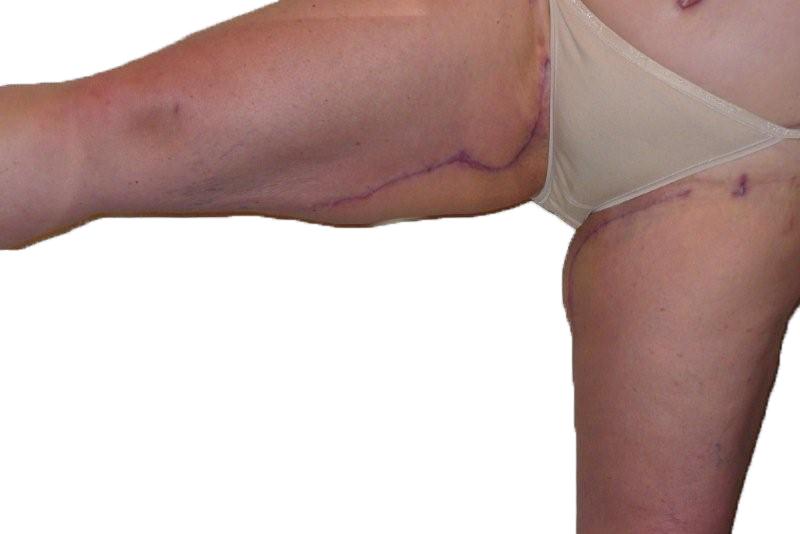
Traditional thigh lift surgery often involves significant incisions. These are usually made in the groin area or underneath the buttock, extending down to the knee in some cases, leaving a scar. Such procedures can leave visible scars and require longer recovery periods.

In contrast, scarless thigh lift surgery offers a less invasive alternative. Small entry points allow access for the Renuvion device, which then tightens the skin from within. This method significantly reduces scarring and promotes a quicker return to daily activities.

The difference in invasiveness between these two methods is stark. Patients seeking cosmetic improvements without visible scars find scarless options more appealing.

Helium Gas and RF Energy

Helium gas and radiofrequency (RF) energy play critical roles in this innovative thigh lift method. When combined, they create a plasma effect capable of tightening skin with precision. This avoids the need for extensive cutting and suturing associated with traditional lifts.

The use of helium gas ensures that heat is distributed evenly and safely under the skin. Meanwhile, RF energy stimulates collagen production, further enhancing skin elasticity over time. This dual approach ensures long-lasting results with minimal intervention.

Ideal Candidate Criteria

General Health

Good general health is crucial for anyone considering a scarless thigh lift. This procedure, while less invasive than traditional thigh lifts, still requires the body to heal properly. Candidates must not have chronic illnesses that could impair healing or increase surgery risks.

They should also be non-smokers or willing to quit well in advance of the procedure. Smoking can significantly hinder the healing process and compromise the surgery’s success.

Skin Laxity

The ideal candidate has mild to moderate skin laxity on their thighs. This means their skin can be slightly loose but should not have significant sagging. Scarless thigh lift techniques are most effective when the skin elasticity is sufficient to retract and conform to the new, tighter contours post-procedure.

If the skin laxity is severe, traditional thigh lift methods might be recommended instead. These alternatives can address more extensive concerns but come with longer recovery times and more visible scarring.

Realistic Expectations

Having realistic expectations is essential for patient satisfaction. Candidates should understand that while improvements will be noticeable, perfection is unattainable. The goal is a natural-looking enhancement rather than transformation.

During consultations, surgeons will explain what results can realistically be achieved. They’ll also discuss potential limitations and how they relate to each individual’s anatomy and skin condition.

Consultation Necessity

A pre-procedure consultation is vital to assess whether a scarless thigh lift is suitable for an individual. During this meeting, the surgeon evaluates the candidate’s thighs, discusses their medical history, and outlines possible outcomes.

This step ensures that both surgeon and patient have aligned expectations about the surgery’s results. It also allows for addressing any concerns or questions about the procedure.

Procedure Steps

Initial Incision

The scarless thigh lift surgery begins with the plastic surgeon making a small, strategic incision. This step is crucial for minimizing visible scarring. After the incision, a tumescent solution is injected into the targeted area. This solution numbs the site and reduces bleeding during the procedure.

Patients often express concerns about pain and recovery time. They find comfort knowing that this initial step aims to minimize both. The use of tumescent solution is a testament to how modern techniques have improved patient experiences.

Skin Tightening

Following the incision, the surgeon inserts the Renuvion hand-piece through it. This advanced device emits plasma energy directly under the skin. The energy tightens skin by stimulating collagen production without extensive cuts or removal of skin.

This part of the process showcases the innovative approach of scarless thigh lift surgery. Instead of relying on extensive surgical alterations, it uses technology to achieve results. Patients appreciate this method for its effectiveness and how it lessens recovery time.

Procedure Duration

One notable aspect of scarless thigh lift surgery is its quick duration. Most procedures are completed within one to two hours. This efficiency benefits patients, allowing them to return to their daily routines sooner than traditional methods would permit.

Moreover, reports of minimal discomfort from patients highlight another advantage of this technique. The combination of quick recovery and reduced pain makes scarless thigh lift an appealing option for many seeking cosmetic improvements.

Recovery Process

Post-Procedure Care

After undergoing scarless thigh lift surgery, patients commonly experience mild pain and swelling. This is a normal part of the healing journey. To manage these symptoms, wearing a compression garment is crucial. It helps reduce swelling and supports the new contours of the thighs.

Doctors provide aftercare instructions tailored to each patient’s needs. These guidelines are essential for a smooth recovery. They include advice on how to care for the treated area and when to resume certain activities.

Healing Timeline

The road back to routine activities is surprisingly swift for most patients. Many find themselves able to return to work and other daily tasks within a few days post-surgery. However, full recovery from a scarless thigh lift can take up to three months.

During this period, it’s important for patients to follow their surgeon’s advice closely. This ensures optimal healing and minimizes the risk of complications.

Aftercare Instructions

Surgeons provide detailed aftercare instructions post-scarless thigh lift surgery. These often include:

  • Keeping the surgical area clean
  • Avoiding strenuous activities that could strain the thighs
  • Wearing the compression garment as prescribed

Following these instructions carefully aids in faster healing and achieving the best possible outcome.

Result Longevity

Individual Variability

The duration of scarless thigh lift surgery outcomes can vary greatly among individuals. Factors such as age, skin quality, and the body’s natural healing process play significant roles.

Patients should manage their expectations, understanding that genetics and personal health habits also influence longevity. With this in mind, it’s clear that results are not one-size-fits-all.

Lasting Results

For many, the effects of a scarless thigh lift are long-lasting, provided they maintain a stable weight and healthy lifestyle. Proper care post-surgery is crucial for preserving the surgery’s benefits.

Adopting a balanced diet and regular exercise routine can significantly extend the life of the results. Most patients find that with these efforts, their sleeker, more toned thighs remain for years.

Continuous Improvement

Interestingly, the appearance of thighs often continues to improve for six to nine months following the procedure. This gradual enhancement is due to the body’s ongoing healing and settling process.

During this time, swelling decreases and skin elasticity improves, revealing the true outcome of the surgery. Patients report increased satisfaction as these changes unfold.

Lifestyle Impact

The impact of weight loss or gain post-surgery cannot be overstated. Significant fluctuations in weight can alter the results of a scarless thigh lift.

Maintaining a stable weight through healthy eating and exercise is key to enjoying lasting benefits from the procedure.

Known Limitations

Severe Laxity

Patients with severe skin laxity or a lot of excess skin might find scarless thigh lift procedures less effective. These techniques often have limitations in treating significant sagging. Traditional methods, which involve more invasive surgeries, might be necessary for extreme cases.

Scarless options are best suited for minimal to moderate conditions. They may not address the needs of those who have undergone extreme weight loss. In such instances, loose skin can be too extensive for non-invasive treatments to correct fully.

Additional Treatments

e patients may require more than one procedure to achieve their desired outcomes. Laser treatments and Renuvion technology offer improvements in skin tightness and appearance. Yet, they might not be a standalone solution for everyone.

In cases of pronounced sagging or laxity, combining scarless thigh lift with other methods could be necessary. This approach ensures a more comprehensive correction of the issues at hand.

Managing Expectations

It’s crucial for patients to have realistic expectations about what scarless thigh lift surgery can achieve. While Renuvion technology has advanced the field of cosmetic surgery by offering reduced recovery times and less discomfort, it has its limits.

The extent of skin tightening achievable varies from person to person. Factors like age, weight loss history, and individual healing processes play significant roles. Patients should discuss their goals and concerns with their surgeon to understand what is realistically attainable.

Summary Insights

Benefits Recap

Scarless thigh lift surgery offers significant benefits for individuals looking to improve the appearance of their thighs. This procedure is especially appealing due to its minimal downtime and less invasive nature. People who have experienced significant weight loss may find this option ideal as it enhances the upper part of their thighs without leaving noticeable scars.

Patients often report a boost in confidence and satisfaction with their body’s appearance post-surgery. The reduced recovery time allows them to return to their daily routines quicker than traditional thigh lift methods.

Ideal Candidates

Not everyone is a perfect candidate for a scarless thigh lift. This procedure suits individuals close to their ideal body weight who have moderate skin laxity in the thigh area. It’s crucial for potential candidates to have realistic expectations about what the surgery can achieve.

Age, general health, and specific goals play a pivotal role in determining suitability. Those with significant weight loss might benefit the most, as they often deal with excess skin that this surgery can address effectively.

Consultation Importance

Choosing to undergo a scarless thigh lift requires thorough consultation with a qualified plastic surgeon. During these sessions, surgeons assess if an individual’s goals align with what the procedure can offer. They discuss everything from benefits and issues related to the surgery to post-operative care.

Consultations also provide an opportunity to understand the cost involved, as insurance rarely covers cosmetic surgeries. Surgeons ensure patients are well-informed about all aspects of the procedure, including any limitations it may have.

Closing Thoughts

Scarless thigh lift surgery represents a cutting-edge option for those seeking to enhance the appearance of their thighs without the trade-off of visible scars. Understanding the procedure, from determining if you’re an ideal candidate through the recovery process and what results to expect, is crucial. It’s equally important to recognize its limitations and set realistic expectations. This knowledge empowers you to make informed decisions about your body and health, ensuring satisfaction with your results. Remember, choosing a qualified surgeon is key to maximizing the benefits while minimizing risks.

Ready to take the next step toward achieving the toned, youthful thighs you’ve been dreaming of? Reach out to a certified cosmetic surgeon who specializes in scarless thigh lift procedures. They can provide personalized advice and guide you through the journey to ensure your goals are met with care and expertise. Your path to confidence starts here.

Frequently Asked Questions

What is a scarless thigh lift?

A scarless thigh lift is a minimally invasive procedure aimed at tightening and improving the contour of the thighs without significant scarring, using advanced techniques like radiofrequency or ultrasound energy.

Who qualifies for a scarless thigh lift?

Ideal candidates are those close to their ideal body weight, with moderate skin laxity on their thighs, who seek improvement without extensive scars. Good overall health and realistic expectations are also crucial.

What does the scarless thigh lift procedure involve?

The procedure typically involves small incisions hidden in natural creases, through which specialized equipment is used to tighten underlying tissues and remove excess fat, enhancing the thigh’s contour with minimal scarring.

How long is the recovery after a scarless thigh lift?

Recovery varies but generally involves minimal downtime. Most patients can resume light activities within a few days and fully return to normal routines within 2-4 weeks, following their surgeon’s specific advice.

How long do results from a scarless thigh lift last?

Results can be long-lasting, especially when accompanied by a stable weight and healthy lifestyle. However, natural aging processes will continue to affect the skin’s elasticity over time.

What are known limitations of scarless thigh lift surgery?

While effective for moderate skin laxity and fat removal, it may not achieve the same dramatic results as traditional methods in cases of significant excess skin or fat.

Can you summarize key insights about scarless thigh lift surgery?

Scarless thigh lift offers an appealing option for those seeking thigh contouring with minimal scarring and downtime. Ideal for individuals with moderate corrections needs, it promises enhanced aesthetics while maintaining realistic expectations regarding outcomes and limitations.

Breast Implant Illness: Symptoms, Silicone Toxicity & Managing BII

Key Takeaways

  • Breast Implant Illness (BII) is a condition with a wide range of symptoms that can affect individuals with breast implants, emphasizing the importance of awareness and education on the topic.
  • Common symptoms of BII include fatigue, brain fog, joint pain, and autoimmune-like symptoms, which can significantly impact quality of life.
  • Silicone toxicity, a critical aspect of BII, can manifest through various symptoms, underlining the need for thorough evaluation and testing for those experiencing unexplained health issues.
  • The onset of symptoms can vary widely among individuals, with some experiencing issues shortly after implant surgery and others only years later, highlighting the unpredictability of BII.
  • Proactive management and seeking professional medical advice are essential steps for those suspecting they have BII, as symptoms can often be reversed or managed effectively with the right approach.
  • For individuals considering breast implants or those currently experiencing unexplained symptoms, understanding the potential link to BII is crucial for making informed health decisions.

Understanding Breast Implant Illness

BII Defined

Breast Implant Illness (BII) refers to a range of symptoms some women experience after getting breast implants. It’s not officially recognized in the medical field. This lack of formal recognition makes diagnosis and treatment challenging.

Patients often report feeling dismissed by their healthcare providers. They struggle to find support for their symptoms.

Symptoms List

The symptoms associated with BII are diverse, affecting multiple body systems. They can vary widely among individuals. Common complaints include fatigue, chest pain, hair loss, headaches, and joint pain.

Other reported symptoms are difficulty breathing, chronic fatigue, sleep disturbances, and cognitive issues like memory loss or brain fog. These symptoms can significantly impact daily life.

Diagnosis Challenges

Because BII is not formally recognized, there’s no standardized test for diagnosis. Patients often undergo extensive testing to rule out other conditions. This process can be frustrating and time-consuming.

Many turn to online communities for support and information. Some find relief after consulting with a plastic surgeon experienced in removing implant capsules.

Recognizing Common Symptoms

Fatigue Signs

People often report feeling unusually tired. This fatigue can impact daily life significantly. It’s not just about feeling sleepy; it’s a deep, persistent exhaustion that doesn’t improve with rest.

Doctors suggest keeping a symptom diary. This helps track how you feel over time. It’s crucial for identifying patterns or changes in your condition.

Joint Pain

Many experience joint pain without an obvious cause. It can affect any part of the body. The pain ranges from mild to debilitating.

Consulting a health care provider is vital. They can rule out other conditions that might cause similar symptoms.

Anxiety Levels

Anxiety and mood swings are common but often overlooked symptoms. People describe feeling more anxious than usual, without a clear reason why.

It’s important to discuss these feelings with someone you trust or a professional. They can offer support and advice on managing anxiety.

Skin Issues

Skin problems like rashes or itching are frequently reported. These issues might seem unrelated at first glance.

Seeing a doctor for these symptoms is recommended. They can provide information on care and treatment options.

Respiratory Difficulties

Breathing problems should never be ignored. Some report shortness of breath or an inability to take deep breaths comfortably.

Immediate medical attention is necessary for any respiratory issues. They could indicate serious complications.

Detecting Silicone Toxicity

Silicone Concerns

Silicone toxicity has become a major concern for individuals with breast implants. Despite the lack of conclusive scientific evidence, many believe it plays a role in breast implant illness (BII) symptoms. They report systemic issues that seem to correlate with their implants.

Research so far has not definitively linked silicone to these widespread health problems. Yet, patients’ reports highlight a need for deeper investigation into how this material may affect the body over time.

Implant Types

It’s a common myth that saline implants are safer than silicone when it comes to BII. However, both types can cause systemic symptoms because they both have silicone shells. This misunderstanding underscores the complexity of diagnosing and treating BII.

Patients with either type have reported similar health concerns. These range from chronic fatigue to autoimmune-like symptoms, suggesting that the issue may not be the filler material but rather the implant shell or other factors related to implant surgery.

Research Advocacy

Advocating for further research is crucial. Understanding the relationship between breast implants and systemic health issues could lead to significant improvements in patient care and safety standards.

Current studies do not fully explain why some individuals develop severe reactions while others do not. More comprehensive research could uncover potential risk factors or help develop safer implant materials, ultimately reducing the incidence of BII.

Timing of Symptom Onset

Symptom Variability

The onset of symptoms related to breast implant illness (BII) can vary widely among individuals. Data shows that some patients experience adverse effects almost immediately after implantation. Others may not notice symptoms for several years. This variability underscores the unpredictable nature of BII and highlights the importance of ongoing monitoring.

Patients report a range of symptoms, from fatigue and brain fog to joint pain and autoimmune conditions. The timing of these symptoms can often complicate diagnosis and treatment efforts.

Average Onset

Research indicates that the average time from breast implant surgery to the onset of BII symptoms could span months to years. This delayed reaction is particularly challenging for healthcare providers and patients alike, as it complicates the process of linking symptoms directly to breast implants.

The broad time frame emphasizes the need for individuals with implants to remain vigilant about changes in their health, regardless of how much time has passed since their procedure.

Age Range

The average age of patients reporting BII symptoms varies, but cases have been documented across a wide age range. This suggests that BII can affect women at any stage in their life post-implantation.

Younger patients might experience symptoms earlier due to higher activity levels or hormonal changes, while older patients may attribute their symptoms to aging rather than their implants. Awareness and education about BII are crucial across all age groups to ensure timely intervention and care.

Managing and Reversing BII

Symptom Improvement

Many patients report significant symptom improvement or complete resolution after implant removal. Studies indicate that up to 75% of individuals experience a positive change in their health status post-explant. This statistic offers hope and validates the experiences of those suffering from BII.

They often see changes within months of the procedure. This timeframe is crucial for understanding the potential benefits of explant surgery.

Decision Timeline

The average time to explant following symptom onset varies. Most patients undergo removal surgery approximately two to three years after they first notice symptoms. This period reflects the journey towards recognizing the link between their symptoms and implants, coupled with the decision-making process involving consultations with surgeons.

It highlights the importance of listening to one’s body and seeking professional advice early on.

Comprehensive Approach

Managing BII requires more than just surgical intervention. A comprehensive approach includes lifestyle changes, medical treatment, and psychological support. Patients should consider dietary modifications, exercise, stress management techniques, and counseling to address emotional well-being.

Working closely with a surgeon can help tailor a plan that addresses all aspects of health affected by BII. This holistic strategy ensures not only physical recovery but also mental resilience post-explant.

Final Remarks

Breast Implant Illness (BII) is real, and recognizing its symptoms is the first step towards reclaiming your health. Your journey from understanding BII to managing and potentially reversing its effects underscores the importance of listening to your body’s signals. Whether it’s chronic fatigue, joint pain, or cognitive challenges, each symptom is a piece of the puzzle in understanding your overall well-being. Armed with knowledge about silicone toxicity and the timing of symptom onset, you’re now better positioned to advocate for your health.

Remember, you’re not alone in this. Countless others have navigated these waters before you, finding paths to recovery and wellness. If you suspect BII might be affecting your life, reach out to a healthcare professional familiar with the condition. Together, you can explore treatment options and support networks. Let this be your call to action: prioritize your health, because you deserve to live a life free of unexplained symptoms.

Frequently Asked Questions

What is Breast Implant Illness (BII)?

Breast Implant Illness (BII) refers to a variety of symptoms that can develop after undergoing cosmetic or reconstructive breast implant surgery. These symptoms may affect different body systems and are believed to be related to the body’s reaction to breast implants.

What are common symptoms of BII?

Common symptoms include fatigue, brain fog, joint and muscle pain, anxiety, hair loss, headaches, and chronic fatigue. It’s important to note that these symptoms can vary widely among individuals.

How does silicone toxicity relate to BII?

Silicone toxicity is thought to occur when silicone particles from breast implants leak into the body, potentially triggering an immune response that leads to the symptoms associated with BII. This condition underscores the importance of monitoring implant integrity.

When do BII symptoms typically start appearing?

Symptoms can appear at any time after implant surgery. Some individuals report immediate reactions, while others may not experience symptoms for years. It’s crucial to monitor your health and consult a healthcare provider if changes occur.

Can BII be reversed or managed effectively?

Yes, many individuals find relief from BII symptoms through various management strategies, including implant removal. Consulting with a healthcare professional experienced in BII is essential for developing an effective treatment plan tailored to individual needs.

Can Insurance Cover Liposuction? Your Ultimate Guide

Key Takeaways

  • While most insurance policies do not typically cover cosmetic procedures like liposuction, certain conditions related to skin cases may warrant coverage of expenses if deemed medically necessary, including après plastic surgery.
  • To navigate insurance expenses for liposuction and other plastic surgery procedures effectively, it’s crucial to understand your policy details and the criteria for what constitutes medical necessity in cases involving skin.
  • Documenting medical necessity for liposuction, a plastic surgery procedure, involves gathering substantial evidence and medical records, including cases related to skin health, that support the health-related reasons for undergoing the procedure après plastic surgery.
  • If insurance coverage is not an option, exploring alternative financing options such as payment plans, medical credit cards, or personal loans can help manage the costs of liposuction.
  • Before deciding on liposuction, consider both the potential costs involved, including network benefits and insurance policy details from your insurance provider, and the satisfaction rates of those who have undergone the procedure to make an informed decision.
  • Always consult with healthcare professionals and insurance representatives to get the most accurate and personalized information regarding liposuction coverage and network benefits options.

Understanding Liposuction Coverage

Insurance Stance

Most insurance companies do not cover liposuction for aesthetic purposes. They view it as a cosmetic procedure, not necessary for medical health.

Patients often bear the full cost when seeking liposuction to improve appearance. This stance is consistent across many insurers, highlighting a clear boundary between cosmetic and medically necessary procedures.

Medical Exceptions

However, exceptions exist for medical conditions like lipoma. Lipomas are benign tumors made of fat tissue.

When liposuction is used to remove these tumors, some insurance plans may cover the procedure. This coverage hinges on proving the medical necessity of the procedure. Documentation and a doctor’s recommendation play crucial roles here.

Eligibility Criteria

Insurance companies use specific criteria to determine eligibility for liposuction coverage. These criteria focus on medical necessity and overall health impact.

The patient must demonstrate that liposuction will address a health issue or significantly improve quality of life. Evidence includes medical records, doctor’s notes, and sometimes, photos of the affected area. Insurers also consider the patient’s history with other treatments before approving coverage for liposuction.

Navigating Insurance for Liposuction

Consultation Strategy

To understand your insurance coverage for liposuction, start with a direct consultation. Contact your insurance provider. Ask about plastic surgery procedures and specific policies.

It’s crucial to clarify the distinction between cosmetic and medically necessary procedures. Most insurers view liposuction as cosmetic. Yet, exceptions exist for weight loss or skin conditions.

Documentation Importance

Gather detailed documentation from healthcare providers. This proves the medical necessity of liposuction. Include records of weight loss attempts and any related health issues.

Photos and detailed medical reports can strengthen your case. They show the impact on your health or well-being.

Appeal Process

If your insurance denies coverage, don’t give up. Prepare to appeal their decision. Understand the reasons for denial.

Craft a compelling appeal letter. Highlight how liposuction is vital for your health, not just cosmetic desire.

Include additional evidence or doctor’s opinions to support your claim. Persistence is key in appealing decisions.

Documenting Medical Necessity

Formal Diagnosis

Healthcare professionals must diagnose the need for liposuction. This diagnosis proves its medical necessity. Insurance companies demand this evidence before covering the procedure.

A formal diagnosis involves thorough examinations. It may include tests to determine if liposuction can relieve symptoms related to an underlying condition or injury. Keeping a detailed record of these findings is crucial.

Required Documentation

Insurance providers require specific documents to approve coverage. These documents include medical records, doctor’s notes, and diagnostic test results. They prove that liposuction is not for cosmetic purposes but a medical need.

Patients should gather letters from specialists. These letters should explain why liposuction is essential for treating their condition. Photos documenting the affected area might also support the claim.

Record Keeping

It’s vital to maintain thorough records of all interactions with healthcare and insurance providers regarding liposuction.

Keep copies of all submitted forms and correspondence. Note dates and details of phone conversations too. This documentation can be invaluable if disputes arise about the insurance claim.

Alternative Financing Options

Medical Loans

Medical loans offer a new avenue for those considering liposuction. They are specifically designed to cover healthcare costs not handled by insurance. This option allows patients to borrow the necessary amount and repay it over time. It’s crucial, however, to review the interest rates and repayment terms carefully.

Patients must compare lenders to find the best deal. Some medical loans come with lower interest rates, making them an attractive choice.

Payment Plans

Many clinics now include payment plans as part of their billing practices. These plans break down the total cost into manageable monthly payments. Before agreeing, patients should understand all terms and conditions.

This flexibility can make liposuction more accessible. However, it’s important to ensure that these plans do not carry hidden fees or high-interest rates.

HSAs and FSAs

Health Savings Accounts (HSAs) and Flexible Spending Accounts (FSAs) represent another type of financial support. These accounts allow individuals to use pre-tax dollars for eligible medical expenses, including certain cosmetic procedures under specific conditions.

To use HSAs or FSAs for liposuction, the procedure must be deemed medically necessary. This ties back to documenting medical necessity in some cases. Patients should consult their account administrators for details.

Credit Options

When other avenues are exhausted, personal loans and credit cards become viable options. They provide immediate access to funds but come with higher interest rates.

Comparing offers is essential here as well. Look for low-interest options or cards with promotional periods offering zero percent APR.

Cost and Satisfaction Considerations

Average Costs

Liposuction involves various expenses. Surgeon fees, facility costs, and anesthesia can add up. The average cost might not cover all these. Each case is different.

Prices fluctuate based on the area treated and where you live. Larger areas cost more. Cities tend to have higher rates.

Factors Influencing Cost

Several factors affect liposuction’s total cost. The extent of the area being treated is a major one. So is the geographic location of the clinic.

The difficulty of your particular case can also play a role. More complex cases require more time and skill, leading to higher fees.

Realistic Expectations

Setting realistic expectations is crucial for satisfaction with liposuction results. Understand that results vary per person.

Discussing your goals with your surgeon helps align expectations. It’s important to know what liposuction can and cannot do.

Summary

Navigating the complexities of insurance coverage for liposuction can feel overwhelming, but understanding the fine print is crucial. If your situation ticks the boxes for medical necessity, you’ve got a fighting chance to have those costs covered. Remember, documenting every step of your journey is key—insurance companies need solid proof. For those instances where liposuction is deemed more cosmetic than medically necessary, don’t lose heart. Alternative financing options exist that can help manage the financial burden without breaking the bank.

The road to liposuction involves weighing both costs and satisfaction. It’s not just about looking good; it’s about feeling good and improving your quality of life. Dive deep into your research, consult with professionals, and consider all your options before making a decision. Ready to take the next step? Reach out to a healthcare provider today and start discussing your liposuction journey. Your health and satisfaction are worth it.

Frequently Asked Questions

Can insurance cover liposuction?

Most health insurance plans do not cover liposuction as it’s often considered a cosmetic procedure. However, if it’s deemed medically necessary for health reasons, partial coverage might be possible.

How can I navigate insurance for liposuction coverage?

Start by consulting your healthcare provider to document the medical necessity of the procedure. Then, contact your insurance company with this documentation to discuss potential coverage options.

What does documenting medical necessity for liposuction involve?

Documenting medical necessity involves obtaining detailed reports from your healthcare provider that outline why liposuction is essential for your health, not just cosmetic purposes. This may include photographs, medical history, and a letter from your doctor.

Are there alternative financing options for liposuction?

Yes, several alternatives exist, including medical loans, payment plans through the provider, healthcare credit cards, and personal savings. Research and compare these options to find one that suits your financial situation best.

How should I consider cost versus satisfaction in liposuction?

Weigh the overall costs against the potential benefits to your health and well-being. Consider long-term satisfaction with the results versus the initial financial outlay. Reading reviews and discussing outcomes with your healthcare provider can help in making an informed decision.

Navigating the Healing Journey: Laser Tattoo Removal Aftercare and Side Effects

Key Takeaways

  • Understanding the basics of laser tattoo removal is crucial for setting realistic expectations about the process and outcomes. It involves breaking down the tattoo ink into smaller particles that the body can naturally eliminate.
  • The healing process goes through several stages, starting with immediate redness and swelling, followed by gradual fading of the tattoo over several sessions.
  • Immediate aftercare is vital for minimizing risks and promoting healing. This includes keeping the treated area clean, avoiding direct sunlight, and not picking at scabs or blisters.
  • Managing side effects effectively can prevent complications. It’s important to follow your technician’s advice on dealing with common side effects like redness, blistering, and changes in skin texture.
  • The interval between sessions is typically 6-8 weeks, allowing the skin enough time to heal and the body to flush out ink particles. Patience and adherence to recommended intervals enhance the effectiveness of the removal process.
  • Next steps after each session should include scheduling follow-up appointments, observing the healing progress, and adjusting care routines as advised by your removal specialist.

Basics of Laser Tattoo Removal

Laser Technology

Laser tattoo removal employs high-intensity light beams to break down the pigment in tattoos. The laser targets ink particles, fragmenting them into smaller pieces. The body’s immune system then naturally flushes these particles out.

This process is not instant. It requires multiple sessions, spaced weeks apart, to allow the skin to heal properly.

Technician Expertise

Choosing a skilled technician is crucial. Their expertise ensures the laser settings are adjusted correctly for each tattoo’s specifics, such as color and density. This precision minimizes skin damage and improves removal outcomes.

A qualified professional can also assess how your skin type may affect the healing process, providing personalized care advice.

Removal Factors

Several factors influence the number of sessions needed:

  • Tattoo size: Larger tattoos require more treatments.
  • Color: Darker colors like black and blue absorb more laser energy, making them easier to remove than lighter colors.
  • Age: Older tattoos fade over time, which can make them slightly easier to remove.

The complexity of these factors highlights why a consultation with a specialized technician is essential before starting treatment. They can offer an estimated timeline based on your tattoo’s characteristics.

Stages of Healing

Initial Response

After a laser tattoo removal session, the skin undergoes immediate reactions. It might appear red and swollen, resembling a sunburn. This is a natural part of the healing process. A “frosted” appearance also emerges, signaling carbon dioxide release from the skin.

Patients may notice blisters forming within the first few hours. These should not be scratched or popped as they are crucial for healing. Applying a bandage helps protect the treatment area from infection.

Recovery Timeline

The initial discomfort and visual effects typically subside within two weeks. However, this marks just the beginning of the recovery process. The body’s immune system plays a pivotal role in eliminating ink particles from this point forward.

As healing progresses, scabs may form over the treated area. It’s essential to let them heal naturally without interference.

Immune System Role

The immune system’s efficiency in removing ink particles significantly influences the overall healing time. Between sessions, it continues to break down and flush out these particles from the body.

To support this process, maintaining good health through proper nutrition and hydration is vital. Avoiding direct sunlight on the treated area also prevents further irritation and promotes faster recovery.

Immediate Aftercare Tips

Clean and Dry

Keeping the treated area clean and dry is crucial for preventing infection. After laser tattoo removal, gently cleanse the area with mild soap and water. Pat it dry with a soft towel. Avoid soaking the area in water, such as in baths or swimming pools.

It’s essential to allow the skin to breathe and heal properly. Covering it with a sterile bandage for the first few days can protect against bacteria.

Topical Treatments

Applying prescribed or over-the-counter topical treatments can significantly reduce symptoms like itching and swelling. These products often contain ingredients that soothe the skin and accelerate healing.

Consult your specialist for advice on which product is best for you. They might offer a free consultation to address any concerns about aftercare.

Sun Avoidance

Avoiding sun exposure on the treated area is vital to prevent skin discoloration. Wear protective clothing or use a high-SPF sunscreen if you must be outdoors. This precaution helps ensure better healing outcomes and maintains the integrity of your skin’s appearance.

In case of severe redness, blistering, or discomfort, seek medical attention promptly. Sometimes, symptoms may indicate an infection or other complications requiring professional care.

Cold compresses can offer temporary relief from discomfort but should be used sparingly. Always wrap ice packs in a cloth to avoid direct contact with the skin.

Managing Side Effects

Pain Relief

After laser tattoo removal, pain and discomfort are common. Over-the-counter pain relievers can help manage these symptoms. Applying ice packs in short intervals also reduces pain and swelling.

Clients should avoid picking at the treated area to prevent infection and scarring. If pain persists or worsens, it’s crucial to consult a healthcare provider.

Itch Management

Itching is a normal part of the healing process. Antihistamines or over-the-counter hydrocortisone cream can provide relief. Keeping the area moisturized with recommended lotions helps soothe the skin.

Clients must resist the urge to scratch. This can introduce bacteria and lead to complications.

Skin Care

Mild blistering and raised areas might occur but usually heal within a few weeks. Using a gentle, fragrance-free moisturizer helps keep the skin hydrated and supports healing.

If clients notice unusual symptoms, such as excessive blistering or a “frosted” appearance that lasts longer than 24 hours, they should contact their healthcare provider immediately.

Patience and strict adherence to aftercare instructions are key to minimizing side effects and enhancing recovery. The use of carbon dioxide cooling during treatment may reduce immediate side effects but does not substitute for proper aftercare.

Interval and Next Steps

Waiting Period

After a treatment session, a typical waiting period between laser sessions is 6-8 weeks. This time allows the skin to heal properly. It also gives the immune system time to break down and remove ink particles from the treated area.

During this interval, it’s crucial to monitor the healing process. Any questions or concerns should be directed to the laser technician.

Follow-Up

Following up with your technician is key. They assess healing and plan the next session based on your progress. This step ensures that each treatment is tailored to how your body responds, aiming for the best results.

Good communication helps manage expectations and understand the process better.

Healthy Lifestyle

Maintaining a healthy lifestyle supports faster recovery. Hydration and exercise boost the immune system. This can reduce the number of sessions needed by helping your body remove ink particles more efficiently.

People often overlook these simple but effective strategies when focusing solely on laser treatments.

Summary

Laser tattoo removal’s healing process is a journey, but knowing what to expect at each stage makes it manageable. You’ve learned the basics, the healing stages, immediate aftercare tips, how to manage side effects, and what steps to take next. This knowledge empowers you to navigate your tattoo removal with confidence. It’s all about taking care of your skin while allowing technology to do its magic. Trust the process, follow the advice given, and soon enough, you’ll see the results you’re aiming for.

Taking action is crucial. If you’re considering laser tattoo removal or are already in the midst of your treatment plan, keep these insights in mind. They’re your roadmap to a successful recovery and optimal results. Got more questions or ready to take the next step? Reach out to a professional today. Your journey towards clear skin starts with that first step.

Frequently Asked Questions

How long does the healing process take after laser tattoo removal?

The healing process typically takes 1-2 weeks for the surface skin to heal. However, complete recovery and fading of the tattoo can span several months, depending on individual health and treatment specifics.

What are the immediate aftercare steps following laser tattoo removal?

Immediately after treatment, apply a cold compress to soothe the area. Keep the treated skin clean and dry, and cover it with a sterile dressing. Avoid sun exposure and refrain from picking at any blisters or scabs that form.

Can I expect any side effects from laser tattoo removal?

Yes, common side effects include redness, swelling, blistering, and tenderness in the treated area. These usually subside within a few days to weeks. Less commonly, you may experience temporary pigment changes or scarring.

How many sessions will I need for complete tattoo removal?

The number of sessions required varies based on the tattoo’s size, color, location, and age as well as your skin type. On average, most people need 5-10 sessions spaced 6-8 weeks apart.

What should I do between laser tattoo removal sessions?

Between sessions, protect the treated area from sun exposure by using a high SPF sunscreen. Keep the area clean and moisturize regularly to promote healing. Avoid activities that can irritate the skin such as swimming in chlorinated pools.

Is laser tattoo removal painful?

Laser tattoo removal can be uncomfortable; many describe it as a rubber band snapping against the skin. Pain tolerance varies among individuals but topical anesthetics can be used to minimize discomfort during the procedure.

How soon will I see results after starting laser tattoo removal treatments?

Visible fading of the tattoo can often be seen after just one session but significant results become more apparent after multiple treatments. The speed of results depends on factors like ink depth and coloration.

Chin Liposuction Pricing Guide: What Are the Costs Involved?

Key Takeaways

  • The cost of chin liposuction in the USA varies widely, influenced by factors such as the surgeon’s experience, geographic location, and the complexity of the procedure. It’s essential to research and consider these elements when budgeting for your surgery.
  • A detailed breakdown of surgery expenses reveals that costs go beyond just the surgeon’s fees, including anesthesia, facility fees, and post-operative care. Understanding these can help you prepare financially for the entire process.
  • Insurance typically does not cover chin liposuction as it is considered a cosmetic procedure, but financing options are available. Exploring these options can make the surgery more accessible without paying the full cost upfront.
  • Frequently asked questions on chin liposuction pricing highlight the importance of consulting with multiple surgeons to get a comprehensive view of potential costs and payment plans, ensuring you find a balance between quality and affordability.
  • Prioritizing surgeons who are transparent about their fees and who offer detailed breakdowns of costs can lead to a more trustworthy and satisfactory surgical experience.
  • Considering all financial aspects of chin liposuction, including potential hidden costs and financing options, ensures that patients can make informed decisions that align with their budget and cosmetic goals.

Understanding Chin Liposuction Costs

Geographical Influence

Geographical location significantly affects chin liposuction prices. In major cities, costs tend to be higher due to increased demand and overhead expenses. Conversely, smaller towns might offer lower rates but with limited specialist options.

Surgeon’s Expertise

The qualifications and reputation of a surgeon play a crucial role in determining their fees for submental liposuction. Top experts often charge more for their services, reflecting their experience and success rates in performing double chin removal.

Additional Expenses

It’s vital to consider extra costs beyond the surgery itself. These can include pre-operative tests, anesthesia fees, and post-surgery care necessities. Often overlooked, these expenses can add up, affecting the overall financial planning for chin lipo.

Breakdown of Surgery Expenses

Surgeon’s Fee

The surgeon’s fee is a significant part of the overall cost. It varies widely depending on the cosmetic surgeon’s experience and the geographic location. Typically, more experienced plastic surgeons charge higher fees. The complexity of your case can also affect this cost.

Surgeons specializing in chin liposuction might use a small incision technique. This skill requires precise training, justifying higher fees.

Operating Room Expenses

Operating room expenses cover the use of the surgical facility. These costs include staff salaries, equipment use, and facility maintenance. Whether the procedure uses general anesthesia or local anesthesia affects these costs too.

Facilities equipped for fat removal under general anesthesia may have higher fees. Yet, some patients only need a local anesthetic, which can lower the expense.

Anesthesia Costs

Anesthesia costs vary based on whether you receive general anesthesia or local anesthesia. A general anesthesiologist’s services are pricier than those for local anesthesia.

The choice between them often depends on the patient’s comfort and the treatment area’s size. Local anesthesia is less expensive but might not be suitable for extensive fat removal or if loose skin is present.

Additional Costs

Patients should also budget for potential extra costs. These can include medical tests before surgery, prescription drugs for recovery, and post-operative care items.

Combining chin liposuction with other procedures like facelifts can increase total costs significantly. However, doing so might reduce overall expenses compared to having each treatment separately due to shared operating room and anesthesia fees.

Insurance and Financing Options

Insurance Coverage

Insurance typically does not cover chin liposuction. This procedure is seen as cosmetic, aiming to improve appearance rather than treat a medical condition. Most insurance policies exclude cosmetic surgeries, labeling them as elective procedures. Patients seeking chin liposuction must often bear the full cost.

Chin liposuction falls outside most health care plans. Insurance providers consider factors like necessity and impact on overall health. Since chin liposuction addresses aesthetic concerns, it rarely meets these criteria.

Financing Options

Medical finance companies offer solutions. They provide loans specifically for cosmetic procedures, including chin liposuction. These financing options allow patients to spread the cost over time, making surgery more accessible.

Interest rates and terms vary by provider. Patients should research to find the best option for their needs.

Surgeon Payment Plans

e plastic surgeons offer payment plans. This financial assistance breaks down the total fee into manageable monthly payments.

Surgeons understand the desire for improvement without upfront costs. They work with patients to create plans that fit their budget. However, not all surgeons provide this option, so it’s crucial to ask during consultation.

FAQs on Chin Liposuction Pricing

Cost Variability

The cost of chin liposuction can greatly vary. It depends on the surgeon’s experience and the clinic’s location. In areas with high living costs, prices tend to be higher.

Experienced surgeons usually charge more. Their expertise in removing unwanted fat safely is often worth the extra cost. Patients should consider this when budgeting for their procedure.

Included Costs

Chin liposuction pricing covers several aspects. It includes the surgeon’s fee, anesthesia, and facility charges. Pre- and post-operative care are also part of the total cost.

Patients receive a detailed breakdown during consultation. This helps them understand what they are paying for.

Recovery Timeline

The recovery period impacts life after surgery. Most patients return to work within a week. However, full recovery may take a few weeks.

Swelling and bruising decrease significantly in the first few days. This allows patients to resume normal activities sooner. Planning for recovery time is essential when scheduling chin liposuction.

Closing Thoughts

Navigating the costs of chin liposuction in the USA can be a breeze with the right info at your fingertips. You’ve got the breakdown of surgery expenses, insights into insurance and financing options, and answers to all those burning FAQs. Armed with this knowledge, making an informed decision about whether chin liposuction is right for you—and if it fits your budget—just got a whole lot easier. Remember, investing in yourself is never a waste. If chin liposuction feels like the right step towards boosting your confidence and achieving the look you desire, then it’s worth exploring further. Don’t hesitate to reach out to professionals who can guide you through this journey and help tailor a plan that suits your needs and finances. Take that next step towards feeling great about your appearance. Your future self will thank you.

Frequently Asked Questions

How much does chin liposuction typically cost in the USA?

The average cost of chin liposuction in the USA ranges from $2,500 to $5,000. This varies based on location, surgeon’s expertise, and specific patient needs.

Is chin liposuction covered by health insurance?

Generally, chin liposuction is considered a cosmetic procedure and not covered by health insurance. However, exceptions exist if it’s deemed medically necessary.

What are the main factors that influence the cost of chin liposuction?

Key factors include the surgeon’s skill and experience, facility fees, anesthesia costs, and geographic location. Each plays a significant role in the final price.

Can I finance my chin liposuction procedure?

Yes, many clinics offer financing options or payment plans to help manage the cost of chin liposuction. It’s best to discuss directly with your provider.

Does the quoted price for chin liposuction usually include all associated fees?

Most quotes should include surgery fees, anesthesia, facility costs, and post-operative care. Always confirm with your surgeon what is included to avoid unexpected expenses.

How can I ensure I’m getting a fair price for chin liposuction?

Research and compare prices from different board-certified surgeons. Also, consider their experience and patient reviews to ensure quality alongside cost-effectiveness.

Are there any additional costs I should be aware of after chin liposuction?

Possible additional costs may include medication for pain management, compression garments, and follow-up visits. Ask your surgeon for a comprehensive breakdown of post-operative expenses.

Hydrogel Injections: Understanding Risks, Safe Removal, and Safer Alternatives for Buttock Augmentation

Hydrogel buttock injections promise a quick and easy path to a more voluptuous backside, but at what cost? While the allure of an enhanced figure is tempting, it’s crucial to weigh this against the potential health risks these procedures carry. From minor complications to severe medical issues, the side effects of hydrogel injections are not to be taken lightly. This post aims to shed light on the darker side of cosmetic enhancements, offering a comprehensive overview of what could go wrong, and why proceeding with caution is paramount.

Key Takeaways

  • Hydrogel injections for buttock augmentation carry significant risks and side effects, including infection, tissue damage, and possible interference with muscle and nerve function.
  • Understanding the composition and potential hazards of hydrogel is crucial before considering it for cosmetic enhancements.
  • If complications arise from hydrogel injections, seeking professional medical advice immediately is essential for safe removal and to minimize health risks.
  • Exploring alternative augmentation methods, such as fat grafting or implants, can offer safer outcomes and more reliable results for those looking to enhance their buttock appearance.
  • Educating oneself on the pros and cons of different buttock augmentation options enables informed decision-making that prioritizes health and safety.
  • Consulting with a certified plastic surgeon who has experience in buttock augmentation can provide personalized advice tailored to individual needs and expectations.

Understanding Hydrogel

Hydrogel Basics

Hydrogel is a water-based gel used in various medical and cosmetic procedures. It’s known for its ability to absorb and retain water, making it similar to natural tissue in texture and elasticity. In the medical field, hydrogel serves in wound care, drug delivery systems, and contact lenses.

Hydrogel’s appeal lies in its soft, pliable nature. This makes it an attractive option for cosmetic enhancements, especially buttock augmentation. Its application is minimally invasive compared to traditional surgical methods like implants.

Cosmetic Appeal

For those seeking to enhance their appearance without major surgery, hydrogel injections offer a quick solution. The procedure involves injecting the gel directly into the buttocks to add volume and shape. Patients appreciate the minimal downtime and immediate results.

However, not all hydrogel products are created equal. The safety and efficacy of these injections largely depend on the quality of the material used.

Legal Concerns

The legal status of hydrogel injections for cosmetic use raises significant questions. Many products on the market lack FDA approval, posing serious health risks. Unapproved hydrogels can lead to complications such as infections, tissue death, or even more severe systemic issues.

Consumers should exercise caution and seek treatments only from licensed professionals using FDA-approved products. The allure of a quick fix should not overshadow the importance of safety and legality.

Side Effects and Risks

Health Complications

Many patients experience a range of side effects after receiving hydrogel buttock injections. These can vary from minor discomfort to serious health issues. In some cases, the injected material may migrate away from the original site, leading to complications in other parts of the body.

Patients often report inflammation at the injection sites. This inflammatory reaction can be a sign of more severe complications developing internally.

Severe Outcomes

The dangers of hydrogel injections are not limited to local problems. Severe complications can arise, including infections that are difficult to treat. Some individuals develop granuloma lumps, which are hard, tumor-like collections of immune cells that form as the body tries to wall off substances it perceives as foreign but cannot eliminate.

One of the most alarming risks is when hydrogel enters the bloodstream. This can lead to heart failure or even death. The case of a 26-year-old woman who died from such a procedure underscores the potential fatal outcomes of these unregulated injections.

Long-Term Issues

Over time, patients might face long-term complications stemming from these injections. Conditions such as chronic pain and disfigurement have been reported. Moreover, because these procedures are often performed by unlicensed providers, many patients find themselves without recourse for their grievances.

Removing Hydrogel Safely

Surgical Challenges

Removing hydrogel from the buttocks is not straightforward. Once injected, the substance integrates with the body’s tissues, making it difficult to remove completely. The process often involves complex surgical techniques and can result in uneven contours or additional scarring.

Surgeons must carefully distinguish between hydrogel and natural body tissue. This precision requires specialized training and experience. The risk of leaving remnants behind can lead to inflammation or more severe complications.

Medical Procedures

Several medical procedures exist for safely removing hydrogel. Liposuction is a common method, but it may not be effective for all types of hydrogel injections due to their viscosity and how they integrate with tissue.

Excision surgery is another option, where the affected area is cut open, and the substance is manually removed. This method is more invasive and carries higher risks, including significant scarring and longer recovery times.

Professional Consultation

Consulting with a licensed healthcare professional is crucial for safe removal. They can assess the extent of hydrogel integration and recommend the most appropriate procedure based on individual cases.

Attempting removal without professional guidance can lead to infections, increased scarring, or other serious health issues. Trusting experienced surgeons ensures that patients receive care tailored to their specific needs while minimizing risks.

Alternative Augmentation Methods

FDA Approvals

FDA-approved fillers and implants offer safer alternatives for those seeking buttock augmentation. These options undergo rigorous testing to ensure they meet safety standards. They provide a reliable path to achieving desired outcomes without the risks associated with unapproved substances.

Choosing FDA-approved materials for gluteal augmentation reduces potential health hazards. It guarantees that the products used are of the highest quality.

Certified Surgeons

Opting for procedures performed by certified plastic surgeons comes with significant benefits. These professionals possess the necessary skills and knowledge to minimize complications. They ensure a higher likelihood of achieving the desired aesthetic results.

Certified surgeons use advanced techniques in buttock enhancement. This expertise leads to better outcome predictability and lower risk of adverse effects.

Non-Surgical Options

Non-surgical methods can enhance the buttock’s appearance without injections or implants. Techniques like ultrasound therapy and fat grafting reshape body areas, including the buttocks, through less invasive means.

These treatments offer a safer alternative. They avoid many of the risks associated with surgical excision or foreign material insertion into the treatment area.

Summary

Hydrogel buttock injections promise quick results but come with significant risks. You’ve seen the side effects, understood the complexities of removal, and explored safer alternatives. It’s vital to weigh these factors carefully. Your health and safety should always come first. Opting for FDA-approved methods and consulting with certified professionals can safeguard your well-being while still achieving your aesthetic goals.

Before jumping into any cosmetic procedure, do thorough research and consider all your options. If hydrogel injections were on your radar, hopefully, this discussion has provided clarity and steered you towards safer, more reliable choices. Remember, the allure of instant results shouldn’t compromise your health. Always choose wisely, prioritize safety, and consult with experts in the field. Ready for a safer path to your body goals? Reach out to a trusted professional today.

Frequently Asked Questions

What are hydrogel buttock injections?

Hydrogel buttock injections are a cosmetic procedure aimed at enhancing the size and shape of the buttocks using a water-based gel.

What are the side effects of hydrogel buttock injections?

Side effects can include infection, pain at the injection site, scarring, and possibly more severe complications like embolism or nerve damage.

How can hydrogel be safely removed?

Removing hydrogel safely typically requires surgical intervention by a qualified medical professional to minimize risks and complications.

Are there safer alternatives to hydrogel buttock injections?

Yes, safer alternatives include autologous fat transfer (fat grafting) and silicone buttock implants, both of which have lower risk profiles when performed by experienced surgeons.

Can hydrogel injections migrate in the body?

Yes, there is a risk that hydrogel can migrate from the original injection site, leading to unevenness and potential health risks.

Laser Resurfacing for Acne Scars: Types, Benefits, and Risks Explained

Key Takeaways

  • Laser skin resurfacing is a proven method to reduce acne scars, offering a smoother skin texture and improved skin appearance.
  • Understanding the different types of lasers and their specific uses is crucial for selecting the most appropriate treatment for acne scars.
  • Proper preparation before undergoing laser treatment can significantly enhance the effectiveness of the procedure and minimize potential risks.
  • The benefits of laser resurfacing, such as reduced scarring and improved skin tone, often outweigh the risks when performed by a qualified professional.
  • Being aware of the potential side effects and risks associated with laser treatments allows for better decision-making and preparation.
  • Consulting with a dermatologist or skincare professional is essential to determine if laser resurfacing is the right option for your skin type and acne condition.

Understanding Laser Resurfacing

Ablative Techniques

Ablative laser resurfacing stands out as a potent method for diminishing acne scars. It works by meticulously removing the skin’s top layers. This process encourages the body to heal, leading to smoother, more refined skin texture.

The technique employs a focused beam of light to vaporize scarred surface skin. As the damaged skin peels away, it reveals less marked, newer skin beneath.

Laser Peeling

Laser peeling is another term often used in this context. It accurately describes the process where targeted laser energy causes the outer layer of skin to lift and peel away. This action unveils newer, youthful skin cells below the treated area.

Patients witness a significant transformation in their skin’s appearance post-treatment. The newly exposed layer is typically smoother and more uniform in color and texture.

Treatment Goals

The primary aim of laser skin resurfacing for acne is to enhance both the texture and overall look of the skin. It seeks to provide individuals with clearer, more radiant complexions free from the shadows of past acne outbreaks.

Types of Lasers Explained

Ablative Lasers

Ablative lasers stand out in treating acne scars. They work by vaporizing the top layers of damaged skin. This process not only removes unsightly scars but also stimulates collagen production. Collagen is key for healthy, rejuvenated skin.

These lasers are powerful. They offer significant improvements in skin texture and appearance. However, they require a longer recovery period. Patients should consider this when choosing their treatment plan.

Non-Ablative Lasers

Non-ablative lasers target the deeper layers of skin without harming the surface. They boost collagen production from within. This results in less downtime compared to ablative treatments.

While less aggressive, non-ablative lasers may need multiple sessions. They gradually improve the skin’s appearance over time.

Fractional Lasers

Fractional lasers are a groundbreaking advancement in laser technology. They create microscopic wounds in the skin, leaving surrounding areas untouched. This approach speeds up healing and reduces recovery time.

They are versatile, working well for both superficial and deeper scars. Patients see noticeable improvements after just a few treatments.

Visible Light Treatments

Visible light treatments complement laser resurfacing for acne scars. Technologies like LED therapy target specific issues like redness and inflammation without damaging the skin.

These treatments can enhance the results of laser resurfacing, offering a more comprehensive approach to acne scar treatment.

Preparing for Treatment

Medical Review

A thorough medical history review is crucial before any laser skin resurfacing treatment. Patients must share all health details with their dermatologist. This step ensures the treatment plan is safe and effective.

Doctors conduct a physical exam of the treatment area. They assess the skin’s condition and any scarring present. This helps in tailoring the procedure to the patient’s needs.

Pre-Procedure Steps

Patients should avoid blood-thinning medications and supplements weeks before their session. These substances can increase bleeding risk during the procedure.

Stopping smoking is another essential step. Smoking can delay healing and increase the risk of complications.

Cold Sore Prevention

Discussing a history of cold sores or fever blisters with your doctor is vital. This step prevents post-procedure outbreaks. The doctor might prescribe medication to prevent such complications.

Setting Expectations

It’s important for patients to have realistic expectations about recovery time and results. A single treatment may not remove all scars, but significant improvement is common.

Patients receive detailed care instructions to follow after their session. These include how to clean the treated area, apply ointments, and use sun protection to aid healing and prevent infection.

Benefits and Advantages

Collagen Production

Laser skin resurfacing boosts collagen production significantly. This process leads to smoother and more even skin. Patients often notice their skin feels firmer.

With increased collagen, the skin’s appearance transforms over time. It becomes more resilient against future outbreaks.

Skin Texture

This treatment targets damaged areas with precision. It results in a significant improvement in skin texture.

Studies show that patients see a reduction in acne scars. Their skin becomes clearer and more uniform after sessions.

Long-term Effects

Improved skin appearance boosts self-confidence greatly. The effects of laser treatment are long-lasting.

Patients report feeling more comfortable in their skin. They also experience fewer acne breakouts over time.

Risks and Side Effects

Common Side Effects

Patients often experience temporary discomfort post-procedure. This includes pain, swelling, itching, or stinging. Pain typically lasts a few days. Swelling and itching may persist for up to a week.

Serious Risks

Scarring, discoloration, and infection are potential risks. They underscore the importance of following post-procedure care instructions meticulously.

Sun Exposure

Avoiding sun exposure is crucial for months after treatment. This minimizes risks and ensures optimal healing.

Makeup Use

Using only oil-free makeup helps prevent adverse effects like cysts and acne flare-ups.

Closing Thoughts

Laser skin resurfacing offers a promising solution for your acne woes, blending cutting-edge technology with proven results. You’ve learned about the various lasers available, how to prep for treatment, the benefits you can expect, and the possible risks involved. This knowledge arms you with the power to make informed decisions about your skincare. Remember, choosing the right procedure could be the game-changer in your battle against acne.

Now’s the time to take action. Consult with a skincare professional who can tailor a treatment plan suited just for you. Your journey towards clearer, rejuvenated skin is just a consultation away. Don’t let acne hold you back any longer. Reach out today and step into a future with the radiant, healthy skin you deserve.

Frequently Asked Questions

What is laser skin resurfacing for acne?

Laser skin resurfacing uses targeted beams of light to reduce acne scars by removing the outer layer of the skin and stimulating collagen production in the underlying layers, promoting smoother skin.

How do I choose the right type of laser for acne scars?

Consult a dermatologist experienced in laser treatments. They’ll assess your skin type, scar severity, and discuss options like ablative, non-ablative, or fractional lasers to find the best fit for your needs.

What should I do to prepare for laser skin resurfacing?

Follow your dermatologist’s instructions closely. Generally, avoid sun exposure, stop using certain skincare products that might irritate the skin, and refrain from smoking to ensure optimal healing and results.

What are the benefits of using laser treatment for acne scars?

Laser treatment can significantly improve skin texture, reduce the appearance of scars, and promote a more even skin tone. It’s a non-invasive procedure with relatively quick recovery times compared to surgical options.

Are there risks associated with laser resurfacing for acne?

Yes, like all medical procedures, there are risks such as redness, swelling, infection, or changes in pigmentation. However, these are generally minimal when performed by a qualified professional.

How long does it take to see results from laser acne treatment?

Results can vary based on the individual’s skin type and the severity of scarring. Some may see improvements within a week after swelling subsides, but full collagen regeneration takes up to several months.

Can all skin types safely undergo laser resurfacing for acne scars?

Mostly yes, but certain lasers are better suited for different skin tones. A skilled dermatologist will recommend the safest and most effective option for your specific skin type to minimize risks like pigmentation changes.