Body Contouring Surgery Cost Breakdown

Key Takeaways

  • Understand the Basics: Body contouring surgery reshapes and tightens your physique, often after significant weight loss, promoting a healthy lifestyle.
  • Consultation is Crucial: An initial consultation helps you understand the procedure, costs, treatment plan, and whether you’re a good candidate for cosmoplastic surgery.
  • Cost Influencers: The cost of cosmoplastic surgery and body lift surgery varies based on factors like the surgeon’s experience, location, and the complexity of the procedure for candidates and individuals.
  • Budget Wisely: Expect to pay anywhere from a few thousand to tens of thousands of dollars, depending on the exact cost and specifics.
  • Prepare Thoroughly: Proper preparation can improve outcomes and reduce risks for candidates and individuals undergoing cosmoplastic surgery. Follow your surgeon’s pre-op and post-op process instructions closely.
  • Ask Questions: Don’t hesitate to ask your surgeon about any concerns or uncertainties individuals may have. Clear communication is key to a successful procedure.

Understanding Body Contouring

Definition and Purpose

Body contouring refers to surgical procedures that aim to reshape and improve the body’s appearance for individuals. These surgeries help remove excess fat and skin. They also tighten the body parts of individuals, enhancing the overall physique. People often opt for body contouring after significant weight loss or pregnancy. The goal is to achieve a more toned and proportionate body.

Types of Procedures

Various body contouring procedures exist, each targeting different areas of the body. Some common types include:

  • Liposuction: This procedure removes excess fat from specific areas like the abdomen, thighs, or arms.
  • Tummy Tuck (Abdominoplasty): It tightens abdominal muscles and removes excess skin.
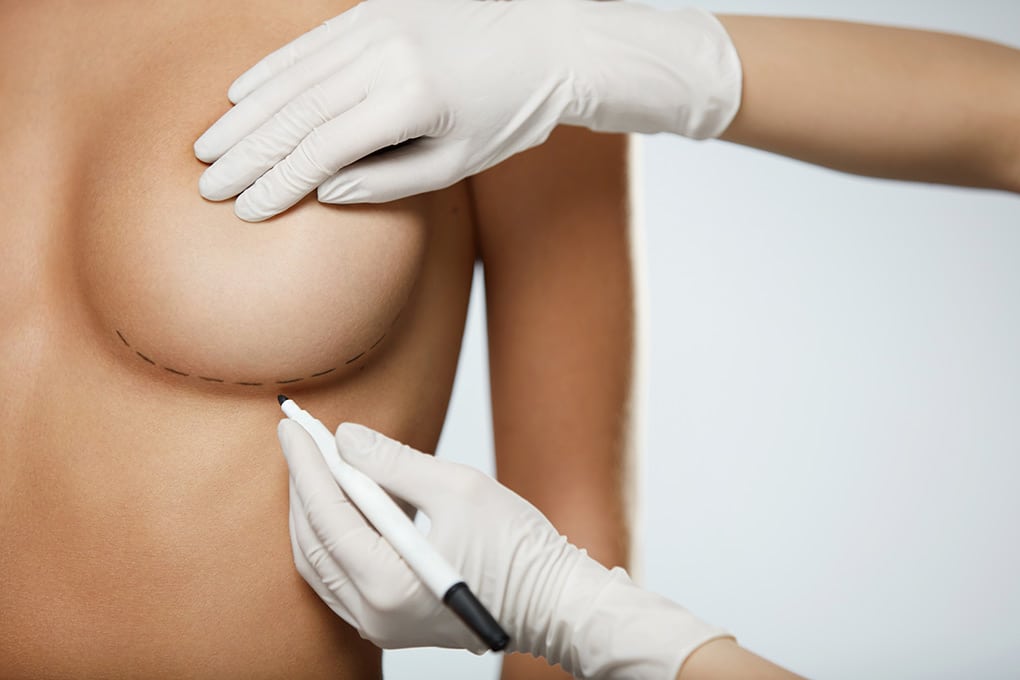
  • Breast Lift (Mastopexy): This surgery lifts sagging breasts by removing excess skin.
  • Arm Lift (Brachioplasty): It reshapes the upper arms by removing extra skin and fat.
  • Thigh Lift: This procedure targets the inner or outer thighs for a firmer look.

Each type has its own benefits and recovery times. Consulting with a surgeon helps determine which procedure suits individual needs best.

Importance of Realistic Expectations

Having realistic expectations is crucial for anyone considering body contouring surgery. Surgeries can significantly improve appearance but won’t create perfection. Understanding this helps in achieving satisfaction with the results.

Patients should discuss their goals openly with their surgeons. Surgeons can then provide a clear picture of what to expect post-surgery. They will explain potential outcomes based on individual body types and conditions.

Initial Consultation Overview

Medical Evaluation

A thorough medical evaluation is necessary during the initial consultation for body contouring surgery. The surgeon will review your medical history to identify any potential risks. This includes past surgeries, current medications, and existing health conditions. Blood tests and other diagnostics may also be required.

Personalized Treatment Plan

The consultation helps in tailoring the procedure to individual needs. The surgeon will examine your body and discuss your goals. They will create a personalized treatment plan based on this information. This ensures that the surgery addresses your specific concerns.

Discussing Risks

Discussing potential risks is a crucial part of the consultation. The surgeon will explain possible complications such as infections or scarring. Understanding these risks helps you make an informed decision about proceeding with the surgery.

Setting Realistic Outcomes

Setting realistic outcomes is another key aspect of the initial consultation. The surgeon will describe what can be realistically achieved through body contouring surgery. They will show before-and-after photos of similar cases to set proper expectations.

Factors Affecting Surgery Costs

Location

The location of the clinic can greatly influence the cost of body contouring surgery. Urban areas and cities typically have higher costs. This is due to the increased demand for services and higher living expenses in these areas. For example, a procedure in New York City might cost more than the same procedure in a smaller town. Clinics in well-known medical hubs also tend to charge more.

Surgeon’s Expertise

A surgeon’s expertise impacts the final cost significantly. Highly experienced surgeons with specialized training often charge more. They bring a wealth of knowledge and skill to the table, which ensures better results. Surgeons certified by reputable boards usually have higher fees. Patients often prefer paying extra for peace of mind and quality outcomes.

Procedure Complexity

The complexity of the procedure affects pricing too. Simple procedures like liposuction are less expensive compared to complex ones like tummy tucks or lower body lifts. More intricate surgeries require longer operation times and greater precision, leading to higher costs. For instance, combining multiple procedures will increase both time and expense.

Type of Treatment

Different types of body contouring treatments come with varied costs:

  • Liposuction: Generally less expensive, ranging from $2,000 to $5,000.
  • Tummy Tuck: More costly, averaging between $6,000 and $10,000.
  • Thigh Lift: Falls in between, costing around $4,000 to $8,000.

Each type has its own set of requirements and complexities that affect pricing.

Additional Costs

Additional costs can add up quickly:

  • Anesthesia Fees: These range from $500 to $1,500 depending on the length of the surgery.
  • Facility Fees: Using a hospital or accredited surgical center can add another $1,000 to $3,000.
  • Post-Surgery Care: Includes medications and follow-up visits that may cost several hundred dollars.

These additional expenses contribute significantly to the overall cost.

Price Guide and Expectations

General Range

Body contouring surgery prices vary widely. According to the American Society of Plastic Surgeons, the average cost ranges from $3,000 to $15,000. The exact cost depends on the specific procedure. Liposuction typically costs between $3,500 and $7,000. A tummy tuck can range from $6,000 to $12,000.

Additional Costs

Patients should prepare for extra expenses beyond the surgery itself. Anesthesia fees can add another $1,000 to $2,500. Facility fees might range from $500 to $2,000. Post-surgery garments are also necessary and can cost between $100 and $200.

Realistic Expectations

It’s important to have realistic expectations about the total cost. The initial quote often covers only part of the expenses. Always ask for a detailed breakdown of all potential charges. This helps avoid surprises later.

Follow-up Treatments

Budgeting for follow-up treatments is crucial. Some patients may need touch-ups or additional procedures for optimal results. These follow-ups can add several hundred to a few thousand dollars more.

Preparing for the Procedure

Medical Evaluations

Patients need to undergo several medical evaluations before body contouring surgery. Blood tests are common to check overall health. Your doctor may also order an ECG to assess heart function. These tests ensure you are fit for surgery.

Pre-Surgery Instructions

Following pre-surgery instructions is crucial for a smoother recovery. Doctors often advise patients to stop smoking at least two weeks before surgery. Smoking can hinder healing and increase complications. You should also avoid certain medications like aspirin, which can cause bleeding.

Lifestyle Changes

Adopting healthy habits before surgery can improve outcomes. Eating a balanced diet helps your body heal faster. Regular exercise boosts your immune system and stamina. Avoid alcohol as it can interfere with medications and slow down recovery.

Psychological Preparation

Mental readiness is essential for any large procedure like body contouring surgery. Understand the risks and benefits thoroughly. Talk to former patients about their experiences if possible. This helps set realistic expectations and reduces anxiety.

Financial Planning

Surgery costs a large amount of money, so financial planning is necessary. Check if your insurance covers any part of the procedure. Some clinics offer payment plans or financing options. Budgeting ahead ensures you are financially prepared without stress.

Benefits and Improvements

Physical benefits

Body contouring surgery offers many physical benefits. It removes excess fat and skin from specific areas. This results in a more toned appearance. People who have lost a significant amount of weight often see the most dramatic changes.

Candidates for this surgery can expect:

  • A smoother body shape
  • Improved muscle definition
  • Reduction of sagging skin

These changes help individuals feel more comfortable in their bodies. They may also find it easier to fit into clothes.

Psychological benefits

The psychological benefits are also important. Many people experience a boost in self-esteem after the procedure. Feeling better about one’s appearance can lead to improved mental health. Confidence levels often rise, making social interactions easier.

Individuals may notice:

  • Reduced anxiety about body image
  • Increased motivation for social activities
  • Better overall mood

These emotional improvements can be life-changing for many patients.

Long-term maintenance

Maintaining the results of body contouring surgery requires effort. A healthy lifestyle is crucial for preserving the new body shape. Regular exercise and balanced diets are key components.

Patients should:

  1. Follow a consistent exercise routine
  2. Eat nutritious foods
  3. Avoid excessive weight gain

These steps help maintain the surgery’s benefits over time.

Role of healthy lifestyle

A healthy lifestyle does more than just preserve surgical results. It also enhances overall well-being. Exercise boosts energy levels and reduces stress. Eating well supports bodily functions and promotes longevity.

People who commit to these habits enjoy:

  • Sustained physical fitness
  • Improved mental clarity
  • Enhanced quality of life

Questions for Your Surgeon

Surgeon’s Experience

Ask about the surgeon’s experience with body contouring. Know how many years they have practiced. Inquire about their specific training in cosmoplastic surgery. Request details on how often they perform body lift surgery. Higher frequency indicates more expertise.

Success Rates

Discuss their success rates with body contouring. Ask for statistics or percentages of successful surgeries. Understand what constitutes a “successful” outcome in their practice. This helps gauge their proficiency and reliability.

Recovery Time

Inquire about the expected recovery time. Know how long you will need to rest after the procedure. Ask if there are stages in the recovery process, such as initial healing and full recovery periods. This information helps plan your post-surgery activities.

Potential Complications

Discuss potential complications associated with body contouring surgery. Know common risks like infections, scarring, or anesthesia reactions. Ask how these complications are managed if they arise. Understanding risks prepares you better for the procedure.

Additional Procedures

Talk about the possibility of needing additional procedures to achieve desired outcomes. Some patients may require follow-up surgeries for optimal results. Ask if this applies to your case based on your goals and body type.

Cost Breakdown

Request a detailed cost breakdown for body contouring surgery. Include fees for consultations, surgery, anesthesia, and post-operative care. Knowing all costs upfront prevents unexpected expenses later.

Moving Forward with the Procedure

Deciding to Proceed

Once you decide on body contouring surgery, take specific steps. First, choose a qualified surgeon. Verify their credentials and experience in this field. Schedule a consultation to discuss your goals and concerns.

Next, understand the process involved in the surgery. Learn about pre-operative instructions, such as fasting or medication adjustments. Ask questions about the procedure’s duration and what to expect during recovery.

Pre-Operative Preparations

Prepare for the surgery by following your surgeon’s guidelines. Arrange transportation for the day of the surgery since you won’t be able to drive post-operation. Stock up on any necessary supplies like bandages or prescribed medications.

Create a comfortable recovery space at home. Ensure you have easy access to essentials like water, snacks, and entertainment options.

Day of Surgery

On the day of surgery, arrive early at the hospital or clinic. Wear loose-fitting clothing that is easy to remove and put back on after surgery. Follow all pre-operative instructions given by your surgeon.

The medical team will guide you through each step before and after the procedure. They will monitor your vital signs and ensure you are comfortable throughout.

Post-Operative Care

After surgery, follow all post-operative care instructions carefully. These may include taking prescribed pain relief medications and keeping surgical sites clean. Attend all follow-up appointments with your surgeon to monitor healing progress.

Keep an eye out for any unusual symptoms like excessive swelling or fever. Contact your doctor immediately if these occur.

Support System

Having a support system is crucial during recovery. Enlist help from family or friends who can assist with daily tasks like cooking and cleaning while you heal.

Emotional support is equally important. Talk openly with loved ones about how you’re feeling physically and mentally during this time.

Continuous Communication

Maintain continuous communication with your surgeon throughout your recovery period. Ask questions about any concerns that arise and seek advice on managing discomfort or side effects effectively.

Follow-up visits allow surgeons to assess healing progress closely and make necessary adjustments in care plans if needed.

Summary

Body contouring surgery can be a transformative experience. Understanding the costs and preparation involved helps you make informed decisions. From initial consultations to the actual procedure, knowing what to expect is crucial.

Ready to take the next step? Research your options, consult with professionals, and ask all your burning questions. Your journey to a more confident you starts now. Don’t wait—start planning today!

Frequently Asked Questions

What is body contouring surgery?

Body contouring surgery removes excess skin and fat to reshape the body. It helps achieve a smoother, more toned appearance.

How much does body contouring surgery cost?

Costs vary based on factors like location, surgeon expertise, and procedure complexity. Expect to pay between $5,000 and $15,000.

What factors affect the cost of body contouring surgery?

Key factors include the type of procedure, surgeon’s experience, geographic location, and facility fees. Each element impacts the total price.

Is an initial consultation necessary for body contouring?

Yes, an initial consultation assesses your health and goals. It ensures you’re a good candidate and helps plan the procedure.

What should I ask my surgeon during the consultation?

Ask about their experience, success rates, potential risks, recovery time, and costs. Clear communication helps set realistic expectations.

How should I prepare for body contouring surgery?

Follow pre-surgery instructions from your surgeon. This may include stopping certain medications and arranging post-surgery care.

What are the benefits of body contouring surgery?

Benefits include improved body shape, increased confidence, better-fitting clothes, and removal of excess skin after weight loss.


Thermage Treatment | Ultimate Radio Frequency Skin Tightening

Key Takeaways

  • Non-Invasive Treatment: Thermage is a non-surgical procedure that uses radiofrequency to tighten and contour the skin, firming aging areas and making it an attractive option for those wary of invasive methods looking for weight loss solutions.
  • How It Works: The treatment heats the deeper layers of the skin, stimulating collagen production which results in smoother, tighter, and firming skin over time, addressing signs of aging for a youthful look.
  • Versatile Benefits: Thermage can address various skin concerns including wrinkles, sagging skin, and fine lines, making it suitable for multiple areas like the face, neck, and body, with individual results after a single treatment to improve the aging look.
  • Comfort and Convenience: With a treatment tip and built-in cooling features, Thermage ensures patient comfort during the procedure at a cosmetic skin clinic, and it typically requires minimal downtime after a single treatment.
  • Quick Sessions: Treatment duration at a cosmetic skin clinic is relatively short, often taking between 30 to 90 minutes, depending on the area being treated and individual results.
  • Post-Treatment Care: Minimal aftercare is needed, and patients can usually return to their normal activities immediately, making it a convenient option for busy individuals at a cosmetic skin clinic.

Understanding Thermage

Non-invasive Therapy

Thermage is a non-invasive radiofrequency therapy. It aims to improve the appearance of the skin. This treatment uses heat to stimulate collagen production.

Collagen helps tighten and smooth the skin. The procedure does not require surgery or injections. Patients can return to their daily activities immediately.

Treating Various Areas

Thermage is versatile in treating different areas of the body with its treatment tip. It can address periorbital wrinkles, which are wrinkles around the eyes. This area often shows signs of aging first.

General rhytids, or wrinkles, on other parts of the face and body can also be treated. Thermage is effective against cellulite. Cellulite affects many people and can be difficult to treat through other means.

Skin Tightening Pioneer

Thermage was one of the first technologies for non-invasive skin tightening and contouring. It set a standard for similar treatments that followed. Many patients prefer it due to its long history and proven results.

The technology behind Thermage involves deep heating of the skin’s layers. This process encourages new collagen growth over time. Results can last up to six months or longer, depending on individual factors.

Procedure Details

A typical Thermage session lasts between 30 minutes to two hours. The duration depends on the size of the area being treated. Most patients experience minimal discomfort during the procedure.

A cooling spray is used to protect the outer layer of skin while heat energy penetrates deeper layers. This ensures safety and comfort throughout the treatment.

Benefits

Thermage offers several benefits:

  • No downtime required
  • Long-lasting results
  • Suitable for all skin types
  • Can be performed on various body parts

Patients often see immediate improvements after a single session. Full results develop over two to six months as collagen continues to form.

How Thermage Works

Radiofrequency Energy

Thermage uses radiofrequency energy. This energy heats the deep, collagen-rich layers of the skin. Collagen is a protein that gives skin its structure.

The heating action targets these deep layers. It does not affect the surface of the skin much. This makes it safe and effective.

Heating Action

The heat from radiofrequency stimulates the body’s natural renewal process. It causes existing collagen to contract. This leads to immediate tightening of the skin.

Over time, new collagen forms. This results in smoother and firmer skin. The process can continue for months after treatment.

AccuREP Technology

AccuREP technology is an advanced feature of Thermage. It allows for automatic calibration of energy delivery. This ensures optimized treatment for each patient.

AccuREP measures skin impedance in real-time. It adjusts the energy output accordingly. This provides consistent results and enhances safety.

Treatment Benefits

Thermage offers several benefits:

  • Non-invasive: No surgery or injections are required.
  • Minimal downtime: Patients can return to normal activities quickly.
  • Long-lasting results: Improvements can last up to two years.

These advantages make Thermage a popular choice for many seeking skin rejuvenation.

Key Benefits

No Downtime

Thermage treatment offers a significant benefit of no downtime. Patients can return to their daily activities immediately after the procedure. This is different from other treatments that require days or even weeks of recovery. The skin may appear slightly red, but this usually fades within a few hours. This makes Thermage an excellent option for those with busy schedules.

Single Treatment

Another key benefit of Thermage is that it often requires only one session. Unlike other procedures that need multiple visits, Thermage delivers consistent results in just one go. This single treatment can target various areas from head to toe without the need for multiple handpieces. It simplifies the process and saves time for patients.

Long-Lasting Results

Thermage provides long-lasting results by improving skin appearance over time. The treatment stimulates collagen production, which continues to improve the skin’s texture and firmness for months after the initial session. Many patients report seeing improvements up to six months post-treatment. These enduring effects make Thermage a cost-effective solution in the long run.

Healthier Skin

Thermage not only improves the look of your skin but also its health. By stimulating collagen growth, it enhances the skin’s elasticity and strength. This leads to fewer wrinkles and fine lines over time. Healthier skin is more resilient and better able to withstand environmental stressors.

Office Procedure

Thermage is an office-based procedure, which means you don’t have to go to a hospital or surgical center. The entire process takes place in a medical office setting, making it convenient and less intimidating for patients. Most sessions last between 30 minutes to two hours depending on the area treated.

Target Areas

Face

Thermage can treat various problem areas on the face. It helps in softening fine lines around the mouth and forehead. Patients often seek this treatment to reduce signs of aging. The radiofrequency technology used in Thermage tightens skin by stimulating collagen stores.

Eyes

The eye area is another common treatment area for Thermage. Using the Eye Tip, it targets periorbital wrinkles effectively. This includes crow’s feet and under-eye bags. Many individuals notice a significant reduction in these lines, making their eyes appear more youthful.

Body

Thermage also works well on body skin. The Body Tip is designed for larger areas like the abdomen, thighs, and arms. It helps improve skin contours and reduces sagging. Some patients use it to tighten loose skin after weight loss or pregnancy.

Cellulite

Thermage offers temporary improvement in the appearance of cellulite too. By delivering energy deep into the tissue, it smooths out dimples and uneven textures. This makes it a versatile option for those looking to enhance their body aesthetics.

Custom Tips

Different tips make Thermage adaptable to various needs:

  • Total Tip: General wrinkles and fine lines
  • Eye Tip: Periorbital wrinkles around the eyes
  • Body Tip: Larger areas like abdomen and thighs

These specialized tips ensure that each treatment area receives focused care.

Comfort Features

Vibration Elements

Thermage treatment includes integrated vibration elements. These vibrations help reduce discomfort. They distract the nerves during the procedure.

Patients feel less pain due to these vibrations. The vibration elements make the process more tolerable. This feature is essential for patient comfort.

Cooling Blasts

Thermage uses cooling blasts to enhance comfort. These blasts cool the skin before and after heating. They prevent overheating and protect the outer skin layer.

Cooling blasts also reduce swelling and redness. Patients experience a more pleasant treatment session. The cooling effect is crucial for maintaining skin health.

Precise Heating Mechanism

The precise heating mechanism of Thermage targets deep skin layers. It ensures even distribution of heat. This method stimulates collagen production without damaging the surface.

Accurate heating helps in firming and lifting the skin effectively. Patients notice improved firmness after the treatment. The controlled heat application minimizes discomfort.

Patient Satisfaction

Patient comfort plays a significant role in overall satisfaction with Thermage treatment. Comfortable procedures lead to better outcomes and experiences.

When patients are at ease, they are more likely to complete the full course of treatment. Satisfied patients often recommend Thermage to others, boosting its reputation.

Treatment Duration

Typical Duration

A typical Thermage treatment session lasts between 45 to 90 minutes. This duration depends on the area being treated. For instance, smaller areas like the eyes or forehead take less time. Larger areas like the abdomen require more time.

The Total Tip 4.0 cm2 speeds up the process significantly. It is up to 25% faster than previous versions. This efficiency means less time spent in each session while achieving effective results.

Single Session Efficiency

Most Thermage treatments need only a single session. This aspect is convenient for individuals with busy schedules. Patients can schedule an appointment and complete their treatment in one visit.

The efficiency of a single session does not compromise results. Many patients see noticeable improvements after just one treatment. The technology ensures deep penetration into the skin layers, promoting collagen production.

Varying Durations

The exact duration of a Thermage session varies based on several factors:

  • Treatment Area: Larger areas take longer.
  • Individual Needs: Some patients may need more attention in specific spots.
  • Skin Condition: Different skin types and conditions respond differently.

These factors mean that while some sessions are quick, others might take closer to 90 minutes.

Convenience Factor

Thermage fits well into hectic lifestyles. Its relatively short duration allows people to return to their daily activities quickly. There is no significant downtime post-treatment, making it ideal for those who cannot afford long recovery periods.

Patients often appreciate this convenience. They can undergo treatment during lunch breaks or between errands without major disruptions to their day.

Expected Results

Immediate Improvement

Most people see visible improvement in skin tightness and contouring right after the Thermage treatment. The skin feels firmer. The effect is noticeable immediately. Over time, these results become more pronounced.

Facial Lines Softening

Thermage can soften facial lines. This includes fine lines around the eyes and mouth. The jawline definition also improves. Many people notice a smoother texture on their face.

Body Contouring

Thermage is not just for the face. It works well on other body parts too. The abdomen and legs show significant improvement. Skin appears tighter and more toned.

Individual Results

Individual results can vary. Some may see dramatic changes, while others might observe subtle improvements. Factors like age and skin condition play a role.

Normal Activities

After the treatment, you can return to normal activities immediately. There is no downtime required. You can even go back to work the same day.

Long-Term Effects

The process of collagen remodeling continues for months after treatment. This means the skin keeps improving over time. Most people report ongoing enhancements up to six months post-treatment.

Youthful Appearance

Overall, Thermage helps achieve a more youthful and refreshed appearance. The skin looks rejuvenated and healthier.

Post-Treatment Care

Minimal Care

Thermage treatment is non-invasive. It typically requires no special recovery regimen. Most patients can resume their daily activities immediately. However, following some minimal care guidelines ensures optimal results.

Hydration is crucial after the procedure. Drinking plenty of water helps maintain skin elasticity and promotes healing. Avoiding alcohol and caffeine also aids in better hydration.

Sunscreen Application

Applying sunscreen is essential post-treatment. UV rays can damage the skin, affecting the results of Thermage. Use a broad-spectrum sunscreen with at least SPF 30.

Regular application throughout the day is recommended. This practice protects the skin from harmful sun exposure.

Skincare Routine

Maintaining a good skincare routine enhances treatment results. Gentle cleansing keeps the skin clean without irritation. Moisturizers help keep the skin hydrated and supple.

Incorporating antioxidants like Vitamin C serums can protect against environmental stressors. These products support collagen production, complementing the effects of Thermage.

Follow-Up Consultations

Follow-up consultations are important for assessing progress. Your dermatologist will evaluate your skin’s response to the treatment. They may suggest additional skincare recommendations based on your needs.

These consultations ensure that any concerns are addressed promptly. Regular check-ins help track improvements and make necessary adjustments to your skincare regimen.

Avoiding Irritants

For a few days post-treatment, avoid using harsh skincare products. Products containing retinoids or acids can irritate sensitive skin after Thermage.

Opt for gentle, fragrance-free products during this period to prevent any adverse reactions.

Summary

Thermage treatment offers a non-invasive solution to tighten and rejuvenate your skin. It uses radiofrequency technology to stimulate collagen production, delivering noticeable results without downtime. You can target various areas, including the face, eyes, and body, making it versatile and effective.

Ready for smoother, firmer skin? Book your Thermage session today and see the difference for yourself. Trust in our expertise and experience the benefits firsthand. Your journey to youthful skin starts here.

Frequently Asked Questions

What is Thermage treatment?

Thermage is a non-invasive skin tightening procedure. It uses radiofrequency energy to stimulate collagen production, improving skin elasticity and reducing wrinkles.

How does Thermage work?

Thermage works by heating the deeper layers of your skin with radiofrequency energy. This stimulates collagen production, which tightens and smooths the skin over time.

What are the key benefits of Thermage?

Thermage offers several benefits: it reduces wrinkles, tightens sagging skin, enhances facial contours, and improves skin texture. Plus, it’s non-invasive with no downtime.

Which areas can be treated with Thermage?

Thermage can treat various areas including the face, neck, eyes, abdomen, thighs, and arms. It’s versatile in targeting multiple zones for comprehensive results.

Is Thermage treatment comfortable?

Yes, Thermage is designed with comfort in mind. The device has a cooling feature that protects the skin’s surface while providing a comfortable experience during treatment.

How long does a Thermage treatment session take?

A typical Thermage session lasts between 30 to 90 minutes. The duration depends on the size of the area being treated.

What should I expect after a Thermage treatment?

Post-treatment care is minimal. You might experience mild redness or swelling, but these effects usually subside quickly. Results continue to improve over several months as collagen rebuilds.

Liposuction Kansas City | Understanding Liposuction Process and Concerns

Key Takeaways

  • Liposuction Basics: Liposuction is a cosmetic procedure aimed at removing stubborn fat deposits and contouring the body at an aesthetic center for better-shaped bodies.
  • Treatment Areas: Common areas treated include the abdomen, thighs, arms, and back, offering a more sculpted appearance by removing unwanted fat at our aesthetic center, known for top liposuction of various bodies.
  • Limits of Fat Removal: There are safe limits to the amount of fat that can be removed in one session, usually up to 5 liters or pounds in top liposuction bodies.
  • Candidacy Evaluation: Ideal candidates are those in good health with realistic expectations and localized fat deposits that resist diet and exercise, seeking treatment at a top liposuction clinic or aesthetic center.
  • Risks and Recovery: While generally safe, liposuction at a top clinic carries risks like any surgery, and recovery involves managing swelling, wearing compression garments, and removing unwanted fat.
  • Choosing a Surgeon: Opt for a board-certified plastic surgeon in Kansas City with extensive experience at a top liposuction clinic to ensure safety and optimal results in removing unwanted fat.

Understanding Liposuction

Definition

Liposuction is a popular fat removal surgery. It targets specific areas of the body to remove excess fat at the top lipo clinic. This procedure is not a weight loss solution. It is meant for contouring and shaping.

Anesthesia Requirement

General anesthesia is required for liposuction. This ensures the patient feels no pain during the top lipo surgery. Local anesthesia may be used for smaller areas, but general anesthesia is more common, especially for top lipo procedures.

Candidate Criteria

Candidates must have a stable weight before undergoing liposuction. This means they should maintain a consistent weight for at least six months after lipo to achieve top results. Fluctuating weight can affect the results.

Skin Laxity and Cellulite

Liposuction does not correct skin laxity or cellulite. It only removes fat from targeted areas. Patients with loose skin should consider other procedures like tummy tucks. Cellulite treatments are also separate from liposuction.

Assisted Liposuction Methods

There are different types of assisted liposuction methods available:

  • Tumescent liposuction: Involves injecting a large amount of fluid into the area.
  • Ultrasound-assisted liposuction (UAL): Uses ultrasonic vibrations to turn fat cells into liquid.
  • Laser-assisted liposuction (LAL): Uses laser energy to liquefy fat cells.

These methods help in breaking down fat more efficiently.

Top Liposuction Areas

Common areas treated by top liposuction include:

  • Abdomen
  • Thighs
  • Buttocks
  • Arms
  • Neck

Each area requires different techniques and care.

Liposuction Process

Cannula Use

Surgeons use a thin tube called a cannula. This tool helps suction out fat from specific areas of the body. The cannula is inserted through small incisions in the skin.

The tube is moved back and forth to break up fat cells. Once broken, the fat is suctioned out using a vacuum device. This process targets areas like the abdomen, thighs, and love handles.

Tumescent Technique

The tumescent technique involves injecting a special fluid into the targeted area. This fluid contains saline, lidocaine, and epinephrine.

Saline helps to swell the fat cells for easier removal. Lidocaine acts as a local anesthetic to numb the area. Epinephrine constricts blood vessels to reduce bleeding and bruising.

Minimal Scarring

Liposuction aims for minimal scarring. Surgeons make tiny incisions that are usually less than half an inch long.

These small cuts help reduce visible scars after healing. Proper post-operative care also minimizes scarring risks.

Permanent Results

Liposuction offers permanent results by removing fat cells from the body. These cells do not grow back once removed.

Patients maintain their new body shape by following a healthy lifestyle. Regular exercise and balanced diet are key factors in keeping results long-term.

Compression Garments

After liposuction, patients wear compression garments. These garments help reduce swelling and support healing tissues.

Compression garments also improve skin retraction over treated areas. They should be worn as directed by your surgeon for best results.

Areas Treated by Lipo

Abdomen

The abdomen is a common area for liposuction. Many people store excess fat in this region. Liposuction helps remove these fat deposits effectively. The procedure can be performed under local anesthesia.

Thighs

Liposuction is also popular for the thighs. Fat often accumulates on the inner and outer thighs. This can create an uneven appearance. Liposuction smooths out these areas, creating a more balanced look.

Arms

Another frequent treatment area is the arms. Excess fat in the upper arms can cause sagging skin. Liposuction targets these fat pockets, resulting in firmer arms.

Back

The back is another area that benefits from lipo treatments. Fat can collect around the bra line or lower back. Removing this fat improves the overall contour of the body.

Buttocks

Fat removal from the buttocks is another option with liposuction. This helps achieve a more sculpted shape. It’s especially useful when combined with other procedures.

Chin and Neck

Smaller areas like the chin and neck can also be treated with lipo. These delicate areas require precision. Local anesthetic ensures comfort during these procedures.

Gynecomastia Treatment

Liposuction treats specific medical conditions like gynecomastia in men. Gynecomastia causes enlarged breast tissue due to hormonal imbalances. Lipo removes excess fat, restoring a more typical male chest appearance.

Versatility of Liposuction

Liposuction’s versatility makes it suitable for multiple areas of the body. Both large regions like the abdomen and delicate zones like the neck benefit from this procedure. Its ability to target various treatment areas makes it a popular choice.

Fat Removal Limits

Maximum Limit

Liposuction has a maximum safe limit. Surgeons often remove up to 5 liters of fat, equal to 10-11 pounds. This amount ensures safety and effective results.

Removing more than this can be dangerous. Excessive fat removal increases risks during surgery. It can lead to severe complications.

Realistic Expectations

Patients need realistic expectations. Liposuction is not for major weight loss. It targets stubborn fat deposits that resist diet and exercise.

Expecting too much can lead to disappointment. Most people will not see drastic changes in their overall weight. Instead, they should focus on body contouring benefits.

Risks of Exceeding Limits

Exceeding the safe limit poses serious risks. Complications include:

  • Excessive bleeding
  • Infection
  • Fluid imbalance
  • Damage to tissues and organs

Surgeons carefully monitor the amount of fat removed. They prioritize patient safety over removing large amounts of fat.

Ideal Candidates

Ideal candidates are near their ideal body weight. They have specific areas with unwanted fat. These individuals typically seek minor adjustments rather than significant weight loss.

Candidates must understand the procedure’s limitations. Knowing the potential results helps set realistic goals.

Post-Surgery Care

Post-surgery care is crucial for recovery. Patients should follow their surgeon’s advice closely:

  1. Wear compression garments.
  2. Avoid strenuous activities.
  3. Keep the surgical site clean.
  4. Attend follow-up appointments.

Proper care minimizes complications and promotes healing.

Addressing Liposuction Concerns

Fat Return Myth

Fat cannot return to the treated areas after liposuction. The procedure removes fat cells permanently. However, new fat can accumulate elsewhere in the body if a person gains weight. This means maintaining a healthy lifestyle is essential.

Aftercare Importance

Proper aftercare can minimize scarring and enhance results. Patients should follow their surgeon’s instructions carefully. Wearing compression garments reduces swelling and supports healing. Keeping incisions clean prevents infection.

Common Misconceptions

Many believe liposuction is a repeat procedure. In reality, most patients only need one session for lasting results. Some may opt for additional treatments to target different areas, but this is not common.

Evaluating Candidacy

Good Candidate

A good candidate for liposuction in Kansas City should meet specific criteria. Age is a factor; candidates are usually over 18 years old. They should be in good health, without serious medical conditions.

Weight stability is crucial. Candidates should have a stable weight for at least six months. They must also be within 30% of their ideal body weight.

Health Status

Health status plays a significant role. Candidates need to undergo a thorough medical evaluation. This ensures they can handle the procedure and recover well.

Conditions like diabetes or heart disease can complicate surgery. Board-certified surgeons will review medical history carefully.

Realistic Expectations

Having realistic expectations is essential. Liposuction improves body contour but doesn’t guarantee perfection. It’s not a weight-loss method but a way to remove stubborn fat pockets.

Candidates should understand the limitations of the procedure. Preparedness for recovery time is necessary too.

Preparedness for Recovery

Recovery requires planning and patience. After surgery, there will be swelling and bruising. Full recovery can take weeks to months.

Patients need to follow post-operative instructions closely. This includes wearing compression garments and attending follow-up appointments.

Importance of Evaluation

Thorough evaluation ensures safety and effectiveness. Clinics in Overland Park conduct detailed assessments before proceeding with surgery.

Evaluations include physical exams, lab tests, and consultations. Surgeons discuss goals, risks, and possible outcomes with the patient.

Liposuction vs Tummy Tuck

Focus on Fat Removal

Liposuction primarily targets fat removal. This procedure involves inserting a thin tube called a cannula. The cannula suctions out excess fat from specific areas of the body. Common areas include the abdomen, thighs, and arms. Patients often choose liposuction to contour their bodies and remove stubborn fat deposits.

A tummy tuck, on the other hand, focuses on removing excess skin. It also tightens the abdominal muscles. This procedure is more invasive than liposuction. Surgeons make a horizontal incision between the hip bones. They then remove the extra skin and tighten the muscles underneath.

Combining Procedures

Combining liposuction and a tummy tuck can offer optimal results for some patients. This combination can address both excess fat and loose skin simultaneously. For example, after significant weight loss or pregnancy, individuals might have both stubborn fat pockets and sagging skin.

The combined approach can provide more comprehensive body contouring results. Patients achieve a smoother and firmer appearance when both issues are addressed together. However, combining these procedures may increase recovery time and complexity.

Patient-Specific Concerns

The choice between liposuction and a tummy tuck depends on individual concerns and goals. For those with good skin elasticity but localized fat deposits, liposuction alone might be sufficient. These patients typically have minimal loose skin.

In contrast, patients with loose or sagging skin may benefit more from a tummy tuck. This is especially true if they also want to tighten their abdominal muscles. Women post-pregnancy often seek tummy tucks to restore their pre-pregnancy figure.

Consultation Importance

It’s important to consult with a qualified plastic surgeon in Kansas City to determine the best approach for your needs. A thorough evaluation will help outline which procedure aligns with your aesthetic goals.

Risks and Recovery

Recovery Period

The recovery period for liposuction in Kansas City varies. Most patients can return to work within a week. However, full recovery may take several months. Patients must wear compression garments for at least six weeks. These garments help reduce swelling and support the new body contours.

Following surgery, there will be some pain and discomfort. Pain management is crucial during this time. Over-the-counter pain relievers are often sufficient. In some cases, doctors may prescribe stronger medication.

Potential Risks

Liposuction carries certain risks like any surgical procedure. Contour irregularities are a common concern. This happens when fat removal is uneven, causing bumpy or wavy skin.

Other risks include:

  • Infection
  • Blood clots
  • Fluid accumulation
  • Nerve damage

Patients must attend follow-up visits to monitor their progress and address any issues promptly.

Post-Surgery Care

Adhering to post-surgery instructions is vital for a smooth recovery. Patients should avoid strenuous activities for at least four weeks. Light walking is encouraged to promote blood circulation.

Keeping the incision sites clean reduces infection risk. Follow your surgeon’s guidelines on bathing and wound care meticulously.

Realistic Expectations

Having realistic expectations is essential for satisfaction with results. Liposuction can enhance body contours but isn’t a substitute for weight loss or a healthy lifestyle.

Setting clear goals with your surgeon helps align expectations with achievable outcomes. Understanding the limitations of liposuction ensures better mental preparation.

Emotional Aspects

Undergoing liposuction can be an emotional journey. Some patients experience anxiety or depression during recovery due to physical changes and temporary discomfort.

Support from family and friends plays a significant role in emotional well-being during this period.

Choosing Your Surgeon

Board-Certified Plastic Surgeon

Selecting a board-certified plastic surgeon is crucial. Certification ensures the surgeon has completed specific training and exams. This guarantees they have the skills needed for safe and effective procedures.

The American Board of Plastic Surgery (ABPS) certifies surgeons in the United States. Make sure your surgeon is certified by this board. It adds an extra layer of trust.

Experience in Liposuction

Experience matters when choosing a surgeon. Look for someone who has performed many liposuction procedures. Surgeons with more experience can handle complications better.

Ask how many liposuctions they have done. Inquire about their success rates and any issues they have encountered.

Before-and-After Photos

Before-and-after photos show the surgeon’s work quality. They help you understand what results to expect.

Request to see photos of patients with similar body types as yours. This gives you a realistic idea of potential outcomes.

Patient Reviews

Patient reviews provide insight into others’ experiences. Look for reviews on multiple platforms like Google, Yelp, and health websites.

Pay attention to comments about the surgeon’s professionalism, bedside manner, and office staff. Consistent positive feedback is a good sign.

Consult Multiple Surgeons

Consulting multiple surgeons helps you make an informed decision. Each consultation offers different perspectives on your goals and concerns.

Discuss your expectations and desired outcomes during these meetings. Ask about the surgical procedure, including details about small incisions and anesthesia options.

Discuss Goals and Expectations

Clear communication with your surgeon is vital. Explain your goals and what you hope to achieve from liposuction.

Your surgeon should listen carefully and provide honest feedback. They should explain what is achievable based on your body type and skin elasticity.

Address Concerns

Address any concerns or questions you have during consultations. Ask about recovery time, potential risks, and how to manage post-surgery care.

Understanding these aspects helps you prepare mentally and physically for the procedure.

Summary

Liposuction in Kansas City offers a way to achieve your body goals. You’ve learned about the process, areas treated, and how to evaluate if you’re a good candidate. Understanding the risks and recovery helps you make an informed decision. Comparing liposuction with tummy tucks clarifies your options.

Choosing the right surgeon is crucial. Trust their expertise for the best results. Ready to take the next step? Schedule a consultation today and start your journey toward a more confident you!

Frequently Asked Questions

What is liposuction?

Liposuction is a cosmetic procedure that removes excess fat. It targets specific areas to improve body contour and shape.

How does the liposuction process work?

The surgeon makes small incisions and uses a cannula to suction out fat. This reshapes and contours the targeted area.

What areas can be treated with liposuction?

Common areas include the abdomen, thighs, hips, arms, and back. It can also treat smaller areas like the neck and chin.

Are there limits to how much fat can be removed?

Yes, typically no more than 5 liters of fat are removed per session. This ensures safety and effective results.

Who is a good candidate for liposuction?

Ideal candidates are healthy individuals near their target weight. They should have firm skin and realistic expectations.

How does liposuction differ from a tummy tuck?

Liposuction removes fat deposits; a tummy tuck removes excess skin and tightens muscles. Both aim for improved contour but address different issues.

What are the risks and recovery time for liposuction?

Risks include infection, scarring, and uneven results. Recovery usually takes a few weeks, with most people returning to normal activities within two weeks.

Vaginoplasty: Types, Procedure Steps & Post-Op Care

Preparing for Vaginoplasty

Comprehensive Assessments

Evaluations ensure patients are ready for vaginoplasty. Doctors conduct physical exams of the genital area. They check for conditions like fistulas or infections. Mental health assessments are also crucial. Patients must be emotionally prepared for surgery and recovery.

Preoperative Requirements

Preoperative steps include removing genital hair. This is important for AMAB individuals. Hair removal reduces infection risks during surgery. It also helps in creating a smooth vaginal opening.

Patient Education

Patients need to understand the surgery’s risks and benefits. Surgeons explain potential complications like bleeding or infection. They discuss how to care for the suture line and the surgical site post-operation in the hospital with the patient. Proper education helps minimize complications.

Vaginoplasty Steps Explained

Removing Extra Tissue

Surgeons begin the surgical procedure by removing extra tissue from the vaginal canal and genital area, including the labia minora. They use a scalpel to make precise cuts. This step is crucial for creating a smooth and functional vaginal canal in the genital area, addressing fistulas through a surgical procedure along the suture line.

They carefully remove any excess skin or tissue. This ensures there are no irregularities. The surgeon then checks for any remaining loose tissue.

Securing Loose Tissue

After removing the extra tissue, surgeons secure any loose tissue in the genital area. They use sutures to tighten the vaginal walls. This helps in creating a firm and stable structure.

The sutures are placed strategically to avoid complications. Surgeons often use dissolvable stitches. These stitches reduce the need for follow-up procedures.

Reducing Vaginal Opening Size

To reduce the size of the vaginal opening, surgeons employ specific techniques in the genital area for patient cases involving fistulas. They may use perineoplasty, which involves reshaping the perineum.

In this process, they remove small sections of skin around the opening in cases involving the patient or person. Sutures are then used to bring the tissues closer together in patient cases. This reduces the diameter of the vaginal opening effectively.

This technique is often used in patient cases to improve sexual function and comfort. It can also help with issues like urinary incontinence.

Creating or Reconstructing a Functional Vagina

For patients with congenital abnormalities, vaginoplasty involves more complex steps. Surgeons create or reconstruct a functional vagina for the patient using various methods.

One common method is using skin grafts from other parts of the patient’s body. These grafts are carefully shaped and placed inside the pelvic area.

Another method involves using intestinal segments to form a new vaginal canal. This is known as bowel vaginoplasty and provides a durable lining for the new vagina.

These procedures require precise surgical skills and careful planning. Surgeons must ensure that blood supply to the new tissues is adequate.

Creating or reconstructing a functional vagina improves quality of life significantly. Patients can experience normal sexual function and improved self-esteem.

Types of Vaginoplasty

Cosmetic Vaginoplasty

Many seek vaginoplasty for cosmetic reasons. This type focuses on the appearance of the vaginal area. It often involves tightening the vaginal canal and reshaping the labia. Surgeons use techniques like labiaplasty to achieve desired results.

Patients may choose this procedure to feel more confident. Some feel discomfort due to enlarged or uneven labia. Cosmetic vaginoplasty can help improve self-esteem and comfort in clothing.

Injury Repair

Vaginoplasty can also repair injuries. These injuries might result from childbirth, accidents, or trauma. Surgeons aim to restore normal function and appearance.

The procedure may involve repairing tears or scars. Techniques used depend on the extent of damage. Sometimes, tissue grafts are required for better healing.

Women who have experienced severe tearing during childbirth often benefit from this surgery. It helps them regain normal sensation and function.

Congenital Abnormalities Correction

e individuals are born with congenital abnormalities affecting their vagina. Vaginoplasty corrects these issues, allowing normal function.

Conditions like Mayer-Rokitansky-Küster-Hauser (MRKH) syndrome cause underdeveloped or absent vaginal canals. Surgeons create a functional vaginal canal using skin grafts or other tissues.

This surgery greatly improves quality of life for those affected by congenital conditions. It enables them to have a more typical anatomical structure.

Gender Affirmation Vaginoplasty

Gender affirmation vaginoplasty is another important type. This surgery is for transgender women seeking alignment between their gender identity and physical body.

Surgeons use penile inversion technique most commonly for this procedure. They create a neovagina using penile and scrotal skin. Some advanced techniques include sigmoid colon vaginoplasty, which uses a section of the colon to form the vaginal canal.

Gender affirmation vaginoplasty aims to provide both aesthetic and functional outcomes that align with patients’ gender identity goals. Post-surgery, patients experience improved mental health and well-being as they feel more congruent with their gender identity.

Meeting Unique Needs

Each type of vaginoplasty addresses unique needs and goals of patients:

  • Cosmetic procedures enhance appearance.
  • Injury repairs restore function.
  • Congenital corrections allow normal development.
  • Gender affirmation surgeries align physical bodies with gender identities.

Surgeons tailor techniques based on individual requirements. They consider factors like existing anatomy, desired outcomes, and medical history when planning surgeries.

Gender Affirmation Surgery Details

Transformation Process

Surgeons transform penile tissue into a vaginal canal and labia during gender affirming surgery. They start by removing the penis. The outer skin is then reshaped and inverted to create a functional vagina. This process is called penile inversion vaginoplasty.

The surgeon carefully preserves nerve endings to maintain sensation. A neovagina is formed using the penile and scrotal skin. This new structure allows for both aesthetic and functional benefits.

Skin Inversion Technique

Reshaping and inverting the outer penis skin is crucial. Surgeons remove excess tissue to avoid complications. The inverted skin lines the newly created vaginal canal.

Labia minora are crafted from parts of the glans penis. Labia majora are formed using scrotal skin. This technique ensures a natural appearance.

Psychological Benefits

Gender affirmation vaginoplasty offers significant psychological benefits. Many transgender individuals experience gender dysphoria before surgery. This procedure can alleviate that distress.

Patients often report improved mental health post-surgery:

  • Reduced anxiety
  • Increased confidence
  • Enhanced body image

These changes can lead to a higher quality of life.

Physical Benefits

The physical benefits are also substantial. A functional vagina allows for sexual intimacy. It enables penetration, which many find fulfilling.

Proper construction avoids urinary issues common in some surgeries. Surgeons ensure the urethra is correctly positioned.

Post-Surgery Care

Post-surgery care is vital for recovery. Patients must follow strict guidelines to prevent complications:

  1. Dilation: Regularly dilate the neovagina to maintain its depth.
  2. Hygiene: Keep the area clean to avoid infections.
  3. Follow-ups: Attend all medical check-ups for monitoring.

These steps help ensure long-term success and satisfaction with the surgery outcomes.

Vaginoplasty Duration

Surgery time

The duration of vaginoplasty surgery varies. It typically lasts between 4 to 6 hours. The exact time depends on several factors.

Complexity plays a major role. More intricate procedures take longer. Surgeons need more time for delicate work.

Complexity factors

Several elements influence complexity. One is the extent of tissue reconstruction needed. Patients with previous surgeries might require more time.

Another factor is the patient’s overall health. Healthier patients often have shorter surgeries. Those with medical conditions could face longer procedures.

Surgeon experience

The surgeon’s experience also affects duration. Experienced surgeons may complete the procedure faster. They are familiar with the steps and potential complications.

Less experienced surgeons might take longer. They proceed more cautiously, ensuring every detail is correct.

Recovery correlation

Surgery duration impacts recovery times too. Longer surgeries can lead to extended recovery periods. Patients may experience more swelling and bruising.

Shorter surgeries usually mean quicker recoveries. Patients often feel better sooner and resume activities faster.

Post-operative care

Recovery involves careful post-operative care. Following instructions from healthcare providers is crucial. This includes taking prescribed medications and attending follow-up appointments.

Post-Surgery Care

Initial Recovery

Patients usually stay in the hospital for a few days after the surgical procedure. The care team monitors for any signs of complications. Pain management is crucial during this period. Doctors often prescribe medications to help control pain.

Hygiene Practices

Maintaining proper hygiene is essential to prevent infection. Patients should clean the suture line gently with mild soap and water. Avoid using harsh chemicals or scrubbing the area.

Infection Prevention

Infection is a significant concern post-surgery. Signs of infection include redness, swelling, and fever. Surgeons recommend keeping the area dry and clean. If symptoms of infection appear, contact your surgeon immediately.

Pain Management

Pain levels vary among patients. Over-the-counter pain relievers can be helpful. For severe pain, doctors may prescribe stronger medications. Always follow your doctor’s instructions regarding medication.

Managing Bleeding

e bleeding is normal in the first few days after surgery. However, excessive bleeding should be reported to your care team right away. Keeping the area clean helps minimize this risk.

Follow-Up Visits

Follow-up visits are crucial for monitoring recovery progress. Surgeons typically schedule these visits within the first week post-surgery and then at regular intervals afterward. These check-ups ensure that healing is on track and address any concerns promptly.

Common Symptoms

Post-surgery symptoms include swelling, bruising, and discomfort around the surgical site. These symptoms usually improve within a few weeks. Applying ice packs can help reduce swelling.

Suture Line Care

The suture line requires special attention to avoid complications like infections or delayed healing. Clean it daily as instructed by your care team and avoid strenuous activities that might strain it.

Long-Term Recovery

Complete recovery from vaginoplasty can take several months. During this time, it’s essential to follow all medical advice closely. This includes avoiding heavy lifting and engaging in gentle exercises as recommended by your surgeon.

Insurance and Vaginoplasty

Coverage Options

Insurance coverage for vaginoplasty varies. Some health insurance plans cover gender affirmation surgeries. This can include vaginoplasty. However, not all policies are the same.

Many insurance companies require specific criteria to be met. These may include a diagnosis of gender dysphoria. Documentation from mental health professionals is often needed. Some plans also demand a period of living as one’s identified gender.

Challenges and Considerations

Getting insurance approval for vaginoplasty can be challenging. Approval processes are often lengthy and stressful. Insurers may deny claims due to lack of necessary documentation or misunderstanding the procedure.

Common issues include:

  • Insufficient medical records
  • Lack of required mental health evaluations
  • Discrepancies in policy language

Insurers might view vaginoplasty as cosmetic surgery, calling it a “designer vagina” procedure. This can lead to denials based on their interpretation.

Navigating Insurance Policies

Navigating insurance policies requires patience and persistence. Start by reviewing your policy thoroughly. Understand what is covered and what is not.

Here are some tips:

  1. Gather all necessary documents early.
  2. Ensure you have letters from qualified mental health professionals.
  3. Keep detailed records of all communications with your insurer.
  4. Consider seeking help from an advocate or lawyer experienced in transgender healthcare issues.
  5. Appeal any denials promptly, providing additional information if needed.

Addressing Common Concerns

Common Problems

People often worry about the problems associated with vaginoplasty. One common concern is post-surgery discomfort. Patients might experience pain or swelling, which usually subsides within a few days. Another issue is the risk of infection, which can be minimized by following post-operative care instructions.

Potential Risks

Like any surgery, vaginoplasty carries risks. Bleeding and blood clots are possible but rare. There is also a chance of complications such as fistulas or narrowing of the vaginal canal. It’s important to discuss these risks with your surgeon to understand how they will be managed if they occur.

Success Rates

Vaginoplasty generally has high success rates when performed by experienced surgeons. Studies show that most patients achieve their desired outcomes and report high satisfaction levels. The procedure can significantly improve quality of life for many individuals seeking gender-affirming surgery.

Safety Measures

Ensuring safety during vaginoplasty involves several steps. Choosing a qualified and experienced surgeon is crucial. Surgeons should have specialized training in this type of procedure. Hospitals and clinics must follow strict sterilization protocols to prevent infections.

Setting Realistic Expectations

Open communication between patients and healthcare providers is essential. Discuss your goals and concerns with your surgeon before the procedure. Understanding what to expect can help reduce anxiety and set realistic expectations for recovery and results.

Post-Surgery Care

Post-surgery care plays a significant role in recovery. Patients need to follow specific guidelines to ensure proper healing:

  • Keep the surgical area clean.
  • Avoid strenuous activities for several weeks.
  • Attend follow-up appointments for regular check-ups.

Proper care helps minimize complications and promotes faster recovery.

Emotional Support

Undergoing vaginoplasty can be an emotional journey. Some people might feel anxious or uncertain about the process. Seeking support from friends, family, or support groups can be beneficial. Mental health professionals can also provide counseling if needed.

Summary

Vaginoplasty is a significant journey that requires thorough preparation and understanding. From the initial steps to post-surgery care, each phase is crucial for a successful outcome. Knowing the different types of vaginoplasty and the details of gender affirmation surgery can help you make informed decisions.

Your comfort and safety are paramount. Addressing common concerns and understanding insurance coverage ensures peace of mind. Ready to take the next step? Reach out to a trusted medical professional today and start your journey with confidence. Your well-being matters, and expert guidance makes all the difference.

Frequently Asked Questions

What is the typical duration of a vaginoplasty procedure?

The duration of a vaginoplasty procedure typically ranges from 4 to 6 hours. This can vary based on individual circumstances and specific surgical techniques used.

What types of vaginoplasty are available?

There are several types, including penile inversion, intestinal vaginoplasty, and non-penile inversion techniques. Each method has unique benefits and considerations.

How should I prepare for vaginoplasty?

Preparation involves medical evaluations, psychological assessments, and following pre-surgery instructions from your surgeon. It’s crucial to be in good health and well-informed about the process.

What does post-surgery care involve?

Post-surgery care includes wound care, dilation exercises, and regular follow-up visits with your surgeon. Proper care ensures optimal healing and results.

Does insurance cover vaginoplasty?

Coverage varies by policy and provider. Many insurance plans now include gender affirmation surgeries, but it’s essential to verify with your insurer beforehand.

What are common concerns associated with vaginoplasty?

Common concerns include surgical risks, recovery time, potential complications, and long-term outcomes. Consulting with an experienced surgeon can address these concerns effectively.

How is gender affirmation surgery related to vaginoplasty?

Vaginoplasty is a type of gender affirmation surgery designed for transgender women seeking alignment between their physical appearance and gender identity.

Dimples Cheeks Procedure: Benefits & Top Techniques

Understanding Dimple Creation

Biological Basis

Natural dimples are small indentations in the cheeks. They occur due to a defect in the facial muscles, specifically in the cheek muscle called the zygomaticus major, near the external canthus. This muscle splits into two separate bundles. When someone smiles, facial muscles pull the skin inward, creating a cheek dimple on the face.

Dimples can be hereditary. If one or both parents have dimples on their face, their children may inherit them. However, not everyone with dimpled parents will have dimples themselves on their face.

Cultural Perceptions

Dimples have different cultural meanings around the world. In some cultures, they are seen as a sign of beauty and good luck, especially on the face and subjects of plastic surgery. People with dimples on their face are often thought to be more attractive and charming.

In other cultures, dimples on the face might not hold any special significance, and plastic surgery techniques are often used to bolster their appearance. Yet, many people still find them appealing because they add character to a person’s smile and bolster the desire for plastic surgery.

Impact on Beauty Standards

The desire for dimples has impacted beauty standards significantly. Many people view dimples as an attractive feature that enhances facial expressions and bolster the results of plastic surgery. As a result, some opt for cosmetic procedures like plastic surgery to bolster their appearance with artificial dimples.

Dimple creation surgery became popular in recent years. The procedure involves making a small incision inside the mouth and stitching it during plastic surgery to create a permanent dimple when smiling.

Role of Celebrities

Celebrities play a big role in popularizing dimple creation procedures in plastic surgery. Stars like Miranda Kerr and Harry Styles are known for their charming dimples, often achieved through plastic surgery. Their fans often admire these features and want to emulate them through plastic surgery.

ial media also amplifies this trend. Photos of celebrities with perfect smiles circulate widely, increasing interest in cosmetic enhancements like plastic surgery and dimple creation.

Quick Dimple Procedure Overview

Procedure Time

The dimple creation process, known as dimpleplasty, takes about 30 minutes. Patients are usually given local anesthesia. This means they stay awake but won’t feel pain in the treated area.

No External Incisions

Dimpleplasty does not involve external skin incisions. Surgeons make small cuts inside the mouth. These cuts are not visible from outside. This approach reduces scarring and speeds up recovery.

Absorbable Sutures

Surgeons use absorbable sutures to create the dimple effect. These sutures dissolve on their own over time. They pull the cheek muscle inward, forming a natural-looking dimple when you smile.

Minimal Recovery Time

Recovery time for dimpleplasty is minimal. Most patients can return to normal activities within a few days. Swelling and bruising may occur but typically resolve quickly.

Real-Life Examples

Many celebrities have opted for this procedure. For instance, Miranda Kerr’s dimples are admired worldwide. Such examples show how effective and popular this surgery has become.

Dimple Surgery Steps

Initial Consultation

The initial consultation is crucial. The surgeon evaluates the patient’s facial structure. They discuss expectations and desired dimple placement. Precise placement ensures a natural look.

During this meeting, the surgeon examines the cheeks. They mark potential dimple spots with a pen. This step helps visualize the final result. Patients can provide feedback at this stage.

Surgical Technique

Dimple creation surgery involves creating an adhesion. The surgeon makes a small incision inside the mouth. No external scars are visible.

Next, they remove a tiny piece of cheek muscle. This creates space for the dimple to form. A suture pulls the skin inward, attaching it to deeper tissues. This forms the permanent dimple when smiling.

Post-Procedure Care

Post-procedure care is essential for healing. Patients should follow specific guidelines:

  • Avoid strenuous activities for a few days.
  • Rinse mouth with antiseptic solution.
  • Eat soft foods to prevent irritation.

Regular check-ups ensure proper healing. Swelling and bruising may occur but subside within weeks.

Simple Facial Dimple Techniques

Marking Precision

Creating cheek dimples requires precise marking. The surgeon starts by identifying the ideal location for the dimple. This is usually done with the patient smiling. The most common spot is between the corner of the mouth and the external canthus of the eye. Accurate marking ensures natural-looking results.

Internal Incision

The internal incision method is a popular technique. It involves making a small cut inside the cheek. This approach avoids visible scars on the face. The surgeon uses this incision to reach the buccinator muscle, which plays a key role in forming dimples.

Suture Method

After making the incision, sutures are used to create an indentation in the skin. The suture pulls the cheek muscle inward, mimicking a natural dimple when smiling. Surgeons often use a bolster stitch to secure the suture in place.

Minimally Invasive Nature

This procedure is minimally invasive. It does not involve large cuts or extensive surgery. Patients experience less pain and quicker recovery times compared to more invasive procedures.

No Visible Scars

One major advantage of this technique is that it leaves no visible scars on the face. The internal incisions heal quickly and are hidden inside the mouth, ensuring a smooth appearance post-surgery.

Benefits of Dimpleplasty

Quick Recovery

Dimpleplasty offers a quick recovery time. Most patients can return to work within two days. The procedure involves minimal discomfort. Surgeons use local anesthesia, which numbs the area. This reduces pain during the surgery.

Swelling and bruising are common but usually subside within a week. Patients should follow post-operative care instructions. This ensures faster healing and better results.

Psychological Impact

Achieving desired facial aesthetics boosts self-esteem. Dimples are often associated with attractiveness and youthfulness. Many people feel more confident after getting dimples. This psychological benefit is significant.

Patients report feeling happier with their appearance. Improved self-image can impact social interactions positively. Feeling good about oneself often leads to better mental health.

Permanent Results

Dimple creation surgery provides permanent results. Once healed, the dimples remain for life. This is a long-term solution for those seeking dimples.

The procedure creates natural-looking dimples that enhance facial expressions. Unlike makeup or temporary methods, dimpleplasty offers a lasting effect.

Low Risk

Dimpleplasty has a low risk of complications. It is a relatively simple plastic surgery procedure. However, choosing an experienced surgeon is crucial for safety.

Common risks include infection and scarring, but these are rare when proper care is taken. The benefits often outweigh the risks, making it an attractive option for many.

Expected Outcomes

Initial Appearance

Right after the procedure, dimples may look more pronounced. This is due to swelling and the tethering effect caused by stitches. Patients may notice that their cheeks appear slightly puffy. This is normal and part of the healing process.

Healing Process

Healing takes several weeks. During this time, patients should follow post-op care instructions closely. Swelling will gradually reduce. The final appearance of the dimples will become clear once the healing completes.

Variation in Depth

Dimple depth can vary among individuals. Factors like skin thickness and facial structure affect this variation. Some patients might see deeper dimples, while others might have subtle ones.

Permanence of Dimples

Dimples created through dimpleplasty are intended to be permanent. The tethering effect ensures that dimples form when smiling or making certain expressions. However, over time, there might be slight changes due to aging or weight fluctuations.

Side Effects and Risks

Like any surgical procedure, dimpleplasty carries some risks:

  • Infection
  • Scarring
  • Asymmetry between both cheeks
  • Dissatisfaction with results

Patients should discuss these risks with their surgeon before proceeding.

Patient Satisfaction Rate

Most patients report high satisfaction rates following dimpleplasty. They appreciate the enhanced facial aesthetics and improved self-confidence. However, it’s crucial to have realistic expectations about the outcomes.

Returning to Normal Activities

Patients can usually return to normal activities within a few days post-surgery. However, they should avoid strenuous activities for at least a week to prevent complications.

FAQs on Dimple Creation

Pain and Discomfort

Many people worry about pain during the dimple creation procedure. Most patients experience only mild discomfort. Local anesthesia numbs the area, making the process almost painless. Post-procedure, some swelling and soreness are normal. These symptoms usually subside within a few days.

Recovery Time

Recovery from dimple creation is relatively quick. Most individuals can resume normal activities within a day or two. Swelling typically reduces significantly within a week. Full healing might take a couple of weeks. Following aftercare instructions speeds up recovery.

Risks Involved

Like any surgical procedure, dimple creation carries some risks. Common risks include infection, bleeding, and scarring. Infection risk can be minimized by following proper hygiene practices. Scarring is rare but possible if post-care guidelines are not followed.

Reversibility Myths

A common misconception is that dimples created surgically are permanent and irreversible. While they are designed to be long-lasting, they can fade over time in some cases. Reversal procedures exist but may not always restore the cheeks to their original state.

Preparation Steps

Proper preparation ensures the best outcomes for dimple creation:

  • Consultation: Discuss expectations and concerns with a qualified surgeon.
  • Medical History: Share your medical history to identify any potential complications.
  • Pre-Surgery Instructions: Follow any pre-surgery instructions given by your doctor, such as avoiding certain medications.

During Recovery

Post-procedure care is crucial for optimal healing:

  • Avoid Strenuous Activities: Rest for at least 24 hours post-surgery.
  • Oral Hygiene: Maintain good oral hygiene to prevent infections.
  • Follow-Up Visits: Attend all follow-up appointments to monitor healing progress.

Scheduling Your Procedure

Consultation

First, schedule a consultation with Dr. Pearson or a qualified facial plastic surgeon. This step is crucial for understanding the details of the procedure. During the consultation, the surgeon will evaluate your facial structure.

Board-Certified Surgeon

Choose a board-certified surgeon experienced in dimpleplasty. Board certification ensures that the surgeon has met specific educational and professional standards. An experienced surgeon can minimize risks.

Preparing for Consultation

Prepare well for your consultation. Bring photos of dimples you like as references. These images help convey your desired outcome clearly to the surgeon.

Questions to Ask

Ask important questions during your consultation:

  • What are the risks involved?
  • How long is the recovery period?
  • What type of anesthesia will be used?

These questions help you understand what to expect from the procedure.

Scheduling and Timing

Plan the timing of your procedure carefully. Dimple creation is an outpatient procedure, meaning you can go home the same day. Allocate time for recovery, usually a few days.

Pre-Procedure Care

Follow pre-procedure care instructions given by your surgeon. Maintain good oral hygiene to prevent infections. Avoid certain medications as advised by your doctor.

Day of Procedure

On the day of your procedure, arrive early at the clinic or hospital. The process involves local anesthesia to numb the area. A small incision is made inside the cheek using a syringe needle.

Post-Procedure Care

After the procedure, follow post-care instructions strictly. Keep your mouth clean and avoid strenuous activities for several days. Sutures placed during surgery will dissolve over time.

Final Remarks

You’ve learned a lot about dimple creation, from understanding the procedure to knowing what to expect. Now, it’s time to take the next step and schedule your consultation. Dimpleplasty offers a quick way to enhance your smile with minimal downtime.

Ready to get those charming dimples? Reach out to a qualified specialist today and start your journey towards a more confident you. Your dream dimples are just an appointment away. Don’t wait—embrace the change now!

Frequently Asked Questions

What is dimpleplasty?

Dimpleplasty is a cosmetic surgery to create dimples on the cheeks. It enhances facial aesthetics and adds charm to your smile.

How long does the procedure take?

The dimple creation procedure typically takes about 30 minutes. It’s quick and usually done under local anesthesia.

Is dimple surgery painful?

Most patients experience minimal discomfort during the procedure. Local anesthesia numbs the area, making it relatively painless.

What is the recovery time for dimpleplasty?

Recovery time is usually short. Most people return to their normal activities within a few days, with minor swelling subsiding in about a week.

Are there any risks associated with dimple creation?

As with any surgery, there are risks like infection or scarring. However, complications are rare when performed by an experienced surgeon.

How permanent are the results of dimpleplasty?

Dimple creation results are generally permanent. The dimples may become less prominent over time but will still be noticeable.

Can I choose where my dimples will be placed?

Yes, during your consultation, you can discuss the desired location of your dimples with your surgeon. They will help determine the best placement for natural-looking results.

Dysport Injections: Ultimate Guide to Benefits & Safe Use

Benefits of Dysport for a Natural Look

Rapid Onset

Dysport injections stand out for their swift action. Users often see changes within 24 hours. This rapid onset of surgical changes is particularly beneficial for patients seeking quick improvements in facial appearance, offering a free consultation. Unlike treatments, including medicine and prescription procedures, that require weeks to manifest a reaction, Dysport delivers prompt results.

Patients report significant reduction in frown lines and wrinkles in their facial muscles shortly after the medicine procedure, often discussed during a free consultation. This quick response time makes Dysport, a wrinkle treatment medicine targeting facial muscles, an ideal choice for upcoming events or meetings where a patient aims to look their best without delay.

High Satisfaction

A remarkable 97% satisfaction rate underscores Dysport’s effectiveness. Most patients agree that their facial enhancements, a medicine-related procedure performed by a doctor, look natural post-treatment. This high level of satisfaction in health care is due to Dysport’s ability, as a medicine, to smooth wrinkles through a procedure while maintaining the natural movement of facial muscles.

The treatment procedure targets specific muscles responsible for frown lines, ensuring other areas of the face remain expressive and unaffected by the medicine. Such precision in the wrinkle treatment procedure contributes to the natural-looking outcome, making it hard for others to tell if any medicine or work has been done.

Confidence Boost

Beyond the physical changes, Dysport injections offer significant emotional benefits. Users frequently report a boost in confidence following their medicine treatments. The improvement in self-perception is a key factor behind this uplift.

Seeing oneself with fewer wrinkles and smoother skin often leads to a more positive self-image. Many find this enhanced appearance empowers them in both personal and professional settings. It’s not just about looking younger; it’s about feeling better in one’s skin.

Minimized Side Effects

Dysport’s side effects, a medicine, are generally mild and short-lived, adding to its appeal. Common reactions include slight redness or swelling at the injection site, which typically subsides quickly.

Notably, unlike some other treatments, Dysport has a low risk of causing dry eye or other discomforts affecting daily life. Its safety profile further contributes to its high user satisfaction rates.

Exploring Galderma’s Aesthetic Alternatives

Dysport Overview

Galderma, a global leader in aesthetic medicine, manufactures Dysport. This product stands out for its efficacy in reducing glabellar lines, the frown lines between the eyebrows. Unlike some treatments that leave the skin looking unnaturally stiff, Dysport offers a more natural look by targeting only specific muscles.

Dysport’s precision allows for the treatment of facial scars and wrinkles without affecting surrounding areas. This specificity reduces risks associated with injection site skin reactions or infections. Patients can enjoy smoother skin without worrying about common side effects like eyelid drooping or eyebrow displacement.

Galderma Innovations

Galderma doesn’t stop at Dysport. They have developed a range of products catering to various aesthetic needs. Each product is designed with safety and effectiveness in mind, from fillers that address deeper facial folds to lighter options for fine lines.

Their portfolio includes treatments that can improve skin texture and reduce signs of aging across different parts of the face. Some products specifically target oily skin, offering solutions that are not readily found in other brands’ offerings.

Galderma is also pioneering in using natural products within their formulations. This approach caters to individuals seeking less chemical exposure in their skincare routines while still achieving desired aesthetic outcomes.

Safety First

Safety is paramount for Galderma. Their commitment is evident in the rigorous testing each product undergoes before hitting the market. They provide detailed information on potential side effects, such as eyelid drooping or infection at the injection site, ensuring patients make informed decisions.

Moreover, Galderma emphasizes education on proper aftercare to minimize risks like skin infection or adverse reactions to components like milk protein present in some formulas. Their proactive approach to patient safety sets them apart in the aesthetic treatment industry.

Understanding Dysport Usage

Conditions Treated

Dysport, a neuromodulator, targets wrinkles. It’s especially effective for lines that result from muscle contractions, like frown lines. These are not just any wrinkles but ones that deepen with every expression.

Patients seek Dysport for its precision in smoothing out these specific areas. It works by temporarily relaxing the muscles, thus reducing the skin’s creasing. This action helps in achieving a more youthful and relaxed appearance.

Procedure Details

The application of Dysport is both an art and a science. Doctors map the face to identify strategic injection points. These locations are crucial for targeting the muscles most responsible for wrinkle formation.

The procedure is quick, often completed within minutes. It involves minimal discomfort, with most patients reporting only a slight pinch. The skill of the practitioner plays a significant role in ensuring optimal results without affecting natural facial expressions.

Longevity of Effects

One of the key benefits of Dysport is its lasting impact. Patients can enjoy their smoother complexion for up to 5 months following treatment. This duration makes it a convenient option for those seeking long-term improvements without frequent visits to the clinic.

However, factors like muscle strength and individual metabolism can influence how long the effects last. Regular follow-up treatments can help maintain the desired look over time.

Pre-Treatment Consultation

Medical History

The initial step in a Dysport treatment journey is the free consultation. This meeting with a health care provider is crucial. Patients must disclose their complete medical history. This includes any respiratory tract infections or conditions that might affect the treatment’s safety.

It’s essential to discuss all medications and supplements being taken. Some substances can increase the risk of side effects or interact negatively with Dysport. The goal is to ensure the highest level of care and minimize any potential risks.

Treatment Plan

During the consultation, the doctor will evaluate the treatment area carefully. This assessment helps tailor the Dysport injections to meet individual needs and expectations. It’s not just about addressing wrinkles; it’s about creating a balanced, natural look.

Patients should express their desired outcomes openly. This dialogue allows the doctor to set realistic expectations and explain how Dysport can achieve them. Understanding the scope of possible results is vital for patient satisfaction.

Questions to Ask

A thorough pre-treatment consultation includes an opportunity for patients to ask questions. Inquire about the doctor’s experience with Dysport, potential side effects, and what to expect during recovery. Knowing these details can ease anxieties and build trust between patient and provider.

Ask about any necessary precautions or activities to avoid post-treatment. For example, certain actions might exacerbate site inflammation or delay healing. Being well-informed helps patients prepare for a smooth recovery process.

Application Guidelines

Procedure Steps

The process of receiving Dysport injections is both quick and straightforward. Initially, the targeted areas for treatment are cleaned and marked. A fine needle is then used to inject Dysport into the specified muscles. This minimally invasive procedure usually takes less than 30 minutes, depending on the number of areas being treated.

Patients often report only mild discomfort during the injection, likening it to a brief pinch. It’s important to note that precision in the injection sites is crucial for optimal results. Hence, selecting an experienced practitioner is paramount.

Professional Qualifications

Only qualified healthcare professionals should administer Dysport injections. These individuals have undergone extensive training to understand facial anatomy and the proper techniques for injecting neurotoxins safely.

It’s vital for patients to select providers who are not only licensed but also have a proven track record with Dysport or similar treatments. This ensures both safety and satisfaction with the end results.

Post-Treatment Care

After receiving Dysport injections, minimal downtime is required. Most patients can resume their daily activities immediately following the procedure. However, there are a few recommendations to ensure the best possible outcome:

  • Avoid rubbing or massaging the treated areas for at least 24 hours.
  • Stay upright and refrain from bending over for a few hours post-treatment.
  • Limit exposure to intense heat or strenuous activities for the first day.

Following these guidelines helps prevent spreading the product to unintended muscles and maximizes treatment efficacy.

Expected Outcomes

Results from Dysport injections can typically be seen within a few days after treatment, with full effects becoming apparent after two weeks. The improvements in appearance can last up to four months, after which many patients choose to have repeat treatments.

Patients often report a more youthful, refreshed look with diminished fine lines and wrinkles. It’s essential for individuals considering Dysport injections to have realistic expectations about what this treatment can achieve.

Managing Missed Doses

Missed Appointments

Missed appointments for Dysport injections require immediate attention. It’s crucial to reschedule promptly to maintain the treatment’s efficacy. Dysport, used for improving bladder control and treating weak muscles, has a specific dosing schedule that contributes to its success.

Patients should contact their healthcare provider as soon as they realize a dose has been missed. This quick action helps in minimizing disruptions in the treatment plan. The goal is to ensure that the therapeutic benefits of Dysport are not compromised by delayed injections.

Treatment Continuity

The continuity of Dysport treatments plays a significant role in achieving desired results. Missing a dose can affect the longevity and effectiveness of the outcomes. For conditions like overactive bladder or muscle spasticity, consistent doses ensure sustained improvement and control.

Patients are advised to adhere closely to their injection schedule. Doing so maximizes the benefits of Dysport, leading to more predictable and satisfactory results.

Scheduling Tips

To avoid missing doses, patients can employ several strategies. Setting reminders on phones or calendars is an effective way to keep track of upcoming appointments. Some clinics offer reminder services via phone calls or emails.

Staying organized and proactive about one’s health care schedule is essential for maintaining the effectiveness of Dysport treatments. Regular communication with healthcare providers ensures that any potential scheduling conflicts are addressed well in advance.

Navigating Drug Interactions

Medication Guide

Before starting Dysport injections, it’s crucial to review your medication guide. This includes both prescription drugs and nonprescription medicines. Patients should inform their healthcare provider about all medicines they take.

e medications can significantly impact the effectiveness of Dysport. They may either diminish its effects or amplify potential side effects. Always consult with a healthcare provider before combining Dysport with other treatments.

Common Interactions

Certain drugs are known to interact with Dysport more frequently than others. These include muscle relaxants, antibiotics, and some over-the-counter medicines. Each has a unique way of interacting with Dysport.

Muscle relaxants, for instance, can enhance the muscle-weakening effects of Dysport. This might lead to complications like difficulty swallowing or even double vision in severe cases. Antibiotics may alter how your body metabolizes Dysport, affecting its efficacy.

It’s essential to discuss any current medication use with your doctor, including herbal supplements and vitamins. They can provide full prescribing information and help you navigate potential risks.

Consultation Tips

When consulting with a healthcare provider, bring a list of all your current medications. Don’t forget to include nonprescription medicines and supplements. Ask about any possible interactions with Dysport.

If you’re planning to breastfeed or are currently breastfeeding, share this information as well. Some substances in medications can pass into breast milk and may not be safe for infants.

Your pharmacist is also an excellent resource for understanding drug interactions with Dysport. They can offer insights into how different medications might affect your treatment plan.

Side Effects and Safety

Common Symptoms

Most individuals receiving Dysport injections experience mild side effects. These include temporary discomfort, redness, or swelling at the injection site. People might also notice minor bruising or a headache following the procedure.

These symptoms are generally short-lived. They often resolve without intervention within a few days.

Serious Risks

A rare but significant concern with Dysport is the potential for toxin spread. This serious side effect can lead to muscle weakness, blurred vision, or difficulty speaking and swallowing.

If any of these symptoms develop, it’s crucial to seek medical help immediately. Early intervention can prevent more severe complications.

Allergic Reactions

While uncommon, allergic reactions to Dysport can occur. Signs of an allergy include itching, rash, wheezing, and dizziness.

In extreme cases, an allergic reaction could be life-threatening. Therefore, immediate medical attention is necessary if an allergy is suspected.

Reporting Adverse Effects

It’s essential for patients to report any adverse effects to their healthcare provider promptly. This ensures that any negative reactions are managed quickly and effectively.

Open communication helps in adjusting treatment plans if needed.

Storing Dysport Correctly

Temperature Control

Proper storage of Dysport is crucial for its effectiveness and safety. It must be stored in a refrigerator at temperatures between 2°C to 8°C (36°F to 46°F). This temperature range ensures the neurotoxin remains stable and potent until its intended use.

Patients should avoid exposing Dysport to extreme temperatures, both hot and cold, as this can degrade the product. Once mixed, it’s essential to use Dysport within a specific timeframe, typically within 24 hours, to maintain its efficacy.

Expiration Awareness

Using Dysport past its expiration date poses serious risks. The potency of the neurotoxin diminishes over time, making it less effective or potentially unsafe. Always check the expiration date before administration.

If you discover expired Dysport in your possession, do not use it. The effectiveness cannot be guaranteed, and using it might lead to suboptimal results or adverse effects.

Disposal Methods

Safe disposal of unused or expired Dysport is necessary to prevent misuse or harm. Do not dispose of it in household trash or down the toilet. Instead, contact a healthcare professional or a pharmacy for guidance on proper disposal methods.

Many areas have designated take-back programs or facilities equipped to handle medical waste like Dysport. These programs ensure that the product is disposed of safely and responsibly.

Summary

Dysport injections offer a streamlined solution for those seeking a more natural look, blending seamlessly into your lifestyle and beauty regimen. From the initial consultation to post-treatment care, understanding the nuances of Dysport, including its application, potential drug interactions, and how to manage doses, empowers you to make informed decisions about your aesthetic journey. Safety and efficacy are paramount, underscored by the importance of proper storage and awareness of side effects. Galderma’s commitment to providing high-quality aesthetic alternatives ensures that your pursuit of beauty aligns with health and wellness standards.

Embrace the confidence that comes with knowing you’ve chosen a path supported by expertise and comprehensive care. If Dysport sounds like the right fit for your aesthetic goals, take the next step. Consult a qualified professional today and discover how Dysport can enhance your natural beauty while maintaining safety and effectiveness. Your journey towards a refreshed, youthful appearance begins with informed choices—make yours count.

Frequently Asked Questions

What are the benefits of Dysport for achieving a natural look?

Dysport injections offer a subtle yet effective reduction in facial lines and wrinkles, providing a more natural-looking youthfulness without the stiffness often associated with similar treatments. Its precision in targeting specific muscles ensures a smooth appearance.

How does Dysport compare to other Galderma aesthetic products?

Dysport is part of Galderma’s range of aesthetic solutions, designed for dynamic wrinkles. It differs from fillers by relaxing facial muscles, whereas other products may add volume or hydrate the skin, making it a targeted choice for expression lines.

What should I know before getting Dysport injections?

Before receiving Dysport injections, a pre-treatment consultation is crucial to assess your suitability, discuss expectations, and understand potential side effects. This ensures personalized treatment planning for optimal results.

Are there specific guidelines for applying Dysport?

Yes, Dysport application follows strict guidelines to ensure safety and effectiveness. It involves precise dosages and injection techniques tailored to individual needs, performed by qualified professionals to target specific areas and minimize risks.

How do I manage a missed dose of Dysport?

In case of a missed Dysport appointment, reschedule as soon as possible. The timing between treatments is key for maintaining results, but missing a single dose doesn’t typically compromise long-term outcomes when addressed promptly.

Can Dysport interact with other medications?

Yes, Dysport can interact with certain medications, especially those that affect muscle activity or blood clotting. Disclose all medication use during your pre-treatment consultation to avoid adverse effects and ensure safe treatment.

What are the common side effects of Dysport?

Common side effects include temporary redness, swelling at the injection site, headache, or minor bruising. These usually resolve quickly on their own. More serious side effects are rare but require immediate medical attention if they occur.

How should Dysport be stored?

Dysport should be stored according to manufacturer guidelines before use: refrigerated and away from light. Only qualified healthcare providers can handle and administer Dysport following proper storage protocols to maintain its efficacy and safety.

Fat Transfer to Face: Unlock a Youthful Glow with Stem Cells

Understanding Fat and Stem Cell Transfer

Science Explained

Adipose tissue, commonly known as fat, is a rich source of stem cells, which plastic surgeons utilize in plastic surgery to enhance youthful fullness by improving blood flow. These cells have the remarkable ability to develop into various types of cells in the body. This characteristic makes them invaluable in regenerative medicine.

The process involves isolating stem cells from one’s own adipose tissue for facial fat grafting, using centrifugation to separate them from blood, in plastic surgery. This ensures that the cells, obtained from donor sites and used in procedures like facial fat grafting at recipient sites, are compatible with the patient’s body, reducing the risk of rejection and complications.

Harvesting Process

Harvesting fat for transfer involves a minimally invasive procedure. Doctors typically extract fat, using a cannula technique, from areas with excess, such as the abdomen or thighs, for facial rejuvenation and transfer it to recipient sites.

This technique not only contours these areas with a cannula but also provides natural and autologous material, enriched with stem cells, for facial rejuvenation at specific sites. Using one’s own tissue, incorporating stem cells through a cannula technique for facial rejuvenation, minimizes complications and enhances recovery times.

Advantages Highlighted

Utilizing one’s own fat and stem cells, via a cannula, for facial enhancement at specific sites offers several advantages, though complications may arise. First, it ensures a high degree of compatibility with facial rejuvenation syringes at various sites, virtually eliminating the risk of adverse reactions that may occur.

Moreover, this approach, utilizing a cannula to transfer facial fat to specific sites, supports a more natural-looking result for facial rejuvenation compared to synthetic fillers or implants. It also may carry a lower risk of infection since the material, consisting of stem cells delivered via cannula for facial rejuvenation, is autologous.

Rejuvenating Benefits of Fat Transfer

Volume Restoration

Facial fat grafting, using a cannula, directly addresses volume loss in the face, a common sign of aging, and may involve transferring ml of fat. The procedure may use liposuction, via a cannula, to harvest fat from areas with excess adipose tissue, such as the abdomen or thighs, for facial rejuvenation. This fat is then purified and may be injected in ml amounts into specific facial areas needing rejuvenation.

Patients may see a return of youthful fullness to places like cheeks, under the eyes, and around the mouth through facial rejuvenation, with ml of facial fat. Unlike fillers, fat transfer, which may be used for facial rejuvenation, uses the patient’s own tissues, reducing the risk of adverse reactions and ensuring compatibility.

Skin Quality

Beyond adding volume, fat transfer improves skin quality. The transferred adipose tissue is rich in stem cells. These cells may enhance the blood supply to treated areas, promoting healthier, more vibrant skin with facial fat of up to 20 ml.

This dual action—volume restoration plus skin rejuvenation—may set facial fat grafting apart from other treatments. It not only fills in hollows with facial fat but also enhances skin texture and tone, and may improve overall appearance.

Longevity and Results

Fat transfer may offer results that are both natural-looking and long-lasting. While some of the transferred fat may be reabsorbed by the body over time, a significant portion remains indefinitely. This permanence contrasts with synthetic fillers that may require regular refreshment.

Moreover, because it may use the patient’s own fat, the results may integrate seamlessly with existing facial contours. Patients may enjoy a refreshed appearance without looking “done” or artificial—a key advantage over some surgical options like facelifts.

Are You a Good Candidate

Ideal Candidates

Ideal candidates for facial fat transfer possess certain qualities. They are in good overall health and may have realistic expectations about the outcomes. Their skin may should be relatively elastic to accommodate the transferred fat. This ensures a smoother, more natural-looking result.

Age is not a strict barrier, but younger patients may often experience better results due to higher skin elasticity. Those with signs of aging on their face, such as hollow cheeks or a thinning chin, may find this procedure particularly beneficial.

Donor Fat Importance

Having enough donor fat may be crucial for the success of the procedure. Common donor sites include the thighs and abdomen where fat may be safely extracted. The extracted fat is then purified before being reinjected into the recipient sites on the face using a cannula and may involve additional steps.

A consultation with a skilled team is essential to determine if you may have sufficient donor material. They may assess your body and discuss how much fat needs to be transferred to achieve your desired appearance.

Common Concerns

Patients often wonder if they may be suitable for this type of facial rejuvenation. Concerns about donor site scarring or the amount of fat that may be required are common. It’s important to note that modern techniques may minimize scarring and discomfort at donor sites.

Questions regarding how long results last or risks involved should be addressed during your consultation. Each patient’s face and needs are unique, making personalized advice from your surgeon invaluable.

Procedure Steps and Recovery

Fat Harvesting

The first step involves fat harvesting from the patient’s body. Surgeons typically choose areas with excess fat, like the abdomen or thighs. They use a technique called liposuction, making small stab incisions. This process ensures minimal discomfort and scarring.

Fat is then purified through a centrifugation system. This step is crucial for isolating viable fat cells for transfer.

Purification Process

After extraction, the fat undergoes purification. Only the best quality fat cells are selected for injection. This guarantees better integration and lasting outcomes.

Injection Phase

The final step is carefully injecting the purified fat into specific areas of the face. Surgeons use fine needles to create a natural-looking volume increase. Their approach is meticulous, focusing on achieving the patient’s cosmetic goals while avoiding complications.

Recovery Insights

Recovery from a fat transfer to the face is generally swift. Patients can expect some swelling and bruising, but these typically subside within a few weeks. Most patients return to their normal activities shortly after the procedure.

Surgeons provide detailed care instructions to ensure smooth recovery. Following these guidelines helps manage post-procedure expectations and contributes to successful healing.

Comparing Fat Transfer and Fillers

Natural Results

Fat transfer offers natural, long-lasting results by using the patient’s own tissue. This method enhances facial volume and reduces fine lines with minimal risk of rejection or allergic reactions. In contrast, synthetic fillers provide a temporary solution, often lasting from six months to two years before requiring repeat treatments.

Patients appreciate the subtle yet significant improvement in areas like the nasolabial folds. Unlike fillers, fat transfer can improve skin texture over time, thanks to the stem cells present in adipose tissue.

Cost-Effectiveness

Over time, fat transfers prove more cost-effective than fillers. Although the initial investment may be higher due to surgical costs and the need for local anesthetic, patients avoid the expense of frequent filler refreshments. The longevity of fat transfer results means fewer procedures and less cumulative expense.

Additional Benefits

Beyond filling wrinkles or restoring volume, fat transfer has unique advantages. It can lead to improved skin quality not seen with traditional fillers. The process of harvesting and injecting fat may stimulate collagen production and offer stem cell-mediated rejuvenation. These benefits contribute to a more youthful appearance that fillers alone cannot achieve.

Summary

Fat transfer to your face offers a natural, enduring solution to regain youthful fullness and vitality, leveraging your body’s resources. This method not only rejuvenates your appearance but also ensures harmonious results with minimal risks compared to synthetic fillers. Understanding the procedure, its benefits, and recovery helps you make an informed decision about enhancing your facial contours. Whether you’re looking to restore volume lost to aging or refine facial features, fat transfer stands out as a versatile, effective option. It’s crucial to consult with a skilled professional to determine if you’re an ideal candidate and to ensure optimal outcomes.

Ready to embrace a refreshed, more youthful you? Take the next step towards achieving your aesthetic goals by scheduling a consultation with a trusted expert in fat transfer. Your journey to rejuvenation begins with informed choices and ends with the satisfaction of seeing your natural beauty enhanced in the most organic way possible.

Frequently Asked Questions

What is fat and stem cell transfer to the face?

Fat and stem cell transfer involves harvesting fat from one part of your body, purifying it, and then injecting it into the face to restore volume and youthfulness.

How does fat transfer rejuvenate the face?

Fat transfer adds volume, reduces wrinkles, and improves skin texture by using your body’s natural fat, promoting a more natural-looking rejuvenation.

Am I a good candidate for fat transfer to the face?

Good candidates are those looking for facial rejuvenation with lasting results, have sufficient donor fat, and prefer a natural approach over synthetic fillers.

What are the steps involved in a fat transfer procedure?

The procedure includes harvesting fat from a donor site on your body, purifying the harvested fat, and then carefully injecting it into specific areas of the face.

How long is recovery after a fat transfer to the face?

Recovery typically lasts one to two weeks, with most patients resuming normal activities within a few days post-procedure. Swelling or bruising may occur but usually subsides quickly.

How does fat transfer compare to fillers?

Fat transfer offers more permanent results compared to temporary fillers and uses your own body’s material, reducing the risk of allergic reactions or rejection.

Lipo 360 Definition Advanced Liposuction

Defining 360 Liposuction

Comprehensive Approach

Lipo 360 takes a holistic view of body contouring. Unlike traditional liposuction, which may focus on specific areas such as the tummy tuck procedure, this pure plastic surgery method targets the entire circumference of the body, including weight loss around the midsection.

Doctors aim to sculpt a person’s figure by removing excess fat from the front, back, and sides through a tummy tuck procedure, enhancing body proportions as part of pure plastic surgery for weight loss. This ensures a uniform appearance. Patients often seek this pure plastic surgery procedure, such as a circumferential body lift, for more balanced body proportions and a natural look, among other benefits. The technique in pure plastic surgery, specifically the tummy tuck procedure for an individual, is meticulous, requiring precision to achieve desired outcomes at a certain cost.

Harmonious Contouring

Achieving symmetry is crucial with Lipo 360.

By treating both the front and back of the entire midsection, including the abdomen and abdominal muscles, surgeons can create a harmonious silhouette through pure plastic surgery. This dual approach in pure plastic surgery eliminates unevenness that might occur if only one area, such as the abdomen or abdominal muscles, were treated with a circumferential body lift. The goal of pure plastic surgery is a sculpted appearance of the abdomen and abdominal muscles that looks good from every angle.

Terminology Clarified

Liposuction goes by many names: lipoplasty, liposculpture, suction lipectomy.

Despite the varied terminology, these procedures share a common goal: to remove unwanted fat in the abdomen and muscles in a minimally invasive manner. Lipo 360 falls under this umbrella but stands out due to its comprehensive nature. It’s not just about removal; it’s about strategic sculpting of muscles for an overall effect.

By understanding these terms, patients can better communicate their goals and expectations with their surgeon.

Minimally Invasive Nature

Lipo 360’s appeal lies in its minimally invasive technique.

Small incisions mean reduced recovery times and less risk compared to more invasive surgeries. Surgeons use specialized tools to liquefy and remove fat, making for a smoother process overall. This approach allows for precise contouring with minimal discomfort post-procedure.

Benefits of 360 Lipo

Fat Reduction

Lipo 360 stands out for its comprehensive fat removal capabilities. It targets stubborn fat deposits around the body, offering a circumferential body lift. This procedure is especially effective in areas resistant to diet and exercise, like love handles and the abdomen.

Patients see a significant reduction in excess fat. The process not only removes fat cells but also shapes the body contour for a more sculpted physique. This holistic approach ensures no area is left untreated, providing a balanced and harmonious body shape.

Longevity of Results

One of the key benefits of Lipo 360 is the long-term effectiveness of its results. Once removed, fat cells do not regenerate in the treated areas, meaning that with a healthy lifestyle, patients can enjoy their new body shape indefinitely.

It’s crucial for patients to commit to maintaining their weight post-surgery to preserve these results. A balanced diet and regular exercise are essential to prevent new fat from accumulating in other areas of the body.

Improved Body Contour

Lipo 360 excels in enhancing body contour beyond simple fat removal. It addresses both excess fat and lax skin, offering a more comprehensive improvement in appearance than traditional liposuction methods.

This procedure can dramatically improve one’s silhouette by removing love handles, flattening the abdomen, and even lifting areas with slight sagging skin. The result is a smoother, firmer body contour that many find boosts their confidence significantly.

Recovery Journey

The post-operative journey after Lipo 360 involves swelling and bruising which typically subside within weeks. Most patients can return to light activities shortly after surgery but should avoid strenuous exercises for at least a month.

Full effects become apparent once the body has fully healed, usually within three to six months post-surgery. During this time, it’s important for patients to follow their surgeon’s advice closely to ensure optimal healing and results.

Ideal Candidates for the Procedure

Health Status

Many patients considering Lipo 360 must first assess their overall health. A good candidate is generally in good health, which minimizes surgical risks and aids in recovery. Individuals should not have medical conditions that could complicate surgery or healing.

Candidates must understand the importance of maintaining a healthy lifestyle post-procedure. This includes regular exercise and a balanced diet to preserve the results.

Stubborn Fat

The primary candidates for this procedure are those struggling with stubborn fat areas. These are often resistant to diet and exercise. Lipo 360 targets these areas, offering a more contoured and harmonious body shape.

It’s crucial for individuals to have realistic expectations. The procedure can significantly enhance body proportions but it’s not a weight-loss solution.

Lifestyle Commitment

A commitment to a healthy lifestyle is essential for anyone considering Lipo 360. Patients need to be ready to adopt long-term habits that support their new body shape. This includes proper nutrition, regular physical activity, and avoiding habits that lead to weight gain.

Understanding the necessity of this commitment ensures candidates are prepared for the changes they need to make.

Realistic Expectations

Individuals should have realistic expectations about what Lipo 360 can achieve. While it can dramatically improve one’s appearance, it is not a magic cure-all. Success depends on the patient’s commitment to maintaining their results through healthy living.

Discussing aesthetic goals with a surgeon helps align expectations with achievable outcomes.

Surgical Risks

Candidates must be aware of potential surgical risks and feel comfortable proceeding despite them. They should discuss any concerns with their surgeon beforehand. Being informed helps manage expectations and reduces anxiety about the procedure.

Combining Treatments for Enhanced Results

Tailored Plans

Patients often seek more than just fat removal. They want a comprehensive body transformation. Combining Lipo 360 with other cosmetic procedures offers this opportunity. A tailored treatment plan can dramatically enhance outcomes.

Surgeons can integrate Lipo 360 with tummy tucks to remove excess skin or with fat transfer techniques to add volume where needed. This approach addresses multiple areas, offering a balanced and natural-looking result. Consulting with a surgeon is crucial. They assess the patient’s health and aesthetic goals to recommend the best combination of treatments.

Complementary Techniques

Not all enhancements come from reduction alone. Sometimes, adding volume or tightening skin can significantly improve one’s appearance.

Fat transfer, for instance, uses the patient’s fat removed during Lipo 360 to enhance other areas like the buttocks or breasts. This not only recycles unwanted fat but also provides a more desirable shape and volume. Similarly, addressing skin laxity through additional procedures ensures that the results of Lipo 360 are not compromised by sagging skin. These complementary techniques ensure a more dramatic transformation.

Post-Procedure Care

Achieving optimal results doesn’t end in the operating room. Proper post-procedure care is vital.

This includes following the surgeon’s advice on recovery practices, engaging in light exercise as soon as it’s safe, and maintaining a healthy diet to prevent new excess fat deposits. Love for one’s body and commitment to its care play significant roles in sustaining the results long-term.

Understanding the Liposuction Process

Initial Consultation

The journey toward reshaping one’s body begins with an initial consultation. Here, patients discuss their goals and undergo a thorough evaluation. This step is crucial for setting realistic expectations and planning the procedure.

Doctors assess the patient’s health and pinpoint fat deposits that can be targeted. They also explain how combining liposuction with treatments like a tummy tuck procedure can offer enhanced results.

Procedure Steps

Once a plan is in place, the Lipo 360 process starts. It’s an outpatient procedure, meaning patients can go home the same day.

First, doctors mark the areas to be treated. Then, they administer anesthesia to ensure comfort throughout the surgery. A small incision is made for each target area, through which a cannula—a thin tube—is inserted to break up and remove fat.

This step is done carefully to maintain an aesthetically pleasing body shape that complements natural contours. The use of advanced technology minimizes scarring and reduces recovery time significantly.

Liposculpture

Liposculpture plays a pivotal role in achieving artistic results. It’s not just about removing fat; it’s about sculpting the body to enhance its natural beauty.

Surgeons utilize their skills to redistribute fat or remove it entirely from certain areas. This approach ensures that the outcome looks balanced and proportional.

Recovery Insights

Recovery varies among individuals but generally involves wearing compression garments to reduce swelling and support healing. Patients receive guidelines on activity levels and follow-up care.

Advancements in technology have streamlined the recovery process, making it more comfortable for patients. Most report being able to return to light activities within days, although full recovery may take several weeks.

Recovery and Care Post-Surgery

Immediate Care

After undergoing liposuction, immediate post-operative care is crucial for a smooth recovery. Patients often experience swelling and bruising in the treated areas. To mitigate these effects, it’s essential to follow care instructions provided by your surgeon or the Revive Surgical Institute. They typically recommend resting and limiting movement to allow your body to heal properly.

Compression garments play a vital role in this phase. They help reduce swelling by applying even pressure on the treated regions. Wearing these garments as advised can significantly impact your healing process, making it more comfortable and manageable.

Managing Swelling

Swelling is a common response of the body after lipo 360 surgery. To manage it effectively, keeping the treated area elevated can aid in reducing fluid buildup. Incorporating gentle walks into your daily routine also promotes blood circulation, which is beneficial for reducing swelling and preventing blood clots.

Staying hydrated is another key aspect of managing swelling. Drinking plenty of water helps flush out toxins from your body, aiding in the healing process. It’s also advisable to avoid salt as it can exacerbate swelling by causing your body to retain more fluid.

Bruising Care

Bruising is another aspect that needs attention during recovery. Applying cold compresses during the first 48 hours post-surgery can help minimize bruising around the treated areas. However, ensure not to apply ice directly on your skin; instead, use a cloth as a barrier to prevent ice burn.

As days pass, switching from cold to warm compresses can facilitate blood flow, helping dissipate collected blood under the skin faster. This transition aids in quicker resolution of bruises and enhances comfort during recovery.

Surgeon’s Instructions

Heeding your surgeon’s aftercare instructions is paramount for optimal healing and achieving the best possible results from your lipo 360 procedure. These guidelines are tailored specifically for you based on the extent of your surgery and individual health factors.

Your surgeon may provide specific advice regarding when to resume certain activities or return to work. Ignoring these instructions can lead to complications or prolong the healing process.

Financing Your Transformation

Payment Plans

Many clinics offer payment plans to spread the cost of Lipo 360 over time. This option allows patients to pay in installments, making it easier to manage financially. It’s important to ask about the interest rates and any additional fees involved.

Clinics often partner with financial institutions to provide these plans. They work with you to find a schedule that fits your budget. Ensure you understand all terms before agreeing.

Medical Credit Cards

Medical credit cards are specifically designed for healthcare expenses. They can be a viable option for covering the cost of Lipo 360. These cards often come with promotional interest-free periods.

However, it’s crucial to pay off the balance before this period ends. Otherwise, high-interest rates apply. Patients should compare different cards to find the best terms.

Personal Loans

For those who prefer a different route, personal loans from banks or credit unions are available. They can offer competitive interest rates based on your credit score.

Loans give you the flexibility to choose your lender and potentially negotiate terms. Yet, they require a thorough check of your financial health.

Long-Term Value

Lipo 360 is an investment in your self-confidence and life satisfaction. The initial cost may seem high, but its value extends beyond monetary terms.

Patients report increased happiness and a boost in self-esteem post-surgery. Consider how these changes can positively impact your life in the long run.

Shopping Around

It’s wise to consult with multiple clinics before making a decision. This ensures you get transparent pricing and understand all costs involved.

Comparing financing options between clinics can also save you money. Remember, the cheapest option isn’t always the best one. Focus on experience and success rates too.

Choosing the Right Surgeon

Board Certification

Board certification in plastic surgery is non-negotiable. It assures that the surgeon has undergone rigorous training and exams in cosmetic surgery. This background is crucial for complex procedures like Lipo 360, which involves removing excess skin and fat from the upper abdomen, hips, and other areas to achieve a more contoured body shape.

A board-certified plastic surgeon understands how to make precise incisions while minimizing risks. They also have a deep understanding of muscle laxity and the structure of the abdominal wall. This expertise ensures safer outcomes and more aesthetically pleasing results.

Experience Matters

Experience cannot be overstated when choosing a surgeon for Lipo 360. Look for a plastic surgeon with a portfolio of before-and-after photos that showcase their work on cases similar to yours. These galleries provide insight into their skill level and aesthetic judgment.

It’s also wise to read patient reviews. They can offer real-life accounts of their surgical procedure experiences with the surgeon, including recovery and satisfaction with the results.

Consultation Is Key

Scheduling consultations with potential surgeons is an essential step. During these meetings, discuss your goals for areas like the face or hips and ask about their approach to addressing excess skin or improving muscle laxity.

Use this time to ask questions about the surgical procedure, from incision placement to recovery expectations. A thorough consultation helps gauge your comfort level and trust in the surgeon’s ability to deliver your desired outcome.

Credentials Verification

Verifying a surgeon’s credentials ensures they are qualified to perform your Lipo 360 procedure safely. Check if they have privileges at accredited hospitals or clinics for surgeries requiring general anesthesia. This verification adds another layer of safety and peace of mind.

Credentials also include memberships in professional organizations such as pure plastic surgery societies, which often require members to adhere to strict ethical standards and ongoing education.

Final Remarks

Lipo 360 isn’t just a procedure; it’s your step towards a more confident and contoured you. With its comprehensive approach, you’re not just addressing a single area but transforming your entire midsection for a harmonious silhouette. Whether you’re looking to enhance your natural contours, speed up your recovery with combined treatments, or find an ideal solution tailored to your body’s needs, understanding the liposuction process and what follows is key. Remember, choosing the right surgeon is crucial in turning your vision into reality while ensuring safety and achieving desired results.

Your journey doesn’t end here. It’s about making informed decisions and taking care of yourself post-surgery to maintain those stunning results. If you’re ready to embrace a new you, reach out to a certified surgeon and discuss how Lipo 360 can fit into your transformation journey. Your confidence boost is just a consultation away. Let’s make that first step together.

Frequently Asked Questions

What is Lipo 360?

Lipo 360 refers to a comprehensive liposuction technique that targets the entire midsection – front, sides, and back – to create a fully contoured and harmonious appearance. It’s designed for a uniform, natural-looking fat reduction.

Who is an ideal candidate for Lipo 360?

Ideal candidates are individuals close to their target weight who struggle with stubborn fat deposits around their midsection that diet and exercise can’t eliminate. Good health and realistic expectations are crucial for this procedure.

What benefits does Lipo 360 offer?

Lipo 360 offers a transformative benefit by providing a more sculpted, proportionate body contour. It effectively removes stubborn fat from multiple areas in one procedure, enhancing body symmetry and boosting self-confidence.

Can Lipo 360 be combined with other treatments?

Yes, combining Lipo 360 with other cosmetic procedures like tummy tucks or Brazilian butt lifts can enhance results, offering more comprehensive body reshaping and contouring benefits.

What should I expect during the recovery period after Lipo 360?

Expect some swelling, bruising, and discomfort initially. Recovery varies but generally involves wearing compression garments for several weeks to support healing, taking prescribed medication to manage pain, and gradually resuming light activities as advised by your surgeon.

How do I choose the right surgeon for Lipo 360?

Selecting a board-certified plastic surgeon with extensive experience in body contouring and specifically in performing Lipo 360 is crucial. Look for someone who communicates clearly, understands your goals, and has a proven track record of successful outcomes.

Is financing available for Lipo 360?

Many clinics offer financing options or payment plans to make Lipo 360 more accessible. Discussing these options with your chosen clinic can help you plan your transformation within your budget.

Traditional Liposuction vs Laser Lipo: The Ultimate Showdown

Key Takeaways

  • Traditional liposuction and laser lipo are both effective fat removal procedures for weight loss, but they differ in technique, recovery time, and outcomes. Performed by plastic surgeons, these surgeries are key in cosmetic fat reduction. Understanding these differences in costs, needs, lifestyle, and region is crucial for making an informed decision.
  • Laser lipo offers a less invasive alternative with a quicker recovery period compared to traditional liposuction, making it a suitable option for those looking for minimal downtime in their fat removal cosmetic procedures. This surgery targets unwanted fat, providing an efficient solution.
  • The advantages of laser lipo, such as reduced bruising, faster healing, and shorter recovery times, cater to individuals seeking a more comfortable post-procedure experience, even when compared to tumescent liposuction or fat transfer methods, despite the varying costs.
  • Common questions around eligibility, safety, cost, recovery times, and procedure details highlight the importance of consulting with a qualified professional to assess personal suitability, risk factors, and hand in returning to normal activities.
  • Eligibility for either procedure depends on various factors including overall health, cost, the area and amount of fat to be removed, suction, recovery times, and realistic expectations about the outcomes.
  • Safety considerations are paramount in a liposuction procedure; understanding the potential risks and how they apply to your specific situation requires a thorough discussion with your healthcare provider.

Understanding the Basics

Procedure Time

Traditional liposuction usually requires longer operation times. Patients often spend a few hours in surgery for a liposuction procedure, depending on the areas treated.

Laser lipo, on the other hand, boasts shorter procedures. Many liposuction procedure sessions last just under an hour, making it a quicker option for those short on time.

Recovery Period

Recovery from traditional liposuction can be lengthy and uncomfortable. It often involves several weeks of downtime, with patients wearing compression garments to aid healing.

Laser lipo offers a faster recovery. Many return to normal activities within days. The less invasive nature results in minimal bruising and discomfort.

Effectiveness

Traditional liposuction is renowned for its ability to remove large volumes of fat. It’s effective for significant body reshaping but comes with higher risks and longer recovery.

Laser lipo, while not suitable for removing large fat volumes, excels in precision. It’s ideal for contouring small areas and often enhances skin tightness—a benefit not typically seen with traditional methods.

Cost Considerations

The cost of traditional liposuction can vary widely but generally runs higher due to surgical fees and anesthesia costs.

Laser lipo tends to be more affordable, with pricing influenced by session numbers rather than surgical expenses. However, multiple sessions may be needed for desired outcomes.

Key Differences Unveiled

Procedure Length

Traditional liposuction generally requires more time in the operating room. This is due to the invasive nature of the procedure. Patients can expect several hours for completion.

Laser lipo, on the other hand, boasts a shorter duration. It often takes less than an hour. The efficiency comes from its minimally invasive technique.

Recovery Period

The recovery from traditional liposuction can be lengthy. Patients might need weeks before returning to normal activities. They often experience significant bruising and swelling.

Laser lipo offers a quicker bounce back. Many return to their routine within days. The reduced downtime is a major advantage for those leading busy lives.

Risk Factors

With traditional liposuction, risks include infection, bleeding, and anesthesia complications. These concerns stem from its surgical approach.

Laser lipo presents fewer risks. Its less invasive nature means lower chances of infection and complications. However, there’s still a risk of minor burns which patients should consider.

Final Results

Patients seeking dramatic changes might prefer traditional liposuction. It can remove larger volumes of fat in one session.

Laser lipo is ideal for finer sculpting and smaller areas. The results are more subtle but can be equally satisfying for the right candidate.

Advantages of Laser Lipo

Minimally Invasive

Laser lipo uses laser energy to liquefy fat, making it less invasive than traditional liposuction. This means smaller incisions and less trauma to the body.

Patients often experience reduced recovery times. Many return to normal activities within days.

Less Painful

The procedure is generally less painful compared to its traditional counterpart. The use of lasers results in less bruising and swelling, contributing to a more comfortable post-procedure experience.

Patients typically require fewer pain medications during their recovery.

Enhanced Precision

Laser technology allows for greater precision in targeting fat cells. This leads to improved contouring and shaping outcomes.

Surgeons can focus on specific areas with accuracy, ensuring a more tailored result for each patient.

Skin Tightening Benefits

Unlike traditional liposuction, laser lipo promotes collagen production. This natural protein helps tighten the skin post-procedure.

Patients often notice a firmer, smoother appearance in treated areas, which is a significant advantage over traditional methods that may leave loose skin.

Addressing Common Questions

Recovery Time

The healing period varies between traditional liposuction and laser lipo. Traditional liposuction often requires a longer recovery time. Patients might need several weeks to fully recover. On the other hand, laser lipo offers a quicker recovery. Many return to daily activities within a few days.

Laser lipo’s minimal invasiveness leads to less downtime. It uses laser energy to liquefy fat before removal, reducing trauma to the body.

Cost Differences

Cost is a major consideration for many. Generally, traditional liposuction can be more expensive due to the surgical nature of the procedure. It often involves hospital stays and anesthesia fees.

Laser lipo, being less invasive, typically costs less. However, prices vary based on the treatment area’s size and geographic location.

Effectiveness

Both methods effectively remove fat, but their results can differ. Traditional liposuction is well-suited for removing larger volumes of fat. Laser lipo excels in precision and skin tightening, benefiting areas requiring subtle enhancements.

Patients should consult with professionals to determine which method suits their goals best.

Safety Concerns

Safety always comes first. Traditional liposuction carries risks associated with surgery, such as infection or anesthesia complications. Laser lipo reduces these risks by being minimally invasive.

However, it’s crucial to choose an experienced practitioner for either procedure to minimize potential complications.

Eligibility and Safety

Health Criteria

Eligibility for both traditional liposuction and laser lipo depends on patient health. Traditional liposuction requires good overall health due to its invasive nature. It involves anesthesia, which adds risks for those with heart conditions or respiratory issues.

Laser lipo, being less invasive, may be available to a broader audience. However, it still demands that candidates maintain a stable weight and possess good skin elasticity. This ensures the best outcomes and minimizes complications.

Safety Profile

Safety is paramount when choosing between these procedures. Traditional liposuction has a longer history, providing ample data on its safety and efficacy. Complications can include infection, bleeding, or adverse reactions to anesthesia.

Laser lipo presents fewer risks due to its minimally invasive approach. The risk of infection is lower, and recovery times are typically shorter. Yet, it’s crucial to select a qualified practitioner for either procedure to ensure safety.

Ideal Candidates

Ideal candidates differ slightly between the two methods. For traditional liposuction, individuals close to their ideal body weight but struggling with stubborn fat benefit most. They should be ready for a more significant recovery period.

For laser lipo, those seeking less dramatic results or who prefer a quicker recovery might find it more suitable. Both procedures require realistic expectations and an understanding of potential outcomes.

Closing Thoughts

Choosing between traditional liposuction and laser lipo boils down to understanding your needs, safety, and the advantages each method offers. We’ve walked you through the basics, highlighted their differences, and tackled the most common questions to help you make an informed decision. Remember, it’s not just about shedding those extra pounds; it’s about doing it safely and ensuring it aligns with your health and aesthetic goals. Trust in the expertise of certified professionals who can guide you towards the best option for your body type and desired outcomes.

Now’s the time to take the next step towards achieving your body goals. Reach out to a trusted specialist, armed with your newfound knowledge, and discuss which method suits you best. Your journey towards a more confident you starts today. Let’s make informed choices for a healthier, happier tomorrow.

Frequently Asked Questions

What are the main differences between traditional liposuction and laser lipo?

Traditional liposuction mechanically removes fat, while laser lipo uses laser energy to liquefy fat before removal. This key difference affects recovery time, with laser lipo often leading to quicker, less painful recoveries.

How does laser lipo provide advantages over traditional methods?

Laser lipo offers less invasive procedures, resulting in shorter recovery times and reduced risk of complications. It also promotes skin tightening not typically seen with traditional liposuction, enhancing the cosmetic outcome.

Who is eligible for laser lipo?

Generally, good candidates are those close to their ideal body weight, looking for targeted fat reduction and skin tightening. Individuals should be in good health without conditions that impair healing.

Is laser lipo safe?

Yes, when performed by a qualified professional, laser lipo is considered safe. It carries fewer risks than traditional liposuction due to its minimally invasive nature, but as with any procedure, some risks do exist.

Can I return to work immediately after getting laser lipo?

Most patients can return to work within a few days post-procedure, depending on the extent of the treatment and their personal comfort level. However, it’s critical to follow your doctor’s specific advice.

What questions should I ask my surgeon before undergoing laser lipo?

Inquire about their experience, qualifications, the specifics of the procedure including risks and benefits, recovery expectations, and post-procedure care. Understanding these aspects helps ensure you’re well-informed and comfortable with your decision.

How long do the results of laser lipo last?

The results can be long-lasting if you maintain a stable weight and follow a healthy lifestyle. The removed fat cells do not regenerate; however, remaining fat cells can enlarge if one gains weight.

Understanding the Cost of Breast Lift Surgery: A Comprehensive Guide

Understanding Breast Lift Surgery

Medical Necessity

Breast lift surgery, or mastopexy, addresses sagging breasts. This condition often results from aging, pregnancy, or significant weight loss. The goal is to restore a youthful shape and firmness.

Surgeons remove excess skin and tighten the surrounding tissue. They also reposition the nipple and areola to a more natural height. This procedure can significantly enhance a person’s body image and self-esteem.

Aesthetic Goals

Beyond medical reasons, many seek breast lifts for aesthetic enhancement. The desire for perkier, more symmetrical breasts drives individuals towards this option. It’s not just about size but achieving a natural-looking contour.

While some opt for breast lift procedures alone, others combine them with breast augmentation surgery. This combination can provide both lift and volume, catering to varied aesthetic preferences.

Surgical Complexity

Breast lift surgeries are complex and require highly skilled surgeons. The process involves precise incisions to reshape the breast tissue effectively. Surgeons must carefully adjust the position of the nipple and areola without compromising sensitivity or function.

Their expertise ensures minimized scarring and optimized recovery times. Choosing an experienced surgeon is crucial for achieving desired outcomes safely.

Breastfeeding Post-Surgery

A common concern is whether breastfeeding is possible after a breast lift. Most women can still breastfeed since the procedure typically preserves milk ducts. However, discussing specific goals with your surgeon is important to tailor the surgery accordingly.

Factors That Influence Cost

Surgeon Experience

The surgeon’s expertise plays a crucial role in determining the price of breast lift surgery. Highly skilled surgeons often charge more due to their expertise and demand. Their ability to deliver individual results that meet patient expectations justifies the higher fees.

Surgeons with extensive experience may command higher fees. Their expertise ensures personalized care and outcomes.

Geographic Location

The clinic’s location significantly impacts the total cost. Urban areas, known for their high cost of living, usually have clinics that charge more. This variation is due to the increased operational costs in cities compared to rural areas.

Facilities in urban settings might have higher fees. The cost of living in these areas influences overall charges.

Customization

Every breast lift procedure is tailored to fit the patient’s specific needs, affecting the final cost. The extent of customization can vary greatly, leading to price differences among patients.

Personalized procedures ensure optimal outcomes but can increase expenses. The level of customization directly correlates with the price.

Surgery Extent

The scope of the surgery, especially if it includes additional procedures like augmentation, can alter the cost significantly. Combining surgeries might offer financial savings over having them separately but increases the initial investment.

Combined procedures affect pricing due to complexity and time required. Opting for multiple enhancements at once can influence total expenses.

Breakdown of Surgery Expenses

Surgeon’s Fees

Surgeon’s fees vary widely based on their experience and the complexity of the procedure. Experienced surgeons often charge more due to their expertise. This fee typically covers the actual performance of the breast lift.

The type of incision and amount of tissue removed also play a role in determining costs. More complex procedures require more time, increasing the fee.

Facility Charges

Facility charges depend on whether the surgery is performed in a hospital or an outpatient center. Hospitals might offer more comprehensive resources but at a higher cost. These fees cover the use of operating rooms, equipment, and staff.

Outpatient centers may provide a more cost-effective option without compromising safety or quality.

Anesthesia Costs

Anesthesia costs are separate from surgeon’s fees and facility charges. They are influenced by the duration of the surgery and the type of anesthesia used. General anesthesia, which renders you unconscious, usually costs more than local anesthesia.

Post-Operative Care

Post-operative care includes follow-up visits, pain management, and any necessary medical supplies for recovery. Not all surgeons include these costs in their initial quote.

Unexpected expenses might arise during recovery. These can include additional medications or treatments for complications.

Additional Expenses

Consultation fees and follow-up visits may not be included in the initial quote. It’s important to ask about these potential costs upfront.

Health insurance rarely covers cosmetic procedures like breast lifts unless they’re part of reconstructive surgery after mastectomy. Patients should prepare for most expenses to be out-of-pocket.

Average Surgery Costs

Surgeon Fees

Surgeon fees represent a significant portion of the overall cost. These can vary widely based on the surgeon’s experience and geographic location. On average, patients might expect to pay between $3,000 and $4,000 for a skilled surgeon’s expertise.

Surgeons in high-demand areas may charge more due to their reputation and demand. It’s crucial for patients to remember that higher fees do not always guarantee better results.

Operating Room Fees

Operating room fees add another layer to the total expense. Whether the procedure takes place in a hospital or a dedicated surgery center affects these costs. Typically, operating room fees range from $1,200 to $1,800.

This cost covers the use of surgical facilities, including necessary medical equipment and staff support during the procedure. The type of anesthesia used also influences this cost, with general anesthesia being more expensive than local.

Additional Costs

Beyond surgeon and operating room fees, patients incur extra charges such as medical tests, anesthesiologist fees, and consultation fees. Anesthesiologist services can add $600 to $800 to the bill.

Medical tests ensure patient safety but also increase the total cost. Consultation fees vary by surgeon but are often applied toward the final surgery cost if a patient proceeds with the procedure.

Managing Your Budget

Consultation Comparisons

It’s wise to meet with several surgeons. This step helps you understand the range of expenses you might face. During these meetings, discuss not only the cost but also the financing options available. Some offices offer plans that can ease the burden on your pocket.

Surgeons provide quotes that include their fees, care, and other related costs. It’s a good idea to compare these carefully. Remember, each surgeon uses different techniques which can affect the time and work required for your surgery.

Payment Plans

Many clinics now offer payment plans. These plans are designed to make breast lift surgery more accessible. They allow you to spread the cost over time instead of paying all at once.

Ask each office about their financing during your consultation. Some plans might involve third-party financiers, while others could be managed in-house. Always read the fine print to understand interest rates or fees involved.

Quality Over Cost

While managing your budget is crucial, compromising on quality for lower costs is not advisable. The skill of your surgeon directly impacts your results and satisfaction.

Choosing a board-certified surgeon may cost more upfront but can save money in the long run by avoiding revisions or corrections. Investing in quality care ensures better results and can prevent additional expenses down the line.

Final Remarks

Breast lift surgery can be a transformative journey, both physically and emotionally. By now, you’ve got the scoop on what it entails, the costs involved, and how to navigate your budget. It’s clear that understanding the factors influencing the price and breaking down the expenses are key steps in planning your procedure. Remember, investing in yourself is never a regrettable decision.

Taking control of your body and how you feel about it is empowering. If you’re considering a breast lift, use this information as your guide to make informed choices. Ready to take the next step? Reach out to a certified plastic surgeon to discuss your options. Your confidence boost is just an appointment away.

Frequently Asked Questions

What is breast lift surgery?

Breast lift surgery, also known as mastopexy, is a procedure that raises and reshapes sagging breasts, giving them a firmer and more youthful appearance.

How much does breast lift surgery typically cost?

The average cost of breast lift surgery can vary widely but typically ranges from $4,000 to $10,000. This range depends on various factors including the surgeon’s experience and geographic location.

What factors influence the cost of breast lift surgery?

Several factors can affect the total cost, including the surgeon’s fee, anesthesia fees, facility costs, geographical location, and any additional procedures such as breast augmentation.

Can you break down the expenses involved in breast lift surgery?

Expenses for a breast lift include the surgeon’s fee, anesthesia fees, hospital or surgical facility costs, medical tests, post-surgery garments, and prescriptions for medication.

Is there an average cost for breast lift surgery across the country?

Yes, while prices vary significantly by region and surgeon expertise, the national average for a breast lift procedure hovers around $4,693. This figure does not include anesthesia or facility fees.

How can I manage my budget when planning for a breast lift?

To manage your budget effectively, consider consulting multiple surgeons to compare quotes, inquire about financing options or payment plans offered by clinics, and factor in all related expenses beyond the surgeon’s fee.

Are there any hidden costs I should be aware of?

Always ask for a detailed quote that includes all possible expenses such as post-operative care supplies and follow-up visits to avoid unexpected costs.

Thermage vs Morpheus8: Which Wins for Skin Tightening?

Key Takeaways

  • Understanding the differences between Thermage and Morpheus8, both fractional microneedling options, is crucial for anyone considering non-surgical skin tightening options to address wrinkles, as advised by a plastic surgeon, alongside other treatments like chemical peels. Thermage uses radiofrequency energy, while Morpheus8 combines microneedling with radiofrequency for deeper tissue remodeling.
  • For those prioritizing cutting-edge technology in skincare, Morpheus8, a fractional microneedling and tissue tightening method recommended by dermatologists, represents a newer approach that targets both the surface and deeper layers of the skin, offering comprehensive rejuvenation for wrinkles and more.
  • The benefits of each procedure vary, with Thermage being well-suited for those seeking minimal downtime and tissue tightening, and Morpheus8, a fractional microneedling technology recommended by dermatologists, offering more dramatic results for skin texture, firmness, and wrinkles due to its dual action.
  • When considering skin tightening treatments for wrinkles on your face, assess your specific skin concerns, downtime tolerance, and desired outcomes for appearance to choose between Thermage and Morpheus8 effectively with a dermatologist.
  • Consultation with a qualified dermatologist or cosmetic surgeon who is experienced in both treatments can provide personalized insights and recommendations based on your skin type, aesthetic goals, and the procedure of tissue tightening for face appearance.
  • The right choice between Thermage, an invasive skin tightening and tissue tightening method, and Morpheus8, known for skin rejuvenation and skin resurfacing, depends on individual needs, making it essential to weigh the pros and cons of each based on the information provided in the article.

Understanding Skin Tightening

Skin Tightening

Skin tightening refers to cosmetic procedures aimed at reducing skin laxity, wrinkles, and improving skin texture and appearance, with varying results and potential side effects. These treatments, including the Morpheus device procedure, help achieve more youthful results by addressing loose skin, wrinkles, and other signs of aging. They are popular in cosmetic skin clinics where experts use various methods, including Morpheus, to enhance the skin surface’s appearance, target wrinkles, and achieve desired results.

Radiofrequency energy is a key player in non-invasive skin tightening treatments, reducing wrinkles, improving appearance, with minimal downtime and noticeable results. It heats the skin tissue, promoting collagen production. This process leads to tighter, smoother skin over time.

Collagen Production

Collagen plays a crucial role in maintaining skin elasticity and firmness, reducing wrinkles, improving appearance, and yielding results akin to Morpheus. As we age, our body’s natural collagen production decreases, leading to wrinkles, looser, aged-looking skin, and a change in appearance as a result.

Skin tightening treatments stimulate the body’s natural healing process, encouraging new collagen formation, improving the appearance and delivering results. This results in firmer and rejuvenated skin. Dermatologists often recommend these skin rejuvenation treatments for patients looking to combat the effects of aging, achieve smoother skin, and tighten loose skin without resorting to invasive procedures at a cosmetic skin clinic.

Non-Invasive Options

Non-invasive options like Thermage and Morpheus8 have gained popularity for their effectiveness in tissue tightening and skin rejuvenation without surgery, improving appearance with noticeable results. Thermage uses radiofrequency energy to heat deep layers of the skin, improving its appearance. Morpheus8 combines microneedling with radiofrequency for both superficial and deeper skin resurfacing, enhancing the appearance.

These methods offer benefits such as minimal downtime and reduced risk compared to traditional surgical approaches for invasive skin and appearance issues, impacting skin tissue. Patients can see improvements in skin texture, tightness, and appearance, making these treatments highly sought after for those looking to reverse signs of aging.

Morpheus8 vs Thermage

Treatment Approach

Morpheus8 combines microneedling with radiofrequency to remodel the skin and improve its appearance. It targets the deeper layers, encouraging collagen production. Patients often see results immediately after their first session. This method stands out for its minimal recovery time, allowing individuals to resume daily activities quickly and improves the appearance of skin tissue.

Thermage, on the other hand, uses radiofrequency energy alone to heat the deep, collagen-rich layers of the skin. The heat stimulates existing collagen in skin tissue and promotes new collagen growth over time. Unlike Morpheus8, Thermage results unfold gradually.

Session Frequency

Morpheus8 typically requires 1-3 sessions for optimal results. Each session is spaced about 4-6 weeks apart. This treatment plan suits those looking for quicker improvements in skin texture and firmness.

Thermage often involves a single treatment but may need follow-up sessions based on the patient’s skin condition and goals. It’s hailed for its long-term benefits, as collagen continues to grow months after the procedure.

Collagen Impact

The immediate effect of Morpheus8 comes from the contraction of collagen fibers, offering an instant lift and tightening effect. It directly targets subdermal layers to rejuvenate the skin from within.

Thermage’s strength lies in its ability to stimulate long-term collagen growth. The gradual improvement in skin tightness and contouring becomes more apparent over 2-6 months post-treatment.

Cutting-edge Technology

RF Innovation

Morpheus8 stands out with its innovative use of radiofrequency energy. This device precisely targets the deep layers of skin to remodel both face and body tissues.

It goes a long way in ensuring treatments are both effective and safe. The precision of this advanced radiofrequency technology allows for significant improvements in skin texture, reducing fine lines for a more youthful appearance.

Non-Invasive Benefits

The key thought behind Morpheus8 and Thermage is their non-invasive approach to skin tightening. Unlike traditional surgical methods, these treatments offer minimal downtime.

Patients appreciate the quick recovery, making it an attractive option for those seeking improvements without the invasive way of surgery. Both devices leverage RF technology to heat specific areas under the skin, promoting collagen production and tightening the contours.

FDA Clearance

The FDA clearance of Vivace highlights the safety and efficacy of combining microneedling with radiofrequency energy.

This endorsement reinforces the benefits of using RF technology in aesthetic procedures. It assures patients that they are choosing a treatment backed by thorough research and regulatory approval.

Benefits and Results

Immediate Visibility

Patients often seek treatments that offer quick results with minimal interruption to their daily lives. Morpheus8 stands out in this regard, as it provides visible improvements shortly after the procedure. The technology behind Morpheus8 helps in targeting deeper layers of the skin, ensuring that the results are not only immediate but also profound.

Morpheus8’s design minimizes downtime, allowing patients to return to their routine swiftly. This aspect is particularly appealing for those who cannot afford a long recovery period.

Long-Term Outcomes

On the other hand, Thermage excels in stimulating new collagen growth over time. This means that while the initial effects might be subtle, the true benefits of Thermage become more apparent months after treatment. Patients observe a gradual tightening and firming of the skin, which contributes to a more youthful appearance.

The mechanism behind Thermage involves using radiofrequency energy to heat deep skin layers. This process encourages collagen production, essential for maintaining skin elasticity and structure.

Individual Suitability

Choosing between Morpheus8, Thermage, or other options like Ultherapy and Vivace depends heavily on individual needs and goals. Each treatment has its unique strengths and can be more effective for specific concerns and areas.

For instance, Morpheus8 might be the best choice for patients looking for immediate improvement with minimal downtime. In contrast, those aiming for long-lasting results might find Thermage more suitable due to its ability to stimulate collagen production over time.

Ultimately, a personalized treatment plan that considers all aspects of the patient’s goals and concerns will help achieve optimal results. Consulting with a professional can help determine which procedure aligns best with individual expectations.

Summary

Choosing between Thermage and Morpheus8 depends on your specific skin concerns, lifestyle, and desired outcomes. Both technologies offer cutting-edge solutions for skin tightening and rejuvenation but cater to different needs and expectations. Thermage is your go-to for non-invasive treatment with no downtime, ideal for those of you seeking a quick return to daily activities. Morpheus8, on the other hand, combines microneedling with radiofrequency to target deeper layers of the skin, offering more dramatic results for those willing to undergo a minimal recovery period. Your decision should align with your goals, whether it’s achieving subtle improvements or more significant transformations.

Understanding these differences and the unique benefits each option brings to the table empowers you to make an informed choice about your skin care. Dive deeper into what each technology can do for you by consulting with a professional who can tailor their approach to your individual needs. Take the next step towards rejuvenating your skin by scheduling a consultation today.

Frequently Asked Questions

What is the main difference between Thermage and Morpheus8?

Thermage uses radiofrequency energy to heat the skin and stimulate collagen production, while Morpheus8 combines microneedling with radiofrequency for deeper tissue remodeling.

How do Thermage and Morpheus8 improve skin tightness?

Both treatments promote collagen production. Thermage does this through surface-level heating, whereas Morpheus8 employs microneedling to target deeper layers of the skin for more comprehensive rejuvenation.

Which treatment, Thermage or Morpheus8, offers quicker results?

Morpheus8 often shows visible improvements sooner due to its dual-action approach. However, both treatments typically require some time to see full benefits as collagen production increases over time.

Are there any side effects associated with Thermage and Morpheus8?

Minor side effects like redness, swelling, or bruising may occur but usually subside quickly. Both treatments are considered safe when performed by a qualified professional.

Can Thermage and Morpheus8 be used on all skin types?

Yes, both treatments are suitable for various skin types. However, an individual consultation is recommended to determine the best approach based on specific skin concerns and goals.

How long do the results from Thermage and Morpheus8 last?

Results can vary but generally last between 1 to 2 years for Thermage and potentially longer for Morpheus8 with proper skincare and follow-up treatments as needed.

Is there any downtime required after undergoing Thermage or Morpheus8?

Typically, no significant downtime is needed for either treatment. Patients can usually return to their normal activities immediately after.

Male Neck Liposuction Cost: A Complete 2024 Guide

Navigating the world of cosmetic procedures, often performed by plastic surgeons and facial plastic surgeons at places like Capital Facial Plastic Surgery, can often feel like a maze, especially when it comes to understanding the costs involved and the specifics of incisions. For men considering neck liposuction at Capital Facial Plastic Surgery, the financial aspect plays a crucial role in making an informed decision with a facial plastic surgeon. Plastic surgeons emphasize the importance of considering the financial implications of enhancing the neckline. While many assume that cosmetic enhancements come with a hefty price tag, the reality of male neck liposuction cost, performed by a facial plastic surgeon at Capital Facial Plastic Surgery to remove unwanted fat and refine the neckline, might surprise you. It’s a blend of art and science, where expertise meets affordability. This post aims to shed light on what you can expect to invest in achieving that refined jawline and neckline, breaking down the expenses without compromising quality or results for your chin, skin, and neck region.

Understanding Neck Liposuction Surgery

Neck Liposuction

Neck liposuction targets the neck area for fat removal. It’s a procedure where a facial plastic surgeon carefully removes excess fat, skin from the neckline and chin, tailoring activities to patient needs. This process enhances the neckline, offering a more chiseled look, particularly around the chin.

The technique focuses on the neck region, specifically under the jawline, targeting the neckline and chin. It addresses issues like a double chin. Patients see a noticeable difference in their profile, especially in the chin area, after recovery.

Candidate Suitability

Not everyone is a good fit for this surgery. Ideal male candidates are those with elastic skin, a good chin, and overall health. They should have realistic expectations about the outcomes.

Age does not define suitability as much as skin quality does. Younger patients often see more dramatic results due to their skin’s natural elasticity.

Expected Outcomes

The goal of neck liposuction is to create a more defined neck profile and jawline. Success lies in removing just the right amount of fat.

Patients report increased confidence post-surgery. The changes make significant improvements in their appearance. The key is maintaining a stable weight afterward to preserve results.

Average Cost of Male Neck Liposuction

Price Range

The general price range for male neck liposuction surgery typically falls between $3,000 and $5,000. This cost can significantly impact a person’s decision to proceed with the procedure. It reflects the basic surgical fee but does not account for the entire financial commitment required.

Factors Influencing Cost

Several factors influence the final cost of this cosmetic enhancement. Surgeon experience plays a crucial role in determining the price. More experienced surgeons often command higher fees due to their expertise and success rates. geographic location affects costs, with prices varying widely from one city to another. The specific needs of the patient also play a significant role in cost variation. Each individual’s unique physical characteristics and desired outcomes can lead to adjustments in pricing.

Additional Fees

It’s important to note that the initial cost estimation does not cover all expenses related to the surgery. Additional fees include anesthesia, which ensures comfort during the procedure, and facility fees covering the use of hospital or clinic resources. Post-surgery garments, essential for proper healing and achieving desired results, also add to the overall expense.

Factors Influencing Liposuction Pricing

Surgeon Expertise

Surgeons with more experience often charge higher fees. Their expertise can ensure a safer procedure and better outcomes. High demand for these professionals drives up the cost.

Patients should consider this factor seriously. It affects both safety and results.

Procedure Complexity

The complexity of removing stubborn fat from the neck varies between individuals. More complex cases require advanced techniques, increasing the price.

Each case is unique. The surgeon assesses the amount of fat cells to be removed during consultation.

Geographic Location

Where the surgery takes place significantly impacts the cost. Major cities with higher living costs tend to have more expensive medical services.

Prices vary widely across regions. Patients sometimes travel for more affordable options.

Treatment Extent

The size of the area and the volume of fat being removed influence the overall cost. Larger areas or denser fat deposits require more time and resources.

This directly relates to how much patients will pay. More extensive treatment means a higher bill.

Additional Procedures

Opting for extra treatments like chin augmentation increases the total expense. These are not included in the basic liposuction pricing.

Combining procedures can offer a more dramatic transformation but at a higher cost.

Pre-Surgery Expectations and Preparations

Consultation Phase

Before undergoing male neck liposuction, candidates must participate in a detailed consultation. This involves a thorough review of their medical history and physical examinations.

Doctors assess the individual’s health to ensure they are fit for the surgical procedure. They discuss the potential results and what to realistically expect from the surgery. It’s crucial for patients to understand every aspect of the process.

Dietary Guidelines

Prior to surgery, individuals receive specific instructions regarding their diet. They might need to adjust their medication and adhere to dietary restrictions.

This preparation helps minimize risks during surgery. Patients should avoid certain foods and medications that could complicate the anesthesia process.

Smoking Cessation

Smoking can significantly impact the healing process and overall results of liposuction. Doctors advise candidates to quit smoking weeks before the procedure.

This reduces complications and enhances recovery.

Transportation Arrangements

Due to the effects of general anesthesia, arranging transportation home is essential. Patients cannot drive post-surgery and need assistance getting home safely.

They should also organize care for their initial recovery period at home.

Post-Surgery Recovery and Care

Recovery Timeline

After leaving the operating room, patients enter the crucial phase of healing. The first few days post-surgery are marked by swelling and bruising around the neck area. It’s common for patients to notice these changes as their body starts to heal.

Most individuals can return to work and light activities within a week. However, it’s vital to avoid strenuous exercises for at least a month. This cautious approach ensures the recovery process is smooth and without setbacks.

Care Tips

To aid in recovery, wearing compression garments is highly recommended. These garments support the healing skin, minimize swelling, and help shape the neck’s contour after liposuction.

Staying hydrated and following your surgeon’s advice on wound care are also essential steps. Patients should direct any questions about their health or unusual symptoms directly to their plastic surgeon for personalized advice.

Signs of Complications

While complications are rare, being vigilant during the recovery time is crucial. Signs that require immediate attention include excessive pain, signs of infection at the incision sites, or unexpected changes in skin color.

Patients should not hesitate to contact their healthcare provider if they experience any concerning symptoms. Prompt action can prevent minor issues from becoming major health concerns.

Risks and Safety of Neck Liposuction

Common Risks

Removing unwanted fat from the neck can sometimes lead to complications. Infection is a risk with any surgical procedure. It can delay healing and result in an extended recovery period.

Asymmetry, where one side of the neck looks different from the other, may occur. This issue often requires additional procedures to correct.

Scarring is another potential outcome, though skilled surgeons aim to minimize its visibility.

Surgeon Selection

Choosing a board-certified plastic surgeon is crucial for minimizing risks associated with neck liposuction. These professionals adhere to stringent safety standards and possess extensive experience in fat removal procedures.

A qualified surgeon ensures a higher safety level and can significantly reduce the likelihood of complications.

Pre- and Post-Op Care

Following all pre- and post-operative instructions is vital for a safe recovery. After addressing excess fat, patients must adhere to their surgeon’s guidance to avoid infection or delayed healing.

This care includes managing swelling, taking prescribed medications, and attending follow-up appointments.

Financing and Affordability Options

Payment Plans

Many clinics offer payment plans to make neck liposuction more accessible. These plans allow patients to spread the cost over time, reducing the financial burden.

Clinics understand that not everyone can pay upfront. They often provide tailored solutions. By discussing directly with the clinic’s office, potential candidates can find a plan that suits their budget.

Insurance Coverage

Insurance might cover part of the neck liposuction cost under certain conditions. It’s crucial to check with your provider.

e insurance plans consider covering procedures if they address health issues. Neck liposuction might qualify if it’s part of treatment for conditions related to excess fat. Always verify directly with your insurance company to get a clear answer on coverage options.

CareCredit

CareCredit is a popular option for financing medical procedures. They offer no-interest and low-interest plans, making it easier for patients to manage costs.

This financing option is designed specifically for healthcare expenses. It can help cover out-of-pocket expenses not covered by insurance. Checking eligibility and terms ahead of scheduling your procedure is wise.

Closing Thoughts

Deciding on male neck liposuction is a big step towards achieving your desired look and boosting your confidence. You’ve learned about the average costs, what factors can change these prices, and how to prepare for and recover from surgery. You’re now aware of the risks involved and the financing options available to make this investment more manageable. Remember, choosing a qualified surgeon is crucial for your safety and the success of the procedure.

Take action by scheduling a consultation with a reputable plastic surgeon to discuss your goals and concerns. This conversation will provide personalized insights and clarify any remaining questions you might have. Your journey towards a more confident you starts today. Don’t wait; start exploring your options and planning your transformation.

Frequently Asked Questions

What is the average cost of male neck liposuction?

The average cost of male neck liposuction typically ranges between $2,000 and $4,500, depending on various factors like location and surgeon’s expertise.

What factors influence the cost of neck liposuction?

Factors that influence the cost include the surgeon’s experience, geographic location, anesthesia fees, and any additional treatments combined with liposuction.

What should I expect before undergoing neck liposuction surgery?

Before surgery, you’ll have a consultation to discuss your goals, evaluate your health, and explain the procedure. Pre-surgery instructions will be provided to ensure optimal results.

How long is the recovery period after neck liposuction?

Recovery varies but most patients can return to work within a week. Full recovery and final results may take several weeks to months as swelling decreases.

Are there risks associated with neck liposuction?

Yes, like all surgeries, it carries risks such as infection, bleeding, or uneven contours. Choosing a qualified surgeon minimizes these risks.

What are my financing options for male neck liposuction?

Financing options often include medical credit cards, personal loans, payment plans through the surgeon’s office, or using savings specifically set aside for healthcare expenses.

How does male neck liposuction improve appearance?

Male neck liposuction removes excess fat from under the chin and jawline, resulting in a more defined and youthful appearance.