Dysport Results Day by Day: Your Daily Expectations Guide

Did you know that 80% of people see noticeable changes in their skin just days after Dysport injections at medical spas, according to couture med spas providers and the medication guide? Just wait to see the results! Understanding Dysport results day by day, along with the medication guide, can help you manage your expectations and enhance your experience during injection sessions, especially regarding mild injection site pain. Many individuals are curious about initial dysport considerations, how quickly they can expect to see improvements, and what the process looks like over time at couture med spa until the end.

From the initial effects to the final results at couture med spa, tracking these changes can provide valuable insights into your treatment journey. This post will break down the timeline of Dysport results at couture med spa, highlighting what to watch for each day. Get ready to discover how this popular treatment can transform your skin and boost your confidence.

Understanding Dysport Results Timeline

Day One Effects

Results from Dysport begin to show within 24 hours. After the injection, some people may notice slight redness or swelling at the site. This is normal and usually subsides quickly. The initial effects might include a feeling of tightness in the treated area.

Days Two to Three Changes

By day two, effects become more noticeable. Many individuals start to see a reduction in fine lines and wrinkles. However, results can vary. Some may still feel tightness while others experience a smoother appearance.

Peak Results

The peak effects of Dysport typically occur around two weeks after treatment. At this stage, most users observe significant improvements in their skin texture. Wrinkles appear softer and less pronounced. The treated areas look rejuvenated and refreshed.

Weeks Three to Four Observations

During weeks three to four, results continue to stabilize. Improvements may still be evident, but they often reach a plateau. Most users maintain a youthful look without drastic changes during this time.

Long-Term Outcomes

Dysport results last for about three to six months on average before fading gradually. Users often return for follow-up treatments to maintain their appearance. Over time, the skin may require less frequent treatments as muscle memory develops.

Individual Variability

Not everyone experiences Dysport in the same way. Factors like age, skin type, and lifestyle can influence results. Some individuals might see quicker effects while others take longer. Genetics also play a role in how well the body responds to Dysport.

For instance, younger patients often have better skin elasticity, leading to faster results. Older patients may notice slower changes due to loss of collagen and elasticity.

Maintenance Considerations

To maintain optimal results, regular follow-ups are essential. Many practitioners recommend scheduling appointments every three to six months based on individual needs. Consistency helps keep the skin looking fresh.

Initial Effects of Dysport

Onset of Action

Dysport starts to work within 24 to 48 hours after the injections. Patients may notice subtle changes in their facial appearance during this time. The neurotoxin begins to relax the targeted muscles, leading to a smoother look. This process is gradual. Full effects typically develop over several days.

Injection Site Reactions

After receiving Dysport, some individuals experience mild swelling at the injection sites. This reaction usually resolves quickly, often within a few hours. Some might feel slight pain or discomfort at these locations. These sensations are normal and generally temporary.

Subtle Changes

On the first day post-injection, patients may observe minor improvements in their wrinkles or fine lines. The muscles that received the prescription injection start to relax. This relaxation can lead to less visible signs of aging. However, noticeable results may take a bit longer to fully appear.

Muscle Relaxation

Dysport specifically targets certain muscles to reduce movement. As the neurotoxin takes effect, it blocks signals from nerves to these muscles. This action leads to decreased muscle activity and helps soften the skin’s appearance. Many patients appreciate this gradual change.

Monitoring Progress

During the initial days after treatment, monitoring any reactions is essential. Patients should keep an eye on their injection sites for signs of inflammation or unusual pain. If any concerns arise, contacting a healthcare provider is crucial for guidance.

Overall Experience

The experience with Dysport can vary from person to person. Some may feel satisfied with early results, while others prefer waiting for full effects. It’s important to have realistic expectations about what Dysport can achieve in the early days.

Common Concerns

e common concerns include possible bruising or redness at the injection sites. These issues are typically mild and resolve quickly. Understanding these potential reactions helps manage expectations during recovery.

Peak Effects of Dysport

First Week

Patients typically notice the full effects of Dysport by the end of the first week. This period allows the treatment to take full effect. Many individuals will see improvements in their appearance as muscle relaxation becomes more evident.

On day one, some may feel slight changes. The muscles start to relax, but results are minimal. By day three, noticeable changes appear. Wrinkles and fine lines begin to soften. The skin looks smoother and more youthful.

By day five, most patients report significant improvements. The treated areas show a marked reduction in movement. This is when many people start feeling more confident about their appearance.

Muscle Relaxation

Muscle relaxation occurs gradually over several days. Initially, the product blocks nerve signals to the muscles. This process leads to a decrease in muscle activity.

By day two or three, patients feel less tension in the treated areas. This is often when they notice that their expressions look softer. As days progress, this effect becomes more pronounced.

Around day five, the peak relaxation sets in for most individuals. They can see clearer differences in their facial movements. The relaxed muscles contribute to a smoother appearance.

Full Settlement

Waiting up to two weeks is essential for Dysport to fully settle. During this time, the product distributes evenly throughout the treatment area. This ensures consistent results.

e patients may experience minor side effects during this period. These can include temporary bruising or swelling at the injection sites. However, these symptoms usually resolve quickly.

After two weeks, the final results become apparent. Patients often express satisfaction with their improved look. They appreciate how natural and refreshed they appear.

In summary, understanding the timeline for peak effects is crucial for patients considering Dysport. They can manage expectations effectively by knowing what to anticipate on specific days after treatment.

Long-Term Results of Dysport

Effectiveness Duration

Dysport typically lasts about three months. Patients often notice its full effects within 2 to 3 days after treatment. This timeline can vary slightly among individuals. Some may see results lasting longer, while others might experience a shorter duration. Factors such as dosage and injection sites can influence how long the effects last.

Consistent Treatments

To maintain optimal results, patients need consistent treatments. Scheduling follow-up appointments every three months helps ensure that the effects of Dysport remain visible. Skipping treatments can lead to a gradual return of muscle activity. This means wrinkles and fine lines will start to reappear over time. Regular maintenance is essential for those seeking long-term benefits.

Individual Variability

Individual experiences with Dysport can differ significantly. Factors like metabolism play a crucial role in how long results last. A faster metabolism may break down the product more quickly than in someone with a slower metabolism. Lifestyle choices also impact results. For instance, regular exercise and a healthy diet can enhance the longevity of Dysport’s effects.

Stress levels can affect how well Dysport works too. High stress may cause muscle tension that counteracts the treatment’s effectiveness. Other factors include age and skin type. Older patients may notice changes in their skin elasticity, which can alter how Dysport performs.

Comparison with Botox

Dysport is often compared to Botox, as both are neuromodulators used for similar purposes. While they both reduce wrinkles by relaxing muscles, there are slight differences in their results and onset times. Botox typically has a longer-lasting effect than Dysport, sometimes extending beyond three months for some individuals.

Patients should consult with their healthcare provider to determine which option suits them best. Both treatments have unique characteristics that may appeal to different preferences or needs.

Monitoring Results

Monitoring results after each treatment is important. Patients should take note of any changes in their appearance and discuss these during follow-up appointments. Adjustments in dosage or frequency may be necessary based on individual responses.

Keeping a record of before-and-after photos can help evaluate progress over time. This practice allows patients to visually track improvements and make informed decisions regarding future treatments.

Factors Influencing Dysport Outcomes

Muscle Strength

Muscle strength is a key factor in how Dysport works. Stronger muscles require more Dysport to achieve the desired effect. For example, treating the forehead may need a different dosage compared to the crow’s feet area. The reason is that the muscles in these areas vary in strength and activity level. A person with strong facial muscles may not see results as quickly or as dramatically as someone with weaker muscles.

Doctors often assess muscle strength during consultations. They determine the right dosage based on this assessment. This helps ensure that patients get optimal results from their treatment.

Treatment Areas

The specific areas treated also influence Dysport outcomes. Each area of the face responds differently to the injections. For instance, areas with high muscle movement, like around the eyes, may need more frequent treatments. On the other hand, less active areas might maintain results longer.

Understanding these differences helps patients manage their expectations. It also guides healthcare providers in planning future treatments. Knowing which areas respond well can improve overall satisfaction with Dysport.

Individual Metabolism

Individual metabolism plays a significant role in how long Dysport results last. People metabolize substances at different rates. Some may notice effects fade sooner than others due to faster metabolism.

For instance, younger individuals often have quicker metabolisms compared to older adults. This means they may require touch-ups sooner to maintain their desired look. Regular follow-ups with healthcare providers can help track these changes over time.

Lifestyle Choices

Lifestyle choices significantly impact Dysport results as well. Skincare routines can either enhance or diminish effects. Using quality skincare products can help maintain skin health and prolong results.

Sun exposure is another crucial factor. Overexposure to UV rays can damage skin and reduce treatment longevity. Individuals who frequently use sunscreen and protective clothing may enjoy longer-lasting results.

Habits like smoking can affect skin elasticity and appearance. These choices influence how well Dysport performs over time.

Managing Expectations for Dysport

Realistic Expectations

Patients must have realistic expectations about the results of Dysport. The effects do not appear immediately after the injection. Instead, they develop gradually over time. It is essential to understand that noticeable changes may take a few days to manifest.

Most patients see initial improvements within 2-3 days. However, the full effect typically takes up to 2 weeks. This gradual onset can surprise some individuals. They might expect immediate results but should remember that this is normal.

Importance of Patience

Patience plays a crucial role in the process. After an injectable appointment, it is easy to feel anxious about the outcome. Waiting for results can be challenging. Yet, this waiting period allows the product to settle and work effectively.

During this time, minor adjustments may be necessary. Follow-up appointments with a Couture Med Spa provider can help address any concerns. These visits ensure that the treatment meets individual needs. Adjustments can enhance results and provide satisfaction.

Follow-Up Appointments

Follow-up appointments are vital for managing expectations and outcomes. Patients should schedule these visits as recommended by their provider. Regular check-ins allow for assessment of the results. If adjustments are needed, providers can make them promptly.

These appointments also offer a chance to discuss any concerns or questions. Communication with the Couture Med Spa providers helps build trust and understanding. Clear dialogue ensures that patients feel comfortable throughout their treatment journey.

Understanding Results Over Time

Dysport results evolve over time. Some areas may respond faster than others, leading to uneven appearances initially. This variation is common and usually resolves as the product settles.

Patients should keep track of their progress day by day. Taking photos can help visualize changes over time. This practice encourages a better understanding of how Dysport works.

Emotional Considerations

The emotional aspect of waiting for results should not be overlooked. Many individuals feel excitement mixed with anxiety during this period. Sharing experiences with others who have undergone similar treatments can help alleviate fears.

Support from friends, family, or online communities can provide reassurance. Understanding that patience is part of the process makes it easier to cope.

Pre-Treatment Preparation Tips

Photos Tracking

Patients should consider taking photos of their facial expressions. This helps in tracking progress after the initial treatment. By comparing these photos from day to day, patients can see how their appearance changes over time. It adds a personal touch to the experience and provides a visual record of results.

Avoid Blood Thinners

Avoiding blood thinners is crucial before any treatment session. Medications like aspirin and ibuprofen can increase the risk of bruising. Alcohol also has similar effects. Stopping these substances at least a week before the appointment is wise. This precaution helps ensure better results with less downtime.

Discuss Medical History

Discussing medical conditions with the provider is essential. Patients should inform their provider about any existing health issues or medications they are taking. This information helps in creating a tailored treatment plan that addresses individual needs. Transparency ensures safety and effectiveness during various procedures.

Follow Paperwork Guidelines

Completing all necessary paperwork before the appointment is important. Providers often require specific forms detailing medical history and consent for procedures. Filling out this paperwork ahead of time can save valuable minutes during the appointment. It allows for a smoother process on treatment day.

Understand Treatment Areas

Knowing the treatment areas involved can help set realistic expectations. Dysport can treat various areas such as frown lines, crow’s feet, and forehead lines. Understanding where Dysport will be injected can help patients feel more comfortable with the procedure.

Explore Options

Patients should explore all available options before their appointment. Different providers may offer various techniques or products, including fillers along with Dysport. Researching these options allows patients to make informed decisions about their care.

Prepare for Recovery

Understanding what to expect after treatment is vital. Patients may experience some swelling or redness at the injection site. Following post-treatment instructions closely can enhance recovery and results.

Plan for Follow-Ups

e patients might need follow-up appointments after the initial treatment. Scheduling these in advance ensures continuity of care and allows for adjustments if needed. Discussing follow-up plans with the provider can clarify expectations regarding future treatments.

Post-Treatment Care Tips

Aftercare Instructions

Patients should follow specific aftercare instructions after receiving Dysport injections. Laying down flat for four hours post-injection is essential. This helps prevent the product from migrating to unintended areas. Staying upright allows the treatment to settle properly.

Avoiding strenuous exercise for at least eight hours after treatment is also important. Physical activity can increase blood flow and may cause the Dysport to spread too much. Keeping calm and resting during this period ensures better results.

Skin Specialist Recommendations

Consulting with a skin specialist can provide personalized advice tailored to individual needs. Each person’s skin reacts differently to treatments. A specialist can suggest additional care tips based on personal health history and skin type.

It’s wise to ask about any future treatments during your follow-up visits. Understanding when to schedule additional injections can help maintain desired results. Regular check-ups ensure that patients stay informed about their skin’s condition and treatment options.

Reducing Swelling

Applying ice to the injection sites can effectively reduce mild swelling. Use a clean cloth or an ice pack wrapped in a towel. Apply it gently for about 10-15 minutes every hour as needed. This simple step can enhance comfort and minimize any visible side effects.

Monitoring the treated areas is crucial. Look for any unusual reactions or prolonged swelling. If symptoms persist, contact your healthcare provider immediately for further assistance.

Couture Med Spa Follow-Up

Couture Med Spa provides ongoing support after treatments. They offer guidance on what to expect in the days following Dysport injections. Their team is available for questions regarding recovery or concerns about results.

Scheduling a follow-up appointment is beneficial. The medical staff can assess the results and discuss any necessary adjustments or additional injections if needed.

End of Treatment Care

Understanding the end of treatment care is vital for achieving optimal results. Patients should feel encouraged to communicate openly with their providers about their experiences. Discussing outcomes helps refine future treatment plans.

Maximizing and Maintaining Dysport Results

Regular Treatments

Regular treatments every three months are essential for maintaining smooth skin after Dysport injections. This schedule helps to ensure that the effects last longer. Over time, the muscles may regain some movement, leading to wrinkles reappearing. Scheduling follow-up appointments with your dermatologist keeps results consistent.

Dermatologists recommend sticking to this timeline. They can assess how well the treatment is working for you. Adjustments may be needed based on individual response. Staying on track with appointments helps prevent noticeable changes in appearance.

Skincare Routine

A good skincare routine enhances Dysport results significantly. Use gentle cleansers and moisturizers daily. Products containing hyaluronic acid can help retain moisture in the skin. This keeps the skin looking fresh and hydrated.

Incorporating sunscreen into your routine is crucial. A broad-spectrum SPF protects against harmful UV rays. Sun exposure can cause premature aging and diminish the effects of Dysport. Aim for at least SPF 30 and reapply throughout the day, especially if outside.

Sun Protection

Protecting the skin from excessive sun exposure prolongs the effects of Dysport. UV rays can lead to skin damage and accelerate aging. Wear hats or sunglasses when outdoors to shield your face.

Consider avoiding direct sunlight during peak hours, typically between 10 AM and 4 PM. If spending time outside, seek shade whenever possible. These steps help maintain a youthful appearance longer.

Additional Treatments

e people explore additional treatments alongside Dysport for enhanced results. Options like a surgical brow lift can complement the effects of Dysport. This procedure raises the brow area and reduces sagging skin.

Consult a dermatologist before combining treatments. They can provide personalized advice based on your needs and goals. Understanding all available options ensures you make informed decisions about your care.

Lifestyle Choices

Healthy lifestyle choices also play a role in maintaining Dysport results. Drinking plenty of water keeps the skin hydrated from within. Eating a balanced diet rich in antioxidants supports skin health as well.

Avoid smoking and limit alcohol consumption. Both habits can contribute to premature aging and affect skin elasticity. Focusing on overall wellness contributes positively to your appearance.

Addressing Common Concerns and Side Effects

Normal Reactions

Patients often experience mild swelling and bruising after receiving Dysport injections. These reactions are common and temporary. Swelling can appear immediately or within a few hours. Bruising may develop at the injection site. Both typically resolve within a few days.

It is essential to understand that these side effects are part of the body’s natural response to the medication. They usually do not indicate a serious problem. Most people find that these symptoms fade quickly. If they persist beyond a week, it is wise to consult a healthcare provider.

Safety Profile

Dysport has an impressive safety profile. The FDA approved this product for cosmetic use in 2009. It is effective and safe when used as directed. Studies show that most patients tolerate Dysport well with minimal side effects.

The medication guide provides detailed information on its use. Full prescribing information outlines potential contraindications and precautions. Always read this information before treatment. This ensures proper understanding of how to use Dysport safely.

Unexpected Side Effects

In rare cases, unexpected side effects may occur after treatment. These can include severe allergic reactions or unusual muscle weakness. If any concerning symptoms arise, contact your healthcare provider immediately.

A quick evaluation helps determine if further action is necessary. Providers are trained to handle such situations effectively. They can provide guidance on whether to continue treatment or adjust dosages.

Consultation Importance

Before starting Dysport, patients should discuss their medical history with their provider. Certain areas of concern may affect treatment plans. Conditions like neuromuscular disorders or allergies could lead to complications.

Consultation ensures the best outcomes for each individual. Providers can assess personal risk factors and tailor treatments accordingly. This approach improves overall satisfaction with results.

Best Practices for Use

To maximize results, follow post-treatment care instructions carefully. Avoid strenuous activities for 24 hours after injections. Staying upright for several hours post-treatment helps prevent migration of the product.

Patients should also avoid touching the treated area for at least 24 hours. This minimizes the risk of infection and promotes healing. Following these guidelines enhances the effectiveness of Dysport.

Summary

Dysport results unfold over time, and knowing what to expect can help you navigate the journey. From initial effects to peak results, each phase plays a role in your overall satisfaction. Remember, factors like your skin type and treatment area can influence outcomes.

Managing your expectations is key. With proper preparation and aftercare, you can maximize and maintain your results. Stay informed about common concerns and side effects to ensure a smooth experience. Your satisfaction matters, so take charge of your Dysport journey. Ready to enhance your look? Consult a professional today for tailored advice that fits your needs.

Frequently Asked Questions

What is the typical timeline for seeing Dysport results?

Most patients notice initial effects within 2 to 3 days. Peak results are usually visible around 2 weeks after treatment. Long-term effects can last up to 4 months.

How long do Dysport results last?

Dysport results typically last between 3 to 6 months, depending on individual factors like metabolism and treatment area. Regular touch-ups help maintain your desired look.

Are there any side effects of Dysport?

Common side effects include mild swelling, bruising, or redness at the injection site. These usually resolve within a few days. Serious side effects are rare but should be discussed with your provider.

Can I combine Dysport with other treatments?

Yes, Dysport can be safely combined with other cosmetic procedures like fillers or laser treatments. Consult your provider for personalized recommendations based on your goals.

How can I maximize my Dysport results?

To maximize results, follow post-treatment care tips, avoid strenuous exercise for 24 hours, and stay upright for several hours after treatment. Hydration also supports overall skin health.

Is there any pre-treatment preparation needed?

Before treatment, avoid blood thinners like aspirin and alcohol for at least 24 hours. Discuss any medications or supplements with your provider to ensure safety and optimal results.

What should I do if I experience complications?

If you notice unusual symptoms or prolonged side effects, contact your healthcare provider immediately. Early intervention is key to addressing any concerns effectively.
Cellulite Treatment Cost: Effectiveness and Key Focus Areas

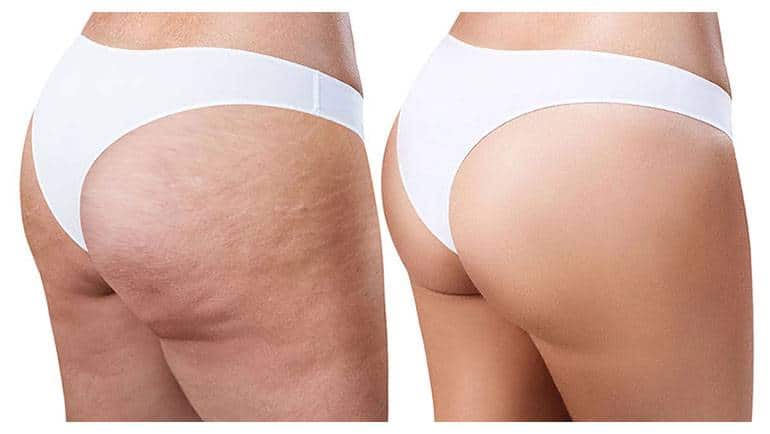
Cellulite is a common concern for many, affecting millions worldwide, often leading to cosmetic treatments for complete skin rejuvenation, particularly on the inner thighs and sometimes body surgery. It has been around for centuries, often seen as a sign of femininity, especially with cosmetic treatments to reduce noticeable cellulite and improve the way cellulite appears. Today, the demand for effective cellulite treatments has skyrocketed. But with so many options available, understanding the cellulite treatment cost is crucial. Prices can vary widely based on the type of cellulite removal treatment and location. Some methods for cellulite removal are quick fixes, while others require more investment but offer longer-lasting results, including cellulite treatment costs. Knowing what to expect financially helps in making informed decisions. This post breaks down the costs associated with popular cellulite treatments and offers insights into what works best for your budget and goals.

Overview of Cellulite Treatments

Non-Invasive Options

Many people choose non-invasive cellulite treatments. These options include creams, laser therapy, and radiofrequency treatments. Cellulite creams often contain caffeine or retinol. They aim to improve skin texture and reduce the appearance of unsightly cellulite.

Laser therapy uses focused light to break down fat cells, which may vary in cellulite treatment costs. This method can promote collagen production. Radiofrequency treatments heat the skin and stimulate blood flow. Both methods have gained popularity among cellulite sufferers.

Invasive Procedures

e individuals opt for invasive procedures for faster results. Liposuction is one popular option. It removes excess fat but does not guarantee improvement of cellulite. Another choice is subcision, which involves cutting the fibrous bands under the skin. This can provide a smoother appearance.

Surgical options may offer more dramatic results. However, they come with higher risks and costs. Patients must weigh these factors carefully when considering cellulite removal procedures.

Effectiveness and Popularity

The effectiveness of cellulite reduction treatments varies by individual. Many patients report positive results from both non-invasive and invasive options. Satisfaction largely depends on expectations and treatment types.

Non-invasive methods often require multiple sessions for noticeable changes. Some patients find results fade over time, needing ongoing treatments to maintain effects. In contrast, invasive procedures can yield longer-lasting improvements.

Goals and Expectations

Patients typically seek cellulite treatments for aesthetic reasons. Common goals include reducing visible cellulite and improving skin texture. Many desire smoother skin for confidence in revealing clothing.

Expectations play a crucial role in patient satisfaction. Realistic goals lead to better outcomes and happier clients. Understanding that complete removal of cellulite may be impossible is essential.

Most patients want significant improvement rather than perfection. They should discuss their goals with medical professionals before starting treatment.

Popular Options for Different Body Areas

Thighs

Thighs are one of the most commonly treated body areas for cellulite. Many people seek treatments to reduce the appearance of dimpling in this area. Popular options include radiofrequency therapy and laser treatments. These methods target subcutaneous fat and stimulate collagen production.

Studies show that these treatments can improve skin texture on the thighs. Results vary based on individual factors like skin type and the severity of cellulite. Most patients notice a smoother appearance after multiple sessions.

Buttocks

The buttocks also require special attention when it comes to cellulite treatment. Many prefer non-invasive techniques like massage therapy or ultrasound. These treatments help break down fat cells while improving circulation.

e clinics offer specialized spa treatments that combine various techniques for better results. For example, vacuum therapy can enhance blood flow and lymphatic drainage in the area. Patients often see noticeable improvements after several visits.

Abdomen

Cellulite on the abdomen is another concern for many individuals. Popular treatments here include liposuction and mesotherapy. Liposuction removes excess fat from beneath the skin, while mesotherapy involves injecting compounds that dissolve fat.

These approaches can be effective, but they may come with higher costs. The average price for liposuction ranges from $2,000 to $7,500 depending on the clinic and location. Patients should weigh the benefits against the financial investment.

Arms

The arms are often overlooked but can also show signs of cellulite. Treatments such as laser therapy and radiofrequency are gaining popularity in this area too. These methods work by tightening skin and reducing fat deposits.

Results from these treatments can vary widely among individuals. Factors like age and skin elasticity play a role in effectiveness. Many clinics offer packages that include multiple sessions at a reduced rate.

Skin Care and Diet

Skin care plays a crucial role in managing cellulite in any body area. Regular exfoliation and moisturizing can improve overall skin appearance. A balanced diet rich in fruits, vegetables, and lean proteins also supports healthy skin.

Hydration is key as well. Drinking enough water helps maintain skin elasticity, which can minimize the look of cellulite over time. Combining topical treatments with a healthy lifestyle enhances overall results.

Effectiveness Overview

Different treatments have varying effectiveness based on body areas targeted. Thighs often respond well to laser and radiofrequency therapies. Buttocks benefit from massage techniques, while liposuction is more suitable for stubborn abdominal fat.

Patients should consult with professionals to determine which option best suits their needs. Understanding personal goals and budget will guide them toward the right choice.

Velashape III Cellulite Reduction Explained

Treatment Technology

Velashape III combines several technologies to target cellulite. It uses infrared light, radiofrequency energy, and vacuum suction. This combination heats the underlying fat cells while stimulating collagen production. As a result, skin texture improves. The treatment effectively reduces the appearance of cellulite by breaking down fat deposits.

Quick Results

Patients often notice changes after just one session. Many report smoother skin and reduced dimpling. The results can be quite satisfying, especially for those looking for fast improvements. Most people experience minimal discomfort during the procedure.

Session Duration

Each Velashape III session lasts about 30 to 45 minutes. Treatment plans typically require multiple sessions for optimal results. Experts recommend around four to six sessions spaced one week apart. This schedule helps maintain progress and enhance overall body contour.

Minimal Downtime

One major advantage of Velashape III is the minimal downtime involved. Patients can return to their daily activities right after treatment. Some may experience mild redness or swelling, but these effects usually fade quickly. The convenience makes it appealing for busy individuals seeking effective cellulite reduction.

Cost Considerations

The cost of Velashape III treatments varies based on location and provider expertise. On average, each session can range from $150 to $500. Total costs depend on the number of sessions needed to achieve desired results. Patients should consult with experts for personalized estimates.

Final Thoughts

Velashape III offers a promising solution for those struggling with cellulite. Its blend of technology provides quick results with little recovery time. With a structured treatment plan, individuals can enjoy smoother skin and improved body confidence.

Cost of Velashape III Treatment

Average Cost

Velashape III treatment for cellulite reduction typically costs between $1100 to $2000. This price range reflects the average expenses patients can expect. Each session usually lasts about 30 to 60 minutes. Many people require multiple sessions for effective results.

Influencing Factors

Several factors influence the total cost of Velashape III treatments. One major factor is the number of sessions needed. Most patients undergo a series of treatments to see optimal results. Clinics often recommend anywhere from four to six sessions, depending on individual goals.

The size of the body area also plays a significant role in pricing. Treating larger areas, like thighs or buttocks, may increase costs compared to smaller areas, such as arms or stomach. Each clinic has its pricing structure based on these considerations.

Location Variations

Costs may vary significantly based on clinic location. Urban clinics often charge more than those in rural areas. This difference stems from overhead costs and local demand for treatments. Patients should research clinics in their area for accurate pricing.

Individual patient needs can also affect the final bill. Some patients might require additional services or specialized care that increases overall costs. Discussing specific needs with a healthcare provider is crucial for understanding potential expenses.

Price Comparison with Surgery

Surgical Costs

Liposuction is a common surgical option for cellulite treatment. The average cost of liposuction ranges from $2,000 to $10,000. This price varies based on the area treated and the surgeon’s experience. Patients should also consider additional costs. These may include anesthesia fees and facility charges.

In contrast, Velashape III offers a non-surgical alternative. The average cost for this procedure is between $500 to $1,500 per session. Many patients require multiple sessions for optimal results. This makes Velashape III more affordable in terms of upfront costs compared to surgery.

Recovery Time

Recovery time differs significantly between these two treatments. Liposuction requires a longer recovery period. Patients typically need one to two weeks before resuming normal activities. Some may experience swelling, bruising, and discomfort during this time.

Velashape III has minimal downtime. Most patients can return to their daily routines immediately after treatment. Some may feel slight discomfort or redness in the treated area, but these effects usually resolve quickly. This difference in recovery time is appealing for those with busy schedules.

Risks and Side Effects

Surgical procedures come with inherent risks. Possible complications include infection, scarring, and anesthesia-related issues. These risks can lead to additional medical costs if complications arise.

Velashape III presents fewer risks. Side effects are generally mild and temporary. Common reactions include minor swelling or tenderness at the treatment site. Patients often find this option safer than invasive surgery.

Long-term Cost-Effectiveness

Considering long-term cost-effectiveness, Velashape III may offer better value. While initial sessions might seem costly, they do not involve the same high expenses as surgery. Regular maintenance treatments can be scheduled as needed without significant financial burden.

Surgery involves higher upfront costs and potential follow-up procedures if results are unsatisfactory. Patients may also face long-term care expenses related to complications or revisions.

Factors Influencing Treatment Costs

Number of Sessions

The number of sessions required for cellulite treatment significantly affects the total cost. Most patients need multiple sessions to achieve visible results. Treatments can vary from three to ten sessions, depending on the individual’s condition and goals. Each session incurs a fee, which adds up quickly.

Patients should also consider that some treatments require maintenance sessions after the initial series. This ongoing commitment can increase the overall expense.

Body Area Size

The size of the body area being treated also plays a crucial role in determining costs. Larger areas, such as thighs or buttocks, generally cost more than smaller areas, like arms or stomachs. Clinics often charge based on the square footage of skin treated.

For example, treating both thighs may cost twice as much as treating just one thigh. Patients should discuss their specific needs with the clinic to get accurate estimates.

Treatment Complexity

The complexity of the treatment affects pricing as well. Some technologies used for cellulite reduction are more advanced and costly than others. Techniques like laser therapy or radiofrequency tend to have higher fees due to their effectiveness and technology involved.

Less complex treatments, such as topical creams or manual massage techniques, typically cost less but may offer limited results. Patients should weigh their options carefully before deciding.

Clinic Reputation and Location

Clinic reputation and location also influence treatment costs. Well-established clinics with experienced professionals often charge higher fees. Their reputation for delivering quality results can justify these costs.

Location matters too. Urban areas usually have higher living costs, which translates into higher treatment prices. In contrast, rural clinics might offer lower rates due to lower overhead expenses.

Additional Costs

In addition to treatment fees, patients should consider additional costs associated with cellulite treatment. Consultation fees may apply before beginning any procedure. These initial assessments help determine the best treatment plan for each individual.

Aftercare products can also add to the total cost. Many clinics recommend specific creams or lotions to enhance results post-treatment. Patients should factor in these expenses when budgeting for their cellulite treatment journey.

Number of Sessions Required

Session Overview

The number of sessions required for cellulite treatment depends on individual circumstances. Factors include the severity of the cellulite and the results a person wants to achieve. Many people may notice improvements after just a few treatments, while others may need more sessions.

Initial Consultation

An initial consultation is essential. During this meeting, a specialist assesses the condition. This assessment helps determine how many sessions are necessary. The expert will discuss the patient’s goals and expectations. They will also explain what to expect from the treatment process.

Effective Procedure

Most effective procedures require multiple sessions for optimal results. For example, some treatments might suggest six to eight sessions spaced a few weeks apart. Each session usually lasts between 30 to 60 minutes. This timeframe allows the body to respond well without excessive downtime.

Customized Plans

Treatment plans are not one-size-fits-all. Each plan is customized based on patient needs. Some may have mild cellulite that responds quickly to treatment. Others might have more severe cases requiring longer commitment and additional sessions.

Living with Cellulite

Many people want solutions for their cellulite issues. They often seek treatments that can help tone their skin and reduce the appearance of dimpling. Understanding the range of options is crucial in making informed decisions about care.

Downtime Considerations

Downtime varies by procedure. Some methods allow individuals to return to daily activities right away. Others may require a short recovery period after each session. Patients should consider their schedules when planning treatments.

Treatment Effectiveness

Research shows that consistent sessions improve outcomes significantly. The effects can last for months or even years if combined with lifestyle changes like diet and exercise. Maintaining results often requires follow-up sessions over time.

Impact of Clinic Location

Urban Clinics

Urban clinics often charge higher prices for cellulite treatments. The cost reflects the demand and operational expenses in cities. These clinics usually have access to advanced technology. They may offer specialized equipment that can improve treatment results.

Patients in urban areas might find a wider range of services. High-end clinics in cities provide luxury experiences. They may include personalized consultations and follow-up care. This type of service can increase overall costs significantly.

Rural Clinics

Rural clinics typically have lower pricing for similar treatments. Less competition often leads to more affordable options. However, these clinics might not always have the latest equipment. Some rural areas lack access to specialized devices used in cellulite treatment.

Expertise can also vary between locations. Rural clinics may not have staff trained in the newest techniques. Patients should consider this when choosing a clinic based on location.

Pricing Differences

High-end clinics set their prices based on several factors. These include location, reputation, and quality of service. Patients pay for the experience and expertise offered at these facilities.

Low-end clinics provide basic treatments at lower prices. While cost-effective, they may lack advanced technology or highly trained staff. Patients must weigh the pros and cons of each option.

Equipment Availability

The availability of specialized equipment varies by location. Urban clinics often invest in the latest technology. This can lead to better outcomes for patients seeking cellulite treatments.

In contrast, rural clinics may use older methods or less sophisticated devices. This difference can affect treatment effectiveness and patient satisfaction.

Patients should ask about the equipment used during their consultation. Understanding what technology is available helps make an informed decision.

Expertise Level and Aftercare Costs

Practitioner Expertise

The expertise level of the practitioner significantly affects the cost of cellulite treatment. Highly trained professionals often charge more for their services. They have advanced skills and experience that can lead to better results. For example, a dermatologist with specialized training in cosmetic procedures may charge between $200 to $500 per session. This is higher than a general practitioner who might offer similar treatments at a lower price.

Research shows that experienced practitioners are more likely to achieve optimal outcomes. They understand how to customize treatments based on individual needs. Testimonials from patients often highlight how expert care led to improved satisfaction with results. Higher prices can reflect this expertise, but they may also indicate better quality.

Importance of Aftercare

Aftercare plays a crucial role in maintaining the results of cellulite treatments. Patients must follow specific guidelines after their sessions. This can include avoiding certain activities or using special products. Proper aftercare helps enhance the effectiveness of the initial treatment.

Costs associated with aftercare can vary widely. Some clinics offer packages that include aftercare services, while others charge separately. Patients should expect to pay anywhere from $50 to $200 for follow-up care products or sessions. Investing in aftercare ensures that results last longer and improves overall satisfaction.

Maintenance Costs

Maintaining results requires ongoing commitment. Regular maintenance treatments may be necessary to keep cellulite at bay. These follow-up sessions can range from $150 to $400 each, depending on the procedure and provider’s expertise.

Patients should discuss maintenance plans during consultations. Understanding these costs upfront helps in budgeting for long-term care. Many clinics provide discounts for packages that include multiple sessions, making it more affordable.

Satisfactory Outcomes

Higher expertise and effective aftercare often lead to more satisfactory outcomes for patients. Skilled practitioners are adept at managing expectations and addressing concerns. They provide tailored advice on maintaining results post-treatment.

Investing in quality care pays off in the long run. Patients who choose experienced professionals and commit to aftercare usually report better experiences and results. A combination of expert treatment and diligent aftercare maximizes benefits.

Closing Thoughts

Understanding cellulite treatment costs helps you make informed decisions. From Velashape III to surgical options, knowing what influences pricing can save you money and time. Factors like clinic location and expertise level play a big role.

Investing in your body is essential, so weigh your options carefully. Research clinics, compare prices, and don’t hesitate to ask questions. Your journey to smoother skin starts with the right information. Take action now and explore the best treatment for your needs!

Frequently Asked Questions

What is cellulite?

Cellulite is a common condition where the skin appears dimpled or lumpy, often found on thighs, hips, and buttocks. It occurs due to fat deposits pushing through connective tissue beneath the skin.

How much do cellulite treatments typically cost?

Cellulite treatment costs vary widely, ranging from $100 to over $3,000 per session. Factors like the treatment type, location, and provider expertise influence pricing.

Is Velashape III effective for cellulite reduction?

Yes, Velashape III is a popular non-invasive option that combines infrared light, radiofrequency energy, and vacuum suction to reduce cellulite appearance. Many patients notice smoother skin after several sessions.

How many sessions of Velashape III are needed?

Most patients require 4 to 6 sessions for optimal results. The exact number depends on individual goals and the severity of cellulite.

Does insurance cover cellulite treatments?

Typically, insurance does not cover cosmetic procedures like cellulite treatments. It’s advisable to check with your provider for specific coverage details.

What factors influence the cost of cellulite treatments?

Key factors include treatment type, clinic location, practitioner expertise, and required number of sessions. Higher-quality clinics may charge more but often provide better results.

Are there any aftercare costs associated with cellulite treatments?

Yes, aftercare may involve follow-up appointments or additional products recommended by your provider. It’s essential to discuss any potential extra costs during your initial consultation.

Lip Augmentation Techniques: Your Essential Guide to Lip Anatomy

Lip augmentation techniques have evolved significantly over the years. From early methods using paraffin and silicone to today’s advanced fillers, plastic surgeons have diverse options in discussing lip augmentation and the lip injection technique within cosmetic surgery. These techniques enhance lip volume and shape, particularly for those with thin lips, using hyaluronic acid dermal fillers through a dermal filler injection, offering a boost in confidence for many, especially around the vermillion. Modern procedures focus on safety and natural results, making them a step towards an effective lip augmentation method among various age groups, in view of different lip filler injection techniques.

With advancements in technology, practitioners now use hyaluronic acid-based fillers and step up their lip injection technique that provide instant results with minimal downtime, including thin lips lip enhancement techniques. Understanding these techniques helps individuals make informed choices about their appearance. The growing demand reflects society’s changing beauty standards and the desire for fuller lips, particularly through injection technique. Explore the latest trends in different lip filler injection techniques and find the right lip injection technique for you, including thin lips lip enhancement techniques.

Understanding Lip Anatomy

Lip Structure

Lips consist of several key parts. The vermilion border is the distinct line where the lip color changes from the skin to the lips, highlighting the importance of injection technique. This border, defined by the injection technique, shapes the fullness of the lips. The philtral columns are two vertical ridges that run from the nose to the center of the upper lip. They help create a defined cupid’s bow using different lip filler injection techniques, which is a prominent feature in many people’s smiles through thin lips lip enhancement techniques and various lip injection techniques.

The anatomy of the lips also includes various layers. The outer layer is skin, while deeper layers contain muscle and connective tissue, similar to different lip filler injection techniques and the lip injection technique. Each layer plays a role in how the lips look and move. A good understanding of this structure is crucial for anyone considering lip augmentation.

Muscle Function

Muscles play a significant role in lip movement. The orbicularis oris is the primary muscle around the mouth, relevant to thin lips lip enhancement techniques, different lip filler injection techniques, and lip injection technique. It allows for actions such as puckering and closing the lips. This muscle is vital for speech and facial expressions. When someone smiles or frowns, this muscle contracts to change the shape of the lips.

Other muscles also influence lip movement. The zygomaticus major lifts the corners of the mouth during smiling. In contrast, depressor anguli oris pulls down the corners during sadness. Understanding these muscles helps practitioners achieve desired results in lip augmentation procedures.

Importance of Anatomy Knowledge

Understanding lip anatomy is essential for effective augmentation techniques. Knowledge about structures like the labial artery ensures safety during different lip filler injection techniques, lip injection technique, and thin lips lip enhancement techniques. This artery supplies blood to the lips and can be easily damaged if not careful.

Practitioners must also consider individual variations in anatomy, including different lip filler injection techniques, when planning treatments such as thin lips lip enhancement techniques and the appropriate lip injection technique. Some people have thicker vermilion borders or more pronounced philtral columns than others due to different lip filler injection techniques and lip injection technique, as well as thin lips lip enhancement techniques. Tailoring procedures, such as different lip filler injection techniques for thin lips lip enhancement techniques, to each person’s unique features leads to better outcomes.

Familiarity with lip anatomy reduces complications during augmentation. For example, knowing where major blood vessels are located helps avoid bruising or swelling during lip injection technique and different lip filler injection techniques. It can also prevent asymmetrical results, which can occur if one side of the lips receives more filler than the other.

In summary, understanding lip anatomy aids in achieving natural-looking results in lip augmentation. It allows practitioners to enhance features using different lip filler injection techniques without compromising function or aesthetics, employing a precise lip injection technique.

Aging and Lip Changes

Volume Loss

Aging causes noticeable changes in the lips. Many people experience volume loss over time. This loss contributes to thin lips, which can affect facial aesthetics. The upper lip often appears less prominent as it loses volume.

As we age, our bodies produce less collagen and elastin, impacting different lip filler injection techniques. These proteins are crucial for maintaining skin structure. When their production decreases, lips become thinner and less plump. Wrinkles may also form around the mouth area. This can lead to cosmetic asymmetries that alter the overall appearance of the face due to different lip filler injection techniques.

Thinning Lips

Thinning lips are a common issue among older adults. As skin ages, it becomes more fragile and less elastic. The oral mucosa also changes, leading to a less youthful look. Lips may lose their natural color and fullness as well.

The effects of aging on the upper lip are particularly noticeable. It may retract or become less defined, impacting lip aesthetics significantly. Individuals might feel self-conscious about these changes, affecting their confidence.

Lifestyle Factors

Lifestyle choices play a significant role in how lips age. Sun exposure is one major factor that leads to premature aging. UV rays can damage the skin, causing redness and dryness in the lips. Over time, this damage can contribute to a rough texture and uneven tone.

Smoking also accelerates lip aging. It reduces blood flow to the lips, leading to further thinning and wrinkles. Smokers often notice deeper lines around their mouths compared to non-smokers. These lifestyle factors can compound the natural aging process.

Facial Rejuvenation Options

Many seek facial rejuvenation techniques to address these concerns. Various lip augmentation methods can restore volume and improve lip aesthetics. Options include fillers that boost lip volume and enhance shape.

These treatments can help achieve a more youthful appearance while addressing specific issues like cosmetic asymmetries. However, individuals should consult with professionals before proceeding with any cosmetic procedures.

Popular Injection Techniques

Needle Technique

Lip injections often use the needle technique. This method allows for precise placement of the filler. Practitioners can target specific areas, enhancing contours and volume effectively.

Needle injections offer more control over the amount of product used. They can create sharper lines and defined shapes. However, this technique may cause more discomfort during the procedure. Swelling and bruising are common side effects.

Cannula Technique

The cannula technique is another popular option. This method uses a blunt-tipped cannula instead of a sharp needle. It can reduce trauma to the tissue, leading to less swelling and bruising.

Cannulas allow for greater product distribution with fewer injection points. This means less downtime for patients. The technique is generally safer and more comfortable than needle injections. However, it requires skilled practitioners to navigate safely around blood vessels.

Benefits and Limitations

Each lip injection technique has its pros and cons.

Needle Technique Benefits:

  • Precise placement of fillers
  • Ability to create defined shapes

Needle Technique Limitations:

  • More discomfort during procedure
  • Higher risk of bruising and swelling

Cannula Technique Benefits:

  • Less tissue trauma
  • Fewer injection points needed

Cannula Technique Limitations:

  • Requires advanced skills
  • May not achieve as much precision in certain cases

Understanding these factors helps patients choose wisely.

Practitioner Expertise

Practitioner expertise plays a crucial role in successful lip augmentation. Skilled professionals assess individual needs before selecting a technique. They consider factors like facial anatomy, desired outcomes, and patient comfort.

Proper injection points are vital for achieving natural-looking results. Inexperienced practitioners may risk intravascular injections, which can lead to complications. Knowledge of facial anatomy ensures safety during the procedure.

Patients should prioritize consultations with qualified professionals. Discussing preferences and concerns helps align expectations with outcomes. Practitioners can recommend sessions based on individual goals.

Hyaluronic acid injections are common in lip augmentation. They provide temporary results, allowing for adjustments in future sessions. If necessary, hyaluronidase injections can dissolve the filler quickly.

In summary, understanding these techniques enhances decision-making for potential patients. The choice between needle and cannula techniques impacts precision, safety, and comfort levels. Always consult an experienced practitioner to ensure the best results.

Types of Lip Fillers

Hyaluronic Acid Fillers

Hyaluronic acid (HA) fillers are the most common type used for lip augmentation. They are derived from a substance that naturally occurs in the body. This makes HA fillers safe and effective for enhancing lip volume.

HA fillers have several advantages. One major benefit is reversibility. If a patient is unhappy with their results, an enzyme called hyaluronidase can dissolve the filler quickly. This offers peace of mind for many individuals.

Another advantage is the low risk of allergic reactions. Because HA fillers are similar to natural substances in the body, they are less likely to cause side effects. Most patients tolerate these injections well.

Calcium Hydroxylapatite Fillers

Calcium hydroxylapatite (CaHA) fillers differ from HA fillers in composition and longevity. CaHA is a mineral-like compound found in bones. It provides a thicker consistency than HA fillers, making it suitable for deeper injections.

The effects of CaHA fillers last longer, typically around 12 to 18 months. This extended duration appeals to many patients who prefer fewer visits for touch-ups. CaHA fillers stimulate collagen production in the skin. This can improve skin texture over time.

Different Injection Techniques

Different lip filler injection techniques can influence the outcome of the procedure. For instance, the “linear threading” technique involves injecting small amounts of filler along a line. This method creates a more natural look by evenly distributing the product.

Another technique is the “cross-hatching” method. This approach uses a grid-like pattern to fill the lips more uniformly. Each technique has its own benefits and can be chosen based on individual needs.

Steps for Lip Augmentation

The process of lip augmentation involves several steps:

  1. Consultation: Patients discuss their goals with a qualified professional.
  2. Preparation: The area is cleaned and numbing cream may be applied.
  3. Injection: The chosen filler is injected using one of the techniques.
  4. Post-Care: Patients receive instructions on how to care for their lips after treatment.

Each step ensures safety and satisfaction with the results.

Alternative Lip Augmentation Methods

Fat Transfer

Fat transfer, also known as autologous fat injection, is a natural and permanent option for lip enhancement. This technique involves taking fat from another part of the body, such as the abdomen or thighs. Surgeons then inject this fat into the lips to create volume.

This method offers a more natural look compared to synthetic fillers. It reduces the risk of allergic reactions since the fat comes from the patient’s own body. However, the procedure requires two steps: liposuction to remove fat and injections for augmentation.

Botox Enhancements

Botulinum toxin, commonly known as Botox, serves as an effective lip augmentation technique. It is often used for subtle enhancements, such as the “lip flip.” This procedure involves injecting Botox into specific areas around the lips. The result is a slight curl of the upper lip, making it appear fuller.

The effects last about three to four months. Patients appreciate this option because it does not add volume like fillers but enhances shape instead. This technique is popular among those seeking a less invasive alternative to traditional lip augmentation.

Non-Surgical Options

Non-surgical options also exist for those wanting lip enhancements without needles. Lip plumping devices are one such method. These devices use suction to temporarily increase blood flow to the lips. As a result, lips look fuller for several hours.

Topical treatments containing ingredients like hyaluronic acid can provide moisture and plumpness. These products are easy to apply and safe for home use. They do not offer long-lasting results but can enhance appearance quickly for special occasions.

Popular Procedures

Many people seek cosmetic enhancements for fuller lips. Traditional lip augmentation procedures often involve dermal fillers made from hyaluronic acid. These fillers offer immediate results and can last six months to a year.

Patients should consider their options carefully when choosing a method. Each technique has its pros and cons. Some methods are temporary while others offer permanent solutions. Understanding these differences helps individuals make informed decisions about their aesthetic goals.

Safety Considerations

Safety is crucial in any lip treatment. It is essential to consult with qualified professionals before undergoing any procedure. Researching providers ensures that they have proper training and experience in cosmetic procedures.

Patients should discuss their medical history and any concerns during consultations. This conversation helps determine which lip augmentation options are most suitable based on individual needs.

Preparing for Lip Augmentation

Pre-Procedure Steps

Scheduling a consultation is crucial. A qualified practitioner will assess your lips and discuss your goals. They will explain the lip augmentation procedure in detail. It is also important to avoid blood thinners like aspirin or ibuprofen before the treatment. These can increase bleeding during the procedure.

Patients should inform their doctor about any medications or supplements they take. This helps prevent complications. Taking these steps ensures a smoother experience.

Setting Realistic Expectations

Understanding what lip augmentation can achieve is vital. Many people desire fuller lips, but results vary. Patients should discuss their expectations with their surgeon. This helps align goals with what is achievable through cosmetic enhancement.

Potential risks exist with all procedures. Bruising, swelling, and infection are possible side effects. Being aware of these risks allows for better decision-making.

Choosing a Qualified Practitioner

Selecting an experienced plastic surgeon is key. Research credentials and look for a specialist in cosmetic dermatology. Review before-and-after photos of previous patients to gauge their skills.

A skilled practitioner will prioritize safety and patient satisfaction. They will conduct a thorough assessment and provide personalized recommendations. This includes choosing between options like autologous lip augmentation or lip implants.

Understanding the Lip Shaping Process

The lip shaping process involves several stages. First, there is the consultation phase, where goals are set. Next comes the actual procedure, which may use techniques like ha lips injection or fillers.

After the procedure, follow-up care is essential. Practitioners often provide aftercare instructions to minimize complications. Knowing what to expect post-treatment aids recovery.

The Role of Cosmetic Surgery Centers

Many patients consider visiting specialized centers. These facilities often have advanced technology and experienced teams. They focus on providing quality cosmetic procedures tailored to individual needs.

Choosing such a center can enhance confidence in the treatment outcome. It offers reassurance that professionals handle every aspect of care.

Step-by-Step Injection Technique

Consultation Process

Consultation is the first step in the lip augmentation procedure. The injector discusses goals with the patient. They assess the patient’s medical history and expectations. This helps determine the best approach for each individual.

During this meeting, the injector may take notes about the desired volume and shape. This information guides them in choosing the right filler product. It also sets the stage for the next session.

Marking Points

Marking points on the lips is crucial before injecting. The injector uses a caliper to measure and mark proper points on both lips. This ensures symmetry and precision during the procedure. The markings help visualize where to inject.

The injector checks these markings against facial features. This helps achieve a natural look that fits the patient’s face.

Applying Numbing Agents

Before starting the injections, the injector applies a numbing agent. This can be topical cream or local anesthesia. It minimizes discomfort during the procedure. Patients often feel more relaxed knowing pain is reduced.

Once numbed, patients may feel pressure but should not experience sharp pain.

Injection Procedure

The actual injection technique involves using a gauge needle suited for fillers. The injector carefully inserts the needle at marked points. They inject small amounts of filler into specific areas of the lips.

Shaping occurs as they mold and distribute the filler evenly. This creates fullness and enhances contours. The injector monitors results as they proceed, ensuring balance and symmetry.

Post-Injection Care

After injecting, post-injection massage is important. The injector gently massages the lips to distribute the filler evenly. This helps avoid lumps and unevenness.

Patients are advised to monitor their lips after leaving the clinic. Swelling or bruising may occur but usually subsides within a few days.

Immediate Results

Monitoring for immediate results is essential after lip augmentation. Patients often see instant changes in their appearance. However, final results may take up to two weeks as swelling decreases.

Injectors guide patients on what to expect during this time frame. They provide instructions for aftercare to ensure optimal outcomes.

Side Effects and Aftercare

Common Side Effects

Patients often experience common side effects after lip augmentation. Swelling usually occurs immediately after the treatment. This swelling can last from a few hours to several days. Bruising is also typical at the injection site. Tenderness may be present as well. These effects are generally mild and resolve on their own.

e patients report itching or redness around the lips. These symptoms typically indicate the body’s natural response to the injections. Most side effects diminish within a week, leading to natural results. However, every patient reacts differently to treatments.

Aftercare Tips

Following treatment, proper aftercare is crucial for optimal outcomes. Patients should avoid strenuous activity for at least 24 hours. This helps minimize swelling and bruising. Applying ice packs to the area can reduce discomfort. Ice should be wrapped in a cloth and placed on the lips for short periods.

Hydration is essential during recovery. Drinking plenty of water helps maintain skin elasticity. Patients should also avoid hot drinks and spicy foods for a few days. Such items can irritate the injection sites.

Signs of Complications

While most side effects are minor, some patients may face complications. Severe pain that does not improve with time requires immediate medical attention. Signs of infection include increased redness, warmth, or discharge from the injection site.

Patients must monitor their condition closely after treatment. If any unusual symptoms arise, contacting a doctor is critical. Early intervention can prevent further issues.

Risks and Safety

Every medical procedure carries risks, including lip augmentation. Patients must provide informed consent before undergoing treatment. Understanding potential complications is essential for safety.

Severe complications, though rare, can occur. These may include vascular occlusion or allergic reactions to fillers. Discussing these risks with a qualified doctor beforehand is vital.

Patient Experience

Each patient’s experience varies based on individual factors. Some may achieve desired results quickly, while others might need adjustments later. Maintaining open communication with the doctor throughout the process enhances satisfaction with the results.

Understanding these aspects prepares patients for what to expect post-treatment. Awareness of side effects and aftercare ensures a smoother recovery process.

Closing Thoughts

Lip augmentation can transform your look and boost your confidence. With various techniques and fillers available, understanding your options is crucial. You’ve learned about the anatomy, aging effects, popular methods, and aftercare. This knowledge empowers you to make informed choices for your lip enhancement journey.

Always consult with a qualified professional before proceeding. They can tailor the approach to fit your unique needs and ensure safety. Ready to enhance your smile? Take the first step today! Research local experts and schedule a consultation to discuss your goals. Your perfect pout awaits!

Frequently Asked Questions

What is lip augmentation?

Lip augmentation is a cosmetic procedure aimed at enhancing the fullness and shape of the lips. This can be achieved through various techniques, including injections and surgical methods.

How long do lip fillers last?

Most lip fillers last between 6 to 12 months, depending on the type used and individual metabolism. Regular touch-ups are recommended to maintain desired results.

Are lip fillers safe?

Yes, when administered by a qualified professional, lip fillers are generally safe. It’s essential to choose a licensed practitioner to minimize risks and complications.

What are the common side effects of lip augmentation?

Common side effects include swelling, bruising, and tenderness at the injection site. These usually subside within a few days.

Can I reverse lip fillers if I’m not satisfied?

Yes, hyaluronic acid fillers can be dissolved using an enzyme called hyaluronidase. Consult your provider for options if you’re unhappy with your results.

How should I prepare for a lip augmentation procedure?

Avoid blood thinners like aspirin or alcohol for at least 24 hours before your appointment. This helps reduce the risk of bruising and swelling.

What aftercare is needed post-lip augmentation?

Post-procedure care includes avoiding strenuous exercise, excessive sun exposure, and touching your lips for 24 hours. Follow your practitioner’s specific instructions for optimal healing.

Combining AirSculpt® with Other Procedures for Optimal Results

Combining AirSculpt® with other procedures, such as laser liposuction techniques, conventional liposuction, tummy tucks, and standard liposuction, is gaining traction in the cosmetic world. This innovative technique offers a unique approach to body contouring compared to the traditional liposuction procedure, utilizing advanced training AirSculpt® without the invasive procedure, especially when pairing AirSculpt® lipo. It allows for enhanced results when paired with treatments like liposuction or skin tightening. Patients benefit from quicker recovery times and more comprehensive transformations using the liposuction technique.

Historically, body sculpting focused on single procedures, limiting options. Today, advancements in technology enable seamless integration of methods. This shift empowers individuals to achieve their desired look more effectively. By understanding how to combine these treatments, you can make informed choices that align with your aesthetic goals.

Benefits of AirSculpt® Technology

Minimally Invasive

AirSculpt® technology offers a minimized invasiveness compared to traditional liposuction. The procedure uses a small cannula, which reduces the size of incisions needed. This smaller incision leads to less trauma for the body. Patients often experience fewer complications and lower risks of infection. They can also enjoy a more comfortable experience during the procedure.

Faster Recovery

Recovery time is significantly reduced with AirSculpt®. The technique causes less damage to surrounding tissues. Traditional liposuction can leave patients with bruising and swelling that takes weeks to heal. With AirSculpt®, many patients return to normal activities within days instead of weeks. This quick recovery allows individuals to resume their daily lives sooner.

Enhanced Precision

Precision is another key benefit of AirSculpt® technology. The advanced training in AirSculpt® allows surgeons to target fat deposits accurately. This precision results in better contouring outcomes. Patients often notice smoother transitions between areas after the procedure. The ability to sculpt the body more effectively leads to improved satisfaction with results.

Better Contouring Results

AirSculpt® helps achieve superior contouring results. Surgeons can remove fat from specific areas while preserving surrounding tissues. This careful approach creates natural-looking results that enhance the body’s shape. Many patients appreciate the aesthetic improvements without drastic changes.

Advanced Training

Surgeons undergo advanced training in AirSculpt® techniques. This specialized education equips them with skills necessary for optimal results. Trained professionals understand how to use the technology effectively. Their expertise ensures that patients receive safe and efficient care throughout the process.

Less Discomfort

Patients report experiencing less discomfort during and after the procedure. The gentle nature of AirSculpt® minimizes pain levels compared to traditional methods. Many find that they require fewer pain medications post-procedure. This aspect contributes to an overall positive experience.

Long-Lasting Results

Results from AirSculpt® are long-lasting when combined with a healthy lifestyle. Fat cells removed from targeted areas do not grow back if patients maintain their weight. This permanence makes it an attractive option for those looking for sustainable change.

Ideal Candidates for AirSculpt®

Weight Stability

Individuals who maintain a stable weight are ideal candidates for AirSculpt®. This procedure works best for those who are close to their target body weight. If someone fluctuates significantly in weight, results may not be as effective or long-lasting.

Candidates should focus on maintaining their current weight before considering the procedure. The goal is to enhance their natural shape rather than create drastic changes. Those who have already achieved their desired weight can benefit more from targeted fat removal.

Targeted Fat Reduction

Many seek AirSculpt® for its ability to provide targeted fat reduction. This procedure can effectively eliminate fat deposits in specific areas of the body. Popular areas include the abdomen, thighs, and arms.

Candidates often have stubborn fat that does not respond to diet and exercise. They desire a more contoured appearance without undergoing major surgery. AirSculpt® allows for precision in fat removal, which appeals to many looking for specific improvements.

Minimally Invasive Preference

People who prefer minimally invasive procedures find AirSculpt® appealing. Unlike traditional liposuction, it requires no large incisions or extensive downtime. This aspect attracts those who want quick recovery times.

The procedure typically involves local anesthesia and small access points. Patients can often return to normal activities within days rather than weeks. This convenience makes it a suitable choice for busy individuals.

Emotional Considerations

Candidates often feel frustrated with areas of fat that resist diet and exercise efforts. Many experience low self-esteem due to these stubborn fat pockets. AirSculpt® offers a way to boost confidence by enhancing body shape.

Real-life experiences show that patients feel empowered after the procedure. They report higher satisfaction with their appearance and improved self-image. This emotional benefit adds value to the physical results obtained from AirSculpt®.

Combining AirSculpt® with Skin Tightening

Renuvion Technology

Renuvion technology offers effective skin tightening after a single AirSculpt® session. This method uses radiofrequency energy combined with helium plasma. It heats the skin tissues while cooling the surface, minimizing damage.

Surgeons apply this technology to areas that need skin tightening, such as the neck and under the chin. The goal is to improve the skin’s appearance and elasticity after fat removal. Patients often notice enhanced results when combining these procedures.

Moderate to Severe Skin Laxity

Moderate to severe skin laxity can be challenging for many individuals. This condition may occur due to aging, weight loss, or genetics. Often, people seek solutions for loose skin around the neck and jawline.

Combining AirSculpt® with Renuvion can address these concerns effectively. The AirSculpt® procedure removes excess fat, while Renuvion tightens the remaining skin. This combination leads to a smoother and more contoured appearance.

Experienced Surgeon Required

Choosing an experienced surgeon is crucial for successful outcomes. Renuvion’s use in conjunction with AirSculpt® is considered off-label. This means it is not specifically approved for this purpose by regulatory bodies.

An experienced surgeon understands the nuances of both procedures. They can assess individual needs and tailor treatment plans accordingly. Proper training ensures safety and effectiveness during the procedure.

Patients should always research their surgeon’s background before proceeding. Look for board-certified professionals with a history of performing these specific combinations.

Benefits of Combining Procedures

Combining AirSculpt® with Renuvion has several advantages:

  • Enhanced results: Patients often see a significant improvement in body contouring.
  • Less downtime: The combination can reduce recovery time compared to separate procedures.
  • Comprehensive treatment: Addresses both fat removal and skin laxity in one session.

These benefits make this combination appealing for those looking to improve their appearance.

Combining AirSculpt® with Fat Transfer

Enhanced Results

AirSculpt® is effective for fat removal. This technique pairs well with fat transfer. During fat transfer, viable fat cells get moved to enhance areas like the buttocks, breasts, or hips. This process allows for a more comprehensive body transformation.

Fat transfer can help achieve a fuller appearance in targeted areas. It uses the patient’s own fat, making it safer than synthetic fillers. Many people prefer this method for its natural results.

Customization Options

Each individual’s body is different. Therefore, customizing the procedure is crucial. Patients can discuss their aesthetic goals with their surgeon. Together, they can create a plan that meets specific needs.

Surgeons may combine AirSculpt® with traditional liposuction techniques. This combination can maximize fat removal capabilities. For example, using traditional tumescent liposuction helps to prepare the fat for transfer.

Procedure Steps

  1. The surgeon marks the treatment areas.
  2. They perform AirSculpt® to remove unwanted fat.
  3. The removed fat is processed for viability.
  4. The surgeon injects the purified fat into the chosen areas.

This method ensures that the transferred fat has the best chance of survival in its new location.

Benefits of Combining Techniques

Combining AirSculpt® with fat transfer offers many benefits:

  • Achieves a more balanced body contour.
  • Reduces recovery time compared to invasive liposuction techniques.
  • Minimizes scarring due to smaller incisions.

Patients often experience less discomfort and faster healing times than with traditional liposuction procedures.

Ideal Candidates

Not everyone is a perfect candidate for this combination. Ideal candidates are those who have enough excess fat for removal. They should also be in good health and have realistic expectations about their results.

Surgeons typically evaluate patients during an initial consultation. This assessment helps determine if they are suitable for both AirSculpt® and fat transfer.

Final Thoughts

Combining AirSculpt® with fat transfer creates a powerful option for body enhancement. It allows individuals to sculpt their bodies while adding volume where desired. This approach tailors results to personal goals.

Procedure and Recovery Steps

Pre-Procedure Consultations

Consultations are essential before any surgery procedures. They help set realistic expectations for the patient. During the consultation, doctors assess the patient’s health and discuss goals. This step ensures that patients understand what to expect from the treatment.

Doctors explain how AirSculpt® works in combination with other methods. They also discuss potential outcomes and risks associated with each option. Patients should be open about their medical history and any concerns. This transparency helps create a tailored plan that meets individual needs.

Minimally Invasive Process

AirSculpt® follows a minimally invasive process. It uses local anesthesia rather than general anesthesia. This approach reduces the risks often associated with more invasive procedures.

The procedure itself involves small incisions, which leads to less trauma on the body. Surgeons use specialized tools to remove fat without traditional suction techniques. This method minimizes damage to surrounding tissues. As a result, patients experience less pain during and after the surgery.

Shorter Recovery Period

Recovery time is a significant factor when considering any liposuction procedures. AirSculpt® provides a shorter recovery period compared to traditional liposuction methods. Patients can often return to their daily activities within just a few days.

Most people experience minimal swelling and bruising after the procedure. These side effects are usually less severe than those seen with more invasive options. Pain management is often simple, requiring only over-the-counter medications.

Patients should still follow post-operative care instructions carefully. Staying hydrated and avoiding strenuous activities helps speed up recovery. Regular follow-up appointments allow doctors to monitor progress.

Combining with Other Procedures

Combining AirSculpt® with other surgical options can enhance results. For example, pairing it with fat transfer can create a more contoured appearance. Each addition should be discussed during consultations to ensure safety and effectiveness.

Surgeons evaluate how multiple procedures affect overall recovery time and results. Understanding these interactions helps patients make informed decisions about their treatment plans.

Long-Term Results and Maintenance

Healthy Lifestyle

Maintaining fat reduction results requires commitment. A healthy lifestyle plays a crucial role. Eating balanced meals helps keep weight stable. Regular exercise also supports long-term success. Aim for at least 150 minutes of moderate activity each week. This can include walking, cycling, or swimming.

Nutrition matters too. Focus on whole foods like fruits, vegetables, and lean proteins. Avoid processed foods high in sugar and fat. Hydration is essential as well. Drinking enough water helps your body function properly.

Follow-Up Appointments

Scheduling follow-up appointments is important after the procedure. These visits allow healthcare providers to monitor progress. They can address any concerns you may have. Regular check-ins help ensure that results remain satisfactory.

During these appointments, professionals assess changes in your body. They may suggest adjustments to your diet or exercise routine. This ongoing support can enhance your results significantly.

Understanding Touch-Ups

Results from AirSculpt® are generally long-lasting. However, some individuals may need touch-ups over time. Factors such as age, genetics, and lifestyle choices influence this need. Understanding these factors helps set realistic expectations.

Touch-ups can enhance or maintain the initial results achieved through AirSculpt®. Patients should discuss their options with their healthcare provider during follow-up visits.

Emotional Considerations

The emotional impact of achieving desired results can be significant. Many patients feel more confident after the procedure. This newfound confidence can lead to positive changes in various aspects of life.

Maintaining results contributes to this confidence boost. It encourages a commitment to healthy habits and a proactive approach to self-care.

Support Systems

Having a strong support system aids in maintaining results. Friends and family can encourage healthy choices. Joining fitness groups or clubs fosters motivation and accountability.

Support systems provide an environment where individuals feel empowered to stick to their goals. Sharing experiences with others who have undergone similar procedures can also be beneficial.

Safety and Risks

Potential Risks

Combining AirSculpt® with other procedures can increase the risk of complications. Infection is a common concern after any surgical procedure. It may occur if bacteria enter the body during surgery. Bruising is also likely, especially when multiple areas are treated. This can lead to discomfort and affect recovery time.

Another risk is asymmetry. When combining procedures, achieving perfect symmetry can be challenging. This may result in uneven results, requiring additional treatments to correct.

Choosing a Surgeon

Selecting a board-certified surgeon is crucial. Experienced surgeons have a better understanding of how different procedures interact. They can help minimize risks associated with combining techniques. Research their background and read reviews from past patients. A qualified surgeon will discuss all potential risks in detail during your consultation.

Consultation Discussion

During the initial consultation, discuss all possible side effects and complications. Ask about specific risks related to your unique situation. Every patient’s body reacts differently to procedures. Understanding these differences can help set realistic expectations.

Surgeons should provide a thorough explanation of what to expect post-surgery. They should cover pain management, recovery time, and signs of complications to watch for. Clear communication helps build trust and ensures you feel comfortable moving forward.

Post-Operative Care

Post-operative care plays a significant role in minimizing risks. Follow your surgeon’s instructions closely after surgery. This includes taking prescribed medications and attending follow-up appointments. Proper care helps reduce the chance of infection and promotes healing.

Avoid strenuous activities for at least a few weeks after surgery. This gives your body time to recover and reduces the risk of complications. Staying hydrated and eating nutritious foods can also aid in recovery.

Emotional Considerations

Emotional health is just as important as physical health during recovery. Some patients may experience anxiety about their results or recovery process. Open communication with your healthcare team can help address these feelings.

Support from friends and family can also be beneficial. Having someone to talk to can ease worries about the outcome or recovery challenges.

Cost Overview

Procedure Costs

Costs for AirSculpt® vary widely. The extent of the procedure significantly influences pricing. Treating larger areas or multiple regions increases costs. For instance, targeting both the abdomen and thighs will cost more than just one area.

The average price for AirSculpt® can range from $3,000 to $10,000. Clinics often provide detailed estimates based on individual needs. Patients should expect a consultation fee as well. This initial meeting helps determine the exact costs based on specific goals.

Additional Procedures

Combining AirSculpt® with other procedures adds to the overall expense. Popular combinations include skin tightening and fat transfer. Skin tightening enhances results by improving skin elasticity after fat removal. Fat transfer involves taking fat from one area and injecting it into another, like the buttocks or face.

These additional treatments can range from $2,000 to $5,000 each. Patients should discuss these options during their initial consultation. Understanding the added costs upfront helps in budgeting effectively.

Financing Options

Many clinics offer financing options to ease the financial burden. Payment plans allow patients to pay over time rather than all at once. Some facilities partner with third-party financing companies. These companies provide loans specifically for cosmetic procedures.

Patients can often choose between low-interest loans or no-interest plans if paid within a certain timeframe. This flexibility makes procedures more accessible to a wider audience.

Insurance typically does not cover cosmetic procedures like AirSculpt®. Therefore, understanding all potential costs is crucial before proceeding.

Hidden Costs

e patients overlook hidden costs associated with combining procedures. Post-operative care may require follow-up visits or special garments. These can add an extra few hundred dollars to the total bill.

Medications for pain management or swelling might be necessary after surgery. Patients should inquire about these potential expenses during consultations.

Budgeting Tips

Creating a budget can help manage costs effectively. Start by listing all expected expenses, including consultations and additional treatments. Research different clinics to compare prices and services offered.

Consider asking about package deals for multiple procedures. Many clinics provide discounts when booking several services together.

Final Remarks

Combining AirSculpt® with other procedures can enhance your results. Whether it’s skin tightening or fat transfer, these combinations offer a comprehensive approach to body contouring. You get the benefits of multiple treatments without compromising your safety or recovery time. Each method complements AirSculpt®, providing you with a tailored experience that meets your unique goals.

Consider your options carefully. Consult with a qualified professional to explore how these procedures can work together for optimal outcomes. Take the next step towards achieving the body you desire. Don’t wait—schedule your consultation today and discover the transformative potential of combining AirSculpt® with other techniques.

Frequently Asked Questions

What is AirSculpt® technology?

AirSculpt® is a minimally invasive body contouring procedure that uses patented technology to remove fat without traditional liposuction techniques. It offers precision, reduced downtime, and minimal discomfort.

Who are ideal candidates for AirSculpt®?

Ideal candidates for AirSculpt® are individuals close to their target weight, with localized fat deposits. They should be in good health and have realistic expectations about the results.

Can I combine AirSculpt® with skin tightening procedures?

Yes, combining AirSculpt® with skin tightening treatments enhances overall results. This approach helps improve skin elasticity and firmness post-fat removal, providing a more contoured appearance.

Is fat transfer possible after AirSculpt®?

Absolutely! Fat transfer can be performed after AirSculpt® to enhance volume in areas like the breasts or buttocks. This combination allows for sculpting and augmentation simultaneously.

What should I expect during recovery?

Recovery after AirSculpt® typically involves mild swelling and bruising. Most patients return to normal activities within a few days, but full results may take several weeks to appear.

Are there any risks associated with AirSculpt®?

As with any procedure, there are risks such as infection or uneven results. However, AirSculpt® is designed to minimize these risks through its advanced techniques.

How much does an AirSculpt® procedure cost?

The cost of AirSculpt® varies based on the treatment area and specific needs. It’s essential to consult with a qualified provider for an accurate estimate tailored to your goals.

Liposuction Recovery Exercises: Safe Moves to Rebuild Strength

Liposuction recovery exercises play a crucial role in achieving your desired results after a plastic surgery procedure, such as a tummy tuck or other body sculpting procedure, by incorporating effective surgery routines. Many believe that resting is the key to healing, but staying active with toning exercises and liposuction activities can speed up your recovery and harness the power of a tummy tuck. Gentle movements enhance circulation and reduce swelling. They also help maintain muscle tone, which can be lost during downtime after stomach lipo or during the liposuction recovery guide for optimal liposuction results with smartlipo laser liposuction.

Ignoring these exercises may lead to slower recovery, less satisfying outcomes, and suboptimal liposuction results from smartlipo laser liposuction. The right routine empowers you to regain strength and confidence faster. This post will guide you through effective liposuction recovery exercises that are safe and beneficial. You’ll discover how to balance rest with activity for optimal healing.

What Is Liposuction?

Liposuction is a surgical procedure designed to remove excess fat from specific areas of the body. This treatment uses suction techniques to target unwanted fat deposits. Many people seek liposuction to improve their body contours and achieve a more defined shape.

Common target areas for liposuction include the abdomen, love handles, hips, thighs, and under the chin. These regions often hold stubborn fat that does not respond well to diet, exercise, or suction. Abdominal liposuction is especially popular among those looking to flatten their stomachs.

The procedure involves making small incisions in the skin. Through these incisions, a thin tube called a cannula for suction is inserted. The cannula then removes fat through suction. This method allows for precise suction fat removal in desired areas.

There are various liposuction techniques available today. Traditional liposuction is one of the most common methods. It uses manual suction to extract fat. Advanced laser liposuction techniques, like Smartlipo, use lasers to melt fat before removal. Micro liposuction is another method that focuses on smaller areas with less invasive techniques.

Liposuction surgery can be performed under local or general anesthesia. The choice depends on the extent of fat removal through suction and the patient’s comfort level. Recovery time varies but generally includes suction, rest, and limited physical activity for several weeks.

Liposuction patients often experience swelling and bruising after surgery. These effects typically resolve within a few weeks. Doctors recommend wearing compression garments during recovery. These garments help reduce swelling and support healing.

It’s important for prospective liposuction patients to have realistic expectations about their results. While liposuction can significantly improve body shape, it is not a weight loss solution. Maintaining a healthy lifestyle post-surgery, including proper suction, is crucial for lasting results.

Patients should consult with experienced surgeons before deciding on the suction procedure. They should discuss their goals, any concerns they might have about the suction during the surgery, or the recovery process.

In summary, liposuction is an effective way to remove unwanted fat from specific areas of the body. Understanding the suction procedure and its implications helps patients make informed decisions.

Importance of Exercise After Liposuction

Recovery Benefits

Exercise plays a crucial role in liposuction recovery. Engaging in physical activity helps to maintain the results achieved from the suction procedure. It supports the body in adjusting to its new shape through suction. Regular exercise also boosts metabolism, which is vital after surgery and suction.

Light activities like walking can start as soon as one week post-surgery, following suction. This promotes blood circulation, reducing swelling and enhancing healing. Gradually increasing activity levels can further aid recovery. Patients should aim for at least 150 minutes of moderate exercise each week after their initial recovery phase.

Reducing Swelling

Reducing swelling, like suction, is another key benefit of exercise during recovery. Movement stimulates lymphatic drainage, helping to eliminate excess fluid. This process can minimize bruising and swelling around the treated areas. Gentle exercises such as stretching or yoga can be particularly effective. These activities promote flexibility without putting too much strain on the body.

Incorporating low-impact workouts into daily routines can lead to quicker recovery times. Many patients notice less discomfort when they remain active. Staying consistent with light exercises encourages overall well-being and aids in healing.

Preventing Weight Gain

Preventing weight gain is essential after liposuction. While the procedure removes fat cells, it does not stop future weight gain. If patients do not maintain a healthy lifestyle, they may regain weight. Regular exercise is vital for keeping off those extra pounds.

A balanced diet combined with physical activity helps sustain results long-term. Engaging in cardiovascular exercises like jogging or cycling burns calories effectively. Strength training can also be beneficial, building muscle and boosting metabolism.

Creating a workout plan tailored to individual needs is important. Consulting with a fitness professional may help establish an effective routine. This ensures that exercises are safe and appropriate for post-surgery conditions.

Emotional Well-Being

Exercise contributes to emotional health during recovery. Physical activity releases endorphins, improving mood and reducing stress. Patients often feel more positive about their bodies as they engage in fitness routines.

Setting achievable fitness goals can enhance motivation during this phase. Celebrating small successes builds confidence and encourages continued effort.

Typical Post-Lipo Exercise Timeline

Initial Phase

Gentle walking should begin just a couple of days after surgery. This light activity helps improve circulation and reduces swelling. Patients may feel some discomfort, but this is normal. Walking for 10 to 15 minutes at a time is ideal. Aim for two to three times daily during this phase. Staying hydrated also supports recovery.

Avoid any strenuous movements or exercises during this period. The focus should be on gradual movement. Walking promotes healing without putting too much strain on the body. It’s essential to listen to your body and stop if pain increases.

Mid-Recovery Phase

From weeks three to six, patients can slowly reintroduce cardio exercises. Activities like brisk walking, cycling, or swimming are suitable options. Start with low-impact workouts for about 20 to 30 minutes. Gradually increase intensity as comfort allows.

This phase marks an important step in the lipo exercise timeline. Cardio helps maintain post liposuction weight and boosts energy levels. Patients should still avoid high-impact sports or heavy lifting during this time. Focus on consistency rather than intensity.

Listening to the body remains crucial. If any unusual pain occurs, it’s best to consult a healthcare provider.

Late Recovery Phase

After six weeks, most patients can resume light weightlifting and more strenuous activities. Start with lighter weights and fewer repetitions. This approach helps rebuild strength without overexerting the body.

In this phase, patients can incorporate strength training into their routine. Exercises such as squats, lunges, and resistance band workouts are effective. These help tone the areas treated by liposuction.

It’s important to maintain a balanced workout plan that includes both cardio and strength training. A varied routine aids in overall fitness and prevents boredom.

As recovery progresses, individuals can gradually return to their normal exercise routines. However, patience is key during this process.

Early Recovery Workouts (2-3 Weeks)

Gentle Walking

Walking is essential during the early recovery phase. It helps to minimize swelling and reduces water retention in the body. Start with short walks around your home or yard. Aim for 10 to 15 minutes a few times a day. As you feel more comfortable, gradually increase the duration.

This activity keeps blood flowing without putting stress on healing areas. It also supports mental well-being. A simple stroll can boost your mood after surgery.

Avoid Strenuous Activities

Avoid any strenuous activities during the first few weeks. High-impact exercises can strain your body and slow down recovery. Activities like running, jumping, or heavy lifting should be completely off-limits. These actions may lead to complications such as swelling or bruising.

Instead, focus on low-intensity movements. Light stretching or yoga can help maintain flexibility without overexerting yourself. Always prioritize your body’s signals.

Listen to Your Body

Listening to your body is crucial at this stage. Everyone’s recovery timeline varies based on individual factors. Pay attention to how you feel during and after exercise. If something feels uncomfortable or painful, stop immediately.

Rest is just as important as movement. Take breaks when needed and don’t push beyond your comfort level. This approach will lead to better results in the long run.

Hydration and Nutrition

Stay hydrated throughout your recovery process. Drinking plenty of water aids in reducing swelling and improves overall health. Pair hydration with a balanced diet rich in vitamins and minerals.

Foods high in protein can support healing by repairing tissues. Include fruits and vegetables for their antioxidants, which help fight inflammation.

Monitoring Progress

Track your progress as you recover from liposuction. Keeping a journal can help you note how much you walk each day and how you feel afterward. This practice allows you to see improvements over time.

Consult with your healthcare provider about any concerns regarding your recovery journey. They can provide personalized advice tailored to your situation.

Mid Recovery Workouts (3-6 Weeks)

Light Cardio

In the mid-recovery phase, light cardio exercises become essential. Activities like walking, cycling, and swimming can help maintain fitness levels. These exercises boost circulation and aid in healing. Start with short sessions of 10 to 15 minutes. Gradually increase the duration as your body allows.

Walking is a great way to get moving. It requires no special equipment and can be done anywhere. Cycling, whether on a stationary bike or outdoors, offers a low-impact option. Swimming is also beneficial. The water provides support and reduces strain on the body.

Intensity Increase

As recovery progresses, increasing workout intensity is important. Listen to your body and adjust based on how you feel. If you experience pain or discomfort, scale back your activities. Focus on building strength without overdoing it.

Strength training can be introduced at this stage. Use light weights or resistance bands to start. Aim for low repetitions to avoid straining your body. Bodyweight exercises like squats and lunges can also be effective. These movements help strengthen core muscles and improve stability.

Surgeon Clearance

Before advancing to more intense workouts, surgeon clearance is crucial. Your doctor will assess your recovery progress during follow-up appointments. They will determine if you are ready for higher intensity activities. Do not rush this process; it’s vital for safety.

Once cleared by your surgeon, consider incorporating more challenging exercises. This may include aerobic classes or weightlifting sessions. Ensure that these activities align with your recovery goals.

Recovery Monitoring

Monitoring your body’s response during this phase is key. Keep track of any swelling or discomfort after workouts. Adjust your routine accordingly if issues arise. Staying hydrated and eating a balanced diet supports recovery as well.

Consider journaling about your workouts and feelings daily. This practice helps identify patterns in your recovery process. You can discuss these findings with your healthcare provider during visits.

Emotional Wellbeing

Recovery isn’t just physical; emotional wellbeing matters too. Engage in activities that promote relaxation and reduce stress. Gentle yoga or meditation can be helpful during this time.

Connecting with others who have undergone similar procedures can provide support. Online forums or local support groups may offer valuable insights and encouragement.

Late Recovery Workouts (6+ Weeks)

Cardio Exercises

Resuming vigorous cardio exercises is important after six weeks. Running and aerobics are great options. These activities help improve cardiovascular health. They also boost energy levels and enhance mood. Start slowly to avoid injury. Gradually increase the intensity and duration of workouts.

Many people find that they can run short distances by this time. Others may prefer group classes for motivation. Always listen to your body and adjust as needed. If any discomfort arises, take a step back.

Weightlifting

Light weightlifting can begin around six weeks post-surgery. Start with lower weights to gauge strength levels. Focus on proper form to prevent injuries. As confidence builds, gradually increase weights. This progression helps rebuild muscle tone lost during recovery.

Aim to return to pre-surgery lifting levels over time. Consistency is key in rebuilding strength. It’s crucial to balance weightlifting with other forms of exercise for overall fitness.

Balanced Routine

Maintaining a balanced exercise routine supports overall health. Incorporate flexibility and stretching exercises into your regimen. Activities like yoga or Pilates can enhance flexibility and core strength.

A well-rounded approach promotes better weight management too. Engage in different types of workouts each week. This variety keeps the routine interesting and effective.

Consider setting specific fitness goals as motivation. Track progress regularly to stay on course. Celebrate small achievements along the way to stay motivated.

Safe Exercises for Each Stage

Initial Recovery

Gentle walking is essential during the initial recovery stage. This phase usually lasts for about one to two weeks after liposuction surgery. Walking helps promote blood circulation. It reduces the risk of complications like blood clots. Start with short walks around your home or yard.

Aim for 5 to 10 minutes several times a day. Gradually increase the duration as you feel comfortable. Listen to your body and stop if you experience pain. Staying active in this way aids healing without straining your body.

Mid-Recovery

Low-impact cardio becomes important in the mid-recovery stage, which typically occurs between two to six weeks post-surgery. Activities like cycling and swimming are great options. These exercises engage your heart without putting too much pressure on your body.

Cycling can be done on a stationary bike or outdoors. Keep the intensity low at first. Swimming offers a full-body workout while being gentle on your skin. Both activities help improve endurance and burn calories effectively.

Consider starting with 15 to 20 minutes of these aerobic activities. Increase the time as you gain strength and confidence. Always check with your doctor before starting any new routine.

Late Recovery

Light weightlifting and more intense cardio come into play during the late recovery stage, usually after six weeks. At this point, your body should have healed enough to handle greater physical demands. Resistance training helps tone muscles and improve overall strength.

Begin with light weights, focusing on form and control. Aim for exercises that target different muscle groups, such as bicep curls and squats. Incorporate more intense cardio workouts like jogging or group fitness classes as tolerated.

A balanced routine can enhance your results from liposuction. Aim for 30 minutes of exercise most days of the week. Mix in both strength training and cardio for optimal benefits.

Managing Pain During Exercise

Pain Management

Pain is a common experience for patients after liposuction. It can occur during the recovery phase, especially when starting an exercise routine. Using ice packs can help reduce swelling and numb the area. Applying ice for 15-20 minutes can provide relief. Over-the-counter pain relievers like ibuprofen or acetaminophen may also alleviate discomfort.

Patients should follow the recommended dosage on the label. These medications can help manage pain effectively. However, they are not a substitute for proper care and monitoring.

Consult Your Doctor

If pain persists or worsens, consulting with a healthcare provider is essential. Persistent pain may indicate complications. A doctor can assess the situation and recommend further treatment options. They might suggest alternative therapies or adjustments to your exercise plan.

It’s vital to listen to your body during recovery. Patients should never ignore severe pain that does not improve with rest or medication. Seeking professional advice ensures safe recovery and prevents further issues.

Modify Exercises

Modifying exercises is crucial for comfort and safety during recovery. Starting with low-impact activities helps ease the body back into fitness. Walking is a great option as it promotes circulation without straining the body. Gradually increasing intensity allows patients to gauge their limits.

Avoiding high-impact workouts is important in the early stages of recovery. Activities like running or jumping can cause unnecessary strain and lead to injury. Focus on gentle movements that promote flexibility and strength without causing discomfort.

Listen to Your Body

Listening to your body is key when managing pain during exercise. Every patient’s experience is different, and what works for one person may not work for another. If an exercise causes pain, stop immediately and reassess your approach.

Keeping track of how your body responds can guide adjustments in your routine. Some days may feel better than others, so patience is necessary. Recovery takes time, and respecting your body’s signals is crucial.

Gradual Progression

Progressing gradually in exercise intensity helps avoid setbacks. Start with short sessions, then increase duration as you feel comfortable. This approach allows your body to adapt without overwhelming it.

Incorporating rest days into your routine is also beneficial. These breaks allow muscles to recover properly. Consistency in exercise will build strength over time while minimizing discomfort.

Common Post-Lipo Exercise Concerns

Swelling Issues

Swelling is a common concern after liposuction. This can cause discomfort and may affect mobility. Gentle lipo workouts can help reduce swelling. Light activities, such as walking, promote blood circulation. Improved circulation helps to remove excess fluid from the body.

Patients should start with short walks. Gradually increasing the duration is key. This approach allows the body to adapt without causing strain. Staying active can also aid in healing. Many find that movement helps them feel better overall.

Fear of Overexertion

Many patients worry about overdoing it after surgery. The fear of injury or complications is real. It’s essential to listen to your body during recovery. Pacing oneself is crucial for safe progress.

Starting with low-intensity exercises is advisable. Activities like stretching or light yoga can be beneficial. These exercises maintain flexibility without stressing the body. Patients should avoid high-impact workouts initially. Heavy lifting and intense cardio can lead to setbacks.

Gradual Return to Activity

Returning to normal activity levels takes time. Patients should not rush the process. Following a structured plan helps ease this transition. Consulting with a healthcare provider ensures safety.

Most doctors recommend starting with basic movements before progressing. Simple tasks like walking or gentle stretching are great first steps. As comfort increases, one can gradually add more challenging lipo exercises.

Tracking progress is helpful for many patients. Keeping a journal of daily activities can motivate individuals to stay active. It also allows for adjustments based on how the body responds.

Emotional support plays a role in recovery too. Engaging with others who have undergone similar procedures can provide reassurance. Sharing experiences fosters a sense of community and understanding.

Final Remarks

Liposuction recovery is a crucial journey. Understanding the importance of exercise at each stage helps you regain strength and improve results. From gentle movements in the early weeks to more intense workouts later, each phase plays a vital role in your overall recovery. Addressing pain and concerns ensures you stay on track and motivated.

You’ve got the tools now to navigate your post-lipo exercise plan effectively. Stay committed and listen to your body. Don’t hesitate to consult with professionals for personalized guidance. Your path to a healthier, more confident you starts here. Get moving!

Frequently Asked Questions

What should I expect during liposuction recovery?

Liposuction recovery varies by individual. Expect swelling, bruising, and discomfort for a few weeks. Follow your surgeon’s guidelines for optimal healing.

When can I start exercising after liposuction?

You can typically start light exercises, like walking, within a few days post-surgery. More intense workouts usually begin around 2-3 weeks after the procedure.

Are there specific exercises recommended for early recovery?

Yes, gentle activities such as walking and stretching are encouraged in the first 2-3 weeks. These help improve circulation and reduce swelling.

Can I do strength training after liposuction?

Strength training is generally safe after 6 weeks post-surgery. Start with low weights and gradually increase intensity based on your comfort level.

How can I manage pain during exercise?

Use prescribed pain medications as needed. Listen to your body and avoid any movements that cause significant discomfort.

What are common concerns about post-lipo exercise?

Common concerns include fear of injury and worsening swelling. Always consult your surgeon before starting any new exercise routine to ensure safety.

Is it normal to feel fatigued during recovery?

Yes, fatigue is common during recovery due to the body’s healing process. Ensure you’re getting enough rest and nutrition to support healing.

Liposuction for Love Handles: Benefits, Techniques & Recovery

Liposuction for love handles can be a game-changer. Many struggle with stubborn fatty bulges around the waist, despite diet and exercise, often considering abdominal liposuction or other liposuction treatments and techniques. This fat removal body procedure targets those tricky areas like love handles lipo for men, offering a smoother silhouette. It contrasts with traditional weight loss methods, particularly procedure fat removal for men, that often fall short.

People, including men, are eager for quick results, and liposuction delivers just that. It reshapes your body and boosts confidence in ways you might not expect. Understanding the benefits and risks is crucial before diving in. This post will explore everything you need to know about liposuction for love handles, from the process to recovery. Get ready to discover how this option could transform your body and self-image.

What is Love Handles Liposuction

Definition

Love handles liposuction is a cosmetic procedure. It targets excess fat around the flanks and waistline. This area can be challenging to tone through diet and exercise alone. Many individuals find stubborn fat in this region even after losing weight.

Advanced Techniques

Surgeons use advanced techniques for love handle liposuction. These methods include tumescent liposuction and laser-assisted liposuction. Tumescent liposuction involves injecting a solution into the area before removing fat. This solution helps numb the area and reduces bleeding. Laser-assisted liposuction uses lasers to melt fat before suctioning it out. Both methods aim to sculpt and contour the waistline effectively.

Popular Choice

Many people choose love handles lipo for its effectiveness. It provides noticeable results for those struggling with excess fat on their sides. The procedure can boost confidence by enhancing body shape. Individuals often seek this treatment when traditional methods fail.

Recovery Process

Recovery from love handles liposuction varies for each person. Most patients experience swelling and bruising after the procedure. These symptoms typically subside within a few weeks. Patients should follow post-operative instructions carefully. Wearing compression garments can help reduce swelling and support healing.

Results

Results from love handles liposuction are usually visible within a few weeks. Final results may take several months as swelling decreases. Many patients report satisfaction with their new body shape. They feel more comfortable in fitted clothing and swimwear.

Considerations

Before undergoing love handle liposuction, individuals should consider a few factors. Consulting with a qualified surgeon is essential. They can assess whether someone is a good candidate for the procedure. Factors like overall health and realistic expectations play a role in decision-making.

Risks

Like any surgery, love handles liposuction carries some risks. Common risks include infection, scarring, and uneven contours. Patients should discuss these risks with their surgeons before proceeding. Understanding potential complications helps ensure informed choices.

Benefits of Love Handles Liposuction

Fat Elimination

Liposuction for love handles effectively eliminates fat from the love handles for good. This procedure targets stubborn fat that often resists diet and exercise. Many people struggle with these unwanted deposits, known as unloved love handles.

Liposuction removes this fat through a small incision in the skin. A thin tube, called a cannula, suctions out the excess fat. The result is a more contoured waistline. Patients can enjoy long-lasting results when they maintain a healthy lifestyle after surgery.

Sleek Contours

Achieving sleek, smooth contours is another benefit of this procedure. Liposuction reshapes the body by removing fat from specific areas. The focus on love handles helps create a balanced silhouette.

After the surgery, many patients notice an improvement in their overall body shape. Clothes fit better, and individuals feel more comfortable in their skin. This change can lead to a more positive self-image.

Self-Confidence Boost

Boosting self-confidence is one of the most significant advantages of liposuction for love handles. Many people feel insecure about their appearance due to unflattering love handles. This insecurity can affect social interactions and personal relationships.

By improving body image, liposuction helps individuals feel more confident. They may find themselves wearing clothes they previously avoided. Social events become less daunting, and self-esteem rises.

Real-Life Experiences

Many patients share their experiences after undergoing liposuction for love handles. They report feeling liberated from the burden of unwanted fat. One patient stated, “I finally feel like I can wear what I want without feeling ashamed.”

Another individual shared how liposuction changed their perspective on fitness. They became more motivated to stay active and eat healthily after seeing their new shape.

Considerations Before Surgery

Before deciding on liposuction, it’s essential to consult a qualified surgeon. They will evaluate your health and discuss your goals. Understanding the risks and benefits is crucial for making an informed decision.

Patients should also have realistic expectations about the results. Liposuction is not a weight-loss solution but rather a body contouring option.

Liposuction Techniques

Traditional Methods

Conventional liposuction is a common fat removal procedure. This method uses a suction technique to remove excess fat from specific areas. Surgeons make small incisions in the skin. They insert a thin tube called a cannula. The cannula helps to break apart fat cells and suction them out.

This technique works well for many liposuction patients. It can effectively target love handles and other stubborn fat areas. However, recovery time may be longer compared to advanced methods. Patients often experience swelling and bruising post-surgery.

Advanced Techniques

Advanced liposuction techniques offer new options for fat removal. One popular method is tumescent liposuction. This process involves injecting a solution into the targeted area before the procedure. The solution contains saline, lidocaine, and epinephrine. This mixture reduces pain and bleeding during surgery.

Another innovative technique is laser-assisted liposuction. This method uses laser energy to liquefy fat cells before removal. It leads to less trauma to surrounding tissues. As a result, patients may experience quicker recovery times and less discomfort.

Ultrasound-assisted liposuction is another option. This technique uses sound waves to break down fat before suctioning it out. It can be particularly effective in larger areas of fat removal.

Choosing the Right Technique

Selecting the right liposuction procedure is crucial for achieving optimal results. Each technique has its advantages and disadvantages. The choice depends on individual factors such as body type and desired outcomes.

Consulting with a qualified surgeon is essential. They can assess your situation and recommend a suitable liposuction plan. A personalized approach ensures that the selected method aligns with your goals.

Understanding the liposuction effectiveness of different techniques also matters. Some methods may yield better results in specific areas than others. For instance, laser-assisted methods might provide smoother contours around love handles.

Cost Considerations

Liposuction costs vary based on the chosen technique. Traditional methods tend to be more affordable than advanced procedures like laser or ultrasound-assisted liposuction. Patients should consider both financial implications and potential benefits when deciding on a treatment plan.

Insurance coverage often does not include cosmetic procedures like liposuction surgery. Patients must prepare for out-of-pocket expenses related to their liposuction session.

Tumescent Liposuction

Overview

Tumescent liposuction, or tumescent lipo, is a popular method for removing fat. This technique minimizes strain on the body during fat elimination. It uses a specialized fluid called tumescent fluid. This fluid contains lidocaine, a local anesthetic, which helps to numb the area. It also includes epinephrine, which reduces bleeding and swelling.

Procedure Details

Surgeons inject the tumescent fluid into the treatment area. The fluid swells the fat cells, making them easier to remove. This process is less invasive than traditional liposuction. Surgeons use a small tube called a cannula to extract the fat. The cannula’s size allows for precise fat removal without damaging surrounding tissues.

Benefits

One major benefit of tumescent liposuction is its safety profile. Since it uses local anesthesia, patients often experience fewer complications. They can avoid general anesthesia risks associated with traditional methods. Many patients report stunning liposuction results with minimal downtime.

Another advantage is skin tightening. The tumescent fluid helps to tighten the skin as it removes subcutaneous fat. Patients often notice improved contours in their hips after the procedure.

Recovery Process

After surgery, patients typically wear a compression garment. This garment helps reduce swelling and supports healing. Swelling can occur but usually subsides within a few weeks. Most people return to normal activities within days.

Surgeons may place drains in the treated areas to help remove excess blood and fluid. These drains are temporary and are usually removed within a few days post-surgery.

Advanced Techniques

e surgeons combine tumescent liposuction with ultrasound energy. This method enhances fat removal by breaking down fat cells before extraction. It can lead to smoother results and further improve contours.

Patients should seek a free liposuction consultation to discuss their options. A qualified surgeon will evaluate individual needs and goals.

VASER Liposuction

Technology

VASER liposuction uses ultrasound technology to optimize fat breakdown. It targets fat cells while preserving blood vessels and surrounding tissues. This technique delivers precision. Surgeons can remove unwanted fat from the waistline, flanks, and back more effectively.

This method is less invasive than conventional liposuction surgery. Patients experience less swelling and bruising. Recovery time is often shorter. The advanced technology helps achieve a smoother appearance in the treated areas.

Skin Tightening

Skin tightening is another benefit of VASER liposuction. The ultrasound energy stimulates collagen production. This leads to firmer skin after the procedure. Many patients appreciate this added advantage.

The results can be particularly noticeable around the waist and love handles. A smooth, toned look enhances overall body contours. Patients feel more confident in their appearance.

Customization

Customization plays a significant role in VASER liposuction. Each treatment plan is tailored to the individual’s needs. Surgeons assess body shape and desired outcomes before surgery. This ensures that every patient achieves optimal results.

Patients can discuss their goals during consultations at cosmetic surgery clinics. Surgeons will recommend the best approach for achieving the desired waistline and flanks. The degree of contouring available with VASER is impressive.

Results

Results from VASER liposuction are often seen quickly. Most patients notice a difference shortly after their surgery date. However, final results may take several months as swelling subsides.

Exercise remains important post-surgery. It helps maintain results and promotes overall health. Many patients find that they enjoy exercising more after seeing their improved figures.

This technique stands out among other options like laser liposuction or extensive lipo. Each method has its benefits, but VASER offers unique advantages in precision and recovery.

Considerations

Potential patients should consider all aspects before undergoing any cosmetic surgery. Consulting with a qualified surgeon is crucial for understanding risks and benefits. They can provide detailed explanations about what to expect during recovery.

Discussing concerns about pain is also important. While some discomfort may occur, many report only mild sting sensations during recovery.

Understanding the details of VASER liposuction can help individuals make informed decisions about their bodies. It’s essential to weigh personal goals against available options carefully.

Ideal Candidates

Good Candidate

Patients seeking liposuction for love handles must evaluate their overall health. A good candidate is someone who maintains a healthy lifestyle. They should not be significantly overweight. Individuals within a few pounds of their goal weight often see the best results. This procedure targets stubborn fat that doesn’t respond to diet and exercise.

Men and women can both benefit from this treatment. Age is less important than health status. Those with realistic expectations about the outcomes stand to gain the most. Understanding that liposuction is not a weight-loss solution is crucial.

Healthy Look

A healthy look is essential for candidates considering this option. Patients should have no serious medical conditions that could complicate surgery. Conditions like diabetes or heart disease may pose risks during the procedure. Consulting with a healthcare provider helps assess any potential issues.

Ideal candidates should also be non-smokers. Smoking can slow down recovery and affect results. Maintaining a balanced diet and regular exercise routine supports overall health. This foundation enhances the effectiveness of liposuction.

Personal Goals

Candidates must define their personal goals before undergoing liposuction. Setting clear, achievable objectives helps in understanding what to expect from the procedure. Liposuction can enhance body contours but does not replace healthy habits.

It’s vital to approach this treatment with realistic expectations. Some patients may desire dramatic changes, but liposuction works best for subtle improvements. The focus should be on achieving a more balanced figure rather than extreme transformations.

Realistic Expectations

Having realistic expectations is key for successful outcomes. Patients should understand that liposuction shapes the body, not a substitute for weight loss. It’s effective for removing localized fat deposits but won’t eliminate all fat in targeted areas.

Discussing desired results with a qualified surgeon helps set appropriate goals. Surgeons can provide insights into what is feasible based on individual body types and conditions. This discussion ensures that patients align their expectations with possible results.

Healthy Physique

Maintaining a healthy physique is crucial for those considering liposuction. Candidates should commit to a balanced lifestyle post-surgery. This commitment aids in sustaining results over time.

Regular physical activity and nutritious eating habits help prevent future weight gain. Liposuction reshapes the body but does not stop natural aging processes or lifestyle choices.

Consultation Process

Initial Meeting

Dr. Friedlander begins with an initial meeting. This is where he learns about the patient’s goals. He listens carefully to what they want from the liposuction procedure. Each person’s desires are unique. Understanding these goals helps him tailor a plan.

Thorough Assessment

A thorough assessment follows the initial meeting. This includes examining fat stores around the love handles. Medical history plays a crucial role in this process. Dr. Friedlander reviews any past surgeries and health conditions. He also checks current medication use. Some medications can affect healing and results.

Creating a Treatment Plan

After gathering all necessary information, he creates a treatment plan. This plan aims to replace love handles with an ideal physique. It outlines the specific areas to target during the procedure. The plan also includes expected recovery times and post-operative care.

Setting Expectations

Patients should understand what to expect from the procedure. Dr. Friedlander explains the benefits and risks involved. He discusses realistic outcomes based on individual body types. Patients leave feeling informed and confident about their choices.

Follow-Up Consultations

Follow-up consultations are important too. They allow for adjustments in the treatment plan if needed. If patients have concerns after the initial consultation, they can address them here. This ongoing communication ensures that everyone stays on the same page.

Personalizing the Experience

Each consultation is personalized to fit individual needs. Dr. Friedlander believes in involving patients throughout the process. Patients often feel more comfortable when they know what to expect at every step.

Importance of Home Care

Home care instructions are also part of the consultation process. Dr. Friedlander provides guidelines for pre- and post-operative care at home. Following these instructions is crucial for achieving good results.

Final Thoughts

The consultation process is vital for successful liposuction for love handles. It sets the foundation for everything that follows. Patients gain clarity about their goals and how to achieve them safely.

Preparation Steps

Medications

Patients must discontinue blood-thinning medications before the procedure. Common medications include aspirin and ibuprofen. These can increase bleeding during and after surgery. Supplements like vitamin E also fall into this category. Discuss all medications with the doctor. They will provide a specific timeline for stopping these drugs.

Smoking

Quitting smoking is crucial for recovery. Surgeons recommend patients stop smoking at least 2-4 weeks before the surgery. Smoking can hinder healing and lead to complications. It reduces blood flow, which is essential for recovery. Patients should seek help if they struggle to quit. Support groups or nicotine replacement therapies can be beneficial.

Treatment Plan

A detailed treatment plan is necessary for successful liposuction. This plan outlines the goals of the procedure and the expected outcomes. It also includes specific instructions from the surgeon. Understanding what to expect helps reduce anxiety before the surgery. Patients should ask questions about any uncertainties regarding the process.

Recovery Area

Arranging a recovery area at home is important. This space should be comfortable and free from distractions. Stock it with essentials like water, snacks, and medications. A cozy environment aids in relaxation during recovery. Patients should also have someone available to assist them post-surgery.

Transportation

Planning transportation is vital after the procedure. Patients cannot drive themselves home due to anesthesia effects. Arrange for a friend or family member to take you home safely. This ensures that patients can rest without worrying about getting back.

Body Preparation

Preparing the body is equally important before surgery. Staying hydrated helps maintain overall health. Eating a balanced diet supports healing and boosts energy levels. Avoiding heavy meals right before surgery is advisable to minimize nausea.

Final Checklist

Before heading to surgery, create a final checklist:

  1. Confirm all medication adjustments.
  2. Ensure transportation arrangements are set.
  3. Prepare your recovery area.
  4. Gather necessary items like loose clothing.
  5. Follow any last-minute instructions from your surgeon.

Recovery and Results

Recovery Timeline

Recovery from liposuction for love handles typically involves a few days of rest. Patients should plan to take time off work to allow the body to heal. Most people can return to light activities within a week. Regular activities may resume after two weeks, but each patient heals differently.

Swelling and bruising are common after the procedure. These effects usually fade over the following weeks. The treatment site may feel tender or sore. Pain management is important during this phase. Doctors often recommend over-the-counter pain relievers or prescribed medication.

Healing Process

The healing process varies for each individual. Most patients notice significant improvement in their comfort level within a few days. As swelling decreases, the body begins to show its new shape. Full recovery can take several months, with final results visible around three to six months post-surgery.

Patients must follow their surgeon’s aftercare instructions closely. This includes wearing compression garments as directed. Compression helps reduce swelling and supports the healing tissues. Staying hydrated and maintaining a balanced diet also aid recovery.

Expected Results

Results from liposuction can be quite rewarding. Many patients experience a significant reduction in love handles, leading to improved body contours. The final outcome depends on individual goals and body types. Some may achieve their desired look quickly, while others might need more time.

Most individuals report increased confidence after the procedure. A new body shape can positively impact self-esteem and overall well-being. However, it is essential to have realistic expectations about what liposuction can achieve.

Safety and Risks

While liposuction is generally safe, risks exist. Common complications include infection and uneven contours at the treatment site. Patients should discuss these risks with their surgeon before surgery.

To minimize risks, choosing a qualified surgeon is crucial. Researching credentials and reading patient reviews can help ensure safety. Asking questions during consultations can clarify any doubts about the procedure.

Post-Procedure Care

Post-procedure care plays a vital role in recovery success. Rest is essential during the initial healing phase. Limiting strenuous activities aids in faster recovery.

e doctors recommend supplements that support healing, like vitamin C or zinc. These may enhance tissue repair but should always be discussed with a healthcare provider first.

Maintaining open communication with the surgical team is vital. Reporting any unusual symptoms promptly can prevent complications and ensure proper healing.

Conclusión

Liposuction for love handles is a game-changer. It targets stubborn fat and helps you achieve a slimmer, more contoured waistline. With techniques like tumescent and VASER liposuction, you have options tailored to your needs. Understanding the benefits, ideal candidates, and recovery process empowers you to make informed decisions.

Ready to take the next step? Consult with a qualified expert who can guide you through the process. Your journey to a more confident you starts here. Don’t wait—schedule your consultation today and discover how love handles liposuction can transform your body and boost your self-esteem.

Frequently Asked Questions

What is love handles liposuction?

Love handles liposuction is a cosmetic procedure that targets excess fat around the hips and abdomen. It helps create a more contoured silhouette by removing stubborn fat deposits.

Who are ideal candidates for love handles liposuction?

Ideal candidates are individuals close to their target weight, with localized fat deposits in the love handle area. Good skin elasticity and overall health are also essential for optimal results.

What are the benefits of love handles liposuction?

Benefits include improved body shape, increased self-confidence, and enhanced physical appearance. It can provide immediate results with minimal downtime compared to traditional weight loss methods.

How long does recovery take after liposuction?

Recovery time varies but typically ranges from one to two weeks for most patients. Light activities can usually be resumed within a few days, while strenuous exercise should wait until cleared by a doctor.

Are there any risks associated with love handles liposuction?

Like any surgical procedure, risks include infection, scarring, and uneven results. Choosing a qualified surgeon minimizes these risks significantly.

What techniques are used in love handles liposuction?

Common techniques include tumescent liposuction and VASER liposuction. Each method has unique advantages, such as reduced bruising or enhanced precision in fat removal.

How should I prepare for my liposuction consultation?

Prepare by gathering your medical history, listing medications, and setting realistic expectations. Be ready to discuss your goals and ask questions about the procedure and recovery process.

Liposuction Swelling Reduction: Quick Tips for Faster Recovery

Did you know that nearly 80% of liposuction and laser lipolysis patients experience noticeable swelling in the surgical aftermath after plastic surgery procedures? This post dives into effective strategies for liposuction swelling reduction in the cosmetic surgery procedure, including the use of a compression garment after the surgical procedure at Park Meadows cosmetic surgery. Swelling can be a major concern in liposuction plastic surgery, impacting recovery and results, especially after traditional liposuction procedures, making the use of a compression garment essential for advice from liposuction surgeons. Understanding how to manage the liposuction recovery process and surgical swelling is crucial for anyone considering this popular cosmetic surgery for minimal swelling and rapid liposuction recovery.

We’ll explore practical tips to minimize swelling during the liposuction recovery process, including post-operative care, the use of a compress, garment recommendations, and lifestyle adjustments for rapid liposuction recovery. With the right approach, men can enhance their healing process and enjoy their new look sooner, despite surgical swelling. Let’s uncover the best ways for men to tackle this common issue and help you feel confident during your recovery journey.

Understanding Swelling After Liposuction

Normal Reaction

Lipo swelling is a common reaction after any liposuction procedure. This swelling occurs due to the body’s natural response to surgery. It is important to recognize that swelling is a normal and temporary part of the healing process for men.

After liposuction surgery, men may notice the body sends fluids to the affected area. This helps with healing but also causes visible swelling. The amount of swelling in men can vary based on the type of liposuction performed. Traditional liposuction may have more swelling than laser liposuction or tumescent liposuction in men.

Recovery Timeline

Most men patients notice that the bulk of swelling subsides within a few weeks. During this time, patients will begin to see their slimmer appearance emerge. The initial recovery period typically lasts about two weeks.

However, some individuals may experience longer recovery times depending on the extent of liposuction performed. Extensive liposuction can lead to more pronounced swelling. In these cases, it may take several weeks for significant changes to appear.

Residual Swelling

Residual swelling and fluid retention can persist for months after the procedure. This is especially true for those who undergo invasive liposuction techniques. Even with rapid liposuction recovery, some patients might still feel swollen in certain areas.

It is crucial to follow post-operative care instructions provided by your experienced liposuction surgeon. These guidelines often include wearing compression garments and staying hydrated. Both practices help reduce lipo swelling effectively.

Importance of Care

Proper care during the liposuction recovery process can speed up healing. Patients should avoid strenuous activities for at least four to six weeks post-surgery. Gentle movement is encouraged to promote circulation without straining the body.

Maintaining a healthy diet supports overall recovery and helps manage fluid retention. Foods rich in potassium can assist in reducing swelling as well.

Emotional Impact

Swelling can also affect one’s emotional state during recovery. Many patients feel anxious about their appearance while waiting for the final results. Understanding that this phase is temporary can ease concerns about body image.

Support from family and friends plays an essential role during this time. Sharing experiences with others who have undergone cosmetic surgery procedures can provide comfort and reassurance.

How to Reduce Swelling

Compression Garments

Wearing compression garments is essential after liposuction. These garments help to minimize swelling and promote better circulation in the body. They apply steady pressure on the swollen areas, which can aid in reducing tissue swelling. Doctors often recommend wearing these garments for several weeks post-surgery. Following their advice can lead to a more comfortable recovery.

Compression garments also support the skin as it adjusts to its new shape. This support can prevent excessive movement of swollen tissues, which might lead to more discomfort. Patients should choose the right size for effectiveness. Tight garments may cause additional pain, while loose ones may not provide sufficient pressure.

Avoid Heat Sources

Avoiding heat sources is crucial during recovery. Hot tubs and steam rooms can be tempting, but they may increase swelling significantly. Heat causes blood vessels to expand, leading to more visible swelling in the body. Staying away from these sources helps keep the normal swelling within manageable limits.

Instead, opt for cooler environments during the initial healing phase. This practice will help control inflammation and reduce the risk of persistent swelling. Keeping cool supports your body’s natural healing process, allowing it to recover effectively.

Cold Therapy

Applying cold therapy can be very effective in managing swelling after liposuction. Ice packs placed on swollen areas can provide immediate relief. Cold therapy reduces blood flow to the swollen tissues, which helps decrease inflammation and discomfort.

Using ice packs for 15-20 minutes at a time is recommended. Make sure to wrap the ice pack in a cloth to protect your skin from frostbite. Repeating this process several times a day can significantly reduce severe swelling.

Cold therapy not only helps with swelling but also alleviates pain associated with surgical recovery. Many patients find that this method enhances their overall comfort level during the healing process.

Monitor Swelling Levels

Monitoring your swelling levels is important throughout recovery. Some degree of swelling is expected after liposuction, but knowing what is normal can help identify issues early on. Minor swelling may be common, but if you notice persistent swelling, consult your doctor.

Keeping track of how your body responds can guide you in adjusting your care routine. If certain methods are not effective, discussing alternatives with your healthcare provider is wise.

Importance of Compression Garments

Post-Surgery Use

Wear compression garments 24 hours a day for the first two weeks after liposuction. This constant pressure helps reduce swelling and supports healing. The garment applies even pressure to the treated areas. This aids in minimizing fluid buildup.

After two weeks, continue wearing the compression garment during the day or continuously, depending on your comfort. Many find that wearing it during the day suffices. Others prefer to keep it on at night as well. The key is to listen to your body and adjust accordingly.

Skin Contraction

Compression garments play a vital role in how well the skin adapts post-surgery. They help the skin contract smoothly over new contours. After liposuction, the body undergoes changes that can lead to unevenness if not properly managed.

By applying consistent pressure, these garments encourage the skin to fit snugly against the underlying tissues. This reduces the risk of sagging or irregularities in appearance. A smoother contour can significantly enhance overall results.

Comfort and Recovery

Choosing the right compression garment is essential for comfort. Look for garments made from breathable materials that allow for movement. Some may feel tight initially, but this is normal and necessary for effective compression.

Make sure to follow your surgeon’s recommendations on how long to wear them. Proper use of these garments can lead to better recovery outcomes. They can also improve your confidence as you notice positive changes in your body shape.

Long-Term Considerations

After the initial recovery phase, some may choose to wear compression garments less frequently. However, many find continued use beneficial for maintaining results. Discuss with your surgeon about when it’s appropriate to reduce usage.

e people opt for lighter compression garments later on for comfort while still providing support. This gradual transition helps maintain skin elasticity and shape long-term.

Emotional Impact

Wearing compression garments can also have an emotional effect post-surgery. Many patients report feeling more secure and confident when they adhere to their recovery plan. Knowing that they are taking steps to enhance their results can boost morale.

The journey through healing is personal and varies per individual. Each person’s experience with compression will differ based on their body and surgery specifics.

Using Ice Packs Effectively

Cold Therapy

Cold therapy plays a vital role in recovery after liposuction. Applying ice packs helps reduce swelling in the treated areas. This can significantly improve comfort during the healing process.

Most patients experience some swelling after the procedure. Ice packs can alleviate this discomfort effectively. They help numb the area, which can reduce pain and inflammation. It is important to start using ice packs soon after surgery. The sooner they are used, the better the results.

Application Guidelines

Proper application of ice packs is crucial for safety and effectiveness. Always wrap ice packs in a cloth or towel before placing them on the skin. Direct contact can cause frostbite, which can damage the skin.

Apply the ice pack for about 15-20 minutes at a time. Allow the skin to warm up between applications to prevent cold injury. Repeat this process several times a day as needed.

Duration of Use

Using ice packs should continue for several days post-surgery. Most doctors recommend applying them for 48 to 72 hours after the operation. After this period, swelling usually decreases significantly. Some patients may still feel discomfort even after initial swelling subsides.

If swelling persists beyond a week, consult your doctor for further advice. They may suggest alternative treatments or adjustments to your care routine.

Benefits of Ice Packs

Ice packs offer various benefits during recovery from liposuction:

  • Reduced swelling: Cold therapy minimizes fluid accumulation.
  • Pain relief: Numbing effect alleviates discomfort.
  • Faster recovery: Quicker reduction in inflammation promotes healing.

These benefits contribute to an overall improved recovery experience.

Combining with Compression Garments

Using ice packs works well alongside compression garments. Compression garments help support healing tissues and reduce swelling. Together, they enhance recovery outcomes after liposuction.

Patients should wear these garments as directed by their surgeon while using ice packs. This combination aids in managing both swelling and discomfort effectively.

Precautions

While ice packs provide many advantages, precautions are necessary. Never leave an ice pack on too long to avoid skin damage. Monitor the treated area for any unusual changes or increased pain.

If you notice any adverse effects, contact your healthcare provider immediately. They can guide you on proper care and adjustments needed for your recovery plan.

Staying Hydrated

Drink Water

Drinking plenty of water is crucial after liposuction. It helps flush out excess fluids from the body. This process can significantly reduce swelling. Aim for at least eight glasses of water daily. Keeping hydrated aids in faster recovery and healing.

The body loses fluids during surgery. Drinking enough water replaces those lost fluids. Proper hydration also supports skin elasticity. Well-hydrated skin appears healthier and can heal better.

Avoid Dehydration

Caffeinated and alcoholic beverages can lead to dehydration. These drinks may seem refreshing but can have negative effects on recovery. Caffeine acts as a diuretic, which increases urine production. Alcohol can also cause the body to lose more fluids.

Men should be especially cautious with these beverages post-surgery. Their bodies may require more hydration to recover effectively. Avoiding these drinks helps maintain hydration levels. Staying away from them will support overall health during recovery.

Focus on Diet

A balanced diet complements hydration efforts. Foods rich in water content are beneficial. Fruits like watermelon, oranges, and strawberries contain high water levels. Vegetables such as cucumbers and lettuce also help keep you hydrated.

Incorporating these foods into your diet provides essential nutrients too. Nutrients support healing and reduce inflammation. A healthy diet can enhance the body’s natural recovery process after liposuction.

Consistent Hydration

Maintaining consistent hydration is key to reducing swelling. Make it a habit to drink water throughout the day. Set reminders if needed, so you don’t forget to hydrate.

Proper hydration supports overall recovery and promotes well-being. The body requires time to heal after surgery. Staying hydrated assists in managing pain and discomfort as well.

Monitor Progress

Keep track of how much water you consume daily. Monitoring your intake ensures you meet your hydration goals. Adjust your fluid intake based on activity levels or environmental conditions.

If swelling persists despite proper hydration, consult a healthcare professional. They can provide guidance tailored to individual needs.

Massage Techniques for Healing

Lymphatic Drainage

Lymphatic drainage massage is a vital technique after liposuction. This method helps reduce swelling and improves circulation. The lymphatic system plays an essential role in removing excess fluid and toxins from the body. After surgery, this system may slow down due to surgical trauma.

Gentle techniques stimulate the lymph nodes. They encourage the movement of lymph fluid. This can lead to quicker recovery and less discomfort. Surgeons often recommend this type of massage for their patients. It supports tissue healing and promotes overall well-being.

Gentle Techniques

Using gentle massage techniques can also aid recovery. These methods promote fluid movement and decrease stiffness in the affected areas. For instance, light circular motions can help ease tension. They provide comfort and improve blood flow to the tissues.

Patients should start these techniques only after consulting with their surgeon. Each person’s recovery process varies. A professional can guide you on when to begin and how to perform these massages safely.

Professional Consultation

Consulting with a professional is crucial for post-liposuction care. Experts can offer personalized advice on appropriate massage methods. They know which techniques work best for specific surgical procedures.

Professionals may suggest a series of sessions tailored to your needs. These sessions can enhance healing and reduce inflammation effectively. Seeking help from specialists ensures that you receive safe and effective care.

Benefits of Massage

Massage has several benefits after liposuction surgery. It aids in reducing swelling and improving cellulite appearance. Regular sessions can lead to faster recovery times as well.

Patients often report feeling more relaxed after massages. This emotional relief contributes positively to overall recovery experiences. Improved circulation also helps nourish tissues, leading to better healing outcomes.

Dietary Considerations Post-Lipo

Limit Salt Intake

Liposuction patients should limit their intake of salty foods. High sodium levels can lead to additional bloating and swelling. This can slow down the recovery process after lipo procedures. Foods such as processed snacks, canned soups, and fast food often contain high amounts of salt. By avoiding these foods, patients can help reduce excess fluid retention. This simple dietary change aids in minimizing discomfort during recovery.

Include Iron-Rich Foods

Incorporating iron-rich foods is crucial for healing. Iron supports the body in producing red blood cells. These cells carry oxygen to tissues, which helps in recovering from fat removal. Good sources of iron include spinach, lentils, and lean meats. Eating these foods can lower inflammation and promote wound healing after liposuction procedures. A well-balanced diet with adequate iron can speed up the recovery process.

Maintain a Balanced Diet

Maintaining a balanced diet is essential for overall health and recovery. Liposuction patients should focus on incorporating fruits, vegetables, whole grains, and lean proteins into their meals. These foods provide necessary vitamins and minerals that support healing. Healthy fats like avocados and nuts also play a role in reducing inflammation. Consuming a variety of foods ensures the body gets all the nutrients it needs to recover effectively.

Hydration Matters

Staying hydrated is another important aspect post-liposuction. Drinking plenty of water helps flush out toxins from the body. It also aids in reducing swelling by keeping tissues hydrated. Aim for at least eight glasses of water daily. Herbal teas and clear broths are also good options for hydration.

Avoid Alcohol and Caffeine

Alcohol and caffeine should be avoided after liposuction procedures. Both substances can lead to dehydration, which worsens swelling. They may also interfere with medications prescribed for pain management or infection prevention. Patients should steer clear of these beverages until fully healed.

Monitor Portion Sizes

Monitoring portion sizes can aid in maintaining a healthy weight post-surgery. Eating smaller meals more frequently can help regulate energy levels and prevent overeating. This approach supports a balanced diet while ensuring adequate nutrient intake.

Personalized Recovery Recommendations

Seek Expert Advice

Board-certified plastic surgeons provide valuable insights during the recovery process. They assess individual needs and tailor recommendations based on specific situations. Consulting with these experts ensures that patients receive personalized care. Surgeons can address concerns about swelling and healing timelines.

Patients should ask questions about their unique recovery journey. Understanding what to expect helps manage anxiety. Surgeons often share tips on how to minimize swelling effectively. Following their advice can lead to better outcomes and faster healing.

Follow Tailored Plans

Each recovery plan is different. Factors like age, health, and the extent of liposuction affect recovery. Surgeons create customized plans that cater to these variables. Adhering to these tailored recommendations is crucial for optimal healing.

Patients may need to adjust their daily routines. Activities might be limited in the first few days post-surgery. Rest is essential during this time. Gradually increasing activity levels can help improve circulation and reduce swelling.

Surgeons may recommend specific compression garments. These garments support the treated areas and help control swelling. Wearing them as instructed aids in a smoother recovery process.

Utilize Support Services

Support services play a key role in the recovery process. Many plastic surgery clinics offer resources for patients after surgery. These services include follow-up appointments and access to nursing staff for questions.

Utilizing these resources can ease concerns during recovery. Patients can discuss any unusual symptoms or discomfort with professionals. Having access to expert guidance helps maintain peace of mind.

Friends and family also contribute to a successful recovery. Their support can make a significant difference in emotional well-being. They can assist with daily tasks, allowing patients to focus on healing.

Monitor Progress

Monitoring progress is vital throughout the recovery phase. Keeping track of any changes in swelling or pain provides important information for both patients and surgeons. Regular check-ins with the surgeon enable timely adjustments to the recovery plan.

Documentation of daily experiences can help identify patterns in healing. Patients should note when swelling decreases or increases. This information is useful during follow-up visits.

Stay Informed

Staying informed about the recovery process helps manage expectations. Researching reliable sources provides insight into what is normal after liposuction. Understanding the timeline for swelling reduction assists in planning daily activities.

Education empowers patients to take an active role in their recovery journey. Knowledge about potential complications or signs of infection allows for prompt action if needed.

Swelling Reduction Timeline

Initial Phase

Most patients notice operative swelling immediately after liposuction. This swelling is part of the body’s natural healing process. It typically peaks within 48 hours post-surgery. At this stage, the body reacts to the trauma caused by the procedure. Fluid accumulation occurs as blood vessels expand and fluids leak into surrounding tissues.

The first week is critical. During this time, patients should follow their surgeon’s post-operative care instructions closely. Compression garments help manage swelling effectively. Most people see a significant reduction in swelling during this phase.

Weeks One to Three

By the end of week one, most of the initial swelling starts to decrease. Patients often feel more comfortable and can resume light activities. However, some residual swelling may still be present. This is normal and expected.

Between weeks two and three, swelling continues to improve. Many patients experience a noticeable change in their appearance. The body gradually reabsorbs excess fluids. This timeline varies among individuals due to factors like age, health, and adherence to recovery protocols.

Months One to Three

After one month, most patients see substantial changes. Swelling usually reduces significantly but may not be completely gone. Some residual swelling can linger for several months. It’s essential to remember that each person heals differently.

During this period, regular check-ins with the surgeon are beneficial. Monitoring progress helps ensure everything is healing properly. If any excessive or prolonged swelling occurs, it’s crucial to consult with your healthcare provider.

Long-Term Considerations

By three months, many patients enjoy the results of their liposuction surgery fully. However, some may still notice slight swelling in specific areas. This residual swelling can last up to six months or longer in some cases.

Maintaining a healthy lifestyle supports optimal healing. Staying hydrated and eating a balanced diet aids recovery. Gentle exercise can also promote circulation and reduce swelling over time.

Summary

Reducing swelling after liposuction is crucial for a smooth recovery. You’ve learned about the causes of swelling and various effective methods to minimize it. From wearing compression garments to staying hydrated and using ice packs, each step plays a vital role in your healing journey. Incorporating massage techniques and paying attention to your diet can further enhance recovery.

Take charge of your post-lipo experience. Implement these strategies to speed up healing and achieve your desired results. Remember, every little effort counts. Consult with your healthcare provider for personalized advice tailored to your needs. Your journey doesn’t end here—stay informed and proactive for the best outcomes.

Frequently Asked Questions

What causes swelling after liposuction?

Swelling is a normal part of the healing process after liposuction. It occurs due to fluid accumulation in the treated areas as your body responds to surgery and begins to heal.

How long does swelling last after liposuction?

Swelling typically peaks within 48 hours post-surgery and can last from a few weeks to several months. Individual recovery varies based on factors like procedure type and personal health.

Can I reduce swelling with home remedies?

Yes, home remedies like ice packs, staying hydrated, and gentle massage can help reduce swelling. Always consult your surgeon before trying new methods to ensure they are safe for your recovery.

Are compression garments necessary after liposuction?

Yes, wearing compression garments is crucial. They support your healing tissues, reduce swelling, and help contour the treated areas effectively.

When can I start exercising after liposuction?

Light activities can usually resume within a week, while more intense workouts may take 4-6 weeks. Always follow your surgeon’s specific recommendations for a safe return to exercise.

What dietary changes should I make post-liposuction?

Focus on a balanced diet rich in protein, fruits, and vegetables. Avoid high-sodium foods to minimize water retention and promote faster healing.

How can massage techniques aid in recovery?

Gentle massage can improve circulation and lymphatic drainage, helping to reduce swelling. Consult with a professional for techniques that are safe during your recovery phase.

Fat Transfer After Liposuction: Benefits, Risks & Recovery Insights

Fat transfer after liposuction, a type of cosmetic surgery, is a game-changer in body contouring for those considering weight loss surgery, especially when performed by an experienced plastic surgeon. It allows you to reshape your figure through a cosmetic procedure by using unwanted fat from one area and injecting it into another, performed by experienced plastic surgeons. This technique, often used in cosmetic surgery by experienced plastic surgeons, enhances curves and creates a more balanced silhouette. Many people seek this cosmetic surgery procedure for natural-looking results without the need for implants, as plastic surgeons undergo extensive training.

The benefits of plastic surgery are clear: smoother skin, improved volume, and a more youthful appearance, thanks to the training of plastic surgeons. Recovery from plastic surgery is often quicker than traditional methods, making it an appealing option for training plastic surgeons. Understanding the training process and its advantages can help you make informed decisions about your body goals. Explore how fat transfer can transform your look and boost your confidence.

Understanding Fat Transfer

Procedure Overview

Fat transfer involves harvesting fat from one area of the body and injecting it into another. This process typically begins with liposuction. Surgeons remove excess fat from areas like the abdomen, thighs, or hips. They use a thin tube called a cannula to extract the fat cells. After harvesting, the fat is purified. This step ensures that only healthy fat cells are used for injection.

Once prepared, the surgeon injects the fat into the target area. Common sites include the breasts, buttocks, face, and hands. The goal is to enhance volume or shape in these regions. Patients often seek this procedure for various reasons. Some want fuller breasts or a more contoured backside. Others aim to restore lost facial volume due to aging.

Benefits of Using Own Tissue

Using the patient’s own tissue is a significant advantage of fat transfer. This method reduces the risk of rejection or allergic reactions. Since the body recognizes its own fat, it integrates well into the new location. Many patients appreciate this natural approach.

The results can appear more organic compared to synthetic fillers or implants. For example, when fat is injected into the face, it can create a softer look. This contrasts with fillers that may feel less natural over time. The use of one’s own tissue also means fewer complications related to foreign substances.

Areas of Application

Fat transfer is versatile and can be applied in several areas:

  • Breasts: Increases breast size without implants.
  • Buttocks: Enhances shape and volume for a fuller appearance.
  • Face: Restores youthful contours by adding volume to cheeks and lips.
  • Hands: Reduces signs of aging by filling in hollow areas.

Each application serves different aesthetic goals. Patients should discuss their desired outcomes with their surgeon during consultations.

Recovery Process

Recovery after fat transfer varies per individual but generally follows similar patterns. Patients might experience some swelling and bruising in both the donor and recipient sites. These side effects usually resolve within a few weeks.

Surgeons often recommend avoiding strenuous activities for at least two weeks post-procedure. This precaution helps ensure optimal healing and fat retention in the injected area. Most patients return to normal activities within one week but should follow their surgeon’s specific instructions.

Longevity of Results

Results from fat transfer can last for years, depending on various factors. The body’s natural metabolism affects how much fat survives after injection. Typically, about 60-80% of transferred fat remains long-term. Maintaining a stable weight can help preserve results as well.

Alternative Names for Fat Transfer

Fat Grafting

Fat transfer is often called fat grafting. This term highlights the process of taking fat from one part of the body and moving it to another. Surgeons use this method to enhance areas like the face, breasts, and buttocks.

During fat grafting, doctors perform liposuction to extract fat. They then prepare this fat for injection into the desired area. This technique has gained popularity due to its natural results. Many patients prefer using their own fat over synthetic fillers.

Lipofilling

Another common name for fat transfer is lipofilling. This term emphasizes the filling aspect of the procedure. It refers to filling in areas that may lack volume or have lost elasticity.

Lipofilling can be used for various cosmetic purposes. It addresses issues such as wrinkles, hollows in the cheeks, or volume loss in breasts. The procedure is minimally invasive compared to traditional implants. Patients appreciate that it uses their own body tissue.

Autologous Fat Transplantation

e people refer to fat transfer as autologous fat transplantation. The word “autologous” means that the fat comes from one’s own body. This term stresses safety and compatibility since there is less risk of rejection.

Autologous fat transplantation allows for a more personalized approach to cosmetic enhancement. The surgeon tailors the procedure based on individual needs. For example, they can select specific areas for liposuction and target those areas needing volume.

Benefits of Fat Transfer

Fat transfer offers several advantages over other methods. It provides natural-looking results since it uses the patient’s own tissue. There is also a lower chance of allergic reactions or complications.

Fat transfer can improve skin texture and tone in addition to adding volume. This technique stimulates collagen production, leading to smoother skin over time.

Considerations

Despite its benefits, patients should consider some factors before undergoing fat transfer. The amount of fat that survives after injection can vary. Not all transferred fat will remain in place permanently.

Patients should also have realistic expectations about their results. Some swelling may occur post-procedure, which can affect initial appearance. Full results typically become visible within a few months.

Common Body Parts for Fat Transfer

Breasts

Breast augmentation is one of the most popular procedures involving fat transfer. Many women choose this option to enhance their breast size and shape. The process involves removing fat from another part of the body, such as the abdomen or thighs, and injecting it into the breasts. This method provides a more natural look compared to traditional implants. It also reduces the risk of rejection since the body uses its own fat.

The recovery time for breast fat transfer is similar to that of liposuction. Patients may experience swelling and bruising, but these effects typically subside within a few weeks. Results can be long-lasting if patients maintain a stable weight.

Buttocks

Fat transfer is widely used for buttock enhancement, often referred to as a Brazilian butt lift (BBL). This procedure has gained popularity in recent years, especially among individuals looking for a fuller backside. Surgeons remove fat from areas like the abdomen, hips, or thighs and inject it into the buttocks.

A BBL not only enhances the shape of the buttocks but also contours other body areas. This dual benefit appeals to many patients. Recovery after a Brazilian butt lift usually requires avoiding sitting directly on the buttocks for several weeks. Proper care during recovery helps ensure optimal results.

Face

Facial rejuvenation is another common application of fat transfer. This technique can restore volume to areas that lose fullness with age, such as cheeks and under-eye regions. Injecting fat into these areas can create a more youthful appearance.

Fat transfer for facial rejuvenation offers several advantages over fillers. It provides longer-lasting results and utilizes the patient’s own fat, minimizing risks of allergic reactions. The procedure is relatively quick, with minimal downtime.

Hands

Hand rejuvenation is an emerging trend in cosmetic procedures using fat transfer. As people age, their hands can show signs of aging, like thin skin and prominent veins. Transferring fat to the hands can restore lost volume and improve their appearance.

This treatment enhances both aesthetics and self-esteem. Patients feel more confident when their hands look youthful again. The procedure is straightforward and typically requires local anesthesia.

Benefits of Fat Transfer After Liposuction

Natural Appearance

Fat transfer uses the patient’s own fat. This method reduces the risk of rejection. It blends well with existing tissues. The result is a more natural look compared to synthetic fillers. Patients often feel more comfortable knowing they are using their own body material. This can lead to higher satisfaction rates.

Enhanced Body Contour

Fat transfer improves body contour effectively. It removes fat from unwanted areas, such as the abdomen or thighs. This process helps in achieving a slimmer appearance. The extracted fat is then injected into desired areas, like the breasts or buttocks. This creates a fuller and more balanced figure. Patients can sculpt their bodies according to their personal preferences.

Versatile Procedure

Fat transfer can be performed alongside other cosmetic procedures. Many patients choose to combine it with liposuction for comprehensive results. For example, someone may want to enhance their buttocks while simultaneously reducing belly fat. This combination can save time and reduce recovery periods.

Minimal Scarring

Using liposuction techniques for fat removal leads to minimal scarring. Tiny incisions are made during the procedure. These small cuts often heal quickly and leave less noticeable marks. Patients appreciate this aspect of fat transfer after liposuction.

Long-lasting Results

The results of fat transfer can be long-lasting. Once the transferred fat establishes itself in the new location, it behaves like normal fat tissue. Patients may enjoy these results for several years with proper care and maintenance.

Improved Self-esteem

Many patients report an increase in self-esteem after undergoing fat transfer. They feel happier with their bodies after seeing improved contours and fullness in desired areas. This boost in confidence can positively impact various aspects of life, including social interactions and personal relationships.

Safety Profile

Fat transfer has a good safety profile when performed by qualified professionals. Risks are generally low, especially when compared to other enhancement methods. Serious complications are rare, making it a popular choice among patients.

Recovery Process

The recovery process after fat transfer is typically straightforward. Most patients can return to daily activities within a few days. Some swelling and bruising may occur but usually resolve quickly.

Limitations and Considerations

Fat Survival

Not all transferred fat cells survive after the procedure. Studies show that about 30% to 50% of the injected fat can be reabsorbed by the body. This absorption can impact the final appearance. Patients may notice changes in volume over time. The survival rate can vary based on several factors, including the technique used and the patient’s overall health.

Multiple Sessions

Achieving the desired volume often requires multiple appointments. One session might not provide enough fullness. Individuals may need to return for additional procedures to enhance their aesthetic results. These follow-up sessions allow for adjustments based on how much fat survives from previous transfers.

Donor Fat Availability

Having enough donor fat is crucial for a successful procedure. If there isn’t sufficient fat available, it limits the areas that can be treated. Common donor areas include the abdomen, thighs, and flanks. Patients should discuss their options with their surgeon during the initial consultation.

Training and Expertise

Proper training is essential for performing fat transfer after liposuction. Surgeons must understand various techniques to ensure safety and effectiveness. Board-certified professionals are more likely to have the necessary skills. They can better assess patients’ needs and tailor procedures accordingly.

Health Considerations

Certain health conditions may affect candidacy for fat transfer procedures. Patients with a history of cancer or significant injuries should communicate this to their surgeon. A thorough medical evaluation is necessary before proceeding. This assessment helps identify any potential risks involved in the surgery.

Aesthetic Goals

Understanding personal aesthetic goals is vital for patients considering this procedure. Clear communication with the surgeon about desired outcomes can lead to more satisfying results. Patients should express any concerns regarding their physical features during consultations.

Recovery Time

Recovery varies based on individual circumstances and extent of the procedure. Patients may experience swelling and bruising after fat transfer, which generally subsides within weeks. Following post-operative care instructions helps speed up healing.

Emotional Impact

Undergoing cosmetic procedures can lead to emotional changes. Some individuals may feel more confident after enhancing their appearance through fat transfer. Others might face challenges adjusting to their new look. Support from friends or professionals can help navigate these feelings.

Ideal Candidates for Fat Transfer

Sufficient Fat

Candidates for fat transfer after liposuction must have sufficient excess fat in donor areas. This is crucial, as the procedure involves harvesting fat from one part of the body and injecting it into another. Common donor sites include the abdomen, thighs, or flanks. Those with minimal fat in these areas may not be suitable for this cosmetic procedure.

Surgeons assess the amount of available fat during consultations. Experienced plastic surgeons can determine if a patient has enough fat to achieve desired results. If the fat is insufficient, alternative methods may be suggested.

Overall Health

Good overall health is vital for candidates considering fat transfer. Patients should be free from serious medical conditions that could complicate surgery or recovery. Conditions like diabetes, heart disease, or active infections can pose risks during and after the procedure.

A qualified surgeon will review a candidate’s medical history before proceeding. They may require blood tests or other evaluations to ensure safety. Healthy individuals typically experience better outcomes and faster recovery times.

Realistic Expectations

Realistic expectations about outcomes are essential for potential candidates. Many patients may desire dramatic changes, but understanding the limits of plastic surgery techniques is important. Fat transfer can enhance volume and contour but won’t create perfection.

Surgeons encourage open discussions about goals and concerns during consultations. Patients should be aware that results vary based on individual factors such as body type and skin elasticity. Emotional readiness also plays a role in satisfaction with outcomes.

Candidates should ask questions and express their desires clearly. This helps ensure that both the patient and the surgeon are aligned on expected results.

Effectiveness and Longevity of Results

Individual Factors

Results from fat transfer after liposuction can be long-lasting. However, they may vary based on individual factors. Each person’s body responds differently to the procedure. Genetics, age, and skin elasticity play significant roles in how well the results hold up over time.

e people may notice that their results last longer than others. This variation is natural and expected. Those who maintain a healthy lifestyle often enjoy more enduring outcomes.

Fat Cell Survival

The longevity of results significantly depends on the survival rate of the transferred fat cells. Not all fat cells survive the transfer process. A portion may die due to lack of blood supply after being relocated. Studies show that about 50-80% of transferred fat cells can survive in the long term.

Surviving fat cells integrate into the surrounding tissue. They become part of the body’s natural fat stores. The better the integration, the longer the results will last. Doctors monitor these factors closely during the procedure to maximize survival.

Weight Stability

Maintaining a stable weight is crucial for prolonging results. Significant weight gain or loss can alter the appearance achieved through fat transfer. If a person gains weight, existing fat may expand, affecting overall aesthetics.

Conversely, losing weight can reduce the volume of transferred fat. This change can lead to uneven contours or diminished fullness in treated areas. Therefore, individuals should focus on a balanced diet and regular exercise after their procedure.

Importance of Qualified Providers

Choosing qualified providers is essential for optimal results. Certification and residency training matter when selecting a doctor for this procedure. Osteopathic doctors and other medical professionals with extensive medical education understand how to manage fat transfer effectively.

Patients should research clinics before committing to a procedure. A reputable clinic will have experienced doctors who prioritize patient safety and satisfaction.

Post-Procedure Care

Following post-procedure guidelines is vital for success. Doctors typically provide instructions on caring for treated areas after surgery. Adhering to these recommendations helps ensure that fat cells survive and integrate properly.

Patients should also attend follow-up appointments as scheduled. These visits allow doctors to assess healing progress and address any concerns.

Recovery Process and Safety Considerations

Recovery Time

Recovery time after fat transfer can vary. Patients typically experience swelling and bruising in the treated areas. This can last for several days to weeks. Most people return to regular activities within one to two weeks. However, full recovery may take longer.

During this time, it is common to feel some discomfort. Pain medication can help manage this. Following the surgeon’s post-operative care instructions is vital. These guidelines often include resting, avoiding strenuous activities, and keeping the surgical site clean.

Post-Operative Care

Post-operative care plays a significant role in healing. Patients should adhere to their specific care plan provided by their surgical team. This may include wearing compression garments to reduce swelling. Staying hydrated and maintaining a balanced diet also supports recovery.

Patients should monitor their surgical sites for signs of infection. Redness, increased pain, or unusual discharge are warning signs. Contacting the healthcare provider promptly can prevent complications.

Choosing a Surgeon

Selecting a qualified plastic surgeon is crucial for safety and optimal results. Surgeons should have experience in both liposuction and fat transfer procedures. Checking credentials and reviews can provide peace of mind.

A well-planned surgical procedure increases the chances of success. Discussing expectations with the surgeon helps align goals. A thorough consultation allows patients to understand the process better.

Facility Standards

The choice of surgical facility matters as well. An accredited surgical facility ensures that safety standards are met during outpatient procedures. Facilities should be equipped for emergencies, should they arise.

Patients must feel comfortable in their chosen environment. This contributes to overall satisfaction with the experience.

Long-Term Outcomes

Long-term outcomes depend on various factors, including adherence to post-operative care and individual health conditions. Fat transfer results can last for years if patients maintain a stable weight and healthy lifestyle.

Realistic expectations are essential when considering results from reconstructive surgery. Understanding that some fat may be reabsorbed helps set these expectations.

Potential Risks and Need for Multiple Sessions

Surgical Risks

Fat transfer after liposuction carries several potential risks. Infection is one of the most common complications. It can occur at the site where fat is harvested or injected. Signs include redness, swelling, and fever.

Another serious risk is fat embolism. This happens when fat enters the bloodstream and blocks blood vessels. It can lead to severe complications, including respiratory issues.

Asymmetry is also a concern. After the procedure, some patients may notice uneven results. This can happen if the fat does not survive in one area as well as another.

Multiple Sessions

Many patients find they need multiple sessions to achieve their desired results. The body absorbs some of the transferred fat over time. Surgeons often advise patients to wait several months before considering additional procedures. This allows for a clearer understanding of how much fat remains.

Patients should discuss their goals with their plastic surgeon early in the process. Understanding that achieving full results may take time helps set realistic expectations.

Importance of Consultation

Discussing potential risks with a qualified plastic surgeon is crucial. Many doctors emphasize this during initial consultations. They explain what to expect before, during, and after the surgery.

Surgeons should have proper medical training and board certification in cosmetic procedures. This ensures they are skilled in managing both the surgery and its possible complications. Patients should ask about the surgeon’s residency training and experience with fat transfer techniques.

Having a thorough understanding of these aspects can help patients feel more comfortable with their choice of surgeon.

Revision Surgery

In some cases, revision surgery may be necessary if initial results do not meet expectations. This could be due to complications or dissatisfaction with symmetry after healing. Patients should consider this possibility when planning their procedures.

Surgeons can provide guidance on whether additional surgeries are needed based on individual circumstances.

Conclusão

Fat transfer after liposuction offers a unique way to enhance your body contours. You gain the benefit of using your own fat, which can lead to natural-looking results. Understanding the advantages, risks, and recovery process is crucial for making informed decisions. Ideal candidates can enjoy significant improvements, but it’s essential to weigh all factors before proceeding.

If you’re considering this procedure, consult with a qualified professional. They can guide you through the process and help you achieve your desired outcomes safely. Take the first step toward your transformation today!

Frequently Asked Questions

What is fat transfer after liposuction?

Fat transfer after liposuction involves taking excess fat from one area of the body and injecting it into another area to enhance volume and contour. This procedure improves body shape while utilizing your own natural tissue.

How long do results from fat transfer last?

Results from fat transfer can last for several months to years, depending on individual factors like metabolism and lifestyle. Maintaining a stable weight helps preserve the results.

Are there any risks associated with fat transfer?

Yes, potential risks include infection, uneven results, or complications from anesthesia. It’s crucial to choose a qualified surgeon to minimize these risks.

Who are ideal candidates for fat transfer?

Ideal candidates are individuals with sufficient fat deposits for harvesting and realistic expectations about the procedure’s outcomes. A consultation with a qualified surgeon is essential.

How long is the recovery process?

Recovery typically takes one to two weeks. Most patients can return to normal activities within this timeframe, but strenuous exercise should be avoided for at least four weeks.

Can I have multiple fat transfer sessions?

Yes, multiple sessions may be necessary to achieve desired results. Your surgeon will evaluate your needs and recommend an appropriate plan based on your goals.

Is fat transfer permanent?

While fat transfer provides long-lasting results, not all transferred fat will survive in its new location. Some may be reabsorbed by the body over time, affecting permanence.

Sculptra Collagen Stimulation: Revitalize Your Skin’s Volume

Sculptra collagen stimulation, alongside cosmetic dermal fillers and soft tissue dermal fillers, is changing the game in aesthetic treatments compared to a surgical facelift. Unlike traditional cosmetic treatment fillers that offer instant results, Sculptra works beneath the surface, gradually enhancing your skin’s elasticity and volume while addressing deep wrinkles and facial wrinkles through multiple injections. This unique approach, unlike skin care treatments and cosmetic dermal fillers, stimulates your body’s natural collagen production, leading to a more youthful appearance over time, reducing facial wrinkles and enhancing soft tissue dermal fillers.

Many people want quick fixes, but Sculptra dermal fillers offer lasting benefits that stand out without lumps for contour deficiencies and use. It’s not just about looking good now; it’s about maintaining that glow for years to come by using dermal filler and Sculptra material. With minimal downtime and natural-looking results, Sculptra, a dermal filler, is becoming a go-to choice for those seeking to use effective anti-aging solutions to contour deficiencies. Discover how this innovative treatment, using dermal filler and sculptra material, can transform your skin without the artificial feel of other options, as the cannula places sculptra.

Understanding Collagen Stimulation

Role of Collagen

Collagen is a protein that provides structure to the skin. It helps maintain skin elasticity and firmness. This protein acts like a scaffold, keeping the skin tight and youthful. As people age, collagen production decreases. This reduction leads to sagging skin and wrinkles.

Aging and Collagen Loss

Aging significantly impacts collagen levels. By the age of 30, collagen production begins to decline. This process continues as one gets older. Factors like sun exposure, smoking, and poor diet can speed up this loss. When collagen diminishes, the skin loses its ability to bounce back. Fine lines and deeper wrinkles start to form.

Sculptra as a Solution

Sculptra is a collagen stimulator designed to combat these effects. It contains poly-L-lactic acid, which encourages the body to produce more collagen naturally. Over time, Sculptra can restore volume and improve skin texture. Results are gradual, appearing over several months. Patients often notice improvements lasting up to two years after treatment.

Sculptra is injected into specific areas of the face. The procedure usually takes about 30 minutes to complete. A series of treatments may be recommended for optimal results. Many patients report satisfaction with their smoother, firmer skin after using Sculptra.

Understanding how Sculptra works helps individuals make informed decisions about their skincare options. This treatment offers an effective way to stimulate natural collagen production without invasive surgery.

Benefits of Sculptra Treatment

Natural Growth

Sculptra treatment uses a unique approach. It stimulates the body’s natural collagen production. This biostimulatory effect encourages the skin to regenerate over time. Patients often notice improvements in skin texture and elasticity.

Collagen is vital for youthful skin. As people age, collagen levels decrease. Sculptra helps counteract this loss. The result is healthier, more resilient skin.

Long-Lasting Results

Results from successful Sculptra treatments can be impressive. Improvements may appear as early as one month after the procedure. Full effects develop gradually, reaching peak results at about six months.

These outcomes can last up to two years. Many patients appreciate the longevity of Sculptra injections compared to other fillers. Fewer touch-ups are needed, making it a cost-effective option.

FDA Approval

The FDA approved Sculptra in 2004 for cosmetic use. Its safety and efficacy have been well-documented over the years. This approval assures patients that they are using a reliable product.

Studies show that Sculptra effectively enhances skin glow and texture. Patients report feeling more confident and satisfied with their appearance after treatment.

Treatment Technique

The Sculptra injection technique is important for achieving optimal results. Skilled practitioners often use a cannula for these injections. This method minimizes discomfort and reduces bruising.

Proper placement of Sculptra material is crucial. Injectors must understand facial anatomy to ensure even distribution of the filler. Experience plays a significant role in successful outcomes.

Ideal Candidates

Not everyone is a perfect candidate for Sculptra treatments. Ideal candidates include those looking for gradual volume restoration without immediate results.

Individuals with good skin elasticity benefit most from this treatment. Those who want longer-lasting results should consider Sculptra over traditional fillers.

Post-Treatment Care

Post-treatment care can enhance the benefits of Sculptra injections. Patients should avoid strenuous exercise for at least 24 hours after their appointment. Keeping the treated area clean is also essential.

Regular follow-up appointments help monitor progress and address any concerns.

Restoring Natural Skin Texture

Smoothing Lines

Sculptra works effectively to smooth out fine lines and wrinkles. This treatment uses poly-L-lactic acid, a compound that helps the body produce collagen. As collagen levels rise, skin becomes firmer and smoother. Patients often notice a reduction in the appearance of lines after several sessions.

The process is gradual. Improvements may not be visible immediately. Over time, skin texture enhances significantly. Many people report feeling more confident as their skin appears rejuvenated.

Gradual Improvement

With Sculptra, the improvement in skin quality occurs over months. The treatment stimulates collagen production continuously. This means that results build gradually rather than appearing all at once.

Patients typically see noticeable changes around six weeks after their first session. Full effects can take up to six months to develop fully. Regular follow-up treatments help maintain these results. This gradual approach allows for a more natural transition without sudden changes.

Natural-Looking Results

Sculptra provides natural-looking results that enhance overall skin texture. Unlike some other cosmetic procedures, it does not create an artificial appearance. Instead, it encourages the body to restore its own collagen levels.

Many users appreciate the subtlety of Sculptra’s effects. Friends and family might notice a difference but may not realize the source of the change. The focus remains on enhancing one’s natural beauty.

Skin Care Treatments

Incorporating Sculptra into a broader skin care treatment plan can maximize benefits. Combining it with other treatments, like chemical peels or microdermabrasion, can improve overall results. These treatments work together to refine skin texture and tone.

Regular skin care routines also support Sculptra’s effectiveness. Using moisturizers, sunscreens, and serums can protect and nourish the skin. Healthy habits contribute to long-lasting outcomes from Sculptra.

Dissolvable Suture Material

In some cases, doctors may use dissolvable suture material during Sculptra injections for added precision. This technique can help shape and contour areas treated with Sculptra. It ensures that injections are placed accurately for optimal results.

This method may enhance the overall experience for patients seeking facial rejuvenation. It allows for better control during the procedure.

Enhancing Facial Volume

Volume Restoration

Sculptra plays a significant role in restoring lost facial volume. As people age, their skin loses collagen. This leads to sagging and hollow areas. Sculptra stimulates the body’s natural collagen production. It helps fill in these areas over time.

The treatment uses small injections of poly-L-lactic acid (PLLA). This substance is biocompatible and biodegradable. It gradually encourages the skin to produce more collagen. The results are not instant but develop over several months. Patients often notice improvements lasting up to two years.

Collagen Stimulation Process

Collagen stimulation occurs through a series of multiple injections. During the procedure, a cosmetic professional assesses the facial area. They determine where to inject Sculptra for maximum effect. The process often involves injecting into deeper layers of the skin.

After injection, PLLA begins to work under the surface. It triggers the body’s natural healing response. Over time, new collagen forms around the injected areas. This creates a fuller appearance in the skin. Unlike hyaluronic acid dermal fillers, which provide immediate results, Sculptra requires patience.

Targeted Areas for Enhancement

Certain areas of the face benefit most from Sculptra treatments. The cheek region is one of the primary targets. Many people experience volume loss here first. This can create a tired or aged look.

Other areas include the temples and jawline. These regions may also show signs of aging, leading to deep wrinkles or sagging skin. Sculptra can help restore a youthful contour to these areas as well.

Patients seeking skin enhancement may also consider Sculptra for nasolabial folds or marionette lines. These are common concerns among individuals looking for non-surgical options.

Facial assessment is crucial before starting any cosmetic procedure. A thorough evaluation helps identify which areas need enhancement. Professionals will discuss expectations and possible outcomes with patients.

What to Expect During Treatment

Typical Procedure

A Sculptra treatment session usually begins with a consultation. The practitioner assesses the client’s facial volume and skin condition. They discuss goals and expectations. After this, the practitioner prepares for the injectable treatment.

The area to be treated is cleaned thoroughly. A topical anesthetic may be applied to minimize discomfort. Then, the practitioner injects Sculptra into specific areas of the face. This process can take about 30 minutes to an hour, depending on the number of injection appointments needed.

After the injections, gentle massage may be recommended. This helps distribute the product evenly under the skin. Patients typically schedule follow-up appointments every few weeks to monitor progress and administer additional injections if necessary.

Unique Injection Requirements

Sculptra has unique injection requirements that differ from other fillers. It requires a trained practitioner who understands facial anatomy well. Proper technique is essential for achieving natural-looking results. Injecting Sculptra incorrectly can lead to lumps or unevenness in the skin.

Practitioners should have experience with this specific product. They must also know how to assess individual needs. Each patient’s facial structure varies, so customization is vital for effective treatment.

Immediate Post-Injection Experience

Patients often notice some immediate effects after treatment. Swelling and redness at the injection sites are common side effects. These usually resolve within a few days but can vary by individual.

e might experience minor bruising as well. Applying ice can help reduce swelling and discomfort after injections. Most patients return to their daily activities right away, though some prefer to avoid strenuous exercise for 24 hours.

Results from Sculptra are not immediate like those from other fillers. The full effect develops gradually over several weeks as collagen production increases. It’s important for patients to manage expectations during this time.

In summary, understanding what to expect during Sculptra treatment helps prepare patients for their journey towards enhanced facial volume. Following proper procedures ensures safety and effectiveness in achieving desired results.

Post-Treatment Care Tips

Avoid Strenuous Activities

Patients should avoid strenuous activities right after receiving Sculptra. High-impact exercises can increase blood flow to the treated areas. This may lead to a higher risk of swelling and bruising. It’s best to refrain from heavy workouts for at least 24 hours post-treatment.

Sun exposure can also affect healing. Direct sunlight may irritate the skin and worsen side effects. Stay out of the sun for a few days after treatment. If you must be outside, wear a wide-brimmed hat and apply sunscreen with a high SPF.

Gentle Massage

Practitioners often recommend gentle massage of treated areas. This helps distribute the product evenly beneath the skin. Follow your provider’s specific instructions regarding massage techniques. Typically, light pressure is sufficient.

Massage should begin about five days after treatment. This allows time for initial swelling to subside. Patients should use clean hands when performing massages to prevent infection.

Manage Side Effects

Common side effects include swelling and tenderness in the treated areas. These symptoms usually resolve within a few days but can vary by individual. Applying a cold compress can help reduce swelling and provide comfort.

Over-the-counter pain relief may also be beneficial. Medications like ibuprofen or acetaminophen can alleviate discomfort. Always follow the recommended dosage on the label.

Monitor for unusual symptoms, such as excessive redness or prolonged swelling. These could indicate complications that require medical attention.

Surgical Interventions

In rare cases, surgical interventions might be necessary if complications arise. Issues such as persistent lumps or severe allergic reactions need immediate evaluation by a healthcare professional.

If dissolvable stitches are used during the procedure, they will typically dissolve on their own within a few weeks. Patients should still keep an eye on the stitches to ensure proper healing.

Follow-Up Appointments

Follow-up appointments are crucial for monitoring progress. Practitioners assess how well Sculptra integrates into the skin and address any concerns. Schedule these visits as advised by your provider.

Discuss any changes you notice during recovery with your practitioner. Open communication helps ensure optimal results.

Long-Term Effects on Skin

Sustained Improvement

Sculptra stimulates collagen production in the skin. Over two years, patients often notice sustained improvement in their skin quality. The initial effects may appear gradually, but they become more evident over time. Many report that their skin looks firmer and smoother.

Collagen is crucial for maintaining skin elasticity. As collagen levels rise, the skin begins to regain its youthful appearance. This process can help reduce the look of saggy skin. Patients frequently feel more confident as their skin improves.

Ongoing Collagen Production

The treatment triggers ongoing collagen production even after the initial phase. This means that the benefits of Sculptra are not just temporary. New collagen continues to form for months following treatment.

Patients might experience a gradual enhancement in their overall skincare results. The skin may feel plumper and healthier. This ongoing production helps combat the natural aging process.

Follow-Up Sessions

To maintain these results, patients might need follow-up sessions. These sessions can help sustain improved skin quality over time. Regular check-ups allow for adjustments based on individual progress.

e individuals may find that their immune systems respond differently to treatments. Monitoring for any lumps or irregularities is essential after receiving Sculptra. Consulting with a healthcare provider ensures that any concerns are addressed promptly.

In summary, Sculptra offers long-term benefits for skin quality through sustained collagen stimulation. The results can last for years with proper care and follow-up treatments.

Achieving Youthful Look Naturally

Natural Results

Sculptra offers a natural-looking solution for those seeking to rejuvenate their skin. Unlike surgical procedures, Sculptra stimulates collagen production in the body. This process helps to restore volume and smooth out wrinkles. Many people prefer this method because it provides gradual results. The changes are subtle yet effective, enhancing one’s appearance without drastic alterations.

Integration with Body

The main ingredient in Sculptra is poly-L-lactic acid. This compound works by encouraging the body to produce its own collagen. As people age, collagen levels decrease, leading to fine lines and sagging skin. Sculptra addresses these issues directly at the source. Over time, the treated areas become firmer and more youthful. It acts in harmony with the body’s natural processes, making it a popular choice for skin rejuvenation.

Patient Satisfaction

Patient satisfaction rates for Sculptra treatments are high. Many individuals report noticeable improvements in their skin’s texture and firmness. They appreciate the long-lasting effects of the product. Results can last up to two years with proper maintenance. Regular treatments help maintain a youthful glow and combat signs of aging like wrinkles and fine lines.

Areas of Treatment

Sculptra is versatile and can treat various areas on the face and body. Common sites include the cheeks, nasolabial folds, and temples. Each area benefits from increased collagen production, leading to smoother skin overall. Patients often notice an improvement in volume around their cheeks, creating a fuller appearance. This correction enhances facial contours naturally.

Benefits of Lactic Acid

Lactic acid aids in skin renewal as well. It exfoliates dead skin cells and promotes cell turnover. This action helps improve skin tone and texture, complementing Sculptra’s effects. The combination of lactic acid with Sculptra creates a powerful duo for anti-aging treatment. Together, they enhance both immediate and long-term results.

Final Remarks

Sculptra collagen stimulation offers a powerful way to rejuvenate your skin. You’ve learned how it enhances volume, restores texture, and promotes long-term benefits. This treatment not only helps you look younger but also boosts your confidence. The aftercare tips ensure you maintain those results for as long as possible.

Embrace the natural-looking results that Sculptra provides. Now is the time to take action and explore this innovative treatment. Consult with a qualified professional to see how Sculptra can fit into your skincare routine. Your journey to youthful, vibrant skin starts today!

Frequently Asked Questions

What is Sculptra and how does it work?

Sculptra is an injectable treatment that stimulates collagen production in the skin. It uses poly-L-lactic acid to promote natural skin rejuvenation, enhancing volume and texture over time.

How long do the effects of Sculptra last?

The results of Sculptra can last up to two years or more, depending on individual factors like skin type and lifestyle. Regular touch-ups can help maintain optimal results.

Is Sculptra treatment painful?

Most patients experience minimal discomfort during Sculptra injections. A topical anesthetic or ice may be used to enhance comfort, making the process relatively painless.

How many sessions are required for optimal results?

Typically, 2-3 treatment sessions are recommended for best results. Each session is spaced about 4-6 weeks apart, allowing your body to gradually produce collagen.

Are there any side effects of Sculptra?

Common side effects include swelling, bruising, and tenderness at the injection site. These usually resolve within a few days. Serious complications are rare when performed by a qualified professional.

Can anyone get Sculptra treatments?

While most people are suitable candidates, those with certain medical conditions or allergies should consult their doctor first. An initial consultation will determine if Sculptra is right for you.

How should I care for my skin after Sculptra treatment?

Post-treatment care includes avoiding strenuous exercise, excessive sun exposure, and alcohol for 24 hours. Gentle cleansing and moisturizing can help support recovery and enhance results.

Vanquish Me Radiofrequency: Transform Your Body Today!

Vanquish Me Radiofrequency, an rf fat reduction treatment, is changing the game in body contouring with its circumferential waistline reduction, fat layers reduction, and fat cell disruption. This non-invasive treatment uses radiofrequency energy to target stubborn fat, including circumferential waistline reduction, and tighten skin with the vanquish flex applicator for the patient using the exilis ultramedical laser. It’s designed for those who want results without surgery. Originating from advanced medical technology, the vanquish exilis ultramedical laser has gained popularity as a treatment option due to its effectiveness and minimal downtime for the patient in the treatment arm.

Patients report noticeable changes after just a few sessions. The vanquish exilis ultramedical laser procedure is painless and requires no recovery time, making it convenient for busy lifestyles. Many are turning to Vanquish Me as a solution for their body goals, ells and frequency. With its proven track record, this method, including vanquish exilis ultramedical laser and vanquish meexilis ultra frequency, stands out in the world of aesthetic treatments. Experience the benefits of this innovative approach, including vanquish exilis ultramedical laser frequency, to achieving your desired shape.

What Is Vanquish ME

Definition

Vanquish ME is an FDA-approved fat reduction procedure. It uses advanced radiofrequency technology. This method targets and eliminates unwanted fat without surgery. The treatment is non-invasive, meaning there are no cuts or needles involved.

Technology Used

Radiofrequency technology vanquish meexilis ultra heats the fat cells in specific areas of the body. This heating causes the fat cells to break down. The body then naturally vanquish meexilis ultra removes these destroyed cells over time. The process typically takes several weeks to show results. Patients often notice a difference in their body shape after a few sessions to vanquish meexilis ultra.

Treatment Experience

The procedure is painless for most patients. Many describe it as a warm sensation on the skin, vanquish meexilis ultra. There is no need for anesthesia or any recovery time to vanquish meexilis ultra. Patients can vanquish meexilis ultra and return to their daily activities right after treatment. This convenience makes it appealing for those with busy schedules.

Treatment Areas

Vanquish ME can target various parts of the body. Common areas include the abdomen, thighs, and arms. Each session lasts about 30 to 45 minutes. Patients may require multiple treatments for optimal results. A typical treatment plan includes four to six sessions, spaced one week apart, to vanquish meexilis ultra.

Benefits

The non-invasive nature of Vanquish ME offers several advantages:

  • No downtime required
  • Painless experience
  • Effective fat reduction
  • Suitable for various body parts

Patients appreciate these benefits because they can vanquish meexilis ultra and achieve their desired look without major disruptions to their lives.

Results Timeline

Results from Vanquish ME appear gradually. Most patients start seeing changes within two to three weeks after their first session. Full results are usually visible after about three months. The longevity of results depends on maintaining a healthy lifestyle, including exercise and diet.

Ideal Candidates

Not everyone is a perfect candidate for this treatment. Ideal candidates should be near their goal weight but struggle with stubborn fat deposits. Those looking for significant weight loss may not see effective results from Vanquish ME alone.

How Vanquish ME Works

Radiofrequency Energy

Vanquish ME uses radiofrequency energy to target and eliminate fat cells. This technology safely heats the fat layer beneath the skin. It specifically focuses on the adipose tissue while leaving surrounding tissues unharmed.

The process begins with the vanquish me device emitting radiofrequency waves. These waves penetrate the skin and warm the fat cells. The heat causes the fat cells to undergo apoptosis, or cell death. This process occurs without damaging nearby structures like skin or muscle.

Contactless Application

A key feature of this system is its contactless application. The adjustable panel hovers above the skin during treatment. This design helps maintain a safe distance while still delivering effective energy to the targeted area.

Since there is no direct contact, patients experience minimal discomfort. The device can treat multiple areas at once, making it efficient. Treatments typically last around 30 to 45 minutes, depending on individual needs.

Treatment Areas

Vanquish ME can target various body parts. Common areas include the abdomen, thighs, and arms. Patients often choose this treatment for stubborn fat that diet and exercise have not eliminated.

The results are gradual but noticeable. Many see improvements within a few weeks after treatment. Fat cells continue to die off as the body naturally processes them.

Safety Measures

Safety is a priority with Vanquish ME technology. The device includes built-in cooling features to protect the skin. It also has sensors that monitor temperature levels during treatment.

Patients should consult certified professionals before starting any procedure. A thorough assessment ensures that they are good candidates for this form of body contouring.

Ideal Candidates

Not everyone is suitable for Vanquish ME treatments. Ideal candidates are those close to their goal weight but struggle with localized fat deposits. Pregnant individuals or those with certain health conditions may need to avoid this treatment.

Results vary based on individual factors, including lifestyle and metabolism. Maintaining a healthy diet and regular exercise can enhance outcomes.

Benefits of Vanquish ME

Non-Invasive Treatment

Vanquish ME offers a non-invasive method for body contouring. The procedure does not require any needles or incisions. Patients can relax during the treatment without worrying about pain. This makes it an attractive option for those who want to avoid surgery. Many people appreciate that they can return to their daily activities right after the session.

The technology uses radiofrequency energy. It heats the fat cells without affecting the surrounding skin. This process is gentle and effective. Since there are no cuts or bruises, recovery time is minimal. Most patients find this aspect appealing.

Large Treated Area

The Vanquish ME system treats large areas of the body at once. This capability sets it apart from other methods like Exilis Ultra, which focus on smaller sections. With Vanquish ME, patients can target multiple trouble spots in one session. This efficiency often results in lower overall costs for treatment.

Fewer sessions may be required compared to other treatments. Patients can achieve their desired results faster and at a reduced price. The ability to treat larger areas also means that more fat can be eliminated in a single visit.

Uniform Results

Uniformity in results is another benefit of Vanquish ME. The advanced technology ensures that heat distribution is even across the treated area. This leads to smoother and more consistent outcomes. Patients often notice a significant reduction in fat without uneven patches.

The risk of paradoxical adipose hyperplasia is lower with this treatment. Paradoxical adipose hyperplasia occurs when fat cells increase in size instead of decreasing. This issue has been noted with some other fat-reduction techniques but is less common with Vanquish ME.

Patients can feel confident knowing they are choosing a safer option. The combination of effectiveness and safety makes it a popular choice for body contouring.

Ideal Candidates for Vanquish ME

BMI Range

Adults with a Body Mass Index (BMI) between 20 and 30 are typically the best candidates for Vanquish ME. This range indicates that individuals are generally at a healthy weight but may have stubborn fat deposits.

Candidates should understand their BMI. It is calculated using height and weight measurements. Those within this range often seek methods to enhance their body shape without invasive procedures.

Target Areas

Vanquish ME effectively targets specific areas like the abdomen and thighs. Many individuals looking to reduce fat in these regions prefer this method over traditional liposuction. The procedure uses radiofrequency energy to eliminate fat cells without surgery.

This treatment is non-invasive, making it appealing for those who want to avoid downtime. Patients can return to daily activities almost immediately after their sessions.

Realistic Expectations

Setting realistic expectations is crucial when considering Vanquish ME. While many people desire significant fat reduction, results can vary based on individual factors.

Candidates should not expect immediate or dramatic changes. Instead, gradual fat loss occurs over several weeks after treatment. Understanding this timeline helps manage expectations and boosts satisfaction with the results.

Consultation Importance

Consultation with a qualified professional is essential before undergoing Vanquish ME. During this meeting, candidates can discuss their goals and concerns. Professionals assess individual health conditions and determine suitability for the procedure.

A personalized plan can be developed based on specific needs. This step ensures that patients receive the best possible care tailored to their unique situations.

Overall Health Considerations

Overall health plays a vital role in determining candidacy for Vanquish ME. Individuals should be in good health and free from any contraindications that could affect treatment outcomes.

Those with certain medical conditions might need alternative options for fat reduction. A thorough evaluation by a healthcare provider will identify any potential risks before proceeding.

Contraindications for Vanquish ME

Metal Implants

Individuals with metal implants or pacemakers are unsuitable candidates for Vanquish ME. The treatment uses radiofrequency technology. This can interfere with electronic devices or metal structures in the body.

Pacemakers regulate heart rhythms. They rely on electrical impulses. Radiofrequency energy may disrupt these signals. This disruption can lead to serious health risks. Therefore, it’s crucial to inform the provider about any implants before considering this treatment.

Pregnancy and Breastfeeding

Pregnant or breastfeeding women should avoid Vanquish ME. The effects of radiofrequency on fetal development are not well understood. Safety during pregnancy is a priority. Women in this stage should prioritize their health and that of their baby.

Breastfeeding mothers also need to be cautious. The treatment may affect breast tissue and milk supply. It’s essential to consult a healthcare professional before proceeding with any procedure during this time.

Severe Health Conditions

Those with severe health conditions are contraindicated for Vanquish ME. Conditions such as heart disease, diabetes, or autoimmune disorders can complicate recovery. These individuals may have weakened immune systems or other complications.

Skin infections in the area being treated also pose risks. Infections can worsen with heat exposure from radiofrequency treatments. Healing processes may be disrupted, leading to further complications.

Skin Sensitivity

People with heightened skin sensitivity should consider alternatives. Treatments involving heat can irritate sensitive skin. Rashes or allergic reactions may occur post-treatment, causing discomfort.

Consultation with a medical professional is vital before treatment. They can assess individual cases and recommend appropriate options.

Consultation Importance

A thorough consultation helps identify contraindications effectively. Providers evaluate medical history and current health status during this process. Open communication about past surgeries, medications, and existing conditions is essential.

This step ensures safety and effectiveness in treatment plans. It allows providers to tailor approaches based on individual needs.

Preparing for Vanquish ME Treatment

Pre-Treatment Steps

Before undergoing the Vanquish ME treatment, certain steps can enhance the effectiveness of the procedure. Patients should remove all metal jewelry before the session. This includes rings, necklaces, and earrings. Metal can interfere with the radiofrequency energy used in the vanquish RF treatment.

Staying well-hydrated is crucial. Drinking plenty of water in the days leading up to the treatment helps prepare the body. Hydration supports skin elasticity and overall health. It also aids in the fat removal process during the vanquish procedure.

Avoid Dehydration

Avoiding dehydrating activities is essential. Excessive exercise can lead to dehydration, which may affect results. Alcohol consumption can also contribute to dehydration. Limiting these activities helps ensure that your body is in optimal condition for the noninvasive body sculpting experience.

Consultation Importance

A consultation with a qualified provider is necessary before starting treatment. Discuss any medical conditions or medications taken regularly. This information helps determine if you are a good candidate for vanquish treatment. Understanding individual needs leads to better outcomes.

The provider will assess your goals, such as successful waist reduction or targeting stubborn areas like inner and outer thighs. This ensures that the treatment plan aligns with your expectations.

Treatment Duration

The vanquish exilis ultramedical laser typically takes about 30-45 minutes per session. Many patients require multiple sessions for optimal results. Scheduling these sessions over several weeks allows for gradual fat loss.

Post-Care Recommendations

After completing the vanquish procedure, some post-care guidelines apply. Patients should continue to stay hydrated following their sessions. Maintaining a balanced diet can also support results. These practices help manage visceral fat and promote overall wellness.

Regular follow-ups with your provider can track progress and make any necessary adjustments to your treatment plan.

Expected Results

Results from the vanquish flex applicator vary by individual. Most people notice changes within a few weeks after their first session. Full results may take time as the body continues to eliminate fat cells naturally.

It’s important to have realistic expectations regarding results. The Vanquish ME treatment is effective but not a substitute for surgical liposuction in extreme cases.

Treatment Process and Duration

Session Length

Each treatment session lasts approximately 45-60 minutes. This timeframe allows for thorough coverage of the targeted areas. Patients can expect a comfortable experience throughout the procedure. There is no direct skin contact, which enhances comfort during treatment.

Sessions are designed to be efficient. The technology used in Vanquish ME focuses on deep tissue heating. This method targets fat cells without affecting surrounding tissues.

Treatment Schedule

A typical treatment schedule consists of weekly sessions over 6 weeks. This routine helps in achieving optimal results. Each week, patients return for their scheduled appointment. Consistency plays a crucial role in the effectiveness of the therapy.

Patients often notice gradual changes as they progress through their sessions. The structured timeline allows for monitoring of progress and adjustments if necessary.

Recovery Time

Downtime after each session is minimal. Most individuals resume their daily activities immediately following treatment. Some may experience slight redness or warmth in the treated areas, but this usually resolves quickly.

The non-invasive nature of the procedure means less stress on the body compared to more intensive procedures. Patients appreciate the lack of recovery time associated with Vanquish ME treatments.

Treatment Areas

Vanquish ME can target various areas of the body. Common treatment areas include the abdomen, thighs, and arms. The flexibility in treatment options allows patients to choose specific areas based on their goals.

This customization enhances patient satisfaction. Individuals can focus on areas where they desire fat reduction most.

Effectiveness

Clinical studies support the effectiveness of this therapy in reducing fat layers. Results show noticeable fat reduction after completing the recommended sessions. Many patients report feeling more confident post-treatment.

The technology behind Vanquish ME combines deep tissue heating with advanced imaging techniques. This ensures precise targeting of fat cells while minimizing discomfort.

Post-Treatment Care and Expectations

Hydration Importance

Patients should prioritize hydration after their treatment. Drinking plenty of water helps the body eliminate fat more effectively. Proper hydration supports the body’s natural processes. It can also enhance the overall results of the procedure. Keeping hydrated may lead to better skin elasticity and improved healing.

Common Reactions

Mild redness or warmth in the treated area is common. Patients might notice these sensations immediately after the session. These reactions usually subside within a few hours. Such effects indicate that the energy from the radiofrequency treatment is working beneath the skin. It’s essential for patients to remember that these are normal responses and part of the healing process.

Results Timeline

Results from the treatment can begin to appear as early as 2-3 weeks after the first session. Patients often report noticeable improvements in skin texture and firmness during this time. The full benefits may take longer, sometimes up to several months. Consistency with post-treatment care can significantly influence outcomes. Regular follow-up sessions may enhance results further.

Lifestyle Considerations

Maintaining a healthy lifestyle is crucial for optimal results. Patients should consider incorporating regular exercise into their routines. A balanced diet also plays an important role in supporting improvement after treatment. Avoiding excessive sun exposure protects sensitive skin post-procedure.

Follow-Up Appointments

Scheduling follow-up appointments is vital for monitoring progress. These visits allow practitioners to assess results and make necessary adjustments to treatment plans. Patients should discuss any concerns during these appointments to ensure satisfaction with their cosmetic surgery journey.

Emotional Well-being

Changes in appearance can affect emotional well-being. Patients may feel excited about their results or anxious about recovery. Open communication with healthcare providers helps address any worries. Support from friends and family can also be beneficial during this period.

Long-Term Expectations

Long-term results depend on various factors, including age, skin type, and lifestyle choices. Patients should manage expectations realistically. Understanding that individual results can vary sets a positive tone for recovery.

Safety and Side Effects

FDA Approval

Vanquish ME is an FDA-approved procedure. This approval confirms its safety and effectiveness for body contouring. The treatment uses radiofrequency energy to target fat cells. Studies show it can lead to significant weight reduction in treated areas.

Common Effects

Patients may experience some mild side effects. Redness, warmth, and swelling are the most common reactions. These effects usually resolve within a few hours after treatment. Most people find the procedure comfortable and tolerable.

Serious Risks

Serious side effects are rare with Vanquish ME. The treatment is generally well-tolerated by patients. However, it’s important to discuss any concerns with a healthcare provider. They can provide personalized advice based on individual health conditions.

Lifestyle Considerations

Maintaining a healthy lifestyle can enhance results. A balanced diet and regular exercise support weight reduction efforts. Patients should focus on activities that promote overall wellness. This includes staying hydrated and managing stress levels.

Temperature Management

The procedure involves heating targeted areas to destroy fat cells. Practitioners carefully monitor the temperature during treatment. This ensures patient comfort while effectively targeting fat deposits.

Panel Design

The Vanquish ME system uses a unique panel design. It allows for large treatment areas without direct contact. This design minimizes discomfort during the procedure.

Post-Treatment Care

Post-treatment care is essential for optimal results. Following the provider’s instructions helps manage any minor side effects. Patients should avoid strenuous activities for a short time after treatment.

Overall Comfort

Most patients report high levels of comfort during the procedure. The non-invasive nature of Vanquish ME contributes to this comfort level. Many individuals can return to their daily activities immediately after treatment.

Closing Thoughts

Vanquish ME is a game-changer for body contouring. It offers a non-invasive solution to fat reduction, making it accessible and effective for many. You’ve learned about its workings, benefits, and what to expect throughout the process. Understanding who it’s for and the necessary precautions ensures you’re well-prepared for your journey.

If you’re looking to enhance your body confidence, consider Vanquish ME. Consult with a qualified professional to see if it aligns with your goals. Take the first step toward a new you today!

Frequently Asked Questions

What areas can Vanquish ME treat?

Vanquish ME effectively targets areas like the abdomen, thighs, and arms. It’s designed to reduce stubborn fat pockets without invasive procedures.

How long does a Vanquish ME session last?

Each Vanquish ME session typically lasts between 30 to 45 minutes. The exact duration may vary depending on the treatment area.

Is Vanquish ME painful?

Most patients report minimal discomfort during the procedure. The treatment uses non-invasive radiofrequency technology, making it generally comfortable.

How many sessions are needed for optimal results?

For best results, most patients require 4 to 6 sessions. Your provider will create a personalized plan based on your goals.

What should I expect after my treatment?

Post-treatment, you may experience mild redness or warmth in the treated area. These effects usually subside quickly, allowing you to resume normal activities.

Are there any side effects associated with Vanquish ME?

Side effects are rare but can include temporary swelling or sensitivity. Always consult with a qualified provider to understand potential risks.

Who is not a good candidate for Vanquish ME?

Individuals with certain medical conditions, such as active infections or severe obesity, may not be suitable candidates. A thorough consultation will determine eligibility.

BMI Requirements Explained: Your Guide to Uses and Limitations

Understanding BMI requirements, including obesity social aspects and obesity statistics, is crucial for maintaining a healthy lifestyle, especially in school and considering adult weight change. Many people think BMI is just a number, but it plays a significant role in assessing overall health for children and teens, often using a calculator in school. It helps identify whether you’re underweight, normal weight, overweight, or obese using a bmi tool, as average bmi varies, including for the teen bmi calculator.

While some may focus solely on diet and exercise, neglecting BMI can lead to serious health risks. Ignoring these requirements might mean overlooking potential issues like heart disease or diabetes, especially in various bmi categories such as obese bmi, underweight bmi, and ideal body weight bmi. By grasping the BMI requirements explained here on the website, you can make informed choices about your health for your child using the code. This guide breaks down everything you need to know about BMI, making it easier to understand how it impacts your well-being.

What is BMI

Definition

BMI stands for Body Mass Index. This term refers to a measurement that helps categorize individuals into bmi categories based on their weight relative to their height using a standard bmi chart. It is a simple calculation, like the teen bmi calculator, used to assess whether someone is underweight, normal weight, overweight, or obese according to bmi categories. Understanding BMI can provide insights into potential health risks related to weight.

Calculation Method

To calculate BMI, one needs two key pieces of information: weight and height. The formula is straightforward. First, measure your weight in kilograms. Next, measure your height in meters.

The formula is:

BMI = weight (kg) / (height (m) x height (m)).

For example, if a person weighs 70 kg and is 1.75 m tall, the ideal body weight bmi calculation would be underweight bmi.

BMI = 70 / (1.75 x 1.75), which equals approximately 22.86.

This result places the individual within the normal weight category according to standard BMI classifications.

Indicator of Health

It’s important to note that BMI is an indicator, not a direct measure of body fat. Many factors influence body composition that BMI does not account for. For instance, underweight bmi, muscle mass, and bone density can affect the results related to ideal body weight bmi. An athlete may have a high BMI due to increased muscle but still have low body fat.

BMI categories include:

  • Underweight: BMI less than 18.5
  • Normal weight: BMI from 18.5 to 24.9
  • Overweight: BMI from 25 to 29.9
  • Obesity: BMI of 30 or greater

These categories help identify potential health issues associated with being underweight or overweight.

Limitations

While BMI provides useful information, it has limitations. It does not distinguish between fat and muscle mass. Thus, individuals with high muscle mass may be misclassified as overweight or obese. Similarly, older adults may have higher body fat percentages despite having a normal BMI.

Health professionals often recommend using additional methods alongside BMI for a complete assessment of health risks related to body weight. These methods include waist circumference measurements and body fat percentage assessments.

Importance in Health

Understanding the concept of BMI matters because it serves as a starting point for discussions about health and wellness. Regular monitoring can help individuals maintain a healthy lifestyle, achieve ideal body weight, monitor BMI, or seek medical advice if needed.

How to Calculate BMI

Metric Formula

The new BMI formula uses a simple metric calculation. It divides weight in kilograms by height in meters squared. The formula looks like this:

BMI = weight (kg) / [height (m)]^2.

For example, if a person weighs 70 kg and is 1.75 m tall, the calculation would be:

70 / (1.75 * 1.75) = 22.86.

This means the individual’s actual BMI is 22.86, which falls within the normal range.

Imperial Formula

The imperial system has its own method for calculating BMI. It uses pounds for weight and inches for height. The formula is:

BMI = weight (lb) / [height (in)]^2 x 703.

For instance, if someone weighs 154 lbs and is 68 inches tall, the calculation would be:

(154 / (68 * 68)) x 703 = 23.41.

This shows that the individual’s current BMI is 23.41, also within the normal range.

Body Mass Consideration

BMI calculations consider all body mass, not just fat. This includes muscle, bone, and water weight. Therefore, someone with more muscle may have a higher BMI but not necessarily be overweight or unhealthy.

Understanding this helps clarify why some athletes may have high BMIs yet remain fit. A teen BMI calculator can also help assess whether adolescents fall into healthy ranges based on their age and growth patterns.

Using BMI Tables

BMI tables provide a quick reference for interpreting results. They categorize BMI into ranges: underweight, normal weight, overweight, and obese.

  • Underweight: BMI less than 18.5
  • Normal weight: BMI from 18.5 to 24.9
  • Overweight: BMI from 25 to 29.9
  • Obese: BMI of 30 or more

These categories help individuals understand their health status relative to the standard BMI chart.

Ideal Body Weight

The concept of “ideal body weight” often relates to optimal BMI values. For adults, an optimal BMI typically falls between 18.5 and 24.9. Maintaining a weight within this range can promote better health outcomes.

Using an adult BMI calculator widget can simplify tracking changes over time as well as help individuals set realistic goals.

General Recommendations

General recommendations suggest checking your BMI regularly to monitor changes. This can provide insights into overall wellness and guide lifestyle choices.

Uses of BMI

Screening Tool

BMI serves as a screening tool for weight-related health issues. It helps identify individuals who may be at risk due to their weight. Doctors often use it to categorize people into different weight classes. These classes include underweight, normal weight, overweight, and obesity. Each category has specific health implications.

The Centers for Disease Control and Prevention (CDC) states that BMI is useful in assessing the general health of populations. It does not measure body fat directly but offers an estimate based on height and weight. This estimation can guide further evaluations by healthcare providers.

Disease Prediction

BMI plays a crucial role in predicting diseases like obesity and diabetes. High BMI values indicate a higher risk of developing these conditions. For instance, obesity increases the chance of heart disease, high blood pressure, and certain types of cancer.

Research shows that individuals with a BMI over 30 are more likely to face serious health challenges. The World Health Organization (WHO) links high BMI rates with increased mortality risks. Therefore, monitoring BMI can help in early detection and prevention of serious health issues.

Diagnostic Complement

BMI is used alongside other diagnostic tools to provide a complete health assessment. While it offers valuable insights, it does not tell the whole story about an individual’s health. For example, two people can have the same BMI but different body compositions. One might have more muscle mass while the other has more fat.

Healthcare professionals often combine BMI with other measurements such as waist circumference or body fat percentage. These additional tools help create a clearer picture of a person’s overall health. They also aid in forming personalized health plans tailored to individual needs.

Limitations

Despite its benefits, BMI has limitations. It does not account for factors like age, sex, or ethnicity, which can affect body composition. For example, athletes may have high BMIs due to muscle mass rather than excess fat.

Moreover, BMI cannot measure fat distribution within the body. Central obesity poses greater health risks compared to fat stored elsewhere. Thus, relying solely on BMI can lead to misinterpretations regarding a person’s health status.

BMI in Weight Diagnosis

BMI Categories

BMI helps categorize individuals into different groups. These groups include underweight, healthy weight, overweight, and obese. Each category provides insight into a person’s body mass relative to their height.

The BMI tool uses a simple calculation based on weight and height. This calculation results in a score that falls within specific ranges. The categories help healthcare providers assess health risks associated with body weight.

Underweight Status

An individual is considered underweight if their BMI score is 18.5 or less. This means they may not have enough body mass for optimal health. Underweight status can lead to various health issues like weakened immune function and nutritional deficiencies.

People falling into this category should seek guidance from healthcare professionals. They can help develop a plan for safe weight gain through diet and exercise.

Healthy Weight Range

A BMI score between 18.5 and 24.9 indicates a healthy weight. Individuals within this range generally have a lower risk of chronic diseases. Maintaining a healthy weight supports overall well-being.

Regular physical activity and balanced nutrition are key to staying within this range. Both factors contribute significantly to managing body mass effectively.

Overweight Classification

A BMI value of 25 to 29.9 classifies an individual as overweight. This classification often raises concerns about potential health risks, such as diabetes and heart disease.

Those in this group may benefit from lifestyle changes to reduce their BMI score. Diet modifications and increased physical activity can aid in achieving a healthier weight.

Obesity Concerns

Obesity is defined by a BMI of 30 or higher. This classification poses serious health risks, including heart disease, stroke, and certain cancers.

Individuals classified as obese should consider seeking medical advice. Healthcare providers can offer tailored strategies for weight management.

Major Adult BMI Classifications

Understanding the major adult BMI classifications is crucial for health monitoring. These classifications provide clear guidelines for assessing body mass index effectively.

The different BMI categories allow individuals to identify where they stand regarding their body weight. This awareness can motivate positive changes in lifestyle.

Body Mass Index Tool

The body mass index tool serves as a practical resource for evaluating weight status. It simplifies the process of understanding one’s body composition.

By using this tool, individuals can track their progress over time. Regular assessments help monitor any changes in body mass effectively.

BMI and Health Risks

Health Implications

BMI directly links to various health risks. A BMI of 25 or above indicates a higher chance of developing serious health issues. Elevated BMI can lead to conditions such as heart disease, type 2 diabetes, and certain cancers. The relationship between obesity and these diseases is well-documented.

Research shows that individuals with an obese BMI, classified as 30 or higher, face even greater risks. They are more likely to experience complications during surgeries and have shorter life expectancies. The statistics reveal alarming trends in obesity prevalence among adults and children alike.

Age Factors

Age also plays a role in how BMI affects health. For instance, teens with high BMIs may suffer from self-esteem issues. They might also face bullying, leading to mental health challenges. In adults, the impact of obesity can worsen with age. Older adults often deal with chronic conditions linked to high BMI.

Studies indicate that childhood overweight rates have increased significantly over the past few decades. This trend raises concerns about future generations’ health. Early intervention is crucial for preventing long-term consequences.

Screening Importance

Regular screening for BMI is essential. It helps identify individuals at risk before serious health problems develop. Healthcare providers often recommend routine check-ups to monitor weight and BMI ranges. These screenings help promote awareness about maintaining a healthy BMI.

Access to healthcare can affect screening rates. People in lower-income communities may not receive adequate screenings. This lack of access can result in late diagnoses of obesity-related conditions.

Obesity Social Aspects

Obesity carries social implications as well. Stigmatization of individuals with high BMIs can lead to discrimination in various settings, including workplaces and schools. This stigma often discourages people from seeking help or treatment.

Understanding the social aspects of obesity is vital. Awareness campaigns can educate the public about the complexities surrounding body mass index and its impact on health.

Defining a Healthy BMI

Healthy Range

A healthy Body Mass Index (BMI) falls between 18.5 and 24.9. This range indicates that a person maintains a weight that is appropriate for their height. Individuals within this range generally experience fewer weight-related health problems.

Those with a BMI below 18.5 may be underweight. This condition can lead to issues like malnutrition or weakened immune function. On the other hand, a BMI above 24.9 suggests overweight or obesity. These conditions often increase the risk of serious health issues.

Health Risks

Staying within the healthy BMI range lowers the risk of several health concerns. Research shows that individuals with a BMI in this range are less likely to develop diabetes, heart disease, and certain cancers. For example, the American Heart Association states that obesity raises the likelihood of heart-related problems.

Overweight individuals face higher chances of developing hypertension and cholesterol issues. These conditions can lead to stroke or heart attack over time. A balanced diet and regular exercise help maintain a healthy weight and support overall well-being.

Individual Factors

While BMI provides valuable insight, individual health factors must also be considered. Age, sex, muscle mass, and distribution of fat play essential roles in determining overall health. For instance, athletes may have a higher BMI due to increased muscle mass but still be in excellent health.

Genetics influence how our bodies store fat and respond to diet and exercise. Some people may naturally carry more weight without facing significant health risks. Therefore, it’s crucial to assess overall health beyond just BMI numbers.

Monitoring Changes

Regular monitoring of BMI can help track changes over time. Individuals should check their BMI at least once a year or more frequently if experiencing significant lifestyle changes. Keeping an eye on weight helps identify potential health risks early on.

Health professionals recommend combining BMI measurements with other assessments. These include waist circumference and body fat percentage evaluations. This comprehensive approach offers a clearer picture of one’s health status.

Limitations of BMI

Muscle vs. Fat

BMI does not differentiate between muscle and fat. It calculates weight relative to height, but it treats all weight equally. This means a person with high muscle mass may have a high BMI. Athletes often fall into this category. Their bodies contain more muscle than average, which increases their weight. As a result, they may be classified as overweight or obese when they are actually fit and healthy.

Athlete Considerations

Athletes can have a high BMI due to their increased muscle mass. For example, a professional football player may weigh more than 250 pounds but is in excellent shape. His body composition consists mostly of muscle rather than fat. This situation shows how the upper limit of BMI can misrepresent health for some individuals. Relying solely on BMI can lead to misunderstandings about an athlete’s health status.

Age and Sex Differences

BMI also fails to account for age, sex, or ethnicity differences. Body composition changes with age. Older adults typically lose muscle mass, which can affect their BMI. A younger person may have a different distribution of fat and muscle compared to an older adult of the same height and weight.

Sex plays a role too. Women usually have higher body fat percentages than men at the same BMI level. Ethnic backgrounds can also influence body composition and health risks. Different BMI cutoffs exist for various ethnic groups, as some populations store fat differently.

Health Risks

Using BMI alone can overlook important health risks. For instance, two individuals with the same BMI may have very different health profiles. One might have high body fat and low muscle mass, while the other has low body fat and high muscle mass. These differences matter when assessing overall health.

Alternative Measures

Health professionals often recommend additional methods alongside BMI for a better assessment of health. Waist circumference is one such measure that indicates abdominal fat levels. Skinfold measurements can help determine body fat percentage more accurately.

Other tools like bioelectrical impedance analysis (BIA) provide insights into body composition. These methods offer a clearer picture of an individual’s health compared to relying on BMI alone.

Addressing BMI Shortcomings

Waist Circumference

BMI does not account for fat distribution. Waist circumference offers a clearer picture of health risks. People with excess fat around their waist face higher risks for heart disease and diabetes. Measuring the waist is simple. Use a tape measure around the abdomen, just above the hip bones. A waist measurement over 40 inches for men and over 35 inches for women indicates increased health risks.

This measurement helps identify those at risk even if their BMI appears normal. It highlights the importance of understanding body shape in addition to weight.

Body Composition Analysis

Body composition analysis provides another layer of insight. This method measures fat mass, muscle mass, and bone density. Unlike BMI, it shows how much of your weight comes from fat versus muscle. Techniques like DEXA scans or bioelectrical impedance analysis can be used.

These methods are more accurate than BMI alone. They help determine whether someone is healthy based on their body makeup rather than just weight. For example, an athlete may have a high BMI but low body fat percentage due to muscle mass.

Consult Healthcare Professionals

Consulting healthcare professionals is essential for a complete assessment. They can interpret BMI results alongside other measurements like waist circumference and body composition. Doctors or dietitians can provide personalized advice based on individual health needs.

Professionals can also recommend lifestyle changes or treatments tailored to specific conditions. Regular check-ups ensure that any potential health issues are addressed early on.

Summary of Recommendations

  1. Measure waist circumference to assess fat distribution.
  2. Consider body composition analysis for a detailed evaluation.
  3. Consult healthcare professionals for personalized health assessments.

Taking these steps can lead to a better understanding of one’s overall health. Relying solely on BMI can be misleading. By incorporating additional measurements and professional guidance, individuals can gain a more accurate view of their health status.

Alternatives to BMI

Waist-to-Hip Ratio

Waist-to-hip ratio (WHR) is a useful alternative to BMI. This measurement focuses on body fat distribution. It compares the circumference of the waist to that of the hips. A higher ratio indicates more weight around the waist, which can suggest a higher risk for health issues.

Health experts often recommend WHR as it provides insight into fat distribution. For example, men with a WHR over 0.90 and women over 0.85 are at greater risk for heart disease and diabetes. This method highlights that not all weight is equal.

Body Fat Percentage

Body fat percentage offers a more direct measure of body fat than BMI. It calculates how much of a person’s total weight comes from fat. This metric is crucial because it differentiates between muscle mass and fat mass.

For instance, an athlete may have a high BMI due to increased muscle but have a low body fat percentage. Tools like calipers or DEXA scans help measure body fat percentage accurately. These methods provide a clearer picture of overall health.

Skinfold Measurements

Skinfold measurements are another way to assess body fat. This method involves pinching areas of skin to measure subcutaneous fat thickness. Trained professionals use calipers for precise readings.

Common sites for skinfold measurements include the abdomen, thigh, and triceps. These values help estimate total body fat percentage through formulas. While this method requires training, it remains popular in fitness assessments.

Bioelectrical Impedance

Bioelectrical impedance analysis (BIA) is a modern technique for estimating body composition. This method sends a small electrical current through the body. The resistance encountered helps determine body fat percentage.

BIA devices are widely available and easy to use. They provide quick results without needing specialized training. However, hydration levels can affect accuracy, requiring consistent measurement conditions.

Closing Thoughts

Understanding BMI is essential for assessing your health, but it’s not the full picture. You’ve learned how to calculate it, its uses, and the potential health risks associated with different BMI levels. Remember, while BMI can guide you, it has limitations. Explore alternatives that may better suit your personal health journey.

Stay informed and proactive about your well-being. Use the insights from this article to make empowered decisions regarding your health. Whether you choose to stick with BMI or explore other options, prioritize what feels right for you. Your health matters, so take action today!

Frequently Asked Questions

What is BMI?

BMI, or Body Mass Index, is a numerical value derived from an individual’s weight and height. It helps categorize individuals into different weight groups, aiding in assessing body fat and health risks.

How do I calculate my BMI?

To calculate your BMI, divide your weight in kilograms by your height in meters squared (kg/m²). Alternatively, use online calculators for quick results.

What are the uses of BMI?

BMI is commonly used to assess whether an individual has a healthy body weight. It helps identify potential health risks related to being underweight, overweight, or obese.

Is BMI a reliable indicator of health?

While BMI provides a general guideline, it does not account for muscle mass, bone density, or fat distribution. Therefore, it may not accurately reflect an individual’s overall health.

What constitutes a healthy BMI range?

A healthy BMI typically ranges from 18.5 to 24.9. Values below or above this range may indicate underweight or overweight conditions, respectively.

What are the limitations of BMI?

BMI does not differentiate between muscle and fat. Athletes or muscular individuals may have high BMIs but low body fat, leading to misleading health assessments.

Are there alternatives to BMI for assessing health?

Yes, alternatives include waist-to-hip ratio, body fat percentage measurements, and other assessments that consider muscle mass and fat distribution for a more accurate health evaluation.

Vitamin K for Healing: Key Benefits and Review Insights

Ever wondered how food, nutritional supplements, essential vitamins, and nutrient supplements can speed up your body’s healing process? Vitamin K for healing might be the answer. This essential nutrient, found in food and often taken as a supplement, plays a crucial role in blood clotting, bone health, and wound recovery, which we need. Whether dealing with a cut, bruise, or post-surgery recovery, Vitamin K, an essential nutrient found in food and available as a supplement, can make a significant difference.

Incorporating the essential nutrient Vitamin K into your daily routine is easier than you think you need. From leafy greens to supplements, there are multiple ways to ensure you’re getting enough essential nutrient. Discover how this essential nutrient powerful vitamin can boost your health and accelerate healing. Ready to learn more about the benefits of the essential nutrient Vitamin K?

Understanding Vitamin K

Definition and Role

Vitamin K is a fat-soluble vitamin. It plays a crucial role in blood clotting. It also supports bone health. Without it, our blood would not clot properly. This can lead to excessive bleeding from even minor injuries.

The body needs vitamin K to produce prothrombin. Prothrombin is a protein necessary for blood clotting. It also helps in bone metabolism.

Types of Vitamin K

There are two main types of vitamin K: vitamin K1 and vitamin K2. They have different sources and benefits.

Vitamin K1

Vitamin K1, also known as phylloquinone, is found in green leafy vegetables. Examples include spinach, kale, and broccoli. It primarily helps with blood clotting.

Vitamin K2

Vitamin K2, or menaquinone, comes from animal products and fermented foods. Cheese, eggs, and fermented soybeans are good sources. Vitamin K2 is important for bone and heart health. It helps in calcium regulation in bones and arteries.

Common Misconceptions

Many people confuse vitamin K with potassium. These are very different nutrients.

  • Vitamin K: Essential for blood clotting and bone health.
  • Potassium: A mineral that helps with muscle function and nerve signals.

They serve different roles in the body. Lack of understanding can lead to improper dietary choices.

Forms of Supplementation

Vitamin K can be taken in various forms:

  • Oral Vitamin K1: Usually taken as tablets or capsules.
  • Subcutaneous Vitamin K1: Injected under the skin for quick absorption.
  • Vitamin K3: A synthetic form used in some supplements but less common due to potential toxicity.

Each type has specific uses based on medical needs.

Dosage and Safety

The daily recommended intake varies by age and gender. For adult men, it’s 120 micrograms of vitamin K1 per day. For women, it’s 90 micrograms per day. Overdose is rare but possible with supplements.

How We Reviewed This Article

Selection Criteria

We focused on selecting reliable studies about Vitamin K. Only peer-reviewed journals and reputable health websites were considered. These sources provide verified information. The studies chosen had to be recent, preferably published within the last five years.

Credibility of Sources

Evaluating the credibility of sources was crucial. We ensured that all sources were from well-known medical institutions or universities. Scientific evidence was a priority. Articles with clear methodologies and significant sample sizes were preferred. This approach ensures that the information is accurate and trustworthy.

Recent Research

We included the most recent research findings on Vitamin K and healing. Studies from 2018 to 2023 were prioritized. These studies offer the latest insights into how Vitamin K aids in healing processes. For example, a 2021 study showed that Vitamin K plays a role in bone health and wound healing.

Health Impact

The health benefits of Vitamin K were examined closely. We looked at its impact on blood clotting, bone health, and skin healing. People may not know that Vitamin K is essential for producing proteins needed for blood clotting. This makes it vital for wound healing.

Comprehensive Review

Our review aimed to be comprehensive yet concise. We avoided overly technical jargon to ensure readability. Each piece of information was cross-checked with multiple sources for accuracy.

Role of Vitamin K in Healing

Wound Healing

Vitamin K plays a crucial role in wound healing. It helps in the synthesis of proteins needed for blood clotting. This process is essential to stop bleeding and start the healing process. Without enough Vitamin K, wounds may bleed excessively.

Vitamin K also supports the production of collagen. Collagen is a protein that helps in tissue repair. It forms the structure of new skin tissues and blood vessels at the wound site. This speeds up the healing process.

Tissue Repair

Tissue repair involves replacing damaged cells with new ones. Vitamin K is vital for this process. It activates proteins that help in cell growth and division. These proteins are necessary to rebuild tissues after an injury.

Vitamin K also reduces inflammation. Inflammation can delay healing by causing further damage to tissues. By reducing inflammation, Vitamin K ensures that tissue repair happens faster and more efficiently.

Deficiency Risks

A deficiency in Vitamin K can lead to serious health issues. One major risk is increased bleeding. Without enough Vitamin K, blood does not clot properly. This can cause wounds to bleed longer than usual.

Delayed healing is another risk of deficiency. Without proper clotting and collagen production, wounds take longer to heal. This increases the risk of infections and other complications.

People at higher risk of deficiency include those with digestive disorders. Such conditions can affect the absorption of nutrients, including Vitamin K.

Supplementation Benefits

Vitamin K supplements can enhance the body’s natural healing mechanisms. They ensure that there is enough Vitamin K for blood clotting and tissue repair processes.

Research suggests that supplementation can reduce healing time for minor wounds. It can also improve outcomes for surgical patients by reducing bleeding risks.

However, it’s important to consult a healthcare provider before starting any supplements. Over-supplementation can have adverse effects, especially in people taking blood-thinning medications.

Systematic Review Insights

Key Findings

Systematic reviews show that Vitamin K plays a significant role in healing. Studies have examined its impact on bone health, wound healing, and cardiovascular health. One review from 2019 highlighted Vitamin K’s importance in bone mineralization. It found that people with higher Vitamin K intake had stronger bones and fewer fractures.

Another review focused on wound healing. It showed that Vitamin K helps in blood clotting, which is crucial for wound repair. Researchers noted faster recovery times in patients taking Vitamin K supplements.

Study Variations

The results across different studies varied. Some studies showed strong positive effects of Vitamin K, while others had mixed results. This variation can be due to several factors:

  • Different dosages of Vitamin K used
  • Variations in participant groups
  • Length of study periods

e studies used high doses of Vitamin K, leading to clear benefits. Others used lower doses, resulting in less noticeable effects. The age and health status of participants also influenced outcomes.

Vitamin K and Wound Healing Rates

Study Insights

Several studies have explored the impact of Vitamin K on wound healing rates. One notable study in 2019 examined patients with chronic wounds. Researchers applied vitamin k1 ointment to the affected areas. Results showed a significant improvement in healing times. Patients treated with the ointment experienced faster wound closure compared to those who did not receive the treatment.

Another study from 2021 focused on surgical wounds. Participants received a topical application of vitamin K. Findings revealed reduced scar formation and accelerated healing. These results suggest that Vitamin K can be beneficial in clinical settings.

Biological Mechanisms

Vitamin K plays a crucial role in wound healing through several biological mechanisms. It helps in blood clotting, which is essential for stopping bleeding. This process is vital during the initial stages of wound repair.

Vitamin K supports collagen formation. Collagen is a protein that helps rebuild tissue. By aiding collagen synthesis, Vitamin K promotes stronger and healthier skin regeneration.

Another important function is its anti-inflammatory properties. Reducing inflammation speeds up the healing process. It also minimizes potential complications, such as infections.

Clinical Implications

The findings from these studies have significant implications for clinical practice. Healthcare providers can consider using Vitamin K-based treatments for patients with slow-healing wounds. This approach might reduce recovery times and improve patient outcomes.

Incorporating Vitamin K into post-surgical care plans could also be beneficial. Surgeons might recommend vitamin k1 ointment to patients after procedures to enhance healing and reduce scarring.

Furthermore, patients with chronic wounds may benefit from regular applications of Vitamin K products. These treatments could help manage long-term conditions more effectively.

Strength and Recovery in Animal Models

Animal studies

Research on animals shows Vitamin K plays a significant role in bone health. Studies on rats have demonstrated that Vitamin K deficiency leads to weaker bones. These animals showed reduced bone density and strength.

Another study involved giving rats Vitamin K supplements. Results indicated an increase in bone mass and improved healing of bone fractures. This suggests that sufficient nutrients, including Vitamin K, are essential for maintaining strong bones.

Blood clotting

Vitamin K is also crucial for blood clotting. In animal models, Vitamin K deficiency resulted in excessive bleeding. This can delay the healing process. Ensuring an adequate amount of Vitamin K can help in faster recovery by promoting proper blood clotting mechanisms.

Animals fed diets rich in Vitamin K had fewer issues with excessive bleeding. This indicates that dietary intake directly affects recovery times. Foods high in Vitamin K, like leafy greens, can be beneficial.

Nutritional requirements

Meeting the nutritional requirements of animals includes ensuring they get enough Vitamin K. Liver and other organ meats contain small amounts of this vitamin, which can aid in recovery.

A balanced diet helps maintain overall health and supports the body’s natural healing processes. Deficiency in any nutrient can lead to complications. Providing sufficient nutrients ensures optimal recovery post-injury.

Translating to humans

The findings from animal studies suggest similar benefits for humans. Adequate consumption of Vitamin K may improve bone health and aid in faster recovery from injuries.

For humans, sources of Vitamin K include:

  • Leafy greens like spinach and kale
  • Broccoli
  • Liver and organ meats
  • Fermented foods like natto

Incorporating these foods into a regular diet can help meet the body’s Vitamin K needs.

Research gaps

Despite promising results from animal studies, gaps remain in understanding how these findings translate to human health fully. More research is needed to determine the exact amounts of Vitamin K required for optimal recovery in humans.

There is also a need for studies focusing on different age groups and conditions. For example, elderly individuals might have different nutritional requirements compared to younger people.

Evaluating Evidence Quality

Research limitations

Research on Vitamin K and its healing properties faces many challenges. Studies often lack large sample sizes. Small groups can lead to unreliable results.

There is also a problem with study duration. Short-term studies may not show long-term effects. Long-term studies are harder to conduct and fund.

Study designs

Different study designs affect evidence quality. Observational studies can suggest connections but do not prove them. Randomized controlled trials (RCTs) are the gold standard.

RCTs randomly assign participants to groups. One group receives Vitamin K, and the other does not. This helps reduce bias and provides stronger evidence.

Inconsistent findings

Studies on Vitamin K have shown mixed results. Some find significant healing benefits, while others do not. This inconsistency makes it hard to draw firm conclusions.

For example, some studies suggest that Vitamin K helps with bone health. Others find no clear benefit. These differences may result from various study designs and methods.

Importance of RCTs

High-quality RCTs are crucial for clear guidelines. They help establish cause-and-effect relationships. Without RCTs, recommendations remain uncertain.

RCTs should have large sample sizes and long durations. They should also control for other variables, like diet and lifestyle. This ensures that any observed effects come from Vitamin K alone.

Real-life examples

A real-life example is the use of Vitamin K in osteoporosis treatment. Some RCTs show that it improves bone strength in elderly patients. Others find no significant effect.

Another example is wound healing. Some evidence suggests that Vitamin K speeds up recovery after surgery. Yet, more high-quality trials are needed to confirm this.

Challenges in funding

Funding is a major challenge for Vitamin K research. Pharmaceutical companies often fund drug trials but not vitamin studies. Vitamins cannot be patented, so there is less financial incentive.

Government grants are limited and highly competitive. This makes it difficult for researchers to secure funding for large-scale RCTs on vitamins.

Need for standardized methods

Standardizing research methods can improve evidence quality. Researchers should agree on dosages, forms of Vitamin K, and outcome measures. This would make it easier to compare different studies.

By using standardized methods, researchers can build a stronger body of evidence. This would help healthcare providers make better recommendations.

Implications of Vitamin K Supplementation

Beneficiaries

Certain groups benefit from vitamin K1 supplementation. Newborns often receive antenatal vitamin K1 to prevent bleeding disorders. People with conditions like osteoporosis may also see improvements. Those on long-term antibiotics might need it too, as antibiotics can affect vitamin K levels.

Individuals with liver disease may require exogenous vitamin K1 supplementation. This is because their bodies struggle to produce enough. People with poor dietary habits may benefit. Low dietary vitamin K1 intake can lead to deficiencies.

Safety Considerations

Vitamin K supplementation is generally safe. However, there are potential interactions with medications. For example, people taking blood thinners should be cautious. Vitamin K can interfere with these drugs, affecting their efficacy.

It’s important to monitor soluble vitamin concentrations. High doses can cause issues, especially if taken alongside other supplements. Low dose vitamin K1 is usually recommended for safety reasons.

Personalized Medical Advice

Consult a healthcare provider before starting any new supplement regimen. They can provide personalized advice based on your health needs. This is crucial for those on medication or with chronic conditions.

Summary

Vitamin K plays a crucial role in healing, significantly impacting wound recovery and strength. Our review of the evidence highlights its effectiveness in enhancing healing rates and recovery, especially in animal models. The quality of the evidence suggests promising benefits for those considering supplementation.

You have the power to improve your healing process with vitamin K. Consider integrating it into your routine and consult with healthcare professionals to maximize its benefits. Stay informed, stay healthy, and explore how vitamin K can boost your recovery journey.

Frequently Asked Questions

What is Vitamin K?

Vitamin K is a fat-soluble vitamin crucial for blood clotting and bone health. It helps produce proteins needed for these processes.

How does Vitamin K aid in healing?

Vitamin K plays a role in blood clotting, which is essential for wound healing. It helps stop bleeding and supports tissue repair.

Can Vitamin K improve wound healing rates?

Yes, studies suggest that Vitamin K can enhance wound healing rates by aiding blood clotting and promoting tissue regeneration.

Are there any studies on Vitamin K’s effect on animals?

Yes, animal models have shown that Vitamin K supplementation can improve strength and recovery, indicating its potential benefits for healing.

What does the evidence say about Vitamin K supplementation?

Systematic reviews indicate that while Vitamin K has benefits, the quality of evidence varies. More research is needed to confirm its efficacy.

Should I take Vitamin K supplements for better healing?

Consult your healthcare provider before starting any supplement. They can advise based on your specific health needs and conditions.

What are the implications of taking too much Vitamin K?

Excessive Vitamin K can interfere with blood thinning medications. Always follow dosage recommendations and consult a healthcare professional.