Signs It’s Time to Consider Liposuction: Are You Ready?

Key Takeaways

  • Liposuction is a surgical procedure focused on eliminating targeted fat deposits to better define contours of the body. It is not a weight-loss solution. It is best suited for areas such as the abdomen, thighs and arms that are stubborn to diet and exercise.
  • One of the biggest misconceptions about liposuction is that it’s a quick fix or that it’s for everyone. The best candidates are men and women who are seeking improvement in body contouring and have a clear, realistic expectation of what liposuction can achieve.
  • Liposuction is intended to improve your body contours and improve your self-confidence. It does a great job of addressing those stubborn fat pockets that diet and exercise can’t seem to reach. For people like Hannah, it had a huge impact on confidence and body satisfaction.
  • You should consider liposuction if you have stubborn fat that resists diet and exercise, if diet and exercise just aren’t working to get you the body shape you want, or if concerns about your body image are affecting your quality of life.
  • Carefully weighing the risks and benefits of liposuction is key. Speak openly with a qualified specialist about your concerns, potential complications and get a clear view of what to expect so your expectations match what’s realistic.
  • Proper post-liposuction care can help you keep your results. Following recovery instructions, going to all follow-up visits, and making healthy lifestyle changes will all be key to prolonging the results of the procedure.

In our fast-paced lives, achieving our ideal body shape can seem impossible. If you’ve tried every exercise regimen and meal plan with disappointing outcomes, it may be time to turn to liposuction. This procedure provides a targeted approach to eliminate localized fat deposits, allowing many to feel more confident in their overall figure.

It’s not just about removing stubborn pockets of fat; liposuction can help you reclaim your confidence and overall well-being. Thanks to improvements in medical technology, the procedure is now safer and more efficient than ever before. For individuals who are disappointed by lifestyle changes, liposuction can be an effective solution.

Pursuing this possibility can lead you to a newfound self-confidence and joy with your appearance. Learning its advantages will help lead you to a more assured tomorrow.

Understanding Liposuction

What is Liposuction

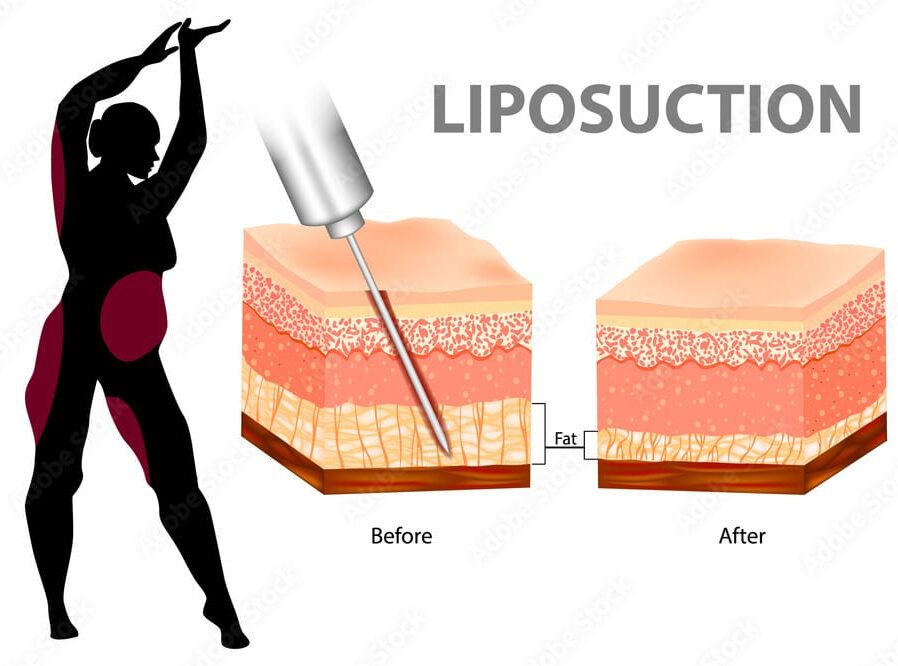
Liposuction is a surgical procedure that targets and removes unwanted fat deposits from specific areas of the body. It’s a key component of body sculpting but it’s not for weight loss. The procedure is performed through a cannula, which is a very thin tube.

It removes excess fat from places like the abdomen, thighs, waist, and arms. This technique is most successful when it comes to body contouring, providing patients with a more toned look and feel. Unlike tummy tucks that remove loose skin or non-invasive treatments that use lasers or ultrasound, liposuction provides a more targeted treatment to get rid of fat.

It’s the most powerful tool to precisely target those stubborn fat pockets for effective results.

Common Misconceptions

A common misconception is that liposuction is a solution for substantial weight loss. Its main purpose is to improve body contours. The program is not for everyone.

It’s an ideal procedure for people who are close to their ideal weight but have localized pockets of fat that don’t respond to traditional weight-loss efforts. Perhaps an even more dangerous myth is the idea that liposuction stops you from gaining weight later on.

This doesn’t nullify the need for a healthy lifestyle. Staying committed to a healthy diet and fitness routine is still necessary for the outcome to be long-lasting.

Purpose of Liposuction

The overall purpose of liposuction is to improve body contours and self-esteem. It is designed to reduce those stubborn fat areas and pockets that don’t respond to diet and exercise.

In doing so, it truly has the power to increase self-confidence and body satisfaction, giving people a new outlook and improved self-esteem. Liposuction can truly be a life-changing procedure, as it can help you achieve the body contour you’ve always desired.

This incredible change will greatly increase your happiness and self-esteem.

Signs to Consider Liposuction

  • Persistent stubborn fat that resists diet and exercise
  • Unsuccessful attempts at reaching desired body contour with diet and exercise
  • An intense feeling of needing body contouring to improve physical looks.
  • Significant effect on self-esteem from body image perception

1. Persistent Stubborn Fat

This is one of the most frequent reasons people decide to pursue liposuction. Some areas, like the abdomen or thighs, can hold onto fat no matter how many sit-ups you do or salads you eat. This isn’t a failure of willpower; this is frequently a matter of genetics, which can create fat in those stubborn areas more resistant to weight loss.

When these efforts go awry, it can really affect how you feel about yourself, affecting your body positivity.

2. Failed Diet and Exercise

Frustration quickly follows when diet and exercise efforts reach a plateau, and the results fail to reflect all of your hard work. For those who have hit a plateau, liposuction provides a path forward. It’s not about replacing health-promoting behaviors but improving these behaviors.

Consider it an additional weapon in your arsenal to achieve the shape you desire.

3. Desire for Body Contouring

If you’re looking to achieve a specific body shape or contour, knowing what you want beforehand is important. Liposuction is about working with your individual aesthetic goals to help sculpt your body to achieve those targets.

It is an important part of the equation in obtaining desired shapes, enhancing aesthetic appearance.

4. Impact on Self-Esteem

A body shape you’re dissatisfied with can erode your self-confidence. Post-surgery, most see an improvement in body image and self-confidence, which are deeply linked to mental health.

Once you feel good in your skin, it carries over into everything else you want to do with your life.

Evaluating Risks and Benefits

When making the decision to undergo liposuction, it is important to evaluate the risks and benefits of this fat removal procedure. The table below helps you see how they stack up.

RisksBenefits
Infection, bleeding, anesthesia complicationsImproved body contour, increased self-esteem

Health Benefits of Liposuction

Beyond the aesthetic advantages, liposuction has a number of important health benefits. By removing this excess fat, bariatric surgery can greatly improve your mobility and health overall, allowing you to move freely and easily and enjoy being active again.

This can help lead to improved cardiovascular health through the promotion of more active lifestyles. In addition, for some patients, liposuction decreases the amounts of triglycerides and other blood lipids, which decreases the risk of heart-related issues.

These changes are accompanied by the unexpected bonus of improved mental health—something physical health improvements can affect your confidence.

Aesthetic Improvements

Aesthetic improvements from liposuction are the main reason for millions to undergo the procedure. This allows for more targeted contouring to help you create the shape that balances best with your unique features.

Liposuction is best at removing fat from stubborn areas like the abdomen, thighs, and arms. This careful procedure ensures a natural, balanced and proportionate aesthetic result.

This transformation is more than skin deep. It not only helps you look good, but it makes you feel good too, improving your self-image and confidence.

Recovery and Downtime

Paying attention to what recovery looks like will be essential when planning for future disasters. Generally, downtime depends on how invasive the procedure is.

The majority of people can resume non-strenuous activities within one week and are fully healed in six weeks. After surgery, adherence to post-operative care instructions is crucial to help promote proper healing and garner the best possible results.

Potential Complications

While undergoing liposuction procedures is generally safe, serious complications such as infection, scarring, or uneven contours can occur. Choosing a skilled plastic surgeon and adhering to post-care instructions can significantly reduce these risks.

Preparing for Liposuction

Consultation with a Specialist

When preparing for liposuction, visiting a licensed and experienced provider should be your first step. During this visit, be honest about your health history and any underlying medical issue. The specialist will consider your body type and the areas of the body you are focused on treating.

They will walk you through the full procedure. In addition, they will require that it usually uses no more than 3 to 4 liters of fluid. This is the ideal time to start asking questions about your recovery process.

This process typically takes a few months, and you should see the majority of your improvement by three to six months. Swelling and bruising will be noticeable at first, reaching a peak at about 48 hours after your procedure.

Setting Realistic Expectations

Having realistic expectations before your surgery can set you up for a positive and fulfilling outcome. Liposuction will have a dramatic impact on body contour, but it is not a weight-loss option.

Realizing that full recovery and best results may take time will go a long way toward managing your expectations. While the full impact of the procedure is typically seen in three to six months, the rapid improvement can be quite encouraging.

To keep these results, adopt a healthy lifestyle. Eat more frequent, smaller meals to keep your metabolism revved up and get at least 150 minutes of moderate-level physical activity a week.

Pre-Surgery Guidelines

Preparation for liposuction surgery requires adherence to certain guidelines to make the process as smooth as possible. If you use contact lenses, be sure to wear glasses on surgery day to prevent complications.

Taking your doctor’s nutritional advice is key to keeping your metabolism up and helping you heal after your procedure. Whatever the case may be, it is crucial to follow these instructions to reduce complications and maximize recovery.

Post-Liposuction Care

Recovery Process

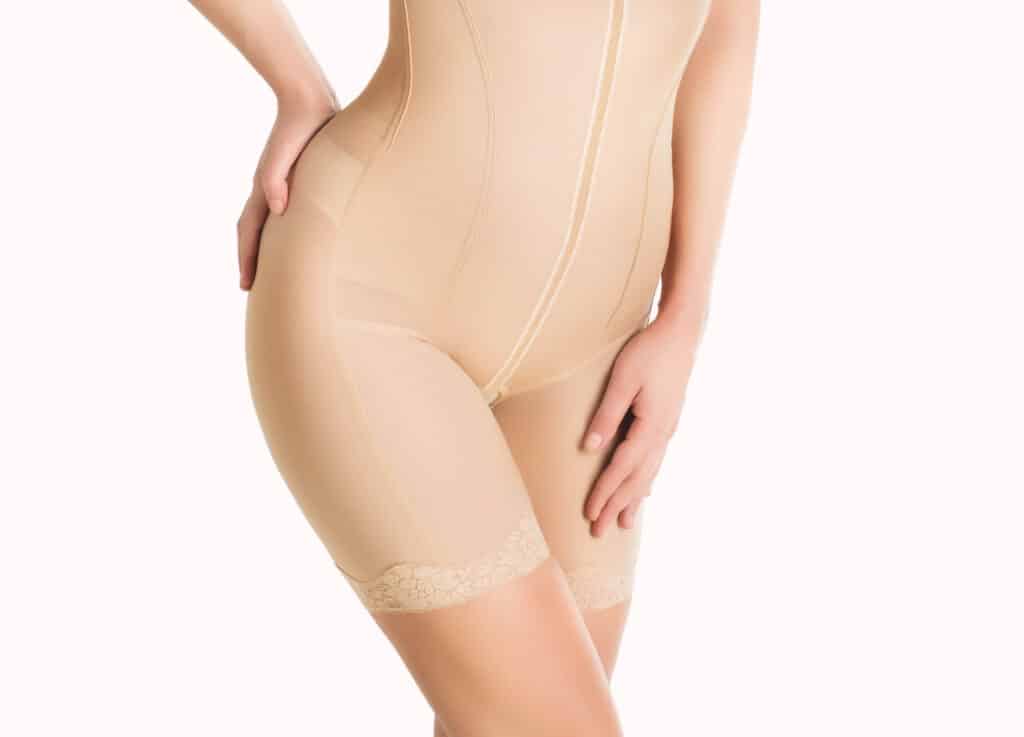
The healing process is straightforward and consists of natural stages that lead to the best possible results. Post-operative swelling and bruising is the most common complaint after liposuction, and for good reason. In the initial post-operative period, it’s very important to wear your compression garment as instructed by your physician.

This compression garment aids in smoothing out swelling as well as sculpting and reshaping your figure into its new form. The post-op care guide suggests gentle movements as you heal, but advises against any strenuous activity for at least a few weeks. It’s important that you keep the incision area clean and dry to avoid infections.

Elevating the treated area as much as possible will help reduce swelling as well. Recovery times vary, but most individuals can resume normal activities within a few weeks, with full results becoming visible after a few months.

Maintaining Results

By and large, the changes achieved through liposuction will only be permanent with long-term adherence to a healthy lifestyle. Eating wholesome meals filled with veggies, fruits, lean proteins, and whole grains are must-haves. Increased regular physical activity—active transportation like walking or biking—contributes to weight maintenance and improved health.

Staying hydrated is very important, as being well-hydrated is key to helping your body’s metabolism and assisting with the healing process. Keep in mind that liposuction isn’t a replacement for weight loss, but rather, it’s used to address specific problem fat areas.

When you make healthy habits a part of your lifestyle, you can look forward to permanent results and a better quality of life.

Follow-Up Appointments

Follow-up appointments are a key component of the post-liposuction care. These visits give your surgeon a regular opportunity to monitor your progress and answer your questions or concerns. During these follow-up appointments, your doctor will be able to monitor your healing process and make sure that the areas treated are forming the way they should.

It’s an opportunity to address any questions and concerns you may have regarding your recovery and lifestyle changes needed. Consistent follow-up appointments help us ensure your long-lasting, beautiful results. They provide comfort and reassurance as you begin your post-surgery journey.

Conclusion

Liposuction provides a solution to address those pesky spots that don’t respond to diet and exercise. That’s a journey that begins with knowing what it’s capable of, and knowing when it’s right for you. Consider the indicators that you’re all set, such as stubborn areas of fat. Be aware of the dangers as well as the advantages. When you prep correctly, everything goes much more smoothly. Proper care after the procedure goes a long way toward achieving the best results. Maybe most of all, this path requires patience and a good dose of realistic expectation. Every single step counts in achieving the result you desire. If you have been considering having the procedure, there is no better time to make your decision. Do your research, talk to professionals, and determine whether or not liposuction is the right choice for you. Make the move to be more comfortable in your own body.

Frequently Asked Questions

What is liposuction?

Liposuction is a cosmetic procedure that effectively targets excess fat deposits for body contouring. This fat removal procedure is intended for reshaping specific areas such as the belly, thighs, and arms. While it offers aesthetic liposuction results, it should not be viewed as a weight-loss solution.

How do I know if I need liposuction?

Choose liposuction procedures if diet and exercise can’t effectively remove fat pockets. This cosmetic surgery is best for individuals who are near their ideal weight but desire a slimmer body contour. Consulting with a qualified, board-certified plastic surgeon can provide tailored advice for your specific liposuction journey.

What are the risks of liposuction?

Possible risks of liposuction procedures can include infection, scarring, or uneven contours. Selecting a well-qualified, board-certified plastic surgeon reduces these chances. During your first consultation, bring up all your concerns to understand the possible complications and how to prevent them effectively.

How should I prepare for liposuction?

On your end, preparation for the liposuction procedure will involve stopping smoking, abstaining from certain medications, and preparing for post-surgery care. To achieve the best liposuction results and a comfortable recovery, be sure to follow your surgeon’s pre-operative guidelines to the letter!

What is the recovery time after liposuction?

Recovery from liposuction procedures will depend on the extent of the procedure, but typically takes several weeks. Swelling and bruising are common at first. While it’s possible to return to work within one to two weeks, complete recovery can take several months. Following your surgeon’s detailed post-care instructions is crucial for achieving optimal liposuction results.

Can liposuction improve my health?

While the liposuction procedure primarily focuses on cosmetic concerns, it may also enhance self-confidence, motivating individuals to pursue a healthier lifestyle. Discuss your health goals with your plastic surgeon to explore various body areas and alternative methods for achieving medical benefits alongside your liposuction journey.

Will the fat return after liposuction?

While the liposuction procedure permanently removes fat cells, the remaining cells may still enlarge with weight gain. Avoiding substantial weight change through regular exercise and a proper diet is essential for ensuring your liposuction results last. Routine check-ins with your plastic surgeon will also help keep you satisfied throughout your liposuction journey.


Busting Popular Misunderstandings About Liposuction

Key Takeaways

  • Liposuction is a common cosmetic surgery procedure primarily performed for body contouring. It’s not a weight loss technique, and managing expectations is key.
  • The advanced procedure utilizes many techniques, such as tumescent and ultrasound-assisted liposuction. It targets stubborn areas such as your abdomen and thighs in order to better define your contours.
  • Common myths, such as liposuction being a weight loss solution or exclusive to women, need debunking to make informed decisions.
  • Results from liposuction are permanent. As discussed above, while liposuction removes fat cells, it’s not a substitute for a healthy lifestyle. New fat can still build up if lifestyle changes aren’t adopted.
  • Though safety and recovery have improved with modern technique, selecting a qualified surgeon and following post-op recovery instructions are still very important.
  • The ideal candidates for liposuction are those who have a stable weight and good quality skin. Pre-surgery consultations are indispensable to determine their appropriateness.

Liposuction is one procedure that manages to evoke a range of myths and misconceptions. Often, myths and misconceptions about the treatment obscure the truth, creating misunderstandings about this widely-performed cosmetic procedure. You may be told it’s a quick fix for losing weight or that it entails several months of recovery.

We hope it’s evident that these misconceptions often present a distorted image. Liposuction is less about weight loss and more about body sculpting through the removal of localized fat deposits. Though recovery time differs for everyone, most patients are able to return to their normal routine after about a week.

Separating fact from fiction allows you to make the right choices, whether you’re thinking about the popular procedure or just want to know more. This guide is designed to dispel the myths and give you some real, down-to-earth, honest information about what liposuction really is.

What Is Liposuction

Liposuction is a type of cosmetic surgery that removes subcutaneous fat—that is, fat located just below the skin. It’s not about losing weight, it’s about contouring the body. The primary aim is cosmetic improvement, assisting people in attaining a smoother, more sculpted physique.

We need to address the many misconceptions about liposuction. This explains what it is supposed to do, and helps establish the appropriate expectations.

Definition and Purpose

Liposuction isn’t a panacea for obesity. Rather, it’s a cosmetic body contouring procedure. It’s important that people who are considering it have realistic expectations.

The procedure is intended to remove fat deposits in specific areas, improving the shape of the body. It’s definitely not a solution for obesity. The general public needs to realize that the healthiest candidates are often within 30 percent of a healthy weight range. They’re just looking to eliminate some stubborn pockets of fat.

Common Procedures and Techniques

There are many different liposuction techniques, including tumescent liposuction and ultrasound-assisted liposuction. These techniques are generally used to target areas like the stomach, thighs, and arms.

For a clearer picture, here’s a comparison of common techniques:

TechniqueEffectivenessRecovery Time
Tumescent LiposuctionHigh2-4 weeks
Ultrasound-AssistedModerate2-4 weeks

Despite its safety record, liposuction is very popular, and in fact, it ranks as the fifth most commonly performed plastic surgery in the U.S.

It’s a minimally invasive procedure, and the recovery time is fairly quick. Patients typically go back to work within a few days but should refrain from strenuous activity for about two weeks.

Although discomfort is worst on about day three, it goes away within a week or two. Swelling goes down within the first few months, revealing your final results, which include a sleeker body contour.

Not a weight-loss tool. Despite common misconceptions, liposuction is not a weight loss solution on its own.

Common Myths About Liposuction

1. Liposuction Is for Weight Loss

Liposuction is one of the most popular procedures available, with more than 225,000 operations performed last year, but knowing what it’s intended for is crucial. It’s not meant to be used for major weight loss. Instead, it’s employment to shape areas of the body.

In fact, ideal candidates are typically people who are no more than 30 percent over their ideal body weight and who want to focus on removing specific fat areas. Unlike other dieting methods, which are designed for simple weight loss and reduction, liposuction is used for body sculpting and contouring.

2. Results Are Permanent

Though liposuction does eliminate fat cells from your body, ensuring the long-term success of your procedure requires commitment to a healthy lifestyle. New fat can still grow if you don’t maintain a healthy diet and exercise lifestyle.

If you want to maintain that newly sculpted appearance, a healthy diet and consistent exercise routine will be necessary. The longevity of the results is greatly influenced by these lifestyle decisions, making maintaining one’s health a necessity.

3. Liposuction Replaces Diet and Exercise

Liposuction does not take the place of maintaining a healthy lifestyle; it is an addition to it. People are misled into believing it will take the place of diet and exercise.

In reality, it’s more of a tool for body sculpting. Patients only lose two to five pounds on average. This all goes to prove that it should definitely not be thought of as a weight loss solution.

It’s ideally viewed as a tool to improve physical appearance, not replace a healthy lifestyle.

4. Liposuction Is Only for Women

Myth #2 – Liposuction Is A Women’s Procedure. Men also often choose this procedure, ranking it among the top five cosmetic surgeries for American men.

Male patients frequently focus on the abdomen and love handles for contouring and sculpting. This procedure is very inclusive, benefiting anyone who wants to improve their body contours.

Realistic Outcomes and Limitations

Expected Results

Most patients look forward to seeing a more sculpted figure after liposuction. Due to each person’s unique body type and the area(s) treated, results may vary. For instance, if your skin is more tight, you might see results faster.

Patience is important because it can take several months to see final results with swelling. Typically, swelling can persist for a few weeks, affecting how quickly you notice results. The complete change can take a few months as the swelling goes down.

Normal functions usually return in a matter of days. Ideally, you should wait 2-4 weeks before doing anything too active.

Factors Affecting Results

There are many factors that play into liposuction outcomes. Skin elasticity is a major factor. People with more elastic skin generally experience the best outcomes.

Overall health is important as well. Restoration of health leads to better recovery and best outcomes. What’s left is very dependent on the healing process, and the amount of fat removed plays a critical role.

Larger removals might require a longer time to heal and adapt. Each person’s anatomy is different, and this difference should lead to realistic expectations. By talking about personal goals with a surgeon, it allows for more realistic outcomes to be put in place.

Limitations and Considerations

Liposuction is not a magic bullet. It won’t treat cellulite or loose skin. Setting realistic outcomes and limitations is crucial.

Realize that liposuction only removes fat and does not address things like excess skin or skin laxity. If removing fat is not the only concern, further procedures may be required.

Full recovery typically takes six to eight weeks and healing continues well beyond that time frame. Success is predicated on being able to eat a healthy diet and exercise regularly.

Liposuction isn’t solely a woman’s procedure—male procedures increased by 5% in 2020.

Safety and Recovery of Liposuction

Liposuction has really advanced into a much safer procedure with new techniques that emphasize patient safety. Advances in technique, such as tumescent liposuction, employ local anesthesia, reducing some of the hazards associated with general anesthesia. These techniques combine to create a safer, more comfortable experience for the patient.

The most important factor is the plastic surgeon you choose. They’re equipped to reduce the level of risk and ensure that the entire process runs as safely as possible. New technology, particularly in minimally invasive surgery, has played a major role as well. It makes the recovery process much quicker, with most patients getting back to normal activities in about a week or two.

Safety Measures and Precautions

Prior to surgery, safety precautions are extremely important. Pre-operative evaluations ensure that you are prepared. They review your health history to avoid unexpected surprises.

During recovery, following care instructions is crucial. These measures are things like the use of compression garments and monitoring for signs of infection. Taking these steps promotes optimal healing and reduces the risk of complications.

Typical Recovery Time

The recovery from liposuction is typically a few weeks. The first week, it’s really just preventing swelling and resting.

Swelling takes much longer — weeks — to resolve, but the majority of people are back at work and engaging in light activities within a week. It usually takes time for final results, sometimes up to four months, as swelling subsides.

Potential Risks and Complications

Like all elective surgeries, liposuction has risks but serious complications are extremely rare. Common side effects are bruising and swelling.

Having a clear understanding of these risks can establish a more realistic expectation. Knowing these facts helps you develop realistic expectations and make an informed decision.

Eligibility for Liposuction

Ideal Candidates

As with all cosmetic procedures, liposuction, a top body contouring option, is the ideal choice for specific patients. Candidates for liposuction are usually at or near their desired weight and have skin with good elasticity that will help provide the best possible results.

It’s crucial to understand that age alone is not a deciding factor for eligibility. Health and skin elasticity, for instance, become the most important considerations. Even someone older than 40 years old with good skin elasticity may be a candidate.

Younger patients with very bad skin quality might have more difficulties. A comprehensive consultation, preferably with a board-certified plastic surgeon, is key. Our Tennessee-based specialists have more than 25 years of experience. Only they can determine if you are a good candidate and help you establish realistic expectations.

Health Considerations

Overall health considerations play a major role in determining who is a good candidate for liposuction. This procedure is not intended as a weight loss solution, but instead a chance to get rid of stubborn fat.

The majority of these candidates have a BMI under 30. Many people with a BMI as high as 35 should explore procedures such as a tummy tuck first. Patients with a BMI greater than 35 need to lose weight before undergoing liposuction.

Being open about your complete medical history and any existing health issues with your surgeon will help ensure the procedure will be safe and effective. Putting your health first and maintaining a realistic mindset will set you up for the most successful outcome.

It’s equally important to note that liposuction does not remove cellulite, so seeking out other cellulite treatments may be required.

Conclusion

Liposuction is a powerful body sculpting tool and a realistic solution for many. It too has its own truths and limitations that you should be aware of. It isn’t a weight-loss tool; it’s a way to sculpt your body by targeting specific areas. With safety and recovery at stake, it is absolutely vital to adhere to strict medical recommendations. While there are general factors, eligibility ultimately comes down to your individual health and goals, which is why a professional consultation is vital. Understanding the realities enables you to make informed decisions and have appropriate expectations. Want to find out more about liposuction and how it can work for you? Contact a board-certified expert to discuss your possibilities and receive personalized guidance. By knowing what to expect, you’ll feel more empowered to make informed decisions with confidence, setting you on the right path towards a healthier, happier you.

Frequently Asked Questions

What is liposuction?

Liposuction is a popular cosmetic procedure that effectively removes excess fat from targeted areas of the body, such as the abdomen, flanks, thighs, and arms. While it serves as a rewarding body sculpting procedure, it is important to note that it is not a weight loss solution but rather a method for cosmetic body contouring and enhancement.

Does liposuction help with weight loss?

Nope, this is not a weight loss procedure; rather, it’s a liposuction procedure designed to eliminate stubborn fat deposits. It’s only appropriate for those who are close to their target weight. With liposuction, the objective is body contouring, not significant weight loss.

Is liposuction safe?

Yes, the liposuction procedure is safe when performed by an experienced plastic surgeon. To achieve the best liposuction results, seek out a board-certified professional and carefully follow all pre-and post-operative care instructions to ensure your surgery is safe.

How long is the recovery period after liposuction?

Every case is different, but the average liposuction candidate is back to work within a week. The full recovery process after the liposuction procedure usually takes several weeks, with swelling and bruising expected in the first phase.

Who is eligible for liposuction?

The best liposuction candidates are adults who are at least 30% over their ideal weight and possess great skin elasticity along with strong muscle tone. Individuals with certain underlying medical conditions may not qualify for this fat removal procedure.

Can liposuction remove cellulite?

No, the liposuction procedure does not get rid of cellulite. While it effectively eliminates fat below the skin, it cannot achieve smoother skin, making other less invasive treatments more suitable for cellulite forms.

Are the results of liposuction permanent?

Yes, liposuction results are permanent as long as you don’t gain a lot of weight. Removed fat cells do not come back, but if a person experiences significant weight gain, new fat can form.

The Psychological Impact of Uneven Liposuction Results on Self-Esteem

Key Takeaways

  • Though liposuction is a cosmetic procedure, the physical and psychological effects of uneven results are profound and patients must be aware of these implications. Knowing how liposuction can help you achieve your desired body shape will improve your self-image.
  • Here she explains even results with liposuction, covering causes of uneven results, psychological impact, and more. Choosing a qualified, experienced surgeon and committing to a healthy lifestyle after the procedure are key to attaining the best results possible.
  • The psychological damage from non-uniform results from liposuction are extremely detrimental to a person’s self-esteem, emotional state, social interactions, and body image. Addressing these impacts will require open communication from healthcare providers.
  • Annoying complications like scarring, nerve damage, and persistent swelling all contribute to disappointment. Realistic expectations on the part of the patients along with extensive pre-surgical counseling will help patients understand their experience and be prepared for what may happen.
  • To combat patient expectation, it is critical to establish patient goals that are realistic and communicative with actionable items between patient and provider. Pre-operative counseling may better prepare patients to accept the limitations of liposuction and develop a realistic mental image of expected outcomes.
  • Mitigating the psychological impact of uneven results therapy and effective coping can be found in support groups and proper coping methods. Regular follow-up care and self-care strategies are essential to emotional recovery.

This recontouring improves shape and proportion of the body by removing fat deposits, resulting in a more balanced and beautiful physical appearance.

The psychological impact of uneven results is significant. When results don’t come in uniformly, the repercussions extend beyond physical body shape. Such results can take an emotional toll, affecting confidence and self-esteem.

When individuals are faced with a lack of clarity or even disappointment, it can result in increased pressure and anxiety. For many patients, addressing these feelings is just as important as their physical outcome.

Open communication with healthcare providers before and after the procedure is essential to manage expectations and navigate any emotional challenges that may arise. Being aware of the psychological impact of uneven results can better prepare people so they’re left with a more positive overall experience.

Awareness, acceptance, and support can make all the difference between recovering and being content— or not.

Understanding Liposuction

Liposuction is primarily a cosmetic procedure intended for fat removal, to reshape areas of the body. Unlike conventional weight loss approaches that rely on diet and exercise, liposuction focuses on removing deposits of fat directly through suction methods. This procedure can address a wide area of the body, most commonly the abdomen, thighs, arms, and neck.

It provides a tailored, targeted treatment plan to meet your ideal body shape goals. What makes liposuction different than other weight loss solutions is its ability to deeply shape and refine the body. Unlike traditional weight-loss techniques, the goal is to contour your body.

What Is Liposuction

Liposuction is a great option to remove targeted fat with suction-assisted techniques. A thin tube, called a cannula, is injected through small, discreet incisions to remove the fat you don’t want. These areas are often the first to be treated with liposuction, including the abdomen, thighs and arms.

In contrast to diet and exercise, which lower total body weight, liposuction focuses on sculpting and improving specific body contours.

Common Goals of Liposuction

Commonly, patients come to improve their body contour and increase their attractiveness for themselves and others. Through precise body contouring, this cosmetic surgery procedure can help you achieve the figure you desire.

So far, patients have experienced an average weight loss of about 8.3 pounds only 12 weeks after surgery. Higher body shape perception, as measured by higher satisfaction scores on the BAS-B Body Areas Satisfaction Scale.

The promise of liposuction is perhaps most apparent when patients speak of their newfound confidence and self-esteem, or how they often feel less depressed and anxious.

Procedures and Techniques

Different liposuction approaches, like tumescent and ultrasonic liposuction, provide distinct advantages. A side by side comparison chart would better allow you to grasp the advantages and disadvantages of each.

Selecting an experienced plastic surgeon is key to achieving the best result, as the surgeon’s expertise directly affects the physical and psychological outcomes. This illustrates how cosmetic surgery can improve health, as liposuction decreases insulin resistance and cholesterol levels.

This has made it a significant surgical tool for individuals fighting obesity.

Causes of Uneven Results

Understanding the factors that contribute to uneven liposuction results is crucial for cosmetic surgery patients in setting realistic expectations and achieving a higher level of satisfaction with their liposuction procedures.

Surgical Errors

Surgical errors are an important source of these uneven results. Erroneous practices would be variable fat removal, placement of incisions without regard for proper scar healing, or failure to adequately contour.

Intensive pre-operative evaluations are important. They assist in recognizing possible complications, making sure that each patient receives a customized approach based on their specific needs.

At times, corrective action would be required. These are ideally done six months after surgery, once some of the initial healing has had time to settle.

Healing Variability

A patient’s individual healing journey has a huge impact on outcomes. Age, skin elasticity, and general health all play a role in how quickly and effectively one heals.

For example, while older patients can have a tendency for slower healing, younger, healthier patients can often achieve faster results. Understanding individual healing timelines assists in tempering expectations.

Fat Redistribution

After liposuction, fat has a tendency to redistribute, changing body shape. This change can greatly affect satisfaction, since it’s not what they were expecting to get.

Preventing and controlling these lifestyle changes following surgery are key to adjusting and handling the increased risk of complications. It fuels lasting benefits and builds widespread support.

Psychological Effects of Uneven Results

Uneven or lumpy results from liposuction can take a toll on mental well-being. Some of the patients who are most likely to experience dissatisfaction will be those with preexisting body image concerns. This dissatisfaction is known to exacerbate underlying mental health issues such as Body Dysmorphic Disorder (BDD), which occurs in 3-8% of patients in cosmetic outpatient clinics.

Cosmetic surgery does not effectively treat BDD or stop it from developing in people with mild symptoms.

1. Impact on Self-Esteem

Poor, uneven results can have a profound impact on self-esteem. Psychological impact personal self-worth can be further impacted when physical expectations are not achieved. This profound connection between body dissatisfaction and mental health has been shown to manifest as anxiety or depression.

Open conversations with healthcare providers regarding the impact on self-esteem can be important.

2. Emotional Distress

Regret and disappointment are common emotional reactions among cosmetic surgery patients to uneven liposuction results. Such experiences can lead to a decline in mental health, including anxiety and depression, highlighting the importance of psychological support alongside physical recovery.

3. Social Anxiety

The threat of judgment and the consequence of uneven results from cosmetic surgery procedures, such as botched liposuction, can cause social withdrawal. Helping patients feel secure in seeking out support networks is crucial to overcoming this anxiety.

4. Body Image Issues

Negative body image concerns can be compounded by uneven results. These demands are compounded by societal pressures and beauty standards, which only heighten this stress.

Fostering a positive body image after surgery is critical.

Common Complications Leading to Dissatisfaction

Scarring and Skin Irregularities

Scarring can have a huge impact on the appearance of liposuction results. Hypertrophic or keloidal scars develop in approximately 1.3% of patients, although even minor scars can disrupt the desired smooth look. This can profoundly shape an individual’s sense of self, with visible cues of surgery difficult to overlook.

Patients need to have discussions with their surgeons about the risk of scarring. This important conversation prepares them for the possibility of skin irregularities and effective management techniques.

Nerve Damage and Sensation Loss

Liposuction occasionally damages nerves, resulting in loss of sensation. This can lead to a loss in body ownership and an emotional detachment from one’s own body. To feel “off” is a terrifying experience.

We advise patients to promptly communicate any aberrant sensations to their health care providers in the early post-operative period.

Persistent Swelling

Ongoing swelling can hide the new body shapes, leaving the patient unhappy. The emotional recovery is already emotionally taxing since more swelling than usual may prolong the wait for your final results.

It’s important to set realistic expectations about how long recovery will take. Swelling usually peaks and resolves by 3 weeks but can persist beyond that time in some individuals.

Managing Patient Expectations

If you’re considering aesthetic procedures like liposuction surgery, establishing appropriate expectations is very important. Liposuction is a powerful tool to sculpt the body, but managing expectations for cosmetic surgery patients can make all the difference. Not every modification is possible, and body type significantly influences the liposuction result.

When patients collaborate with health care teams to set realistic achievable goals, they tend to experience greater satisfaction and improved mental health outcomes. The improvement process begins with in-depth conversations with surgeons. Open and honest discussions about expectations help to reduce the likelihood of disappointed patients and can prevent issues related to body image dissatisfaction.

Unmet expectations can cause great emotional suffering, so having these conversations makes sure you’re all working towards the same goal. It’s imperative that surgeons set proper expectations about what liposuction can, and cannot, do. Furthermore, they should stress the need for proper technique and safety precautions.

No more than 8% of your body weight should be removed via liposuction. Once again, the importance of executing these procedures correctly to minimize risks, such as postoperative depression, is critical.

Importance of Realistic Outcomes

A realistic understanding of outcomes makes your patient happier and healthier. It is important for patients to be able to picture outcomes that are realistic for their body types. This type of approach will set better expectations and lessen the chance you’ll leave them disappointed.

Help, like pre-surgical counseling, helps patients deal with emotional effects. Psychological evaluations support patients through adjustment and foster open dialogue.

Pre-Surgery Counseling

Counseling sessions play an important role in preparing for surgery. By discussing possible emotional consequences, patients are more equipped to set realistic expectations. These sessions need to allow for open conversations about fears and expectations.

Access to mental health support should be a priority, particularly for men undergoing life-changing surgery.

Communicating with Healthcare Providers

Better care comes from clear communication with your healthcare providers — and managing expectations is part of that. Sharing feedback translates to better experiences before and after surgery.

Patients need to be empowered to ask questions and communicate their expectations. This is important in ensuring that the surgical results are matched with individual goals.

Strategies to Mitigate Psychological Impact

Knowing what to expect and how to deal with emotional reactions post-liposuction is key to ensuring a happy and healthy recovery. Acknowledging these feelings of dissatisfaction or anxiety is the first step. When body image fails to meet post-surgery expectations, it frequently results in psychological harm.

This is where healthy coping strategies can make all the difference. For example, emphasizing the importance of gradual weight loss and changes to body composition over the course of several months can set more realistic expectations. Research has found that structured weight-loss programs greatly improve body image. This underscores the importance of establishing achievable objectives and expectations from the outset.

Support Groups and Therapy

Becoming a part of support groups builds a community. This is where you can post your stories, get support and post-op encouragement from others who’ve had this surgery. These emotional recovery circles help you heal and renew the understanding that you are not alone.

Therapy can be helpful, too. Despite the challenges, professionals are in a position to intervene on body image issues and emotional distress, particularly when there is a severe psychological impact. If you are suffering from Body Dysmorphic Disorder (BDD), reach out to a qualified mental health professional for support.

Keep in mind, just getting cosmetic surgery may not make you happier based on clinical interviews.

Follow-Up Care and Monitoring

Frequent follow-up appointments are necessary after surgery. They make sure that any complications that do arise are caught early, resulting in better outcomes all around. Regular measurement helps you monitor increases or decreases in body fat and waist size.

It monitors hormone levels like insulin and ghrelin that are related to how your body reacts to surgery. Building psychological impact strategies is essential. Keeping in touch with health care providers during the recovery process helps provide a sense of stability and improves health outcomes.

Coping Mechanisms and Self-Care

Easy self-care techniques are key to an emotional healing process following liposuction. Regular exercise and a nutritious diet have positive effects on mental health, and mindfulness and self-compassion can help make the recovery process smoother.

In addition to supporting body positivity, these practices promote acceptance of healthy, normal, and natural changes over time. Promoting self-care, like a healthy diet and exercise, is a good start. Mindfulness and self-compassion help you be kind and forgiving to yourself, focusing more on the process than the outcome.

Conclusion

Liposuction provides an excellent avenue for patients to achieve the body contours they desire, but asymmetrical results can occur. These results frequently lead to massive psychological trauma. Recognizing this impact allows us to better appreciate the true cost of cosmetic procedures. Honest conversation regarding the risks involved and likely results helps establish a positive groundwork for satisfactory procedures. Proper mental health support, paired with open, honest dialogue, serves as a cushion against dissatisfaction and emotional distress. By being vigilant, healthcare providers and patients alike can do their part to reduce the harmful impact. Just remember, taking a holistic approach to your physical health and mental wellbeing makes for a positive liposuction experience. If you are thinking about having liposuction, be sure to discuss with your doctors realistic outcomes and the availability of psychological support. Knowledge is power—informed decisions will always lead you down a path that’s right for you.

Frequently Asked Questions

What is liposuction?

Liposuction is a popular cosmetic surgery procedure that effectively removes unwanted fat deposits, helping to sculpt targeted areas of the body, such as the stomach, legs, and arms. While it is not a weight-loss solution, successful liposuction surgery can reshape body lines and enhance body image satisfaction.

Why might liposuction results be uneven?

These uneven results, often seen in cosmetic surgery patients, are typically the result of inexperienced surgeons, improper technique, or simply the nature of human anatomy. Factors like uneven fat removal during liposuction procedures or lack of skin elasticity may also contribute. Choosing an experienced, board-certified surgeon can help minimize these risks.

How can uneven liposuction results affect mental health?

If they do result in asymmetric or uneven results, the impact can be devastating, potentially creating body image dissatisfaction among cosmetic surgery patients. Those undergoing liposuction may be left feeling anxious, depressed, or with diminished self-worth. Managing these feelings through open communication with a healthcare provider can help to soothe these nerves and concerns.

What are common complications of liposuction?

Like all surgical procedures, whether major or minor, there are risks associated with cosmetic surgery patients, including complications such as bruising, swelling, and infection. More serious issues can involve liposuction surface irregularities or contour deformity, making it essential to select a board-certified and experienced plastic surgeon to reduce these risks.

How can patient expectations be managed effectively?

Good management of cosmetic surgery patients requires honest communication between the surgeon and patient. By discussing possible outcomes, risks involved, and what recovery will look like, we can establish realistic expectations for successful liposuction surgery, protecting the emotional wellbeing of patients.

What strategies help mitigate psychological impacts of uneven results?

Support groups or professional counseling, along with maintaining open dialogue with trusted healthcare providers, are key in managing the emotional outcomes of cosmetic surgery patients. Correcting imperfections promptly through revision surgery, especially after botched liposuction, would significantly alleviate psychological distress.

Are uneven results fixable?

The good news is that uneven liposuction results can usually be fixed with corrective liposuction. Consulting with an experienced plastic surgeon can guide cosmetic surgery patients toward the best courses of action to achieve the desired outcomes.

Liposuction Recovery: A Week-by-Week Guide on What to Anticipate

Key Takeaways

  • Liposuction recovery is a step-by-step process that takes time and patience, so following post-operative care is important to achieve optimal results. Getting familiar with and sticking to a week-by-week, detailed recovery timeline can make a difference in healing time.
  • Overall health, the level of treatment, and personal lifestyle factors are key in how long it takes to recover. Keeping clear communication with your healthcare team will help to ensure that concerns can be addressed, and progress and expectations can be managed.
  • During the week following surgery, you will be closely focused on starting your healing process. Patients should prioritize rest, manage pain and swelling with prescribed medications, and wear compression garments as advised to support recovery.
  • By week two, patients should notice a significant reduction in swelling and bruising and an overall boost in energy levels. Light activity such as walking will help encourage circulation while keeping the body from being overworked.
  • Weeks 3 and 4 usually mean developing, dramatic changes in body contours. A gradual return to activity combined with regular use of compression garments will help you along the way to your ideal results.
  • After week 5, you’ll still be healing long-term and continuing to experience improvements with the appearance and texture of your skin. Embracing healthy lifestyle habits, such as eating a nutritious diet and getting routine physical activity further enhances your recovery from liposuction. These habits further maximize your long-term satisfaction with the results.

Liposuction enables you to sculpt your body exactly how you want. Understanding what to expect during your recovery can help alleviate unnecessary stress and discomfort.

One week post-procedure, expect mild swelling and bruising that increases for the first few days and then starts to recede. During week two, you should feel a significant drop in soreness, and light activity will be much more manageable.

During weeks three and four, swelling significantly reduces to start showing your final, sculpted results. At the end of the first month, most patients are back to their regular routine with a noticeable increase in comfort.

By paying attention to your body and prioritizing your doctor’s instructions, you’ll return to your routine in no time. Each step on this timeline brings you closer to your desired outcome, fostering confidence and satisfaction with your new silhouette.

Understanding Liposuction Recovery

Liposuction recovery is a steady path toward healing, as your body heals and adapts to the new contours created by the removal of fat. This time frame is very important. It emphasizes the importance of managing symptoms, like swelling, bruising, and discomfort, which usually peak within the first week.

Usually by the seventh or eighth day, these symptoms start to subside. Close monitoring and adherence to a structured recovery timeline make for easy, quick, and amazing results.

What Is Liposuction Recovery

The length of recovery after liposuction can depend, but it typically lasts four to six weeks. During this time, your body is hard at work healing and adjusting to all of the changes.

Being mindful of symptoms and following an appropriate recovery timeline can help you avoid further injury. Frequent, proactive communication with healthcare providers makes a world of difference during this journey.

They present a unique opportunity to identify areas of concern and implement changes to improve care plans.

Factors Affecting Recovery Time

There are many factors that play into how quickly you’ll recover. Personal health factors, such as advanced age and pre-existing medical conditions may help to lengthen the time.

How extensive the procedure is and which areas are treated also play a role. More extensive treatments may need more time to heal.

Secondly, lifestyle choices such as diet and exercise habits play a huge role in recovery. Healthy habits help you heal faster.

Importance of Following Doctor’s Advice

Adhering to post-operative instructions and guidelines gives you the best chance of avoiding complications and encouraging healthy recovery. Honest and open communication with your surgeon regarding your progress is key.

Adhering to the recommended guidelines results in optimal recovery and keeps you happy and healthy with beautiful liposuction results. Patients typically begin to see their results around the third week, although the body continues to change for as long as three months.

Week 1 Recovery Expectations

Your first week after liposuction sets the tone for your entire recovery. This moment provides an opportunity to lay the groundwork for a successful recovery. Rest is important, too, as your body needs time to get used to your new routine and recover.

You might be surprised by how much you have to endure, but hey, that’s the nature of the business. Wearing compression garments is especially important this week. These garments promote healing by improving circulation, reducing swelling, and providing muscle support, making recovery easier and more comfortable.

1. Common Symptoms in Week 1

Through this first week, swelling, bruising, and a fair amount of pain are to be expected. These symptoms are completely normal and expected following the procedure and are your body’s natural response.

Therefore, it’s crucial to be vigilant about these symptoms and to communicate any sudden or unexpected changes to your healthcare provider. The first 24 hours after your surgery will likely be the most uncomfortable. You may be concerned about managing pain as you recover from surgery.

2. Managing Pain and Swelling

Pain management includes prescribed medications and cold compresses. Using head and knees elevation while sleeping will relieve discomfort.

Don’t engage in any strenuous activity to avoid increasing your pain or swelling. By the third day, moving to ibuprofen will start to better address swelling and inflammation.

3. Tips for Rest and Care

  • Prioritize sleep and relaxation to aid recovery.
  • Keep surgical sites clean and dry to prevent infections.
  • Follow medication regimens for effective pain management.
  • Steer clear of lifting anything too heavy or excessive, aggressive movements to keep tissues that are healing from being compromised.

Week 2 Recovery Expectations

1. Changes in Symptoms During Week 2

During the second week, you should start seeing a lot of visible progress in terms of swelling and bruising. Even though you might experience more swelling than usual, this is a good indication that your body is going to work healing itself.

It’s normal to continue to have several firm lumps and bumps. For many, though, the opposite is true, and they experience increased energy in the process. Enhanced mobility is typical, and many individuals discover they are able to go back to work, as long as it isn’t strenuous.

Pay very careful attention to your symptoms. If you notice anything that just doesn’t seem right, contact your doctor immediately!

2. Resuming Light Activities

By this week, gentle movement starts to take center stage in your recovery. None of these things work quite as well as walking to improve circulation and promote healing.

Begin with slow, simple walks, then pick up your pace and distance when you’re comfortable doing so. The key is tuning into your body — don’t push ahead too quickly.

Listen to your body. Your body is the best judge of what it needs.

3. Monitoring for Complications

Remaining watchful is very important. Look out for signs such as increased redness or warmth of the skin around the incision, continued swelling, pus-like discharge, fever or chills.

If you experience any of these, get in touch with your surgeon.

Week 3 and 4 Recovery Expectations

1. Noticeable Improvements in Week 3 and 4

By week three, the body really starts to show off amazing results as swelling decreases and bruising disappears. The decreased swelling leads to decreased pain, so patients are able to begin enjoying the appearance of their new body shape.

Most people find that their skin has a smoother, more contoured look as lumps go away and skin tightens. This can be a restorative time, a time of renewal, when it is assuringly true that the patient’s ongoing recovery will bring ongoing improvements.

2. Gradual Increase in Activity Levels

By week three and four, patients’ comfort level increases, and they start getting back to their normal routines. Gentle movement like stretching or yoga is incredibly helpful.

Steer clear of high-impact activities until cleared by your surgeon. This measured return to action aids physical recovery while providing a great sense of normalcy and well-being.

3. Importance of Wearing Compression Garments

Compression garments are immensely important during these weeks, helping to reduce swelling and encourage skin tightening post-surgery. By continually donning these apparel, patients enable their body’s inherent healing system and maximize contouring.

Following the surgeon’s guidelines on the duration and frequency of garment use ensures optimal recovery. Most of them can get them off by week five or six, with clearance.

Week 5 and Beyond Recovery Expectations

As you enter week 5 of your liposuction recovery, your body is still in the process of healing and adjusting. The contours start to become better defined, and most people see a more even skin tone and texture.

Although some residual swelling may remain, it should begin to fade after a few weeks as time goes on. This is the stage of patience. While it can take a few months for the final results to completely materialize, the steady upward trend is a positive sign.

1. Long-term Healing Signs

As you enter week 5 and beyond, you can look for indicators of healing such as an improved skin tone and diminished texture. There could be residual swelling that may take time to subside, but it should diminish in the coming weeks.

This is where avoiding unhealthy habits and adopting a healthy lifestyle are all the more important. Eating nutritious foods, drinking plenty of fluids, and limiting sodium intake goes a long way in supporting continued recovery.

2. Returning to Normal Exercise Routine

Before diving back into your usual workout routine, checking in with your surgeon is important. It’s a good idea to begin with low-impact activities.

Gradually return to higher impact exercises and remember that it’s important to listen to your body at all times. Overexertion can dramatically slow down the healing process.

3. Maintaining Healthy Habits

  • Eat a balanced, vitamin-rich diet
  • Stay hydrated
  • Avoid processed foods
  • Engage in gentle exercise

Tips for a Smooth Recovery

Here are a few tips on how to navigate your recovery after liposuction to keep it all running smoothly. Understanding what to expect on your recovery timeline will allow you to have a realistic expectation.

Take time for self-care. Self-care is essential. Remember to listen to your body and give it the time needed to fully heal.

Follow a Healthy Diet

No one will deny that eating well is hugely important to the recovery process. Healthy foods, like lean proteins, fruits, vegetables, and whole grains, can help your body heal faster and improve your results.

Excess sugar and unhealthy fats can hinder recovery.

Stay Hydrated

Staying hydrated helps with swelling and overall recovery. Stay hydrated by drinking plenty of water each day.

Stay away from alcohol and caffeine, which can dehydrate you.

Attend Follow-Up Appointments

Regularly scheduled follow-ups with your surgeon are important. These visits help you raise any concerns and have a more comfortable, informed recovery.

Sleep, 7-9 hours of quality sleep per night, promotes recovery.

No strenuous exercise or heavy lifting for four to six weeks. Compression garments should be worn for a minimum of four to six weeks.

Swelling can be different depending on each person but will be the most in the first two days.

Consider getting lymphatic drainage massages, beginning on day two, for best results.

While full recovery can take as long as six months, a significant portion of patients are recovered by four weeks.

Conclusion

It may seem like recovering from liposuction is a completely individual experience. Every week is full of new inflammatory activity, repair, and healing. As your body adapts, it’s typical to notice changes in swelling and pain levels. Around week five and onward, many begin to feel like themselves again, with results setting in and enthusiasm returning. Recovery is best served with patience and self-care. Take it easy, drink lots of water, and listen to your body. As we say, every little bit helps!

Now, consider this your friendly nudge: keep tracking progress and celebrating wins, big or small. You’re just a few weeks into recovering from liposuction and already on your way to feeling good and looking fantastic. Participate in discussions with other patients to compare notes. Your story has the power to inspire others as well. Keep your chin up, and flaunt your new confidence with pride!

Frequently Asked Questions

How long does liposuction recovery take?

Full recovery from the liposuction procedure can take some time, but you should start feeling better in just a few weeks. This typical liposuction recovery timeline, usually about 4-6 weeks, includes some time at home. Swelling decreases a little each day, and bruising resolves quickly during the initial recovery period. It’s vital to follow your surgeon’s postoperative instructions to achieve the best liposuction results.

What can I expect in the first week after liposuction?

After your liposuction procedure, you will experience some swelling, bruising, and discomfort. During the initial recovery period, wearing a compression garment is crucial to help reduce swelling. Listening to your body and resting is essential for a successful recovery, so be sure to follow your surgeon’s post-op care instructions.

Is there a diet to follow during recovery?

Eat nutritious meals filled with lean proteins, fruits, and vegetables to support your liposuction recovery timeline. Drink plenty of water to aid your recovery and manage swelling effectively.

When can I return to work after liposuction?

Many go back to work in 1-2 weeks during the typical liposuction recovery timeline, depending on the type of work and individual recovery. If your job requires heavy physical activity, check with your cosmetic surgeon for specific recommendations.

How can I speed up the liposuction recovery process?

During the liposuction recovery period, it’s vital to wear your compression garment, stay hydrated, and walk at least every few hours to promote circulation. Avoid high-impact activities and closely follow all post-op guidelines provided by your cosmetic surgeon.

Are there any risks during liposuction recovery?

Certainly, there are risks such as infection, scarring, and changes in skin sensation associated with the liposuction procedure. Listen to your surgeon’s instructions and notify them of anything abnormal right away during the liposuction recovery period.

When will I see the final results of my liposuction?

In some cases, you’ll begin to see liposuction results week after only a few weeks. However, keep in mind that final results from the liposuction procedure may take 6 months to a year as swelling subsides.

Body Changes in Your 30s and 40s: What to Expect and How to Cope

Key Takeaways

  • Aging in your 30s and 40s brings common body changes like weight fluctuations, muscle loss, and joint pain. Eating well, staying active, and routine checkups will help you turn back the hands of time.
  • Together with Victoria, we discussed the importance of maintaining muscle mass as you age. Add strength training and protein-rich foods to your regimen to fight muscle loss and support healthy aging.
  • Here’s how to address skin and hair changes, such as loss of elasticity and volume. A few months of a repetitive skincare regime and careful hair care will do wonders. Hydro and protective products are key to keeping their soft skin healthy.
  • Hormonal changes, such as menopause and andropause, impact both sexes. Being informed about symptoms and treatment options are key to staying in control during these transitions.
  • Mental and emotional health is inextricably linked to physical health. Learning and practicing stress management techniques, along with activities that stimulate the brain, are key to maintaining strong cognitive function and emotional resilience.
  • Regular health screenings and lifestyle adjustments, like staying hydrated and applying sunscreen, contribute to overall well-being and help address age-related changes proactively.

You might experience changes in metabolism, skin elasticity and energy level. These changes are normal and completely natural and can be addressed through basic lifestyle changes.

A balanced diet with an abundance of nutrients keeps energy levels high and weight down. In addition to boosting muscle tone and definition, regular exercise strengthens the cardiovascular system.

Drinking enough water keeps our skin and bodies healthy. By taking proactive steps, you can be sure to look and feel your best while adjusting to these changes.

By being aware of these changes and counteracting them with the right strategies, you can enjoy a long, happy, healthy, and active life. Accepting these changes as normal aspects of the path can open the door to an energetic, healthy, and empowered life.

What Body Changes Occur

As we approach our 30s and 40s, body shape changes start to occur naturally in the human body. One of the most evident transformations is the loss of muscle tone and bone density, particularly in women. This is often accompanied by a slower metabolism, creating a double-whammy effect that makes it harder to maintain a healthy body weight or achieve weight loss.

Change in hair texture may occur, beginning with thinning and graying of hair, which are usually determined by genetics. Skin faces changes as well, with a loss of elasticity and elastosis—sun damage that can cause skin to look mottled and dry—after decades of sun exposure.

Aging changes every aspect of health and wellness. Bone loss typically starts around age 35. This can cause their bones to become softer and can cause them to feel aches in other areas of their body.

Lifestyle habits play a crucial role during this period. By adopting healthy lifestyle habits, such as a nutritious diet and appropriate physical activity, individuals can moderate these changes. Recognizing and responding to these transformations early can help ensure healthier transitions through these decades for future generations.

Physical Changes

Weight Gain

In your 30s and 40s, most people start to feel the effects of their body gradually changing how it deals with weight. Meanwhile, metabolism naturally slows, putting you at risk for gaining weight. Suddenly tracking your caloric intake becomes important.

Daily moderate-intensity physical activity—like a brisk walk or commuting by bike—can help fight this slow metabolism. Monitoring changes in body composition is important too. For example, women typically see fat redistribute from the hips and thighs to the torso after menopause.

Setting achievable weight objectives based on your medical background can help direct successful management tactics.

Muscle Loss

Muscle mass tends to decline with age, but strength training exercises can help maintain it. Incorporating activities like weightlifting or resistance bands into your routine can be beneficial.

A diet rich in proteins, such as lean meats or beans, supports muscle health. Regular fitness assessments provide clarity on muscle changes, helping you adapt your workouts to prioritize muscle toning and strength.

Joint Pain

Joint pain is a common condition that tends to develop as we grow older. Low-impact exercises such as swimming or yoga can reduce pain.

Maintaining good body mechanics when performing daily tasks lessens the stress placed on joints. Nutritional supplements, such as glucosamine, can help promote healthy joints.

If you are experiencing long-lasting pain, seek advice from a medical provider to discuss effective treatment options.

Skin and Hair Changes

Identifying the signs of body shape changes such as aging skin and thinning hair can be an all too familiar experience in your 30s and 40s. Loss of elasticity in skin results in fine lines and wrinkles, while hair can start to thin, usually due to hereditary reasons. Graying hair may appear around this time, marking the beginning of pronounced health changes related to aging.

Secondary to nutrition is hydration, which is essential to skin and hair health. Staying hydrated with plenty of water will help your skin be bright and healthy. It moisturizes your hair from the inside out, helping to make it healthier overall.

As all these changes take place, evaluating your skincare routine becomes crucial. Products such as retinoids and hyaluronic acid help the skin regain elasticity and firmness, which can be particularly beneficial for those experiencing hormonal fluctuations. Dr. Robinson recommends a milder, non-sudsy cleanser that’s less harsh on aging skin.

For patients with melasma and/or uneven texture, chemical peels are a great option. To awaken dormant hair follicles and encourage hair growth, practice healthy lifestyle habits alongside a healthy hair care regimen. Pair these procedures with some dietary changes and topical skincare for maximum results.

Selecting styles that create the appearance of thicker hair can help mask hair loss, too, serving as a positive change in your overall appearance during this stage of life.

Hormonal Changes

Yet hormonal changes are affecting men and women alike as they enter their 30s and 40s. Millions of women under 50 suffer from hormone imbalances that cause symptoms indistinguishable from perimenopause. This may occur even if they have not yet formally moved into that phase, either.

Men undergo a more gradual process of reproductive aging called andropause, marked by a slower, more stable decline in testosterone levels, typically beginning in their 30s. These adjustments might result in mood swings, fatigue, and changes in libido.

Understanding the signs of hormonal changes is important. Things such as hot flashes, irregular periods, and bone loss can all affect one’s quality of life greatly. That’s because estrogen is important for keeping bones strong.

Without enough of this hormone, hot flashes can set in for months or even years. Establishing a list of these symptoms increases recognition and leads to earlier intervention.

Fortunately, there are natural ways to balance hormones through lifestyle changes. Regular weight-bearing exercise, a healthy diet high in calcium and vitamin D, and minimizing stress play important roles.

Reaching out to a healthcare professional for personalized recommendations can offer additional guidance.

Menopause and Andropause

Knowing these stages of menopause and andropause can help prepare both partners to navigate these transitions more easily. Generally, perimenopause can begin as early as the mid-30s or as late as the mid-50s. Its arrival introduces irregular periods, hot flashes and other upheaval.

In men, the slow decline of testosterone takes its toll on energy and mood. The most common symptoms such as insomnia and lack of sexual desire affect most aspects of life, including work and relationships.

Talking to your healthcare team about your treatment options provides avenues for addressing these debilitating side effects. Hormone replacement therapy and lifestyle changes are typical approaches.

Connecting with others who’ve had similar experiences can increase self-advocacy and offer positive coping strategies. Connecting with others facing similar challenges provides emotional comfort and practical solutions.

Metabolism Slowing

With age, our metabolism does slow down, and sometimes that calls for a change in eating habits. Eating more metabolism-enhancing protein-rich foods and sugary foods can help improve overall metabolic health.

Participating in regular physical activity—both aerobic exercise and strength training—has the opposite effect and raises metabolic rate. Monitoring weight and/or changes in body composition provide valuable information about the impact of these changes on health status.

A short list of metabolism-boosting foods such as green tea, chili peppers, and whole grains can help inform dietary decisions. These foods help maintain a hot and efficient metabolism.

Mental and Emotional Changes

As you enter your 30s and 40s, a combination of emotional changes occur. Some of these changes may be attributable to life markers, such as professional or familial exigencies. The link between physical health and mental well-being is just as profound.

Women in their 40s are frequently going through hormonal changes that affect their appetite and metabolism. These changes may further affect their mood and stress levels. Understanding these changes is important for staying emotionally and mentally healthy.

Stress Levels

Stress triggers can come from career pressures or even family structure. Recognizing these intra- and interpersonal shifts is the first step in creating strategies to cope.

Methods such as deep breathing or yoga offer effective stress relief. Regular physical activity, like walking or swimming, can help reduce stress. Having a checklist of stress-busting strategies will help you do them every day.

Cognitive Function

Our cognitive abilities may begin to decline with age, but keeping the brain working on challenging tasks can make a difference. Things such as engaging with brain teasers or enacting new hobbies can preserve mental acuity.

Prioritizing sleep is essential for brain health, particularly when sleep disruptions are prevalent during one’s 30s. By writing down brain-boosting activities, you make sure to integrate them into your regular routine.

Addressing Physical Changes

As we get older and step into our 30s and 40s, our bodies are going to change. It’s important to embrace a fitness routine that works for us. Establishing measurable health targets or goals can provide focus for the lifestyle modifications, keeping us motivated and moving in the right direction.

Creating a network of peers and mentors offers essential accountability, and checking in with one another helps course-correct before it’s too late.

1. Exercise Regularly

The most important thing is to have a regular workout routine that includes a variety of exercises. To keep your body in balance, include both aerobic and strength training. Beyond just seeing tangible progress, tracking workouts keeps you motivated and ensures you continue to challenge yourself.

Pleasurable pursuits ensure that movement feels enjoyable. What’s even more surprising is that just 30.7% of women get regular physical activity.

2. Maintain Balanced Diet

Consuming whole, nutrient-dense foods is beneficial for general health. Meal plans that incorporate all food groups are an effective way to do this. Tracking food intake helps to avoid eating in excess.

Regular healthy snacks help keep kids energized.

3. Stay Hydrated

Staying well hydrated helps our body functions to operate smoothly. If kids are active, check in on hydration, and consider using text/phone reminders for kids to drink water throughout the day.

Hydrating foods provide additional bang for your buck.

Managing Skin and Hair Changes

1. Use Moisturizers

So, it is essential to choose moisturizers that cater to your skin’s particular requirement. If your skin is dry or you want a more even texture, look for formulations that use hyaluronic acid for deep hydration. Consistent use will help your skin feel soft and moisturized.

Experimenting with different options will help you figure out what works best with the texture of your skin. Seek out key ingredients such as glycerin and ceramides to help keep moisture in.

2. Apply Sunscreen Daily

Incorporating sunscreen into your daily routine is key. Choose broad-spectrum SPF to protect your skin from UVA and UVB rays. Reapplication is key.

Consistent reapplication, particularly with sun exposure, is essential to providing continued protection. Practicing sun protection measures, such as seeking shade and wearing hats, all year is key in preventing sun damage to skin and premature aging.

3. Choose Hair Care Products Wisely

Haircare products that nourish your scalp and encourage growth are always a plus. Be careful of products with harsh chemicals that can damage or weaken your hair.

One helpful list of reputable brands can help you navigate toward products that care for and protect aging hair. Keeping track of how various products impact the health of your hair shaft will result in smart, educated decisions.

Coping with Hormonal Changes

While navigating these body shape changes in your 30s and 40s may seem daunting, simple lifestyle changes can have a significant impact on your overall health. Regular exercise and balanced nutrition are essential in managing symptoms such as hot flashes, mood swings, and potential weight gain. Hot flashes, which impact 35%–50% of perimenopausal women, are treatable with cooling methods and healthy meals that promote a healthy body weight.

Tracking symptoms, triggers, and patterns is also beneficial for understanding hormonal fluctuations. Keeping a journal can empower you to better comprehend your symptoms and the gradual decline in hormone function. Having this awareness means you can start making adjustments to your daily routine in order to gain more control over how your body will respond.

Finding natural remedies to cope with these changes can empower you. Herbs such as black cohosh and evening primrose oil have proven effective at relieving symptoms. Joining community resources or support groups offers a sense of connection and shared experience.

Whether virtual or IRL, these groups can serve as crucial spaces for advice-giving and emotional caretaking, especially as you navigate the challenges of hormonal imbalances.

1. Consult Healthcare Professionals

Ongoing, routine visits with trusted healthcare professionals are key to addressing hormonal health. Coming in with a game plan of questions focused on symptom management will help you maximize your appointments. Creating a list of specialists familiar with hormonal health will help point you in the direction of the proper support you need.

Understanding emerging treatments and effective therapies, including hormone replacement therapy (HRT), are key. For people who are going through early menopause, HRT might be a better choice. It can help bring hormone levels back to balance, reducing symptoms of hormone imbalance.

2. Consider Hormone Therapy Options

Researching hormone therapy options is essential to understanding their benefits and risks. Talking through individualized plans with your doctor helps make sure that your treatment is tailored to your health. It’s a good idea to weigh other types of treatments, such as acupuncture or herbal supplements, too.

Keeping tabs on how your body reacts to various treatments helps you better decide which ones to stick with or drop for something else.

3. Manage Stress Effectively

Stress management is an important part of overall hormonal balance. Create an individualized strategy that incorporates practices such as yoga, meditation, or deep breathing into your daily routine. Bringing mindfulness into your everyday life can help calm anxiety, which is a common symptom during times of hormonal change.

Developing a list of relaxing activities, like reading, calling a friend, or taking a walk, gives you something to do when you need to unwind. Reaching out to friends, family, or professionals are all ways to provide extra help when times are stressful.

Supporting Mental and Emotional Health

1. Practice Mindfulness Techniques

Incorporating mindfulness exercises such as meditation or yoga into your daily routine can tremendously improve mental clarity. These practices bring your attention to the present moment, which can lower stress and boost your ability to concentrate. Resources such as mindfulness apps or online mindfulness videos and classes can help you learn and cultivate these skills.

Tracking your progress can help you visualize the effects of your efforts on your mental health over time. With regular practice, you can reframe how you approach everything life throws your way.

2. Engage in Social Activities

Forming social bonds through community or religious activities supports emotional wellness. Joining organizations or communities focused on your passions helps create that sense of community. Civically engaged constituents have a lot of fun attending their local events, and at the same time, they deepen their support network.

Being mindful of how these interactions impact your mood is crucial toward keeping your emotional health in check. Social engagement is critically important to our mental and emotional health.

3. Seek Professional Help if Needed

Understanding when it’s time to reach out for professional help is key. When you are struggling with feelings of sadness or anxiety that last, getting help can be life-changing. Identify mental health professionals who specialize in your needs and prepare questions for first consultations.

This proactive approach is what guarantees you make the right match. Regular health check-ins and keeping track of your progress and goals are important parts of managing mental health for good.

Importance of Health Screenings

Regular health screenings are critical in detecting developing health problems before they become a major issue. These vital screenings are meant to meet the unique health challenges you’ll face in your 30s and 40s.

For women, mammograms are the most important health screening because they are the most effective screenings at detecting breast cancer in women ages 40 to 74. If you’ve previously had cervical dysplasia, Pap tests should resume for 20 years after treatment or up until age 65.

Talking with a healthcare provider about your health history and risk factors makes sure that the recommendations you receive are right for you. If you’re 50 to 80 years old and a heavy smoker, you should get lung cancer screenings with LDCT.

These screenings are very important to your health. Cholesterol checks begin at age 45 for women who don’t have risk factors for heart disease. Keeping a close eye on important health markers such as blood pressure and risk for diabetes over the years is key to noticing changes.

Blood pressure needs to be monitored at least yearly, and diabetes screenings should begin at age 35 if you’re overweight.

Lifestyle Adjustments for Well-being

The good news is that even minor healthy lifestyle changes in your 30s and 40s can significantly boost overall health and happiness. Choose the right path to wellness by first identifying which lifestyle habits would have the biggest positive impact on your life. It might be something like nutrition, physical activity, or emotional health, all of which can help combat potential weight gain and support hormone balance.

After you’ve identified these areas, come up with a strategy to systematically introduce changes. Even if making all these adjustments seems daunting, start small, like adding a quick walk to your day. Then, replace that sugary snack with something healthier to maintain a healthy body weight!

Track your progress and remember to pat yourself on the back for progress, however small — a few pounds lost or small changes in your energy level. Get ready for barriers such as time and motivation. To address these challenges, schedule reminders and recruit a workout partner to help keep you accountable.

Prioritize Sleep Quality

Maximizing your sleep quality can significantly improve your overall health as you navigate the changes associated with aging. Establishing a regular sleep schedule helps regulate your body’s natural rhythms, making it easier to fall and stay asleep. Aim to go to bed and wake up at the same time daily, which can be especially beneficial for maintaining a healthy body weight and combating potential weight gain.

To promote restful sleep, create a sleep-friendly environment by keeping your bedroom cool, dark, and quiet. Utilizing blackout curtains and a white noise machine can enhance your sleep quality. Additionally, tracking your sleep patterns with a journal or app can reveal disturbances and the positive changes from healthy lifestyle habits.

Incorporating relaxation techniques into your bedtime routine can also be advantageous. Activities such as reading, meditating, or enjoying a warm bath signal to your mind and body that it’s time to unwind, which is essential for maintaining hormone balance and overall wellness during the aging process.

Limit Alcohol and Smoking

Cutting down on alcohol and stopping smoking are two lifestyle changes that can pay huge health dividends. Create firm rules around drinking, such as no more than one drink a day.

If you are a smoker, find out how you can quit—whether through support groups or nicotine replacement therapy. Replace these habits with healthier actions, such as drinking herbal tea and exploring new interests.

Monitor how these lifestyle changes impact your well-being, watching for increases in energy, mood and overall health.

Adopt a Positive Mindset

A healthy and positive attitude will do wonders to improve your quality of life. Make gratitude a habit by identifying a few things for which you are grateful every day.

Write your own set of affirmations to lift your spirits and promote an optimistic attitude. Engage in activities that bring joy and fulfillment, whether it’s a favorite hobby, spending time with loved ones, or volunteering.

Make it a habit to take a few moments to reflect on your mindset. Continue to modify your approach based on your practices to remain on track with a health-in-all-policies approach.

Conclusion

While our bodies undergo some inevitable changes in their 30s and 40s, there are ways to address some of these changes with a few proactive measures. Proper nutrition and exercise can go a long way in countering the inevitable physical changes that occur. Be sun smart and use high-quality products for skin and hair to prevent premature aging. Changes in hormones? Pair it with stress relief and a healthy diet. Emotional wellness is important as well—stay in touch and share your feelings. Having regular medical check-ups allows you and your practitioner to identify problems early. Lifestyle changes go a long way—consider anti-aging diet, exercise, and sleep to be your new holy trinity. Just keep in mind that it’s all about a consistent approach and treating yourself with care. You’re doing it, so just keep doing what’s best for you. Address these changes with confidence and enjoy the ride. Keep learning, stay ahead of the game, and have fun with it all.

Frequently Asked Questions

What physical changes are common in your 30s and 40s?

The most prevalent body shape changes include an average gain of 15 pounds, loss of lean body mass, and a slower metabolism. Adopting healthy lifestyle habits with regular exercise and balanced nutrition can mitigate these effects.

How does skin change in your 30s and 40s?

As people age, the skin begins to lose elasticity, leading to pronounced health changes such as fine lines and sun damage like age spots. To combat these effects, adopting healthy lifestyle habits, including daily sunscreen use and a skincare routine with antioxidants and moisturizers, is essential.

What hormonal changes occur in your 30s and 40s?

Hormonal changes, including lower levels of estrogen for women and testosterone for men, can lead to significant body shape changes that impact mood, metabolism, and energy levels, necessitating a healthy lifestyle to manage these fluctuations.

How can you support mental and emotional health?

Incorporate mindfulness, get regular exercise, and maintain healthy lifestyle habits to improve emotional health and lower stress levels.

Why are health screenings important in your 30s and 40s?

Regular screenings are crucial for catching potential health issues early, particularly as we age and face pronounced health changes. Monitoring cholesterol, blood pressure, and cancer can help mitigate risks associated with unhealthy lifestyle habits.

How can lifestyle adjustments improve well-being?

Incorporating regular exercise, healthy eating habits, and sufficient sleep into your lifestyle routine can lead to positive changes in both physical health and psychological well-being.

How can you manage hair changes in your 30s and 40s?

Hormonal changes, particularly during midlife, can lead to hair thinning or brittleness. Adopting healthy lifestyle habits and considering dietary supplements like biotin can help strengthen and nourish our hair.

Global Trends in Brazilian Butt Lifts: A Comparative Analysis of Popularity Across Countries

Key Takeaways

  • BBL, or Brazilian Butt Lift, is a cosmetic procedure that enhances the buttocks through fat grafting, aligning with contemporary beauty standards for a curvaceous silhouette.
  • As you can imagine, the procedure is quickly becoming popular around the world. In North and South America, there’s a huge demand driven by cultural acceptance of woman with curvy figures.
  • In both Europe and Asia, new beauty ideals are increasing the demand for BBL. In Africa and Oceania, economic constraints and affordability and accessibility are major drivers.
  • Cultural narratives and media representations play a big role in BBL trends, as celebrity endorsements and social media influence how consumers view the procedures.
  • Economic conditions and financing options affect how affordable and accessible BBL is. Simultaneously, medical breakthroughs are leading to a safer procedure and better outcomes.
  • BBL’s future has all the makings of being very bright. With a focus on inclusivity and body positivity, new markets and advancements in techniques can only promise dynamic growth in the industry.

BBL, or Brazilian Butt Lift, has become one of the most popular go-to cosmetic surgery procedures across the globe. Its popularity is due largely to the promise of better body shapes using your own fat. This is what makes it a top choice among individuals who desire a more subtle look.

From country to country, the trends and preferences are different, shaped by cultural norms and regional beauty standards. In the United States, patients have been eager to adopt the BBL. Celebs and social media—let’s not forget that the two have become wildly interconnected—have fueled this fire.

At the same time, in countries such as Brazil and Colombia – the homeland of the procedure – it continues to be a mainstay of available cosmetic surgical procedures. Recognizing these global trends helps us understand the changing global views toward beauty and body ideals across the globe.

What Is BBL?

Definition of BBL

BBL, or Brazilian Butt Lift, is one of the most commonly performed cosmetic surgeries. This popular butt augmentation procedure increases volume and improves the contour of the buttocks through fat transfer techniques. The method involves removing unwanted fat from areas like the abdomen, hips, or thighs using liposuction.

The purified fat is then strategically injected into the buttocks, resulting in smooth, aesthetically pleasing contours. This approach to body transformation utilizes the body’s own tissue, achieving beautiful, natural-looking results while enhancing overall body shape.

Additionally, this method is considered safer than buttock implants, which involve silicone devices, making it an appealing option for those seeking cosmetic enhancements and improved body contours.

Purpose of BBL Procedures

The main goal of BBL is to balance body proportions and contour the body to achieve an attractive, appealing appearance. While the end result is a curvier silhouette, most people experience an increased sense of confidence and improved body image.

The procedure has many clamoring in awe of its power to sculpt a rounder, perkier posterior. This radical change is absolutely in step with today’s beauty standards.

A thoughtful and carefully done BBL can provide greater pride and empowerment, which feeds into a healthy self-image.

Historical Context of BBL

What is perhaps even more interesting than BBL’s current status is its history, from when it was a little-known and rarely performed procedure.

Over the decades, changes in cultural expectations of beauty have contributed to the growing popularity of BBLs. Celebrity culture has been a tremendous force.

With celebrities like Kim Kardashian and Nicki Minaj showing off their newfound curves, the Brazilian Butt Lift (BBL) has become more popular and accepted in the mainstream. This historical path demonstrates the ways in which social trends influence cosmetic surgery decisions.

Global Popularity of BBL

The popularity of the Brazilian Butt Lift (BBL) procedure has really gotten out of hand, marking a significant trend in cosmetic surgery. In 2021, close to 400,000 individuals opted for this sought-after body transformation, placing it among the top 10 most performed cosmetic procedures globally. This surge reflects the current beauty transformations favored by many, particularly within the cosmetic surgery community.

The BBL population is predominantly young, with most patients being between the ages of 20 and 40. Many women are now traveling to South Florida for this buttock enhancement, highlighting the increasing demand for cosmetic enhancements in pursuit of aesthetic goals.

Popularity in North America

In North America, BBL procedures have outpaced other specialties’ growth with astonishing popularity across all genders and ethnicities. While these are all important factors, social media platforms and celebrity endorsements are major drivers of the procedure’s popularity.

When influential figures post impressive BBL results, they inspire thousands to sign up with the hope of achieving a similar transformation. Aesthetic plastic surgeons across the region help to promote the safety of these advanced techniques, adding fuel to the positive consumer perception fire.

Popularity in South America

South America’s cultural preference for curvy body types, particularly in Brazil, has historically fueled BBL demand. The procedure fits within local beauty standards, making it socially accepted.

Fashion and beauty trends in the region continue to drive its popularity, with cultural preferences for fuller figures due to societal norms.

Popularity in Europe

BBL consumer interest is increasing in Europe as well, driven by changing beauty standards. The level of acceptance is different in each country, showing a wide range of cultural values and beliefs.

Regardless, European aesthetic values have become more accepting of the BBL, further increasing its popularity.

Popularity in Asia

In Asia, BBL is surging in popularity as beauty ideals continue to shift. Western beauty ideals have a significant impact on Asian consumers, changing the way they see body aesthetics.

Clinics meet these challenges, embracing the opportunities that present themselves as they adapt to cultural differences.

Popularity in Africa

Awareness of buttock augmentation procedures is growing across Africa, influenced by current beauty transformations and cultural perceptions. Economic considerations and accessibility play a role as well, with more people choosing these cosmetic enhancements.

Popularity in Oceania

In Oceania, particularly in Australia and New Zealand, lifestyle and fitness culture significantly influence current beauty transformations, including butt augmentation trends. Aesthetic consciousness and body image awareness enhance its popularity, as individuals seek cosmetic enhancements that align with their healthier, more active lives.

Trends Across Different Cultures

Cultural Influences on BBL Trends

BBL trends are inextricably linked to cultural narratives and depictions in popular media. In most cultures, beauty standards are heavily dictated by media portrayals, which have a significant impact on how individuals perceive BBL procedures.

Take the curvy figure, something traditionally praised in Black and Latinx cultures that has recently become popularized in white media. As these beauty standards go viral, they tend to be commodified by non-members of these communities.

Ethnicity and perceptions of beauty standards had a profound impact on BBL desires. Cultural heritage plays a sizeable role in what people find desirable. The desirability of a larger posterior, for instance, can be linked to cultural icons of fertility and beauty.

Regional Variations in BBL Trends

RegionPopularityDemographic FactorsCultural Influences
North AmericaHighDiverseMedia-driven beauty ideals
Latin AmericaModeratePredominantly Black and LatinxHistorical and cultural significance
EuropeLowPredominantly WhiteSlimness preferred
AsiaMinimalPredominantly AsianConservative beauty standards

Each region is different with respect to BBL demand trends. In North America, media and celebrity influence are fundamental to driving popularity, while in Latin America, cultural heritage dominates.

These differences are indicative of larger cultural values surrounding body image, showing how preferences of the ideal body can differ dramatically around the world.

Celebrity Influence on BBL Trends

Celebrities and influencers have played an almost unparalleled role in BBL’s rise to fame. When public figures define beauty standards, millions of people may try to achieve the same looks through cosmetic procedures.

This celebrity culture continues to normalize BBL, making it appear to be a new norm for people to achieve their ideal body shapes.

Factors Influencing BBL Demand

Economic Factors and Affordability

This is especially true for cosmetic procedures, for which economic conditions play a large role in individuals’ likelihood of pursuing treatment, including BBL. Bridge improvements are often more discretionary. When the economy is strong, people are more willing to invest in upgrades.

Additionally, disposable income is a huge factor. Those with the most disposable income tend to go for the cosmetic work. Availability of financing options and payment plans further contribute to making BBL affordable.

By allowing for lower, more predictable cost sharing, these plans make BBLs affordable for many more people.

Social Media and Beauty Standards

Social media platforms are now the driving forces behind current beauty transformations. The images of thin waists and large derrières are ubiquitous, with butt augmentations, particularly the Brazilian Butt Lift (BBL), being sensationalized by media personalities and influencers. This promotion of cosmetic surgery trends has created a cultural phenomenon that many aspire to emulate.

User-generated content, such as influencer posts and viral videos, ensure that these beauty goals remain in the public eye. These platforms provide a space for individuals to share their experiences, creating a positive and negative outlook on body image.

The impact of this visual culture is significant, particularly on young people who feel pressured to conform to societal beauty standards and do not want to miss out on whatever’s popular in the aesthetic society.

Medical Advancements and Safety Concerns

Newer BBL techniques produce higher quality results with fewer complications. These new approaches center on reducing risks and enhancing results. Education of the patient is very important.

Americans deserve to be informed about the benefits and the dangers of BBL surgeries. The cosmetic surgery industry is constantly raising the bar in their practices to protect their patients.

This increased emphasis on safety calms the fears of those who worry about the possibility of complications.

Future of BBL Globally

Predicted Growth in BBL Procedures

BBL procedures are already on a promising upward trend, and market forecasts predict this trend to continue. In 2021, the International Society of Aesthetic Plastic Surgery (ISAPS) reported that BBLs were performed in almost 400,000 procedures globally. This increase is fueled by an aging population and increasing societal acceptance of cosmetic procedures.

As awareness increases, these new markets could help create economies of scale that make BBL more globally accessible. Technological advancements are the key to this expansion, providing more efficient, safer, and effective techniques. Skilled surgeons directly impact patient care.

In addition, the Board demands that the surgeon of record actually do each procedure so he or she can ensure safety and quality.

Innovations in BBL Techniques

New techniques in fat grafting and body contouring are allowing patients to achieve more dramatic BBL outcomes. Researchers are hard at work to make them safer and more effective. They are directly responding to issues flagged by the Florida Medical Board following the death of a patient receiving BBL.

Thanks to new techniques that minimize risk and recovery time, the procedure is more appealing than ever. Experienced cosmetic surgeons and their support staff make a difference. They employ cutting-edge techniques, but always in accordance with recommendations from groups such as the ASAPS Practice Advisory and the Multi-Society Gluteal Fat Grafting Task Force.

Changing Perceptions and Acceptance

Societal norms are changing, and so is how the world views BBL and cosmetic surgery. There’s a cultural push to view body transformations as acceptable expressions of self-empowerment. If this trend continues, BBL will soon become a common procedure in cosmetic surgery.

Ethics remain a bedrock principle in our profession, guidelines notwithstanding, and certainly concurrent surgery is a prime example. Responsible patient evaluation is important, considering about a third of patients may not be good candidates for Brazilian Butt Lifts (BBLs).

Conclusion

BBL has certainly left its global footprint, as its appeal continues to spread throughout the world. Every culture puts its own twist on this trend — an embrace of tradition collides with influences of the contemporary. This demand is propelled by factors such as media impact, celebrity endorsements and changing beauty ideals. Looking ahead BBL has always been responsive to developments, mirroring changes in societal priorities and desires. Innovation and changing perceptions give the future a bright outlook. This trend is only expected to continue in the years to come. For anyone who wants to learn more about the rapidly changing world of cosmetic trends, watching BBL’s remarkable journey provides important lessons. Subscribe to our blog to learn more about how trends from around the world are shaping what beauty means…and what it can mean for us personally.

Frequently Asked Questions

What Is BBL?

BBL, or Brazilian Butt Lift, is a cosmetic surgery procedure that enhances the shape and size of the buttocks through fat transfer techniques. Surgeons extract unwanted fat from other areas, purify it, and inject it into the backside, making it a favored choice in current beauty transformations for achieving a natural look.

Why Is BBL Popular Worldwide?

BBL’s international popularity can be attributed to its lack of invasive results and the increasingly Westernized beauty ideals that favor curvier body types, such as butt augmentation. The procedure has been bombarded by social media and celebrity endorsements, which have fueled current beauty transformations, making it a highly requested cosmetic surgery procedure in countries around the world.

How Do BBL Trends Differ Across Cultures?

Trends in cosmetic surgery are often different by culture, owing to distinct beauty standards. In some areas, the appetite is for subtle cosmetic enhancements, while in others, the mood calls for bolder body transformations. Cultural perceptions of physical appearance play an extremely important role in all of these trends.

What Factors Influence BBL Demand?

Several factors drive BBL demand: cultural beauty standards, celebrity influence, and social media, along with advancements in cosmetic surgery trends. Personal wishes for body transformations and self-esteem improvements weigh heavily.

Is BBL Safe?

Aside from the risk of a bad outcome, when performed by a board-certified surgeon, buttock augmentation is a very safe cosmetic surgery procedure. Like any surgery, it has risks, so do your homework and collaborate with professionals in the cosmetic surgery community to ensure effective and safe aesthetic outcomes.

What Is the Future of BBL Globally?

The future of buttock augmentation is very bright with ongoing innovations in techniques and safety protocols. As cosmetic enhancements become safer and easier to access around the world, the demand for Brazilian butt lifts will likely increase internationally, adjusting to the continuously changing cosmetic surgery trends.

How Much Does a BBL Cost in the U.S.?

In the U.S., a buttock augmentation, particularly a Brazilian butt lift (BBL), runs about $5,000 to $15,000. Costs depend on surgeon experience, location, and complexity of the cosmetic surgery procedure. Always prioritize quality and safety over price when considering cosmetic enhancements.

The Impact of BBL Surgery on Self-Confidence A Patient’s Perspective

Key Takeaways

  • BBL surgery has massive positive effects on self-esteem and body image, resulting in greater personal fulfillment and happiness.
  • Patients have reported an enhanced body image perception following a BBL which in return affects their mental wellbeing in a positive manner.
  • Societal beauty ideals have a strong influence on people’s reasons for getting a BBL, which is why it’s crucial to understand why someone intends to get one.
  • Support systems are crucial for psychological well being. Having support from family, friends, and even professional counseling can help those thinking about or healing from BBL immensely.
  • Honest conversations around cosmetic procedures are key to removing stigmas and misinformation and creating a safe, welcoming space to learn.
  • Understanding the mental health aspect is key when discussing BBL. It highlights the need to help build up coping strategies to address body image issues and social media influences.

What about the relationship between body contouring and self-confidence? This background is an important context in understanding the BBL beyond the self-confidence enhancement, from the patient’s perspective.

For countless individuals, the BBL procedure is a game-changer in making them feel better about how they look. This cosmetic surgical technique, BBL for short, transfers fat from other areas of the body to the buttocks. In turn, it gives the body a more sculpted look.

Patients often report an increase in self-esteem, noting that this change in appearance positively affects their daily interactions and personal outlook. Realty BBL before and after photos illustrate the transformation that many experience.

On BBL and the impact on self-confidence, a patient perspective reveals how profound an impact physical changes can make on people’s mental well-being. Hearing these stories is important in understanding the psychological benefits of cosmetic surgery.

What is BBL Surgery

Definition and Overview

A Brazilian Butt Lift (BBL) is a cosmetic procedure that increases the size and shape of the buttocks through fat grafting. This procedure increases the fullness of the buttocks. It enhances their size and symmetry to achieve a more aesthetically pleasing contour.

As a BBL can create natural-looking results, patients commonly notice drastic increases in self-esteem after surgery. Despite surgery, not every patient experiences a positive improvement in body image. For those that do, the improvement in body appreciation can be life-changing.

The impact of societal beauty standards can be overwhelming, leading some people to take drastic measures, such as undergoing a BBL procedure, to regain their confidence. Personal satisfaction with one’s appearance tends to go hand in hand with overall happiness, which is why this particular surgery is so popular.

Procedure and Techniques

BBL employs methods such as liposuction to remove fat from areas such as the abdomen and thighs. Then, it grafts that fat in order to improve the shape and size of the buttocks. The journey can be challenging, as many go through body image struggles both before and after the procedure.

Most people learn to cope through affirming self-care routines and setting realistic expectations to combat the world’s expectations. Mental health considerations are crucial. Understanding the potential benefits and risks, including the possibility of Body Dysmorphic Disorder (BDD) post-surgery, is essential for those considering BBL.

Candidates and Considerations

The ideal candidates for BBL surgery are people with the right body type and health. Help from family and friends during recovery is an immeasurable asset.

Professional counseling is essential in addressing the psychological impact during the body image adjustment process. Community resources, like support groups, provide a safe space for people to find peer support at every stage of the cosmetic surgery journey.

  • Community Resources:
    • Support groups
    • Counseling services
    • Online forums

Relationship Between BBL and Self-Confidence

1. Boost in Self-Esteem

BBL, or Brazilian Butt Lift, has been shown to produce a significant increase in self-esteem. Of those that felt self-conscious, a staggering 86% of patients report feeling more confident after the procedure. This boost in self-confidence can be life-changing—it can positively affect every area of one’s life, from improved social interaction to work performance.

Studies have found patients feel an increase in self-confidence following cosmetic procedures, including liposuction and abdominoplasty (tummy tuck). These findings echo those seen in other aesthetic procedures. Psychological benefits of BBL are through the roof as far as self-confidence boost. This underscores the importance of better understanding not only what drives it, but the impact it has.

2. Body Image Perception

BBL can have mixed effects on perceptions of body image. Though 90% of patients see their desired change, only 30% of people find a major improvement in their body image. This indicates that even if the physical changes are obvious, the psychological acceptance of those changes might require additional time.

Participants who have taken the leap into cosmetic surgery report acceptance scores averaging 72.6. By comparison, those with no procedures have an average of only 57.1. This illustrates that though the physical changes matter, so too does the emotional journey.

3. Influence of Societal Standards

Societal pressures play a large part in motivating women to get these cosmetic surgeries. These unattainable standards can, in turn, influence how people see themselves and can lead to a craving for procedures such as BBL. Recognizing these pressures to do so is critical to dispelling these myths and creating a safe and supportive environment for individuals interested in surgery.

By promoting mental health awareness, individuals can make informed choices that align with their personal values rather than societal expectations.

4. Personal Satisfaction and Happiness

Ultimately, it is personal satisfaction and happiness after surgical procedures that matters most. The more self-esteem someone has, the more they can appreciate their body image perceptions just the way it is, leading to improved body image and overall happiness.

Psychological Impact of Body Image

Body Image Challenges

We know that millions of Americans are living with the psychological impact of body image. Societal ideals further make them feel pressured to compare themselves to potential unattainable body types. This obstacle is particularly pronounced for women, with one study finding that men were more likely to report body appreciation than women.

This kind of dissatisfaction can lead many to believe that cosmetic surgery is the best solution. Indeed, the increase in popularity of cosmetic surgery is positively correlated with negative body image and social conformity. Those who have had procedures such as liposuction or tummy tucks report an increase in self-esteem.

Indeed, 86% of them say they feel more self-assured and worthy following their procedures.

Coping with Societal Pressure

The first step to combatting societal pressure is to acknowledge the impossible standards established by the media and our culture. Most of us don’t have the luxury of ignoring these expectations and feel the pressure to meet these standards creating an increased desire for cosmetic procedures.

Participants in the studies reported accepting significantly higher acceptance scores after surgery. Those with chronic health issues reported even greater acceptance as well. People go along with this acceptance because they don’t want to be ostracized by the prevailing culture.

This alignment deepens their sense of belonging and strengthens their self-confidence.

Mental Health Considerations

The psychological effects of body image and cosmetic procedures are severe. After surgery, most patients experience a dramatic improvement in their mental health.

In fact, as many as 90% experience positive shifts following their initial session. This new confidence carries over to newly improved social skills and job prospects. Participants indicated an overall self-esteem score of 24.7/40, which corresponds to a mean self-esteem score of 61.8%.

Those who chose to have surgery fared even better, suggesting a direct link between cosmetic surgery and improved mental health.

Importance of Support Systems

Role of Family and Friends

Strong self-esteem is a strong network of family and friends. This support is critically needed after having a Brazilian Butt Lift (BBL). These relationships provide both emotional support and practical help, both of which are critical during the vulnerable time of recovery.

Family members could contribute to everyday tasks. This support allows you to take the time you need to physically and emotionally heal as you adjust to your new body image. Friends will always give you a patient ear. They support you in processing any unexpected emotions or issues that arise.

Consider regular exercise and physical activity as an essential part of your daily schedule. Having a partner in crime will make it more fun and help you stay on track! If you’re not exercising, start moving! Try to get at least 150 minutes of moderate aerobic activity a week.

This shared commitment builds social connections, creating a strong support system that uplifts and encourages everyone involved.

Professional Counseling Benefits

Counseling that provides a safe, judgment-free environment helps you work through the emotional transition after a BBL. Counselors can offer strategies to cope with self-image issues and treat any underlying mental health concerns related to physical appearance.

A study published in the Aesthetic Surgery Journal highlights the connection between appearance and mental health, underscoring the value of therapy. Eventually, you can again start to incorporate movement, starting with gentler, low-impact exercises, and therapy can help you make that shift.

Spending intentional time each day to breathe and simply think about things trains the brain to refocus, building a foundation of healthy mental wellness.

Community and Peer Support

Community and peer support provide further layers of motivation. Social media groups and online forums like NAM’s are great places to hear from others with similar experiences and gain valuable advice.

Education is key in creating a culture of positivity online, supporting people in learning how to overcome the pressures of society. More than 60% of patients experienced a decrease in binge eating after liposuction—testament to the shared experience.

Don’t allow what society wants you to believe determine your self-worth—sign up to fight back now!

Open Discussions on Cosmetic Procedures

Encouraging Honest Conversations

Open discussions about cosmetic procedures can help dispel a lot of these myths. More than half of all adults report succumbing to the pressure of societal beauty standards. This societal pressure can be very oppressive to an individual.

For countless Americans, cosmetic procedures are not a luxury but a viable solution for improving self-esteem. Take Sarah, for example, a 28-year-old mother who discovered a new level of confidence after giving birth thanks in part to these procedures. Her story makes the case for how these candid discussions can better inform others about the true personal, individual benefits.

Mark, 35, talked about the life-changing impact cosmetic surgery had on him after struggling with his weight for years. Together by sharing these stories, we can begin to paint a landscape where procedures are shown to be the right, positive choice for so many.

Addressing Stigma and Misconceptions

Despite being an incredibly common practice, there is still a lot of stigma around cosmetic procedures, including fillers, which can contribute to these misconceptions. She added that social media has tremendous control over how young people think.

In fact, 70% of young women report feeling impacted by the social media profiles they encounter. On the one hand, we need to acknowledge the role cosmetic procedures can play in achieving self-acceptance and confidence.

Research indicates 70 percent of women and 40 percent of men report feeling dissatisfied with their bodies. By clearing up these misunderstandings, we can help show that these procedures are a sound option for millions of individuals. This would make them more relaxed about their appearance.

Promoting Mental Health Awareness

Cosmetic procedures are not only about altering outward appearances. They’re about enhancing inner happiness. In one study, 70% of people said they felt an improvement in their body image post-surgery.

This underscores the sometimes overlooked but transformational impact on mental health. Knowing this perspective can truly be a game changer. These procedures don’t only focus on our appearance, but they focus on how well we feel on the inside.

Conclusion

The result? Patients are more at ease in their own skin, leading to less stressful daily interactions and improved quality of life. This feeling of empowerment comes from reaching a desired body image and creating a realistic plan to maintain it. Support from friends, family, and professionals Support from people around the patient plays a very large role at every step of the journey. These open conversations surrounding cosmetic procedures are key to creating a culture of understanding and acceptance, which helps break down barriers and reduce stigma. If you are considering a BBL, find guidance from someone you trust. Join a community where your questions will be met with compassion and understanding. Take the road that brings you the happiest, self-assured future.

Frequently Asked Questions

What is BBL surgery?

The Brazilian Butt Lift (BBL) is a popular cosmetic surgery option that enhances the size and shape of your buttocks by removing stubborn fat from other body areas.

How does BBL surgery affect self-confidence?

BBL surgery can provide a powerful increase in self-confidence, allowing individuals to achieve their desired body image. This often leads to improved self-esteem and enhanced body image satisfaction, addressing common body image concerns.

What is the psychological impact of body image after BBL?

Developing a positive body image after Brazilian butt lifts (BBLs) will improve mental health, lower levels of anxiety and depression, and foster better body satisfaction.

Why are support systems important during cosmetic procedures?

Support systems provide emotional support and logistical help, which can significantly reduce levels of stress for cosmetic surgery patients, thereby promoting quicker recovery and more successful surgical outcomes.

How can open discussions about BBL benefit individuals?

Open discussions about body image perceptions reduce stigma, provide vital information on body dissatisfaction, and help individuals make informed decisions, fostering a community of shared experiences and support.

What should one consider before opting for BBL?

Consider the surgeon’s credentials, potential risks, and recovery time to ensure safety and satisfaction in your cosmetic surgery journey.

How long is the recovery process for BBL surgery?

Typical recovery for cosmetic surgery procedures, such as Brazilian butt lifts, is several weeks, with most patients returning to their normal activities in 4-6 weeks. By following your qualified surgeon’s pre-operative and post-operative instructions, you’ll achieve the best body image results.

Emerging Technologies in Liposuction: What You Need to Know

Key Takeaways

  • As a cosmetic surgery, liposuction enhances body contours by removing fat, providing psychological benefits through increased self-confidence.
  • While traditional liposuction techniques have laid the foundation for these exciting technologies to build upon, today’s innovations aim to further enhance the safety, efficacy, and overall patient experience.
  • Emerging technologies including laser, ultrasound, and power-assisted liposuction provide increased precision, faster recovery, and better results.
  • Minimally invasive techniques, including tumescent and water jet-assisted liposuction, are gaining widespread popularity. They provide less trauma and result in shorter recovery times.
  • The future trend for liposuction includes the integration of smart devices and AI, potentially allowing for more personalized treatment plans and increased surgical precision.
  • Research is still happening and developing creative ways to remove fat and work on shorter recovery times, making liposuction safer and more effective.

Looking into the future of liposuction, we find ourselves on the precipice of a new future, brimming with technology and technique. In recent years, new technologies have been developed that increase precision and recovery time. These improvements help ensure the procedure is accessible and effective to a broader range of individuals.

New technologies such as laser-assisted and ultrasound-assisted liposuction continue to produce exciting results, and advances in minimally invasive techniques are further improving the results we’re able to achieve. These advancements enhance not only the comfort and outcomes for patients, but the future potential for specialized treatments as well.

New techniques in body contouring are taking hold. They provide a new approach, instilling the kind of confidence in people that helps them produce better results with less effort. Come along with me as we unpack these game-changing advancements that are defining the future of liposuction.

What Is Liposuction

Liposuction is an elective cosmetic surgery procedure that focuses on removing unwanted fat, specifically through advanced liposuction techniques, to improve body contour. This modern liposuction procedure enhances the tone and contour of the body by targeting areas like the abdomen and thighs, resulting in a more natural form. Over the years, liposuction has evolved into a safer, more precise technique for effective body shaping.

Definition and Purpose

In broader terms, liposuction describes the surgical procedure in which fat is removed through suction. Its primary objectives are cosmetic—to eliminate unwanted deposits of fat and contour the body, giving a sleeker, more sculpted appearance.

In addition to physical improvements, the results of liposuction can be psychologically rewarding as well, helping a patient feel more self-assured and confident. The procedure addresses multiple issues, including stubborn pockets of fat and disproportionate body shape.

After just one treatment you can usually see an average reduction in the thickness of fat of 20%-25%.

Traditional Techniques Overview

Cold Steel Traditional liposuction techniques have provided the groundwork for many popular modern cosmetic surgery procedures. What used to be highly invasive techniques have changed dramatically.

Though successful in their era, conventional procedures had drawbacks, including extended recovery times and increased complications. Now, with modern techniques, liposuction is far less invasive and integrates beautifully with procedures such as abdominoplasty to achieve more satisfying outcomes.

Even as the procedure has evolved, traditional liposuction is still considered a very safe procedure with a very low infection rate, less than 1%.

Emerging Technologies in Liposuction

Laser-Assisted Liposuction

Among them, laser-assisted liposuction is unique in that it utilizes laser energy to liquefy fat prior to extraction, which is different from typical liposuction. This unique technique melts your unwanted fat while simultaneously tightening your skin in the process.

The stimulating effects of laser heat stimulate collagen production to accomplish these results. The 980-nm Diode Laser (SixLáserDuo) and the 1210-nm diode laser (ORlight) are important innovations that are currently defining this field.

Most patients are pleasantly surprised at how quickly they bounce back. Most return to their normal routines in only a few days if not sooner, which is a tremendous benefit in our busy contemporary world.

Ultrasound-Assisted Liposuction

Ultrasound-assisted liposuction (UAL) uses sound waves to liquefy fat so it can be easily suctioned away. This technique is particularly effective on stubborn fat deposits, especially in areas such as the abdomen and thighs.

It provides better precision and effectiveness, particularly in sensitive areas, and is 30% faster, significantly decreasing surgery time. Patients are expected to see an average of 20%-25% reduction in fat thickness after just one session.

This fantastic result really increases their happiness with the outcome.

Power-Assisted Liposuction

Power-assisted liposuction offers another level of efficiency by making use of vibrating cannulas to aid fat removal. This minimally-invasive technique lessens surgeon fatigue while improving outcomes, making it optimal for larger volume fat removal.

The mechanized assistance improves control and efficiency during procedures. This is particularly advantageous when moving fat to another area of the body following trauma or injury.

Patients begin to see the final results in their body contour only a few weeks after surgery, as the body naturally eliminates the dead fat cells.

Minimally Invasive Liposuction Methods

Minimally invasive liposuction techniques have updated the art of body contouring, providing all patients with considerable advances in safety and effectiveness. These techniques require fewer or smaller incisions and result in less trauma to surrounding tissues, which contributes to faster recovery and reduced scarring.

Patients are more demanding of these methods, as they can appreciate the benefits of less physical trauma and quicker return to their daily routine.

Tumescent Liposuction

Tumescent liposuction, the method that most revolutionized this industry, employs a saline solution with local anesthetic and vasoconstrictor. This technique completely numbs the area and constricts blood vessels, which greatly reduces blood loss and increases the overall safety during the procedure.

Patients are pleased with the thoroughness of fat removal and the high level of results that are very much in line with patients’ aesthetic objectives.

Water Jet-Assisted Liposuction

Water jet-assisted liposuction is different in that it uses a continuous, gentle stream of water to dislodge fat cells. The technique resulted in less bruising and discomfort, creating a more pleasant experience overall.

Patients typically experience a more comfortable procedure with a less painful recovery, thanks to the gentle nature of water jets.

Benefits of Minimally Invasive Methods

The benefits of these refined techniques are faster recovery, with most patients going back to work in just a few days. The risk of complications is still low at 0.1%, and the scarring is significantly less than with older techniques.

Patients are usually placed in compression garments immediately after the procedure to facilitate healing.

Comparing Traditional and Minimally Invasive

FeatureTraditional LiposuctionMinimally Invasive
Recovery TimeWeeksDays
ScarringMore visibleLess visible
Patient SatisfactionModerateHigh

With these advantages, advancements in liposuction technology have made modern liposuction procedures the preferred approach.

Future Trends in Liposuction

These new technologies are revolutionizing the field of liposuction, offering patients increasingly effective and safer procedures. Innovations such as smart liposuction devices are paving the way.

These devices increase the level of surgical precision by providing surgeons with real-time feedback during procedures. Now picture a liposuction device that continuously sensed tissue resistance. It automatically regulates suction in real time to provide the best possible fat removal while protecting surrounding tissue from damage.

This technology has the potential to revolutionize the entire process, producing quicker surgeries and smoother recoveries.

Smart Liposuction Devices

Smart liposuction devices can maximize your results. They enhance patient outcomes by giving surgeons immediate data to avoid causing complications.

One example is the incorporation of feedback mechanisms that allow for real-time technique corrections. These innovations make the procedures more efficient, reducing both surgical times and patients’ recovery experiences.

Integration of AI and Robotics

AI and robotics are changing the face of modern liposuction. AI algorithms analyze individual patient data, creating personalized treatment plans that address each patient’s specific body type and aesthetic goals.

Robotic assistance improves precision, reducing the risk of human error and the overall risk of surgery. One exciting new technology is robotic-assisted liposuction, which provides an unprecedented level of accuracy.

Personalized Patient Treatment Plans

With careful attention paid to creating personalized treatment plans, liposuction can produce stunning results. These advanced technologies allow more targeted approaches to fat removal, focusing on the individual patient’s goals and customized to their body.

Technologies such as ultrasound-assisted liposuction (UAL) help to increase the speed of a procedure by 30%. Predicting recovery outcomes with patient data means satisfied patients, with their unique concerns and goals being taken into consideration.

Ongoing Research in Liposuction

Ongoing research in liposuction is humming with activity, striving to develop techniques and practices to optimize techniques and minimize complications. One of the most prominent areas of study has been finding ways to enhance liposuction to not just remove fat, but tighten the skin.

Emerging technologies such as the 980 nm diode laser are designed to target dense fat areas including the thighs and abdomen. Meanwhile, the 1,444-nm Nd:YAG laser, known for skin tightening, shows impressive results with up to 17% skin contraction and a 25% improvement in elasticity. Proper training in the use of such devices is critical to ensure they are used safely and effectively.

Innovations in Fat Removal Techniques

The landscape of fat removal is definitely changing, with newer and even less invasive techniques now used in conjunction with traditional liposuction. Non-invasive techniques, such as the use of bipolar RF energy, increase fat cell metabolism and accelerate triglyceride release.

This third approach provides a more delicate touch that lessens the need for surgery. With ongoing innovation, there is always a continued desire to make these strategies better, safer, and more efficient for fat reduction. In randomized studies, high voltage electroporation has been shown to induce apoptosis in up to 30% of adipocytes.

This unexpected finding demonstrates the possibility of non-surgically achieved, permanent fat loss through radiofrequency.

Enhancements in Recovery Time

An ongoing focus on reducing recovery time has turned to less invasive techniques that allow for faster healing. Devices such as the 1,320 nm laser improve hemostasis making them especially useful in vascular regions, and minimize downtime.

Patient care after surgery is key, with regular follow-up visits to closely track progress and treat nodularity occurring in 3% of cases. With this holistic approach, patients experience a faster recovery and more positive patient experience.

Long-Term Effects and Safety Studies

Long-term studies examine the impact of liposuction surgery, focusing on safety and satisfaction. Research continues to minimize procedural risk, helping to maintain modern liposuction techniques as a dependable choice for patients wishing to achieve a body contouring effect.

Conclusion

The world of liposuction is an exciting one, full of innovation. Advancements in technology and a shift toward less invasive techniques have made all the difference. Scientific inquiry continues to stretch the boundaries, developing more effective and safer techniques to achieving the ideal body contour. These developments usher in a happier tomorrow, where options increase and treatments better match individual preferences. In the end, patients receive smoother results, with less downtime and discomfort. It’s a win-win for those thinking about making a move.

Are you intrigued or eager to take advantage of these opportunities? You still have an opportunity to be part of this wave of positive change. Explore these new advancements that have changed the modern liposuction experience and discover what it can do for you. Reach out to an ASPS professional today to find out how you can benefit from these innovative advances. Trust us, your future self will be grateful.

Frequently Asked Questions

What is liposuction?

Let’s be clear from the start, liposuction surgery is an elective cosmetic procedure that employs modern liposuction techniques to eliminate unwanted subcutaneous fat, contouring and redefining targeted areas of the body. Common treatment areas include the stomach, inner and outer thighs, and upper arms, making it an effective method for achieving a slimmer, more contoured look.

What are the emerging technologies in liposuction?

Emerging technologies such as laser-assisted liposuction, ultrasound-assisted liposuction, and radiofrequency-assisted liposuction exemplify modern liposuction techniques that enhance the fat removal process while improving skin shrinkage, offering less invasiveness and quicker recovery times.

What are minimally invasive liposuction methods?

Minimally invasive techniques, including modern liposuction procedures like tumescent liposuction, utilize advanced liposuction technologies, resulting in a faster recovery period, reduced scarring, and less pain for patients returning to normal activities.

What future trends are expected in liposuction?

Increasing safety, efficacy, and outcomes are the primary focus of future trends in modern liposuction procedures. Look out for more advanced liposuction techniques and technologies, as the ultimate goal is to improve the patient experience and outcome.

What ongoing research is being conducted in liposuction?

Research continues to refine the modern liposuction techniques and technologies. The overall aim is to make liposuction surgery safer and more effective, ultimately leading to higher levels of patient satisfaction with advanced liposuction methods.

Liposuction Anesthesia: Exploring Your Options for Safety and Comfort

Key Takeaways

  • Liposuction anesthesia is crucial for ensuring patient comfort and pain management during fat removal procedures, enhancing the overall surgical experience.
  • Different types of anesthesia for liposuction exist, such as local, general, tumescent, and regional anesthesia. Each type has different benefits and risks, which can affect the surgical process and recovery.
  • Knowing how anesthesia works in the body is key to ensuring patient safety. Only very experienced anesthesiologists can monitor cardiovascular and respiratory functions that require a quick response.
  • Preoperative assessments are essential for tailoring anesthesia options based on individual health conditions, ensuring patient safety, and optimizing the effectiveness of the surgical procedure.
  • Informed consent plays a critical role in empowering patients, requiring clear communication about anesthesia choices and potential risks to facilitate informed decision-making.
  • Choosing the right anesthesia involves considering factors like procedure complexity, patient preferences, and collaboration with the surgical team to ensure the best outcome for the patient.

Liposuction, also known as lipoplasty, is one of the most sought-after cosmetic procedures that aid in removing stubborn fat deposits to achieve an improved body contour. If you’re planning to undergo liposuction, it’s important to understand your anesthesia options.

Anesthesia plays a large role in patient comfort and safety. You have options such as local, regional, and general anesthesia, which each provide varying degrees of sedation and pain relief.

Local anesthesia numbs a small area and is best suited for minor liposuction. Regional anesthesia is sufficient to block pain in a larger area of the body, ideally used for procedures that involve multiple different regions.

General anesthesia offers deep unconsciousness, commonly utilized for large volume liposuction. Discussing these options with a qualified surgeon helps tailor the procedure to your needs and preferences, ensuring a safe and effective outcome.

What Is Liposuction Anesthesia?

Liposuction anesthesia is the type of sedation used during cosmetic procedures to eliminate unwanted fat. Its most central purpose is preventing patients from being uncomfortable or in pain during the procedure. Anesthesia is the most important component in pain control during liposuction.

In addition to the safety benefits, it improves the plastic surgery experience by allowing the surgeon to operate with increased precision and efficiency.

Types of Anesthesia Used

In liposuction, local, general, tumescent, and regional anesthesia have all been used. Each of these types has unique advantages and applications.

Patients treated with local anesthesia, more common in smaller treatment areas, are able to leave the clinic the same day. General anesthesia is the preferred choice for larger procedures, though it can increase recovery time.

Tumescent anesthesia, widely used for liposuction, reduces blood loss and allows for a faster recovery after surgery. Anesthesia type plays a big role in the actual surgical experience and recovery period.

With local anesthesia, most patients are back to their regular activities within days while recovery with general anesthesia can take weeks.

Role of Anesthesia in Surgery

Administering anesthesia is key to achieving a pain-free surgery, as it will block harmful sensation in the region being treated. It keeps the patient stable during the entire procedure, so it’s both a safe and effective procedure.

During surgery, the anesthetic team actively monitors patient safety, making real-time adjustments to anesthesia levels. Prior to any procedure, physicians review a patient’s medical history and current health status.

In addition, they factor in the size and sensitivity of the treatment area when selecting anesthesia. According to the American Society of Anesthesiologists, serious complications occur in less than 1% of cases.

This encouraging statistic shows just how safe anesthesia has become. With a mortality incidence of 0.003-0.02%, patient safety should be the first consideration in any liposuction procedure.

Types of Anesthesia Options

Understanding the various anesthesia options for liposuction is crucial in making the safest choice. This includes local anesthesia techniques, general anesthesia benefits, and a comparison of applications, risks, and benefits.

Anesthesia TypeApplicationsBenefitsRisks
LocalSmall areasQuick recovery, fewer side effectsLimited fat removal
GeneralExtensive proceduresComprehensive pain managementDelayed recovery
TumescentLarger areasMinimized blood lossRequires skilled administration
RegionalLarger body regionsTargeted pain controlPotential for nerve damage

1. Local Anesthesia

Local anesthesia only numbs the area being treated, meaning patients can stay awake. We’ve found that using this technique usually speeds up recovery times.

Patients are often going home the same day and getting back to full speed in a matter of days. Its fewer side effects, such as nausea and dizziness, make it the preferred method for doing minor procedures of liposuction.

2. General Anesthesia

General anesthesia offers total unconsciousness, which is beneficial for long or invasive procedures. It provides effective pain control throughout the surgery.

This procedure has an excellent safety record. Serious complications occur in less than 1% of procedures and mortality rates are extremely rare, highlighting the safety of the procedure.

3. Tumescent Anesthesia

Tumescent anesthesia uses very large volumes of diluted local anesthetic. It can be used for large volume liposuction with deeper sedation, reducing blood loss during the surgical procedure.

This technique requires a high level of skill and mastery and yields extremely valuable benefits for complex, multi-quadrant cases.

4. Regional Anesthesia

Regional anesthesia affects larger areas of the body and is used for procedures that need more extensive pain management.

Though helpful, it has risks such as the possibility of nerve damage. Its usefulness is in targeted areas where greater numbing is needed.

Physiological Effects of Anesthesia

Impact on Body Systems

In liposuction, anesthesia has a deep impact on all body systems, enough to alter function of the heart, lungs, and brain. Anesthesia, for example, can cause blood pressure to drop, alter heart rate and reduce the effectiveness of respiration.

Anesthesia can depress central nervous system function, which decreases mental awareness and motor reflexes. Understanding these effects is important to ensuring patient safety before, during, and after the surgical procedure.

Only a well-trained anesthesiologist—ideally, one with extensive experience—can ensure that all of these aspects work together safely. They artfully titrate anesthesia to maintain hemodynamic stability and the surgical patient’s comfort.

Managing Side Effects

  • Nausea
  • Vomiting
  • Confusion
  • Drowsiness

Reducing these effects to an absolute minimum requires prudent medication management and postoperative monitoring to observe effects on the central nervous system. At the same time, injury or discomfort may occur, so open communication between the patient and medical team is crucial, enabling quicker intervention and patient comfort.

It’s key to understand that addressing these side effects can make a huge difference in the recovery experience.

Recovery Considerations

After liposuction, recovery from anesthesia generally takes a few hours to several days. This length of time varies based on your health and the kind of anesthesia you received.

The patient’s age, health, and ability to follow post-operative instructions will affect how quickly he or she recovers. Following all postoperative care instructions to the letter is crucial to achieving the best healing possible and preventing serious complications.

Preoperative Assessment Importance

A thorough preoperative assessment plays a pivotal role in identifying the most suitable anesthesia options for liposuction. This evaluation involves a focused preanesthesia physical examination, which includes a detailed assessment of the airway, lungs, and heart, along with documenting vital signs.

These assessments, along with necessary lab tests based on the patient’s age and complexity of the procedure, ensure that anesthesia choices align with individual needs. Medical evaluations help tailor these options, taking into account any existing health conditions or previous anesthesia experiences, thereby enhancing patient safety and minimizing risks.

Evaluating Health Conditions

For example, patients with asthma, COPD, or recent coronary events require special consideration. Patients with a history of asthmatic attacks or those who need home oxygen therapy are considered higher risk.

Recognizing these conditions may enable the anesthesia provider to modify the anesthesia plan to promote recovery and minimize the chance of complications. In addition, supplying the surgical team with detailed medical histories is important in avoiding adverse reactions.

Discussing Medical History

Honest conversations about past surgeries and anesthesia experiences are critical. They allow surgeons to create tailored surgical and anesthesia plans.

That transparency is what helps us deliver safe and effective surgical procedures, as the surgical team will be prepared for any unique patient responses.

Assessing Anesthesia Risks

Understanding the risks associated with various anesthesia types empowers patients to make informed decisions. Comprehensive risk assessments, considering factors like coronary health and respiratory conditions, are vital in preoperative planning.

Such evaluations help mitigate potential complications, ensuring patient safety throughout the surgical experience.

Informed Consent for Anesthesia

Informed consent is the bedrock of the surgical process, even more so when it applies to anesthesia. We are committed to giving patients all the facts about their anesthesia choices. This guarantees that they are fully aware of the ramifications and are able to make informed choices.

This process gives patients the tools they need to know what to expect on the day of their procedure. It further empowers them to decide which type of anesthesia most appropriately aligns with their medical needs and personal preferences. Good, effective communication between healthcare providers and patients about anesthesia options and risks is critical.

This helps ensure that patients are aware of what options they have available to them. For example, they can decide between local, regional, or general anesthesia, each with its own distinct advantages and factors to weigh. Knowing these options is a powerful tool for patients. It helps them to be engaged with the decision process and have a greater sense of control when they are undergoing the surgical procedure.

Understanding Anesthesia Choices

The type of surgery and its complexity plays a significant role in determining anesthesia choices. Personal comfort and previous experiences with anesthesia also influence decisions. Additionally, health conditions and possible allergies must be considered.

Recovery time and post-operative care requirements are other important factors. Patient comfort and procedure complexity are primary drivers in anesthesia choice. Education about anesthesia options goes a long way, empowering patients to make informed decisions with confidence.

Discussing Potential Risks

Informed consent conversations regarding anesthesia options need to go beyond a simple signature. Having a solid grasp of these risks will help inform the anesthesia decision-making process, ensuring patients feel valued and heard.

Ensuring Patient Awareness

Tactics like pre-surgical consults and educational brochures help improve patient understanding of various anesthesia options. Direct and detailed communication with patients and their families is essential for ensuring awareness and comfort during the liposuction procedure.

Choosing the Right Anesthesia

The choice of anesthesia often hinges on several factors:

  • Complexity of the procedure
  • Patient health and comfort levels
  • Surgical team’s experience
  • Patient preferences

Factors Influencing Decision

Liposuction is one of the most complex cosmetic procedures, and therefore one of the most important factors for choosing anesthesia. More complex procedures might require general anesthesia. Conversely, the more straightforward ones can usually be done with local anesthesia, such as the tumescent approach.

Patient health and comfort considerations are equally important. Older adults and people with certain health conditions might require more individualized approaches to anesthesia to prioritize safety and comfort.

Of course, the surgeon’s experience is a big factor as well. A skilled team can help patients navigate the anesthesia choice process with assurance, improving the success of the overall procedure.

Consulting with Your Surgeon

Open communication between patients and their potential surgeons is essential. Encouraging open dialogue about anesthesia options clears up confusion and ensures that the level of anesthesia used is in line with patient desires.

A team-centered approach makes sure that everyone is on the same page and agrees on the anesthesia treatment. Most individuals are able to go home the very same day, making it even more desirable to choose liposuction.

Having someone available to assist with daily tasks will ease the recovery process, providing extra rest and reduced stress.

Conclusion

Liposuction and anesthesia choices shape your surgical journey. Understanding the anesthesia types and their effects helps in making informed decisions. Anesthesia impacts your body in various ways, and knowing these effects ensures you stay prepared. Preoperative assessments give doctors critical insights into your health, tailoring anesthesia to your needs. Informed consent empowers you with details, building trust and clarity. Choosing the right anesthesia involves weighing benefits and risks, aligning with your comfort and safety. Knowledge in these areas aids in a smoother surgical experience. Dive deeper into this topic and engage with trusted professionals to make choices that suit your goals. Stay informed, and take charge of your health journey with confidence.

Frequently Asked Questions

What is liposuction anesthesia?

Liposuction anesthesia is used to numb the body for the procedure. First and foremost, it helps to ensure patient comfort and safety. These options are general, local, or regional anesthesia.

What are the types of anesthesia used in liposuction?

The most common types of anesthesia options include local, regional, and general anesthesia, each offering unique benefits. Your appropriate anesthesia selection will depend on the specific procedure type and your individual health.

How does anesthesia affect the body?

Anesthesia blocks sensation and induces relaxation, impacting breathing and heart rate. Different anesthesia options have unique effects, depending on the specific anesthetic technique used.

Why is preoperative assessment important?

Preoperative assessments evaluate your health, aiding anesthesiologists in selecting the safest anesthesia option, crucial for minimizing risks.

What should informed consent for anesthesia include?

Informed consent is your opportunity to learn about the possible risks, benefits, and alternatives of various anesthesia options. It helps to protect you and ensures you are informed and comfortable with the appropriate anesthesia plan.

How do I choose the right anesthesia?

Consult with your surgeon and anesthesia team to create a tailored plan that considers your health, comfort level, and the specific liposuction procedure, guiding you to the appropriate anesthesia option.

Can I have a say in anesthesia choice?

Yes, patient input should be the starting point when considering various liposuction anesthesia options. Be candid about your preferences and concerns with your anesthesia team to achieve the best results.

The Significance of Wearing Compression Garments Following Liposuction

Key Takeaways

  • Compression garments are an important part of your post-liposuction recovery. They apply steady, uniform pressure to facilitate healing, minimize pain, and maximize your surgical outcome. Communicating post-op discomfort, patient compliance Compression garments are key players in sculpting the new body contours by helping tissue repair and encouraging skin retraction.
  • Not all compression garments are created equal. There are many types available to target different parts of the body, with diverse compression levels. It’s important to select the right garment style for optimal recovery and comfort. Target the problem areas that matter most to you, like the tummy, legs, or arms.
  • The materials used in compression garments, such as elastic fabrics with moisture-wicking properties, are essential for ensuring effective compression, stretchiness, durability, and comfort during the recovery process.
  • That’s why wearing compression garments immediately following your liposuction procedure is so important for reducing swelling and bruising. This technique promotes circulation and reduces risks for complications like seromas and hematomas. This practice contributes to the best possible healing and body contour outcome.
  • Here’s how to make the most of compression garments with proper sizing and wearing techniques. Precision fit and attention to wearing compliance maintain the appropriate level of pressure. This practice prevents unnecessary discomfort while ensuring that the garment works to its best potential.
  • Prompt replacement and regular maintenance for compression garments will help them maintain their effectiveness. To extend the lifespan and effectiveness of these garments, be sure to read the cleaning guidelines. In addition, watch out for stretches and wear, such as loss of elasticity.

In the post-operative path from liposuction to your new contours, compression garments are an essential element in sculpting your desired outcome. These post-operative garments are designed to control swelling and promote skin retraction, both of which contribute to a smoother final result.

By providing targeted and consistent compression, they help improve healing to create the smooth contours you desire. For our patients, wearing these garments becomes much more than an easy post-operative task. It is an indispensable part of their recovery process and their path to the results they want.

Knowing how they work and what they can do for you will help you feel confident in choosing the right compression garments to maximize your results. As we continue our exploration of this important topic, we begin to understand how important a role these garments play.

They serve to function as a medical necessity and supportive friend throughout the entire liposuction journey.

What Are Compression Garments

Compression garments are tightly fitted, form flattering clothing. They exert constant pressure to specific parts of the body. These garments are an important part of the anti-aging journey post liposuction.

Their main function is to promote healing and improve contour results after surgery. They provide uniform compression to minimize postoperative edema. This allows for even pressure distribution to support the newly contoured body and help ensure the integrity of the surgical site.

These garments help you minimize discomfort and recover more comfortably. They further enhance tissue repair, resulting in the best possible surgical outcomes.

Definition and Purpose

Compression garments facilitate recovery by applying consistent compression on treated areas to help the body heal itself. They prevent bruising, which can make those early post-op days much more comfortable.

Patients usually wear these garments 24/7 for at least the first six weeks, taking them off only to bathe. This practice reduces complications such as seromas and allows for an easier transition back to pre-op life.

If you stop using them before prescribed, you may experience increased swelling and ineffective contouring.

Types of Compression Garments

TypeIntended UseCompression Level
BodysuitsFull-body supportHigh-compression
SleevesArms and legsMedium-compression
Abdominal BindersStomach and waistLight-compression

The right fit for the first week may not suit the sixth; using compression garments that are too tight can cause skin indentations and discomfort.

Materials Used in Compression Garments

Typically constructed of elastic and breathable materials, comfort and durability are key components of compression garments. High-performance stretchy fabrics make sure you get the right amount of compression.

Moisture-wicking features keep you comfortable as you recover. These durable, breathable, and elastic materials lend themselves to being worn for prolonged periods of time.

Why Use Compression Garments After Liposuction

1. Enhance Recovery Process

That’s why compression garments are key to helping you have a fast recovery after liposuction. By promoting the body’s natural healing pathways, these garments help ensure a quicker and more effective recovery. Their form-fitting profile minimizes postoperative pain and discomfort for increased patient satisfaction.

When you feel physically held, you feel psychologically held. It provides you with peace of mind while you go through the process of healing.

2. Minimize Swelling and Bruising

Regular and consistent use of compression garments helps reduce swelling and bruising much more quickly. By distributing consistent pressure over the surgical area, they reduce the development of edema and inflammation.

This even controlled compression helps with the management of swelling, which is key to proper healing. Trying to wear your compression the correct amount of prescribed time will help you realize all these benefits.

3. Support New Body Contours

Compression garments are essential to help mold and retain new body contours after excess fat is removed. They promote the prevention of loose skin and aid in skin retraction.

Most patients find that they have a more sculpted body contour. They credit this success to their consistent, daily utilization of the garment, highlighting the role it plays in post-surgical results.

4. Improve Blood Circulation

Wearing compression garments comes with another benefit – improved blood circulation. Improved circulation helps with healing and reduces the chance of complications.

Circulation should be monitored, and fit should be adjusted whenever needed to preserve these great benefits.

5. Reduce Risk of Complications

Improper or insufficient compression can lead to serious complications such as seromas and hematomas. These compression garments help to serve as a preventive measure, reducing those worries.

Signs of possible complications need to be closely watched, with quick medical attention available if necessary.

Benefits of Compression Garments

Compression wear is an essential part of the recovery process after liposuction. They offer relief, protection and accelerate the recovery. These garments fit closely to your body and help support the surgical area. They can help to reduce swelling by as much as 50%, which greatly enhances your final results.

They promote newly formed body contours and aid in protecting the surgical site, reducing the chances of skin irregularities. These garments passively protect against seroma creation and help to mitigate bruising. This facilitates a more efficient recovery and allows you to return to your regular exercise routine with greater ease.

Comfort and Support

Compression garments help provide the physical support needed to the surgical area. This increases comfort by allowing less movement while increasing the feeling of security in the healing process. There’s a psychological component to feeling secure as well, which can help calm nerves and promote recovery.

Opting for the best garment style will ensure your comfort while wearing it. It needs to fit just right—not too tight, not too loose.

Skin Adherence and Healing

Compression garments encourage skin adhesion and greater healing of the incision. Regular application of pressure minimizes the development of scars while improving the elasticity of the skin to create an even texture.

Adhering to postoperative care instructions is key. Second, it optimizes skin healing through keeping the garment properly fitted and delivering the needed pressure.

Pain Reduction and Relief

These compression garments work to relieve pain and discomfort by combating swelling and offering stability. This is a key aspect of pain management strategies.

It’s best to talk with someone who understands the garment if you ever feel discomfort to ensure you get the right fit and pressure for the best relief. This proactive approach, in turn, paves the way for a more comfortable healing process and better surgical outcomes.

How to Wear Compression Garments Properly

Choosing the Right Size

Accurate sizing is critical to maximizing the benefits of compression garments. Choosing the right size guarantees maximum compression with the most comfort, allowing your body to heal faster.

To determine your size, take accurate measurements of your waist, hips, and any other pertinent areas with a soft measuring tape. Improper sizing may result in compression garments that are too loose, thereby minimizing their effectiveness, or too constricting, creating discomfort.

Correct Way to Wear

Wearing compression garments properly is extremely important for preventing problems such as rolling or shifting. To start, bunch the garment from the top down, similar to putting on a pair of stockings.

Next, carefully roll it down over your body. Examine the garment for any wrinkles that could affect consistent compression. Wearing the garments day and night, as prescribed by your medical team, is key.

To start, make sure the garment fits smoothly over the entire region being treated with no wrinkles. Then ensure there is no pinching and that it is not too tight. Do not apply oils or lotions that can lead to slippage.

Duration of Use

After liposuction, it’s important to wear compression garments 24/7 for the first six weeks. For the first two to three weeks, it is usually advised to wear them 24 hours a day.

Some patients can begin wearing them for 12-hour periods after 2 days. This is largely determined by how they’re recovering. Transitioning to lower level compression gradually is beneficial as the body heals, keeping the patient comfortable, but still providing necessary support.

Following the recommended wearing times ensures the best recovering and results possible.

Caring for Compression Garments

Compression garments are key to achieving the best possible results after liposuction.

Garment care is extremely important to make sure they last and are effective for the duration of your recovery time.

Cleaning and Maintenance Tips

Proper cleaning will ensure that the fabric remains as strong as possible. Gentle hand wash with a mild detergent is recommended. This technique will prevent damage to the garment, thus preserving the elasticity and support of the garment.

Air drying is an important step. Instead of tumble drying, which may stretch out the garment, air drying helps maintain the shape and elasticity. Shun the dryer. The heat can break down the fibers.

A simple checklist for care includes: avoid bleach, do not wring out the garment, and store away from direct sunlight. Owning at least two garments facilitates wearing one garment while the other is being cleaned, providing consistent, reliable access.

When to Replace Them

Watch for indicators of when replacement is due. A noticeable loss of elasticity, or an ill-fitting design are obvious signs. Regular reassessment is essential for maintaining effectiveness, with a rule of thumb being reassessments every 1–3 weeks.

This helps the garment continue to give you the support and compression you need. Based on individual healing rates and wear patterns, some people will require a replacement garment sooner.

Continue to wear compression garments full-time for 4 to 6 weeks. Keep a close eye on them to see when it’s appropriate to replenish your stock.

Conclusion

Compression garments are extremely important in shaping the overall outcome of your liposuction. They aid in the healing process by minimizing swelling and offering support. Properly wearing them helps to make sure you’re maximizing your results. Wearing these garments correctly, like washing them regularly and following other care instructions, helps preserve their benefits.

Are you feeling more confident about the process? At least, that’s the hope. It’s really about making sure your recovery goes as smoothly as possible, and you get the results you’re aiming for. Finding the right garment goes a long way, ensuring that you feel good while feeling supported.

Whether you’re ready to learn more about your options or have additional questions, we’re here to help. Research reliable sources or consult your healthcare provider. The better informed you are, the better your experience and final results will be. So dive in with both feet, and take control of your health journey.

Frequently Asked Questions

What are compression garments?

Compression garments, such as liposuction compression garments, are fitted garments that exert pressure on targeted areas of the body, aiding in the reduction of swelling and enhancing liposuction results while improving circulation and overall body definition after surgery.

Why are compression garments important after liposuction?

Liposuction compression garments are essential as they help to reduce swelling while aiding in the healing process, ensuring the skin settles properly to enhance final results of your liposuction procedure.

What are the benefits of wearing compression garments?

Liposuction compression garments minimize swelling, increase blood circulation, and support healing, assisting the skin in tightening to conform to the body’s new contours, which enhances the final results of the procedure.

How long should I wear compression garments after liposuction?

Generally speaking, using compression garments day and night for the first 2-4 weeks after liposuction surgery can support healing and enhance final results. Your surgeon will provide the most accurate and personalized advice based on your recovery progress.

How do I properly wear compression garments?

Ensure your liposuction compression garment fits tightly yet comfortably over the treated area, without wrinkles or folds, to avoid uneven compression, which can lead to irritation and affect your surgery results.

How can I care for my compression garments?

Hand wash separately in cold water with a mild detergent to maintain the quality compression garments used after liposuction surgery. Do not use bleach or fabric softener, and air dry to keep the fabric elastic and effective for optimal liposuction results.

Can I take off my compression garment for short periods?

Yes, but only for short durations. Using compression garments consistently will not only maximize your liposuction results, but it will also support healing tissues and help you recover more quickly. For more personalized tips, be sure to check with your surgeon.

Liposuction: Special Care for Patients with Sensitive Skin

Key Takeaways

  • Liposuction is a surgical body contouring technique, not a weight-loss method, designed to enhance body silhouette by removing stubborn fat.
  • Even patients with sensitive skin should understand their risk for post-operative complications and value of a tailored care plan.
  • Work with a dermatologist and an excellent, highly experienced surgeon. Their expertise is essential for evaluating the health of your skin and determining which liposuction technique is best.
  • Special post-operative healing care is important to make healing for sensitive skin a more positive experience. This involves using high-quality gentle skincare products, as well as avoiding harsh, irritating chemicals.
  • Knowing the early signs of infection and preventing unnecessary skin irritation are both key to having a smooth recovery and achieving the best possible results from your procedure.
  • The benefits of successful liposuction include increasing your body confidence and improving your body contours. It helps prevent skin irritation for increased overall satisfaction and well-being.

Liposuction provides an opportunity to reshape the body with the contours a patient desires, but for patients with sensitive skin, personalized care is paramount. You discover that lower-volume care with more steps taken to ensure comfort and safety, and the gentlest techniques with personalized treatment plans go a long way.

Combined with our emphasis on gentle techniques, this approach greatly reduces irritation and leads to improved recovery. At-risk skin requires extra attention to detail. I know first-hand how important it is to use products that calm and safeguard sensitive skin.

Focusing on understanding and a healing touch, patients enjoy a compassionate journey to achieving their goals. Recently, advancements in medical care have made liposuction for sensitive skin procedures more accessible.

So, finally, you can get better results without risking the health of your sensitive skin. It’s not just about humanizing the process, it’s about an experience that makes every patient feel heard and appreciated during their journey.

What Is Liposuction

Liposuction, or suction lipectomy or lipoplasty, is a surgical procedure. It’s a highly successful procedure that removes stubborn fat deposits from specific areas of the body.

With a cannula, a thin tube, doctors remove fat through tiny cuts in the skin. Unlike gastric sleeve surgery, this approach is used to contour the body instead of creating dramatic weight loss.

Instead of shedding pounds, liposuction aims to sculpt areas like the abdomen, thighs, and arms, providing a more balanced appearance. This process sculpts your physique to add definition and improve your overall beauty.

It further enhances your self-esteem by eliminating the stubborn fat that resists diet and exercise.

Definition of Liposuction

Liposuction, or suction-assisted lipectomy, commonly referred to as liposculpture, is a cosmetic surgical procedure. The procedure removes fatty deposits to sculpt and reshape the body, suctioning out fat with a cannula.

First and foremost, it should be emphasized that liposuction is not intended to be a weight-loss procedure but rather a body-contouring technique.

Purpose of Liposuction

The overall purpose of Liposuction is to sculpt and contour one’s silhouette. It effectively targets specific areas such as the abdomen, thighs, and arms to produce a more balanced and proportionate appearance.

For most people, this treatment improves quality of life and satisfaction with one’s appearance, providing relief to individuals who can’t seem to rid themselves of stubborn fat bulges.

Types of Liposuction Techniques

Different liposuction techniques including tumescent liposuction, ultrasound-assisted liposuction (UAL), among traditional techniques.

The most common type is tumescent liposuction, which uses injected fluids. Each technique is different in their effectiveness and recovery time, with some methods being better for those who have sensitive skin.

Understanding Sensitive Skin

Sensitive skin is skin that has a very low tolerance to external aggressors and other products. These symptoms can severely affect a person’s quality of life and complicate plans to undergo elective cosmetic procedures such as liposuction surgery. Characterized by symptoms including itching, burning, and tightness, sensitive skin can lead to an increased risk for post-operative complications, particularly in liposuction patients.

Customized post-operative care becomes essential, especially for patients with sensitive skin, to help ensure a share-worthy recovery. For instance, as noted in our series, 4.2% of patients developed skin laxity post liposuction treatment, requiring focused management.

Environmental triggers like changes in temperature, sun exposure, pollution, and more can worsen sensitivity. Additionally, products containing fragrances, alcohol, and synthetic chemicals can make matters worse. Stress and hormonal shifts also exacerbate sensitivity, making the skin more reactive, which is crucial to consider in liposuction recovery plans.

In our experience, 18.7% of patients developed hyperpigmentation in the liposuctioned areas, demonstrating how personal and psychological factors can affect outcomes. Understanding the causes of skin sensitivity is vital when preparing for cosmetic surgeries, especially those involving fat removal.

This can have a drastic impact on healing and recovery, particularly for patients with sensitive skin. Hypoaesthesia is prevalent following liposuction, but perceptions generally revert to nearly normal after 12 months. Through tailored treatment plans, we address each person’s unique concerns for all skin types, enhancing liposuction results.

This innovative approach increases satisfaction rates – with clinical studies showing more than 90% satisfaction among patients who received specialized liposuction care.

Liposuction Considerations for Sensitive Skin

1. Consultation with Dermatologist

For patients with sensitive skin, start with an in-person appointment with a dermatologist to get a proper evaluation of their skin health. Early and open discussions regarding any existing skin conditions can make a world of difference in the outcome of your surgery.

Dermatologists are the best professionals to recommend and perform gentle and effective skincare following surgery, providing the most peaceful healing experience. For example, surgical scar tape can help minimize scarring and is particularly important in individuals with darker skin tone.

2. Choosing the Right Technique

Less invasive liposuction techniques are kinder to sensitive skin, reducing trauma to the skin and underlying tissues. Work with a talented physician who has experience with sensitive skin.

This triad ensures the most optimal approach is taken, while simultaneously minimizing the risk of post-procedure complications, including hyperpigmentation, seen in 18.7% of patients.

3. Assessing Skin Condition

Prior to surgery, a complete skin evaluation is important. Recognizing pre-operative conditions, including tendency to bruise and ecchymosis, prevalent in the sensitive skin population, allows for the development of a post-operative treatment plan.

Thorough documentation allows for recovery plans to be tailored to the needs of the individual.

4. Understanding Potential Reactions

Understanding the possibility of skin reactions helps to inform the patient about what to expect as their skin heals. Identifying early signs of over-sensitivity can enable prompt corrective measures.

Proactively noting skin changes helps address issues such as laxity of skin, observed in 4.2% of subjects.

5. Discussing Anesthesia Options

Transparent conversation regarding anesthesia options is key, as these decisions can make a difference in the sensitivity of the skin as well as comfort level after surgery.

Avoiding liposuction options that increase skin irritation is advised, resulting in a more positive recovery experience.

Special Care Instructions Post-Liposuction

Managing Swelling and Redness

Managing swelling and redness following your liposuction procedure is an important part of your recovery process. Cold compresses are another excellent way to relieve areas that have been treated, providing cooling comfort to irritations.

Elevating these areas prevents excessive fluid accumulation, which promotes faster recovery. It’s important to avoid any significant exertion for a period of time, as added strain can increase swelling and extend the recovery process.

Using Gentle Skincare Products

Sensitive skin needs special consideration. Fragrance-free and hypoallergenic skincare products are ideal.

The more moisturized your skin is, the more elastic and hydrated it will be post-surgery. It’s a good idea to stay away from exfoliants and abrasive scrubs, which can inflame and further aggravate the skin.

Avoiding Harsh Chemicals

Avoid any products that contain alcohol, retinoids or strong acids. Knowing what goes into the products you’re using on your skin is key, even more so for delicate skin.

Gentle, natural ingredients are the right choice for your post-liposuction skincare routine.

Monitoring for Allergic Reactions

Be diligent and check your skin for any signs of allergy. Keeping a log of new products used will help in tracing the source of any problems.

If you experience any extreme symptoms, call for emergency care right away.

Seeking Professional Guidance

The most important thing is consulting your surgeon or dermatologist about any questions you might have. When professional guidance is always available, extreme skin sensitivity can be effectively managed.

Routine follow-up appointments keep your skin healing properly.

Risks and Precautions for Sensitive Skin

Sensitive skin needs extra care when planning a liposuction procedure. One serious risk is greater tendency to bruise, which may last several weeks to a month. Swelling is not unusual, and seromas, or pockets of fluid, can form after the procedure.

Those who experience sensitive skin should be alert to these risks in order to make wiser and safer decisions. Awareness of these risks goes a long way in managing expectations and providing a better recovery experience.

Identifying Infection Signs

Patients need to be aware of signs of infection such as worsening redness or discharge. A fever over 101°F or increasing pain further indicates complications. Understanding infection is essential.

Prompt medical help is important if infection is suspected, often preventing the need for more severe outcomes.

Preventing Scarring and Discoloration

Silicone gel sheets or silicone gel ointments are effective at reducing the appearance of scarring. It’s a good idea to protect incision areas from sun exposure to prevent darkening of the skin.

Gentle massages can help stimulate healing while minimizing the appearance of scars.

Handling Skin Irritation

Aloe vera and other topical treatments can help, as can cool compresses. Loose-fitting clothing reduces friction on sensitive skin.

If irritation persists, seek the advice of a healthcare provider.

Understanding Delayed Healing

Sensitive skin can complicate the liposuction recovery process, leading to delayed healing, especially if there are underlying comorbidities. Patience and adherence to postoperative care are essential for optimal healing outcomes!

Benefits of Liposuction for Sensitive Skin Patients

These benefits of liposuction surgery can greatly improve the appearance and confidence of liposuction patients.

Improved Self-Confidence

Body confidence is an important contributor to self-esteem, and liposuction can help you get the figure you want. Often, when patients finally start seeing their bodies fall in line with the image they’ve created in their minds, they experience a surge of newfound confidence.

Feeling comfortable in one’s skin after this surgery has major psychological benefits that bleed into day-to-day life. Acceptance of new body shapes is just one step in the broader self-care process that nudges patients to appreciate their bodies for how they differ from others.

Enhanced Body Contour

By eliminating bulges and irregularities, liposuction sculpts smoother, more defined body contours and helps patients feel more comfortable in their skin. Informed, personalized treatment plans are key to achieving the best possible outcome, making sure that each patient’s individual needs are the top priority.

Greater body contours typically lead to better fit of clothing, giving you a feeling of completion and joy in your attire.

Reduced Skin Irritation

By removing this excess fat, patients can experience relief from friction and irritation in targeted areas—offering them the benefits of liposuction on sensitive skin. Long-term benefits are alleviated sensitivity to skin, long after liposuction, as the body adjusts to its new form.

Continuing to practice a healthy lifestyle after surgery will help protect newly toned skin, keeping results looking good for the long haul.

Conclusion

Liposuction is an excellent treatment option to shape your body, even for people with sensitive skin. Knowing your specific skin type can help you make the best decisions possible. By staying on top of post-operative care, you can guarantee a more seamless recovery. There are plenty of physical and emotional benefits that come with this procedure that enhance your confidence and comfort. Sensitive skin takes special care, but adjusting the treatment to meet your unique needs can go a long way.

Take that first step towards a new you. Talk to a board-certified, trusted surgeon, ask questions, and take the time to weigh your options. Your path toward a more confident new you begins here, with information and preparation. Approach this opportunity to build a better you with enthusiasm and consideration, and watch it open new doors for you. Let’s welcome the change and revel in the prosperity it brings.

Frequently Asked Questions

What is liposuction?

Liposuction surgery is not just a cosmetic procedure; it effectively removes stubborn fat from targeted body areas, making it highly sought after for body contouring and achieving an improved body shape.

How does sensitive skin affect liposuction?

Patients with sensitive skin may experience more pronounced irritation or redness during the liposuction recovery period, making proper liposuction care crucial to avoid adverse reactions.

What should patients with sensitive skin consider before liposuction?

Consult a skilled plastic surgeon and inform them about any skin conditions and known allergies, especially if you are considering cosmetic surgery for sensitive skin patients.

What are special care instructions post-liposuction for sensitive skin?

Avoid products with fragrances and harsh additives to promote optimal healing after liposuction surgery. Always maintain a clean field and keep the area moisturized, following your surgeon’s liposuction care instructions closely.

What risks do patients with sensitive skin face with liposuction?

They may experience increased redness, swelling, or allergic reactions after liposuction surgery. Proper pre-op assessment and liposuction care reduce these risks.

What are the benefits of liposuction for sensitive skin patients?

Liposuction surgery produces very satisfying results by removing the most stubborn fat. An experienced plastic surgeon understands how to provide liposuction care for sensitive skin, ensuring patients achieve their desired body contours with minimal risk of complications.

How can I minimize complications from liposuction with sensitive skin?

Always talk to a skilled plastic surgeon. Adhere to all pre-and post-operative care, including proper liposuction care, and during your recovery, use products specifically designed for sensitive skin.

Data-Driven Approaches to Personalizing Liposuction Treatment Plans

Key Takeaways

  • Advanced analytics cuts through complicated data to surface clear insights that help clinicians develop more precise treatment plans and improve patient outcomes. It combines multiple data sources, providing robust clinical and nonclinical insights that help providers better understand their patient population.
  • Advanced analytics allow for more personalized liposuction plans. They’re employing patient-specific data—like a patient’s medical history, body composition, and lifestyle habits—to tailor surgical strategies and maximize outcomes.
  • Data analysis techniques are essential in determining patient eligibility. They further assist in finding the optimal target areas for fat removal and predicting outcomes during recovery, leading to more impactful and tailored treatment plans.
  • By implementing data-driven approaches, liposuction increases precision in an aesthetic surgical procedure while improving patient satisfaction. Patients benefit significantly with shorter recovery times and a more comfortable, overall healing experience.
  • Incorporating design tools, such as 3D models, helps patients visualize potential surgical outcomes, enhancing their confidence and ensuring their aesthetic goals are met through tailored liposuction techniques.
  • Striking the right balance between technological innovation and clinical judgment will be key. Data scientists and healthcare professionals need to work together to leverage the power of analytics, while adhering to ethical standards and protecting patient data.

Delving into the intersection of data, drugs, and design when it comes to tailoring liposuction plans uncovers a new, ingenious approach to cosmetic surgery. Through advanced analytics, we’re able to learn things that inform how we tailor the procedure to each person’s needs, improving outcomes and satisfaction.

Now picture a state where data steers precision every step of the way, so each move matches the patient’s unique body dynamics. This combination of technology and artistry holds the key to more effective, beautiful results.

With personalized treatment plans, rooted in the insights gleaned from data trends, patients can expect improved recovery times and optimized results. This kind of innovation turns the liposuction experience into a highly precise and personalized journey.

In this new world, your body is the canvas and data is the brush that paints your perfect masterpiece.

What Is Advanced Analytics

Advanced analytics is the umbrella term for the varied, high-level techniques that help us examine complex data sets to make better, data-driven decisions. In medicine too, it is central to making treatments more targeted and effective, and advancing patient care.

By combining diverse data sources, advanced analytics provides a complete picture that allows healthcare providers to create more strategic, data-driven initiatives.

Definition of Advanced Analytics

Advanced analytics is the use of statistical techniques and advanced algorithms to uncover non-obvious patterns in data. This smart technology processes a massive amount of raw data into actionable insights, which is key for today’s healthcare providers to make informed decisions.

What makes predictive modeling particularly powerful is its ability to anticipate patient needs and treatment responses, enabling proactive care planning.

Role in Liposuction Planning

Using advanced analytics to optimize liposuction planning starts with crafting customized plans tailored to each patient’s unique profile. Through the analysis of historical data, surgical strategies can be honed to maximize procedural success.

Machine learning algorithms can increase precision by personalizing treatment plans. These techniques have made it possible to greatly lower the risk of overdiagnosis and to more accurately analyze mammograms.

Advanced analytics identify body fat and waist circumference as top predictors. It considers things like age, BMI, and body composition.

That innovation results in better, faster, safer processes. Advanced analytics deliver a 90% success rate and 80% patient satisfaction rate.

This innovative technology allows for faster, more comfortable, patient-friendly procedures with advanced equipment that maximizes their safety and comfort.

Types of Data in Liposuction

Having a solid grasp on the types of data at play during a liposuction procedure is key to creating custom treatments. Other key data types are patient medical history, body composition metrics, and lifestyle habits. These variables are the basis for personalized treatment plans.

Patient Medical History

Collecting a complete medical history is key in determining a patient’s candidacy for liposuction. Information from any previous surgeries and any complications helps inform surgeons to choose the optimal approach.

This type of data uncovers risks associated with anesthesia and recovery, helping to guarantee a safe procedure.

Body Composition Metrics

Body composition metrics provide information on where fat is stored and allow for specific areas to be targeted. New, non-invasive imaging technology, such as bioelectrical impedance analysis (BIA), can even visualize adipose tissue layers.

Clinical metrics like BMI and body fat percentage help guide treatment plans. All studies highlight the importance of body fat mass and waist circumference in predicting liposuction volume.

They use robust models like the random forest regressor to make these predictions successfully.

Lifestyle and Habits Data

Lifestyle factors, such as diet and exercise habits, are key to success with liposuction. Getting a good grasp on these different factors will help to predict recovery times and long-term success with the procedure.

By accounting for lifestyle data, personalized treatment plans empower patients, improving their engagement and satisfaction.

Analyzing Data for Treatment Plans

Though the process requires multiple steps, it’s relatively simple. Initially, deploying new data analysis techniques aids in determining which patients are eligible for new methods. By analyzing patient data for risk factors practitioners can create the most effective treatment plan.

They use AI to pinpoint ideal target zones for fat removal as well as predict a patient’s recovery trajectory using historical data.

1. Assess Patient Eligibility

By analyzing patient profiles, it helps identify patients that might not qualify for liposuction procedures safely. Age, health status, and history of previous surgeries are important factors in these calculations.

Predictive tools can help predict postoperative complications, enabling more personalized preoperative counseling that improves patient safety.

2. Identify Target Areas

We use data analytics to identify specific bodily regions that would be most improved with liposuction. By analyzing fat distribution patterns, practitioners can better inform surgical techniques and approaches to treatment.

By collaborating with patients, aesthetic goals can be synchronized with the areas being treated, allowing for more satisfactory results.

3. Predict Recovery Outcomes

This historical data is used to predict how long the patient will take to recover from surgery and what complications they might face. Through the analysis of patient demographics and health metrics, care planning for the post-operative phase is more impactful.

Predictive models then refine treatment protocols according to the most likely recovery trajectories, resulting in more effective patient care.

4. Customize Drug Protocols

To the extent possible, we need to tailor anesthesia and medication protocols to the needs of the individual. By analyzing how patients have previously reacted to certain medications, we optimize drug selection and dosage.

Drug protocols should be tailored to the liposuction techniques used and should maximize safety and efficacy.

Benefits of Data-Driven Approaches

Applying data analytics to aesthetic liposuction obviously changes the way those procedures are planned, marketed and performed. By going deep on data, surgeons are able to focus on developing surgical techniques that increase patient satisfaction and decrease recovery time.

  • Increased precision in surgical techniques
  • Higher patient satisfaction rates
  • Shorter recovery times and improved healing processes

Enhanced Precision in Procedures

Data-driven insights help to fine-tune surgical techniques, leading to fewer errors. Advanced imaging technologies guide surgeons, enabling them to remove unwanted fat with precision and to protect surrounding tissues.

Beyond increasing safety, this precision improves accessibility of liposuction, allowing for more diverse patients to safely seek body contouring from specialty trained surgeons.

Improved Patient Satisfaction

Data analytics align surgical outcomes with patient expectations, fostering communication through personalized plans. Tracking their feedback allows you to make ongoing service improvements.

Specifically predicting the optimal liposuction volume, these data-driven approaches help to minimize rework, optimize processes, and most importantly, 80% of patients reported satisfaction.

Reduced Recovery Time

Exposure and recovery data analysis has led to identifying the reasons why some people heal faster than others. Predictive analytics help to personalize postoperative care, motivating patients to stick to protocols that improve recovery times and outcomes.

This comprehensive approach to new equipment design increases safety and comfort while minimizing complications, resulting in a much more positive experience.

Integrating Design in Liposuction Plans

The power of visualization is a huge factor in grasping complex medical procedures. In the case of liposuction, being able to visualize potential outcomes ahead of time makes patients feel more confident and comfortable with their decisions. Through the use of these design tools, surgeons can create custom 3D models that illustrate possible results.

This advancement in technology allows patients to have a more realistic view of how they will look after surgery. Advanced imaging software can simulate various liposuction techniques, allowing patients to explore options that best fit their goals and needs.

Visualizing Outcomes with 3D Models

Using 3D models offers patients a transparent picture of liposuction outcomes. These models, developed using 3D imaging technology, demonstrate the impact of various techniques on body contours.

Patients have the opportunity to view a realistic likeness of what to expect, instilling confidence and establishing realistic expectations. For example, software can pinpoint areas of alteration, giving a virtual preview of the procedure’s effects.

Tailoring Techniques to Individual Needs

Liposuction techniques should be as individualized as the patients themselves. By taking into account the unique data and desires of each individual, surgeons can create plans tailored specifically to each patient.

By carefully analyzing anatomical features, we can make sure that the chosen method of liposuction is best for the patient’s body. This patient-centric approach requires a high level of collaboration.

Patients continue to play a role by articulating their aesthetic goals so that the surgical plan can realize their vision.

Challenges and Considerations

Liposuction is a unique procedure that is difficult to study on a healthcare analytic level. Data privacy and security are a top concern, requiring rigorous adherence to regulations such as HIPAA to protect confidential patient data. The healthcare industry needs to take strong security measures and be transparent about how data is used.

Patients should be informed of their rights about their personal information to build confidence. When it comes to striking the right balance between technology and clinical expertise, working closely with data scientists and health care professionals is key. This unique partnership is what truly maximizes the potential of analytics, with clinicians bringing subject matter expertise to guide actionable data insights.

Staff training is key to making sure technology is smoothly integrated into clinical practice – and that it leads to improved patient care. Successful examples highlight the complication rates: 0.1% for major suction lipectomy and 2% for abdominoplasty, emphasizing the importance of clinician expertise.

Ethical considerations in big data usage and patient consent are key. Minimally invasive procedures, such as intralesional injections of sodium deoxycholate (1%-5%), necessitate informed consent. Valid studies show a 10% complication rate for the procedure, liposuction, making ethical practice paramount.

Following guidelines set forth by the American Society of Plastic Surgeons helps to protect the patients’ safety as well as the ethical nature of the procedure.

Future Trends in Cosmetic Surgery

Cosmetic surgery is moving into a new frontier, one increasingly guided by advanced analytics and technology. Some of these trends paint a picture of a future where data, drugs, and digital design come together to more effectively customize liposuction plans. This new wave of innovation is changing the landscape, creating a future where more personalized and effective outcomes are possible.

AI and Machine Learning in Liposuction

AI is at the forefront of evolving liposuction. Through the analysis of huge datasets, AI offers insights that help optimize surgical planning. By using machine learning algorithms to supercharge predictive analytics, surgeons can more accurately predict the best path forward with their patients.

For instance, AI-driven tools can analyze body composition data to customize procedures, delivering the most effective and natural-looking fat removal and contouring. In the operating room, AI plays a vital role in supporting surgeons with real-time feedback, improving the precision and safety of procedures.

Personalized Medicine Advancements

Personalized medicine is already improving liposuction results by creating treatment regimens based on a patient’s genetic makeup and lifestyle habits. This personalized approach, which accounts for genetic markers and lifestyle factors, results in tailored surgical strategies.

It is through this constant research and development that cosmetic surgery continues to be a cutting edge field. They drive the adoption of innovative technologies and customized strategies. For instance, advancements in genetic testing allow for more informed decisions, tailoring procedures to the unique needs of each patient.

Conclusion

Advanced analytics in liposuction are changing the game on cosmetic surgery—here’s how. With some number crunching and a bit of pattern recognition, we’re able to develop much more tailored treatment plans. This translates into improved outcomes for anyone getting body contouring. Data-driven approaches allow us to get a glimpse of what’s most effective, customizing each plan to meet each person’s unique needs. When you bring together design and data, there’s a creative spark that happens, creating something that’s not only effective, but beautiful.

It’s that unique combination of science and artistry that lies at the heart of surgery that creates all of these amazing advancements. As trends move in the direction of increasingly customized solution, the future of cosmetic surgery looks bright. This is our moment to lean into this data-driven world. Get a step ahead by reading about these creative new approaches, and think about how they could inform your own path to attaining aesthetic aspirations.

Frequently Asked Questions

What is advanced analytics in liposuction?

Advanced analytics is the use of data and statistical methods to improve individual liposuction plans. By doing all of this, it helps customize procedures to each individual patient’s needs, further improving outcomes.

What types of data are used in liposuction?

Liposuction treatments rely heavily on patient data such as medical history, body composition, and desired outcome. This data informs customized treatment plans.

How does data analysis aid in creating treatment plans?

By using data analysis to spot trends and patterns, surgeons are able to create targeted, nuanced liposuction plans that are more effective on the whole. It improves the quality of decisions leading to improved outcomes.

What are the benefits of data-driven approaches in liposuction?

The value to patients Data-driven approaches provide more personalized treatments, greater precision, and faster recovery time. They significantly improve patient satisfaction by delivering exactly what’s needed.

How is design integrated into liposuction plans?

Design in liposuction extends beyond incision placement. It helps to guarantee that aesthetic and functional goals are not only achieved, but optimized.

What challenges exist with data-driven liposuction?

Major challenges include data privacy, the need for technical expertise, and fitting new technologies into current workflows.

What are future trends in cosmetic surgery?

Looking ahead, AI and personalized medicine will become more prevalent. Moreover, minimally invasive techniques will be the standard, courtesy of advanced analytics and technology.