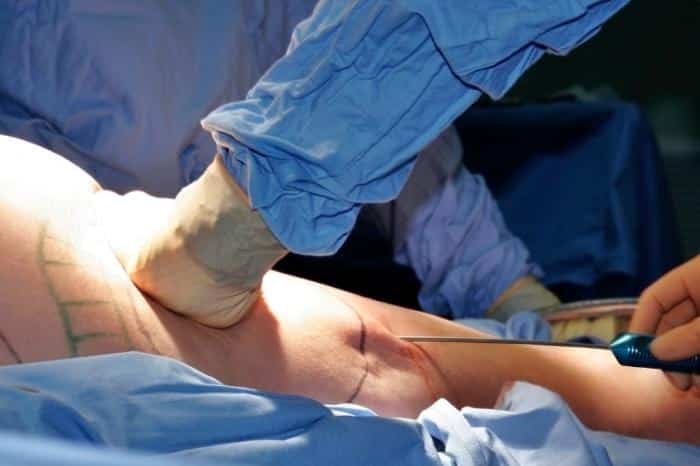
Awake Liposuction vs. General Anesthesia: What You Need to Know

Key Takeaways

  • Awake liposuction is a minimally invasive procedure performed under local anesthesia. Plus, this technique allows patients to remain awake and alert for the entirety of their surgery.
  • The use of local anesthesia greatly lowers risks and complications. It helps avoid nausea and other side effects usually associated with general anesthesia.
  • Those who choose awake liposuction tend to have faster recovery times. Most are returned to work and normal daily activities in only a few days.
  • Awake liposuction also saves patients money directly. Additionally, patients incur much lower hospital costs making this procedure attractive to many people.
  • The procedure has greatly increased patient comfort. Second, it provides patients the opportunity to communicate with the surgeon as the procedure progresses and feel more in control.
  • Awake liposuction has few side effects in contrast to sedation or general anesthesia. This means you can get back to your everyday life in no time, without any residual sleepiness or tiredness.

Awake liposuction has recently been touted as the preferred choice among patients seeking body contouring. This type of procedure is different than those done under sedation or general anesthesia, where patients are entirely unconscious and unaware of what’s happening.

Patients tend to appreciate the faster recovery and lower risk of awake techniques. Since it reduces the need for heavy anesthesia, most patients avoid unpleasant side effects and return to their daily routines much quicker.

Awake liposuction allows for constant, real-time communication—like turning down the music—giving them the ability to make important personal adjustments during the procedure. This technique is attractive to patients that value safety, convenience, and a more comfortable recovery.

Patients are more interested than ever in minimally invasive techniques. This makes awake liposuction a more practical option to help you achieve your ideal results, with a greater sense of peace of mind.

What Is Awake Liposuction

Definition of Awake Liposuction

Awake liposuction is a safe, minimally invasive fat removal procedure that utilizes local anesthesia to numb the treatment area, ensuring that you feel more relaxed and comfortable. Unlike other plastic surgery procedures that require sedation or general anesthesia, awake liposuction keeps patients completely aware and alert during the procedure. This anesthesia approach significantly enhances patient safety by avoiding the risks associated with being fully unconscious, especially for individuals with higher BMIs who may face heart and lung stress from general anesthesia.

From the patient’s perspective, this method greatly increases the safety. It prevents them from all the dangers of going fully under, particularly patients with higher BMIs, who can often experience heart and lung stress from general anesthesia.

For instance, if the patient notices any discomfort or asymmetry, they can communicate this directly, making changes easier to implement on the spot. By prioritizing both safety and comfort, awake liposuction has become the right anesthesia option for countless individuals seeking effective fat removal.

This innovative approach to cosmetic procedures offers a unique blend of safety and patient involvement, making it a preferred choice for many. The awake liposuction recovery process is also generally smoother, allowing patients to return to their daily activities more quickly than with traditional methods requiring deeper sedation.

How Awake Liposuction Works

The procedure starts with a tumescent local anesthetic injected into the treatment area, which immediately numbs the area to reduce pain. First, the surgeon injects a local anesthetic. Next, they create tiny incisions to insert specialized instruments, such as a cannula, to loosen and suction out fat.

Feelings like pressure and vibrations are common during the procedure. They might hear sounds from surgical instruments, but all of these sensations are non-painful. Patients on average rate their maximum pain as a seven or eight out of 10, indicating that most patients find this side effect completely tolerable.

Remaining awake places patients in a central, active role in their care that is distinct from traditional operating rooms. For example, they can change their body posture on command, allowing surgeons to reach difficult areas.

Beyond just empowering patients with information, this interactive approach allows patients to feel more in control and reduces the overall invasiveness of the experience. Recovery from the procedure is quick; most patients return to their normal activities within a few days. This quick recovery is a direct result of the decreased recovery time.

Key Differences from Other Methods

What makes awake liposuction unique is its significantly lower risk profile. Traditional liposuction techniques requiring general anesthesia have increased risk of complications such as cardiovascular or respiratory distress. Awake liposuction has a complication rate of under 1% and is a safer option for the majority of people.

The recovery aspect of awake liposuction is perhaps the biggest benefit. Awake liposuction’s minimally invasive approach requires smaller incisions and causes less tissue trauma, which results in faster healing.

As a result, patients are already thrilled with how flexible their schedule can be since local anesthesia allows for same-day procedures and little downtime. The recovery process is much more individualized.

Each nuance, from the selected soundtrack to the mood in the operating room, is cultivated with the patient’s comfort in mind. This approach creates a collaborative, energizing environment from start to finish.

Benefits of Awake Liposuction

1. Reduced risks and complications

Awake liposuction greatly lowers the risk of serious complications as it is performed under local anesthesia rather than general anesthesia. General anesthesia is associated with risks such as respiratory depression, arrhythmias, or extremely rare but fatal reactions. When performed under local anesthesia, these risks are virtually eliminated.

Patients skip out on the usual side effects such as nausea, dizziness and grogginess which are often experienced after sedation or general anesthesia. A rigorous preoperative workup ensures the patient’s safety. It customizes the procedure to their unique needs and minimizes unexpected complications.

2. Faster recovery time

Recovery time following awake liposuction is much faster than with traditional procedures. Patients are usually back to light activities like walking or office work within only two to three days. This quick recovery is a great benefit to the busy people juggling hectic lifestyles.

For example, professionals can fit the procedure into their week, with many returning to their routines within days and even light gym workouts within a week.

3. Cost-effectiveness of the procedure

Beyond monetary compensation, awake liposuction gets rid of extended hospital stays or high anesthetic charges. The shorter recovery also means less time off work.

This makes it an excellent option for people who want beautiful results while being fiscally responsible.

4. Enhanced patient comfort and control

With patients awake and aware, the surgeon can keep a constant line of communication with their patient. This hands-on participation frequently helps to relax patients, giving them a sense of empowerment that calms nerves and anxiety.

Since the local anesthesia is used, more targeted comfort is accomplished without the heavy feeling of sedation.

5. Minimal side effects compared to sedation

Since awake liposuction doesn’t require general anesthesia, side effects such as nausea, drowsiness, and confusion are avoided. Patients are able to return home the same day, without the aftereffects of stronger anesthetics.

This faster recovery time adds to the appeal of awake liposuction for those who want a streamlined procedure that fits more easily into busy lives.

Why Patients Prefer Awake Liposuction

Awake liposuction is quickly becoming the preferred choice as more patients seek local anesthesia procedures for body contouring. This trend aligns with a broader movement towards personalized care, reduced risk, and faster recovery.

1. Desire for Greater Awareness During Surgery

Most patients prefer being conscious, enjoying the comfort that can come with staying aware of their surroundings. Unlike in deep sedation, under awake liposuction patients stay engaged, providing instant feedback to surgeons. This teamwork results in superior outcomes, especially when working in sensitive regions.

Patients report less anxiety with the peace of mind that comes from being able to speak directly with their physician at any time. Being awake and feeling movements or vibrations may be a little unusual. While awareness can be alarming, awareness brings with it reassurance, because it’s not as separate from the process as it seems.

2. Fear of General Anesthesia Risks

Concerns over general anesthesia are understandable, as the possible complications sound intimidating. Patients are understandably concerned about adverse reactions, longer-than-expected grogginess, or even infrequent but serious risks such as anesthesia-related death.

Awake liposuction takes away all these worries because we use local anesthesia, which is very effective and has far fewer risks. Having less than a 1% chance of complications with awake liposuction, patients feel comforted by safer options.

3. Need for Shorter Recovery Periods

Less downtime is one of the biggest reasons. With awake liposuction, the majority of individuals can walk out of the clinic the very same day. They’re usually back to their daily routine in only a few days!

Different from more traditional approaches, the downtime is almost non-existent. Whether juggling career or children, this convenience accommodates active lifestyles. By not undergoing general anesthesia, the body goes through less strain, leading to a quicker recovery time.

4. Preference for Less Invasive Options

Minimally invasive cosmetic procedures are all the rage right now, and awake liposuction fits that bill nicely. As there’s less surgical intervention and smaller incisions, patients can enjoy the same effective fat removal without the trauma of traditional methods.

The procedure lasts 1–3 hours and removes up to 6–8 pounds of fat, providing remarkable results with minimal inconvenience. The ability to schedule surgery around daily activities is an additional draw.

Safety Aspects of Awake Liposuction

Lower risk of anesthesia-related complications

Awake liposuction decreases the risks associated with anesthesia by a substantial margin. For awake procedures, local anesthesia provides a much greater safety profile. Compared to general anesthesia, it markedly lowers the risk of complications like respiratory depression or malignant hyperthermia (life-threatening reaction to sedative agents).

Complications still occur in less than 1% of cases, which means it’s a safer option for most patients. Awake techniques further remove the requirement for intubation, which may irritate airways or, in rare instances, result in serious complications.

This technique has a well-established safety history for all patient demographics, including those with increased BMIs. General anesthesia is known to put a considerable strain on the cardiovascular and respiratory systems, which is particularly concerning in these patients.

Awake liposuction sidesteps this additional strain to reduce risk while maintaining a comfortable experience for patients.

Safer for patients with medical conditions

For patients with specific medical issues, awake liposuction provides a customized solution. Patients with comorbidities such as hypertension or heart disease are well served by the avoidance of the systemic effects of general anesthesia.

A careful preoperative evaluation helps implement an individualized plan, always putting patient safety first. Not everybody is the perfect patient.

Patients who are high-anxiety or on anxiety medications can have a difficult time remaining alert during surgery. This scenario highlights the importance of honest dialogue between doctors and patients.

Reduced need for post-surgery monitoring

Awake procedures typically lead to smoother recoveries. There are no sedative effects that linger, and patients can return to outpatient care without the need for prolonged observation.

Most are back to their normal routines within a few days, enjoying the benefits of less downtime. Follow-up care remains necessary, and the decreased need for close monitoring eases the burden for many.

Recovery After Awake Liposuction

Shorter downtime and quicker return to activities

Recovery tends to be quicker when awake liposuction is performed versus other procedures with general anesthesia. Most patients are able to be discharged from the surgery center within 1–2 hours after the procedure and walk out on their own.

Most patients can resume light activities—like walking or simple tasks around the house—within 48–72 hours. Return to normal activities including exercise typically only requires 1–2 weeks. Some patients incredibly start light exercise, like stretching or walking, after only 3 days!

Patients often tell me about this dramatic shift. This shorter recovery timeline allows patients a greater degree of freedom to increase or decrease their activity levels based on their recovery progress. They can have this freedom without the long recovery time needed with other techniques.

Less post-operative discomfort

Patients who undergo awake liposuction procedures generally experience much less discomfort during their recovery. Because of the use of local anesthetics in the procedure, pain is minimized during the surgery and in the hours immediately following the surgery as well.

Mild swelling, bruising, and soreness are all common, but these usually can be handled with over-the-counter pain relievers. Patients typically begin to feel less sore by days 3–5 leading to a much more comfortable recovery process.

Many patients tell us that the pain is more like the pain after a really hard workout. They do not feel it is a normal surgical journey at all. Swelling peaks around 48–72 hours but starts to diminish steadily, with final results becoming visible over the coming weeks or months.

Fewer restrictions compared to other methods

Come and go as you please, but with awake liposuction, you have more freedom during your recovery. Patients avoid the haziness and extensive healing usually associated with general anesthesia.

This allows them to get back to their regular routines in much quicker time frames. Others, like restricting vigorous exercise, are necessary to make sure you’re healing correctly. Having the option of returning to light activities fairly quickly is a huge benefit.

Patients are back to desk jobs or light social activities in a few days. They are able to do so without the associated risks of more invasive surgical techniques. Postoperative care instructions are less rigid, making it easier to adapt to daily routine.

This flexibility draws a diverse array of people looking for more equilibrium in their lives.

Comparing Awake Liposuction to Other Anesthesia Options

FactorAwake LiposuctionSedationGeneral Anesthesia
RisksAvoids risks tied to general anesthesia; fewer complicationsModerate risks; may cause grogginessHigher risks for patients with high BMI or health conditions
Recovery TimeFaster recovery; less pain medication neededModerate recovery; some drowsiness post-opLonger recovery; requires supervision after waking up
Patient ExperienceAlert, responsive, and more involved in the processSemi-conscious; limited input during surgeryFully unconscious; no awareness during surgery

Differences in Preparation Requirements

Awake liposuction involves simpler preparation compared to general anesthesia. Patients typically avoid lengthy fasting, which can be physically taxing.

Local anesthesia requires fewer pre-surgery steps, allowing for a more relaxed process. Preoperative assessments focus on individual needs, ensuring the patient’s comfort and safety.

In contrast, general anesthesia demands extensive protocols, including fasting and stricter health evaluations.

Variation in Procedure Duration and Outcomes

Awake liposuction means quicker procedures and more cohesive results. Patients remain fully conscious, enabling surgeons to make adjustments in real time.

According to testimonials, patients report higher levels of satisfaction because the downtime is mild and the recovery is quicker. Unlike with general anesthesia, which requires extra time for preparation and recovery, awake techniques greatly simplify the whole process.

Comparison of Overall Patient Experience

Staying awake during surgery offers emotional reassurance for some, though patients might sense pressure or hear noises, which could be unsettling.

General anesthesia removes all of those sensations but comes with increased risk. Patients who undergo awake liposuction report a more comfortable experience and greater satisfaction, valuing the minimized risks and faster healing time.

Conclusion

Awake liposuction allows the patient to be in control, comfortable, and have a faster recovery. This approach balances optimal patient safety with effective results, which is why this option remains the most popular choice. Others want to remain completely conscious during the procedure but don’t want to risk the dangers associated with general anesthesia or deep sedation. With less downtime and fewer side effects, it easily integrates into busy lifestyles.

Ultimately, what’s right for you depends on your goals and your comfort level. Awake liposuction provides a trusted solution for patients who want a less invasive skin rejuvenation treatment.

If you’re interested in body contouring, here’s why this is the right approach for you. Speak with a knowledgeable and experienced professional to determine what’s available and what’s right for your unique situation. Make that choice to feel good and at peace with whatever choice you make.

Frequently Asked Questions

What is awake liposuction?

Awake liposuction is a safe and effective minimally invasive fat removal procedure done in local anesthesia. Because patients are awake and alert, they avoid the risks of general anesthesia.

Is awake liposuction safer than traditional liposuction?

Second, yes, awake liposuction is safer due to its use of local anesthesia procedures, eliminating the need for sedation or general anesthesia, which reduces risk and recovery time.

Why do patients prefer awake liposuction?

Most patients prefer awake liposuction since it’s safer with quicker recovery and lower costs. They have peace of mind knowing they are awake during the procedure.

How long does recovery take after awake liposuction?

It’s a less invasive procedure with quicker recovery than traditional liposuction. Patients get back to light activity in 1–2 days, and back to normal in a week or so.

Can I feel pain during awake liposuction?

No, it’s in the local anesthesia that guarantees you do not feel pain during the procedure. You might experience some pressure or a little movement, but overall it’s a very comfortable experience.

How does awake liposuction compare to sedation or general anesthesia?

By avoiding procedures that require sedation or general anesthesia, awake liposuction lowers health risks, costs, and recovery time. It’s a safer, much more convenient option for most patients.

Is awake liposuction effective for fat removal?

You bet, awake liposuction is the most effective way to remove unwanted fat, offering the right anesthesia option for patients. The results are just as good as traditional liposuction, with the additional perks of faster recovery and less downtime.


Awake Liposuction: Essential Safety Measures for a Successful Procedure

Key Takeaways

  • Awake liposuction is a minimally invasive procedure performed with local anesthesia. This conservative approach makes for a more rapid recovery while minimizing risk than with conventional approaches.
  • Ultimately, selecting a board-certified and experienced surgeon and ensuring the facility holds the proper safety certifications are key to a safe and successful procedure.
  • Sharing your full medical history with your surgical team will help them plan your anesthesia and other steps to keep you safe during surgery.
  • Obeying pre-procedure instructions like skipping specific medications and setting up your ride home will get you started on the path toward a seamless procedure.
  • Aftercare, including surveillance for complications and return for follow up, is critical to recovery and ideal outcome.
  • Staying healthy with good hydration, nutrition, and exercise will help you achieve long-term success after your awake liposuction procedure.

Advantages of awake liposuction have made it a preferred option for body contouring for many patients seeking faster recovery and less invasive procedures. To have a safe and successful procedure, it’s important to know the top safety measures. Each one is an important measure in protecting your health and delivering the best results possible.

This spans from thorough pre-procedure medical evaluations to only allowing the most qualified practitioners to perform the procedure. Proper hygiene standards, continuous monitoring of vital signs throughout the procedure, and adhering to post-care measures reduce the chances of risk and aid recovery. Understanding what these measures are ensures your peace of mind and helps you make the smartest choice possible.

Be it a first time or an aftercare procedure, understanding awake liposuction’s safety protocols like these goes a long way. It protects your health while giving you the best experience and results. Whatever else you do, prioritizing safety needs to be central to your planning.

What Is Awake Liposuction

Awake liposuction is a safe, minimally invasive procedure that effectively removes unwanted fat. It’s especially ideal for patients who wish to eliminate the stubborn fat deposits that are resistant to diet and exercise. This innovative technique is different from traditional liposuction methods, as it employs local anesthesia, allowing patients to remain awake and alert during the procedure.

Local anesthesia numbs the treatment area, which makes the process virtually painless. On top of that, it lowers the dangers tied to general anesthesia. This method allows for a quicker recovery and less complications.

The procedure is often performed in a physician’s office or a specialized treatment chair. This setting provides for a very calm environment that is certainly a lot less intimidating than a hospital. The most common areas to be treated include the abdomen, thighs, arms, back and even smaller areas such as the chin.

We try to be very deliberate about choosing these areas to best match the patient’s goals. Our review makes certain the outcomes are even and appear genuine.

How Awake Liposuction Works

The procedure starts with the injection of tumescent anesthesia, which both numbs the area and minimizes bleeding. A tiny incision is then created to insert a thin, specialized cannula. Unlike traditional methods, this cannula gently breaks apart and vacuum removes fat deposits while greatly reducing the damage to other tissues.

During the entire procedure, the surgeon is in constant communication with the patient, allowing for on-the-spot adjustments based on patient feedback to ensure highly precise results. This immediate feedback increases comfort and efficacy as patients stay conscious and involved throughout the procedure.

Differences from Traditional Liposuction

Another major difference is the type of anesthesia employed. By using only local anesthesia, awake liposuction eliminates systemic risks associated with general anesthesia that are present in conventional liposuction. Pain and recovery times are greatly reduced, with the majority of patients returning to their normal daily routine in 24 to 48 hours.

Because awake liposuction is less invasive, that in turn helps to minimize the risk of complications. This technique results in fewer complications such as blood clots and fluid shifts.

Benefits of Awake Liposuction

Along with the convenience of getting awake liposuction, it’s the lack of discomfort that patients love. The shorter downtime, along with little to no swelling, leads to faster results. Because we use local anesthesia, we eliminate those groggy side effects associated with general anesthesia for a more pleasant experience overall.

In addition, the capacity to deliver real-time feedback allows for more precise fat removal, guaranteeing the creation of the desired contours. That precision, along with the low cost of $2,000-$5,000, makes awake liposuction a desirable option to a lot of people.

Common Risks Of Awake Liposuction

Anesthesia-related risks

We could say that awake liposuction is safer because it relies on local anesthesia, which is indeed safer than general anesthesia. Even with this more careful procedure, risks are present if the proper caution isn’t exercised. Lidocaine, a frequently used anesthetic, can lead to toxicity if overdosed.

It’s possible to avoid this complication only with careful monitoring during the procedure. If you are allergic to lidocaine or any other medications, inform your physician immediately. By making this disclosure, we are able to significantly lower the risk of adverse reactions.

The impact of blood thinners on anesthesia safety is profound. Blood thinners raise the risk of severe bleeding, so patients may need to stop taking such drugs in the days leading up to the procedure. Selecting the appropriate anesthesia type to fit a patient’s overall health is vital.

People who are overweight (BMI above 30) have increased risks. These factors include delayed healing and risks of anesthesia related complications.

Surgical complications

Surgical risks, while uncommon, include complications such as uneven fat removal, fat embolism, and seroma development. Fat embolism, in which fat enters the bloodstream, can be fatal, but is very rare. Seromas, or pockets of fluid under the skin, must be drained to avoid the risk of infection.

These risks are greatly diminished when choosing an experienced surgeon. They use advanced liposuction techniques to minimize risk and ensure only precise fat removal occurs without complications.

Patients with a BMI greater than 30 need to take additional precautions to promote safety. This is especially important for these patients who are known to be at increased risk for complications.

Post-procedure side effects

Common risks are swelling, bruising, and minor pain, resolving after a few weeks. Temporary numbness or tingling in the treated area is common and not dangerous.

In fact, to mitigate pain and soreness, wearing compression garments and sticking to post-surgery care will help you recover faster.

Top Safety Measures For Awake Liposuction

For any cosmetic procedure, the risk of complication is a chief concern, but awake liposuction has numerous safety benefits. Sticking to a stringent set of safety measures is critical to your health and getting the best outcome possible. Here are some top safety measures to look for.

1. Choose a Qualified Surgeon

Choosing a qualified, board-certified plastic surgeon is the most important step of all. Just make sure that these professionals have gone through the right training and a set of high standards.

Research their qualifications, board certifications, and reviews from past patients. Looking at before-and-after photos can help you understand their experience with awake liposuction in particular.

With the culture of safety in mind, schedule consultations to get a taste of their approach and communication style, which should put you at ease.

2. Verify the Facility’s Certifications

The surgery center should adhere to lofty safety standards, including AAAHC, JCAHO, or AAAASF accreditation. Facilities that are properly outfitted with advanced, high-level monitoring instruments offer an additional layer of safety while the procedure is underway.

A pre-visit allows you to see the cleanliness and professionalism first hand to put your mind at ease.

3. Share Your Complete Medical History

A detailed medical history ensures your surgeon tailors the procedure to your health needs. Disclose all medications, allergies, and past conditions.

For example, if you have a BMI above 40, your surgeon can evaluate associated risks. Transparency helps the team choose the safest anesthesia and plan effectively.

4. Follow Pre-Procedure Instructions

  • Avoid blood thinners or medications as advised.
  • Stop smoking at least 6 weeks before and stop alcohol a few days before.
  • Stay hydrated for better recovery.
  • Arrange transportation and support post-procedure.

5. Ensure Proper Monitoring During Surgery

Close and continuous monitoring of vital signs is essential. This is overseen by an anesthesiologist and state-of-the-art equipment that monitors for problems from the beginning, keeping it safe.

6. Adhere to Post-Procedure Care Guidelines

  • Avoid strenuous activities for two weeks, including heavy lifting.
  • Follow prescribed pain management for comfort.
  • Monitor for infection and attend follow-ups.

The majority of patients are back to normal activity in just 48 hours. This further speeds recovery through light exercise and a healthy diet.

Preparing For Awake Liposuction

Consult with your surgeon

Having an open and honest dialogue with your surgeon is the best way to ensure you’re set up for a safe and effective procedure. Make the most out of your pre-operative consultation and ask all the questions that you want. It’s your opportunity to learn more about what the procedure involves and how it will relate to your individual goals.

By having an open and honest discussion about what you expect, your surgeon can better tailor your experience to meet your needs. For example, if your goal is to target stubborn fat in a specific area, your surgeon can explain if awake liposuction is the right approach.

It’s equally crucial to set the record straight on any anesthesia-related fears you may have. Awake liposuction involves the use of local anesthesia, and knowing how the process works can help to calm your fears. If you’re unsure, inquire about what precautions are being done to keep you comfortable and safe during the procedure.

Understand the procedure and risks

Awake liposuction vs traditional liposuction One of the most comforting aspects of awake liposuction is the ability to remain awake and aware. It’s essential to understand the risks. Complications are extremely rare and occur at a rate of under 1% of cases.

This is still incredibly important to discuss with your surgeon, though. For example, people with a BMI over 30 or expectations that aren’t compatible with the procedure are at higher risk or will be disappointed with the results. Laboratory tests such as blood work or checks of BMI may be needed to confirm that you are an appropriate candidate.

Understanding the advantages, including faster recovery times, allows you to create a more informed decision.

Plan for recovery and support

Planning your post-op care is as vital as the operation you’re having. Consider having a family member or friend available to help you in the first few days. Most patients are able to return to light activities within 24 to 48 hours.

You should definitely avoid strenuous lifting and exercise for at least 14 days. Prepare a comfortable recovery area at home. Stock it with comforts like pillows and convenient, easy-to-reach items to set yourself up for a good recovery experience.

It’s smart to plan to take time off work too, allowing your body the recovery it deserves to maximize healing.

Importance Of Post-Procedure Care

Post-op care after awake liposuction can make all the difference in your recovery experience. It profoundly affects the very quality of your output, your results. Taking the right approach can minimize complications and help the patient recover faster.

For example, maintaining your health by exercising regularly, going to physical therapy, and eating well will promote healing. Most patients are back to work or light activity in 3 to 7 days. This fast recovery is a wonderful testament to how well a dog can do with the right treatment.

Follow-up care is important in helping prevent complications. Drink plenty of water and monitor your swelling. Follow your doctor’s advice including wearing compression stockings and/or taking blood thinner medicine to lower risk of venous thromboembolism (VTE).

Educating yourself on what to expect post-procedure will make you feel more prepared and confident during your recovery.

Monitor for signs of complications

Be very aware of your body during the recovery period. Symptoms such as excessive bleeding, fever, or increasing swelling can indicate a problem. Prompt communication with your healthcare provider can stop minor issues from turning into major problems.

Keeping a journal of your recovery progress, noting pain levels or skin changes, can help track how you’re doing and provide useful details during follow-ups.

Follow up with your surgeon regularly

Going to every follow-up appointment is incredibly important. Surgeons will be able to monitor your progress, answer questions, and recommend changes if required. Being honest about how you’re feeling — especially if something feels off or different — is really important.

It helps you stay focused and on the road to full recovery.

Maintain a healthy lifestyle for results

Long-term results depend on continued adherence to a healthy diet and regular physical activity. Patients who are within 30% of their ideal weight tend to have the best results. Drinking plenty of fluids will help your tissue heal, and ditching cigarettes and limiting alcohol consumption will help your body recover quickly as well.

Research demonstrates that when patients stop smoking at least six weeks prior to surgery, recovery is much better.

Conclusion

Although awake liposuction presents a revolutionary approach with unmistakable benefits, safety must be a primary focus at each step of the process. Selecting a highly-trained provider, adhering to pre-procedure preparation and aftercare instructions can spell the difference between a safe experience and complications. Together, these steps go a long way to protect your health and ensure that you are achieving the results you desire.

Don’t rush things, take the time to ask questions, learn about the process, and prepare yourself as much as possible. Taking a few simple steps in advance will greatly increase the odds of a smooth, successful experience. No matter what happens, your safety and satisfaction should always come first.

Visit our website for more tips and advice to protect your health and results. Be in the know, be on the offensive, and be secure in your decision.

Frequently Asked Questions

What is awake liposuction?

Awake liposuction, known as tumescent liposuction, is a minimally invasive fat removal procedure done using local anesthesia. Keeping patients awake but comfortable throughout the procedure contributes to a quicker recovery than traditional liposuction performed under general anesthesia.

Is awake liposuction safe?

Awake liposuction can be safe and effective when performed by a qualified, experienced, board-certified plastic surgeon. When you are diligent about following pre- and post-procedure instructions, you can greatly minimize any potential risks while maximizing your final results.

What are the common risks of awake liposuction?

Common side effects and risks include swelling, bruising, infection, and uneven results. If you choose a highly qualified surgeon and follow all safety measures closely, these risks are extremely minimized.

How can I prepare for awake liposuction?

Listen to your surgeon’s pre-op instructions. These may involve steering clear of blood thinners, drinking plenty of water and donning loose-fitting garments. Planning ahead will make for an easier procedure and recovery.

What safety measures should I consider for awake liposuction?

Make sure your surgeon is board-certified, the facility is accredited, and you provide your complete medical history. These new steps protect your health and create better, longer-lasting results.

How long does recovery take after awake liposuction?

Recovery usually takes just one to two weeks. Heed your aftercare guidelines, like wearing compression garments and refraining from high-impact activities, so you can recover as quickly as possible.

Why is post-procedure care important?

Excellent post-procedure care lessens the likelihood of complications such as infection and swelling, as well as enhancing your results. It promotes a faster and more comfortable recovery while allowing you to enjoy your new contour longer.

Expert Tips for a Smooth BBL Recovery and Optimal Fat Retention

Key Takeaways

  • The Brazilian Butt Lift (BBL) is a cosmetic procedure that enhances the buttocks by transferring fat from other areas of the body, requiring careful patient preparation and post-surgery care.
  • That is why selecting the right, highly qualified surgeon is crucial to achieving the most beautiful results. It’s important to follow all pre- and post-operative instructions to reduce your risk.
  • To keep your fat grafts safe, avoid sitting directly on your buttocks for 2 to 4 weeks. Instead, sit on a specialized BBL pillow for the most effective support.
  • Sleep on your stomach or side to ensure a healthy recovery. In addition, wear compression garments as instructed, drink plenty of fluids, and rest as much as possible.
  • If you want to have long-term fat retention, you need to keep your weight consistent. Additionally, don’t smoke or consume alcohol, and eat a healthy diet with plenty of nutrients.
  • Regular communication with your surgeon, attending follow-up appointments, and addressing concerns promptly help ensure a smooth recovery and satisfactory outcomes.

Recovering from a Brazilian Butt Lift (BBL) is a fine art that involves a lot of detail and care in order to achieve the most beautiful, long-lasting results. Prioritizing smooth healing and optimal fat retention goes a long way in ensuring an ideal outcome.

By sticking to your surgeon’s recommendations, you can set yourself up for a successful recovery. Hydrate and try to use tools that will help you through the process, such as compression garments.

Just as critical is to avoid long periods of sitting, eat a healthy diet with plenty of good things and give your body the time it needs to heal. These practices maximize recovery while promoting the best possible fat retention.

By taking the right steps, you can move through the recovery stage without complications and ensure that you’re on the path to achieving lasting results.

What Is a Brazilian Butt Lift

A Brazilian Butt Lift (BBL) is a cosmetic surgery designed to enhance the size and shape of the buttocks using fat transfer. Unlike implants, this procedure increases the size of your butt with your own fat, resulting in a more natural look and feel.

The procedure starts with liposuction, during which fat is removed from the abdomen, thighs or flanks. This method provides additional material for the transfer. What’s more, it sculpts the donor site, resulting in a more proportionate overall silhouette.

After the liposuction procedure, the fat that has been removed goes through a process of purification to eliminate impurities and excess fluids. This process guarantees that the healthiest fat cells are the ones going back into the buttocks.

The purified fat is then artfully injected in multiple layers and directions to create a smooth, natural appreciation of fullness and contour. This technique utilizes your own tissue, eliminating the risk of rejection. Consequently, the results are always more organic than with other approaches.

The Brazilian Butt Lift also tends to have a lower risk of complications compared to procedures that use synthetic implants. It’s incredibly multifaceted. You can combine it with procedures such as a tummy tuck or other body contouring procedures.

With good aftercare, results should last at least three years. This longevity contributes to its increasing popularity among anyone seeking effective and long-lasting body contouring solutions.

Preparing for a Smooth Recovery

Follow Pre-Surgery Instructions

If you want to prepare yourself for an easy BBL recovery, it all starts by adhering to your surgeon’s pre-op instructions. These orders frequently involve discontinuing specific medications or supplements such as aspirin or vitamin E, increasing bleeding risk.

Consuming a nutrient-dense diet high in protein and vitamins lays the groundwork for your body to heal and recover. Foods rich in iron, including eggs, leafy greens, and lean meats, are good choices.

Avoid any delay by arranging a thorough medical evaluation prior to confirming your health to undergo surgery. This is even more true if you have other health issues.

Arrange Post-Surgery Support

It turns out that recovery is a whole lot simpler when you have support ready and waiting. Arrange for a trusted friend or family member to drive you home from the clinic, as anesthesia effects may continue for some time.

For the first week or two, you will want a friend or family member to help with daily activities such as cooking and light housework. The right support makes it possible for you to concentrate on your healing with less physical and emotional stress.

Prepare a Comfortable Recovery Space

Create a recuperation space at home. Pick a place with plush blankets or throw pillows to help you adopt the correct post-BBL stance, such as resting on your stomach.

Have things handy that you might need, such as prescribed pain medications, bottled water, and healthy snacks. This reduces movement and promotes rest, something essential for healing.

Expert Tips for a Smooth Recovery

1. Avoid Sitting Directly on Buttocks

For no less than two weeks, avoid sitting directly on your buttocks to take pressure off the incision area. This will set you up to better protect your fat grafts. Too much pressure too soon can jeopardize the blood supply that is essential for healing.

Instead, consider tilting forward a bit or perching on the back of your thighs with a coccyx cushion. These strategies are designed to reduce strain and maintain the retention of fat.

For long-term care, it’s good to remember that only 30–60% of the injected fat cells will stick around permanently. Thus, putting all our eggs into prioritizing that first recovery phase is a mistake.

2. Use a Special Pillow for Sitting

A BBL pillow is an essential investment to not only make sitting more comfortable, but to avoid direct weight on the buttocks. This excellent U-shaped cushion cradles your thighs and relieves pressure from the treated area.

For best results, it’s important to use the pillow daily for at least 2–4 weeks postsurgery. There are many options to choose from, so explore and choose one that feels most supportive to you.

3. Sleep in the Correct Position

Sleeping on your stomach or side avoids putting pressure on the buttocks while healing. At first, try using plush pillows to hold this position, particularly if you’re not used to sleeping in this way.

A great sleep environment keeps you well-rested, an important part of recovery.

Strategies for Optimal Fat Retention

Maintain a Healthy Diet

An anti-inflammatory whole foods diet is essential for a successful brazilian butt lift recovery as it provides a great base for fat retention and healing. Focus on incorporating a good source of protein at every meal, such as skinless chicken breast, eggs, or nuts, since protein is critical for repairing tissues and supporting the newly transferred fat cells during the healing process.

Incorporating healthy fats like avocados and olive oil fuels your body with nutrient-dense ingredients, which is vital for the complete recovery from the brazilian butt lift surgery. Combine these with a variety of colorful fruits and vegetables to maximize recovery benefits. Avoid inflammatory foods, such as processed foods, trans fats, and sugar, as they can significantly slow down your recovery journey.

Meal prepping ahead of time can be an effective strategy during the initial recovery period when energy levels might be compromised. Batch cooking or meal prepping with healthy, nutrient-rich foods can help save time and prevent the temptation of choosing less nutritious options.

Avoid Rapid Weight Loss or Gain

Maintaining a stable weight is absolutely essential, as any significant changes will immediately affect how much fat you retain. Experts recommend a preoperative weight maintenance of two to twelve months and an equal range of postoperative maintenance.

That means steering clear of extreme crash diets and binge eating too. Should you require additional help, consider working with a registered nutritionist to develop an eating plan that supports your recovery objectives.

Don’t panic over weight fluctuations caused by initial water weight. Concentrate on avoiding significant weight loss or, ideally, try to gain a few pounds in the interim to maximize fat retention.

Incorporate Light Physical Activity

While movement helps bring blood flow—the very thing that heals most wounds—to the area, making a gradual return to movement is key. Warm up with gentle walking to get blood flowing without putting extra stress on your body.

Don’t perform strenuous exercises or heavy lifting until your surgeon clears you to do so. Listen to your body—if you start to feel any pain, reduce your level of exertion. Even light stretching or short walks can help protect your results and enhance your recovery.

Avoid Smoking and Alcohol

Both smoking and drinking can disrupt blood flow, which is necessary for fat cells to survive. Removing these substances while you are in your recovery state greatly increases healing and minimizes complications.

In particular, smoking limits oxygen delivery to tissues, which can threaten optimal fat retention. If you’re finding it hard to quit, look for help through resources or programs that can support you while you make the change.

Follow Surgeon’s Guidelines

Follow the instructions specific to your surgeon as they are designed to help you have the best recovery and results possible. Wearing compression garments for a minimum of six weeks helps minimize residual swelling and contour your new shape.

Do not put direct pressure on your buttocks for a minimum of 2 weeks. All of this requires no sitting, otherwise the fat cells are at risk. Consistent follow up appointments are important so that your surgeon can monitor your progress and any issues that may arise.

Prioritize communication. Frequent, open communication keeps you in the loop and on track to a full recovery.

Importance of Following Medical Advice

Recognize the Value of Professional Guidance

Taking care of your body post-BBL will help make your results last for years to come. Your surgeon’s guidance will be based on the unique details of your procedure and individual needs, ensuring the best fat retention and recovery possible.

For instance, they advise you on preventing pressure on treated areas, allowing the fat cells that are transferred to thrive. Following these instructions during the critical first few weeks can make a real difference in how your body adapts to the changes.

Disregarding the guidance of professionals will only jeopardize what you’ve worked hard to achieve, so being educated and attentive is key.

Attend All Follow-Up Appointments

Follow-up visits with your surgeon give them a chance to keep an eye on your recovery and answer any questions you might have. These appointments are a great time to ask additional questions, such as how long to refrain from sitting directly on the treated area.

Keeping a record of your progress is key. So, if leakage of fluid from the incision area ends at two days after surgery, that’s important information to send to your surgeon!

It’s one of the easiest ways to make sure you’re healing the right way, so showing up for each and every check-in is key.

Communicate Any Concerns to Your Surgeon

Of course, open communication is key. If you experience any concerning or unexpected symptoms such as intense pain or slow healing, inform your surgeon right away.

Clarifying vague instructions, like taking medications on a specific schedule or providing care tips for incision sites, can avoid complications later on. Providing consistent communication helps to establish trust, which is critical when more informed guidance becomes possible.

Adhere to Prescribed Medications and Care

Follow your health care provider advice and take medications as prescribed. Pain management is easier when you stay on schedule, and care of incision sites helps to reduce risk of infection.

These tiny daily wins not just create relief but lay focus on lasting outcome. For example, keeping your weight stable can raise fat cell kill percentages to 90%.

Common Mistakes to Avoid During Recovery

Ignoring Post-Surgery Instructions

One of the biggest mistakes post-op from a BBL is ignoring the post-operative care instructions given to you by your surgeon. These rules exist to shield your outcomes and keep your recovery free from complications. If you ignore these key details, you’re severely endangering the health of the newly transplanted fat cells.

Be careful to never put pressure directly on your buttocks for the first 2–3 weeks and use a BBL pillow at all times. Be careful to maintain consistency across the board, so grab a few minutes to check all of your instructions.

Don’t know how long you should avoid sleeping on your stomach or side? It implies that you need to hold back for 6–8 weeks to avoid placing undue stress on the treated region.

Resuming Normal Activities Too Soon

Know that healing takes time, and the sooner you try to return to normal, the longer it will take to heal. High-impact activities like heavy lifting or working out should be limited for 6 weeks at a minimum.

Take it slow with your day-to-day activities and listen to your body as you work through things. For instance, restrict sitting to no more than 5 minutes at one time for the first 2 weeks.

Follow your surgeon’s guidance on when it’s safe to resume greater ranges of motion.

Using Unapproved Products or Methods

During your initial recovery period after the Brazilian butt lift surgery, it’s crucial to use only the products recommended by your surgeon. Any new treatments or goods should be discussed with your physician to ensure proper healing.

Mental and Emotional Wellbeing During Recovery

Acknowledge the Emotional Aspects of Recovery

Recovering from a Brazilian butt lift (BBL) is more than just physical. It’s alright to be confused and conflicted as you enter this new stage. Very few patients are prepared for how anxious or sad they can feel post-operatively. In reality, almost 80% of patients consistently say they are having some emotional distress.

These emotions may be due to getting used to a new lifestyle, pain, or just fear of the end outcome. Understanding that all of these feelings are normal and part of the journey to recovery is an essential step. Taking action on your mental health during your early recovery can greatly influence the course of your recovery. It raises the likelihood of achieving successful long-term outcomes from your procedure.

Stress, when not effectively managed, can also cause your body to respond unfavorably – preventing it from healing and/or retaining the fat cells that have been transferred. Simple things, such as deep breathing, reading, or listening to soothing music, can help relieve tension. While it’s unfortunate that this future is uncertain, take this unexpected downtime as an opportunity to prioritize your self-care.

Gentle stretching, for instance, can be very beneficial for relaxation without negatively affecting your recovery. If you find feelings of anxiety or depression begin to feel unmanageable, contacting a mental health professional is a positive step. Asking for help is a sign of strength. If nothing else, it means you’re taking the time to prioritize your emotional health.

Manage Expectations About Results

Setting realistic expectations for life post BBL will go a long way in keeping your mental and emotional wellbeing in check. Each person’s experience is unique, and outcomes can often take 3–6 months to manifest in totality. There is certainly progress being made! It really requires time for the swelling to go down and for your body to adjust to the changes.

Avoid focusing on short-term outcomes or measuring progress against other people. Rather, focus on the tangible progress you’re making that you can measure and notice. Practicing this perspective not only helps you stay motivated, but nurtures your mental and emotional health throughout your recovery.

Seek Support from Friends or Family

Having a group you can trust goes a long way. It can be tremendously helpful to have a trusted circle of support. A supportive family member ensures that your new life feels manageable from day one. At the same time, a friend’s mere presence can help to alleviate any loneliness you may be feeling.

When you tell your story with other people, you’re building your own emotional resilience. By being honest and direct about your needs, you gain the support you need to move forward. For example, inviting a friend to run errands for you while you recuperate helps make the process feel less daunting and will make the recovery go much easier.

Practice Patience with the Healing Process

Recovery is a long-term process, and patience is a critical component. It’s easy to get frustrated and discouraged, but healing is not immediate. Many recoveries take weeks or months, and every small milestone is a sign of your improvement.

By concentrating on these aspects of recovery, such as less swelling or more joint movement, you’ll keep things in perspective. Staying on the path with some simple do’s and don’ts, such as refraining from high-impact exercise for at least six to eight weeks, safeguards your investments.

By allowing yourself to enjoy the process and nurturing your body with what it truly craves, you’re paving the way for lifelong success.

Conclusion

Recovery from a Brazilian Butt Lift takes time and attention. If you prioritize the right steps, you can ensure a smooth bbl recovery and optimal fat retention. Following your physician’s recommendations, prioritizing your own comfort, and being patient with the process will go a long way. Little habits, such as wearing loose-fitting clothes and keeping up with hydration, can make all the difference when it comes to achieving your desired results. Allow your body to heal and give it the rest that it requires. Protect the treated areas from pressure to ensure optimal fat retention for the best possible results.

Your recovery is a marathon, not a sprint, so the more positive and educated you are, the more likely you are to thrive. If you’re ever in doubt, contacting your medical team is always the safest call to make. Have faith in the process, and empower yourself to be a partner in your care for optimal results.

Frequently Asked Questions

What is a Brazilian Butt Lift (BBL)?

A Brazilian Butt Lift (BBL) is a cosmetic surgery procedure that enhances buttocks by adding volume and improving contour. During the fat transfer procedure, fat is removed from your abdomen, thighs, and other areas through liposuction, ensuring a comfortable BBL recovery while achieving a rounder, sculpted look.

How can I prepare for a smooth BBL recovery?

It’s crucial to strictly adhere to your surgeon’s post-op instructions for a successful Brazilian butt lift recovery. Prepare your home with essentials like a BBL pillow, loose-fitting clothes, and medications. Plan for assistance during the initial recovery period, and to support your healing process, drink plenty of water, maintain a nutritious diet, and quit smoking if you haven’t already.

What are expert tips for optimal fat retention after a BBL?

To ensure a successful Brazilian butt lift recovery, refrain from sitting or lying flat on your backside for a minimum of 2–3 weeks to prevent damaging the fat grafts. Nourish the transferred fat with nutrient-rich, high-calorie meals to support the healing process. For optimal recovery, wear compression garments as directed and drink plenty of water to enhance fat retention.

Why is following post-op medical advice important?

Following your surgeon’s instructions during the initial recovery period is crucial for a successful Brazilian butt lift recovery. Adhering to these valuable recovery tips minimizes complications and promotes proper healing, allowing you to enjoy optimal fat transfer results and avoid issues like uneven fat retention or infection.

What are common mistakes to avoid during BBL recovery?

To ensure a successful Brazilian butt lift recovery, avoid sitting or sleeping directly on your butt, smoking, missing follow-ups, or overexerting yourself early on, as these can hinder your healing process.

How can I maintain my mental and emotional wellbeing during recovery?

Recovery from Brazilian butt lift surgery can be tough, so be sure to take care of yourself during the initial recovery period. Give yourself time to heal and maintain a positive attitude while relying on your support network. Avoid strenuous exercises; instead, engage in light activities like reading or listening to music to remain calm and distraction-free as you heal.

How long does it take to recover from a BBL?

Most patients experience significant recovery during the initial recovery period of 4–6 weeks after their Brazilian butt lift surgery, but full results may take 3–6 months as swelling subsides and fat grafts stabilize.

Pre-anesthetic Evaluation for Liposuction: Ensuring Patient Safety and Optimal Outcomes

Key Takeaways

  • Pre-anesthetic evaluations are essential to ensure your safety during the procedure. They evaluate your medical history, physical health, and psychological preparedness. They can help to identify significant risk factors and develop anesthesia plans that are specific to your needs.
  • Thorough pre-anesthetic evaluations minimize risks of complications, adverse reactions, and improve the overall quality of surgical procedures. They further facilitate recovery, leading to a faster and more comfortable healing process.
  • Neglecting pre-anesthetic evaluation results in higher surgical risk, less optimal aesthetic outcome, and prolonged recovery. Spending time with this critical step will pay off with your safety and satisfaction.
  • We develop personalized anesthesia plans through comprehensive evaluations. This personalized approach is more comfortable for you, suited to your specific health profile, and leads to safer procedures with superior results.
  • The role of patient education and cooperation with properly trained anesthesiologists is crucial. By learning about the process and gaining the trust of your surgical team, you’ll build your confidence and help ensure a rewarding surgical experience.
  • Prioritizing a comprehensive pre-anesthetic evaluation establishes the foundation for a success. It further serves to identify pre-existing health risks and optimize the perioperative environment for a safe and effective procedure.

By recognizing the importance of pre-anesthetic evaluation for liposuction, patients can contribute to a safer and smoother surgical experience. This pre-anesthetic evaluation serves to determine your overall health and any risk factors.

We will customize the anesthesia plan according to your needs. By reviewing your medical history, current medications, and any underlying conditions, healthcare providers can make informed decisions that improve outcomes.

More than preparation, it’s about developing a personalized approach to the procedure that puts your safety and comfort first. A pre-anesthetic evaluation gives you and your medical team the opportunity to communicate any concerns or questions you may have, too.

Careful attention to pre-anesthetic evaluation goes a long way toward ensuring a safe and successful liposuction experience. It provides the focus and fortitude that encourages you to chase your aspirations.

What Is Pre-Anesthetic Evaluation

The pre-anesthetic evaluation (PAE), or pre-anesthesia check (PAC), is an extensive medical appraisal. It occurs prior to any surgical or nonsurgical intervention where anesthesia is administered. This is most often done by an anesthesiologist.

They conduct a medical-history review of the patient’s medical history, as well as a physical exam and laboratory tests like blood panels or glucose checks. It’s the first step to making sure surgery goes as safely and efficiently as possible.

Purpose of Pre-Anesthetic Evaluation

The overall objective of PAE is ensuring patient safety. By deeply evaluating a patient’s health, doctors can uncover risks such as allergies, respiratory issues, and heart conditions.

Having a baseline health status establishes a foundation where hidden concerns can be identified that may complicate surgery. For instance, a patient’s high liver enzymes might indicate that an anesthesia dosage needs to be reduced.

These important evaluations help make sure the anesthesia plan is tailored to the patient thereby decreasing the likelihood of complications. This information allows both surgeon and anesthesiologist to make the best possible decision.

They can more confidently decide when outpatient surgery is appropriate or where a hospital setting offers more safety.

Role in Liposuction Procedures

In elective surgeries such as liposuction, PAE takes on special significance. Anesthesia requirements are further complicated by fat distribution and body composition.

Personalized plans leave patients feeling at ease and reduce complications after recovery. Appropriate pre-anesthetic evaluation has a direct impact on the safety and aesthetic outcome.

Why Pre-Anesthetic Evaluation Matters

Ensures Patient Safety

A comprehensive pre-anesthetic evaluation is a safety net, catching risks that may have been overlooked. For instance, it can reveal the presence of a condition such as congenital hypothyroidism or a history of complications with anesthesia. Through a comprehensive evaluation of patients’ vital signs and other health metrics, medical teams can identify potential complications before they happen.

By taking a proactive, preventive approach, we’re able to mitigate complications during surgery, like respiratory failure or cardiac events. Pre-anesthetic evaluations better equip medical teams to face emergencies. For example, a patient with a known history of coronary artery disease might require additional tests or precautions.

Fixing these problems on the front end avoids frustrating last-minute surprises and creates a smoother pre-show process. Studies even show preoperative evaluations can cut surgical cancellations by 10-20%, which translates to better planning and less stress for everyone involved.

Optimizes Surgical Outcomes

Customized anesthesia plans are one of the most valuable advantages of pre-anesthetic evaluations. By deeply understanding each patient’s specific needs, medical teams can better align anesthesia techniques to individual patient needs to achieve optimal results. This enhances surgical effectiveness and efficiency and decreases recovery time.

For patients with more complicated histories—including those coming from a recovery period from COVID-19—evaluations allow the anesthesiologist to deliver anesthesia care in a safer, more effective manner. By managing risk factors in advance, we reduce the risk of postoperative complications, and the process of recovery becomes less complicated and more expedited.

Identifies Potential Health Risks

Pre-anesthetic evaluations are important for discovering underlying health issues that will affect anesthesia. Pre-existing conditions such as coronary artery disease or a history of cardiac events can have a profound impact on surgical outcomes. Identifying these risks ahead of time ensures that they can be addressed through required interventions, such as increased monitoring or changes to the anesthesia plan.

This step avoids dangerous reactions from occurring, making the process safer for the patient. By mitigating these risks, pre-anesthetic evaluations help ensure patients have a safer procedure, overall improved outcomes, and reduced unanticipated complications.

Key Components of Preoperative Assessment

1. Medical History Review

A detailed medical history serves as the foundation for any preoperative evaluation, especially when considering liposuction preoperative health checks. It provides a comprehensive view of a patient’s health, which is crucial for planning safe anesthesia techniques. Chronic diseases like asthma, COPD, or diabetes must be flagged as they can elevate risks during surgery, particularly in procedures such as liposuction surgery.

For instance, patients with COPD who depend on home oxygen or have had recent hospitalizations for respiratory issues face heightened risks. Similarly, diabetes can pose hidden concerns; studies show that up to 31% of type 2 diabetics may exhibit silent coronary artery disease on stress tests. This information is vital for developing an effective anesthetic plan.

Additionally, past surgeries inform how a patient has previously managed anesthesia. Family history is another critical factor; if relatives experienced reactions to anesthesia or specific health issues, these could indicate potential anesthetic risks. Each detail contributes to a safer surgical intervention, ensuring a tailored approach for every liposuction patient.

2. Physical Examination

A hands-on examination is where the patient’s current health takes center stage. Checking vital signs like blood pressure, heart rate, and oxygen levels shows how well the body can handle surgery. For liposuction, weight, skin elasticity, and fat distribution are key factors.

Respiratory health is especially important since breathing complications can arise. For instance, surgery within six weeks of a heart attack is risky, so physical exams help decide timing. These checks ensure anesthesia choices fit the person’s physical condition.

3. Laboratory and Diagnostic Tests

Tests like bloodwork and imaging give a deeper look into internal health. Blood tests check hemoglobin levels, kidney function, and clotting ability, vital since clotting affects how wounds heal. For example, if a patient is on anticoagulants, stopping them 4–5 days before surgery allows the INR to reach a safe 1.5 level.

Liver function tests are key since around 10% of lignocaine, an anesthetic, exits unchanged through urine. Diagnostic tests like stress ECGs might uncover silent heart issues, especially for diabetics. These results guide both anesthesia methods and surgical plans.

4. Medication and Allergy Assessment

Medications and allergies are an important puzzle piece. Some drugs, such as anticoagulants, require pausing far in advance to lower bleeding risks. Some, such as clonidine, are titrated—typically 2–5 μg/kg.

Allergy to a medication or latex can lead to a life-threatening reaction during surgery, so these are never taken for granted. This step is not only concerned with what a patient is currently taking, but understanding the interactions they may have with anesthesia drugs.

Such detailed planning helps avoid major complications such as an unexpected allergic reaction.

5. Psychological Readiness Evaluation

Surgery is not only physical—it’s mental, as well. A positive mindset can go a long way toward helping a patient recover. Anxiety, for instance, could raise blood pressure or interfere with postoperative recovery.

Working through all these concerns in advance is the key to success. Patients who have unrealistic expectations or are highly stressed should be given additional support to help them through the process.

When patients and providers have open conversations about fears and recovery, it increases trust and confidence, making the whole experience less intimidating.

Risks of Skipping Pre-Anesthetic Evaluation

Increased Risk of Complications

Skimping on pre-anesthetic evaluation frequently translates to skipping important health information. A patient’s history of developing conditions like diabetes or hypertension can go by the wayside. This lack of due diligence further increases the potential for complications post-operatively.

When we fail to identify and address underlying health problems, the danger increases. Uncontrolled bleeding and infection and anesthesia-related complications such as respiratory depression are increasingly probable. Pre-anesthetic evaluations are of particular importance in high-risk patients, such as those with coronary artery disease or metal prostheses.

Recognizing these risks in advance enables the veterinary team to take special precautions, such as modifying the course of medication or type of anesthesia used, providing a safer surgical experience.

Poor Surgical Outcomes

Failing to conduct pre-anesthetic checks can have a serious, detrimental effect on the quality of a result. If underlying medical conditions or medication interactions are overlooked, post-surgical results may not live up to expectations.

To illustrate, uncontrolled hypertension may result in over-swelling, compromising the final aesthetic. In addition, complete evaluations establish reasonable objectives by matching patient desires with what is reasonable and realistically attainable.

People talk about this step as being critical to overall happiness. It ensures that the surgeon and patient are on the same page before the surgery begins.

Delayed Recovery Process

Inadequate preparation can make recovery drag on for much longer than need be. For instance, complications such as infection or dehiscence are frequently due to previously undiagnosed medical conditions.

A good pre-anesthetic evaluation makes for a smoother recovery, with less overall healing time and little to no downtime.

Benefits of Comprehensive Evaluation

Customized Anesthesia Plan

Comprehensive pre-anesthetic evaluations allow the development of safe, individualized anesthesia plans. The process takes into account each patient’s specific health information. This is particularly important for liposuction patients, many of whom are known to have or will develop medical conditions such as hypertension, diabetes, or obstructive sleep apnea.

A patient with coronary artery disease needs an individualized plan around surgery. Their approach carefully prevents the heart from becoming unstable during the procedure. Through evaluations, providers can tailor drug dosages and techniques to individual needs, which can decrease risk and improve comfort.

An optimized plan helps maintain patient safety and helps make the procedure itself feel as seamless as possible.

Reduced Risk of Adverse Reactions

A detailed evaluation aids in the identification of potential risk factors prior to surgery, thus reducing negative outcomes. For instance, if a patient has an allergy to drugs such as lignocaine, the clinical team can select appropriate substitutes. This information is important because lignocaine is excreted in urine partly unchanged.

Patients with a past history of deep vein thrombosis might get low molecular weight heparin for perioperative thromboprophylaxis. With this approach, they can avoid potentially dangerous complications during surgery. This proactive approach, combined with the advent of new anesthetics and better monitoring, ensures safer practices, dramatically reducing anesthesia-related mortality.

Improved Patient Confidence

Comprehensive evaluations, including liposuction preoperative health checks, build trust by alleviating concerns and confusion. Forthright knowledge of health conditions and personalized approaches instill confidence in patients, enhancing their trust in the cosmetic surgery procedures and the overall process.

Best Practices for Pre-Anesthetic Evaluation

Collaborate with a Qualified Anesthesiologist

Working with a seasoned anesthesiologist is one of the cornerstones of a successful pre-anesthetic evaluation. Their expertise ensures that every detail of the patient’s medical history and current health status is considered.

For example, an anesthesiologist can pinpoint subtle risks, like a history of mild asthma, that might otherwise go unnoticed. This collaboration not only improves the accuracy of risk assessment but helps develop anesthesia plans tailored to each patient’s needs.

A well-coordinated team effort fosters better communication, ensuring that everyone, from the surgeon to the nursing staff, is on the same page. This approach prioritizes patient safety while contributing to a more seamless and satisfactory surgical experience.

Address Preexisting Medical Conditions

Careful review and management of any preexisting medical conditions goes a long way. Medical conditions such as diabetes or hypertension can directly affect the choice of anesthesia, as well as the patient’s postoperative recovery.

For example, a patient with high blood pressure that is not controlled will need not only to have their medication adjusted but need pre-surgical monitoring. Care provided to these patients in a coordinated manner by specialists, including cardiologists or endocrinologists, can help ensure these conditions are optimized long before surgery.

Approaches such as stabilizing blood sugar levels or adjusting medications lower the risk of complications and open the door to safer procedures.

Educate Patients About the Process

Patient education is a crucial part of the process that frequently falls by the wayside. When patients understand what is involved with a pre-anesthetic evaluation, they are more likely to be compliant with pre-surgical directives.

This might include ensuring they complete tasks like fasting or taking their medications. Communication when consulting with patients should be direct and unambiguous.

Talk through any possible risks, walk through the evaluation process, and describe what will happen on the day of surgery. For instance, letting clients know the reason behind fasting helps them understand why it’s required, resulting in less confusion and better preparation.

This fosters patients’ trust in their caregivers. It also improves patients’ experience and outcomes, making patients feel more confident in the care they’re receiving.

Conclusion

Thorough pre-anesthetic evaluation is the first step in ensuring that you have a safe and smooth liposuction experience. You come away with a better understanding of your health. This information allows your care team to plan the right procedure for you. To skip this step is to invite needless tragedy. Only through a careful evaluation can we plan to avoid the worst and improve on the best.

The process isn’t simply a checkbox exercise. It’s all about ensuring that all the pieces are in place so that you can proceed with your liposuction safely and with confidence. From anticipating the patient’s medical history through to coordinating post-operative care, each step makes an immeasurable difference.

If you plan to undergo liposuction, ensure pre-anesthetic evaluation is on your to-do list. It’s time well spent and well worth the effort. Your health is worth that and more. Contact your provider, and begin to have that discussion now.

Frequently Asked Questions

What is a pre-anesthetic evaluation?

A pre-anesthetic evaluation, which includes important liposuction preoperative health checks, is a medical evaluation performed before surgery. It helps confirm that you are healthy enough to receive anesthesia during liposuction, identifying risks, improving safety, and expediting recovery.

Why is pre-anesthetic evaluation important for liposuction?

Pre-anesthetic evaluation, including liposuction preoperative health checks, helps determine if your body is fit to withstand the effects of anesthesia and the surgery itself. This assessment not only minimizes complications but also enhances outcomes, making it central to a safer plastic surgery procedure and smoother recovery.

What happens during a pre-anesthetic evaluation?

Physicians should conduct liposuction preoperative health checks by thoroughly reviewing your medical history, performing physical exams, and ordering appropriate tests, such as bloodwork or imaging, to evaluate your heart, lungs, and general health status for the surgical procedure.

What are the risks of skipping pre-anesthetic evaluation?

Avoiding liposuction preoperative health checks raises the chance of complications such as adverse anesthetic reactions, respiratory failure, or prolonged awakening, potentially leading to unexpected medical issues during or after the liposuction surgery.

How does a comprehensive evaluation benefit liposuction patients?

By providing comprehensive liposuction preoperative health checks, the patient receives tailored treatment, minimizing the likelihood of complications and enhancing outcomes. This evaluation allows your medical team to develop a safe, individualized anesthetic plan for you.

Who performs the pre-anesthetic evaluation?

Only an anesthesiologist or anesthetist—a medical professional who administers anesthesia—should perform the preoperative health checks. Their expertise in anesthetic procedures ensures you’ll be in good hands.

When should I schedule my pre-anesthetic evaluation?

You’ll want to make sure to book your liposuction several weeks in advance, allowing ample time for liposuction preoperative health checks and any necessary tests or treatment adjustments to ensure you are in optimal health before the surgical procedure.

Hematoma Formation After Liposuction: Understanding the Influencing Factors

Key Takeaways

  • Hematomas are collections of blood that develop outside of blood vessels, usually resulting from indirect tissue damage during liposuction. They are distinct from bruises, as hematomas are deeper and often need medical intervention.
  • Other risk factors for hematoma formation include the patient’s age, skin elasticity, and overall health as well as pre-existing medical conditions and the use of anticoagulant medications. Adhering to thorough pre-surgery checkups can go a long way in preventing and minimizing these hazards.
  • Most importantly, choosing an experienced surgeon who is skilled in advanced techniques can reduce tissue trauma and the risk of post-op hematomas. Be sure to check credentials and voice any concerns during your consultation.
  • In order to optimize your recovery, make sure you’re wearing compression garments properly. Refrain from strenuous activity and follow post-operative care guidelines to reduce your chances of developing a hematoma.
  • The early signs of a hematoma include swelling, discoloration, and tenderness. Paying attention to these symptoms and alerting your surgeon right away can avoid serious complications.
  • Treatment options for hematomas can include non-invasive treatments such as rest and ice application, reaching surgical intervention in extreme cases. Please see a qualified medical professional for advice tailored to your situation.

Hematoma formation after liposuction is a multifactorial phenomenon that influences the healing process. Large localized collections of blood, called hematomas, can develop under the skin. They frequently occur secondary to surgical technique, patient health, and post-operative care adherence.

By better understanding each of these factors, we can uncover potential solutions to minimize risks and expedite recovery. Factors such as the use of anticoagulant medications, preexisting medical comorbidities, and procedural magnitude can play a major role.

Appropriate use of compression garments and following aftercare instructions is crucial to minimizing their appearance. By recognizing how these factors interact, both patients and surgeons can work toward achieving better outcomes and smoother recoveries after liposuction procedures.

What Are Hematomas

Hematomas are localized collections of blood outside blood vessels, developing when blood escapes into surrounding tissues. This can happen from a direct injury, after surgery, or from other blunt trauma. After a liposuction procedure, hematomas can form due to small blood vessel injury that occurred during the liposuction.

Hematomas can be a shock to patients initially. As long as they’re small and taken care of properly, they typically resolve anywhere between 10 days to 2 weeks. Tissue trauma, surgical or spontaneous also plays a key role in hematoma formation.

In traditional liposuction, the cannula that is used to remove the fat can accidentally damage underlying blood vessels. Unlike typical swelling or surface bruises, a hematoma develops deeper in the tissue and is usually more serious, requiring medical intervention. Without treatment, these problems can lead to conditions such as infections and delayed healing.

They can even progress to fat embolism syndrome, a rare but potentially life-threatening condition with a 10-15% mortality rate.

Differences Between Bruises and Hematomas

Unlike most hematomas, bruises are often superficial, and blood collects close to the surface of the skin. They heal on their own in a matter of days and seldom need intervention. In contrast, hematomas may be bigger, deeper, and can last for weeks.

They can lead to significant external swelling and pain often needing compression dressings, aspiration and/or surgical treatment. Hematomas are at a greater risk for complications, underscoring the need to identify them from regular bruises.

How Hematomas Form After Liposuction

During liposuction, blood vessels rupture to some extent as the fat is removed. This risk is heightened with over-suctioning, which can cause tissue trauma by creating negative pressure. The tumescent technique does a great job of controlling bleeding by firming up the tissues.

Conversely, when the fluid is mismanaged, hematomas are more likely to form. Factors like surgical skill, use of microcannulae (3 mm or less), and patient preparation—such as avoiding blood thinners, smoking, and dehydration—further influence outcomes.

Immediate and close post-operative monitoring is essential to identify early signs of hematomas.

Risk Factors For Hematoma Formation

1. Patient’s Age And Skin Elasticity

As people age, skin naturally loses elasticity. This change can make older patients more prone to hematomas after liposuction. Skin that stretches less effectively has a harder time adapting to changes during recovery, potentially leading to complications.

Younger skin tends to recover more easily, but age isn’t the sole factor. Assessing skin elasticity before surgery is crucial to predict outcomes. For example, surgeons often test the skin’s ability to return to its original state when pinched.

Patients should always discuss concerns about aging skin with their surgeon to set realistic expectations.

2. Blood Clotting Disorders Or Medications

Blood clotting disorders, such as hemophilia or von Willebrand disease, can raise the risk of bleeding during and after surgery. Blood thinners, including common medications such as aspirin and warfarin, can also contribute to this risk.

Even herbal supplements like ginkgo biloba can make you more susceptible to a hematoma forming. Any risk factors should be identified prior to surgery by a careful review of all medications, including over-the-counter ones.

With appropriate physician guidance, patients may be able to stop blood thinners a week prior to surgery. If we manage known clotting disorders preemptively with Vitamin K or other strategies, we can lower risks substantially.

3. Surgeon’s Technique And Experience

An experienced surgeon is probably the most important factor in minimizing complications. Additionally, skilled surgeons follow advanced guidelines and techniques specifically aimed at minimizing tissue trauma, therefore lowering the risk of hematomas.

For example, careful liposuction techniques that minimize the use of force spare blood vessels. Patients need to be informed and inquire about their surgeon’s experience and complication rates to make sure they are in the best hands possible.

4. Post-Surgery Activities And Care

There’s no doubting that careful post-surgery management has a dramatic impact on recovery. Physicians recommend restricted patient mobilization for up to three days post procedure.

They further advise the use of form-fitting undergarments to minimize post-operative swelling and bruising. Staying away from heavy lifting or jarring motions keeps extra stress off healing tissues.

Being diligent about medical advice makes for a much easier healing process.

5. Pre-Existing Medical Conditions

Medical issues, such as obesity, diabetes, or renal failure may hinder recovery and increase risks for hematomas. For example, obesity can cause delayed wound healing and uncontrolled diabetes increases the risk of infection.

Comprehensive medical evaluations, including checking blood sugars in all patients over 30, make it possible to identify and treat these risks early. Planning ensures a safe and effective transition, and open communication with healthcare providers will help make this possible.

Signs And Symptoms Of Hematomas

Hematomas following liposuction usually present as noticeable swelling and bruising. Swelling can occur suddenly or develop over time, causing the impacted area to appear more swollen than the remainder of the body. Bruising, such as dark purple or red areas, is another typical symptom.

These changes happen as the body responds to surgery. It’s important to know when those signs point to a dangerous underlying condition. For example, bruising and ecchymosis are normal and maximal at about 7–10 days but typically resolve within 2–4 weeks. If the discoloration appears to be getting worse rather than better, this may be a sign of a hematoma.

Pain is another major sign. The degree of pain often provides an indication to the size or depth of the hematoma. Though some mild soreness is expected, if you experience sharp, persistent pain then that could indicate a greater issue, such as the presence of a hematoma.

In fact, some patients have gone on to describe chronic debilitating symptoms for over 6 weeks. Although uncommon, abnormal swelling can happen, perhaps as a result of the tissue injury. Keeping track of your symptoms is important in the days following surgery.

Sometimes even small changes, such as an increase in swelling, may not sound serious but can indicate a developing hematoma. Sometimes symptoms are delayed. In one example, a trochanteric hematoma developed in a 73-year-old patient. This happened only a week out from surgery and was the result of medication-induced effects.

Monitoring for any changes means you can respond quickly if something does happen. Keeping a record of all symptoms, such as pain or swelling, is useful to monitor recovery time. Finally, some hematomas may not be seen until days after injury.

Post-surgical hematomas can even reach volumes of 17 fluid ounces, as seen in one abdominal case evacuated at one week.

Recognizing Early Signs Of Hematomas

Whether you’ve just had liposuction or you’re considering it, knowing the checklist of early warning signs can catch complications before they worsen. Signs to watch for include persistent swelling, increasing discoloration, or heat in the area.

Greater than expected drainage from surgical sites or development of new firmer areas beneath the skin are other early signs. These are some of the first, most subtle signs that indicate the possible formation of a hematoma. Self-monitoring is key in recovery.

Checking your surgical site regularly will allow you to notice changes before they become a serious problem. So, patients recuperating from any type of surgical liposuction find it helpful to keep notes—and even pictures—of their healing process. Writing down this information helps you more easily recognize changes and communicate those to your physician.

Clear and timely communication with your healthcare provider is key. If any new or worsening symptoms occur, notify your surgeon immediately. In our experience, identifying these symptoms at an early stage results in faster and easier fixes.

This is particularly relevant for moderate hematomas, as the majority resolve in 10 to 14 days.

When To Seek Medical Attention

Some symptoms require urgent medical care. Don’t take rapid swelling, worsening redness, increased pain, or draining of blood-tinged fluid from the incision sites lightly. These may be symptoms of a large hematoma or other issues.

For instance, on occasion, ongoing pain and swelling can be a signal of underlying soft tissue injury. Failing to recognize these symptoms not only poses greater risks to patients but even leads to complications such as skin necrosis, which we found in 1% of patients.

Although uncommon, some hematomas, if not addressed, can progress to severe complications that may need surgical treatment, such as a hematoma evacuation. If you are ever in doubt about a symptom, contact your surgeon or healthcare provider.

Proactive healthcare such as preventive evaluations leads to the best outcomes. Employing methods such as tumescent infiltration greatly reduces blood loss (approximately 0.2–0.5 ounces of blood per quart of lipoaspirate).

This 50% reduction is crucial because it greatly mitigates risk during the intervention.

How To Minimize Hematoma Risk

1. Follow Pre-Surgery Instructions Carefully

Preparing for liposuction begins with adhering to your surgeon’s instructions in the lead-up to your surgery. These directives almost always involve abstention from blood thinners, cessation of smoking, and adequate hydration and nutrition.

Good nutrition, particularly a diet high in vitamins, supports healing, whereas smoking cigarettes negatively impacts circulation and will contribute to slower recovery. If you’re not sure about something, don’t hesitate to reach out to your surgeon with questions to clarify anything that seems confusing and make sure you’re completely ready.

By following these steps, you’ll be taking all the right measures to ensure a less complicated surgery and recovery, including less risk for complications like hematomas.

2. Choose An Experienced Surgeon

Working with a talented and experienced surgeon can have an enormous impact on your outcome and recovery. Choose a provider that has great credentials and excellent patient reviews.

For example, surgeons who are well versed with such techniques as microcannulae—thin, precise instruments—are able to reduce the risk of tissue damage and thus hematoma formation. During consultations, discussing their approach and any concerns can help you feel confident in their expertise.

It’s really just about making sure you’re doing everything you can to ensure the safest, best possible outcome from your procedure.

3. Wear Compression Garments Properly

Compression garments are an important method for controlling hematoma by reducing swelling and supporting healing. They function by providing uniform pressure across the area, which prevents fluid accumulation and prevents hematomas.

What’s important is wearing them snugly but not too tight, according to the orders of your surgeon. Wearing a tighter supportive undergarment over the compression garment for the first few days can provide extra support.

Gentle handwashing and proper care will keep them working safely all the way through recovery.

4. Avoid Strenuous Activities Post-Surgery

Rest is very important after any type of liposuction. Special considerations Heavy lifting or strenuous exercise should be postponed until cleared by your doctor.

During the first 3 days after surgery, restricting the patient’s mobility prevents excess pressure on incision sites, reducing hematoma risk. Listening to your body and slowly building up activity will promote consistent healing with less chance of complications, such as swelling or a hematoma.

5. Monitor For Any Unusual Symptoms

Monitoring your recovery is key to identifying complications, like a hematoma, early. If you notice symptoms such as increased swelling, bruising, or severe pain, please call your healthcare team right away.

Having consistent follow-ups provides an opportunity to meet any concerns head-on and modify their care plans as necessary. Your recovery will be much easier and you’ll have greater peace of mind if you have open communication with your surgeon.

Treatment Options For Hematomas

Non-Surgical Treatments For Hematomas

For small hematomas, treatment focuses on non-invasive techniques that make you comfortable and allow your body to heal on its own. Rest is integral to treatment because resting will reduce the strain to the area of impact, allowing the tissue time to heal. Ice packs, used carefully through a cloth, reduce swelling and provide pain relief.

Whether you’re getting a lipo procedure or just sprained your ankle, icing post-procedure makes a world of difference. For optimal results, aim to ice for 15-20 minutes each hour on the first day. Follow-up care is just as important as the treatment you receive. Monitoring the hematoma is key.

An increase in size, color change or increased pain should prompt further evaluation. With additional padding in a compression garment, most hematomas resolve within 7-10 days. Don’t ignore ongoing swelling or pain. As with all treatments, it’s best to consult with your surgeon before beginning any course of action.

They will be able to provide more tailored care to you by taking into account the details of your individual recovery.

Surgical Interventions If Necessary

In more severe cases, surgical intervention may be required, particularly for larger hematomas that do not reabsorb naturally. An abdominal hematoma with over 500 mL of serosanguinous fluid was evacuated one week postoperatively. This case is a great example of how early intervention can avoid more serious complications.

Drains like a hemovac or Penrose are frequently utilized to evacuate fluid. A single hemovac tube was placed into an 800 cc breast hematoma just 24 hours post-operative. It did a great job draining 202 ml of fluid. The methods employed vary based on the hematoma’s location and size.

An appropriately sized 3 mm tulip cannula can be used to direct drainage tubes into the cavity to allow for exact removal. Early intervention prevents complications such as skin necrosis, reported in isolated cases (1%). Continued follow-up care, including close monitoring and fitting of custom compression garments, is imperative for effective healing.

Conclusion

In summary, hematomas after liposuction may occur, however knowing the causes and risk factors allows you to be better informed and prepared. It largely depends on factors such as the surgeon’s expertise, your overall health, and following aftercare instructions, which are all crucial in minimizing the risk. By being vigilant about any concerning symptoms such as persistent swelling or discoloration one can get prompt attention with treatment to prevent matters from escalating. Treatment options vary from conservative rest to invasive surgery, based on the severity.

Doing what you can to reduce risks, such as adhering to your physician’s guidance and living a health-conscious life, helps tremendously. Being informed and ready makes you the one who calls the shots during your recovery. Whether you’re thinking about getting liposuction, or are just dealing with the aftermath, reach out to a qualified, board-certified provider. We put your comfort and peace of mind first, always.

Frequently Asked Questions

What is a hematoma after liposuction?

A hematoma is a localized collection of blood outside of the blood vascular system. After liposuction, it can form under the skin when blood leaks into surrounding tissues due to trauma during the procedure.

What increases the risk of hematoma formation?

Some factors that can contribute to hematoma formation are: taking blood-thinning medications, smoking, overexertion after surgery, or pre-existing conditions such as clotting disorders.

What are the common signs of a hematoma?

Symptoms are swelling, ecchymosis (bruising), tenderness, and discoloration beneath the skin. In extreme situations, the region will begin to feel hard, or hot to the touch as well.

How can I reduce the risk of a hematoma after liposuction?

Always follow your surgeon’s aftercare directions to the letter. Avoid heavy lifting, stop smoking, avoid blood-thinning medicines if your physician recommends stopping them before your surgery.

Are hematomas after liposuction dangerous?

The majority of hematomas are benign and spontaneously resolve. Large or extensive hematomas need medical treatment to avert complications.

What treatments are available for hematomas?

Treatment options include rest, applying ice packs, compression garments, or in severe cases, surgical drainage to remove the accumulated blood.

Can I prevent hematomas entirely?

While it’s impossible to prevent them completely, choosing an experienced surgeon, following pre- and post-surgery guidelines, and maintaining good health will significantly lower your risk.

Liposuction vs. Non-Invasive Fat Reduction: Which Method is Right for You?

Key Takeaways

  • Liposuction is a surgical procedure that addresses larger volumes of fat quickly and effectively, and results can happen in a matter of days. It also needs anesthesia, downtime, and carries greater risks.
  • Non-invasive fat reduction treatments such as laser or cryolipolysis treatments provide more gradual, subtle results. These treatments come with little to no recovery time and risks but usually require several sessions to get your desired results.
  • Liposuction is better suited for individuals seeking significant fat removal and body sculpting, while non-invasive options are ideal for small, localized fat pockets and those with busy lifestyles.
  • Recovery from liposuction is longer, taking weeks to months with potential swelling and bruising. Non-invasive treatments, on the other hand, let patients quickly return to their everyday routine.
  • Liposuction costs are generally greater due to surgical fees and recovery costs. Non-invasive approaches tend to be less expensive, although costs can add up if several treatments are needed.
  • The best choice for you will depend on your health, how much fat you want to reduce, your budget, and how much time you have. The only way to know for sure what’s best for you is through a consultation with a qualified professional.

So which is better—liposuction or non-invasive fat reduction? Liposuction is a more intensive surgical procedure, which actually removes fat directly, often producing immediate results once a recovery period is complete.

Alternatives to liposuction, such as CoolSculpting and other laser alternatives, represent non-invasive options to removing fat cells using advanced technology. They offer a more gradual approach to fat reduction, resulting in little to no downtime.

Each approach has its advantages, such as quicker results with liposuction or a more non-invasive approach with non-invasive fat reduction. Considerations such as recovery time, cost, and what kind of results you want are crucial in choosing the right procedure.

Knowing these key differences will help you choose the option that best meets your individual needs. Both options are great at getting rid of stubborn fat. The best decision depends on what’s right for you.

What Is Liposuction

Liposuction is a surgical procedure specifically meant to remove fat from certain areas of the body. It’s a procedure that many people choose when they want to focus on some localized, stubborn deposits of fat that don’t seem to respond to diet or exercise.

Liposuction is different because it provides such striking and instant results. That’s why liposuction remains the #1 cosmetic surgical procedure chosen by people seeking dramatic body contouring. Unfortunately, because it’s an invasive surgery, anesthesia is required to keep the body comfortable and safe during such a procedure.

Complications

Small incisions and invasive procedures, such as fat removal procedures, raise the risk of complications, especially when compared to safer, nonsurgical body alternatives.

How Liposuction Works

Liposuction is a procedure that uses a suction technique to remove fat from targeted areas through tiny incisions in the skin. A thin tube, known as a cannula, is inserted into the area being treated to break up and remove fat cells.

It is a complex and delicate procedure that should only be performed by a skilled, board-certified plastic surgeon to maximize both safety and precision. A local or general anesthesia will be provided to reduce discomfort, depending on the area being treated and the patient’s requirements.

With the right technique and anesthesia, this process can safely and effectively reshape the body.

Common Areas Treated With Liposuction

Liposuction is a versatile procedure that can treat stubborn fat in the abdomen, thighs, arms and more. It’s even useful on smaller areas, like the neck, love handles, and even the butt.

This treatment is specifically designed to eliminate cumbersome fat bulges that don’t respond to diet and exercise. Because liposuction targets specific areas, it can sculpt and refine body contours to help patients achieve their ideal aesthetic appearance.

Recovery Process After Liposuction

After liposuction, recovery can take from several weeks to months, depending on individual factors. Rest is very important right after the procedure, as well as eating a healthy diet to aid in the healing process.

Swelling, bruising, or temporary numbness of the treated area is common, but these side effects subside over time. Follow-up appointments are critical for checking in on the healing progress and making sure the area is healing properly.

Although results are visible right away, the final result will be more apparent as your body continues to heal.

Who Is A Good Candidate For Liposuction

Liposuction is ideal for people with stubborn areas of fat and who have a generally stable weight. All of these created great candidates who had realistic goals and a clear understanding that this was not a weight-loss solution but a contouring procedure.

Having good overall health is key to reducing risks during surgery. Patients need to be educated on side effects as well as the ongoing dedication to achieve and maintain results.

What Is Non-Invasive Fat Reduction

Non-invasive fat reduction procedures describe techniques that target and remove fat without the use of surgery or incisions. Unlike traditional liposuction, these fat reduction methods utilize advanced technology to precisely target and destroy fat cells located under the skin.

One successful fat removal procedure that has gained popularity is SculpSure. During this treatment, it delivers laser energy to heat and permanently destroy up to 24% of the fat cells in the area being treated. With fewer risks, this process boasts a safer profile, making it a comfortable option for many.

The results from non-invasive treatments come in slowly over time. Depending on the patient, outcomes can usually be seen as quickly as six weeks, with the final fat removal treatment results available after 12 weeks. This gradual change attracts people who appreciate the cumulative long-term benefits.

Each treatment takes approximately 25 minutes per area, and the majority of patients feel a warming sensation during their procedure. For those who lead hectic lifestyles or feel uncertain about invasive procedures, non-invasive solutions provide convenience, minimal downtime, and a less disruptive recovery.

These fat reduction approaches work well for those with smaller pockets of fat who wish to treat specific areas. With no anesthesia and no incisions, recovery is much faster. This makes them a great option for anyone balancing their health with a busy lifestyle.

Non-invasive fat reduction is highly effective at reducing fat on the abdomen, thighs, and under your chin. This versatile, non-surgical approach is ideal for men and women alike.

Comparing Liposuction And Non-Invasive Methods

1. Differences In Procedure Techniques

Liposuction is an invasive surgical procedure that removes unwanted fat from the body. To perform surgery, surgeons create small incisions and insert a cannula to remove stubborn fat deposits. Additionally, as it’s commonly done using general anesthesia, it takes on an even more invasive approach.

This surgical method has been the most common, traditional option since the 1980s. It’s still one of the top cosmetic surgeries year after year because it produces amazing results. Non-invasive fat reduction techniques, such as CoolSculpting, truSculpt, and SculpSure, utilize the magic of external devices.

These devices destroy fat cells by freezing, heating, or using radiofrequency energy to destroy the cell. Unlike liposuction, these techniques involve no incisions or anesthesia. They have less impact on the body, which makes them an excellent option for anyone who desires a less invasive solution.

AspectLiposuctionNon-Invasive Methods
Procedure TypeSurgical, requires incisionsNon-surgical, external tools
AnesthesiaGeneral or local requiredNone
InvasivenessHighLow

2. Differences In Recovery Time

Having liposuction usually means a longer recovery time, as most patients require at least six weeks before returning to normal activities. Swelling, soreness, and bruising are normal during this period.

Non-invasive alternatives, oftentimes let patients resume regular activities right away. You might experience mild tenderness or swelling, but that goes away soon and you won’t experience much downtime at all.

3. Differences In Effectiveness And Results

Liposuction is still able to remove significantly larger volumes of fat in one session, often delivering more immediate and noticeable results. Immediately after the procedure, an individual can expect to see a major improvement in areas such as the stomach or thighs.

The ultimate results won’t be apparent for up to six months as the body heals. Non-invasive approaches are usually only able to lower fat in the treated area by around 20–25%. You’ll begin noticing results in a few weeks, and these will keep getting better over the next few months.

These treatments suit patients who are more interested in the fine-tuning of their features rather than a wholesale transformation.

4. Differences In Cost And Affordability

AspectLiposuction Cost RangeNon-Invasive Cost Range
Typical Cost$3,000–$7,000 per area$1,500–$4,000 per area

Liposuction, a popular fat removal procedure, may be more costly due to surgeon fees, anesthesia, and facility costs. In contrast, non-invasive fat reduction treatments are generally more affordable and accessible, offering minimal downtime.

5. Differences In Risks And Side Effects

As it is a surgical procedure, liposuction bears general risks such as infection, bleeding, or complications from anesthesia. Luckily, serious complications happen in only 1–3% of procedures.

Compared to liposuction, the risks associated with non-invasive methods are much less, with side effects typically only including mild swelling or redness. This ensures that they are a safer alternative for those who are risk-averse.

6. Differences In Time To See Results

With liposuction, the results are immediate, though any swelling will take several months to completely resolve. Non-invasive methods offer incremental results, with the best effects seen two to three months later.

Individual factors, such as metabolism and area of treatment, can affect timelines for both.

Advantages Of Liposuction

Faster And More Noticeable Results

One of the greatest advantages of liposuction, a popular fat reduction procedure, is its ability to provide immediate, noticeable results. Once the swelling subsides, patients can expect to see an immediate difference in the amount of fat that has been removed from their target areas. For instance, a person undergoing fat removal treatment from their abdomen will likely notice a flatter stomach within a few weeks.

In contrast to non-invasive treatments which can take months or involve multiple visits, liposuction provides immediate, dramatic improvement in even one session. This fast change provides a real-time psychological lift. They gain confidence as they see their goals start to materialize literally in front of their eyes.

Due to the body’s quick healing response, the final results of this fat reduction treatment typically appear within a few weeks. This ensures that the whole process is both quick and efficient.

Suitable For Larger Fat Removal

When it comes to removing substantial amounts of fat, liposuction is really the only thing that compares. It is best suited for large pockets of fat such as the thighs, abdomen, or flanks. A single session can address multiple areas of concern, which is ideal for patients seeking transformative sculpting of the full body.

As it removes fat cells from the area completely, it offers a more accurate and uniform shape. For example, a patient who wants to reduce their thigh and arm fat can target both areas in a single surgery. This level of precision allows for a more accurate attainment of the desired body contours and symmetry.

Long-Term Fat Reduction Benefits

Liposuction provides permanent advantages. Because liposuction removes fat cells, it provides the benefit of making it impossible for fat to return to the treated areas. This is most pronounced for patients who adopt a healthy lifestyle in tandem with the procedure.

Only then can they enjoy the lasting benefits for the long term. This profound sculpting of body contours improves the aesthetic appearance of their physique, allowing individuals to achieve the attractive appearance they desire.

For example, someone who has struggled with stubborn fat on their hips can enjoy a smoother silhouette after the procedure. Most experience an increased motivation to maintain weight loss through healthy eating and exercise, forming a virtuous cycle of well-being.

Advantages Of Non-Invasive Fat Reduction

Minimal Downtime And Recovery

Non-invasive fat reduction treatments are known for their convenience. Unlike surgical procedures, you can return to your usual activity immediately following your treatment. Non-invasive fat reduction treatments such as CoolSculpting and SculpSure are designed to result in little to no swelling or soreness.

You can say goodbye to the concern of visible bruising! This makes them highly attractive to people with busy schedules who can’t take the time for a long recovery. Whether it’s a lunch hour or a free evening, these non-invasive treatments can seamlessly be incorporated into your day without skipping a beat.

Lower Risk Compared To Surgery

One of the greatest benefits is the risk factor, which is considerably lower. Since non-invasive options don’t require anesthesia, incisions, and/or stitches, the risk of complications happening is greatly lowered. For many, this is what makes treatments like SculpSure a safer choice.

They are attractive to a wider audience, allowing more people to take advantage of them. This includes patients who otherwise wouldn’t be eligible for surgery due to medical issues. Any side effects, such as temporary swelling or redness, are usually short-lived and easily managed.

Gradual And Natural-Looking Results

Unlike their invasive counterparts, results from non-invasive treatments don’t happen overnight. Patients see results in as little as three days, with the most dramatic results evident after two to four months.

This gradual process allows for a more natural appearance that isn’t a sudden shock. Treatments such as SculpSure eliminate up to 24% of fat in the treatment area, sculpting a pronounced but natural-looking appearance that integrates effortlessly.

Potential Drawbacks Of Liposuction

Longer Recovery Time Required

Liposuction recovery usually requires a longer timeframe than non-invasive procedures, often lasting several weeks to months. Throughout this recovery phase, patients can expect to feel some pain, bruising and swelling. Unfortunately, these side effects can prevent patients from exercising and engaging in normal movements.

For instance, on the high end, a sizable minority of people report taking six weeks or longer before they’re back to normal activity. Since this downtime can impact your ability to carry out everyday responsibilities, proper planning is essential. Follow-up care is extremely important to ensure proper healing occurs.

Regular postoperative checkups and compression garments minimize the chance of complications.

Higher Risk Of Complications

As an invasive procedure, liposuction carries higher risks. These include infection, complications from anesthesia, and scarring. Some patients may experience changes in skin sensation or rare conditions like Paradoxical Adipose Hyperplasia (PAH), where fatty tissue grows abnormally.

To minimize risks, selecting a skilled surgeon and undergoing thorough pre-operative evaluations are crucial steps. Liposuction may not be suitable for individuals with conditions such as diabetes, blood clotting disorders, or cardiac issues, as pre-existing health concerns can elevate risks.

Costs May Be Higher

Liposuction prices typically range from $3,000 to $10,000, influenced by factors like location and the experience of a qualified plastic surgeon. Additional costs, such as recovery materials or follow-up visits, can elevate the overall investment in fat removal procedures.

Potential Drawbacks Of Non-Invasive Options

May Require Multiple Sessions

Non-invasive options such as CoolSculpting and SculpSure require several treatments to achieve visible results. Patients, on average, would need two to four treatments, depending on the desired result and the areas being treated. For instance, smaller surfaces such as the chin may require fewer treatments than the stomach or inner thighs.

Since each session builds on the results of the last, consistency is extremely important. In addition, when patients miss scheduled treatments it can set their progress back and negatively impact outcomes. Given the cumulative nature of these procedures, results progress over a few weeks or months, so patience and commitment are key.

Results May Be Less Dramatic

Non-invasive techniques provide gradual, subtle changes rather than the overnight dramatic effect provided by liposuction. No more than 24% of your fat cells will be permanently removed. This cut may not be enough for those looking to make bold changes.

On average, patients begin to see results in as little as 5 days. Even with all that work, the final results won’t be in for three months at the earliest. This slow process can be discouraging, particularly for patients wanting faster, more noticeable improvements. Knowing these drawbacks in advance can help avoid disappointment or false expectations.

Limited To Smaller Fat Deposits

Non-invasive procedures are most effective on smaller, localized areas of fat. They are less effective for larger specialties or people with higher BMIs. For treating larger deposits of fat, you will usually need to turn to other options such as liposuction.

Non-invasive options work better for maintenance or if you are trying to refine areas such as the flanks or arms. Waiting for these treatments to make a big dent in persistent fat might result in disappointing outcomes. The cost for a series of sessions could become prohibitive for patients that have a greater need.

How To Decide The Best Option

Here are some key considerations to help you decide on fat reduction options.

  • Check if your overall health supports the procedure.
  • Define what you want to achieve and how much fat needs removal.
  • Evaluate costs, which range from $3,000 to $15,000 for liposuction or less for non-invasive options.
  • Consider downtime—liposuction requires weeks, while non-invasive methods like CoolSculpting need none.
  • Consult a board-certified surgeon for tailored recommendations.

Assess Your Health And Medical History

Your health is a critical factor. If you have existing conditions like diabetes or heart issues, they might affect your eligibility.

Similarly, previous surgeries or complications could limit your choices. Surgeons need accurate information to ensure safety, so always provide a detailed medical history.

A thorough evaluation helps determine if a surgical or non-invasive approach best suits your situation.

Define Your Fat Reduction Goals

First, consider what you want to achieve. Liposuction removes more fat and works well for larger areas, while non-invasive treatments like SculpSure are better for minor adjustments.

Both need to be approached with realistic expectations as results can be very different. Liposuction provides instant results, although your final appearance may be months in coming.

Even non-invasive options can only provide 20 to 24% fat reduction in the long run.

Consider Your Budget And Time Availability

Cost and time to recover are important considerations. Liposuction requires a greater upfront investment and downtime of several weeks.

Non-invasive approaches are cheaper and more easily accommodate tight schedules. For instance, CoolSculpting treatments are largely painless and relatively fast, allowing patients to pop in and out on their lunch breaks.

Be honest about the level of financial and time commitment required and weigh that against the outcomes you are seeking.

Consult A Professional For Guidance

The smartest decisions come from those who are most informed. Only a board-certified cosmetic surgeon can help you weigh the risks and benefits of each option to decide which is best for you.

They’ll take into consideration your body type, your goals, and your lifestyle in order to determine the best treatment for you.

Obtaining professional advice will help make sure you are properly informed and prepared for the commitment that this work entails.

Conclusion

The choice between liposuction and non-invasive fat reduction ultimately depends on your desired outcomes, comfort level, and lifestyle. Liposuction is best for people who want significant change and are willing to undergo surgery and a recovery period. If you’re looking for more subtle changes and no downtime, non-invasive options are ideal. Both options have their distinct advantages and disadvantages, so it really comes down to what’s best for your individual needs.

Having a discussion with a qualified professional will allow you to better weigh the pros and cons based on your body type and expectations. They help you make the safest and most effective decision. With a detailed plan in place, you can rest assured knowing you’ll be confident taking the next step.

Don’t rush the process, consider your options, have meaningful discussions, and ultimately make the decision that’s right for your health and your goals. It’s the best way to ensure your journey to feeling fantastic begins with the right choice.

Frequently Asked Questions

What is liposuction?

Liposuction is a surgical fat removal procedure that utilizes a suction technique, making it one of the more invasive fat reduction procedures. This approach effectively targets larger, stubborn fat deposits, providing immediate and dramatic fat removal treatment results for those seeking significant body contouring.

What is non-invasive fat reduction?

Non-invasive fat reduction procedures utilize lasers, ultrasound, or similar technologies to target and destroy fat cells without the need for surgery. These fat reduction treatment options are ideal for patients seeking subtle results over time, offering minimal discomfort and little to no downtime.

How do liposuction and non-invasive fat reduction differ?

Since liposuction is a surgical fat removal procedure, it’s able to provide faster, more dramatic results compared to nonsurgical body contouring options. These non-invasive fat reduction procedures are gentler, often needing several sessions to achieve gradual results, aligning with individual priorities.

What are the benefits of liposuction?

Liposuction is a popular fat removal procedure that offers highly targeted fat removal, with visible results appearing immediately. This fat reduction treatment is best for stubborn fat deposits and treatment areas that don’t respond to diet or exercise, making it a great option for anyone seeking a more toned look quickly.

What are the benefits of non-invasive fat reduction?

The non-invasive fat reduction procedures are the lowest risk, requiring no surgery or downtime. They’re a great option for patients with less fat to lose who desire subtle, natural-looking results with minimal discomfort.

Are there risks with liposuction?

Indeed, any surgical body procedure like liposuction, a common fat removal procedure, comes with risks including swelling, bruising, and potential infection. It has down-time and requires anesthesia. The best way to reduce the risk of complications is to always consult a qualified, board-certified plastic surgeon.

How do I decide which option is best for me?

Consider your aesthetic goals, budget, and desired recovery time when exploring fat reduction procedures. Liposuction is ideal if you want immediate, dramatic results, but nonsurgical body contour options work well for patients looking to make more gradual changes with little to no downtime. After a consultation with a qualified plastic surgeon, you’ll be well on your way to making the right choice.

Lymphatic Drainage Massage Benefits After Liposuction and BBL

Key Takeaways

  • Lymphatic massage increases lymphatic drainage and swelling through its gentle, non-invasive process. This is what makes it so important for helping promote detoxification and supporting post-surgical recovery.
  • Liposuction and BBL procedures significantly affect normal lymphatic pathways causing visible and often uncomfortable swelling and fluid retention. Lymphatic massage is an effective way to help restore balance and support the body’s natural healing process.
  • Consistent lymphatic massage sessions reduce post-surgical complications and aid in your blood circulation. This treatment helps to prevent the build-up of fluid, which contributes to a faster recovery.
  • The goal is to start lymphatic massage no later than the first week post-op. Taking the right steps after your healthcare provider’s recommendations will increase your comfort and healing significantly.
  • Qualified therapists trained in lymphatic drainage and post-surgical care provide the safest and most effective treatments for liposuction and BBL patients.
  • Adding lymphatic massage to your post-op plan will give you the best results possible. Most importantly, it sets you up for long-term health and helps you achieve your aesthetic goals.

Lymphatic massage is an important part of the recovery process, especially for liposuction and BBL (Brazilian Butt Lift) patients. This highly specialized technique encourages the body to heal itself by decreasing inflammation, increasing circulation, and promoting healing while recovering from surgery.

By gently stimulating the lymphatic system, it promotes the removal of excess fluids and supports the body’s natural detoxification process. Patients find that they are left with smoother results and a more enjoyable recovery experience when they make these massages a key part of their post-operative care.

Consistent sessions help prevent excess scar tissue from forming, so the results from the surgery are longer lasting and more optimal as well. Understanding how lymphatic massage benefits the healing process ensures patients make informed decisions about their recovery plans, leading to better long-term results and overall wellness.

What Is Lymphatic Massage

Definition of Lymphatic Massage

Lymphatic massage, often referred to as manual lymphatic drainage massage, employs a specialized technique to assist the lymphatic system, which is essential for your body’s immune defense and detoxification. This lymphatic drainage massage treatment aims to stimulate the lymphatic vessels and promote the movement of lymph fluid. It works wonders for cosmetic surgery patients recovering from procedures like liposuction or Brazilian Butt Lift (BBL) by impeding fluid accumulation and expediting the overall healing process.

The technique consists of slow, rhythmic, and gentle strokes on the lymphatic channels. These gentle massage strokes are non-invasive yet targeted to maximize skin tension, thereby stimulating lymphatic fluid flow. While the exact mechanism behind its effects isn’t fully understood, many patients report reduced swelling and improved comfort within days or weeks post-surgery, thanks to the effectiveness of lymphatic drainage techniques.

Many patients have found that lymphatic drainage massages significantly enhance their recovery progress, allowing for a more comfortable recovery process. As they experience reduced postoperative swelling, the gentle techniques of this massage help facilitate lymphatic circulation, ultimately contributing to a smoother recovery journey.

In conclusion, incorporating lymphatic drainage massage into postoperative care can be a game-changer for those undergoing cosmetic surgeries, as it not only aids in fluid drainage but also supports overall lymphatic health and enhances the body’s natural healing processes.

How It Works in the Body

A lymphatic massage increases the circulation of lymph fluid. This process is important for the body’s ability to remove waste and toxins from tissues.

By specifically targeting lymph nodes, it can help improve immune response and aid the body’s natural detoxification process. Research indicates this technique is effective at greatly shrinking swelling.

Most of our patients experience dramatic transformations in as little as 3 to 6 months. The sooner you start your recovery, ideally within 3 to 7 days post-op, the better the outcome will be.

In reality, 90% of patients recover faster and feel less pain during that period.

Liposuction and Its Impact on the Body

Effects of liposuction on the lymphatic system

Liposuction is a common cosmetic procedure intended to remove excess fat deposits and contour or reshape the body. When done correctly, it sculpts and shapes the body by altering the natural flow of the lymphatic system—redistributing fat deposits and disrupting lymphatic networks in the process. Fluid retention and swelling can occur around the affected area, partly because the body struggles to manage the increased lymphatic fluid flow effectively.

After surgery, loss of proper lymphatic drainage can lead to adverse sequelae, such as long-term swelling and stiffness, or even the formation of a seroma, which is an accumulation of fluid under the skin. Understanding how to manage these issues can significantly enhance recovery progress. Incorporating lymphatic drainage massage treatment into postoperative care can make a substantial difference.

Lymphatic drainage massage is a game changer in expediting recovery. Research indicates that this specialized massage technique can increase recovery rates by up to 30%, helping reduce swelling within just a few days of starting treatment. This gentle massage technique promotes lymphatic circulation, moving out excess fluid, relieving pressure and pain, while flushing toxins and stimulating the overall healing process.

Incorporating lymphatic drainage techniques into your recovery plan not only supports lymphatic health but also ensures a comfortable recovery process. By working with a qualified massage therapist, patients can experience improved circulation and a more effective healing journey following their surgical interventions.

Common post-operative challenges

Postoperatively, it’s common for patients who have undergone liposuction to have difficulties with pain, swelling and range of motion. Compression garments are an important part of post-op care, as they help to minimize swelling and support the body’s natural healing process.

Emotional well-being is equally important, as the healing process, which can take up to six months, often requires patience and support systems for a smoother journey.

BBL and Its Effects on Recovery

How BBL affects fluid retention

When Brazilian Butt Lift (BBL) procedures are performed, fat is removed from one part of the body to enhance another. This process inherently tips the fluid equilibrium, leading to the disruption of lymphatic circulation. This disruption usually results in surrounding tissues creating a localized inflammatory response that manifests in swelling around sites of harvesting and injecting fat.

Swelling plays a crucial role in the overall healing process. It occurs when the body’s inflammatory response is activated to adapt to new changes. However, maintaining proper hydration and fluid levels is vitally important in preventing complications such as fluid accumulation or irregular contours.

In particular, lymphatic drainage massage treatment (also called MLD therapy) is beneficial in relieving fluid retention. This enjoyable massage technique employs gentle massage strokes to stimulate the lymphatic system, promoting lymphatic fluid flow and reabsorption of excess fluid more effectively. For instance, beginning lymphatic drainage massages within 3 to 7 days post-op can help clear swelling in a timely manner.

Most patients experience visible and/or palpable relief after only a few treatments, restoring physical comfort, as well as cosmetic enhancement. This step allows us to accommodate any asymmetric swelling and ensure an even and natural appearance.

Importance of managing post-surgical swelling

Post-surgical swelling can linger for weeks or even months, but tackling this as early as possible goes a long way. By decreasing swelling, we can help relieve pain, increase range of motion, and promote better healing. Ultimately, effective management is key to impacting final surgical results.

When swelling is kept to a minimum, the body’s tissues tend to lay back down in a much more natural state. Lymphatic massage is very effective and especially beneficial at speeding up the process of reducing swelling. MLD focuses on the common places where fluid tends to accumulate.

This technique increases blood flow and aids the body in flushing out the extra fluid. Patients will often experience a significant reduction in swelling within a few days of initiating therapy. This immediate on-the-ground change results in more efficient recovery and overall improved post-disaster performance.

Complete resolution from swelling may take 3 to 6 months. MLD offers fantastic tools to assist your body as it works to reprocess all of this tissue.

Importance of Lymphatic Massage for Recovery

Lymphatic drainage massages play a key role in ensuring a smooth and effective recovery after procedures like liposuction or Brazilian Butt Lift (BBL). This enjoyable massage technique is more than just comfort—it significantly affects how well and how quickly your body heals. By utilizing lymphatic drainage massage techniques, this non-invasive approach activates the lymphatic system, allowing your body to reduce swelling, enhance lymph circulation, and promote overall healing.

1. Reducing Post-Surgical Swelling

Post-surgery, swelling is often the biggest post-operative complaint from patients. Lymphatic massage reduces swelling by promoting the natural drainage of lymph fluid. This is particularly crucial since build-up of fluid can not only inhibit recovery but lead to discomfort or pain.

Timely intervention with these massages allows for effective control of swelling, and regular sessions ensure proper fluid balance to the area, promoting quicker recovery. Most patients see major improvements after only a few days of consistent therapy.

2. Improving Blood Circulation

Good circulation is even more imperative after surgery. Manual lymphatic drainage helps to enhance circulation and blood flow, especially to the areas that need it most, allowing oxygen and nutrients to reach damaged tissues.

This increased circulation enhances tissue repair and reduces the chances of complications such as infections. By helping to improve circulation, lymphatic massage plays an integral role in ensuring a smoother, faster recovery process.

3. Preventing Fluid Build-Up

Injury or surgery can cause lymph fluid to build up in other tissues, resulting in pain or serious complications such as lymphedema. Lymphatic massage takes an active role in preventing this by ensuring that fluid continues to move through the lymphatic system.

Encourages healing. Proper post-surgical drainage decreases the chance of fluid retention and promotes an overall healthier recovery.

4. Enhancing Tissue Healing

Healing tissues are fragile and need support; lymphatic massage delivers that support. Faster regeneration is crucial during recovery. Lymphatic massage increases the body’s ability to regenerate by enhancing nutrient flow and minimizing the production of scar tissue.

Patients who make regular lymphatic care part of their recovery routine usually experience a reduction in scarring. This practice encourages a more holistic, efficient process of healing.

5. Boosting Overall Comfort

Lymphatic massage helps to heal both physically and emotionally. It decreases pain and discomfort allowing for better movement and sleep. On the emotional side, being confident that your recovery is going as it should helps ease stress and offer peace of mind.

Having a sense of comfort and confidence during the recovery process contributes to greater satisfaction with surgical results.

Techniques Used in Lymphatic Massage

Manual lymphatic drainage technique

Manual lymphatic drainage (MLD) is a primary technique used in lymphatic massage. This technique focuses on using gentle, rhythmic pressure in a pumping action to promote lymph movement. Certified practitioners use intentional techniques such as the Vodder technique, developed in the 1930s.

This technique uses long, circular strokes to encourage the movement of the fluid throughout the body. In another example, the Földi technique employs an “encircling” stroke to move fluid and decrease edema. These targeted techniques go deep with great precision to aid in the reduction of edema following cosmetic procedures such as liposuction or Brazilian Butt Lift (BBL).

The Casley–Smith method and Leduc’s “call-up” and “reabsorption” strokes are particularly effective techniques. They increase lymphatic uptake by shooting for the areas from distal to proximal. MLD has further been proven effective for scar healing and lymphatic reabsorption.

Tools used for lymphatic massage

Massage tools, like foam rollers or specialized massage devices, can help augment manual techniques. These tools make it easier to keep even pressure and to reach deeper, more stubborn areas. Safety and comfort are key, so choosing the appropriate tool is very important.

A foam roller is an intense and effective way to combat swelling. With a handheld device, it’s much easier to get concentrated relief exactly where you need it.

Frequency and duration of sessions

So consistency with lymphatic drainage massage treatments definitely helps during the recovery process. Most patients require several sessions per week at first, tapering down as they progress toward overall healing.

Benefits of Lymphatic Massage for Liposuction and BBL Patients

Lymphatic massage can make a huge difference for patients recovering from liposuction and BBL surgeries. It aids in reducing swelling and improving circulation and can contribute to a smoother recovery process. Swelling may last for three to six months post-surgery while your lymphatic system helps flush it out.

Lymphatic massages improve recovery times and will have you feeling more comfortable, more quickly. In addition, by facilitating lymphatic drainage and enhancing fluid reabsorption, it further decreases volume of limb and the pressure on adjacent tissues.

Minimizing Risks of Complications

During this recovery period, lymphatic massage becomes essential in minimizing the risk of potential post-surgical complications. It enhances lymphatic drainage, allowing the body to better fight against fluid accumulation which could potentially result in infections or long-term swelling.

This is why healthy lymphatic function is essential to a speedy recovery. It works wonders in removing waste and toxins that accumulate post-surgery. Working with a trained therapist is key, as proper techniques are needed to ensure safe, effective results.

Promoting Faster Recovery

This simple massage technique allows patients to heal faster by increasing superficial circulation, decreasing pain, and improving venous return. In studies, it has been shown to reduce swelling by as much as 50%, getting patients back to their daily activities faster.

It has a positive effect on emotional well-being, relieving discomfort and creating a sense of normalcy.

Supporting Long-Term Results

By keeping the body sculpted and aesthetically pleasing, regular lymphatic massage ensures that surgical results are appreciated for the long term. It helps avoid complications down the line and promotes the best possible lymphatic health, which is essential in maintaining the results gained from surgery.

Regular maintenance builds upon the body’s natural ability to heal and maintain those ideal results.

When to Start Lymphatic Massage Post-Surgery

Recommended timeline for starting sessions

How soon you start lymphatic drainage massage after liposuction or a Brazilian Butt Lift (BBL) will depend on the stage of your recovery. Generally, healthcare providers recommend starting within the first week, usually between 3 to 7 days after surgery. This timing allows your body to initiate its natural healing process without interference while managing swelling from the outset.

For the other patients, particularly those having major surgeries, it’s best to wait two weeks. This waiting period helps make sure the wounds have properly stabilized. What’s most important is finding a happy medium between early intervention and letting the body heal on its own.

Make sure the lymphatic drainage massage sessions begin gently, gradually increasing the intensity as your body adapts. For example, the initial treatments may need to utilize light pressure to avoid pain or disrupt the healing process. As swelling decreases and tissues recover, sessions can become more focused and effective.

Continuing to monitor your recovery progress is crucial. Since swelling can take anywhere from 3 to 6 months to resolve completely, you will likely need to schedule your lymphatic drainage massage treatments more frequently at first.

Consulting with a healthcare professional

Before starting a lymphatic drainage massage treatment, it’s crucial to consult with your surgeon or healthcare provider. They’ll offer personalized advice tailored to your specific procedure and recovery needs. This is particularly important because, as many as 10% of liposuction patients may experience complications such as lymphedema. Understanding your risks and recovery goals allows for the creation of a plan that minimizes stress on your body, ultimately leading to better surgical outcomes. Coordinated care significantly enhances recovery progress.

Healthcare providers generally advise that the lymphatic drainage massage technique be used alongside other nonsurgical therapies, including complete decongestive therapy (CDT). When necessary, they will recommend surgical interventions to address the issue effectively. Following trauma or surgery, the expert manual lymphatic drainage approach is well-established. Originally intended for postmastectomy patients, it has become a widely recognized method for improving recovery after cosmetic surgeries.

By collaborating with qualified massage therapists, you can ensure a smoother recovery process and promote overall healing. The lymphatic fluid flow stimulated by gentle massaging techniques aids in reducing postoperative swelling and improving lymphatic circulation, contributing to a comfortable recovery.

In conclusion, integrating lymphatic drainage techniques into your postoperative care can enhance your recovery experience. This specialized massage technique not only supports lymphatic health but also promotes optimal drainage and healing, setting the foundation for long-term results.

Tips for Choosing a Qualified Therapist

Choosing a qualified massage therapist for post-operative lymphatic drainage massage treatment following liposuction or a Brazilian Butt Lift (BBL) is essential for improving lymphatic circulation.

  • Get a therapist who is certified in Manual Lymphatic Drainage (MLD).
  • Those with an understanding of the specialty of cosmetic surgery recovery are more prepared to address special challenges.
  • Seek out a professional who values gentle, safe, effective methods and is willing to work with you.

Checking Certifications and Experience

It’s key to verify a therapist’s qualifications. A certified therapist has received specialized training in MLD and has a deep knowledge of the lymphatic system. This specialized knowledge is critical for post-surgical follow-up care.

An experienced therapist who has worked with cosmetic surgery patients will be well versed with methods to manage swelling and reduce discomfort quickly. Therapists who continually learn new techniques are able to offer even higher-quality care.

Importance of Post-Surgical Expertise

Expertise in the post-surgical process means that your recovery will go as smoothly as possible. A skilled therapist can adapt their approach based on your healing stage, starting sessions within days of your procedure when appropriate.

They play a critical role in preventing complications such as lymphedema. Their supportive care, paired with a compassionate bedside manner, can make a world of difference in your recovery journey.

Conclusion

Here’s what you should know about the vital role lymphatic massage plays in ensuring liposuction and BBL patients heal safely and efficiently. It helps speed up the healing process, getting rid of swelling and encouraging the body’s natural drainage systems to flush out what’s not needed. All these benefits add up to make recovery faster and more comfortable. When talented hands lead the work, the patient’s body receives the attention it craves to heal and emerge healthier than ever.

Selecting a qualified therapist helps you achieve the safest, most effective results. A professional provides the proper knowledge and techniques to ensure proper healing while prioritizing your comfort level. Recovery is a journey, and every step counts.

Begin to find highly qualified providers in your area and start on the next stage of your healing journey. By investing in your recovery, you are investing in your results. Because your body is worth anything less.

Frequently Asked Questions

What is lymphatic massage?

Lymphatic massage is a gentle massage technique that stimulates the body’s lymphatic system, aiding in reducing swelling and promoting healing. This specialized massage technique is extremely common after cosmetic procedures such as liposuction and BBLs, enhancing lymphatic circulation for a faster recovery.

Why is lymphatic massage important after liposuction and BBL?

By promoting lymphatic drainage through gentle massage techniques, lymphatic drainage massages prevent excessive fluid retention, cut down on swelling, and help avoid complications such as fibrosis, leading to a more comfortable recovery process.

When should I start lymphatic massage after surgery?

Surgeons typically recommend initiating a lymphatic drainage massage treatment 5–7 days post-surgery. Always consult with your cosmetic surgeon to determine the optimal timing based on your specific surgical procedure and overall recovery.

How many lymphatic massage sessions do I need?

The number of necessary sessions for lymphatic drainage massage treatment varies from patient to patient and depending on the surgical procedure performed. Often, 5–10 sessions are advised to achieve the best possible outcomes for lymphatic health. Finally, your qualified massage therapist is able to adjust the plan according to how you’re progressing.

Can lymphatic massage improve BBL results?

Yes, lymphatic drainage massages effectively reduce swelling and fluid retention, aiding in the proper settling of fat transfer. This specialized massage technique enhances contouring, further improving results for BBL patients during their overall recovery process.

Is lymphatic massage painful after surgery?

Lymphatic drainage massage is a gentle technique that should never cause pain; a qualified massage therapist ensures comfort while promoting lymphatic health and the overall healing process. If discomfort occurs, communicate with your therapist immediately.

How do I choose a qualified lymphatic massage therapist?

Find a licensed therapist who specializes in lymphatic drainage massage treatment for post-surgical care. Read reviews, check certifications, and ask your surgeon for recommendations to ensure you’re in expert hands.

Awake Liposuction for Moms | Targeting Lower Belly Fat

Key Takeaways

  • Awake liposuction is a minimally invasive procedure performed under local anesthesia. Because it’s so precise and delicate, this approach allows patients to stay awake and comfortable while treating focused areas such as the lower belly.
  • This procedure allows for a safer recovery process compared to traditional liposuction. It’s faster, making it ideal for busy moms with families and careers that need to balance it all.
  • Using tumescent anesthesia, awake liposuction provides precise fat removal for stubborn areas, helping moms achieve a more toned and contoured appearance.
  • Awake liposuction provides mothers with a revolutionary body contouring solution. It lowers risks, healing time, and avoids general anesthesia altogether.
  • The procedure boosts confidence and self-image by addressing post-childbirth body challenges, with many moms sharing positive transformations and satisfaction.
  • Building upon new results with healthy habits such as regular exercise and a healthy diet improves the longevity of any procedure and increases a person’s overall quality of life.

Liposuction for the lower belly is a safe, effective solution for moms. It helps remove that stubborn fat that tends to stick around post-pregnancy.

Awake procedures, or tumescent liposuction, offer a more effective and less invasive alternative to traditional, more invasive options. This technique makes it possible for patients to remain awake throughout the procedure, which significantly lessens recovery time without compromising comfort or safety.

For busy moms who need to prioritize their families while caring for themselves, this approach offers an effective solution. It gets more technical—it focuses on precision.

You can focus on areas such as the lower belly that are difficult to tighten with diet and exercise. Awake liposuction provides fast recovery and stunning outcome.

Not only does it enhance moms’ confidence, but it helps them feel more at ease in their skin.

What Is Awake Liposuction

Awake liposuction is a minimally invasive procedure that removes unwanted fat using only local anesthesia. Compared to traditional methods, this approach allows them to stay awake and comfortable during the procedure.

This technique works best when targeting specific areas such as the lower belly, thighs, and arms. It creates a beautiful shape to enhance and define your body’s natural curves. For many moms, this lower belly fat is difficult to avoid or change due to genetics, age, or shifts in lifestyle.

Awake liposuction is a safe and effective alternative when diet and exercise are not enough.

How Awake Liposuction Works

The procedure begins with a form of tumescent anesthesia, a solution of saline, lidocaine, and epinephrine. This is done to numb the targeted area and make sure the treatment is completely pain-free.

A small cannula is then used to gently suction away targeted fat, giving us the ability to create precise contouring without harming surrounding tissue. Recovery time is extremely fast.

Most patients are able to walk out of the clinic and resume light physical activity within a few days. Your final results, such as decreased fat and a more contoured appearance, may not be seen until 4-8 weeks after the procedure when swelling has gone down.

Differences from Traditional Liposuction

Since traditional liposuction requires general anesthesia, this procedure comes with the added risks associated with general anesthesia. Awake liposuction removes these issues, providing patients a safer option.

Patients win too with little recovery time, steering clear of long downtimes. More than 90% of patients who have undergone the procedure say they are happy with their results.

Why Awake Liposuction Is Gaining Popularity

Quality patient safety and comfort are fundamental reasons it is in such high demand. That short recovery time is attractive for everyone with a busy lifestyle – particularly mothers who are trying to manage both family and career.

Glowing reviews from previous patients paint a picture of an effective, reliable procedure that others would be wise to consider.

Benefits of Awake Liposuction for Moms

Safer option for busy moms

In addition to being highly effective and powerful, awake liposuction is the safer option for mothers seeking a lower belly reshaping. Eliminating the use of general anesthesia, this procedure minimizes risks like complications associated with long-term sedation.

In place of general anesthesia, twilight sedation is employed, allowing the mom to remain comfortable and awake throughout the process. Moms benefit by skipping out on long hospital stays, as awake liposuction is done as a same-day outpatient procedure.

Most patients go home within 1–2 hours, making it a convenient option for moms balancing family needs. Safety and comfort go hand-in-hand, making sure mothers are comfortable and confident in improving their body with less risk involved.

Faster recovery for active lifestyles

With schedules as busy as a mom’s, the short recovery period with awake liposuction is a life-saver. Most patients are back to their daily routines within a few days.

Swelling and bruising generally resolve within 1 to 2 weeks. In contrast to noninvasive treatments, which need several treatments to achieve an effect, awake liposuction provides instant results with minimal recovery time.

This faster recovery allows mothers to resume parenting duties, work, or even self-care routines sooner, enhancing their quality of life without prolonged disruptions.

Targeted fat removal for the lower belly

Awake liposuction really shines at removing that lower belly pooch that never seems to go away even with diet and exercise. Because of the procedure’s precision, moms experience smooth contouring with a striking transformation in tummy appearance.

Most moms will need to remove between 6–8 pounds of unwanted fat to regain a youthful figure. This change increases their self-assurance and improves their comfort level.

The results bring amazing transformations that are more than just skin deep. They provide a new lease on life as parents achieve their family and personal ambitions.

How Awake Liposuction Helps the Lower Belly

Addressing stubborn fat areas

For most moms, this is the area that starts to become an annoyance once they’ve given birth. Even when you maintain a healthy diet and exercise routine, some stubborn fat pockets refuse to budge. Awake liposuction is specially created to target and eliminate these pesky areas.

This type of procedure employs local anesthesia for greater precision. It’s non-invasive and effectively targets dense fat layers that are traditionally hard to get rid of. This is particularly useful for those who need to target specific areas, such as moms who want to remove a muffin top or love handles.

What sets this apart, and what’s most advantageous, is the customized approach of the procedure. Surgeons tailor the technique to best suit each body type. This technique ensures that results are very natural looking and harmonize with the rest of the body.

This approach does more than eliminate fat – it contours the lower belly. It produces permanent results that are hard to obtain with other methods.

Contouring and improving body shape

Awake liposuction helps with more than just lowering belly fat – it improves body contours overall. By sculpting the lower belly, it creates a more even appearance and enhances overall proportions. This can contribute to a more aesthetically pleasing overall shape.

These aesthetic changes often result in a new wardrobe fitting better and a more toned appearance for moms. It’s no surprise that many women feel more comfortable in their skin after the procedure, which undoubtedly helps boost self-esteem.

Boosting confidence and self-image

The physical changes that come with childbirth can have a profound impact on one’s self-esteem. Seeing the results they hope to see with awake liposuction can make a significant difference in a person’s mental health.

Moms always tell us how their new appearance changed their overall physical health. This adjustment, in turn, raised their general quality of life and happiness. When people feel good about their body, they’re more likely to be active and to adopt a healthier lifestyle overall.

Step-by-Step Overview of the Procedure

Preparing for the Procedure

Taking some time to prepare will go a long way toward making sure you have a great experience. Guidelines that patients must adhere to prior to the procedure are important. For example, they often have to stop some medications, like blood thinners, days beforehand. This further aids in lowering the risk of complications.

Patients often have to adhere to strict dietary limitations. This might require them to fast for several hours prior to their appointment, depending on the guidance of their surgeon. Creating that support system is equally as important. Arrange to have a friend or family member drive you home after the procedure.

They can assist you as you recover in those first weeks and months. Make sure to pack some comfy clothes for your appointment! Wide-legged pants with a long zip-up jacket are ideal. These can simplify your post-procedure dressing and patient comfort.

What Happens During the Treatment

Awake lower belly liposuction, also known as the awake liposuction procedure, is performed under local anesthesia, ensuring the patient remains fully conscious. This approach allows for precise incisions to be made in areas requiring treatment while the entire abdomen is numbed. The surgeon then utilizes a narrow tube, or cannula, to effectively remove stubborn belly fat.

During the awake liposuction session, the surgeon prioritizes the patient’s comfort, adjusting the liposuction process in real-time as needed. Most patients describe the sensation as light pressure rather than pain. This awake quality of the procedure not only enhances comfort but also allows for immediate feedback, improving safety throughout the entire procedure.

The awake liposuction technique enhances patient involvement, making it a preferred choice for many seeking optimal abdominal liposuction results.

Post-Procedure Care and Recovery Tips

To recover effectively, patients are usually given a list of care instructions, such as:

  • Putting on a compression garment for a period of weeks to reduce swelling and allow the skin to acclimate.
  • Limiting strenuous activities for the first 2-3 weeks and gradually returning to light activities within a few days.
  • At home, keeping the treated area clean and following any post-procedure medicated routine to help prevent infection.

Sticking to the surgeon’s instructions is key to the body’s recovery. The most common side effects are mild bruising, swelling, and discomfort, which resolve within a few weeks. Patients usually begin to notice visible improvements within the first month, but full results are not realized for three to six months.

Week by week, frequent follow-ups with the surgeon let them keep an eye on progress. If you experience anything unusual, such as severe pain or worsening redness, you should call right away.

Recovery and Results Timeline

Immediate effects after the procedure

Immediately after the treatment, most patients will see a trimmer appearance to their abdomen. This first change is normal but frequently hidden by swelling, that usually peaks in the first 48 hours. Bruising is another thing to consider in those early days, contributing to the temporary discomfort.

These side effects are to be expected and are an indication that the body is working to heal itself. Knowing this allows you to set the right expectations, as what you may see initially is not at all what the end results will be. The majority of our patients are discharged home within one to two hours after their procedure so they can recover in the comfort of their home.

Typical recovery time for moms

Most moms find that they’re able to resume light activity, like going back to work, in a few days. It is crucial to stay away from strenuous and strained movements for a minimum of four to six weeks. Your overall health, lifestyle, and the amount of fat removed can all play a role in your recovery time.

Wearing compression garments during the first five to six weeks helps reduce swelling and supports the body as it heals. By the fourth week, the treated area begins to take on an organic texture, marking an exciting step in the recovery process.

When to expect visible results

Tangible outcomes take time to materialize. Measurable changes start to appear in as little as six weeks. Though final results can take one to three months as your body readjusts.

As swelling fades, final details emerge, including the smooth contours of your new bikini body. Things like body type and fat distribution play a role in how long it will take, so patience is important. Having patience and realistic expectations will provide you a much better experience as you await the full transformation.

Tips for Moms Considering Awake Liposuction

Choosing the Right Provider

In any case, finding the right provider will be the most important step. When it comes to your safety and the quality of your results, a qualified and experienced surgeon is essential. Specifically, search for credentials such as board certifications and reviews from former patients.

Before-and-after galleries can provide insight into the provider’s work and allow you to determine if their aesthetic style aligns with your desires. Personal consultations are important, too. They give you an opportunity to ask questions, discuss your goals, and get a feel for whether you’re comfortable with the surgeon and process.

As with any medical procedure, trust and communication can greatly improve your experience.

Setting Realistic Expectations

Awake liposuction has numerous benefits, but understanding its limitations is key. This procedure is ideal for specific trouble spots such as the lower belly, but it is not a substitute for weight loss and does not treat obesity.

By having candid conversations with your surgeon about your aesthetic goals, you’ll come away with a better idea of what’s realistic. Those who go into their procedure with realistic expectations come out much more satisfied.

Swelling can take three to six months to completely go down. Don’t forget to exercise some patience as you go through the healing process!

Maintaining Results with Healthy Habits

Continue to eat a healthy diet full of lean proteins, whole grains, and plenty of vegetables.

Be physically active, with walking, yoga, or resistance exercise. Hydration and ample sleep will help your body recover and flush out toxins.

Getting into a regular post-operative routine not only protects your investment, but increases your self-assurance.

Conclusion

Awake liposuction provides moms with a realistic option to address stubborn lower belly fat. It combines comfort and productivity. For example, the procedure can be done with you awake and alert, while still producing dramatic results. Its targeted method is especially effective in the lower belly, love handles, and thighs where diet and exercise just can’t cut it. Recovery happens fast, allowing you to return to everyday life very quickly with little to no downtime.

For moms with hectic schedules, this is the logical approach. It’s time efficient and it gives you the kind of result that you’re proud of. If you have been waiting for the perfect opportunity to invest in yourself, this is it.

Begin by finding a trusted provider who can help you understand your options. It’s not about the trendiest procedure, it’s about what’s right for you and what’s going to make you feel like your best self.

Frequently Asked Questions

What is awake liposuction?

Awake liposuction procedures are minimally invasive techniques performed with the patient awake using local anesthesia, providing a smart and safe approach to targeting stubborn belly fat without the risks associated with general anesthesia.

Is awake liposuction safe for moms?

Awake liposuction procedures are indeed safe when performed by an experienced, board-certified surgeon. This awake liposuction technique is perfect for busy moms seeking to reclaim their body with little to no downtime.

How does awake liposuction help the lower belly?

Awake liposuction procedures effectively target stubborn belly fat in the lower pooch area, sculpting and tightening the tummy while achieving visible outcomes that diet and exercise often can’t reach.

What are the benefits of awake liposuction over traditional liposuction?

Awake liposuction eliminates the risks of general anesthesia, provides a faster recovery, and enables the surgeon to adjust in real-time throughout the liposuction procedure. This less invasive technique is perfect for busy moms.

How long does it take to recover from awake liposuction?

The majority of moms are back to regular activities in just a few days after the awake liposuction procedure, with complete healing, including final swelling resolution, usually taking 4–6 weeks.

Is awake liposuction painful?

No, the awake liposuction procedure is performed under local anesthesia to numb the area. Patients typically feel some pressure, but most experience little to no discomfort during the process.

What should moms consider before getting awake liposuction?

Pick a qualified plastic surgeon, understand the awake liposuction procedure, and set realistic expectations to achieve optimal fat removal results while maintaining a healthy lifestyle.

10 Self-Care Tips to Maintain Your Curves After a Fat Transfer BBL

Key Takeaways

  • Take care of yourself — Follow your surgeon’s guidelines on post-operative care and aftercare to make sure you’re healing correctly and maintaining the beautiful results of your BBL. Maintaining your curves after a fat transfer bbl Consistency with your aftercare routine will be crucial.
  • Following surgery, wear a properly fitted compression garment as advised by your surgeon to help reduce swelling and support your new curves. Steer clear of super tight clothes to avoid compromising circulation.
  • Continue eating a healthy diet with plenty of lean proteins, fruits, and vegetables to aid in your healing and help your results last. Drink plenty of water and avoid processed foods and sugars.
  • If you find yourself sleeping on your stomach or side, or sitting down more frequently, use a BBL pillow. This will prevent you from accidentally placing stress on your backside. Avoid long periods of sitting to keep the area treated.
  • Add in some movement, starting slowly with light walking, this will help to increase circulation and speed up the healing process. Avoid strenuous exercises until cleared by your surgeon, and gradually increase activity levels.
  • Go to every follow-up appointment with your surgeon and immediately report any issues. Trust their expertise and follow the personalized recovery guidelines they set for you to ensure the best outcomes.

Maintaining curves after a fat transfer BBL requires consistent self-care that supports your body’s healing and long-term results. These simple, small habits ensure your body heals optimally and allows you to maintain your new, curvy shape.

Staying well-hydrated, eating a nutrient-rich diet, and engaging in low-impact activities such as walking help promote healthy fat retention. Compression garments are equally important to help decrease swelling and provide support during the recovery period.

Staying off pressure on the injected areas and being diligent towards post-surgery instructions provided by your physician will go a long way. For the long term, this means avoiding weight fluctuations and exercising in a way that builds and tones your new curves without stressing them.

Follow our self-care tips to maintain your curves, and you’ll set yourself up for long-lasting results and beautiful curves for years to come.

Importance of Post-Surgery Care

After your BBL, adhering to your surgeon’s postoperative protocol is arguably the next most essential step. These directions are carefully designed to help your body heal properly. Adhering to them gives you a great shot at maintaining your results for the long haul.

In order to minimize chances of developing an infection, follow these instructions to maintain incision areas clean and dry. Moreover, wearing your compression garment for 6 to 8 weeks post-surgery will reduce swelling and protect your results by supporting the newly sculpted contours. These seemingly minor steps are essential to ensure your surgery and recovery go smoothly.

Being diligent with your post-surgery care doesn’t just ensure the best possible short-term outcome. It helps protect your results for the long-term. When cared for properly, a BBL can lead to long-lasting, natural-looking curves with little upkeep.

Your skin will likely be sensitive to touch, particularly where fat was transferred, and this is expected. Patience is an important virtue here as final results may take several months to completely settle and progress.

Wear the Right Compression Garment

1. Choose the Correct Size

A quality compression garment that fits properly is essential to rein in your new curves. Begin with measurements, such as your waist and hips, to determine which size will work best. Most surgeons or their staff are able to point you in the right direction as far as brands or sizing that fit best with your body.

Wear the Right Compression Garment. Try on the garment pre-surgery, if you can, to make sure it fits tight but not in a pinching or uncomfortable way. Since swelling is not uncommon after surgery, it can be helpful to have several different sizes readily available as your body fluctuates and heals.

2. Wear It as Advised

Wear compression garments full-time for 4 to 6 weeks minimum. Most surgeons will recommend that you wear them 20 to 22 hours a day in the early stage. This is where consistency comes in.

Removing it too early can have detrimental effects on your postoperative swelling and fat survival. When used correctly, it helps control swelling, affecting as much as 90% of patients. This accelerates recovery, getting you back to your regular routine faster.

3. Avoid Overuse or Tight Fit

Garments that are too tight may impede blood flow, further delaying the healing process. Look for signs of wear or stretched fabric to guarantee you’re getting the most support.

If your surgeon does recommend it, make sure to take breaks every now and then to allow your skin to breathe. If you do experience any discomfort or irritation, be sure to communicate this with your medical team to prevent further issues.

Maintain a Healthy Diet

1. Eat Nutrient-Dense Foods

A healthy eating plan filled with whole, nutrient-rich foods is crucial to your body’s healing process, especially after a brazilian butt lift procedure. Foods high in antioxidants, such as blueberries, spinach, and kale, fight inflammation and encourage healing. Healthy fats found in foods like avocados, nuts, and olive oil can help improve skin elasticity and provide long-lasting fat retention, which is essential for achieving excellent brazilian butt lift results.

A medium-sized avocado delivers 300 calories, most of them from heart-healthy monounsaturated fats. This versatility makes it a wonderful complement to your main course! Eating a variety of colorful fruits and vegetables increases your intake of important vitamins and minerals. For instance, vitamin C is critical in collagen production.

When it comes to keeping things in line, meal prep is a total lifesaver during your brazilian butt lift recovery. Having meals like grilled chicken with roasted veggies already prepared helps maintain healthy eating habits. A bowl of oatmeal topped with berries is a tasty, nutritious, and sustainable choice for your diet.

2. Stay Hydrated Daily

Staying hydrated is just as important. Make sure you’re drinking at least eight glasses of water a day to keep your skin hydrated and help it recover. Water is key in reducing swelling and flushing out toxins.

If tap water is just too boring, infuse it with lemon, cucumber, or strawberries for subtle sweetness and a splash of vitamins. Refrain from caffeine and alcohol. Caffeine and alcohol are diuretics, which dry the body out and impede the healing process.

Keeping hydrated will help you keep your weight in check, which is extremely important if you want to keep your surgery results long term.

3. Avoid Processed Foods and Sugars

Inflation associated with a diet high in processed foods and sugar can slow your recovery and promote fat retention. Fast food, packaged snacks, and sugary drinks can all be swapped out for whole foods such as nuts, yogurt, or fresh fruits. Whole eggs are an excellent choice. Each egg contains about 70 calories and delivers a good balance of protein and fat.

Understanding how to read food labels can help you steer clear of disguised sugars or unhealthy fats in your packaged foods. Using healthy, natural foods and making more meals at home is a great choice.

Make recipes such as baked salmon with quinoa or rainbow stir-fried veggies for tasty, nutritious meals! This approach is more conducive to healing and helps you stay above the recommended 2000 calories per day. Remaining in this range allows for the most stable stabilization of fat grafts.

Avoid Pressure on the Treated Area

1. Use a Special BBL Pillow

A BBL pillow is essential for ensuring you’re protecting your hard-earned results while you’re in a recovery phase. These pillows are made to evenly distribute your weight, keeping all the pressure off your sore buttocks when you’re sitting.

To get the most out of it, put this supportive pillow on your favorite chairs, car seats, or any hard surfaces you have to sit on. This will help make sure your body is supported, without putting any unnecessary pressure on the treated area.

Bringing your own pillow when leaving the house can help make long stretches outside more comfortable. Regular cleaning is vital for personal hygiene as well, particularly in those first few weeks when your body is still in healing mode.

2. Sleep in the Right Position

With all of the time spent sleeping, proper sleep positioning is an important aspect of maintaining your results. Sleeping on your tummy or back keeps extra pressure off your behind.

Placing additional pillows under side sleepers can help improve comfort in this position. A consistent bedtime routine helps you relax and can lead to better recovery.

Monitor your posture every night and make changes if you find yourself uncomfortable.

3. Limit Sitting for Long Periods

In addition, sitting too long can put pressure on the treated area and affect healing, particularly within the first two weeks. If you have to sit down, set a timer to get you up every half hour.

Short walks or light stretches to get the blood flowing during breaks can help deter stiffness and fatigue. Planning your day to sit as little as possible is a great way to ease into things.

Whatever your procedure, check with your surgeon about safe practices to make sure you’re on the right path.

Incorporate Gentle Physical Activity

1. Start with Light Walking

Walking is the best and safest form of exercise to do post-fat transfer BBL. During the first 14 days, start with short activity, such as walking for 10–15 minutes several times a day. These walks will increase your circulation, decrease tissue swelling and lower your risk of developing life-threatening blood clots.

As your body gets used to regular movement, build this up to 30 minutes, five days a week. Choose even, firm ground and proper footwear to prevent overstretching or tears. Before you know it, these short walks will allow you to build endurance and your body’s overall healing process while protecting your results.

2. Avoid Strenuous Exercise Early On

High-impact activities such as running or HIIT workouts should be put on hold until your surgeon clears you. Low-impact exercises, like gentle stretching or light cardio, are preferable in those first few recovery weeks. Hard, jerky, or violent movements will hurt your body and rob you of the best results.

Be sure to listen to your surgeon about when it’s safe to get back into higher impact exercise so that you can heal correctly.

3. Gradually Increase Activity Levels

As you rehabilitate, begin incorporating movements that specifically engage your glute muscles. Consider doing simple squats or lunges, but make sure to do it gently and not over-exert yourself. Start every day with 5 to 10 minutes of gentle physical activity.

During the six to eight weeks following your surgery, aim for 80% of your normal activity. Keeping track of your improvements in a journal will help you stay motivated and know when it’s time to make a change. Celebrate each small milestone, such as having added a couple of minutes to your routine, to maintain an upbeat outlook during your recuperation process.

Follow-Up with Your Surgeon

1. Attend All Scheduled Appointments

Scheduling and attending each follow-up appointment with your surgeon is a very important aspect of your recovery process. Your surgeon will check on your healing at each of these appointments. They will review fat survival and confirm that your results are developing as they should.

Skipping these appointments can miss catching problems before they escalate into something that would have been much easier to fix early on. Be punctual, and come with your questions or news about how you’re doing post-surgery.

For example, if you see something like increased swelling or skin sensitivity, this information will help your surgeon help you. Regular follow-ups build trust and confidence that you’re making the right moves in the right direction.

2. Communicate Any Concerns Promptly

Frequent and candid communication with your surgical team members will help facilitate a successful and complication-free recovery. If you notice anything out of the ordinary like excessive redness or pain, contact your surgeon right away.

Documenting your symptoms in advance will ensure that you express them clearly and thoroughly during your consultations. Trust your instincts – don’t be afraid to ask questions about your surgery, even if they feel small.

Your surgeon wants to help you and help make things clear at all times.

3. Follow Personalized Recovery Guidelines

Following your surgeon’s aftercare advice is one of the most crucial steps you need to take to preserve the results of your new BBL. These guidelines, individualized to your body’s specific needs and state of recovery, serve as a roadmap for healing.

For example, your surgeon might advise against long periods of sitting or heavy lifting for the first few weeks. Having a better sense of what to expect at each stage of recovery will make you more confident and in control.

Making changes to your lifestyle, like not sleeping on your stomach, will help to make sure that your new curves are lasting ones.

Avoid Smoking and Alcohol

1. Understand Their Impact on Healing

Here’s how smoking and alcohol can affect your recovery post-fat transfer BBL. Smoking hampers your body’s ability to deliver oxygen, which makes it more difficult for tissues to heal. This raises the chances of complications such as fat necrosis or infection.

Alcohol is a dehydrator, which can delay your healing. Adequately hydrated skin is more elastic and better able to support supple curves, and good hydration promotes healthy circulation, which helps keep your curves in shape.

Spending time understanding how a smoke-free, alcohol-free lifestyle will improve your recovery can be empowering. Share your plans with your inner circle. Their moral support and encouragement can keep you motivated to stick to your plans.

Avoiding smoking and alcohol during and after recovery means building a healthier lifestyle overall.

2. Focus on Promoting Blood Flow

Good circulation is all around a cornerstone for healing and keeping your curves. Low-impact activities such as walking help to increase circulation without straining your body. After your surgeon gives the go-ahead, gentle massages around the treated area can help increase circulation even more.

Loose-fitting clothing is another easy fix to avoid restricted blood flow. Beyond smoking, though, it’s important to avoid drinking too, and to remain moderately active. Anything that gets you up and moving and off your gluteus maximus for eight weeks makes it easier to maintain your gains.

This simple adjustment goes a long way toward preserving the health of the fat being transferred.

3. Replace with Healthy Habits

Turning those habits into healthier choices can feel really good, especially when focusing on overall health and wellness. When the impulse hits to smoke or drink alcohol, consider swapping those habits for herbal teas or freshly squeezed juices for a soothing and restoring alternative. Providing stress relief is essential as well; activities like yoga or meditation can aid your body’s healing process and support your aesthetic journey towards a new physique.

Finding new passions such as cooking or gardening can help take your mind off your urge to smoke, similar to how individuals might focus on their recovery after a popular cosmetic surgery procedure. Building a support network and keeping a record of your progress can be beneficial, just like documenting the healing progress post-surgery.

Small victories, such as swapping alcoholic beverages with water, build momentum and are more sustainable in the long run, much like the gradual improvements seen during the recovery from a Brazilian butt lift procedure. These adjustments not only enhance your lifestyle but also contribute to your overall body transformation.

Practice Skin Care for Better Results

1. Keep Skin Moisturized

Hydration is an important factor in skin health, particularly following a fat transfer BBL. Daily use of a good moisturizing treatment will keep your skin pliable and resilient and can make a world of difference in how your skin crusts over and heals.

Pay special attention to areas where surgery was performed, as they usually require additional attention to keep the skin supple. Oils, like coconut and almond oil will naturally saturate your skin with deep moisture.

It’s super easy to incorporate them immediately after a shower for optimal results. Don’t forget to reapply moisturizer during the day, especially after your bathing or if your skin feels dry.

Staying hydrated by drinking lots of water helps keep skin hydrated from the inside out, boosting all of your efforts.

2. Protect Skin from Sun Damage

Your skin is more sensitive after surgery, so it’s even more important to protect it from the sun. A sunscreen with a broad-spectrum SPF of at least 30 protects against harmful UV rays, even during the most overcast days.

Combine this with protective clothing such as wide-brimmed hats or lightweight long sleeves when outside to maximize your sun protection. Give up tanning beds for good, since these can cause skin to be damaged or uneven in tone.

For all-day outdoor activities, reapply sunscreen every two hours to maintain effective coverage. This simple step goes a long way to helping your skin look and feel its best.

3. Use Gentle Products Regularly

Gentle, non-irritating skincare products are your best friend while healing. Avoid products that contain known irritants, like harsh chemicals and fragrances, which can aggravate sensitive skin.

Products that include calming ingredients such as aloe vera or chamomile are wonderful for cooling and healing. Whatever you do, always patch-test any new skincare product before applying it over a large area.

Be patient & consistent. Consistency is everything—stay dedicated to your practice skin care routine and enjoy the long-term benefits of it.

Balanced nutrition and getting enough sleep (7-9 hours a night) encourage skin renewal and vitality, complementing and enhancing your targeted skincare work.

Gently exfoliate to slough away dead skin, revealing a smooth, even, radiant tone.

Manage Stress and Rest Well

1. Prioritize Quality Sleep

Prioritizing sleep is an essential part of your recovery. It gives you some curve control after a fat transfer BBL. Follow a regular sleep routine by getting into bed at the same time each night and waking up each morning at the same time.

A soothing evening routine will help make this step much more manageable. The first two weeks after your surgery, avoid lying on your buttocks with no supportive pillows. This would include the addition of soft bedding for comfort.

Reduce use of electronics an hour or two before sleep, since blue light emitted by electronics can disrupt sleep. Techniques such as deep breathing or meditation can relax your mind so you can fall asleep faster.

Try to get 7 to 9 hours of uninterrupted sleep to provide your body the time it requires to recover.

2. Practice Relaxation Techniques

Because stress can inhibit your healing, be sure to manage it well. Mindfulness activities, like paying attention to your breath or noticing what you see and hear around you, can lower stress.

Experiment with relaxing techniques, such as guided imagery or progressive muscle relaxation. These can be particularly useful in the first few weeks, when you may need to take it easy and avoid activities that are too vigorous.

Hobbies that make you happy—be it doodling, playing an instrument, or simply writing in a journal—have mental health benefits, too. Try maintaining a journal to monitor your stress and refine your methods if they don’t suit you.

Discovering what helps you feel your best is the true path to sustainable wellness.

3. Avoid Stressful Activities

At home, curbing sources of stress is equally important as physical rest in the recovery process. Look for times or projects that add to your stress and try to cut back on them.

If unexpected household duties start to stack up, for example, reach out to family or friends to help ease some of your stress. Most patients are out of work for a minimum of two weeks, as they should be concentrating on their recovery.

Delegate work tasks so you don’t overextend yourself when you come back. Setting boundaries with social obligations is a great way to prevent putting too much on your plate.

Pay attention to how you’re feeling emotionally, and try to talk about it, and don’t be afraid to seek professional support. A relaxed mind allows your body to heal more readily, and remaining stress-free can aid in the long-term retention of new fat cells.

Conclusion

Staying on top of your self-care routine is key. Choosing the right compression garment Wearing your compression garment is crucial for your results. Combine with nutritious meals and light activity to keep your curves looking fabulous! Rest and stress management are important factors in your recovery and long-term health as well.

It’s equally important to steer clear of other practices, such as smoking or excessive drinking, that can interfere with the healing process. Follow your surgeon’s instructions and attend routine follow-up visits to ensure your results last as long as possible. Each little step we take each day adds up to leave a big imprint.

Your care doesn’t end after surgery. It’s a lifelong commitment. Keep these tips in mind to help ensure you stay healthy and get the most from your results. Your curves will thank you, and so will your confidence.

Frequently Asked Questions

Why is post-surgery care important after a fat transfer BBL?

Taking care of yourself after the Brazilian butt lift procedure helps those new fat cells thrive, ensuring beautiful Brazilian butt lift results for years to come. This approach minimizes your risk of complications and allows you to maintain your curves with excellent results.

How long should I wear a compression garment?

  1. Wear your compression garment Wear your compression garment as prescribed by your surgeon, typically for 6–8 weeks. It helps reduce swelling, promotes healing, and helps to shape the treated area.

What foods should I eat to maintain my curves?

Maintain a healthy diet with plenty of beneficial fats, lean proteins, fruits, and vegetables, as good nutrition aids in the recovery process after the Brazilian butt lift procedure.

Can I sit or sleep on my back after a fat transfer BBL?

To ensure a smooth recovery after the Brazilian butt lift procedure, avoid sitting or sleeping directly on your back for at least 2–4 weeks, using a BBL pillow or sleeping on your stomach instead.

When can I start exercising after a fat transfer BBL?

Start with short walks 2-3 days post-op to promote blood flow during your Brazilian butt lift recovery. Resume weight lifting and heavy exercise after 6–8 weeks, following your plastic surgeon’s recommendations.

Why should I avoid smoking and alcohol?

Both smoking and alcohol can interfere with your brazilian butt lift recovery and negatively affect the survival of your new fat cells. For optimal brazilian butt lift results, you should avoid them completely for 4–6 weeks after your surgery.

How can I care for my skin after surgery?

Keep your skin supple by moisturizing and using sunscreen to prevent sun damage, which is essential for promoting elasticity and enhancing the overall appearance of your new physique.

Awake Liposuction: Tips for Staying Comfortable During Your Procedure

Key Takeaways

  • With awake liposuction, you are able to remain awake and alert throughout the procedure. Because it utilizes localized anesthesia, awake liposuction is less invasive than traditional liposuction procedures.
  • The key is proper preparation. Know what to expect, find an experienced, board-certified surgeon, and carefully follow all preoperative instructions for a stress-free experience.
  • Discuss anesthesia options before the procedure – Wear loose, easy-to-remove clothing
    1. Practice relaxation techniques in advance
  • With so much on the line, a trusted companion can offer significant emotional support. Communicating your anxieties directly and openly with the medical team will increase your comfort level and confidence.
  • Post-surgery recovery involves easing any pain, caring for your surgery site properly, and even keeping an eye on your recovery process to see the best results.
  • With careful planning and focused post-procedure care, the risk of complications and discomfort is minimized, leading to a more comfortable and speedier recovery.

Awake lipo is quickly becoming the go-to procedure for those looking to improve their appearance with a non-invasive body-sculpting procedure. This is where comfort during the awake liposuction procedure truly comes into play.

Dressing appropriately and staying hydrated goes a long way in ensuring your comfort. Make sure to work out numbing options with your surgeon ahead of time, and you’ll be comfortable and ready to go!

Most patients do well with soothing techniques, like guided breathing or music to help them feel more relaxed while the procedure is being done. Doing some prep in advance and asking questions about what to expect will help you be informed and relaxed.

Even better, these pragmatic suggestions provide comfort. They can make all the difference in smoothing out the process, so that you can rest confidently on your recovery and results.

What Is Awake Liposuction

How Awake Liposuction Works

Awake liposuction is a minimally invasive option where the patient stays awake during the procedure. A local anesthetic is administered to the treatment areas, keeping you awake and alert, but comfortable.

The treatment usually requires very small incisions through which a thin, smooth cannula can be safely passed to suction away the fat tissue with precision. Because you are awake, you are able to flex your muscles while the procedure is taking place.

This provides your surgeon, such as Dr. Hamwi, more precision to target specific areas. It’s an inclusive approach that leads to more focused, customized outcomes.

Differences From Traditional Liposuction

So awake liposuction presents a much safer alternative than traditional procedures. It removes the risks and recovery time of general anesthesia.

This translates into a shorter procedure and faster recovery time. That means most patients are able to go home within one to two hours after the procedure.

Although traditional liposuction can require significant downtime, with awake liposuction you can get back to light activities more quickly. The procedure does allow for a great deal of control and interaction.

This added flexibility of the surgeon to sculpt the treated areas is important.

Benefits of Awake Liposuction

The benefits go beyond patient comfort. Awake liposuction typically has a shorter recovery time with less bruising and swelling.

In fact, many patients report seeing their bruising go away over the course of one to two weeks. Though swelling can take up to six weeks to fully resolve, the final result is visible at three to six months.

Scheduled follow-ups, usually at one day, two weeks, four weeks and six weeks, keep your recovery monitored and moving in the right direction. Patients find this procedure a much more relaxing experience with faster visible results.

Preparing for Awake Liposuction

Understand the Procedure Steps

Learning about the process beforehand will help calm any nervousness associated with having awake liposuction. The procedure is usually performed under local anesthesia, so you’ll be awake but comfortable during the procedure.

Once you have been properly sedated and/or numb, the surgeon will make small incisions and then insert a thin tube, or cannula, to suck out unwanted fat deposits. You will feel pressure and movement but not pain.

Recovery time starts right away—soreness and some mild discomfort are normal, especially during the first 2-3 weeks. Within six weeks, you’ll be amazed by the dramatic results. Keep in mind that it can take as long as six months for your body to completely heal and adapt.

Choose the Right Surgeon

Having a qualified and most importantly, an experienced surgeon can make the experience smoother. Make sure they are board-certified and have a strong, positive track record with awake liposuction.

Whether it’s reading reviews, asking for recommendations, or scheduling consultations, you can feel assured that your choice is the right one. At your consultations, ask about the procedure, what your recovery will look like, post-op care and follow-up.

A good physician will give you sound advice and will be willing to answer questions and address concerns.

Follow Pre-Surgery Instructions

Following all pre-surgery guidelines is an important step to ensuring a safe, straightforward, and comfortable procedure. Your surgeon might ask you to fast for several hours before the procedure and avoid certain medications that could interfere with anesthesia or healing.

Loose, comfortable clothing on the day of surgery will help make your check-in and post-operative instructions go smoothly. Keeping a positive, relaxed attitude is just as important, because lowering your stress levels will make the experience more enjoyable for everyone.

Tips to Stay Comfortable During the Procedure

1. Discuss Anesthesia Options With Surgeon

Awake liposuction is performed under local anesthesia, so you’ll be awake—but pain-free—throughout your liposuction procedure. Make sure to discuss with your surgeon the type of anesthesia that will be used and what you can expect from it. Inquire about how anesthesia will be provided, and how it will be used to keep you comfortable.

It can be very reassuring for patients to know how the procedure will go, and that knowledge can help relieve their nerves. Local anesthesia allows the majority of patients to return home in under 1 to 2 hours. Understanding this will allow you to plan your recovery more effectively.

2. Wear Comfortable Clothing on Surgery Day

Here’s loose, breathable clothing, hospital-grade comfort on surgery day. Try to wear something that’s easy to get in and out of. An easy-button-up shirt with elastic waist pants is ideal!

This will help you more easily adjust post-procedure, particularly if you are feeling sore or sleepy. During your consultation, you’re likely to discuss the use of compression garments to provide important support after your procedure. Whatever you choose to wear, be sure it has room for them.

3. Practice Relaxation Techniques Before Surgery

Feeling calm can help you feel more comfortable throughout the procedure. Methods such as deep breathing, listening to soothing music, or implementing mindfulness practices can reduce anxiety.

Even just a few minutes of practice beforehand, as you walk out the door to the clinic, can ease nerves and make the process go more smoothly. Discuss with your surgeon the possibility of listening to music or using headphones during the procedure.

4. Bring a Supportive Companion

So, having someone you trust with you will help greatly. A friend or family member can give you emotional support, drive you to your procedure, and help take care of you when you return home.

Most patients go home the same day. It’s important to have someone around during those first hours of recovery to ensure you feel safe and well cared for.

5. Communicate Concerns to the Medical Team

Open and honest communication with your surgeon and medical staff will help you feel comfortable throughout the entire procedure. Express any concerns or questions, whether they are related to the procedure, recovery time, or possible side effects.

All patients are up to light activities within a few days. They typically go back to work within 3 to 5 days, but again, ensure you confirm detailed instructions with your physician. They are simply there to make sure you are informed and comfortable every step of the way.

Recovery After Awake Liposuction

Manage Pain Effectively

Pain control is an essential component of recovery. Pain and discomfort after awake liposuction is common, typically mild to moderate. Your physician might suggest you take over-the-counter pain medication, such as acetaminophen, or prescribe drugs to relieve discomfort.

Compression garments are another secret weapon. They reduce swelling and give gentle support, allowing the wearer to move comfortably. Using these garments as prescribed can help control swelling, which is at its worst during the first 48 hours. Temporary localized ice packs can help with tender spots. You should always check with your doctor for safe usage instructions.

Follow Post-Surgery Care Instructions

Written post-op instructions from your surgeon are your best post-op guide. You can expect to be told to steer clear of any strenuous activities for a good 4-6 weeks at a minimum. Try to include some light activity, such as frequent short walks, every day.

These light activities can improve your circulation and help prevent stiffness! The vast majority of patients are able to go back to work in a week, often 3-5 days, particularly if their occupation is not physically strenuous. For individuals who primarily work from home or in very sedentary office jobs, this window can be even shorter.

Pay attention to your body, prioritize rest, and you’ll be doing everything you can to ensure a healing period with as few bumps as possible.

Monitor Healing Progress

Fostering your recovery through personalized monitoring will keep you feeling good and looking great. Bruising and swelling are normal, and swelling may take as long as six weeks to go away. By the two-week mark, you’ll still notice some swelling, but it should gradually subside.

Be patient, as final results can take a few weeks to be fully visible. Ongoing communication with your physician is key. They can preempt patient concerns, such as skin tightening expectations, that patients may bring up during their one-month visit.

Understand the Recovery Timeline

The recovery process after awake liposuction takes time, but the majority of patients are feeling like themselves again one to two weeks post-op. While you may resume light activities early, it’s essential to allow your body the time it needs for full recovery.

Swelling usually subsides by the six-week point, showcasing your ultimate results. With a little patience and careful attention to your doctor’s recommendations, you’ll be well on your way to a smooth recovery.

Benefits of Proper Preparation and Recovery

By being well prepared and recovering safely, you can enjoy the best results from awake liposuction. This will make a huge difference in your comfort and a smooth experience. The biggest benefit of adequate preparation comes from simply being aware of what to expect and eliminating the fear of the unknown.

For instance, wearing loose, comfortable clothing on the day of the procedure makes moving around after the procedure much easier. Most patients are home within an hour from their procedure. It’s extremely important to plan for someone to drive you. Getting hydrated and filling your belly with small meals prior will keep your body in check.

Recovery is just as important as preparation in how quickly you can return to your everyday life. Most patients report only mild to moderate discomfort in the first few days, which is manageable with prescribed medications and rest. You should be able to walk around the home comfortably by one to two days.

Avoid strenuous lifting and vigorous exercise for at least 4 to 6 weeks. In fact, most people are able to return to work within a few days. Your doctor should work with you to determine the best approach for your circumstances.

Over the next several weeks, your body will still be healing and readjusting. Improvement is often seen as soon as six weeks, although full results can take a little longer. Keep up with your follow-up care, too.

Follow up with proper preparation and recovery. Wear your compression garments as recommended and live healthily to help your recovery efforts. These preparations and recovery steps will go a long way toward keeping you more comfortable and getting you the best possible result.

Conclusion

Awake liposuction is both intimidating and relaxing, but only if you prepare yourself to be this way. With some TLC, most people sail through the process with flying colors. Staying comfortable during the procedure is about understanding what you will experience, listening to your doctor’s recommendations and being committed to your recovery. Dressing comfortably and preparing yourself with hydration will help make your experience even more comfortable. Practicing relaxation techniques will leave you feeling more comfortable during and after the procedure.

By being an active participant in your comfort, you’ll feel more in control and receive the most effective outcome possible. As a final note, always be honest with your medical team if something does not seem right. We take great care to ensure your well-being every step of the way.

If you think awake liposuction might be right for you, begin with good questions and advance preparation. When you feel prepared and knowledgeable, it makes all the difference. That journey toward achieving your goals is what makes it all worth it.

Frequently Asked Questions

What is awake liposuction?

Awake liposuction is a minimally invasive body sculpting procedure in which patients are awake throughout the procedure, receiving only local anesthesia. Plus, it makes faster recovery possible, lowers risk and enables real-time communication with the surgeon while the procedure is happening.

How should I prepare for awake liposuction?

Tip #1-Follow your surgeon’s pre-op instructions Skip blood-thinning meds, drink lots of water, wear loose clothes. Bring up all medications and any other concerns with your doctor well prior to your procedure.

Will awake liposuction be painful?

With local anesthesia most patients experience very little discomfort. You might feel some pressure or other mild sensations while they work, but overall it is very well tolerated.

What can I do to stay comfortable during awake liposuction?

Keeping calm and breathing deeply through the procedure will make you and your surgeon more comfortable. Wear loose, comfy clothes to the appointment and bring along a supportive friend or family member for emotional support.

How long is the recovery process for awake liposuction?

Patients are back to light activity typically within 2–3 days, though recovery time depends on the number of areas treated. You will likely feel most comfortable in a few days, but full recovery can take several weeks. If you do choose liposuction, follow all post-op care instructions carefully to achieve the best possible results.

Are there any risks with awake liposuction?

Risks are very low, although some swelling, bruising, or light discomfort can occur. As long as you select an experienced, board-certified surgeon and carefully adhere to all aftercare instructions, you can avoid most risks.

What are the benefits of proper preparation and recovery?

With appropriate preparation and care before and after, patients experience optimal results, healing time, and reduced likelihood of complications. Overall, being educated about the procedure and following these tips will ensure you feel confident and comfortable during your awake liposuction procedure.

How Body Sculpting Can Elevate Your Social Confidence

Key Takeaways

  • Body sculpting is a cosmetic procedure that helps reshape and contour body areas. It covers procedures such as liposuction, fat freezing and muscle toning, offering both surgical and non-surgical solutions.
  • Here’s how body sculpting can improve your social confidence. This enhancement increases your social confidence and engagement, resulting in higher-quality interactions and connections.
  • Embracing positive body image practices and learning to reframe negative thoughts are important steps in combating body dissatisfaction and developing healthy self-esteem.
  • Anecdotal evidence from real-life testimonials, along with scientific research studies, confirm there’s a strong relationship between body sculpting and social confidence. These results underscore the emotional value that these procedures can deliver.
  • Body sculpting not only enhances physical appearance but encourages healthier lifestyle changes, such as better eating habits and increased physical activity.
  • Setting realistic expectations is the key to finding long-term happiness with body sculpting outcomes. Plus, keeping up with all aspects of your self-care can create a major boost in your emotional happiness.

When you get to the core of how body sculpting can improve your social confidence, the benefits are pretty clear. A non-invasive process, body sculpting improves your body contours so you look and feel your best. Countless people experience better social confidence with improved appearance.

This comfort comes from the boost of self-esteem that body sculpting can provide, opening you up to healthier social interactions. With the right approach to achieving aesthetic goals that are purely personal, the increase in confidence can help you feel ready to take on the world.

It makes being social so much more fun and less anxiety inducing. This boost in confidence can lead to big changes in life and career, creating lasting friendships and stronger familial bonds.

The journey of body sculpting is not just about physical change but about embracing a confident, socially engaged lifestyle.

What is Body Sculpting

Definition of Body Sculpting

Body sculpting can refer to a range of cosmetic procedures used to reshape and improve the appearance of targeted areas of the body. It addresses stubborn fat and skin laxity to create a tighter, more sculpted look.

You’re going to have a lot of Body Sculpting options to sort through. You can choose surgical options like liposuction or non-surgical options like fat freezing and muscle toning procedures.

Surgical body sculpting options involve incisions and can result in more downtime. Non-surgical alternatives such as CoolSculpting and radiofrequency deliver faster results with little to no recovery time.

Common Techniques Used

Body sculpting is an umbrella term for various procedures. These approaches include laser fat dissolving, old-school liposuction, and modern advances such as the LE SPOON BODY SCULPTOR.

These procedures vary in their invasiveness, from invasive to non-invasive, providing a variety of benefits. While invasive approaches can deliver impactful results, they require substantial time for healing.

The non-invasive approach provides a level of convenience that is undeniable. Procedures take less than an hour to perform and patients can return home the same day.

Here’s a quick table to break it down:

TechniqueInvasivenessRecovery TimeEffectiveness
LiposuctionInvasiveLonger20-90% fat reduction
CoolSculptingNon-InvasiveMinimal25% fat reduction
Laser LipolysisNon-InvasiveMinimalEffective

Benefits of Body Sculpting

The aesthetic effects of body sculpting speak for themselves, improving overall body contours and increasing confidence and self-image.

Emotionally, it can boost self-esteem and lower anxiety, with 86% of patients experiencing an increase in self-esteem after the procedure.

Beyond the physical, successful body sculpting can motivate a healthier lifestyle—one that leaves people feeling empowered, strong, and ready to conquer the day.

Psychological Impact of Body Image

Body image is central to personal identity and is intrinsic to social interactions. It’s directly connected with our identity, our self-image and how we think we are seen by the world. Decades later, so many of us still continue to fight the psychological impact of body image.

Societal beauty standards make this bad feeling worse. The impact of dissatisfaction on mental health can be significant. It can result in serious disorders such as body dysmorphia, a prevalent and harmful disorder that severely erodes self-esteem.

Understanding Body Image Issues

Negative body image is rarely an individual’s fault, but a reaction to pressures from society that objectifies women and enforces what is “beautiful.” These pressures can create a toxic environment in which individuals may begin to feel inadequate.

Body dysmorphia, for example, is a real issue and can result in anxiety and depression. Identifying your own body image issues is important. These anxieties can impact daily decisions, such as what to wear or whether to engage in social outings.

Effects on Social Confidence

With an affirming body image helping to empower social confidence, interactions can be more fun and rewarding. Our physical appearance greatly affects first impressions and can impact our perceived comfort level in social situations.

Better body image means deeper relationships. Confidence can make it easier to connect with others in authentic ways.

Overcoming Negative Body Perceptions

Cognitive reappraisal of negative thoughts and practicing body positivity are important evidence-based strategies for improving body image. Having access to uplifting environments that promote positive conversations around body image is another way to build self-acceptance.

Most people report being happier months after body sculpting treatments. Research shows that these interventions have increased depressive symptoms and self-esteem, leading to a happier life in general.

How Body Sculpting Boosts Confidence

1. Enhancing Physical Appearance

Body sculpting has the potential to transform your body in incredible ways. Body sculpting treatments—such as CoolSculpting or liposuction—are effective ways to redefine your body contours by eliminating stubborn fat. Envision the boost of self-confidence that you’ll experience each time you catch a glimpse of your reflection.

You’ll end up with a body that perfectly matches your individual goals. This newly gained appearance usually results in an increased desire to participate in social activities. You start to wear clothes that you’re just really excited about.

You participate in life with confidence and pursue achievable goals that reflect your true self.

2. Building Self-Esteem

There’s a deep connection between body sculpting and self-esteem. In fact, statistics show that 90% of people reported increased confidence and comfort after receiving these treatments. This newfound confidence seeps into other aspects of their life.

At work, it can look like approaching projects with more confidence. In personal relationships, it can lead to greater intimacy. When you feel great in your skin, going about your daily life becomes infinitely easier and more pleasant.

3. Encouraging Positive Self-Image

Body sculpting can help you develop a more positive self-image. The overall effects of body sculpting go deeper than blood, skin and bones. They promote lasting changes in self-image and outlook.

Aside from the obvious physical changes, most patients report a sense of emotional relief, setting them free from all the weight of past insecurities. Having this positive outlook gives you the motivation to keep up on self-care routines.

That’s why you keep and continue to improve your new self-image, increasing your overall well-being and happiness six months after the surgery.

4. Promoting Social Interactions

With a positive body image, you may feel more confident in being more socially active. When you feel confident in your skin, it changes the way you interact with others and the world around you.

When a person’s confidence grows, they are able to be their true selves without as many inhibitions. This in turn results in more social ties and a more joyous everyday life.

Real-Life Stories and Research

Personal Testimonials

There are lots of inspiring testimonials from real people detailing the amazing impact body sculpting has had on their lives. For instance, one woman from New York expressed how her self-image transformed after undergoing a LE SPOON BODY SCULPTOR treatment.

She learned that the journey wasn’t just about her physical makeover. It very much increased her self-esteem in social situations. By reflecting on these journeys, we hope to inspire you to think about what you want to achieve.

It’s community support that powers these experiences. When you bring your ups and downs to a community that gets it, the road feels less intimidating and a whole lot more fulfilling.

Studies on Body Sculpting and Confidence

Research supports these lived experiences with strong evidence. That’s the conclusion of a new study showing that 86% of patients saw an increase in self-confidence following cosmetic surgeries including liposuction and abdominoplasty (a.k.a tummy tuck).

The psychological benefits are perhaps most striking, as sculptors unsurprisingly report greater happiness and fulfillment after the sculpting is complete. In addition to the aesthetic results, many procedures have little to no downtime as well—most treatments taking well under an hour to complete.

You can see visible changes as soon as six weeks, with dramatic improvement at 12 weeks. Statistical proof indicates that fat cells are reduced by an average of 20-90% after each treatment.

Perhaps most interestingly, Botox treatments had a durable effect on mood, with a majority reporting feeling happier even six months later. These results highlight the advantages of body sculpting for individuals considering the procedure.

They underscore that even relatively small changes can result in long-term benefits in how we see ourselves and increased confidence in social situations.

Additional Benefits of Body Sculpting

Health Improvements

In addition to improving self-image, body sculpting treatments can lead to truly life-changing health benefits. After undergoing effective body sculpting procedures such as nonsurgical fat reduction, patients not only feel physically more comfortable but also enjoy a more desirable body shape. These alterations help promote a more wholesome way of life, supporting overall physical health.

After receiving body sculpting services, individuals often experience a heightened sense of fitness and overall well-being. The body sculpting process not only enhances a person’s appearance but also significantly boosts self-confidence, as 86% of people report feeling more confident after the treatment.

Keep these health benefits in mind as you pursue your body image goals. They usually result in a more rewarding and joyful existence, as more than 50 percent of patients experience a marked decline in depressive symptoms within 12 months of the body sculpting journey.

Lifestyle Changes

There’s no denying that success with body sculpting frequently arrives hand in hand with lifestyle modifications that encourage improved health. Most patients start eating healthier and stay active to keep their results for the long haul.

These physical changes often bring emotional relief from years of struggle with weight, often resulting in a daily life that is happier beyond measure. A complete fitness regimen sets a firm foundation for body sculpting, boosting and extending the reward.

Staying in touch with your cosmetic team can keep you focused on your healthy lifestyle, ensuring results that last for years.

Long-Term Satisfaction

Whatever your ultimate goals may be, setting realistic expectations is essential for lasting satisfaction with your body sculpting results. Ongoing self-care and maintenance are key in reaching and maintaining individual body sculpting goals.

Emotional satisfaction is usually next, as people report feeling more empowered and stronger in their journeys. In fact, the overwhelming majority report greater levels of happiness and life satisfaction, with the greatest boosts in well-being seen six months after the procedure.

Conclusion

Thanks to body sculpting, it’s now easier than ever for people to increase their social confidence. It doesn’t stop at just shaping your body—it’ll help reshape your self-perception and social confidence, too. Real life experiences corroborate this research, revealing a direct correlation between a healthy body image and increased social confidence. When you embrace what body sculpting can do for you, you’ll find yourself stepping into new opportunities and personal transformation. This can be a huge step toward feeling more confident and comfortable in social situations. You’ll be able to interact more comfortably with others and embrace life with a new confidence. So what are you waiting for, take the first step to gaining confidence today! So find out how body sculpting can help you become more socially confident and get started today!

Frequently Asked Questions

What is body sculpting?

Body sculpting, or body contouring, helps to reshape and smooth your body using effective body sculpting treatments. Techniques such as CoolSculpting and laser lipolysis specifically destroy fat cells, enhancing your body image goals without invasive surgery.

How does body sculpting affect body image?

Body sculpting treatments can significantly enhance an individual’s appearance, helping them feel more attractive and confident, which in turn boosts self-esteem and body image. By addressing those pesky problem areas, the effective body sculpting process allows people to feel much better in their own skin.

Can body sculpting improve social confidence?

Yes, improved body image through effective body sculpting treatments can significantly boost self-confidence, enabling individuals to feel more at ease and confident in social spaces.

Are there any real-life success stories about body sculpting?

Not only are tens of thousands of people feeling more confident and happy after their body sculpting treatment, but research supports these statements, demonstrating increased self-esteem and body satisfaction in program participants.

What are the additional benefits of body sculpting?

More than just confidence, these body sculpting procedures encompass focused fat loss, enhanced body contours, and no recovery time. For those looking to improve their physical appearance goals, it’s a nonsurgical body sculpting method to reach these goals.

Who is a good candidate for body sculpting?

Ideal candidates for body sculpting treatments are individuals who are near their target weight and wish to focus on stubborn fat areas. An in-person consultation with a certified specialist is necessary.

How safe is body sculpting?

Body sculpting is a safe body sculpting procedure when carried out by experienced and skilled professionals. It has a very low risk compared to conventional surgical methods, with the majority reporting only mild side effects.

Understanding the Role of Pain Pumps in BBL Recovery: A Guide to Post-Operative Pain Management

Key Takeaways

  • BBL surgery is performed by combining liposuction and fat grafting to achieve the desired shape and/or size of the buttocks. Understanding the procedure is essential for individuals considering aesthetic improvements.
  • Pain management is an important aspect of post-operative recovery. With the right strategies, patient comfort and outcomes can improve dramatically.
  • Given challenges with traditional pain management approaches, including opioids, it’s critical to find alternative solutions including pain pumps.
  • Pain pumps deliver a steady flow of pain relief after surgery, requiring less oral medication that can cause more side effects.
  • Patients who utilize pain pumps report greater satisfaction and a more comfortable recovery than those who rely on outdated methods.
  • Pain pumps, if properly used and carefully monitored, may allow more effective control of post-operative pain while minimizing the risk of grave complications. Though not always practiced, regular follow-ups with healthcare providers are encouraged.

The Brazilian Butt Lift, or BBL, has taken the cosmetic surgery world by storm. It improves overall body contour by removing stubborn fat and adding fullness to the buttocks.

No matter the procedure, post-operative care is an essential part of recovery, and effective pain management is vital to that process. Pain pumps deliver a continuous stream of anesthetic directly to the surgical area. This more conservative approach allows less painful and faster healing.

They are essential in managing acute pain while avoiding the overuse of oral medications that have significant side effects. For patients who are getting a BBL, the addition of pain pumps will help ensure a more positive and pleasant recovery experience.

These devices provide long-acting controlled pain relief. Ultimately, patients are able to focus more on their recovery and reaching their goals with fewer distractions.

What Is BBL Surgery

BBL, or Brazilian Butt Lift, is one of the most popular cosmetic surgeries in the country. It improves the shape as well as the size of the buttocks.

The surgeon then uses liposuction to extract fat from areas such as the abdomen or thighs. After the procedure, the surgeons inject that fat into the buttocks to create a thicker, rounder appearance.

Providing BBL surgery education to all patients seeking cosmetic surgery is an important step to ensure patients understand this procedure. It allows you to discover what to expect and helps you to make educated decisions.

While the fat grafting process naturally enhances and shapes the buttocks, liposuction contours and shapes donor sites.

Procedure Overview

BBL surgery begins with anesthesia to ensure you are deeply comfortable. The surgeon further harvests fat through liposuction.

This includes creating small incisions and using a cannula to suction out fat. The next step, if performed properly, is purifying the fat before injecting it into the buttocks.

Experienced surgeons are crucial in helping patients get the best results by placing fat strategically to create symmetry and volume. A thorough pre-operative consultation is crucial, assisting patients to understand the procedure and develop achievable goals.

Recovery Process

BBL recovery time generally includes plenty of rest at first, then increasing movement over time. It’s important to follow post-operative care instructions closely to ensure you heal correctly.

All patients need to see their operating surgeon for follow-up to ensure recovery is going well and any concerns are being addressed.

Common Post-Operative Symptoms

After BBL surgery, swelling and bruising are very natural. Everyone experiences discomfort differently, so it is crucial to address pain control with your patient.

The majority of the symptoms are transient and indicate the healing process.

Pain Management in BBL

Effective pain management plays a critical role in enhancing patient comfort during the recovery phase of a Brazilian Butt Lift (BBL). Managing postoperative pain influences not only physical recovery but also the psychological well-being of patients. Various pain management options are available, from traditional methods like opioid analgesics to innovative solutions such as pain pumps. Each option, including postoperative pain medications, offers unique benefits and should be chosen based on individual patient needs.

Traditional Pain Management Methods

Conventional pain management often relies on opioid analgesics. While opioids can provide significant pain relief, they come with risks like dependency and side effects. Data shows that 30% to 86% of patients report moderate to severe postoperative pain, indicating the need for comprehensive strategies.

Exploring alternative pain management strategies is essential, as it can minimize reliance on opioids and enhance patient outcomes.

Role of Pain Pumps

Pain pumps offer an innovative solution by delivering continuous pain relief. These pumps allow for a steady infusion of local anesthetics, which has been used successfully across various surgical fields. This method is convenient, providing consistent medication delivery and reducing the need for oral painkillers.

Patients often find this approach effective, with a 97.3% satisfaction rate for self-administered bolus functions.

Benefits of Pain Pumps

These pain pumps result in more effective pain relief and lower opioid use. Patients who have pain pumps tend to be more satisfied with their recovery because they have a quicker recovery time.

By approximately one week after surgery, the majority of patients are doing very well, requiring minimal narcotic use at most. This focus on overall well-being beyond just physical recovery allows for a more positive overall experience.

How Pain Pumps Work

Pain pumps, which can actively or passively deliver anesthetic medication directly to the surgical site, are an effective, targeted method to manage post-operative pain. This system is made up of a small pump device implanted beneath the skin, connected by a catheter directly into the spinal fluid.

This method delivers effective relief with a significantly smaller dose than other methods. It delivers medication 24/7, providing you consistent relief no matter the time of day. Furthermore, the pump can be programmed to deliver the most effective dose at consistent intervals, providing unsurpassed control over pain treatment.

Mechanism of Action

Pain pumps administer local anesthetics such as bupivacaine to stop pain signals at the surgical site. Local anesthetics are delivered directly to the affected nerves, which numbs the area and blocks pain signals from the nerves to the brain.

There are two main delivery methods: continuous infusion and bolus doses. Continuous infusion delivers a constant flow of pain medicine, which is better for managing pain that’s always present.

Because bolus doses deliver a greater but fixed quantity of medication at specific time intervals, they can be tailored to address acute pain episodes. This delivery flexibility allows for pain management to be personalized to each individual.

Types of Pain Pumps

TypeFeaturesBenefitsSuitability
PCA pumpsPatient-controlledCustomizable dosesMajor surgeries
Elastomeric pumpsSimple designPortableMinor to moderate procedures

There are many different surgical procedures, each of which may benefit from a specific type of pain pump. Safe patient control PCA pumps are suitable for use in large surgeries that require precise, customizable doses.

Elastomeric pumps are low-tech, portable, and, thus, appropriate for use in less invasive or smaller-scale procedures.

Duration of Use

Pain pumps are usually left in place for up to 3–5 days after surgery. Duration surgical procedure, expected recovery, and the amount of pain all play a role in how long the pump is used.

Consistent evaluations will inform you when it is appropriate to stop using the device.

1. Benefits of Pain Pumps

1. Continuous Pain Relief

Using pain pumps delivers a continuous stream of anesthetics, delivering round-the-clock pain relief. This continuous infusion is central to allowing patients to move more freely, which is essential to successful rehabilitation. By preventing episodes of breakthrough pain, patients aren’t forced to take a detour on their recovery journey, providing an improved overall patient experience.

Patients after orthopedic surgeries have more pain relief with improved mobility and faster return to function. This important progress is the direct result of systematic and integrative pain management advocacy. The patient satisfaction rate for control pain pumps is nearly 100%, with 97.3% of users stating they enjoy the control pain pumps provide.

2. Reduced Need for Oral Medications

Pain pumps reduce the reliance on oral pain medication after surgery by 50%. This reduction decreases associated risks with opioid use, including nausea and dependency. Pain pumps provide targeted medication to the source of pain.

They go under the skin and use less than 1% of the dose found in pills, providing more targeted pain control with less dependence on narcotics. This method not only makes the procedure safer, but supports the overall trend of avoiding opioid prescriptions whenever possible.

3. Enhanced Recovery Experience

With pain pumps, patients experience a much more pleasant recovery without the added stress. When pain is effectively managed, anxiety levels decrease, making way for a more hopeful and motivated patient to recover.

Pain pumps play an important role in getting patients into physical therapy earlier and allowing them to regain their strength at an earlier time. Their synergistic use with other pain management techniques improves total patient satisfaction, even in high-volume, low-morbidity surgical procedures.

Comparing Pain Pumps to Traditional Methods

FeaturePain PumpsTraditional Methods
EfficacyHigh; controlled delivery of medicationVariable; depends on dosage and timing
Side EffectsMinimal; less systemic absorptionMore common; includes drowsiness, nausea
Patient ComfortHigh; consistent pain reliefVariable; peaks and troughs in relief

Effectiveness in Pain Control

Studies demonstrate pain pumps are the most effective way to treat pain after surgery. Research documents their capacity to provide continuous relief, decreasing the requirement for supplemental medications.

Patients who use these pumps experience a new level of comfort, with patients specifically mentioning the On-Q Pain Pump appreciably reducing their discomfort.

Personalized strategies improve results. Personalized pain management will allow doctors to tailor treatments to the specific needs of each patient.

Side Effects and Risks

Although pain pumps reduce side effects, other risks such as infection or catheter malfunction remain.

Continuing to monitor during recovery is necessary. Instructing patients on how to identify signs of complications provides for quick action and a reduced risk of complication.

Patient Satisfaction and Comfort

Pain pump studies show satisfaction for pain pumps increases to 93% satisfaction rates, well above traditional methods.

Improved pain control leads to better recovery, and customized approaches—such as PCA—put patients in control and increase their engagement.

Tools like Exparel are exciting because they are convenient, managing pain without the side effects of traditional methods such as nausea.

This real-time patient feedback is critical for developing new strategies to manage pain.

Proper Use and Monitoring of Pain Pumps

Setup and Operation Guidelines

  • Connect the catheter to the pain pump securely.
  • Verify the dosage settings before initiating the infusion.
  • Monitor infusion rates (usually 0.5-10 ml/hr).
  • Verify that the total daily bupivacaine dose does not exceed 400 mg.
  • Ensure all components are working correctly.

Healthcare providers play a crucial role in directing the initial setup of the pain management options, such as electronic pain control systems, to ensure the pain pump is functioning as intended. They guide the programming of the device for a tailored experience, reducing postoperative pain complications.

Monitoring and Adjustments

Tracking pain levels consistently helps make sure pain is always well controlled. Qualified healthcare professionals closely monitor how well the medication is working and make appropriate adjustments. This may involve changing the infusion rate or dosage limits.

They’re constantly monitoring patient comfort. This technique can dramatically reduce recovery times, sending many patients back to their regular routines days sooner than patients who forgo pain pumps.

Troubleshooting Common Issues

  • Blocked catheter: Check for kinks or reposition pump.
  • Incorrect dosage: Verify settings and contact healthcare provider.
  • Low battery: Replace promptly to maintain infusion.

Developing a troubleshooting plan in advance can instill confidence and provide immediate remedies for any issues that arise, particularly in the context of intrathecal pump surgery, where catheter failure occurs in just 1% of cases.

Care and Maintenance of Pain Pumps

Cleaning and Storage Tips

Cleaning your pain pump every day is an important step towards using it safely. First, develop a cleaning plan checklist, including using a mild soap and water solution to clean the outside components thoroughly. Just be sure to dry it completely to prevent moisture accumulation that can foster bacterial growth.

Keep the pump when not in use in a clean, dry location. Incorporating the cleaning protocols advised by health care professionals preserves the integrity of the device and helps prevent infection.

Recognizing Malfunctions

Knowing the signs of when your pain pump may not be functioning as intended is important. Pay attention to strange noises, failure to deliver medication on time, or new onset pain. If you think something might be wrong, get in touch with your healthcare provider right away.

Reporting in a timely manner helps to avoid complications and guarantee appropriate management of pain. Keep in mind that everyone responds to medication differently, so ongoing dialogue with your healthcare team is essential.

When to Seek Professional Help

Seek professional help if you experience any of the following:

  • Persistent swelling or pain at incision sites.
  • Any signs of infection, like redness or discharge.
  • Unusual beeping from the pump.
  • Changes in pain levels.

Open dialogue with your provider makes way for early interventions to be taken. With a battery lifespan of five to seven years, periodic checkups are a must.

Conclusion

BBL surgery is a dream come true for many, but the management of post-op pain is often overlooked during the process. Pain pumps offer a simple and effective means of providing post-operative relief. These innovative devices provide targeted medication directly to the area of pain, minimizing the need for oral pain medications. Compared to standard, non-pump methods, pain pumps will usually result in a faster recovery and a more pleasant healing experience. When used appropriately and monitored frequently, these medications can be safe and effective. Basic care and cleaning goes a long way to ensure that the pain pumps remain in tiptop form. Adopt this cutting-edge practice for a more comfortable recovery. Are you planning BBL surgery? Learn how pain pumps can help ensure your experience is a comfortable one. Contact your healthcare professional to explore alternatives and empower yourself to make smart choices for pain management after surgery.

Frequently Asked Questions

What is BBL surgery?

BBL, or Brazilian Butt Lift, is a popular cosmetic surgery that involves removing fat from other body areas and injecting it into the buttocks, enhancing volume and shape while ensuring effective postoperative pain management options.

How is pain managed after BBL surgery?

Post-operative pain management options should utilize a multi-modal approach of medications and techniques, including local anesthetic and continuous bupivacaine infusion for effective, localized pain relief.

How do pain pumps work in post-BBL recovery?

Pain pumps, such as intrathecal pumps, are implantable devices that dispense a constant stream of local anesthetic directly onto the surgical area, enhancing postoperative pain control and reducing the need for oral pain medications.

What are the benefits of using pain pumps after surgery?

Pain pumps, such as the continuous bupivacaine infusion systems, are even better because they deliver constant pain relief, significantly improving postoperative pain control and reducing the risk of systemic side effects that accompany oral pain medications.

Are pain pumps better than traditional pain management methods?

Pain pumps, such as intrathecal pumps, provide pain relief directly at the source with less systemic side effects, making them superior for managing postoperative pain compared to oral medications.

How should pain pumps be properly used and monitored?

Pain pumps, particularly the electronic pain control system, should only be used under the direction of a medical provider. Routine monitoring ensures the pain management options are delivering the right medication and dosage, minimizing any risk of complications.

What maintenance is required for pain pumps?

Check pain pump cleanliness and use proper hand hygiene to enhance postoperative pain control. Follow your healthcare provider’s instructions for care and maintenance to reduce the risk of infection and ensure effectiveness.