
Key Takeaways
- Collagen and elastin loss, along with aging and fast weight fluctuations, are the main reasons skin starts to sag after weight loss.
- Slow weight loss, nutrient-dense foods, hydration, and exercise can help maintain skin elasticity and tautness.
- Radiofrequency, ultrasound therapy, lasers, microneedling and topical treatments are among the best non-surgical methods of tightening loose skin.
- This helps to determine the best skin tightening method and timing for each individual.
- Stress management and mental health are factors in healthy skin post-weight loss as well.
- Meanwhile, always consult professionals and know the costs, recovery requirements, and achievable results before beginning any skin tightening efforts.
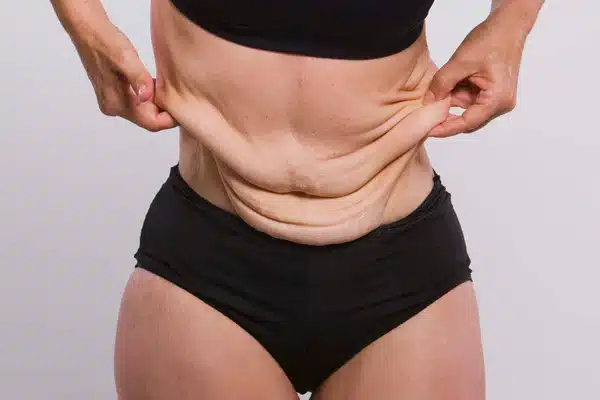
Skin tightening without surgery after weight loss refers to employing non-surgical methods to enhance the appearance of loose skin and make it look more taut. Most individuals experience some loose skin following their weight loss journey.
There are some non-surgical options, such as radiofrequency, ultrasound, creams, and exercise that can be beneficial for mild to moderate skin laxity. These choices tend to work nicely with busy lives and don’t require extended healing periods.
Below are the key ways and how they work.
Skin’s Reality
Skin, your largest organ, is a curtain, a shield – a cover, containing layers that keep it all together. Loose skin is a real concern after weight loss. It is supported by proteins such as collagen and elastin, which can be affected by age, hormones, and the speed of weight loss.
Collagen Loss
Collagen is a primary protein that keeps skin taut and contoured. When you lose weight, collagen production falls, so skin can sag or fold. This is even more apparent if weight loss takes place rapidly or if you’re over 40, as collagen levels are already declining because of hormonal changes, such as estrogen loss in women.
Your 20s are peak collagen and skin bounce, but by your 40s, slow collagen loss means skin doesn’t snap back as much. Foods that contain vitamin C, protein, and omegas like citrus, eggs, and fish can help increase collagen naturally. Water of at least 2 liters per day helps skin structure as well, as skin is 64 percent water.
Others seek out non-invasive procedures such as microneedling or radiofrequency, which can help stimulate new collagen for firmer skin.
Elastin Damage
Elastin is another protein providing skin its stretch and spring. Weight gain snaps elastin fibers, and weight loss can leave them battered or brittle to rebound. Sun damage, age, and rapid weight fluctuations can break down elastin even more, causing skin to appear loose or crepey.
Certain creams contain peptides or retinol, which can potentially assist your skin in producing more elastin. Treatments like ultrasound or laser can coax skin to regenerate elastin, albeit slowly and with age and skin health playing a role in effectiveness. Daily SPF 30 or higher sunscreen prevents elastin breakdown.
Age Factor
As you get older, skin loses snap and bounce. Mature skin tends to respond slower to non-surgical tightening as collagen and elastin decrease. Those in their 40s and above can experience increased skin laxity after weight loss as hormonal changes accelerate these losses.
Strategies shift with age: younger adults may respond well to lifestyle tweaks and topical products, while older adults might need to pair these with in-office treatments for best results. Years of sun and hormonal swings add up, so skin changes can seem to spring up overnight.
Weight Loss Speed
Skin’s reality: When you lose weight too fast, your skin has less time to shrink, resulting in increased sagging. Gradual, consistent weight loss monitored on a weekly basis allows your skin to adapt and contract at a normal rate.
Most specialists recommend that you lose no more than 0.5 to 1 kg per week. A little extra hydration, lotion, and keeping weight gains or losses slow can all help limit loose skin. Everyone’s skin is unique, so discovering what habits and speed work for you is crucial.
Non-Surgical Solutions
Non-surgical skin tightening has emerged as a dependable option for those seeking firmer, more youthful skin post weight loss and want to avoid surgical interventions. These alternatives function by prompting the body to produce more collagen, the protein that keeps skin taut and youthful. Loose skin can be an issue for anyone who loses 20 to 25 kg or more, particularly if the weight loss is rapid or the skin’s elasticity is poor.
Non-surgical solutions provide means to address this lax skin with lower risk and downtime. However, outcomes are gradual and individual. Commonly treated areas are the cheeks, jawline, chin, neck, upper arms, stomach, and thighs.
1. Radiofrequency Energy
Radiofrequency (RF) is a safe, controlled heat that reaches the lower levels of your skin. The heat supercharges the body’s natural repair mechanism to produce new collagen and elastin. RF treatments are perfect for patients seeking mild to moderate tightening.
It’s comfortable for most, with minimal pain involved. There is no downtime, so everyone can return to regular activities immediately. RF is most effective on the face, neck, upper arms, and tummy. Venues such as Sofwave employ innovative varieties of RF to provide outcomes with less redness or swelling.
One or two sessions are typical, with results emerging over three to six months as new collagen develops.
2. Ultrasound Therapy
Non-surgical solutions: Ultrasound therapy like Ultherapy utilizes targeted sonics to warm deep tissue layers. This heat activates the skin’s collagen manufacturing process. It’s not like RF; it penetrates deeper without heating the upper layer of skin.
Ultrasound is good for the jawline, chin, and neck, but can assist in tightening sagging skin on the arms or thighs. It’s effective for multiple skin types. Those with greater elasticity will experience superior results.
Most require just a single treatment, and the skin continues to improve for up to six months. It lasts one to two years if skin is maintained and weight remains stable.
3. Laser Treatments
Laser treatments work to enhance skin by utilizing light energy to simultaneously heat both the skin’s surface and deeper layers. These assist in smoothing texture and firming the skin. They can be either ablative lasers, which vaporize thin layers of skin, or non-ablative ones, which work beneath the surface.
Recovery time varies. Non-ablative lasers require minimal downtime, whereas ablative ones can cause redness and peeling for one to two weeks. Lasers are great for cheeks, neck, and décolleté.
Fair-skinned individuals still receive the greatest benefits, and newer machines can treat darker skin with less risk of pigmentation alterations.
4. Microneedling
Microneedling employs numerous fine needles to create micro-punctures in the skin. This process awakens the body’s healing process and instigates new collagen. Sessions are brief and pain is minimal.
Skin feels firmer and smoother with just a few treatments. Microneedling can be effective for loose skin on the face and neck and can be combined with RF or serums for more powerful results. Recovery is quick with mild redness that subsides within a day or two.
5. Topical Applications
Creams and serums can help keep skin healthy and may support mild tightening. Actives such as retinol accelerate cell turnover, while hyaluronic acid assists the skin in retaining water for a more plumped appearance.
These are most effective when employed daily as a ritual. Topicals may be a step to stave off the signs of aging before they need a professional touch. Dermatologist-grade products have more active ingredients, which can do a better job of smoothing texture and improving elasticity than store-bought products.
Lifestyle Support
Lifestyle support goes a long way in maintaining skin health post weight loss. These adjustments assist the skin’s innate repair mechanism and extend the results of non-invasive tightening treatments. A few simple daily habits can greatly impact the appearance and longevity of your skin.
- Stay hydrated with water throughout the day
- Eat a balanced diet rich in vitamins and protein
- Include regular strength and cardio exercise
- Protect skin from the sun using broad-spectrum sunscreen
- Use skincare products that support hydration and repair
- Keep a steady weight to help skin adapt
- Seek advice from professionals before trying non-surgical treatments
- Resume daily life, including workouts, after non-surgical appointments
Nutrition
A diet rich in nutrients can help enhance skin’s elasticity and ability to “snap back” after losing weight. Collagen and elastin, two essential proteins, provide skin its form and elasticity. Consuming foods that enable your body to produce more of these proteins can enhance firmness and slow sagging.
- Citrus fruits (like oranges and grapefruits): These are loaded with vitamin C, which aids the body in creating collagen and illuminating skin.
- Fatty fish, such as salmon and sardines, are rich in omega-3 fatty acids. These support skin moisture and softness.
- Eggs are full of protein and amino acids. They help repair skin tissue and boost collagen.
- Leafy greens (spinach, kale) are packed with vitamins A and C. These vitamins support cell growth and skin repair.
- Nuts and seeds (almonds, sunflower seeds) are loaded with vitamin E, which helps protect skin cells from damage.
A straightforward diet emphasizing these foods, combined with whole grains and lots of vegetables, can help nourish skin after weight loss. It is a great approach for anyone, in any country, since just about every market has at least a portion of these foods available.
Hydration
Water plays an important role in maintaining the skin’s elasticity and plumpness. It’s worth noting that consuming adequate daily water hydrates skin cells and keeps them full, which can offer skin a more firm, smooth appearance. Most professionals recommend a minimum of 2 liters a day. Everyone has different requirements depending on their weight and level of activity.
Dehydration can exacerbate loose skin by making it thinner and more fragile. Applying moisturizers or serums with moisture-binding ingredients such as hyaluronic acid can assist skin in holding onto water from the outside. These products do not replace water but can complement a good hydration regimen.
Sun exposure has a drying effect on the skin and accelerates aging, so you’ve got to have daily sunscreen. This habit preserves the skin barrier and maintains a healthy appearance.
Exercise
Strength training helps create muscle, which can fill out loose skin and give your body more shape. Lifting weights, resistance bands, or bodyweight moves like squats or push-ups all work. Cardio activities such as brisk walking, swimming, or cycling strengthen heart health and enhance blood flow to the skin.
Good blood flow means more nutrients to skin cells, keeping skin strong. Exercises that provide support in areas that typically start to sag first, like your upper arms, stomach, or thighs, are particularly valuable. For instance, planks and lunges really toned my core and legs.
We can go back to the gym immediately following non-surgical treatments, making it simple to maintain habits. Daily movement, along with smart eating and drinking, provides the best lifestyle support for taut, healthy skin.
Optimal Timing
Timing makes a world of difference in how well skin tightening works post weight loss. The best time depends on how your skin recovers, transforms with age and reacts to various interventions. Everyone’s skin tells its own tale, influenced by genetics, health and how much weight they dropped.
When to Start
Most skin specialists recommend waiting until you’ve been at a stable weight for a minimum of 6 months before considering skin tightening. This allows the skin to readjust, particularly following significant weight fluctuations. If you start too soon, skin may still be shrinking on its own, and early treatments could lose effectiveness.
Younger folk, particularly in their 20s, have more collagen and greater elasticity. Their skin can rebound more quickly. When you hit your 30s, collagen decelerates. Fine lines and slight sagging appear, particularly around the eyes and jawline. Preventative treatments, like topicals or light energy, can begin in your 30s to slow changes.
In the 40s, hormonal shifts, like estrogen’s decline for women, make skin changes more obvious. That’s where more sophisticated approaches may come in. Personal timing counts. See how your skin takes, any loose spots, and consider your health. If you’re unhealthy or heal slowly, waiting might be best.
Always consult a professional, a dermatologist for example, to see if your skin is ready and to choose the appropriate treatment.
Realistic Outcomes
Skin tightening without surgery isn’t an immediate solution. Outputs emerge gradually, sometimes taking weeks or months. Most people notice shifts by the three to six month mark. Procedures such as radiofrequency or ultrasound require time to assist skin in collagen regeneration.
The effect typically lasts a year or two with maintenance sessions. Your skin type, age, and how much you lost all impact results. Younger skin takes faster. Older or more damaged skin might require more treatments or respond less. Maintenance turns out to be important. Without periodic reinforcement, perhaps every year or two, gains can dissipate.
Remember, patience. Witnessing incremental progress rather than big leaps keeps you sane. It can be difficult if you anticipate quick and dramatic results. Knowing what these treatments can and can’t do makes the process less stressful and helps set goals that align with what’s realistic.
The Mind-Skin Connection
The mind-skin connection refers to the way your emotions can influence the condition and appearance of your skin, particularly post-weight loss. With the body’s transformation, mental well-being has a huge effect on skin’s appearance and texture. Stress, self-image, and daily habits all play a part in this connection.
For us globally, readers can help make skin tightening voyages more compelling and fruitful.
Stress Impact
Chronic stress emits hormones such as cortisol that can cause skin to appear saggy or fatigued. That’s because stress accelerates skin aging, causing it to sag or appear dull. Stress doesn’t just arrive in the form of wrinkles—it can spark flare-ups of skin issues such as acne, eczema, or psoriasis.
As these issues compound, they can make it difficult for skin to recover once the pounds come off. Relaxation techniques disrupt this cycle and provide skin a chance to heal. Less stress leads to less inflammation and better skin elasticity.
Studies reveal that when individuals engage in relaxation techniques, their skin appears more radiant and becomes tighter. Some effective relaxation techniques include:
- Deep breathing exercises
- Gentle yoga or stretching
- Guided meditation
- Listening to calming music
- Taking regular breaks outdoors
- Journaling or creative expression
Tiny lifestyle remodels stack up. Easy stuff like maintaining a consistent sleep schedule, eating nutritious meals, and exercising can ease stress. Sleep is a necessity. When the body relaxes and rejuvenates, skin repairs and rehydrates, assisting in firmness and radiance.
Psychological Well-being
Mental health is as important as physical care in weight loss. Most of us discover that our self-perception shifts as well with our physical transformation. It’s no coincidence that a healthy body image correlates with higher self-esteem and better skin.
Individuals who are encouraged by their results tend to continue healthy habits, which aids skin in healing and tightening in the long run. Support systems make all the difference. That can be talking with friends, support groups, or health professionals.
Having company along the path can calm nerves and sustain inspiration. Mindfulness exercises, such as meditation or mindful walking, have been shown to reduce stress and improve mood. They may enhance sleep and help manage habits that damage skin, like picking or scratching.
All of that, in turn, supports the gut-brain-skin axis. A lot of the time, when the gut is happy and healthy, skin reflects that. A holistic approach, one that looks after both mind and body, provides the best chance of healthy, glowing skin after weight loss.
Your Personal Decision
Deciding how to tighten skin after weight loss is a personal choice. Individual needs, budgets, and lifestyles dictate the ideal path. Here are actionable bullets to make an educated decision: money, recovery, and loose skin impact what works best.
Cost
| Treatment Type | Typical Cost (USD) | Follow-ups Included? | Maintenance Needed? |
|---|---|---|---|
| Surgical Skin Tightening | $5,000–$15,000+ | No | Rarely |
| Radiofrequency (RF) | $600–$2,500/session | Sometimes | Yes, yearly or more |
| Ultrasound Therapy | $1,200–$3,000/session | Sometimes | Yes, every 6–12 months |
| Laser Treatments | $1,200–$2,500/session | Sometimes | Yes, yearly or more |
Non-surgical skin tightening treatments are significantly less expensive upfront than surgery. They tend to require refresher courses every year or so, which can be cumulative. A few clinics provide installments on more expensive treatments, but always confirm what’s included—follow-up visits, post-treatment kits, or extra sessions may not be included.
For some, it makes sense to pay more upfront for longer-lasting surgery results, but others will want to space out the expense with frequent non-surgical treatments.
Recovery
| Treatment Type | Recovery Time | Care Needed | Downtime |
|---|---|---|---|
| Surgical | 2–6 weeks | Wound care, rest | Major (weeks off) |
| RF/Ultrasound | 1–3 days | Hydration, gentle care | Minimal (none-few days) |
| Laser | Few days–1 week | Sun protection | Minimal to moderate |
Surgical tightening implies weeks off from work and exercise. Non-surgical treatments, such as radiofrequency or ultrasound, often take less than a weekend to recuperate from, which is appealing to the time-strapped individual.
Post any treatment, following the care plan – hydration, sun avoidance, scar care – makes a difference in outcomes. Side effects from non-surgical treatments could involve slight swelling or redness; these dissipate quickly and don’t tend to interfere with your everyday activities.
Skin Laxity
Mild to moderate skin laxity usually yields to non-surgical interventions. If you’re in your 20s to 50s or haven’t dropped a very large amount of weight, you may see a genuine ‘lifting’ impact with these choices.
With advanced sagging, however, surgery might be the only way to achieve significant improvement. Skin laxity is related to age, genetics, and how much weight was lost. Younger individuals, or those with thicker, more elastic skin, typically respond better to less aggressive treatments.
Hybrid therapies, such as muscle stimulation and skin tightening, can provide additional enhancements, especially if the skin laxity isn’t too pronounced. A checklist can help: pinch the skin to test elasticity, note the degree of wrinkling, and consider whether results lasting up to a year before repeat sessions are enough.
Conclusion
Loose skin after weight loss can feel hard to handle, but non-surgical options bring actual relief. Simple things like eating properly, exercising, and applying clinically proven treatments can make skin healthier looking and feeling. Results are gradual and every individual’s body will respond differently. Skin health is connected to the body and the mind, so what you nourish them with counts. Consulting a dermatologist can assist you in discovering the best plan for your skin. To move forward, educate yourself on your options, establish goals, and reach out for assistance. Little shifts make a big impact. Be patient and set your own pace. Your journey counts.
Frequently Asked Questions
Can you tighten loose skin after weight loss without surgery?
Yes, you can get skin tightening without surgery. They can be things like radiofrequency treatments, ultrasound therapy, or laser treatments. Regular skin care and strength training don’t hurt either.
How long does it take to see results from non-surgical skin tightening?
Efficiency differs by approach. For most people, they notice the effects in a few weeks to a few months. Multiple sessions are often required for optimal results.
Are non-surgical skin tightening treatments safe?
Most non surgical treatments are safe in the hands of licensed professionals. Side effects are generally mild, like redness or swelling, and they dissipate rapidly.
Does exercise help tighten loose skin after weight loss?
Yes, strength training-induced muscle building can help improve the skin’s tautness. Skin tightening with exercise.
Who is a good candidate for non-surgical skin tightening?
Those with mild to moderate skin laxity are the perfect candidates. If you have a large amount of excess skin, you may require surgical solutions for visible improvement.
Which lifestyle choices support tighter skin?
Good nutrition, hydration, sun protection, and avoiding smoking are all supportive to the skin. Regular self-care keeps skin elastic.
Are the effects of non-surgical treatments permanent?
No-surgical results are not permanent. Maintenance treatments may be necessary every several months or once a year to maintain skin tightness.