
Did you know that 75% of people are unhappy with their skin’s appearance, often seeking cosmetic treatment, cosmetic therapy, low dose radiofrequency, or radio frequency therapy? Radiofrequency skin tightening is changing the game. This non-invasive radio frequency therapy uses heat to boost collagen production, giving your skin a youthful lift. It can reduce wrinkles and sagging through noninvasive skin tightening and radio frequency skin tightening without the need for surgery, helping to firm the skin and combat skin decline.
Many are turning to radiofrequency therapy for its quick results and minimal downtime in addressing skin problems with radiofrequency skin treatments and radio frequency skin tightening. Imagine looking refreshed and vibrant in just a few sessions of radiofrequency therapy for skin problems, including radiofrequency skin tightening and radiofrequency skin treatments. With rf therapy and radiofrequency skin tightening, you can achieve smoother, firmer skin without the risks associated with invasive procedures. Discover how this innovative technique, radiofrequency therapy, can transform your skincare routine and help you regain confidence in your appearance with rf therapy and radio frequency.
What is Radiofrequency Skin Tightening
Definition
Radiofrequency skin tightening is a non-invasive cosmetic procedure. It aims to improve the appearance of sagging skin. Many people choose radiofrequency skin treatments for its effectiveness without surgery to address skin problems.
How It Works
This procedure uses radio waves to heat the skin. The heat penetrates deep into the dermis layer. This process stimulates collagen production. Collagen is essential for maintaining skin elasticity and firmness. As people age, collagen levels decrease. This can lead to wrinkles and sagging skin. By increasing collagen, rf therapy and radio frequency skin tightening help restore a youthful appearance.
Goals of Treatment
The primary goal of radio frequency skin tightening is to firm and tighten the skin. Many individuals seek this treatment for various reasons. Some want to reduce fine lines and wrinkles. Others aim to improve skin texture and tone. Many clinics offer this service, including radio frequency skin tightening, as part of their anti-aging treatments.
Treatment Areas
Common areas treated include the face, neck, and abdomen. Patients often notice improvements in these regions after just a few sessions of radio frequency skin tightening. Results may vary based on individual skin types, conditions, and frequency.
Session Details
Each session typically lasts around 30 to 60 minutes. During the treatment, patients may feel a warm sensation as the radio waves frequency works on their skin. Most procedures require multiple sessions for optimal results. Patients usually see noticeable changes after three to six sessions of radio frequency skin tightening.
Safety and Side Effects
Radiofrequency skin tightening is considered safe for most individuals. Side effects are generally mild and temporary. Some patients may experience redness or swelling after treatment. These effects usually resolve within a few hours to days.
Effectiveness
Studies show that many patients report satisfaction with their results. A significant number notice tighter skin and improved texture over time. However, results can vary based on factors such as age and skin condition.
Long-term Care
To maintain results, patients may need follow-up treatments every six months to a year. Healthy lifestyle choices can also support long-lasting effects. Staying hydrated and using sunscreen can help protect the skin.
How Radiofrequency Skin Tightening Works
Treatment Device
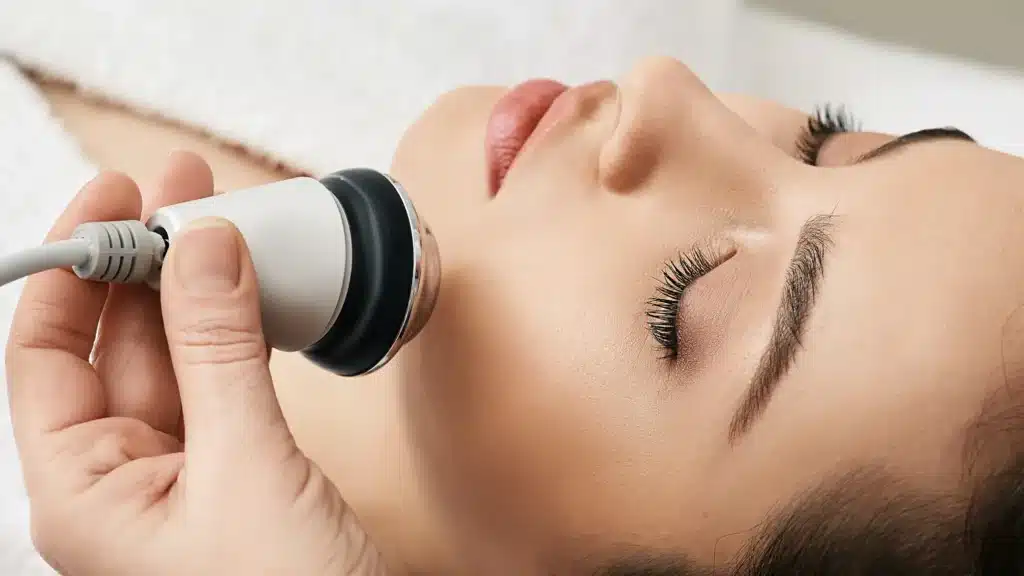
A wand connects to a machine that emits radio waves. This wand is moved over the skin during the procedure. It delivers controlled energy deep into the dermal layers. The heat generated by these radio waves warms the tissue. This process stimulates skin cells.
Collagen Production
The heat prompts the production of collagen and elastin. These proteins are essential for maintaining skin elasticity and firmness. As people age, collagen levels decrease. This leads to sagging skin and wrinkles. Radiofrequency treatments help counteract this effect. Increased collagen production results in firmer, smoother skin over time.
Treatment Duration
The typical duration of a radiofrequency skin treatment ranges from 30 to 90 minutes. Factors such as the area being treated influence the time needed. Most patients find the process quick and convenient. Minimal discomfort occurs during the session. The sensation feels warm, similar to a hot stone massage.
Number of Sessions
Most individuals require multiple sessions for optimal results. A series of treatments provides more significant improvements in skin texture and tightness. Providers often recommend three to six sessions spaced a few weeks apart. This schedule allows for gradual enhancement of the skin’s appearance.
Post-Treatment Care
After treatment, some redness or swelling may occur. These effects typically resolve within a few hours. Patients can return to their daily activities immediately after the procedure. No special care is usually needed post-treatment. However, applying sunscreen is crucial to protect the skin.
Results Timeline
Visible results may take several weeks to appear fully. As collagen builds up, improvements become more noticeable over time. Many patients enjoy long-lasting effects after completing their treatment plan. Results can last from several months to years, depending on individual factors.
Safety Measures
Radiofrequency skin treatments are generally safe for most skin types. Practitioners assess each patient’s needs before starting treatment. They ensure that the procedure is suitable based on medical history and skin condition.
Who Can Benefit?
Individuals seeking tighter, younger-looking skin can benefit from radiofrequency treatments. Those with mild to moderate sagging or fine lines see positive changes. It serves as a non-invasive option compared to surgical facelifts.
Before the Treatment
Consultation
Consulting with a doctor is crucial. A medical professional will assess your medical history and treatment goals. They will determine if radiofrequency skin tightening is suitable for you. Patients should share all relevant health information. This includes any previous cosmetic procedures or skin conditions.
Doctors may ask about allergies or medications you take. Some medications can affect the procedure’s outcome. Discussing these factors helps ensure safety and effectiveness.
Skincare Products
Avoid certain skincare products before the treatment. Products containing retinoids or acids can irritate the skin. These ingredients may increase sensitivity during the procedure. It’s wise to stop using them at least one week prior.
Patients should also refrain from using harsh exfoliants. This includes scrubs and peels that might damage the skin barrier. Keeping the skin calm and healthy leads to better results.
Medications
e medications can interfere with the procedure. Blood thinners, for example, increase bleeding risks during treatment. Inform your practitioner about any medications you are taking.
It’s essential to follow your doctor’s advice regarding medication adjustments. They may recommend stopping certain medications a few days before treatment. This step helps minimize complications.
Questions and Concerns
Discuss any questions or concerns with your practitioner beforehand. Knowing what to expect eases anxiety about the experience. Practitioners can explain how the procedure works in detail.
Inquire about potential side effects and recovery time. Understanding these aspects prepares patients for what lies ahead. Addressing concerns upfront builds trust between patient and practitioner.
Preparing Mentally
Mental preparation is as important as physical preparation. Patients should have realistic expectations about results. Radiofrequency skin tightening improves skin appearance but does not provide instant transformation.
Understanding the process helps manage expectations. Results often appear gradually over weeks as collagen builds up in the skin. Knowing this can prevent disappointment after the procedure.
Post-Treatment Care
Post-treatment care is vital for optimal results. Practitioners typically provide specific instructions to follow afterward. These may include avoiding sun exposure and applying gentle moisturizers.
Following post-care guidelines helps maintain skin health and prolong results. Patients should adhere to their practitioner’s advice closely for best outcomes.
During the Treatment
Gel Application
Practitioners begin the radiofrequency skin tightening treatment by applying a gel to the skin. This gel acts as a conductor, allowing the radiofrequency wand to glide smoothly. It helps in transmitting the energy effectively to the treatment area. The gel also protects the skin from heat during the procedure.
Sensation During Treatment
Patients may feel a warming sensation during the treatment. This warmth is normal and indicates that the radiofrequency energy is working. Most patients do not experience significant pain. The sensation can be likened to a gentle heating pad on the skin. Comfort levels vary, but many describe it as tolerable.
Temperature Monitoring
Practitioners closely monitor the skin’s temperature throughout the procedure. They use specialized tools to ensure that the treatment remains safe and effective. Maintaining an optimal temperature helps achieve desired results without causing damage to the skin. Practitioners adjust settings based on individual responses and skin types.
Duration of Treatment
The length of each session varies based on the treatment area and individual needs. Generally, sessions last between 30 minutes to one hour. Patients often undergo multiple treatments for best results. Practitioners recommend spacing these sessions about four to six weeks apart.
Post-Treatment Care
After completing the treatment, practitioners provide aftercare instructions. Patients may experience mild redness or swelling in the treated area. These effects usually subside within a few hours. Keeping the skin hydrated is essential for recovery. Practitioners advise avoiding sun exposure and using sunscreen for protection.
Expected Results
Results from radiofrequency treatments are gradual and improve over time. Patients typically notice tighter, firmer skin within a few months after their sessions. Full results can take up to six months to manifest as collagen production continues to increase.
Follow-Up Treatments
Regular follow-up treatments can enhance and maintain results. Many patients choose to return for maintenance sessions every six months to a year. This ensures continued skin elasticity and firmness over time.
After the Treatment
Resuming Activities
Patients can return to their normal activities right after the radiofrequency skin tightening procedure. This convenience makes it a popular choice among those seeking cosmetic treatments. Unlike more invasive cosmetic surgery, recovery time is minimal. Many people even choose to have the treatment during their lunch break.
Temporary Side Effects
e individuals may experience temporary side effects following the treatment. Common issues include redness, tingling, or soreness in the affected skin. These symptoms typically resolve within a few hours to a couple of days. Most patients find these side effects manageable and not disruptive.
Post-Treatment Care
Practitioners often provide specific post-treatment care instructions. Following these guidelines is crucial for optimal results. Patients should keep their skin moisturized and avoid excessive sun exposure. Using sunscreen can help protect the treated area from UV damage.
Hydration also plays an important role in recovery. Drinking plenty of water supports skin health and aids in collagen production. Patients may notice improvements in skin texture over time as collagen builds up.
Long-Term Results
The benefits of radiofrequency therapy can become more visible over several weeks. Collagen production continues to increase long after the treatment is complete. For many, this leads to firmer and smoother skin that lasts for months or even longer.
e might need multiple sessions for desired results. A practitioner can recommend a suitable treatment plan based on individual skin issues and goals. Regular follow-ups can enhance the effectiveness of the cosmetic procedure.
Monitoring Skin Changes
After treatment, keeping an eye on any changes in the skin is essential. Some patients might develop minor skin problems like dryness or irritation. If these issues persist, consulting with a practitioner is advisable. They can offer solutions tailored to each patient’s needs.
In summary, radiofrequency skin tightening offers immediate benefits with minimal downtime. The procedure’s non-invasive nature allows patients to quickly resume their daily routines. While some temporary side effects may occur, they are generally mild and short-lived.
Who Can Perform the Treatment
Licensed Professionals
Licensed dermatologists or trained medical professionals typically perform radiofrequency skin tightening. These practitioners have the necessary education and training to ensure safety. They understand skin anatomy and the technology used in treatments.
Skin care specialists also offer these services. However, they must have proper certifications. Their expertise varies widely, so it’s essential to verify their qualifications.
Importance of Experience
Choosing a qualified and experienced practitioner is crucial. Experienced providers know how to tailor treatments for individual needs. They can assess skin conditions accurately and recommend appropriate techniques.
A skilled practitioner can minimize side effects and enhance results. Inexperienced providers may not achieve the desired outcome. This can lead to dissatisfaction with treatment results.
Checking Credentials
Before proceeding, check the practitioner’s credentials and reviews. Look for board certification in dermatology or related fields. A certified provider has met specific educational and training standards.
Reading online reviews can provide insights into a practitioner’s reputation. Look for feedback on patient experiences, results, and professionalism. Positive reviews often indicate a reliable provider.
Consultation Process
Schedule a consultation before the treatment. During this visit, discuss your goals and concerns. The practitioner should explain the procedure clearly. They should also outline potential risks and benefits.
Ask about their experience with radiofrequency treatments. Inquire how many procedures they have performed successfully. This information can help you feel more confident in your choice.
Treatment Setting
Consider where the treatment will take place. A reputable skin surgery center should meet health and safety regulations. Cleanliness and proper equipment are essential for any procedure.
The environment should be comfortable and professional. Staff should be knowledgeable and ready to answer questions. This setting contributes to a positive overall experience.
Follow-Up Care
After treatment, follow-up care is important. Qualified practitioners provide post-treatment instructions clearly. They guide patients on how to care for their skin afterward.
Ensure that your provider is available for any questions or concerns after the procedure. Good communication helps address any issues that may arise during recovery.
Benefits of Radiofrequency Skin Tightening
Noninvasive Treatment
Radiofrequency skin tightening is a noninvasive procedure. It does not require surgery, which means less risk and quicker recovery. Many people prefer this method because it avoids the complications of surgical skin tightening.
This treatment uses energy to heat the deeper layers of the skin. The heat stimulates collagen production. Collagen is essential for maintaining skin tightness and elasticity. As a result, patients experience firmer skin without the need for invasive techniques.
Versatile Application
Radiofrequency therapy can treat various areas of the body. Common areas include the face, neck, and abdomen. This versatility makes it a popular choice for many individuals seeking skin rejuvenation.
For facial skin tightening, radiofrequency treatments can reduce sagging and improve overall appearance. On the neck, it can help tighten loose skin that often develops with age. On the abdomen, it can target stubborn areas that diet and exercise may not affect.
Immediate Results
Patients often notice immediate visible changes after their session. Skin can appear tighter and smoother right away. These results are encouraging for those looking for quick improvements in their appearance.
However, the most significant benefits come over time. As collagen builds up in the skin, long-term effects become noticeable. Regular sessions can lead to lasting improvements in skin tightness and texture.
Long-Term Effects
The potential for long-lasting results attracts many to radiofrequency treatments. Over time, skin elasticity increases as collagen levels rise. This process leads to continued improvement even after treatment sessions end.
Patients may also enjoy benefits like improved skin tone and reduced wrinkles. The overall effect is a more youthful appearance without significant downtime.
Home Devices
e individuals opt for home radiofrequency therapy devices. These devices allow users to maintain their results between professional rf treatments. They provide convenience and flexibility while still delivering benefits.
While home devices may not be as powerful as professional options, they can still support ongoing skin regeneration efforts. Users should follow instructions carefully to achieve optimal results.
Effectiveness and Duration of Results
Treatment Timeline
Most significant improvements from radiofrequency skin tightening become visible up to six months after treatment. During this period, collagen production increases. This natural process tightens the skin over time. Many patients notice smoother and firmer skin as a result.
Results vary among individuals. Factors like age, skin type, and lifestyle play a role. Some people experience longer-lasting effects than others. Generally, results can last for one to two years. Regular maintenance treatments can help prolong these results.
Individual Factors
Individual characteristics impact how effective radiofrequency treatments are. Younger patients often see quicker improvements. Skin quality also matters; healthier skin responds better to treatment. Lifestyle choices such as diet and sun exposure affect skin elasticity.
Genetics can influence how long results last. Some people have naturally more resilient skin. Others may notice their skin aging faster despite treatment. Understanding these factors helps set realistic expectations.
Home Devices
Home radiofrequency devices are available on the market. These products promise similar effects to professional treatments but often fall short. Clinical studies show that at-home devices typically lack the same power and effectiveness.
Professional treatments use stronger energy levels for better results. They can penetrate deeper into the skin layers compared to home devices. As a result, patients may not achieve the same level of improvement at home.
While home devices offer convenience, they require consistent use for noticeable changes. Users should manage expectations when using these products. Some may still find them beneficial for minor improvements or maintenance between professional sessions.
Cost Considerations
The cost of professional radiofrequency treatments can be significant. Prices vary based on location and provider expertise. Patients should consider their budget when deciding on treatment options.
Home devices present a lower initial investment but may not deliver the same results as professional care. Weighing the pros and cons of each option is essential for making an informed decision.
Important Considerations
Treatment Cost
Radiofrequency skin tightening can be costly. Each treatment averages around $2,000. Many people need multiple sessions for optimal results. These sessions may vary based on the area being treated and individual skin needs. Some clinics offer package deals which can lower the overall cost. Always inquire about financing options if needed.
Skincare Regimen
A proper skincare regimen is crucial after the procedure. Maintaining results requires consistent care. This includes using moisturizers and sunscreen daily. Products with retinoids can also help improve skin tone and texture. Regular follow-ups with a dermatologist can guide you in selecting appropriate products. They can tailor advice to your specific skin type and concerns.
Health Considerations
Before deciding on radiofrequency treatments, consider personal health conditions. Certain medical issues might affect treatment outcomes. For example, individuals with skin conditions or autoimmune diseases should consult a doctor first. Discussing your treatment goals with a healthcare provider is essential. They can help determine if this procedure aligns with your desired outcomes.
Realistic Expectations
Setting realistic expectations is vital for satisfaction. Results may vary from person to person. Some individuals notice improvements immediately, while others see gradual changes over time. Understanding that results are not permanent helps manage expectations. Regular maintenance treatments might be necessary to uphold the effects.
Potential Side Effects
Like any procedure, radiofrequency skin tightening has potential side effects. Common side effects include redness, swelling, and mild discomfort in the treated area. These usually resolve within a few hours to a few days. Serious complications are rare but can occur, so it’s important to choose a qualified practitioner.
Pensamientos Finales
Radiofrequency skin tightening offers a non-invasive way to enhance your skin‘s appearance. You’ve learned how it works, what to expect before, during, and after treatment, and who can perform it. The benefits are clear: tighter, smoother skin with minimal downtime. Keeping in mind the important considerations ensures you make an informed choice.
If you’re looking to rejuvenate your skin, consider radiofrequency treatments. Consult with a qualified professional to discuss your goals and see if this is the right fit for you. Your journey to youthful skin could be just a treatment away. Take action today!
Frequently Asked Questions
What is radiofrequency skin tightening?
Radiofrequency skin tightening is a non-invasive cosmetic procedure that uses radiofrequency energy to stimulate collagen production in the skin. This helps to tighten and lift sagging skin, improving overall appearance.
Is radiofrequency skin tightening safe?
Yes, radiofrequency skin tightening is considered safe for most individuals. It has minimal side effects, such as mild redness or swelling, which typically subside quickly.
How long does a treatment session take?
A typical radiofrequency skin tightening session lasts between 30 to 90 minutes, depending on the treatment area.
How many sessions are needed for optimal results?
Most patients require 3 to 6 sessions for optimal results, spaced about 4 to 6 weeks apart. Individual needs may vary based on skin condition and desired outcomes.
Are the results permanent?
Results from radiofrequency skin tightening can last up to 1-2 years, depending on factors like age and lifestyle. Maintenance treatments can help prolong effects.
Can anyone undergo this treatment?
While most people can benefit from radiofrequency skin tightening, those with certain medical conditions or skin infections should consult a professional before proceeding.
What should I expect after the treatment?
Post-treatment, you may experience mild redness or swelling. These effects usually resolve within a few hours, allowing you to return to normal activities immediately.