
Key Takeaways
- Drinking plenty of fluids will aid in recovery from your liposuction procedure. It supports your body’s healing process by getting nutrients to the tissues and flushing out what’s causing the pain.
- Keeping well hydrated helps to minimize swelling and inflammation, which both increase comfort and help you heal more quickly.
- Dehydration can complicate recovery so staying well-hydrated is key. Keeping up with fluids is the best way to prevent potential dangers.
- Hydration plays a huge role in how your skin looks and feels. It also reduces scarring and improves skin tone and texture following surgery.
- To keep yourself optimally hydrated, drink eight glasses of water a day as a minimum goal. Increase your hydration by consuming hydrating foods such as cucumbers and watermelons and avoiding dehydrating beverages including high caffeine or sugary drinks.
- Establish hydration targets to maintain progress. Use apps and reminders to keep track of how much you’re drinking and keep your fluid intake regular while you heal.
Hydration is incredibly important during recovery from liposuction. Being well-hydrated helps injuries heal more quickly and gives you more energy. Water helps maintain the body’s equilibrium and also promotes quick healing of wounds.
Post-surgery, staying hydrated will keep swelling and pain at bay. It also helps to maintain the elasticity of the skin, an important factor for getting even results. Small tips such as having a water bottle within reach or adding fruits to water can be easy and fun ways to keep your hydration levels up.
Profile stories reveal a connection between staying hydrated and optimal recovery experiences. When you adopt these practices, you maximize your physical recovery. Even better, they spice up your soul, which in turn helps your travels to become happier and easier.
What is Hydration in Recovery
Definition of Hydration
Hydration is the process of taking in fluids required to keep the body in a functioning state of homeostasis. At the most basic level, hydration is drinking adequate fluids, mostly water, to support our bodies’ needs. Water is the main star of this show, as it is the main way we can go about achieving adequate hydration.
Its comprehensive impact on both physical and mental health makes it a crucial component of health and wellness, particularly during recovery periods. Hydration keeps your body cool, carries nutrients, and flushes out toxins. That balance is so important to your recovery.
It’s the time that your body uses to repair tissues, reduce inflammation, and create energy stores. Especially after undergoing a procedure such as liposuction, staying hydrated is essential for your body to work at its best.
Importance in Post-Surgery
Hydration becomes the star player in improving recovery results post-liposuction. It’s not hard to understand why you should aim for at least 8-10 glasses of water a day while you’re recovering. Well-hydrated patients experience quicker recovery time and better surgical results, thanks to hydration that positively impacts metabolic processes necessary for healing.
Water helps transport oxygen and nutrients to cells, which is important for healing tissues after surgery. Beyond that, it cuts down on the need for complications, making the recovery journey a better one. Herbal teas are a great way to work towards daily fluid intake goals without the boredom that can come from drinking plain water.
Fruits and vegetables, including watermelon, cucumbers, oranges, and strawberries, are great options. They’ll increase your hydration and give you a healthy dose of vitamins and nutrients.
During those first weeks where bodily adaptations during recovery are paramount, hitting hydration hard can be a game-changer. Considering that there were about 250,000 liposuction procedures performed in the United States in 2018, hydration’s importance in post-op recovery is huge!
Using a reusable water bottle might be a simple yet powerful tool for tracking daily intake, encouraging consistent hydration throughout the day.
Why Hydration is Crucial After Liposuction
1. Supports Healing Process
Hydration supports every aspect of the body’s healing journey after liposuction. When you stay well-hydrated, your body is better able to transport nutrients to tissues that need repairing or regenerating. This speeds up and augments the body’s own healing processes for a faster, safer, and more comfortable recovery.
For example, making sure to drink 8-10 glasses of water each day allows your body to replenish the fluids and electrolytes you’ve lost, which is incredibly important after having surgery. When you stay well-hydrated, you’re helping your body adapt and react to the surgical procedure, which will also aid in recovery.
2. Reduces Swelling and Inflammation
Proper hydration aids in controlling post-surgical pain by alleviating swelling and inflammation. When you’re well-hydrated, your body can flush out more excess fluids. This helps to minimize fluid retention and avoid unnecessary discomfort.
Keeping well hydrated will not only aid in the prevention of swelling, it will also allow for a much more enjoyable recovery! Sip herbal teas or water all day long. You can use this simple habit to lessen your symptoms and assist your body in healing itself.
3. Prevents Dehydration Risks
Ready for the big finish? Dehydration while recovering can also cause complications such as dry mouth and fatigue. Keeping tabs on your hydration levels prevents these negative consequences and ultimately leads to a better recovery.
Prevent dehydration by drinking at least 8 to 10 cups of water daily. This is crucial in those first weeks post-surgery so that the risk of injury is greatly reduced. By maintaining hydration status, you will create the best healing environment for your body to do its job.
4. Enhances Skin Elasticity
Proper hydration is key to ensuring skin tone and tightness post liposuction. Proper hydration helps keep skin healthy and clear, leading to less scarring and increased skin tone. Staying hydrated also helps your skin stay elastic and aids in your body’s healing process.
Make sure you’re drinking plenty of water! Sleep 7-9 hours a night for overall health and hydration. This will restore your skin’s resilience to bounce back!
How Hydration Affects Wound Healing
Staying hydrated is one of the most important aspects when it comes to the entire healing process following liposuction. Given that the human body is made up of up to 60% water, proper fluid intake is critical for keeping our bodies functioning properly.
Once the procedure is over, remaining well-hydrated will allow your body to restore and recover any affected tissues more effectively. This is because water helps to flush out excess salt and keep electrolyte levels balanced, both of which are essential for efficient wound healing. Staying hydrated also lowers your chances of complications, which makes for an easier recovery.
Role in Tissue Repair
Staying hydrated helps nutrient transport, including the nutrients your body needs to repair damaged tissue. The body can deliver nutrients to damaged areas more efficiently with proper hydration.
This ensures cellular functions that are vital to the healing process. Water, for example, helps transport oxygen and nutrients to cells, where they’re needed to function properly. Staying hydrated also avoids the risk of dehydration, which can lead to delayed healing and other complications.
Staying adequately hydrated by consuming 8-10 cups of water per day will also improve recovery results.
Impact on Immune Function
Maintaining adequate hydration is critical to supporting any immune function, which is primitive yet crucial in preventing opportunistic post-operative infections. A properly hydrated body supports a strong immune response.
That’s vital, given that as many as 60% of patients are at an increased risk of infection. Proper hydration supports the immune system, keeping it working at peak performance to keep us healthy, strong, and resilient.
Eating water-based foods such as watermelon and strawberries not only helps keep the immune system hydrated, but these foods also provide crucial vitamins needed for healing.
Influence on Circulation
Proper hydration thins the blood to improve circulation, which is important for delivering oxygen and nutrients to healing tissues. Excellent circulation means less complications and quicker healing.
Adequate fluid intake helps maintain healthy blood circulation, which is vital for transporting healing agents to injured areas. Providing drinking water after anesthesia also enhances circulation, allowing the body to recover from surgery more quickly.
Keeping yourself hydrated is therefore an easy, effective way to improve your health and well-being.
Strategies for Maintaining Hydration
Increasing your daily water intake and staying well-hydrated is essential for a smooth recovery after liposuction surgery. Here are some effective strategies to ensure proper hydration levels post-surgery.
- Drink at least eight glasses of water daily.
- Incorporate hydrating foods into your diet.
- Monitor fluid intake regularly.
- Avoid sugary and caffeinated beverages.
Drink Adequate Water Daily
Getting enough water each day is vital for speedy recovery. Consuming eight to ten cups of water, or approximately 64 to 80 ounces, helps the body heal.
I personally love using a reusable water bottle to help track daily intake and make sure I am drinking enough. It really helps me hit my hydration goals.
Using reminders every hour to take a few sips can help keep hydration in mind all day long, including right before meals. Herbal teas can provide a flavorful way to enjoy a break from just plain water and still meet fluid needs.
Include Hydrating Foods
Adding fruits and vegetables with high water content to meals is another great way to increase hydration. Foods such as cucumbers, watermelon, and oranges are ways to hydrate while also getting important vitamins and minerals.
Keeping a well-rounded diet rich with hydrating foods will help support your hydration goals. This delicious strategy supports recovery and you can make it fun, too!
Monitor Fluid Intake
Maintaining a record of daily fluid intake helps to be sure that hydration needs are regularly taken care of. Apps or a water journal also help make water consumption more tangible, giving you a better sense of how much water you’re actually drinking.
Incorporating proper hydration individual hydration needs should be taken into account, as these needs will vary depending on activity level and recovery state.
With health experts urging everyone to get at least 150 minutes of moderate aerobic activity a week, staying hydrated is more important than ever.
Avoid Dehydrating Substances
Substances such as alcohol and caffeine can cause dehydration, something best left in the past after surgery. Cutting back on carbonated drinks and sugary beverages supports good hydration status.
Choosing hydrating options like water or herbal teas helps maintain good hydration levels, which can contribute to an easier recovery.
Tips for Effective Hydration Post-Surgery
Post-op hydration is one of the most important aspects of recovery, especially when it comes to liposuction surgery. Following hydration recommendations helps maintain optimal hydration levels during the recovery period.
- Set specific hydration goals based on personal needs.
- Use hydration reminders to ensure regular fluid intake.
- Track progress with hydration apps for accountability.
Set Hydration Goals
Setting hydration goals is an important part of your path to recovery. Try to drink a minimum of eight to ten cups of water daily. This is particularly crucial during the initial weeks following your surgery, adding up to about 2 to 2.5 liters.
Establish small, attainable goals to gradually increase fluid intakes as your activity level ramps up and your recovery continues. The more active you become, the more you may need to increase your intake.
Pacing yourself with your water intake helps you stay ahead on your body’s hydration needs without pressuring yourself.
Use Hydration Reminders
Keeping one step ahead of your hydration needs doesn’t have to be complicated. All it takes is a reminder. Smartphone applications or alarms can remind you to drink water during the day.
Developing a plan that regularly incorporates hydration breaks helps you make refueling a regular part of your day. Environmental prompts, such as keeping water bottles on your desk or counter, are effective nudges.
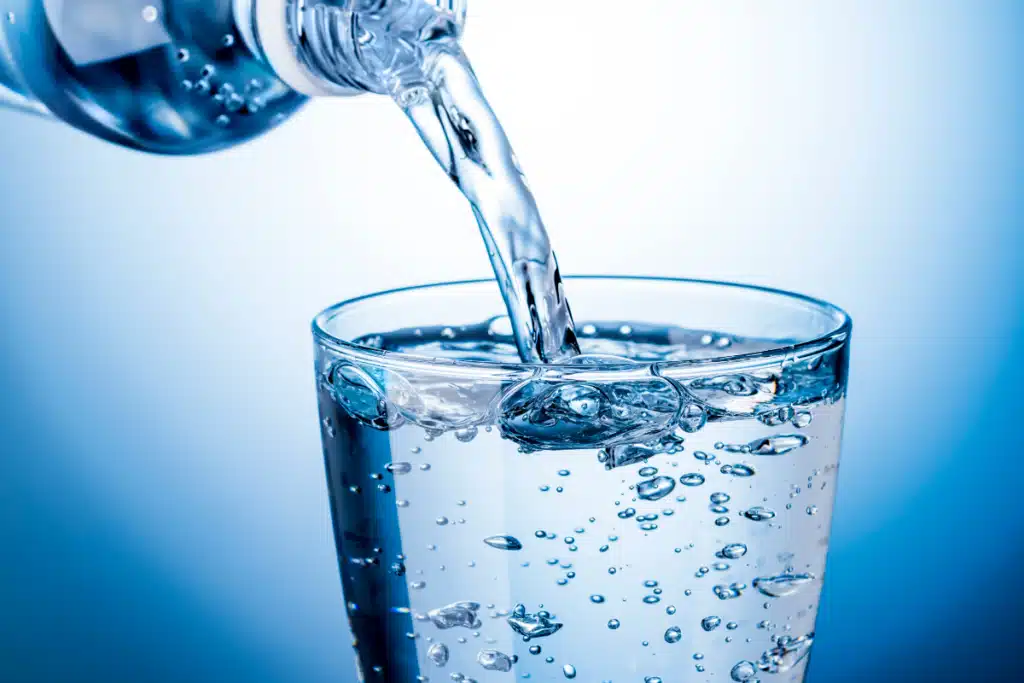
Now imagine having a water bottle like this placed on your desk or kitchen counter, giving you the occasional nudge to drink more water. This little change might make a world of difference in helping people stay properly hydrated.
Track Progress with Apps
Hydration tracking apps can be a game changer when it comes to keeping tabs on how much fluid you’re getting each day. Most of these apps also offer graphical representations of your hydration track record, which can be hugely inspiring.
Sharing your hydration goals with friends or family can help provide that accountability and motivation you might need. Seeing how far you’ve come increases your drive.
It keeps you accountable to your daily hydration goals!
Conclusion
Staying hydrated helps with recovery. Keeping hydrated will help with your recovery after a liposuction procedure. Water makes you heal quicker and feel healthier. Staying hydrated with water increases energy levels and flushes out harmful toxins. It also helps your skin look radiant and helps with the appearance of swelling. Easy things, such as taking sips of water all day long or incorporating more water-rich foods, really help improve that,” Mildred said. Your body will be grateful for the extra care and attention.
Whatever you need to feel better and heal well—mind, body and spirit—is possible. Whether you’re anticipating or healing from liposuction, consider the role hydration plays in your recovery. Proper hydration is one of the easiest ways and one of the most effective to encourage healing and well-being. So drink up and let your body do what it does best—heal and thrive.
Frequently Asked Questions
What is the role of hydration in liposuction recovery?
Hydration plays a key role in helping flush out toxins and aid cellular repair, which is essential for optimal healing after cosmetic procedures. It keeps skin supple and cuts down on swelling, improving the overall recovery experience.
Why is staying hydrated crucial after liposuction?
Proper hydration levels are crucial as they aid the body’s innate ability to heal itself, reduce the risk of complications, and improve recovery. Staying hydrated with enough fluids helps control post-operative swelling.
How does hydration affect wound healing?
Adequate hydration, including meeting daily water intake, maximizes blood flow, providing an efficient transport of nutrients to the tissues that are healing, which speeds up the recovery process and lowers the chance of infection.
What are some strategies for maintaining hydration after surgery?
Drink water frequently to meet your daily water intake, consume hydrating foods like fruits and vegetables, and limit alcohol and caffeine for optimal hydration levels.
How much water should I drink after liposuction?
Drink at least 8–10 cups of water each day to meet your daily water intake or follow your doctor’s personalized hydration recommendations, promoting optimal fluid balance and post-exercise recovery.
What are effective tips for post-surgery hydration?
Bring a water bottle with you, set an alarm on your phone to remind you to drink enough fluids, and prioritize hydrating foods to meet your daily water intake needs.
Can dehydration impact liposuction results?
Yes, dehydration can slow healing and hinder the recovery process, causing secondary complications and even killing. Proper hydration levels are crucial for healthy recovery and optimal healing, ensuring the best aesthetic results.