
Key Takeaways
- Hematomas are collections of blood that develop outside of blood vessels, usually resulting from indirect tissue damage during liposuction. They are distinct from bruises, as hematomas are deeper and often need medical intervention.
- Other risk factors for hematoma formation include the patient’s age, skin elasticity, and overall health as well as pre-existing medical conditions and the use of anticoagulant medications. Adhering to thorough pre-surgery checkups can go a long way in preventing and minimizing these hazards.
- Most importantly, choosing an experienced surgeon who is skilled in advanced techniques can reduce tissue trauma and the risk of post-op hematomas. Be sure to check credentials and voice any concerns during your consultation.
- In order to optimize your recovery, make sure you’re wearing compression garments properly. Refrain from strenuous activity and follow post-operative care guidelines to reduce your chances of developing a hematoma.
- The early signs of a hematoma include swelling, discoloration, and tenderness. Paying attention to these symptoms and alerting your surgeon right away can avoid serious complications.
- Treatment options for hematomas can include non-invasive treatments such as rest and ice application, reaching surgical intervention in extreme cases. Please see a qualified medical professional for advice tailored to your situation.
Hematoma formation after liposuction is a multifactorial phenomenon that influences the healing process. Large localized collections of blood, called hematomas, can develop under the skin. They frequently occur secondary to surgical technique, patient health, and post-operative care adherence.
By better understanding each of these factors, we can uncover potential solutions to minimize risks and expedite recovery. Factors such as the use of anticoagulant medications, preexisting medical comorbidities, and procedural magnitude can play a major role.
Appropriate use of compression garments and following aftercare instructions is crucial to minimizing their appearance. By recognizing how these factors interact, both patients and surgeons can work toward achieving better outcomes and smoother recoveries after liposuction procedures.
What Are Hematomas
Hematomas are localized collections of blood outside blood vessels, developing when blood escapes into surrounding tissues. This can happen from a direct injury, after surgery, or from other blunt trauma. After a liposuction procedure, hematomas can form due to small blood vessel injury that occurred during the liposuction.
Hematomas can be a shock to patients initially. As long as they’re small and taken care of properly, they typically resolve anywhere between 10 days to 2 weeks. Tissue trauma, surgical or spontaneous also plays a key role in hematoma formation.
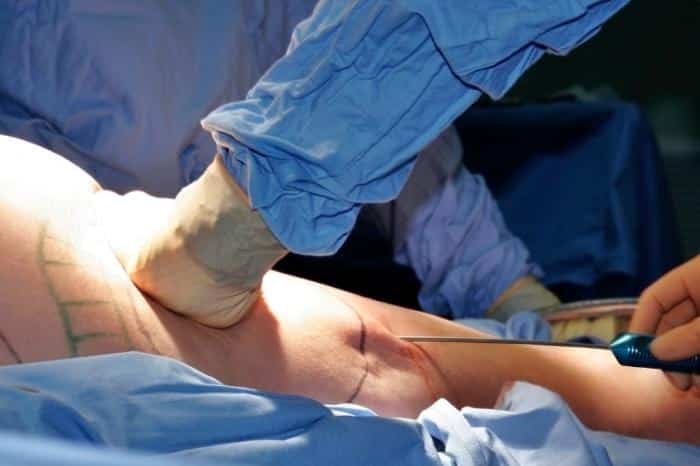
In traditional liposuction, the cannula that is used to remove the fat can accidentally damage underlying blood vessels. Unlike typical swelling or surface bruises, a hematoma develops deeper in the tissue and is usually more serious, requiring medical intervention. Without treatment, these problems can lead to conditions such as infections and delayed healing.
They can even progress to fat embolism syndrome, a rare but potentially life-threatening condition with a 10-15% mortality rate.
Differences Between Bruises and Hematomas
Unlike most hematomas, bruises are often superficial, and blood collects close to the surface of the skin. They heal on their own in a matter of days and seldom need intervention. In contrast, hematomas may be bigger, deeper, and can last for weeks.
They can lead to significant external swelling and pain often needing compression dressings, aspiration and/or surgical treatment. Hematomas are at a greater risk for complications, underscoring the need to identify them from regular bruises.
How Hematomas Form After Liposuction
During liposuction, blood vessels rupture to some extent as the fat is removed. This risk is heightened with over-suctioning, which can cause tissue trauma by creating negative pressure. The tumescent technique does a great job of controlling bleeding by firming up the tissues.
Conversely, when the fluid is mismanaged, hematomas are more likely to form. Factors like surgical skill, use of microcannulae (3 mm or less), and patient preparation—such as avoiding blood thinners, smoking, and dehydration—further influence outcomes.
Immediate and close post-operative monitoring is essential to identify early signs of hematomas.
Risk Factors For Hematoma Formation
1. Patient’s Age And Skin Elasticity
As people age, skin naturally loses elasticity. This change can make older patients more prone to hematomas after liposuction. Skin that stretches less effectively has a harder time adapting to changes during recovery, potentially leading to complications.
Younger skin tends to recover more easily, but age isn’t the sole factor. Assessing skin elasticity before surgery is crucial to predict outcomes. For example, surgeons often test the skin’s ability to return to its original state when pinched.
Patients should always discuss concerns about aging skin with their surgeon to set realistic expectations.
2. Blood Clotting Disorders Or Medications
Blood clotting disorders, such as hemophilia or von Willebrand disease, can raise the risk of bleeding during and after surgery. Blood thinners, including common medications such as aspirin and warfarin, can also contribute to this risk.
Even herbal supplements like ginkgo biloba can make you more susceptible to a hematoma forming. Any risk factors should be identified prior to surgery by a careful review of all medications, including over-the-counter ones.
With appropriate physician guidance, patients may be able to stop blood thinners a week prior to surgery. If we manage known clotting disorders preemptively with Vitamin K or other strategies, we can lower risks substantially.
3. Surgeon’s Technique And Experience
An experienced surgeon is probably the most important factor in minimizing complications. Additionally, skilled surgeons follow advanced guidelines and techniques specifically aimed at minimizing tissue trauma, therefore lowering the risk of hematomas.
For example, careful liposuction techniques that minimize the use of force spare blood vessels. Patients need to be informed and inquire about their surgeon’s experience and complication rates to make sure they are in the best hands possible.
4. Post-Surgery Activities And Care
There’s no doubting that careful post-surgery management has a dramatic impact on recovery. Physicians recommend restricted patient mobilization for up to three days post procedure.
They further advise the use of form-fitting undergarments to minimize post-operative swelling and bruising. Staying away from heavy lifting or jarring motions keeps extra stress off healing tissues.
Being diligent about medical advice makes for a much easier healing process.
5. Pre-Existing Medical Conditions
Medical issues, such as obesity, diabetes, or renal failure may hinder recovery and increase risks for hematomas. For example, obesity can cause delayed wound healing and uncontrolled diabetes increases the risk of infection.
Comprehensive medical evaluations, including checking blood sugars in all patients over 30, make it possible to identify and treat these risks early. Planning ensures a safe and effective transition, and open communication with healthcare providers will help make this possible.
Signs And Symptoms Of Hematomas
Hematomas following liposuction usually present as noticeable swelling and bruising. Swelling can occur suddenly or develop over time, causing the impacted area to appear more swollen than the remainder of the body. Bruising, such as dark purple or red areas, is another typical symptom.
These changes happen as the body responds to surgery. It’s important to know when those signs point to a dangerous underlying condition. For example, bruising and ecchymosis are normal and maximal at about 7–10 days but typically resolve within 2–4 weeks. If the discoloration appears to be getting worse rather than better, this may be a sign of a hematoma.
Pain is another major sign. The degree of pain often provides an indication to the size or depth of the hematoma. Though some mild soreness is expected, if you experience sharp, persistent pain then that could indicate a greater issue, such as the presence of a hematoma.
In fact, some patients have gone on to describe chronic debilitating symptoms for over 6 weeks. Although uncommon, abnormal swelling can happen, perhaps as a result of the tissue injury. Keeping track of your symptoms is important in the days following surgery.
Sometimes even small changes, such as an increase in swelling, may not sound serious but can indicate a developing hematoma. Sometimes symptoms are delayed. In one example, a trochanteric hematoma developed in a 73-year-old patient. This happened only a week out from surgery and was the result of medication-induced effects.
Monitoring for any changes means you can respond quickly if something does happen. Keeping a record of all symptoms, such as pain or swelling, is useful to monitor recovery time. Finally, some hematomas may not be seen until days after injury.
Post-surgical hematomas can even reach volumes of 17 fluid ounces, as seen in one abdominal case evacuated at one week.
Recognizing Early Signs Of Hematomas
Whether you’ve just had liposuction or you’re considering it, knowing the checklist of early warning signs can catch complications before they worsen. Signs to watch for include persistent swelling, increasing discoloration, or heat in the area.
Greater than expected drainage from surgical sites or development of new firmer areas beneath the skin are other early signs. These are some of the first, most subtle signs that indicate the possible formation of a hematoma. Self-monitoring is key in recovery.
Checking your surgical site regularly will allow you to notice changes before they become a serious problem. So, patients recuperating from any type of surgical liposuction find it helpful to keep notes—and even pictures—of their healing process. Writing down this information helps you more easily recognize changes and communicate those to your physician.
Clear and timely communication with your healthcare provider is key. If any new or worsening symptoms occur, notify your surgeon immediately. In our experience, identifying these symptoms at an early stage results in faster and easier fixes.
This is particularly relevant for moderate hematomas, as the majority resolve in 10 to 14 days.
When To Seek Medical Attention
Some symptoms require urgent medical care. Don’t take rapid swelling, worsening redness, increased pain, or draining of blood-tinged fluid from the incision sites lightly. These may be symptoms of a large hematoma or other issues.
For instance, on occasion, ongoing pain and swelling can be a signal of underlying soft tissue injury. Failing to recognize these symptoms not only poses greater risks to patients but even leads to complications such as skin necrosis, which we found in 1% of patients.
Although uncommon, some hematomas, if not addressed, can progress to severe complications that may need surgical treatment, such as a hematoma evacuation. If you are ever in doubt about a symptom, contact your surgeon or healthcare provider.
Proactive healthcare such as preventive evaluations leads to the best outcomes. Employing methods such as tumescent infiltration greatly reduces blood loss (approximately 0.2–0.5 ounces of blood per quart of lipoaspirate).
This 50% reduction is crucial because it greatly mitigates risk during the intervention.
How To Minimize Hematoma Risk
1. Follow Pre-Surgery Instructions Carefully
Preparing for liposuction begins with adhering to your surgeon’s instructions in the lead-up to your surgery. These directives almost always involve abstention from blood thinners, cessation of smoking, and adequate hydration and nutrition.
Good nutrition, particularly a diet high in vitamins, supports healing, whereas smoking cigarettes negatively impacts circulation and will contribute to slower recovery. If you’re not sure about something, don’t hesitate to reach out to your surgeon with questions to clarify anything that seems confusing and make sure you’re completely ready.
By following these steps, you’ll be taking all the right measures to ensure a less complicated surgery and recovery, including less risk for complications like hematomas.
2. Choose An Experienced Surgeon
Working with a talented and experienced surgeon can have an enormous impact on your outcome and recovery. Choose a provider that has great credentials and excellent patient reviews.
For example, surgeons who are well versed with such techniques as microcannulae—thin, precise instruments—are able to reduce the risk of tissue damage and thus hematoma formation. During consultations, discussing their approach and any concerns can help you feel confident in their expertise.
It’s really just about making sure you’re doing everything you can to ensure the safest, best possible outcome from your procedure.
3. Wear Compression Garments Properly
Compression garments are an important method for controlling hematoma by reducing swelling and supporting healing. They function by providing uniform pressure across the area, which prevents fluid accumulation and prevents hematomas.
What’s important is wearing them snugly but not too tight, according to the orders of your surgeon. Wearing a tighter supportive undergarment over the compression garment for the first few days can provide extra support.
Gentle handwashing and proper care will keep them working safely all the way through recovery.
4. Avoid Strenuous Activities Post-Surgery
Rest is very important after any type of liposuction. Special considerations Heavy lifting or strenuous exercise should be postponed until cleared by your doctor.
During the first 3 days after surgery, restricting the patient’s mobility prevents excess pressure on incision sites, reducing hematoma risk. Listening to your body and slowly building up activity will promote consistent healing with less chance of complications, such as swelling or a hematoma.
5. Monitor For Any Unusual Symptoms
Monitoring your recovery is key to identifying complications, like a hematoma, early. If you notice symptoms such as increased swelling, bruising, or severe pain, please call your healthcare team right away.
Having consistent follow-ups provides an opportunity to meet any concerns head-on and modify their care plans as necessary. Your recovery will be much easier and you’ll have greater peace of mind if you have open communication with your surgeon.
Treatment Options For Hematomas
Non-Surgical Treatments For Hematomas
For small hematomas, treatment focuses on non-invasive techniques that make you comfortable and allow your body to heal on its own. Rest is integral to treatment because resting will reduce the strain to the area of impact, allowing the tissue time to heal. Ice packs, used carefully through a cloth, reduce swelling and provide pain relief.
Whether you’re getting a lipo procedure or just sprained your ankle, icing post-procedure makes a world of difference. For optimal results, aim to ice for 15-20 minutes each hour on the first day. Follow-up care is just as important as the treatment you receive. Monitoring the hematoma is key.
An increase in size, color change or increased pain should prompt further evaluation. With additional padding in a compression garment, most hematomas resolve within 7-10 days. Don’t ignore ongoing swelling or pain. As with all treatments, it’s best to consult with your surgeon before beginning any course of action.
They will be able to provide more tailored care to you by taking into account the details of your individual recovery.
Surgical Interventions If Necessary
In more severe cases, surgical intervention may be required, particularly for larger hematomas that do not reabsorb naturally. An abdominal hematoma with over 500 mL of serosanguinous fluid was evacuated one week postoperatively. This case is a great example of how early intervention can avoid more serious complications.
Drains like a hemovac or Penrose are frequently utilized to evacuate fluid. A single hemovac tube was placed into an 800 cc breast hematoma just 24 hours post-operative. It did a great job draining 202 ml of fluid. The methods employed vary based on the hematoma’s location and size.
An appropriately sized 3 mm tulip cannula can be used to direct drainage tubes into the cavity to allow for exact removal. Early intervention prevents complications such as skin necrosis, reported in isolated cases (1%). Continued follow-up care, including close monitoring and fitting of custom compression garments, is imperative for effective healing.
Conclusion
In summary, hematomas after liposuction may occur, however knowing the causes and risk factors allows you to be better informed and prepared. It largely depends on factors such as the surgeon’s expertise, your overall health, and following aftercare instructions, which are all crucial in minimizing the risk. By being vigilant about any concerning symptoms such as persistent swelling or discoloration one can get prompt attention with treatment to prevent matters from escalating. Treatment options vary from conservative rest to invasive surgery, based on the severity.
Doing what you can to reduce risks, such as adhering to your physician’s guidance and living a health-conscious life, helps tremendously. Being informed and ready makes you the one who calls the shots during your recovery. Whether you’re thinking about getting liposuction, or are just dealing with the aftermath, reach out to a qualified, board-certified provider. We put your comfort and peace of mind first, always.
Frequently Asked Questions
What is a hematoma after liposuction?
A hematoma is a localized collection of blood outside of the blood vascular system. After liposuction, it can form under the skin when blood leaks into surrounding tissues due to trauma during the procedure.
What increases the risk of hematoma formation?
Some factors that can contribute to hematoma formation are: taking blood-thinning medications, smoking, overexertion after surgery, or pre-existing conditions such as clotting disorders.
What are the common signs of a hematoma?
Symptoms are swelling, ecchymosis (bruising), tenderness, and discoloration beneath the skin. In extreme situations, the region will begin to feel hard, or hot to the touch as well.
How can I reduce the risk of a hematoma after liposuction?
Always follow your surgeon’s aftercare directions to the letter. Avoid heavy lifting, stop smoking, avoid blood-thinning medicines if your physician recommends stopping them before your surgery.
Are hematomas after liposuction dangerous?
The majority of hematomas are benign and spontaneously resolve. Large or extensive hematomas need medical treatment to avert complications.
What treatments are available for hematomas?
Treatment options include rest, applying ice packs, compression garments, or in severe cases, surgical drainage to remove the accumulated blood.
Can I prevent hematomas entirely?
While it’s impossible to prevent them completely, choosing an experienced surgeon, following pre- and post-surgery guidelines, and maintaining good health will significantly lower your risk.