Ever wondered how to restore youthful hands with fat grafting treatments without invasive surgery, making cosmetic alterations for better cosmetic outcomes using fat grafting techniques? Fat transfer for hand rejuvenation is the answer. This innovative procedure uses your own body fat to plump up thin, aging skin on the hands. It smooths out wrinkles and adds volume, giving a more youthful appearance.
The benefits are clear: natural results, minimal downtime, and lasting effects. Many people choose this option, including fat grafting, to enhance their confidence and show off their hands without hesitation, asds dermatologist. Discover how fat transfer can transform not just your hands but also your overall look. Embrace the chance to revive your hands with this simple yet effective technique.
Key Takeaways
- Fat transfer for hand rejuvenation is a safe and effective way to restore volume and improve the appearance of aging hands.
- The benefits include smoother skin, reduced wrinkles, and a more youthful look, making it a great option for those concerned about their hand appearance.
- Proper preparation is crucial; consult with a qualified professional to discuss your goals and understand the procedure fully.
- During the procedure, local anesthesia is used to ensure comfort, so you can expect minimal discomfort while achieving satisfying results.
- Follow recovery tips closely, such as avoiding heavy activities and following up with your doctor, to ensure optimal healing and results.
- Not everyone is a suitable candidate; factors like skin condition and health history should be considered before proceeding.
Understanding Fat Transfer for Hands
Definition
Fat transfer involves using a patient’s own fat to rejuvenate hands. This procedure enhances volume and smooths out wrinkles. It is also known as autologous fat grafting. Patients benefit from this technique, such as fat graft and hand fat transfer, because it utilizes their own tissue, reducing the risk of rejection.
Process of Harvesting
The first step in hand fat transfer is harvesting fat cells. Surgeons typically extract fat from areas with excess fat, such as the abdomen or thighs. They use liposuction to collect the fat. This method is minimally invasive and leaves small scars.
After harvesting, the surgeon processes the fat. The goal is to separate healthy fat cells from unwanted fluids and debris. This ensures that only transplanted fat with high viability is used for injection.
Injection Technique
Once prepared, the next step is injecting the fat into the hands. Surgeons use a technique called microlipoinjection for this process. This method allows for precise placement of the fat. Injected fat fills in hollows and adds volume to thin areas of the hands.
Surgeons often use a cannula for injecting the fat. A cannula is a thin tube used in hand fat transfer that reduces trauma to surrounding tissues. This helps improve healing and results in smoother outcomes.
Fat Distribution
Proper fat distribution is crucial for achieving natural-looking results. Surgeons carefully plan where to inject the fat based on each patient’s unique anatomy. They consider factors like existing volume loss, skin texture, and hand fat transfer.
The injected fat undergoes a process called integration. Over time, some of the transplanted fat may not survive. However, a significant portion will establish its blood supply through hand fat transfer and remain in place.
Results of Fat Transfers
Patients can expect noticeable changes after undergoing hand fat transfers. Many report immediate improvements in hand appearance. Full results from the hand fat transfer become visible within several months as swelling subsides and the body adjusts.
Fat transfer hand augmentation results can last for years. However, some patients may require additional treatments over time to maintain their desired look.
Alternative Techniques
Fat transfer procedures have evolved over time, leading to various techniques being developed. These include different methods of harvesting and injecting fat. Each technique aims to enhance safety and effectiveness.
Surgeons choose specific techniques, such as hand fat transfer, based on patient needs and preferences. Understanding these options can help patients make informed decisions regarding hand rejuvenation.
Benefits of Hand Rejuvenation
Natural Results
Fat transfer for hand rejuvenation offers natural-looking results. Surgeons take fat from other body parts and inject it into the hands. This process uses the body’s own tissue, which helps create a more authentic appearance. Patients often notice that their hands look fuller and smoother after the procedure. Unlike synthetic fillers, fat transfer blends seamlessly with existing tissue.
Long-lasting Effects
The effects of fat transfer are long-lasting compared to traditional fillers. While many fillers last only a few months, transferred fat can remain for years. Studies show that about 50-70% of the injected fat survives after the first few months. This means patients enjoy sustained improvements without frequent touch-ups. Many appreciate this aspect as it reduces the need for repeated treatments.
Reduced Allergic Reactions
Using autologous fat significantly lowers the risk of allergic reactions. Since the fat comes from the patient’s own body, there is no chance of rejection or allergy. This contrasts with synthetic fillers, which can cause side effects in some individuals. Patients often feel safer knowing they are using their own tissue.
Cosmetic Improvement
Hand rejuvenation through fat transfer leads to noticeable cosmetic improvement. Many individuals seek this procedure to combat signs of aging. Thin skin and prominent veins can make hands appear older than they are. Fat injections restore volume and smooth out wrinkles, providing a youthful look.
Patients report higher satisfaction levels with hand rejuvenation compared to other methods. The results enhance not just appearance but also confidence. Feeling good about one’s hands can impact daily life positively.
Minimal Downtime
Recovery time after a fat transfer is generally minimal. Most patients return to normal activities within a few days. Some swelling and bruising may occur, but these symptoms typically resolve quickly. This makes it a convenient option for those with busy schedules.
Versatility of Treatment
Fat transfer is versatile and can be tailored to individual needs. Surgeons can adjust the amount of fat injected based on desired outcomes. This personalization allows for optimal results that suit each patient’s unique anatomy.
Many clinics now offer this procedure due to its growing popularity. Patients should consult with experienced surgeons to discuss options and expectations.
Preparing for the Procedure
Medical History
Patients should review their medical history with a dermatologist before undergoing any fat transfer for hand rejuvenation. This step is crucial. It helps the doctor understand any pre-existing conditions. Certain health issues might affect the procedure’s safety and effectiveness.
Discussing past surgeries or treatments can also provide valuable insights. For instance, if a patient has undergone facelift surgery, it may influence the approach taken during the fat grafting procedure. Ensure that all relevant information is shared openly.
Expectations and Risks
Setting realistic expectations is vital for patients considering this cosmetic procedure. Discussing desired outcomes with the dermatologist can help align goals. Patients should express what they hope to achieve from the treatment.
Understanding potential risks is equally important. Fat transfer is generally a painless procedure, but complications may arise. Common risks include bruising, swelling, or infection at the injection site. A candid conversation about these aspects can prepare patients mentally and emotionally.
Medications and Supplements
Patients must disclose all medications and supplements to their doctor prior to the procedure. Some medications can affect bleeding and healing. For example, blood thinners can increase the risk of excessive bleeding during and after the process.
Supplements like fish oil or vitamin E may also pose risks. They can interfere with blood clotting, leading to complications. Providing a complete list of current medications ensures that the dermatologist can make informed decisions regarding treatment.
Understanding Procedures
Fat transfer for hand rejuvenation involves a liposuction procedure to harvest fat from another body area. This technique is often referred to as the dry liposuction technique. The harvested fat is then injected into the hands to restore volume and improve appearance.
Patients may want to know how many sessions are necessary for optimal results. Typically, one session suffices, but some may need follow-up visits depending on individual circumstances. Discussing this aspect helps clarify commitment levels.
Post-Procedure Care
Post-procedure care plays a significant role in achieving satisfactory results. Patients should follow their dermatologist’s instructions carefully after injections. This includes avoiding strenuous activities for a few days to promote healing.
Regular follow-up appointments allow dermatologists to monitor progress and address concerns promptly. Keeping communication open ensures that patients feel supported throughout their recovery journey.
What Happens During the Process
Fat Removal
The first step in fat transfer for hand rejuvenation is fat removal. This process usually takes about 30 minutes. Surgeons often use liposuction to extract fat from other parts of the body. Common areas include the abdomen, thighs, or flanks.
Surgeons inject a local anesthetic to minimize discomfort. They then make small incisions to insert a thin tube called a cannula. The cannula helps remove the fat through suction. After extraction, the fat is processed to separate healthy fat cells from unwanted fluids.
Fat Injection
Next, the surgeon prepares for the fat injection phase. This part typically lasts around 30 minutes as well. The processed fat is placed in syringes for injection. Surgeons carefully inject small amounts of fat into specific areas of the hands.
The goal is to restore volume and smooth out wrinkles or hollows. Surgeons may use a technique called micro-injection for precision. This technique allows them to place tiny droplets of fat into multiple layers of skin.
Immediate Effects
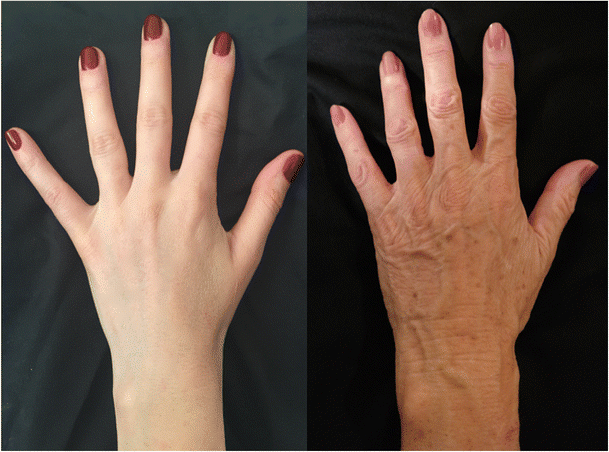
After the procedure, the treated area may appear swollen and bruised. This is normal and usually subsides within a week. Patients often notice some immediate volume improvement in their hands.
However, it’s essential to understand that some of the injected fat will be absorbed by the body over time. Initial results might change as swelling decreases and absorption occurs.
Patients can expect full results in about three months. At this point, they will see how much volume has been retained. Regular follow-up appointments help monitor progress and address any concerns.
Recovery Timeline
Recovery from this procedure varies among patients but generally follows a similar timeline:
- First Week: Swelling and bruising peak during this time.
- Two Weeks: Most swelling reduces significantly.
- Three Months: Final results are visible after healing is complete.
Patients should avoid strenuous activities during recovery. Light movement is encouraged to promote circulation without putting stress on the hands.
Anesthesia and Comfort
Topical Anesthesia
Topical anesthesia plays a crucial role in ensuring patient comfort during fat transfer for hand rejuvenation. This type of anesthesia is applied directly to the skin. It numbs the surface area where the procedure occurs. Patients often feel minimal discomfort because of this effective numbing agent.
Doctors usually apply the topical anesthetic about 30 minutes before the procedure. This allows enough time for it to take effect. Patients can relax as they wait, knowing their hands will be numb when the process begins.
Local Anesthesia
Local anesthesia is also commonly used during this procedure. It targets specific areas rather than affecting the entire body. A doctor injects this anesthesia into the areas where fat will be harvested and injected. This method ensures that patients do not feel pain in those specific spots.
The use of local anesthesia helps maintain awareness during the procedure. Patients remain awake but comfortable throughout the process. This is important for both safety and patient preference.
Office Setting
The fat transfer procedure typically takes place in an office setting. This environment is less intimidating than a hospital. Many patients prefer this more relaxed atmosphere for their treatment.
Doctors perform these procedures in well-equipped clinics. They follow strict protocols to ensure safety and cleanliness. Patients can expect a calm and professional setting, enhancing their overall experience.
Minimizing Discomfort
Several measures are taken to ensure minimal discomfort during fat transfer for hand rejuvenation. Doctors communicate clearly with patients throughout the process. They explain each step, which helps reduce anxiety.
Monitoring vital signs is standard practice during the procedure. This ensures that everything remains stable while addressing any concerns promptly.
Doctors may use smaller needles for injections. Smaller needles can decrease discomfort significantly. Patients often report feeling only slight pressure rather than pain during the procedure.
Post-procedure care also plays an essential role in comfort levels. Doctors provide clear instructions on how to manage any swelling or bruising afterward. They may recommend over-the-counter pain relief if needed.
Patients should feel reassured knowing that experienced ASDS dermatologists handle these procedures. Their expertise ensures that every measure is taken to prioritize comfort and safety.
Recovery and Aftercare Tips
Ice Application
Ice is essential after the fat transfer procedure. It helps manage swelling and discomfort. Applying ice packs to the treated areas for 15-20 minutes can provide relief. Make sure to wrap the ice pack in a cloth to protect your skin. Repeat this several times a day for the first few days. This method reduces inflammation and speeds up recovery.
Bruising and Redness
Bruising and redness may occur at the injection sites. These symptoms are common after fat transfer. They usually resolve within a week or two. Patients should not worry if they notice these effects. Keeping the hands elevated can help minimize bruising. Avoid strenuous activities that could exacerbate these symptoms during the initial recovery period.
Maintenance Treatments
To maintain optimal results, consider follow-up treatments. Many patients benefit from additional sessions of fat transfer or other rejuvenation methods. Scheduling maintenance treatments every six months can enhance longevity. Consult with your healthcare provider for personalized recommendations based on individual needs.
Expected Results and Longevity
Cosmetic Outcomes
Fat transfer for hand rejuvenation provides soft and natural results. Patients often notice a significant improvement in the appearance of their hands. The procedure adds volume, smoothing out wrinkles and fine lines. This leads to a more youthful look.
The rejuvenated hands can appear plumper and healthier. Many individuals report feeling more confident after the treatment. They appreciate how the added fat helps restore lost volume due to aging. This natural enhancement makes the hands look less bony and more vibrant.
Results
Results from fat transfer are generally satisfying. Most patients achieve noticeable improvements soon after the procedure. The final outcome may take several weeks to fully develop as swelling subsides.
Longevity of results can vary, but many enjoy their enhanced appearance for several years. Studies suggest that fat retention rates can be high. Some patients retain up to 70% of the transferred fat long-term. This retention rate contributes to lasting results.
Factors like age, lifestyle, and skin quality can affect results. Younger patients may experience better fat survival compared to older individuals. Healthy habits such as hydration and sun protection also play a role in maintaining outcomes.
Combination Procedures
Combining fat transfer with other cosmetic procedures can enhance the overall effect. Treatments like laser therapy or chemical peels can complement the rejuvenation process. These additional procedures help improve skin texture and tone.
Patients often discuss their goals with a qualified practitioner before deciding on combination treatments. This approach allows for personalized plans tailored to individual needs. Enhanced outcomes are usually more noticeable when different techniques work together.
Combining methods can also address multiple concerns at once. For instance, while fat transfer restores volume, laser treatments can reduce pigmentation or improve skin elasticity.
Suitability and Considerations
Ideal Candidates
Candidates for fat transfer for hand rejuvenation typically show signs of volume loss. This can happen due to aging or weight changes. People with thin skin on their hands may benefit most from this procedure. Those who have noticeable veins or tendons might also find fat transfer helpful.
Good candidates usually possess realistic expectations. They should understand that results vary based on individual factors. Skin elasticity and overall health play a role in the outcome. A thorough assessment of the skin condition is necessary.
Donor Fat Availability
Availability of donor fat is crucial for successful fat transfer. The procedure requires fat to be harvested from another area of the body. Common areas include the abdomen, thighs, or flanks. Sufficient fat stores are essential for effective treatment.
Not everyone has enough excess fat for harvesting. Individuals with low body fat may face challenges. They might need alternative treatments if donor fat is insufficient. Consulting a professional can help determine the best approach.
Importance of Consultation
Consulting with a qualified dermatologist is vital before proceeding with fat transfer. A dermatologist can evaluate individual needs and conditions. They can discuss potential risks and benefits associated with the procedure.
During the consultation, patients should ask questions about the process. Understanding what to expect helps alleviate concerns. A qualified professional will explain the steps involved in fat transfer.
Patients should also inquire about possible risks associated with the procedure. While complications are rare, they can occur. Risks may include infection, uneven results, or absorption of transferred fat over time.
A thorough discussion about personal medical history is important too. Certain conditions may affect eligibility for fat transfer. For instance, those with bleeding disorders or certain skin conditions may not be ideal candidates.
In summary, suitability for fat transfer depends on various factors. Ideal candidates exhibit signs of volume loss and have sufficient donor fat available. Consulting a qualified dermatologist ensures proper guidance and understanding of potential risks.
Últimas Observaciones
Fat transfer for hand rejuvenation is a game-changer. You can restore youthfulness and vitality to your hands with this innovative procedure. The benefits are clear: smoother skin, reduced wrinkles, and increased volume. Preparation, comfort during the process, and proper aftercare play crucial roles in achieving the best results.
Understanding your suitability for this treatment is essential. Consult with a qualified professional to ensure you’re a good fit. Embrace the opportunity to revitalize your hands and boost your confidence. Don’t wait—take the first step toward rejuvenation today!
Frequently Asked Questions
What is fat transfer for hand rejuvenation?
Fat transfer for hand rejuvenation involves extracting fat from one part of your body and injecting it into the hands. This procedure restores volume, reduces wrinkles, and enhances the overall appearance of aging hands.
How long does the fat transfer procedure take?
The entire fat transfer procedure typically takes about one to two hours. This includes both the fat extraction and injection processes.
Is fat transfer for hand rejuvenation safe?
Yes, fat transfer is generally considered safe when performed by a qualified professional. Risks include swelling, bruising, or uneven results, but serious complications are rare.
How long is the recovery period?
Most patients can return to normal activities within a week. However, full recovery may take several weeks as swelling subsides and results become apparent.
When will I see results after the procedure?
Results can be seen immediately after the procedure, but they improve over time as swelling decreases. Optimal results are usually visible within three to six months.
Are the results permanent?
While some of the injected fat may be absorbed by the body, many patients enjoy lasting results for one to two years. Maintenance treatments can extend these effects.
Who is a good candidate for this procedure?
Good candidates for fat transfer are individuals seeking to rejuvenate their hands without extensive downtime. Ideal candidates should be in good health and have sufficient donor fat available.