Key Takeaways
- Breast asymmetry may be due to congenital, hormonal, or acquired causes and a personalized evaluation is key to successful correction.
- Fat transfer is a method of harvesting, processing, and injecting the patient’s own fat to help make the breasts symmetrical. With careful planning and expert execution, it can look quite natural.
- General fat transfer asymmetry correction options A comprehensive consultation and donor fat, healthy, realistic expectations, and evaluations help determine if a patient is a candidate for fat transfer.
- Between natural fat transfer and synthetic implants, you can decide which feels better, which is riskier or more invasive, and which lasts longer. Choose what works best for you.
- The surgeon’s artistry, aided by computer-based imaging, goes a long way to making results both beautiful and symmetric.
- Adhering to aftercare protocols and follow-up appointments ensures healing, monitors results, and extends the longevity of breast correction procedures.
Fat transfer asymmetry correction options include revision fat grafting, liposuction adjustment, or surgical reshaping to address uneven results. Physicians can recommend certain repair options depending on location, volume of fat to be transferred, and desired contour.
Both techniques involve meticulous efforts to make each side as even as possible. To assist in selecting the appropriate option, the following sections provide additional information for each option, recovery, and what to anticipate.
Asymmetry Origins
Fat transfer to correct asymmetry in the breasts, face and buttocks has become standard. To decide on the appropriate correction, we first have to understand why asymmetry occurs. Asymmetry can be congenital, arise with hormonal changes, or manifest following trauma or surgical intervention. Knowing the cause directs treatment for both patient and practitioner, resulting in safer, more reliable outcomes.
Congenital Factors
Some are simply born with asymmetrical breast tissue or chest wall shape. These are known as congenital factors and can indicate that one breast was simply bigger or differently shaped than the other from birth. Genetic syndromes such as Poland syndrome can cause one side of the chest to be poorly developed, resulting in dramatic asymmetry.
Others might observe more subtle disparities lacking a formal syndrome. Not all congenital asymmetries require remediation. If the discrepancy isn’t impacting someone’s identity or comfort, no intervention is needed.
When intervention is desired, fat transfer is frequently the option. Fat transfer, which was originally used for medical purposes in the late 1800s, entails relocating fat from one area of the body, such as the abdomen or thighs, to the area requiring increased volume or contouring. It can be performed alone or with implants based on the degree of correction required.
Hormonal Changes
Hormonal changes serve a significant role in breast development and can contribute to uneven growth during multiple phases of life. At puberty, rapid development can result in one breast outgrowing the other. Pregnancy and breastfeeding can cause your breasts to become different shapes and sizes, which may not go back to normal after your body settles back to its baseline.
Menopause comes with its own set of changes, with hormonal fluctuations frequently resulting in tissue loss or sagging. If you’ve ever taken hormonal therapies for medical conditions, it can play a role in breast tissue; sometimes one side might respond differently than the other.
Every situation is different, so thorough evaluation is required prior to designing correction. This makes certain that the selected approach aligns with the source and the individual’s objectives.
Acquired Conditions
Breast shape and symmetry are susceptible to change throughout a lifetime, especially in cases of weight loss or gain, which impact fat distribution in the body. Major surgeries like cancer-related mastectomy might have one breast removed or at least made considerably smaller.
Here, fat grafting is a typical method of reinflating volume and contour. Fat is removed via liposuction, meticulously treated and injected where necessary. Trauma or disease can harm breast tissue and result in asymmetry.
Occasionally, trauma results in scar tissue or tissue deficit, which can be rectified with fat transfer or alternative surgical techniques. Asymmetry is correctable even in acquired conditions, evaluating which helps direct the optimal solution, whether it is a small tweak or a complete rebuild.
The Correction Process
Fat transfer for breast asymmetry correction is a nuanced, multi-step journey designed to sculpt balanced contours and deliver natural results, though perfect symmetry may not be achievable as the method of fat reabsorption can vary. This process addresses worries like irregular fat settling, slight volume reduction, and post-surgical soreness. Knowing what’s involved during each phase is essential for anyone considering this alternative.
1. Consultation
An expert surgeon begins by arranging a thorough consultation. This initial meeting is more than a mere formality. It establishes the cadence for the entire process. The surgeon goes over your medical history and checks to see if fat transfer is a good fit for your chest.
Otherwise, early volume loss, particularly in the 20s and 30s, may define the plan. We provide you with realistic expectations, including potential asymmetries and the time it may take to recover. At this point, patients receive decision aids so they can educate themselves.
2. Harvesting
Fat is generally extracted from places such as the abdomen or thighs with minimally invasive liposuction instruments. The site is cleansed and disinfected to minimize danger. Safety is paramount and efforts are made to minimize bleeding, which is rare but possible.
The amount of fat required varies based on individual baseline and goal. Using gentle suction, surgeons assist in maintaining the health of the fat cells, which translates into a smoother recovery.
3. Processing
Once extracted, the fat is washed to rid itself of blood, oil, and other liquid. Purifying and concentrating the fat improves the chances that the graft will survive once injected. Some clinics use advanced centrifuge machines at this step that assist in separating healthy fat cells from waste.
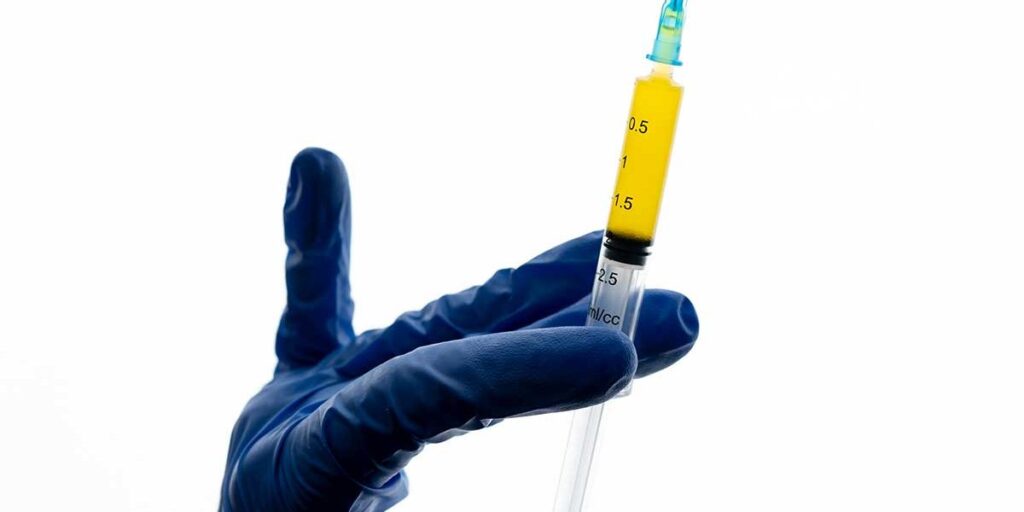
Once purified, the fat is drawn into small syringes for precise placement.
4. Injection
Processed fat is injected in small amounts at varying layers of the breast. Surgeons employ strategic placement to simulate natural curves and enhance symmetry. The surgeon’s artistry is important because a slip here or there could cause lumps or unevenness.
Patients can be uncomfortable or stressed, but pain is generally controlled with medication.
5. Recovery
The majority of people are fine within five to seven days. Swelling and bruising are common, but these tend to subside quickly. No activity, no heavy lifting or strenuous exercise helps keep that new fat in place.
Good nutrition aids recovery. They have follow-ups to check on results and any complications, such as rare bleeding or shape deformation.
Candidate Suitability
Determining Candidate Suitability who can benefit from fat transfer for asymmetry correction involves several considerations. Not every woman with asymmetrical breasts or other body areas is an ideal candidate. Surgeons concentrate on body type, health, donor fat availability and patient expectations before suggesting a procedure. Such thoroughness goes a long way to guaranteeing not only safety but contentment with the outcome.
Donor Fat
Fat transfer begins with harvesting fat from one body area and transplanting it to a different area that requires volume or contouring. Popular donor areas include the abdomen, thighs, and flanks, particularly if these sites have ample fat to harvest. Candidates who have a BMI of 25 or higher generally have a better likelihood of having adequate donor fat.
The quality of fat matters: softer, less fibrous fat tends to survive the transfer process better. Body composition is another factor. Extremely lean people won’t qualify because there’s just not enough fat to collect. For instance, a thin athlete probably lacks sufficient extra thigh or abdominal fat to make an impact after transfer.
Good, healthy fat with minimal scar tissue or any underlying conditions provides increased potency and better survival rates for the transplanted cells. Donor sites and recuperation can differ quite a bit from individual to individual. Fat harvesting in the abdomen can feel different than in the breasts.
Swelling, tenderness, and bruising in the donor site are expected but generally settle within a few weeks.
Health Status
General health establishes the floor for a safe operation. Surgeons conduct a complete medical history to identify any potential problems that could impact surgery or recovery. Certain conditions, such as diabetes or immune disorders, require special consideration.
Lifestyle factors can impact recovery. Smoking delays healing and can decrease survival of the transplanted fat. Alcohol impairs coagulation, which could prolong recovery. Medications, particularly blood thinners or immune suppressants, need to be declared.
A stable weight prevents the transferred fat from fluctuating, as weight loss or weight gain can impact long-term outcomes. Candidates with stable lifestyles and healthy diets experience remarkably improved long-term results.
Realistic Goals
Patients require a realistic understanding of what fat transfer would be able to accomplish. By goal-setting with the surgeon, you avoid disappointment. Fat transfer can enhance volume and shape, but it will not necessarily create perfect symmetry or address all concerns in a single session.
Occasionally, multiple procedures are required to achieve the desired result. Open conversations about ambitions, constraints, and potential for flexibility ease the process for all parties.
Expectations should align with what the surgeon states is achievable. Open discussion about your goals and listening to the surgeon’s suggestions lays the groundwork for you feeling satisfied with the results.
Procedure Walkthrough
Fat transfer for breast asymmetry correction is a meticulous procedure that requires preparation, expertise, and meticulous follow-up care. The idea is to correct the irregularities with the patient’s own fat, removed from another area of their body and transferred to the breast. This technique balances the breasts and can easily smooth and shape donor areas such as the stomach or muffin-top.
It takes around 1 to 2 hours and can address several locations in one sitting. The results aren’t immediate, but they get better over a couple of months as the fat settles.
Initial Planning
Making a plan that fits each patient is key. STEP 1: Procedure Walkthrough The surgeon and patient discuss at length the look they’re going for, medical history and what’s possible. Photos and 3D imaging tools are generally employed to verify present breast shape, volume and symmetry.
This assists in directing the amount of fat that will be necessary. All logistics — setting the surgery date, prepping the facility — have to be sorted prior. They provide patients with explicit pre-op instructions and invite them to discuss any concerns or anticipations.
Mindset is key. It makes a lot of people nervous, so the crew goes from time to time assuring the patient is relaxed and informed on the procedure.
The Day Of
Patients come to the clinic early, generally about an hour before we start. Fasting usually lasts for a minimum of 6 hours if general anesthesia is administered. If you are on any medications, in particular blood thinners, they need to be addressed and potentially stopped days prior.
The care team walks the plan with the patient to address last-minute questions. Somebody has to come along because people will need assistance getting home. The surgical team consists of the lead surgeon, anesthesiologist, nursing staff, and occasionally a surgical assistant.
It is maintained in a sterile and quiet environment to facilitate concentration and safety.
Aftercare Protocol
Post surgery, patients receive specific aftercare instructions. Keeping it clean, not stressing yourself out, and wearing loose clothing aids healing. Swelling, puffiness, and mild pain are common for the initial 7 to 10 days.
Cold packs and prescription pain killers are helpful to alleviate pain. Patients need to monitor for symptoms such as erythema, fever, or unusual discharge which may indicate infection. Most people feel improved within a week or two, but changes continue to occur as the fat settles.
Complete results are usually evident at three to six months. Follow-up visits are crucial to monitor healing and address any concerns promptly.
Comparing Options
Fat transfer asymmetry correction presents multiple options, with unique characteristics. Patients and providers weigh safety, appearance, sensation and durable outcomes. It helps to understand how natural and synthetic options compare, how long they last and what the process is.
Natural vs. Synthetic
- Benefits of Natural (Fat Grafting):
- Utilizes the patient’s own tissue, reducing the chance of rejection or allergic reaction.
- Fewer major complications reported, with 0% in one study compared to 26% in implant surgery.
- Faster and less painful recovery, with most back to normal within a week.
- Outcomes are spongy and organic, merging with surrounding tissue.
- High satisfaction rates: 80% for fat grafting and 90% for tuberous breast deformity cases.
- Drawbacks of Natural:
- Only around half the grafted fat lives long term, likely needing touch-ups.
- Not as much volume enhancement as implants.
- Small stuff happens in 18% of situations, but typically fixable.
- Benefits of Synthetic (Implants):
- May offer more substantial size changes in a single operation.
- Volumes and forms that are predictable.
- Drawbacks of Synthetic:
- Greater potential for problems such as infection, capsular contracture, and implant rupture.
- Extended recovery, increased pain, and scarring.
- Satisfaction tends to be lower at 69% in some studies.
- Multiple sessions are frequently required, with an average of 2.1 plus or minus 1.6 for symmetry.
- Risks with Synthetic Materials:
- Capsular contracture.
- Implant rupture or leakage.
- Contagion.
- Physical or tangible boundaries.
Personal preference counts here. Some people appreciate a natural feel or safety. Others crave the reliability and size boost implants provide.
Longevity
| Factor | Effect on Fat Graft Durability |
|---|---|
| Patient age | Younger patients may see better graft survival |
| Lifestyle (smoking, health) | Healthy habits improve outcomes |
| Site of injection | Areas with good blood supply do better |
| Post-op care | Compression, gentle movement help |
How long results last is a function of these factors. Even with half the grease escaping, we’re all still satisfied. Some require touch-ups, but the majority of patients require only one or two sessions. Staying healthy, not smoking, and following aftercare advice maximizes results.
The implants may last for many years, but they typically require replacement or revision at some point.
Invasiveness
Fat transfer is less invasive than implant surgery. It utilizes mini incisions for liposuction and fat injection, resulting in less tissue trauma, less scarring, and quicker recovery. The majority return to work in a week.
There is less pain and downtime from minimally invasive techniques. Scars are smaller and fade quicker. Bigger changes might require more than one sitting.
Implant surgery is more invasive. It requires a bigger incision, causes more scarring, and requires a longer period of rest.
Anyone considering their options should be aware that more invasive surgery can yield bigger, more permanent transformations with an increased risk and expense. Less invasive fat transfer may require multiple visits but provides a softer, more natural result and less recovery time.
The Artistic Element
The artistic element of fat transfer is important when it comes to correcting asymmetry and producing natural breast symmetry. Surgeons depend not only on skills but also on a trained eye to judge shape, balance, and proportion. Artistry enters the picture when dealing with living tissue, which bleeds and has capacity.
The objective is consistently an outcome that appears and sounds patient-owned rather than just switchboard magic.
Sculpting Symmetry
There’s an artistic component to fat transfer, as surgeons employ a number of manual techniques to sculpt and evenly distribute the breasts. They frequently begin by scoring the main landmarks and sketching in the areas that require additional bulk. Small incisions, as small as 0.12 inches, allow the surgeon to operate with precision and control.
With a cannula, fat is deposited in tiny parcels of about 0.1 mL at a time throughout the deep and superficial planes. This precise positioning allows the surgeon to construct contours incrementally, just as an artist sculpts clay.
Symmetry is the key, as unevenness will catch the eye and appear awkward. Surgeons verify from every angle, both upright and supine, to detect any minute variation. Sometimes surgeons overfill one side by as much as 20% because only 60 to 80% of the fat remains as some is burned.
Results take months to settle, so planning ahead is key. The surgeon’s work is not numerical. They need to decide how much fat to remove from each location, considering the patient’s body type and individual goals.
Communication is key. Patients need to be candid about their desires and surgeons need to gently steer them with practical wisdom. This collaboration results in a more rewarding result.
Advanced Imaging
Advanced imaging has a big role in today’s planning. Three-dimensional scans let surgeons and patients see together what the changes might look like before anything starts. These assist in mapping where fat should be placed and the volume needed to balance both sides.
Imaging aids in teaching. Patients get to see themselves in 3D and learn what’s involved. This can reduce anxiety and establish confidence between patient and surgeon. Through these images, expectations get grounded and everyone remains aligned.
Patients are invited to query and to ‘direct’ these images to where they want changes. This assists the surgeon in planning a personalized approach for every patient.
Blending Contours
Blending is the artistic element that makes results look natural instead of ‘done’. The surgeon makes fine passes to deposit fat where needed, buffing out edges and dips. Working with the natural lines of the chest, they tweak the flow of curves to blend effortlessly.
Small, layered injections assist in building gentle transitions from one region to the next. The surgeon’s understanding of deep fat spaces and surface anatomy directs where and how much fat to graft.
Centrifuged fat, spun at 3,000 rpm, provides a smooth and dense graft that is more malleable. The true craft is in knowing when to quit. Too much fat can look bulky, while too little may not correct the issue.
Every pass is an opportunity to review development and adjust the outcome. Because every patient is different, the surgeon’s eye and steady hand are essential to a harmonious, aesthetically pleasing result.
Conclusion
Fat transfer can deliver real results. Minor inconsistencies such as asymmetry may appear. Each repair is predicated on what went down and what you want. Options vary between a quick touch-up to a complete redo or sometimes a move to implants or fillers. An experienced physician can detect subtle differences and select the optimal intervention. Results can take time and require additional efforts. An informed decision is a wise decision, so understand the procedure and what to expect. For clarity, schedule a consultation with a plastic surgeon experienced in fat transfer. Come with your questions and your goals. The proper details can assist you in considering every possibility and selecting what feels best for you.
Frequently Asked Questions
What causes asymmetry after fat transfer?
Fat transfer asymmetry can occur due to uneven fat placement, variations in healing, or body fat absorption. Other times, natural pre-existing asymmetries are just more pronounced after the procedure.
What are the main correction options for fat transfer asymmetry?
Correction options include additional fat grafting, fat removal, or non-surgical options like fillers. Your best option is contingent on the level of asymmetry and personal objectives.
Who is a good candidate for asymmetry correction?
Ideal candidates are healthy, realistic in their expectations, and desire to enhance visible unevenness after a fat transfer. Consult with a qualified provider.
How long is the recovery after asymmetry correction?
Recovery time differs by technique. Most resume normal activities at about one to two weeks after surgical correction. Non-surgical options could take a shorter amount of recovery time.
Are results from correction procedures permanent?
Though the results may be prolonged, a certain degree of fat loss can take place over time. Maintenance treatments or touch-ups might be necessary depending on the method utilized.
What are the risks of correcting fat transfer asymmetry?
Complications may involve inflammation, scar tissue formation, or irregularities requiring additional surgery. Selecting a seasoned provider minimizes these risks.
How do doctors ensure natural-looking results?
We employ meticulous preoperative planning, precise intraoperative techniques and an artistic approach to achieve symmetry. Experience and expertise make the difference to create balance and symmetry.