Key Takeaways
- Fat grafting in reconstructive urology takes fat from one area of the body to another. The technique adds tissue volume and function, providing a more natural alternative to synthetic implants.
- Techniques for fat grafting have advanced a lot. Advancements in harvesting and processing methods are greatly improving the success rates and outcomes of these procedures.
- Fat grafting has a number of benefits. It offers a better aesthetic outcome, a lower rejection rate, and even a more natural sensation than synthetic material.
- A common challenge that comes with fat grafting is fat resorption. During this process, the body absorbs some of the transferred fat, leading to volume loss over time.
- Recent advancements center around increasing graft survival rates and reducing complications, which make the procedure more predictable and effective.
- The field of fat grafting for reconstructive urology is making important strides in research. New techniques and technologies are emerging, promising even better patient outcomes.
Fat grafting in reconstructive urology appears to open exciting new doors. I no longer view this as a medical procedure, but as an opportunity to transform lives.
Surgeons artfully take fat from one area to graft it into another area. It is this technique that makes fat such a versatile tool in urology.
This technique comes with promises, but challenges such as fat survival and integration. Recent advances in technology make this process more reliable, and the future is bright.
Think about the possibilities as we break down barriers and have better outcomes for patients. Let’s take this journey into this exciting growing field together.
Understanding Fat Grafting
What is Fat Grafting?
Finally, fat grafting, or lipofilling, is a neat autologous procedure that’s all my own fat.
Picture this: you take a bit of fluff from one spot, like the tummy or thighs. Then, you plump up another area that craves a little extra love!
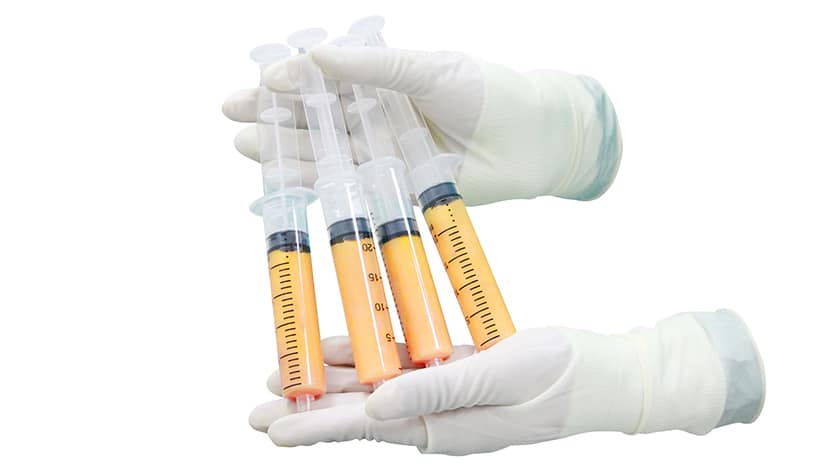
This is achieved by extracting fat using lipoaspirate, a posh way of saying fat obtained from liposuction. We meticulously inject this fat into the target area.
Now, why use lipoaspirate? It provides a natural, biocompatible source of graft material, reducing the risk of rejection.
This technique isn’t specific to urology. It’s a superstar in other surgical fields as well!
Whether it’s facial rejuvenation, breast reconstruction, or even hand surgery, fat grafting plays a versatile role.
It’s about borrowing from one to enhance another, making a symbiotic whole.
Applications in Reconstructive Urology
Fat grafting excels in reconstructive urology, aiding in issues such as urethral strictures.
By utilizing fat grafts, we can provide soft tissue augmentation, particularly in reconstructive genitalia.
It is essential both functionally and aesthetically, so the patient feels better and looks natural.
In trauma cases requiring reconstruction, fat grafting promotes healing and better outcomes. Its versatility means it can accomplish both functional and aesthetic needs, making it a go-to option.
The first phase, “acute,” ends after roughly three months. After that, you transition into the “chronic” phase, which can last for up to nine months more.
Not all fat cells survive that journey.
About half rupture post-transplant, but the peripheral zone, less than 300 µm thick, contains the survivors — the adipocytes and ASCs. These keep the graft alive and successful.
Its microdroplets, at just 1.6 mm deep, can completely revascularize, so they don’t become necrotic.
The real magic occurs at 7-14 days after grafting when progenitor cells and preadipocytes begin to mature into adipocytes.
Techniques for Fat Grafting
1. Harvesting Fat Tissue
I recall seeing a skilled surgeon expertly perform liposuction to harvest fat — pure artistry.
This process is essential and includes techniques such as tumescent and power-assisted liposuction.
A major factor is where you choose donor sites, which is often the abdomen or thighs. The quality of fat coming from these sites affects the success and retention of the graft.
Picture selecting the ripest apples for a pie; it’s much the same here.
The fat must be harvested gently to keep those delicate adipocytes intact. Less trauma means better viability, which is crucial for a successful graft.
2. Processing and Purification
Once harvested, the fat is processed to get it ready for its new job. Think of it as cleaning and polishing a gem.
Techniques like centrifugation spin out impurities and excess fluids, leaving behind pure, usable fat. This step is critical, as impurities can compromise the quality and stability of the graft.
Processed fat can dramatically increase graft survival and stability. It’s like a good foundation for a house and will be lasting.
3. Injection Techniques
The magic does not stop there, because in the injection phase, it is all about precision.
Surgeons apply specialized techniques to place fat exactly where it is desired. It’s like that painter putting the finishing touches on a masterpiece.
The right cannulas help with even distribution and lower your risk of injuring the fat that you’re transferring. The technique with which the injection is administered can make a big difference. It affects how well the graft survives as well as the final aesthetic outcomes.
It’s about getting it right so the patient rejoices and the procedure works as it should.
Benefits of Fat Grafting
Natural Tissue Compatibility
When it comes to reconstructive urology, using your own fat (autologous fat) is a VIP-pass kind of deal. It fits right in because it’s your tissue. This means less chance of your body saying, “Hey, what’s this?” and causing trouble, unlike synthetic fillers.
Fat grafting has existed for more than a century and is now a very dependable approach to soft tissue reconstruction. It makes it feel and look natural.
This is particularly important in areas such as the breast or temple, where the desired end result needs to look completely natural. Plus, using your tissue helps it blend in better, offering a seamless integration that alloplastic materials can’t match.
It’s no wonder why it has become popular. More than just fill space, it helps your body heal and look more like you, not like a science project.
Minimally Invasive Procedure
Fat grafting is like taking the scenic route — it’s less invasive than other reconstructive methods.
Imagine fewer scars and less time recovering. Many procedures also use local anesthesia, which makes them more comfortable and less scary.
This approach is increasingly becoming the go-to option for people who want less fuss and faster recovery.
It’s really taking off because people love that it’s less invasive but still works.
Improved Aesthetic Outcomes
As far as appearance, fat grafting is a game changer. It not only restores volume but smoothes out those pesky contours that might be bothering you.
Whether filling in temple hollowing or addressing post-surgery irregularities, fat grafting can elevate the aesthetic results.
Patients couldn’t be happier with their results, with a whopping 81% satisfaction rate. Surgeons also toast success, reporting good cosmetic outcomes in 89% of cases.
It can effectively correct contour irregularities caused by mastectomy. This capability to create optimal breast shapes with a natural texture makes it the best choice.
The survival rate of grafted fat is about 50%. Both patients and surgeons say the results are often well worth it.
Challenges in Fat Grafting
Fat Absorption Issues
Okay, let’s get into the nitty gritty of fat absorption.
One of the major pitfalls with fat grafting is how the body absorbs the graft over time. This phenomenon, known as fat resorption, can screw up the longevity of the graft.
The human body tends to absorb some of the injected fat. However, this absorption can produce erratic outcomes.
Where you place the graft greatly affects how much fat is absorbed. Beyond that, a patient’s individual characteristics, such as their metabolism and lifestyle, are also critical.
Now, you may be wondering how do we retain as much of that graft as possible.
Some strategies can help, like ensuring optimal graft placement and considering patient-specific factors.
It’s also hugely important to follow up on the patient to monitor graft stability.
Let’s be honest — no one wants to go through all that trouble, just to have all that success go poof.
Risk of Complications
Next, the risk of complications.
Fat grafting isn’t without its risks—think infection, necrosis, or even fat embolism. To prevent these, the surgical approach is critical. A well-executed procedure can greatly reduce these risks.
It starts with an extensive patient work-up. Knowing the patient’s health status helps to tailor the procedure, minimizing potential complications.
Postoperative care is the unsung hero here. Keeping a close watch on recovery allows these potential adverse outcomes to be nipped in the bud.
This is why aftercare is critical. It plays essential roles in keeping the patient healthy and happy with her surgery results.
Technical Limitations
Now, let’s talk technical for a moment. Fat grafting brings its own technical challenges. The experience and skill of the surgeon are paramount in overcoming these hurdles.
For example, differences in patient anatomy can affect grafting procedures. It’s about adapting to the different landscape each patient brings.
Without continued training and education of surgeons, we are no longer privy to the best and most advanced techniques of today’s world.
This continuous education allows them to maneuver through the intricate realm of fat grafting effortlessly, leading to enhanced patient results.
Advancements in Fat Grafting
Innovative Techniques
If I think about the leaps in fat grafting, the buzz around stem cells is inescapable. These little powerhouses are increasing graft retention and viability. Imagine a world where the fat you graft stays put and thrives, thanks to these cell warriors.
One popular method is using handheld suction, which 69.5% of practitioners prefer. It’s the reliable old friend that everyone goes to for the best results.
We can’t stop there; clinical studies are the backbone here. They validate these new techniques, showing us what’s working and pointing out where we need to tweak things.
Enhanced Fat Survival Rates
Learning how to improve fat graft survival is more of a puzzle to be pieced together over time.
It’s the harvesting and processing that make all the difference.
Studies show that processing cotton gauze boosts the number of viable cells. It’s like extra life for your graft!
Then there’s vascularization; it’s critical to graft retention and integration.
Your overall health also plays a huge role. Even the smallest lifestyle changes can boost your graft’s survival.
Postoperative care? That’s the icing on the cake, the lid on the jar, all things said and done.
Use of Stem Cells
Stem cells are the new rock stars of fat grafting. They have regenerative properties that will take fat grafts further than ever before.
How do they do that?” you might ask.
Consider them as the best teammates, advocating for healing and tissue integration. Research is abuzz with the potential they offer in reconstructive urology. They’re unlocking the doors to possibilities we only dreamed of.
The journey began with Coleman in 1995, and today, it feels like we’re on the cusp. Autologous fat grafting revolutionized plastic surgery, and stem cells are the next chapter.
Future Directions in the Field
Potential Research Areas
When exploring future research in fat grafting, it falls to understanding outcomes better.
We need to understand why fat sometimes doesn’t stick around after surgery. While we’ve made great strides, retaining 100% of transferred fat remains a mystery.
Research shows that fat lives best when it’s near a blood supply. We also need additional studies to validate this finding.
Studying the long-term effects is really important. It’s not about how things look immediately after the initial surgery; it’s about how they look over time.
Comparative studies with other techniques may reveal whether or not fat grafting actually stands firm.
Clinical trials are our North Star. They help us validate new methods, and they help us discover the best ways to improve results.
Emerging Technologies
Technology is shaking things up in the fat grafting world. New tools and gadgets are making those procedures smarter and more effective.
Take 3D imaging and modeling for example. They assist in planning surgeries so that those operations are more precise and tailored.
Advanced processing techniques, such as those utilizing larger cannulas (3-4 mm), have been shown to support cell viability and bolster fat survival.
This tech boost is crucial for better graft quality.
Integrating technology into practice isn’t just about being fancy; it’s about giving patients the best outcomes possible.
The future will probably adopt PRP and adipose stem cells more routinely. At least a small but growing group of practitioners are already on board with these techniques.
Long-Term Outcomes
Keeping an eye on patients after fat grafting is important. We need to understand how long results last and what influences them.
Part of it is educating the patients on what to expect. They have to know that the results can fluctuate and that follow-ups are necessary.
There are a number of factors that can affect the durability of fat grafts, including whether the body adapts. Regular follow-ups track success and solve any issues as soon as they arise.
Pre-expansion devices are becoming increasingly important, according to the studies by del Vecchio and Bucky. Preconditioning techniques for recipient sites may also be important.
Serial injections could be a game-changer in tricky cases like progressive hemifacial atrophy.
Conclusion
Fat grafting? It’s the new game-changer in reconstructive urology.
I’ve talked you through its techniques, its benefits, and even the bumps on the road. This isn’t just a science thing; it’s personal.
We’re talking real people seeing real results. Envision a future when natural tissue repair takes center stage.
It’s like seeing a caterpillar morph into a butterfly. Don’t you want to be a part of this ride?
Get in, sniff around, and perhaps even add your own observations to this burgeoning field. To keep the conversation going, share your thoughts, experiences, or even your wildest ideas.
You never know who that’s going to be. Your insights could be the catalyst for the next breakthrough in this exciting new era of medical technology.
Frequently Asked Questions
What is fat grafting in reconstructive urology?
Fat grafting in reconstructive urology is transferring fat from one place to another. This technique enhances or repairs urological structures, improving function and appearance.
How is fat grafting performed?
Fat grafting involves three steps: harvesting, processing, and injecting. Fat is removed through liposuction, purified, and then strategically injected into the desired area.
What are the benefits of fat grafting in urology?
Fat grafting offers a number of advantages. It allows for natural tissue integration, produces less scarring, and uses the patient’s own tissue, drastically reducing the chance of rejection.
What challenges are associated with fat grafting?
There are challenges such as fat resorption, which can alter outcomes, and the requirement for technical skill to prevent complications or asymmetries.
What advancements have been made in fat grafting?
Recent advancements include improved fat purification techniques and better graft survival rates, making the procedure more reliable and effective.
What is the future direction of fat grafting in reconstructive urology?
Future directions include improving fat cell viability, optimizing techniques, and expanding applications to enhance patient outcomes.
Can anyone undergo fat grafting for reconstructive urology?
Not everyone’s a candidate. A healthcare professional assesses each case based on health condition and urological requirements.