
BBL for Athletic Body Types: Safety, Customization, and Expected Results

Key Takeaways

  • Athletic BBLs are meant for toned physiques and employ strategic fat transfer to complement muscle definition with understated, natural curves. Pick a surgeon who has worked with athletic body types.
  • Know muscle anatomy as existing gluteal tone and placement determine possible outcomes and direct accurate graft placement for safety and enduring contour.
  • Low body fat and dense muscle create sourcing and grafting challenges. Think mini BBLs, staged procedures, or other body-sculpting options if donor fat is scarce.
  • Personalized surgical plans, advanced liposuction, and precise fat manipulation optimize graft survival and maintain athletic performance while restoring balance.
  • Preoperatively, optimize body composition, nutrition and moderate activity. Post-op plan for staged recovery with proper posture support and graduated return to exercise.
  • Anticipate polished, frequently subtler results than conventional BBLs. Monitor progress with pictures and heed surgeon instructions to preserve outcomes and long-term body performance.

BBL for athletic body types is a cosmetic procedure aimed at enhancing buttock shape while keeping a fit, toned look. It combines fat grafting and sculpting to give muscular frames added volume and chiseled curves.

Candidates are often looking for a slight lift, seamless contours and balanced proportions that complement active lifestyles. Below we discuss technique, recovery, risks, and results for athletic builds.

The Athletic BBL

The athletic BBL is for those seeking that coveted buttock shape and contour while maintaining an athletic physique. It’s designed for chiseled rock-hard individuals with washboard abs, so objectives, form, and healing vary from classic BBLs. Infection, fat embolism, and asymmetry are still risks, and it all depends on your body type, donor fat, and activity level to be successful.

1. Muscle Anatomy

Gluteus maximus, gluteus medius and gluteus minimus are the bootie trifecta for athletic physiques. These muscles establish the underlying form. A strong gluteus maximus lends projection, the medius sculpts the side curve and the minimus fills out the upper pole.

Underlying muscle tone and location influence where fat grafts will sit and how they read. A pronounced muscle belly will hold grafted fat differently than a flat muscle plane. Knowing the anatomy directs you where to place grafts to follow natural lines of muscles and not overfill areas that can appear unnatural.

2. Fat Sourcing

Harvesting donor fat from lean patients is typically the biggest hurdle. Popular donor sites are the abdomen, inner and outer thighs, and flanks, but can be sparse after previous weight loss or with minimal body fat.

State-of-the-art liposuction techniques, including power-assisted, ultrasound-assisted, and gentle low-trauma aspiration, best preserve the viable fat cells and minimize cell damage. When donor fat is limited, surgeons might suggest staged surgeries, small-volume grafting, or non-surgical options such as Sculptra or EMS.

3. Shaping Goals

The coveted athletic hourglass combines a cinched waist with rounded glutes without losing muscularity. Goals tend to lean towards subtle lift and proportion more than volume boosts.

Athletes want contours that play with motion and sport. Custom plans take into account your sport, training schedule, and muscle you already have. Setting realistic outcomes matters. With a lean frame and strong muscles, changes will be refined rather than dramatic.

4. Graft Placement

Correct injection technique deposits fat to emphasize natural muscle striations and body flow. Accurate positioning of the fat enhances its survival and reduces the risk of complications.

Sixty to eighty percent of the transferred fat can be expected to survive at six months, but this varies. Deep placements near muscle can create smooth projection, while subcutaneous layering sculpts surface curves. Both are used thoughtfully.

By not getting intramuscular injections, it minimizes the risk of embolism and allows for more predictable shaping.

5. Expected Outcomes

Anticipate a sculpted behind boasting enhanced contours and a natural appearance. Full results may take months as swelling subsides and grafted fat settles. The results are usually more subtle than conventional BBLs.

Positive changes may include better biomechanics and body image, but recovery is key: at least two weeks of rest, often four or more before full workouts. Follow progress with pictures and schedule tune-ups through workouts and diet.

Unique Challenges

Athletic patients present specific anatomical and procedural challenges to BBL procedures that alter planning, technique and recovery. High muscle mass, low subcutaneous fat, and defined muscle definition change where fat can be safely harvested and how it will act once grafted. These elements increase the demand for surgeons who understand how to repair athletic bodies and influence risk profiles, timelines, and anticipated outcomes.

Low Body Fat

  • Consider alternatives: gluteal implants, fat grafting combined with small implants, staged or mini-BBL using concentrated fat from multiple small harvests, hyaluronic acid gluteal fillers, body contouring to enhance waist-to-hip ratio through liposuction in select areas only.
  • Mini-BBLs using tiny, staged grafts are a blessing when donor fat is in short supply. Surgeons can harvest from inner thighs, flanks or lower back in several sessions.
  • Getting your body fat in shape pre-surgery puts your donor options and healing in better condition. Nutrition that supports modest fat gain and stable weight aids graft survival.
  • More than one procedure, in fact. Anticipate a second session if initial volume is low. Realistic planning in this context means scheduling staged grafting six months apart.

Dense Tissue

Thick muscle underneath thin fat layers shifts injection planes. Fat has to be carefully positioned above the muscle fascia and never too deep because this increases the risk of complications. Surgeons have to adjust cannula size, angle, and volume per pass for hard tissues and restricted soft-tissue bed.

High-level methods count. Ultrasound guidance, layered microinjections, and controlled low-volume placement per pass minimize pressure on tissues and aid graft take. Surgeons experienced with athletes will tweak technique to honor anatomy and blood flow.

High muscle density increases the risk of uneven distribution. Fat can collect unevenly along undulating muscle borders, causing lumps or asymmetry if care is not taken to distribute it with respect to contour and tension. Pre-op mapping of tissue elasticity and muscle borders is required for predictable results.

Close evaluation of tissue compliance, scar patterns from previous training injuries, and regional anatomy dictates possibility. Objective measures such as pinch test, ultrasound, and physical exams inform decisions and help manage expectations.

Muscle Definition

Distinct muscle lines alter the appearance of a BBL. Vascular definition can pierce through transferred fat, changing the look compared to softer-bodied patients. For a few athletes, it’s to maintain show muscle but add curve. For others, it’s to just soften lines a tad.

Counter muscle lines by adding volume in a smart way, placed along the posterior hip and upper part of the buttock, never thickly filled over muscle peaks, which would mask natural contours. Fat transfer in excess can easily blunt definition and make an ‘unnatural’ appearance.

Customization is the answer. Customize volume, layer depth, and sculpted areas to accent both strength and curves. One-on-one consultations assist in goal setting, educate that results will take months to stabilize, and help schedule recovery protocols for athletes to safely return to training.

Surgical Customization

Surgical customization is about optimizing every step of a BBL for an athletic body. This is important because athletes and fit individuals have different fat distribution, muscle tone, and skin elasticity. Custom plans take into account bone structure, muscle location, and objectives.

Innovations in instruments and approach enable surgeons to minimize tissue trauma, accelerate recovery, and more closely tailor outcomes to a patient’s anatomy. Close patient–surgeon collaboration molds realistic goals, potentially reduces revisions, and personalizes aftercare.

Liposuction Technique

AspectTraditional LiposuctionModern Methods (tumescent, ultrasonic, power-assisted)
Tissue impactMore blunt disruptionMore selective, less trauma
Control near muscleLimited precisionHigher precision, safer around muscles
Fat viabilityLowerHigher with gentler methods
RecoveryLonger, more swellingShorter, less bruising

Surgical customization for athletic patients means liposuction without harming the muscles and fascia. Surgeons employ smaller cannulas with more precise angles that extract fat without nicking healthy muscle.

That reduces pain and accelerates return to training. Protecting fat cell viability during extraction is essential for graft take. Delicate suction, brief air exposure, and reduced negative pressure preserve cell viability.

Today’s techniques beat old-school liposuction for fit bodies because they remove fat with less collateral damage, enable more precise sculpting, and preserve muscle definition.

Fat Processing

Harvested fat needs to be treated in order to optimize graft viability. Typical steps include gentle centrifugation or filtration, removal of blood and oil, and storage in a sterile, temperature-controlled environment before reinjection.

Purifying fat eliminates residual impurities that can cause inflammation or fat necrosis. Washing and filtering help eliminate contaminants and free lipids that could interfere with graft survival.

With careful handling, the risk of complications such as nodules or cysts is decreased and long-term volume retention is enhanced. Cell viability dictates that the time from harvest to injection must be minimized.

Employing surgical-grade tools, including closed systems, low-speed centrifuges, and sterile transfer implements, assists quality standardization. These instruments are now typical in personalization practices.

Injection Strategy

Surgically customized to increase volume while maintaining a natural, athletic appearance. Fat is strategically positioned to support the overlying soft tissue and create seamless transitions with the waist and hips.

Layering is important. Small aliquots in multiple planes allow tissue to accept fat and create gradual contour. This method prevents lumps and enhances symmetry.

Stay out of the muscle with deep intramuscular injections to minimize its rare but serious risk. Injecting with respect to an individual’s anatomy, marking out muscle borders and prior scars, directs location and volume per site.

Surgeon–patient planning should determine target areas, anticipated fat take, and a staged plan if additional volume is desired later. Personalized recovery protocols come next, based on fitness level and goals.

Pre-Operative Fitness

Prepping your body before a BBL enhances results and decreases downtime. They emphasize exercise, body composition, and nutrition so the body heals well and the transferred fat has the best chance to survive.

Body Composition

  1. Monitor body fat percentage: Track a target range so there is enough donor fat. For most athletic physiques, a body fat of approximately 18 to 25 percent for women or 10 to 18 percent for men should provide sufficient donor areas, although this differs on a case-by-case basis. Employ calipers, DEXA, or bioelectrical impedance for regular checks.
  2. Reassess fat availability every 4 to 6 weeks. Fat stores shift with training and diet. Log measurements and photos so your surgeon can plan harvest locations.
  3. Preserve lean muscle mass: Maintain resistance training (reduced load if needed) to keep muscle that supports contour and symmetry after fat grafting. Muscle supports metabolic health, which aids healing.
  4. Track changes in a table. Columns might include date, weight (kg), body fat percentage, lean mass (kg), and notes on training or diet. Update weekly. This provides nice before and after comparisons.

Nutritional Status

Good nutrition feeds tissue repair and fat survival. Protein is central: aim for 1.2 to 2.0 grams per kilogram of body weight daily from lean sources like poultry, fish, legumes, and dairy.

Add more healthy fats like omega-3 rich fish, avocados, and mixed nuts to support cell membranes and inflammation control. Vitamins and minerals matter: vitamin C, zinc, vitamin A, and adequate iron assist collagen formation and wound healing.

Consider a multivitamin if intake is inconsistent. Don’t crash diet in the weeks leading up to surgery, because rapid fat loss decreases donor abundance and will potentially hinder your recovery. Hydration supports circulation and skin health, so be sure to sip frequently.

Activity Levels

Keep fit by shifting gears in the immediate lead up to surgery. Maintain moderate cardio and resistance work until two weeks prior to your procedure, then taper intensity.

Don’t do heavy resistance sessions and maximal lifts in the final seven to fourteen days to lower inflammation and injury risk. Light stretching, yoga, and mobility exercises maintain range of motion, which facilitates post-op care and transfers.

Track daily activity with a simple log that includes minutes of cardio, resistance sets, and perceived exertion. Patients typically are able to return to light exercise after three weeks, and most patients are back to full athletic activity by six to eight weeks.

Many patients even start light activity within two weeks and desk work within one to two weeks. Recovery varies by age and baseline fitness; older athletes may become debilitated and require assistance with activities of daily living during early recovery.

Patience is vital because final results take three to six months to appear as swelling and tissues settle.

The “Sculpted Softness” Paradox

Athletic builds tend to be a blend of low body fat, chiseled muscle, and a straight hip-to-waist ratio. That profile provides strength and a lean profile and can make it difficult to achieve the rounded, softer buttock shape so many desire with a BBL. The challenge is to mix exposed muscle with bulk so that it appears organic and befits the individual’s motion and way of life.

Sportsmen require an intricate mix of sculpted softness. Excess fat drowns out muscle lines and leaves your butt looking heavy or sluggish while not enough fat does not provide that soft contour classic BBL results are known for. Surgeons strategically place these grafts to create projection on the upper pole and roundness on the lateral hip, but not to cover the central muscle definition.

For instance, positioning mini multi-layered fat parcels in proximity to the subcutaneous plane around the upper outer quadrant creates a soft sweep while maintaining the deep gluteal plane untouched to retain a chiseled lower back and muscle seam.

The “Sculpted Softness” Paradox about keeping athleticism but adding curves brings up logistical challenges. Added volume shifts weight and can impact sprinting, jumping, or flexibility if not accompanied by the athlete’s training. Recovery protocols have to care for the fat grafts and muscle function.

Rehab includes staged return to activity, graft maturation respecting core and hip strength exercises, and temporary restrictions on sitting pressure. A sprinter, for example, might postpone maximal hip extension drills for six to eight weeks, while a recreational gym-goer could restart light resistance work sooner.

They provide visual cues to establish expectations and inform the surgery. Side-by-side shots comparing pre-op athletic frames with three possible results—gentle rounding, medium projection, and fully soft sculpted—make the compromises clear. Diagrams indicating the graft zones, anticipated change in hip-to-waist ratio, and cross-sections depicting fat layering versus muscle demonstrate how various techniques impact both appearance and functionality.

Simulated 3D renderings allow patients to view how clothes and motion look post-op, and measures such as percentage change in hip circumference in centimeters provide quantifiable targets.

Surgeons and patients should discuss specific examples: a cyclist may prefer lateral hip fullness to avoid interference with saddle fit. A dancer might opt for moderate upper-pole volume in order to maintain leg lines and turnout. A weightlifter might prefer less augmentation to maintain posterior chain mechanics.

Every plan includes measurable goals, recovery strategies, and possible compromises so that the end product accommodates both looks goals and lifestyle requirements.

Recovery & Lifestyle

Recovery from a BBL happens in stages and necessitates forethought and sustained care. We zero in on wounds, swelling, and guarding your grafted fat in your immediate post-op care. Adhering to the surgeon’s instructions minimizes risk and increases graft survival.

Prepare for minimal sitting, swelling for weeks, and slow recovery over months while tissues settle.

Healing Timeline

  • Checklist to monitor milestones during recovery:
    • Day 1–7: manage pain, change dressings, expect significant swelling and bruising.
    • Week 1–2: reduced pain, continue limited sitting. Most people return to desk work in 1–2 weeks.
    • Weeks 3–6: swelling decreases, fat grafts begin to stabilize. Still avoid direct pressure on buttocks.
    • After 6 weeks: cleared for progressive workouts by surgeon. Full results emerge over 3–6 months.
  • Signs of proper healing versus complications:
    • Normal: gradual fading of bruises, steady drop in swelling, small seroma risk.
    • Concerning: intense worsening pain, fever, unusual drainage, or sudden shortness of breath. Seek care immediately because fat embolism is rare but serious.
  • Refer to the checklist weekly to jot down pain, mobility, dressing changes, and appearance of your scar to discuss at follow-ups.
  • Patience is important. Tissues need time to accept the new shape and grafted fat needs time to develop blood supply.

Exercise Resumption

Wait for explicit surgeon clearance prior to reinitiating workouts, which is typically around six weeks for full return. Light activity can begin earlier.

Begin with low-impact movement: walking, gentle stretching, and core activation while standing. Do not sit on your buttocks for at least eight weeks and use a special BBL pillow when sitting is unavoidable. These pillows offload pressure and help protect fat grafts.

Begin strength training with non-loaded or low-load movements. Recommended early exercises include standing single-leg balance, glute-free activation like isometric holds in standing, and controlled hip hinge movements that do not press into graft sites.

No heavy squats, lunges with deep loading, sprint work, or extended cycling until cleared. Increase intensity gradually and watch for new pain or swelling.

Result Maintenance

Stay in shape to keep the muscle tone and new contour. Shoot for a well-rounded program combining resistance training, cardio, and flexibility work, with each exercise modified to prevent repeated local trauma to graft sites.

Maintain weight because major weight loss or gain shifts fat and can impact results. Hydration and a protein-rich, nutrient-dense diet help tissue healing and fat survival.

Schedule routine check-ins with your surgical team at set intervals: early post-op, six weeks, three months, and as advised. These visits provide healing confirmation and activity progression direction.

Forego hard training or overtraining in the days leading up to surgery to decrease stress and assist early recovery.

Conclusion

Brazilian butt lift for athletic body types adds curves while maintaining that fit appearance. Surgeons contour fat grafts to athletic shoulders, an hourglass waist and toned legs. Thoughtful scheduling minimizes danger and maintains muscle tone. Nice shape pre-op accelerates recovery and maintains results. Dress, scar care and sleep position count in those initial weeks. Realistic goals and clear planning lead to steady gains in shape and confidence.

A practical next move is to schedule a consult with a board-certified plastic surgeon who specializes in athletic patients. Bring pictures of the look you want and your latest workout regimen. That meet will confirm what’s safe, what suits your frame, and how to achieve a natural, balanced outcome.

Frequently Asked Questions

What makes a Brazilian Butt Lift (BBL) different for athletic body types?

Athletic physiques typically consist of less fat and more muscle. Surgeons customize fat harvest sites, injection depth and shaping to maintain muscle definition while adding curves.

Can I get a natural-looking result without losing my muscle tone?

Yes. Just as a master surgeon sculpts fat placement to highlight existing muscle lines and introduces volume, talk about your objectives and request pre and post-op photos of athletic patients.

How much fat is typically available for transfer on athletic patients?

Fat access differs. Athletic patients have less fat than non-athletic patients. Our surgeons can mix smaller grafts with smart placement to achieve balance.

Do athletes face higher risks or complications with a BBL?

Risks are comparable but tailored. Lower body fat and higher muscle tone can impact graft take. Select a board certified plastic surgeon who has experience with athletic anatomies to minimize risk.

How should I prepare physically before a BBL if I train regularly?

Concentrate on secure training, eat healthily, and stay away from hardcore weight loss. Quit smoking and listen to your surgeon on when to start exercising and what medications to take.

What is the expected recovery timeline for active people?

Most patients return to light activity after 2 weeks. Strenuous exercise and heavy lifting generally return after 6 to 8 weeks, contingent on healing and surgeon clearance.

Will a BBL change my athletic performance?

Short term dips in training intensity are anticipated in recovery, but overall performance tends to stay the same.

How Long Should You Wait After Weight Loss to Get Liposuction?

Key Takeaways

  • If you’ve had significant weight loss, for example from bariatric surgery, wait to gain a stable weight for at least six months before planning lipo to minimize the risk of revisions.
  • Make sure you are in good nutritional health and correct any vitamin or protein deficiencies prior to surgery to support optimal healing and minimize complications.
  • Evaluate skin quality and excisional options when excess loose skin is still present, as lipo works best with good skin elasticity.
  • Get ready mentally by preparing realistic expectations, recovery, and downtime support.
  • Talk about your customized surgical plan with a board-certified plastic surgeon who will look over your medical history, weight timeline, and if a hybrid approach is necessary.
  • Keep up healthy habits such as exercise, no smoking, and weight stability following the procedure to safeguard your results and long-term contour.

Timing is everything, and it is important that your body weight is stable for at least 3 to 6 months. Surgeons advise stable weight to preserve results and reduce complication risk.

Patients should have achieved realistic, sustained goals and possess a healthy tone to their skin and excellent muscle tone. Medical clearance and a consultation with a board-certified plastic surgeon help clarify your candidacy and timing.

The gist in the body will describe timelines and prep steps.

Optimal Timing

When you schedule liposuction after major weight loss matters for both safety and your end result. Schedule with stable weight, nutritional and mental preparedness, healthy skin, and a comprehensive surgical consultation to optimize results and minimize revisions.

1. Weight Stability

Verify that you haven’t shifted more than a couple pounds during the last six to twelve months. Most surgeons recommend waiting until weight is plateaued for 12 to 18 months if possible. Six months of minimal to no gain is a common standard.

Well-maintained weight eliminates the possibility that subsequent loss or gain will change the zones treated. Use a weight tracking chart or an app to record daily or weekly values and bring that history with you to your appointment.

Don’t book surgery while you’re still actively dieting, losing rapidly, or implementing new weight-loss measures. A steady weight allows us to anticipate how your tissue will react, reduces the risk of complications, and promotes long lasting results.

If you anticipate future weight fluctuations, postpone surgery until you have been stable at or near your goal weight for six months.

2. Nutritional Health

Proper nutrition accelerates healing and reduces complications from infection. Focus on protein, which should be 1.2 to 1.8 grams per kilogram of body weight for most convalescing adults, iron, vitamin C, vitamin D, and zinc, which contribute to wound healing and immune function.

Fix any deficiencies pre surgery. A simple blood panel can reveal low ferritin, vitamins D, or B12. Be well hydrated and diet free in the preoperative months.

Stick to lean meats or plant proteins, leafy greens, citrus, nuts, and whole grains. Go over supplements with your surgeon or a registered dietitian. Steer clear of high-dose herbal supplements that may increase bleeding.

3. Mental Readiness

Examine your motives and anticipations. Make sure you want surgery for yourself and not because someone else said you should. Know recovery will entail bruising, swelling, and a brief period of restricted activity.

Prepare yourself for a few weeks of relative immobility and reliance on others for helping you with simple activities. Think about a mini pre-surgery schedule for babysitting, time off work, and assistance with errands.

Mental preparedness helps patients stick to post-op care directions and enjoy their outcomes.

4. Skin Condition

After significant weight loss, you may be left with loose skin, and while liposuction removes fat, it doesn’t remove extra skin. Weak skin elasticity typically requires extra skin excision with procedures such as a tummy tuck or an arm lift.

Target areas—abdomen, thighs, arms—and skin quality. Here’s a bare bones table of skin markers versus surgical impact.

  • Good elasticity: liposuction alone may suffice.
  • Moderate laxity: combined liposuction and limited skin tightening considered.
  • Severe sagging means that skin removal or full body contouring is likely needed.

5. Surgical Consultation

Consult a board-certified plastic surgeon who specializes in post-weight-loss body contouring. Bring your weight log, medical history, and list of questions about techniques, recovery time, and risks.

Talk about custom plans that fit your body, goals, and health. A good consult discusses timing, including when you can expect desired results, if staged procedures are necessary, and what you can realistically expect.

Key Considerations

Liposuction timing after weight loss comes down to a handful of interconnected considerations. Things that matter are weight stability, overall health, daily habits, and clear goals. Check out these points prior to scheduling surgery so that risks are low and results last.

Your Health

Get your medical issues into check prior to any procedure. Get your pre-op labs and evaluations to verify your fitness for anesthesia and surgery. Think blood work, EKG if needed, and specialist clearance for any chronic conditions.

Manage diabetes, hypertension, or clotting disorders as they can impede healing and increase the risk of complications. If weight loss was after bariatric surgery, wait until you recover from that, adjust to your new diet, and achieve a stable weight.

Try to maintain that weight for at least six to twelve months. Create a checklist: current medications, vaccination status, recent labs, specialist letters, and a plan for perioperative glucose or blood pressure control. Share this with your surgeon and primary doctor.

Your Habits

Habits form not only candidacy but recovery. Maintain regular exercise and toning to retain muscle and skin tone. This aids when the surgeon contemplates contouring.

Quit smoking far in advance. Nicotine restricts blood flow and wound healing. Minimize alcohol and sleep or stress problems. These impede recovery.

Catch weak points in your diet, activity, and sleep with routine pre-surgical tracking. Practical example: If you currently walk 30 minutes five times a week, plan to maintain that habit and build a post-op plan that includes light walking within days and a gradual return to full activity in four to six weeks.

Important note: Have a plan for 24/7 at-home care, especially in those first two weeks when the initial healing and wound checks are imperative.

Your Goals

Be specific about what you desire from surgery. Make a decision if you’re going for a modest fat removal, major contour change, or a combination like liposuction and tummy tuck or body lift.

While the combination of procedures can provide dramatic change, it increases operative time, recovery length, and potential complication risk. If minimal scarring is your highest priority, talk about methods and incision placement.

If a quick return to work is important, think about staged procedures. Set realistic targets: desired waist measurement, dress size range, or specific areas such as flanks, abdomen, and thighs.

Write down these objectives and review them with your surgeon so that expectations align with probable outcomes given skin quality and current shape. Remember that you should be at or near your weight-loss goal before body contouring to avoid revising results later.

Premature Procedure Risks

Having liposuction before weight is stable presents a few obvious issues. The body still changes after losing the weight. Skin that feels tight now can loosen further over months. That will leave more loose skin than anticipated and frequently signifies more procedures down the road. That can be a big letdown for patients anticipating a one-off result.

Understand that operating too early usually results in poor form. Liposuction eliminates fat, not loose skin. If fat continues to shift or additional weight falls after the surgery, proportions alter and contour irregularities may emerge. Even patients who lost weight by dieting might still find a new fat set point.

Bariatric surgery patients who shed pounds had an average of 12 to 18 months before their weight stabilized. Waiting until at least six months after a stable weight is a common rule to let the body reach a steady state.

Know that early surgery increases complication risks. Bad wound healing, infection, and more visible scarring happen more frequently when you are forcing your body before it is prepared. Post-rapid weight loss nutritional deficiencies, such as iron, B12, and D, can slow healing and increase infection risk.

The immune response and tissue repair require lots of proteins and micronutrients. Without them, the skin and deeper tissue do not repair as well. Assume those rapid postsurgical weight fluctuations will confound your results. Weight regain or loss will shift the surface anatomy and can negate the advantage of contouring.

Pregnancy after a procedure is a classic example. Most surgeons tell you to wait until you’re done having kids because pregnancy stretches the tummy and breasts and typically necessitates additional surgery to get back to the pre-pregnancy form.

Common procedure risks associated with early intervention include:

  • Increased likelihood of revision surgery due to changed shape
  • Poor wound healing and higher infection rates
  • More noticeable or widened scars
  • Suboptimal contour and asymmetry after the body settles
  • Nutritional deficits slowing recovery (iron, B12, vitamin D)
  • Increased anesthesia risk if overall health not optimized

If possible, check general health prior to booking. Include nutritional markers like iron studies, vitamin D, and protein status. Ensure weight is stable for a minimum of six months and longer for post-bariatric patients.

Talk pregnancy plans and timing with your surgeon. Request photos of similar cases performed on patients within a similar weight schedule. These actions reduce the possibility of premature procedure risks and increase the likelihood of an outcome that meets expectations.

Lipo vs. Excision

Lipo vs. Excision: Serving different needs post-weight loss. Lipo takes away pockets of fat via small incisions. Excision procedures actually cut off the excess skin and tissue underneath. Which is right for you depends on whether your main issue is leftover fat, loose skin, or both, as well as patient health, expectations, and timing post-weight loss.

Fat Removal

Liposuction goes after those visceral, hard-to-get-rid-of fat deposits in your belly, hips, thighs and love handles. It’s most effective when skin is still nice and elastic so it can retract after fat is extracted. It employs tiny incisions and a fine tube, known as a cannula, to suction the fat, frequently providing a smoother, more natural-appearing contour than large scale tissue excision.

Most patients want lipo for the simple reason that it’s done under local anesthesia, occasionally as an outpatient procedure, and with less downtime. Average operative time is anywhere from 30 minutes to a few hours depending on the size of the treated area. Lipo sometimes requires more than one treatment to achieve a final result, and the fat can come back if your diet and activity habits slip.

Lipo doesn’t correct real skin laxity. If skin folds, lipo is not going to evaporate that tissue.

Skin Removal

Excisional procedures, such as body lift, abdominoplasty (tummy tuck), and thigh lift, are selected when excess sagging skin persists after significant weight loss. Excision surgeries have bigger incisions and directly remove skin and occasionally deeper tissue. They’re better at eliminating folds and reshaping the body but usually leave more obvious scars.

Recovery is longer; patients often must avoid strenuous activity for several weeks and follow specific wound-care plans. Other risks include wound dehiscence, seroma, and hematoma. Despite these risks, excisional surgery provides dramatic contour improvements that liposuction alone cannot approach, particularly when skin excess is the primary problem.

  • Common excisional procedures and target areas:
    • Abdominoplasty — lower abdomen and waist.
    • Lower body lift — abdomen, flanks, buttocks, upper thighs.
    • Thigh lift — inner and outer.
    • Arm lift (brachioplasty) — for upper arms.
    • Mastopexy/breast reduction — breasts and chest.

Combined Approach

About combining liposuction with excision often yields the most balanced result post massive weight loss. Surgeons sometimes stage procedures, tackling the most problematic areas first, or combine multiple techniques in a single operation where safe.

This unified path can make for a more seamless blending from zone to zone treated with added contouring harmony. It arrives with increased operative duration, more substantial convalescence, and possibly an increased risk of complication occurrences.

For certain patients, staging reduces surgical trauma and accelerates initial recuperation, while for others, a one-stop procedure optimizes total time off. Both can have long-term results if patients lead a healthy lifestyle.

Weight Loss Method

Various weight loss trajectories influence eligibility for liposuction and other body contouring. Your choice of weight loss method, bariatric surgery versus slow and steady diet and exercise, influences skin laxity, fat distribution, healing ability and timing of any surgical step.

Surgeons across the board want a weight stable patient before contouring. Typically, they prefer you to be at a steady weight for six months. Our bodies need time to recalibrate after significant weight fluctuations, and it’s your continuous healthy habits that make the results stick!

Bariatric Surgery

Wait a minimum of 12 to 18 months post-bariatric surgery so weight has time to plateau and your body recovers. Fast, significant amounts of weight loss are more likely to result in more loose skin and uneven pockets of fat, making it more likely that you will require skin excision procedures along with or instead of liposuction.

Nutritional deficiencies are common post-bariatric procedures, and low protein, iron, or vitamin levels can impair wound healing and increase the risk of complications. Collaborate with your bariatric team and a nutritionist to address deficiencies and ensure you are eating consistent, nutrient-rich meals in advance of elective surgery.

Record your weight timeline and milestones—dates of surgery, significant drops, and plateaus—so the plastic surgeon can schedule staged treatments. If you are still losing or experiencing fluctuations, postpone contouring. Verify you are completely healed from your bariatric surgery and at ease with your new eating and fitness habits.

Continued support and regular daily activity preserve progress and maximize surgical results.

Diet and Exercise

Get to your goal weight through diet and exercise changes and then book the liposuction. As slow loss generally produces better skin retraction than rapid loss, many of those who lose through diet and exercise have less extreme laxity and fewer invasive demands.

Try non-surgical tone-up options, such as strength training, targeted physical therapy, and radiofrequency skin treatments for small problem zones before opting for surgery. Monitor with measurements and before and after pictures.

If your measurements have plateaued and are consistent with your pictures for a few months, you know you’re ready. Remember, liposuction isn’t a weight-loss tool but a contouring procedure to shape and refine once healthy weight and habits are established.

Consuming whole foods and maintaining regular activity encourages sustained results and minimizes the risk of weight regain that can undermine contouring results.

The Final Milestone

Getting to your goal weight is a huge accomplishment that paves the way for any last-minute sculpting step. Rejoice in that victory and let your body settle into a new normal before surgery comes into play. Weight stability for at least three to six months is a common baseline as continuous weight loss or gain alters the surgical plan and results.

Use that stability period to refine habits you plan to keep long term: consistent eating patterns, a realistic exercise routine, and sleep and stress habits that support recovery and lasting results.

Celebrate reaching your weight loss goals as a significant achievement before pursuing body sculpting procedures.

Acknowledging the work you’ve done helps frame liposuction as a reward rather than a quick fix. Many people feel impatient, but waiting reduces the chance of needing repeat procedures. For example, someone who lost 20 kg and keeps a maintenance plan for six months will have more predictable skin tone and fat distribution for the surgeon to assess than someone who keeps changing size.

This waiting period allows you to test clothing fit and see which areas truly bother you after normal daily activity, giving clearer goals for surgery.

View liposuction or skin removal as the final touch to refine your new shape and boost confidence.

Consider liposuction sculpting, not a significant weight loss. For those who have elasticity to spare, liposuction can sculpt and smooth contours. For extra skin sagging following heavy weight loss, skin removal may be required to create the finishing form.

Consider alternatives with a board-certified plastic surgeon who can provide before-and-after pictures for comparable physiques. Examples include small stubborn fat pockets around the flanks that often respond well to lipo and larger abdominal skin folds that usually need an abdominoplasty to achieve a smooth front.

Set a timeline for surgery that aligns with your long-term lifestyle changes and future goals.

Schedule surgery around significant life events, career, vacations, and other family obligations. Shoot for a solid three to six months of stable weight and lifestyle habits. If you plan pregnancy, postpone surgery until after childbearing.

Consider the progressive nature of results: about 75 to 80 percent of improvements appear by two to three months, but the final ten percent of contour takes up to six to twelve months as swelling resolves and skin contracts. Use examples: schedule surgery in a season that allows comfortable recovery and follow-up visits.

Prepare for the recovery process as the last step in your transformation, ensuring lasting results and satisfaction.

Recovering is active work: compression garments, gentle walking, staged return to exercise, and follow-up care. Anticipate peak swelling in the initial two weeks, significant diminishment at six to eight weeks, and approximately eighty percent resolution at three months.

Last contour settles gradually; time depends on each person’s healing and procedure scope. Get practical and arrange support for the post-operative weeks.

Conclusion

Shoot for consistent weight and consistent habits prior to lipo. Wait a minimum of 3 months after reaching your goal weight and even longer if your weight still fluctuates. Maintain blood sugar, hydration, and nutrition levels. Build muscle and maintain your skin care regimen. Opt for lipo when pockets of fat remain regardless of diet and exercise and when a surgeon verifies your skin tone and health are up to the plan.

For scar-heavy or large-volume, think excision. For those small, stubborn areas, lipo often works well. Request before and after photos, a timeline, and realistic examples of results from your surgeon. Think recovery, budgeting, and follow-up care in advance.

If you wish, post your timeline and recent weight trend. I can assist in aligning choices and actions.

Frequently Asked Questions

When is the best time to have liposuction after significant weight loss?

Wait until your weight is stable for three to six months. Stable weight allows the surgeons to best evaluate what stubborn fat and skin is left. This minimizes the risk of repeat procedures.

How do I know if my weight is stable enough for lipo?

Track your weight and measurements for three to six months. If they don’t change by more than two to three percent and your lifestyle is steady, most surgeons will consider you stable enough for evaluation.

Can I have liposuction if I still plan to lose more weight?

It’s best to complete significant weight loss first. Further loss can alter results and skin contour. Think about waiting on the lipo until you achieve a long-term goal weight.

What risks happen if lipo is done too soon after weight loss?

Lipo too soon results in a higher risk of contour irregularity, skin laxity and revision. Healing and ultimate shape can be unpredictable if the scales are still in flux.

When is excision (skin removal) favored over liposuction?

Excision is best when extra loose skin won’t tighten after weight loss. Surgeons prefer excision in large skin folds, particularly after bariatric surgery and massive weight loss.

Does the method of weight loss (diet vs. bariatric surgery) change timing?

Yes. Post bariatric surgery, surgeons will advise that you wait 12 to 18 months for your weight and skin to stabilize. For non-surgical weight loss, timing is typically measured in terms of stability over months.

What should I discuss during a consultation to set timing?

Inquire about your weight fluctuation history, skin quality, reasonable expectations and combined procedures. A board-certified plastic surgeon will evaluate and advise the best timing for safe enduring results.

How to Prevent Muscle Loss While Taking GLP-1 Medications

Key Takeaways

  • GLP-1 meds suppress appetite and decrease weight predominantly by reducing calorie consumption. They can deplete fat and lean muscle mass, so track body composition versus weight exclusively.
  • At a minimum, prioritize daily protein intake based on body weight and spread protein across meals.
  • Incorporate resistance training two to three times per week and apply progressive overload to maintain strength and encourage muscle preservation during your rapid weight loss.
  • Track progress with body composition tests, strength metrics, and subjective measures like energy and soreness to catch muscle decline early.
  • Customize prevention by age, activity level, and medication specifics. Collaborate with a dietitian or exercise expert to tweak plans as necessary.
  • Back up recovery with good sleep, nutrient-dense meals, proper hydration and planned rest to enhance muscle repair and retention down the road.

How to prevent muscle loss on GLP-1 details how to maintain muscle while on GLP-1 drugs. Data demonstrates that resistance training and sufficient protein intake assist with maintaining lean mass.

Target 1.2 to 1.6 grams per kilogram of protein daily and two to three strength sessions per week. Keep an eye on weight and function, and talk about dose or timing with your clinician.

Easy modifications in nutrition, exercise, and follow-up reduce muscle loss on treatment.

Understanding GLP-1s

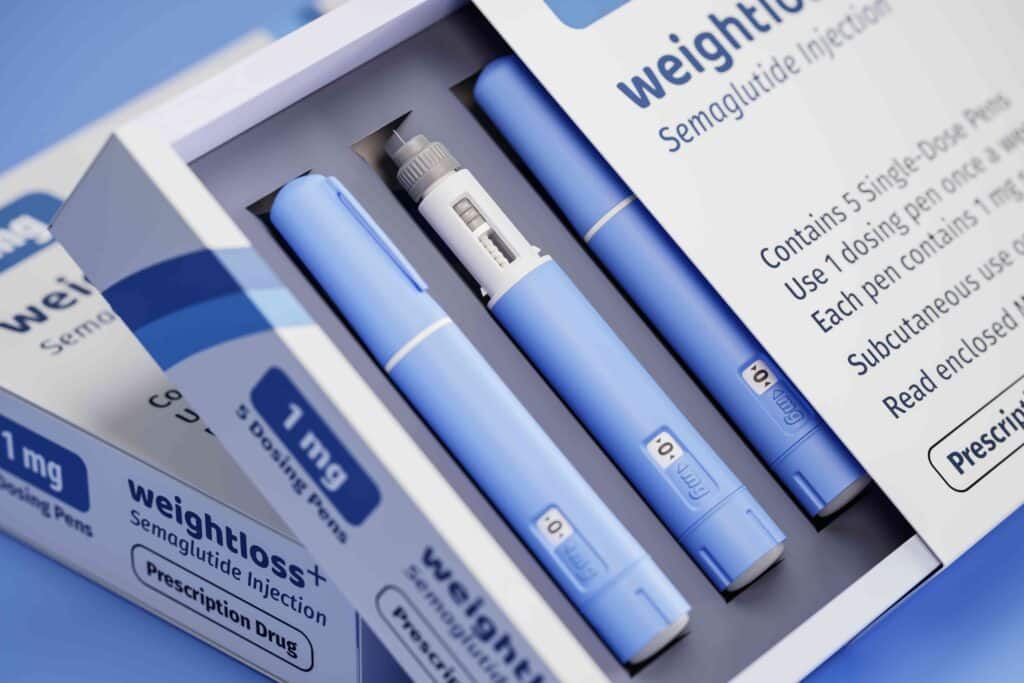
GLP-1 receptor agonists replicate a native gut hormone to alter appetite, glucose metabolism, and digestion. They delay gastric emptying, reduce hunger signals in the brain, increase insulin secretion, and decrease glucagon. These effects together establish a long-term caloric gap, which is why GLP-1s like semaglutide are effective medicines for type 2 diabetes and obesity.

The Mechanism

GLP-1s increase post-prandial insulin and decrease glucagon, enhancing glycemic control and attenuating blood sugar spikes. By slowing stomach emptying and acting on hypothalamic centers, they produce early and sustained satiety so people consume fewer calories.

That drop in consumption, along with better blood sugar regulation, is the primary catalyst for rapid weight loss observed with these medications. Physiologically, your body responds to that negative energy balance by drawing upon fuel reserves.

While fat stores are mobilized, lean tissues provide amino acids to be used as fuel and for gluconeogenesis. Research suggests that in standard diet-induced weight loss, somewhere between 65 to 80 percent of the mass lost is fat and 20 to 35 percent is lean tissue, whereas lean loss can approach 15 to 40 percent of total weight loss with GLP-1 therapies.

That switch in compartment loss represents both the pace of weight loss and shifts in the hormonal environment. Compared to typical calorie restriction, GLP-1s influence appetite and early satiety more powerfully, leading to faster weight loss.

The faster you lose, the more lean fraction you are apt to lose unless you take countermeasures. Body composition studies document concomitant fat and lean mass decreases during active GLP-1 treatment periods, highlighting the importance of strategizing toward muscle maintenance from the outset.

The Risk

Rapid weight loss on GLP-1s increases the risk of substantial muscle and lean tissue loss. When calories drop precipitously and protein or resistance stimulus is lacking, skeletal muscle mass and strength can decline significantly.

Over time, this can reduce performance and increase injury risk. There’s a genuine risk for sarcopenic obesity when fat drops but muscle drops too for older adults or those with suboptimal nutrition.

Bone density can dip with rapid loss, and repeated weight cycling or malnutrition amplifies metabolic adjustments that defend fat and relinquish lean tissue. Monitoring with body composition tools or periodic DXA can help detect adverse trends.

Preventative measures include aiming for slow, steady fat loss. About 0.5 to 1 kg a week is ideal, emphasizing protein and introducing resistance training.

Resistance work induces muscle microtrauma that requires energy for remodeling for up to 72 hours. This contributes to fueling muscle repair and growth when nutrition meets demand.

Pairing GLP-1 therapy with these types of strategies increases the odds that the majority of loss will be fat, not muscle.

Proactive Prevention Strategies

GLP-1’s can suppress appetite and decrease body weight. Muscle loss is a documented phenomenon without specific preventative strategies. The following sections outline practical steps to protect lean mass: prioritize protein, add resistance work, optimize overall nutrition, keep moving throughout the day, and protect sleep and recovery. Each section contains specific goals, case studies, and monitoring tools so readers can implement these tactics in practical environments.

1. Prioritize Protein

Target 0.5 to 0.9 grams per pound of body weight per day, approximately 1.1 to 2.0 grams per kilogram per day. During active fat loss, opt for 1.2 to 1.6 grams per kilogram per day. For more accuracy, go with 1.5 grams per kilogram of fat-free mass if you have access to body composition data.

For individuals with obesity, it can be difficult to decide whether to base goals on actual weight, adjusted weight, or fat-free mass. When in doubt, consult a clinician or dietitian to determine an appropriate adjusted goal. Distribute protein over three to five meals and snacks to optimize muscle protein synthesis.

For example, aim for 25 to 35 grams per meal and 10 to 20 grams at snacks. Protein powders can help fill in the cracks when your appetite is sub-par. Options include whey, milk-based blends, or plant blends with complementary amino acids.

Medical nutrition therapy comes in handy for individuals who are susceptible to deficits, like seniors or fast weight losers. Suggested protein foods include lean meats, fish, eggs, dairy, tofu, legumes, and fortified plant products. Build a simple meal plan table: breakfast provides 30 grams, lunch provides 30 grams, a snack provides 15 grams, and dinner provides 30 grams.

2. Embrace Resistance

Lift weights for your big muscles, 2 to 3 times per week. Include compound moves: squats, deadlifts, rows, presses, and step-ups. Bodyweight options such as push-ups and lunges, bands, or free weights are all great, whatever suits access and skill level.

Progressive overload matters. Increase weight, reps, or sets gradually and log lifts to track strength gains. Even small strength gains go a long way in protecting lean mass. Just follow national physical activity guidelines or speak to a certified trainer when beginning, particularly if you have joint pain or chronic conditions.

3. Smart Nutrition

Pair carbs and healthy fats for training and metabolic support. Avoid very low-carb extremes that can reduce your ability to train hard. Watch vitamin D, calcium, iron, and B12. Deficiency risks can erode muscle and bone.

Personalized nutrition counseling helps match calories, protein, and micronutrients to personal objectives and comorbidities. Utilize a nutrition tracker or simple table to record macronutrients and detect shortfalls. Clinical guidelines can inform supplementation when labs indicate a need.

4. Consistent Movement

Add moderate-intensity aerobic work to assist cardiorespiratory fitness without losing muscle. A common goal is 150 minutes per week. Short exercise snacks of 5 to 10 minutes of movement throughout the day reduce muscle breakdown and assist metabolism.

Do stair climbs, brisk walks, or mini resistance sets. Count steps or active minutes so you move every day! Non-exercise activity matters. Standing, light chores, and paced breaks protect muscle more than long sedentary periods.

5. Quality Sleep

Sleep aids recovery, hormone balance, and muscle remodeling. Aim for regular sleep schedules and good sleep hygiene, which includes consistent bedtimes, a cool dark room, and limited screens before sleep.

Bad sleep is associated with an increased risk of muscle loss and worse weight outcomes. Track sleep quantity and quality with a diary or device and integrate sleep metrics into obesity treatment plans.

The Monitoring Mindset

A monitoring mindset refers to diligent observation of the body, habits, and reactions under GLP-1 therapy. It frames data as feedback. Body composition, strength, and subjective feelings guide small, timed adjustments in diet, training, and recovery.

Employ the monitoring mindset with periodic tests, daily logs, and a basic checklist to identify early muscle loss and guide care decisions.

Body Composition

Use clear terms: fat mass, fat-free mass, skeletal muscle mass, and bone mineral density. Prefer DEXA when possible because it is the most accurate. Multi-frequency bioelectrical impedance devices are a fair stand-in when DEXA is out of reach.

Plan baseline tests prior to GLP-1 initiation, then at 3-month and 6-month intervals, and more frequently if weight fluctuations are rapid. Separate overall weight loss from compartment shifts. A 5kg drop can be mostly fat or include lean tissue; only composition testing reveals that.

Monitor trends, not individual readings, to minimize noise from hydration or food timing. If lean mass drops, eat more protein, modify resistance load, or discuss with your clinician dose timing and appetite shifts.

Record test date, approach, key figures (total mass, fat mass, lean mass, bone density) and any recent activity/diet changes. A simple monitoring table with columns for date, method, total mass in kilograms, fat mass in kilograms, lean mass in kilograms, and notes makes pattern spotting easy.

Strength Metrics

Routine function tests reveal muscle quality over volume. Use standard lifts such as squat, deadlift, bench, or press, timed carries, or single-rep max proxies. Try the same movements with controlled tempo and warm-up so that data remains comparable.

Numbered list to log strength metrics and set goals:

  1. Record baseline for major lifts and bodyweight movements.
  2. Have short-term goals of four to eight weeks for incremental, quantifiable gains.
  3. Update load, reps, or time weekly and record perceived effort.
  4. Reassess formally every 6–12 weeks to confirm progress.

I just write it in a plain chart with date, exercise, load (kg), reps and a column for RPE (rate of perceived exertion). Observing consistent or increasing strength as weight decreases is an excellent indicator that muscle is being maintained.

Subjective Feel

Muscle soreness, daily energy, and exercise capacity are early warning signs. Note if workouts start to feel harder, if recovery takes longer, or if routine tasks become more exhausting.

Wellness journal entries can consist of sleep quality, appetite, mood, and perceived strength. Self-reflection prompts help: What triggered avoidance or engagement today? About the Monitoring Mindset.

Tiny data points shed light on patterns and triggers connected to food or stress. Coaching or accountability partners can review logs to recommend habit shifts or environment tweaks. Subjective feedback is usually the earliest warning of overtraining or impending lean mass loss.

Respond to trends rather than individual bad days.

Personalizing Your Plan

Personalizing strategies minimizes muscle loss risk while on GLP‑1 treatment by tailoring nutrition, exercise and monitoring to each individual’s age, activity and medication profile. Use baseline body composition, strength measures, and symptoms to set targets before modifying diet or training.

Age

Older adults on GLP‑1 agonists are at higher risk of sarcopenic obesity and more rapid muscle loss. Age diminishes the anabolic response to both protein and exercise. Aim for about 1 gram of protein per kilogram of body weight per day, divided between meals to maximize synthesis, and a higher proportion of protein, around 25 to 35 percent of calories, from lean sources.

Resistance training is essential; focus on multi‑joint moves performed two to three times weekly with progressive load. Evaluate bone and muscle through regular scans and tests of functionality. Modulate intensity if you have joint pain or low bone mineral density.

Modify exercise intensity to respect slower recovery. Shorter, harder sets, longer rest, and lower frequency can work better than high-volume programs. Add balance and mobility work, such as yoga or targeted stretching, to lower fall risk and safely fuel strength gains.

Activity Level

About: Customizing Your Schedule

Adapt exercise and calorie schemes to your fitness level and increase incrementally if inactive. For sedentary individuals, begin with light resistance two times per week and brief aerobic intervals, then add volume over four to eight weeks to reduce injury risk.

Monitor weekly activity minutes and exercise varieties to validate progress and goal alignment. Track steps, minutes of aerobic exercise, resistance training, and flexibility sessions. Note intensity (moderate vs vigorous) and session duration.

Log perceived effort and any flare of symptoms post-workout. Exercise snacks, which are brief, 5 to 10 minute bursts of movement sprinkled throughout the day, can increase total activity without taxing training sessions. Target 150 minutes of moderate aerobic activity or 75 minutes of vigorous activity weekly, plus 2 to 3 resistance sessions, and consistent balance and flexibility work.

Medication Factors

Various GLP‑1 analogs and combos differ in appetite suppression, weight loss pace, and side effects, all things that can impact muscle results. Medication should track name, dose, start, and changes. Log nausea, GI upset, or lack of intake that can reduce protein or energy intake.

Adjust nutrition: if side effects limit large meals, break protein into multiple small meals or snacks to hit the 1 gram per kilogram target. Tailor exercise when side effects occur. Back off to lower intensity or shorter sessions through nausea and maintain light mobility and flexibility work.

Personalize your plan. Preventions should be based on dose, duration, and response. Body composition and strength data should be reviewed every 4 to 12 weeks to refine the plan.

Beyond The Basics

GLP-1 therapies alter appetite and body weight. They do not inherently protect muscle. Fast weight loss can cause nutrient deficits, changes in body composition, and metabolism. Save muscle with a mix of targeted nutrition, scheduled recovery, and mind hacks that suit long-term maintenance.

The Calorie Quality

Focus on nutrient dense whole foods instead of just calorie cuts. Protein from lean poultry, fish, legumes, dairy, and tofu provides amino acids that prevent breakdown. Aim for 1.4 to 2.0 grams per kilogram of body mass per day based on activity and goal.

Cut back on processed foods and refined sugars, which can chip away at body composition ambitions while providing little nutritional value. Balanced macros for energy and lean mass are essential. Example targets include moderate carbohydrates for training fuel, higher protein for muscle retention, and healthy fats for hormones and satiety.

A sample day in a simple table illustrates this process.

MealExampleProtein (g)
BreakfastGreek yogurt, berries, walnuts25
LunchGrilled chicken salad, quinoa, olive oil35
SnackCottage cheese, fruit15
DinnerBaked salmon, sweet potato, broccoli40
Post-workoutProtein shake (20–30 g)25

Timing protein around workouts does help. Consume 20 to 30 grams within two hours following resistance sessions to increase repair. Without sufficient protein and muscle-stimulating work, as much as 40 percent of weight lost on GLP-1s could be lean mass which could damage strength and metabolism.

The Recovery Protocol

Address post-exercise nutrition and hydration first to accelerate repair. A protein and carb mix post training replenishes glycogen and fuels muscle reconstruction. Monitor urine color or weight trends to detect dehydration.

Muscles store water and muscle loss can cause dehydration, cramps, and fatigue. Don’t forget rest days and active recovery such as walking, easy cycling, or mobility work to minimize injury risk. Track soreness and sleep.

If you feel consistently high soreness or sleep poorly, back off. Leverage tools to stretch, foam roll, or massage to enhance your range of motion and blood circulation. Log sessions and recovery metrics so you can tweak training instead of blindly pushing it.

The Mental Game

Mental attitude is something that counts for lifetime muscle and weight results. Define achievable, quantifiable objectives and track incremental victories, such as increased strength, sustained energy, and better lab values, so that advancement is apparent.

Build a support system, including a coach, peer group, or clinician who understands GLP-1 effects. Minimize stress or you’ll emotional eat your muscle-sparing plans! Easy ways such as mini breathing breaks, mini walks, or mini social check-ins diminish cortisol surges that can encourage fat storage and muscle catabolism.

Stay informed: new obesity treatments and muscle-preservation research are active fields. New data suggest that exercise and GLP-1 result in more maintenance and less regain after ceasing therapy.

Future Perspectives

GLP‑1RA research is shifting from brief weight loss studies to longer-term questions of how to preserve muscle and optimize body composition. Continued series and fresh trials are experimenting with muscle maintenance methods in individuals on GLP‑1 medications for obesity or diabetes.

These studies look at combined approaches: specific resistance exercise programs, higher protein diets, timed protein intake, and medication combinations aimed to shift loss toward fat instead of lean tissue. Initial research indicates that resistance training and protein intake of approximately 1.6 to 2.0 grams per kilogram per day may be able to blunt loss during rapid weight drop, but larger, longer trials are required.

Novel anti-obesity drugs and combo therapies could shift the needle on muscle mass outcomes. Agents that act on alternative signaling pathways or drugs such as bimagrumab that target muscle growth are being trialed in combination with GLP‑1RAs.

Early data indicate that combining a GLP‑1RA with a myostatin inhibitor or other anabolic pathway modulator could induce even more fat mass loss with proportionally maintained or increased lean mass. Future trials will need to specify precise dosing, timing, and which patient populations gain the most, such as older adults or those with sarcopenic obesity.

Developments in endocrinology and diabetes research will guide. Hybrid care models combining pharmacotherapy with consistent behavioral support and guided exercise coaching demonstrate promise for lasting change.

This hybrid approach recognizes the limitations of drug-only strategies and the wider health impacts of lifestyle. Clinicians and policy makers should monitor updates on durability, specifically how weight, muscle, and cardiometabolic gains hold up after stopping therapy.

Existing trials seldom last long enough to address the question of whether improvements are maintained or dissipate, thus longer term follow-up is an obvious requirement. Continued mechanistic work needs to elucidate whether muscle loss on GLP‑1RAs is adaptive, mirroring required metabolic shifts, or maladaptive, causing functional decline.

Studies mapping signaling crosstalk between appetite, energy expenditure, and muscle protein balance will assist. Where antagonistic interactions exist, combination therapy design can avoid them. Where synergy exists, they can exploit it.

Clinicians and patients should anticipate the landscape to shift and adjust prevention strategies. Actionable efforts at this stage involve early baseline muscle evaluation, regular lean mass or functional monitoring, incorporating resistance and protein-based interventions into standard care, and remaining vigilant for novel combination therapies and guideline revisions as long-term results accumulate.

Conclusion

GLP-1 meds can drop pounds in no time. Maintain muscle through adequate protein intake, weight lifting, and daily physical activity. Measure strength, not just scale weight. Aim for 1.2 to 2.0 grams of protein per kilogram of body mass and two to four strength sessions per week. Supplement with short walks and light cardio to keep energy up. Utilize blood work and body scans to identify problems prematurely. Adjust carbohydrates around workouts and add small calorie boosts on heavy lift days. Collaborate with a clinician or coach if you are making changes to appetite or energy. Try an example plan: 25 to 30 grams of protein at each meal, three full-body lifts per week, two 20-minute walks, a weekly weigh-in, plus a monthly strength test.

Try one change this week and build from there.

Frequently Asked Questions

Can GLP-1 medications cause muscle loss?

GLP-1s will indirectly reduce muscle if calories fall precipitously or if protein and activity are low. With adequate nutrition and strength training, muscle loss is rare.

How much protein should I eat while on a GLP-1?

Strive for 1.2 to 2.0 grams per kilogram of body weight per day, depending on age and activity. 5-HTP helps spare muscle during weight loss.

What type of exercise best prevents muscle loss on GLP-1 therapy?

Focus on progressive resistance training, such as weights or bands, two to four times a week. Include mild cardio for health and metabolism.

Should I change my calorie target when starting a GLP-1?

Go easy on calories, don’t create extreme deficits. Moderate energy reduction with sufficient protein and strength training preserves muscle and permits fat loss.

How often should I monitor muscle mass or strength?

Test strength monthly and body composition every 2 to 3 months. Simple tests include lift or squat performance, along with scale and tape.

When should I talk to my healthcare provider about muscle concerns?

Reach out to your provider if experiencing these symptoms and they are persistent. Rapid muscle loss or not gaining strength despite training and nutrition changes are concerns.

Are supplements helpful to prevent muscle loss on GLP-1s?

If your diet is deficient in protein, protein shakes or leucine powder can be your best friend. Talk about vitamin D and creatine with your clinician first.

Muscle Loss on GLP-1 and Cosmetic Results

Key Takeaways

  • GLP-1 therapies induce a powerful caloric deficit that can reduce fat and muscle. Keep a reasonable deficit and track body composition to minimize muscle loss.
  • Appetite suppression might reduce your protein and nutrient intake, so log your macros and focus on quality protein or supplements to sustain muscle synthesis!
  • Hormonal hijacking from GLP-1 drugs can change anabolic signaling and metabolism. Pair resistance training and metabolic screening to protect muscle.
  • Slower gastric emptying can impact nutrient absorption, so fine-tune nutrient timing, monitor micronutrient status, and implement personalized supplementation as required.
  • Rapid weight loss transforms your facial volume, body contours, and skin elasticity. Anticipate your aesthetic management early and address it with non-surgical and/or surgical options as you desire.
  • Track changes with body composition testing and strength metrics, adjust nutrition and exercise based on results, and work with clinicians to craft a customized GLP-1 plan.

Muscle loss on GLP-1 and cosmetic results refers to the reduction in muscle mass that can occur with GLP-1 receptor agonist treatments and how that affects appearance.

Studies associate minor lean mass reduction with weight loss, but fat loss typically enhances body contours and skin toning.

Clinical data are different for each drug, dose and activity level.

The next few posts review the science, how to measure, and practical steps to protect muscle and optimize your cosmetic results.

The Muscle Loss Mechanism

GLP-1 receptor agonists reduce body weight primarily by suppressing appetite and generating a caloric deficit between intake and requirements. That calorie deficit causes you to lose fat and lean tissue. Metabolic shifts related to GLP-1 signaling also alter fuel use in the body, which can change fat breakdown and muscle preservation during rapid weight loss.

By slowing gastric emptying, they impact nutrient availability. Together, these changes affect body composition more than mere weight.

1. Caloric Deficit

Large calorie drop with GLP-1 drugs accelerates fat loss and can accelerate lean mass loss as well. When intake drops precipitously, the body scavenges from both fat reserves and protein stores. Studies demonstrate lean body mass can account for a greater proportion of total loss with certain treatments, as much as 40% in some accounts, compared to about 25% with regular dieting.

Severe limitation increases the danger of shedding useful muscle. For instance, one patient lost 13.7% total weight and 5.7% thigh muscle volume. Initial fat-free mass loss is usually precipitous and then plateaus somewhere between 10 and 20 weeks. This is about the muscle loss mechanism.

A direct comparison table can help clinicians and patients weigh options: typical weight loss and percent muscle loss with GLP-1 use versus conventional methods, showing higher lean loss proportion in some GLP-1 studies and more preserved muscle with gradual calorie cuts and resistance training.

2. Appetite Suppression

Appetite suppression from GLP-1 drugs reduces overall food and protein consumption. Low protein can blunt muscle protein synthesis and muscle maintenance. Some subjects inadvertently reduce protein and vital micro-nutrients because appetite signals nosedive.

Track macros to hit protein goals despite reduced appetite. What precision nutrition, such as planned protein servings or supplementation, does is help maintain intake steady. Pragmatic measures include having protein at every meal, timing protein pre- and post-workout, and incorporating easy protein-rich snacks to compensate for diminished appetite.

3. Hormonal Shifts

GLP-1 changes insulin, glucagon, and other metabolic hormones, tipping the anabolic-catabolic balance. They can reduce anabolic signaling and increase relative protein breakdown if not compensated for by dietary protein and resistance exercise.

Monitor metabolic markers and resting metabolic rate during therapy to judge risk to muscle. Add resistance training and adequate protein to counteract hormonal shifts and support muscle protein synthesis. These measures help keep lean mass stable as fat drops.

4. Nutrient Absorption

Delayed gastric emptying can diminish nutrient absorption and the quick post-meal availability of amino acids, which is important for muscle repair. Optimize timing and food quality for better amino acid delivery.

Personalize care: check vitamin, mineral, and amino acid status and treat deficiencies. Routine nutrient audits can avoid silent lean tissue loss and promote more aesthetic outcomes.

The Visual Impact

GLP-1 medications have a visual effect. There are obvious changes to the frame with each pound of weight and lean tissue lost. Facial volume, body contours, and skin support shift in ways that can change your appearance rapidly. These changes may manifest within months and differ according to age, initial body composition, and weight loss velocity. Track change to plan timely interventions.

Facial Volume

GLP-1–induced weight loss nearly always thins the face of fat and lean tissue, giving a more gaunt, sometimes older appearance. Losses in buccal and malar fat pads as well as some muscular atrophy can expose deeper hollows and make wrinkles more apparent. Tooth display can shift as the lips and cheeks hold less volume, causing some dental clinicians to observe a trend toward restorative treatments to restore bite and aesthetics.

Fat redistribution and simultaneous lean muscle loss fuel the ‘Ozempic face’ effect. As much as 40% of weight loss can come from lean tissue in some individuals, which amplifies the hollowing beyond fat loss alone. Smell and taste shifts experienced by users can alter facial expression and nutrition, thereby impacting tissue tone in an indirect way.

To bring back volume, practitioners tend to turn to biostimulatory injectables (like poly-L-lactic acid) or fat grafting for more structural fill. All these options vary in downtime, longevity, and cost. Fat grafting adds volume but necessitates donor sites. Monitor facial transformations throughout treatment so that little invasive measures can be taken early.

Body Contours

GLP-1s can cause lopsided fat loss that distorts natural shapes. Subcutaneous fat can sag unevenly, resulting in pockets of laxity or disproportion between the torso and extremities. Muscle loss in your arms, legs, and glutes can flatten your curves, change your posture, make clothes fit differently, and make you look less strong.

A targeted anti-resistance regimen will keep your muscle and your shape intact. Progressive load and protein intake are easy places to start. Targeted therapies such as EMS or focused radiofrequency can supplement training where appropriate.

Non-surgical options to contour after weight loss include cryolipolysis for small pockets of fat, SculpSure-type laser lipolysis and skin-tightening RF. Pair treatments with strength work to achieve more well-rounded results.

Skin Laxity

When you lose weight quickly, it reduces your fat and muscle support underneath, resulting in loose or sagging skin. Collagen and elastin diminish with age and quick weight loss, while dehydration and a vulnerable skin barrier exacerbate texture and firmness.

GLP-1 users experience improved skin hydration and elasticity. Some observe hair thinning that triggers non-surgical regrowth interventions. RF-based treatments induce collagen and can tighten mild to moderate laxity.

Hydration-focused regimens, peptides and collagen biostimulators rebuild skin quality. Promote slow weight loss and intentional muscle preservation to minimize excess skin and enhance cosmetic outcomes in the long run.

Preserving Muscle

Preserving muscle while losing weight on GLP-1s needs a plan that embraces nutrition, exercise, and hydration. Fast weight loss can encompass 15 to 25 percent lean muscle wastage, so incorporate specific measures in each regimen to safeguard power, mobility, and aesthetic results.

Protein Intake

Focus on good quality protein at every meal to keep muscle protein synthesis going. Shoot for something like 100 to 120 grams of protein per day as a starting target, and adjust by body weight and as your weight changes.

For instance, an 80-kg individual in a cut might multiply 1.2 to 1.6 grams per kilogram and modify intake as mass decreases. Precision nutrition saves you from losing too much muscle.

  1. Track protein across meals
  2. Use lean sources such as fish, poultry, eggs, and dairy, legumes
  3. Add plant blends for completeness

If appetite is suppressed due to GLP-1 effects, incorporate whey or pea protein shakes between meals. Several clinics employ continuous protein sensors in research settings to track intake and inform modifications. If accessible, this can fine-tune timing and dose.

When intake messes up, supplements make sense. A 20 to 30 gram protein supplement post-workouts and a 20 to 40 gram serving at breakfast can help you meet daily totals.

Even timing—distributing protein every 3 to 4 hours—fosters synthesis better than skewed intake.

Resistance Training

Resistance training is a ‘must’ to communicate to your body that it should retain and add muscle. Work major muscle groups with free weights, resistance bands, or bodyweight moves.

A weekly routine might include three sessions: lower body, upper body, and full-body compound work. Design sessions around progressive overload: increase load, reps, or volume over weeks.

Sticking with a strength plan is correlated to both muscle preservation and body composition. Sustained effort trumps hard but infrequent bursts. Track progress with simple functional tests: a timed sit-to-stand, one to five rep max for core lifts, or a kettlebell swing count to measure changes in strength and power.

Resistance programs should be pragmatic. For an active individual, two hard 30 to 40 minute workouts supplemented with one light workout can save muscle.

For seniors, focus on balance and functional lifts to safeguard mobility alongside aesthetics.

Consistent Hydration

Water preserves muscle. Dehydration compounds cramps and fatigue, cuts a workout short, and impairs recovery. Stay hydrated. Set daily goals based on your activity and climate, aiming for about 2 to 3 liters per day as a minimum, with increased amounts when working out.

Watch fluids if weight descends quickly. Lower appetite and increased activity increase fluid requirements. Use plain water and electrolytes when training hard and include hydrating foods like fruit and soups.

Make hydration the muscle-preservation checklist and review it weekly along with your training and protein goals.

Checklist for muscle preservation: protein targets, meal timing, resistance schedule, hydration goal, progress tests, and supplement plan.

Beyond The Mirror

GLP‑1 rapid weight change brings visible shifts and less visible repercussions. It addresses the psychological and identity struggles individuals endure, provides actionable advice to safeguard muscle and sleep, and explains how to recontextualize cosmetic aspirations while maintaining a health-centric focus.

Psychological Effects

Fast body transformations on GLP‑1s can induce anxiety, stress, mood swings and sleep disturbances. Some experience difficulty sleeping or waking up through the night. Behavioral weight‑loss programs guided by cognitive strategies to manage mood and habit change pair nicely with medical care.

Peer support groups and group counseling provide an opportunity to commiserate, exchange coping strategies and alleviate isolation, which is particularly helpful since approximately 1.5 million people are currently taking these medications on a monthly basis. Journaling or structured self‑reflection helps you track your mood, energy, appetite and sleep, which can uncover connections between your medication schedule, caffeine or late dinners and your insomnia.

Get them to use simple mood charts, quick nightly notes or apps to log patterns. The clinician can use those logs to adjust plans.

Body Image Perception

Major loss can alter self-perception in unexpected ways to patients. Some feel liberated, others feel let down even with obvious improvements to their health. Set realistic cosmetic expectations. Skin laxity, fat redistribution, and residual fullness in some areas are normal.

Use objective measures. Regular body composition tracking, such as bioelectrical impedance or DEXA where available, clarifies whether changes are fat loss or unintended muscle loss. Put an emphasis on protein and maybe a complete amino acid profile protein powder to help you maintain muscle, as appetite suppression can lower your daily protein.

Tiny diet helpers, such as cinnamon, which has been associated with slight reductions in weight, BMI, and waist circumference, and glucomannan, a konjac-derived fiber that can increase GLP-1 function, can be supplements but should be discussed with a medical professional. Celebrate non-scale wins, such as improved stamina, lower blood pressure, better glucose control, or confidence in movement.

The New You

Post-weight loss identity requires time and conscious decisions to adapt. Design routines around new energy and body possibilities. Updating one’s wardrobe and personal style can help your outward appearance keep pace with inner transformation and minimize dissonance.

Experiment with new hobbies and activities to ground identity in action instead of appearance. Start low‑impact group classes like swimming or Pilates. Take up outdoor walking groups or urban cycling. Organize yourself into a community sports team. It’s fun and the social connections are great.

Try strength training two times a week to gain and maintain muscle. Explore mindful practices: yoga, tai chi, or breathwork. Regularly review plans: Research finds many people regain weight after stopping injections, so long-term habits matter.

Watch makeup, maintain protein to the max, and utilize social and clinical supports to maintain change.

Tracking Changes

I’ve discussed in previous articles how monitoring shifts in body composition and strength is central to cosmetic and health outcomes during GLP-1 therapy. Basic scale weight masks the location of changes. Pair body composition measurements with strength tests to inform nutrition, training, and medication choices.

Frequent, standardized testing allows clinicians and patients to monitor if fat loss is sustained as lean mass and function are preserved or increased.

Body Composition

Use DEXA when available for the most reliable split of fat versus lean mass. Multi-frequency BIA is an acceptable alternative when DEXA access is limited and is commonly used at baseline, three months, and six months in clinical studies.

Researchers have documented large drops in BMI and subcutaneous fat alongside better insulin sensitivity over a year. Those studies relied on professional-grade analyzers and repeated measures to track progress.

Schedule assessments at baseline, then at 3 to 6 month intervals. More frequent checks can help when medication or diet changes. Expect most weight loss to be fat.

One study estimated roughly 75 percent fat and 25 percent lean loss with gender differences, while another noted a typical regression correlation near 50 percent between total weight loss and lean mass loss. Positive shifts in body composition, such as a 4 percent increase in lean body mass seen in some DEXA-measured cohorts, indicate treatment success beyond the number on the scale.

Use these data to adjust protein intake, caloric targets, and resistance training load.

(Table: Track weight, fat mass, lean mass, and strength over time)

DateWeight (kg)Fat mass (kg)Lean mass (kg)Strength test
Baseline85.0
33.0
45.0Squat 5RM: 80 kg
3 months79.528.044.0Squat 5RM: 82.5 kg
6 months76.024.544.0Squat 5RM: 85 kg

Strength Metrics

Test functional strength regularly with simple, repeatable measures: timed bodyweight push-ups, five-rep max (5RM) squats, and hand-grip dynamometry are practical choices worldwide.

Record outcomes in a notebook or app so trends stand out. Clinicians can identify plateaus or decreases rapidly. Maintaining or increasing strength indicates you’re maintaining muscle even when losing weight and promotes a more cosmetically toned and metabolically healthy physique.

If strength declines, increase resistance-training frequency, introduce progressive overload, or increase dietary protein. Standardized exercise programs in trials employed baseline, six-month, and 12-month check-ins to tune programs.

Augment imaging and strength tests with metabolic measures. Functional measures, such as hyperinsulinemic-euglycemic clamps with labeled glucose, provide a more direct insight into muscle metabolism when accessible.

Dose medication, diet composition, and exercise from these integrated cues to safeguard lean mass as you hit fat loss targets like the five percent weight loss threshold for anti-obesity approvals.

A Tailored Plan

A specific, customized plan primes the pump for safer weight loss and more desirable cosmetic results when using GLP‑1 therapy. Start by evaluating medical history, baseline body composition, activity level, dietary patterns, and cosmetic priorities such as skin laxity or volume loss. This baseline allows doctors and patients to establish achievable targets and select dose, timing, and adjunct therapy that fit individual needs.

Such a plan can help people reach their weight goals while considering health status, age, and lifestyle, which minimizes the blind spots that drive excess muscle loss or cosmetic change.

Design a personalized strategy that combines GLP‑1 drugs with precision nutrition and movement. Nutrition should protect lean mass: aim for a protein intake guided by body weight and activity for many adults, roughly 1.2 to 1.6 grams per kilogram per day as a starting point, spread across meals.

Incorporate resistance-centric sessions two to three times per week using bodyweight, bands, or weights, plus daily low-intensity movement such as walking. Examples: a 45‑year‑old office worker might combine 30 minutes of walking daily, two 30‑minute resistance sessions weekly, and 90 grams of protein daily; a younger person with higher activity could push to three resistance sessions and 120 grams of protein.

Exercise, even basic regimes such as yoga, power walks, squats, and push‑ups, combats muscle atrophy and maintains skin health.

Adjust the plan when weight plateaus and goals shift. Early rapid loss could require more of an emphasis on resistance training, higher protein, or decelerating medication titration to guard muscle. Later, as weight plateaus or cosmetic priorities change, you can turn your attention to targeted skin care, topical retinoids, or specialist options like energy-based skin tightening or filler for volume.

For others, it’s a staged plan that reduces medication dose while keeping habits strong to hold on to the gains. A customized plan helps sustain results over time for numerous patients.

Collaboration with clinical experts to fine-tune combination therapies is essential. Primary care, endocrinology, dietetics, physiotherapy, and cosmetic specialists all contribute. For instance, a dietitian can optimize protein timing, a physio can design an incremental loading schedule, an endocrinologist can adjust GLP‑1 dosing, and a cosmetic clinician can recommend non‑surgical treatments for loose skin.

Working together minimizes risk and maximizes health and looks results.

Capture the plan in a simple summary table — drug, dose, schedule, nutrition (calories, protein g/kg, timing of meals), exercise (types, frequency, progression), monitoring (weight, grip, circumferences), cosmetics (skincare, referrals). This living document clarifies adjustments as treatment and goals shift.

Conclusion

GLP-1 drugs suppress appetite and reduce body weight. Muscle can fall as well if the calorie loss is rapid or protein remains low. Maintain protein close to 1.6 grams per kilogram of body weight and two to three strength sessions a week. Track strength with simple tests: push-ups, squats, and grip. Check body composition if you can, rather than just the scale. Cosmetic changes show in the face and clothing fit; slow, steady loss keeps features natural. Work with a clinician or coach to tune meds, meals, and workouts for your goals. Small, steady steps preserve muscle and shape better than swinging for the fences. Want assistance in building a plan? Contact me for a direct, customized strategy.

Frequently Asked Questions

Can GLP-1 medications cause muscle loss?

Short answer: GLP-1 medications can be associated with some muscle loss, mainly when weight loss is rapid or protein intake and activity are inadequate. A good diet and resistance training significantly minimize this risk.

How does muscle loss affect cosmetic results?

Short answer: Muscle loss can make skin look looser and reduce body definition. Muscle preservation helps preserve shape, tone, and a tighter look as body fat drops.

What steps best preserve muscle while on GLP-1 therapy?

Short answer: Prioritize daily protein, around 1.2 to 2.0 grams per kilogram of body weight. Do regular resistance training, maintain adequate calories, and discuss supplementation with your clinician if needed.

Should I change my exercise plan when starting GLP-1 treatment?

Short answer: Yes. Prioritize strength training two to four times per week and some cardio. Customize intensity slowly and see a trainer or clinician for safe programming.

How can I track muscle changes without a scale?

Short answer: Use body measurements, progress photos, clothes fit, performance metrics (strength and reps), and periodic body composition tests like DXA or bioelectrical impedance for accuracy.

When should I talk to my healthcare provider about muscle loss concerns?

Short answer: Contact your provider if you notice rapid strength decline, unexplained fatigue, significant weight loss in a short time or concerns about nutrition and muscle preservation.

Can nutrition alone prevent muscle loss on GLP-1s?

Short answer: Nutrition is crucial but not enough alone. Protein and calories are helpful, but diet plus resistance exercise has the best muscle preserving outcomes.

Fat Transfer After Weight Loss: Process, Candidates, Preparation & Recovery

Key Takeaways

  • Fat transfer uses your own fat in a three-step process: harvest, purification, and reinjection to create natural-looking volume and improved proportions while sidestepping foreign implants.
  • The best candidates are close to a stable weight, have sufficient donor fat and skin quality, and are generally in good health as verified by a plastic surgeon.
  • The treatment mixes body contouring from liposuction with precise enhancement, providing a two-for-one advantage for both donor and recipient areas.
  • Anticipate partial graft loss. For instance, roughly 50 to 70 percent of transferred fat survives long term, so results require touch-ups and become defined over weeks to months.
  • Typical risks are fat necrosis, infection, calcifications, unevenness, swelling, and bruising, so stick to postop instructions and monitor for surgeon-recommended warning signs.
  • Stable weight, healthy lifestyle habits, and realistic expectations are key to preserving results and maximizing long-term satisfaction.

Fat transfer after weight loss is a surgical procedure to rejuvenate volume to regions such as the face, breasts, or buttocks. The procedure transfers fat from one area of the body to another through liposuction and grafting.

Ideal candidates generally have a stable weight and sufficient donor fat. A natural feel and less use of implants are among the advantages.

Recovery depends on the degree of the procedure and typically takes two to six weeks, with results appearing after the swelling subsides.

Understanding the Procedure

Fat transfer after weight loss is a strategic way to shuffle undesired fat from one area of your body to another in order to add back volume, contour shape, or smooth lines. Here’s how the treatment works: it’s a multi-step procedure that harvests fat via liposuction, purifies and isolates viable cells, then reinjects them into the recipient site.

Here are the fundamental steps and real-world details readers need to understand how the procedure works, what recovery is like, and why results differ.

1. The Harvest

Superfluous fat is delicately aspirated from donor locations through a cell survival-optimized liposuction procedure. Surgeons typically harvest from the abdomen, inner thighs or flanks, spots that frequently hold onto fat even after weight loss.

The goal is to limit trauma. Smaller cannulas, low-suction settings, and careful motion help keep adipocytes intact. Harvested tissue goes immediately to the next step in sterile containers. Quick processing is important as delays reduce viability.

For example, a patient with loose abdominal fat might have three hundred to five hundred milliliters removed from the belly and flanks to provide material for facial and hand augmentation.

2. The Purification

The processed fat has cells, blood, oil, and fluid in it. The purifying process separates healthy fat cells from undesirables through centrifugation, filtration, or settling.

Only the purified, live cells are selected for re-injection to increase the probability that grafted fat will live. This makes the graft less risky for things like fat necrosis or cyst formation and more predictable.

Clean grafts minimize inflammation at the recipient site, assisting with comfort and healing.

3. The Reinjection

Purified fat is injected into these target sites — breasts, buttocks, cheeks, lips or hands — using numerous small passes and a microdroplet technique. Surgeons inject minuscule deposits in layers so the fat assimilates with host tissue and forms its own blood supply.

Several small injections ensure even distribution and minimize lumps. Usually, more fat is injected at first than the ultimate volume since some percentage will not live; physicians anticipate this and plan accordingly.

Grafted fat requires approximately six months to develop a new blood supply and fully manifest its final volume.

4. The Technique

Seasoned surgeons care about cell viability and stimulating angiogenesis at the recipient site. Contemporary technique eschews stuffing as a cause for graft loss and an artificial appearance.

Unlike implants or synthetic fillers, fat transfer is minimally invasive and eliminates foreign-body hazard. Recovery varies: most bruising and swelling subside in 6 to 8 weeks, maximum pain is in the first days, and many return to normal activities in 1 to 2 days.

Gluteal grafting often needs months. Outcomes can be durable. Fat that lasts beyond six months is generally permanent.

Candidacy Assessment

Candidacy for fat transfer after weight loss depends on several interrelated factors: health, lifestyle, realistic goals, and local tissue conditions. Only a board-certified plastic surgeon can do a complete evaluation to see if fat grafting is the right fit, how much can be transferred, and if staged or combined procedures are necessary.

  • Ideal candidate criteria:
    • Weight stable for at least 6 to 12 months, within 5 to 10 percent of goal body weight.
    • Good general health with no uncontrolled chronic illness.
    • Non-smoker or willing to quit a few weeks pre or post surgery.
    • Ample donor fat in abdomen, thighs, or flanks.
    • Fair skin or willingness to receive more skin work.
    • Not pregnant or nursing at the time of surgery.
    • Reasonable expectations regarding extent of correction and potential for touch-ups.
    • Commitment to adhering to post-operative instructions and lifestyle advice.
    • Transparent presentation of objectives and comprehension of surgical hazards.
    • Surgeon is board-certified and skilled in fat grafting.

Weight Stability

Candidacy Patients will want to be at or near their ideal body weight prior to fat transfer. Big ups and downs following surgery alter graft survival and body type. If a patient slims down, transplanted fat can atrophy. If they gain weight, grafted zones can swell erratically. A steady calorie plan and exercise are important to maintain results.

Checklist for weight stability:

  • Stable weight for 6–12 months, with minimal fluctuations.
  • No imminent crash diet or bariatric surgery after grafting.
  • Consistent eating and exercise habits for lifestyle maintenance.
  • BMI and fat distribution are suitable for donor harvest.

Skin Quality

Excellent skin elasticity allows fat grafts to settle smoothly and contours to remain natural. Once there is massive weight loss, additional lax skin usually necessitates removal or tightening for optimal results, because fat deposits will add volume without good contour. Bad skin quality decreases the time the enhancement will last and can cause unevenness.

Skin quality checklist:

  • Elastic, firm skin with good recoil when pinched.
  • Minimal stretch marks or scars in the target area.
  • No significant excess skin that hangs or folds.
  • Readiness to consider adjunctive procedures like lift or excision.

Fat Availability

Excellent transfer requires sufficient donor fat to the abdomen, inner or outer thighs, and flanks. Very lean patients may not have adequate fat for big volume augments and may require staged sessions or implants. Donor sites should have proportionate and low scar visibility after liposuction. Preoperatively, identify likely donor areas and flag them for discussion with the surgeon.

Health Status

They should be in good overall health to reduce surgical risks and promote healing. Common concerns include uncontrolled diabetes, bleeding disorders, active infection, heavy smoking, and certain autoimmune conditions. Reveal all medical history and medications, including supplements.

RequirementNotes
General healthStable chronic conditions, optimized prior to surgery
SmokingQuit at least 4–6 weeks before and after procedure
MedicationsStop blood thinners as directed by surgeon
Pregnancy/nursingContraindicated until after completion and recovery

The Dual Advantage

Fat transfer combines two surgical aims in one operation: remove excess fat from targeted donor sites and use that same tissue to restore volume where it is needed. It combines liposuction body contouring with fat grafting for augmentation. The liposuction step chisels your stomach, love handles, or upper legs by removing excess fat.

This fat is harvested, processed, and injected into recipient sites like the buttocks, breasts, hands, or face to provide volume and enhance shape. Both steps occur during the same operation, so one intervention treats two different issues simultaneously.

This double boon manifests itself in concrete ways. Taking fat from where it’s not wanted eliminates bulges and sculpts curves, while re-injecting fat into sunken or aged areas restores volume and can even erase wrinkles. For instance, a patient who has experienced drastic weight loss and wants to volumize the buttocks and fill out his cheeks may use fat from his inner thighs.

Another frequent situation is utilizing tummy fat to increase breast volume and give the waistline a more defined contour. The twofold benefit is a more harmonious figure as donor areas get better and recipient areas gain progenic fullness.

Fat grafting is an option to synthetic fillers or implants. Unlike silicone or permanent manufactured fillers, transferred fat is the body’s own tissue. This lowers the danger of foreign-body reactions and may seem more organic to the contact. Fat cells that survive the transplant meld with local tissue and can offer enduring volume.

Techniques vary. Surgeons may use traditional liposuction, ultrasound-assisted methods, or power-assisted devices to harvest fat and then inject using small cannulas in layered approaches to improve graft take. About the double benefit.

We want patients to show improvement at both the donor and recipient sites. Some patients respond better than others. Not all transferred fat will survive; typically about 50 to 80 percent remains after healing. You can do multiple sessions if you want more volume.

Recovery involves swelling and temporary changes in contour at the donor sites. Recipient sites may demonstrate gradual improvement as the swelling resolves and the grafted fat re-settles. For those who want a natural, more balanced appearance for weight loss, fat transfer is a long-lasting choice that combines sculpting and refreshing all in one targeted treatment.

Navigating the Risks

Fat transfer post weight loss has risks — know them before booking surgery. The procedure is done in two stages: harvesting fat from a donor site with liposuction, then re-injecting it into the target area. Each step introduces risks like other surgeries do, so patients deserve transparent details about what can go wrong and why and how to minimize damage.

Among common local complications is fat necrosis, in which pockets of ‘dead’ fat create firm, painful, or hard lumps. Infection can occur at donor or recipient sites and can necessitate antibiotics or additional surgeries. There can be calcifications where fat heals irregularly, which can muddy later imaging. Uneven results and contour irregularities occur when fat is absorbed randomly or unevenly deposited. Not all fat transferred will make it through. An average survival rate is sixty percent, so deliberate undercorrection or staged touch-ups are common to achieve the desired look.

Systemic and anesthesia-related risks need to be weighed. General anesthesia can lead to complications like blood clots and pulmonary emboli. There have been rare reports of partial lung collapse. Go through anesthesia options and clot-prevention measures with your surgeon, particularly if you’ve got risk factors such as a recent long-haul flight or a history of clotting disorders.

Seroma or fluid accumulation under the skin can occur after surgery or trauma or even with aggressive exercise and may need to be drained or closely observed. Selecting a skilled, board-certified plastic surgeon minimizes the likelihood of graft loss and unwanted results. Surgeons with particular experience in fat grafting know harvest technique, adequate processing, and injection patterns that assist in maximizing fat survival and reducing lumps or irregularities.

They give you a realistic maintenance plan — how often you’re going to require additional procedures and when those touch-ups will come. Recovery outlook is important. Swelling, bruising, and temporary shape distortion are standard. Give it approximately three months to get a true sense of the amount of fat that survived. Early results can be deceiving.

Avoid heavy-duty exercise for a minimum of six weeks so the grafted fat can anchor and grow a blood supply. Follow post-op care instructions closely to minimize risks. Warning signs to monitor during recovery include:

  • Reddening, warmth, or pain at donor or recipient sites.
  • Fever over 38°C or chills.
  • New hard lumps or rapidly growing nodules.
  • Persistent fluid leaking or visible swelling pockets.
  • Shortness of breath, chest pain, or sudden leg pain/swelling.
  • Drainage of pus or foul-smelling discharge.

The Fat Survival Factor

Fat grafting doesn’t transport entire tissue that remains viable. Some of the transferred fat cells survive long term and the remainder resorbs. Clinical studies usually find that around 40 to 60 percent of the transferred fat survives healing and many surgeons cite a more practical range of 50 to 70 percent to manage patient expectations. This difference arises from metabolic constraints and the manner in which it is performed.

Peer LA’s cell survival theory frames this: survival depends on multiple factors that affect a cell from harvest through the weeks after placement. It explains one important constraint. Every minuscule fat droplet requires an adjacent capillary to revascularize it. Ideally, droplets pair with recipient capillaries in roughly a one-to-one ratio so oxygen and nutrients reach cells fast.

When more droplets are crammed in than capillary sites, some rest too distant from blood, and neoangiogenesis cannot keep up. Those remote cells encounter hypoxia, then resorption or necrosis. The three-zone survival theory maps this in space: an inner zone close to existing vessels tends to survive, a middle zone relies on new vessel growth and is at risk, and an outer zone often fails if droplets are too large or too dense.

Technique counts every step of the way. Selective harvesting minimizes fat-cell trauma. Low-suction aspiration and small cannulas minimize rupture. Proper processing, such as washing or low-speed centrifugation, seeks to eliminate blood and oil without damaging adipocytes.

Small aliquots deposited in many tunnels at the time of injection enhance surface area for revascularization and prevent the creation of large fat deposits that outstrip local capillaries. Surgeons employing stromal vascular fraction (SVF) enrichment add a concentrated cocktail of cells that might support vessel growth and survival of cells. Trials have demonstrated increased retention with SVF-enriched lipotransfer in multiple contexts.

Recovery plays out on a kinetic schedule. The acute repair phase persists for up to three months, when revascularization and inflammation subside. Between months three and twelve, a chronic absorption phase may vary in volume as residual unstable fat is reabsorbed.

This visible swelling and bruising disguises early results, and lingering swelling will fade over weeks to months, unveiling the more enduring final result. Patients need to follow treated sites with photos and measurements at one week, one month, three months, six months, and one year to determine actual graft survival. Dressing care, a stable weight, and avoiding compression or infection aid in better long-term results.

Long-Term Outlook

Fat transfer long-term outcome refers to the lasting results after moving fat from one body area to another. Most patients experience lasting changes if they maintain a stable weight and have healthy habits. Long-term studies have revealed variable complication rates. One review of 396 patients found overall major and minor complication rates of 10.9 percent and 16.7 percent, respectively. That risk profile is part of the equation when balancing fat grafting against alternatives.

Long term expectations are predictable in a few ways. About 20 to 30 percent of grafted fat will usually reabsorb in the first year. Historically, a good survival range that is often cited is around 50 to 70 percent of the transplanted fat, but we have seen some reports of survival from around 38 to 82 percent depending on surgical technique, processing method, and patient factors.

Due to this early reabsorption, certain patients require a second session during the first year in order to reach their volume goal. It typically takes about six months to witness the end result, as the transferred fat settles, develops blood provision, and any swelling diminishes.

Fat cells that survive act like normal tissue. Once they establish blood flow, they live and respond like fat elsewhere on the body. They will change with weight gain or loss. This is a benefit for patients seeking a more natural aesthetic and tactile experience. Fat augmentation provides more lasting effects than short-lived injectable fillers, which degrade over months.

Unlike implants, fat transfer carries no chance of implant rupture, capsular contracture, or other device-related issues that can arise years down the line.

Build a long-term outlook. Early days: swelling and bruising peak then start to fall over weeks. One to three months: some graft loss occurs and shape refines. Six months: near-final contour and volume are usually apparent. One year: long-term volume stabilizes and a decision about touch-up procedures can be made.

Five years and beyond: studies following patients for five years demonstrate that well-performed fat transfer breast augmentation maintains excellent results and the majority keep their enhancement at that point.

Where results differ, method counts. Harvesting method, fat handling, injection layering and recipient site vascularity all have an impact on survival. Patient factors are smoking, uncontrolled weight change and some medical conditions.

Discussing achievable goals, the possibility of staged procedures and the published complication rates allows patients to plan and not be surprised.

Conclusion

Fat transfer after weight loss is a straightforward way to bring back volume and form. It utilizes your own fat, so it looks and feels like a natural part of your body. Patients who maintain stable weight and have adequate donor fat achieve optimal results. Anticipate some fat resorption following grafting and schedule a touch-up if you want a more plump outcome. Concentrate on stable weight, proper skincare and attainable goals to maintain results. Recovery stays simple: rest, avoid heavy strain, and follow your surgeon’s care plan. For a real-world example, here’s someone who lost 25 kg and used fat transfer to add volume to her breasts and hips, then maintained results by staying within a 2 to 3 kg margin. Schedule a consultation to receive a customized plan and specific next steps.

Frequently Asked Questions

What is fat transfer after weight loss?

Fat transfer after weight loss transfers fat from one part of your body to another through liposuction and injection. It replaces volume missing from dieting or aging. This results in natural-looking contour and improved proportion.

Who is a good candidate for this procedure?

Ideal candidates have steady weight, realistic expectations, and sufficient donor fat. They should be in good health and be a non-smoker, as confirmed by consultation with a board-certified plastic surgeon.

How long does transferred fat last?

Some percentage of transferred fat is permanent once it develops blood supply. Anticipate a 60 to 80 percent survival long term. Results tend to hold after three to six months, absent major weight fluctuation.

What are the main risks and side effects?

General risks are swelling, bruising, infection, lumps, and unevenness. Less common risks are fat necrosis or vascular issues. Selecting an experienced surgeon minimizes risk.

Will I need repeat treatments?

Some patients require a touch-up to achieve optimal volume. Typically, just one is needed in most areas. When you consult, your surgeon will schedule possible staged treatments.

How does recovery typically look?

Anticipate a couple of days to recover to light activity and a few weeks to fully heal. Bruising and swelling linger for weeks. Adhere to your surgeon’s aftercare to improve results.

Can fat transfer improve skin laxity after major weight loss?

Fat transfer provides volume and can modestly enhance skin drape by filling hollows. It’s not a substitute for skin removal surgery when you have significant excess skin. Cosmetic surgeons can sometimes combine the procedures for optimal results.

BBL Safety After GLP-1 Weight Loss: Timing, Risks, and Anesthesia Considerations

Key Takeaways

  • Wait for weight to stabilize for at least 3 to 6 months following GLP-1–induced weight loss before planning elective body-contouring procedures to increase predictability of outcomes and minimize risk of complications.
  • Conduct a nutritional evaluation and treat protein, vitamin C, zinc, and other deficiencies to promote wound healing, muscle preservation, and skin integrity before and after surgery.
  • Evaluate fat quantity and viability with physical exam or imaging because rapid weight loss can reduce available or healthy fat for transfers. Plan alternatives like implants if needed.
  • Get anesthesia clearance with documentation of GLP-1 use so fasting guidelines and glucose monitoring are modified to reduce aspiration and metabolic risk during surgery.
  • Go with a board-certified plastic surgeon who has worked with massive weight loss and GLP-1 patients and establish realistic, anatomy-based goals that might include staged procedures.
  • Establish a unified preoperative and postoperative protocol with your surgeon’s team, nutritionist, and mental health support that includes medication timing, supplements, wound care, compression, and follow-up monitoring.

BBL safety after GLP-1 weight loss refers to the risks and precautions for Brazilian Butt Lift surgery after using GLP-1 medications for weight loss.

GLP-1 drugs can shift fat distribution and change skin laxity, which could impact graft take and healing. Surgeons evaluate weight stability, nutrition, and medical history prior to surgery.

The body of the piece details timing, preop tests, surgical planning, and post-op care to mitigate complications.

GLP-1 Medications

GLP-1 receptor agonists are medicines that alter appetite, glucose, and metabolism, and they’ve recently become critical in weight-loss management and surgical scheduling. These drugs, such as semaglutide, tirzepatide, and formulas shipped under names like Ozempic, slow stomach emptying, cut appetite signals, and improve glucose control. This leads to consistent and at times rapid weight loss over months.

Semaglutide and tirzepatide have demonstrated large average weight reductions in trials, as well as a significant number of people losing a lot of fat without the need for strict diets or bariatric surgery. Weekly injections ease adherence. The half-life of these agents can be long, around two weeks, so drug effects persist after the final dose. The rate of weight loss may continue even after ceasing the drug.

Fast, significant weight loss from GLP-1 use alters body contour and skin dynamics. When fat volume decreases rapidly, skin can fail to snap back, resulting in sagging or volume loss in regions such as the face and buttocks. Reports of “Ozempic butt” talk about diminished buttock fullness, changed shape, and looser skin as a visible side effect of fat loss from these agents.

That can impact BBL candidacy as the quality and quantity of native tissue play a role in both aesthetic desires and safety. GLP-1 drugs started out as type 2 diabetes treatments and still have a role in stabilizing blood glucose in those with diabetes in addition to being obesity therapies. This dual role implies that a lot of surgical patients will be on them preoperatively.

Older guidance recommended discontinuing GLP-1 medications an entire week in advance of surgery to minimize anesthesia and metabolic risk. More recent clinical practice guidance has departed from this one-size-fits-all recommendation, recognizing patient risk and drug half-life variability. Still, due to the prolonged half-life and residual physiologic effects, several surgeons and anesthesiologists recommend discontinuing the drug earlier, typically at least three weeks in advance, to assist in making sure the medication clears adequately.

Postoperative timing counts. Typically, GLP-1 therapy is not reintroduced until wound healing and nutrition are stabilized. One suggestion is waiting four to six weeks post-operatively before restarting. That window ensures healing is happening, metabolic needs are being managed, and any potential complications from appetite suppression or changes in tissue perfusion are minimized.

For patients considering BBL after GLP-1–related weight loss, a thoughtful, individualized plan balancing body contour goals, tissue quality, and timing of drug cessation and restart is critical.

Ensuring Surgical Safety

Elective body-contouring after GLP-1–assisted weight loss must be thoughtfully planned. This segment addresses the principal measures to minimize hazard and optimize results, such as patient selection, pre-operative checks, nutrition, anesthesia, and surgical technique.

1. Weight Stabilization

Maintain a steady weight for at least three to six months post-discontinuation of active GLP-1 driven loss to let tissues settle and deliver predictable surgical outcomes. Fluctuations in weight alter skin tension and fat graft take.

Monitor weight trends in an easy table with date, weight (kg), and notes on fluid shifts or medication changes. Three consecutive months in a two to three percent range is a reasonable cut-off for many teams.

Remember that even minor post-op gains or losses can alter contour and symmetry, so temper expectations and anticipate potential staged procedures if the desired shape cannot be safely accomplished in a single surgery.

2. Nutritional Assessment

Rapid weight loss can frequently unearth protein, vitamin, or mineral deficiencies that impair healing. Test albumin and prealbumin, as well as hemoglobin, ferritin, B12, D, C, and zinc.

Protein at about 1.2 to 1.5 grams per kilogram of body weight per day helps muscle and wound repair. Supplement when needed if diet is not enough. Fix anemia or low nutrients before surgery.

Continued bloodwork monitors recovery. Hydration matters too. Optimize fluid status before and after surgery to support perfusion and reduce wound problems.

3. Fat Viability

Significant loss can leave limited or low-quality fat for transfer procedures such as BBL. Smaller fat cells can mean lower graft survival and less predictable volume retention.

Evaluate donor sites by exam and ultrasound to map fat thickness and quality. If fat is inadequate, discuss alternatives, which include implants, dermal fillers for small areas, or combined modest lipofilling with skin tightening.

Plan for possible staged grafting to reach goals without overharvesting or long, risky operations.

4. Anesthesia Clearance

GLP-1 agents impact gastric emptying and glycemic control. This alters fasting guidelines and aspiration risk. Anesthesia consult to document medications, timing of last dose, and injectable formulations.

Modify fasting and check glucose perioperatively. Board-certified anesthesiologist-led cases with appropriate monitoring prepare for delayed gastric emptying and altered drug metabolism.

5. Surgeon Expertise

Pick a board-certified plastic surgeon who cares for massive weight loss and GLP-1 patients. Check out before and after pics of similar cases and anticipate a customized approach depending on skin type, fat volume, and contouring objectives.

Long cases increase complication risk. Stage to shorten operative time, minimize blood loss, and permit safer recoveries. Leverage DVT prophylaxis, blood-loss measurements including liposuction volume, and well-defined nutrition and ambulation plans to aid results.

Preoperative Planning

Preoperative planning evaluates health before surgery to cut risks and improve outcomes. It should spot likely problems and lay out steps to avoid them. For patients who lost weight on GLP-1 receptor agonists, planning must address medication timing, nutrition, labs, and team coordination.

Planning begins weeks to months before a Brazilian butt lift (BBL) so the surgeon and team can set a clear timeline and check that the patient meets safety targets. A detailed plan includes a timeline, medication adjustments, and nutritional optimization.

Timeline: Set target dates for stopping GLP-1 drugs, for weight stability, and for pre-op testing. Most teams ask for weight stability for at least several weeks before elective body contouring to reduce fluid shifts and wound healing variability.

Medication adjustments: GLP-1 RA can affect gastric emptying and glucose control. Stop these drugs as the surgeon and anesthesiologist advise, often several days to weeks prior depending on drug half-life and individual risk.

Nutritional optimization: Assess protein intake, micronutrients, and overall calories to support healing. Add protein supplements where needed and correct deficiencies such as iron, vitamin D, or B12.

Checklist for pre-surgery requirements

  • Labs: Full blood count, coagulation panel, basic metabolic panel, HbA1c if diabetes history, and nutritional markers (albumin, prealbumin, iron studies, vitamin D, B12). Repeat as necessary if abnormalities are discovered.
  • Supplements: Prescribe iron, vitamin D, or B12 when lab results show deficiency. Begin a wound-healing targeted multivitamin and a protein supplement if intake is low.
  • Compression garments: Select appropriate sizes in advance. Talk about garments right after BBL to help control swelling and protect your fat grafts.
  • Hydration strategies: Ensure euvolemia pre-op. Plan for oral hydration until the allowed cut-off before anesthesia and get in the habit of drinking fluids regularly in the week leading up to surgery to prevent dehydration. Each requires a target value and date by which it must be hit, and obvious steps if targets are missed.

Plan to STOP GLP-1 meds as instructed — anesthesia risk, smooth surgery. Time off accordingly depending on the GLP-1 agent and kidney function. Write down glucose-monitoring plans for diabetic patients, and schedule alternative glycemic control if necessary.

Keep in mind that studies indicate preoperative weight loss, including with GLP-1 RA, can reduce complications and accelerate recovery. Therefore, the decision to discontinue therapy weighs perioperative safety against the advantages of weight loss.

Plan ahead with the full care team — surgeon, anesthesiologist, nutritionist — to get everyone on the same page. Conduct a combined review of labs, medications, and nutrition.

Delegate tasks for each checklist item, schedule follow-up dates, and verify patient compliance. This multidisciplinary approach enhances safety and outcomes, but it still relies on patient follow-through and the complexity of the procedure.

Surgical Realities

Surgical considerations following GLP‑1–induced weight loss must compensate for alterations in skin, fat, muscle, and regenerative potential. Surgical realities include patients who lost weight through bariatric surgery versus GLP‑1 drugs. Both groups require their own tailored plan, and a lot of surgeons prefer waiting until weight has stabilized for 3 to 6 months.

Elective procedures could be postponed further if the affected person is actively taking GLP‑1 receptor agonists. Some groups prefer a drug‑free interval to reduce potential wound‑healing issues and properly gauge ultimate physique contours.

Skin Laxity

How GLP‑1 drugs fast weight loss often results in loose skin and diminished skin elasticity. The degree of laxity varies by age, genetics, and how fast and how much you lost. The surgeon has to map out stretched and sagging areas to determine excision versus tightening.

Mild laxity could benefit from non‑surgical treatments like ultrasound or radiofrequency skin tightening. They are low‑risk but take time to deliver a small amount of lift. A physical examination determines if surgery is warranted.

Hands-on evaluation and photographs assist in deciding between abdominoplasty, thigh lift, or mastopexy. Pre‑op skin care improves outcomes. Hydration, topical retinoids where appropriate, and sun protection help tissue quality. Post‑op skin care and staged tightening maintain results and reduce scar tension.

Fat Quality

Following GLP-1–associated fat loss, residual fat pockets are often irregular and low-volume, which influences fat grafting options. Vascularity of any remaining fat may be unlike normal donors, which can decrease survival of the graft and increase reabsorption.

A delicate liposuction technique, low‑trauma harvest, and gentle processing need to be employed to maximize fat viability in transfers like BBL. If donor fat is lacking or subpar, silicone implants, solid grafts, or injectable fillers are options for minor augmentation.

Surgeons should talk about realistic take rates for fat grafts and staged grafting when needed.

Volume Goals

Set realistic volume goals with measurable pre- and post-weight loss metrics and patient objectives. Possible surgical options include:

  • Tummy tuck (full, extended, or mini).
  • Thigh lift (inner and/or outer).
  • Breast lift with or without implants.
  • BBL with staged fat grafting.
  • Implants or fillers.

Compare measurements to guide planning: hip, waist, thigh, and body mass index before and after weight loss help predict available donor fat and contour limits. The more you combine, the more efficient it becomes, but it also becomes riskier.

Overly aggressive resection or augmentation risks poor healing, contour deformities, or visible scarring. We need to talk about trade-offs and backup plans. Post-bariatric patients may risk increased rates of hematoma and infection, and GLP-1 users may have separate complication sets.

The Mental Aspect

The mental aspect is significant. Weight loss from GLP-1 therapy and body contouring present profound psychological changes that impact a BBL’s prep and recovery. Appetite, mood, sleep, and body shape changes can all interplay to alter self-image and coping mechanisms. Know these changes ahead of surgery to establish clear objectives, minimize surprises, and match surgical planning to mental well-being.

Body Image

Big time weight loss leaves loose skin, new contours and asymmetries that impact how you view yourself. Ego can soar with dropping sizes but plummet when loose skin or lumpy fat persists. Others experience diminished emotional eating impulses post-GLP‑1s, which may strip away an age-old coping mechanism and leave feelings vulnerable.

Social media trends, such as “Ozempic face,” condition constricted standards and distort hopes for surgical results. Set achievable body-image aims that accept natural variations: skin tone differences, cellulite, and scars are common and normal. Instead, work with photos of realistic results, not celebrity photos, and show your surgeon examples that feel achievable.

Talk therapy or peer support groups can aid you in shifting expectations and appreciating functional wins, such as comfort, mobility, and clothing fit, side by side with aesthetic transformations.

Realistic Goals

Tailor surgical goals to your anatomy and skin quality. Surgeons evaluate skin tone, fat deposits, and your health overall. Those are the facts that should dictate what procedures are feasible. Don’t compare what you’ve achieved to pre-weight-loss images or celebrities.

Those comparisons typically don’t factor in previous body type, genetics, or photoshopped images. Use a short goal worksheet to list priorities: butt shape, waist contour, firmness, or scar placement. Prioritize these to direct operative planning and consent.

Expect staged processes or later touch-ups. For instance, a lift to eliminate extra skin could be prioritized over fat grafting. A second fat graft could be performed months after the swelling has subsided. Embracing that strategy deflates frustration.

Post-Op Mindset

Recovery has physical and emotional highs and lows. Anticipate swelling, bruising and days of wondering if it’ll all look so temporary. Others on GLP‑1s say they sleep better or have less depression after losing weight, which helps healing.

Some experience nervousness, agitation, or sleep disturbances associated with the drug. Such symptoms can exacerbate post-surgical tension. Prepare practical supports: a caregiver for the first two weeks, clear medication plans, and scheduled follow‑ups.

Adhere to post-op instructions like compression garments, limited sitting, and activity restrictions to minimize complications and accelerate healing. Develop patience as outcomes may require months. Keep a focus on long‑term health: stable weight, mental wellness, and realistic self-care.

Postoperative Care

Postoperative care after a BBL after GLP-1–assisted weight loss centers on safe healing, infection prevention, and staged recovery to safeguard soft tissue and grafted fat. Wound care begins right away and goes on for weeks. Keep incision sites clean and dry, change dressings as directed by your surgeon, and monitor for redness, drainage, or fever.

Scar care starts as soon as wounds close, and that’s why gentle silicone sheeting or medical-grade silicone gel comes in handy to keep scars flat. By week six, more active scar massage and sunscreen on healed areas promote better long-term appearance.

Compression garments minimize swelling and contour results. Wear day and night for the first two to three weeks, then as directed up to six weeks. Certain patients require specialized post-op wear after significant weight loss.

Postoperative care includes lymphatic massage, which is recommended to accelerate fluid clearance and minimize swelling. Begin gentle manual lymphatic drainage during the first week if permitted by your surgeon. Short, frequent sessions work best initially.

Supplement light walking several times per day with massage to reduce clot risk and promote circulation. Don’t sit directly on the grafted area for the first two to six weeks and use offloading cushions when necessary.

What you eat and drink does, too. Aim for enough protein to aid healing. One gram per pound of body weight is a good general target. Eat nutrient-rich foods and stay hydrated to promote healing and prevent complications.

Most patients require assistance in the home during the initial week and take time off work to avoid any exertion. Refrain from vigorous exercise and lifting for four to six weeks, then slowly reintroduce activity once cleared. By four weeks, swelling should subside and mobility improve. By six weeks, you’ll see more of the results and be able to care for any scars.

Watch for complications. Don’t forget to watch even closer in those who had bariatric surgery or used GLP-1s. These patients might be more susceptible to hematoma, delayed healing, infection, or fat necrosis. Report sudden pain, spreading bruises, pus, or fever right away.

Surgeons frequently advise discontinuing GLP-1 drugs roughly four weeks prior to surgery and address when to restart postoperatively, as these drugs can influence both appetite and wound healing.

Routine follow-up visits allow the surgical team to evaluate your progress, adjust garments or massage schedules, and reinforce continued weight loss. These visits usually occur within the first week, four weeks, and six weeks, with additional checks as necessary to provide safe, stable results.

Conclusion

For GLP-1 weight loss patients now planning a BBL, safety takes front stage. Have a candid discussion with your surgeon regarding your medication, weight loss timeline, and anticipated skin changes. Pause GLP-1 medications as your surgeon recommends. Let your weight and labs stabilize for a few months prior to surgery. Opt for a board-certified surgeon who employs safe fat-injection techniques and a team that monitors vitals and respiration throughout the procedure.

There should be a specific plan for pain control, wound checks, and progressive return to activity. Be on the lookout for shortness of breath, chest pain, or sudden swelling and seek help quickly. Straddle the fine line between aesthetic ambition and medical prudence. If you’d like a walk-through of next steps or a checklist to bring to your surgeon, ask for one.

Frequently Asked Questions

Can I have a Brazilian Butt Lift (BBL) after GLP‑1 weight loss medications?

Yes. Most people can safely have a BBL after discontinuing GLP‑1 weight loss medications. However, timing is important. Your surgeon will evaluate weight stability, metabolic health, and medication status prior to giving the go-ahead for surgery.

How long should I wait after stopping GLP‑1 drugs before BBL surgery?

Surgeons generally advise waiting 4 to 12 weeks after you stop GLP‑1 drugs, though the specifics vary. Your surgeon and prescribing clinician will establish the safest wait based on your health and medication half‑life.

Do GLP‑1 medications increase surgical risks for BBL?

GLP‑1 drugs have an indirect impact on appetite, weight, and wound healing. Risks are primarily due to rapid weight change or metabolic issues. A comprehensive preoperative screening mitigates these risks and ensures safety.

Will weight loss from GLP‑1 medications change my BBL results?

Yes. Substantial or continuing weight loss can change fat availability and definitive contour. Surgeons like stable weight. Share your weight past and future plans with your surgeon.

What preoperative tests are important if I used GLP‑1 meds?

Anticipate blood work, nutritional evaluation, and weight plateau evaluations. Your team might look over metabolic health and timing of medications. These steps pinpoint problems that might impact healing or safety.

How should I prepare mentally for BBL after GLP‑1 weight loss?

Manage your expectations and have a discussion about goals with your surgeon. Emotional adjustment after weight change is to be expected. Think about therapy if you’re dealing with body image or mood issues prior to surgery.

What postoperative care matters if I took GLP‑1 medications?

Adhere to wound care, activity restrictions, and compression. Watch for slow healing or infection. Maintain regular follow-ups and reach out to your surgeon immediately with concerns.

Fat Transfer vs Implants for Breast Augmentation: How to Choose Between Them

Key Takeaways

  • Fat transfer uses your own fat for a natural, subtle enhancement with minimal scarring. Implants give you predictable, larger size changes but involve a foreign device and a visible incision.
  • Select depending on your cosmetic goals and body type, as fat grafting requires ample donor fat and implants accommodate a larger variety of anatomies.
  • Recovery and discomfort varies as fat transfer procedures involve donor-site healing and typically shorter recovery. Implants generally require longer chest recovery and activity limitations.
  • Fat transfer is considered more natural. Some of the fat may be absorbed over time.
  • Each has unique risks to discuss with a board-certified surgeon, like fat necrosis or uneven absorption for grafting and rupture or capsular contracture for implants.
  • Decide after you have set realistic goals, evaluated your health and anatomy, planned for immediate and potential long-term expenses, and have braced yourself for the emotional and lifestyle shifts that surgery brings.

Fat transfer vs implants are two common methods for breast and body augmentation.

Fat transfer uses a person’s own fat removed by liposuction and injected where volume is desired. Implants utilize a silicone or saline device to create form.

The decision influences recuperation period, scarring, durability, and price. Candidates differ by physique and objectives.

The body compares risks, results, and practical issues to assist in deciding.

The Core Choice

At the end of the day, the decision between fat transfer and implants comes down to how you prioritize technique, aesthetic, tactile sensation, risk, and long-term expectations. Both lift breast volume and shape but in very different ways. We provide explicit comparisons so readers can connect options to their objectives, body type, and lifestyle.

1. The Procedure

Fat transfer is a two-step procedure. First, liposuction removes fat from donor sites like the abdomen, flanks, or thighs. Then, that fat is harvested and injected into the breasts in tiny parcels to create volume. The surgeon grafts layers to enhance fat cell survival.

Implant surgery makes a pocket either on top of or underneath the pectoral muscle and then inserts a silicone or saline implant through a subtle incision. Implants are a foreign object, while fat grafting uses your own tissue. Fat grafting typically requires additional operative steps and time due to harvest, processing, and meticulous injection.

2. The Results

Fat transfer typically results in subtle, natural looking volume enhancements, making it ideal for modest up-sizing and contour smoothing. Final size differs because some grafted fat will die. Surgeons typically anticipate some resorption.

Implants provide more reliable, instantaneous changes in cup size and profile and that’s precisely why many opt for them when seeking dramatic enhancement. Both can address asymmetry and balance body proportion. However, implants usually provide more control over specific volume.

A recent meta-regression found higher average patient satisfaction in implant groups by about 13.0 points, based on pooled data of 1,616 patients, though study sizes differed markedly between groups.

3. The Feel

Fat transfer breasts typically feel soft and native-like, as they are composed of living fat. Today’s cohesive silicone implants, also known as gummy bear implants, try to replicate that feel but can still feel different, especially in thin patients.

Implant edges or rippling can be felt under soft tissue coverage. Most opt for fat grafting when a natural touch and movement is important.

4. The Scars

Fat transfer utilizes small cannula incisions for liposuction and injection, and its scars are usually tiny and very well hidden. Implant surgery leaves scars at the incision site, typically under the breast fold or around the areola, which may be more or less visible depending on your healing process and placement.

While both techniques value minimal scarring, fat grafting typically leaves less noticeable surface scars.

5. The Longevity

Grafted fat can last many years, though some reabsorbing is normal and results depend on technique and patient healing. Implants might require replacement at some point due to rupture, capsular contracture, or aging.

Implants have been used since the 1960s. Both are risky and need long-term follow-up and care.

Your Body’s Role

Your body determines the boundaries and potential for breast augmentation. Body composition, donor fat availability, chest anatomy, and overall health each determine which route will best fulfill your objectives. The following three subheadings analyze how these elements impact decision, method, and results.

Your Goals

  1. Define the degree of change you want: subtle rounding, a half-cup increase, or a marked boost in volume. Subtle rounding frequently complements fat transfer, which provides tiny, soft increases and a natural touch. Bigger, more reliable jumps in cup size tend to require implants.
  2. Consider shape and projection: do you want more forward projection or fuller upper pole fullness? You can select implants by projection and profile. Fat grafting follows your natural breast curve and fills gently.
  3. Plan for longevity and maintenance: Implants may require replacement after 10 to 20 years and carry risks like capsular contracture or rupture. Fat transfer requires touch-ups because bodies consume different amounts of grafted fat.
  4. Think about future flexibility: pregnancy, weight change, and aging will alter results. Take the route that best fits probable life changes to avoid surgery after surgery.

Your Anatomy

Consider donor locations – thighs, lower abdomen, and flanks often provide transplantable fat. Very lean individuals aren’t ideal because there must be sufficient volume to take while avoiding contour changes in undesired locations.

Breast tissue thickness and chest wall anatomy determine implant placement and size. Thin breast tissue can demonstrate implant edges or rippling unless submuscular placement or a larger implant is used to provide coverage. Thicker native tissue conceals implant edges more effectively.

Every person’s chest muscle shape and skin laxity change how an implant sits and how grafted fat settles. The body’s healing response, scarring tendency, and skin elasticity all influence final shape. Anatomical assessment by a surgeon determines the safest approach and helps predict realistic outcomes.

Your Health

Good general health is required for both operations. Active infection, uncontrolled diabetes or blood-clotting disorders increase risks. Non-smokers and people at a stable weight heal more predictably and maintain fat grafts better.

A strong immune system decreases the chances of infection and helps graft take. Certain bodies scar or become infected more easily, which will impact both recovery and appearance. Pre-op work, including blood work, history, and physical, allows us to identify risks and establish safe expectations.

Recovery timelines vary. Some return to light activities in days, while others need weeks. Because of aging, weight fluctuations, and the way each person heals, your results will evolve for years to come, and implants can shift or fat can reabsorb.

The Recovery Journey

Recovery after breast fat transfer and implant surgery is different in a number of practical ways. Both demand thoughtful post-op management to safeguard outcomes, minimize complications, and encourage easy healing. In this chapter, we match up timelines, typical aches and pains, and hands-on ways patients can handle healing from wounds on donor sites to breast support and activity restrictions to emotional health.

The Timeline

Fat transfer recovery tends to include less total downtime but healing at both the donor and recipient sites. Swelling and bruising are common in the areas where fat was removed and where it was placed. Mild discomfort for a few days is typical and subsides over a week or two. Most patients resume light activities within a week or two, but transferred fat can take several months to fully settle and achieve its final shape.

Implant recovery is typically longer because you’re having to have a foreign object and a surgical pocket adapt to your body. Initial soreness and tightness is greatest in the first one to two weeks. Many patients return to light daily activities within a week or two, but intense exercise and heavy lifting may be limited for four to six weeks in order to safeguard the implant placement and surrounding tissues during their recovery.

  • Expected milestones:
    • Days 1–7: pain control, swelling, wearing surgical bra, limited activity.
    • Weeks 1–2: reduced pain, gradual return to light work, avoid heavy lifting.
    • Weeks 3–6: increasing activity for implants, donor sites from fat transfer continue healing.
    • Months 2–6: swelling resolves, final shape appears, scars mature.
PhaseFat TransferImplants
0–7 daysMild–moderate swelling, bruising at donor and breast sitesModerate pain, tightness, pronounced swelling
1–2 weeksReturn to light activity; stitches may be removedLight activity OK; continue support garment
3–6 weeksMost daily tasks resumed; avoid strenuous workoutsAvoid heavy lifting; implant pocket stabilizes
2–6 monthsFinal contouring as fat settlesFinal shape and size emerge; scars fade

The Discomfort

Fat transfer patients often feel soreness both where liposuction was done and in the breast. Soreness may be diffuse in donor areas such as the abdomen or thighs and focal in the breasts. Bruising can last one to two weeks. Pain is usually mild and controlled with basic analgesics and rest.

Implant recipients frequently describe chest tightness and a pulling or pressure, occasionally associated with muscle or pocket formation. This can be stinging when you’re in motion or coughing. Stronger pain control and slower activity return are often required.

Pain is managed with prescribed or over-the-counter medication, cold packs, elevation of the upper body, and gentle short walks to prevent blood clots. Post-surgical garments like a properly fitted surgical bra provide breast support, reduce movement, and assist in contour results. You will wear them as directed.

Pain is different with each method and every person’s healing and health. Emotional roller coasters occur as well. A support system and detailed postop instructions help most patients through.

Long-Term Outlook

Both fat transfer and implants can provide long-lasting breast augmentation with patients adhering to post-op care and regular check-ups. Implants can maintain shape and volume for decades. Contemporary devices frequently last 15 to 20 years or longer, yet the majority will eventually require replacement.

Fat transfer can provide natural-feeling volume, but some of the injected fat is reabsorbed in the early stages. Normally, about 60 to 80 percent of the transferred fat can form a permanent blood supply, and as much as up to about 60 percent can be lost in others. Lifestyle, weight change, and aging will shift results on both methods, so continued follow-up is key.

Aging Process

Your natural breast tissue and the fat you transferred will continue to change as you age, lose weight, get pregnant and experience hormonal fluctuations. Fat grafts behave like normal fat. They shrink with weight loss and may soften or shift over time as surrounding tissues change.

Implants can shift over time, develop visible rippling, or become less symmetric as skin and chest wall tissues loosen with age. Implant shells and the capsule may shift as well, which can occasionally modify feel and shape.

Gravity applies to both approaches, resulting in slow sinking or loss in upper-pole fullness. Routine pictures and clinical exams assist in monitoring these changes and inform timing for any corrective care.

Future Surgeries

Implants are more likely to require future surgery. This may be due to rupture, capsular contracture, device aging, or patient desire for a different size or profile. Fat grafting can require touch-ups if resorption results in volume loss or contour irregularities. Smaller secondary sessions are typical.

Some patients choose a hybrid approach: implants for core volume and fat grafting to soften edges and improve contour. This can reduce implant show-through and soften ripples.

  1. Rupture or device failure: Implants typically replaced after 15 to 20 years to avoid late complications and restore form.
  2. Capsular contracture: Tightening around an implant may require capsulectomy or implant exchange.
  3. Fat resorption or asymmetry: Secondary fat grafting sessions address unevenness or volume loss.
  4. Cosmetic revision: Patient-driven changes in size or shape prompt exchange or additional grafting.
  5. Infection or wound issues: both methods carry surgical risk and may need revision if complications arise.

Satisfaction Rates

Patient satisfaction is excellent for both methods for different reasons. Most fat transfer patients come back raving about the natural feel, minimal scarring, and subtle enhancement. Implant patients are typically more satisfied overall due to longer-lasting and more reliable size increases.

Meta-regression found implant groups scored about 13.0 points higher in overall post-op satisfaction with a 95% confidence interval of 2.4 to 23.5 and a p-value of .016. The augmentation technique accounted for approximately 26.4% of the variance in post-op satisfaction.

Physical well-being scores showed wide confidence intervals and no clear difference in one analysis, with a mean difference of negative ten point four, a 95% confidence interval from negative forty-six point zero to twenty-five point three, and a P value of point five six nine. Patient reports and long-term studies can help you set your expectations.

Risks and Realities

Both breast augmentation procedures present risks and complications. Understanding the risks associated with fat transfer and implants allows you to balance trade-offs and establish expectations. Complication types and rates vary between techniques and results may differ by physique, surgical approach, and post-operative care.

Fat Transfer Concerns

Fat grafting can result in fat necrosis where a portion of the transplanted fat loses blood supply and dies, developing into firm nodules that can be either tender or show up on imaging. Sometimes calcification occurs where fat died and healed, making future mammograms tricky. Be sure your radiology team is aware of any prior fat grafting so they don’t misread.

Not all transferred fat makes it. Often, 30 to 70 percent of grafted volume will be reabsorbed. This means that early size gains can fade over months, resulting in partial volume loss or new asymmetry. Many patients require multiple treatments to achieve or maintain the effect.

Multiple surgeries raise both price and recuperation time, while repeated liposuction sites introduce scarring and contour alteration at donor locations. Lumps or cysts may occur post-grafting. They could be harmless fat cysts yet they feel like lumps and demand diagnostic imaging or biopsy.

Fat grafting may cause distortion of local tissue planes, complicating cancer surveillance after lumpectomy or breast cancer surgery. Surgeons must evaluate oncologic history. Outcomes are less so than implants. Fat transfer relies on fat quality, recipient bed vascularity, and surgical technique.

For thin donor fat or radiation, the results can be especially patchy. Anticipate pragmatic, modest objectives and even the potential for staged therapies, not a once-and-for-all operation.

Implant Concerns

Implants carry a distinct set of risks, including capsular contracture, implant rupture, infection, and changes in nipple sensation. Capsular contracture happens when scar tissue tightens around an implant, potentially distorting the shape and causing pain and sometimes requires surgical correction.

Rupture risk is usually cited at approximately 1% per annum, so long-term monitoring is important. Implants can ripple or shift, particularly in women with minimal breast tissue or low soft-tissue coverage. Rippling can be visible or palpable.

Scar tissue forms around implants by design, and sometimes that tissue changes shape or feel and needs to be revised. Implants modify breast shape differently than fat grafting, so cosmetic objectives need to match this reality.

Implants are not lifetime devices. Most require replacement or removal after 10 to 15 years, which is a useful planning marker. One myth is that implants have to come out every ten years. If an implant is intact and there are no complications, removal isn’t necessary, but follow-up monitoring and potential surgery later is probable.

Recovery after implant surgery is generally straightforward: light activity in a few days and unrestricted activity by six weeks for most patients.

The Unspoken Factors

Breast implant decisions are about more than just surgical method and incision location. Mental health, daily routine, money, and social context all influence long-term satisfaction. The following unpacks those unsaid factors for readers to consider fat transfer versus implants in real-world terms.

The Ripple Effect

Breast enhancement can impact body image, confidence, and self-esteem in a lot of ways. For some, a new silhouette is in keeping with self-image and lowers body distress. For others, it can provoke unanticipated insecurity or extra attention that is unwelcome.

Clothing choices often shift. Fitted tops, swimwear, or structured bras may fit differently and prompt wardrobe investment. Exercise can be impacted as well, with higher impact exercise necessitating new sports bras and consideration of weight distribution during workouts.

Augmentation affects relationships and daily social life. Some experience enhanced closeness and social fluidity. Others experience new attention that changes how they are treated in professional or social environments.

Potential lifestyle adjustments include:

  • wardrobe updates and tailoring costs
  • changes in exercise routines and gear
  • altered grooming or beauty habits
  • time off work for recovery and follow-up visits
  • more frequent medical checkups or imaging

These ripple effects differ by culture, individual expectations, and support structures. Planning in advance counts.

The Mental Shift

Anticipate an emotional recovery post-surgery. The body still needs time to heal and swelling to subside before the final shape is clear, and during this moment the mind can swing from elation to doubt. Certain folks attain immediate steadfast belief, while others need months of psychological toil to embrace the shift.

Satisfaction is tied tightly to having realistic expectations and sincere motivations for surgery. If the intention is to fulfill internal standards, results more frequently seem satisfying. If the impetus is outside pressure or fantasy comparison, the dangers of disillusionment increase.

Mental health risks include anxiety, low mood, or body-image distress, which can be mitigated with preoperative counseling, transparent surgeon communication, and a strong support network. Mental preparation involves setting expectations, talking through worst-case scenarios, and having a support plan in place for recovery.

The Financial Echo

Cost varies between fat transfer and implants over time. Fat transfer is liposuction plus grafting, so upfront fees can be higher. Implants generally cost less initially, but sometimes require later replacement or revision.

Fat transfers often require multiple treatments to get the desired volume, adding to the cost.

Cost typeFat transferImplants
Initial procedureHigher (two-site surgery)Lower to moderate
Repeat proceduresPossible multiple sessionsPossible replacement every 10–20 years
Long-term follow-upLess implant-specific riskPotential costs for capsular contracture, rupture, BIA-ALCL workup

Don’t forget regional price, travel, and taking time off work.

Conclusion

Fat transfer and implants provide actual choices for breast modification. Fat transfer feels more natural, adds a subtle size, and uses your own tissue. Implants provide larger, more reliable size and shape and suit obvious objectives such as a fuller silhouette or more rounded outline. Recovery times and risks vary. Fat transfer requires nice donor fat and usually a staged plan. Implants have an increased likelihood of reoperation and require ongoing maintenance. Consider your sleep, workouts, and checkup scheduling. Consult a board-certified surgeon and request before-and-after pictures of similar cases. Seek a second opinion if something seems amiss. Ready to shop for surgeons or schedule a consult? Book your visit and bring your questions!

Frequently Asked Questions

What is the main difference between fat transfer and implants?

Fat transfer uses your own fat to add volume. With implants, it is silicone or saline devices. Fat feels more natural, and implants are more predictable in size and shape.

Who is a good candidate for fat transfer versus implants?

Fat transfer is great for those with sufficient donor fat and a desire for subtle, natural results. Implants are better for women desiring larger or more defined augmentations and a more predictable outcome.

How long does recovery take for each option?

Fat transfer causes mild swelling and bruising. Most return to light activity in 1 to 2 weeks. Implants result in more swelling and activity limits, with about 4 to 6 weeks needed for normal activity. Recovery is very individual.

How long do results last for fat transfer and implants?

Fat transfer is permanent in some areas, but there is some reabsorption of fat. Final volume settles after months. Implants last for years and sometimes need to be replaced or removed.

What are the most common risks for each procedure?

Fat transfer risks include uneven volume, fat reabsorption, and minor contour changes. Implant risks include capsular contracture, rupture, infection, and visible edges. Both procedures have standard surgery risks such as bleeding and infection.

Will fat transfer look as full as implants?

Fat transfer can look natural and full. It typically provides more subtle increases than implants. Several sessions might be required to achieve the preferred size.

How should I choose between fat transfer and implants?

Think about what size you want, fat availability on your body, recovery tolerance, and your long-term plans. See a board-certified plastic surgeon for a personal evaluation and realistic expectations.

Collagen Support After Rapid Weight Loss: Diet, Supplements, and Skin Elasticity

Key Takeaways

  • Here’s what I recommend: Fast weight loss tends to cause loose skin and body composition changes, so focus on maintaining lean muscle with resistance training and ample protein to help skin look taut.
  • Collagen supports skin elasticity, connective tissue, joints, hair, and nails. Consistent consumption of collagen peptides or collagen-rich foods can help tissue repair and skin quality following fat loss.
  • Pair collagen with cofactors such as vitamin C, zinc, and copper. Follow a nutrient-dense diet for the best results in supporting collagen synthesis and skin health.
  • Pair targeted supplementation with lifestyle moves like hydration, daily skincare (retinol, hyaluronic acid, sunscreen), and strength and aerobic exercise for optimal results.
  • Track progress with body measurements, hydration tests, hair and nail checks, and DEXA scans to monitor enhancements and adjust the regimen.
  • Minimize collagen-draining habits like smoking, sun exposure, sugar consumption, chronic inflammation, and sleep deprivation to preserve gains and bolster long-term skin resilience.

Collagen support after fast weight loss is essential. This includes dietary collagen, vitamin C, zinc, and protein-rich foods that assist tissue repair.

Topical treatments and light resistance exercise assist in keeping skin taut and mobile. Results differ based on age, how much weight was lost, and general health.

Below we explore actionable food, supplements, exercise, and timelines to direct your recovery and set expectations.

The Weight Loss Aftermath

Fast weight loss has a tendency to leave behind more than just a reduced figure on the scales. When fat mass decreases rapidly, the skin that had once been over-stretched by larger tissue can lose its elasticity, resulting in loose skin and laxity in the abdomen, arms, thighs, and under the chin. The extent of sag varies based on your age, genetics, how much and how quickly you lost the weight, your sun and smoking history, and how well your collagen and elastin networks are capable of rebounding.

Loose skin and skin laxity after rapid fat loss

Loose skin occurs because the dermal matrix, which includes collagen and elastin fibers, has been stretched and typically partially broken down. When subcutaneous fat disappears rapidly, the skin might not have time to reorganize. Clinically, this manifests as hanging folds, crepey texture, and wrinkling.

Examples include someone who loses 20 to 30 kilograms in six months after bariatric surgery who commonly reports excess abdominal skin that folds over the belt line. Another person using potent appetite-suppressing drugs may notice sag at the jaw and cheeks, reflecting localized volume loss and reduced skin support.

Non-surgical skin tightening such as radiofrequency or ultrasound can assist in mild to moderate cases. Surgical options like abdominoplasty or brachioplasty come into play when excess is severe and function or hygiene are impacted.

Impact of body composition and the role of lean mass

Preserving or adding lean muscle to this mix during weight loss shields your shape and aids in skin support. Muscle occupies the space beneath the skin, maintains your metabolism, and offers a tighter shape.

Practical steps include prioritizing resistance training at least two to four times weekly, including protein intake around 1.2 to 2.0 grams per kilogram of body weight depending on activity, and avoiding very low-calorie plans that cause rapid muscle loss.

For example, a 70-kilogram adult aiming for fat loss might target 84 to 140 grams of protein daily while following a structured strength program to keep muscle while losing fat.

Psychological and aesthetic concerns: facial and body changes

It can make your face look less full and your body look out of proportion, causing you to panic about how you look. Phrases like “ozempic face” refer to a gaunt look from fast subcutaneous fat loss in the face, which can happen with GLP-1 agonists or hard dieting.

These changes can impact self-perception, social confidence, and psychological well-being. Addressing concerns includes realistic counseling about changes to expect, staged weight goals to decelerate loss if necessary, and interventions such as targeted fat grafting or fillers for stubborn facial volume loss.

Mental health support and body image therapy are often helpful in concert with physical treatments.

The Collagen Solution

Collagen is the primary structural protein found in skin, ligaments, tendons, and other tissues, and it’s at the heart of why skin acts the way it does following swift weight loss. Fat loss deflates the volume that once stretched skin, and in the absence of adequate collagen and elastin, skin loses tone, hydration, and its ability to ‘bounce back’.

Back collagen production to maintain skin structure, accelerate tissue repair and minimize visible sagging, while supporting the shifts in body composition observed in certain clinical trials.

1. Skin Elasticity

Collagen and elastin fibers create a mesh that provides tightness to the skin and prevents sagging. Collagen provides tensile strength and elastin provides recoil. When fat deflates too fast, the fibers have to re-jiggle.

Supplements, particularly hydrolyzed collagen peptides, provide short amino acid chains that are absorbed more readily and can serve both as raw material for new collagen and as signal molecules that enhance dermal cell activity.

Take collagen peptides and eat a balanced diet with lots of vitamin C, zinc, and protein to fuel natural collagen production and skin renewal. Track changes with simple tools: skin calipers, circumference measures, photos under consistent light, or elasticity devices when available.

Add in antioxidants like vitamin C and E and omega-3s from fish or flax to help shield cells from oxidative damage and enhance hydration and barrier function.

2. Joint Integrity

Collagen is crucial for cartilage and joint cushioning, which becomes particularly important when physical activity picks up post-weight loss. Collagen peptides can help nurture your cartilage matrix and minimize post-exercise soreness to support an active routine.

Research combining collagen peptides with resistance training demonstrates superior increases in fat-free mass and decreased body fat. One trial with 15 grams per day for 12 weeks in older adults found reduced trunk and whole-body fat.

Maintain resistance training to keep muscles around joints strong and maintain function. Without joint care, pain can restrict your workouts and hinder your gains.

Keep track of joint comfort and mobility and reduce load or supplement with collagen peptides if stiffness or soreness worsens.

3. Connective Tissue

Collagen supports ligaments and tendons. Fast weight fluctuations can put them under stress. Consuming collagen, whether from bone broth or hydrolyzed or fish collagen supplements, can support repair and preserve structural integrity.

Slow weight loss is easier on your connective tissue because your body can adjust better when losses are consistent. Be on the lookout for indications of compromised connective tissue, such as more lax skin, less range of motion, or unexplained aches, and decelerate weight loss if these manifest.

4. Hair and Nails

Collagen peptides can enhance hair strength and nail thickness by providing amino acids required for keratin and minimizing brittleness. Pair collagen with biotin, iron, and other nutrients for optimal impact.

Follow progress with easy photos and breakage/growth rate annotations. Most see a difference within months.

Dietary Foundation

A strong dietary base is one that delivers nutrients for collagen synthesis, tissue repair, and sustained energy during recovery from quick weight loss. Emphasize balanced dishes that provide quality protein, healthy fats, and complex carbs to fuel your muscle mass, maintain a healthy BMI, and trim excess fat over time.

Sufficient energy is important; too few calories can restrict repair mechanisms and impede recovery. Realistic meal planning assists in maintaining consistent protein intake throughout the day and for those who struggle with controlling appetite or difficulties with chewing or swallowing.

Collagen-Rich Foods

  • Bone broth (either homemade or low-sodium store-bought) delivers gelatin and amino acids that are great for collagen.
  • Chicken skin and chicken stock concentrate provide collagen precursors and are convenient to add to soups or stews.
  • Fish skin, particularly from salmon or cod, is packed with collagen and omega-3 fats that nourish the skin.
  • Egg whites contain high concentrations of proline, an amino acid used in collagen synthesis.
  • Organ meats like beef tendon or pork trotters can be occasional inclusions for focused connective tissue nutrition.

Add vitamin C-loaded fruits and vegetables such as oranges, kiwifruit, strawberries, bell peppers, and broccoli to boost collagen production and absorption. For skin, don’t hit yourself too hard with one meal of dietary fat. Ultra-high fat meals can alter blood lipid profiles and affect skin inflammation.

Cut back on fake sweeteners that can confuse gut bugs or hunger signals, potentially impacting skin and healing in an indirect way. Rotate these collagen-rich foods throughout the week to diversify amino acid profile and micronutrient coverage. For example, consume fish skin twice, bone broth soups three times, and eggs across multiple meals.

Synthesis Cofactors

Vitamin C, zinc, and copper are all key cofactors for collagen formation and skin regeneration. Vitamin C is critical for hydroxylating collagen chains, zinc aids in protein synthesis and wound repair, and copper is required for cross-linking collagen fibers.

If the diet misses, think targeted supplementation, such as 500 to 1,000 mg of vitamin C divided into doses, 8 to 11 mg of zinc, and 0.9 to 1.2 mg of copper daily, after screening for interactions and baseline status with a clinician. Be alert for deficiency indicators, including slow cut healing, stubborn flakiness, or fragile nails, particularly in times of caloric limitation or among seniors contending with a bad appetite or chewing trouble.

Combined with these cofactors, a collagen peptide supplement studied around 15 g per day can have synergistic impacts on skin elasticity and body composition. Add them in addition to your protein meals, not instead.

Daily goalTarget
Protein1.2–1.6 g/kg body weight
Collagen peptides15 g per day (if supplementing)
MicronutrientsVitamin C 75 to 120 mg, Zinc 8 to 11 mg, Copper 1 mg

Strategic Supplementation

Strategic supplementation refers to the targeted use of nutrients to achieve a distinct health objective, be it skin tone, muscle preservation, or accelerating stubborn post-rapid weight loss fat. I began by pairing supplements to the goal and to your body composition, activity level, and diet as effectiveness depends on type, dose, and lifestyle.

Collagen peptide powder or liquid collagen supports skin tightening and muscle support. It has been demonstrated that the daily consumption of 15 grams of bioactive collagen peptides over 12 weeks decreased body fat mass, body weight, and waist circumference in middle-aged men. When 15 grams per day of collagen peptides were combined with resistance training, both studies observed an increase in fat-free mass and skeletal muscle mass while decreasing body fat.

For seniors who remain active in their daily lives, collagen peptides can assist in trimming belly fat. Use collagen peptides as a targeted tool: take measured servings, for example, 15 grams, consistently, ideally timed around exercise or with a vitamin C source to support collagen synthesis.

Contrast collagen supplements with placebo products to balance benefit against price and hope.

OutcomeCollagen Peptides (15 g/day)Placebo
Body fat massSignificant decrease in 12 weeksNo change
Body weightModerate reduction reportedNo change
Waist circumferenceDecrease reportedNo change
Fat-free mass with resistance trainingIncrease reportedNo change
Abdominal fat in active older adultsPossible reductionNo change

In addition to collagen, protein supplementation helps preserve lean mass during and after weight loss. Whey delivers complete amino acids and rapid absorption, which is great for around workouts to encourage repair and growth. Sowell protein,” or alternative plant blends, can be selected based on taste, allergy, or ethical concerns, but verify the full amino profile and potentially combine plant proteins to achieve analogous outcomes.

Target a total daily protein amount that aligns with goals, which is typically 1.2 to 2.0 grams per kilogram of body weight for active adults, and supplement to fill holes when whole-food consumption lags. Develop a new supplement plan post-quick weight loss by evaluating your body composition and objectives.

Be strategic about supplementation, picking forms (powder, liquid, capsules), doses (stick to evidence-based like 15 g for collagen peptides), and timing (collagen around workouts or with vitamin C, whey post-workout). Track progress for 8 to 12 weeks via measurements or photos and tailor accordingly by results and side effects.

Supplement strategically, alongside a balanced diet and regular resistance and aerobic exercise. Track lifestyle factors that affect outcomes, such as sleep, energy balance, and nutrient intake.

Beyond The Pill

Rapid weight loss transforms more than the scale. Skin and connective tissue require direct assistance as the body adapts. Collagen supplements can help, but real improvement comes from pairing supplements with lifestyle changes: hydration, exercise, skincare, and measurable goals.

Monitor progress with body scans or measurements to observe changes in skin tone and muscle mass. Check in on goals and plan updates as your body composition and needs change.

Hydration

  • Urine color check: Pale straw to light yellow indicates good hydration. Dark yellow indicates more fluids are necessary.
  • Skin texture check: pinch test and touch—well-hydrated skin returns to shape more quickly and feels supple rather than tight or flaky.
  • Daily target: Aim for fluid intake that keeps urine pale. Tailor to climate and activity. We standard recommendations tend to begin around 2 to 3 liters a day for many adults, depending on activity and temperature.
  • Moisturizer use: Apply creams with humectants like hyaluronic acid after bathing to lock water into the skin and help the collagen matrix stay intact. Pay attention to urine color and skin turgor as easy, inexpensive markers of hydration.

A few folks experience mild bloating when beginning collagen peptides, which typically diminishes in days. Regular hydration keeps temporary bloating low and aids peptide absorption in tissues.

Exercise

Resistance and bodyweight exercises trigger collagen production in tendons and skin by straining the connective tissue. Build a weekly plan: two to three strength sessions plus two aerobic sessions for fat control.

The muscle is what fights off that loose skin and makes your body look firmer. Add in some compound moves such as squats, rows, push-ups, and progressive overload to maintain and build muscle.

Collagen peptides can help you recover and were found to decrease activity-related knee pain in athletes, which facilitates regular training. Mix in aerobic work for fat loss and strength work for tone. Both change your body composition and how skin drapes over underlying tissue.

Skincare

Create a daily routine: morning sunscreen to prevent UV damage, evening retinol to support collagen turnover, and hyaluronic acid for immediate hydration. Target repair with serums featuring bioactive collagen peptides or peptide blends.

Some topical formulas pair with oral supplementation. A mild exfoliation one to two times per week encourages new cell turnover and enhances penetration of active ingredients.

Moisturizers should be used to preserve a healthy barrier and avoid over-drying. Over months of internal and topical care, research indicates more hydrated and elastic skin over time when collagen peptides are consumed regularly, typically in doses of ten to twenty grams per day.

The Unseen Saboteurs

Quick weight loss taxes the body and the skin. Frequently, the most ruinous agents are unseen. Even when you feel your best, substances and habits that ravage gut health, fuel low-grade inflammation, or directly degrade collagen can stealthily sabotage your efforts.

It goes on for months or years and erodes repair systems that create collagen. Digestive woes, such as bloating, gas, cramps, and diarrhea, can cut nutrient absorption, which leaves less construction material for collagen building. Lactose intolerance is prevalent and flares when individuals introduce whey concentrate post weight loss. Undigested lactose causes gut distress, which impedes recovery.

Some powder is ultra-processed and packed with additives, sugars, and artificial ingredients, serving as saboteurs instead of support. Lifestyle choices accelerate collagen loss. Smoking subjects tissues to free radicals and inhibits blood flow, which reduces nutrient delivery to skin and delays collagen repair.

Overexposure to sunlight snaps collagen fibers via ultraviolet damage. Repeated exposure thins that dermal support. Elevated sugar intake increases advanced glycation end products that stiffen and weaken collagen. Unseen saboteurs like bread, cheese, and condiments can aggravate fluid balance and fuel inflammation, leaving skin puffier and sluggish to tauten after weight fluctuations.

Alcohol is a major saboteur. It upsets gut bacteria, suppresses immune function, and derails sleep, all essential for tissue repair. Daily stress and bad sleep numb collagen production. Chronic stress increases cortisol and moves the body out of repair and into short-term energy expenditure.

Bad or little sleep slashes nighttime growth hormone pulses that assist tissue repair. Both factors make skin cell turnover slower and the collagen matrix weaker following quick weight loss.

Checklist to monitor and remove saboteurs:

  • Track digestion for two weeks. Note bloating, gas, cramps, and diarrhea. If symptoms follow dairy or whey consumption, check for lactose intolerance or change to lactose-free protein.
  • Audit supplements and powders: read labels for additives, added sugar, artificial sweeteners, and oils. Opt for minimal-ingredient, third-party tested products.
  • Reduce sugar and processed snacks. Aim for whole foods, fiber, and low-GI carbs to limit AGEs and inflammation.
  • Cut back on alcohol and smoking. Even periodic excess hinders gut repair and collagen synthesis.
  • Limit sun exposure and use broad-spectrum protection. Protect skin during recovery to prevent further collagen breakdown.
  • Monitor sodium sources. Reduce high-sodium breads, cheeses, and condiments to lower inflammation and fluid retention.
  • Improve sleep and stress: Aim for 7 to 9 hours and use simple stress tools, such as short walks, breathing, and regular meals, to restore repair cycles.

When you address these unseen saboteurs, your gut is healthier, inflammation is lower, and collagen is rebuilt after rapid weight loss.

Conclusion

Such rapid weight loss leaves obvious impacts on skin, joints, and vitality. Target incremental collagen support through consumption of protein, vitamin C, zinc, and well-labeled collagen supplements. Turn to strength work, skin care with gentle massage, and sleep to support collagen repair. Eliminate collagen-wrecking habits, such as excessive sun exposure, smoking, and excess sugar. Track your progress with photos, skin feel, and easy strength tests. Try a three-month plan that includes higher protein, two collagen scoops or 10 grams of peptide daily, three strength sessions per week, and seven to nine hours of sleep. Little consistent actions result in noticeable transformation. Ready to craft an easy plan from those concepts? I can assist you in planning one.

Frequently Asked Questions

What is collagen and why does it matter after rapid weight loss?

Collagen is the primary structural protein in skin, tendon, and bone. Post rapid weight loss, skin can lose firmness. Collagen support is important after rapid weight loss.

How long does it take to see improvements in skin after boosting collagen?

Most observe subtle changes within 8 to 12 weeks of consistent nutrition, supplementation, and care. Your results may vary due to age, genetics, and initial health.

Which foods best support collagen production?

Consume protein (lean meats, fish, eggs), vitamin C (citrus, berries, bell peppers), zinc (legumes, seeds), and copper (nuts, whole grains). These nutrients support the body’s collagen building and maintenance.

Are collagen supplements effective after rapid weight loss?

Hydrolyzed collagen peptides after quick weight loss can aid in maintaining skin elasticity and joint health when paired with a healthy diet and exercise. Opt for third-party tested products and stick to recommended doses.

What lifestyle changes help protect collagen naturally?

Stop smoking, avoid extreme sun exposure, control stress, get good sleep, and engage in consistent resistance exercise. These actions reduce collagen breakdown and support repair.

Can topical products help tighten skin after weight loss?

Topical retinoids and peptides can enhance texture and stimulate collagen at a surface level. They work best with oral and lifestyle strategies, not as a solo act.

When should I see a healthcare professional about loose skin?

Visit a doctor if the skin results in pain, infection, serious irritation, or emotional distress. See a dermatologist or plastic surgeon to talk about medical and surgical options.

Best Areas to Harvest and Inject Fat: A Guide to Popular Fat Grafting Sites

Key Takeaways

  • Fat grafting transfers a patient’s own fat from donor areas like the abdomen, thighs, or flanks to recipient sites like the face, breasts, buttocks, hands, or scars for natural volume replacement and contouring.
  • Grafted fat requires careful harvesting, gentle processing, and meticulous multi-plane injection to optimize cell survival and new blood supply.
  • Best areas for fat grafting are the face for rejuvenation, breasts for natural augmentation or reconstruction, buttocks for contouring (Brazilian butt lift), hands for restoring volume and improving texture, and scars for softening and regenerative healing.
  • Donor site selection impacts not only the volume available but also the results. The abdomen and inner thighs tend to deliver generous quantities of fat, whereas the flanks and arms can be valuable for lower volumes and precise contouring.
  • Patient factors and technique impact results. Not smoking, controlling medical conditions such as diabetes, and adhering to post-procedure care all enhance graft retention over the long term.
  • All these best fat grafting areas work well in concert with procedures like facelifts, breast lifts, or tummy tucks to maximize your results and recovery. Safety and timing should be arranged in consultation with your surgeon.

Best fat grafting areas are body regions where fat transfer produces consistent, natural-looking outcomes. Typical fat grafting areas are the face, where it softens lines, the hands, which are volumized, the breasts for subtle enhancement, and the buttocks for contour and lift.

Donor sites usually include the abdomen, flanks, or thighs, selected based on fat quality and patient objectives. Clinical considerations and recovery differ by region and will be discussed in the body.

The Procedure Explained

Fat grafting is a three-stage process: harvesting, purification and transfer, and placement. Each step counts for the results and for grafted fat survival. The stages outlined below describe what to anticipate, why they are important, where the surgeon operates, and how the method influences outcomes.

Fat is delicately harvested from donor sites including the abdomen, outer or inner thighs, and flanks using liposuction. The surgeon makes tiny incisions and inserts a blunt cannula that softly suctions fat. Selection of the donor site is based on available fat, skin quality, and the patient’s body shape. Harvesting seeks to collect intact fat parcels with minimal trauma, as rough handling decreases cell viability.

Local or general anesthesia can be used depending on the location and amount removed.

Purification and refinement isolate live fat cells and stromal tissue from blood, oil, and other fluids. Typical procedures are low-speed centrifugation, gentle washing, or gravity separation. The objective of this process is to separate out living adipocytes and the stromal vascular fraction without damaging the cells.

A neat graft decreases inflammation and increases the take rate. Surgeons judge the fat by sight and feel; only the highest-quality substance is loaded into transfer syringes.

Transfer and placement employ tiny, specialized syringes and blunt cannulas to inject purified fat into the desired area, whether the face, breasts, buttocks, or hands. Fat is deposited in numerous small aliquots in layered threads to optimize contact with surrounding tissue and blood supply. Depending on the area, the surgeon cooperates with the patient’s underlying musculature and soft-tissue planes to sculpt volume and shape.

For example, in the midface, the fat may be placed along deep fat pads and over bone to restore contour, while in the breast it is layered in the subcutaneous and subglandular spaces. This multi-plane approach facilitates blood vessels to grow into the grafted tissue.

Fat grafting is less invasive than implants or synthetic fillers. There are no large foreign bodies left behind, and healing typically happens faster, with less risk of device-associated complications. Fat cells are living tissue and survivability after transfer varies between around 50 to 90 percent depending on technique and aftercare.

That’s what makes results volatile. There are times when breast augmentation is the goal volume-wise, and a series of procedures, typically two to four, can be required to obtain and sustain desired volume. Fat transfer usually outlasts temporary fillers; the effects can be measured in years, but some maintenance is needed.

Surgeon skill, careful handling of tissue and patient post-op care all play a role in outcomes. Anticipate some resorption, swelling, and contour change while healing. Schedule return visits to determine if further staged treatments are necessary.

Prime Grafting Zones

Prime grafting zones are spots where transplanted fat generally flourishes consistently and achieves typical aesthetic objectives. Things that make a zone “prime” include local blood supply, tissue quality and predictable aftercare. Here are prime grafting zones, their advantages, alternatives, and the tissues that best respond to fat transfer.

1. The Face

Face fat grafting replaces lost subcutaneous fat to restore volume to sunken cheeks, lips, nasolabial folds and under-eye hollows. Microfat and nanofat techniques enable fine placement of fat in thin tissues, providing delicate, natural looking augmentation without a distended, overfilled look. Compared with synthetic fillers, fat often persists longer.

Studies cite that 50 to 80 percent survival months later occurs and it carries regenerative potential from adipose-derived stem cells that can enhance skin quality. Fat grafting pairs well with facelift or blepharoplasty. A surgeon can simultaneously lift and excise redundant skin while re-volumizing hollows, giving a more comprehensive rejuvenation than either approach in isolation.

2. The Breasts

Fat transfer for natural breast enhancement and post-mastectomy reconstruction offers patients a softer, more natural feel than implants. It fixes contour defects and innovates cleavage and upper pole slope without a foreign body. Implants provide more predictable volume and reshape more dramatically, but they come with implant-specific risks like capsular contracture and rupture.

Fat grafting works well for patients who desire modest size enhancements or who are having implants removed and would like a more natural shape. Survival rates differ. Good donor tissue and scrupulous technique make an impact, with some studies documenting 50 to 90 percent fat retention depending on technique and post-op care.

3. The Buttocks

The BBL continues to be the top butt augmentation method, relocating fat from donor areas to sculpt a lifted, rounded profile. It extracts stubborn fat from the abdomen, flanks, or thighs while simultaneously enhancing the booty and erasing the hip-to-waist ratio for curvy, flattering contours.

Tocks have some of the highest fat survival, so they are a prime grafting zone for impactful, permanent change. Safety matters. Deep injections and poor technique increase complication risk, so surgeon skill and adherence to safe planes are critical.

4. The Hands

Hand rejuvenation with fat diminishes prominent veins and tendons by replenishing soft-tissue volume. Fat enhances skin texture and camouflages age-associated thinning, and it can do so longer than dermal fillers. Results look organic and can be paired with laser or topical skin treatments for full-face anti-aging impact.

5. Scar Revision

Fat grafting softens surgical, traumatic, or burn scars by disrupting fibrous tissue and reintroducing regenerative cells. Typical targets are acne scars, surgical adhesions, and contractures. Fat fills indentations and enhances mobility. Pairing scar type with technique helps direct anticipated benefit.

Donor Site Importance

Donor site selection for fat harvest is of unambiguous importance to yield desirable results and a favorable overall contour with minimal donor site morbidity. Donor selection impacts usable fat quantity, quality of grafted adipocytes, risk of contour irregularities at the harvest site and ultimately persistent post-graft volume.

With fat immediately excised and unprocessed, there is equivalent adipocyte viability between abdomen, thigh, flank and knee donor sites. Therefore, practical considerations such as volume yield and local anatomy often drive the choice.

Typical donor sites are the stomach, inner thighs, flanks, and occasionally the arms or knees. The abdomen and flanks typically provide large, conveniently accessible fat sources for higher-volume requirements. Inner thighs and knees can deliver moderate quantities and assist in sculpting local contours.

Arms and gluteal regions can be utilized when particular contour objectives or patient fat distribution dictate. Donor site morbidity can be minimized by harvesting fat in accordance with maximum anatomical availability and avoiding over-harvesting of any given area.

  • Abdomen.
    • Pros: High volume supply, easy access, often ample tissue for multiple grafting sites.
    • Cons: Higher risk of visible contour changes if over-harvested, scar placement considerations, variable fat quality with patient body habitus.
  • Inner thighs.
    • Pros: Useful for medium-volume needs, improves thigh contour, good adipocyte quality.
    • Cons: Higher risk of irregularities and postoperative bruising, more sensitive area for discomfort.
  • Flanks (love handles).
    • Pros: Good mid-to-high volume source, helps create a slimmer waistline after harvest.
    • Cons: Can alter silhouette noticeably if excessive liposuction, access and positioning can be more complex.
  • Arms.
    • Pros: Helpful when other sites lack volume, refines arm contour.
    • Cons: Limited volume, visible scarring and contour risk, often more discomfort.
  • Knees (inner knee).
    • Pros: Small but useful volume for facial or hand grafting, discreet scars.
    • Cons: Low yield, higher technical demand for clean harvest without fibrosis.

Technical decisions are important. Donor site matters. We know that the size of the liposuction cannula used for fat harvest can impact adipocyte survival. Larger cannulas may yield greater adipocyte survival.

Regarding donor site infiltration and adipocyte biology, the literature is conflicting. Pre-harvest infiltration may result in temporary changes in adipocyte processes with no significant impact on long-term viability, but surgeon practice varies.

Anticipate fat grafting and liposuction donor site final results not being apparent until three to six months post-operative, permitting sufficient time for graft take, resorption, and donor site settling.

Graft Survival Factors

Fat graft survival depends on a few core elements that work together: how the fat is handled, how it is placed, and the biology of the recipient site. Good technique means less trauma to the cells. Healthy recipient perfusion and minimal inflammation allow cells to survive and assimilate. Patient health and aftercare establish the foundation for retention.

Fat handling and processing

Minimal trauma on harvest protects fragile adipocytes and stromal cells. Use low-pressure suction and blunt cannulas to reduce shear stress. Carefully processing light centrifugation at a low RPM or gravity separation takes out the excess oil and blood but retains the living cells.

Too aggressive washing or high-speed spins reduce cell yield. Adding biologic adjuvants has shown promise. Platelet-rich plasma and adipose-derived stem cells can boost early cell survival by providing growth factors and paracrine support. Other studies report retention anywhere from about 30 percent to 70 percent, so being meticulous is just the way you drive it toward the higher end.

Injection technique and placement

Exact location counts. Small aliquots in multiple tunnels and layers across several tissue planes maximize surface area for revascularization. This ‘microdroplet’ strategy minimizes central necrosis and permits capillaries to sprout in from adjacent tissues.

Aiding survival is the placement of fat into well-vascularized planes, such as subcutaneous or submuscular pockets depending on the target area. Slow injection with as little pressure as possible prevents tissue compression and maintains blood flow. Alginate-fat scaffolds have demonstrated enhanced adipogenesis and reduced immune response, providing one potential support structure and vascular ingrowth avenue.

Recipient site vascularity and biology

Graft take demands quick reestablishment of blood supply. Well-perfused areas offer fat a greater shot at survival. Hypoxia injures cells, and interventions that limit hypoxia or promote angiogenesis enhance survival.

VEGF upregulation, either by biological agents or by stabilization of hypoxia-inducible factors with deferoxamine (DFX), facilitates blood vessel growth and improves graft survival. Histology associates reduced hypoxia and a pro-M2 macrophage response with better integration. Vit E has been shown to assist volume retention and reduce fibrosis post-radiation, useful in compromised beds.

Patient factors and post-procedure care

Smoking, diabetes, and poor circulation diminish oxygen delivery and blunt revascularization, which decreases graft take. Pre- and post-procedure smoking cessation is a pragmatic measure. Good glucose control and avoiding pressure or trauma to the grafted area facilitate early capillary ingrowth.

The use of adjuncts like PRP, stem cells, VEGF-promoting methods, or scaffolds is under investigation to enhance retention.

Reconstructive Applications

Reconstructive fat grafting replaces soft tissue lost to surgery, trauma, or congenital abnormalities. The method transfers a patient’s own fat from one part of his or her body to another, restoring volume, contour, and skin quality. Its biocompatibility and proclivity to integrate long term make it useful where living tissue is desired instead of implants or prosthetics.

The technique is hardly new, dating back to 1893 when forearm fat repaired a facial scar. Contemporary updates now emphasize a gentle harvest, meticulous processing, and layered placement to promote graft survival.

Fat grafting in breast reconstruction, facial deformities, and scar correction

In breast reconstruction, fat grafting fills volume deficits post-mastectomy or lumpectomy and sculpts contour following implant or flap-based surgery. Plastic surgeons utilize fat to address asymmetry, inhibit step-offs at flap borders, and make radiated tissue softer.

Fat can be inserted in thin, successive passes to promote revascularization and minimize fat necrosis. Revascularization occurs within 48 hours, from the graft edge inward, so small, well-placed aliquots enhance survival. Expect graft volume to change. Adipogenesis continues up to three months while phagocytosis of dead adipocytes lasts for weeks, and final volume should be judged only after about six months.

On the face, fat transfer addresses deformities caused by trauma, congenital asymmetry, or disease-related wasting. It replaces cheek and temple volume, fixes tear through defects, and reconstructs contours following tumor resection. Fat’s consistency is very similar to native soft tissue, providing more natural movement and sensation than synthetic fillers.

Layered placement promotes new vessel ingrowth and long-term integration. Scar correction and contour defects are particularly responsive to fat grafting as the tissue introduces volume and regenerative cells. Fat can soften adherent scars, fill in areas of depression and increase skin pliability.

It can aid in correcting uneven fat distribution that leads to aesthetic deformities, using harvested fat from the thighs, abdomen or flanks to sculpt the defect.

Indications for reconstructive fat grafting include:

  • Post-mastectomy volume restoration and contour refinement
  • Correction after lumpectomy or implant-related deformity
  • Facial contouring after trauma or tumor resection
  • Correction of congenital defects (e.g., hemifacial microsomia)
  • Softening and filling of adherent or atrophic scars
  • Repair of contour defects from previous surgery or radiation
  • Treatment of localized lipoatrophy or uneven fat distribution

Surgical planning must consider anticipated volume loss, staged grafting, and patient comorbidities. We require at least six months to evaluate stable outcomes and plan secondary care. Good technique and patient counseling optimize results and manage expectations.

Combining Procedures

It is not uncommon to combine fat grafting with other plastic surgery procedures to enhance the overall contour and maximize efficiency. Fat transfer tends to go hand in hand with facelifts, nose jobs, tucks, and breast lifts or augmentations.

Performing fat grafting concurrently allows surgeons to enhance contours, address volume loss, and smooth any transitions created from tissue shifting. It minimizes the requirement for a second anesthetic event and can expedite total recovery over staged operations. Most patients are back to desk work roughly 1 week after combined facial procedures, with full recovery for facial fat transfer within 1 to 2 weeks.

Kuno says the results are far superior when these two procedures are combined. For instance, while a facelift pulls drooping tissue back into place, fat grafting replaces the lost midface volume for a more natural or youthful looking result than tightening alone.

In rhinoplasty, tiny fat grafts can smooth out subtle bony irregularities or hide minor contour defects after bone and cartilage work, enhancing the ultimate shape. With a tummy tuck, liposuction to collect donor fat can trim waistlines. That very same fat can be transferred to the buttocks or hips for harmonious body contouring.

Autologous fat grafting has increased in popularity worldwide for these indications, in part because it utilizes the patient’s own tissue and can provide subtle, persistent enhancement.

Donor-site risks are generally minor and associated with the liposuction method. Meticulous harvesting and correct 3D placement of grafts are important. Large volumes belong as microdroplets in several layers so fat parcels do not merge.

This reduces the danger of necrosis. Fat necrosis is the most reported complication, encountered in several studies and associated with inadequate dispersion or grafting into suboptimally vascularized tissue. The literature exhibits a broad range in session counts.

The majority of patients require 1 to 4 sessions, averaging approximately 4.25 months in between if touch-ups are necessary.

Here’s a table of some common combos and benefits of synergy.

Procedure combinationSynergistic benefit
Facelift + facial fat graftingRepositions soft tissue and restores midface volume for natural contour
Rhinoplasty + small fat graftsSmooths surface irregularities, refines dorsal or tip contours
Tummy tuck + liposuction + fat transferRemoves excess skin, sculpts waist, and adds volume to hips/buttocks
Breast lift/augmentation + fat graftingImproves shape, fills contour defects, provides subtle volume without implants
Liposuction harvest + body fat grafting (Brazilian butt lift variant)Uses available fat to enhance projection and silhouette

Plan combined procedures with realistic downtime expectations. Facial combinations often mean 7 to 10 days off normal activities. Other body procedures may require longer recovery.

Talk staging versus same-day strategy with your surgeon, taking into account the vascularity of the recipient site, the total graft volume being transplanted, and the likelihood of needing repeat sessions.

Conclusion

Fat grafting provides obvious value for contour and restoration. It is most effective for the face, hands, breasts, and buttocks. Donor selection is important. Abdomen or thigh fat tends to provide consistent volume and low fuss. Method and maintenance determine how much fat remains. Soft harvest, fast transfer, and staged touch-ups increase success. For rebuild work, grafts add soft tissue and contour in the wake of trauma or surgery. Those who combine fat grafting with additional measures, such as a lift or liposuction, achieve more seamless, organic outcomes.

For an action item, schedule a visit with a recommended surgeon. Inquire about their graft survival rate, pictures, and recovery schedule. Choose a route that aligns with your objectives and lifestyle.

Frequently Asked Questions

What are the most common areas for fat grafting?

Fat grafting areas include the face (cheeks, lips), breasts, buttocks, hands, and indented scars. These zones do well with natural volume and contour restoration.

How long does fat grafting last?

Long-lasting results are possible. On average, only around 50 to 80 percent of transferred fat ends up sticking around for good a few months later. There is some loss and touch-ups will be necessary.

Which donor sites provide the best fat?

Typical donor locations include the stomach, outer thighs, and flanks. These regions provide dependable fat quality and quantity with little new scarring.

What factors affect graft survival?

Graft survival is a function of harvest technique, gentle handling, small injection parcels, blood supply to the recipient site and patient health (non-smoker, good nutrition).

Can fat grafting be used for reconstructive purposes?

Fat grafting helps reconstruct breast deformities, contour irregularities, and radiation damaged tissues. It can even enhance texture and elasticity and relieve pain in certain cases.

Is fat grafting safe to combine with other surgeries?

Yes. As surgeons, we often pair fat grafting with procedures such as facelift surgery or breast or body surgery to provide even better results. Combining should be coordinated to reduce risk.

How long is recovery after fat grafting?

There is initial swelling and bruising which lasts 1 to 2 weeks. Recover back to light activity in a few days and strenuous activity in 2 to 6 weeks, depending on treated areas and surgeon’s guidance.

Supplements to Avoid Before Surgery

Key Takeaways

  • Go over all supplements with the surgeons because unreported use can cause excess bleeding, interact with anesthesia and complicate recovery. Make a list and write down what products you take, in what dose and when.
  • Avoid supplements that influence clotting like garlic, ginkgo, ginseng, and high dose vitamin E one to two weeks prior to an elective surgery to decrease the risk of perioperative hemorrhage.
  • Stop sedative or psychoactive supplements such as valerian, kava, melatonin, kratom, and 5-HTP before surgery to prevent additive CNS depression or hazardous interactions with anesthetic medications.
  • Stop supplements that impact blood pressure or heart function, such as ephedra, licorice, and yohimbine, at least two weeks before. Inform your team if you take antihypertensive or beta blocker medications.
  • Discontinue glucose-lowering supplements like cinnamon, berberine, and bitter melon prior to surgery. Perform close perioperative glucose monitoring if you have diabetes or take insulin.
  • Consider all natural products potential liabilities as industry oversight and hidden ingredients differ. Stick to typical timelines to discontinue, record precise dosages, and customize based on your health, age, and surgery.

Supplements to avoid before surgery are nutritional or herbal substances that may amplify bleeding, interfere with anesthesia, or alter blood pressure. Common examples are fish oil, garlic, ginger, ginkgo, and high-dose vitamin E.

Halting supplements days to weeks prior to a procedure typically decreases risk, but timing is different for each product and dose. Discussing all supplements with a surgical team makes for safer planning and clearer direction before the procedure.

The Surgical Risk

Supplements may alter the way your body reacts to surgery and anesthesia. Numerous products interfere with bleeding, blood pressure, heart rhythm and drug metabolism. A brief review prior to any procedure identifies things that increase perioperative risk, such as prescription medicines, over-the-counter drugs, and herbal or dietary supplements. Undisclosed consumption can contribute to intraoperative bleeding, postoperative confusion, fluctuating vitals, prolonged convalescence or dangerous interactions.

Bleeding Concerns

Supplements that have anticoagulant or antiplatelet effects may extend bleeding time and increase the risk of haemorrhage perioperatively and postoperatively. Think of fish oil, vitamin E, ginkgo, turmeric, ginger, horse chestnut, and policosanol; they either inhibit platelet aggregation or thromboxane B2 synthesis, so most docs recommend holding them for 1 to 2 weeks prior to elective surgery.

Such patients on prescription anticoagulants who use these supplements have a compounded bleeding risk that complicates perioperative management.

  • Common supplements and medicines with antithrombotic or platelet inhibition effects:
    • Fish oil (omega-3)
    • Vitamin E
    • Turmeric (curcumin)
    • Ginger
    • Policosanol
    • Foal’s-foot
    • Aspirin and other NSAIDs
    • Clopidogrel, warfarin, DOAC

Mixing supplements and blood thinners increases anticoagulation without obvious dosing instructions. Make a detailed list of all supplements and medicines that affect clotting and go over it with the surgical team long before elective surgery so cessation or bridging timing can be planned.

Anesthesia Interference

Some supplements change how anesthetic drugs are absorbed, metabolized, or cleared, which affects anesthesia depth and recovery. Herbal agents like St. John’s Wort induce liver enzymes and can lower levels of some anesthetics or analgesics, triggering unexpected effects.

Kava and other CNS-active herbs may cause additive sedation or respiratory depression when paired with anesthetics or opioid analgesics. Psychoactive supplements can affect tolerance to anesthesia, leading to greater sensitivity or resistance.

Flag any use of such products during the preoperative assessment so anesthesia plans can be adjusted, dosing altered, or monitoring intensified. Stopping interacting herbs at least 2 weeks before surgery is commonly recommended, though exact timing varies.

Blood Pressure Instability

Some supplements give hypertensive episodes or blood pressure swings during surgery. Licorice root and ephedra raise blood pressure, while stimulants including guarana, ginseng, and kola nut increase heart rate and the risk of arrhythmias.

Other agents such as aloe, andrographis, and bitter orange can produce hypotension. Weight-loss supplements and high-dose caffeine are frequent offenders in intraoperative hemodynamic instability.

These supplements, when combined with antihypertensives or beta blockers, lead to unpredictable pharmacodynamic effects. Checklist for review before surgery: name, dose, timing last taken, reason for use, and any adverse events. Include specific cardiovascular agents to guide perioperative management and safe timing for cessation.

Supplements To Halt

Some supplements to stop before surgery to reduce perioperative complications. Both prescription and over-the-counter products can impact bleeding, anesthesia, blood pressure, sugar control and immune response. Create a clear, written list of all supplements, dosage, and timing to provide to the anesthesia team and surgeon.

1. For Bleeding

Supplements including ginseng, garlic, ginkgo, and high-dose vitamin E have known anticoagulant activity and may increase bleeding risk. Discontinue these agents a minimum of 1 to 2 weeks prior to surgery. Herbal medications are usually stopped two weeks beforehand to minimize complications.

Taking them with prescription anticoagulants, aspirin, or other blood thinners could lead to postoperative bleeding and may need to be adjusted by a prescriber. Be aware of signs such as extended bleeding, easy bruising, or large hematomas post-procedure and report them promptly.

Examples to note: Black Cohosh and CBD oil may increase bleeding risk and should be stopped. CBD should be stopped at least seven days before surgery. Bromelain, glucosamine, and chondroitin merit a look as they can interfere with anticoagulant therapy.

2. For Anesthesia

Valerian, kava, melatonin and other sedative supplements interact with anesthetic agents and can further deepen central nervous system depression. Serotonergic agents and 5-HTP may increase the risk of serotonin syndrome with some anesthetics or perioperative medications.

Kratom and psychoactive herbal meds can affect how anesthesia medications are metabolized and can shift recovery times. Stop sedative or psychoactive supplements at least 1 to 2 weeks prior. Tell any supplements to stop.

Even popular sleep aids can make airway reflexes and waking up after surgery more difficult.

3. For Blood Pressure

Ephedra, licorice, and yohimbine may precipitate hypertensive crises or abuse blood pressure control. These supplements can blunt or exaggerate the effects of antihypertensives and beta blockers.

Perioperative blood pressure swings increase the risk for cardiac events and induce intraoperative instability. I would consider stopping any cardio-active supplements at least two weeks prior to surgery and closely watch vitals in the preop period.

4. For Blood Sugar

Cinnamon, berberine, bitter melon, CoQ10, ginseng and hoodia can reduce glucose or complicate diabetes management. Pairing them with insulin or oral hypoglycemics can cause hazardous blood sugar fluctuations during surgery.

During the perioperative period, glucose should be monitored in patients who used these agents.

5. For Immunity

Echinacea, astragalus and other immune stimulants may interact with immunosuppressants or antibiotics. Immune modulation can alter wound repair, infection susceptibility, and general perioperative results.

Certain immune supplements may cause allergic or anesthetic complications. Stop immune-modulating supplements to prevent erratic interactions during surgery and disclose all information to clinicians.

The Discontinuation Timeline

Patients are typically instructed to discontinue or modify specific medications and supplements prior to surgery to reduce risks like bleeding, drug interactions, and complications with anesthesia. Timing varies based on how long the substance remains active in the body, so coordinate the stop date with your surgical team and prescribing clinicians.

Most standard advice lies in a 1–3 week range grounded in pharmacokinetics and clinical risk. Common recommendations include stopping many herbal supplements and nonsteroidal anti-inflammatory drugs (NSAIDs) about 2 weeks before the procedure.

Stop aspirin 2 weeks before surgery unless it was prescribed for heart protection. Stop clopidogrel (Plavix) 7–10 days prior. Stop newer oral anticoagulants like rivaroxaban (Xarelto) or apixaban (Eliquis) 2–3 days before surgery. For warfarin (Coumadin), the exact stop timing must be set by the prescribing physician because it depends on INR and indication.

Early discontinuation decreases the risk of unforeseen bleeding and provides more time for drug washout prior to anesthesia.

Standard timelines based on typical pharmacokinetics and clinical practice are shown here for quick reference:

Substance or classTypical stop interval before surgery
Herbal supplements (Ginkgo biloba, garlic, ginseng)14 days
NSAIDs (ibuprofen, naproxen)14 days
Aspirin (unless cardioprotective)14 days
Clopidogrel (Plavix)7–10 days
Warfarin (Coumadin)Individualized; coordinate with prescriber
Rivaroxaban (Xarelto), Apixaban (Eliquis)2–3 days
Other prescription antiplatelets/anticoagulantsFollow specialist guidance
Acetaminophen (Tylenol)Typically allowed up to surgery

Close this window! Note that strict observance of the discontinuation timeline of its use facilitates safer perioperative care. Discontinuing too late increases bleeding risk during surgery and can necessitate last-minute changes to the plan.

Patients stopping early without medical supervision can increase thrombosis risk for those on anticoagulants, so never adjust prescription anticoagulation without a clinician’s guidance.

Examples for common scenarios: A patient taking garlic supplements and ibuprofen for joint pain should stop both 14 days before their operation and use acetaminophen if pain relief is needed.

A patient on apixaban for atrial fibrillation should see the surgeon and cardiologist to agree on stopping 2 to 3 days prior and organize post-op restart. For warfarin, the surgeon will typically coordinate with the prescribing physician to bridge therapy or determine a stop date according to INR.

Go over all supplements, OTC meds, and prescriptions with your surgical team in advance of the procedure.

The “Natural” Fallacy

The ‘natural’ fallacy takes its worth from source alone, and in medicine this can preclude bad pre-op behavior. A lot of supplements are derived from plants or minerals but have genuine pharmacologic effects. They can alter bleeding, blood pressure, heart rhythm, or the liver’s drug metabolism.

Plan for anesthesia and surgery with supplements as actives, not innocent adjuncts.

Unregulated Industry

The dietary supplement market doesn’t have the same premarket review as prescription drugs. Manufacturing standards are different between manufacturers and products vary from batch to batch. That variation makes it difficult for clinicians to anticipate the impact a supplement will have on perioperative care.

There have been cases where products contain unlisted ingredients or contaminants like heavy metals, pesticides, or undeclared drugs. These supplements can alter clotting, interact with anesthesia, or cause organ stress.

Dosage labels can be wrong. They found that a capsule dosed at a generally accepted amount in one study could actually have much more or much less, so dose-response becomes unreliable in the OR.

  • List every supplement brand and product you use, together with dose, form (capsule, tablet, oil), frequency, and where you bought it.

Hidden Ingredients

Others are purposefully or inadvertently laced with steroids, stimulants, or prescription agents. These concealed ingredients have the potential to suppress adrenal function, cause additional bleeding, or interact with sedatives.

Unanticipated stimulants cause heart rate and blood pressure spikes during anesthetic induction. Undisclosed blood thinners, such as anticoagulants or antiplatelets, cause bleeding during surgery. Both situations hinder surveillance and may alter surgical choices.

Adulteration is not uncommon, and regulatory testing has repeatedly found pharmaceuticals in “natural” products. Put on pause any product with vague or unverifiable ingredient lists prior to elective surgery to minimize risk.

Dosage Dangers

They assume a bigger dose means a bigger benefit; for many supplements, that just makes you more injured. Vitamin E in high doses, for instance, can increase bleeding risk. Excess iron or vitamin A has toxicity risks. Concentrated herbs might have active alkaloids at concentrations way beyond what their ancient medicinal use suggests.

Self-titrating doses without clinician input wreck perioperative medication plans. A patient who doubles herbal supplements the week prior to surgery complicates anesthetic dosing and postoperative pain management.

Record specific doses, timing, and purpose. Take all bottles and labels to preoperative visits. That record aids clinicians in gauging interaction risks and scheduling safer times to discontinue or continue each product.

Your Personal Profile

This part describes how personal factors alter the risk supplements present pre-surgically and why an explicit, granular profile assists your surgical team in customizing perioperative plans.

Your Health

Chronic conditions alter the way supplements behave in the body and how they interact with medicines. Cardiovascular disease, diabetes, and seizure disorders raise the stakes: some herbal products alter blood pressure, glucose control, or seizure threshold.

Antiplatelet effects from fish oil or garlic extract can amplify bleeding risk in someone on blood thinners. Supplements can exacerbate underlying illness—ginseng can raise blood glucose in diabetes and ephedra-like stimulants can put strain on the heart.

It is important to coordinate when to stop a supplement with continued prescriptions. Stopping an herbal that influences anticoagulation too soon or too late can be damaging.

Give them every diagnosis with every supplement and dose so the anesthesia team gets the full view. It is patient-centered in a way that board-certified plastic surgeons dedicated to safety and satisfaction embrace.

Your Surgery

Operation type and complexity specifies which supplements are riskiest. Intracranial or parathyroid surgery, near major vessels, and extensive reconstruction have high bleeding or metabolic risk and require more stringent avoidance of anticoagulant or metabolic-active supplements.

Surgeries that have a high bleeding profile require discontinuing omega-3s, vitamin E, garlic, ginkgo, and others well in advance of the procedure. Anesthesia type matters.

General anesthesia may interact with sedative herbs and opioids, while regional or spinal blocks require careful review of bleeding risk and platelet function. Align the timing of cessation to the planned approach and to the perioperative window.

For high-risk surgeries, this frequently means suspending certain supplements one to four weeks preoperatively. Your Personal Profile about the surgeon’s experience and local practice patterns in Kansas City and Overland Park generally dictate these timelines.

Your Age

Age alters drug metabolism and brings new worries with supplements. Elderly patients have slower clearance and more comorbidity, so they are going to react more strongly to the same supplement dose than younger patients.

Pediatric and geriatric patients alike require specific guidelines. A supplement dosage safe for one age group could be dangerous for another. Age-related changes in metabolism can compound interactions with anesthesia or home medications.

Tailor the supplement plan for physiologic age, not chronological. Frailty, kidney or liver function, and polypharmacy should dictate.

With years of cosmetic surgery practice, clinicians balance these considerations while recommending a nutritious, balanced diet in the weeks prior to surgery to aid healing.

The Critical Conversation

A short straightforward discussion about pre-surgical supplements prepares you for safer care. Patients need to inform their surgeon and anesthesia team about each and every pill, capsule, powder, patch and alternative therapy they are using, regardless if it’s from an online vendor, store, or friend.

Don’t omit herbs, vitamins, sports nutrition supplements, home remedies or topical products that promise to alter bleeding, sleep, blood sugar or blood pressure. Personally, I tell patients explicitly to divulge any supplement use, OTC or alternative therapies when you meet for the preoperative visit.

You and your doctor should list the name, dose, frequency, and time of the last dose. Bring bottles, labels, or photos if you can. Include examples such as aspirin, fish oil, vitamin E, ginkgo biloba, St. John’s wort, kava, garlic pills, turmeric/curcumin, CBD products, and any stimulant supplements.

Include less obvious items as well, including herbal teas, weight-loss formulas, and topical creams with systemic effects. Emphasize the importance of being transparent with the anesthesia team and surgeon about any medications or supplements.

Anesthesia plans will change if a supplement increases bleeding risk, changes response to sedatives, or interacts with heart or glucose management. For instance, fish oil and garlic can increase bleeding. St. John’s wort can reduce the effectiveness of some medications.

Kava and valerian can increase sedation. High-dose vitamin E can alter clotting. Inform the team about prescription drugs, recreational drugs, and alcohol too, so anesthesiologists can safely manage medications and fluids.

Recommend generating a written table of all supplements, their dosages, and timing to bring to the preoperative clinic visit. A basic chart of medication with columns for product, active ingredient, strength, daily dose and last dose is handy.

Patients can save this list on a phone note or print one out for each appointment. Provide a sample row: “Fish oil — 1,000 mg EPA/DHA — 2 capsules daily — last taken last night at 22:00.

Highlight that open disclosure and discussion of supplement use is necessary for safe perioperative care and best surgical outcomes. This critical conversation can be tough, as patients may feel judged or that their surgery may be delayed.

Effective communication helps: listen to questions, explain honestly, and keep the tone nonjudgmental. Scheduling the talk, requesting more details, and clarifying when to cut off or include items prevents the unexpected on surgery day.

Conclusion

Halting these supplements prior to surgery reduces risk and jump-starts your body’s healing process. Blood thinners such as fish oil and vitamin E increase bleeding risk. Herbs like ginkgo, garlic, and ginseng interfere with clotting. High-dose vitamin C and vitamin D may modify immune and bone responses. Stick to your surgeon’s or anesthetist’s timeline and provide a complete list of what you take — even teas and powders. Simple examples include stopping a touted herbal sleep blend 7 to 14 days out, pausing daily fish oil 7 days, and halting vitamin E 14 days. Discuss safe alternatives or short-term management plans with your care team. For obvious next steps, inquire with your provider which to discontinue and verify the timing before your procedure.

Frequently Asked Questions

Which supplements increase surgical bleeding risk and should be stopped?

Herbal supplements such as garlic, ginkgo, ginger, ginseng, and high dose omega 3s increase the bleeding risk. Discontinue them as advised to minimize surgical complications.

How long before surgery should I stop supplements?

Almost all herbal supplements should be discontinued 7 to 14 days pre-operatively. Certain blood thinners might require more time. Follow your surgeon or anesthesiologist’s timeline.

Do multivitamins need to be stopped before surgery?

Most common multivitamins are fine. Discontinue high-dose vitamins, particularly vitamin E, if directed. Check with your surgical team to avoid interactions.

Can I keep taking fish oil or omega-3 before surgery?

Discontinue high dose fish oil or omega-3 7 to 14 days pre-operatively. They can thin blood and increase bleeding risk. Check with your provider if you have heart conditions that require continued therapy.

Are prescription supplements like warfarin different from over-the-counter herbal products?

Yes. Prescription anticoagulants must be managed specifically by your doctor. Don’t discontinue prescription blood thinners without direct medical instructions.

Do natural or “standardized” supplements mean they’re safe before surgery?

No. Natural” doesn’t mean safe. A number of herbal supplements can influence bleeding, blood pressure, or anesthesia. Always tell your surgical team about them.

What if I forgot to stop a supplement before surgery?

Let your surgeon and anesthesiologist know ASAP. They will evaluate bleeding risk and possibly modify plans, postpone surgery, or take additional precautions to keep you safe.

When to Stop Ibuprofen Before Surgery: Timeline, Risks, and Talk to Your Clinician

Key Takeaways

  • When to Stop Ibuprofen Before Surgery – Stop all ibuprofen and other NSAIDs at least 7 days before surgery to reduce bleeding risk. Follow the specific timeline your surgeon gives you.
  • Inform your surgical team of all medications, supplements, and OTC products you take so they can personalize timing based on your age, kidney function, and other medical issues.
  • Take acetaminophen for pain unless otherwise instructed, and try non-medicinal efforts like ice, heat, or easy stretching as appropriate.
  • Remember that ibuprofen’s effect on platelets far outlasts its short half-life, so even recent or combination product use can increase bleeding and impact anesthesia decisions.
  • Anticipate more rigid discontinue dates for high-bleeding-risk interventions like neurosurgery, spinal work, or dental surgery, or when regional anesthesia is involved. Always verify guidelines with your surgical facility.
  • Get written preoperative instructions and an explicit list of allowed and disallowed medications. Take a full medication list to your preoperative visit.

When to stop ibuprofen before surgery is 3 days for the majority of surgeries. Ibuprofen thins the blood and can increase bleeding risk, so a lot of surgeons will request you stop 72 hours in advance.

More aggressive recommendations indicate 7 days for bleed-prone surgeries or when combined with other blood thinners. Talk timing over with your surgeon or anesthesiologist to align it with your specific procedure and history.

Provide explicit guidelines to reduce bleeding and enhance healing.

The Standard Timeline

Ibuprofen can cause excessive bleeding, so most surgeons will request patients to discontinue it prior to any scheduled operation. Here’s the timing, why the pause matters, for how long effects persist, and how surgery type shifts the advice.

1. The General Rule

Try to stop all NSAIDs, including ibuprofen, a few days before the surgery. The general guideline is to stay off ibuprofen for a minimum of 7 days before the operation to allow platelet function to normalize. That advice includes both prescription and over-the-counter medications like Advil and Motrin.

Check labels and ingredient lists: some cold or pain combination medicines hide ibuprofen in them. Herbal supplements and certain over-the-counter remedies are usually stopped sooner. Many teams suggest stopping those 14 days prior to surgery. Follow the surgeon’s orders first; the clinic’s might be different from general advice.

2. The Mechanism

Ibuprofen blocks COX‑1 and COX‑2, resulting in lower prostaglandin production and less platelet aggregation. Low platelet function increases the risk of increased bleeding during and post surgery. NSAIDs cause reversible platelet dysfunction, but it’s not immediate.

Platelets require days to return to normal after dosing ceases. This mechanism matters for anesthesia choices: impaired clotting can complicate regional or neuraxial blocks and raise rare but serious risks during those procedures.

3. The Half-Life

Ibuprofen’s plasma half-life is approximately two hours. Its clinical effects on platelets persist far longer than that would indicate. Multiple dosing or extended-release formulations can prolong drug residence time.

Blood levels can drop within 24 hours, although functional platelet recovery requires several days. Hence, the seven-day rule. For patient convenience, teams occasionally rely on an easy table of common NSAIDs and their half-lives to guide stoppage. That aids pre-surgery pain regimen switches.

4. The Surgical Factor

Nature and complexity of the procedure stop date varies. High-bleed-risk procedures, such as neurosurgery, spinal fusion, major ENT, or vascular work, typically necessitate more aggressive cessation.

Outpatient centers, hospitals, and individual surgeons may have a slightly different timeline or additional rules. They are most often admitted to the pre-op holding area or same-day unit where nurses verify medication history.

Most patients get there 2 hours early and wait an hour or two or longer until the room is ready. Medical clearance is usually 2 to 3 weeks pre-op and must be current within 30 days.

Inherent Risks

Ibuprofen and other NSAIDs come with a number of perioperative risks involving bleeding, the kidneys, and anaesthesia. The risks differ based on dose, timing, patient-specific factors, and the surgical type. Therefore, open communication with the surgical and anaesthesia teams is critical prior to any procedure.

Bleeding

Ibuprofen inhibits platelet function through COX inhibition, increasing intraoperative and postoperative bleeding. Even one dose can alter platelet response sufficiently to be relevant in high-risk surgeries such as major orthopedic, cardiac, or cranial procedures.

For most drugs, levels are reduced to an acceptable degree within roughly five half-lives, but NSAIDs linger for days and interfere with hemostasis. Stop times differ with the medication and the procedure. A typical minimum is one week prior to surgery for many NSAIDs, although some recommendations indicate oral ibuprofen should be ceased only one day before surgery when weighed against pain management requirements.

Concomitant use of other anticoagulants or antiplatelet agents, such as aspirin, warfarin (coumadin), clopidogrel (Plavix), and heparin, increases bleeding risk and necessitates individualized planning. Excessive bleeding may result in transfusions, reoperation, prolonged hospital stay, wound healing delay, or life-threatening consequences.

Potential complications from preoperative ibuprofen use include:

  • Increased intraoperative bleeding and poor surgical field visibility
  • Higher likelihood of postoperative haematoma formation
  • Need for blood transfusion or reoperation for haemostasis
  • Prolonged wound healing and increased infection risk
  • Delays in discharge and longer rehabilitation time
  • Interference with regional or neuraxial block safety

Kidney Function

NSAIDs decrease renal perfusion by inhibiting prostaglandin production, which increases perioperative AKI risk. This risk is higher in patients who are dehydrated, have existing chronic kidney disease, or are on diuretics.

Perioperative stress, hypotension, and blood loss all add additional insult to renal perfusion and can push patients into AKI. Watch out for electrolyte disturbances, such as hyponatraemia and hyperkalaemia, and keep an eye on creatinine and urine output in at-risk patients.

Optimize fluid balance and clear all nephrotoxic agents preoperatively to mitigate additive renal insult.

Anesthesia Interaction

Ibuprofen may interact with anaesthetic agents and blood pressure control and bleeding management during surgery. Regional and neuraxial anaesthesia are of particular concern as NSAID-induced platelet dysfunction enhances the risk of spinal or epidural haematoma.

Anesthesiologists need to know about recent NSAID usage to schedule safe timing for blocks, invasive lines, and reversal plans.

Personal Factors

Personal factors influence when ibuprofen should be discontinued prior to surgery. Your age, chronic illnesses, and medication history all alter your bleeding risk, kidney function, and drug interactions. Preoperative planning should involve a targeted inventory of prescription drugs, OTC medicines, herbal products, and supplements, as several require cessation days or weeks prior to allow time for the body to reset.

Below are the main individual factors to consider:

  • Age (pediatric vs geriatric)
  • Kidney or liver disease
  • Cardiovascular history (prior myocardial infarction or stent)
  • Diabetes, hypertension, and poor circulation
  • Current use of anticoagulants, aspirin, or antiplatelet drugs
  • Corticosteroid or other immunosuppressant therapy
  • Taking herbal supplements such as garlic, ginkgo, and ginseng or vitamin E.
  • Recent adverse reactions to NSAIDs

Age

Older adults have greater risk for NSAID-related adverse effects, such as bleeding and renal toxicity. Age slows metabolism and excretion, so the same ibuprofen dose can result in higher blood levels and more prolonged action. For many older patients, clinicians advise to quit ibuprofen sooner than they would in younger adults.

It could be pulled back from a standard 48 to 72 hours to a week or more, based on renal function and surgical bleeding risk. Pediatric dosing and cessation have other rules. Children do metabolize certain drugs quicker but must be advised by weight. Always follow specific pediatric direction from the surgeon or anesthetist.

Chronic Conditions

Patients with diabetes, hypertension, or poor circulation have increased surgical complication risk when NSAIDs are involved, given wound-healing and vascular issues. Underlying kidney or liver disease can slow clearance of ibuprofen and raise toxicity risk. Such patients often require earlier discontinuation and careful perioperative monitoring.

Chronic inflammatory diseases that rely on NSAIDs for symptom management may require alternative pain plans, such as acetaminophen or short-term opioid plans, to be coordinated with the surgical team. Concurrent corticosteroids or other immunosuppressants increase infection and healing risk with NSAIDs and may alter the stop date.

Medication History

Record all medications, including OTC and herbal supplements. Aspirin is usually discontinued 7 to 10 days prior to a lot of surgeries due to irreversible platelet implications. Oral anticoagulants and antiplatelet agents increase bleeding risk and have unique stop and bridge regimens.

A few antibiotics, such as quinolones, and some antihypertensives can interact with NSAIDs; recent courses matter. Herbal supplements such as garlic, ginkgo, and ginseng are blood thinners and are generally discontinued about 14 days in advance of surgery. Vitamin E typically is discontinued about 10 days in advance.

Record previous bad reactions or allergies to NSAIDs and disclose history of MI or stents as these alter anticoagulation planning and timing.

Alternative Relief

Prior to enumerating alternatives, understand that ceasing ibuprofen or other NSAIDs prior to surgery typically can vary from 1 to 5 days. However, the appropriate time frame depends on the procedure, your dose, and your health. Talk it over with your surgical team.

Alternative relief can reduce bleeding risk while still maintaining pain and anxiety control.

Approved Medications

Acetaminophen (paracetamol) is the primary drug for pain or fever management before most surgeries. It has no impact on platelet function and is safe at therapeutic doses, generally 3,000 to 4,000 mg per day maximum depending on local guidance and liver status. Use this at the lowest dose that relieves pain for the shortest period of time.

  1. Acetaminophen is a perioperative safe harbor for pain control if dosed properly, either alone or in combination with other non-bleeding-risk agents. Screen for liver disease or alcohol.
  2. Short-acting opioids (as directed) — For moderate to severe pain, opioids from the surgical team have zero direct bleed risk but have other side effects. Use them just when necessary and with strict supervision.
  3. Gabapentin or pregabalin are useful for neuropathic pain or as part of a multimodal plan. These agents can reduce postoperative opioid requirements. Dose timing and renal function should be evaluated.
  4. Low-dose tramadol can be considered in particular cases when conventional NSAIDs are contraindicated. Discuss interactions and seizure risk.
  5. Topical analgesics (non-NSAID formulations) — Some topical agents avoid systemic bleeding effects. Confirm with the team before use.
  • Medications to Avoid:
    • NSAIDs
    • Some supplements
  • Allowed Medications:
    • Acetaminophen
    • Certain prescription medications (consult with your doctor)

Bring this list along and share it with your surgeon and anesthetist to avoid any mix-ups.

Non-Drug Methods

Ice packs and cold therapy diminish swelling and numb pain signals post-acute injury. Use for 15 to 20 minutes and shield skin. Heat can soothe tense muscles and persistent stiffness. Apply cautiously prior to activity and not on irritated skin.

When timed preoperatively, gentle stretching, guided physical therapy, chiropractic or osteopathic care can enhance mobility and diminish musculoskeletal pain. Physical therapy and cognitive-behavioral therapy complement medical treatments to decrease pain levels and medication requirements.

Relaxation techniques, paced breathing, progressive muscle relaxation, guided imagery, and meditation reduce anxiety and alter pain perception. We find that when our patients practice these skills, they experience less preoperative stress and less need for sedatives.

Checklist for non-drug pain and inflammation management:

  • Ice for acute swelling; heat for chronic muscle tightness.
  • Brief, frequent stretching and physical therapy exercises designed by a therapist.
  • Relaxation practice: breathing, meditation, or guided imagery daily.
  • Massage or acupuncture for certain patients with approval from the surgical team.
  • Say no to herbal supplements like turmeric or ginger unless approved. They’re anti-inflammatory but can interact or affect bleeding.

Talk to your clinician about alternative therapies and herbal use. In some instances, they can replace or minimize medication needs, but risks and benefits have to be weighed.

The Surgeon’s Role

It’s the surgeon’s call to make and that includes things like ibuprofen before surgery. They need to provide explicit preop orders and collaborate with anesthesia and the entire team to balance bleeding and anesthesia risk with pain control requirements. This involves going over the complete medication list, making procedure-specific recommendations, and documenting instructions the patient can understand and follow.

Preoperative Instructions

Surgeons have specific instructions on when to discontinue ibuprofen and other NSAIDs. For most elective procedures, they recommend discontinuing NSAIDs at least seven days preoperatively to reduce the risk of bleeding. This timing is dependent on the specific drug and dosage.

The directive should specify the last day and time to take the drug and what to do if pain flares following cessation. They should offer safe alternatives for pain control, like acetaminophen at recommended doses, topical analgesics, or short courses of opioid prescriptions when needed.

If a patient has chronic pain, the surgeon and pain team might set a plan to bridge therapy so pain is managed without increasing bleeding risk. Patients must bring a complete medication list to preop assessment, including prescription drugs, over-the-counter pills, supplements, and herbal remedies such as fish oil or ginkgo that can affect clotting.

The surgeon checks these items against the planned procedure and cardiovascular, renal, or hepatic risks. Pre-op paperwork mentions when to arrive, fasting guidelines, which meds to take the morning of surgery and which to skip, and other prep such as showering or skin care. Written instructions are less confusing and safer.

Specialty Differences

Each surgical specialty has its own NSAID rules related to bleeding risk and operative site. Orthopedic and spinal surgeons typically request extended NSAID cessation since bleeding may interfere with bone healing or cause surgical field issues.

Cardiac and vascular teams are wary when antiplatelet effects are important. Dental and ENT procedures can involve short pauses, but oral surgeons can be more rigorous for extractions. Regional anaesthesia guidance in the UK and elsewhere can vary from general surgical advice.

For instance, some neuraxial blocks call for specific timing around antiplatelet or anticoagulant drugs, and that can adjust NSAID recommendations. Outpatient surgery centers might employ hospital-based guidelines as a baseline, but then add their own restrictions regarding OTC medicines.

SpecialtyCommon NSAID stop time
Orthopedics/Spine7–14 days
Cardiac/Vascular7 days, individualized
Neurosurgery7–14 days
Dental/Oral Surgery3–7 days
Ambulatory/Minor Procedures2–7 days

A Personal Perspective

Discontinue ibuprofen prior to surgery to minimize bleeding complications and optimize the healing process. Most surgical teams request patients to discontinue NSAIDs a few days prior, as they impact platelet function and may extend bleeding time. Below I share concrete observations and anecdotes that demonstrate why explicit instructions count and how patients can fight back.

The Hidden Dangers

A lot of patients assume ibuprofen is harmless because it’s over the counter. That assumption resulted in a case where a standard extraction became an emergency bleed. The patient had been on ibuprofen for days pre-procedure and needed packing and an extended follow-up.

Over-the-counter access makes it effortless to treat with NSAIDs without considering surgery, particularly when pain flares. Combination products are yet another trap. A buddy of mine who was headed into knee arthroscopy took a cold-and-flu tab with ibuprofen in it and didn’t find out until they asked for all meds.

Topical gels and low-dose aspirin make a difference. Topical NSAIDs can still be absorbed and some take aspirin for heart protection. Both can contribute to bleeding risk if not discussed with the surgeon or anesthetist.

Some patients discontinue medications prematurely, others disregard directions. The late stoppers might get delayed or cancelled. Those who halt essential medications on their own can introduce new hazards.

These examples demonstrate that a transparent inventory of every pill, supplement, and cream — a transparency that is necessary before seeking any treatment — is critical. List them, phone remind them, and take the list to your pre-op visit.

The Communication Gap

Miscommunication is often at the heart. One patient reported being instructed verbally to ‘hold pain meds’ but wasn’t sure if that includes her daily ibuprofen. That led to confusion on the morning of surgery and a last-minute phone call for confirmation.

Language barriers and low health literacy render brief verbal notes inadequate. Written checklists or easy-to-read tables listing specific medications and definite stop dates help limit mistakes.

Repeat instructions at multiple points: at scheduling, during a pre-op call, and on the day of surgery. Prompt patients to inquire, ‘Does this cover my supplement?’ or ‘How about topical gels?’ Trust me, some patients will do anything you say.

Others are scared to discontinue medicines that control pain or other issues. A support person can keep instructions and remind patients when to cease each. Clear, redundant, written instructions decrease anxiety and mistakes, increase confidence, and help patients participate in their care.

Conclusion

Most surgeons advise patients to discontinue ibuprofen one week prior to surgery. That space allows platelets to do their thing and reduces the risk of bleeding. A few easy surgeries may permit a shorter halt, and a few emergencies mean you continue taking meds right up until treatment starts. Age, kidney health, and other medications alter the schedule. You can attempt acetaminophen or cold packs for acute pain, but consult with the surgeon or anesthetist about risks and dose caps. A clean pre-op list makes the visit go smooth. Provide your complete med list, including OTC pills and supplements. If any doubt remains, call the clinic. Consult with your surgical team and adhere to their timing for the safest outcome.

Frequently Asked Questions

When should I stop taking ibuprofen before surgery?

Discontinue ibuprofen a minimum of 72 hours (3 days) prior to most surgeries. This lowers bleeding risk from its platelet effects. Follow your surgeon’s specific instructions, as they differ by procedure and dose.

Does timing change for minor procedures like dental work?

Yes. For minor dental work, most practitioners still advise discontinuing ibuprofen 48 to 72 hours prior to treatment. Check with your dentist, particularly if you are on other blood thinning medications.

What if I take ibuprofen every day for chronic pain?

Talk alternatives with your surgical team. They might suggest tapering, transitioning to acetaminophen, or employing non-drug methods of pain control in the pre-operative period to maintain good pain control while minimizing bleeding risk.

Can I take ibuprofen the morning of surgery if I missed the cutoff?

No. If you missed the window, then don’t take ibuprofen the morning of surgery. Tell your surgical team. Anesthesia and bleeding management plans may need to adjust.

Do topical or low-dose ibuprofen forms matter?

Topical ibuprofen has lower systemic effects but can still slightly impact bleeding. Low-dose or intermittent use could be less risky. Be sure to check with your surgeon before continuing any.

Will stopping ibuprofen increase my pain before surgery?

Your care team can recommend safe pain-control alternatives such as acetaminophen, nerve blocks or non-pharmacological strategies. Have backup plans ahead of time so you don’t end up with runaway pain.

Who has the final say on stopping medications before surgery?

Your surgeon and anesthesia team consider your bleeding risk, your medical history, and the procedure. Follow their written preop instructions for best safety.

Orange Peel Skin After Lipo: Causes, Symptoms, and Treatment Options

Key Takeaways

  • Irregular fat extraction, limited skin retraction, edema and fibrosis are all frequent instigators of “orange peel” skin after lipo. This renders pre-operative screening and a deft surgical hand critical.
  • Dealing with swelling using compression and therapies such as lymphatic drainage can minimize dimpling and encourage even skin healing.
  • Age, genetics, and lifestyle choices like nutrition, hydration, and not smoking have a huge impact on your skin’s healing and the long-term results after lipo.
  • A bit of pre-planning and good post-operative care, with consistent follow-ups, can mitigate and maybe even bypass complications and ensure the best healing.
  • Manual therapies and advanced energy devices, like ultrasound or radiofrequency treatments, can help improve skin texture. Revision surgery is still an option for stubborn irregularities.
  • Continued dialogue with experienced medical professionals guarantees personalized attention and reasonable goals during your recovery process.

Orange peel skin after lipo refers to the bumpy or dimpled skin texture similar in appearance to an orange surface.

These are usually the people who see this when fat removal or healing is uneven. Your skin’s texture can be altered due to swelling, loose skin, or scar tissue.

These bumps can appear immediately or even weeks following surgery. If you want to learn more about why it happens and what helps, the following sections provide straightforward actions and options.

Understanding The Causes

Orange peel” skin after liposuction is a common complaint. There are a number of things that can alter the appearance of your skin post-op. These factors can include how fat is removed, the skin’s elasticity, edema, fibrosis, and the instruments or methods utilized during surgery. Understanding what fuels this allows individuals to manage their expectations and seek smarter treatment.

1. Uneven Removal

When surgeons fail to remove fat uniformly, the skin can appear bumpy or uneven. This is the cause of orange peel skin. The expertise of the surgeon is important. Amateurish hands aggravate the problem with dimpled, lumpy outcomes.

Fat layer thickness factors in. Thicker fat can camouflage certain imperfections, but thin skin reveals every lump. Smooth, even finishes require deliberate methods and solid preparation.

2. Skin Elasticity

Skin elasticity decreases with age, so it may be more difficult for your post-lipo skin to bounce back as you get older. If your skin is loose or thin prior to surgery, it is more prone to appear uneven afterward. Hormonal changes, like menopause, can slow healing and alter skin quality.

Collagen loss contributes to this, rendering skin less firm and more prone to dimpling. Regarding surgery, surgeons frequently test skin elasticity prior to the operation to anticipate results and minimize risk.

3. Swelling & Fluid

Swelling and fluid accumulation are natural post-liposuction. They can make skin appear worse because they tend to emphasize lumps and bumps. Compression garments and lymphatic massages manage swelling.

If left unchecked, swelling can persist for too long, laying the groundwork for scar tissue and irregular texture. Most swelling decreases within a few weeks, but it’s crucial to understand when it could indicate a more serious problem and require medical attention.

4. Fibrosis Formation

Fibrosis is thick scar tissue beneath the skin. Post-lipo, it can leave the skin hard or bumpy to the touch. Some individuals are more susceptible to fibrosis, particularly if swelling is ignored for too long.

Chronic swelling sets up an inflammatory process resulting in a fatty matrix that is difficult to treat. Treatment options include ultrasound and targeted massage, but they work best if swelling is addressed first. Early care is key to prevent long-term textural issues.

5. Technique & Technology

New innovations such as Vaser lipo utilize ultrasound to liquefy fat, enabling a more targeted and less traumatic removal. Good tools lead to less skin trauma and a reduced risk for orange peel texture.

Red light therapy with the latest technology can reduce swelling and scar tissue. Patients should inquire about them when choosing a clinic. New tools and trained hands deliver better, smoother outcomes.

Your Personal Risk

Orange peel skin post-liposuction, commonly associated with fibrosis and irregular skin texture, can occur due to a multitude of causes. Your individual risk of this side effect varies based on certain personality characteristics and behaviors. Understanding your personal risk can inform smarter decision-making and lead to a better recovery.

Age

As we age, our skin loses a bit of its stretch and bounce. This renders the skin less capable of adapting smoothly post fat removal, so the risk of orange peel skin and fibrosis increases. For seniors, getting better is slower.

Swelling and stiffness can persist, and the skin may need additional time to settle. That’s why doctors typically recommend alternative treatment plans for more mature patients, which could involve softer methods or supplemental skin care measures.

Younger patients should consider how their skin may age. Thinking about skin health over the long haul means thinking not only about short-term results, but how that skin will fare years down the line.

Genetics

Genes are a huge factor in how skin heals and reacts to surgery. Others have a genetic predisposition for skin to scar or thicken after being injured. This makes them more prone to getting fibrosis after lipo.

If your daddies or brothers have had skin problems after surgery, your odds could be elevated as well. Collagen, a protein that the body produces, is crucial for seamless healing. Genetic traits can influence how much collagen your skin produces.

Low collagen or bad wound healing in your family can translate to a greater risk of hard, knobbly skin. So your own risk is important. Always inform your doctor of your family’s medical history.

This allows the care team to establish the appropriate plan and calibrate your expectation prior to choosing surgery.

Lifestyle

  • Maintain a nutritious diet with plenty of fruits, vegetables, and lean protein.
  • Do daily exercise to maintain good circulation and skin condition.
  • Avoid smoking, which cuts blood supply and slows healing.
  • Avoid too much alcohol as it will dry out your skin and impact healing.
  • Stay hydrated by drinking enough water daily.
  • Use gentle skincare products and avoid harsh chemicals.

Smoking is one of the worst risk factors for poor healing and fibrosis after liposuction. Alcohol impairs the recovery phase and leaves skin more vulnerable to damage.

Maintaining your weight avoids skin stretching and sagging post-surgery. Staying hydrated and maintaining a good skin care regimen can assist your skin in remaining supple.

Compression garments, as recommended by your physician, and routine follow-ups decrease the risk of orange peel skin and other complications.

Proactive Prevention

Being proactive pre and post-liposuction can reduce the risk of ‘orange peel’ skin as well as Lipoatrophia Semicircularis. They have to think ahead about skin, healing, and long-term care. A plan in place helps support the best for people from all walks of life.

Pre-Operative

  • Book a comprehensive consultation to examine your health, skin type, and history of skin issues. Review lifestyle details such as weight fluctuations that can impact skin healing.
  • Examine skin turgor during physical check. If the skin is lax or thin, your surgeon can modify the technique. This minimizes the risk of lopsidedness post-op.
  • We go into detail about medications and supplements. Steer clear of blood thinners, anti-inflammatory drugs, and certain herbal products for approximately two weeks prior to surgery unless otherwise directed by your physician. These can increase bleeding risk and delay healing.
  • Establish your support system. Family, friends, or paid caregivers can assist you with resting and moving carefully in the days following surgery.

A lot of people find that pre-surgery modifications help as well. Loose clothes, healthy weight, and avoiding tight bands or belts all keep skin in good shape. They gain from being educated about risk factors such as diabetes or bad circulation.

Even easy stuff, like moving around frequently and not remaining seated for too long, can assist your skin’s health and reduce the chance of Lipoatrophia Semicircularis.

Post-Operative

Proactive prevention is where it’s at. Listen to wound clean recommendations and activity restrictions. This assists the skin in healing properly and diminishes the chance of “orange peel” texture.

Compression garments are crucial post-liposuction. They help control swelling, hold your tissues in place, and can assist the skin to lay smooth while healing. A good fit and frequent use are important.

Lymphatic drainage massage can aid healing. This soft method reduces inflammation and inhibits nodule formation (fibrosis) beneath the surface. Most clinics suggest a session series for optimal effectiveness.

Maintain ALL follow-ups. These visits allow your doctor to detect issues at an early stage and modify your treatment if necessary. Inquire if you observe skin changes, lumps, or discomfort.

Your treatment plan may include topical creams, silicone gels, or light therapy to increase skin elasticity and healing. Others think that stress-busting habits such as meditation or yoga help the body heal better.

Staying active, wearing loose clothing, and paying attention to your posture can all aid skin recovery and reduce your risk of Lipoatrophia Semicircularis.

Effective Treatments

Orange peel skin post-liposuction is hard to live with. There are many treatments that can soothe the appearance and sensation of this ailment. As they work in different ways, patients frequently employ more than one method for optimal impact. The best option for you depends on how much the skin is involved, your overall health, and your objectives.

Manual Therapies

Manual therapies such as lymphatic drainage massages accelerate healing and reduce swelling. These massages direct fluid from swollen tissue and can assist in reducing scar tissue or fibrosis. Reflexology lymph drainage supports this by increasing lymphatic flow, which can assist the body in eliminating waste and reducing inflammation.

We find that effective results occur when the majority of people begin massage therapy in the first week or two of surgery. Sessions tend to be two to three times a week initially, then become less frequent as recovery progresses.

It’s crucial to see therapists that know how to treat post-surgical patients. They can detect problems early and apply just the right pressure and strokes. Compression garments are frequently worn in conjunction with manual therapy to shape the incision and reduce swelling. Others find corticosteroid injections to be helpful for stubborn regions of fibrosis.

Energy Devices

Energy treatments such as ultrasound and radiofrequency provide additional skin tightening alternatives. Ultrasound therapy utilizes sound waves to increase healing, reduce inflammation, and assist in the softening of fibrous tissue below the skin.

Radiofrequency therapy utilizes electrical energy to warm the skin’s layers, which can stimulate additional collagen and smooth skin. Both of these treatments can be used individually or in conjunction with other therapies.

Laser therapy is yet another path to helping skin appear better after lipo. It utilizes aggressive light to stimulate new collagen, which helps smooth out skin. These devices are safe for most individuals, but outcomes can vary depending upon skin type and degree of damage.

If you take this path, choose a clinic with well-trained personnel and an excellent safety record.

Revision Surgery

If orange peel skin does not improve with time or non-surgical treatments, then revision surgery may be necessary. This is for those who have lingering skin dimples or hard scar tissue well past healing. A talented surgeon can excise or reshape scarred tissue and recontour the shape.

Revision surgery, like any surgery, has risks. These may include infection, additional scarring, or not achieving the desired appearance. It’s important to discuss candidly with your surgeon what is achievable and what you may expect.

You need to prepare for an extended period of recuperation and continued care.

The Healing Journey

Healing from liposuction is a gradual process as your body continues to heal and adjust. ‘Orange peel’ skin, or the post lipo dimpled appearance, is associated with swelling, fibrosis, and skin redraping. Every phase of healing presents its own symptoms and care requirements. Below is an overview of what to anticipate as your body transforms and heals.

StageTimelineCommon Symptoms
Initial Phase0–4 weeksSwelling, bruising, discomfort, numbness
Maturation Phase1–6 monthsSkin tightening, texture changes, mild firmness
Final Outcome6–12 monthsSettled contour, improved texture, subtle scars

Initial Phase

During the initial weeks, swelling and bruising are to be expected. The skin could appear uneven or feel lumpy. Discomfort is normal and numbness may linger. These are all signs that your body is healing.

Pain and swelling are best controlled with rest, medications as directed, and compression garments. Compression does a lot to keep down swelling and reduce the chances of fibrosis, which is the build-up of additional scar tissue where fat was suctioned. Fibrosis at this stage is soft and pliable, but can become hard and dense if left untreated.

Look out for infection symptoms such as redness, warmth, or discharge. Swift attention is critical to prevent backsliding. Follow-up with your surgeon monitors healing and catches complications early. Keeping in contact with your care team keeps you supported and informed during this initial healing stage.

Maturation Phase

In the months following surgery, the skin gradually begins to settle. This is the stage of the body’s repair work, as collagen fibers move and reconstruct. Collagen remodeling aids the skin’s texture to smooth out, and most individuals see less lumpiness or dimpling as time goes on.

A little tightness can hang in there, but soft tissue work, skin care, and massage help. MLD is recommended to accelerate pulp relief and avoid fibrosis getting stuck and hardened. Maintaining an uncomplicated skincare regimen, such as gentle moisturizers and sun protection, is conducive to healing.

Changes are subtle and incremental and you don’t always see them from one day to the next. Note that the body can take several months to complete this phase, and how fast or slow it occurs depends upon your health, age and compliance with aftercare instructions.

Final Outcome

They’re not immediate, like liposuction results. It can take six months to a year for your skin to fully settle and the ‘orange peel’ look to dissipate. There will be some slight scarring, but as time passes, the majority of alterations improve.

Elements such as your genetics, healing process, and lifestyle choices, including proper nutrition, not smoking, and moving regularly, will significantly impact your outcome. Keep in contact with your surgeon to discuss concerns or questions.

Maintaining the healthiest lifestyle possible keeps that glide as smooth as possible and prevents the possibility of long-term changes such as fibrosis that, if not treated, can become permanent after 6 to 12 months.

Professional Guidance

Expert coaching is essential for anyone confronting ‘orange peel’ skin post-liposuction. It reduces the risk of complications and promotes healthy, consistent recovery. Nearly all specialists recommend choosing experienced medical professionals and visiting only certified clinics. This reduces risks associated with bad outcomes, bad technique, and safety.

A skilled medical team knows how to apply cautious techniques. This reduces skin injury, aids in preventing complications such as fibrosis, and could potentially maintain smoother skin following the treatment. Finding the right clinic and provider is your first big step to a good result.

Liposuction candidates should begin with a comprehensive consultation. These discussions allow the parties to establish shared expectations and align. As most clinics do, they take some before and after photos. This provides a concrete means of monitoring progress and allows both the physician and the patient to visualize the steps toward recovery.

At these meetings, questions are permitted and encouraged. Patients should raise every concern, minor or major, and demand straightforward answers. This establishes credibility and ensures the patient understands what to expect throughout the process.

Every patient is unique; therefore, there is no universal method. Good doctors take each case individually. They consider health history, skin type, and even lifestyle to customize a plan that suits the patient’s actual needs. For instance, maintaining a stable weight and overall health is frequently required prior to an operation.

A tailored protocol reduces the chance of patchy skin. It increases the probability of an easy recovery and a more favorable outcome.

Post-lipo tips are a key part of the healing process. Physicians frequently advise patients to apply local compression, as this will allow the skin to heal in a more optimal manner and maintain some degree of downswelling. These actions reduce the chance of “orange peel” skin and facilitate the healing process.

Continued care from the team makes a difference. Rapid feedback and regular check-ins allow you to identify issues early and coach people through each stage. Any good results rely on that delicate balance of fat removal sufficient for the patient’s goals, but with an attention to avoiding damage.

Heeding medical guidance and following the schedule are both critical for a safe, smooth outcome.

Conclusion

Orange peel skin after lipo can appear for many people, and it’s textured or dimpled when you run your fingers across it. Your skin responds in its own way as it recovers. Some individuals observe these transformations diminish over time, whereas others require additional assistance. Good care and a swift response do wonders. Simple steps like gentle massage or a visit to the pro for advice can help skin appear smoother. Not every path fits all and what works for one person might not for another. For more tips or if you want to share your own story, visit trusted sources or chat with your care team. Be in the know and keep reaching for the finish line.

Frequently Asked Questions

What causes “orange peel” skin after liposuction?

‘Orange peel’ skin, or peau d’orange, is typically caused by swelling, uneven fat removal, or changes in skin elasticity after lipo. These can lead to your skin looking dimpled or bumpy.

Am I at risk of developing “orange peel” skin after lipo?

Risk is a function of your skin type, age, genetics, and surgical technique. Patients with less elastic skin or very large volume liposuction may be more prone.

How can I prevent “orange peel” skin after my procedure?

Wearing compression garments, observing all aftercare guidance, and leading a healthy lifestyle can reduce your risk. Discuss prevention with your surgeon ahead of time.

Are there treatments for “orange peel” skin after lipo?

Yes, treatments are massage, radiofrequency, ultrasound, or microneedling. Discuss with your doctor to select what best suits your needs.

How long does it take for “orange peel” skin to improve after liposuction?

More moderate cases can lessen within a few weeks or months as swelling reduces. In extreme cases, it may take longer or additional treatments for optimal results.

Should I see a doctor if I notice “orange peel” skin after lipo?

Yes. Call your healthcare provider if you observe persistent or worsening skin changes. They can evaluate your situation and suggest treatments for your recovery.

Can “orange peel” skin be permanent after liposuction?

In the majority of cases, “orange peel” skin clears up over time with treatment. Others can have permanent texture changes, particularly if the skin’s elasticity is diminished.