
Fillers vs. Fat Transfer: Which Option is Right for You?

Fillers vs. fat transfer: a comparison is essential for anyone considering cosmetic enhancements. Fillers have been around for decades, offering quick solutions for volume and wrinkles. They are popular due to their immediate results and minimal downtime. On the other hand, fat transfer has gained traction as a more natural option, using the body’s own fat to enhance facial features or body contours. This method has roots dating back to the 19th century but has evolved with advanced techniques today. Understanding these two options can help you make informed decisions about your beauty goals. Both methods have unique benefits and potential drawbacks, making it crucial to weigh your choices carefully before diving in.

Key Takeaways

  • Dermal fillers provide immediate results and are great for adding volume to specific areas, while fat transfer offers a more natural look by using your own body fat.
  • Consider your goals: if you want quick results with minimal downtime, fillers may be the better choice. For longer-lasting effects, fat transfer could be more suitable.
  • Recovery time varies: fillers usually have no downtime, while fat transfer may require more time for healing. Plan your procedure accordingly.
  • Longevity of results differs; fillers typically last from six months to two years, whereas fat transfer results can last several years.
  • Evaluate costs: fillers can be cheaper upfront, but multiple sessions may add up. Fat transfer might have a higher initial cost but could save money in the long run due to its durability.
  • Think about additional benefits: fat transfer not only enhances your appearance but also reduces unwanted fat in other areas of your body.

Understanding Fillers and Fat Transfer

Aging Effects

Aging affects our skin in various ways. Over time, the face loses volume. This leads to sagging skin and wrinkles. The fat pads beneath the skin shrink. As a result, facial contours become less defined. People often notice deeper lines around the mouth and eyes. These changes can make a person look tired or older than they are.

Fillers Overview

Fillers provide a quick solution for volume loss. They work by injecting substances like hyaluronic acid into specific areas of the face. This process helps restore youthful contours. The results are immediate, but they are temporary. Most fillers last between six months to two years. Regular maintenance is necessary to keep up the appearance.

Fat Transfer Process

Fat transfer offers a different approach. This method involves fat grafting from another part of the body. The surgeon removes fat through a liposuction procedure. Then, this fat is processed and injected into the face. The results can be longer-lasting compared to fillers. Many people enjoy results that can last several years.

Comparing Procedures

Both fillers and fat transfer have pros and cons. Fillers are less invasive and require no downtime. Recovery is quick, making them appealing for busy individuals. However, they may not provide the same level of volume as fat transfer.

Fat grafting requires more time for recovery. There can be swelling and bruising after the fat injection procedure. Despite this, it offers natural-looking results with longevity.

Choosing the Right Surgeon

Selecting a skilled surgeon is crucial for both procedures. A qualified professional understands facial anatomy well. They can recommend the best option based on individual needs. Poor technique can lead to complications or unsatisfactory results.

Patients should research their options thoroughly before deciding. Reading reviews and looking at before-and-after photos can help in making an informed choice.

What Are Dermal Fillers

Dermal fillers are artificial gels injected into the skin. They help restore facial volume and reduce signs of aging. These treatments can target various concerns, including deep wrinkles and loss of facial fullness.

Different types of dermal fillers exist to meet specific cosmetic needs. Hyaluronic acid fillers are popular for their ability to attract moisture. They provide a natural look and feel. Other options include synthetic fillers that offer longer-lasting results. Some fillers are designed specifically for soft tissue enhancement, while others focus on deep wrinkle reduction.

Patients often choose dermal filler treatments for facial rejuvenation. These cosmetic treatments can diminish wrinkles and enhance facial contours. For instance, some fillers add volume to the cheeks, while others smooth lines around the mouth. Each type of filler works differently based on its formulation.

The effects of dermal fillers are temporary. Most last between six to 18 months before requiring a touch-up. Patients should understand this before undergoing treatment. Regular maintenance is needed to keep up the desired appearance.

Filler products vary in terms of texture and longevity. Some patients prefer softer fillers for subtle enhancements. Others opt for firmer products to achieve more significant changes. The choice depends on individual goals and the areas being treated.

Safety is crucial when considering dermal fillers. Patients should consult with qualified professionals to discuss options and risks. Understanding the differences between various filler types helps in making informed decisions.

Types of Fillers

Several types of dermal fillers are available today:

  • Hyaluronic Acid Fillers: Commonly used for lip enhancement and cheek volume.
  • Calcium Hydroxylapatite Fillers: Thicker gel used for deeper wrinkles and folds.
  • Poly-L-lactic Acid Fillers: Stimulate collagen production over time.
  • Synthetic Fillers: Long-lasting but may have higher risks.

Each type serves different purposes in facial aesthetics.

Treatment Areas

Dermal filler treatments can be applied to various areas:

  1. Lips
  2. Cheeks
  3. Nasolabial folds
  4. Forehead lines
  5. Temples

These areas benefit from volume restoration and wrinkle reduction.

Patient Considerations

Before opting for a dermal filler treatment, patients should consider:

  • Desired outcomes
  • Treatment duration
  • Possible side effects

Consulting with a skilled practitioner ensures that expectations align with results.

What Is Fat Transfer

Fat transfer is a cosmetic procedure. It uses excess body fat to enhance facial volume. Surgeons often take fat from areas like the abdomen or thighs. They then inject this fat into the face. The goal is to create a fuller, more youthful appearance.

The fat transfer procedure involves several steps. First, doctors perform liposuction to remove fat. This can be done under local or general anesthesia. After that, the fat is purified and prepared for injection. Finally, the surgeon injects the fat into specific areas of the face.

Surgeons often use an overfilling technique during the procedure. This means they inject more fat than needed. The reason for this is cell reabsorption. After the injections, some fat cells do not survive. Overfilling helps ensure enough cells remain for lasting results.

Fat transfer surgery offers several advantages over fillers. One major benefit is longevity. The results from fat transfer can last for years. Fat cells can integrate into the surrounding tissue. Once they establish a blood supply, they can remain in place long-term.

Fat transfer techniques vary among surgeons. Some may use different methods for harvesting and injecting fat. Techniques can affect how well the transferred fat survives. Proper technique is essential for successful outcomes.

Patients often choose fat transfer for its natural results. Using their own body fat reduces the risk of allergic reactions. Many feel more comfortable with this method compared to synthetic fillers.

Recovery from a fat transfer procedure typically takes a few weeks. Swelling and bruising are common but usually resolve quickly. Patients should follow their surgeon’s aftercare instructions closely.

Comparing fat transfer to dermal fillers reveals key differences. Fillers provide immediate volume but may require frequent touch-ups. In contrast, fat transfer may need only one or two sessions for long-lasting effects.

Cost can also differ between these options. Fat transfer surgery tends to be more expensive upfront but may save money over time due to its durability.

In summary, fat transfer is a viable option for those seeking facial enhancement. It utilizes excess body fat to achieve natural-looking results with longevity. Understanding the process and benefits can help patients make informed decisions about their cosmetic goals.

Surgical vs Non-Surgical Options

Fat Transfer

Fat transfer is a minor surgical procedure. It involves liposuction to remove fat from one area of the body. This fat is then injected into another area, such as the face. Recovery time varies. Patients may experience swelling and bruising for several days. Most people return to normal activities within one to two weeks.

Surgeons typically use local anesthesia during this procedure. This helps minimize discomfort. However, some patients may prefer general anesthesia for added comfort. The results from fat transfer can last longer than fillers. This makes it a popular choice among those seeking more permanent solutions.

Fillers

Fillers are a non-surgical option for facial enhancement. They involve injecting substances like hyaluronic acid into specific areas of the face. The process is quick and often completed in under an hour. Patients usually feel minimal discomfort during the injections.

No significant downtime is required after filler treatments. Most people resume their daily activities immediately. Results are visible right away but may require touch-ups every few months. Fillers provide immediate volume and smoothness but do not offer the same longevity as fat transfer.

Range of Results

Surgical methods like fat transfer offer a broader range of results compared to fillers. Surgeons can sculpt and reshape facial contours to achieve desired outcomes. Fat transfer can restore lost volume, enhance cheekbones, or improve facial symmetry.

In contrast, fillers primarily add volume to specific areas. They work well for smoothing wrinkles and enhancing lips but have limitations in reshaping features. For those considering cosmetic treatment, understanding these differences is crucial.

A consultation with a plastic surgeon can help clarify options. The surgeon will assess individual needs and goals during this meeting. Discussing expectations is important for achieving satisfactory results.

Patients should consider their lifestyle when choosing between these procedures. Those looking for quick fixes may prefer fillers due to their convenience. Others seeking more substantial changes might lean toward fat transfer despite its surgical nature.

Both options have unique benefits and drawbacks. Understanding these factors helps individuals make informed decisions about their facial treatment options.

Recovery Time Comparison

Fillers Recovery

Fillers offer immediate effects with minimal downtime. Patients can see results right after the treatment. Common side effects include slight redness and swelling at injection sites. These typically resolve within a few hours. Most people return to their daily activities immediately after receiving fillers.

The quick recovery time makes fillers appealing for those seeking fast results. The procedure itself lasts about 30 minutes. This allows individuals to fit it into a busy schedule easily.

Fat Transfer Recovery

Fat transfer involves more recovery time than fillers. The mild recovery period usually lasts one to two weeks. During this time, patients may experience some discomfort. Swelling and bruising are common in the areas where fat is removed and injected.

Liposuction is often part of the fat transfer process. Patients should expect a longer healing phase due to this aspect. The initial recovery might take about a week before most normal activities can resume. Full recovery can extend up to several months as swelling decreases and final results appear.

Bruising vs. Swelling

Bruising occurs more frequently with fillers but tends to be mild and short-lived. Patients may notice small bruises, especially if they are prone to them. These usually fade quickly, often within days.

Swelling is more significant with fat transfer. The swelling can last longer, sometimes up to two weeks or more. This can make it harder for patients to see their final results right away.

Both procedures have their pros and cons regarding recovery times. Fillers allow for immediate enhancement with little downtime, while fat transfer provides longer-lasting results but requires patience during recovery.

Patients should consider their schedules when choosing between these options. Those looking for fast results might prefer fillers. Others who desire more permanent changes could opt for fat transfer despite the longer recovery.

Longevity of Results

Fillers Overview

Fillers provide immediate results. They enhance volume and smooth out wrinkles. However, these effects are temporary. Most fillers last between six to twelve months. After this period, the body gradually absorbs them. Patients often need to return for additional treatments to maintain their youthful appearance.

The temporary nature of fillers can be a drawback for some people. Frequent visits to the clinic can become costly and time-consuming. The need for consistent maintenance may not suit everyone’s lifestyle.

Fat Transfer Benefits

Fat transfer offers a different approach. This method uses the patient’s own body fat to restore volume. Surgeons extract fat from areas like the abdomen or thighs. They then inject it into the face or other areas needing enhancement. The results can last for several years, making it a more enduring option.

Studies show that about 50-70% of transferred fat survives long-term. Factors like age and location of injection influence this survival rate. Despite some absorption, many people enjoy lasting improvements in their facial contours.

Aging Effects

Both methods address signs of facial aging, but they do so differently. Fillers offer quick fixes but require ongoing upkeep. Fat transfer provides more permanent changes, which can be appealing as one ages.

As individuals experience facial ageing, they may prefer solutions that align with their long-term goals. Fat transfer can adapt to natural changes over time. It integrates with existing tissue, giving a more natural look.

Maintenance Considerations

Regular filler treatments can feel necessary as aging progresses. Patients must plan for these appointments in their schedules and budgets. Some may find this routine bothersome.

On the other hand, fat transfer may require less frequent touch-ups after the initial procedure. Many patients appreciate this aspect as they seek to reduce the hassle associated with ongoing treatments.

Cost Analysis

Initial Costs

Fillers often present a lower initial cost compared to fat transfer. The average price for dermal fillers ranges from $500 to $2,000 per session. This makes them more accessible for many people looking to enhance their appearance.

Fat transfer, however, typically costs between $3,000 and $7,000. This higher expense includes the surgical procedure and recovery time. Many individuals may hesitate due to this upfront investment.

Long-Term Value

Fat transfer offers a significant long-term value. Results from fat transfer can last several years, sometimes up to a decade. This durability means fewer future expenses related to touch-ups or repeat procedures.

In contrast, fillers usually require ongoing treatments every six months to a year. Over time, these costs can add up significantly. For example, if someone spends $1,500 annually on fillers for five years, that totals $7,500. This cumulative amount can exceed the initial cost of one fat transfer procedure.

Volume Loss Consideration

Both methods address volume loss but in different ways. Fillers add immediate volume to specific areas like cheeks or lips. However, they do not restore the natural fat lost with age.

Fat transfer replaces lost volume with the patient’s own fat cells. This approach can provide a more natural look and feel. It also reduces the risk of allergic reactions since it uses the body’s tissue.

Treatment Areas

Fillers are versatile and can be used in various areas such as:

  • Nasolabial lines
  • Forehead lines
  • Lip enhancement

However, fat transfer is often used for larger areas like the cheeks or under-eye hollows. Patients seeking broader facial rejuvenation might find fat transfer more beneficial.

Time Commitment

The time commitment differs between the two options. A filler session usually lasts about 30 minutes. Recovery is minimal, allowing patients to return to normal activities quickly.

Fat transfer requires more time both in surgery and recovery. The procedure can take one to two hours. Patients may experience swelling and bruising for weeks after surgery.

Additional Benefits to Consider

Natural Look

Fat transfer offers a natural look that many people desire. It uses the body’s own fat cells, making it less likely to cause allergic reactions. This method can improve the appearance of wrinkles and hollows in the face. The results blend seamlessly with existing tissues. Many individuals appreciate this aspect because it feels more organic.

Fat transfer also tends to last longer than fillers. While fillers may require frequent touch-ups, fat transfer can provide lasting improvement. People often report satisfaction with the longevity of results. This makes fat transfer an appealing option for those seeking enduring changes.

Versatility of Fillers

Fillers are versatile and can target specific facial areas effectively. They work well for enhancing lips, smoothing fine lines, and adding volume to cheeks. Each type of filler has its unique properties and benefits. For example, hyaluronic acid fillers hydrate and plump the skin instantly.

These products can also be used for precise adjustments. Doctors can inject fillers into specific wrinkles or areas needing enhancement. This level of control allows for tailored results based on individual needs. Many people appreciate this customization, as it meets their personal aesthetic goals.

Body Contouring Advantage

An added benefit of fat transfer is body contouring. During the procedure, fat is harvested from areas like the abdomen or thighs. This not only enhances facial features but also improves body shape. Many individuals enjoy this dual action of sculpting their bodies while enhancing their faces.

The process removes unwanted fat from one area and adds it to another. This can lead to a more balanced appearance overall. People often find this aspect appealing since they achieve multiple improvements in one procedure.

Final Remarks

Choosing between fillers and fat transfer is a big decision. Both options have unique benefits and considerations. Fillers offer quick results with minimal downtime, while fat transfer provides a more natural look and longer-lasting effects. Your choice depends on your goals, budget, and recovery preferences.

Take the time to weigh your options carefully. Consult with a qualified professional who can guide you through the process. Understanding your needs is crucial for achieving the best results. Whether you want a subtle enhancement or a more significant transformation, you deserve to feel confident in your skin. Explore your choices today and make an informed decision that aligns with your beauty goals.

Frequently Asked Questions

What are the main differences between fillers and fat transfer?

Fillers are injectable substances that add volume to specific areas. Fat transfer involves harvesting fat from one part of your body and injecting it into another. Fillers offer immediate results, while fat transfer provides longer-lasting effects.

How long do the results of fillers last?

Typically, dermal fillers last between 6 to 18 months, depending on the type used and individual factors. Regular touch-ups can maintain your desired appearance.

Is fat transfer a surgical procedure?

Yes, fat transfer is a minimally invasive surgical procedure. It requires liposuction to harvest fat and then injection into targeted areas, making it more complex than filler injections.

Which option has a quicker recovery time?

Fillers generally have minimal downtime, allowing you to resume activities almost immediately. Fat transfer may require several days for swelling and bruising to subside.

Are there any risks associated with fillers or fat transfer?

Both procedures carry risks. Fillers can cause bruising, swelling, or allergic reactions. Fat transfer may lead to infection or uneven results. Consulting a qualified professional reduces these risks.

Which treatment is more cost-effective?

Fillers can be less expensive upfront but may require ongoing treatments. Fat transfer typically has a higher initial cost but offers longer-lasting results, potentially making it more economical over time.

Can I combine fillers and fat transfer?

Yes, combining both treatments is common for achieving optimal facial volume and contouring. Consult with a qualified practitioner to develop a personalized plan that suits your needs.
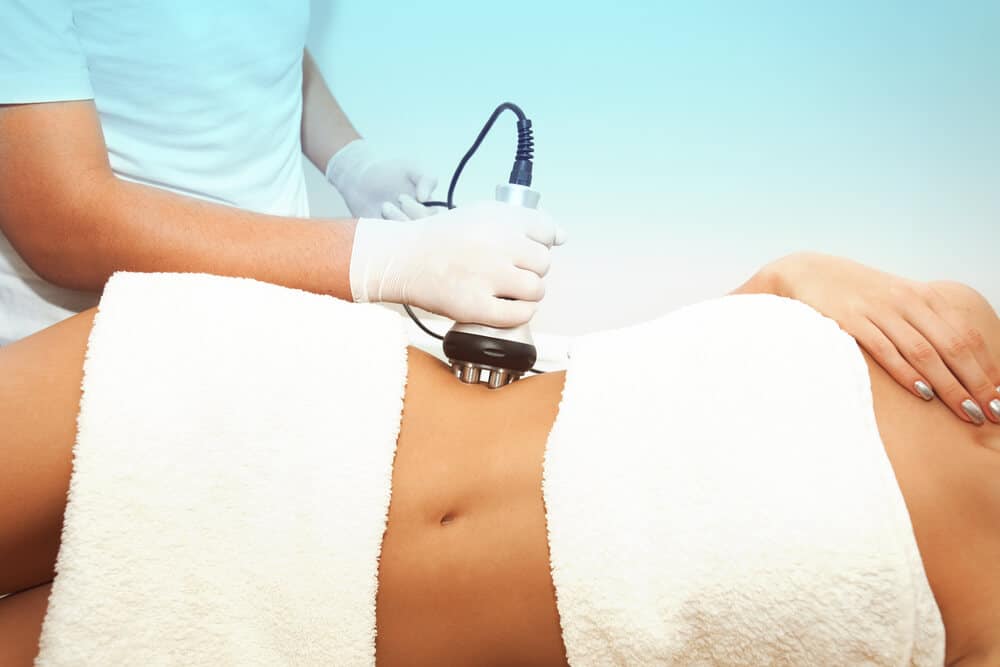
Understanding the Benefits of Ultrasound Cavitation for Body Contouring

Ultrasound cellulite reduction offers a modern solution for those frustrated with stubborn cellulite. Unlike traditional methods that require invasive procedures or lengthy recovery times, this technique is non-invasive and quick. It targets the underlying fat layers using ultrasound technology, breaking them down effectively with ultrasound energy for optimal ultrasound lipolysis results through ultrasound application.

Many people struggle with self-confidence due to cellulite, but ultrasound can help smooth out those troublesome areas. This treatment not only improves skin texture with ultrasound energy but also boosts overall appearance, as ultrasound vibrations break triglycerides and enhance ultrasound lipolysis results. Say goodbye to creams and endless workouts that promise results but often fall short. Embrace a more effective approach to achieving the smooth skin you desire. Discover how ultrasound cellulite reduction can transform your body and enhance your confidence.

Key Takeaways

  • Ultrasound cavitation is a safe, non-invasive method to reduce cellulite and improve skin appearance, making it a popular choice for those seeking body contouring without surgery.
  • The treatment works by using sound waves to break down fat cells, which can lead to smoother skin and reduced dimpling associated with cellulite.
  • It’s important to consult with a qualified professional to discuss potential health effects and ensure the procedure is suitable for your individual needs.
  • While ultrasound cavitation has many benefits, including skin tightening, it’s essential to weigh the pros and cons, as results can vary from person to person.
  • Combining ultrasound treatments with other techniques can enhance effectiveness; consider discussing a comprehensive plan with your provider for optimal results.
  • To maintain the benefits of ultrasound treatments, follow post-treatment care instructions and consider regular sessions to prolong the effects.

Understanding Ultrasound Cavitation

Basic Principle

Ultrasound cavitation uses ultrasound waves to target fat cells. The process creates bubbles in the fat tissue. These bubbles expand and then collapse, causing a disruption in the fat cell membranes. This leads to the release of stored fat into the bloodstream. The body then eliminates this fat naturally through the lymphatic system.

This method is effective for body contouring. It specifically targets stubborn areas of fat. Many women seek this treatment to reduce cellulite and achieve a smoother appearance.

Technology Behind Ultrasound Waves

The technology relies on different ultrasound frequencies. These frequencies can penetrate various layers of skin and fat. Typically, lower frequencies are used to reach deeper tissues, while higher frequencies affect more superficial layers.

An ultrasound machine generates these sound waves. It sends them through a gel applied to the skin. This gel helps conduct the waves effectively. As a result, the ultrasound energy spreads evenly across the targeted area.

Handheld ultrasound devices are also available for at-home use. These devices provide convenience but may not be as powerful as professional machines.

Non-Invasive Nature

Ultrasound cavitation is a non-invasive procedure. Unlike traditional surgical methods like liposuction, it does not require incisions or anesthesia. Patients can resume their daily activities immediately after treatment.

The lack of downtime is a significant advantage. Many people prefer this method because it minimizes recovery time. There are fewer risks associated with non-invasive procedures compared to surgery.

e common side effects include mild redness or swelling, but these typically resolve quickly.

Patients often combine ultrasound treatments with exercise and healthy eating for optimal results. This holistic approach enhances the effectiveness of the procedure.

In summary, ultrasound cavitation offers a modern solution for body contouring. Its advanced technology effectively targets fat cells without invasive techniques.

How Ultrasound Reduces Cellulite

Process Overview

Ultrasound therapy uses ultrasound energy to target fat cells. This energy creates ultrasonic vibrations. These vibrations break down triglycerides in the fat cells. The process turns solid fat into a liquid form.

This transformation occurs during ultrasound lipolysis. It is effective for areas like the abdomen and thighs. The ultrasound technology focuses on specific regions, making it precise.

Metabolic Elimination

After breaking down the fat, the body must eliminate it. The liquid fat enters the lymphatic system. From there, the body processes it through metabolic pathways.

The liver plays a crucial role in this process. It converts the released glycerol into usable energy. This natural elimination reduces cellulite effectively over time.

Targeted Treatment Areas

Ultrasound treatments offer a targeted approach for cellulite removal. They can focus on stubborn areas that traditional methods struggle with. Commonly treated areas include the thighs, buttocks, and abdomen.

Patients often notice visible improvements after several sessions. Each session enhances skin texture and reduces dimpling.

Benefits of Ultrasound Technology

  1. Non-invasive: No surgery or anesthesia is required.
  2. Minimal downtime: Patients can return to daily activities quickly.
  3. Safe: Ultrasound therapy has few side effects.
  4. Effective: Many report significant results after treatment.

Ultrasound assists in achieving smoother skin without invasive procedures. This makes it a popular choice among those seeking cellulite reduction.

Health Effects of Ultrasonic Cavitation

Fat Reduction

Ultrasonic cavitation effectively reduces fat deposits. This method targets the fat cells beneath the skin. It breaks down these cells through sound waves. As a result, the body can eliminate the fat naturally. Many people notice a significant improvement in their body contour after treatment.

Patients often feel more confident in their appearance. A better body shape can lead to increased self-esteem and satisfaction. This positive change encourages individuals to maintain or adopt healthier habits.

Eligibility Concerns

Not everyone is a good candidate for ultrasonic cavitation. Individuals with certain medical conditions should avoid this procedure. Those with liver disease, kidney problems, or severe obesity may not qualify. Pregnant women and people with pacemakers should also refrain from treatment.

Before undergoing the procedure, patients must consult with a healthcare provider. A professional can assess individual health factors and recommend appropriate options. Understanding eligibility helps ensure safety during the treatment process.

Healthy Lifestyle Importance

Maintaining a healthy lifestyle post-treatment is crucial for optimal results. Patients should focus on balanced nutrition and regular exercise. This commitment helps sustain the benefits gained from ultrasonic cavitation.

Eating nutritious foods supports overall health and helps prevent weight gain. Incorporating fruits, vegetables, lean proteins, and whole grains promotes well-being. Regular physical activity also enhances metabolism and aids in fat reduction.

Setting realistic goals encourages long-term success. Patients should remember that ultrasound treatments are not a substitute for healthy living. Instead, they complement an active lifestyle.

Emotional Impact

Many individuals experience emotional benefits from reduced cellulite. Improved body image can enhance confidence levels significantly. People might feel more comfortable wearing shorts or swimsuits after treatment.

ial interactions may become easier as self-esteem rises. The psychological effects of feeling good in one’s skin are profound. Positive changes in appearance often lead to improved mental health.

Summary

Ultrasonic cavitation offers numerous health benefits related to fat reduction and body contouring. However, potential candidates must consider their health status before proceeding. Following treatment, adopting a healthy lifestyle is vital for maintaining results.

Pros and Cons of Non-Invasive Fat Reduction

Advantages

Non-invasive fat reduction treatments offer several benefits. One major advantage is that they require no downtime. Patients can return to their daily activities immediately after treatment. This convenience makes these methods appealing for busy individuals.

Minimal side effects are another plus. Most people experience only mild discomfort or temporary redness in the treated area. Unlike surgical options like liposuction, there are fewer risks involved. Patients do not have to deal with anesthesia or long recovery times.

These treatments also target localized fat effectively. They focus on specific areas where stubborn fat deposits reside. This precision helps in achieving desired body contours without invasive procedures.

Drawbacks

Despite the advantages, some potential drawbacks exist. Non-invasive methods often require multiple sessions for optimal results. Patients may need to commit to a series of treatments over weeks or months. This can be time-consuming and may not suit everyone’s schedule.

Results from these treatments are typically gradual. Unlike liposuction, which offers immediate fat removal, non-invasive techniques show changes over time. Some individuals may find this slower process frustrating.

Cost is another consideration. While non-invasive options can be less expensive than surgery, prices can still add up with multiple sessions. Patients should evaluate their budgets before committing to treatment plans.

Comparison with Other Methods

Comparing non-invasive fat reduction to other fat removal methods reveals unique benefits and limitations. Liposuction provides immediate results but involves surgery and longer recovery times. It also carries more risks, such as infection or complications from anesthesia.

On the other hand, non-invasive procedures like ultrasound cellulite reduction focus on breaking down adipose tissue lysis without surgery. These methods do not require significant lifestyle changes, making them easier to integrate into daily routines.

However, patients must maintain a healthy calorie diet and exercise regimen for lasting results. Weight loss alone does not guarantee success with these treatments. Combining different approaches can enhance overall effectiveness.

Benefits of Ultrasound for Skin Tightening

Collagen Stimulation

Ultrasound application uses sound waves to penetrate the skin. These waves reach deeper layers, stimulating collagen production. Increased collagen makes skin firmer and more elastic. This process can lead to a noticeable improvement in skin texture over time.

Collagen is vital for youthful skin. As we age, collagen levels decrease. This reduction contributes to sagging and wrinkles. Ultrasound therapy helps reverse this trend by boosting collagen synthesis. Studies show that patients notice tighter skin after several sessions. Many report feeling more confident in their appearance.

Dual Treatment Advantage

Ultrasound therapy offers a dual benefit: it reduces fat while tightening skin. Patients often seek solutions for both issues simultaneously. Traditional methods may require separate treatments, leading to longer recovery times and higher costs.

With ultrasound, a single session targets both fat reduction and skin tightening. It works by breaking down fat cells beneath the skin’s surface. The body then naturally eliminates these cells over time. This method effectively reduces stubborn areas like love handles or belly fat.

Patients appreciate this efficiency. They can achieve desired results without undergoing multiple procedures. This approach saves time and enhances convenience for busy individuals.

Areas of Suitability

Ultrasound treatment is suitable for various body areas prone to sagging. Common areas include the arms, thighs, and abdomen. These regions often show signs of aging first due to less collagen support.

The arms can become flabby as skin loses elasticity with age. Ultrasound can help restore firmness here, leading to a more toned appearance. Thighs also benefit from this treatment, especially for those struggling with stubborn fat deposits.

Many people feel self-conscious about sagging skin in these areas. Ultrasound therapy provides an effective solution without invasive surgery. Patients can enjoy smoother, tighter skin with minimal downtime.

Effectiveness of Ultrasonic Cavitation

Treatment Evidence

Studies show that ultrasonic cavitation is effective for reducing cellulite. A study published in the Journal of Cosmetic Dermatology found that patients experienced a significant decrease in cellulite after undergoing multiple ultrasonic cavitation treatments. The results indicated an average reduction of 2-4 centimeters in targeted areas after several sessions.

Another research highlighted the benefits of ultrasonic liposuction. It reported a 70% satisfaction rate among participants who completed the recommended treatment plan. These findings suggest that this noninvasive procedure can yield satisfactory results for many individuals looking to improve their skin texture.

Influencing Factors

Individual factors play a role in how effective the treatment is. Body composition heavily influences results. Those with higher body fat may see different outcomes compared to those with lower percentages.

Lifestyle choices also matter. A balanced diet and regular exercise enhance the effectiveness of ultrasonic cavitation sessions. Patients who maintain healthy habits often report better results than those who do not.

Results Timeline

Visible results from ultrasonic cavitation sessions can take time. Many patients notice changes after three to five sessions, spaced about one week apart. Some may require up to ten sessions for optimal results.

Most individuals experience gradual improvements over several weeks following their last session. Full effects might appear within three months as the body continues to process fat and toxins released during the lipocavitation process.

Patient Satisfaction Rates

Patient satisfaction rates vary but are generally high. Surveys show that about 80% of individuals feel satisfied with their results after completing a series of treatments. Many appreciate the nonthermal nature of the procedure, which uses ultrasonic energy and ultrasonic vibrations without causing harm to surrounding tissues.

The comfort level during treatment also affects satisfaction rates. Most patients describe the experience as painless and relaxing, contributing to positive feedback.

In summary, ultrasonic cavitation is a promising option for cellulite reduction. Evidence supports its effectiveness, especially when combined with healthy lifestyle choices. Individual factors and timelines are crucial in determining success rates, but overall patient satisfaction remains encouraging.

Combining Cavitation with Other Techniques

Complementary Treatments

Cavitation procedures can be more effective when combined with other treatments. Radiofrequency is one popular option. This method uses energy waves to heat the skin. It helps tighten the skin and improve its appearance.

Another complementary treatment is lymphatic drainage. This technique promotes fluid movement in the body. It reduces swelling and enhances circulation. When paired with cavitation, it can boost results by further breaking down fat cells.

Holistic Approach

A holistic approach to body contouring offers many benefits. It focuses on overall health rather than just appearance. Combining various methods targets cellulite reduction from different angles. This strategy leads to better outcomes for patients.

For example, using tissue cavitation alongside exercise and a balanced diet can enhance results. Patients often see improvements in skin texture and firmness. These combined efforts make the body feel healthier and more vibrant.

Professional Consultation

Consulting professionals is crucial for personalized treatment plans. Each person’s body responds differently to methods like cavitation. A professional can assess individual needs and recommend suitable techniques.

During consultations, practitioners evaluate body parts that require attention. They discuss goals and expectations with patients. This helps create a tailored plan that includes the right combination of treatments.

Professionals also provide guidance on post-treatment care. Following their advice can maximize the effectiveness of all methods used. Regular follow-ups ensure that patients stay on track with their goals.

Summary

Combining cavitation with other techniques can lead to improved results in cellulite reduction. Treatments like radiofrequency and lymphatic drainage complement the effects of cavitation procedures well. A holistic approach considers both physical and emotional aspects of wellness.

Patients should seek professional advice for personalized plans. This ensures they receive the best possible care tailored to their needs.

Longevity of Treatment Results

Stable Weight

Maintaining a stable weight is crucial for prolonging treatment outcomes from ultrasound cellulite reduction. Individuals who experience significant weight fluctuations may notice diminished results. The body can regain fat in the treated areas if weight increases. This can happen even after successful procedures. Therefore, keeping weight consistent helps to sustain the benefits of the treatment.

Regular Exercise

Regular exercise plays a vital role in sustaining results from ultrasound treatments. Engaging in physical activity boosts metabolism and promotes healthy blood circulation. This helps to eliminate waste products from the body more efficiently. A consistent workout routine can enhance the effects of the procedure. It also strengthens muscles, which can improve skin appearance.

Balanced Diet

A balanced diet supports long-term results from cellulite reduction treatments. Eating nutritious foods helps maintain overall health and weight stability. Individuals should focus on consuming lean proteins, whole grains, fruits, and vegetables. These foods provide essential nutrients that aid in recovery and support liver function. A healthy liver is important as it processes fats and toxins effectively.

Fat Cell Permanence

The fat cells destroyed during ultrasound treatments do not regenerate. Once these cells are eliminated, they remain gone permanently. However, new fat cells can develop if lifestyle changes are not maintained. If individuals return to unhealthy eating habits or sedentary lifestyles, they may accumulate fat again. This leads to a potential return of cellulite in previously treated areas.

Treatment Frequency

Frequency of sessions impacts how long results last. Many professionals recommend multiple sessions for optimal outcomes. Spacing these sessions appropriately allows the body to heal and adjust between treatments. This approach maximizes effectiveness while minimizing downtime.

Individual Conditions

Each individual’s conditions affect treatment longevity as well. Factors such as age, genetics, and hormonal changes can influence how the body responds to the procedure. Some people may find their results last longer than others based on these variables.

Lifestyle Changes

Adopting sustainable lifestyle changes is critical for maintaining results after ultrasound cellulite reduction. Individuals should commit to regular exercise and a balanced diet consistently over time. Making small adjustments to daily habits can lead to lasting benefits.

Final Remarks

Ultrasound cellulite reduction is a game-changer. It offers a non-invasive solution to tackle stubborn cellulite and tighten your skin. You’ve learned how ultrasound works, its health benefits, and the effectiveness of combining it with other techniques. This knowledge empowers you to make informed decisions about your body.

If you’re looking to enhance your confidence and achieve smoother skin, consider ultrasound treatments. Consult a professional to explore your options and find the best plan tailored for you. Don’t wait; take action now for the body you deserve!

Frequently Asked Questions

What is ultrasound cavitation?

Ultrasound cavitation is a non-invasive treatment that uses ultrasonic waves to break down fat cells, helping to reduce cellulite and contour the body.

How does ultrasound reduce cellulite?

Ultrasound reduces cellulite by targeting fat cells beneath the skin. The ultrasonic waves disrupt these cells, leading to their natural elimination by the body.

Is ultrasound cavitation safe?

Yes, ultrasound cavitation is generally considered safe for most individuals. It’s non-invasive and has minimal side effects, making it a popular choice for body contouring.

How long do results last from ultrasound treatments?

Results from ultrasound cavitation can last several months, depending on individual factors like lifestyle and maintenance treatments. Regular sessions can enhance longevity.

Can I combine ultrasound with other treatments?

Absolutely! Combining ultrasound cavitation with other techniques, such as radiofrequency or lymphatic drainage, can enhance results and improve skin tightening.

Are there any side effects of ultrasonic cavitation?

Common side effects include mild bruising, redness, or swelling in the treated area. These typically resolve quickly and are not serious.

Who is an ideal candidate for this treatment?

Ideal candidates are those looking to reduce localized fat and improve skin texture without surgery. Consult a professional to determine if it’s right for you.

Combining Liposuction with Skin Tightening for Optimal Results

Combining liposuction, a fat removal surgery, with non-surgical treatments offers a powerful way to achieve your dream body through cosmetic surgery. This approach enhances results, targeting stubborn fat while tightening skin and improving overall appearance. Many people seek effective solutions that blend surgical precision with the convenience of non-invasive methods.

With options like CoolSculpting or laser therapy, you can enjoy quicker recovery times and minimal downtime. These treatments complement liposuction, maximizing your transformation without the need for extensive surgery. Whether you’re looking to slim down or enhance your contours, this combination provides a tailored solution for various body goals. Discover how this innovative approach, including lipo and fat grafting for men, can reshape your confidence and help you feel great in your skin.

Key Takeaways

  • Combining liposuction with non-surgical treatments can enhance overall results, improving both fat removal and skin appearance.
  • Consider skin tightening options, such as radiofrequency or ultrasound, to complement liposuction for better skin elasticity post-procedure.
  • Research common types of liposuction, like tumescent and laser-assisted, to find the best fit for your body goals and needs.
  • Evaluate your candidacy for combined procedures by consulting with a qualified professional who can assess your health and expectations.
  • Understand that recovery may vary; plan for adequate rest and follow-up care to ensure optimal healing after combined treatments.
  • Stay informed about the latest non-surgical add-ons that can work well with liposuction, as they can make a significant difference in your results.

Understanding Liposuction Basics

Definition Liposuction

Liposuction is a surgical procedure that targets excess fat deposits in men. It helps shape specific areas of the body. This method is not intended for weight loss. Instead, it serves as a body contouring technique for stubborn fat that resists diet and exercise.

Patients often seek liposuction and fat grafting for areas like the abdomen, thighs, and arms. The procedure can enhance the overall physique by creating smoother lines. It allows individuals to achieve their desired look without significant weight change.

Liposuction Procedure

The liposuction procedure involves several key steps. First, doctors mark the areas to be treated. Then, they administer anesthesia to ensure comfort during surgery. Small incisions are made in discreet locations. These cuts allow access to the fat deposits.

A cannula, which is a thin tube used in lipo procedures for men, is inserted through these incisions. This tool helps suction out liquified fat from the targeted areas. Surgeons carefully maneuver the cannula to avoid damaging surrounding tissues.

Post-surgery, patients may experience swelling and bruising. Recovery time varies but typically lasts a few weeks. Following recovery, results become more visible as swelling subsides.

Liposuction Surgery Day

On liposuction surgery day, preparation is crucial. Patients should follow pre-operative instructions provided by their surgeon for lipo. Arranging for transportation home after the procedure is also essential.

During the operation, medical staff monitors vital signs closely. The duration of the lipo surgery depends on the number of areas treated and the amount of fat removed. Generally, procedures last between one to three hours.

After surgery, patients receive post-operative care instructions. These guidelines help manage discomfort and promote healing. It’s important to follow these recommendations for optimal results.

Fat Transfer

Fat transfer is a related process that can occur after liposuction. In this technique, extracted fat is processed and injected into other body areas. Common sites for fat transfer, often involving lipo, include the face, breasts, and buttocks.

This method enhances volume and improves contours using one’s own fat cells. The results can look natural since they use existing tissue from the patient’s body, lipo.

Liposession

Liposession refers to non-surgical alternatives to traditional liposuction. These methods include techniques like lipo, laser therapy, or ultrasound treatments. They aim to reduce fat without invasive surgery.

While these options, like lipo, are less aggressive, they often yield subtler results compared to surgical methods. Patients looking for minor adjustments might consider liposession as an alternative.

Benefits of Combining Treatments

Enhanced Results

Combining liposuction with non-surgical treatments can significantly enhance overall body contouring results. Liposuction effectively removes fat, but it does not address skin laxity. Non-surgical options, such as radiofrequency, ultrasound therapy, or lipo, can tighten the skin and improve its texture. This combination allows for a more comprehensive approach to body shaping.

When liposuction is paired with these treatments, patients often see a smoother and more refined appearance. The fat removal from liposuction creates a sculpted look. The added treatments help to ensure that the skin conforms well to the new contours. This leads to a more aesthetically pleasing outcome.

Improved Skin Elasticity

Improving skin elasticity is another crucial benefit of combining treatments. As people age, their skin loses elasticity. This can result in sagging after fat removal procedures like liposuction. Non-surgical treatments stimulate collagen production. Increased collagen helps the skin regain some of its firmness.

For example, radiofrequency treatments heat the deeper layers of the skin. This process encourages the body to produce more collagen naturally. As a result, the skin tightens over time. Patients often notice improved texture and tone, enhancing their overall appearance post-liposuction.

Natural-Looking Outcomes

Achieving natural-looking outcomes becomes easier when addressing both fat removal and skin laxity. Liposuction alone may leave some patients with loose skin if they have a significant amount of fat removed. Non-surgical treatments fill this gap by tightening the skin around the newly contoured areas.

Many individuals seek to look their best without appearing unnatural or overly altered. Combining these methods allows for subtle enhancements rather than drastic changes. Patients can achieve a balanced look that enhances their natural features.

Key Considerations

  • Consultation: Always consult with a qualified professional before combining treatments.
  • Personal Goals: Clearly define your goals for treatment during consultations.
  • Recovery Time: Understand that recovery times may vary based on combined procedures.

These considerations are essential for ensuring safety and satisfaction with results.

Common Types of Liposuction

Traditional Liposuction

Traditional liposuction is the most common method used for fat removal. This surgical liposuction technique involves a manual process where surgeons use a cannula to remove unwanted fat from specific areas. It requires general anesthesia and can lead to longer recovery times. Many patients opt for this method due to its effectiveness in removing larger volumes of stubborn fat.

Surgeons often recommend traditional liposuction for patients with significant fat deposits. The procedure allows for precise contouring of the body. It has been popular since the late 1970s, evolving over the years to become safer and more efficient.

Tumescent Liposuction

Tumescent liposuction is another widely used technique that enhances safety and comfort during the procedure. Surgeons inject a solution containing a local anesthetic into the targeted area before fat removal. This minimizes bleeding and discomfort during surgery.

Patients benefit from reduced pain and quicker recovery times compared to traditional methods. This technique allows for better visualization of the fat layer, making it easier to remove unwanted fat effectively. Tumescent liposuction has gained popularity since the 1980s and is often preferred by both patients and surgeons.

Laser-Assisted Liposuction

Laser-assisted liposuction employs laser energy to liquefy fat before it is removed. This method makes the fat easier to extract, leading to less trauma to surrounding tissues. The laser also promotes skin tightening, which can improve overall results.

Surgeons typically perform this procedure under local anesthesia, reducing recovery time. Patients may experience less swelling and bruising compared to traditional methods. Laser-assisted techniques have gained traction since their introduction in the early 2000s.

Focused Liposuction

Focused liposuction targets specific areas of the body with precision. This approach allows surgeons to sculpt body contours effectively. Many patients choose focused techniques when they have small pockets of stubborn fat that are resistant to diet and exercise.

This method can be combined with other non-surgical treatments for improved results. Combining liposuction with procedures like CoolSculpting or radiofrequency helps enhance outcomes while minimizing downtime.

Volume Fat Grafting

Volume fat grafting is a technique that uses harvested fat from one area of the body to enhance another area. This method is ideal for patients looking to combine liposuction with cosmetic enhancements, such as breast augmentation or facial rejuvenation.

Surgeons extract unwanted fat through traditional or tumescent liposuction techniques. Then, they purify and inject it into desired areas. This dual approach not only removes stubborn fat but also provides natural volume where needed.

Enhancing Results with Skin Tightening

Importance of Skin Tightening

Skin tightening plays a crucial role after fat removal. After procedures like liposuction, skin can lose its firmness. This sagging may affect the overall results. Without proper skin retraction, the treated area may not look as smooth or toned.

Skin tightening helps in preventing this sagging. It promotes collagen production and improves skin elasticity. This process allows the skin to adjust better to the new body shape. A tighter appearance enhances the effects of fat reduction. Patients often notice a more toned abdomen and slimmer body contours.

Improved Appearance

The combination of liposuction and skin tightening significantly improves the treated area’s appearance. After fat removal, loose skin can be a concern. Skin tightening techniques help address this issue. They work by promoting skin retraction around the newly contoured areas.

For example, undergoing a tummy tuck alongside liposuction can enhance results. The tummy tuck removes excess skin while tightening the remaining tissue. This leads to a flatter stomach and improved waistline definition. Similarly, for those looking to achieve toned legs, combining thigh lifts with liposuction can create a seamless transition from fat reduction to skin enhancement.

Comprehensive Physique Transformation

Combining these procedures offers a comprehensive physique transformation. Patients experience smoother and firmer skin post-liposuction when they include skin tightening methods. This approach ensures that the body looks balanced and aesthetically pleasing.

Fat grafting is another option that complements liposuction. It involves transferring fat from one area to another. This method can fill out areas that may appear deflated after fat removal. By combining fat grafting with skin tightening, patients can achieve a more youthful and vibrant appearance.

Healthy Weight Reduction Strategies

Many individuals seek healthy weight reduction strategies alongside cosmetic procedures. These strategies can support overall body goals and maintain results over time. Regular exercise and balanced nutrition are essential in this process.

Maintaining a healthy lifestyle helps preserve the outcomes of liposuction and skin tightening. Patients should focus on activities that promote muscle tone and overall fitness. Engaging in strength training can also enhance the effects of these procedures.

CoolSculpting

CoolSculpting is a well-known non-invasive fat reduction treatment. This technique uses controlled cooling to eliminate stubborn fat cells. It complements liposuction by targeting areas that may not respond well to surgery. Many patients choose this option due to its minimal downtime and effectiveness.

Studies show that CoolSculpting can reduce fat in treated areas by up to 25%. This makes it an attractive choice for those seeking additional refinement after liposuction. Patients appreciate the results, often seeing changes within a few weeks. Social media has played a big role in spreading awareness about this treatment. Many share their success stories online, inspiring others to consider it.

Radiofrequency Treatments

Radiofrequency treatments have gained popularity in cosmetic surgeries. These treatments use energy to heat the skin, promoting collagen production. The result is tighter, smoother skin, enhancing the effects of liposuction.

Surgeons often recommend these procedures after liposuction. They help improve skin elasticity and texture. Patients report satisfaction with the firmer appearance of their skin post-treatment. The procedure is quick and requires little recovery time.

Radiofrequency devices are becoming more advanced. They allow for precise targeting of problem areas, leading to better outcomes. Many plastic surgeons offer these treatments as part of a comprehensive body contouring plan.

Ultrasound-Based Therapies

Ultrasound-based therapies provide another option for refining body contours. These techniques use sound waves to break down fat cells without damaging surrounding tissue. They work well alongside liposuction, helping to smooth out any irregularities.

Patients often find ultrasound therapies effective in tightening loose skin post-surgery. The treatments stimulate collagen production, which helps maintain a youthful appearance. Many plastic surgeons incorporate these therapies into their practice for enhanced results.

The combination of ultrasound therapy with liposuction can lead to significant improvements in body shape. Results are visible shortly after treatment and continue to improve over time.

Options for Skin Tightening

SmartLipo

SmartLipo is a popular choice in cosmetic enhancement options. This technique combines laser technology with liposuction. It effectively removes fat while also tightening the skin. The laser energy heats the tissue beneath the skin. This process stimulates collagen production, leading to firmer skin.

Patients often prefer SmartLipo because it requires less downtime than traditional liposuction. Most people return to normal activities within a few days. Results can be seen shortly after the procedure and continue to improve over time.

Vaser

Vaser is another advanced option for those seeking high-definition results. This method uses ultrasound technology to break down fat cells. It targets specific areas without damaging surrounding tissues.

Surgeons can sculpt the body more precisely with Vaser. This technique allows for better definition in areas like the abdomen and arms. Many patients appreciate how Vaser minimizes bruising and swelling compared to traditional methods. Recovery time is usually shorter, making it a favorable choice.

Renuvion

Renuvion offers a unique approach by utilizing plasma energy. This method tightens skin effectively through controlled energy application. The plasma energy creates heat that stimulates collagen production and promotes skin contraction.

Many individuals see noticeable results with Renuvion. The treatment is suitable for various body areas, including the neck and abdomen. Patients experience minimal discomfort during the procedure, often requiring only local anesthesia.

Renuvion stands out because of its ability to deliver immediate results with long-lasting effects. As collagen continues to develop post-treatment, skin tightness improves over time.

Candidacy for Combined Procedures

Ideal Candidates

Ideal candidates for combining liposuction with non-surgical treatments should have realistic expectations. They need to understand that these procedures are not magic fixes. Instead, they enhance results when combined. Good overall health is crucial. Patients should not have serious medical conditions that could complicate recovery.

Recovery Considerations

Recovery Time

Recovery time may vary significantly. Factors such as the extent of the procedures performed play a crucial role. Patients undergoing liposuction combined with non-surgical treatments might experience different healing timelines. Minor procedures may require only a few days for basic recovery. In contrast, more extensive surgeries can involve several weeks of healing.

Post-Operative Care

Following post-operative care instructions is vital. These guidelines help ensure optimal healing. Patients should follow their surgeon’s recommendations closely. This includes maintaining a clean surgical area and managing pain effectively. Proper care can also reduce the risk of complications.

Combined Treatments

Combining liposuction with non-surgical treatments might lead to a slightly longer recovery period. However, this approach can offer comprehensive results that address multiple concerns at once. Patients must understand that while recovery may take longer, the benefits can be worth it.

Goals of Recovery

Setting realistic goals for recovery is essential. Patients should discuss their expectations with their healthcare provider during consultations. Understanding what to expect will help manage anxiety and improve satisfaction with results. Clear communication about goals ensures everyone is on the same page.

Consult Your Surgeon

Consulting with the surgeon before any procedure matters greatly. Surgeons provide personalized advice based on individual health and treatment plans. They can outline potential risks and expected outcomes related to recovery. Engaging in this dialogue allows patients to make informed decisions.

Packing for Recovery

Packing for recovery involves preparing for comfort and convenience. Patients should have essentials ready at home before surgery. Items like comfortable clothing, medications, and snacks make the healing process easier. A little bit of preparation goes a long way in ensuring a smooth recovery experience.

Emotional Support

Emotional support plays a critical role during recovery. Having friends or family members available can ease feelings of anxiety or discomfort. Support systems help patients stay motivated and focused on their healing journey.

Últimas Consideraciones

Combining liposuction with non-surgical treatments can elevate your body contouring journey. You gain enhanced results, quicker recovery, and improved skin tightness. Understanding your options helps you make informed decisions about your aesthetic goals.

Embrace the potential of these combined procedures to achieve a more satisfying transformation. Consult with a qualified professional to explore what’s best for you. Take that step towards the body you desire today!

Frequently Asked Questions

What is liposuction?

Liposuction is a surgical procedure that removes excess fat from specific areas of the body. It helps contour and shape the body, enhancing overall appearance.

Can I combine liposuction with non-surgical treatments?

Yes, combining liposuction with non-surgical treatments can enhance results. This approach addresses both fat removal and skin tightening for a more comprehensive outcome.

What are the benefits of combining treatments?

Combining treatments can lead to improved body contouring, faster recovery, and enhanced skin quality. It maximizes results by addressing multiple concerns simultaneously.

What non-surgical treatments work well with liposuction?

Popular non-surgical treatments include radiofrequency skin tightening, ultrasound therapy, and injectables like Botox or fillers. These options improve skin texture and firmness post-liposuction.

Who is a good candidate for combined procedures?

Ideal candidates are those in good health, with realistic expectations. A consultation with a qualified professional can determine suitability for combined procedures.

How long is the recovery after combined treatments?

Recovery time varies based on individual factors and the extent of procedures. Generally, expect some swelling and bruising for a few weeks but return to normal activities relatively quickly.

Are there risks associated with combining liposuction and non-surgical treatments?

While generally safe, combining procedures can increase risks such as infection or complications. Always consult with an experienced practitioner to minimize these risks.

Enhanced Recovery Protocols: Transforming Surgical Outcomes

Speeding up recovery: the benefits of enhanced protocols can transform how we heal. Traditional recovery methods often drag on, leaving patients frustrated and anxious, despite the intraoperative protocol and program. In contrast, enhanced protocols focus on efficiency and effectiveness, leading to quicker results. These modern strategies incorporate advanced techniques that not only speed up healing but also improve overall outcomes.

Key Takeaways

  • Enhanced Recovery Protocols (ERPs) significantly improve patient outcomes by streamlining the surgical process and promoting faster recovery.
  • Implement preoperative strategies like patient education and optimization of health to set the stage for a smoother recovery.
  • Utilize intraoperative techniques such as minimizing anesthesia time and blood loss to enhance healing during surgery.
  • Focus on postoperative care essentials, including early mobilization and pain management, to reduce complications and length of stay.
  • Incorporate nutrition and hydration tactics to support recovery, as proper nourishment is vital for healing.
  • Learn from success stories in various medical fields to understand the real-world impact of ERPs on patient recovery.

Understanding Enhanced Recovery Protocols

Definition of ERAS

Enhanced Recovery After Surgery (ERAS) is a systematic, evidence-based protocol for perioperative care. It aims to improve recovery after surgical procedures. This method incorporates various strategies that help patients recover faster and with fewer complications. The focus is on optimizing every stage of the surgical process.

Multimodal Approach

ERAS employs a multimodal approach. This means it addresses multiple aspects of patient care across three stages: preoperative, intraoperative, and postoperative, including recovery programmes.

In the preoperative phase, patients receive education about their surgery and recovery. They also follow specific guidelines regarding nutrition and physical activity. This preparation helps reduce anxiety and enhances overall readiness for surgery, including recovery programmes.

During the intraoperative phase, medical teams use techniques that minimize stress on the body. These may include advanced anesthesia methods and careful fluid management. Such practices help maintain stable vital signs and reduce the need for pain medications in a recovery programme.

Postoperatively, ERAS protocols continue to support recovery. Patients often resume normal activities sooner than traditional methods allow. Early mobilization and pain management strategies are key components in this recovery programme phase. These actions lead to shorter hospital stays and quicker return to daily life.

Patient-Centered Focus

The primary goal of enhanced recovery programs is to focus on the patient. ERAS emphasizes patient engagement throughout the surgical journey. Patients are encouraged to take an active role in their recovery. This involvement improves their outcomes significantly.

Research shows that when patients understand their recovery pathways, they feel more empowered. They often experience less pain and anxiety during recovery. By utilizing enhanced recovery pathways, healthcare providers can tailor care to individual needs.

ERAS principles promote communication between patients and healthcare teams. This collaboration leads to better decision-making regarding treatment options. Patients report higher satisfaction levels when they feel involved in their care.

Benefits of ERAS

Implementing ERAS can provide several advantages:

  • Reduced length of hospital stay
  • Decreased postoperative complications
  • Improved patient satisfaction
  • Faster return to normal activities

These benefits highlight how enhanced recovery programmes transform surgical care. They align with modern healthcare goals of efficiency and effectiveness.

Importance in Modern Surgery

ERAS Protocols

Enhanced Recovery After Surgery (ERAS) protocols have transformed surgical practices. These guidelines focus on improving recovery times and reducing hospital stays. Surgeons now implement evidence-based strategies that address various aspects of patient care. This includes pain management, nutrition, and early mobilization.

Studies show that ERAS can cut recovery time significantly. For example, patients undergoing orthopedic surgery often leave the hospital one to two days earlier than before ERAS was adopted. This change not only benefits patients but also reduces healthcare costs.

Patient Satisfaction

ERAS protocols enhance patient satisfaction. Patients feel more in control of their recovery process. They experience less surgical stress due to better pain management techniques. Many report feeling more comfortable after surgery when using these protocols.

Surveys indicate that patients are happier with their overall surgical experience under ERAS. The focus on communication and education helps them understand what to expect. This leads to decreased anxiety and improved outcomes.

Global Adoption

The global adoption of ERAS is notable. Many countries have embraced these protocols as a standard in modern surgical procedures. Hospitals across Europe, North America, and Australia have integrated ERAS into their surgical specialties.

In 2010, the European Society for Clinical Nutrition and Metabolism endorsed ERAS guidelines for colorectal surgery. Since then, other specialties like cardiothoracic surgery have followed suit. Countries like Canada and the UK have seen significant improvements in recovery metrics due to this shift.

Comparative Analysis

A comparative analysis shows the clear benefits of ERAS over traditional methods. Patients who follow ERAS protocols experience fewer complications. They often require less postoperative medication, which leads to a quicker return to normal life.

Data from studies indicate that hospitals implementing ERAS see reduced readmission rates. This is crucial for maintaining healthcare efficiency. Surgeons recognize that shorter hospital stays free up resources for other patients.

Pivotal Role of Surgeons

Surgeons play a pivotal role in the success of ERAS protocols. Their commitment to following these guidelines directly impacts patient outcomes. Continuous training and adaptation are essential for maximizing the benefits of enhanced recovery strategies.

Preoperative Strategies for Recovery

Patient Education

Patient education plays a crucial role in recovery. Understanding the surgery and its implications can help reduce anxiety. Patients who know what to expect often experience less stress. This knowledge aids in better decision-making and compliance with preoperative instructions.

Health optimization is another key factor. It involves preparing the body for surgery through various means. Good health before an operation can lead to improved postoperative recovery. Patients should focus on their overall well-being during the preoperative phase.

Nutritional Assessments

Nutritional assessments are vital in preparing patients for surgery. Proper nutrition enhances healing and boosts immunity. A balanced diet can significantly impact recovery times. Healthcare providers often recommend specific dietary changes leading up to surgery.

e patients may require supplements or special diets. These adjustments help ensure that the body has the necessary nutrients for healing. Addressing nutritional needs early can improve the postoperative recovery experience.

Prehabilitation Exercises

Prehabilitation exercises are effective strategies for enhancing recovery. These exercises prepare the body physically for surgery. Engaging in light physical activity strengthens muscles and improves mobility.

Patients can benefit from tailored exercise plans based on their conditions. Such personalized plans address individual needs, which leads to better outcomes post-surgery. Early mobilization after surgery further supports a quicker recovery process.

Personalized Plans

Creating personalized plans is essential for optimizing patient recovery. Each patient has unique health conditions and needs. Tailoring interventions ensures that every aspect of their care is addressed.

Healthcare teams can develop these plans during preoperative counseling sessions. They assess factors like age, medical history, and lifestyle habits. This information helps devise strategies that enhance surgical recovery.

Role of Anesthesia Clinics

Preoperative anesthesia clinics play a significant role in preparation. These clinics evaluate patients before surgery to manage risks effectively. They provide guidance on anesthesia options and address concerns related to pain management.

Such evaluations can lead to smoother transitions into surgery and quicker recoveries afterward. Patients who attend these clinics often report lower anxiety levels regarding anesthesia.

Monitoring Recovery Trajectory

Monitoring the postoperative recovery trajectory is important for success. Regular follow-ups allow healthcare providers to track progress. Adjustments to care plans may be necessary based on how well patients respond after surgery.

This ongoing support helps patients navigate challenges during recovery. Effective communication between patients and healthcare teams is vital throughout this process.

Intraoperative Techniques for Healing

Minimally Invasive Techniques

Minimally invasive surgical techniques play a vital role in recovery. These surgical procedures cause less trauma to the body. They often use smaller incisions, which means less damage to tissues. Patients experience reduced pain and a lower risk of complications. For example, laparoscopic surgery allows surgeons to operate with tiny instruments through small openings. This approach leads to faster healing times compared to traditional open surgeries.

Surgeons also utilize advanced imaging technology during these procedures. Real-time visuals help them navigate with precision. This reduces the chance of errors and enhances patient safety. The focus on minimally invasive methods aligns with modern healthcare goals. It prioritizes quicker recovery and improved patient experiences.

Anesthesia and Fluid Management

Personalized anesthesia is crucial during the intraoperative phase. Each patient’s needs vary based on their medical history and condition. Tailoring anesthesia helps minimize side effects and promotes a smoother recovery. Anesthesiologists monitor patients closely throughout the surgery. They adjust medications as needed to ensure comfort and safety.

Fluid management during surgery is equally important. Administering the right amount of fluids maintains blood pressure and organ function. It prevents complications like dehydration or fluid overload. Careful management supports overall health during surgical procedures. This attention to detail contributes significantly to recovery outcomes.

Reducing Surgical Stress

Reducing surgical stress is essential for faster healing. Precise and efficient operative procedures lead to less trauma and quicker recovery times. Surgeons aim for accuracy in every movement, minimizing unnecessary tissue disruption. Effective techniques limit the body’s stress response, which can slow down healing.

Enhanced protocols also involve proper planning before surgery begins. Surgeons review each step thoroughly, ensuring readiness for any situation that may arise. This preparation reduces anxiety for both the team and the patient. Fewer surprises during surgery lead to better outcomes.

Patients undergoing invasive techniques benefit from these refined approaches. Less surgical stress translates into shorter hospital stays and fewer follow-up visits. They can return to their daily lives sooner, enhancing their overall quality of life.

Postoperative Care Essentials

Oral Nutrition

Early initiation of oral nutrition plays a vital role in recovery. Patients who start eating soon after surgery often experience fewer complications. This approach helps to restore gut function and boosts the immune system. Research shows that starting oral nutrition within 24 hours can reduce hospital stays.

Nutrition also aids in wound healing. Proteins, vitamins, and minerals are essential for tissue repair. A well-balanced diet can significantly improve postoperative outcomes. It supports energy levels and helps patients regain strength faster.

Mobilization

Mobilization is another key element in postoperative care. Encouraging patients to move shortly after surgery enhances recovery. Early ambulation reduces the risk of blood clots and pneumonia. It also promotes better circulation, which is crucial for healing.

Patients who engage in light activities tend to report less pain. They often require fewer pain medications as a result. Studies indicate that those who mobilize early have shorter hospital stays and improved overall health.

Standardized Protocols

Standardized postoperative care protocols ensure consistent recovery across all patients. These protocols provide clear guidelines for healthcare providers. They help minimize variations in care and improve postoperative conditions.

Implementing these protocols leads to better communication among the medical team. This coordination results in timely interventions when issues arise. For example, standardized pain control measures can prevent complications related to unmanaged pain.

Reducing Reliance on Drains and Tubes

Strategies exist to reduce reliance on drains, tubes, and opioids in postoperative care. Minimizing the use of these devices can lead to fewer complications. For instance, avoiding unnecessary drains can decrease infection risks.

Utilizing non-opioid pain management techniques is also beneficial. Healthcare providers can employ methods such as nerve blocks or alternative medications. These strategies help manage postoperative pain effectively while reducing opioid dependence.

Encouraging patient education about self-care post-surgery is essential too. Patients who understand their recovery process are more likely to follow instructions. This leads to better adherence to the postoperative regimen and ultimately improves outcomes.

Implementing Across Medical Fields

Diverse Healthcare Settings

ERAS protocols are not limited to general surgery. They adapt well to diverse healthcare settings. These protocols can enhance recovery in various specialties. For example, orthopedic surgeries benefit from ERAS by reducing pain and improving mobility. In gynecology, patients experience shorter hospital stays and quicker recoveries after procedures. Urology also sees positive outcomes with these protocols. The flexibility of ERAS makes it applicable across many medical fields.

Multidisciplinary Approach

Successful implementation requires a multidisciplinary approach. Collaboration among different healthcare professionals is essential. Surgeons, nurses, anesthesiologists, and physical therapists must work together. Each professional contributes unique insights and skills. This teamwork ensures that all aspects of patient care align with ERAS goals. Regular meetings and communication foster a strong team dynamic. This collaboration leads to better patient outcomes.

Application in Orthopedics

In orthopedics, ERAS has transformed recovery processes. Studies show that patients who follow these protocols have less postoperative pain. They also use fewer opioids, which reduces the risk of addiction. Enhanced recovery after joint replacement surgeries demonstrates significant benefits. Patients often leave the hospital within one to two days post-surgery. This quick discharge improves overall satisfaction and reduces healthcare costs.

Application in Gynecology

Gynecological procedures also see advantages from ERAS protocols. Women undergoing hysterectomies experience faster recovery times. Research indicates that implementing these protocols can decrease complications by 30%. Patients report lower anxiety levels before surgery when they understand the process. Education on ERAS components helps women feel more prepared for their procedures.

Application in Urology

Urology has embraced ERAS as well. Procedures like prostatectomies show remarkable improvements through these protocols. Patients often return to normal activities sooner than expected. The multimodal approach reduces the incidence of complications and readmissions. By focusing on pain management, nutrition, and mobility, patients benefit greatly.

Nutrition and Hydration Tactics

Early Oral Nutrition

Early oral nutrition plays a crucial role in patient recovery. It promotes gut function after surgery. Starting nutrition within 24 hours post-operation can help reduce complications. Studies show that early feeding improves recovery times. Patients often experience less nausea and better energy levels. This approach supports the body’s healing processes.

Incorporating oral nutrition also aids in restoring normal gut flora. A healthy gut is essential for overall health. It can lead to shorter hospital stays. The evidence suggests that patients who receive early nutrition have fewer infections. Therefore, implementing this strategy is vital in enhanced recovery protocols.

Individualized Hydration Strategies

Maintaining fluid balance is key for recovery. Each patient has unique hydration needs. Fluid management must consider individual factors like age, weight, and medical history. Tailoring hydration strategies helps prevent dehydration or fluid overload.

Healthcare teams should monitor fluid intake closely. They can use tools like urine output measurements to guide decisions. Adequate hydration supports kidney function and circulatory health. This ensures the body can heal effectively after surgery.

Judicious utilization of intravenous fluids might be necessary in some cases. However, oral fluids should be prioritized when possible. Encouraging patients to drink fluids can enhance their recovery experience.

Dietary Support Integration

Dietary support is a significant component of Enhanced Recovery After Surgery (ERAS) protocols. It includes not just nutrition but also meal timing and composition. A well-balanced diet supports immune function and tissue repair.

Patients benefit from individualized meal plans that cater to their preferences and needs. These plans should include adequate protein, carbohydrates, and fats. Including micronutrients is essential for wound healing as well.

Fasting before surgery may still be required, but it should be minimized when possible. Research indicates that prolonged fasting can delay recovery. Instead, allowing patients to consume clear fluids before surgery can improve outcomes.

Moreover, maintaining normothermia during procedures enhances recovery rates as well. Proper temperature regulation helps stabilize metabolic processes, which are crucial during healing.

Pain Management and Mobility

Opioid-Sparing Strategies

Effective pain management is crucial for recovery. Traditional methods often rely on opioids, which can lead to significant side effects. Opioid-sparing strategies minimize these risks. These strategies include using non-opioid medications like acetaminophen and NSAIDs. They help control pain without the complications associated with opioids.

Research shows that combining these medications can improve outcomes. For instance, a study published in the Journal of Pain Research found that patients who used multimodal analgesia reported lower pain levels. This approach reduces the need for opioids and lessens the chance of dependency or adverse effects.

Success Stories and Outcomes

Improved Outcomes

Many hospitals have adopted Enhanced Recovery After Surgery (ERAS) protocols. These protocols improve patient outcomes significantly. For example, a study at a major hospital showed that patients who followed ERAS had a 30% faster recovery time compared to traditional methods. They experienced less pain and required fewer pain medications. This leads to shorter hospital stays and quicker return to normal activities.

Another case involved orthopedic surgeries. Patients undergoing hip replacements with ERAS protocols reported better mobility within days. Their satisfaction levels increased due to reduced discomfort and quicker rehabilitation. Evidence from multiple studies supports these findings, showing that ERAS enhances surgical outcomes across various specialties.

Cost-Effectiveness

Implementing ERAS can also be cost-effective for healthcare systems. A recent analysis found that hospitals using ERAS saw a decrease in overall costs by up to 20%. This reduction comes from shorter hospital stays and fewer complications. For instance, one facility reported saving $1 million annually after adopting these enhanced protocols.

Healthcare providers noted improved efficiency in their workflows as well. Patients moved through the surgical process more smoothly, allowing staff to focus on care rather than complications. The collaboration among surgeons, nurses, and anesthesiologists under these protocols led to better planning and execution of surgeries.

Positive Feedback

Feedback from both patients and healthcare providers highlights the advantages of ERAS protocols. Many patients expressed gratitude for their experiences during recovery. They appreciated being involved in their care plans and understanding their pathways to recovery. One patient shared how the support from the medical team made them feel empowered throughout their journey.

Healthcare providers also recognized the benefits of ERAS. Surgeons reported higher patient satisfaction rates after implementing these protocols. They found that patients were more engaged in their recovery processes, leading to better adherence to post-operative instructions.

The positive experiences contribute to a culture of collaboration within healthcare teams. Providers work together to ensure that all aspects of care align with the goals of ERAS. This teamwork enhances the overall effectiveness of treatment.

Summary

ERAS has shown substantial improvements in patient outcomes and satisfaction rates. Hospitals benefit from cost savings and increased efficiency. Both patients and healthcare providers report positive experiences with enhanced recovery pathways. The evidence clearly demonstrates that these protocols lead to better results for everyone involved.

Final Remarks

Enhanced Recovery Protocols (ERPs) transform patient recovery. They streamline processes from preoperative preparation to postoperative care. You gain faster healing, reduced complications, and a better overall experience. These protocols are not just trends; they’re backed by solid research and success stories that prove their effectiveness across various medical fields.

Now is the time to embrace these strategies in your practice. Prioritize ERPs for your patients and witness the benefits firsthand. Don’t let outdated methods hold you back. Adopt these enhanced protocols today for faster recoveries and happier patients. Your commitment can make a real difference in healthcare outcomes.

Frequently Asked Questions

What are Enhanced Recovery Protocols (ERPs)?

Enhanced Recovery Protocols (ERPs) are evidence-based guidelines designed to improve patient recovery after surgery. They focus on optimizing preoperative, intraoperative, and postoperative care to enhance healing and reduce complications.

Why are ERPs important in modern surgery?

ERPs are crucial because they shorten hospital stays, reduce pain, and minimize the risk of complications. This leads to faster recovery times and improved patient satisfaction, making surgeries safer and more efficient.

What preoperative strategies are used in ERPs?

Preoperative strategies include patient education, nutritional optimization, and minimizing anxiety. These approaches prepare patients physically and mentally for surgery, enhancing overall recovery outcomes.

How do intraoperative techniques support healing?

Intraoperative techniques involve minimally invasive surgical methods and careful anesthesia management. These practices reduce tissue trauma and promote quicker recovery, leading to less pain and shorter hospital stays.

What essential postoperative care is included in ERPs?

Postoperative care focuses on pain management, early mobilization, and regular monitoring. These steps help prevent complications like blood clots and infections while promoting a swift return to normal activities.

How can ERPs be implemented across different medical fields?

ERPs can be tailored to various specialties by adapting protocols to specific surgical procedures. Collaboration among healthcare teams ensures that best practices are followed consistently across disciplines.

What role do nutrition and hydration play in recovery?

Proper nutrition and hydration are vital for healing. They support immune function, tissue repair, and energy levels, significantly impacting recovery speed and overall health post-surgery.

Revolutionizing Recovery: The Future of Regenerative Medicine and Its Innovations

Regenerative medicine is revolutionizing how we think about recovery. This innovative field focuses on repairing and replacing damaged tissues and organs. It offers promising solutions for injuries, chronic diseases, and even age-related conditions. Imagine a world where regenerative medicine procedures accelerate healing, and the results are more effective than ever before, regardless of age.

With advancements in stem cell therapy, tissue engineering, and gene editing, regenerative medicine is boosting recovery like never before. Patients are experiencing shorter healing times and improved outcomes. This blog will explore various aspects of regenerative medicine, highlighting its benefits, potential impact on health, and its role in age-related conditions. Get ready to dive into the future of healing and discover how these breakthroughs can change lives for the better.

Key Takeaways

  • Regenerative medicine focuses on repairing or replacing damaged tissues and organs, offering hope for faster recovery and improved results in various medical conditions.
  • Stay informed about current therapies and innovations to understand the best options available for treatment, as these can significantly impact patient outcomes.
  • Explore market-available treatments that utilize regenerative techniques, such as stem cell therapies, to enhance healing and recovery processes.
  • Keep an eye on preclinical and clinical developments, as they can provide insight into the future of regenerative medicine and potential new therapies on the horizon.
  • Consider the importance of tissue integration and reconstruction techniques when evaluating treatment plans, as successful integration is crucial for effective recovery.
  • Be aware of the challenges faced in regenerative medicine, such as ethical concerns and regulatory hurdles, and advocate for continued research to overcome these barriers.

Understanding Regenerative Medicine

Definition

Regenerative medicine is a field focused on healing or replacing damaged tissues and organs. It combines biology, engineering, and medicine. This approach aims to restore normal function in the body through regenerative medicine procedures.

The regenerative medicine treatments involve various techniques. These include stem cell therapy, tissue engineering, and gene editing. Each method has unique applications and benefits.

Applications

Regenerative medicine has significant potential to address congenital defects and chronic diseases. For instance, it can help patients with spinal cord injuries regain movement. It can also assist those with heart disease by repairing damaged heart tissue.

e regenerative medicine therapies utilize stem cells. These cells have the ability to develop into different types of cells. They can replace damaged cells in various organs. This makes them valuable in treating numerous conditions.

Goals

The main goal of regenerative medicine is to normalize tissue function through innovative strategies. Regenerative procedures aim to repair or replace damaged tissues rather than only managing symptoms. This leads to improved patient outcomes and quality of life.

For example, regenerative rehabilitation therapies focus on enhancing recovery after injury or surgery. They help patients regain strength and mobility more effectively than traditional methods.

Technologies

Several regenerative medicine technologies are currently in use. These include regenerative medicine injections that deliver growth factors directly to injured areas. Another example is 3D bioprinting, which creates tissues for research and potential transplant.

These advancements showcase the wide range of possibilities within the regenerative medicine field. Each technology contributes to better treatment options for patients.

Professionals

Regenerative medicine professionals play a crucial role in this field. They include doctors, researchers, and engineers who collaborate to develop new therapies. Their expertise drives innovation and improves patient care.

Many professionals specialize in specific areas of regenerative medicine treatments. Some focus on developing new techniques, while others work directly with patients.

Challenges

Despite its promise, regenerative medicine faces challenges. Regulatory hurdles can slow down the approval of new therapies. There may also be ethical concerns regarding stem cell use.

Addressing these issues is essential for the continued growth of this field. Ongoing research will help overcome these obstacles.

Current Therapies and Innovations

Tissue Engineering

Regenerative medicine uses materials and cells to create new tissues. This process aims to replace missing or damaged parts of the body. Scientists often use natural materials like collagen or synthetic ones to support cell growth. These materials can help form structures similar to real tissues.

For example, researchers are developing heart valves made from bioengineered tissues. These innovations could replace damaged valves without the need for traditional surgery. Patients benefit from less invasive procedures and quicker recovery times.

Overcoming Transplant Challenges

Traditional organ transplantation faces several challenges. There is a shortage of donor organs, leading to long waiting lists for patients. Regenerative therapies offer solutions to these issues. They provide alternatives that do not rely on donor organs.

One approach includes using a patient’s own cells to grow new organs. This method reduces the risk of rejection since the body recognizes its own cells. It can shorten recovery times and improve overall outcomes.

Growth Factors in Healing

Growth factors play a crucial role in regenerative therapies. These proteins direct cell behavior, promoting healing and tissue repair. They signal cells to grow, divide, and migrate to areas needing attention.

For instance, researchers use growth factors to enhance the healing of wounds or injuries. By applying these factors directly to damaged tissues, they stimulate faster recovery. This targeted approach helps ensure that patients see effective results.

Medical Devices

Innovative medical devices also contribute to regenerative medicine’s success. Technologies such as 3D bioprinting create scaffolds for cell attachment and growth. These devices allow precise control over the structure and function of new tissues.

e devices even deliver growth factors directly to injured areas. This targeted delivery improves therapeutic responses significantly. Patients experience better outcomes with fewer side effects.

Future Directions

The future of regenerative medicine looks promising. Ongoing research focuses on improving existing therapies and developing new ones. Scientists explore stem cells as a source for generating various tissues.

Advancements in gene editing technology also hold potential for regenerative medicine. Techniques like CRISPR can modify genes related to disease processes. This could lead to groundbreaking treatments for conditions currently deemed untreatable.

Market-Available Treatments

FDA-Approved Products

Several FDA-approved regenerative medicine products are available today. These include stem cell therapies, tissue-engineered products, and gene therapies. For example, the product called Apligraf is used for treating chronic wounds. It combines living cells and a biodegradable matrix to promote healing. Another notable product is Carticel, which aids in repairing damaged cartilage in joints.

The efficacy of these treatments varies. Some products show significant improvements in healing rates and patient outcomes. Others may have limited success depending on the condition treated. Research continues to evaluate their effectiveness across different patient populations.

Healing Benefits

Regenerative medicine offers numerous benefits for healing and regeneration. These treatments can significantly reduce recovery time after injuries or surgeries. They enhance the body’s natural ability to heal itself. Many patients experience reduced pain and improved function as a result of these therapies.

For instance, stem cell injections can help regenerate damaged tissues in conditions like osteoarthritis. Patients report better mobility and less discomfort after treatment. Such advancements make regenerative therapies appealing options for those seeking alternatives to traditional methods.

Development Costs

Developing and approving regenerative medicine products requires substantial investments. The process can take years, often exceeding a decade from concept to market release. Companies invest millions of dollars in research and clinical trials to ensure safety and efficacy.

Regulatory approval involves rigorous testing and documentation. This includes preclinical studies followed by multiple phases of clinical trials. Each phase assesses different aspects of the treatment’s effectiveness and safety profile.

The financial commitment is significant, but the potential rewards are high. Successful products can transform patient care and offer new hope for those with chronic conditions or injuries.

Preclinical and Clinical Developments

Research Strategies

Researchers focus on strategies that recapitulate organ structure. This involves recreating the natural architecture of tissues. They aim to integrate grafts with the host tissue effectively. Successful integration can improve recovery times and outcomes for patients.

Current studies emphasize animal models for testing these strategies. These models help simulate human responses in a controlled environment. For example, scientists use mice to study how new grafts perform. Results from these tests guide future clinical trials.

3D Bioprinting

Ongoing research highlights the use of 3D bioprinting techniques. This technology allows for precise placement of cells and materials. It can create complex structures that mimic natural organs. Researchers are optimistic about its potential applications in regenerative medicine.

Self-assembly techniques also play a key role in this field. They enable cells to organize themselves into functional tissues. These methods can reduce the need for scaffolds, making implantation easier. Researchers believe combining both approaches can enhance tissue engineering.

Challenges in Processes

Challenges exist in the decellularization and recellularization processes. Decellularization removes cells from tissues while preserving their structure. However, achieving complete cell removal without damaging the matrix is difficult. Incomplete removal can lead to immune rejection when implanted in humans.

Recellularization involves repopulating the scaffold with new cells. This process must ensure proper cell attachment and function. Researchers face issues with ensuring adequate vasculature within the engineered tissues. Without proper blood supply, grafts cannot survive long-term.

Clinical Trials

Clinical trials are essential for validating these approaches. They test the safety and effectiveness of new treatments on human patients. Trials often start with small groups before expanding to larger populations. Each phase provides valuable data on how well the treatment works.

Recent studies have shown promising results in treating various diseases. Conditions like heart disease and diabetes are now being targeted through regenerative methods. The industry is rapidly evolving, with many new therapies entering clinical testing stages.

Prototypical Example

A prototypical example includes efforts in cardiac tissue engineering. Researchers aim to create heart patches using bioprinting techniques. These patches could repair damaged heart tissue after a heart attack.

Tissue and Organ Reconstruction Techniques

Decellularization Process

Decellularization is essential for tissue regeneration. This process removes all cellular components from an organ or tissue. It leaves behind a natural extracellular matrix (ECM). The ECM provides structural support for cells. Researchers use various methods, such as chemical treatments or detergents, to achieve this.

Once decellularized, the ECM retains its original structure and biochemical properties. This makes it suitable for recellularization. Scientists can then introduce host cells into the scaffold. The goal is to create regenerated tissue that mimics the original organ.

Recellularization Techniques

Recellularization involves populating the decellularized scaffold with living cells. These cells can come from the patient or stem cells. Successful tissue regeneration depends on how well these cells integrate into the scaffold.

The timing of cell introduction is crucial. Cells must be placed in a controlled environment that promotes growth and differentiation. For example, bioreactors provide optimal conditions for cell proliferation. These devices simulate physiological conditions, enhancing tissue healing.

Synthetic Scaffolds

Engineered synthetic scaffolds play a significant role in tissue engineering. These materials must be biodegradable and promote host cell integration. Biodegradability allows the scaffold to break down as new tissue forms.

Materials like polylactic acid (PLA) and polycaprolactone (PCL) are commonly used. They provide a supportive structure while allowing for optimal tissue repair mechanisms.

Researchers focus on designing scaffolds that mimic natural tissues. This includes matching mechanical properties and porosity. Proper design enhances nutrient flow and waste removal, supporting tissue regrowth.

Natural vs Synthetic Materials

Both natural and synthetic materials are vital in scaffold fabrication. Natural materials include collagen and gelatin, derived from biological sources. They promote cell attachment and growth due to their biocompatibility.

Synthetic materials offer precise control over properties like stiffness and degradation rates. Combining both types can lead to better outcomes in tissue engineering. For example, using a natural polymer with a synthetic backbone can enhance strength while maintaining biocompatibility.

Tissue transplantation often relies on these engineered scaffolds for success. The right combination of materials leads to successful tissue regeneration outcomes.

Enhancing Tissue Integration

Target Tissue

Regenerative medicine focuses on improving integration between grafts and host tissues. Successful integration is crucial for effective healing. It allows the body to accept new tissues, leading to better recovery outcomes.

Strategies include optimizing cell placement within the target tissue. Cells must be positioned correctly to promote natural healing. This ensures that they can interact with the surrounding environment effectively. For instance, placing stem cells in areas of injury can enhance the innate healing response.

Extracellular Matrix

The extracellular matrix (ECM) plays a vital role in tissue integration. It provides structural support and helps guide cell behavior. Engineering ECM components can improve the incorporation of grafts into host tissues. Hydrogels are one example of materials used to mimic natural ECM properties.

Hydrogels can retain moisture and provide a suitable microenvironment for cells. They facilitate nutrient exchange and waste removal, supporting cell survival. Modifying hydrogels with growth factors can stimulate collagen production. Collagen is essential for strong tissue assembly and fusion.

Immune System

The immune system influences how well grafts integrate into the body. An overactive immune response can cause rejection of transplanted tissues. Researchers aim to alter the host environment to promote acceptance of regenerative treatments.

One approach involves using immunomodulatory agents. These agents help control the immune response without suppressing it entirely. This balance allows for better healing while protecting against infections.

Nerve Growth

In many cases, successful integration requires nerve growth or innervation. Nerve growth is important for proper function in regenerated tissues, especially in muscles and skin. Techniques to encourage nerve growth include using scaffolds that support axon guidance.

These scaffolds provide physical pathways for nerves to grow into new tissues. The presence of specific proteins in these scaffolds can also attract nerve cells, enhancing integration. This approach shows promise in treating injuries where nerve repair is critical.

Mechanical Properties

Recent advancements focus on improving the mechanical properties of reconstructed tissues. Tissues must withstand various forces during normal movement and activity. Engineers develop biomaterials that mimic the strength and elasticity of natural tissues.

For example, researchers use composite materials that combine different structures to achieve desired properties. These composites can match the mechanical behavior of cartilage or bone, promoting better integration with adjacent tissues.

Cell Sources and Stem Cell Therapy

New Cell Sources

Recent research has uncovered new cell sources for regenerative medicine. These include induced pluripotent stem cells (iPSCs). Scientists create iPSCs by reprogramming adult cells. This process allows them to behave like embryonic stem cells. This flexibility opens pathways for various therapies.

Another promising source is endothelial cells derived from blood vessels. They play a crucial role in forming new blood vessels, essential for healing tissues. fibroblasts are being explored. These cells support tissue structure and repair. Their ability to produce collagen makes them vital for skin cell regeneration.

Stem Cells

Stem cells are unique because they can develop into different cell types. They are classified into two main types: embryonic stem cells (ESCs) and adult stem cells. ESCs come from embryos and have the potential to become any cell type in the body. Adult stem cells, like those found in bone marrow, have more limited abilities but are still valuable.

The role of stem cells in promoting tissue regeneration is significant. They release cytokines, which help modulate inflammation and promote healing. When infused into damaged areas, these therapeutic cells can stimulate repair processes. For instance, using stem cells in heart disease treatment can enhance recovery after heart attacks.

Therapeutic Applications

Stem cell therapy shows potential in treating various organ system maladies. In orthopedics, autologous chondrocytes are used to repair cartilage damage. Doctors extract these cells from a patient’s own cartilage and expand them in a lab before transplanting them back into the damaged area.

In neurology, researchers explore the use of stem cells for conditions like spinal cord injuries and multiple sclerosis. Transplanted cells may restore lost functions by replacing damaged neurons or supporting existing ones.

Stem cell therapy is being studied for its impact on the immune system. Immune cells derived from stem cells can potentially treat autoimmune diseases by resetting the immune response.

Overcoming Present Challenges

Limited Donor Supply

A major challenge in regenerative medicine is the limited donor supply for tissue and organ transplants. Traditional therapies often rely on healthy donors. The demand for organs far exceeds the available supply. This gap leads to long waiting lists and, unfortunately, many patients do not survive.

Strategies to address this issue include using stem cells to create tissues. Researchers are exploring ways to generate organs from a patient’s own cells. This approach may reduce the risk of rejection and improve safety.

Immune Complications

Immune complications also pose significant challenges in regenerative treatments. Patients receiving donor tissues can face immune rejection. Their bodies may see the new tissue as foreign and attack it. This reaction complicates recovery and can lead to failure of the treatment.

To combat this, scientists are developing techniques to modify donor tissues. These modifications aim to make them less recognizable by the immune system. Enhanced compatibility could lead to better outcomes for patients.

Degradation of Engineered Tissues

Engineered tissues face issues with degradation over time. Many artificial constructs do not maintain their properties as expected. Factors such as mechanical stress and biological environments can alter their performance.

For example, engineered cartilage might lose its strength after implantation. This degradation can hinder recovery and limit the effectiveness of the treatment. Ongoing research focuses on improving materials used in these constructs. Advanced biomaterials may enhance durability and functionality.

Regulatory Challenges

Regulatory hurdles also impact the development of regenerative therapies. The approval process for new treatments can be lengthy and complex. Developers must navigate strict guidelines set by agencies like the FDA.

Ethical concerns arise as well. Issues related to stem cell sourcing can spark debates about morality and legality. Clear guidelines are necessary to ensure that research proceeds ethically while balancing innovation and safety.

Support Systems

Support systems are crucial for navigating these challenges in regenerative medicine. Collaboration among researchers, clinicians, and regulatory bodies is essential. Sharing knowledge can lead to innovative solutions that address current limitations.

Patient education also plays a vital role in managing expectations about regenerative therapies. Understanding potential risks and benefits prepares patients for their treatment journey.

Future Directions in Regenerative Medicine

Personalized Therapies

Regenerative medicine research is moving towards personalized therapies. These tailored treatments will focus on individual patient needs. By analyzing genetic and environmental factors, doctors can create specific strategies. This approach may lead to better recovery outcomes.

For instance, cardiac regeneration can benefit from personalized methods. Patients with heart conditions could receive treatments designed for their unique genetic makeup. This could enhance the effectiveness of therapies.

Improved Efficiency

Advancements in regenerative medicine strategies aim to improve treatment efficiency. Researchers are exploring new methods that utilize growth factors and hydrogels. These materials help in delivering cells and nutrients directly to damaged tissues.

Angiogenesis plays a crucial role in these advancements. It refers to the formation of new blood vessels, which is essential for healing. Enhanced angiogenesis can speed up recovery times for patients with various injuries.

Revolutionary Healthcare

The potential for regenerative medicine to revolutionize healthcare practices is significant. Current methods often rely on organ transplants or long-term medication. Regenerative strategies offer alternatives that may reduce dependency on these options.

Liver regeneration is one area showing promise. Scientists study how the liver naturally heals itself. They aim to replicate this process using regenerative techniques. If successful, patients might avoid invasive surgeries.

Control and Sources

Control over regenerative processes is another focus area. Researchers are investigating how to harness the body’s self-healing capabilities. By understanding the sources of stem cells, scientists can develop more effective treatments.

For example, using stem cells from adipose tissue could lead to breakthroughs in various fields. These cells have great potential for repairing damaged tissues.

Future Methods

Future methods in regenerative medicine will likely incorporate advanced technologies. Techniques like 3D bioprinting could allow for creating custom tissues and organs. This innovation may address organ shortages and improve transplant success rates.

Moreover, combining regenerative therapies with existing medical practices can enhance overall results. For instance, pairing growth factor treatments with physical therapy may yield faster recoveries.

Closing Thoughts

Regenerative medicine is revolutionizing recovery and results. You’ve explored its potential, from current therapies to future innovations. Each section highlights the power of this field in healing and restoring function. The techniques and advancements can significantly enhance your health outcomes.

Now is the time to stay informed and engaged. Explore available treatments and consider how they may benefit you or your loved ones. The future of medicine is bright, and you can be part of this transformative journey. Dive deeper into regenerative medicine and discover how it can boost recovery for a healthier tomorrow.

Frequently Asked Questions

What is regenerative medicine?

Regenerative medicine focuses on repairing or replacing damaged tissues and organs. It utilizes techniques like stem cell therapy and tissue engineering to enhance recovery and improve patient outcomes.

How are current therapies in regenerative medicine improving recovery?

Current therapies use advanced technologies, such as stem cells and growth factors, to stimulate healing. These innovations help accelerate recovery times and enhance the effectiveness of treatments.

What types of treatments are available on the market?

Market-available treatments include platelet-rich plasma (PRP) therapy, stem cell injections, and bioengineered tissues. These options provide patients with various choices for enhancing recovery.

What are the latest developments in clinical trials?

Recent clinical trials focus on innovative applications of stem cell therapy and gene editing. These studies aim to validate new treatments and improve existing protocols for better patient outcomes.

How does tissue integration enhance recovery?

Enhanced tissue integration promotes better healing by ensuring that transplanted tissues connect effectively with the body’s existing structures. This leads to improved functionality and reduces complications.

What challenges does regenerative medicine face today?

Challenges include ethical concerns, regulatory hurdles, and varying treatment efficacy. Addressing these issues is crucial for advancing research and increasing accessibility to innovative therapies.

What does the future hold for regenerative medicine?

The future of regenerative medicine looks promising, with advancements in gene therapy, 3D bioprinting, and personalized medicine. These innovations will likely lead to more effective treatments and improved patient care.

Transforming Liposuction: How Regenerative Medicine Boosts Recovery

Did you know that the global regenerative medicine market is projected to reach $63 billion by 2026? This booming field is transforming various medical practices, including liposuction. Regenerative medicine: the future of liposuction combines cutting-edge technology with fat reduction techniques.

It offers a more effective and less invasive way to reshape bodies while promoting healing. By utilizing stem cells and tissue engineering, this innovative approach not only enhances aesthetic results but also improves recovery times. Patients can expect fewer complications and longer-lasting outcomes. The future is bright for those seeking body contouring solutions that are safe, efficient, and effective.

Key Takeaways

  • Regenerative medicine is changing liposuction by improving techniques and outcomes, making it essential for patients to consider these advancements when choosing procedures.
  • Integrating regenerative medicine with liposuction can enhance results; look for clinics that offer these innovative approaches for better body contouring.
  • Adipose-derived stem cells play a crucial role in healing and rejuvenation; understanding their benefits can help patients make informed decisions about their treatments.
  • Patients can experience faster recovery and fewer complications with regenerative techniques; prioritize finding a skilled practitioner who specializes in these methods.
  • Fat grafting is an effective way to repair tissues and improve aesthetics; consider this option if you’re looking for more than just fat removal.
  • Stay informed about future trends in liposuction, as technology continues to evolve, ensuring you receive the best possible care.

Evolution of Liposuction Techniques

Early Methods

Dry liposuction emerged in the 1970s. It involved suctioning fat without any added fluid. This method had many drawbacks, including significant blood loss and uneven results. Surgeons struggled with precision. Patients often faced longer recovery times.

Tumescent Technique

In the 1980s, the tumescent technique was developed. This method introduced a solution of saline, lidocaine, and epinephrine before fat removal. The solution causes swelling and numbs the area. This approach reduced bleeding and improved safety. Surgeons could perform liposuction with greater control.

Power-Assisted Liposuction (PAL)

Power-assisted liposuction appeared in the late 1990s. This technique uses a vibrating cannula to break up fat cells. It allows for easier fat removal with less effort from the surgeon. Patients benefit from shorter procedure times and faster recovery.

Laser-Assisted Liposuction (LAL)

Laser-assisted liposuction became popular in the early 2000s. This method uses laser energy to liquefy fat before suctioning it out. The heat from the laser stimulates collagen production, improving skin tightness post-procedure. LAL reduces bruising and swelling compared to traditional methods.

Technology’s Impact

Technology plays a crucial role in enhancing liposuction precision and safety. Advanced imaging techniques help surgeons visualize fat layers better. These tools allow for more accurate targeting during procedures. Improved anesthesia options also contribute to patient comfort.

Surgeons can now perform liposuction with minimal invasiveness. Many patients experience fewer complications and quicker recovery times thanks to these advancements.

Body Contouring Outcomes

The evolution of liposuction techniques has significantly impacted body contouring outcomes. Patients enjoy smoother, more natural-looking results. The combination of advanced methods leads to improved body shapes and enhanced self-confidence.

Surgeons can customize procedures based on individual needs. With various techniques available, patients have more options than ever before.

The development of regenerative medicine adds another layer of potential for liposuction outcomes. Stem cell technology may enhance fat grafting processes in the future.

Integrating Regenerative Medicine

New Techniques

Regenerative medicine is changing liposuction. Surgeons now use techniques that enhance recovery and results. For instance, fat grafting is gaining popularity. This method involves removing fat from one area and injecting it into another. The body accepts this fat well because it comes from the patient. This process helps improve volume in areas like the face or breasts.

Stem Cell Therapies

Combining liposuction with stem cell therapies shows great promise. Stem cells can regenerate tissue and promote healing. When doctors extract fat during liposuction, they can isolate stem cells from that fat. These stem cells can be injected back into the body to help heal damaged tissues or enhance skin quality. Studies suggest that this combination may lead to better outcomes for patients.

Personalized Medicine

The future of liposuction lies in personalized medicine. Each patient has unique needs and goals. By integrating regenerative medicine, surgeons can tailor treatments to individual cases. For example, some patients may benefit more from fat grafting, while others may need additional stem cell therapy. This customization leads to safer procedures and improved satisfaction rates.

Enhanced Recovery

Incorporating regenerative medicine also improves recovery times. Traditional liposuction often requires longer healing periods. However, with regenerative techniques, patients may experience less pain and swelling. Faster recovery allows individuals to return to their daily activities sooner. This aspect is crucial for those who want quick results without long downtime.

Research and Development

Ongoing research is essential for advancing these methods. Scientists are studying how stem cells interact with different tissues in the body. They aim to understand the best ways to use these cells during and after liposuction procedures. Clinical trials are underway to assess the effectiveness of these treatments in real-world settings.

Ethical Considerations

Ethical issues arise when discussing regenerative medicine. Patients should be informed about potential risks and benefits before undergoing procedures. Transparency is vital for building trust between doctors and patients. Ensuring that all treatments comply with medical regulations is also necessary.

Future Implications

The integration of regenerative medicine into liposuction represents a significant shift in cosmetic surgery. As these techniques evolve, they could redefine how we approach body contouring and fat removal. Patients will likely demand more personalized options that prioritize safety and efficacy.

Role of Adipose-Derived Stem Cells

Extraction Process

Adipose-derived stem cells (ASCs) come from fat tissue. The extraction process begins with lipoaspiration, where a surgeon removes fat through a small incision. This procedure is common in liposuction.

After lipoaspiration, the fat is collected in a sterile container. The next step involves processing this lipoaspirate to isolate ASCs. Medical professionals use enzymatic digestion, often with collagenase. This breaks down the extracellular matrix, releasing the stem cells.

Following digestion, centrifugation separates the ASCs from other components in the fat. The stem cells settle at the bottom while oils and blood components remain above. Finally, researchers or doctors collect the ASCs for further use.

Regenerative Properties

ASCs have powerful regenerative properties. They can differentiate into various cell types, including muscle, bone, and cartilage cells. This ability makes them valuable in treating numerous conditions.

Studies show that ASCs can aid in wound healing and tissue repair. For instance, they release growth factors that promote healing and reduce inflammation. This property is beneficial for patients recovering from injuries or surgeries.

Moreover, ASCs have shown promise in treating degenerative diseases such as osteoarthritis. They can regenerate damaged cartilage and improve joint function. Clinical trials have indicated positive outcomes when using ASCs for these conditions.

Versatility in Applications

The versatility of ASCs extends beyond joint repair. These stem cells are applicable in various fields of medicine. For example, they play a role in cardiac therapy. Research has demonstrated that ASCs can improve heart function after a heart attack.

In addition to heart health, ASCs are useful in cosmetic procedures. They can enhance skin rejuvenation and treat scars. Doctors inject ASCs into the affected areas to stimulate new cell growth.

ASCs also contribute to nerve regeneration. Studies suggest they may help restore nerve function after injury. Their ability to support multiple tissues highlights their potential in regenerative medicine.

The future of liposuction lies in these innovative applications of ASCs. As research progresses, more uses will likely emerge. This evolution could transform how medical professionals approach treatment and recovery.

Benefits of Regenerative Approaches

Improved Aesthetic Results

Regenerative medicine enhances aesthetic outcomes in liposuction. Techniques that utilize adipose-derived stem cells lead to smoother and more natural results. Patients often notice improved contouring in treated areas. The use of these advanced methods helps create a more youthful appearance.

Research shows that regenerative approaches can improve the overall look of the skin. These methods stimulate collagen production, which is vital for skin elasticity. Increased collagen leads to firmer skin and a more vibrant complexion. Many patients report feeling happier with their results when regenerative techniques are applied.

Reduced Scarring

Scarring is a common concern after traditional liposuction procedures. Regenerative approaches can significantly reduce scarring. The incorporation of stem cells aids in faster healing. This means less visible marks on the skin post-surgery.

Studies indicate that patients using regenerative techniques experience better skin quality. The healing process becomes quicker and more efficient. As a result, patients enjoy smoother skin with fewer irregularities. This improvement contributes to higher satisfaction rates among those who undergo the procedure.

Long-term Benefits

The long-term benefits of regenerative medicine in cosmetic surgery are notable. Patients not only see immediate improvements but also enjoy lasting effects. The use of stem cells promotes tissue regeneration over time. This can lead to prolonged aesthetic results compared to traditional methods.

Moreover, regenerative techniques may reduce the need for future surgeries. Patients can maintain their desired appearance without frequent interventions. This aspect makes regenerative approaches appealing for many individuals seeking liposuction.

The integration of regenerative medicine into cosmetic surgery represents a shift in patient care. It focuses on enhancing both short-term and long-term outcomes. Many experts believe this approach will become standard practice in the future.

Enhanced Healing and Reduced Risks

Accelerated Healing

Regenerative medicine significantly speeds up healing after liposuction. This field uses advanced techniques to enhance tissue repair. Therapies like stem cell injections promote faster recovery. They stimulate the body’s natural healing processes. Patients often experience less downtime. Recovery times can be cut in half, allowing individuals to return to their normal activities sooner.

Studies show that patients who receive regenerative treatments heal more effectively. For example, a study published in the Journal of Plastic Surgery noted a 30% increase in healing speed for patients treated with regenerative therapies compared to standard methods. This means fewer complications and a smoother path to recovery.

Reduced Complications

Common risks associated with liposuction include infection, seroma formation, and prolonged swelling. Regenerative approaches help minimize these complications. By utilizing adipose-derived stem cells (ASCs), surgeons can reduce inflammation and improve tissue quality. ASCs have anti-inflammatory properties that help combat infections early on.

Research indicates that patients using regenerative techniques have lower rates of post-operative complications. A clinical trial found that only 5% of patients experienced significant complications when treated with regenerative methods, compared to 15% in traditional cases. This reduction provides peace of mind for patients considering liposuction.

Role of ASCs

Adipose-derived stem cells play a vital role in minimizing discomfort after surgery. These cells come from fat tissue and are rich in growth factors. They aid in rebuilding damaged tissues and improving blood flow. As a result, patients report less pain after procedures involving ASCs.

The use of ASCs also shortens recovery time. Patients often feel ready to resume daily activities within days instead of weeks. A clinical follow-up showed that 70% of patients felt comfortable returning to work within one week when treated with ASCs.

Surgeons are increasingly adopting these techniques due to their effectiveness. They recognize the benefits of integrating regenerative medicine into liposuction procedures. The combination of faster healing, reduced complications, and minimized discomfort makes this approach attractive.

In summary, regenerative medicine transforms liposuction outcomes. Enhanced healing processes lead to quicker recoveries and fewer risks. The incorporation of adipose-derived stem cells reduces post-operative pain and complications significantly. Patients can expect better experiences and results through these innovative methods.

Fat Grafting and Tissue Repair

Process Overview

Fat grafting involves harvesting fat from one part of the body and injecting it into another. Surgeons use liposuction to collect the fat. This technique can reshape areas like the abdomen or thighs. After extraction, they process the fat to remove impurities. The purified fat is then injected into the target area.

This method serves many reconstructive purposes. For example, it helps restore volume in areas affected by trauma or surgery. Patients with breast cancer often benefit from this technique after mastectomy. Fat grafting creates a more natural appearance compared to synthetic fillers.

Role of ASCs

Adipose-derived stem cells (ASCs) play a crucial role in enhancing fat graft success. These cells are abundant in harvested fat tissue. They contribute to healing and regeneration. ASCs promote tissue integration and improve blood flow in the grafted area.

Studies show that incorporating ASCs can enhance graft survival rates. A 2015 study published in Plastic and Reconstructive Surgery found that using ASCs increased fat retention over time. This means patients experience longer-lasting results. ASCs also help reduce complications associated with traditional grafting methods.

Dual Role of Fat

Fat functions as both a filler and a regenerative agent during tissue repair. First, it provides immediate volume to the treated area. This effect is essential for aesthetic outcomes in cosmetic procedures.

Second, fat contains growth factors that stimulate healing. These factors encourage new blood vessel formation, known as angiogenesis. This process supports tissue health and recovery after surgery.

Fat grafting not only enhances appearance but also promotes natural healing processes. For instance, patients recovering from injuries may find that fat injections speed up their recovery time. The regenerative properties of fat create a win-win situation for patients needing both cosmetic enhancement and functional repair.

Future Implications

The integration of regenerative medicine into liposuction techniques marks a significant advancement in patient care. As research continues, the potential applications of fat grafting expand. Future studies will likely explore new methods to optimize ASC use further.

Surgeons may develop improved techniques for harvesting and processing fat. This evolution could lead to even better outcomes for patients seeking reconstructive options.

Regenerative Research

Ongoing research in regenerative medicine is changing liposuction. Scientists explore how stem cells can improve fat grafting techniques. These advancements make procedures safer and more effective. For instance, studies show that using stem cells can enhance fat survival rates after transfer. This leads to better results for patients.

The integration of regenerative medicine could transform traditional liposuction. Instead of simply removing fat, future techniques may focus on regenerating tissue. This approach helps repair damaged areas while contouring the body. Researchers are optimistic about combining liposuction with cell therapy for improved outcomes.

Non-Invasive Techniques

Advancements in stem cell technology hint at non-invasive options for body contouring. Current methods like CoolSculpting already showcase this trend. They use cold temperatures to reduce fat without surgery. Future innovations may build on this idea, offering more effective solutions.

Non-invasive techniques could involve injecting stem cells to target fat deposits directly. This method would minimize recovery time and risks associated with surgery. Patients might experience less discomfort and fewer side effects. The goal is to achieve significant results without the need for invasive procedures.

Personalized Solutions

The future of liposuction also includes personalized treatments. As technology advances, doctors can tailor procedures to individual needs. Genetic testing and imaging techniques will help create customized plans. This ensures that each patient receives the most effective treatment.

Personalized approaches may also lead to minimally invasive body contouring solutions. For example, using smaller cannulas or advanced laser systems can reduce scarring and recovery time. Patients will benefit from quicker results with less downtime.

The combination of regenerative medicine and personalized care may redefine body contouring. Innovations will likely focus on achieving natural-looking results tailored to each person’s unique anatomy.

Importance of Recovery Process

Post-Operative Care

Post-operative care plays a crucial role in the success of liposuction. Patients must follow specific guidelines to ensure optimal healing. This includes managing pain, swelling, and any potential complications. After surgery, doctors often recommend wearing compression garments for several weeks. These garments help reduce swelling and support the skin as it adjusts to its new shape.

Patients should also monitor their incisions for signs of infection. Keeping the area clean is vital. Regular check-ins with healthcare professionals can help identify issues early on. Following the surgeon’s advice about activity levels is equally important. Resting allows the body to heal effectively.

Best Practices for Recovery

Implementing best practices during recovery can enhance healing and maintain results. Staying hydrated aids in recovery by promoting circulation. A balanced diet rich in vitamins and minerals supports tissue repair. Foods high in protein are especially beneficial as they help rebuild muscle and skin.

Light activities, such as walking, can improve blood flow without straining the body. Gradually increasing activity levels is essential. Patients should avoid strenuous exercises until cleared by their surgeon. Getting enough sleep helps the body recover faster.

Regular follow-up appointments allow doctors to assess progress. They can provide personalized advice based on individual healing rates. This ongoing communication ensures that patients stay informed about their recovery journey.

Patient Education

Patient education significantly impacts recovery success and satisfaction. Understanding what to expect after liposuction prepares patients mentally and physically. Knowledge of potential side effects helps them respond appropriately if issues arise.

Surgeons should provide clear instructions about post-operative care during consultations. Written materials or videos can reinforce this information. Encouraging questions fosters an open dialogue between patients and healthcare providers.

Support from family and friends also enhances recovery experiences. Having a solid support system can motivate patients to adhere to guidelines. Emotional well-being contributes to overall health during recovery.

In summary, the importance of recovery after liposuction cannot be overstated. Proper post-operative care leads to better outcomes. Best practices like hydration, nutrition, and gradual activity increase healing efficiency. Moreover, patient education empowers individuals to take charge of their recovery process.

Summary

Regenerative medicine is transforming liposuction. Techniques are evolving, integrating cutting-edge science to enhance results and recovery. Adipose-derived stem cells play a crucial role, offering benefits like improved healing and reduced risks. Fat grafting aids tissue repair, making the future of liposuction brighter than ever.

As you explore these advancements, consider how they can benefit your journey. Embrace the potential of regenerative approaches for a smoother experience and better outcomes. Stay informed about trends and prioritize your recovery. The future is here—are you ready to take the leap?

Frequently Asked Questions

What is regenerative medicine in liposuction?

Regenerative medicine in liposuction involves using advanced techniques to enhance fat removal and promote healing. This includes integrating stem cell therapy and fat grafting for improved results.

How do adipose-derived stem cells benefit liposuction?

Adipose-derived stem cells support tissue regeneration, enhance healing, and improve skin quality. They help reduce complications and promote a smoother recovery process after liposuction.

What are the advantages of regenerative approaches in liposuction?

Regenerative approaches offer better healing, reduced risks of complications, and improved aesthetic outcomes. Patients experience less downtime and enhanced satisfaction with their results.

How does fat grafting work in tissue repair?

Fat grafting involves transferring harvested fat cells to areas needing volume or contouring. This technique aids in tissue repair while providing a natural-looking result.

Future trends include more personalized procedures tailored to individual needs, advanced technology integration, and increased use of regenerative techniques for optimal outcomes.

Why is the recovery process important after liposuction?

A proper recovery process minimizes risks, enhances healing, and ensures the best possible results. Following post-operative care instructions is crucial for achieving desired outcomes.

Are there any risks associated with regenerative liposuction?

While generally safe, risks can include infection or uneven results. Consulting with an experienced practitioner can help mitigate these risks and ensure a successful procedure.

How to Prepare for Your Liposuction Surgery: Essential Steps to Take

Preparing for liposuction involves more than just the surgery date. It’s about making smart choices that set you up for success. A healthy lifestyle can make a big difference in your recovery and results. Eating right, staying active, and managing stress are key to feeling your best, along with considering liposuction surgery as a liposuction prep tip for surgical liposuction.

On the flip side, neglecting these aspects of liposuction surgery can lead to complications and disappointing outcomes. Focus on hydration, nutrition, and exercise before your procedure. This preparation helps your body heal faster and improves overall satisfaction with your results. With the right pre-operative health tips, you’ll be ready to embrace your new look confidently.

Key Takeaways

  • Set realistic expectations about the results of liposuction to avoid disappointment and ensure satisfaction with your body image.
  • Discuss your complete medical history with your surgeon to identify any potential risks and tailor the procedure to your needs.
  • Prepare a list of questions for your surgeon to clarify any uncertainties and feel more confident about the surgery.
  • Aim to achieve a healthy weight before the procedure, as this can enhance results and improve recovery.
  • Stay hydrated in the weeks leading up to surgery, as proper hydration supports overall health and recovery.
  • Stop smoking well in advance of your surgery to reduce risks and promote better healing after the procedure.

Set Realistic Expectations

Target Areas

Liposuction focuses on specific fat pockets rather than overall weight loss. Many believe it will help them lose a significant amount of weight, but that is not the case. The procedure removes fat from areas like the abdomen, thighs, and arms. It does not replace a healthy diet or regular exercise.

Patients must understand that liposuction is not a weight-loss solution. Instead, it helps shape the body by removing stubborn fat. For example, someone may want to reduce love handles or belly bulges. These areas can be resistant to diet and exercise.

Variability in Results

Results from liposuction can vary greatly among individuals. Factors such as genetics, skin elasticity, and overall health play a role in outcomes. Some might achieve their desired look after one session, while others may need multiple treatments.

Expectations should align with reality. It’s essential to discuss potential results with a healthcare provider before the procedure. They can provide insights based on individual circumstances. Understanding that liposuction does not guarantee perfection is crucial.

Healthy Lifestyle

Maintaining a healthy lifestyle is vital after liposuction. The procedure does not prevent future weight gain. If patients return to unhealthy eating habits, they may regain fat in other areas. Therefore, adopting a balanced diet and regular exercise routine is essential for long-term success.

Healthy habits can help maintain the results achieved through liposuction. Engaging in physical activities boosts metabolism and keeps weight stable. Nutrition plays an equally important role in this process.

Multiple Sessions

e individuals may require multiple sessions to achieve their ideal body shape. This need arises due to varying amounts of fat in different areas or personal goals. Each session targets specific regions for more refined results.

Planning for additional procedures should be part of your expectations. Discussing this with a surgeon can provide clarity on what to expect in terms of timing and costs.

Consultation Importance

Consultation with a qualified surgeon is critical for setting realistic expectations. Surgeons assess individual needs and explain what is achievable through liposuction. They can also address concerns about recovery times and potential risks associated with the procedure.

Patients should come prepared with questions during consultations. Understanding the entire process helps build confidence and ensures informed decisions are made.

Discuss Medical History

Complete History

Your complete medical history is vital for a successful liposuction procedure. Surgeons need to understand your past surgeries and health conditions. This information helps them assess any risks involved. For instance, previous abdominal surgeries can affect how the surgeon approaches the current procedure.

You should provide details about any chronic conditions, such as diabetes or heart disease. These conditions may influence recovery and healing. Being transparent with your history allows the surgical team to plan accordingly.

Medications List

Informing your surgeon about all medications is crucial. Create a complete list of both prescription and over-the-counter drugs you are taking. Include herbal supplements and vitamins as well. Some medications can increase bleeding or interfere with anesthesia.

For example, blood thinners like aspirin or ibuprofen can complicate surgery. Stopping these medications may be necessary before the procedure. Your doctor will provide guidance on when to stop taking them.

Allergies Disclosure

It’s essential to disclose any allergies you have, especially to medications or anesthesia. Allergic reactions can pose serious risks during surgery. If you have had adverse reactions in the past, share those experiences with your surgeon.

Anesthesia allergies can lead to complications during the procedure. Knowing this information beforehand allows the medical team to prepare alternative options.

Lifestyle Changes

Making lifestyle changes before surgery can improve your overall health. Focus on eating a balanced diet rich in nutrients. Staying hydrated also aids in recovery.

Avoid smoking and limit alcohol consumption. Both habits can negatively impact healing and increase risks during surgery. A healthier lifestyle supports better outcomes.

Pre-operative Testing

Surgeons often require pre-operative tests based on your medical history. Blood tests help evaluate your overall health and detect any underlying issues. Imaging studies may be necessary to assess fatty tissues in the targeted areas.

These tests ensure that you are fit for surgery. They also help tailor the procedure to your specific needs.

Communication with Surgeon

Open communication with your surgeon is key. Ask questions about anything unclear regarding your medical history or surgery preparation. Understanding what to expect reduces anxiety and sets realistic expectations.

Being honest about your health leads to better care and outcomes. Your surgeon relies on this information to create a safe surgical plan tailored just for you.

Prepare Questions for Surgeon

Risks Inquiry

Inquire about the risks associated with liposuction. Every surgical procedure carries some level of risk. Liposuction is no exception. Possible complications include infection, blood clots, and anesthesia reactions. Ask the surgeon to explain these risks in detail. Understanding them helps you make an informed decision.

Ask about specific challenges related to your health history. Certain conditions may increase surgery risks. Discuss any medications you take that could affect safety. This way, you can ensure a safe surgery experience.

Surgeon’s Experience

Ask about the surgeon’s experience with liposuction. A qualified surgeon has performed numerous successful procedures. Inquire about their training and board certifications. Check how many liposuction surgeries they have done specifically.

Request information on their success rate with this procedure. A high success rate indicates a skilled professional. You can also ask for before-and-after photos of previous patients. This gives insight into what results to expect.

Post-operative Care

Clarify post-operative care instructions from your surgeon. Proper care after surgery is essential for recovery. Ask about pain management options and medication prescriptions. Knowing what to expect can ease anxiety.

Inquire about the expected recovery timeline. Recovery varies by individual and procedure type. Some may return to normal activities within a week, while others may need longer. Understanding this helps set realistic expectations.

Discuss follow-up appointments as well. Regular check-ups ensure that healing progresses smoothly. Knowing when to see the doctor can help prevent complications.

Lifestyle Adjustments

Consider asking about lifestyle changes needed before surgery. Surgeons often recommend specific adjustments to improve outcomes. For example, quitting smoking can enhance surgery safety and healing.

Ask if there are dietary recommendations leading up to the procedure. A healthy diet can support better results and quicker recovery.

Additional Questions

Prepare additional questions based on personal concerns or circumstances. These might include:

  • What techniques will be used during the liposuction procedure?
  • How long will the surgery take?
  • What kind of anesthesia will be used?

These questions help clarify the liposuction preparation process and set clear expectations.

Achieve a Healthy Weight

Stable Weight Target

Aim to reach a stable weight close to your ideal before the liposuction procedure. This step is crucial for good liposuction results. Surgeons prefer patients who are near their target weight. Being at a healthy weight can lead to a smoother recovery and better outcomes.

Many people believe that liposuction is a quick fix for weight issues. However, it is more effective as a weight loss procedure for those already close to their desired weight. A successful liposuction journey often starts with realistic expectations about what the surgery can achieve.

Consult a Nutritionist

Consulting with a nutritionist can provide valuable guidance. They can help you develop a personalized weight loss plan. This plan should focus on balanced meals and regular exercise. A nutritionist will assess your current eating habits and recommend changes that suit your lifestyle.

Nutritionists emphasize the importance of whole foods. These include fruits, vegetables, lean proteins, and whole grains. Their advice can help you make informed choices that support your health goals.

Avoid Crash Diets

Avoid crash diets in the weeks leading up to your surgery. These diets promise quick results but can be harmful. Rapid weight loss can affect your body’s ability to heal after surgery. It may also lead to nutrient deficiencies.

Instead, focus on sustainable lifestyle changes. Gradual weight loss is healthier and more effective in the long run. Aim for a realistic goal of losing 1-2 pounds per week.

Exercise Regularly

Incorporating regular exercise into your routine is essential. Aim for at least 150 minutes of moderate aerobic activity each week. Activities like walking, cycling, or swimming can improve your overall fitness.

Strength training is also beneficial. Building muscle helps boost metabolism and supports fat loss. A balanced approach will prepare your body for the liposuction experience.

Understand Liposuction Limits

Understanding the liposuction weight limit is important before surgery. Liposuction is not intended for significant weight loss. Most surgeons recommend being within 30% of your ideal body weight.

Discuss these limits with your surgeon during consultations. They can clarify any misconceptions about what liposuction can achieve.

Manage Expectations

Managing expectations plays a key role in preparing for liposuction. Many myths surround this procedure, leading to unrealistic hopes about results. It’s important to understand how liposuction works and what it can realistically do for you.

Successful liposuction experiences often involve patience and care during recovery. Following pre-operative guidelines will help set the stage for positive outcomes.

Stay Hydrated

Increase Water Intake

Increasing water intake is vital before liposuction. Aim for at least eight glasses of water daily. This helps to keep your blood volume stable. Proper hydration can also improve skin elasticity. Well-hydrated skin looks better during and after surgery.

Start this new habit weeks before the procedure. It prepares your body for surgery. Dehydration can lead to complications. Increased water consumption reduces these risks.

Limit Diuretics

Limit diuretics like caffeine and alcohol in the days leading up to your surgery. Both substances can lead to dehydration. Caffeine increases urine output, causing fluid loss. Alcohol also has a dehydrating effect on the body.

Instead, choose hydrating beverages. Herbal teas or electrolyte-rich drinks are good options. These choices support hydration without the negative effects of diuretics.

Monitor Post-Surgery Hydration

Monitoring hydration levels after liposuction is crucial for recovery. Drinking plenty of fluids aids in healing and prevents complications. After surgery, your body needs extra care. Hydration helps maintain blood circulation and supports skin recovery.

Check for signs of dehydration during recovery. Symptoms include dry mouth, dizziness, or dark urine. If you notice any of these signs, increase your fluid intake immediately.

Staying hydrated post-surgery also helps reduce stress on your body. Stress can slow down healing and affect overall wellness. Drinking enough water supports your immune system too.

Tips for Staying Hydrated

  1. Carry a reusable water bottle.
  2. Set reminders to drink water throughout the day.
  3. Infuse water with fruits for flavor.
  4. Eat water-rich foods like fruits and vegetables.

These tips make it easier to stay hydrated.

Stop Smoking

Quitting Timeline

Ceasing smoking is crucial for anyone preparing for liposuction. It is best to stop smoking at least two weeks before the procedure. This timeframe allows the body to start healing and reduce risks associated with surgery.

ebody who smokes can face serious complications during recovery. Blood flow decreases due to nicotine, which slows down healing. This can lead to longer recovery times and increased pain after the surgery.

Nicotine Replacement

Consider using nicotine replacement therapy if quitting proves difficult. Options include patches, gum, or lozenges. These methods can help manage withdrawal symptoms while you prepare for surgery.

Support from friends and family can also make a difference. They can encourage healthier habits and help keep you accountable.

Recovery Risks

Understanding the risks of smoking is essential. Smoking can significantly delay recovery and increase complications. Research shows that smokers are more likely to experience infections during recovery.

Smoking affects anesthesia effectiveness. It may lead to longer hospital stays or even readmission after surgery.

Alcohol Consumption

Limit alcohol intake as well when preparing for liposuction. Alcohol can interfere with healing and increase risks during surgery. It is advisable to stop drinking at least one week before the procedure.

Combining alcohol with smoking increases these risks even further. For example, both substances can affect blood clotting and liver function, making recovery harder.

Health Benefits

Quitting smoking not only aids in your surgical journey but also improves overall health. The benefits of stopping extend beyond just liposuction preparation.

  • Improved lung function: Breathing becomes easier.
  • Better circulation: Blood flow increases, promoting faster healing.
  • Enhanced immune response: Your body fights infections better.

These health improvements will support a smoother recovery process.

Emotional Support

Seeking emotional support is vital during this time. Many people find it challenging to quit smoking alone. Joining a support group or talking to a healthcare professional can provide guidance.

Sharing experiences with others can motivate you to stay smoke-free. Remember that every small step counts toward better health.

Follow a Nutritious Diet

Foods for Skin Health

A nutritious diet plays a crucial role in preparing for liposuction. Focus on including foods high in vitamins A and C. Vitamin A is vital for skin repair. Foods like carrots, sweet potatoes, and spinach are excellent sources.

Vitamin C helps with collagen production. This is important for skin elasticity after surgery. Citrus fruits, strawberries, and bell peppers should be part of your meals. These vitamins support healthy skin, which can enhance surgical outcomes.

Lean Proteins Matter

Lean proteins are essential for tissue repair and recovery. Chicken, turkey, fish, and legumes provide necessary nutrients. These foods help the body heal faster after surgery.

Protein also helps maintain muscle mass during weight loss. This is important when preparing for liposuction. Aim to include protein in every meal. This ensures your body gets enough to recover effectively.

Limit Processed Foods

Limiting processed foods is critical before surgery. These foods often contain high levels of sugar and unhealthy fats. Consuming them can lead to increased inflammation in the body.

Inflammation can slow down recovery after liposuction. Focus on whole foods instead. Fresh fruits, vegetables, whole grains, and nuts are better options. They provide essential nutrients without the harmful additives found in processed items.

Hydration is Key

Staying hydrated is another important aspect of your diet. Water helps flush out toxins from the body. It also keeps skin looking fresh and healthy.

Aim for at least eight glasses of water daily. Herbal teas can also contribute to hydration. Avoid sugary drinks as they can increase inflammation.

Meal Planning Tips

Planning meals ahead of time can make it easier to stick to a nutritious diet. Create a weekly menu that includes lean proteins, fresh vegetables, and whole grains.

Consider prepping meals on weekends. Store them in portioned containers for easy access during busy weekdays. This reduces the temptation to grab unhealthy snacks.

Consult with Professionals

Consulting with a nutritionist or dietitian can provide personalized advice. They can help you create a diet plan tailored to your needs before surgery.

A professional can assess your current eating habits and suggest improvements. This guidance will ensure you are fully prepared for liposuction.

Arrange Post-Surgery Support

Enlist Help

Support is crucial after any surgery. Recovery from liposuction can be challenging. It is wise to enlist a friend or family member for assistance. They can help with daily tasks, such as cooking and cleaning. Having someone around will reduce surgery stress.

A trusted person can also provide emotional support. This support helps in managing feelings during recovery. They can encourage you to follow your post-operative care plan. Their presence can make the recovery process smoother.

Plan Transportation

Transportation is another important aspect of preparation. After your upcoming liposuction surgery, you will likely feel groggy from anesthesia. It is unsafe to drive yourself home. Arrange for someone to take you home after the procedure.

Consider the distance to your home and the time of day. Traffic can add to your stress levels. Make sure your ride is reliable and understands your needs post-surgery. Discuss any stops that may be necessary along the way.

Daily Tasks Assistance

Daily tasks can become overwhelming after liposuction. Pain and discomfort can limit your ability to perform regular activities. Ensure someone is available to help with these tasks as needed.

This could include grocery shopping or picking up prescriptions. It may also involve helping with personal care routines. Simple tasks like getting dressed or preparing meals may require assistance.

If family or friends are unavailable, consider hiring a professional caregiver. They can provide the necessary support during your liposuction recovery.

Prepare Your Space

Before the surgery, prepare your living space for recovery. Create a comfortable area where you can rest. Keep essentials within reach to avoid unnecessary movement.

Stock up on healthy snacks and drinks to stay nourished. Follow the nutritious diet discussed earlier for optimal healing. A well-prepared space promotes relaxation and comfort during recovery.

Set Clear Expectations

Communicate clearly with your support system about what you need. Share details about your liposuction care and recovery process. Discuss any limitations you might face in daily activities.

Setting clear expectations helps everyone understand their roles. This reduces misunderstandings and ensures a smoother recovery experience.

Plan Time Off Work

Schedule Time

Taking time off work is crucial after liposuction. Schedule at least a week off to allow for adequate rest. Recovery varies for each person, but a week generally provides enough time for initial healing. Some may need more time, depending on their individual circumstances.

Pain and discomfort can occur post-surgery. This can make it hard to focus on tasks. It’s best to avoid work stress during recovery. Use this time to relax and heal properly.

Communicate Needs

Communicating with your employer about your recovery needs is essential. Inform them about your surgery date as soon as possible. Be transparent about your expected recovery period. This helps your employer plan for your absence.

Consider discussing any specific accommodations you might need upon returning to work. If you have a physically demanding job, mention it. Your employer may be able to adjust your workload temporarily.

Prepare for Adjustments

Prepare for possible adjustments in workload when you return. Depending on how you feel, you may not be able to jump back into your regular routine immediately. Discuss a gradual return with your employer if necessary.

Think about any ongoing medical appointments related to your recovery. These appointments may require additional time off work. Planning ahead can help minimize disruptions at work.

Recovery from liposuction involves both physical and emotional aspects. Staying organized can ease the transition back to work. Make a checklist of tasks that need attention before and after surgery. This will help keep things manageable.

Consider Support Systems

Support systems play an important role during recovery. Family and friends can help with daily tasks while you’re healing. They can also provide emotional support, which is vital during this period.

If possible, arrange for someone to assist you during the first few days post-surgery. Having someone around allows you to rest without worrying about chores or errands.

Monitor Your Health

Monitor your health closely after surgery. Pay attention to any unusual symptoms or complications. If something feels off, contact your doctor immediately.

Staying proactive about your health aids in a smoother recovery process. Follow all post-operative instructions given by your healthcare provider carefully.

Ready Home for Recovery

Comfortable Clothing

Stocking up on comfortable clothing is essential. Loose-fitting clothes will help during the healing process. Avoid anything tight that might irritate the treated areas. Soft fabrics can provide comfort while resting at home.

Pajamas and sweatpants are good choices. They allow for easy movement and can accommodate any swelling. Consider button-up shirts for easy dressing after surgery. This simple preparation makes a significant difference in your recovery.

Recovery Area Setup

Organizing a recovery area is crucial for a smooth liposuction recuperation. Choose a space where you can spend most of your time post-surgery. The bed should be comfortable and supportive.

Make sure to have everything within reach. Keep essentials like water, snacks, and your phone close by. You may want to include entertainment options such as books or a tablet. This setup helps keep your mind occupied during recovery time.

Necessary Supplies

Ensure that all necessary supplies are readily available before surgery day. Gather items like bandages, gauze, and antiseptic wipes. Having these on hand reduces stress during the healing phase.

Don’t forget about medications prescribed by your doctor. Pain relief and anti-inflammatory medications will be important for managing discomfort. A medication schedule can help you keep track of doses.

Assistance from Others

Consider arranging help from family or friends during recovery. Their support can make daily tasks easier while you heal. They can assist with cooking meals or running errands.

This support allows you to focus on your healing without added stress. Emotional support is also vital during this time. Friends or family can provide encouragement when you need it most.

Follow-Up Appointments

Plan for follow-up appointments with your surgeon. These visits are important for monitoring your progress. Your doctor will check the treated areas and ensure everything is healing correctly.

Ask questions during these appointments if anything concerns you. Understanding the healing process helps ease anxiety about recovery.

Nutrition and Hydration

Nutrition plays a key role in the healing process. Eating balanced meals promotes faster recovery. Focus on foods rich in vitamins and minerals.

Stay hydrated by drinking plenty of water throughout the day. Proper hydration supports overall health and aids in recovery.

Final Remarks

Preparing for liposuction is crucial for your success. By following these pre-operative health and lifestyle tips, you can set yourself up for a smoother recovery and better results. From managing expectations to arranging support, each step matters. Stay focused on your wellness journey and make informed choices.

Take charge of your health today. Discuss your concerns with your surgeon, stick to a nutritious diet, and ensure your home is ready for recovery. These actions will pave the way for a successful procedure. Don’t wait—start implementing these tips now to enhance your liposuction experience. Your future self will thank you!

Frequently Asked Questions

What should I do to set realistic expectations before liposuction?

Understand that liposuction is not a weight-loss solution. It reshapes your body by removing fat deposits. Discuss your goals with your surgeon to ensure they align with what the procedure can achieve.

How can I prepare my medical history for the surgeon?

Compile a list of any past surgeries, medications, allergies, and chronic conditions. This information helps your surgeon assess your suitability for the procedure and tailor their approach to your needs.

What questions should I ask my surgeon during the consultation?

Inquire about the surgeon’s experience, the techniques used, potential risks, recovery time, and expected results. These questions help you gauge their expertise and ensure you’re well-informed.

How important is achieving a healthy weight before surgery?

Reaching a healthy weight enhances surgical outcomes and reduces complications. It allows for better fat removal and promotes quicker recovery, ensuring you maximize the benefits of liposuction.

Why is hydration important before liposuction?

Staying hydrated improves skin elasticity and overall health. Proper hydration aids in recovery by reducing swelling and promoting circulation, which is crucial for healing after surgery.

How does smoking affect my liposuction results?

Smoking impairs blood flow and slows healing. Quitting at least four weeks before surgery significantly improves recovery and reduces the risk of complications, leading to better results.

What steps should I take to prepare my home for recovery?

Create a comfortable space with easy access to necessities. Stock up on healthy meals, arrange seating for rest, and gather supplies like medications and wound care items to facilitate a smooth recovery process.

Liposuction – Patient Rights & Responsibilities

Understanding patient rights is crucial, especially when it comes to informed consent and liposuction procedures. Many patients focus solely on the aesthetic benefits of liposuction, but neglecting the legal and ethical aspects can lead to serious issues. Informed consent ensures that patients are fully aware of the risks, benefits, and alternatives before undergoing any procedure. It empowers individuals to make educated choices about their bodies. Ignoring these rights can form complications and dissatisfaction post-surgery. This blog post dives into the importance of informed consent in liposuction, highlighting what every patient should know. Protect yourself by understanding your rights and responsibilities as a patient.

Key Takeaways

  • Understand your patient rights, especially regarding informed consent, to make educated decisions about liposuction procedures.
  • Always ask questions and seek clarification before signing consent forms to ensure you fully understand the risks and benefits involved.
  • Be aware of the key concerns associated with liposuction, including potential complications and recovery expectations.
  • Recognize that liposuction carries risks, and it’s essential to discuss these with your healthcare provider to make an informed choice.
  • Empower yourself in the decision-making process by actively participating in discussions about your treatment options and preferences.
  • Remember that as a patient, you have responsibilities too; follow pre-operative and post-operative instructions to enhance your outcomes.

Understanding Patient Rights

Patient rights are rooted in both legal and ethical principles. Laws protect individuals seeking medical care. The Patient Bill of Rights, established in 1973, outlines these rights in form. It emphasizes the importance of respect, privacy, and informed consent. These laws ensure that patients can make choices about their treatment.

Healthcare providers must follow these regulations. They must inform patients about their conditions and treatment options. This includes risks, benefits, and alternatives. Patients have the right to ask questions in any form and receive clear explanations. This transparency builds trust between patients and healthcare professionals.

Informed consent is a crucial part of patient rights. It means that patients must give permission on a form before any procedure. This applies to liposuction and other surgical treatments. Doctors must provide a detailed explanation of what the procedure involves.

Patients need to understand the potential risks involved with liposuction in form. Common risks include infection, scarring, and anesthesia complications. A thorough discussion helps patients weigh the benefits against the risks. This process ensures that decisions are made based on accurate information.

Empowering Individuals

Understanding patient rights empowers individuals in their healthcare decisions. When patients know their rights, they feel more confident in the form of their choices. They can advocate for themselves and seek second opinions if needed.

Minors also have specific considerations regarding informed consent. Parents or guardians usually sign for minors undergoing procedures. However, some states allow minors to consent for certain treatments without parental approval. Understanding these rules is essential for both parents and minors.

Patients should take their time before signing any consent forms. Rushed decisions can lead to regrets later on. Each individual deserves adequate time to consider their options.

Importance of Signature

The patient signature on consent forms is a critical step in the process. It confirms that the patient understands the explanation provided by the healthcare provider. This signature acts as evidence that informed consent was obtained.

Patients should never feel pressured to sign quickly. Taking time to review the information is vital. If something is unclear, asking questions is encouraged. Healthcare providers are responsible for ensuring complete understanding before moving forward.

Patient Autonomy

Informed consent is crucial for patient autonomy. It allows patients to make choices about their healthcare. This process ensures that individuals understand the risks and benefits of procedures like liposuction. An informed patient can weigh these options carefully. The ability to make an informed decision empowers patients. They become active participants in their care.

Clear Communication

Clear communication is essential between healthcare providers and patients. Doctors must explain the procedure in simple terms. Patients should feel comfortable asking questions. This discussion includes potential risks, expected results, and recovery time. For example, a surgeon should detail what liposuction entails. They must also discuss possible complications, such as infection or scarring. This transparency helps patients grasp their treatment fully.

Obtaining informed consent has legal implications. Healthcare providers are legally required to secure valid consent before any procedure. A signed informed consent form documents this agreement. It serves as evidence that the patient understood the information provided. If a patient suffers harm after surgery without proper consent, the provider may face legal issues. Courts often look at whether the informed consent process was followed.

Ethical Considerations

Ethical consent is another vital aspect of informed consent. Healthcare professionals must respect patient rights and dignity. They should provide all necessary information for patients to make educated choices. This practice builds trust between patients and providers. For instance, discussing concerns about anesthesia during liposuction shows respect for patient fears.

Informed Decision-Making

The informed decision-making process involves several steps. First, healthcare providers present relevant information clearly. Next, they allow time for questions and discussion. Finally, patients must feel confident in their understanding before signing the consent form.

  1. Present Information: Explain the procedure’s details.
  2. Encourage Questions: Allow patients to voice concerns.
  3. Confirm Understanding: Ensure they comprehend everything discussed.
  4. Obtain Consent: Have them sign the informed consent form.

Special Cases

Certain situations require special attention regarding informed consent. For children, parents or guardians must provide consent on their behalf. This process ensures that minors receive appropriate care while considering their best interests.

Key Concerns in Liposuction

Patient Education

Experts agree that patient education is crucial before undergoing liposuction. Patients must understand the risks and benefits associated with the procedure. A thorough explanation helps patients make informed choices.

Liposuction can lead to complications such as infection, scarring, or uneven results. Patients should know these risks upfront. They also need to be aware of potential benefits, like improved body contouring. Clear communication ensures that patients have realistic expectations.

Evaluating Suitability

State guidelines require healthcare providers to evaluate a patient’s suitability for liposuction. Not everyone is an ideal candidate. Factors include overall health, body mass index (BMI), and skin elasticity.

Patients with certain medical conditions may face higher risks. For example, those with heart disease or diabetes might not be suitable candidates. Providers should assess each patient’s unique situation carefully. This evaluation helps determine if liposuction aligns with their goals.

Understanding personal expectations is also essential. Patients often seek liposuction for different reasons. Some desire a more sculpted appearance, while others aim for weight loss. Providers must discuss these motivations openly.

The role of informed consent is significant in liposuction procedures. It ensures that patients fully understand what to expect during and after surgery. The process involves discussing all aspects of the procedure.

Patients must sign consent forms that outline the risks involved. This includes possible complications and recovery time. Informed consent protects both the patient and the provider legally.

Providers should encourage questions during this process. Patients might feel anxious or uncertain about their decision. Open dialogue allows them to voice concerns and seek clarification.

A well-informed patient is more likely to follow post-operative instructions. This can lead to better recovery outcomes. Understanding the procedure fosters trust between the patient and healthcare provider.

Risks of Liposuction Procedures

Complications

Liposuction procedures come with several risks. Infection is a significant concern. It can occur at the incision sites or deeper tissues. Symptoms may include redness, swelling, and fever. Scarring is another potential complication. Although surgeons strive for minimal scarring, some patients may experience visible marks.

Anesthesia risks also exist during the procedure. Patients may react poorly to anesthesia, leading to complications. These reactions can range from mild nausea to severe respiratory issues. Understanding these risks is crucial before undergoing any medical procedure.

Side Effects

Patients should be aware of both common and rare side effects of liposuction. Common side effects include swelling, bruising, and pain in treated areas. These typically resolve within weeks. Rare side effects can include blood clots or damage to surrounding organs. Such outcomes are less frequent but serious.

Discussing these potential side effects with a healthcare provider is important. They can provide detailed information about what to expect after surgery. This conversation helps set realistic expectations for recovery.

Realistic Outcomes

Understanding realistic outcomes is essential for all patients considering liposuction. Many expect immediate results, but healing takes time. The final results can take weeks or even months to fully materialize as swelling subsides.

Patients must also discuss their goals with their surgeon. Clear communication allows the surgeon to tailor the procedure to meet individual needs. This discussion should cover what is achievable through liposuction and what might require additional procedures.

Recovery Expectations

Recovery from liposuction varies by individual and procedure type. Most patients need time off work, usually around one week. During this time, rest and proper care are vital for healing.

Surgeons often provide specific instructions for post-operative care. Following these guidelines helps reduce risks and promotes better outcomes. Patients should reach out if they notice unusual symptoms during recovery.

Informed consent plays a critical role in understanding risks associated with liposuction procedures. Surgeons must explain all aspects of the process thoroughly. This includes discussing potential complications and expected recovery times.

Patients should feel empowered to ask questions about anything unclear. This dialogue ensures that they make informed decisions about their health.

Patient Autonomy in Decision-Making

Shared Decision-Making

Active patient participation is essential in healthcare. Patients should engage in shared decision-making with their healthcare providers. This process allows patients to express their preferences and concerns regarding treatment options, including liposuction.

Healthcare professionals must respect these choices. They should provide clear information about potential risks and benefits. This helps patients make informed decisions based on their values and lifestyle. A reasonable physician standard applies here. It requires physicians to ensure that patients understand the implications of their choices.

Respecting Choices

Respecting patient choices is crucial for effective treatment plans. Each patient has unique needs and desires. Competent adult patients have the right to make their own decisions regarding medical procedures. Their autonomy should be a priority in any healthcare setting.

Patients may choose different options, even if a physician recommends otherwise. For example, some may opt for non-surgical alternatives instead of liposuction due to safety concerns. Others may decide against surgery after weighing the risks discussed during consultations. Physicians must support these decisions, even when they differ from their own recommendations.

Balancing Recommendations

The balance between professional recommendations and patient autonomy can be challenging. Physicians hold expertise in medical knowledge but must also recognize patient rights. Patients often seek guidance from their doctors but ultimately control their healthcare choices.

Surrogate decision makers may step in when patients cannot decide for themselves. These individuals can help uphold the patient’s wishes while considering safety and health outcomes. Laws surrounding surrogate decisions vary by state, impacting how these situations are handled.

Psychiatric consultation might be necessary for patients with mental health issues affecting their ability to decide. Ensuring competency is vital before proceeding with any procedure, including liposuction.

Safety Concerns

Patient safety issues arise when patients feel pressured into decisions. Consent should never be coerced. A voluntary agreement ensures patients are comfortable with their choices.

Patients must understand all aspects of the procedure, including alternatives available to them. Clear communication about potential complications can help mitigate risks associated with liposuction procedures.

Patient Responsibilities Overview

Accurate History

Patients must provide accurate medical histories to their providers. This information includes past surgeries, allergies, and current medications. A complete history helps the provider assess risks associated with procedures like liposuction. For instance, certain medications can increase bleeding during surgery.

Failure to disclose relevant details may lead to complications. Providers depend on this data to make informed decisions about care. Patients should understand that withholding information can jeopardize their safety.

Ask Questions

Patients have a right to ask questions about their treatment. They should seek clarification on any aspect of the procedure. This includes understanding potential risks and expected outcomes. Providers are legally obligated to discuss these elements clearly.

Engaging in discussions empowers patients. It allows them to make informed choices regarding their care. For example, asking about recovery time or pain management can help set realistic expectations.

Follow Instructions

Adhering to pre- and post-procedure instructions is crucial for optimal outcomes. Providers often give specific guidelines to prepare patients for surgery. These may include dietary restrictions or medication adjustments.

Post-procedure care is equally important. Following instructions can reduce the risk of complications, such as infections or poor healing. Patients must attend follow-up appointments as scheduled. These visits allow providers to monitor progress and address any concerns.

Documentation

Documentation plays a key role in patient care. Providers must maintain accurate records of all discussions and agreements made with patients. This documentation serves as a legal obligation for both parties.

Patients should also keep copies of their medical records. This ensures they have access to their health information when needed. Having a personal record can help during future medical visits or emergencies.

Discuss Risks

Understanding risks is essential for informed consent. Patients must be aware of potential complications associated with procedures like liposuction. Common risks include infection, scarring, and anesthesia reactions.

Providers should present these risks in a straightforward manner. This discussion is vital for patients to weigh the benefits against potential drawbacks.

Engage Members

Patients should engage family members or friends in discussions about their care. Support from loved ones can enhance decision-making processes. Involving others provides additional perspectives on treatment options and recovery plans.

Family members can also assist in adhering to post-operative instructions, ensuring patients follow through effectively.

Enhancing Healthcare Team Outcomes

Effective Communication

Health care relies on effective communication among team members. Physicians, nurses, and other health care providers must share information clearly. This ensures everyone understands the patient’s needs and treatment plans. For instance, during liposuction procedures, the physician must explain the risks and benefits to the patient. This builds trust and helps patients make informed decisions about their care.

Collaboration plays a vital role in patient outcomes. Team members should engage in regular discussions about patient cases. These meetings can address potential issues before they escalate. Sharing knowledge about informed consent is crucial. It allows all team members to understand their roles in the process.

Continuous Education

Continuous education is essential for health care providers. Training on informed consent processes helps ensure that every provider understands their responsibilities. The Joint Commission emphasizes this need in its standards. They advocate for ongoing education to keep staff updated on best practices.

Clinical studies show that well-informed patients have better outcomes. When patients understand their treatment options, they are more likely to follow through with procedures like liposuction. Regular training sessions can help staff stay informed about new interventions and evidence-based practices.

Standardized Protocols

Standardized protocols enhance patient care consistency. These protocols guide health care providers through the informed consent process. They outline steps for communicating risks and benefits effectively. This reduces the chance of misunderstandings between patients and providers.

Using standardized protocols also ensures compliance with regulations. Health care providers must document informed consent accurately. Following specific guidelines helps avoid legal issues later on. It also reassures patients that they are receiving safe, evidence-based treatments.

Emergency situations require quick decision-making, but informed consent remains critical even then. Health care teams should have clear policies for these scenarios. For example, transfusion medicine protocols include obtaining consent whenever possible, even in emergencies.

Closing Thoughts

Understanding your rights as a patient is crucial, especially regarding informed consent and liposuction procedures. You have the power to make well-informed choices about your body. By knowing the risks, responsibilities, and the importance of patient autonomy, you can engage confidently with your healthcare team.

Empower yourself by asking questions and seeking clarity on every aspect of your treatment. Your health journey is yours alone, and informed consent is key. Don’t hesitate to advocate for yourself. Stay informed, stay engaged, and take charge of your healthcare decisions. Your rights matter—make sure they are respected.

Frequently Asked Questions

Patients have the right to receive clear, comprehensive information about their treatment options, including risks and benefits, before agreeing to any procedure. This ensures they can make informed decisions about their healthcare.

Informed consent is essential for liposuction as it protects patient autonomy. It ensures patients understand the procedure, potential complications, and alternatives, allowing them to make educated choices about their body.

What are the main concerns associated with liposuction?

Key concerns include the risks of complications such as infection, scarring, and anesthesia reactions. Patients should also consider the emotional impact and realistic expectations regarding results.

What risks are involved in liposuction procedures?

Liposuction carries risks like bleeding, infection, fluid accumulation, and skin irregularities. Understanding these risks helps patients weigh their options and choose wisely.

How does patient autonomy play a role in decision-making?

Patient autonomy empowers individuals to make choices about their health. It emphasizes the importance of informed consent, ensuring patients feel confident and respected in their decisions regarding treatments like liposuction.

What responsibilities do patients have during the liposuction process?

Patients are responsible for providing accurate medical history, following pre-operative instructions, and communicating any concerns. This collaboration enhances safety and improves outcomes.

How can effective communication enhance healthcare team outcomes?

Open communication between patients and healthcare providers fosters trust and clarity. This leads to better understanding, improved satisfaction, and ultimately more successful treatment experiences.

Plasma Skin Tightening for Neck and Décolletage

Did you know that nearly 70% of people are concerned about skin aging in their neck and décolletage? Plasma gas skin tightening is a game changer for those seeking youthful skin in these areas. This innovative treatment, Renuvion, uses plasma energy to stimulate collagen production, resulting in tighter and smoother skin.

No more hiding behind scarves or turtlenecks. With Renuvion plasma gas skin tightening, you can achieve firmer skin without invasive procedures or lengthy recovery times. This non-surgical option is gaining popularity for its effectiveness and minimal downtime. Say goodbye to sagging skin and hello to a revitalized appearance that boosts your confidence. Discover how this cutting-edge treatment can transform your neck and décolletage today.

Key Takeaways

  • Plasma gas skin tightening is a non-invasive treatment that can effectively improve the appearance of the neck and décolletage, making it a great option for those seeking youthful skin.
  • The procedure offers multiple benefits, including reduced wrinkles and improved skin elasticity, which are particularly relevant for individuals concerned about aging in these areas.
  • Understanding how the treatment works can help you feel more comfortable; it uses plasma energy to stimulate collagen production, leading to tighter skin over time.
  • Expect a straightforward experience during the procedure, but be prepared for some discomfort, as it’s essential to manage your expectations for optimal results.
  • Recovery time is relatively short, but it’s crucial to follow aftercare instructions to minimize potential side effects like redness or swelling.
  • Consider your budget, as costs can vary; researching and consulting with professionals can help you find the best options for your needs.

Understanding Plasma Skin Tightening

Definition

Plasma skin tightening is a non-surgical cosmetic procedure. It uses ionized gas to firm and rejuvenate the skin. This method targets areas like the neck and décolletage. The process involves heating the dermis layer of the skin using Renuvion. This stimulates collagen production, which helps tighten loose skin.

Advanced Technology

Renuvion® is a leading technology in plasma skin tightening. It combines helium plasma with radiofrequency energy. This combination allows for precise control over tissue heating. Renuvion® can effectively stimulate collagen production in deeper layers of the skin. As a result, it enhances skin elasticity and firmness. Many patients choose this option due to its effectiveness.

Growing Popularity

Plasma skin tightening has become increasingly popular. Its minimal invasiveness appeals to many individuals seeking cosmetic improvements. Unlike traditional surgical procedures, this method requires less downtime. Patients often return to their daily activities quickly after Renuvion treatment. The effectiveness of results also contributes to its growing acceptance.

Benefits

The benefits of plasma skin tightening include:

  • Quick recovery time: Most patients experience minimal swelling and bruising.
  • Long-lasting results: Improvements can last for years with proper skincare.
  • Versatility: Suitable for various body areas beyond the neck and décolletage.

Many individuals report feeling more confident after undergoing the procedure.

Considerations

While plasma skin tightening offers many advantages, it’s essential to consider some factors. Individuals should consult with qualified practitioners before proceeding. Not every patient is an ideal candidate for this treatment. Age, skin type, and medical history can influence outcomes.

Benefits for Neck and Décolletage

Skin Laxity

Plasma gas skin tightening effectively addresses skin laxity in the neck and décolletage. This treatment stimulates collagen regeneration. Collagen is vital for maintaining skin firmness. As people age, collagen production decreases. This leads to sagging skin. Plasma therapy helps counteract this by promoting tighter skin.

The procedure provides a smoother and firmer appearance. Patients notice improvements soon after treatment. It targets specific areas with precision. The result is a more youthful look without major surgery.

Enhanced Texture

Skin rejuvenation aspects of plasma gas skin tightening include enhanced texture and elasticity. Many individuals struggle with rough or uneven skin. This method smooths out those imperfections. It promotes cutaneous increase in hydration and vitality.

Unlike facelift surgery, this treatment is less invasive. There are no large incisions or lengthy recovery periods. Most patients return to their daily activities quickly. They appreciate the minimal downtime associated with this technique.

Subtle Improvements

This treatment is suitable for individuals seeking subtle yet noticeable improvements in skin tightness. Not everyone wants dramatic changes. Some prefer a natural enhancement that looks effortless.

Neck treatment with plasma technology offers just that. The results blend seamlessly with the patient’s overall appearance. It’s perfect for those who want to refresh their look without drastic measures.

Patients often report feeling more confident after the procedure. They appreciate how their neck and décolletage look post-treatment. This boosts self-esteem and encourages them to maintain their skin health.

Skin Maintenance

Regular treatments can enhance long-term results. Skin maintenance becomes easier when patients commit to ongoing care. A combination of plasma gas skin tightening and proper skincare can yield impressive outcomes.

Many also find that they need fewer cosmetic procedures over time. With improved collagen levels, the skin remains resilient longer. This reduces the need for more invasive options like tummy tuck surgeries or additional facelifts.

How Plasma Skin Tightening Works

Plasma Procedure

Plasma skin tightening utilizes a unique process. It involves injecting ionized gas into the skin’s layers. This ionized gas, known as plasma, creates heat that causes the skin to contract. The contraction leads to tighter, firmer skin.

This method is noninvasive. There are no cuts or incisions required. Instead, it uses a handheld device to deliver plasma energy precisely where needed. This makes it a safe option for many people.

Role of Helium Gas

Helium gas plays a crucial role in this treatment. It helps create the cold plasma necessary for effective results. Helium is combined with radiofrequency energy during the procedure. This combination generates a controlled thermal effect on the skin.

The cold plasma works by stimulating collagen production. Collagen is essential for skin elasticity and firmness. As more collagen forms, the skin appears smoother and younger.

Targeting Specific Areas

Plasma treatment can be tailored to address specific concerns. Practitioners can adjust the depth of the plasma penetration. This allows them to target different layers of the skin effectively.

For example, some areas may need more attention than others. The neck often shows signs of aging first. The décolletage area can also display wrinkles and sagging skin. Plasma rejuvenation can focus on these areas for optimal results.

Treatment plans can vary based on individual needs. Some may require multiple sessions for desired effects. Each session builds upon the last, enhancing skin regeneration.

Benefits of Noninvasive Techniques

Noninvasive skin rejuvenation systems have gained popularity for good reasons. They offer significant benefits without downtime. Patients can return to their daily activities almost immediately after treatment.

Unlike traditional surgical methods, there is less risk involved. Patients experience minimal discomfort during and after the procedure. Many report only slight redness or swelling at the treated sites.

The results from plasma resurfacing are long-lasting as well. With proper skincare and sun protection, improvements can persist for months or even years.

Expected Experience During Procedure

Anesthesia Options

Local anesthesia plays a key role in the comfort of patients during the plasma gas skin tightening procedure. It numbs the area being treated, reducing any discomfort. Some clinics may also offer laughing gas as an additional option. This can help relax patients and ease anxiety. Both methods ensure that the experience remains as pleasant as possible.

Duration of Procedure

The typical duration for this cosmetic surgery procedure is short. Most treatments last between 15 to 30 minutes per area. This quick turnaround allows patients to fit the procedure into their busy schedules. Many people appreciate this efficiency. They can complete the treatment and resume daily activities shortly after.

Safety Measures

Patients should feel assured about safety during their treatment. Certified outpatient surgery centers maintain strict standards. These facilities provide a controlled environment for procedures like the renuvion procedure. Surgeons follow protocols to minimize risks and ensure positive outcomes. The professional staff monitors patients throughout the process, enhancing safety.

Post-Procedure Care

After the plasma skin tightening procedure, patients receive specific aftercare instructions. These guidelines help manage any swelling or redness following treatment. Resting for a few days may be recommended. Patients often notice immediate results, but full effects develop over time.

Expected Results

Results from the plasma gas skin tightening procedure are typically noticeable within weeks. Patients see improved skin texture and firmness in areas like the neck and décolletage. The technology used promotes collagen production, which contributes to lasting cosmetic results.

Emotional Considerations

Many patients feel excited about their new appearance post-treatment. Enhanced confidence is a common outcome after undergoing this procedure. Individuals often express satisfaction with their decision to invest in cosmetic improvements.

Consultation Process

Before scheduling the procedure, a consultation with a surgeon is essential. This meeting allows patients to discuss their goals and expectations. Surgeons assess each individual’s needs and recommend an appropriate plan of action.

Recovery Time and Expectations

Typical Recovery Period

Recovery after plasma gas skin tightening usually takes 5-7 days. During this time, patients should focus on resting at home. This rest helps the body heal properly. It is normal to experience some swelling and redness in the treated area. These symptoms often improve within a few days.

Compression Garments

Wearing compression garments is important during recovery. These garments help reduce swelling and fluid collection. They provide support to the skin as it heals. Patients should wear these for several days post-procedure. Following this advice can lead to better results.

Gradual Improvement

Patients should set realistic expectations for their recovery process. Full results from the treatment will not be visible immediately. Instead, improvements appear gradually over several weeks. Skin may look tighter and smoother as time passes.

Many factors influence recovery time and results. Each person’s healing process is unique. Age, skin type, and overall health can affect outcomes.

Post-Procedure Care

After the procedure, care is essential for optimal results. Patients should avoid sun exposure on the treated areas. Wearing sunscreen is crucial when going outside. This protects the sensitive skin during its healing phase.

Hydration also plays a key role in recovery. Drinking plenty of water helps maintain skin elasticity and promotes healing.

Follow-Up Appointments

Follow-up appointments with a healthcare provider are necessary after treatment. These visits allow professionals to monitor progress and address any concerns. Patients should discuss their experiences and ask questions during these appointments.

Emotional Considerations

Recovery can be an emotional journey for many patients. Some may feel anxious about their appearance during the healing phase. Others may worry about how long it will take to see results. Open communication with healthcare providers can ease these concerns.

Support from friends or family can also help during recovery. Sharing experiences with others who have undergone similar procedures can provide reassurance.

Potential Side Effects

Discomfort

Mild discomfort may occur during the plasma gas skin tightening procedure. Patients often describe a sensation similar to a light sting or prickling. This feeling is usually well-tolerated. Many practitioners apply a numbing cream before the treatment. This can help reduce any discomfort experienced.

After the procedure, some individuals may still feel slight sensitivity in the treated area. This discomfort typically resolves within a few hours to a day. Overall, most patients find the experience manageable.

Swelling

Temporary redness and swelling are common side effects at the treatment site. These symptoms usually appear immediately after the procedure. Redness may resemble a mild sunburn and can last for several hours. Swelling might also develop but generally subsides within a few days.

Patients should avoid strenuous activities immediately after treatment. This helps minimize swelling and allows for better recovery. Cool compresses can be applied to soothe any irritation. Most people notice these effects fade quickly, returning to normal within a week.

Skin Resurfacing Results

The results of plasma gas skin tightening can vary from person to person. Many individuals report improved skin texture and firmness in the neck and décolletage areas. These results become more noticeable over time as the skin continues to heal and regenerate.

While some minor side effects may occur, they are often outweighed by the benefits. Compared to traditional surgical options, plasma gas treatments carry a lower risk of complications. Surgical procedures often require longer recovery times and have higher risks of infection or scarring.

Ionized Gas Treatment

The use of ionized gas in this treatment is what sets it apart from other methods. This technology promotes skin tightening without damaging surrounding tissues. The precision of ionized gas helps target specific areas effectively.

Studies show that patients who undergo plasma gas skin tightening experience fewer side effects than those who choose surgery. For example, one study published in 2020 highlighted that 90% of participants reported satisfaction with their results and minimal discomfort.

In summary, while there are potential side effects associated with plasma gas skin tightening, they are generally mild and temporary. Discomfort and swelling are common but manageable. The overall risk of complications remains low compared to more invasive procedures.

Suitable Treatment Areas

Common Areas

Plasma gas skin tightening can be applied to various areas of the body. The most common treatment areas include the face, neck, and décolletage. Many patients seek this cosmetic treatment for these regions due to visible signs of aging.

The abdomen is another area where this skin therapy proves effective. It helps tighten loose skin after weight loss or childbirth. Arms and legs also benefit from this procedure, especially in reducing sagging skin. The back and buttocks can see improvements in skin laxity with plasma treatments.

Versatility

This treatment shows great versatility. It effectively addresses skin laxity across multiple body regions. Surgeons often recommend it as a nonsurgical alternative to invasive facelift procedures. Patients appreciate that they can target specific areas without needing facial incisions.

Local anesthesia is typically used during the procedure. This reduces discomfort while allowing the surgeon to focus on the desired results. The non-invasive nature of plasma gas skin tightening makes it appealing for those hesitant about cosmetic surgery.

Effectiveness

The effectiveness of plasma gas skin tightening varies by area treated. For smaller areas, such as the neck or décolletage, patients often see significant results after just one session. Larger areas, like the abdomen or thighs, may require a more detailed treatment plan.

Surgeons tailor each treatment plan based on patient needs. They assess the condition of the skin and determine how many sessions might be necessary. Post-treatment balm aids in healing skin and enhances results after the procedure.

Patients frequently report satisfaction with their outcomes. Many note improvements in skin texture and firmness shortly after treatment. This procedure offers a way to rejuvenate the skin without extensive downtime.

Cost Considerations

Treatment Factors

Cost varies based on several factors. The size of the treatment area plays a significant role. Treating the neck and décolletage requires different approaches, which can affect pricing.

The number of sessions needed also influences the total cost. Most patients require multiple treatments to achieve desired results. Each session adds to the overall expense. Providers often recommend a specific number of treatments for optimal outcomes.

Comparing Costs

Plasma gas skin tightening offers a more affordable option compared to traditional surgical procedures. Surgical methods can be costly due to operating room fees and anesthesia. These costs can easily reach thousands of dollars.

In contrast, plasma skin tightening is less invasive. Patients experience fewer risks and shorter recovery times. This method typically involves lower costs than full surgeries. Many patients find this appealing for their budget.

Consultation Importance

Consulting with providers is essential for accurate pricing. Potential patients should seek personalized quotes based on their unique needs. During consultations, providers can assess specific areas and recommend a tailored treatment plan.

Financing options are often available. Many clinics offer payment plans to help manage costs. Patients should inquire about these options during their consultation.

Final Remarks

Plasma gas skin tightening offers a revolutionary approach to rejuvenating your neck and décolletage. You’ve learned about its benefits, how the procedure works, and what to expect throughout your journey. This treatment stands out for its effectiveness and minimal downtime, making it a top choice for those seeking a youthful appearance.

If you’re ready to enhance your skin’s elasticity and combat signs of aging, explore plasma gas skin tightening today. Consult with a qualified professional to discuss your options and tailor the treatment to your needs. Don’t wait—your journey to firmer, smoother skin starts now!

Frequently Asked Questions

What is plasma gas skin tightening?

Plasma gas skin tightening uses ionized gas to stimulate collagen production. This non-invasive treatment improves skin elasticity and firmness, particularly in delicate areas like the neck and décolletage.

How long do results last?

Results from plasma skin tightening can last up to 1-2 years. However, individual factors like skin type and lifestyle may affect longevity.

Is the procedure painful?

Most patients experience minimal discomfort during the procedure. A topical anesthetic is often applied to ensure comfort throughout the session.

How many sessions are needed for optimal results?

Typically, 1-3 sessions are recommended for best results. Your practitioner will create a personalized plan based on your skin condition and goals.

What should I expect during recovery?

Recovery usually involves some redness and swelling, lasting a few days. Most individuals can return to normal activities within a week.

Are there any side effects?

Common side effects include mild swelling, redness, or scabbing. Serious complications are rare but can occur; consult your provider if you have concerns.

Who is a good candidate for this treatment?

Ideal candidates are those with loose or sagging skin on the neck and décolletage. A consultation with a qualified professional will determine suitability based on individual needs.

8 Essential Tips for a Smooth Brazilian Butt Lift Recovery

Preparing for bikini season after BBL (Brazilian Butt Lift) is a crucial step for many. This procedure has gained popularity over the years, and so has the desire to flaunt those results confidently. It’s not just about looking good; it’s about feeling great in your skin, including butt lift results.

Getting ready involves understanding how to maintain your curves while enhancing your overall appearance. Focus on nutrition, exercise, and skincare to achieve that beach-ready look. With the right tips and tricks, you can showcase your body with pride. Embrace this journey as part of your transformation, ensuring you shine bright this summer, butt.

Key Takeaways

  • Focus on a balanced diet rich in nutrients to support your body as you prepare for bikini season after a BBL.
  • Create a tailored exercise plan that gradually increases in intensity to help you regain strength and shape while respecting your recovery.
  • Adhere to recovery and care tips provided by your surgeon to ensure optimal healing and results.
  • Invest in high-quality compression garments to enhance your recovery and maintain the desired shape of your body.
  • Limit sitting on your buttocks to protect the results of your BBL and promote better healing during the recovery phase.
  • Stay hydrated and protect your skin with sunscreen to maintain its elasticity and health as you enjoy the summer sun.

Maintain a Balanced Diet

Nutrient-Rich Foods

A healthy diet is essential after a Brazilian Butt Lift (BBL). Nutrient-rich foods support healing and help maintain the desired results, but butt. Focus on incorporating fruits, vegetables, and whole grains into daily meals. These foods provide vitamins and minerals vital for recovery.

Lean proteins are important too. Chicken, fish, beans, and nuts offer the necessary amino acids. They aid in tissue repair and muscle growth. Healthy fats from sources like avocados and olive oil also play a role, butt. They promote overall health while keeping you satisfied.

Balanced Nutrition

Balanced nutrition includes complex carbohydrates. Whole grains, like brown rice and quinoa, deliver energy without causing spikes in blood sugar. This balance helps manage hunger levels throughout the day.

Avoiding processed foods is crucial. These items often contain unhealthy fats and sugars. Consuming excessive sugar can lead to weight fluctuations. This is something to avoid after surgery.

Regular Exercise

Engaging in a regular exercise regimen can enhance your results after BBL. Start with light activities like walking or gentle yoga. Gradually increase intensity as you heal. Aim for at least 150 minutes of moderate aerobic activity each week.

Strength training also benefits recovery. It helps build muscle, which can improve body shape post-surgery. Focus on exercises that target the glutes, but avoid heavy lifting initially.

Medications and Time

Pay attention to any medications prescribed by your doctor. Some may affect your appetite or metabolism. Understanding these effects can help you adjust your diet accordingly.

Time is another factor to consider after surgery. Healing takes time, and patience is key. Allow your body to recover fully before pushing yourself too hard with workouts or strict diets.

Overall Health

Maintaining overall health should be a priority during this period. Hydration plays a significant role in recovery as well. Drink plenty of water to stay hydrated and support bodily functions.

Incorporate healthy snacks into your routine to avoid unhealthy choices when hungry. Options like fruit, yogurt, or nuts can satisfy cravings without compromising your diet.

Develop a Post-Surgery Exercise Plan

Consult Surgeon

Surgeons provide essential guidance after surgery. They help you understand when to start exercising again. Follow their advice closely. Most recommend waiting at least two weeks post-surgery before resuming any physical activity.

During this time, focus on healing. Listen to your body and avoid pushing limits. Discuss your specific surgical experience with your surgeon. This will help you create a tailored exercise plan that suits your needs.

Start Low-Impact

Low-impact activities are crucial in the early stages of recovery. Walking is an excellent choice. It promotes circulation without putting stress on the surgical area. Aim for short walks daily to enhance blood flow.

Other options include gentle stretching or yoga. These exercises improve flexibility and can ease tension. Avoid any vigorous exercises initially. They might strain the surgical site and affect your surgical outcomes.

Gradual Strength Training

As you recover, gradually introduce strength training into your workout regimen. This type of exercise enhances muscle tone around the buttocks. Start with light weights or resistance bands. Focus on exercises that engage the glutes without overexerting yourself.

Exercises like squats and lunges can be effective but should be approached cautiously. Always prioritize proper form to prevent injuries. Monitor how your body responds to these movements.

Create a Schedule

Developing a structured workout schedule can keep you on track. Begin with three days a week for strength training. Incorporate low-impact cardio on alternate days. This balanced approach supports overall fitness while respecting recovery needs.

Track your progress regularly. Note how you feel after each workout. Adjust your plan based on your body’s signals and feedback from your surgeon.

Stay Hydrated

Hydration plays a key role in recovery and exercise performance. Drinking enough water helps maintain energy levels during workouts. It also aids in healing by flushing out toxins from the body.

Aim for at least eight glasses of water daily, especially during workouts. Proper hydration can significantly impact your overall well-being as you prepare for bikini season.

Listen to Your Body

Pay close attention to how your body feels during and after exercise. Discomfort is normal, but sharp pain is not. If you experience unusual pain, stop the activity immediately and consult your surgeon.

Communicating openly about any concerns ensures a safer recovery process. Adjusting your exercise plan according to feedback keeps you aligned with optimal healing practices.

Follow Recovery and Care Tips

Post-Operative Instructions

Adhering to post-operative instructions is crucial. These guidelines come directly from your surgeon. They help ensure a smooth recovery after your cosmetic procedure. Following these steps can lead to better results and quicker healing.

Surgeons usually provide specific care tips. These may include how to care for your incisions, activity restrictions, and signs of complications. Ignoring these instructions can lead to issues later on.

Follow-Up Appointments

Scheduling follow-up appointments matters greatly. These visits allow your surgeon to monitor your healing progress. Regular check-ups help identify any concerns early on.

Typically, the first appointment occurs within a week after surgery. You may have additional visits scheduled every few weeks. Each visit provides an opportunity for you to ask questions and discuss any worries.

Pain Management

Using prescribed medications responsibly is essential for managing pain and discomfort. Medications help ease recovery after a cosmetic procedure. Taking them as directed can improve your overall comfort level.

Your surgeon will likely prescribe pain relief options based on your needs. This can include over-the-counter options or stronger prescriptions. Never exceed the recommended dosage. Doing so can lead to serious health risks.

Activity Restrictions

Avoiding strenuous activities is necessary during recovery. Lifting heavy objects or engaging in intense workouts can strain your body. This increases the risk of complications, such as swelling or delayed healing.

Most surgeons recommend avoiding exercise for at least two weeks post-surgery. Gentle walking is encouraged to promote circulation without overexerting yourself. Always listen to your body during this time.

Nutrition for Healing

Eating a balanced diet supports the recovery process. Focus on nutrient-rich foods that aid in healing. Foods high in protein, vitamins, and minerals are vital.

Consider incorporating lean meats, leafy greens, and fruits into your meals. Staying hydrated also plays a key role in recovery. Drink plenty of water throughout the day.

Emotional Support

Emotional well-being is just as important as physical health during recovery. Many patients experience mood swings post-surgery due to hormonal changes and pain medication side effects.

Seek support from friends or family members during this time. Joining support groups with others who have undergone similar procedures can be beneficial too. Sharing experiences helps reduce feelings of isolation.

Wear Compression Garments

Importance of Compression

Compression garments play a vital role after procedures like fat grafting. They help reduce swelling and support the healing process. Patients should wear these garments as directed by their healthcare provider. This ensures that the body heals properly and maintains the desired shape.

Proper compression helps in stabilizing the newly shaped areas. It also aids in controlling fluid retention. By doing this, patients can achieve better results from their breast lifts or other enhancements. Following these guidelines leads to smoother recovery.

Proper Fit

Garments must fit correctly to be effective. Ill-fitting clothing can cause discomfort or restrict circulation. This can lead to complications during recovery. Patients should choose garments that provide adequate compression without being too tight.

A snug fit is essential for the best results. The garment should hold everything in place while allowing movement. If a patient feels pain or extreme discomfort, they should consult their doctor immediately. Adjustments may be necessary to ensure comfort and effectiveness.

Duration of Wear

Wearing compression garments for the recommended duration is crucial. Most doctors suggest wearing them for several weeks post-surgery. This could range from 4 to 6 weeks, depending on individual recovery rates.

Patients should follow specific guidelines about how long to wear them each day. Typically, it’s advised to wear them for at least 20 to 24 hours daily during the initial weeks. Gradually, patients may reduce the time as directed by their surgeon.

Daily Care

Daily care of compression garments is important for hygiene and comfort. Regular washing keeps them clean and effective. Follow the manufacturer’s instructions for washing and drying.

Many garments are made from breathable materials, but some may require special care. Avoid using harsh detergents that could irritate sensitive skin post-surgery.

Monitoring Recovery

Monitoring the recovery process is key when wearing compression garments. Patients should watch for any unusual swelling or changes in color around treated areas. These signs may indicate issues requiring medical attention.

Regular follow-ups with healthcare providers are necessary to assess healing progress. Doctors can provide updates on when to transition out of compression wear.

Avoid Sitting on Buttocks

Cushion Use

Using a special cushion or pillow can help reduce pressure on the buttocks. This is important after undergoing butt lift surgery. The cushion acts as a barrier between the body and hard surfaces. It allows for comfort while still protecting the augmented buttocks during recovery.

Limit sitting time as much as possible in the early days post-surgery. Doctors often recommend avoiding sitting for at least two weeks. This helps promote proper healing of the buttocks region. If sitting is necessary, ensure that you are using a supportive cushion.

Lying Positions

Lying on your stomach or sides is another effective way to avoid direct pressure on the area. This position helps keep the curvy buttocks safe from unnecessary strain. Sleeping on your back may not be ideal right after surgery.

Consider using extra pillows to support your body while lying down. Placing a pillow under your legs can relieve tension on the lower back and buttocks. This method encourages better blood circulation, which is vital for healing.

Exercise Considerations

After some recovery time, focus on exercises that tone the buttocks without applying pressure directly to them. Squats are popular for building strength in this area, but they should be approached cautiously at first. Start with gentle movements and gradually increase intensity as you heal.

Avoid high-impact workouts during the initial recovery phase. These can put undue stress on your fuller butts and hinder healing. Instead, consider low-impact activities like walking or swimming once cleared by your doctor.

Lifestyle Changes

Certain lifestyle choices can affect recovery and results. Smoking significantly slows down healing processes and can lead to complications. Quitting smoking before and after surgery is essential for optimal butt lift results.

Maintain a balanced diet rich in protein and vitamins to support tissue repair. Hydration also plays a crucial role in recovery. Drink plenty of water to keep your skin healthy and elastic.

Final Thoughts

Preparing for bikini season after BBL requires careful attention to your body’s needs. Protecting your newly shaped bottom means avoiding pressure during recovery. Following these guidelines will help ensure that you achieve the best possible results from your procedure.

Stay Hydrated and Protect Skin

Hydration Importance

Drinking plenty of water is essential after a Brazilian Butt Lift (BBL). Water aids in tissue repair and helps the body recover more effectively. It also keeps the skin hydrated. Dehydration can lead to dry, flaky skin, which is not ideal for bikini season. Aim for at least eight glasses of water daily. This amount may vary based on activity level and climate.

Increased hydration supports circulation. Good blood flow promotes healing. It also helps reduce swelling in the treated areas. Keeping hydrated can minimize discomfort as well.

Sunscreen Application

Applying sunscreen diligently protects your skin from UV damage. Scars from surgery are sensitive to sunlight. Direct exposure can darken scars and make them more noticeable. Use a broad-spectrum sunscreen with an SPF of at least 30. Reapply every two hours when outdoors to maintain effectiveness.

Choose a sunscreen that is water-resistant if you plan to swim or sweat. This extra layer of protection will help keep your skin safe during outdoor activities. Remember, even on cloudy days, UV rays can harm your skin.

Regular Moisturizing

Moisturizing regularly is vital for maintaining supple skin. Dry skin can lead to irritation and discomfort, especially after a BBL procedure. Look for moisturizers that contain ingredients like hyaluronic acid or glycerin. These compounds attract moisture and keep your skin hydrated.

Apply moisturizer right after showering while your skin is still damp for better absorption. This practice locks in moisture effectively. Use it daily to prevent dryness and flakiness.

Post-Surgery Care

Post-surgery care is crucial for a successful recovery after BBL. Staying off your buttocks is important, but so is caring for your skin and body overall. Hydration, sun protection, and moisturizing work together to enhance your results.

Consider incorporating a healthy diet rich in vitamins and minerals as well. Foods high in antioxidants support healing as well. Fruits like berries and vegetables such as spinach are great choices.

Final Thoughts

Preparing for bikini season after a BBL involves more than just physical appearance. It encompasses overall health and skincare practices too. By staying hydrated, applying sunscreen diligently, and moisturizing regularly, you set yourself up for success.

These steps will not only improve your skin’s appearance but also boost your confidence as summer approaches. Taking care of your body reflects how much you value yourself.

Be Patient with Results

Healing Timeline

Final cosmetic results from a Brazilian Butt Lift (BBL) may take several months to develop fully. Typically, patients start seeing noticeable changes around three months post-surgery. However, the complete transformation can take up to six months or longer. Each person’s body heals at its own pace.

Understanding this timeline is crucial for managing expectations. Rushing the process can lead to disappointment. Focus on your unique journey rather than seeking immediate results.

Individual Progress

Avoid comparing your progress with others who have undergone similar procedures. Each patient’s healing process varies significantly. Factors such as age, health, and lifestyle play a role in recovery time.

e may see changes quickly, while others might take longer. This difference does not reflect the success of the procedure. Embrace your individual experience and recognize that everyone’s body responds differently.

Gradual Improvements

Focus on gradual improvements instead of expecting instant changes. After a BBL, it’s common for swelling to obscure the final shape initially. As swelling decreases over time, you will notice more defined curves and smoother contours.

Celebrate small milestones along the way. Notice how your clothes fit differently or how you feel more confident in swimwear. These subtle shifts are part of the overall transformation.

Support and Care

Adhering to post-operative care instructions is essential for optimal results. Patients should follow their surgeon’s prescriptions carefully. This includes taking medications as directed and attending follow-up appointments.

Support from friends and family can also aid in recovery. Surround yourself with positive influences who encourage patience during this journey.

Mental Well-being

Mental well-being plays a significant role in recovery after surgery. It’s normal to feel anxious about results, but staying positive helps maintain focus on gradual progress. Engage in activities that uplift your mood.

Consider journaling your thoughts or sharing experiences with others who understand your journey. This can help alleviate stress and keep you motivated.

Keep a Stable Weight

Monitor Weight

Weight management is essential after a Brazilian Butt Lift (BBL). Significant fluctuations can impact the final results of your body transformation. Regularly tracking your weight helps you stay aware of any changes. Aim to weigh yourself weekly. This consistency allows you to catch any unexpected shifts early.

Stress can lead to weight gain or loss. Managing stress through relaxation techniques is crucial. Activities like yoga or meditation can help maintain emotional balance. A stable mindset supports physical stability.

Exercise Routine

A consistent exercise routine plays a key role in supporting weight stability. Focus on both cardiovascular exercises and strength training. Cardio helps burn calories, while strength training builds muscle. Muscle mass can improve your overall appearance after surgery.

Incorporate exercises that target the glutes. Squats, lunges, and deadlifts are effective options. These movements not only enhance your buttocks but also support your recovery. Aim for at least 150 minutes of moderate exercise each week.

Adjust Dietary Habits

Dietary habits require adjustment after surgery. Eating a balanced diet supports recovery and maintains weight. Include plenty of fruits, vegetables, lean proteins, and whole grains in your meals. Proper nutrition aids in healing and keeps your energy levels high.

Avoid processed foods and excessive sugars. These can lead to unwanted weight gain and affect your body fat levels. Drinking plenty of water is also important. Staying hydrated prevents bloating and promotes overall health.

Consider consulting with a nutritionist for personalized guidance. They can help create a meal plan that fits your lifestyle post-surgery. This tailored approach ensures you meet your nutritional needs without compromising your goals.

Fat Transfer Techniques

Understanding fat transfer techniques is vital for BBL success. The procedure involves taking fat from one area of the body and injecting it into the buttocks. This method allows for a more natural look and feel. However, maintaining weight is crucial to ensure the transferred fat survives long-term.

If weight fluctuates significantly, it could lead to uneven results. Some areas may lose fat while others gain it back, creating an unbalanced appearance. Therefore, keeping a stable weight is essential for optimal outcomes.

Plan Financially for Recovery

Budgeting Costs

Preparing for a bikini season after a Brazilian Butt Lift (BBL) requires careful financial planning. Start by budgeting for the procedure itself. Include costs for the surgeon, anesthesia, and facility fees.

Consider potential additional costs such as follow-up visits. These appointments are crucial for monitoring recovery. Unexpected expenses can arise during recovery, so it’s wise to set aside extra funds.

Time Off Work

Recovery from a BBL can take several weeks. Many people require time off work to heal properly. Factor in lost wages when planning financially. Determine how long you might need to be away from your job.

Consult with your employer about leave options. Some workplaces offer paid leave or short-term disability benefits. Knowing your rights can help ease financial stress during recovery.

Financing Options

Explore financing options if upfront costs seem overwhelming. Many clinics offer payment plans to make the procedure more affordable. Research different financing companies that specialize in medical procedures.

Savings plans are another option to consider. Set aside a specific amount each month leading up to the procedure. This method allows for gradual savings without causing sudden financial strain.

Questions to Ask

Prepare a list of questions for your surgeon or clinic about costs. Ask about what is included in the quoted price. Clarify any potential extra charges that may occur post-surgery.

Inquire about insurance coverage as well. Some policies may cover certain aspects of the procedure or recovery. Understanding your insurance can save money in the long run.

Emotional Considerations

Financial stress can impact emotional well-being during recovery. It’s essential to address these feelings early on. Create a support network of friends or family who understand your situation.

Consider speaking with a counselor if anxiety about finances becomes overwhelming. They can provide strategies to manage stress and focus on recovery.

Preparing for Recovery

Being financially prepared helps ensure a smoother recovery process. Focus on maintaining a stable weight before and after the procedure as discussed earlier. This approach supports overall health and enhances results from the surgery.

Últimas Consideraciones

Preparing for bikini season after a BBL isn’t just about looking good; it’s about feeling great too. By maintaining a balanced diet, sticking to your exercise plan, and following care tips, you set the stage for amazing results. Patience is key, and keeping your weight stable will help you enjoy the fruits of your hard work.

Take charge of your recovery journey. Invest time in hydration and skin protection. Don’t forget to budget for any expenses along the way. Every step counts toward achieving that confident look you desire. You’ve got this! Now, get ready to rock that bikini with pride. Dive in, embrace the process, and shine this season!

Frequently Asked Questions

What should I eat to maintain a balanced diet after BBL?

Focus on lean proteins, healthy fats, and plenty of fruits and vegetables. Avoid processed foods and sugars. This helps in recovery and supports your body’s healing process.

How soon can I start exercising after my BBL?

Consult your surgeon, but generally light walking can begin within a week. Gradually introduce more intense workouts as you heal, typically after six weeks.

Why are compression garments important post-BBL?

Compression garments reduce swelling and support skin tightening. They help improve blood circulation, which is crucial for healing and achieving optimal results.

Can I sit normally after BBL?

Avoid sitting directly on your buttocks for at least six weeks. Use cushions or pillows to minimize pressure during this period to protect your results.

How much water should I drink for hydration?

Aim for at least 8-10 glasses of water daily. Proper hydration aids in recovery, keeps your skin healthy, and helps maintain your overall well-being.

When can I expect to see final results from my BBL?

Final results typically appear around 3-6 months post-surgery. Be patient; every body heals differently, and factors like diet and exercise play a role.

How can I financially prepare for BBL recovery?

Budget for surgery costs, follow-up appointments, medications, and any necessary supplies like compression garments. Planning ahead ensures you’re not financially strained during recovery.

Exploring Fat Transfer: Advantages, Steps Involved, and Healing Process

Did you know that over 300,000 women undergo breast reconstruction each year in the U.S. alone? Fat transfer for breast reconstruction is gaining popularity as a natural and effective option. This technique uses fat from your own body to enhance breast shape and volume after surgery or trauma. It offers a dual benefit: improving body contours through a fat grafting procedure while restoring breast aesthetics with structural fat grafting.

Many women prefer this method due to its natural look and feel. It also reduces the need for implants, which can come with complications. In this post, we’ll explore how fat transfer works as a breast augmentation method, its benefits, and what to expect during the grafting process in your breast augmentation journey. Discover how this innovative approach can help you regain confidence and embrace your femininity.

Key Takeaways

  • Fat transfer for breast reconstruction is a natural method that uses your own body fat, making it less likely to be rejected by your body.
  • This procedure can enhance the shape and volume of the breasts while providing a more natural look compared to implants.
  • Results from fat transfer can last for years, but maintaining a stable weight is crucial for longevity.
  • Not everyone is a suitable candidate; those with enough fat to transfer and realistic expectations tend to benefit the most.
  • Proper preparation, including discussing anesthesia options and understanding the recovery process, is essential for a successful outcome.
  • Be aware of potential risks, such as infection and uneven results, and discuss these with your doctor before proceeding.

Understanding Fat Transfer

Process Overview

Fat transfer involves a multi-step process. First, fat is harvested from a donor site on the patient’s body. This can be done through liposuction. Common areas for fat removal include the abdomen, thighs, or buttocks. After the fat is collected, it undergoes processing for grafting to separate healthy fat cells from other fluids and debris, including those used in breast implants.

Next, the transferred fat is injected into the breast area. Surgeons use small incisions to minimize scarring. The goal is to create a natural look and feel in the reconstructed breast. This method relies on the body’s ability to accept and integrate the transferred fat, similar to breast implants.

Natural Tissue Use

One significant advantage of fat transfer is its natural approach. The procedure utilizes the patient’s own tissue for reconstruction. This reduces the risk of rejection since the body recognizes its own cells, especially with breast implants and structural fat grafting. Using natural tissue also leads to more realistic results compared to implants.

Patients often prefer this method of structural fat grafting because it avoids synthetic materials. It minimizes complications associated with implants, such as infection or capsular contracture. The use of the patient’s own fat promotes healing and enhances comfort during recovery.

Body Contouring Benefits

Fat transfer offers a dual benefit: it provides both body contouring and breast reconstruction. By removing excess fat from one area, patients can achieve a slimmer appearance while enhancing their breasts. This creates a more balanced body shape.

For many women, this procedure improves self-esteem. They not only restore their breasts through structural fat grafting but also reshape their bodies in a way that aligns with their personal goals. The combination of these benefits makes fat transfer an appealing option for many patients.

Recovery Process

Recovery after fat transfer usually involves some swelling and bruising at both the donor and recipient sites. Patients typically return to normal activities within one to two weeks after structural fat grafting. Full results may take several months as the transferred fat settles and integrates into the breast tissue.

Surgeons often monitor patients closely during recovery. They provide guidance on structural fat grafting and caring for both areas to ensure optimal healing. Regular follow-ups help assess how well the transferred fat survives and contributes to the overall outcome.

Benefits of Fat Transfer

Natural Tissue Use

Fat transfer works by using natural body tissue. This method of structural fat grafting reduces the risk of rejection compared to synthetic implants. The body recognizes its own fat, leading to better integration and acceptance. Autologous fat grafting allows surgeons to take fat from areas like the abdomen or thighs. This process minimizes complications associated with foreign materials.

Fat grafting procedures can be tailored to each patient. Surgeons can adjust the amount of fat based on individual needs. This customization enhances the overall outcome. Patients appreciate that they are using their own tissue for reconstruction through structural fat grafting.

Aesthetic Advantages

Patients often prefer fat transfer breast augmentation for its aesthetic benefits. The results tend to look and feel more natural than traditional implants, especially with structural fat grafting. Fat provides a softer contour, mimicking the natural breast tissue.

With large volume fat grafts, surgeons can create a fuller appearance without the firmness associated with implants. Many patients report higher satisfaction levels due to these aesthetic advantages of structural fat grafting. They enjoy the enhanced shape and natural movement of their breasts.

Improved Sensation

Fat grafting offers potential improvements in sensation compared to traditional methods. Studies show that some patients experience improved sensitivity after the procedure. This change occurs because fat transfer preserves nerve endings better than implants do.

The sensation may enhance intimacy and overall quality of life for patients. Many women express joy at regaining feeling in their breasts after surgery. This aspect is crucial for those who have undergone mastectomies or other reconstructive surgeries.

Versatile Techniques

Various techniques exist within fat grafting sessions. Surgeons may use bilateral fat grafting for even enhancement on both sides. Concurrent fat grafting allows for simultaneous procedures, reducing recovery time.

Secondary fat grafting can also be performed if additional volume is needed later on. These options provide flexibility in treatment plans, making it easier for patients to achieve desired results.

Considerations

Patients must keep several factors in mind when considering fat grafting procedures. The success of the procedure depends on the surgeon’s skill and experience with fat injection techniques. Proper planning is essential to ensure optimal outcomes.

Patients should discuss their goals and expectations during consultations. Clear communication helps align the surgical plan with personal desires.

Longevity of Results

Fat Cell Integration

Fat transfer for breast reconstruction can yield long-lasting results. The fat cells that successfully integrate into the breast tissue can become permanent. These cells establish a blood supply and begin to function like natural breast tissue. Once integrated, they can maintain their volume and shape.

However, not all transferred fat survives. Some fat cells may die during the healing process. The percentage of surviving fat typically ranges from 60% to 80%. Factors such as technique, the donor site, and individual patient characteristics play a role in this rate.

Fat Reabsorption

Over time, patients may experience some fat reabsorption. This means that the body may absorb some of the transferred fat. Studies show that this can occur within the first few months after surgery. As a result, the volume of the breasts may decrease gradually.

Patients should be aware that this is a normal part of the process. The extent of reabsorption varies by individual. Some people retain most of their transferred fat, while others may notice a more significant loss.

Additional Procedures

To maintain desired results, some patients might require additional procedures. Surgeons often recommend follow-up sessions to enhance or restore volume. These sessions can involve more fat transfer or other techniques like implants.

The need for additional procedures depends on several factors. These include the initial amount of fat transferred and how well it integrates. Regular check-ups with a surgeon help monitor changes over time.

Patients should also consider lifestyle factors that affect results. Weight fluctuations can impact breast volume after fat transfer. Gaining or losing weight may lead to changes in both the breasts and donor areas.

Surgeons often encourage patients to maintain a stable weight for optimal outcomes. A healthy diet and consistent exercise can support long-term success.

Suitability for Patients

Ideal Candidates

Doctors identify ideal candidates for fat transfer in breast reconstruction as those with enough donor fat. This procedure requires a sufficient amount of fat from the abdomen, thighs, or other areas. People with realistic expectations about the outcome tend to be more satisfied. They should understand that results may vary and multiple sessions might be necessary.

Patients who have undergone mastectomy due to breast cancer often seek this option. It offers a more natural look compared to implants. Those who desire a softer feel and appearance find fat transfer appealing. The procedure can provide volume while maintaining a natural contour.

Contraindications

Certain factors can exclude people from being suitable candidates. Smoking is one major contraindication. It negatively impacts blood flow and healing. People with chronic medical conditions, such as diabetes or heart disease, may also face risks during surgery. These conditions can complicate recovery and affect results.

Doctors evaluate each patient’s medical history before proceeding. They check for any previous surgeries and current medications. Understanding these factors helps ensure safety during the procedure.

Importance of Consultation

Consulting with a qualified surgeon is crucial for assessing suitability. Surgeons can provide personalized evaluations based on individual health and goals. They will explain the process, potential risks, and expected outcomes.

A thorough assessment includes discussing the patient’s medical history and lifestyle choices. This step allows doctors to determine if the person is a good candidate for fat transfer. They may suggest alternative options if fat transfer is not suitable.

Patients should feel comfortable asking questions during consultations. Understanding every aspect of the procedure can help ease anxiety. Surgeons will also explain how they use specific devices to assist in the fat transfer process.

Benefits of Fat Transfer

Fat transfer offers several benefits for breast reconstruction. It uses the patient’s own tissue, reducing the risk of rejection. This method can enhance body contouring at the same time by removing excess fat from donor areas.

Fat transfer may also lead to improved skin texture and tone in the treated area. Many patients appreciate this dual benefit. They enjoy both breast reconstruction and body sculpting without additional surgeries.

Preparing for the Procedure

Pre-Surgery Consultations

Patients should schedule consultations with their surgeon before the surgery. These meetings help clarify the goals and expectations of the breast reconstruction surgery. Surgeons will discuss different options, including the fat injection procedure or autologous breast reconstruction.

Understanding the process is vital. Surgeons will explain how fat grafting works, its benefits, and potential risks involved. Patients can ask questions to ensure they feel comfortable with their choices. This dialogue builds trust and helps align patient goals with surgical outcomes.

Lifestyle Adjustments

Making lifestyle changes can improve surgical results. Quitting smoking is crucial. Smoking can hinder healing and affect blood flow.

Maintaining a stable weight also matters. Significant weight fluctuations may impact the results of the breast augmentation procedure. A balanced diet and regular exercise can aid in achieving this stability. These adjustments prepare patients for their breast augmentation journey effectively.

Pre-Operative Tests

Surgeons require specific tests before any invasive procedure. Blood tests are common to check overall health and identify any underlying issues. Imaging tests may be necessary to assess the area for surgery, especially after breast cancer surgery or breast removal.

Patients might undergo a physical examination as well. This evaluation helps ensure that they are fit for surgery. The surgeon will review medical history and current medications to avoid complications during the breast reconstruction surgeries.

Emotional Preparation

Preparing emotionally is just as important as physical readiness. Patients often experience anxiety about undergoing surgery. Support from family and friends can be beneficial during this time.

Joining support groups can provide additional comfort. Hearing experiences from others who have gone through similar procedures can ease fears. Understanding that emotional ups and downs are normal helps patients navigate their feelings.

Post-Surgery Considerations

Thinking ahead about recovery is essential too. Patients should plan for assistance at home after the procedure. Recovery times vary based on individual circumstances, but having help can ease stress.

Surgeons will provide guidelines on post-operative care, including restrictions on activities and follow-up appointments. Following these instructions closely ensures better outcomes from the grafting process.

Anesthesia Options

Local Anesthesia

Local anesthesia is a common choice for many procedures. It numbs only the area being treated. Patients often receive sedation alongside local anesthesia. This combination helps manage anxiety and discomfort.

For fat transfer in breast reconstruction, local anesthesia can be effective. It allows patients to remain awake but relaxed during the procedure. This option may suit those who prefer to avoid general anesthesia.

General Anesthesia

General anesthesia is another option for breast reconstruction. It puts patients into a deep sleep during the surgery. This method is often used for more extensive procedures.

Surgeons may recommend general anesthesia based on the complexity of the surgery. For whole breast reconstruction, it provides complete comfort. Patients will not feel pain or remember the procedure.

Factors Influencing Choice

Several factors affect the choice of anesthesia. Patient health plays a crucial role. Those with certain medical conditions may require specific types of anesthesia.

The extent of the procedure also matters. Larger surgeries often necessitate general anesthesia for safety and comfort. On the other hand, smaller procedures might be suitable for local anesthesia.

Patients should discuss their health history with their surgical team. This conversation helps identify any risks associated with each type of anesthesia.

Importance of Discussion

Talking about anesthesia preferences is essential before surgery. Patients need to voice their concerns and preferences openly. The surgical team can provide valuable information about each option.

Understanding potential pain levels and recovery times is important too. Each type of anesthesia has different implications for post-operative care.

Patients should ask questions about what to expect during and after the procedure. They should also clarify how long they will be under anesthesia and what recovery looks like.

This dialogue ensures that patients feel comfortable and informed about their choices.

Recovery Process

Initial Rest

Recovery after breast reconstruction begins immediately after surgery. Patients usually spend the first few hours in a recovery room. Medical staff monitors vital signs and ensures comfort. Most patients can go home within a day or two, depending on their health and the complexity of the procedure.

During the first week, resting is crucial. Activities should be limited to allow the body to heal. Patients should avoid lifting heavy objects or engaging in strenuous activities. This period helps minimize the risk of complications like necrosis or infection.

Gradual Return

After the initial rest phase, patients can gradually return to normal activities. Typically, light daily tasks can resume within two weeks. However, returning to more demanding activities may take four to six weeks. Each person’s timeline varies based on individual healing rates and overall health.

Following post-operative care instructions is vital for optimal recovery. These guidelines often include taking prescribed medications and attending follow-up appointments. Regular check-ups help monitor healing progress and address any concerns early.

Managing Side Effects

Swelling and bruising are common side effects after reconstructive surgeries. These symptoms may peak within the first week but usually improve thereafter. Patients can manage swelling by applying cold compresses and keeping the upper body elevated while resting.

Pain management is also essential during recovery. Doctors typically prescribe pain relief medications to help ease discomfort. Following the prescribed dosage is important for effective pain control.

Importance of Care Instructions

Adhering to post-operative care instructions significantly impacts recovery outcomes. Instructions may include:

  • Keeping surgical areas clean and dry.
  • Avoiding sun exposure on incisions.
  • Wearing supportive garments as recommended.

Ignoring these guidelines can lead to complications such as delayed healing or infection. Proper care helps ensure a successful outcome for reconstructive breast surgeries.

Patients should also be aware of signs that may indicate complications. Increased redness, persistent pain, or unusual drainage from surgical sites warrant immediate medical attention. Early intervention can prevent serious issues from arising.

Emotional Support

The emotional aspect of recovery is just as important as physical healing. Many patients experience a range of emotions during this time. Support from family, friends, or counseling services can be beneficial.

Sharing experiences with others who have undergone similar procedures can also provide comfort and reassurance. Engaging in support groups allows patients to discuss feelings and gain insights into navigating recovery.

Risks and Considerations

Potential Complications

Fat transfer for breast reconstruction carries some risks. One major risk is infection. This can happen at the donor site or the breast area. Infections may require additional treatments, such as antibiotics or even surgery.

Another complication is fat necrosis. This occurs when the transferred fat cells do not survive. It can lead to lumps in the breast tissue. These lumps may cause discomfort and could require further procedures to address them.

Choosing a Surgeon

Selecting an experienced surgeon is crucial. A skilled surgeon can minimize risks associated with the procedure. They understand how to handle complications that may arise during or after surgery.

Surgeons with extensive experience also have a better track record of successful outcomes. Patients should research their options thoroughly. Checking reviews, credentials, and before-and-after photos are essential steps.

Weighing Benefits and Risks

Patients must weigh the benefits against the risks before proceeding with fat transfer. The potential benefits include natural-looking results and improved self-esteem. Many patients appreciate the use of their own body fat instead of implants.

However, considering the cost of the procedure is also important. Fat transfer can be expensive and often isn’t fully covered by insurance. Patients should confirm their coverage details beforehand to avoid unexpected expenses.

Recovery Considerations

Recovery from fat transfer involves some downtime. Patients might experience bruising and swelling at both the donor sites and the breasts. Understanding these aspects helps set realistic expectations.

Stitches used during the procedure will need care as well. Proper post-operative care reduces the risk of complications like infections or scarring.

Patients should follow their surgeon’s instructions closely during recovery. This includes attending follow-up appointments to monitor healing.

Final Remarks

Fat transfer for breast reconstruction is a game-changer. It offers natural results, enhances body contours, and has fewer complications than traditional implants. You gain not just aesthetic benefits but also a boost in confidence. Understanding the procedure’s suitability, preparation, and recovery can help you make informed decisions.

If you’re considering this option, consult with a qualified specialist to discuss your unique needs. They can guide you through the process and ensure you achieve the best possible outcome. Your journey to a renewed self-image starts here. Don’t hesitate to take that next step toward transformation!

Frequently Asked Questions

What is fat transfer for breast reconstruction?

Fat transfer for breast reconstruction involves transferring fat from one area of the body to the breast. This technique enhances breast shape and volume, often after surgery or trauma.

Who is a suitable candidate for fat transfer?

Ideal candidates include those with enough body fat to harvest, good overall health, and realistic expectations. It’s especially beneficial for women seeking natural-looking results post-mastectomy.

How long do the results last?

Results can be long-lasting but vary by individual. Most patients enjoy improvements for several years, depending on lifestyle and body changes.

What are the benefits of fat transfer over implants?

Fat transfer offers a natural feel and appearance, reduces implant-related risks, and uses your own tissue, minimizing rejection. It also improves contour in donor areas.

What should I expect during recovery?

Recovery typically involves swelling and bruising that subsides within weeks. Most patients return to normal activities in about one to two weeks, depending on individual healing.

Are there any risks associated with fat transfer?

Yes, potential risks include infection, uneven results, and fat absorption. Discuss these with your surgeon to understand how they apply to your situation.

What anesthesia options are available?

Patients may receive local or general anesthesia, depending on the procedure’s complexity. Your surgeon will recommend the best option based on your needs and comfort level.

Understanding Pseudogynecomastia: Causes and Treatment Options

Liposuction for pseudogynecomastia is a game-changer for many men. This condition, marked by excess fat in the chest area, can impact self-esteem and confidence. Historically, treatments focused on lifestyle changes or medications, but advancements in cosmetic surgery, such as breast enlargement and male chest liposuction, now offer effective solutions for gynecomastia and pseudo gynecomastia. Liposuction provides a targeted approach to remove stubborn fat, leading to a flatter chest and improved body image.

This procedure has gained popularity due to its minimally invasive nature and quick recovery time. Many men are turning to liposuction as a safe way to address their concerns. Understanding the benefits and process of male chest liposuction can help individuals make informed decisions about their treatment options. It’s time to explore how liposuction can transform lives and boost confidence.

Key Takeaways

  • Pseudogynecomastia is often caused by excess fat rather than glandular tissue, making liposuction a suitable treatment option.
  • Unlike gynecomastia, which involves gland growth, pseudogynecomastia can be addressed effectively through fat removal procedures.
  • Liposuction can significantly improve chest appearance and boost self-confidence for those struggling with body image issues related to pseudogynecomastia.
  • The liposuction procedure is minimally invasive, with a relatively quick recovery time compared to more invasive surgeries.
  • Real patient experiences highlight the positive impact of liposuction on physical appearance and emotional well-being, reinforcing its effectiveness.
  • If you are considering liposuction for pseudogynecomastia, consult with a qualified professional to discuss your options and create a personalized treatment plan.

Understanding Pseudogynecomastia

Definition

Pseudogynecomastia refers to a condition where excess fat accumulates in the male chest. Unlike true gynecomastia, which involves glandular tissue enlargement, pseudogynecomastia is primarily linked to fat deposits, often addressed by male chest liposuction. This condition can affect men of various ages but is particularly common among those who are overweight.

Prevalence

The prevalence of pseudo gynecomastia is high among overweight men. Lifestyle factors such as poor diet and lack of exercise contribute significantly to this issue. Many men may notice changes in their body shape due to weight gain, leading to an increase in fatty tissue around the chest area. According to recent studies, nearly 30% of men with a body mass index (BMI) over 25 experience this condition.

Impact on Self-Esteem

The impact of pseudogynecomastia goes beyond physical appearance. Men often feel self-conscious about their bodies. This feeling can lead to a decline in self-esteem and confidence. They may avoid situations that require them to remove their shirts, such as swimming or going to the beach.

ial interactions can also become challenging. Some men might feel embarrassed when others comment on their appearance. This embarrassment can lead to anxiety and depression in severe cases.

Treatment Options

Treatment for grade iii pseudogynecomastia typically starts with lifestyle changes. Weight loss through diet and exercise can reduce fat deposits in the male chest. However, some men find it difficult to achieve significant results through these methods alone.

For those who do not see improvement, surgical options like liposuction may be considered. Liposuction removes excess fat from the chest area, helping create a flatter and more masculine appearance. It is essential for individuals considering surgery to consult with a qualified surgeon.

Causes of Pseudogynecomastia

Poor Diet

A poor diet plays a significant role in the development of pseudogynecomastia. High-calorie foods, especially those rich in sugars and unhealthy fats, contribute to weight gain. This weight gain can lead to increased fat accumulation in the chest area. Many pseudogynecomastia patients consume processed foods instead of healthier options. These choices can create a cycle that worsens the condition.

Nutrition is vital for maintaining a healthy body weight. A balanced diet includes fruits, vegetables, lean proteins, and whole grains. Reducing junk food intake can help manage body fat levels. Adopting better eating habits is essential for anyone struggling with this issue.

Lack of Exercise

Lack of exercise is another major factor in pseudogynecomastia. Regular physical activity helps burn calories and maintain a healthy weight. Sedentary lifestyles often lead to obesity, which exacerbates fat accumulation in the chest.

Many people find it challenging to fit exercise into their daily routines. However, even small changes can make a difference. Simple activities like walking or cycling can improve overall fitness levels. Engaging in strength training can also help tone muscles and reduce excess fat.

Role of Obesity

Obesity significantly influences the severity of pseudogynecomastia. Excess body weight leads to increased fat deposits throughout the body, including the chest area. Studies show that individuals with higher body mass indexes (BMIs) are more likely to experience this condition.

Obesity can result from various factors, including genetics and lifestyle choices. However, lifestyle changes remain crucial for managing weight effectively.

Lifestyle Changes

Lifestyle changes can potentially prevent or reduce pseudogynecomastia symptoms. Maintaining a healthy diet and regular exercise routine is key. These changes can help balance hormones and reduce overall body fat.

Incorporating physical activity into daily life is essential. Aim for at least 150 minutes of moderate aerobic activity each week. Combining cardio with strength training offers the best results for reducing fat.

Staying hydrated and getting enough sleep support overall health. Stress management techniques can also play a role in maintaining a healthy lifestyle.

Differences from Gynecomastia

Tissue Growth

Gynecomastia involves the growth of glandular tissue in the male breast area. This occurs due to hormonal imbalances, particularly an increase in estrogen or a decrease in testosterone.

Hormonal changes can happen during puberty, aging, or due to certain medications. For instance, conditions like liver disease or hyperthyroidism may also cause these imbalances.

Patients with true gynecomastia often experience tenderness and swelling in the mens breast area. This condition requires evaluation by a gynecomastia specialist for proper diagnosis and treatment.

Fat Deposition

Pseudogynecomastia is different. It relates solely to fat deposition in the breast area. Factors such as obesity or weight gain contribute to this condition.

Men with pseudogynecomastia do not have glandular tissue growth. Instead, excess fat accumulates, leading to enlarged breasts. This can occur without hormonal issues.

Weight loss can significantly improve this condition. Patients may consider male breast reduction if lifestyle changes do not yield results.

Treatment Approaches

Treatment for gynecomastia and pseudogynecomastia varies greatly. In cases of true gynecomastia, surgery might be necessary to remove the excess glandular tissue. Gynecomastia surgery aims to restore a flatter chest contour.

For pseudogynecomastia, options focus on reducing fat rather than removing tissue. Liposuction often serves as an effective solution here.

Liposuction techniques can vary. They include tumescent liposuction and ultrasound-assisted liposuction. These methods target male breast tissue effectively while minimizing scarring.

Surgical Considerations

Patients seeking treatment should understand the differences between these conditions. Consulting a qualified specialist ensures appropriate evaluation and treatment plans.

Surgeons assess whether the issue stems from male chest deformity or fat accumulation. Accurate diagnosis leads to better outcomes.

Recovery times also differ between procedures. Gynecomastia surgery may require longer recovery compared to liposuction for pseudogynecomastia.

Emotional Impact

Both conditions can impact self-esteem and confidence. Men with enlarged breasts may feel embarrassed or anxious about their appearance.

Addressing these concerns is essential. Seeking help from healthcare professionals can provide support and guidance through treatment options.

How Liposuction Treats Pseudogynecomastia

Effectiveness

Liposuction effectively removes localized chest fat. This procedure targets areas with excess fat deposits. Many men struggle with pseudogynecomastia, which is often caused by weight gain. Traditional gynecomastia treatment focuses on glandular tissue removal. Liposuction, however, addresses only fat.

Studies show that liposuction can significantly reduce the size of the male chest. In 2018, a study published in the Journal of Plastic and Reconstructive Surgery noted that patients experienced high satisfaction rates after the procedure. Most reported improved self-esteem and body image.

Contouring Focus

The primary goal of liposuction is to contour the body. Surgeons aim to improve chest aesthetics through this technique. The procedure creates a more masculine appearance by sculpting the chest area. It enhances natural contours and provides a smoother silhouette.

Surgeons use small incisions during the liposuction process. They insert a thin tube called a cannula to suction out fat. This method allows for precise targeting of fat deposits without affecting surrounding tissues. As a result, patients achieve a more defined chest shape.

Minimal Invasiveness

Liposuction is less invasive compared to other surgical options. Unlike traditional gynecomastia surgery, it does not require large incisions or extensive recovery time. This aspect makes it appealing for many men seeking male breast reduction techniques.

Recovery from liposuction typically takes about one to two weeks. Patients can usually return to normal activities sooner than with more invasive surgeries. Common side effects include swelling and bruising, but these often resolve quickly.

Men appreciate the reduced downtime associated with liposuction procedures. Many find it easier to fit into their schedules due to minimal disruptions.

Liposuction Procedure Overview

Anesthesia Use

Local anesthesia plays a crucial role in liposuction. It numbs the area where the surgery occurs. This method allows patients to remain awake during the procedure. Using local anesthesia minimizes risks associated with general anesthesia. Patients often experience less discomfort and a quicker recovery time.

Small incisions are made in discreet locations. These incisions are typically less than half an inch long. They allow surgeons to access the targeted fat areas without large scars. The precision of these small incisions is vital for effective results.

Cannula Insertion

Surgeons insert a specialized tool called a cannula through the small incisions. This thin, tube-like instrument is essential for fat removal. The cannula connects to a suction device. Surgeons carefully maneuver it to break apart and remove excess fat from the breast area.

The process involves moving the cannula back and forth. This action helps loosen the fat cells before suctioning them out. Surgeons must maintain control throughout this process to avoid damaging surrounding tissues.

Targeting Precision

Precision is critical when targeting fat under the nipple area. This region requires careful attention due to its sensitive nature. Surgeons aim to achieve a smooth contour while removing unwanted fat.

They assess the amount of fat needed for removal based on individual cases. Every patient’s situation is unique, which influences how much fat is extracted. The goal is to create a natural appearance after surgery.

Surgeons often use techniques that enhance accuracy during the procedure. For instance, they may use ultrasound-assisted liposuction (UAL). This technique helps liquefy fat before removal, making it easier to suction out.

Proper technique ensures that only excess fat is removed while preserving healthy tissue. This balance contributes to better aesthetic outcomes post-surgery.

Recovery Process

After surgery, patients usually experience swelling and bruising in the treated area. These side effects are common but typically resolve within a few weeks. Most individuals can return to normal activities within a few days.

Surgeons often recommend wearing compression garments post-operation. These garments help reduce swelling and support healing in the treated area.

Patients should follow their surgeon’s aftercare instructions closely for optimal recovery.

Benefits of Liposuction for Chest Appearance

Improved Contour

Liposuction effectively reduces excessive chest fat. This procedure targets the areas of excessive fat deposition in the chest. Patients often notice a significant change in their chest contour and symmetry after the surgery. A flatter, more toned chest appears as a result. Many individuals report satisfaction with the overall shape of their chest post-procedure.

A well-defined anterior chest enhances physical appearance. This can lead to improved self-esteem. The transformation helps patients feel more confident in their bodies. They often wear fitted clothing without hesitation.

Boosted Confidence

Liposuction can greatly improve self-image. Individuals with a bulky chest may feel self-conscious. After successful liposuction, many experience a boost in confidence. They feel more comfortable engaging in social situations. This newfound confidence can positively affect personal and professional relationships.

Patients frequently express joy over their body changes. They often mention feeling liberated from previous insecurities. The procedure allows them to embrace their appearance fully. Feeling good about one’s body can lead to a happier life overall.

Long-lasting Results

The results from liposuction can be long-lasting with proper care. Maintaining a healthy lifestyle is crucial after the procedure. Regular exercise and a balanced diet support the benefits achieved through surgery. Patients should avoid significant weight gain, which could lead to fat returning to the chest area.

Follow-up appointments ensure that recovery progresses well. Surgeons provide guidance on managing any post-operative care needed. Proper adherence to these recommendations contributes to lasting results.

Many individuals enjoy their toned chest for years after the procedure. The benefits extend beyond physical changes; they affect emotional well-being too.

Considerations for Candidates

Not everyone is an ideal candidate for liposuction. Those with lateral chest excess or deformities may require additional procedures like lateral chest excision or chest excision for optimal results. Consulting with a qualified surgeon helps determine the best course of action.

Understanding realistic expectations is key before undergoing the procedure. Patients should discuss all concerns with their surgeon beforehand.

Recovery Process After Liposuction

Managing Discomfort

After liposuction for pseudogynecomastia, managing discomfort is vital. Patients may experience swelling, bruising, and soreness in the treated area. Doctors often prescribe pain medication to help alleviate these symptoms. Following post-surgery instructions can enhance comfort and speed up recovery.

Keeping the surgical area clean is important. Gently washing the site with mild soap can prevent infection. Patients should also avoid touching or scratching the area. This helps maintain healing and reduces complications.

Activity Restrictions

Avoiding strenuous activities is crucial during the initial recovery phase. Heavy lifting, running, or intense workouts can strain the body. These activities may lead to increased swelling and longer recovery time.

Doctors typically recommend patients rest for at least a week after surgery. Light walking can promote circulation but should be limited initially. Gradually increasing activity levels is key to a successful recovery.

Compression Garment Use

Wearing a compression garment plays an essential role in recovery. This garment helps reduce swelling and supports the body as it heals. It also aids in shaping retention, ensuring the results of liposuction are maintained.

Patients should wear the garment as instructed by their surgeon. Typically, this means wearing it continuously for several weeks post-surgery. The pressure from the garment encourages proper healing and minimizes discomfort.

Timeline for Recovery

Recovery time varies among individuals. Generally, most patients notice significant improvement within a few weeks. Complete healing may take several months, depending on individual factors such as age and overall health.

Surgeons usually schedule follow-up appointments to monitor progress. These appointments allow doctors to assess healing and address any concerns. Staying in touch with healthcare providers is important during this time.

Long-Term Care

Long-term care involves maintaining a healthy lifestyle after surgery. Eating well and staying active can help sustain results from liposuction. Patients should consult with nutritionists or trainers if needed.

Regular check-ins with healthcare providers ensure ongoing support. They can provide advice on managing any changes in body shape over time.

Real Patient Experiences

Patient Testimonials

Many individuals share their experiences with liposuction for pseudogynecomastia. They often highlight satisfaction with the aesthetic results. One patient reported, “I finally feel comfortable taking my shirt off at the beach.” This statement reflects a common sentiment among men who undergo the procedure.

Another individual mentioned, “The change in my appearance boosted my confidence.” Such testimonials show how effective this surgery can be. Patients frequently express relief and happiness after seeing their new contours.

Confidence Boost

Post-surgery, many men experience significant lifestyle improvements. Increased self-esteem is a common theme. One man noted, “I started going to the gym regularly after my surgery.” Many find that they engage more in social activities. The removal of excess fat allows them to wear fitted clothing without embarrassment.

Patients also report feeling more motivated. For example, one individual shared, “I wanted to look good for my wedding, and I did!” These stories illustrate how liposuction not only changes appearance but also enhances overall quality of life.

Recovery Journey

Recovery from liposuction varies for each patient. Most report discomfort, but it is manageable with proper care. A typical recovery period lasts about one to two weeks. During this time, patients are encouraged to follow their surgeon’s guidelines closely.

Support from family and friends plays a crucial role during recovery. One patient stated, “My partner helped me with daily tasks while I healed.” This support can ease the transition back to normal activities. Many individuals find that having someone to talk to helps alleviate anxiety about the process.

Patients also mention the importance of follow-up appointments. Regular check-ins with the surgeon help monitor progress and address any concerns. This ongoing support reassures patients as they navigate their recovery journey.

Results Over Time

Results from liposuction become more evident as swelling decreases over time. Most patients notice significant changes within three months post-surgery. One man shared, “It took a few months, but now I see the full result.”

Long-term satisfaction remains high among those who have undergone the procedure. Many individuals feel that their investment in health and aesthetics was worth it. They appreciate the lasting changes and newfound confidence.

Contact Our Office for Consultation

Schedule Consultation

Scheduling a consultation is the first step in addressing pseudogynecomastia. This meeting allows you to discuss personalized treatment options with our experienced team. Understanding your unique condition is crucial. Each case of excess tissue varies among men, and tailored plans yield the best results.

During this consultation, you can ask questions about the procedure. You will learn about the techniques we use and how they apply to your specific area of concern. Expect to share your medical history and any relevant information about your diet and lifestyle. This information helps us understand the cause of your condition better.

Initial Expectations

Expect an informative experience during your first visit. Our surgeon will evaluate your appearance and assess the extent of the excess tissue. We utilize advanced imaging techniques to visualize the problem areas clearly. This step ensures that we create a precise plan for your treatment.

You will also receive details about the cost of the procedure. We provide transparent pricing to help you make informed decisions. Financing options may be available to ease any financial concerns.

Expertise Matters

Our surgical team has extensive experience in treating pseudogynecomastia. They have worked with many patients, achieving successful outcomes. Their knowledge allows them to navigate various cases effectively.

Surgeons focus on delivering optimal results while ensuring patient safety. They stay updated on the latest techniques and advancements in liposuction. This commitment enhances their ability to provide effective care.

Recovery Timeline

After discussing the procedure, it’s essential to talk about recovery. Most patients can return to normal activities within a few days post-surgery. However, each individual’s recovery timeline can vary based on personal health factors.

The surgical team will guide you through what to expect after surgery. They will provide instructions on managing discomfort and caring for the treated area. Following these guidelines helps ensure a smooth recovery process.

Long-Term Results

Pseudogynecomastia can significantly affect self-esteem and body image. Many men find that correcting this condition improves their overall quality of life. The results from liposuction can lead to a more contoured appearance.

Patients often report higher confidence levels after treatment. They feel more comfortable in social situations or when wearing fitted clothing.

Final Remarks

Liposuction for pseudogynecomastia can transform your chest appearance, helping you regain confidence. Understanding the differences between pseudogynecomastia and gynecomastia is crucial. This procedure targets excess fat, leading to a flatter, more masculine chest. The recovery process is manageable, and many patients report positive outcomes.

If you’re ready to take the next step towards a more confident you, consider consulting with our experts. They will guide you through the process and answer any questions you may have. Don’t hesitate—your ideal body is just a decision away.

Frequently Asked Questions

What is pseudogynecomastia?

Pseudogynecomastia refers to the appearance of enlarged male breasts due to excess fat rather than glandular tissue. It can often be treated effectively with liposuction.

How does liposuction differ for pseudogynecomastia compared to gynecomastia?

Liposuction targets fat deposits in pseudogynecomastia, while gynecomastia may require surgical removal of glandular tissue. Liposuction is less invasive and offers quicker recovery.

Who is a good candidate for liposuction for pseudogynecomastia?

Ideal candidates are men with stable weight, localized fat in the chest area, and realistic expectations about results. Consultation with a qualified surgeon is essential.

What are the benefits of liposuction for treating pseudogynecomastia?

Liposuction can improve chest contour, enhance self-esteem, and provide quick recovery. It’s less invasive than traditional surgery, minimizing risks and downtime.

How long is the recovery process after liposuction?

Most patients resume normal activities within a week. Full recovery may take several weeks as swelling subsides and final results become apparent.

Are there any risks associated with liposuction for pseudogynecomastia?

Like any procedure, risks include infection, scarring, and uneven contours. Choosing an experienced surgeon minimizes these risks significantly.

How can I schedule a consultation for liposuction?

Contact our office directly through our website or phone. We’ll schedule a consultation to discuss your goals and determine if you’re a suitable candidate.