Key Takeaways
- The best BMI for lipo is usually between 18.5 and 24.9, although depending on the circumstances people close to their ideal weight with a BMI up to 33 can qualify as well.
- Stabilizing before surgery is key to safer procedures and more predictable outcomes as well.
- Body composition — fat distribution and muscle mass — should be considered in addition to BMI to evaluate actual liposuction candidacy.
- Fast weight loss from injections can affect fat distribution, skin elasticity and muscle tone — it is essential to stabilize weight before undergoing surgery.
- Of course, a complete health workup and medical clearance from your doctor is needed to minimize risk and increase safety.
- You should definitely speak with a good plastic surgeon and get their personalized advice factoring in your individual health factors before you plan lipo.
Most clinics require a BMI less than 30 for lipo, because it reduces risk and demonstrates better results. Folks in this BMI range usually have stable weight and less health risk, thus the body recovers better post lipo. Weight loss injections can reduce BMI, but lipo is optimal near the target weight, not at elevated BMI levels. Some physicians may look at other health measures, such as blood sugar or blood pressure. To assist you in planning next steps, this guide breaks down how BMI connects to lipo after weight loss injections and what to expect before booking an appointment.
The Ideal BMI
The optimal BMI for liposuction following weight loss injections ranges from 18.5 to 24.9. This ‘normal weight’ BMI range is associated with minimal health risk and optimal surgical outcomes. Candidates with a BMI between 28 and 33 potentially still qualify but those over 35 carry increased risks and are rarely accepted. Getting to a healthy BMI first reduces surgical risks and increases recovery.
1. The Guideline
BMI (Body Mass Index) calculates body fat from height and weight. Categories are underweight (under 18.5), normal weight (18.5–24.9), overweight (25–29.9), obese (30–39.9), and morbidly obese (40+).
BMI provides a useful context in terms of establishing what to think about when it comes to liposuction. It’s a fast way to screen for health risks and determine if surgery is safe. Most surgeons prefer patients to plug trusted BMI calculator for a reliable number.
For those striving to be under a BMI of 25, you’re going to heal better, have less risk of complications and have long lasting results.
2. The Rationale
A reasonable BMI reduces the risk of surgical complications and infection. It aids a more seamless recovery and less strain on the heart, lungs, and other organs.
Patients with normal BMI see improved contour, more uniform fat loss and results that conform to their body’s natural lines. Maintaining stable weight prior to surgery ensures the fat can be extracted more uniformly and securely.
Monitoring BMI as weight shifts can help keep people on the straight and narrow, ensuring they meet liposuction standards when the time’s right.
3. The Upper Limit
Although 24.9 is best, some surgeons will take people with a BMI of 30 or even 33 if they are near their goal weight—typically 5-10 pounds away. For instance, a person with robust health and consistent weight might be approved, even if their BMI is 29.
Anything over 35 adds additional risk, such as high blood pressure or diabetes, that can make surgery unsafe. Those in this spectrum should consult with experienced surgeons to determine if alternatives, such as a tummy tuck or weight-loss balloon, may be a better match.
4. The Exceptions
Other folks have more muscle or other body types that skew their BMI higher, but their fat is still low.
Health and body composition are just as important as that number. It’s best to consult a surgeon who can consider all the variables.
Each person is different.
Beyond The Numbers
BMI provides a general overview, but it doesn’t tell the whole story. Body contour, fat consistency and skin turgor determine the actual response to liposuction following weight loss injections. These things are more important than a single digit, particularly for those interested in enduring, health-oriented transformations. Here’s a quick reference table for common BMI and body fat percentage ranges:
| Category | BMI (kg/m²) | Body Fat (%) Men | Body Fat (%) Women |
|---|---|---|---|
| Underweight | <18.5 | <8 | <21 |
| Normal weight | 18.5–24.9 | 8–19 | 21–33 |
| Overweight | 25–29.9 | 20–24 | 34–39 |
| Obese | ≥30 | >25 | >40 |
Body Composition
Body composition is the division between fat, muscle, and bone. It says a lot more about health than BMI. Two individuals can share the same BMI yet have vastly different fat and muscle compositions. Lean mass — like muscle and bone — is vital for a robust, healthy body. More muscle equals a speedier metabolism and aids in recovery. Because less body fat, particularly prior to liposuction, typically results in more even results and less risk.
Measuring body composition allows physicians provide more tailored recommendations. Individuals with more muscle and less fat, even if their BMI is within the 25–29.9 range, might be excellent liposuction candidates. A stable weight and balanced lifestyle translate into less misery.
Fat Quality
Not all fat are created equal. Subcutaneous fat lies beneath the skin and is the primary liposuction target. The visceral fat surrounds organs — liposuction can’t even reach it. If you store the majority of your fat under the skin, you might get luckier. Fat quality has an impact on healing, with softer, less fibrous fat areas easier to address.
Eating healthy, even before surgery, can enhance fat quality. This can make recovery smoother and results last longer. Non-surgical options such as CoolSculpting are effective for those who want to avoid surgery or have higher BMI.
Skin Elasticity
Skin that’s taut and resilient provides the best contouring post liposuction. Those with great skin elasticity frequently perceive seamless, organic contours. Loose sagging skin — frequently from weight loss — doesn’t always snap back to new forms.
For people with less elastic skin, skin-tightening treatments may assist. Maintaining hydrated, healthy skin pre-surgery is intelligent. Realistic recovery expectations are important. Swelling and healing can last for months.
Injection Effects
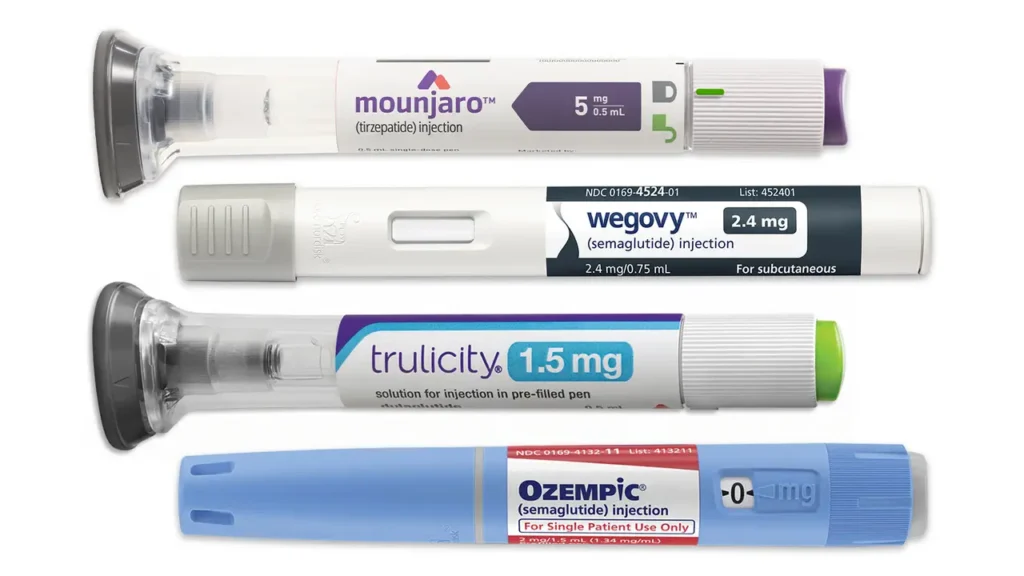
Weight loss injections can affect body fat distribution and muscle retention. These changes have a significant impact on your physical appearance and your preparedness for liposuction. When fat is lost too quickly, the body can respond unfavorably to surgery. Liposuction isn’t simply fat extraction, it’ll work best when your weight is stable and your body in complete harmony.
- Rapid weight loss can leave loose skin and lumpy old fat.
- Muscle may shrink, slowing down recovery after surgery
- Risks of complications like seromas or infection may rise
- Uneven weight may lead to poor liposuction results
- Waiting for weight to settle can translate into safer, better outcomes.
- Talking with doctors is essential to timing it right.
Rapid Fat Loss
Rapid weight loss can cause fat to settle in strange areas or skin to become loose, which can occasionally result in noticeable lumps or dents post-lipo. These transformations can make it difficult for surgeons to contour the body as intended.
Rapid weight loss can also translate into muscle loss. Less muscle can impede healing, decrease strength and make it difficult for the body to recover after surgery. In others, it can even slow metabolism, so fat loss stalls or weight creeps back.
A more gradual weight loss journey allows the skin and muscles to adapt. It means that when you arrive at your goal, your body is more likely to be in equilibrium, making surgery safer. Having a weight log or app to track weight gain and loss makes it easier to identify when weight plateaus, a great indicator that you’re ready for surgery.
Muscle Mass
Preserving or even building muscle during weight loss is crucial. Muscle burns more calories than fat, which keeps your metabolism high and the weight off.
Additional muscle may translate to sleeker post-operative outcomes and speedier recovery. Which matters if you’re considering liposuction.
Strength training, whether it’s lifting weights or resistance bands, should be included in any weight loss strategy. Fitness trainers can assist in constructing a plan that suits your needs and goals, maintaining your muscle while burning fat.
Weight Stability
Reaching a stable weight prior to surgery should be a necessity. Post-surgery weight fluctuations can negate results or increase risk of complications.
Being active and eating right keeps weight stable. By that I mean, set easy, down to earth goals that make it more probable you’ll achieve and maintain your desired weight.
Greater hazards accompany a BMI greater than 30 kg/m2, such as seromas, infection, or clots.
Health Assessment
Health assessment is a key step before liposuction, especially for those who have lost weight through injections. It checks if you’re fit for surgery and helps spot any risks early on. The following checklist covers the main parts of a pre-lipo health assessment:
- Calculate BMI and check if it’s below 30
- Review medical history and current medications
- Screen for conditions like diabetes or high blood pressure
- Assess weight stability—has your weight held steady for months?
- Check for smoking or alcohol use
- Get lab work, like blood tests
- Discuss any allergies or past reactions to anesthesia
Medical Clearance
Medical clearance is your doctor verifying if you’re healthy enough to have surgery. They view your heart, lungs, and other key organs. If your BMI is higher—say, above 30—you might require additional tests such as heart checks or blood work. Occasionally, those in the 25 to 29.9 BMI range are liposuction candidates too, depending on their health in general. Getting clearance reduces the chance of complications during and after surgery. It helps detect problems such as heart disease or sleep apnea that may render anesthesia risky. Document your health history and take it to your physician. This can help streamline the process and ensure nothing gets overlooked.
Surgical Risks
| BMI Range | Common Risks | Notes |
|---|---|---|
| Below 30 | Low to moderate | Usually safe if other health is good |
| 30–34.9 | Increased infection, slow healing | May need to lose weight first |
| 35+ | Higher anesthesia risk, wound issues | Often not advised for lipo |
Increased BMI can hinder wound healing and increases the risk of infection. Heeding your doctor’s pre-op advice, such as quitting smoking or skipping specific medications, can reduce these dangers. Always discuss candidly with your surgeon what can go wrong and what you can do to help things go right.
Stable Weight
Maintain a steady weight pre-lipo. Large fluctuations in weight can alter your results or contribute to loose skin. If you’re within 30% of your ‘perfect weight’ – and have held it for some time – you’re more apt to be content with your result.
So, find habits you can sustain. This could be eating nutritious meals, staying physically active, or reaching out if you need assistance. Touching base with a dietitian or weight expert is a great way to ensure you’re staying on course and prepared for surgery.
Communication with Providers
Be honest with your surgeon about all health issues.
Share any medicines, supplements, or recent illnesses.
Ask questions if you’re unsure about the process.
Keep all records handy for your medical team.
Strategic Timing
Selecting the ideal timing for liposuction after weight loss injections is crucial for effective outcomes. That is, considering a time when your body has normalized after weight loss, and how safe your BMI is. If you allow your weight to remain stable a few months, your body gets a chance to level itself out. This will help you recover better and notice more enduring results post–surgery. For instance, a person who finishes weight loss injections, then waits till their BMI is between 21 and 26 (35–44) or 20–25 (25–34) may be better positioned for liposuction. These ranges are generally considered optimal for individuals seeking surgery, however, they’re all different!
As research has demonstrated, post-liposuction, such changes as improved insulin sensitivity can manifest in just 28 days. They might not persist much beyond 6 months. That is, the timing of your surgery influences not only aesthetics but internal bodily function. Others discovered fat can return in weeks or months post-liposuction. That’s why those who tack exercise onto post-surgery could retain the fat loss a while longer, according to animal research. Physical activity can help maintain your metabolic health in good form and even alter your body’s response to inflammation post-surgery. Inflammation markers like TNF-α and IL-6 can change depending on your exercise and weight loss record.
Advance planning is wise. Planning a schedule that spans the weight loss, your body settling period and that magical surgery window can assist. It’s a good time to consider your health overall—how you’re eating, sleeping and managing stress. Liposuction can alter things like leptin in your body, with drops observed as soon as one day after surgery and continuing for up to three months. Because not all changes stick and results can vary, it’s nice to collaborate with your trusted doc to select the timing that’s best for you.
A Surgeon’s Perspective
Plastic surgeons see beyond a number on the scale when they discuss BMI and liposuction. Each case is distinct and requires a complete, not cursory, examination. Surgeons want to know your health, your body goals, and how your weight fluctuated post weight loss shots. They’re likely to request additional tests, such as heart screenings, if your BMI is elevated. This can detect silent dangers and protect you. Surgeons like their patients to be near their ideal weight—typically within five to seven kilos of their goal weight. Being in this range allows them to mold your physique organically and provides the optimal opportunity for permanent outcomes.
Safety first, always. Surgeons are mindful of how much fat and fluid they remove. For the majority, five liters is the secure ceiling per operation. Much of what emerges in liposuction is tumescent solution, which numbs the region and reduces blood loss. This combination results in the actual volume of fat lost being lower than the volume of fluid extracted. For those with more blubber, the strategy might have to shift. A staged approach—more than one surgery, at different times—reduces your risk of complications. This is particularly important if you are overweight, as high BMIs, since larger procedures can imply more danger.
Contemporary technology has transformed the way surgeons perform liposuction. Stuff like power-assisted or ultrasound machines aid in breaking up fat with less work on the body. This implies faster recovery and more seamless outcomes. Even so, these technologies don’t supplant the necessity of craftsmanship and meticulous strategizing. The surgeon’s expertise is crucial, particularly if your BMI is near or above 30. The higher your BMI, the greater the risk of complications such as delayed healing or asymmetry.
It helps to discuss matters with your surgeon. Bring your questions and commiserate. A good surgeon will listen and walk you through what you can expect. Most higher-BMI folks feel they can move easier and continue losing weight post-surgery, which elevated their mood and motivation.
Conclusion
To choose the optimal BMI for lipo after weight loss injections, consider more than a table. Numbers assist, but the full narrative counts—skin quality, muscle tone and how your body reacted to the shots. Physicians confirm stabilized weight, elastic skin and good health before they green light lipo. Most individuals discover the best BMI for lipo after weight loss to be between 18.5 and 30, but a few require more checks. Consult with a board-certified surgeon. Bring your entire health history, not only your recent weight. Inquire, spread your ambitions and receive a scheme that matches your physique. Begin a chat with an expert to see what suits you.
Frequently Asked Questions
What is the best BMI for liposuction after weight loss injections?
The majority of surgeons suggest a BMI of 18.5-30 for safe liposuction. This range minimizes surgical risks as well as gets better results. Your doctor, always check with your doctor.
Can I get liposuction if my BMI is above 30?
Liposuction is riskier and less effective in individuals with a BMI over 30. Reducing your BMI ahead of surgery can aid in facilitating better results and minimizing complications.
How do weight loss injections affect liposuction results?
Your resultant BMI and overall health are key for surgical safety.
Should I wait after weight loss injections before having liposuction?
Yes, best to wait until your weight has settled post the injections. This way your results are permanent and your body has acclimated.
What health checks are needed before liposuction?
Physicians will examine your BMI, health and medical records. Blood tests and physical exams might be necessary to insure you are healthy enough for surgery.
Why is BMI important for liposuction safety?
BMI helps surgeons evaluate surgical risk. A healthy BMI lowers the risk of complications and supports better healing and results.
How do surgeons personalize liposuction for each patient?
Surgeons take into account your BMI, body shape, skin elasticity and health history. They develop a customized plan for you — targeting safety and natural results.