
Key Takeaways
- Compression garments control swelling, support shape contouring, and prevent fluid buildup after a BBL.
- Prioritize garments with the right sizes, breathable materials, and essential features including adjustable straps for comfortable and effective compression during recovery.
- bbl compression garment stages Therefore, follow the three-stage recovery process from high to medium to low compression, and adjust garment wearing by your healing progress and surgeon’s recommendations.
- Be mindful of body signals, like swelling or discomfort, and refrain from expediting compression stage transitions to avoid complications.
- Add supportive tools such as lipo foams, abdominal boards, and lumbar molders to increase comfort, encourage proper body positioning, and optimize results.
- Extend garment longevity and efficacy by adhering to care instructions, washing consistently with mild detergents, and replacing worn items as needed.
Bbl compression garment stages explained demonstrates how post-op recovery wear assists post-Brazilian Butt Lift. Each stage utilizes a different amount of tightness and fit to accommodate swelling and healing.
Early stages are more firm, while later stages are softer for comfort and shaping. Understanding the specifics of each stage will help with clear care plans and tangible results.
The following sections explain what to anticipate at every stage.
The Compression Role
Compression garments play a direct role in post-surgery recovery, particularly after a BBL. They assist in keeping swelling under control, support your new shape and reduce fluid accumulation. Wearing the right piece can be the difference between seamless healing and unnecessary bumps.
Patients typically wear these for six to eight weeks, using a three-stage system, each with varying degrees of compression. Stage one is nice and cushy for that first week or two. Stage two provides firm pressure for the following weeks, while stage three, optional but most generous, is for those who require additional compression and support beyond six weeks.
Below is a comparison of the main features and benefits:
| Type | Compression Level | Duration (weeks) | Main Benefit | Example Use |
|---|---|---|---|---|
| Stage 1 | Light | 1–2 | Comfort, easy to put on | Right after surgery |
| Stage 2 | Moderate | 2–6 | Firm support, contouring | During main recovery |
| Stage 3 | High | 6+ (optional) | Max support, long wear | For extra support, shaping |
Swelling Control
Compression garments keep swelling down by applying uniform pressure. This assists in reducing the accumulation of fluids that often occurs post-surgery. Surgeons will tell you to ‘check your swelling twice a day.’
If swelling increases, it may signify the garment isn’t snug enough or is not being worn as instructed. Soft compressive pressure further assists in stimulating blood flow and reduces oedema. Obeying your surgeon’s instructions for how long and how often to wear the garment is essential to keeping swelling at bay.
Shape Contouring
The style and fit of a compression garment smooth the ultimate aesthetic. A tight fitting garment can assist fat cells to take better, so the new curves last longer. Wearing the garment throughout the day, except while bathing, keeps the body’s new shape stable.
The proper apparel provides gentle molding initially, then stronger compression as recovery continues. Patients should test the fit frequently and switch to a smaller size if the garment feels loose. This maintains the form sleek and reduces unnecessary bulges.
Fluid Prevention
A compression garment post BBL prevents fluid from pooling under the skin. This reduces the chance of seroma or infection. Indications of excess fluid, such as abnormal swelling or pain, signal it is time to consult a physician or modify the fit.
Compression treatment applies consistent pressure to assist the body in draining liquid and recovering at a quicker rate. Staying on schedule for each phase prevents issues and maintains results in a nice looking range.
Comfort and Support
Not all bras fit the same, so selecting one that provides support without digging in is crucial. In those initial days, comfort is king so patients can don the garment as often as possible.
Straps, hooks, and zippers need to be conveniently adjustable for the perfect fit. Soft, breathable fabric makes everyday wearing easier, even in hot locales. To keep them clean, they need to be washed and dried every day, particularly in humid climates.
The Recovery Stages
BBL recovery occurs in stages, where compression and movement should be carefully calibrated. Appropriately timed stage changes assist with healing, contour preservation, and permanent outcomes.
- Stage one: high compression, initial healing, most swelling and risk.
- Stage two: moderate compression, reduced swelling, more movement allowed.
- Stage three: low compression, final shaping, focus on comfort and maintenance.
1. Stage One
High compression garments are a must in the first few days following BBL. They assist with swelling and bruising, which can be brutal during this phase. It should fit tight but not cut off circulation.
Some are worn day and night for up to 2 to 6 weeks based on the recommendation of many surgeons and the American Society of Plastic Surgeons. Movement is limited to necessary activities to prevent strain and reduce the risk of complications.
Patients are typically instructed to avoid sitting directly on their buttocks for a minimum of 2 to 4 weeks. This alleviates stress on the recovering adipocytes. They should be closely observed for complications such as excessive pain, erythema, or abnormal discharge.
Swelling is typically at its worst during this stage. It’s typical to change the garment fit as the swelling fluctuates. This time defines the vibe for the remainder of recovery, as early compression can affect final form.
2. Stage Two
When the swelling starts subsiding, usually in the third or fourth week, medium compression garments are more appropriate. These provide the needed support without being as restrictive, enabling incremental increases in activity each day.
For most patients, wearing the garment becomes easier and routine. Clothing fit needs to evolve as your figure evolves. They’re easy to slip on and slip off, but you’ve really gotta adjust the size or style for comfort and to maintain the proper level of support.
This aids in fat transference and new body contours. Some venture back to light exercise during this stage, but nothing strenuous as of yet. Compression protocols frequently transition to 12 to 18 hours daily through week 8.
It’s still about stability and letting the new form “set.
3. Stage Three
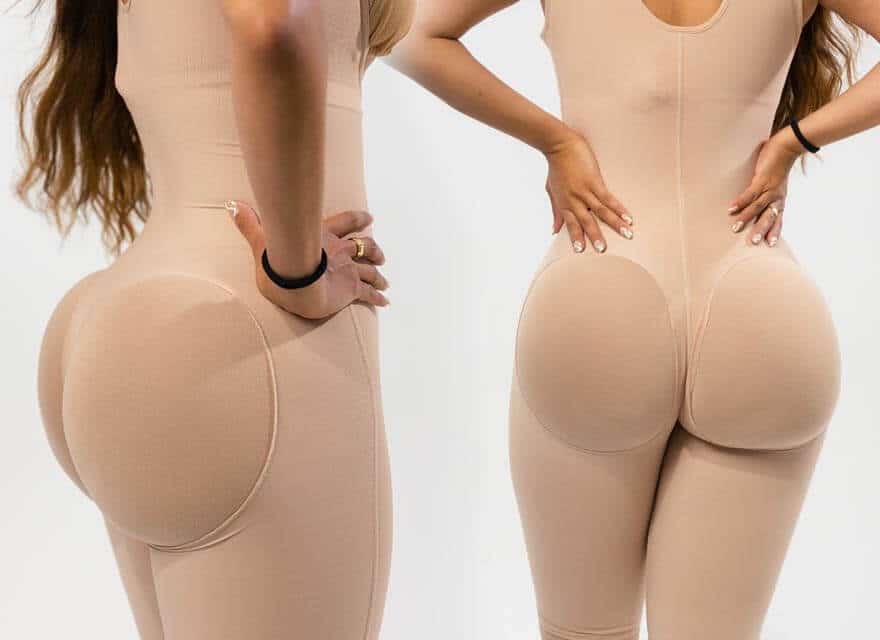
Transitioning to low compression garments indicates the final recovery stage. This typically occurs around week six or beyond when swelling is minimal and contours have solidified. Gentle support assists in preserving results while allowing you to enjoy a return to normal living.
Others want shirts that appear and feel like regular, everyday clothing. Now we’re talking comfort and style. Modify the style or size as necessary as your body restabilizes.
Night feeding support can go on through week twelve. Garment care, washing and elasticity, keeps support consistent. A lot fall in this stage, which is easier with the return to known activities and the rejoicing in progress.
Garment Selection
Choosing the perfect BBL compression garment is at the heart of a seamless recovery and best results. There’s a lot that goes into it, from right sizing to fabric options and functional features. Every recovery phase requires a different type of garment, transitioning from Stage 1’s light compression immediately following surgery to more robust support in Stage 2 and Stage 3.
We recommend that patients invest in a minimum of two garments. This way, they can be rotated and compression treatment doesn’t stop while one garment is drying after a wash.
- Size, material, and characteristics all determine the success of your treatment.
- Proper fit guarantees comfort, the right amount of compression and prevents infections.
- Hard-wearing, skin-friendly fabric prevents chafing and facilitates sustainable usage.
- Things such as adjustable straps, reinforced seams, and easy-to-remove features make their daily lives easier.
- Stages of garments are Stage 1 (gentle), Stage 2 (medium), and Stage 3 (firm). They meet your body’s shifting demands during recovery.
Correct Sizing
To select a compression garment, the initial step is to measure your body correctly. Take your measurements using a soft tape. Your waist, hips, and thighs are the most impacted areas after BBL. Most brands provide size charts that align your specific measurements with the appropriate clothing size.
Don’t guess. A poorly fitting garment can do damage or negate the advantages of compression. Recovery is alive, not frozen. Your figure will transform as swelling subsides and tissues settle. This translates to garment fit needing to be checked frequently.
Modify size accordingly, particularly when transitioning between healing phases. You want a close fit, it shouldn’t be tight. Too loose and you lose compression goodness. Too tight leads to discomfort or even inhibited healing. Patients often find that as the garment becomes routine, discomfort lowers and wearing it ‘feels right’.
Fabric Matters
We’ve found that for compression garments, stretchy, breathable fabrics like a nylon-spandex blend work best. These fabrics sculpt easily to shifting body shapes and don’t retain heat, which is crucial for those marathon days of wear. Seek out items designated as “moisture-wicking,” which help keep skin dry and comfortable.
Steer clear of any rough seams or chafing fabrics during those initial healing days. Sensitivity is typical post-op, so soft, non-irritating lining is a good investment. Stretch should be uniform throughout the piece. Non-uniform stretch can lead to gapage or pressure points.
Fabrics have to withstand weeks of wear and wash. Reinforced stitching and quality threads do make a difference in longevity. Keeping a minimum of two garments in rotation helps prolong the life of each and guarantees you always have one primed for action.
Essential Features
Adjustable straps come in handy, particularly as the swelling subsides and your shape shifts. They assist each patient in customizing fit for optimal comfort and efficacy. Reinforced seams contribute to the garment’s durability and reduce its propensity to rip when subjected to frequent use or laundering.
Simple on/off designs, like full zippers or hook and eye closures, are time savers, particularly for those changing garments solo. Uniform compression is key, so look for even paneling and no bulky seams. This facilitates healing and helps sculpt the final outcome.
Stage 3 fajas are designed for extended wear, providing gentle compression with breathable fabric for all day comfort. After approximately 8 weeks, some patients transition to quality shapewear if their surgeon approves, but many require 8 to 12 hours in their garment daily for optimal results.
Stage Transitions
Compression garment transitions post-BBL are much more than transitioning from stage to stage. There is a reason for each stage as the swelling shifts and the body continues to heal. Going from Stage 1 to Stage 2 faja, for instance, typically indicates less swelling and a more set shape, typically around weeks 6-8. Consistent transitions provide support for skin retraction and smooth results.
Fitting problems abound; what was tight and right at week two is likely to be baggy by week six and it is time to stage up. Consistency, timing, and listening closely to your body all count.
Common pitfalls during garment transitions:
- Rushing to the next stage before swelling subsides.
- Neglecting to wear the garment as prescribed.
- With just a single article of clothing, it’s difficult to stay on top of hygiene.
- Overlooking skin care or putting on a still-wet garment.
- Ignoring comfort and over-tightening the garment.
- Not consulting a doctor when symptoms shift or pain intensifies.
Surgeon’s Guidance
Surgeons give us the plan for these tricky stage transitions. They make recommendations based on your personal healing patterns, observed swelling, and the shape of the surgical area. As we’ll see, a customized timeline, not a rigid schedule, minimizes hazard.
Follow-up visits are key to check on garment fit and for signs of complications. If swelling continues or clothes are uncomfortable, these visits provide room to talk about modifications. Following your personalized aftercare instructions, such as when and how to transition garments, has a direct impact on the quality of your recovery and end result.
Body Signals
Listen to your body first and foremost. Reduced swelling, firm skin, and your garment feeling comfortable are a typical sign of stage readiness. Any sudden tightness, discomfort, or pain that is uncharacteristic could be an indicator to rest or seek medical care.
Minimal swelling and enhanced contours, usually observed after six to eight weeks, are go signs for most. Modify wear time if you detect irritation or if your activities of the day feel limited. Watch carefully for redness, heat, or increased pain which may require urgent medical review.
Transition Pitfalls
Jumping into Stage 2 compression before your body is ready can create patchy results and prolonged healing. Too tight clothing can be numbing or impede circulation. Not switching pieces when they loosen stalls progress.
Wearing just one piece without rotation or proper cleaning can aggravate healing skin or promote infection. In hot weather or during warm seasons, remaining in air-conditioned environments aids comfort and reduces swelling.
Make sure clothes are always completely dry before wearing and you have two in rotation. This makes stage transitions nice and seamless and, above all, hygienic.
Beyond The Faja
Compression garments are just a small piece of post-BBL recovery. Supportive aids such as lipo foams, abdominal boards and lumbar molders are critical to shaping, comfort and healing. These supports assist with preserving fat transfer results, reducing complications and providing extra protection as the body transforms in the initial three months post-surgery.
Most surgeons recommend wearing garments for 24 hours a day for six weeks, then reducing to 12 hours a day from week seven to week twelve. Stopping compression prematurely worsens swelling, increases the risk of fibrosis by fifty percent and decreases fat survival. Wearing compression aids appropriately during these stages can prevent contour irregularities and reduce recovery time.
Lipo Foams
Lipo foams help contour and hold treated areas in place post-op. They’re lil soft flex pads in between your skin and the dress. These pads distribute pressure evenly, which minimizes swelling and helps avoid dents.
Foam pads make the compression comfortable, particularly on curved body parts such as the hips and waist. Lays foams flat and smooth against the body. They accommodate changing swelling. Change them frequently to keep them fresh and effective, as sweat and liquid can cause them to lose support as time passes.
Most surgeons suggest switching them out every couple of days. Post-procedure care for foam placement is essential. Placed in the right spot, these foams assist in shaping the body as the swelling subsides and produce more even results.
When applied correctly, it prevents skin folds or creases that can develop if the compression garment squeezes too tightly in one area.
Abdominal Boards
Abdominal boards offer additional support to your midsection. Worn beneath the garment, these rigid boards assist in flattening the stomach, holding the curves and preventing fluid accumulation. The board holds the skin flat against the muscle so fat cells can distribute evenly.
Fit is key. The board shouldn’t poke or dig into your skin. It should cover the entire treated area without moving. Tune the board as comfort permits and the body morphs throughout rehab.
Some people require the board for the entire three months. Others can begin to taper use once the swelling subsides.
Lumbar Molder
Lumbar molders support the lower back. They provide support and comfort and can assist in maintaining proper posture during recovery. A molder balances the pressure from the compression garment, especially when you’re sitting or standing for a long time.
It should fit snugly, but not tight or painful. The molder should sit along the lower back and trace the body’s curvature. Most patients wear lumbar molders daily, particularly during weeks two through eight when the potential for uneven healing is greatest.
Garment Care
GARMENT CARE BBL compression garments proper care is key for support that lasts and optimal results. How you wash, store, and inspect these pieces determines how well they function and how long they endure. Easy habits can go a long way in keeping the garment tight and secure for continued wear, which is essential for your post-operative healing window.
| Care Instruction | Impact on Durability and Effectiveness |
|---|---|
| Wash with gentle detergents | Stops fabric wear, keeps garment snug |
| Air dry, avoid direct heat | Keeps fit, prevents shrink and weak spots |
| Store flat or hang gently | Stops stretch, saves garment’s shape |
| Rotate between two garments | Allows full day use, keeps each fresh |
| Check for loose seams or wear | Spot issues fast, replace before loss of hold |
| Replace every 2–3 months | Keeps pressure even, keeps effect strong |
Wash every item frequently. Apply gentle soap and cool water. Bypass bleach, harsh soaps, or softeners, which deteriorate elastic fibers. Hand wash or dry clean, and lay flat to dry. Heat from dryers or radiators can shrink or warp the fit, so air dry in a flat position or hang with care!
Half a garment is two handy. When one is drying, wear the other so you receive near-constant support day and night. Put the garment away flat in a drawer or hang with soft clips. Folding or bunching it up stretches the fabric and loosens the compression.
Inspect the garment for thinning spots or loose seams weekly. If a garment slips, feels loose, or pills, it might not play nice anymore. Most require a change every two to three months. This maintains the compression and aids in reducing swelling.
Daily garment care isn’t just comfort; it molds your result. Proper garment care: A tight, clean garment allows fat cells to live at 60 to 80 percent survival and reduces the risk of swelling, fibrosis, or fat necrosis. If you discontinue it prior to six weeks, swelling can increase and fat survival can decrease by 50 percent.
This can lead to irregular shapes, increased swelling, or more surgery. Night use in the first six weeks is crucial, as swelling is most common after lying down. Most wearers have to keep the garment on day and night for 2 to 6 weeks, then drop to 12 to 18 hours for the following month, and just at night through week twelve.
Others continue to wear the garment as long as six months to retain shape and comfort, but the majority can discontinue at the three-month mark if healing is progressing steadily.
Conclusion
To maximize your BBL recovery, select the appropriate garment, wear it per your doctor’s instructions, and maintain its cleanliness. Each stage requires a different fit and support. A quality garment reduces swelling, maintains your shape, and allows you to heal properly. Transition to the next stage when timing is right for comfort and safety. Check care tags, hand wash, and air dry to keep it stiff. Watch for cues your body gives you as you heal. If you experience pain or see swelling that does not subside, consult your physician. For additional advice or to post your experience, join the discussion in our community.
Frequently Asked Questions
What is the purpose of a compression garment after a BBL?
What is a compression garment and what role does it play in BBL recovery? It enhances comfort and may actually result in superior, long-lasting outcomes.
How many stages of compression garments are there after a BBL?
There are generally two main stages. Stage 1 garments provide light compression immediately post-op. Stage 2 garments offer firmer support as healing continues.
When should I switch from Stage 1 to Stage 2 compression garments?
While every patient’s recovery is unique, most patients transition from Stage 1 to Stage 2 garments after two to three weeks. Always trust your surgeon’s recommendation on the right timing for you based on your recovery.
Can I use any compression garment after a BBL?
No, you want to be using medical-grade post-surgical recovery garments. These provide the right support and comfort for BBL healing.
How long should I wear a compression garment after a BBL?
For most surgeons, you’ll be wearing a compression garment for six to eight weeks. The specific time can differ depending on your personal recovery and surgeon’s guidance.
How do I care for my BBL compression garment?
Wash the garment frequently by hand or on a gentle machine cycle. Wash with gentle soap and air dry to preserve its form and function!
What should I do if my compression garment feels too tight?
If your garment feels too tight, reach out to your surgeon. A garment that is too tight can interrupt circulation and healing. Everything has to fit just right for your safety and comfort.