
Key Takeaways
- Semaglutide reduces appetite and controls blood sugar to facilitate weight loss. This frequently results in notable shifts in body composition.
- Fast weight loss can lead to loose skin and decreased skin elasticity. Age, genetics, and nutrition are key factors.
- While body shaping and other plastic surgery alternatives can help with loose skin, choosing skilled surgeons and managing expectations are key.
- After weight loss, the timing of surgery needed to be done when your weight was stable, you were in good health, and you had full preparation for the surgery including medical workup and nutritional optimization.
- A team approach with surgeons, nutritionists, and other specialists leads to safer procedures and a better chance of surgical success.
- Knowing the truths, dangers and misconceptions regarding post weight loss surgery and body image allows people to make educated decisions and put their health and well-being at the forefront.
Semaglutide weight loss plastic surgery after refers to undergoing surgery to transform loose skin or contour the body after semaglutide facilitated weight loss. Fast semaglutide weight loss can cause plastic surgery after effects including skin folds, sagging, and skin that doesn’t shrink back.
Plastic surgery options are available including body lifts, tummy tucks, and arm lifts. To assist in weighing options and establishing clear objectives, the following sections unpack reality and action.
Semaglutide’s Effect
Semaglutide, a GLP-1 receptor agonist, aids weight loss by influencing appetite and blood sugar. It alters fat metabolism, which can cause changes in appearance post-weight loss. The following table summarizes the key impacts after semaglutide usage.
| Effect | Description | Example Outcome |
|---|---|---|
| Weight Loss | Notable decrease in overall body mass, often focused on fat stores | 10–15% body weight reduction |
| Appetite Suppression | Reduced hunger and smaller meal portions | Fewer cravings, easier meal control |
| Skin Laxity | Looser skin due to rapid fat loss, especially in face, arms, and abdomen | “Ozempic face,” “Ozempic body” |
Mechanism
Semaglutide mimics GLP-1, a hormone that the gut secretes after a meal. GLP-1 signals the brain to suppress appetite and assists the stomach in digesting foods more gradually. When semaglutide imitates this hormone, individuals experience reduced hunger and prolonged fullness.
It assists the body in utilizing insulin more effectively, keeping blood sugar levels more stable. This is significant for both weight loss and for individuals at risk of diabetes. It can help the body respond to insulin, which means semaglutide can lower fasting blood glucose, which is key for many with metabolic syndrome.
Understanding what GLP-1 drugs do clarifies why the weight loss is so robust. These pills don’t only drop appetite, they transform the way your body processes food and energy. Metabolic rates might fall as people shed pounds — that’s par for the course — but the primary weight-loss momentum here is simply eating less and less fat accumulation.
Skin Elasticity
Quick weight loss often leaves extra skin because the skin doesn’t shrink as fast as the fat goes away. This is common after using semaglutide, especially for those who lose a lot of weight in a short time. Some changes, like postpartum breast deflation or the appearance of loose lower belly skin, may show up or get worse.
Younger people can have skin bounce-back but not always. Genetics, how long someone was overweight, and even sun exposure are all factors.
Key factors for skin elasticity:
- Age
- Semaglutide’s effect
- How fast they lose weight
- Water
- Sunlight
Drinking water and consuming vitamin-rich foods (such as C and E) can assist the skin in remaining more taut. These measures might not halt all loose skin, and some pursue plastic surgery or fillers following large weight swings.
Body Composition
You want to lose fat, not muscle. Semaglutide, particularly in conjunction with other medications, has demonstrated an ability to assist in shedding fat reserves while preserving lean muscle mass. Some muscle loss can still occur, so resistance training and sufficient protein are key for semaglutide folks.
Less fat and cleared arteries means no heart disease and no diabetes after weight loss! Maintaining muscle during fat loss can translate into a more powerful, resilient body that supports everyday activities and longevity. Certain fat can be stubborn—under the chin and the hips—despite significant weight loss.
Others experience issues with ‘Ozempic face’ or ‘Ozempic butt’ prompting increased filler or plastic surgery-related searches. Such changes can be worrisome and ought to be addressed with doctors.
Surgical Solutions
After significant weight loss with medications like semaglutide, many people face a common issue: loose, sagging skin that does not shrink back. Surgical solutions can solve these issues. There are different areas that can be treated, and treatments are customized according to individual health, objectives, and the type of excess skin.
Body contouring, facial rejuvenation, breast procedures, limb lifts, and combined surgeries are some of the most popular methods.
1. Body Contouring
Body contouring is an umbrella term for various surgeries that eliminate excess skin and fat. Popular for the torso are abdominoplasty or a tummy tuck. It’s skin and muscle tightening, so it helps your body get back a smoother shape.
There are several types: a full tummy tuck addresses the whole belly area, a mini focuses on the lower stomach, circumferential includes the back, and fleur-de-lis is for those with more complex excess skin. These can be performed individually or combined with others, such as a lower body lift that targets your hips, buttocks, and thighs.
Body contouring can help reveal the weight loss results that loose skin conceals. Patients tell us it moves better, feels better, and cleans better. Recovery from these surgeries may take weeks.
Swelling, bruising, and discomfort are par for the course and then some. Follow your surgeon’s post-op care recommendations carefully. Selection of a skilled, board-certified surgeon is important for safety and optimal results.
2. Facial Rejuvenation
Surgical Solutions: Weight loss alters facial volume and can leave sagging skin. Loose folds may appear on the cheeks, jaw line, and neck. Facelift surgery eliminates surplus skin and lifts deeper tissues.
Fillers can replace lost volume in areas such as the cheeks or perioral areas. For others, brow or eyelid surgery is necessary. Facial rejuvenation gets you looking as you feel after losing the weight.
A consultation with a cosmetic surgeon helps tailor the right solutions to your individual needs.
3. Breast Procedures
Weight loss generally causes changes in breast shape and size. Skin can sag and volume can drop. Breast lift with or without implants restores a natural contour. Augmentation can add fullness if wanted.
Timing matters. Surgeons suggest waiting until your weight plateaus. Reclaim your self-image by restoring your breast shape. Each person’s plan is dependent on their goals and existing anatomy.
4. Limb Lifts
Post weight loss, arms and thighs can have hanging skin. Arm and thigh lifts excise this skin and recontour the limbs. These surgeries accentuate muscular definition and assist with comfort, particularly during daily activities.
It takes time to heal, with swelling and scarring. Setting clear, realistic goals for these procedures is important.
5. Combined Surgeries
Others opt to consolidate for a complete makeover. For instance, a tummy tuck and arm lift can be combined. This can reduce overall recovery time and expenses.
A strategy created with a seasoned surgeon is required to find an equilibrium between safe and effective. Such risks increase with surgical duration, so meticulous preoperative planning is paramount.
Optimal Timing
Read on to find out the optimal timing to consider plastic surgery after semaglutide weight loss. Most physicians recommend being at a stable weight for three to six months before any elective surgery. This breath allows your body to catch up and actually settle into its new form.
A lot of semaglutide and other weight loss drug users lose massive amounts of weight, with some reports showing people dropping more than 45 kilograms. Your body, and particularly your skin, requires time to catch up with these transformations. Too early surgery and further weight loss or gain can alter the results, even requiring additional surgeries.
Keeping the weight stable is key. If your weight fluctuates after significant weight loss, skin can remain loose or become looser, rendering plastic surgery less reliable. Doctors typically suggest waiting a minimum of six months post-initiation of semaglutide or post-weight loss surgery before considering body contouring.
At that six-month juncture, a checkup aids in determining if this is an opportune time to begin planning. If your weight has remained steady and your health is good, it’s probably time to advance. If your weight continues to fluctuate, waiting longer can help keep results more consistent.
You being healthy and prepared counts just as much as the timing. Good health entails fewer complications with and post-surgery. Blood tests, heart health, and other checks ensure that your body can heal well.
If you’re having health problems, such as diabetes, high blood pressure, or slow healing, these may have to be brought under control first. Others simply require additional time for their skin to adjust. Following major weight loss, skin can require months to contract again, and in some cases, it never really does.
If you let the body have time to adjust, you might get smoother results and reduce the risk of revision surgery down the line. Weight changes post-surgery can impact the outcome. If you put weight on, fat can return in new locations, and if you lose more, skin can once again become loose.
That’s why you need to ensure your weight is going to hold before you undergo surgery. Everyone is different. Age, genetics, how much weight you lost, and your skin’s elasticity all factor in. There is no established schedule that’s right for everybody.
Pre-Surgical Plan
A pre-surgical plan is essential for anyone considering cosmetic surgery following semaglutide-assisted weight loss. It helps ensure the patient is ready — health and mindset-wise. All of these pieces of the plan complement each other and serve to assist with enhanced safety and outcomes.
Medical Evaluation
A complete medical workup is the first step. Pre-Surgical Plan: Doctors will go over current health, past medical problems and any medications. Lab tests tend to include blood, liver and kidney function. This aids in identifying risks prior to surgery.
If you have hypertension or diabetes, they must be managed first. This decreases the risk of complications in surgery. We need to discuss what medicines to discontinue or maintain. GLP-1 drugs such as semaglutide should be discontinued, although whether to make the call depends on your needs.
New 2024 recommendations indicate that ceasing them a week prior to surgery isn’t necessarily required. The anesthesiologist is a major player in keeping you safe during surgery. They review the patient’s medical record, current medicine list, and lab results to figure out the best plan for anesthesia.
A comprehensive pre-surgical consultation involves the patient and surgical team going over every detail. This isn’t box-checking; it’s constructing a plan tailored to the patient’s body, goals, and healing process.
Nutritional Status
Nutrition directly affects healing and recovery. Checking nutrition means looking at body weight, muscle mass, and labs for things like albumin or iron. If the patient’s diet is deficient, the doctor might recommend alterations or supplements before surgery.
Maintaining weight is important. Having lost weight on semaglutide, it’s best to wait until weight has been stable for at least 6 to 12 months before surgery. This prevents post-procedural body shape changes.
Essential nutrients for healing include:
- Protein for tissue repair
- Vitamin C for collagen growth
- Zinc for immune support
- Iron for strong blood levels
- Healthy fats for cell health
Proper nutrition increases your body’s resilience, decreases your risk of infection and facilitates recovery. When nutritional issues are addressed in advance, patients heal more quickly and experience better outcomes.
Team Approach
A team approach combines all of these types of experts. The surgeon, anesthesiologist, doctor, and nutritionist all contribute their expertise. They are a team and cover each other’s needs.
The nutritionist, for instance, comes in with meal planning and the surgeon comes in with sculpting the body. The main doctor follows any medical issues. Having everyone in the mix helps set real expectations for what surgery can do and what recovery might look like.
This collaboration assists in detecting issues early, responding to inquiries, and providing assistance throughout the process. This, in turn, results in increased patient satisfaction and improved outcomes.
Risks and Realities
Plastic surgery post-semplaglutide or other similar drug’s massive losses has its own risks and realities. Most folks who drop significant kilos — 20, 30 or even 45 — quickly discover they have loose skin on their arms, belly, thighs and even their face. This is natural, as the skin stretches as we put on weight, and it will not always snap back into place following rapid or significant weight loss.
The skin’s three layers — epidermis, dermis, and hypodermis — all have a part to play, and the longer the skin remains stretched out, the less it can snap back. That’s why some folks desire skin removal surgery after weight loss, but it’s not an easy solution. The initial reminder: surgery isn’t for everyone, immediately. Surgeons typically want you to be close to your target weight and maintain that for several months prior to even discussing removing excess skin.
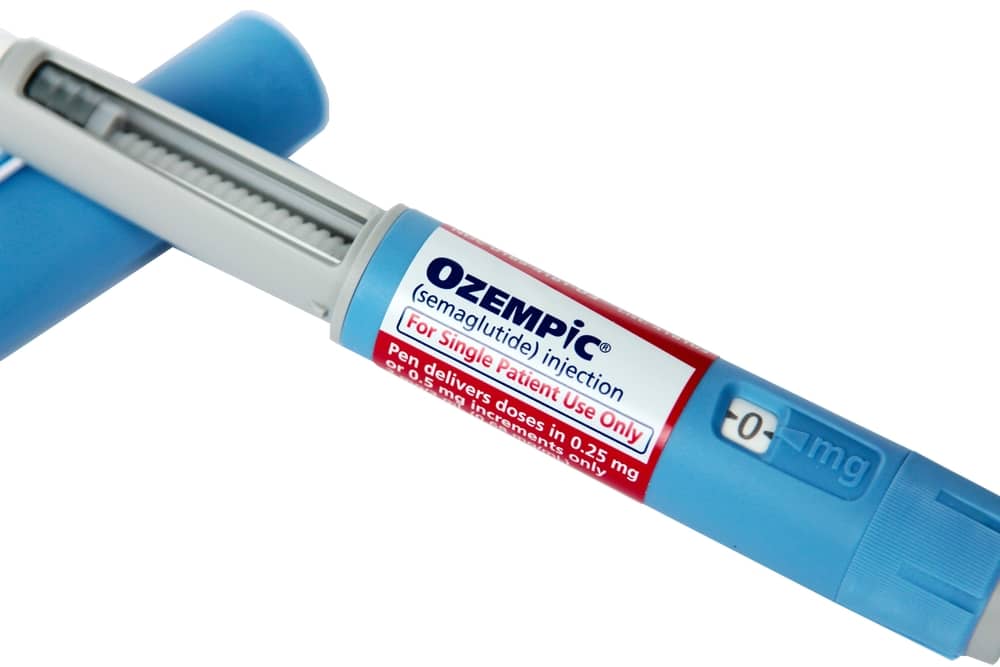
If weight still fluctuates, results are temporary or you require additional surgery down the road. It’s why the doctor will inquire about your weight history and long-term plans. It’s true that more people are pursuing these surgeries now because drugs like semaglutide and Ozempic are enabling more individuals to shed massive amounts of weight, so the need for skin removal surgery is on the upswing globally.
There are some special risks for patients who have taken GLP-1 drugs such as semaglutide. These drugs reduce the rate of stomach emptying. That’s important for surgery because during procedures, particularly those performed under general anesthesia, patients require empty stomachs to prevent regurgitation or aspiration of food or liquid.
In one study, more than 50% of individuals on GLP-1 medications had residual food remaining in their stomach despite fasting the routine amount of time. This implies that physicians might have to modify the fasting guidelines or postpone surgery for safety considerations. Patients have to disclose their medication history to their care team and some will have to discontinue their weight loss drugs prior to the surgery as prescribed by their physician.
Recovering from skin removal surgery can be slow and difficult. Swelling, bruising, pain, and scarring are common, and some people suffer infection or inadequate healing. Most require assistance at home for days or even weeks.
Once healed, the scars remain, and some skin laxity can return if weight fluctuates or skin is compromised. These are neither fast nor flawless solutions. It pays to discuss all the advantages and disadvantages with an experienced surgeon.
The “Ozempic Body” Myth
The ‘Ozempic Body’ myth has gone viral, but it’s not always supported by reality. Others say semaglutide, or Ozempic, makes bodies look a certain thin way after weight loss — like arms look thinner or bones are more exposed. Here’s the reality: it’s probably too soon to say bodies on Ozempic look any different than bodies that lose weight by any other method.
What they think of as the “Ozempic Body” is the stuff of anecdote and social media, not actual science. Rapid weight loss, whether from Ozempic or any other method, manifests in similar ways. If you shed 100 pounds, you may suddenly have some loose skin, particularly if it comes off quickly. Others don’t have this at all, even after losing dozens of kilos.
How quickly you lose the weight can have a large impact on how your skin bounces back, but so do genetics, age, and lifestyle. Looking at someone else’s for comparison causes confusion, not clarity. There’s no one ‘Ozempic body.’ Each one metamorphosizes differently, molded by individual health, genetics and pace of weight loss.
Others on Ozempic discuss how they now have skinny arms or sharper collarbones, but these occur with any significant weight loss, not just the drug. There’s no one ‘Ozempic Body’ that semaglutide users all have. The impact on body shape and skin quality can vary significantly among individuals. You may be left with loose skin and your friend may have tight skin after shedding the same amount of weight.
Believing your body should look like the image you see in the press or on an Instagram post is a recipe for disappointment. The connection between weight loss and skin quality is complicated, and there’s no one-size-fits-all rule.
The ‘Ozempic Body’ Myth
Viewing before-and-afters or hearing about the “ideal” weight loss can make you question or stress when your outcomes appear different. This stress can take a real toll on your psyche. We forget how to just be healthy because we’re chasing a look.
The result of any weight loss journey is contingent on numerous elements, so it’s best to concentrate on your own journey instead of emulating somebody else’s. Focusing on your health, not just appearance, gets better results.
Non-surgical solutions such as radiofrequency microneedling can assist with skin tightening if you’re worried about loose skin. Choosing for your health is enduringly rewarding. Ozempic’s long-term impact on body composition and skin remains under investigation. What’s important is discovering what works for you and your own health.
Conclusion
Semaglutide leads to huge weight reductions for many. Skin can sag and certain body parts can reshape. Plastic surgery can assist individuals in achieving the desired appearance. Timing is important. Doctors typically suggest waiting until weight maintains for a few months. Health checks and candid conversations with a surgeon aid in safe planning. Risks are real, so clear information assists with smart choices. ‘Ozempic body’ stories can seem crazy, but each body responds differently. To discover what is best, consult health professionals familiar with both weight loss and surgery. For additional real-life advice, consult a clinic or trusted health resource. Get the facts before you take your next step.
Frequently Asked Questions
What is semaglutide and how does it help with weight loss?
Semaglutide controls appetite and facilitates weight loss. It operates by influencing appetite hormones. A lot of people experience stunning weight loss in conjunction with lifestyle changes.
Can semaglutide weight loss lead to excess skin?
Yes, fast weight loss from semaglutide can cause loose or excess skin. This often happens when you lose a lot of weight quickly.
When is the best time to consider plastic surgery after semaglutide weight loss?
You’re best waiting until your weight is stable for at least 6 months before considering plastic surgery. This allows for better, longer lasting results.
What types of plastic surgery address loose skin after weight loss?
Popular surgeries are tummy tuck, arm lift, thigh lift, and body lift. These surgeries remove the excess skin and contour the body after significant weight loss.
Are there risks to having surgery after using semaglutide?
Of course, as with any surgery, there’s a risk of infection, scarring, and delayed healing. Be sure to talk to your surgeon about your medical history and weight loss for the safest experience.
Is the “Ozempic Body” a real medical condition?
No, no, “Ozempic Body” is not a medical term. Semaglutide weight loss plastic surgery after refers to what the saggy skin or body shape looks like following fast weight loss from drugs such as semaglutide.
How can I prepare for plastic surgery after losing weight with semaglutide?
Stay in shape, eat right and see a board certified plastic surgeon. We will discuss your weight loss history and medical information to provide the best surgical plan.