
Key Takeaways
- Bloating, fat, and loose skin all have their own causes, feelings, and physical appearance. It’s important to recognize each.
- Bloating is a temporary condition caused by diet, lifestyle, or digestion. Excess fat and loose skin accumulate over an extended period and require sustained lifestyle adjustments to remedy.
- Easy tests, a pinch test or touch test, can often tell you the difference between bloating, fat, and loose skin based on what feels firm, soft, and stretchy.
- When it comes to bloating versus fat versus loose skin, there’s a magic combo of a clean diet, hydration, exercise and stress management that can go a long way.
- Ongoing symptoms or drastic body composition changes may be a sign of an underlying health concern and should be addressed by a medical professional.
- Consistency in healthy habits and consulting medical professionals when necessary can promote long-term health and body confidence for people everywhere.
Bloating, fat, and loose skin are three common reasons for changes in how the body looks and feels.
Bloating is typically a distended belly from trapped gas or water retention, whereas fat manifests as increased body mass or circumference.
Loose skin is skin that hangs or sags, usually post weight loss. Knowing the key symptoms and causes of each assists in sorting them out.
The next sections provide obvious ways to distinguish them.
The Core Difference
Bloating, excess fat, loose skin – they all get confused with one another, there are definite differences. Bloating is temporary abdominal swelling, commonly related to digestion, food or hormones. Extra fat accumulates via poor diet, inactivity or heredity and likes to cling unless you make changes.
Loose skin rears its ugly head post-weight loss or pregnancy and can persist way past bloating or even fat. Knowing this distinction goes a long way toward setting reasonable expectations for taming each.
| Feature | Bloating | Excess Fat | Loose Skin |
|---|---|---|---|
| Duration | Temporary, hours–days | Persistent, months–years | Long-lasting, can be permanent |
| Sensation | Fullness, tightness | Soft, little sensation | Thin, little sensation |
| Appearance | Swollen, distended | Rounded, thicker | Saggy, wrinkled |
| Location | Abdomen, stomach | Waist, belly, thighs, arms | Abdomen, arms, thighs |
| Touch | Firm, tight | Soft, pliable | Loose, stretchy |
1. Sensation
Bloating gives you that full, tight feeling in your stomach. More often than not, it’s uncomfortable, painful even, and makes your pants tight. This hardness is distinct from the butteriness plushness of fat, which typically doesn’t result in pain or pressure.
Fat is soft and will jiggle when you pinch it. Loose skin, by contrast, almost never has any sensation. It just hangs or feels thin, particularly after major weight loss or pregnancy. Unlike bloating, it doesn’t feel tight or uncomfortable.
2. Appearance
A bloated belly looks round, sometimes distended, and can cause the stomach to protrude beyond normal. As soon as the bloating goes down, the belly usually goes back to normal size.
Fat affects body contour slower and makes things appear fuller or more ‘curvy.’ Skin can be smooth over fat but will dimple if there’s excess. Loose skin is typically thin and can hang in folds with stretch marks visible. These marks are typical post rapid weight loss.
3. Duration
Bloat can fluctuate throughout the day. It might only persist for a few hours or a day or two and is frequently associated with food or hormone cycles.
Fat requires months or years to accumulate and consistent adjustments in nutrition and activity to shed. Fat loss is incremental and gradual, on the order of weeks or months. Loose skin can linger long after the fat is off, sometimes for years or longer. Skin elasticity, age, and the speed at which the weight was lost all play a factor.
4. Location
Bloating mostly hits your stomach or abdomen, very rarely spreading to other areas. It likes to gather around the waist, belly, thighs, arms, or hips, all dependent on genetics and lifestyle.
Loose skin is most prevalent in areas where the most weight was lost, such as the abdomen, arms, and thighs. Genetics determine how fat deposits and skin elasticity work, so each person’s pattern is somewhat unique.
5. Touch Test
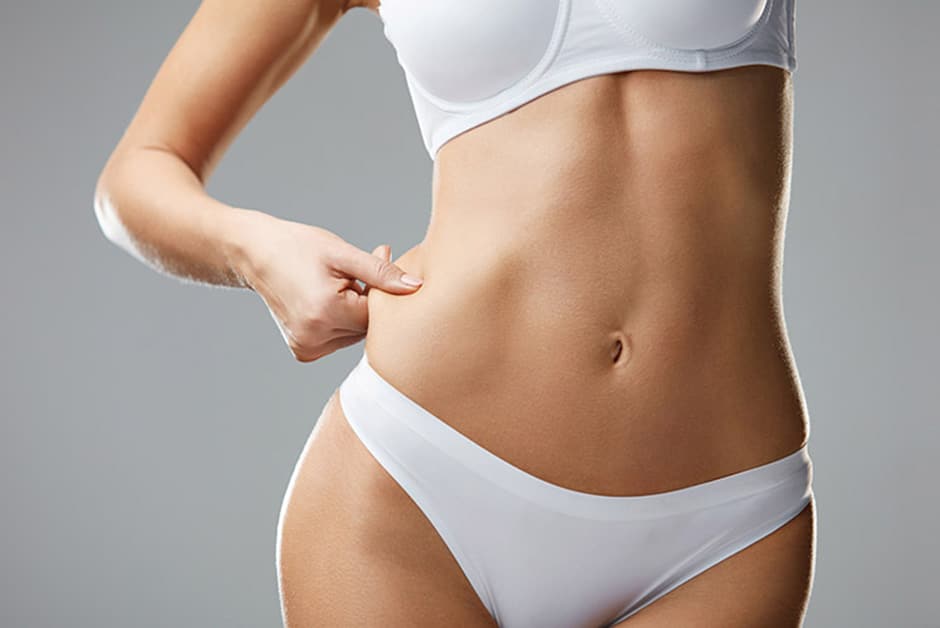
Pinching your skin can make the distinction. If you pinch a bloated body part, it is hard and taut, less prone to pull up that much skin.
Fat is squishy and you can pinch a more substantial roll. Loose skin is stretchy and thin and has little resistance. It can be painful to press on a bloated stomach, but fat or loose skin generally isn’t.
Underlying Causes
Bloating, fat gain and loose skin tend to be grouped together. They each have different causes and triggers. Understanding the distinctions assists individuals in selecting the appropriate measures to combat or avoid them. Causes run from what and how people eat to how the body stores fat to how the skin responds to aging.
Bloating Triggers
- Eating large meals or overeating
- High fiber foods, such as beans or cabbage, particularly if you are new to them.
- Carbonated drinks that release gas in the stomach
- Dairy or gluten intolerance can drag down digestion and ruffle gut flora.
- Food allergies can cause bloating and more.
- Eating too fast, which leads to swallowing air
- High-salt foods causing water retention
- Artificial sweeteners, which some people have trouble digesting
Stress can slow digestion, making bloating worse. Sitting for long periods means gas can build up and makes the stomach feel tight. Rapid eating is common in busy lives and often means more air ends up in the stomach, increasing bloating.
Persistent bloating can occasionally signify things like irritable bowel syndrome (IBS), which alters the gut’s movement and sensation. Other medical issues like SIBO (small intestinal bacterial overgrowth, where those surplus bacteria produce more gas) or parasitic infections disrupt digestion. More severe conditions such as bowel obstruction or ascites can provoke persistent bloating and require treatment.
Fat Accumulation
A sugar, processed, or high-fat diet tends to cause fat gain when the calories consumed exceed those burned. Over a lifetime, tiny daily surpluses accumulate. Insufficient exercise facilitates the body’s ability to put unused calories into fat storage in the belly area and beyond.
Metabolic changes with age reduce how quickly calories are burned. Hormones such as those that alter during menopause or thyroid problems change where fat is stored. Genetics come into play, as some folks are predisposed to store fat in the hips, belly, or thighs, regardless of their routine.
Skin Laxity
When you lose a lot of weight quickly, it usually leaves you with loose skin because it doesn’t always contract at the same rate as your body. As we get older, the skin loses collagen and elastin, it becomes less firm and can sag even without major fluctuations in weight.
Pregnancy stretches out the abdominal skin and after giving birth, some individuals discover the skin never really fully tightens back up. Health issues such as some hormone disorders or certain connective tissue diseases can render skin less elastic and slower to bounce back.
The Hidden Connection
Bloating, fat and loose skin always seem to get confused with one another. They all have their own characteristics and can accompany one another. Bloating is primarily about water or air in the intestines leading to a distended belly. Fat is accumulated tissue that doesn’t disappear within a day or two. Loose skin appears post-weight loss or aging, when the skin doesn’t snap back.
These three can intersect, rendering it difficult to determine your body’s true status. Below is a table showing how these conditions connect and affect each other:
| Feature | Bloating | Fat | Loose Skin |
|---|---|---|---|
| What is it? | Swelling in gut | Stored body tissue | Saggy skin, less firm |
| How it feels | Tight, puffy | Heavy, firm, steady | Soft, wrinkled |
| Lasts | Hours to days | Weeks to years | Months or longer |
| Health impact | Pain, discomfort | Disease risk | Self-image issues |
| Can overlap? | Yes | Yes | Yes |
Fat, particularly belly fat, does more than make your clothes feel snug. It compresses organs and may lead to chronic inflammation. This pressure can leave some folks feeling bloated, even if their diet is sound. Belly fat connects to kidney health.
Research indicates that excess belly fat increases the risk of kidney disease. The kidneys play a central role in insulin degradation, processing over 50% of all insulin. When fat accumulates around the kidneys, it can disrupt this process and damage kidney health.
There’s evidence that sleep is a major participant here. Missing that 7 to 8 hours a night can increase stress hormones such as cortisol that cause your body to retain visceral fat, the fat that surrounds organs. Research found that the less people slept, the more belly fat they accumulated, an 11 percent increase, which can contribute to greater bloating and put additional strain on the kidneys.
Loose skin is what we’re often left with after weight loss or as we age. It won’t damage health, but it can transform self-perception. Others are even less certain about their bodies, even after achieving weight targets. This can be hard, given that loose skin can linger well after fat is gone and is not remedied by mere diet or exercise.
All three—bloating, fat, and loose skin—can appear simultaneously. They deliver both physical and mental stress. For health, it helps to concentrate on minor measures, such as consuming well and incorporating zone 2 cardio, such as walking or cycling.
These actions can support the increase of nitric oxide, allow the body to shed excess water, and reduce visceral fat. A few individuals will experience rapid transformations, such as losing 1.3 to 2.2 kilograms in a week as swelling and fluid subside, but it requires sustained commitment for permanent remission.
Lifestyle’s Role
Your lifestyle dictates how bloating, fat, and loose skin manifest themselves in your life. Diet, hydration, movement, and stress all have a role. A lot of things tie together. Small changes in lifestyle can go a long way in managing these issues and optimizing health.
Diet
- Consume additional fiber, such as oats, beans, and most vegetables. Fiber keeps digestion regular and reduces bloating. Avoid sugar and salty foods because they can cause you to retain water and feel puffy.
- Lean proteins such as fish, chicken, and beans are great for weight control and muscle growth. Good fats from olive oil, nuts, and avocados fill you up longer and nourish your complexion.
- Processed foods and trans fats, which cause belly fat to stick, hide in packaged snacks, fast food, and baked goods. Replace these with whole foods as often as you can.
- Observe what you’re eating at every meal. Big portions can expand the stomach and cause more bloating. Smaller, balanced meals throughout the day can help with this and assist with weight.
Hydration
Drinking enough water helps flush out extra salt and waste, which reduces swelling and helps skin stay firm. Get at least 2 liters per day, but requirements will vary with activity or climate. Foods with high water content, such as cucumbers, watermelon, and oranges, pack in hydration and aid in digestion.
Balanced electrolytes, including sodium, potassium, calcium, and magnesium, keep fluids in check and prevent water retention. Salt-heavy diets can disrupt this equilibrium and exacerbate bloating. Sugary drinks sneak in salt and sugar, so they can worsen bloating and skin problems. Opting for water or herbal teas is a more favorable option.
Movement
Exercise is essential to torching fat while maintaining a strong core. Aerobic exercise, like brisk walking, cycling, or swimming for 30 minutes most days, helps speed up metabolism and burn belly fat. Easy core exercises, such as planks and leg raises, help develop muscle beneath the skin which minimizes the appearance of loose skin.
Yoga and stretching relax the gut and reduce bloating. A sedentary lifestyle is associated with more belly fat and a greater risk of heart disease and type 2 diabetes. Even post-meal strolls can aid digestion and prevent bloating.
Stress
Discovering ways to reduce stress can aid the gut in functioning more optimally and prevent weight gain. Meditation, deep breathing, or even mini breaks during work can reduce stress. There’s an undeniable connection between stress and gut issues such as bloating.
Stress hormones can cause digestion to stall and exacerbate symptoms. Too much stress tends to bring you into the nearest drive-thru or freezer aisle and eat more, particularly sugary or fatty foods. Over time, this can contribute to belly fat and accentuate loose skin.
Effective Management
Handling bloating, fat and loose skin requires a pragmatic, methodical approach. Each problem has its own triggers and demands targeted remedies. A few fundamental habits assist across the board.
- Eat balanced meals and avoid crash dieting
- Keep hydrated and eat foods rich in protein and antioxidants.
- Exercise regularly, including both strength and cardio
- Use compression wear if struggling with excess skin
- Stay consistent with lifestyle changes for safer long-term results.
- Keep track of symptoms, treatments, and daily impacts
- Practice mindful eating and gut-friendly habits
- Set realistic goals for fat loss and skin changes
- Consider both non-surgical and surgical options, if needed
- Follow up with healthcare providers for best outcomes
For Bloating
Smaller, more frequent meals can reduce the stress on your digestive system and avoid gas build-up. Consuming food in this manner instead of loading up on giant meals could potentially keep belly bloat at bay during the day. Probiotics, whether from yogurt or supplements, promote a healthier gut and might lessen symptoms for many individuals.
These products can help the intestinal bacteria equilibrium that is often thrown out of balance due to stress, antibiotics, or poor diet. Over-the-counter solutions, like simethicone pills or activated charcoal, provide relief from gas and discomfort. Others find relief in herbal teas like peppermint or ginger, which are used globally to treat mild digestive upset.
Mindful eating, eating slower, chewing your food more, and listening to fullness cues can help prevent you from swallowing air and eating too much. This simple habit aids in reducing bloating and promotes efficient digestion.
For Fat
- Begin by monitoring calories and emphasizing a balanced, whole foods diet. Focus on vegetables, lean proteins and a reduced amount of processed sugars and fats for slow fat loss.
- Include strength training to increase muscle and rev up metabolism. Muscle burns more calories at rest, which helps lower your total body fat.
- Cardiovascular exercise, whether it’s walking, cycling, or swimming, is conducive to fat loss when you do it consistently. Strive for a minimum of 150 minutes per week for optimal outcomes.
- Fat removal, with either liposuction or non-invasive treatments like cryolipolysis, can hit stubborn areas. These alternatives don’t substitute for good habits and have dangers.
- Set achievable targets of 0.5 to 1 kg of fat loss per week. There is no such thing as spot reduction, so anticipate slow transformations and overall health.
For Skin
Laser and radiofrequency treatments tighten mild to moderate loose skin by jumpstarting collagen production. Success is hit or miss, and it usually takes more than one session. Surgical options, like a tummy tuck, are reserved for moderate to severe skin laxity, especially after massive weight loss.
Pre- and post-surgical, nicotine and smoking cessation is imperative for proper healing. Utilize daily moisturizers enriched with hyaluronic acid or vitamin E to improve skin texture and encourage elasticity. Hydration, protein, and antioxidants can aid the skin’s recovery, but the changes tend to be small.
A compression garment can alleviate discomfort and increase confidence during this time, particularly for moderate skin redundancy. Scar management with silicone sheets, massage, and sun protection is important for the best healing and appearance.
When to Worry
Knowing when to worry about changes in your shape is about looking beyond appearance to patterns and symptoms. A lot of people experience changes in their abdomen or their skin and question what is considered normal and what might be an indicator of a health issue. Each cause of bloat, fat, and hanging skin has its own warning signs.
Bloating is natural after eating certain foods or sipping on fizzy drinks. It tends to resolve itself in a day or two. If the swelling fails to subside, or if it recurs, it can be indicative of food intolerance or a gut problem. If you have pain, nausea, vomiting, or shortness of breath, it’s best to consult a doctor.
If bloating occurs with constipation, loss of appetite, or a hard, distended belly, particularly following surgery, don’t hesitate to seek assistance. These can be indicative of a blockage or other serious issue. Bloating with fever, chills, or altered bowel habits could indicate an infection or bowel disease. If you wake up with a flat stomach but look puffy by night, this can be a normal sign of digestion.
If the alteration is abrupt, worsens, or accompanies sharp pain, it’s wise to consult with a medical professional. Fat that accumulates and persists, even after eating nutritionally and increasing your activity, is potentially an indicator of deeper issues. Unexpected, consistent weight gain centered around the belly can indicate metabolic issues, such as hormone shifts or insulin resistance.
If new fat appears quickly or does not respond to lifestyle interventions, it is worth having some blood work or a health check. Monitoring shifts in shape, waist size, and energy are all great ways to detect early indicators of health changes. If you have a family history of heart disease or diabetes, be especially attentive to these changes.
Lingering skin is a common occurrence post large weight loss, pregnancy, or just aging in general. Usually, it’s benign and only a reflection of normal bodily transformation. If the skin sags excessively, interferes with your daily life, or causes rashes, infections, or pain, consult a physician.
Robust skin alterations can occur following surgery or significant illness. If the skin is weak, thin, or bruises with a minor bump, it can assist to obtain a skin check to exclude any underlying problems. Observing your body long term, not just in day to day variations, provides the most helpful hints.
If changes persist, worsen, or are accompanied by other symptoms, a medical check is always the prudent option.
Conclusion
Bloating vs fat vs loose skin – they all show up differently. Bloating is temporary, fat slowly accumulates and loose skin typically lingers after significant weight fluctuations. They each have their root cause, so understanding the symptoms helps identify what’s really going on. For instance, a tight, swollen belly after a big meal typically indicates bloating. Soft, thick spots that are consistent from day to day indicate fat. Loose skin is thin and hangs more, usually after weight loss. Clear up which one you’re dealing with to choose the appropriate solution. Want it customized? Ask or check reliable health sites for actual answers.
Frequently Asked Questions
How can I tell the difference between bloating, fat, and loose skin?
Bloating creates a temporary inflated sensation in the belly. Bloating, fat, and loose skin are different. Fat is typically soft and always there. Loose skin is thin and hangs, usually after weight loss.
What are the main causes of bloating?
Bloating is frequently due to digestive problems, such as consuming certain foods, swallowing air, or suffering from food intolerances. Typically, it subsides in a few hours.
Can bloating make me look overweight?
Ok, so bloating can make the stomach appear larger. It’s temporary. Unlike fat, bloating tends to subside after digestion is sorted.
How does lifestyle affect bloating, fat, and loose skin?
Bloating vs fat vs loose skin A healthy diet, exercise, and water help with bloating and fat. Good skincare and slow weight loss can minimize loose skin.
Is loose skin permanent after weight loss?
Loose skin can get better, particularly if you’re exercising and taking care of your skin. Sometimes it can stick around and may need medical intervention.
When should I see a doctor about bloating?
See a doctor if bloating is severe, frequent, or accompanied by pain, weight loss, or other symptoms. It may indicate a serious health concern.
Can fat and loose skin occur together?
Bloating vs fat vs loose skin. Yes, they can occur after weight loss. Handling both requires healthy lifestyle adjustments and occasionally, medical consultation.